Strange & Fascinating Science

Eight books that use biology, chemistry, and natural history to ask harder questions about life, death, and what we share with other organisms

The best popular science books do something more than explain — they reframe. The titles in this list sit at the edges of conventional categories: part history, part detective story, part philosophical provocation. What connects them is a commitment to using science not as a destination but as a method for asking harder questions about life, death, identity, and the world we share with other organisms.

Several of these books deal with things that happen inside us or because of us: the microbes that outnumber our own cells, the genes that shaped and sometimes failed our families, the bodies we donate after death and the bodies we carry through life. Others look outward — at the fungi threading through forest floors, the viruses that jump between species, the elements that built modern chemistry and the people who risked their lives for them.

This is a list for readers who are comfortable with not knowing all the answers by the final page. The best of these books leave you with sharper questions than you arrived with. They reward attentive reading, tolerate uncertainty, and take the position — sometimes implicitly, sometimes head-on — that understanding biology is also a form of understanding power, ethics, and what it means to be human.

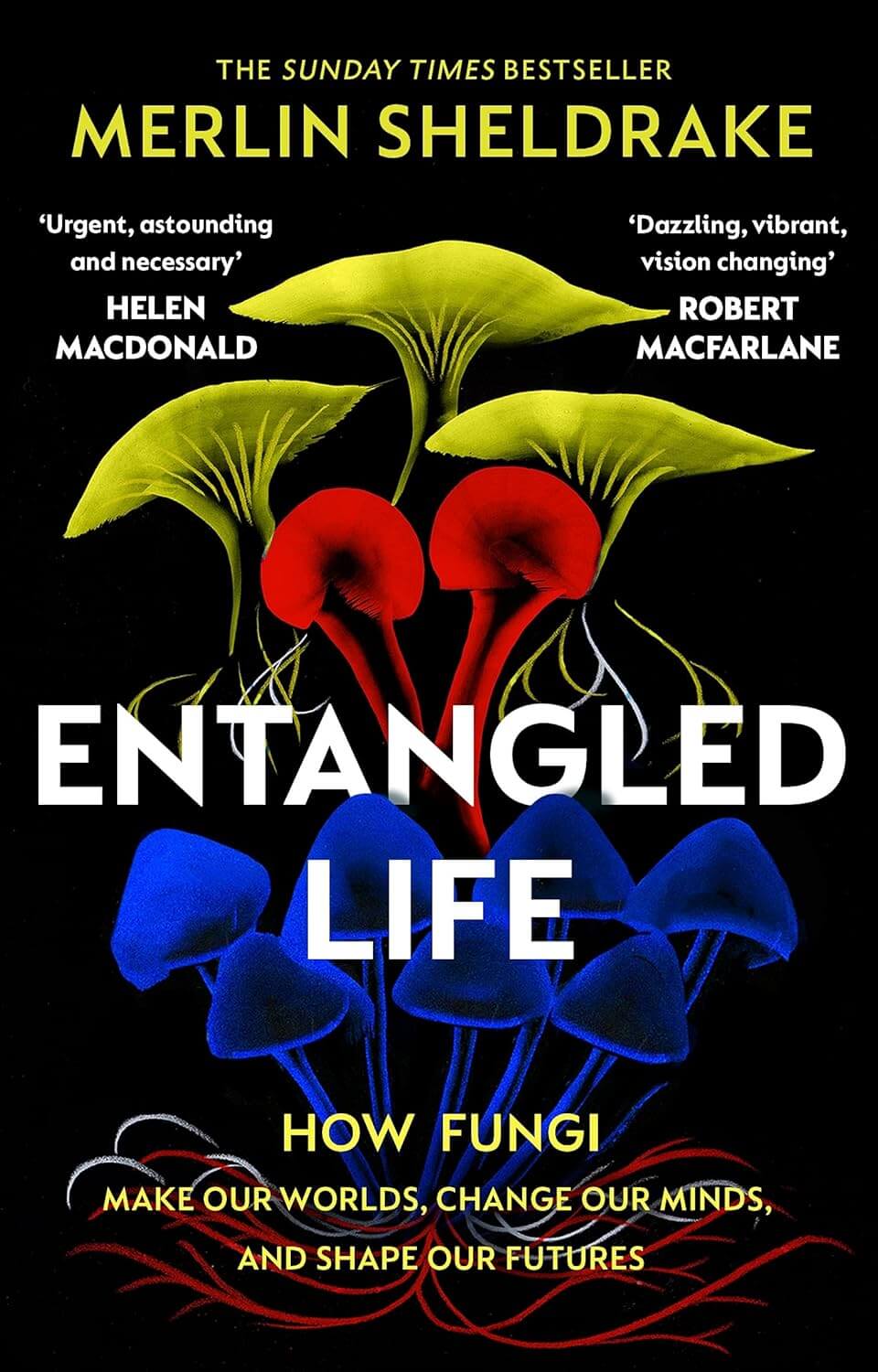
Entangled Life

Entangled Life

by Merlin Sheldrake

Merlin Sheldrake’s book is a lyrical and mind-expanding exploration of fungi and their role in the living world. He shows how fungal networks connect forests, decompose matter, alter minds, and challenge our ideas of individuality. The writing is unusually vivid for science nonfiction, moving between personal reflection, ecological insight, and philosophical speculation. Sheldrake has a gift for making mycelium feel not abstract but strange, alive, and almost uncanny. The book constantly expands the reader’s sense of what life can be. It is full of surprising examples, from psychedelic fungi to underground partnerships between plants and microbes. At its heart is the idea that life is built through entanglement rather than isolation. The prose can be meditative, but the scientific ideas remain sharp and grounded. This is a book that leaves readers feeling both more informed and more wonderstruck.
4.32
Popular Science
Biology
Nature Writing
Wonder-filled
Reflective
Strange
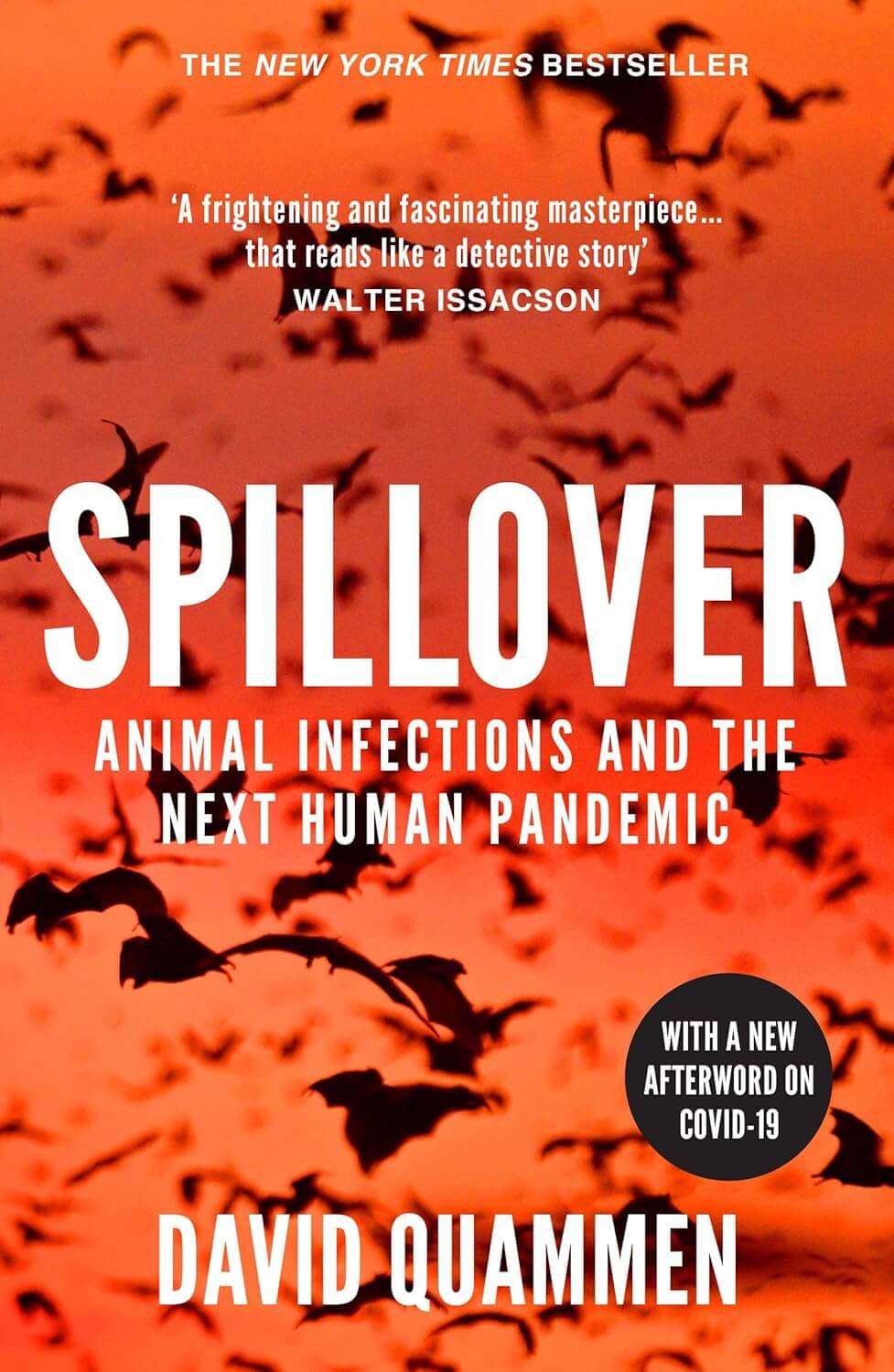
Spillover: Animal Infections and the Next Human Pandemic

Spillover: Animal Infections and the Next Human Pandemic

by David Quammen

Published in 2012, Spillover reads differently after 2020: Quammen's careful account of how zoonotic diseases jump from animals to humans now feels less like science journalism and more like prophecy. Each chapter investigates a distinct pathogen — Ebola, Hendra, SARS, Nipah, HIV — following scientists into the field with unhurried precision. Quammen is a gifted observer; his descriptions of researchers working in remote forests and makeshift labs give the science a physical weight that most public health writing lacks. The book's central ecological argument — that habitat destruction creates the conditions for pandemic — is developed steadily across its considerable length. The episodic structure (several chapters originated as magazine articles) limits narrative momentum, and the ending avoids policy prescription. At nearly 600 pages it is a commitment. But as a documentary account of what spillover actually is at the level of virus, bat, and human contact — and why it keeps happening — the book remains the most rigorous popular treatment of the subject.

4.42
Science
Natural History
Medicine
Unsettling
Immersive
Informative
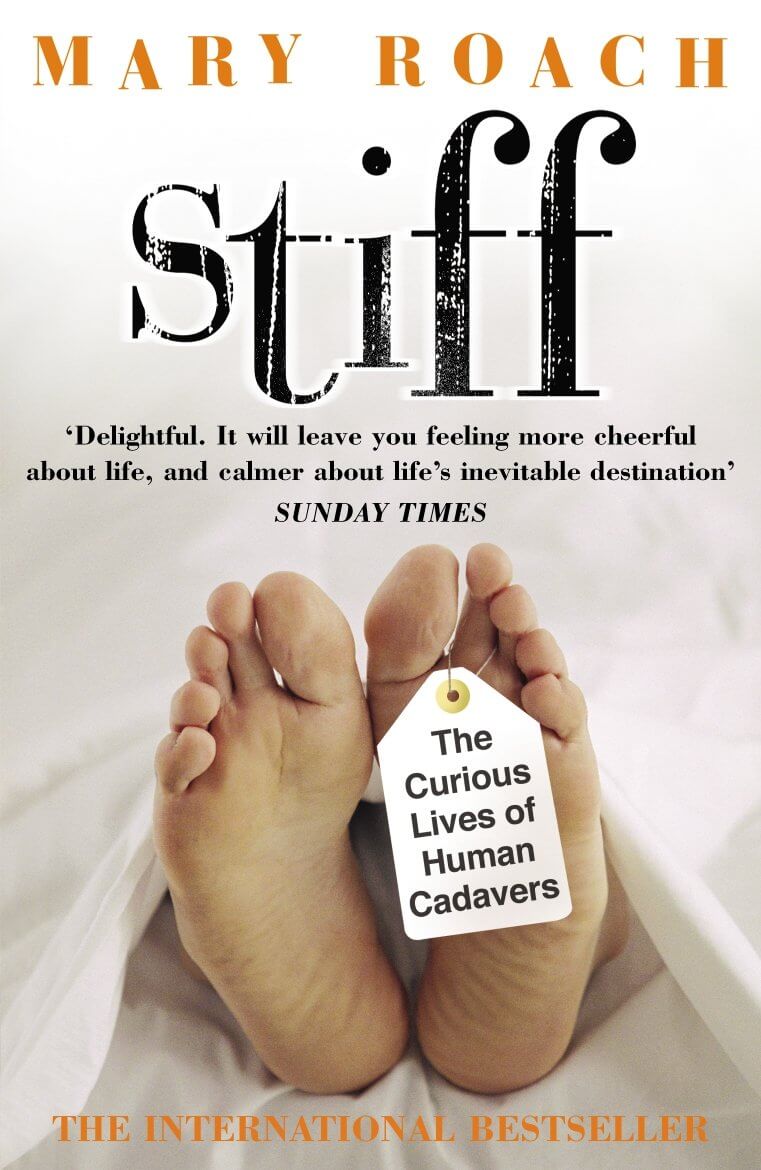
Stiff: The Curious Lives of Human Cadavers

Stiff: The Curious Lives of Human Cadavers

by Mary Roach

Stiff is one of popular science's great achievements in tone: a book about human cadavers that is consistently, genuinely funny without ever feeling disrespectful. Roach travels to body farms, surgical training facilities, and crash-test labs to investigate the varied afterlives of donated bodies, and her approach — deadpan curiosity backed by meticulous research — makes even the most unsettling material feel illuminating rather than exploitative. Each chapter covers a distinct use of cadavers in science and history, from ballistics research to crucifixion experiments, giving the book an episodic structure that works both as entertainment and education. Roach is careful throughout to treat each body as having once belonged to a person, which grounds the humour in something more substantive. The footnotes are often the best part. Readers who find the tone occasionally too breezy have a point — the episodic format resists sustained argument — but for those who want science writing that genuinely surprises, Stiff delivers.

4.06
Popular Science
Medicine
History
Darkly Funny
Informative
Eye-Opening
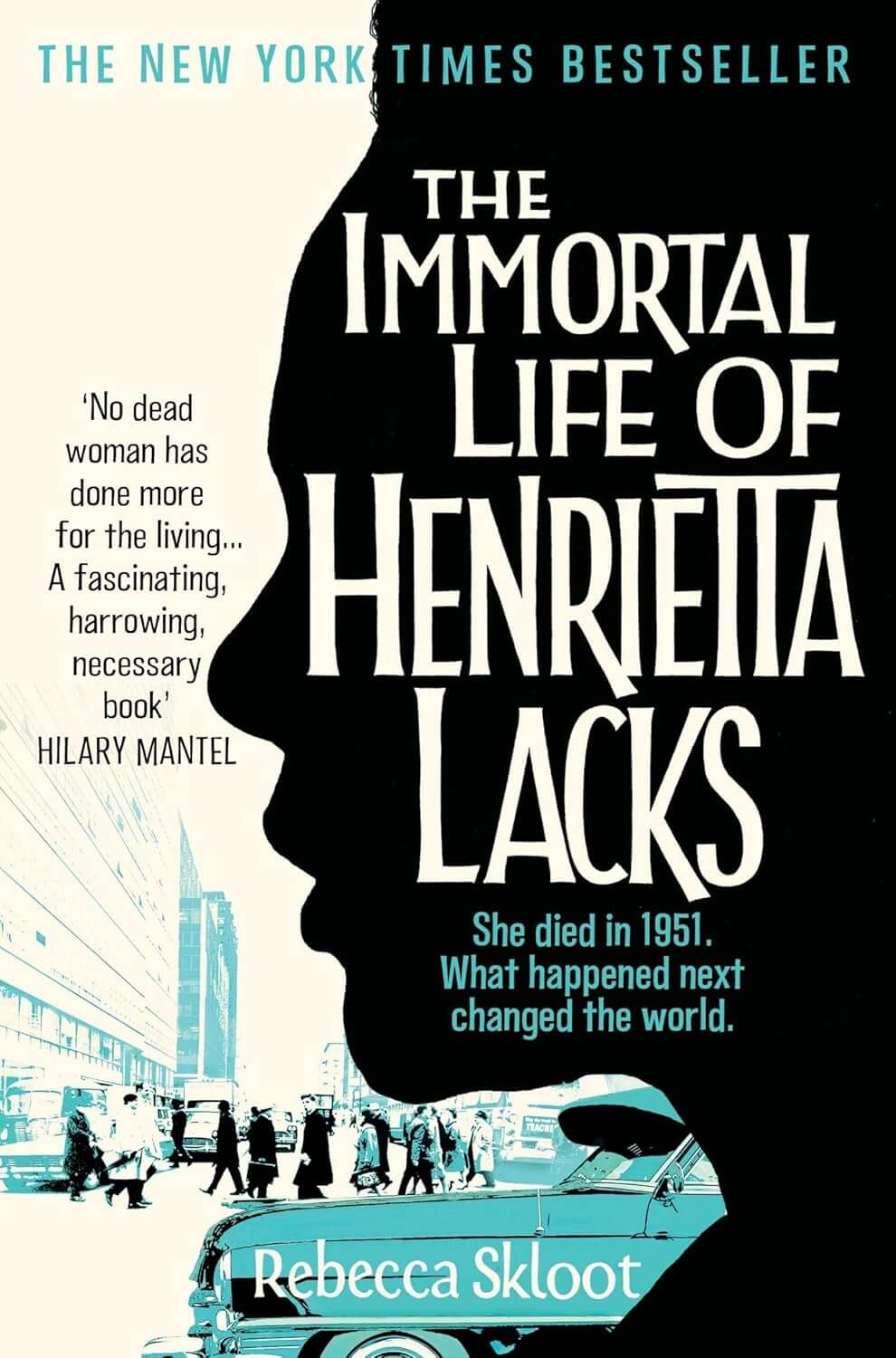
The Immortal Life of Henrietta Lacks

The Immortal Life of Henrietta Lacks

by Rebecca Skloot

Rebecca Skloot spent over a decade reporting this book, and that patience is visible on every page. The work interweaves three strands: the biology of HeLa cells and their pivotal role in twentieth-century medicine; the short life of the Black woman whose cancer cells were taken without consent at Johns Hopkins in 1951; and Skloot's investigative relationship with Lacks's daughter Deborah. The alternating structure — past and present — keeps science and human story in constant conversation. Skloot does not simplify the ethical questions the book raises: the 1951 harvesting was legal, and the questions of bodily autonomy and racial exploitation it surfaces remain unresolved in US law. Some critics noted that Skloot, as a white journalist profiting from the story, mirrors the original dynamic she documents — a tension the book acknowledges but cannot fully escape. Its real strength is rigour and empathy applied in equal measure to both the biology and the people who lived it.

4.13
Science
Biography
History
Thought-Provoking
Emotional
Investigative
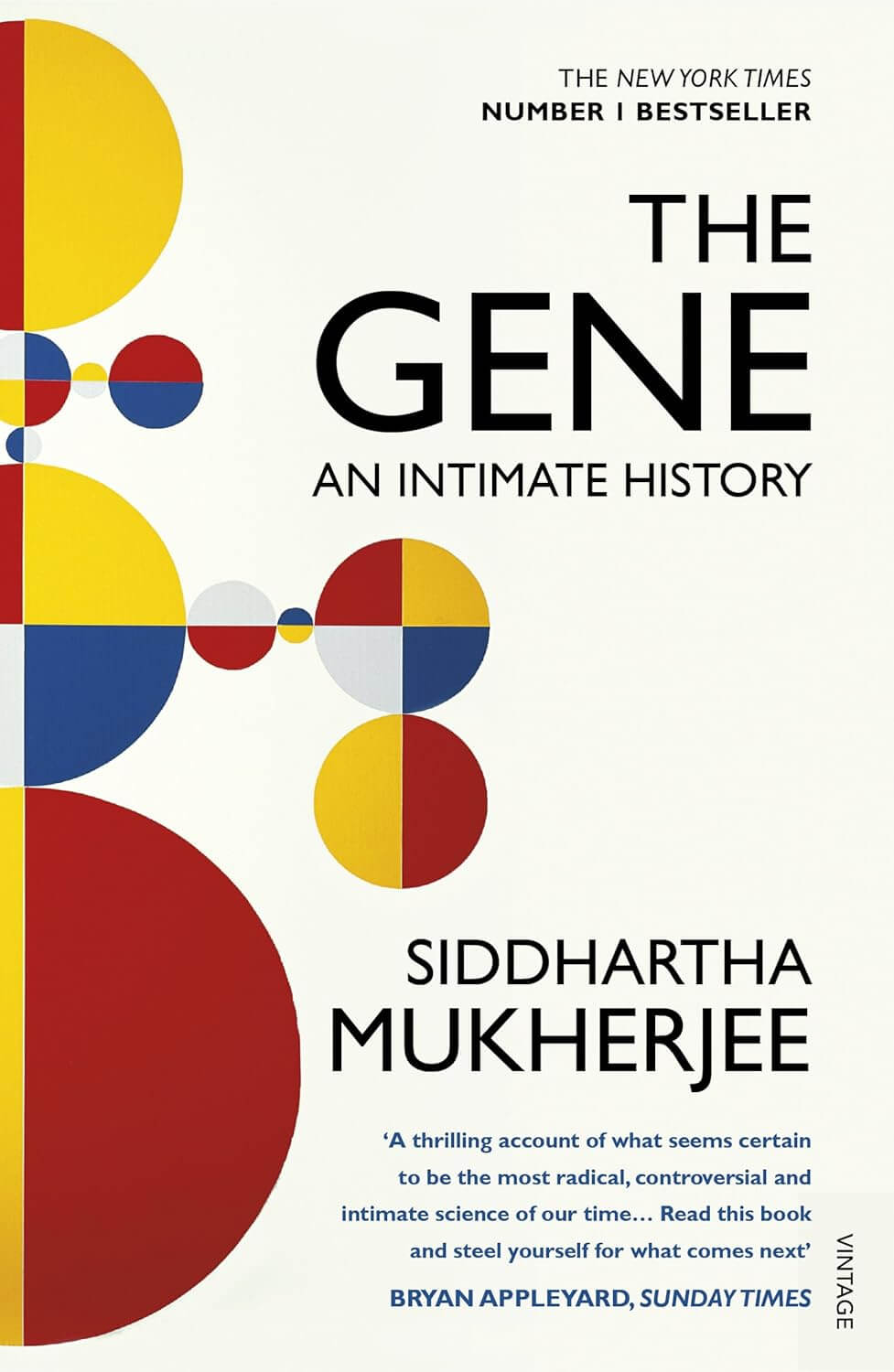
The Gene: An Intimate History

The Gene: An Intimate History

by Siddhartha Mukherjee

Siddhartha Mukherjee’s The Gene is an ambitious and accessible history of genetics, weaving science with personal and cultural narratives. Mukherjee traces discoveries from Mendel to modern genomics while confronting ethical dilemmas around heredity and identity. His prose is clear and engaging, making complex ideas intelligible without oversimplification. The book also reflects on how genetic knowledge shapes our understanding of fate, illness, and selfhood. It is expansive, humane, and intellectually exhilarating.

4.35
Science
Medical History
Expansive
Curious
Illuminating
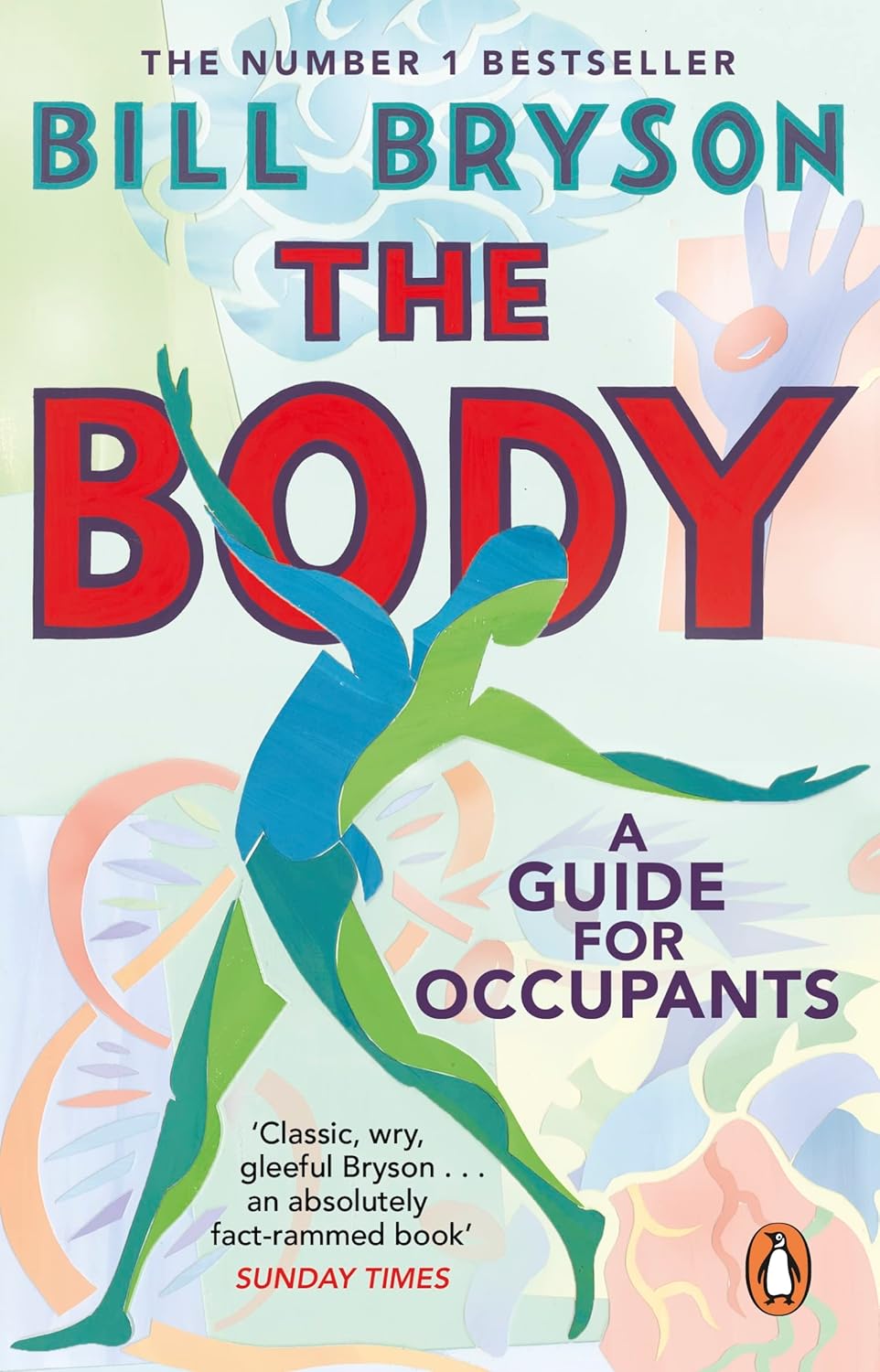
The Body: A Guide for Occupants

The Body: A Guide for Occupants

by Bill Bryson

Bryson's approach in The Body is familiar from A Short History of Nearly Everything: sweep an enormous subject with verve, wit, and carefully selected facts designed to prompt wonder. The book moves chapter by chapter through the body's systems — skin, brain, heart, gut, microbiome — giving it an episodic rhythm suited to dipping in. Bryson is strongest on medical history: the sections on Semmelweis, Harvey, and Lister are vivid and economical, and the chapters on sleep and cancer are among the most thoroughly researched. Critics noted that the book lacks a central argument and occasionally oversimplifies contested science, particularly in genetics and immunology. The consistently celebratory tone also means it engages little with healthcare inequality or medicine's darker history. These are real limitations. But for a reader who wants to understand the body without prior scientific background, Bryson synthesises an enormous volume of material with uncommon clarity and keeps it consistently engaging across 450 pages.

4.31
Popular Science
Science
Medicine
Witty
Informative
Accessible
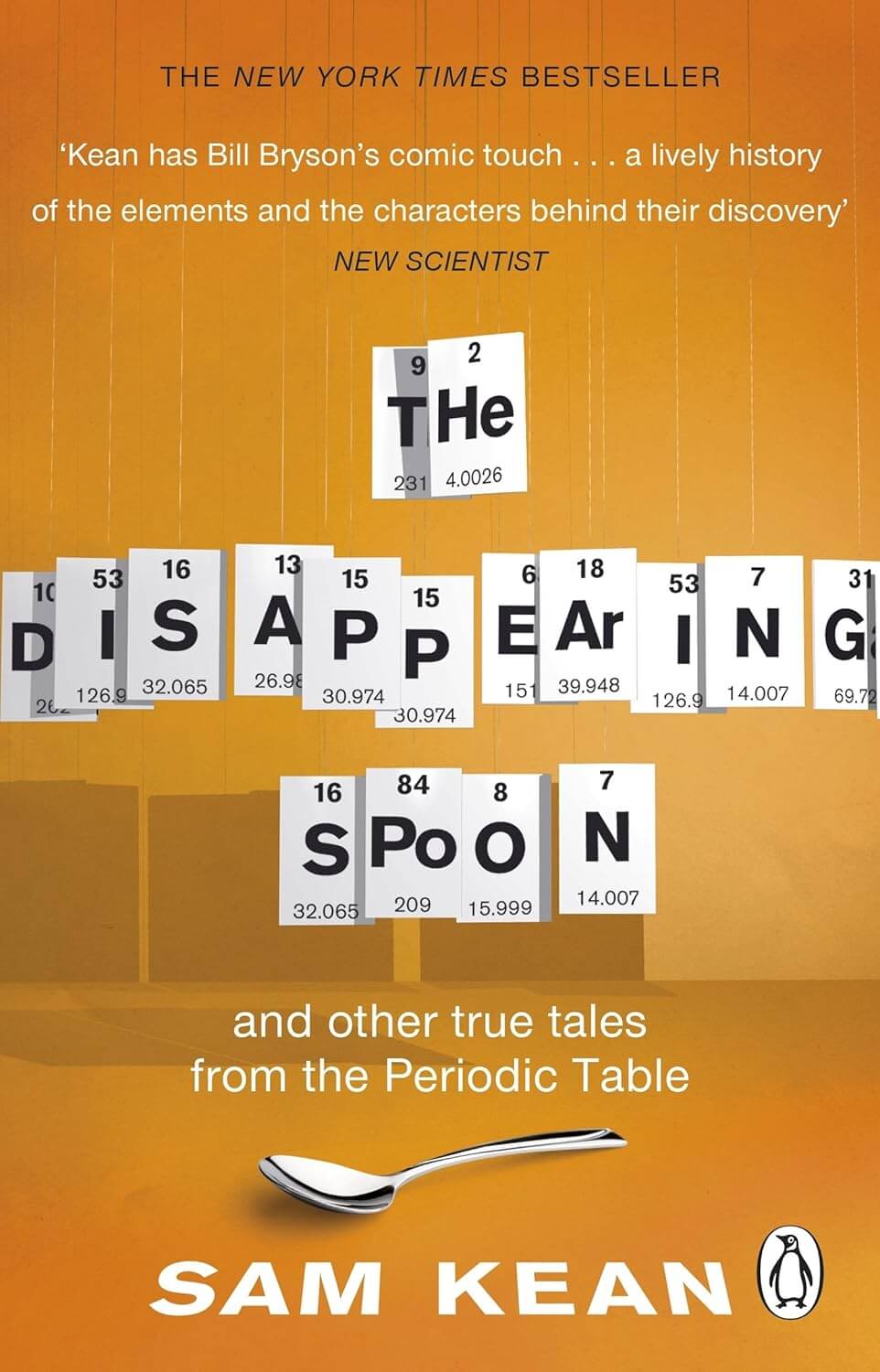
The Disappearing Spoon

The Disappearing Spoon

by Sam Kean

Sam Kean structures his tour of the periodic table as a series of self-contained stories — Cold War espionage over synthetic elements, Nobel Prize feuds, nineteenth-century poisonings, the gallium spoon that melts in hot tea — which makes The Disappearing Spoon an unusually entertaining chemistry book. Kean's great skill is humanising science: the figures who discovered, named, and occasionally died for these elements appear as competitive, obsessive, and often tragicomic rather than as abstract names attached to atomic numbers. No prior chemistry knowledge is required, and the book rarely demands much scientifically of its reader. That accessibility is partly the point and partly its limitation: depth is consistently traded for breadth, and some chapters feel more like trivia than argument. The episodic structure means there is no sustained thesis beyond a general wonder at the strange history embedded in the table. But as popular science that genuinely entertains, Kean's method is largely successful.

3.92
Popular Science
History of Science
Chemistry
Curious
Playful
Witty
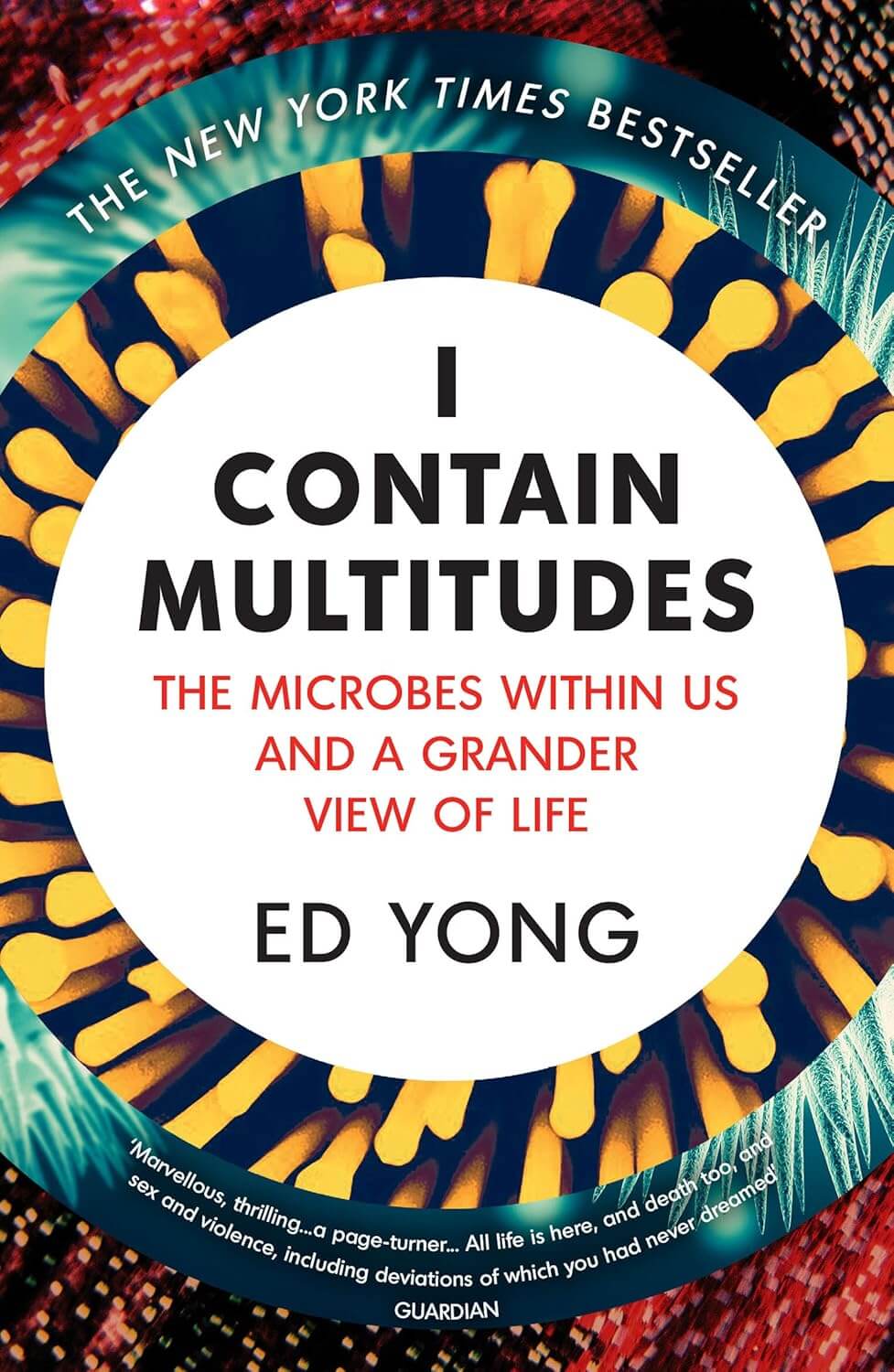
I Contain Multitudes

I Contain Multitudes

by Ed Yong

Ed Yong’s book is one of the most engaging introductions to the microbial world ever written. He shows that humans are not solitary beings but ecosystems, shaped constantly by bacteria, fungi, and other microscopic companions. Yong writes with clarity, wit, and genuine wonder, making complex science feel accessible without flattening it. Each chapter opens up a new dimension of symbiosis, from squid that glow with bacterial help to gut microbes that influence health and behavior. The book is especially strong at overturning simplistic ideas about germs as enemies. Instead, it presents life as a web of partnerships, dependencies, and constant negotiation. Yong’s storytelling keeps the science lively, and his examples are memorable and often astonishing. The result is a book that changes how readers understand bodies, evolution, and individuality itself. It is both scientifically rich and deeply humane in its view of life.

4.17
Popular Science
Biology
Nature
Awe-filled
Curious
Illuminating