Pulitzer Prize 2017

A year of big American stories—freedom, family, memory, and the systems that shape who gets to survive

The Pulitzer Prize 2017 finalists spotlight books that wrestle with America’s defining questions: who is free, who is protected, and whose stories become history. Across fiction, history, biography, poetry, and general nonfiction, these works combine narrative propulsion with moral seriousness. They move between intimate lives and institutional power, showing how the private and public are constantly entangled.

A strong throughline this year is reckoning with systems—slavery and its afterlives, incarceration and state violence, housing and inequality, the burdens of family, and the politics of remembrance. Even when the subject is love or grief, these books keep one eye on structure: how society organizes suffering, and how individuals carve meaning from it.

Taken together, the 2017 list offers both sweep and sharpness. The novels are ambitious and voice-driven, the histories revise familiar narratives with new evidence and attention, and the nonfiction finalists make complex issues painfully legible. It’s a list that invites deep reading—books that entertain, educate, and linger as ethical questions long after the last page.

Fiction

Ambitious novels about escape, inheritance, and the hidden engines of American life

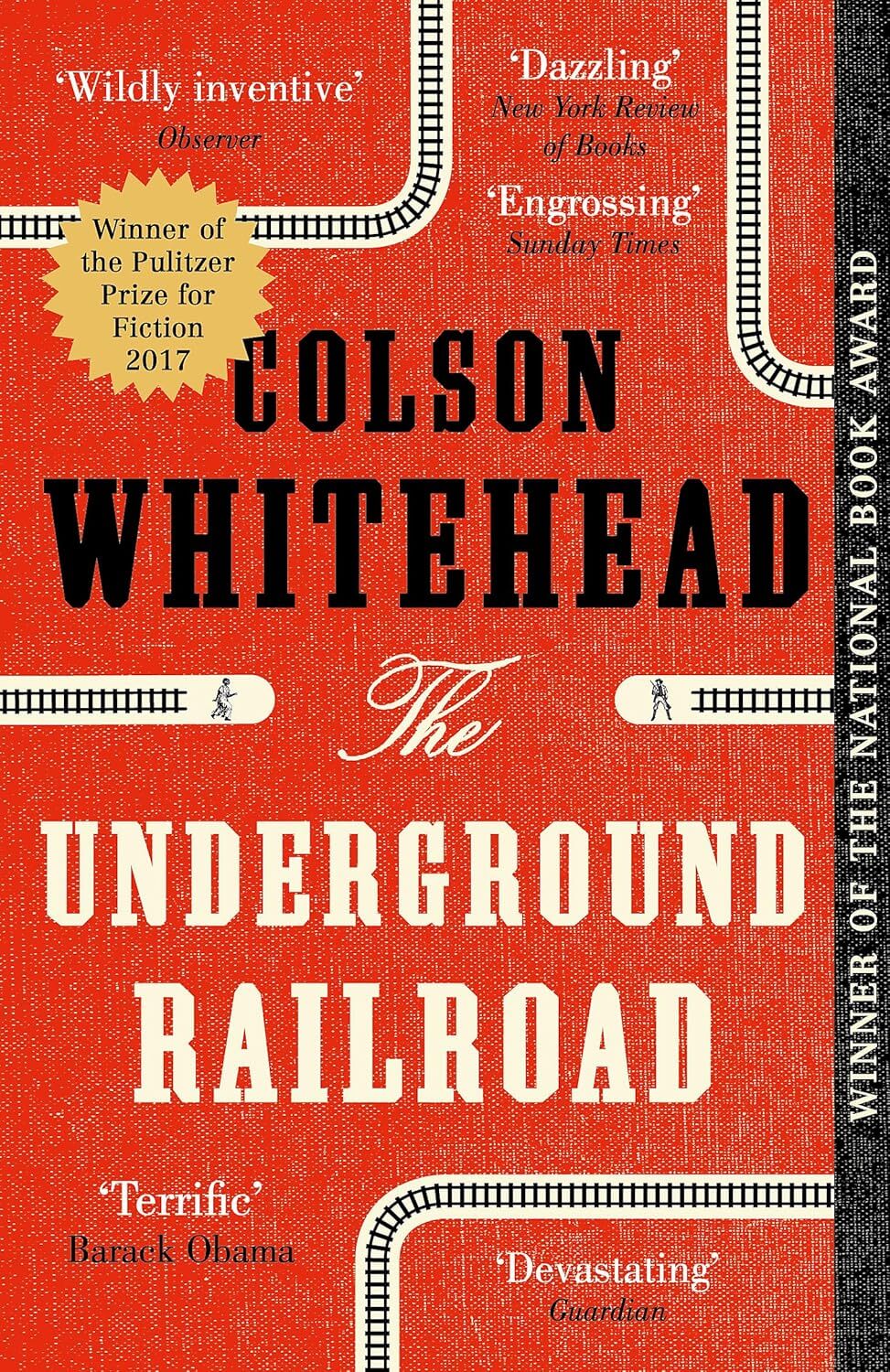
The Underground Railroad
Winner

The Underground Railroad

by Colson Whitehead

Whitehead transforms the historical Underground Railroad into a literal subterranean train, using speculative invention to intensify historical truth. The novel follows Cora, an enslaved girl fleeing a Georgia plantation, as each state reveals a different face of American brutality. Whitehead’s prose is controlled and often eerily calm, letting horror land with maximum force. The episodic structure works like a grim tour of national mythmaking, showing how racism adapts to different local logics. Cora is rendered with fierce interiority; she is not a symbol but a person making impossible choices. The book balances suspense with philosophical weight, never letting the reader relax. Whitehead is also a master of tonal shifts, moving from realism to allegory without breaking the spell. The result is both page-turner and indictment. It’s a novel that expands what historical fiction can do. By the end, the journey feels both specific and national, a map of terror and survival. A brilliant, devastating work of imagination in service of truth.
4.06
Fiction
Historical Fiction
Literary Fiction
Urgent
Haunting
Unflinching
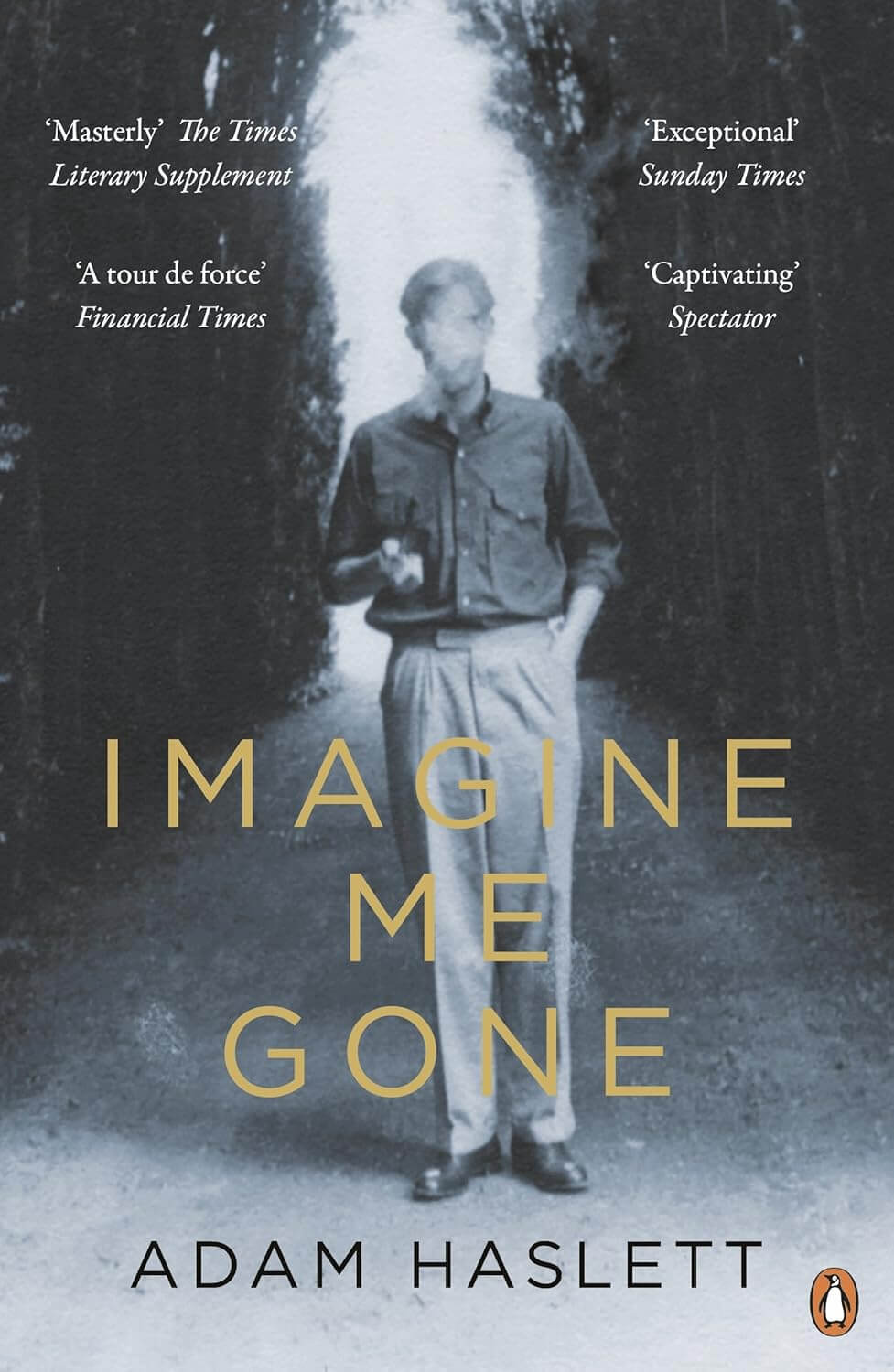
Imagine Me Gone

Imagine Me Gone

by Adam Haslett

Haslett’s novel is a compassionate, multi-voiced portrait of a family living in the shadow of mental illness. The story moves between perspectives, allowing each character’s love and frustration to feel fully real. Haslett writes with emotional intelligence, capturing how depression can distort not just one life but an entire household’s sense of possibility. The book is attentive to small domestic details—conversations, routines, silences—that accumulate into heartbreak. It explores masculinity, inheritance, and the ways children interpret adult pain. Haslett avoids melodrama; the tragedy emerges through gradual, believable shifts. The prose is clear and elegant, often quietly lyrical. The novel’s empathy is expansive, never reducing anyone to villain or victim. It’s also a book about time—how families re-narrate what happened in order to live with it. The emotional impact builds steadily until it becomes overwhelming. A profoundly humane novel of love, loss, and the limits of care.

3.70
Fiction
Literary Fiction
Tender
Melancholic
Intimate
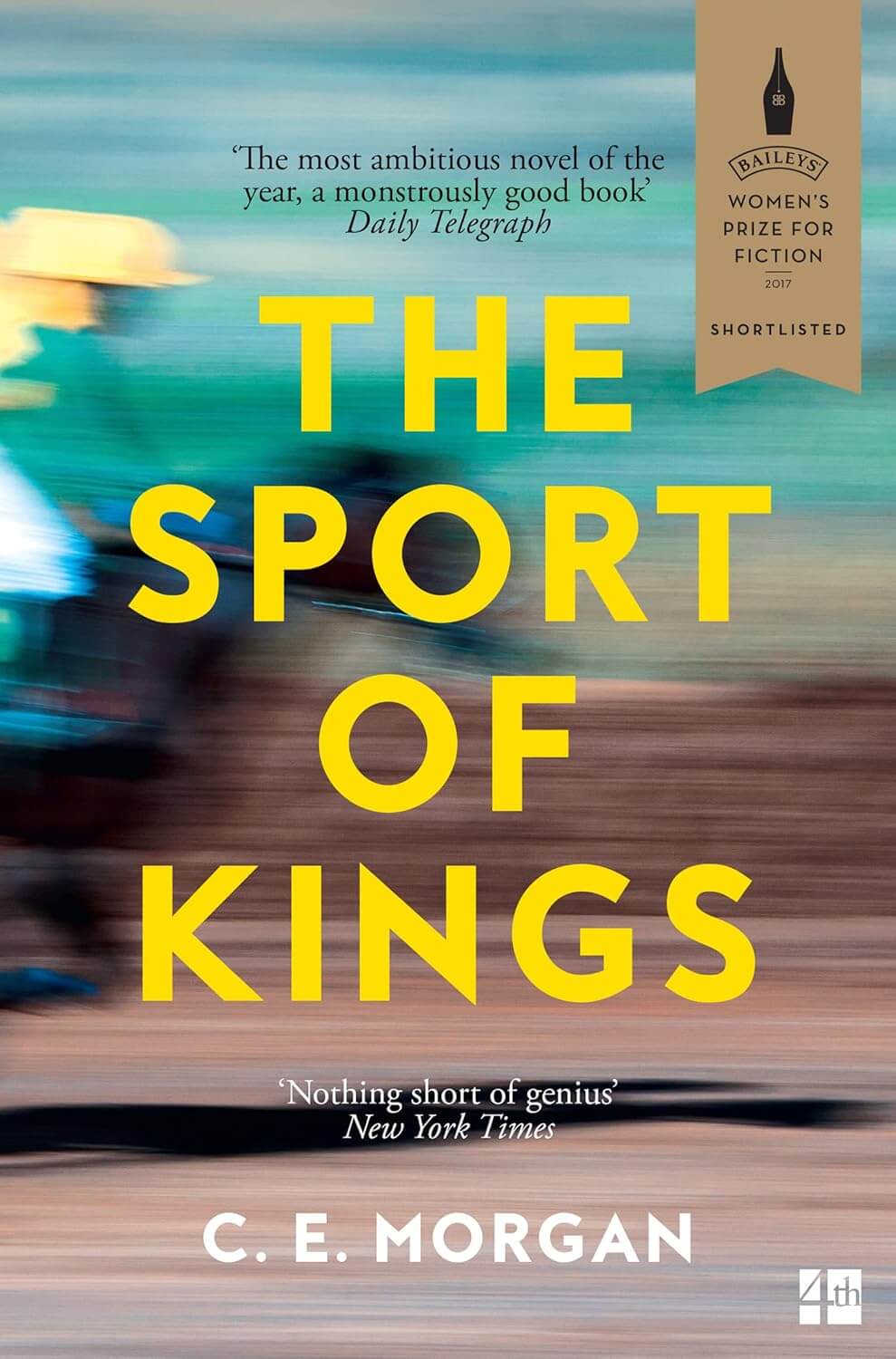
The Sport of Kings

The Sport of Kings

by C. E. Morgan

Morgan’s novel is a vast, muscular saga set in Kentucky, where horse racing, inherited wealth, and racial history collide. The writing is boldly stylized—biblical in cadence, lush in description, and unafraid of excess. The story follows a dynasty obsessed with breeding and legacy, and the people pulled into its orbit. Morgan uses the world of thoroughbreds as metaphor for American ideas of purity, ownership, and control. The book is intellectually ambitious, interrogating class and whiteness alongside the myth of the “great American tradition.” Characters are extreme but never flat; they feel shaped by forces older than themselves. The pacing is deliberate, building a sense of inevitability and dread. Violence—physical and social—runs beneath the beauty of landscape and sport. The novel is challenging in its scale and intensity, but it’s also hypnotic. By the end, it feels like a tragic epic about a country breeding its own consequences. A daring, unforgettable work.

3.57
Fiction
Literary Fiction
Mythic
Intense
Dark

General Nonfiction

Groundbreaking reporting on poverty, disability history, and the politics of national remembrance

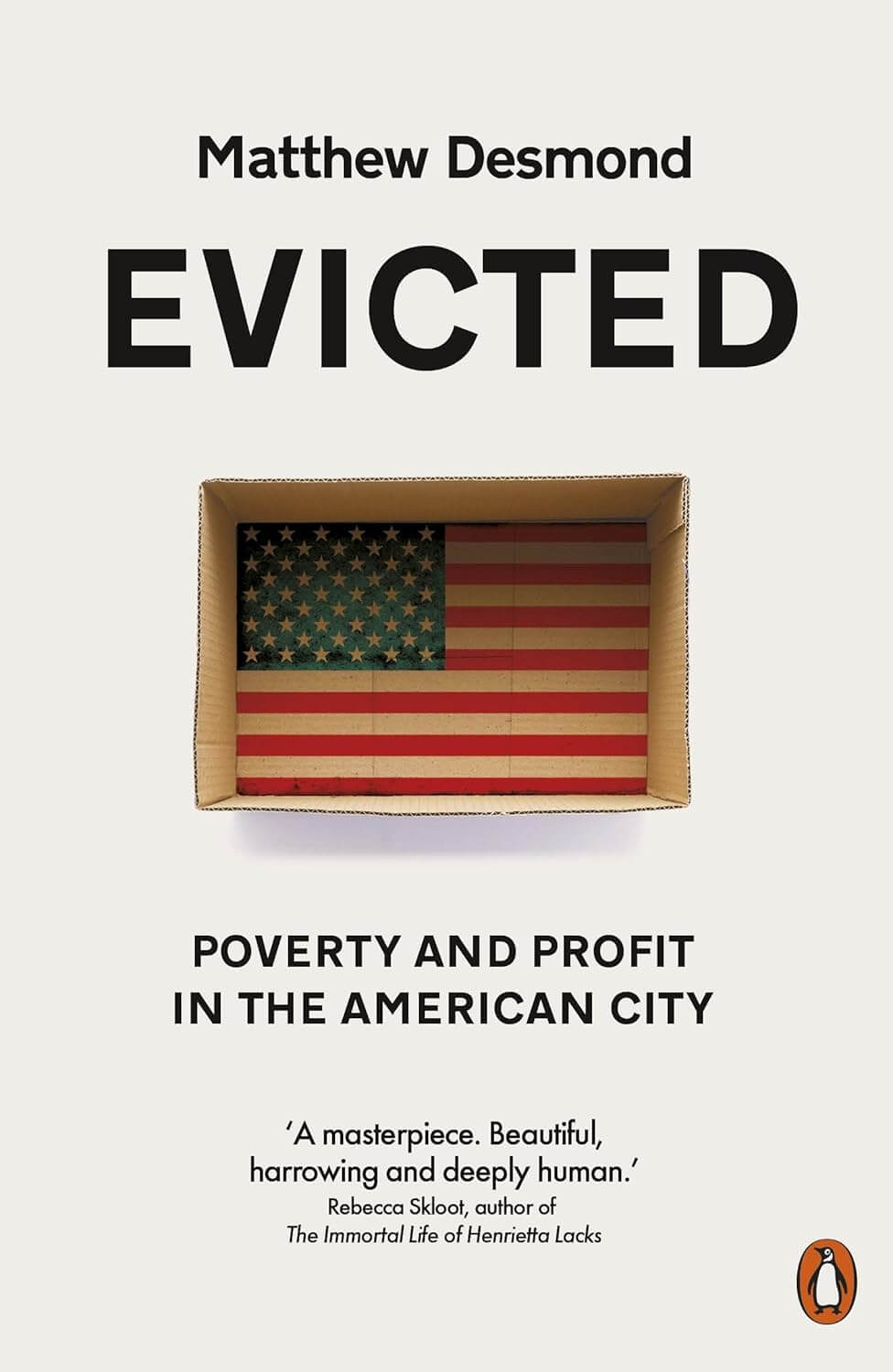
Evicted: Poverty and Profit in the American City
Winner

Evicted: Poverty and Profit in the American City

by Matthew Desmond

Desmond's book is a landmark work of immersive sociology that reads with the urgency of a novel. Following families in Milwaukee struggling to keep housing, it shows eviction as both symptom and engine of poverty. Desmond makes structural forces—landlord profit, legal imbalance, precarious wages—painfully legible through lived stories. The reporting is compassionate without being sentimental, and the analysis is clear without being abstract. Desmond portrays tenants with dignity and complexity, refusing stereotypes about the "deserving" poor. He also examines landlords, showing how incentives and scarcity shape choices. The narrative reveals how housing instability ripples into education, health, employment, and family life. The writing is propulsive, with scenes that stay in the mind like evidence. Desmond's policy arguments emerge naturally from the stories rather than being pasted on. The book leaves readers both angry and informed, with a sharper sense of how inequality is manufactured. It's essential reading for understanding modern urban poverty—and why home is the battleground.

4.47
Nonfiction
Journalism
Social Issues
Urgent
Compassionate
Incisive
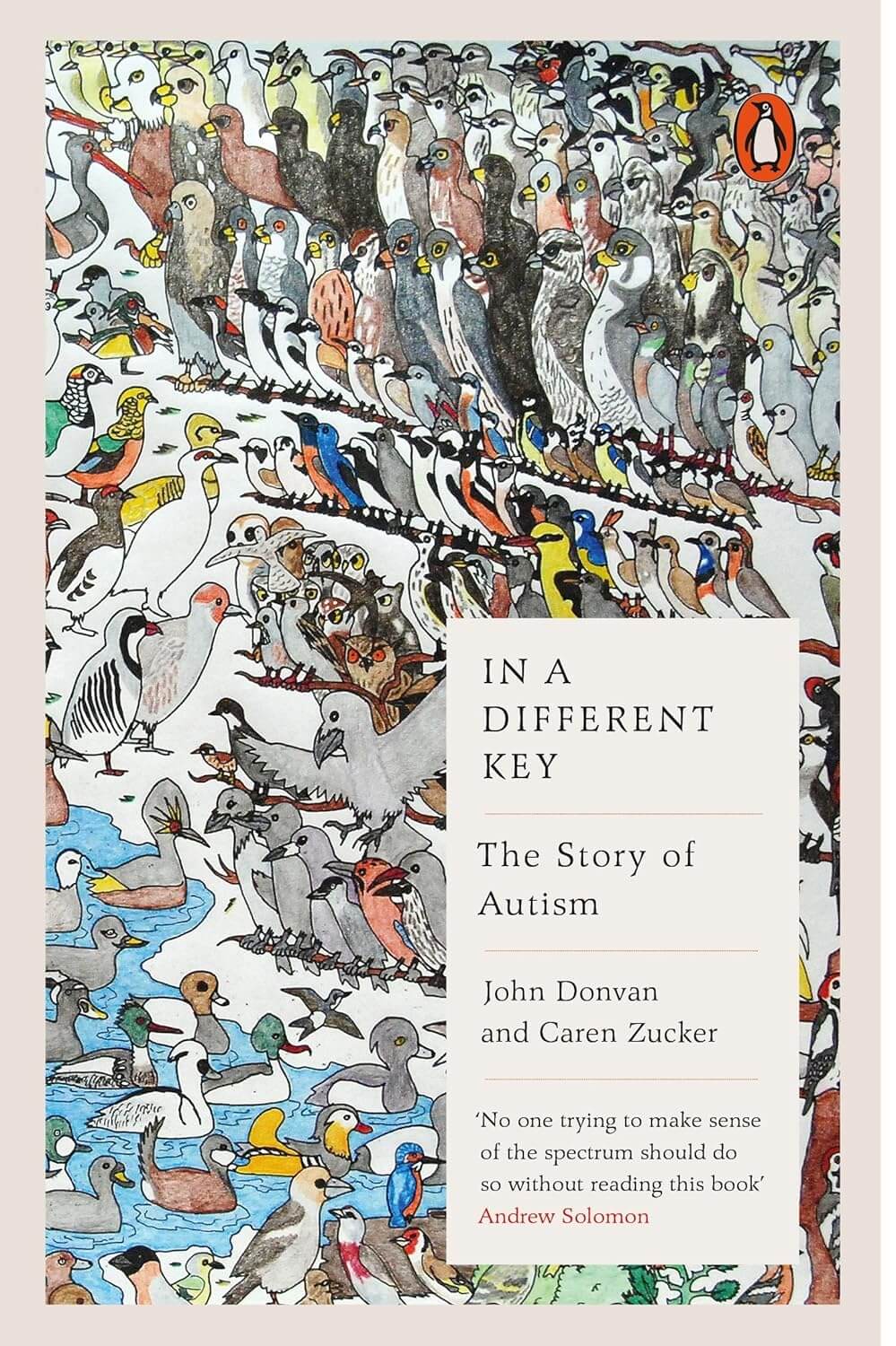
In a Different Key: The Story of Autism

In a Different Key: The Story of Autism

by John Donvan and Caren Zucker

Donvan and Zucker offer a sweeping history of autism that traces shifting diagnoses, cultural attitudes, and activism over a century. The book balances scientific developments with human stories, making the stakes personal as well as historical. It explores how misunderstanding and stigma shaped families’ lives and public policy. The narrative also captures debates within the autism community, including tensions between cure narratives and neurodiversity movements. The authors write with clarity, translating complex research without oversimplifying it. The book is attentive to institutions—schools, hospitals, media—and how they influence perception. It also highlights the role of parent advocacy and, increasingly, autistic self-advocacy. The result is comprehensive and accessible, offering readers a framework for understanding autism beyond headlines. While inevitably broad, it maintains narrative drive through strong character-based threads. The book encourages empathy grounded in knowledge rather than pity. A valuable, expansive account of how a diagnosis became a cultural and political arena.

4.31
Nonfiction
History
Science
Informative
Thoughtful
Empathetic
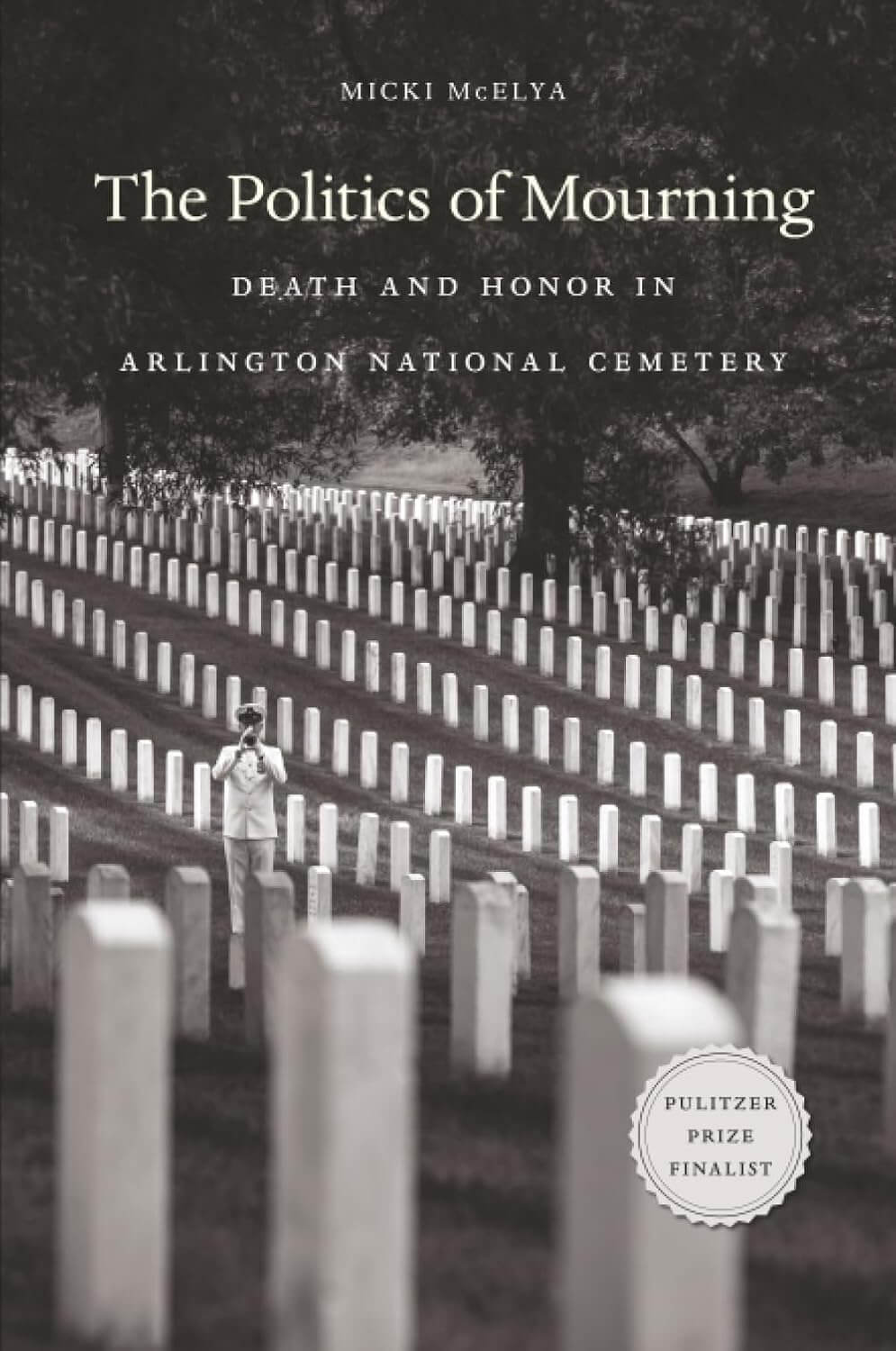
The Politics of Mourning: Death and Honor in Arlington National Cemetery

The Politics of Mourning: Death and Honor in Arlington National Cemetery

by Micki McElya

McElya examines Arlington National Cemetery as a powerful civic stage where grief, nationhood, and military honor are performed and contested. The book reveals how public mourning is never neutral; it reflects political choices about whose lives are valued and how sacrifice is narrativized. McElya’s analysis is historically grounded, tracing how Arlington’s meaning has evolved across wars and eras. She explores ceremony, landscape, and symbolism with a keen eye for institutional messaging. The writing is scholarly but accessible, connecting cultural ritual to policy and power. The cemetery emerges as a site of inclusion and exclusion, where race, gender, and class shape who is remembered and how. McElya is attentive to how families’ private grief interacts with national narratives of heroism. The book also probes the tension between honoring individuals and mobilizing their deaths for political purpose. Reading it changes how you see monuments, flags, and official language about sacrifice. It’s a quiet but potent critique of how nations use mourning to reinforce identity. Thoughtful, unsettling, and illuminating.

3.80
Nonfiction
History
Cultural Studies
Reflective
Serious
Provocative

History

Reframing America through incarceration, revolution, and the hidden entanglement of slavery

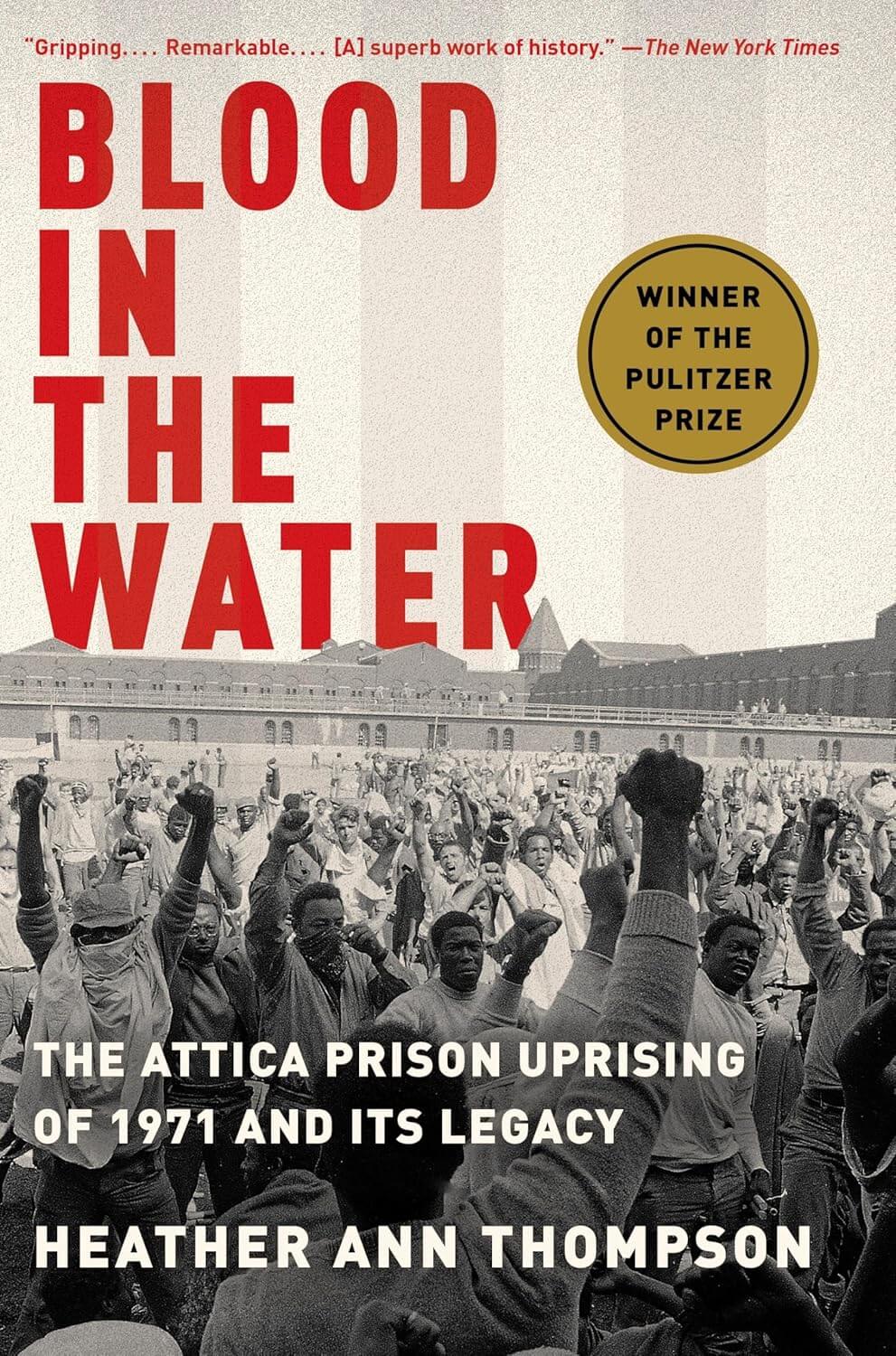
Blood in the Water: The Attica Prison Uprising of 1971 and Its Legacy
Winner

Blood in the Water: The Attica Prison Uprising of 1971 and Its Legacy

by Heather Ann Thompson

Thompson offers a definitive account of the Attica uprising, combining investigative rigor with narrative urgency. The book reconstructs the uprising and the state's violent response with painstaking detail. Thompson shows incarceration as a political system, not merely a criminal one, and foregrounds prisoners' demands for basic human rights. The narrative captures the negotiation, betrayal, and brutality that followed, including the long legal and cultural afterlife. Thompson's research is immense, drawing on documents and testimonies that expose official lies. The writing is vivid without sensationalism, letting facts carry moral weight. The book also connects Attica to broader histories of race, policing, and state power. Readers see how public memory is shaped—and distorted—by institutions. The legacy portion is especially powerful, showing how accountability was delayed and diluted. It's both history and indictment, and it feels painfully relevant. A landmark work on incarceration and the American state.

4.45
Nonfiction
History
Criminal Justice
Grave
Revelatory
Unflinching
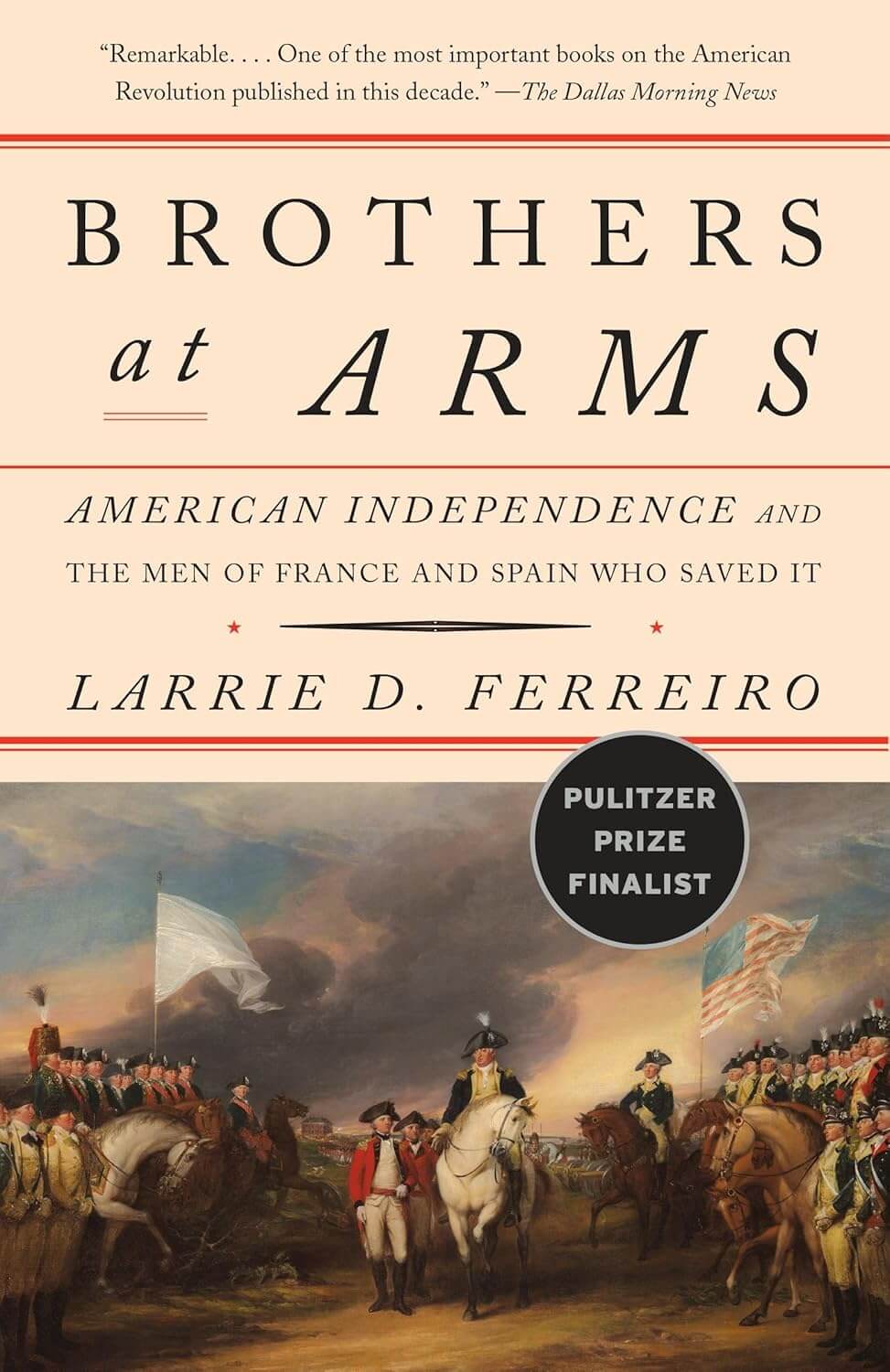
Brothers at Arms: American Independence and the Men of France and Spain Who Saved It

Brothers at Arms: American Independence and the Men of France and Spain Who Saved It

by Larrie D. Ferreiro

Ferreiro reframes the American Revolution as a truly international conflict, foregrounding the French and Spanish figures whose support proved decisive. The book brings diplomatic, naval, and military strategy to life with clarity and momentum. Ferreiro is especially strong on logistics and geopolitics—how alliances are made, funded, and sustained. The narrative corrects a common national myth of solitary American triumph. By focusing on a network of actors, Ferreiro shows independence as collaborative and contingent. The writing balances big-picture explanation with vivid personalities. Battles and negotiations feel dramatic without becoming romanticized. The book also highlights how empires pursued their own interests while reshaping history. Readers come away with a more accurate understanding of the revolution’s stakes and fragility. It’s accessible, informative, and surprisingly suspenseful. A refreshing, world-expanding take on a familiar story.

4.04
Nonfiction
History
Expansive
Engaging
Clarifying
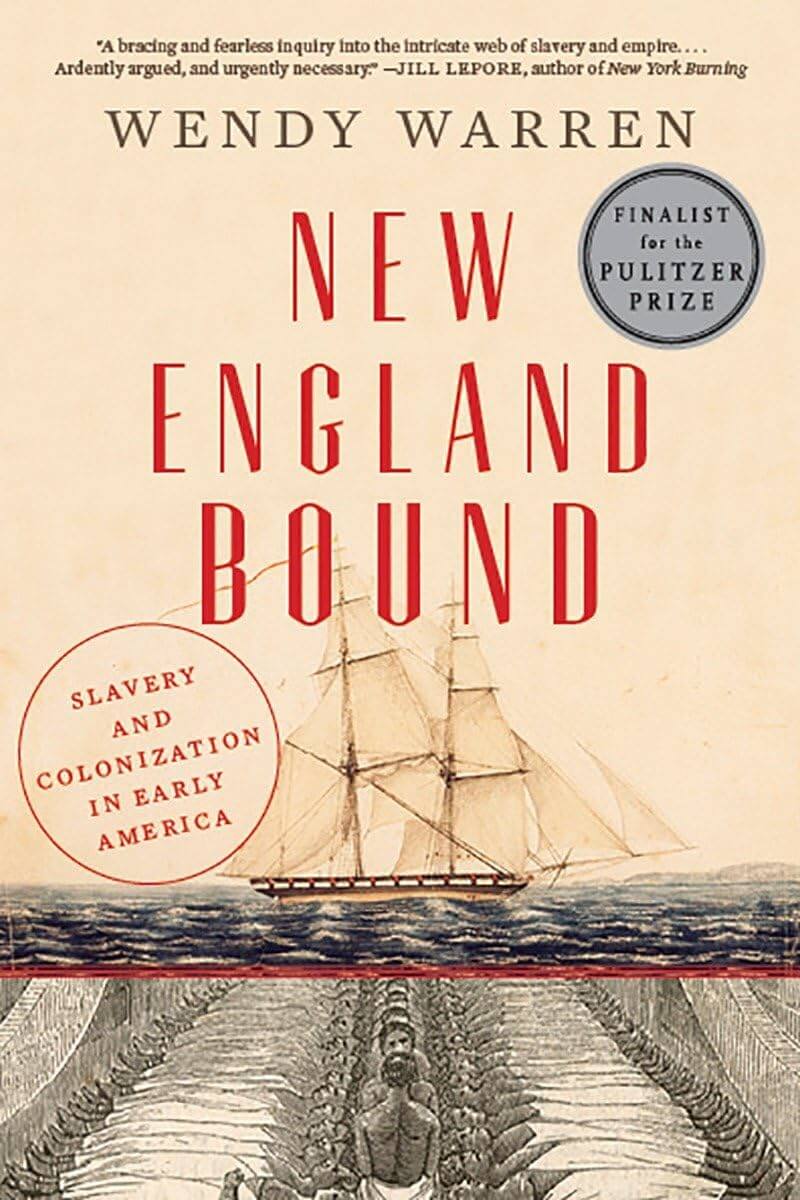
New England Bound: Slavery and Colonization in Early America

New England Bound: Slavery and Colonization in Early America

by Wendy Warren

Warren dismantles the comforting narrative of a "free" New England by showing how slavery and colonization shaped the region from the start. The book is grounded in meticulous archival work that reveals hidden labor systems and coerced lives. Warren shows how Indigenous dispossession and African enslavement were intertwined economic projects. Her prose is clear and restrained, allowing the documentary evidence to speak with devastating force. The book traces how slavery was normalized through law, commerce, and religion. It also exposes how historical memory has selectively edited these facts out. Warren's approach makes early America feel less exceptional and more recognizably imperial. The narrative emphasizes structural entanglement rather than isolated incidents. Readers come away with a sharper, less mythic sense of "origins." It's sobering history that changes the frame of American beginnings. Essential reading for understanding how slavery was national, not regional.

3.89
Nonfiction
History
Sobering
Revelatory
Serious

Biography

Intimate life-writing about grief, identity, and meaning under pressure

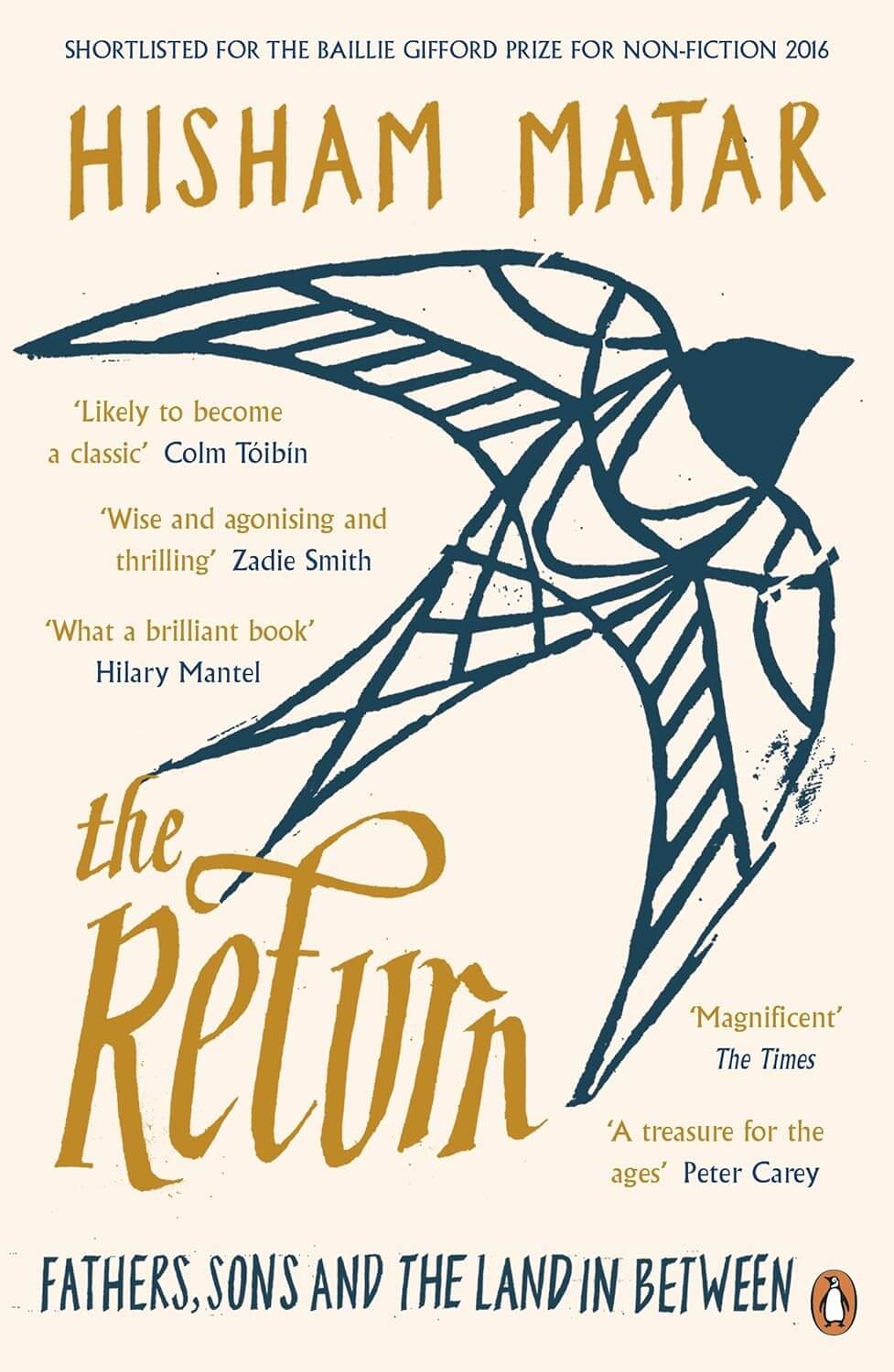
The Return: Fathers, Sons and the Land in Between
Winner

The Return: Fathers, Sons and the Land in Between

by Hisham Matar

Matar’s memoir is both personal quest and political elegy, tracing his return to Libya after the fall of Gaddafi in search of news about his disappeared father. The writing is luminous and restrained, carrying enormous grief with quiet precision. Matar captures the tension between hope and dread—how even small scraps of information can feel like salvation. The book is also an exploration of homeland as idea and reality, shaped by exile and return. Matar’s reflections on fatherhood, inheritance, and identity are philosophical without losing emotional immediacy. He writes beautifully about memory’s unreliability and the hunger for certainty. The political context is present, but the memoir stays grounded in the intimate cost of dictatorship: families living in permanent suspense. The pacing mirrors the investigation—slow, uncertain, full of false turns. The result is devastating, yet oddly tender in its insistence on love as a form of persistence. A masterful memoir of loss, dignity, and the long shadow of the disappeared.

4.16
Nonfiction
Memoir
Haunting
Reflective
Tender
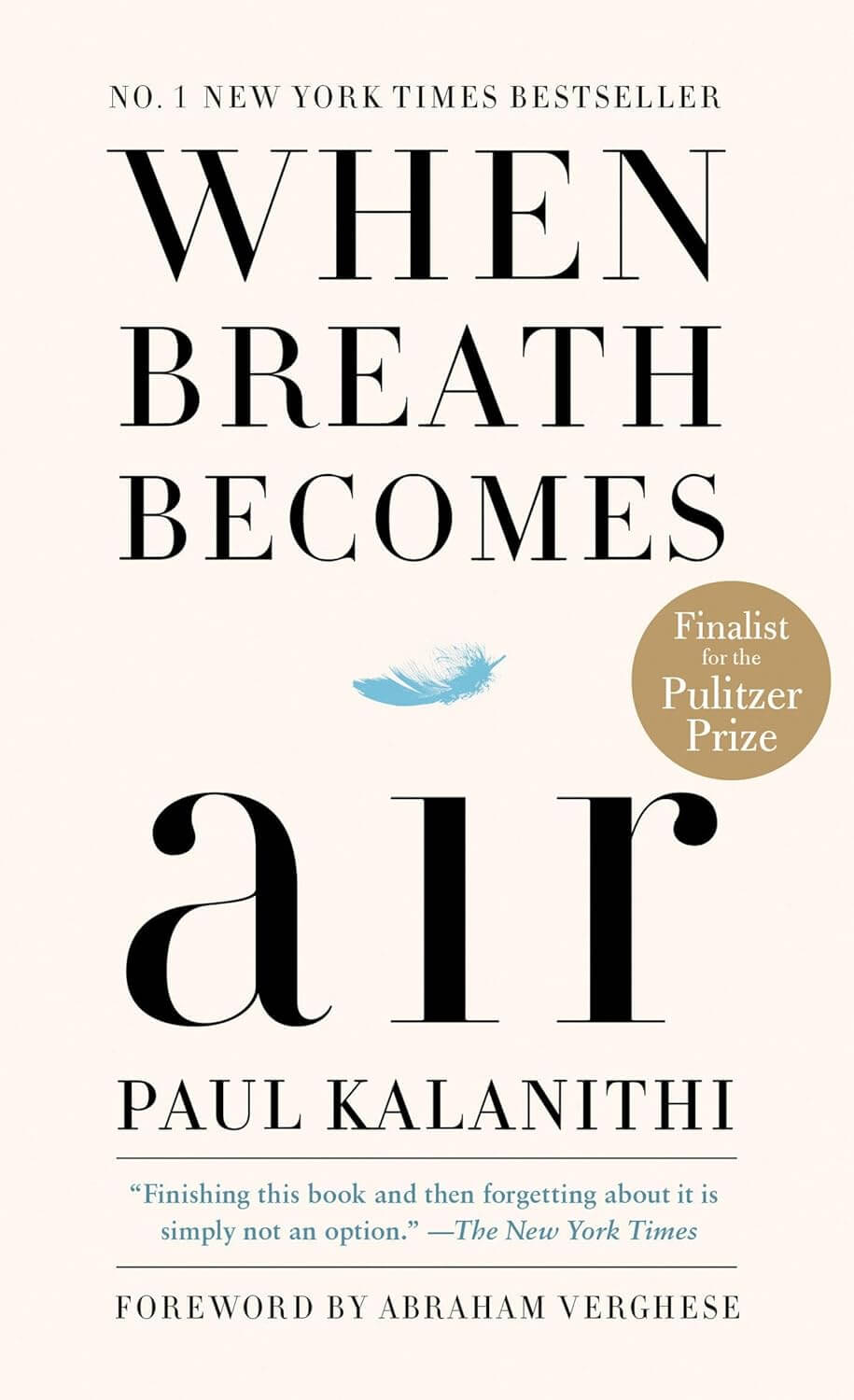
When Breath Becomes Air

When Breath Becomes Air

by Paul Kalanithi

Kalanithi’s memoir is a clear-eyed meditation on mortality, written by a neurosurgeon facing terminal cancer in his thirties. The book balances medical insight with philosophical reflection, asking what makes a life meaningful when time collapses. Kalanithi writes with calm precision, never sentimental but deeply moving. He explores the tension between being a doctor and becoming a patient, and how knowledge can both help and haunt. The prose is elegant and accessible, with moments of startling honesty. The memoir’s emotional core lies in its steadiness: grief is present, but so is curiosity and love. Kalanithi reflects on literature and language as tools for making sense of suffering. The book is short, but it expands in the mind, lingering long after finishing. It offers no easy comfort, only a brave attention to what is real. By the end, the title feels devastatingly literal. A humane, resonant testament to living under the shadow of death.

4.41
Nonfiction
Memoir
Heartfelt
Reflective
Graceful
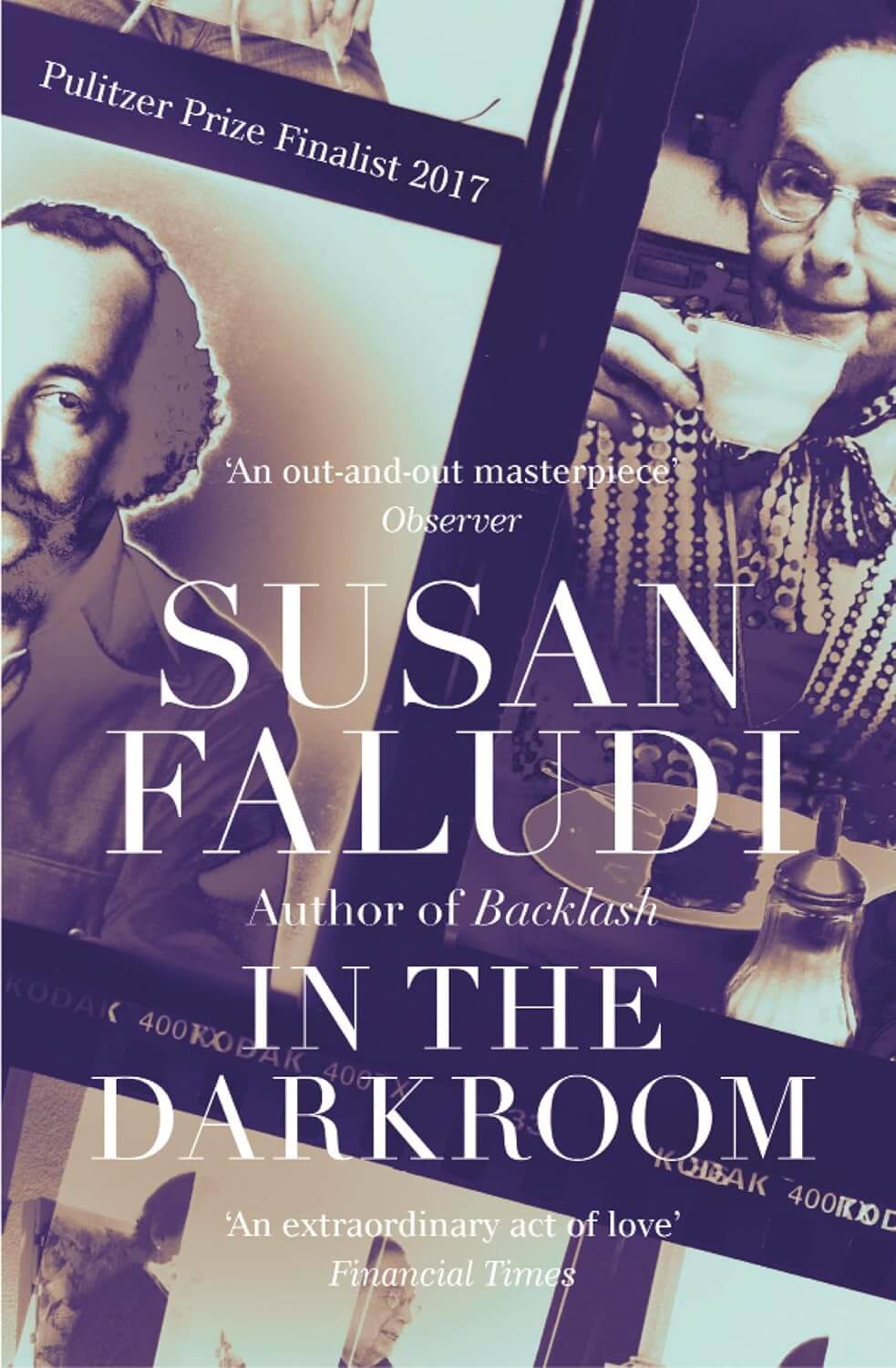
In the Darkroom

In the Darkroom

by Susan Faludi

Faludi's memoir investigates her father's late-life gender transition while interrogating the family histories that shaped them both. The book is intellectually ambitious, blending personal narrative with cultural analysis. Faludi writes with sharpness and curiosity, refusing to settle for a single explanation of identity. The father emerges as elusive, contradictory, and deeply shaped by history—especially trauma and displacement. The memoir becomes a study of storytelling: what families hide, what they invent, and what they cannot face. Faludi's voice is analytic but emotionally invested, and the tension between those modes drives the book. Questions of gender, nationalism, and personal reinvention intertwine. The prose is precise, with scenes that feel intimate and investigative at once. Faludi's refusal of tidy conclusions feels honest and brave. By the end, the memoir reads like a portrait of identity as a moving target. A probing, unforgettable work of family and self-understanding.

3.92
Nonfiction
Memoir
Intellectual
Unsettling
Curious

Poetry

Inventive, history-conscious collections that expand what lyric can hold

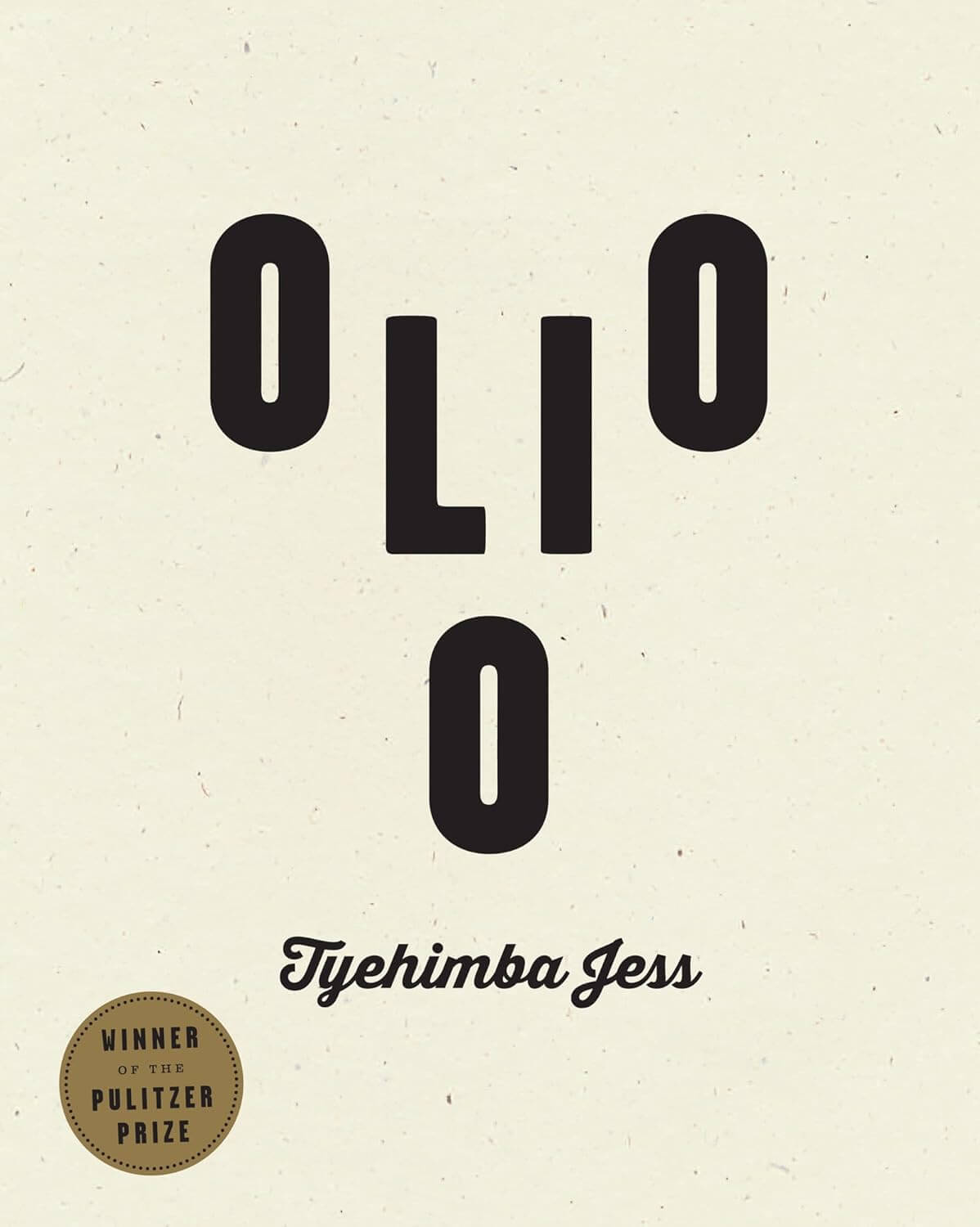
Olio
Winner

Olio

by Tyehimba Jess

Jess creates a formally daring, musically alive collection that resurrects and reimagines the voices of Black performers and creators. The book blends documentary research with poetic invention, making history feel present and voiced. Jess is especially inventive with form—braids, erasures, contrapuntal layouts—that mirror the layered nature of memory. The poems honor individuals while also exposing the structures that exploited them. There’s a deep attention to sound, rhythm, and performance; the work feels meant to be heard as much as read. Jess’s language is vivid and emotionally generous, balancing celebration with critique. The collection teaches without preaching, letting artistry carry argument. Reading it feels like stepping into an archive that suddenly starts singing. The book also challenges what the “canon” holds and who gets remembered. It’s moving, intellectually thrilling, and formally exhilarating. A standout example of poetry as historical restoration and creative justice.

4.54
Poetry
Electric
Reverent
Inventive
Collected Poems: 1950-2012

Collected Poems: 1950-2012

by Adrienne Rich

Rich’s collected poems chart one of the most influential poetic journeys of the late 20th and early 21st centuries. Across decades, Rich’s work evolves from formal mastery into a fierce, politically engaged lyric that refuses separation between private life and public power. The poems confront patriarchy, war, sexuality, and the ethics of language with relentless intelligence. Rich’s voice can be intimate, prophetic, and analytic, often within the same poem. The collection reveals how craft and conscience deepen together over time. Rich is uncompromising in her attention to what is silenced and who benefits from silence. The poems also hold tenderness—friendship, love, grief—without sentimentality. Reading across the career shows a mind continually revising its own assumptions, which feels bracing and alive. This is poetry that insists language matters because lives depend on it. The collection can feel like a map of resistance, written line by line. A monumental body of work that still shapes contemporary poetry and politics.

4.25
Poetry
Fierce
Intellectual
Defiant
XX

XX

by Campbell McGrath

McGrath’s collection moves through contemporary life with a wide-angle lens, balancing the personal and the panoramic. The poems often carry a conversational ease, but beneath that surface is careful craft and philosophical curiosity. McGrath is attentive to time—how days accumulate, how decades change a self, how history presses on the present. The title’s suggestion of the 20th century adds a backdrop of cultural memory and transition. The poems move between domestic scenes and larger reflections, connecting ordinary moments to broader questions. McGrath’s voice is measured, sometimes wry, often quietly earnest. The collection rewards readers who like poetry that thinks in paragraphs and images, building meaning through accumulation. There’s a calmness to the line that can suddenly open into surprise. The poems feel inhabited rather than performed. It’s a collection about living through an era and trying to name what it did to us. Thoughtful, steady, and quietly resonant.

3.73
Poetry
Reflective
Measured
Wry