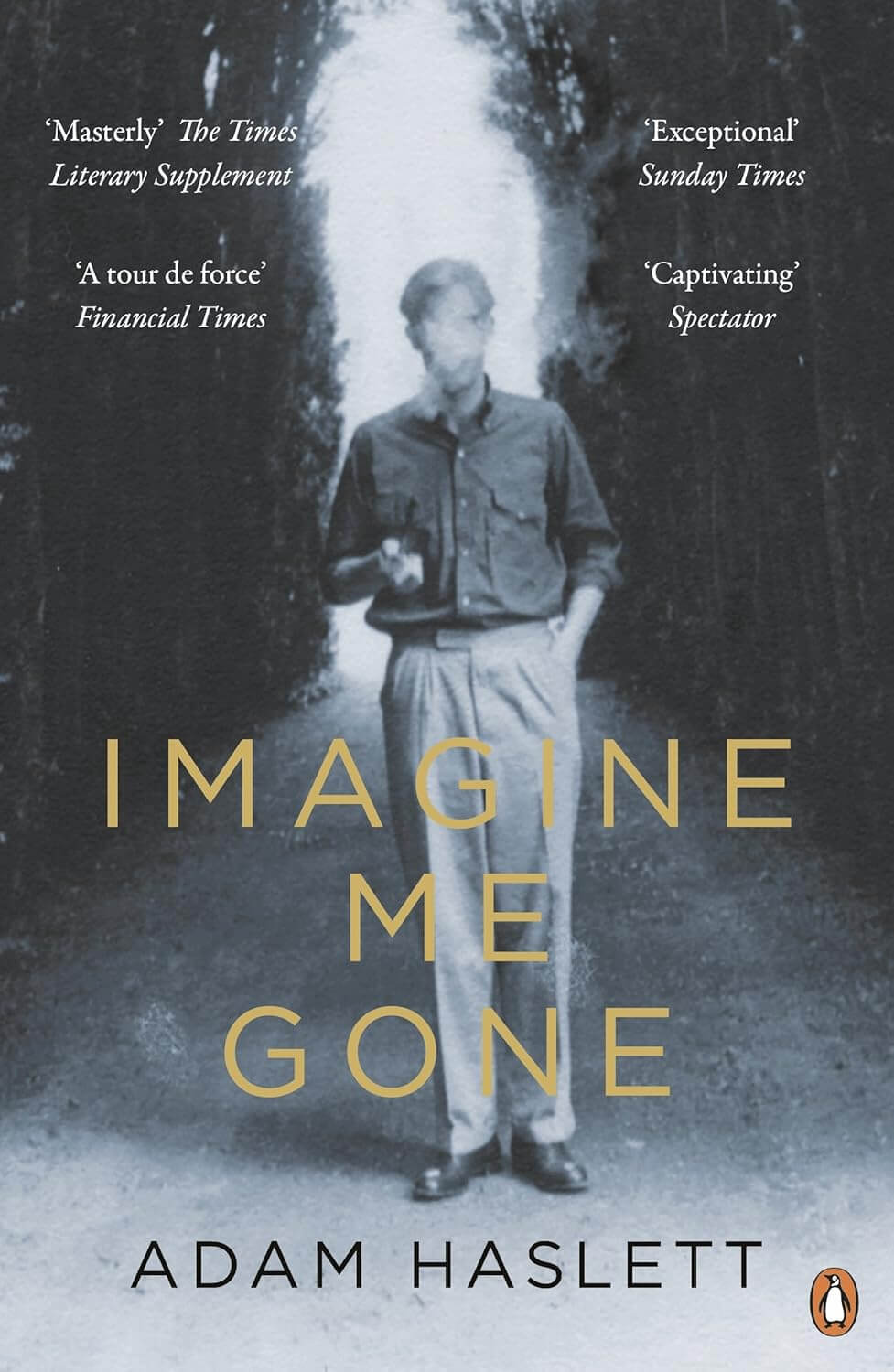
Imagine Me Gone
by Adam Haslett
Haslett’s novel is a compassionate, multi-voiced portrait of a family living in the shadow of mental illness. The story moves between perspectives, allowing each character’s love and frustration to feel fully real. Haslett writes with emotional intelligence, capturing how depression can distort not just one life but an entire household’s sense of possibility. The book is attentive to small domestic details—conversations, routines, silences—that accumulate into heartbreak. It explores masculinity, inheritance, and the ways children interpret adult pain. Haslett avoids melodrama; the tragedy emerges through gradual, believable shifts. The prose is clear and elegant, often quietly lyrical. The novel’s empathy is expansive, never reducing anyone to villain or victim. It’s also a book about time—how families re-narrate what happened in order to live with it. The emotional impact builds steadily until it becomes overwhelming. A profoundly humane novel of love, loss, and the limits of care.