Pulitzer Prize 2016

Spycraft and satire, frontier myths and modern power — a year of books that interrogate identity, war, and belonging

The Pulitzer Prize 2016 finalists gather books that are both formally inventive and historically awake. Across fiction, history, biography, poetry, and general nonfiction, these works probe how identity is shaped under pressure — by war, migration, race, ideology, and the stories nations tell about themselves. Many of them are propelled by confrontation: with empire, with memory, with the politics of language.

This year’s list also spotlights the tension between public narratives and private truths. The fiction finalists use satire, genre-bending, and sharp realism to expose the gaps between what is said and what is lived. The historians and biographers revisit frontier myth, military power, and personal obsession with a clear sense of consequence. The poetry and nonfiction finalists bring witness to the foreground, treating language as both instrument and battleground.

Taken together, the 2016 selections offer a thrillingly varied reading route: spy novel turned moral inquiry, stories that slip into the uncanny, memoirs that make craft feel like survival, and nonfiction that turns geopolitics into human stakes. It’s a list for readers who want books that entertain while also sharpening the lens — works that leave you thinking differently about power, belonging, and the narratives we inherit.

Fiction

Formally daring works that use satire, the uncanny, and cultural memory to interrogate power

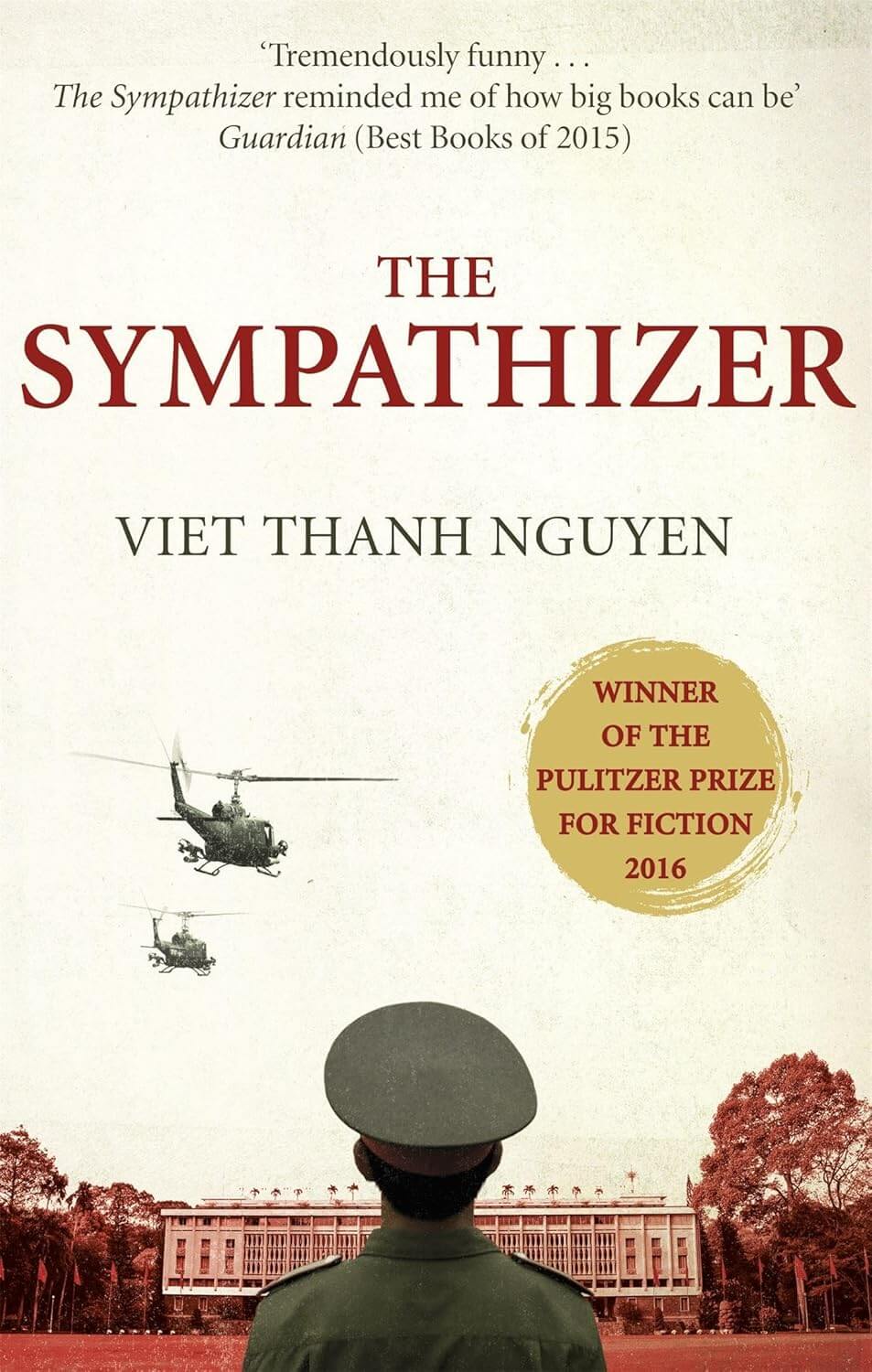
The Sympathizer
Winner

The Sympathizer

by Viet Thanh Nguyen

Nguyen's debut is a blisteringly smart spy novel that doubles as a critique of war stories and the machinery of representation. Narrated by a conflicted double agent, the book is equal parts confession, satire, and political reckoning. The voice is razor-edged—funny, furious, and painfully self-aware. Nguyen exposes how the Vietnam War has been narrated in the West, and who gets erased in those narratives. The novel's set pieces are propulsive, but the deeper drama is moral: what it means to live split between loyalties, languages, and selves. Nguyen writes with intellectual swagger while never losing emotional weight. The book skewers ideology on all sides, refusing simple heroes or villains. It's also a novel about identity as performance—how survival can require constant translation. The final movement tightens into something darker and more intimate, making the satire bite harder. By the end, the book feels like both thriller and indictment. A brilliant, unsettling, and unforgettable novel.
4.01
Fiction
Literary Fiction
Political Fiction
Acerbic
Intense
Provocative
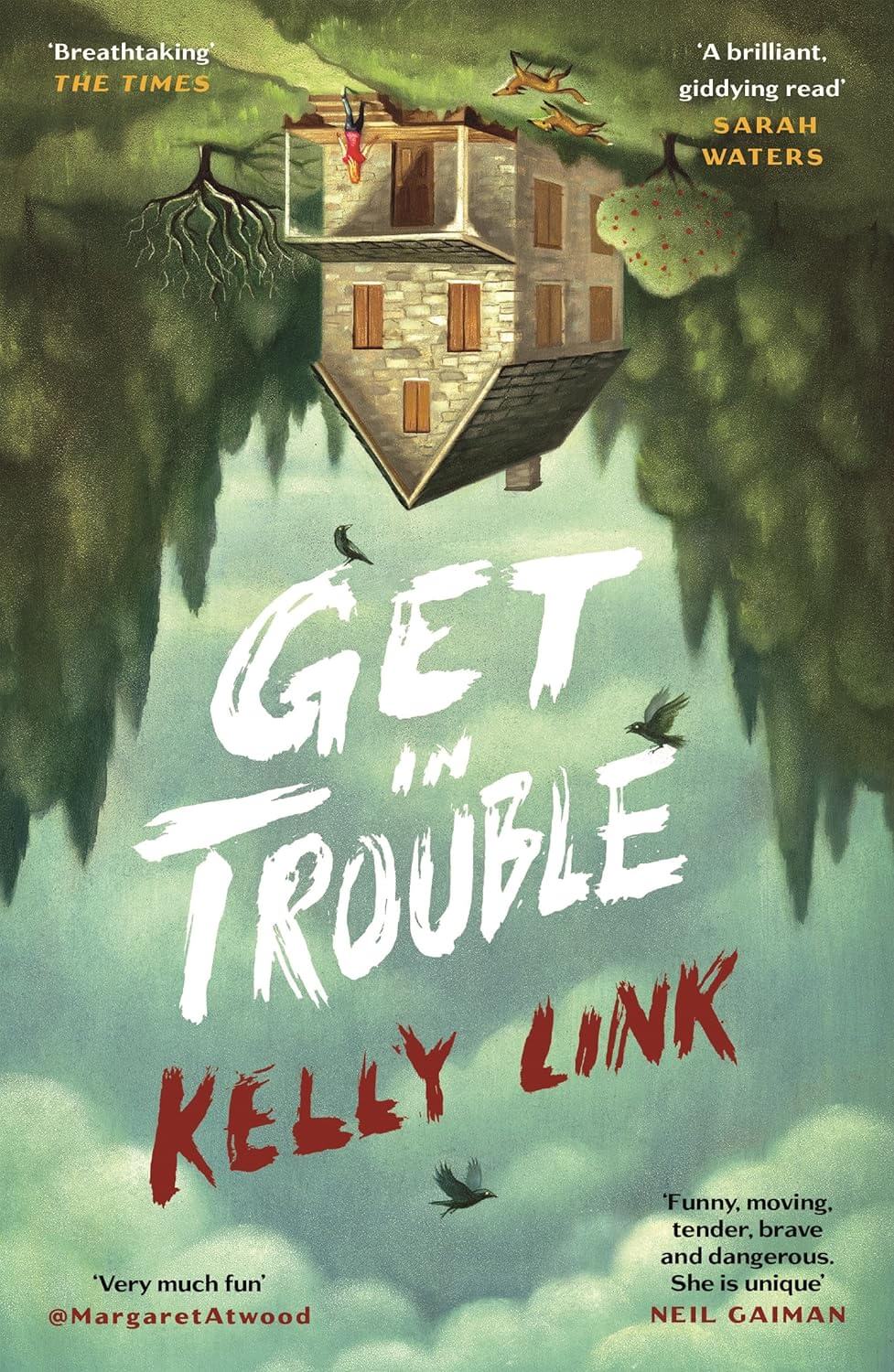
Get in Trouble: Stories

Get in Trouble: Stories

by Kelly Link

Kelly Link’s stories feel like waking dreams—witty, eerie, and emotionally precise even when the world turns strange. This collection blends fantasy, horror, and realism, often slipping between them mid-scene as if the boundaries were polite suggestions. Link is a master of tone: she can be deadpan funny and deeply unsettling in the same paragraph. Many stories explore adolescence and adulthood as haunted states, full of longing, confusion, and half-remembered rules. The characters often feel slightly out of phase with their lives, which makes the supernatural feel like an extension of ordinary alienation. Link’s plots are sly and unpredictable, less interested in tidy resolution than in resonance. The writing rewards rereading—details that seemed incidental begin to glow with meaning. There’s also tenderness beneath the weirdness; these stories care about people, even when they’re lost in impossible situations. The collection’s title becomes a quiet thesis: trouble as curiosity, trouble as transformation. It’s inventive without being cold, playful without being slight. A brilliant showcase of what short fiction can do when it refuses to behave.

3.67
Fiction
Short Stories
Speculative Fiction
Eerie
Playful
Inventive
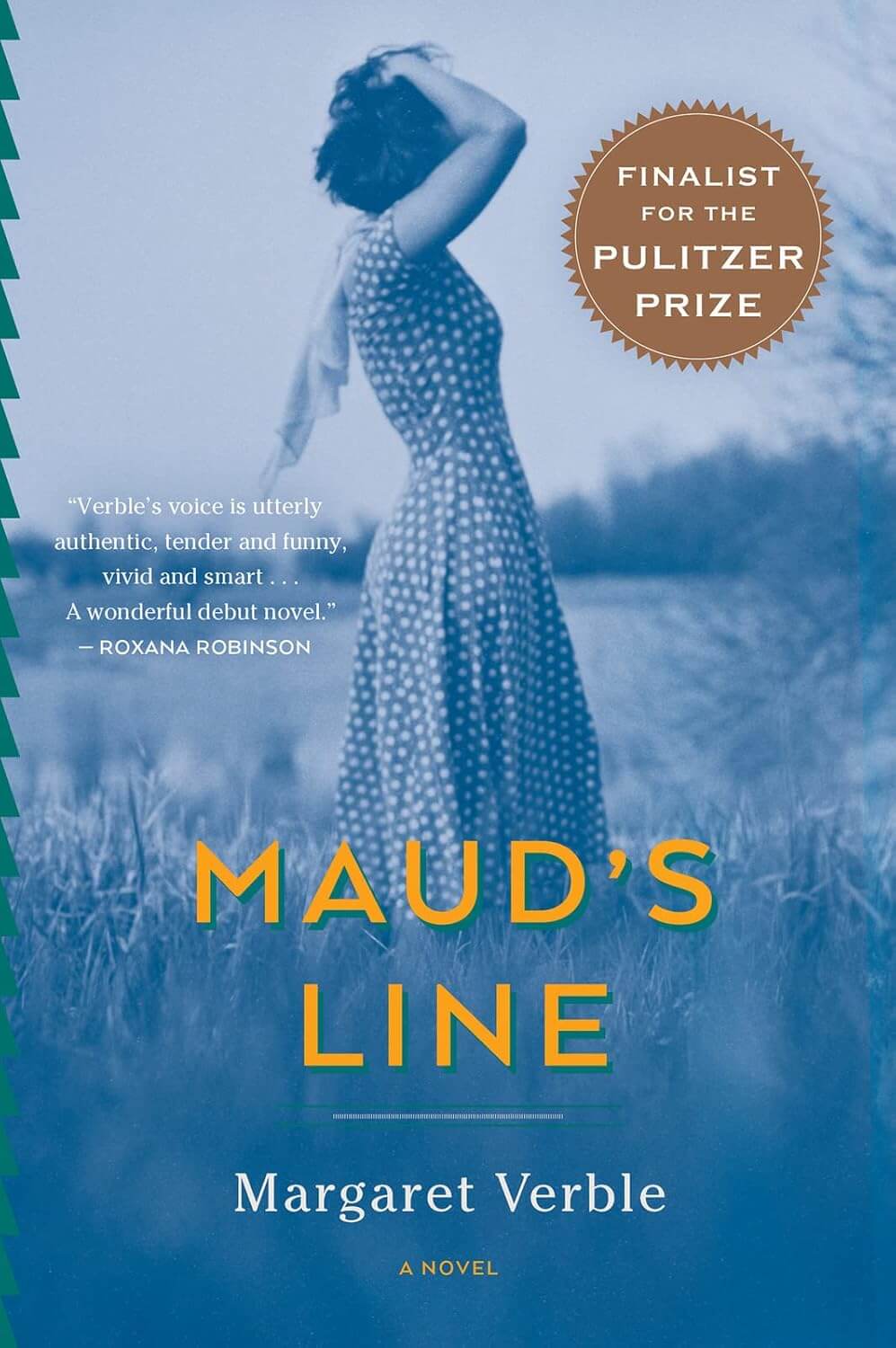
Maud's Line

Maud's Line

by Margaret Verble

Verble's novel is a textured coming-of-age story rooted in rural Oklahoma, where land, family, and identity are tightly bound. The narrator's voice is plainspoken but sly, revealing how much is noticed and withheld in a small community. The book captures the daily rhythms of farm life with tactile detail—weather, work, bodies, and the quiet negotiations of survival. Under the surface, it explores racial and cultural history, including Indigenous presence and the uneasy layers of belonging. Verble is attentive to the ways girls learn the rules of adulthood—often through constraint, observation, and small rebellions. The novel's pacing is patient, letting character and place deepen gradually rather than relying on big twists. There's humor here, but it's grounded in realism rather than sentimentality. The landscape functions as moral terrain: beautiful, demanding, and shaped by past decisions. The story balances intimacy with historical awareness, making the personal feel connected to broader forces. You finish with a strong sense of a young mind forming itself amid inherited pressures. A quiet, grounded novel with real emotional heft.

3.75
Fiction
Literary Fiction
Historical Fiction
Grounded
Reflective
Tender

General Nonfiction

Urgent books on ideology, race, and the possibilities of understanding across difference

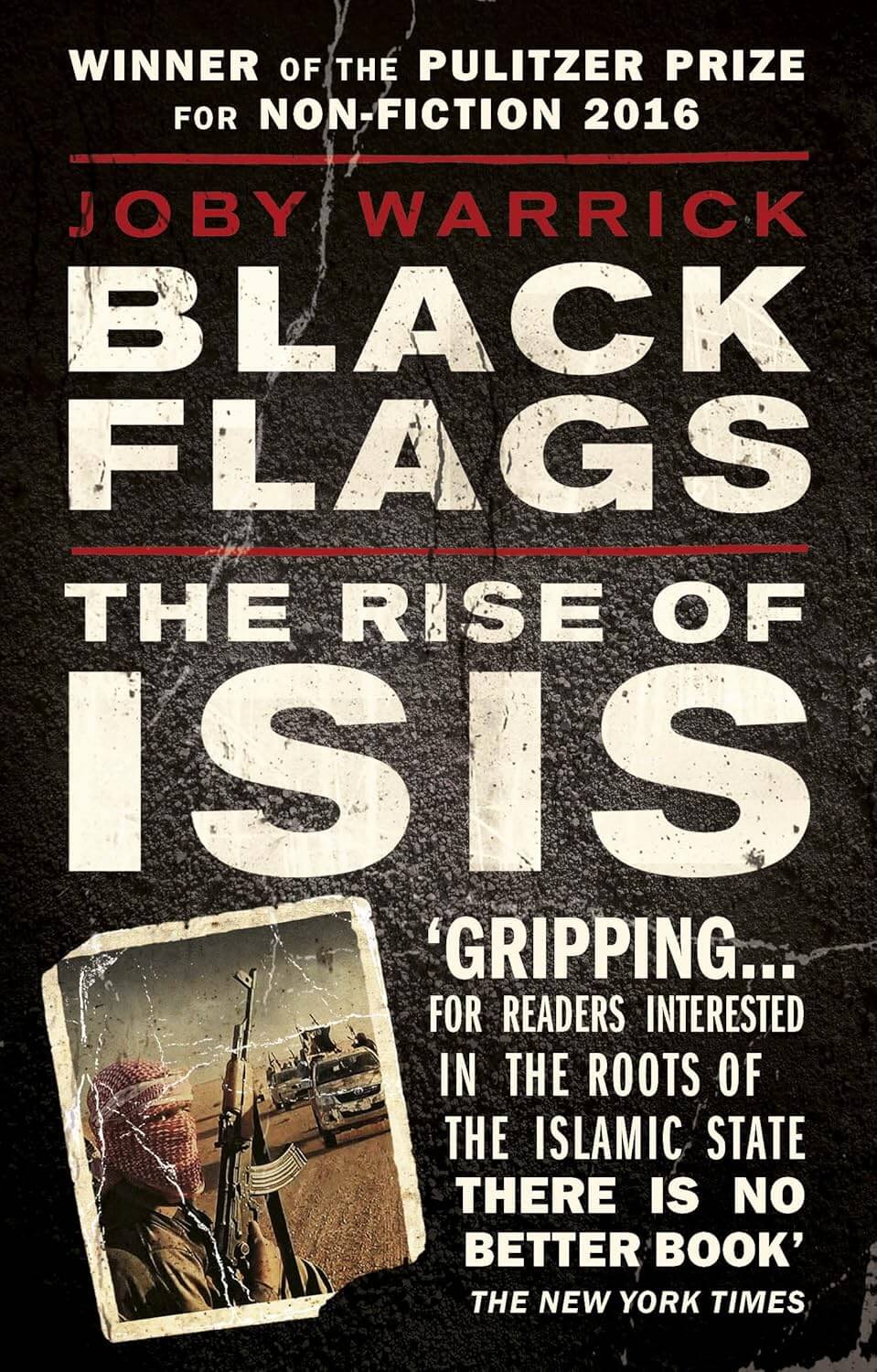
Black Flags: The Rise of ISIS
Winner

Black Flags: The Rise of ISIS

by Joby Warrick

Warrick provides a clear, fast-moving account of ISIS’s emergence, showing how ideology, conflict, and opportunity converged into a brutal organization. The book traces key figures and decisions, making geopolitics legible through narrative. Warrick writes with a reporter’s eye for cause-and-effect and a storyteller’s pacing, turning complex regional dynamics into a coherent arc. The portrait of ISIS is chilling because it emphasizes not inevitability but contingency—moments when different choices might have changed outcomes. Warrick is attentive to the role of prisons, power vacuums, and sectarian politics. The book also highlights intelligence failures and policy missteps without reducing the story to a single villain. Scenes are vivid but not sensationalized, grounded in documentation. Readers come away with a sharper understanding of how extremist movements recruit, evolve, and exploit chaos. It’s a grim read, but clarifying. A strong piece of narrative journalism on modern conflict.

4.32
Nonfiction
Journalism
Politics
Tense
Sobering
Revealing
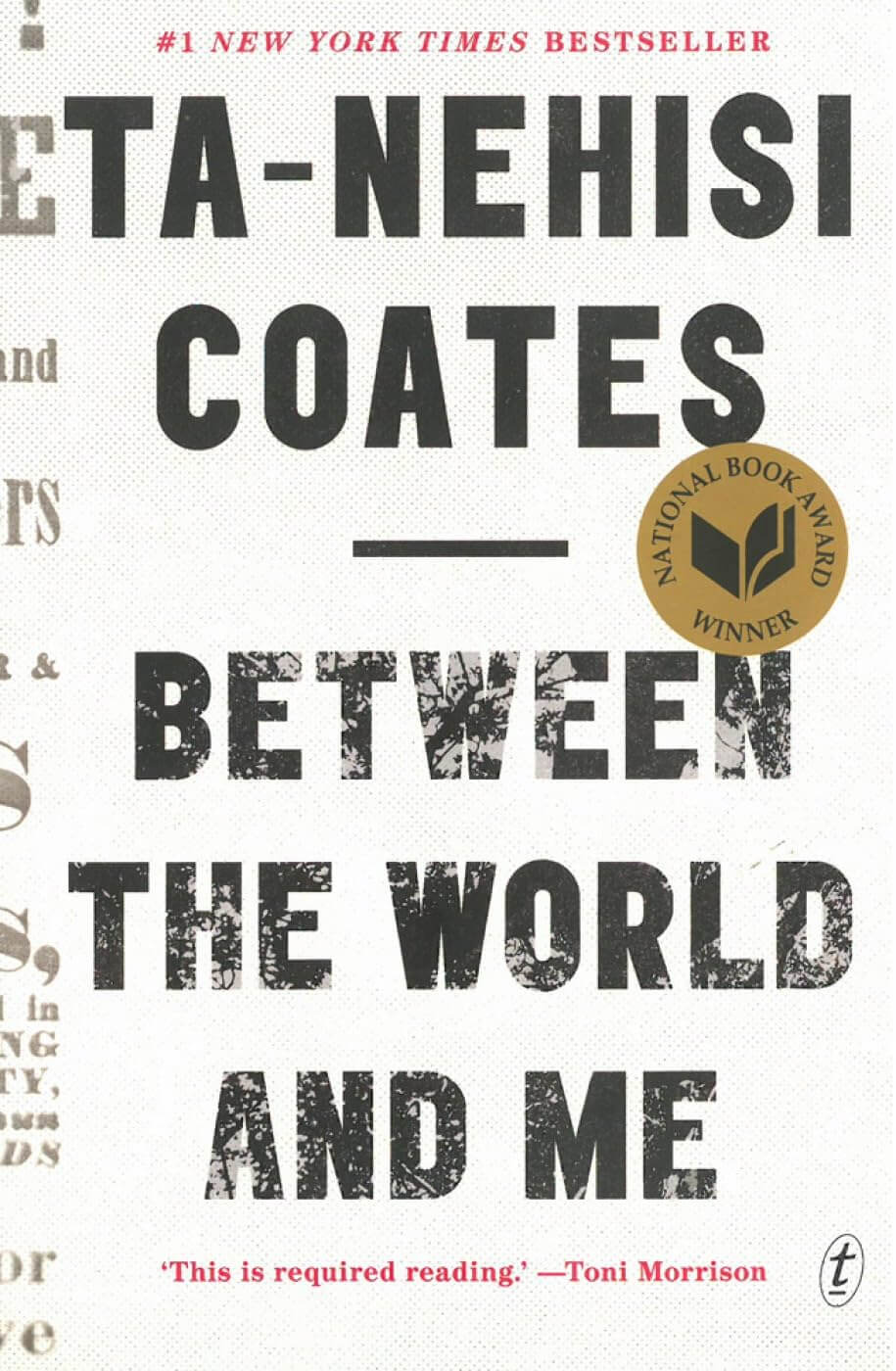
Between the World and Me

Between the World and Me

by Ta-Nehisi Coates

Coates writes a fierce, intimate letter to his son that becomes a profound meditation on race, history, and the vulnerability of the Black body in America. The book's power comes from its clarity and refusal of comforting myths. Coates blends personal memoir with structural analysis, moving from childhood streets to institutions like schools and universities that shape identity and risk. The prose is urgent and lyrical, often reading like a long, controlled exhale of truth. Coates interrogates the "Dream" of American innocence, exposing how it depends on forgetting. The book is also about parenting under threat—how love becomes complicated by fear. Coates' honesty is bracing; he refuses easy hope, yet the act of writing itself feels like care. The argument is built through lived experience rather than abstract theory. Readers often finish shaken, awake, and newly attentive to language that hides violence. It's short, but it lands like something much larger. A modern classic of American moral inquiry.

4.40
Nonfiction
Memoir
Cultural Criticism
Urgent
Incendiary
Reflective
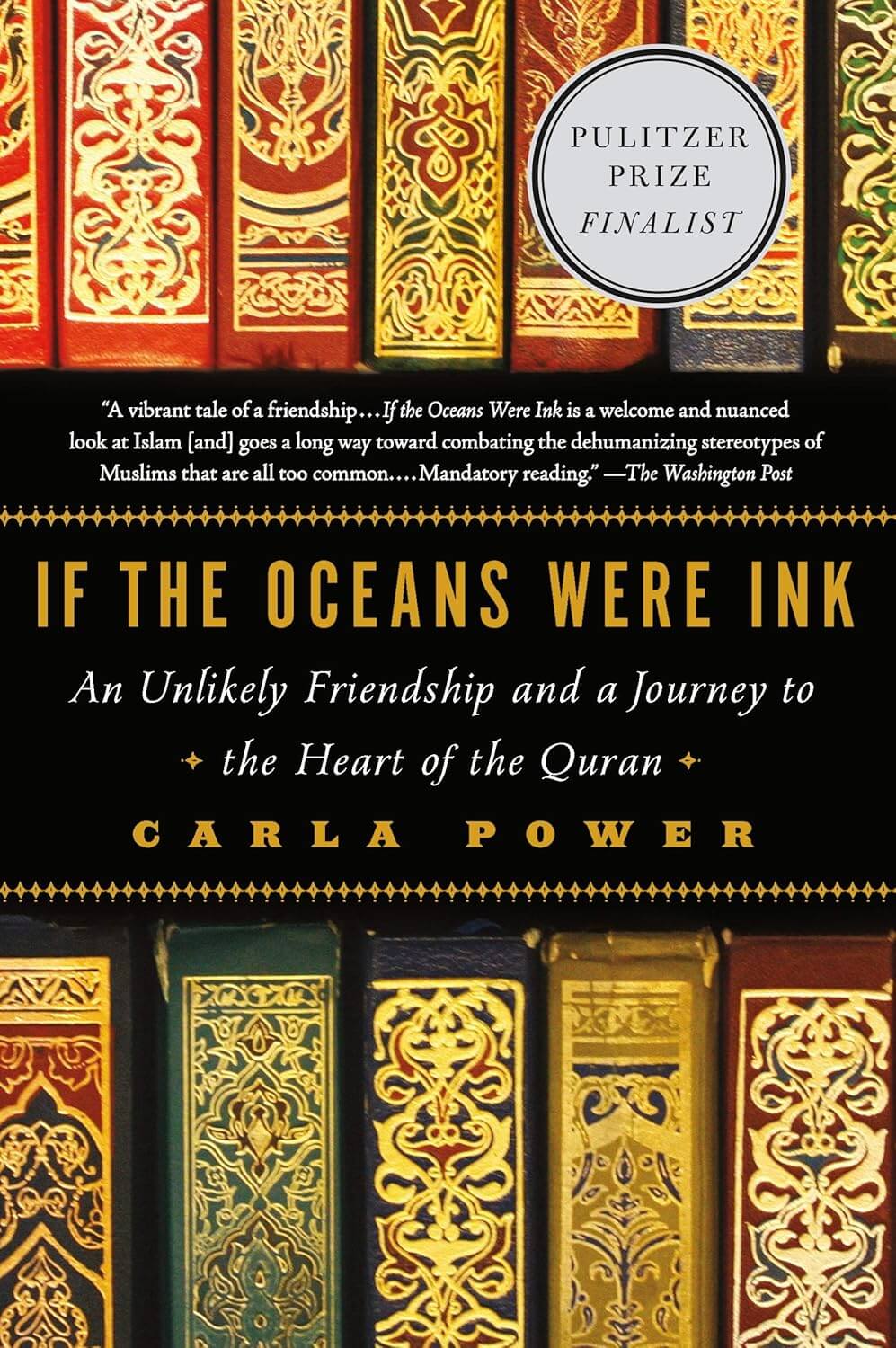
If the Oceans Were Ink: An Unlikely Friendship and a Journey to the Heart of the Quran

If the Oceans Were Ink: An Unlikely Friendship and a Journey to the Heart of the Quran

by Carla Power

Power’s book begins as a personal challenge: to read and understand the Qur’an in a world full of stereotypes and fear. She frames the journey through her friendship with a conservative Islamic scholar, creating a dynamic of debate, affection, and mutual frustration. The narrative makes theology approachable by grounding it in conversation and lived questions. Power writes with curiosity and humility, admitting what she doesn’t know and showing her learning in real time. The book explores how texts are interpreted—how politics, culture, and personal history shape reading. Power also brings in travel and reporting, connecting scripture to diverse Muslim communities. The tone is accessible and human, resisting polemic in favor of genuine inquiry. Moments of disagreement are treated honestly, without flattening either side. The result is a book about friendship as method: understanding built through sustained attention rather than instant consensus. It’s thoughtful, clarifying, and quietly hopeful. A valuable invitation to read more carefully and fear less reflexively.

4.12
Nonfiction
Religion
Memoir
Curious
Thoughtful
Hopeful

History

Revisions of war, frontier myth, and the secret infrastructures of American power

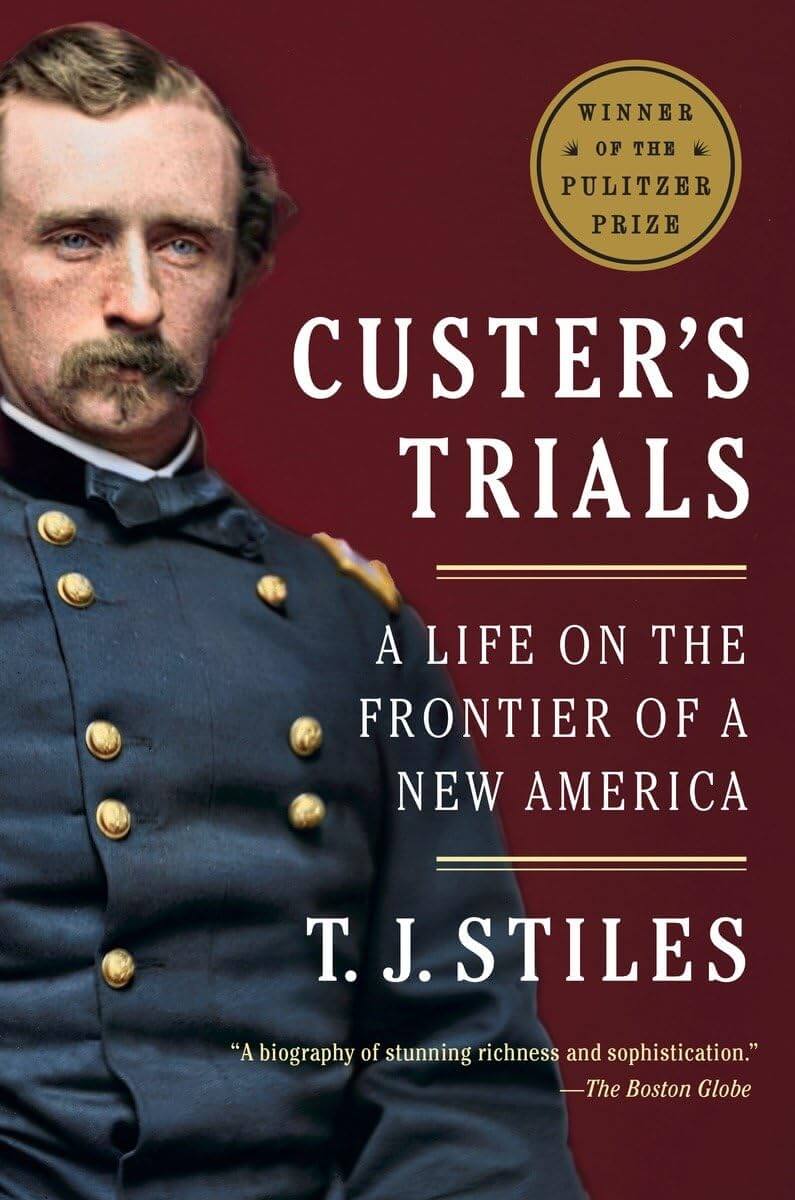
Custer's Trials: A Life on the Frontier of a New America
Winner

Custer's Trials: A Life on the Frontier of a New America

by T.J. Stiles

Stiles reexamines Custer by placing him within the turbulent systems of post–Civil War America: expansion, capitalism, and a nation remaking itself through conquest. Rather than treating Custer as pure villain or doomed hero, Stiles presents him as ambitious, opportunistic, and emblematic of a broader ideology. The book is richly detailed, connecting battlefield decisions to political and economic incentives. Stiles shows the frontier not as empty stage but as contested ground shaped by Indigenous resistance and U.S. policy. The narrative captures how celebrity and myth were manufactured even in Custer’s lifetime. Stiles writes with clarity and momentum, making complex context readable. The biography-history hybrid exposes how personal ambition and national project reinforced each other. The result is less a tale of one man’s hubris than a portrait of a country’s. You come away with a sharper sense of how expansion was justified and sold. A major reinterpretation of a central American myth.

4.16
Nonfiction
History
Biography
Analytical
Expansive
Provocative
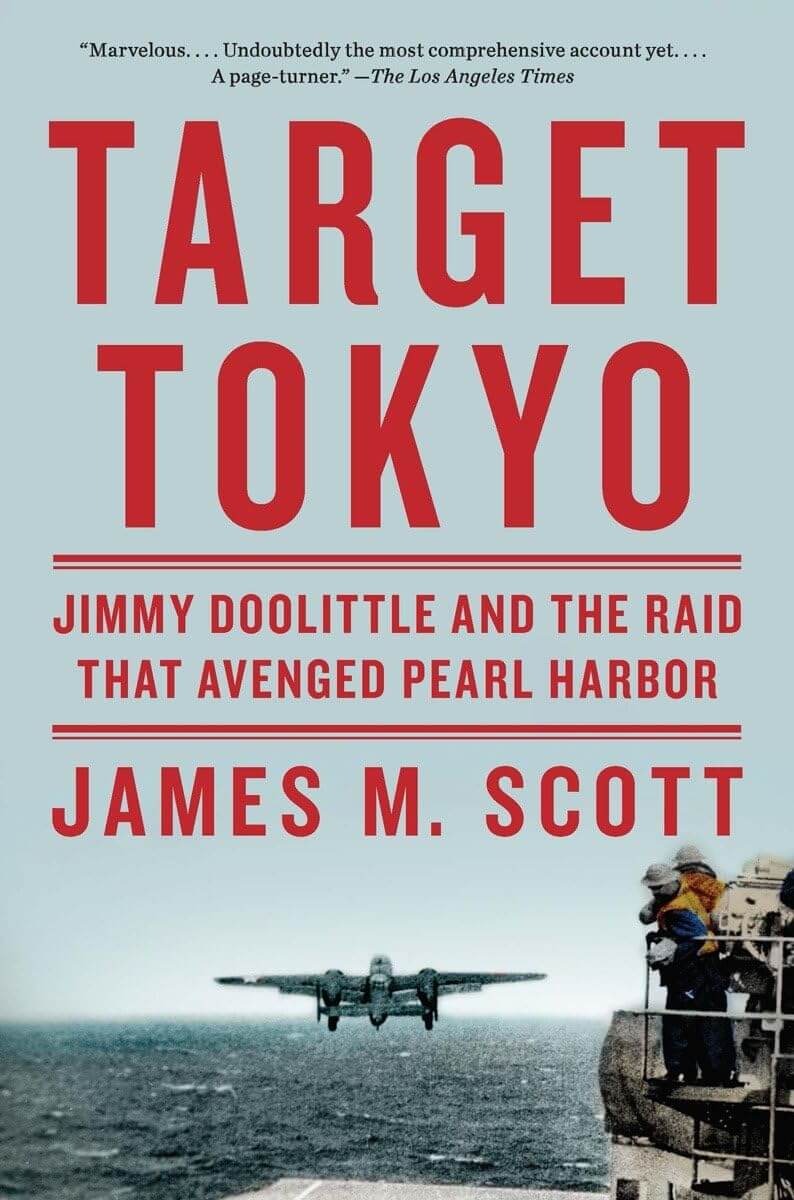
Target Tokyo: Jimmy Doolittle and the Raid That Avenged Pearl Harbor

Target Tokyo: Jimmy Doolittle and the Raid That Avenged Pearl Harbor

by James M. Scott

Scott tells the story of the Doolittle Raid with cinematic momentum, combining operational detail with high-stakes narrative pacing. The book captures the audacity of the mission and the pressure for an early morale boost after Pearl Harbor. Scott is attentive to logistics—aircraft limitations, training, timing—making the raid’s success feel precarious rather than inevitable. The human dimension is strong: the courage of crews, the uncertainty of outcomes, and the emotional costs. The narrative also traces consequences beyond the spectacle, including the ripple effects in both the U.S. and Japan. Scott writes clearly, keeping military complexity accessible to general readers. The raid becomes a case study in wartime symbolism—how actions are designed not only to destroy but to signal. The pacing is propulsive without being shallow, and the book balances admiration with context. You finish with a vivid understanding of how myth and morale get built in war. A gripping piece of narrative military history.

4.48
Nonfiction
History
Military History
Suspenseful
Propulsive
Vivid
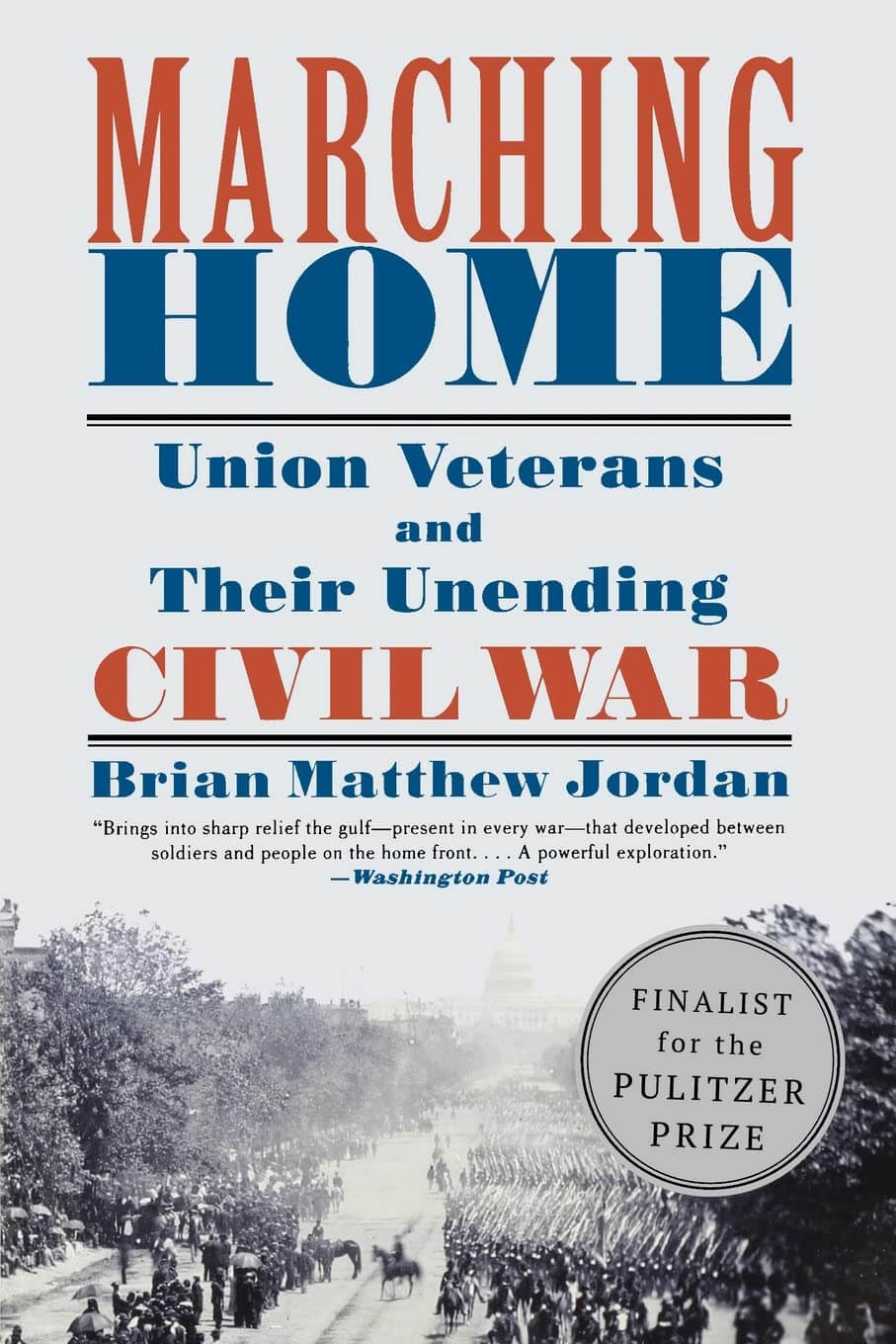
Marching Home: Union Veterans and Their Unending Civil War

Marching Home: Union Veterans and Their Unending Civil War

by Brian Matthew Jordan

Jordan explores what happened after the Civil War ended—when soldiers returned home carrying trauma, disability, and unresolved political conflict. The book shows veterans not as a single bloc but as individuals navigating fragile bodies and shifting identities. Jordan is attentive to the language of suffering and honor, and how society did—or didn’t—make space for it. The narrative reveals how the war continued through memory, pensions, public ritual, and politics. Jordan’s research is rich, drawing on letters and records that give emotional texture to policy debates. He challenges romanticized images of reunion by emphasizing conflict, resentment, and the struggle for recognition. The book also examines the beginnings of a modern veterans’ welfare state and its limitations. The writing is clear and humane, making history feel lived rather than abstract. You finish with a deeper understanding of war’s afterlives—how victory doesn’t end violence, it relocates it. A moving, essential social history of trauma and citizenship.

4.05
Nonfiction
History
Sobering
Compassionate
Illuminating
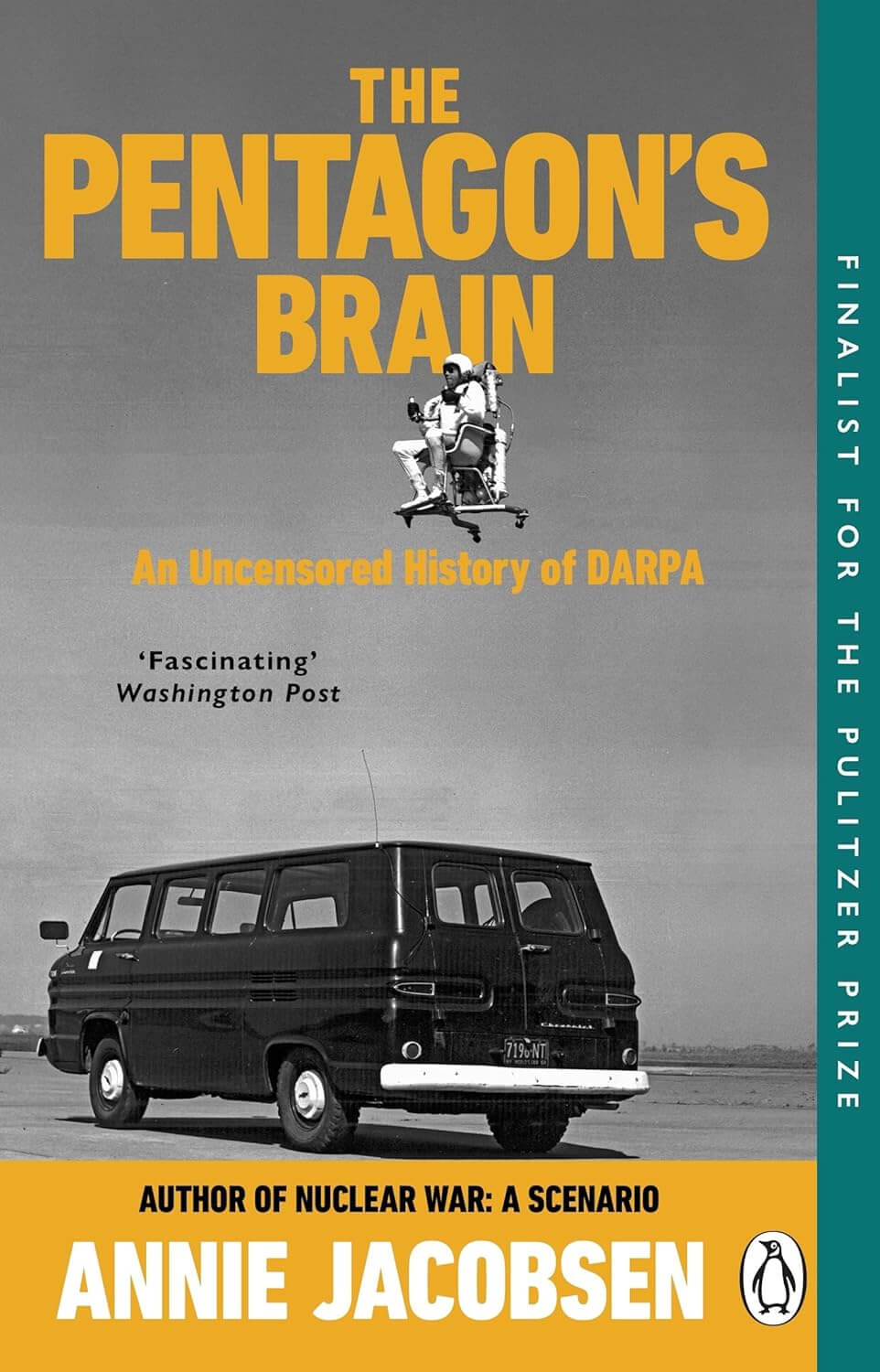
The Pentagon's Brain: An Uncensored History of DARPA, America's Top-Secret Military Research Agency

The Pentagon's Brain: An Uncensored History of DARPA, America's Top-Secret Military Research Agency

by Annie Jacobsen

Jacobsen charts the hidden history of DARPA and the research culture that shaped modern warfare and technology. The book moves through inventions and experiments that feel like science fiction—until you realize how many became everyday reality. Jacobsen writes with thriller-like pacing, making bureaucratic and technical material surprisingly readable. She shows how national security priorities accelerate innovation while also raising ethical questions about accountability. The narrative highlights the blurred line between defense research and civilian life, tracing how tools migrate from battlefield to pocket. Jacobsen is attentive to secrecy as a system: what it enables, what it hides, and how it distorts democratic oversight. The book's strongest passages show the human side of "top secret"—ambition, fear, competition, and belief. It's also a history of ideas: the rise of networks, surveillance, autonomy, and technological solutionism. Readers come away impressed and unsettled, which is likely the point. A gripping, eye-opening tour of the military-tech engine behind the modern world.

3.99
Nonfiction
History
Technology
Intriguing
Unsettling
Revelatory

Biography

Memoir-biographies where craft, grief, and identity become forms of witness

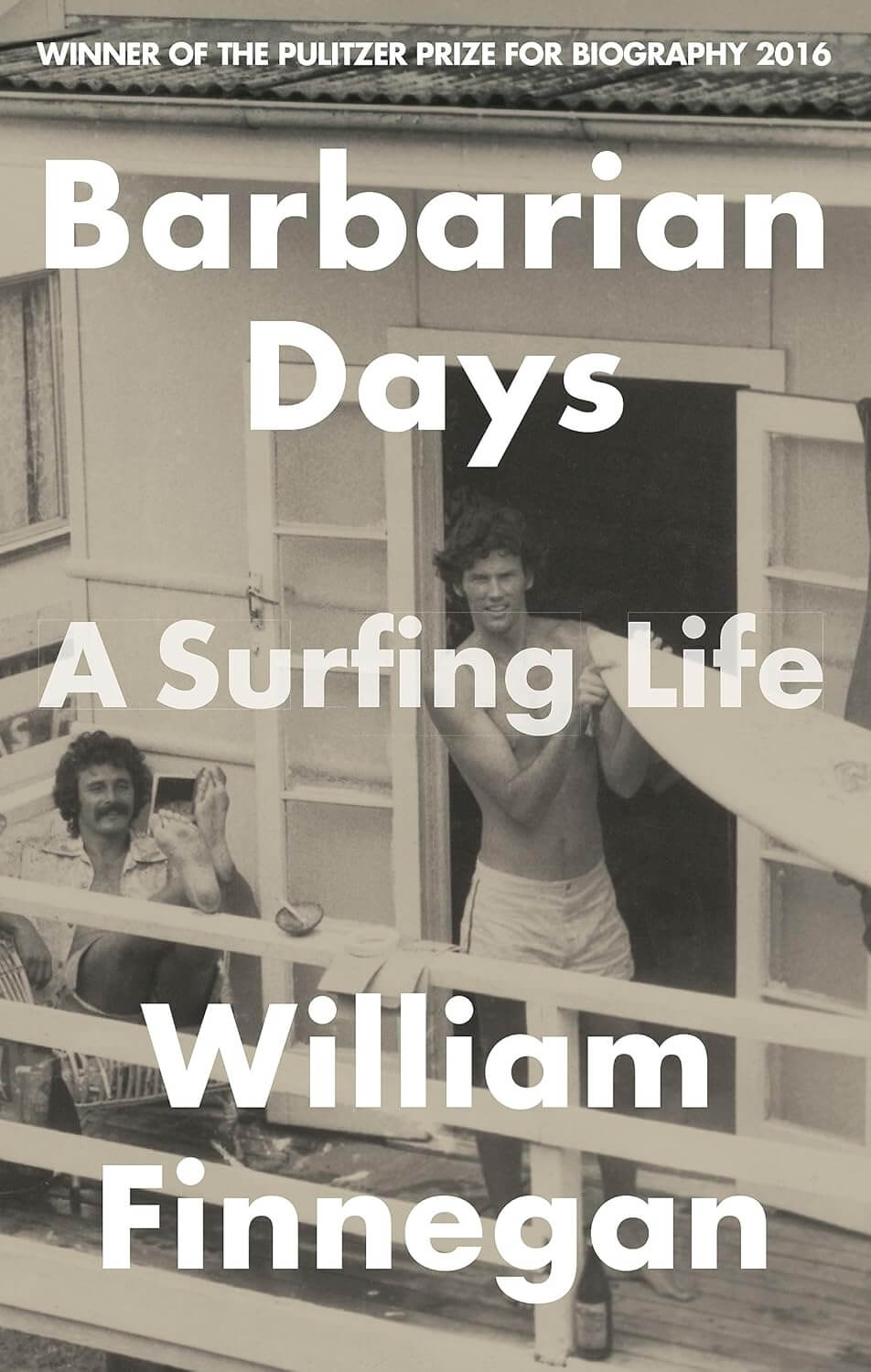
Barbarian Days: A Surfing Life
Winner

Barbarian Days: A Surfing Life

by William Finnegan

Finnegan’s memoir is far more than a sports story; it’s a beautifully written account of obsession, travel, and the formation of a self. Surfing becomes a lens for examining risk, privilege, solitude, and belonging across continents. Finnegan writes with remarkable clarity about the physicality of waves—the danger, the technique, the addictive pull—without losing readers who don’t surf. The book moves through adolescence and adulthood with a novelist’s sense of scene and pacing. There’s an undercurrent of political and cultural observation, as Finnegan’s journeys intersect with colonial histories and local realities. The memoir is also an education in attention: how a person learns to read water, weather, and their own fear. Finnegan is honest about competitiveness and ego, which keeps the narrative human. The prose is elegant but not showy, carrying quiet humor and deep reflection. You finish with a sense of a life measured by pursuit, and the costs and gifts of that pursuit. It’s immersive, intelligent, and surprisingly moving. A masterclass in memoir craft.

4.28
Nonfiction
Memoir
Sports
Adventurous
Reflective
Immersive
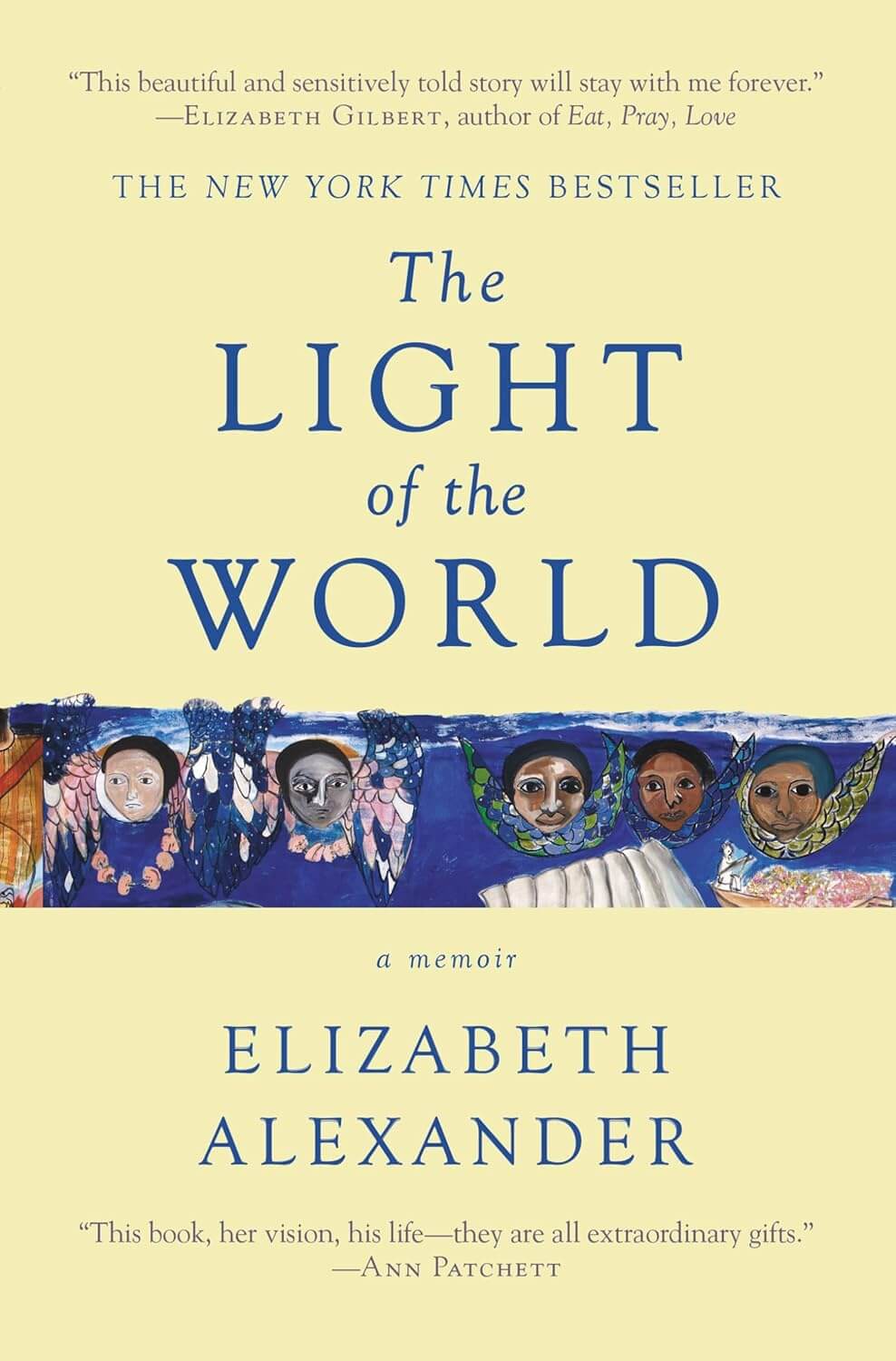
The Light of the World: A Memoir

The Light of the World: A Memoir

by Elizabeth Alexander

Alexander’s memoir is an elegy that refuses sentimentality, tracing love and loss after the sudden death of her husband. The writing is luminous and precise, balancing grief’s rawness with a poet’s attention to language. Alexander captures the practical chaos of mourning—paperwork, logistics, bodily exhaustion—alongside its metaphysical disorientation. The book is also a love story, filled with scenes of partnership, intellectual companionship, and shared life. Alexander’s voice is steady, never performing sorrow, which makes the emotion hit harder. She reflects on memory as both comfort and torment, and on how a life is reconstructed after rupture. There’s a strong sense of community and friendship, the networks that hold a person up when they cannot stand alone. The prose often feels like a hand on the reader’s shoulder: firm, honest, kind. The memoir makes room for beauty without denying pain. By the end, it feels less like closure and more like continued presence—love carried forward. A deeply moving work of grief and endurance.

4.10
Nonfiction
Memoir
Tender
Graceful
Heartfelt

Poetry

Collections of witness and experiment, where form becomes a way of holding history

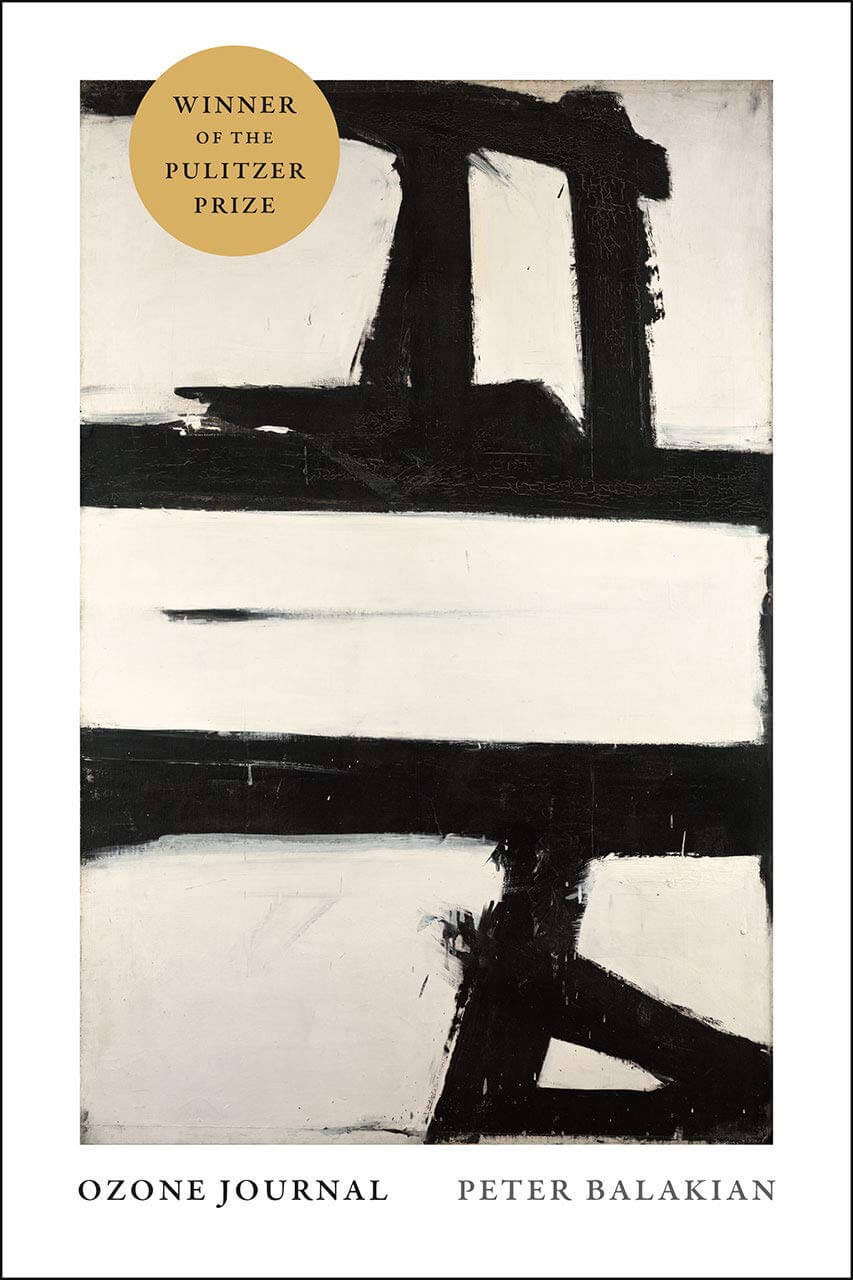
Ozone Journal
Winner

Ozone Journal

by Peter Balakian

Balakian’s collection is a long, braided sequence that moves through memory, travel, history, and public catastrophe. The poems often feel like a mind circling an event, returning from different angles to test what can be known. Balakian weaves personal narrative with larger historical reckonings, creating a layered sense of time. The language is clear but charged, attentive to image as a unit of thought. There’s a strong feeling of witness—how events imprint on the self and how the self keeps revising its own record. The collection’s movement is associative, like a journal that becomes an argument through accumulation. Balakian writes with restraint, avoiding grand pronouncements while still conveying moral weight. The poems are attentive to art and culture as archives of feeling. Reading the book is like walking through rooms of memory where the light keeps shifting. It’s contemplative, serious, and quietly urgent. A strong example of poetry that thinks historically without losing lyric intimacy.

3.55
Poetry
Reflective
Haunting
Serious
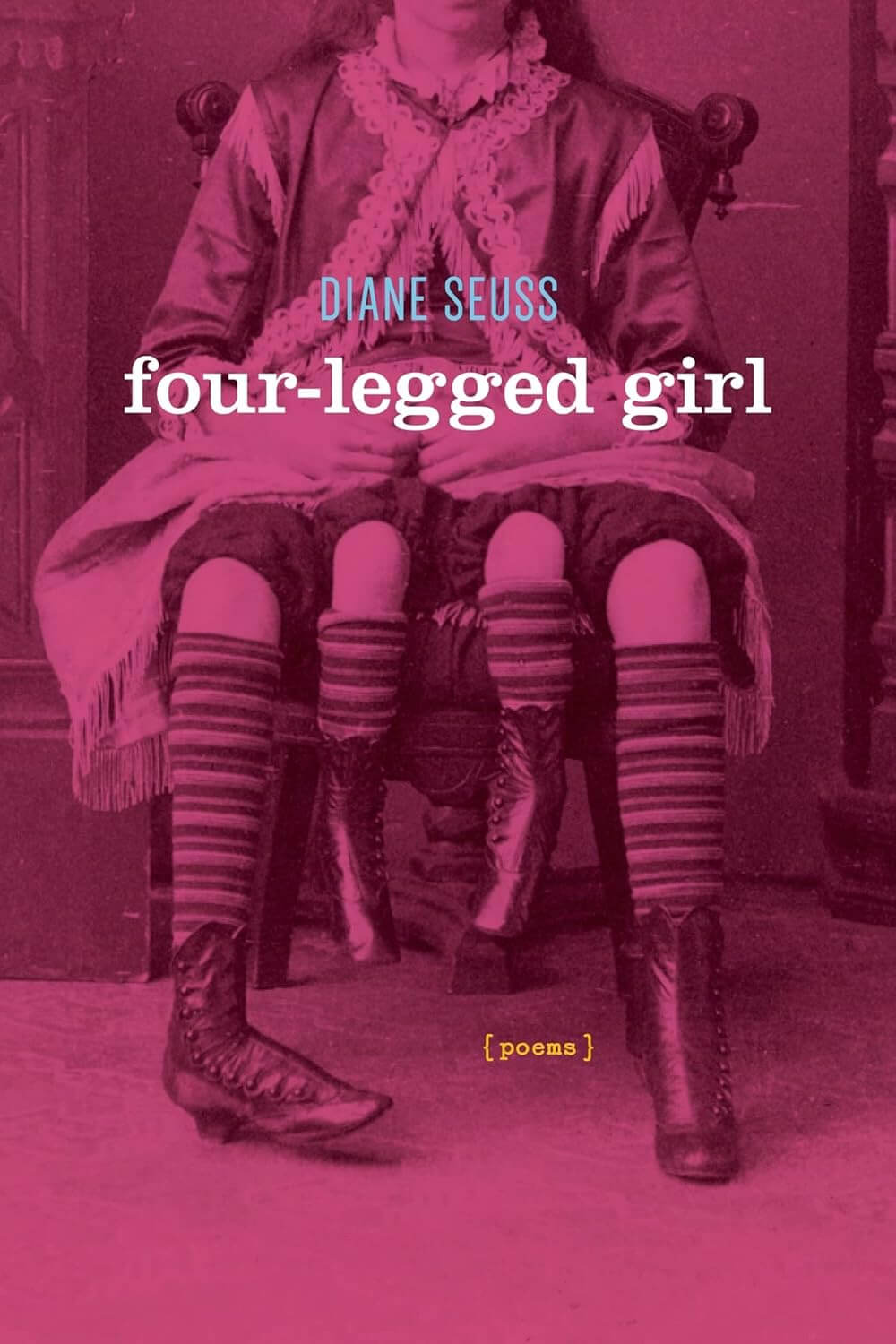
Four-Legged Girl

Four-Legged Girl

by Diane Seuss

Seuss’ poems are intimate, candid, and often startlingly funny, with a voice that feels unfiltered without being careless. The collection explores desire, shame, faith, and selfhood with a fierce willingness to look directly at what’s usually hidden. Seuss writes in a conversational register that can suddenly flare into lyric beauty. There’s a strong sense of confession, but the poems are shaped by craft—line breaks and rhythm doing quiet work under the candor. The title suggests bodily strangeness and outsider identity, and the poems lean into that edge. Seuss’ humor often arrives as survival tactic, a way to speak pain without collapsing into it. The collection is emotionally exposed, yet it resists tidy redemption narratives. Reading it feels like being let into someone’s most private room—messy, alive, and unashamed of contradiction. The poems balance tenderness with bite, vulnerability with defiance. It’s a collection that makes intimacy feel dangerous and real. Brave, raw, and deeply human.

4.28
Poetry
Intimate
Bold
Vulnerable
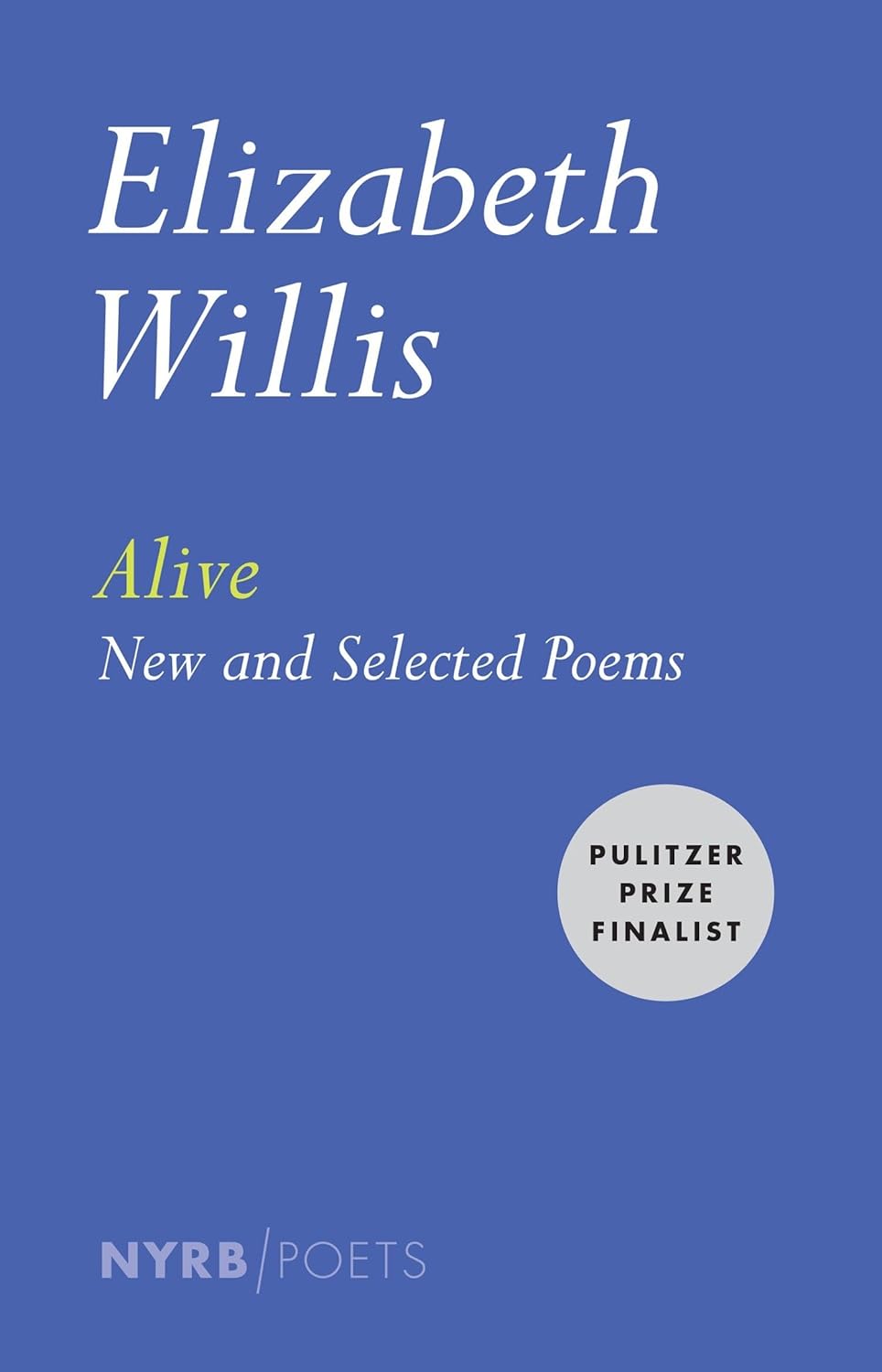
Alive: New and Selected Poems

Alive: New and Selected Poems

by Elizabeth Willis

Willis’ selected poems showcase a mind that delights in language while keeping a sharp awareness of politics and perception. The work is playful in surface texture—quick turns, surprising juxtapositions—yet serious in what it investigates. Willis often writes in a mode of collage, letting fragments and voices create meaning through proximity. This style captures contemporary consciousness: distracted, flooded, and searching for coherence. The poems are intellectually lively, inviting readers to participate in making sense rather than receiving a message. There’s humor here, but it’s often edged with critique. Willis’ lines can feel airy, then suddenly land on something hard—power, violence, the limits of speech. Across the selection, you see formal range and consistent curiosity. The poems reward rereading, because their effects often emerge after the first pass. The book offers a compelling portrait of a poet attuned to both lyric possibility and public life. Smart, inventive, and quietly bracing.

3.90
Poetry
Cerebral
Playful
Bracing