Pulitzer Prize 2015

War and wonder, empires and extinctions — books that map the human cost of history and the fragile beauty of the world

The Pulitzer Prize 2015 finalists span an extraordinary range, from wartime fiction and short stories to global histories of empire, industry, and ideology. What links them is a fascination with scale: the scale of a single life under pressure, the scale of systems that remake continents, and the scale of forces—economic, political, ecological—that outlast any individual. These books read like different instruments playing the same theme: how power shapes experience.

In the fiction finalists, war and displacement become settings for moral choice, memory, and reinvention. The histories and biographies widen the lens, tracing how nations collide, how industries knit the world together through labor and extraction, and how charismatic leaders and institutions enable catastrophe. The poetry selections bring the scale back to the line—voice, perception, and the micro-histories embedded in everyday language.

Taken together, the 2015 list offers both immersion and perspective. These are books that deliver story pleasure while quietly teaching you to see: the hidden networks behind a battle, the long chain behind a cotton shirt, the evolutionary time behind a vanishing species. It’s a reading list for curiosity—books that remind you the world is bigger, stranger, and more interconnected than the stories we usually tell about it.

Fiction

War, displacement, and identity — from sweeping novels to sharp, intimate story collections

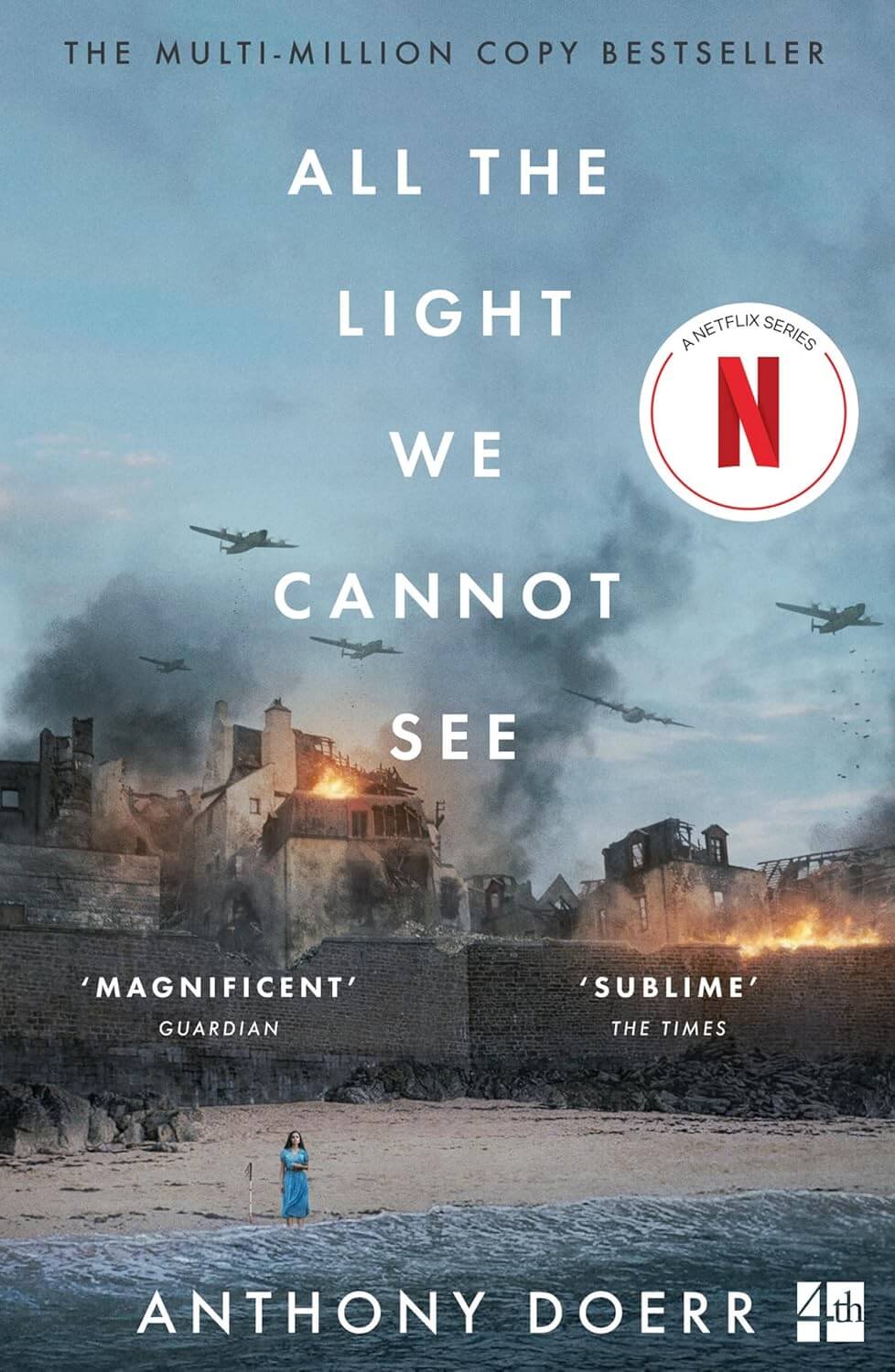
All the Light We Cannot See
Winner

All the Light We Cannot See

by Anthony Doerr

Doerr’s novel is a beautifully engineered wartime story that braids together two young lives on opposite sides of World War II. One thread follows a blind French girl navigating occupied France; the other follows a German boy whose technical gifts pull him into the machinery of the regime. Doerr’s prose is luminous and tactile, especially in how it renders sound, touch, and the physical textures of a besieged world. The short chapters create momentum and a sense of inevitability, as if history is tightening around the characters. The book balances wonder—radio waves, shells, hidden rooms—with the grim realities of war. Doerr avoids simple moral binaries, showing how innocence can be coerced and courage can be quiet. The setting of Saint-Malo feels almost mythic, a stage where chance and choice collide. The emotional payoff is strong because the novel invests in small acts of humanity as forms of resistance. At times the structure is carefully orchestrated to the point of feeling fated, but the story remains deeply affecting. A tender, suspenseful novel about perception, survival, and the invisible connections between lives.
4.31
Fiction
Historical Fiction
Literary Fiction
Tender
Suspenseful
Lyrical
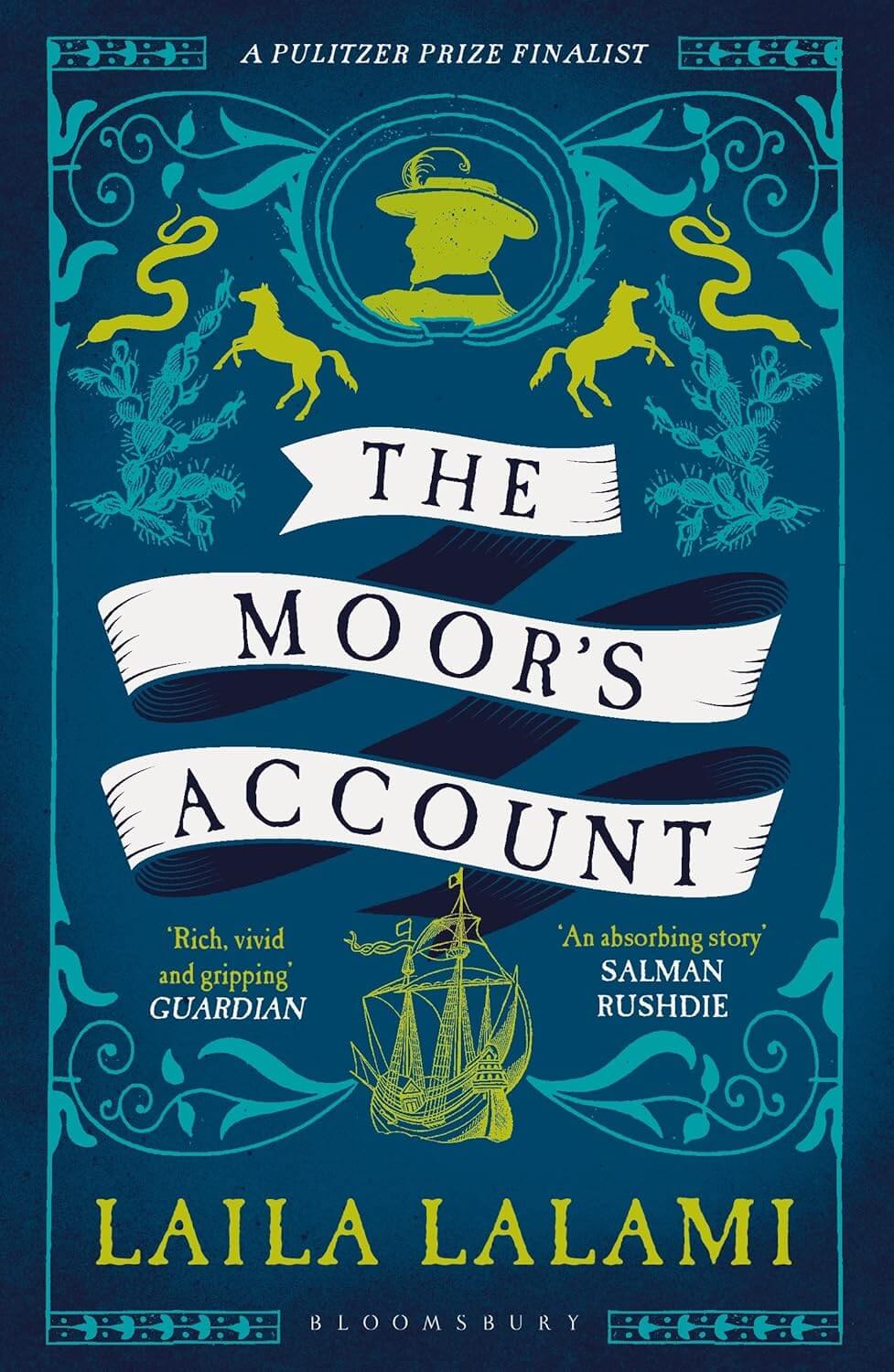
The Moor's Account

The Moor's Account

by Laila Lalami

Lalami reimagines a famous colonial expedition by giving voice to a man history largely erased: the Moroccan enslaved person known as Estevanico. The novel reads like a discovered memoir, blending adventure narrative with sharp critique of conquest. Lalami’s prose is elegant and accessible, building a vivid sense of landscape, hunger, and endurance. The book interrogates who gets recorded as “explorer” and who is forced to carry exploration on their back. Estevanico’s perspective exposes the hypocrisies of empire with both bitterness and nuance. The journey across the Americas becomes a test of survival and a study of cultural encounter, often more complex than conquest narratives allow. Lalami is attentive to language, faith, and the shifting identities demanded by captivity. The novel balances suspense—storms, starvation, danger—with reflective depth about belonging and freedom. It also offers moments of humor and tenderness, preventing the narrative from becoming purely grim. By restoring voice to the silenced, the book reframes an entire slice of history. A compelling, corrective historical novel with real narrative drive.

4.04
Fiction
Historical Fiction
Literary Fiction
Adventurous
Reflective
Defiant
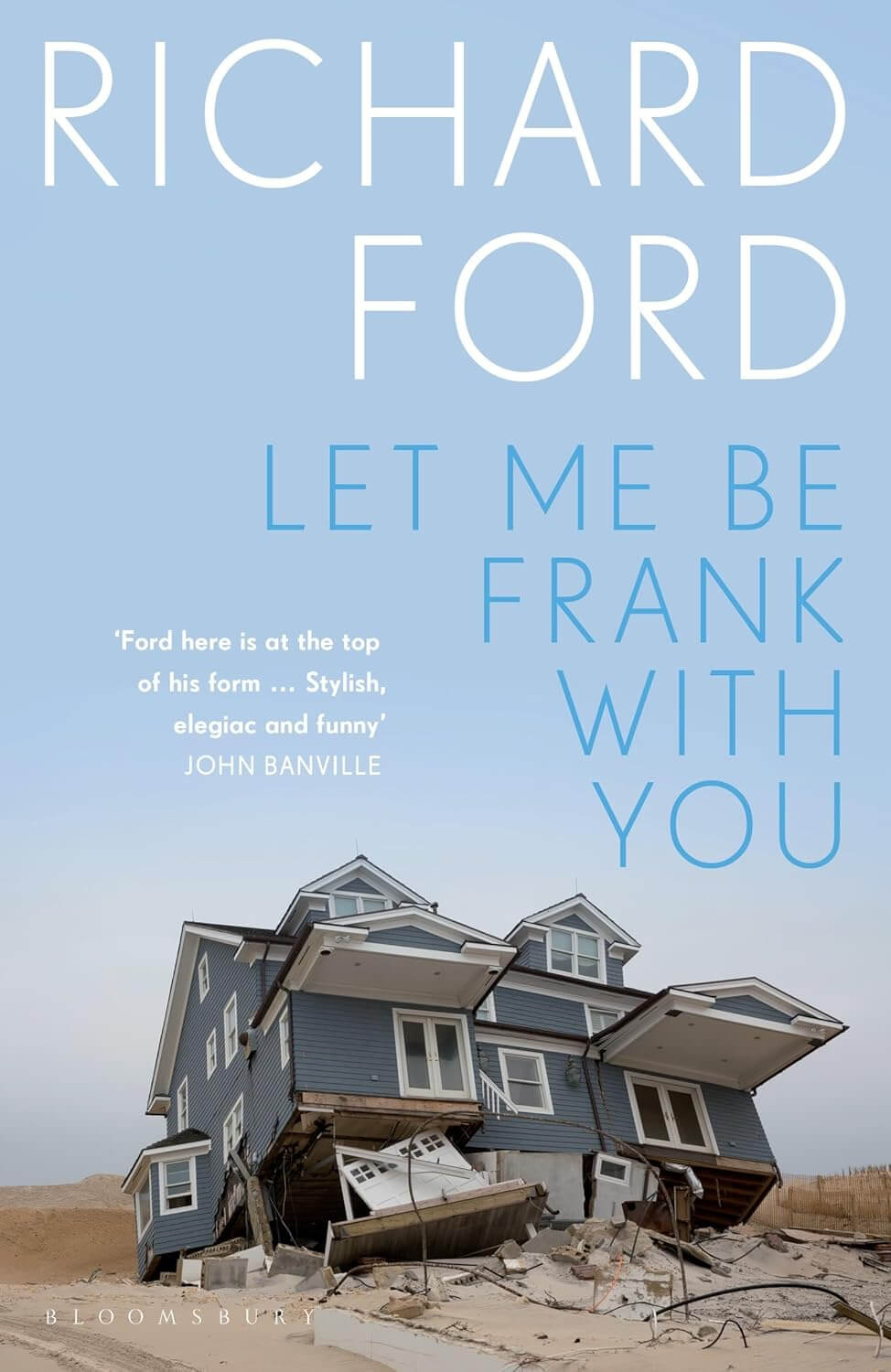
Let Me Be Frank With You

Let Me Be Frank With You

by Richard Ford

Ford returns to Frank Bascombe with four long stories that feel like late-life reckonings—wry, observant, and quietly bruised. Frank is older now, living with the aftershocks of Hurricane Sandy, family history, and the ordinary erosions of time. Ford’s strength is voice: the sentences carry intelligence, detachment, and sudden flashes of vulnerability. The stories are less about plot than about the texture of thought—how people explain themselves, and how those explanations fail. Frank’s perspective is both sympathetic and sharply limited, which creates tension and humor. Ford captures the social choreography of American life: politeness, awkwardness, defensive charm. The writing is calm but not soft; it holds a steady awareness of loss and mortality. What makes the collection compelling is its attention to the everyday—meetings, conversations, drives—where meaning accumulates. The title is a promise and a warning: honesty, in Ford’s hands, is never simple. The result is subtle, richly observed fiction about aging, decency, and the stories we tell to keep going.

3.65
Fiction
Short Stories
Literary Fiction
Wry
Reflective
Melancholic
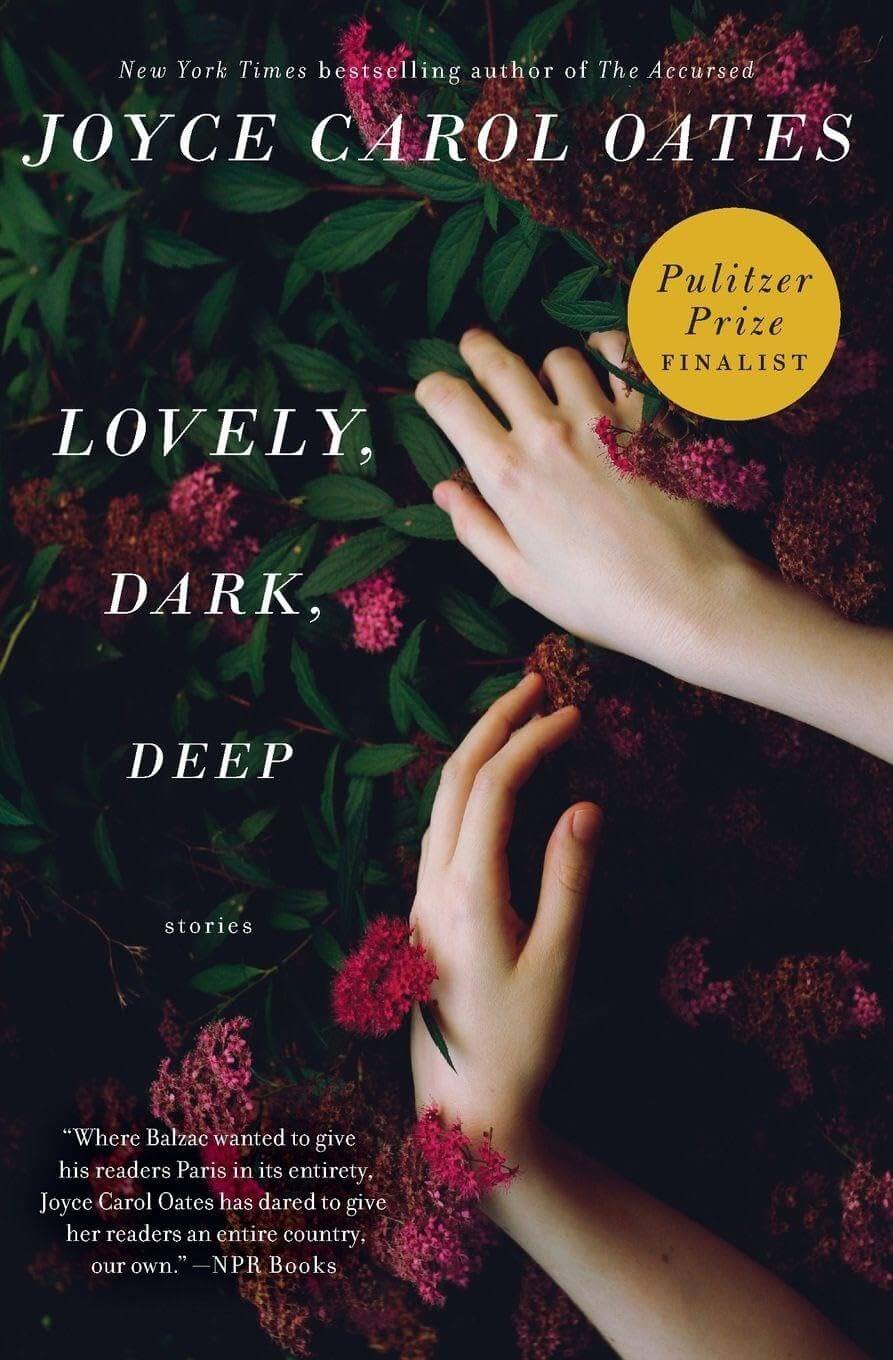
Lovely, Dark, Deep

Lovely, Dark, Deep

by Joyce Carol Oates

Oates’ collection is a dark cabinet of psychological intensity, filled with characters at the edge of fear, obsession, and rupture. The stories often begin in familiar territory—family, work, relationships—then tilt into dread. Oates is masterful at rendering inner life, especially the moments when thought turns corrosive or compulsive. Her prose is urgent and immersive, drawing readers into claustrophobic emotional spaces. Many stories explore how vulnerability becomes danger, and how violence can be both overt and subterranean. The collection has a gothic undercurrent, but the settings are often recognizably contemporary, which makes the unease sharper. Oates is also attentive to power dynamics—gender, class, authority—and how they shape what characters feel able to say. The narratives rarely offer comfort; they’re designed to disturb and reveal. Yet there’s craft in the pacing and in the way dread accumulates like weather. The title suggests beauty inside darkness, and the best stories embody that tension: terrible, compelling, and strangely magnetic. A potent collection for readers who like fiction that unsettles rather than reassures.

3.62
Fiction
Short Stories
Literary Fiction
Eerie
Intense
Unsettling

General Nonfiction

Essential works on extinction, modern China, and the lived reality of war

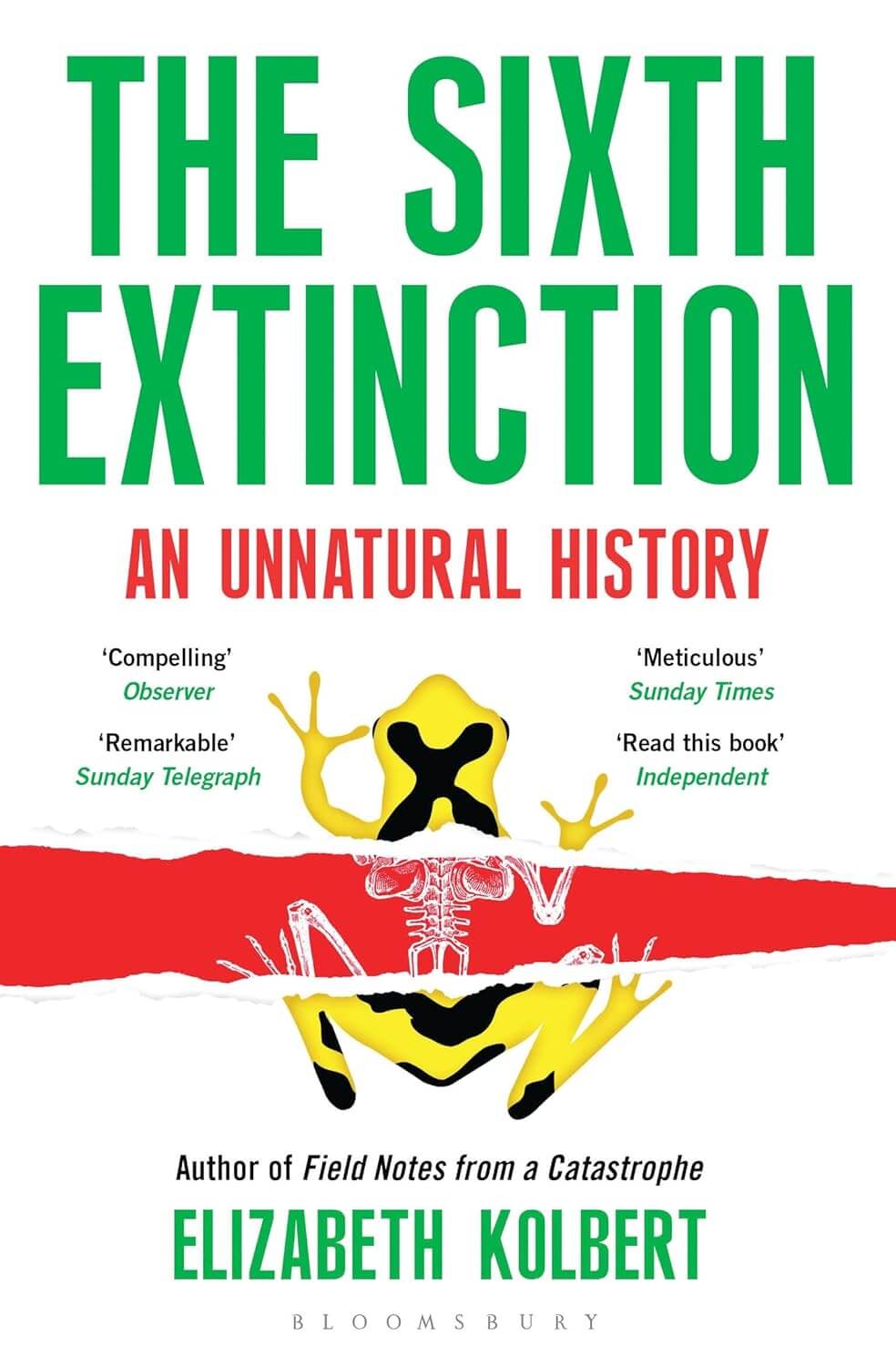
The Sixth Extinction: An Unnatural History
Winner

The Sixth Extinction: An Unnatural History

by Elizabeth Kolbert

Kolbert makes the science of mass extinction gripping and legible, showing how human activity is reshaping life on Earth at breathtaking speed. The book moves through field reporting, laboratory science, and deep time, connecting distant ecosystems to everyday choices. Kolbert writes with clarity and understated urgency, letting evidence accumulate into inevitability. The narrative introduces species and habitats with vivid specificity, which makes loss feel personal rather than abstract. Kolbert is also attentive to the history of scientific ideas, showing how we learned to recognize extinction in the first place. The book avoids easy moralizing, yet its implications are unmistakably ethical. Moments of wonder—strange creatures, resilient habitats—heighten the tragedy rather than soften it. The prose is accessible without being simplistic, making complex ecology readable for general audiences. You finish with a heightened sense of planetary fragility and human responsibility. It’s one of those books that changes your baseline awareness of the world. Essential, unsettling, and deeply compelling science writing.

4.15
Nonfiction
Science
Environment
Urgent
Awe-filled
Unsettling
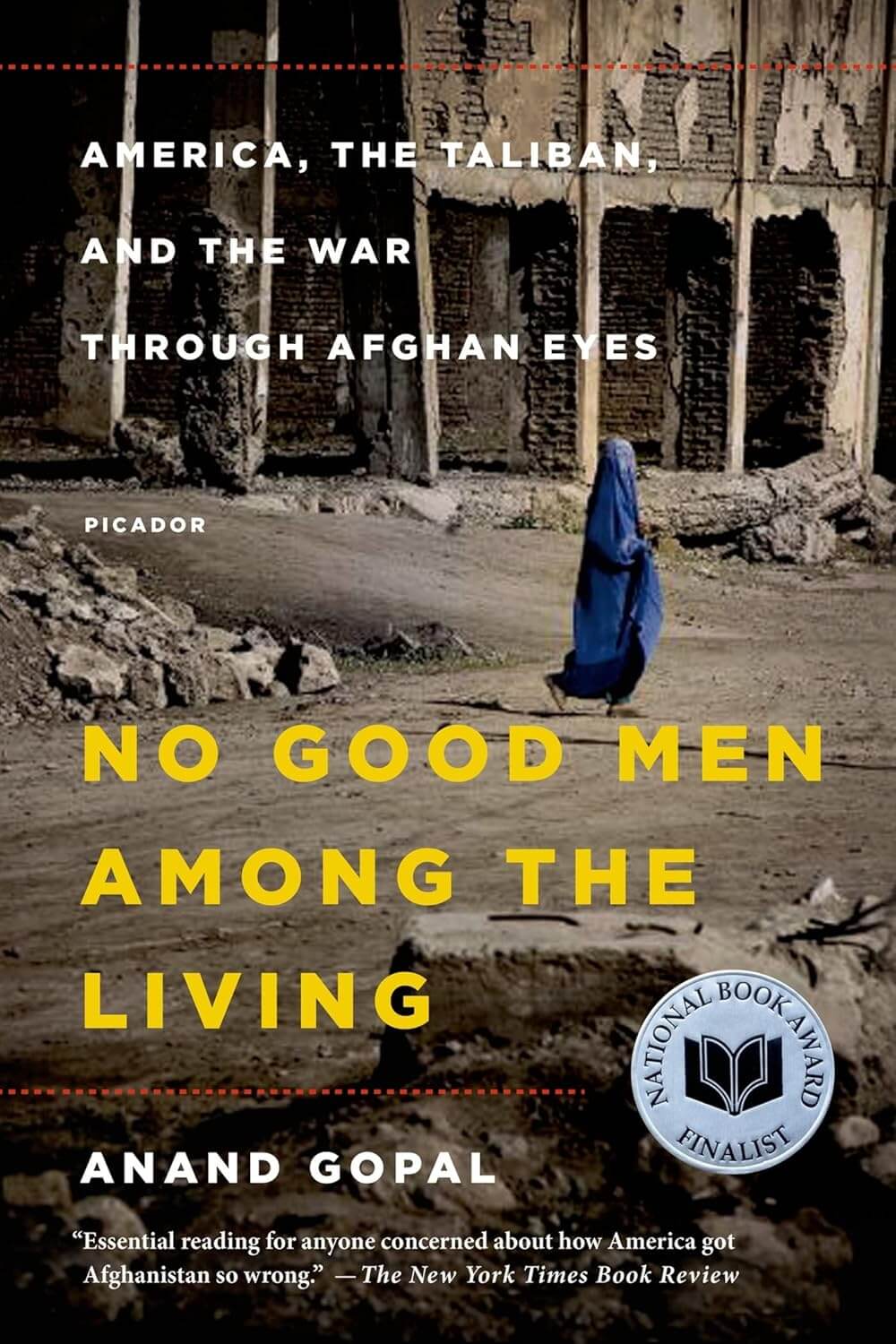
No Good Men Among the Living

No Good Men Among the Living

by Anand Gopal

Gopal tells Afghanistan’s recent history through the lives of three men, showing how war reshapes identity and allegiance. The book rejects simplistic narratives of “good” and “bad,” instead tracing how survival forces morally compromised choices. Gopal’s reporting is immersive, built on deep relationships and local understanding. He captures how shifting power structures—warlords, Taliban, foreign forces—create a landscape where loyalty is unstable and danger constant. The narrative makes geopolitics human, showing how decisions made far away land in villages as fear, loss, and adaptation. Gopal is attentive to history, explaining how past conflicts set the stage for present chaos. The writing is propulsive, often reading like a novel while remaining grounded in evidence. The book also exposes the unintended consequences of foreign intervention, without turning into a simple antiwar polemic. Moments of empathy arrive alongside moments of brutality, emphasizing the complexity of lived war. You finish with a deeper sense of Afghanistan as a place of individuals, not abstractions. A powerful work of narrative journalism and moral clarity.

4.46
Nonfiction
Journalism
War & Conflict
Sobering
Compassionate
Intense
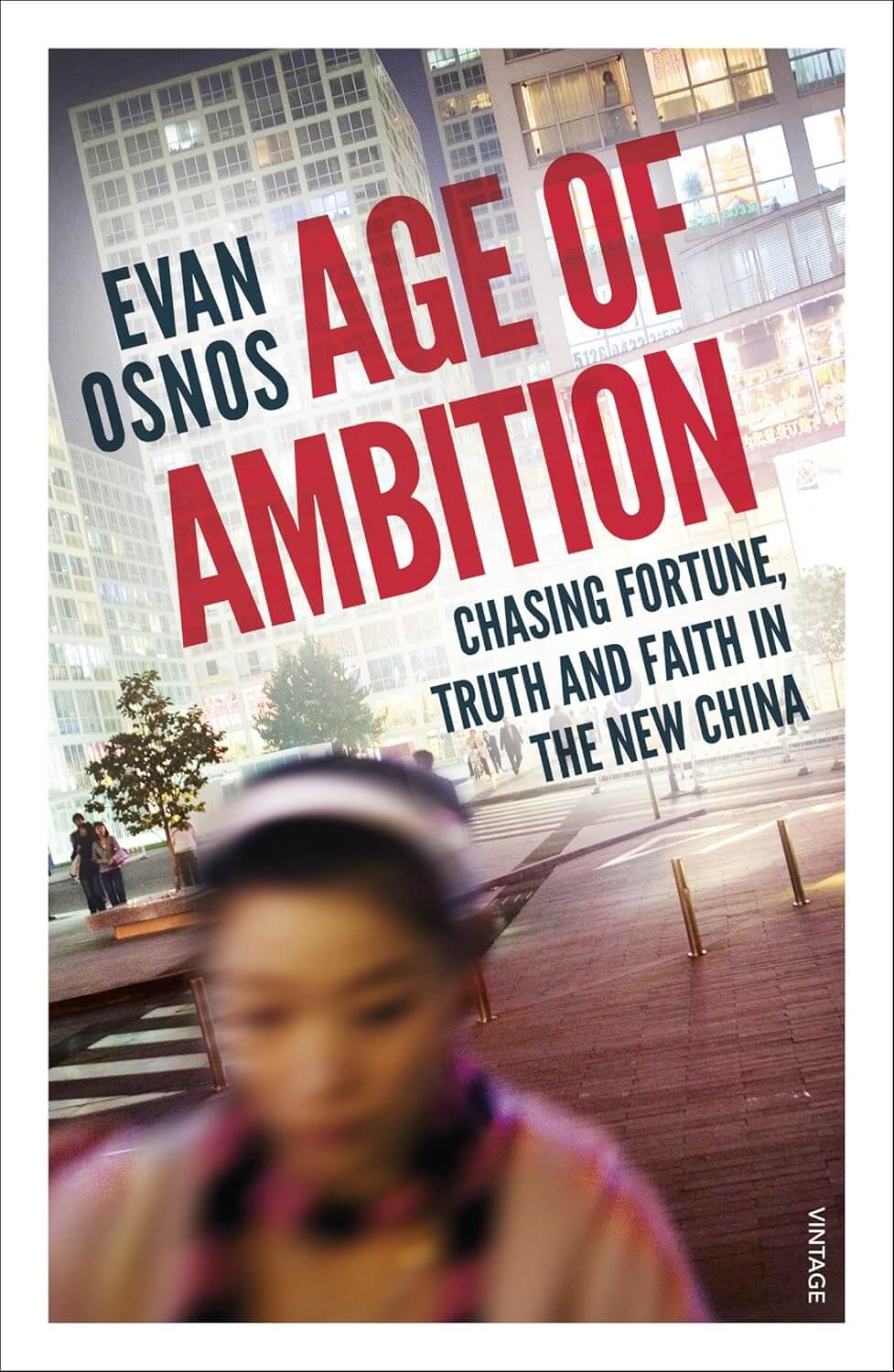
Age of Ambition: Chasing Fortune, Truth, and Faith in the New China

Age of Ambition: Chasing Fortune, Truth, and Faith in the New China

by Evan Osnos

Osnos offers a vivid portrait of contemporary China through stories of money, censorship, spiritual searching, and social transformation. The book blends reportage with cultural analysis, making large political shifts feel grounded in real lives. Osnos is especially good at capturing contradiction: entrepreneurial energy alongside state control, material ambition alongside moral hunger. The narrative introduces memorable characters navigating opportunity and risk in a rapidly changing society. Osnos writes with clarity and nuance, avoiding stereotypes in favor of complexity. The book traces how information is managed—how truth becomes negotiable under pressure. It also explores faith and philosophy as responses to dislocation, showing how people rebuild meaning when old certainties collapse. The reporting is sharp, but the tone remains curious rather than preachy. Readers come away with a textured understanding of China’s modern social landscape beyond headlines. The book is both accessible and intellectually substantial. A compelling guide to a country remaking itself at high speed.

4.24
Nonfiction
Journalism
Politics
Curious
Insightful
Engrossing

History

From Indigenous histories to imperial rivalry and global capitalism’s rise

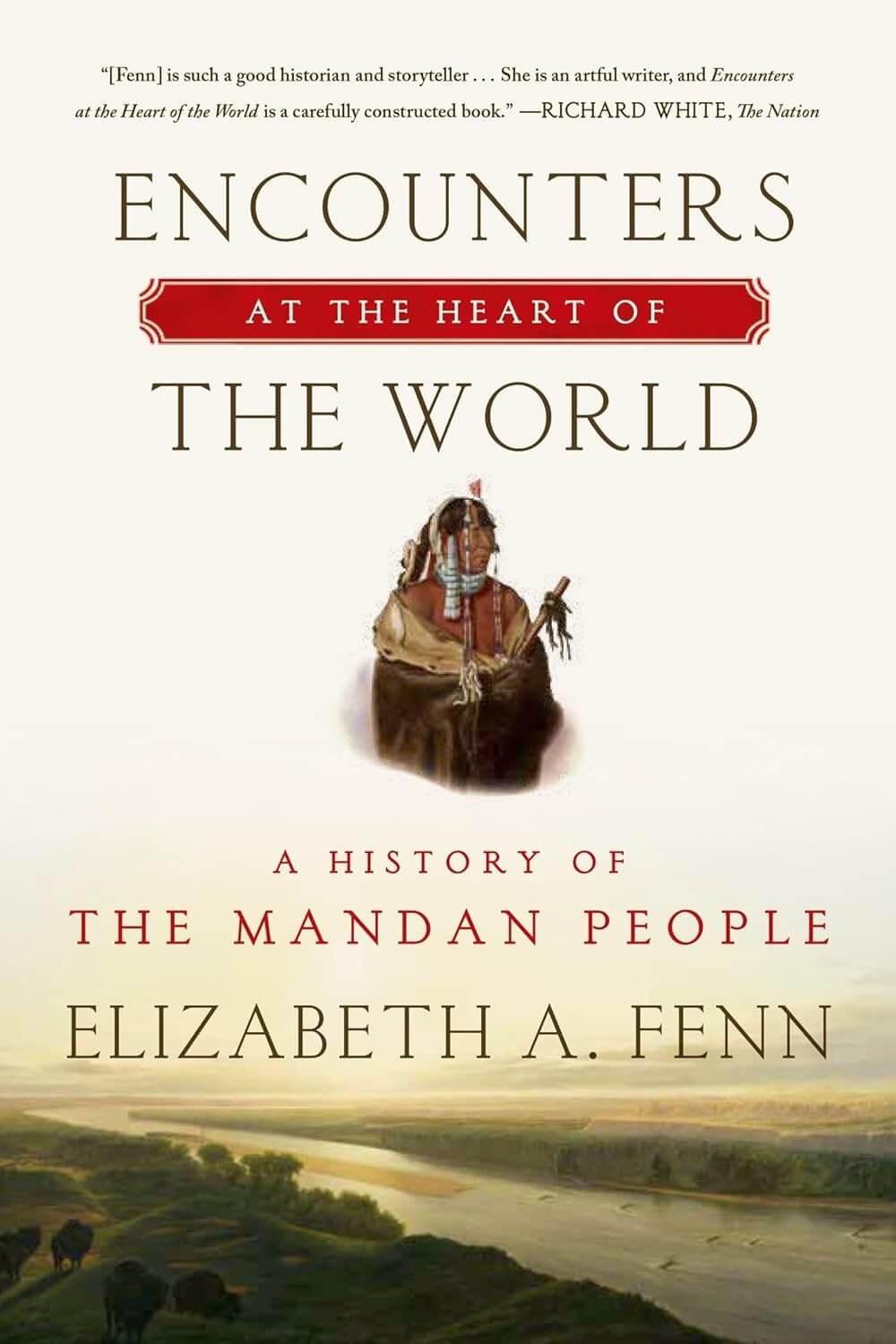
Encounters at the Heart of the World: A History of the Mandan People
Winner

Encounters at the Heart of the World: A History of the Mandan People

by Elizabeth A. Fenn

Fenn tells the history of the Mandan people with extraordinary narrative richness, centering Indigenous life, trade, diplomacy, and resilience. The book reframes the North American interior as a crossroads of power and culture rather than an empty frontier. Fenn draws on diverse sources to reconstruct a complex society shaped by exchange, alliance, and environmental reality. She is especially attentive to the catastrophic impact of disease and colonial pressure, without reducing Mandan history to tragedy alone. The writing is vivid and humane, making historical actors feel present and purposeful. Fenn shows how the Mandan navigated enormous change with strategic intelligence. The narrative also corrects the tendency to treat Indigenous nations as background to European expansion. Instead, Mandan agency becomes central to understanding regional history. The book’s scope is large, but its details are intimate, grounded in daily life and political decision-making. It’s both deeply researched and highly readable. A landmark work that changes the map of American history.

3.97
Nonfiction
History
Indigenous History
Revelatory
Expansive
Immersive
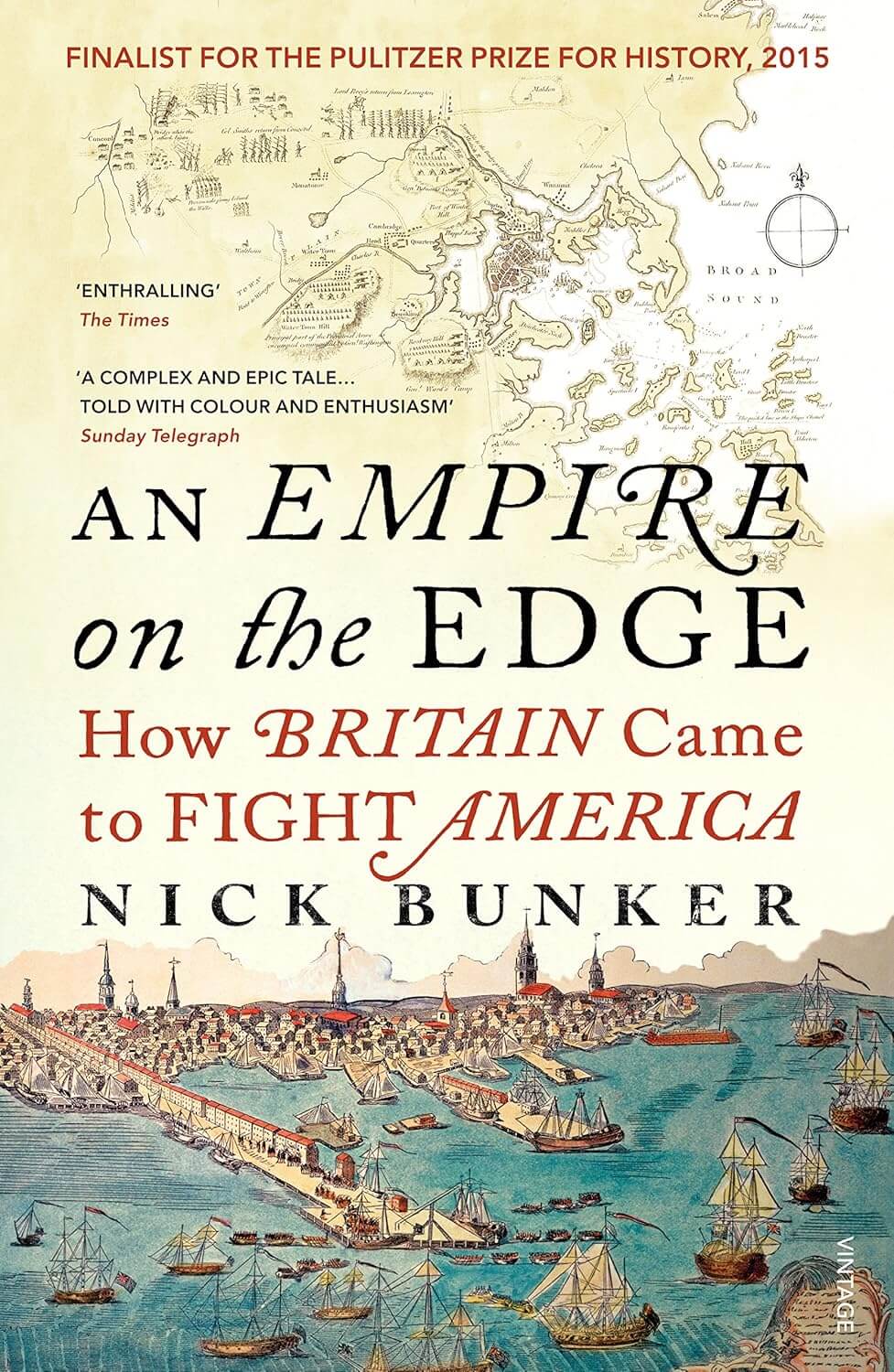
An Empire on the Edge: How Britain Came to Fight America

An Empire on the Edge: How Britain Came to Fight America

by Nick Bunker

Bunker explores the lead-up to the American Revolution by examining Britain’s imperial calculations, internal politics, and strategic blind spots. The book treats war as contingent rather than inevitable, shaped by competing priorities and misunderstandings. Bunker brings diplomatic maneuvering and political debate to life, showing how decisions made in London reverberated across the Atlantic. The narrative highlights how empire often fails through bureaucratic inertia and misread local realities. Bunker’s writing is accessible, balancing big-picture context with vivid personalities. The book also complicates nationalist mythology by focusing on imperial perspective rather than revolutionary romance. Readers see the conflict as part of a broader global contest among empires. The pacing is brisk enough to feel story-driven, not purely analytical. It’s especially strong at showing how policy becomes fate when pride and pressure collide. A smart, clarifying history of how wars begin—quietly, then all at once.

4.17
Nonfiction
History
Clarifying
Engaging
Analytical
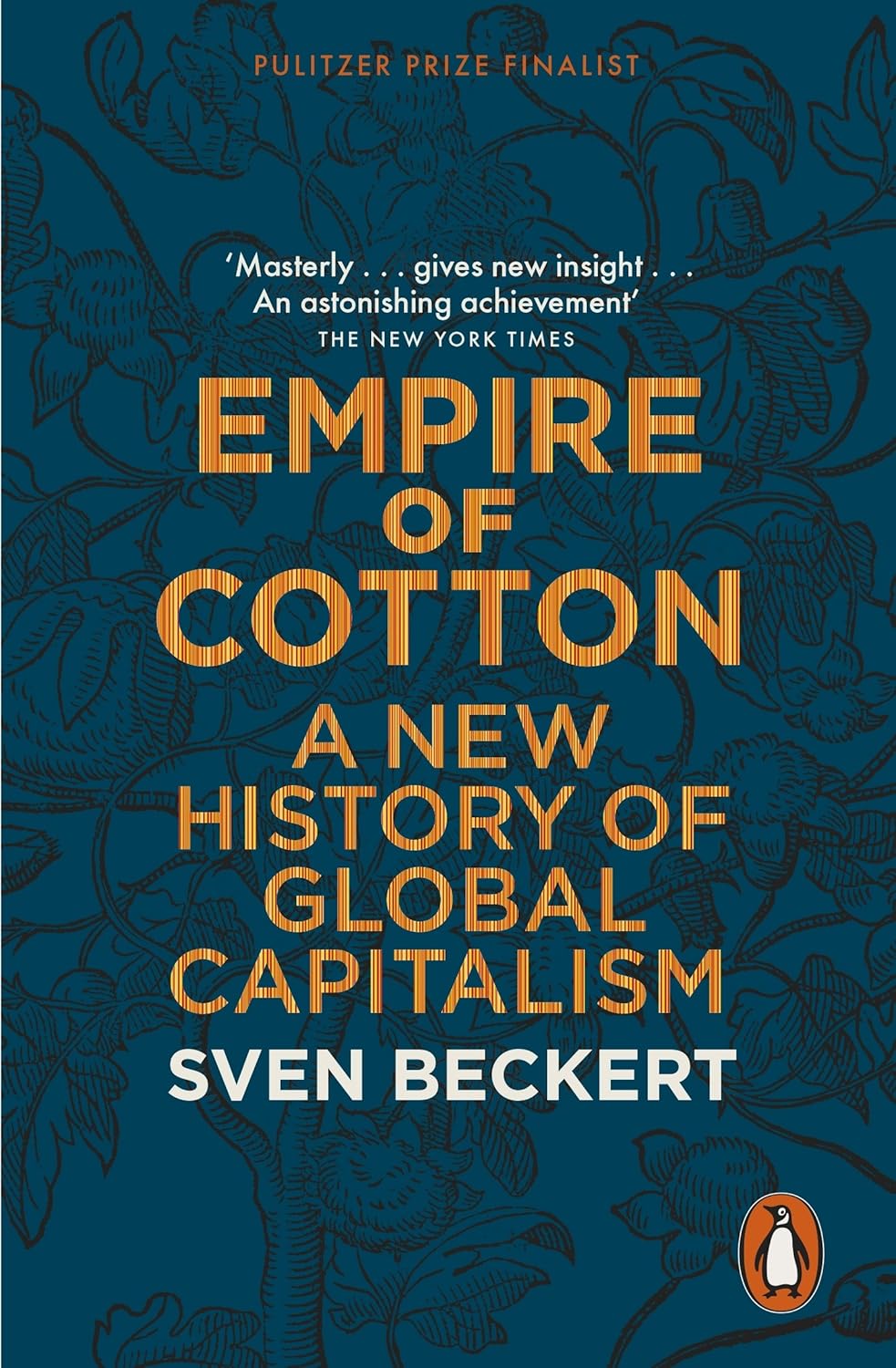
Empire of Cotton: A Global History

Empire of Cotton: A Global History

by Sven Beckert

Beckert tells the story of modern capitalism through cotton, revealing how a single commodity can knit together empire, slavery, industry, and finance. The book is sweeping in scope, moving across continents and centuries with confident synthesis. Beckert argues that cotton’s rise depended on coercion—land seizure, forced labor, and state-backed violence—more than on benign market forces. The narrative makes global interdependence feel concrete: plantations, mills, shipping routes, and stock exchanges are shown as parts of one system. Beckert writes clearly despite the scale, building an argument through vivid historical examples. The book reframes industrialization as inseparable from colonial extraction. It also shows how state power and private profit reinforced each other, creating what Beckert calls “war capitalism.” The result is both explanatory and morally bracing. Readers come away seeing everyday materials as histories you can wear. It’s a big, ambitious work that changes how you understand globalization’s origins. Essential reading for anyone interested in capitalism’s real foundations.

3.90
Nonfiction
History
Economic History
Expansive
Provocative
Analytical

Biography

Power, genius, and the institutions that shape history—religion, music, and dictatorship

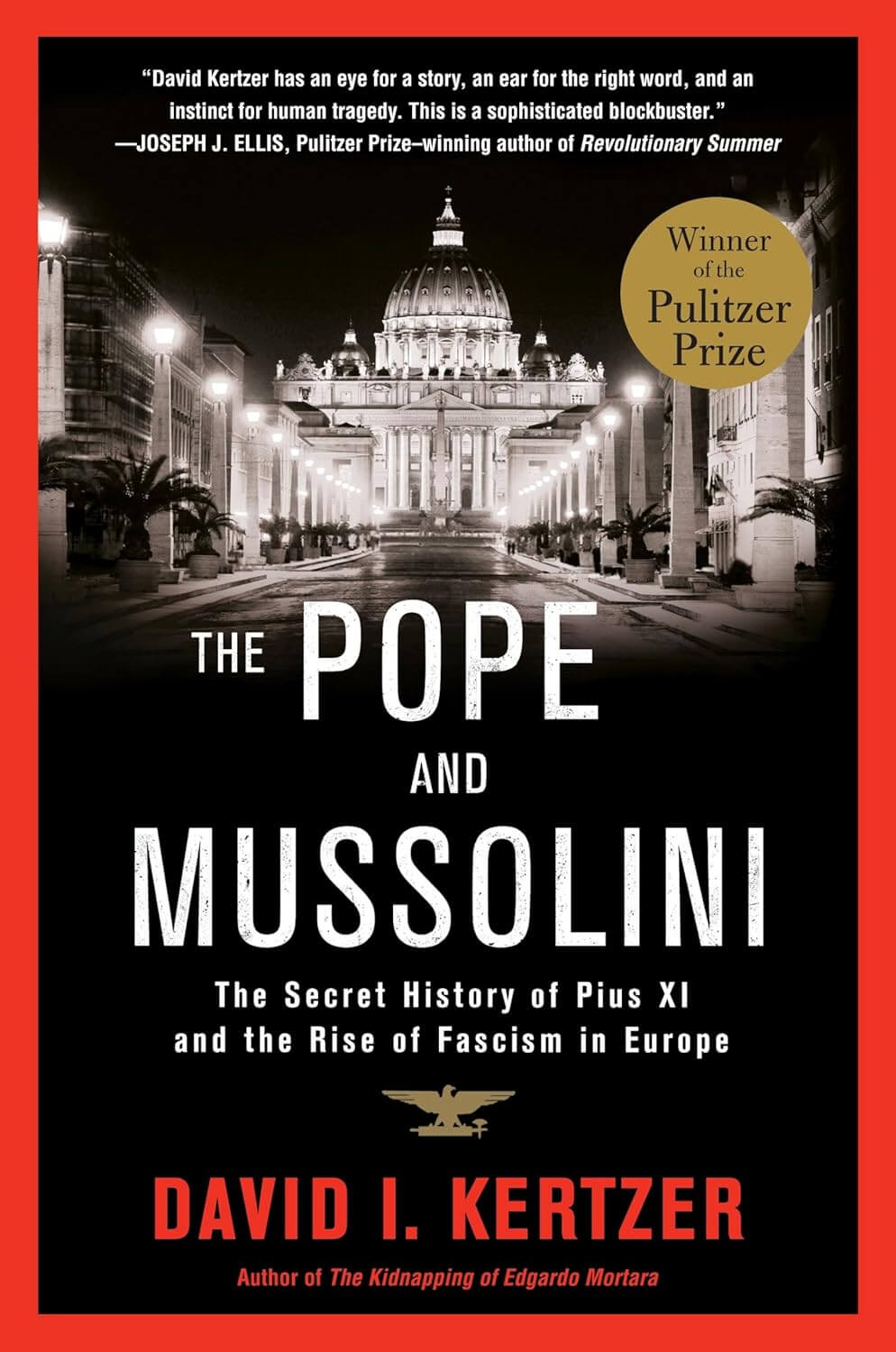
The Pope and Mussolini: The Secret History of Pius XI and the Rise of Fascism in Europe
Winner

The Pope and Mussolini: The Secret History of Pius XI and the Rise of Fascism in Europe

by David I. Kertzer

Kertzer reconstructs a tense, consequential relationship between the Vatican and Mussolini’s fascist regime, showing how institutional power bargains with ideology. The book is built from deep archival research, including Vatican documents that illuminate backroom strategy. Kertzer writes with the momentum of political thriller while keeping the analysis historically grounded. Pius XI emerges as complex—capable of moral outrage, yet constrained by diplomacy and institutional interest. Mussolini’s opportunism is shown in chilling detail, as he uses religion for legitimacy. The narrative exposes how complicity can be incremental, rationalized step by step. Kertzer also highlights the human costs of these choices, including antisemitism and repression. The book challenges comforting narratives about moral clarity in times of authoritarian rise. It’s a study in the dangers of “pragmatism” when ethics are at stake. Readers come away with a sharper understanding of how fascism gains ground through alliances. A gripping, unsettling portrait of power and accommodation.

4.16
Nonfiction
Biography
History
Unsettling
Revelatory
Serious
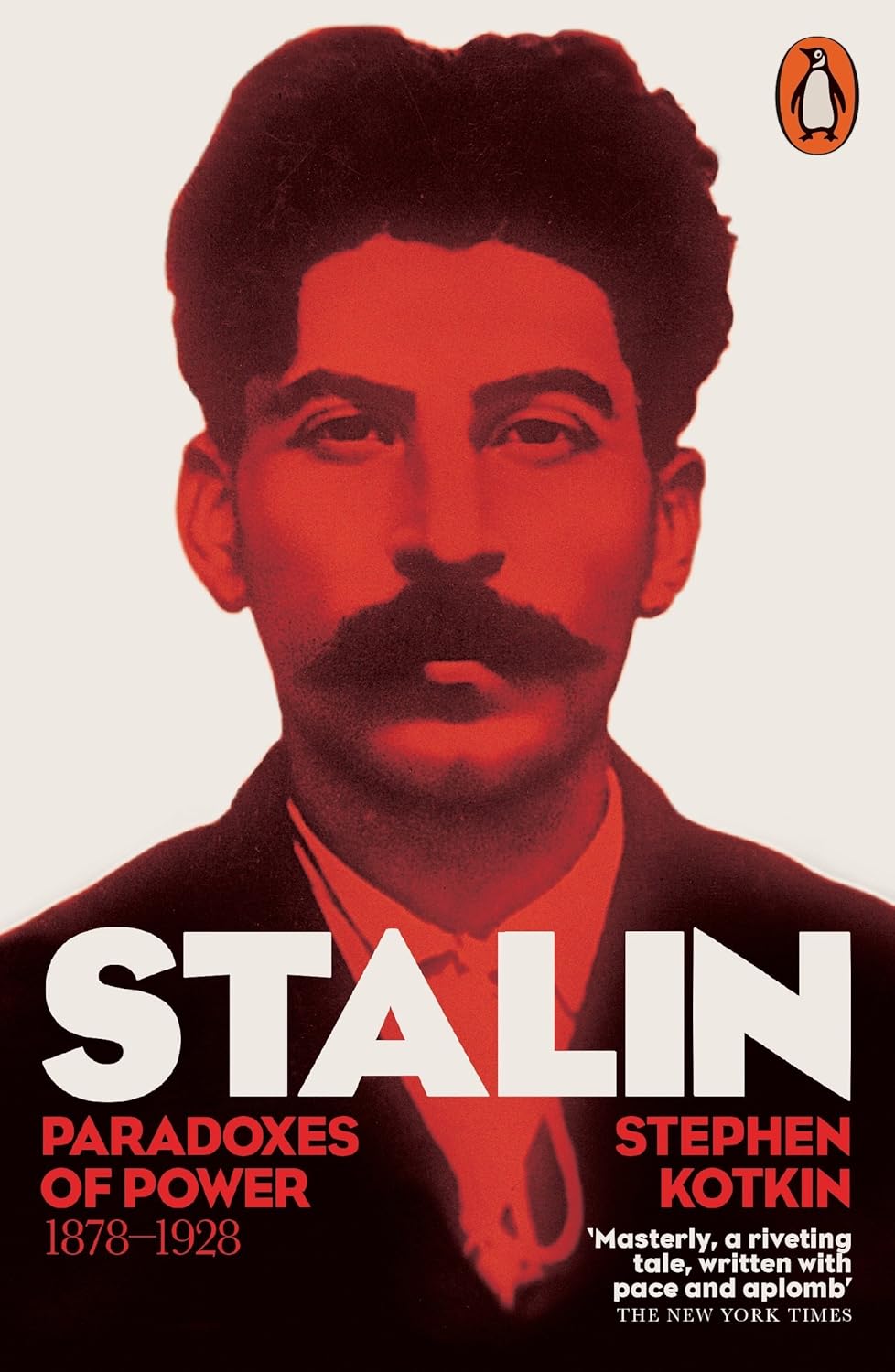
Stalin: Volume I: Paradoxes of Power, 1878-1928

Stalin: Volume I: Paradoxes of Power, 1878-1928

by Stephen Kotkin

Kotkin’s first volume is a monumental, deeply sourced portrait of Stalin’s rise, placing him within the wider machinery of empire, revolution, and ideology. Rather than treating Stalin as an inexplicable monster, Kotkin shows how personality and system fed each other. The biography is dense, but it’s driven by a clear sense of political stakes and historical momentum. Kotkin traces networks of power, institutional dynamics, and the culture of revolutionary certainty that enabled brutality. Stalin emerges as ruthless, strategic, and adept at reading opportunities inside chaos. The narrative also shows how contingency and accident shaped outcomes—how close history can run to different tracks. Kotkin’s command of archival detail gives the book authority, while his analysis keeps it interpretive rather than merely descriptive. Readers gain insight into how authoritarian power is built: through bureaucracy, fear, ideology, and control of information. It’s a demanding read, but the payoff is profound understanding. A defining work of political biography and modern history.

4.02
Nonfiction
Biography
History
Grave
Analytical
Immersive
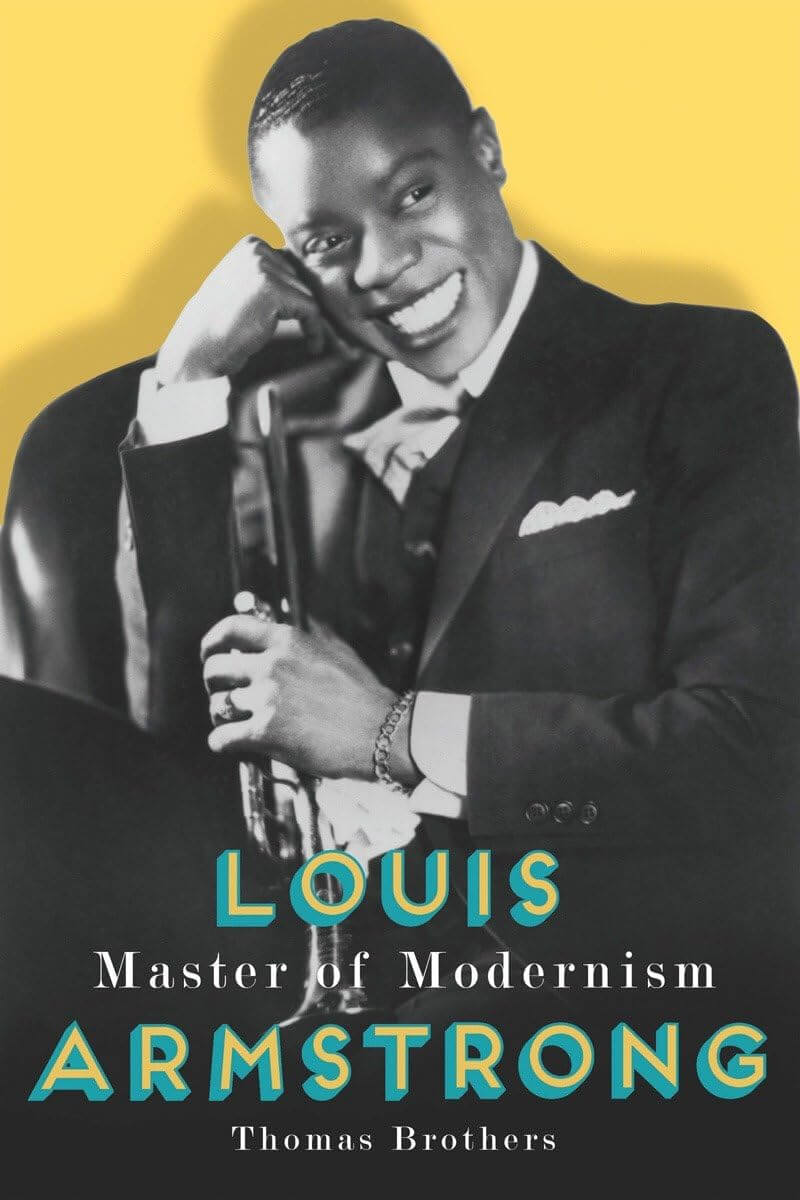
Louis Armstrong: Master of Modernism

Louis Armstrong: Master of Modernism

by Thomas Brothers

Brothers presents Louis Armstrong not only as entertainer but as a profound modernist artist whose innovations reshaped music. The biography combines life story with musical analysis, making Armstrong’s genius legible in both cultural and technical terms. Brothers captures Armstrong’s early life, ambition, and relentless work ethic with vivid detail. The book also explores how race shaped Armstrong’s career—opportunity entangled with constraint. Brothers argues persuasively for Armstrong’s artistry as sophisticated, experimental, and foundational. The writing invites readers into the sound without requiring specialist knowledge, translating musical insight into narrative. Armstrong emerges as joyful and strategic, navigating audiences and expectations with skill. The biography also pays attention to performance as labor, not just charisma. It’s an affectionate portrait that refuses to simplify its subject into myth. You finish with a renewed sense of Armstrong’s radical impact on modern culture. A rich, illuminating biography of a singular talent.

3.78
Nonfiction
Biography
Music
Celebratory
Insightful
Engaging

Poetry

Collections that locate history in voice, image, and everyday life

Digest
Winner

Digest

by Gregory Pardlo

Pardlo’s collection is a smart, warm exploration of family, memory, and identity, grounded in everyday detail and cultural reference. The poems move between personal history and public life, showing how the two are braided. Pardlo writes with clarity and a conversational ease that still carries formal control. Humor appears frequently, often as a way of handling tenderness and contradiction. The collection is attentive to fatherhood, childhood, and the stories families tell about themselves. Pardlo’s language can pivot quickly—from domestic scene to philosophical reflection—without feeling forced. The poems also engage music and pop culture as archives of feeling. There’s a steady intelligence beneath the accessibility, making the work inviting without being simple. The title suggests taking in, processing, making meaning—exactly what these poems do. The result is generous, reflective, and quietly moving. A collection that feels lived-in and honest.

4.00
Poetry
Reflective
Warm
Wry
Compass Rose

Compass Rose

by Arthur Sze

Sze’s poems move like attentive walks—precise, meditative, and richly aware of the world’s interconnections. The collection blends natural imagery with urban and historical references, creating a sense of layered geography. Sze’s language is careful and luminous, often building meaning through juxtaposition rather than statement. The poems invite slow reading; they reward attention with subtle shifts and resonant echoes. There’s a calm intelligence here, a trust in the reader’s ability to follow the mind’s associative route. The “compass” in the title feels apt: these poems orient you toward relationship—between people, places, times, and species. Sze is attentive to fragility and beauty without drifting into sentimentality. The work often carries an ethical undertone: to notice is to care. Formally, the poems feel airy yet structured, like breath held in shape. Reading them can be quietly transformative, sharpening perception. A refined, contemplative collection for readers who love poetry as deep attention.

4.02
Poetry
Contemplative
Lyrical
Calm
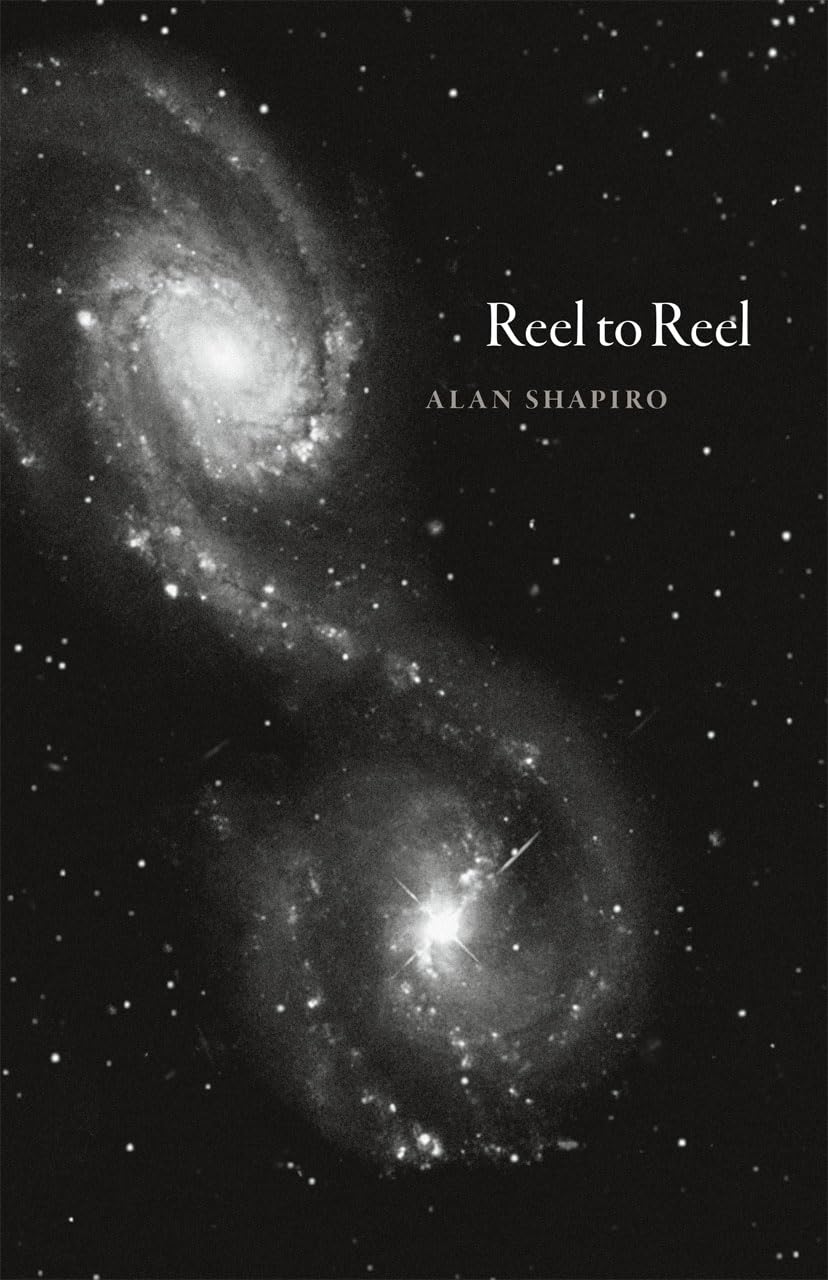
Reel to Reel

Reel to Reel

by Alan Shapiro

Shapiro’s collection explores memory and family with a storyteller’s clarity and a poet’s emotional precision. Many poems feel cinematic, as if the speaker is replaying scenes to understand what they meant. The language is accessible, built from clear images and direct observation. Shapiro writes about love, loss, and the ache of time passing with restrained intensity. The collection often circles relationships—parents, partners, children—showing how intimacy contains misunderstanding as well as tenderness. The “reel” motif suggests both film and the act of reeling in: trying to capture what slips away. Shapiro’s craft is steady, relying on narrative momentum and emotional honesty rather than fireworks. The poems build a quiet cumulative power, leaving a lingering sense of recognition. There’s also humor in the ordinary, the small absurdities that make grief human. Reading the collection feels like looking through a family album that keeps shifting as you stare. Gentle, clear-eyed, and affecting.

3.28
Poetry
Tender
Reflective
Bittersweet