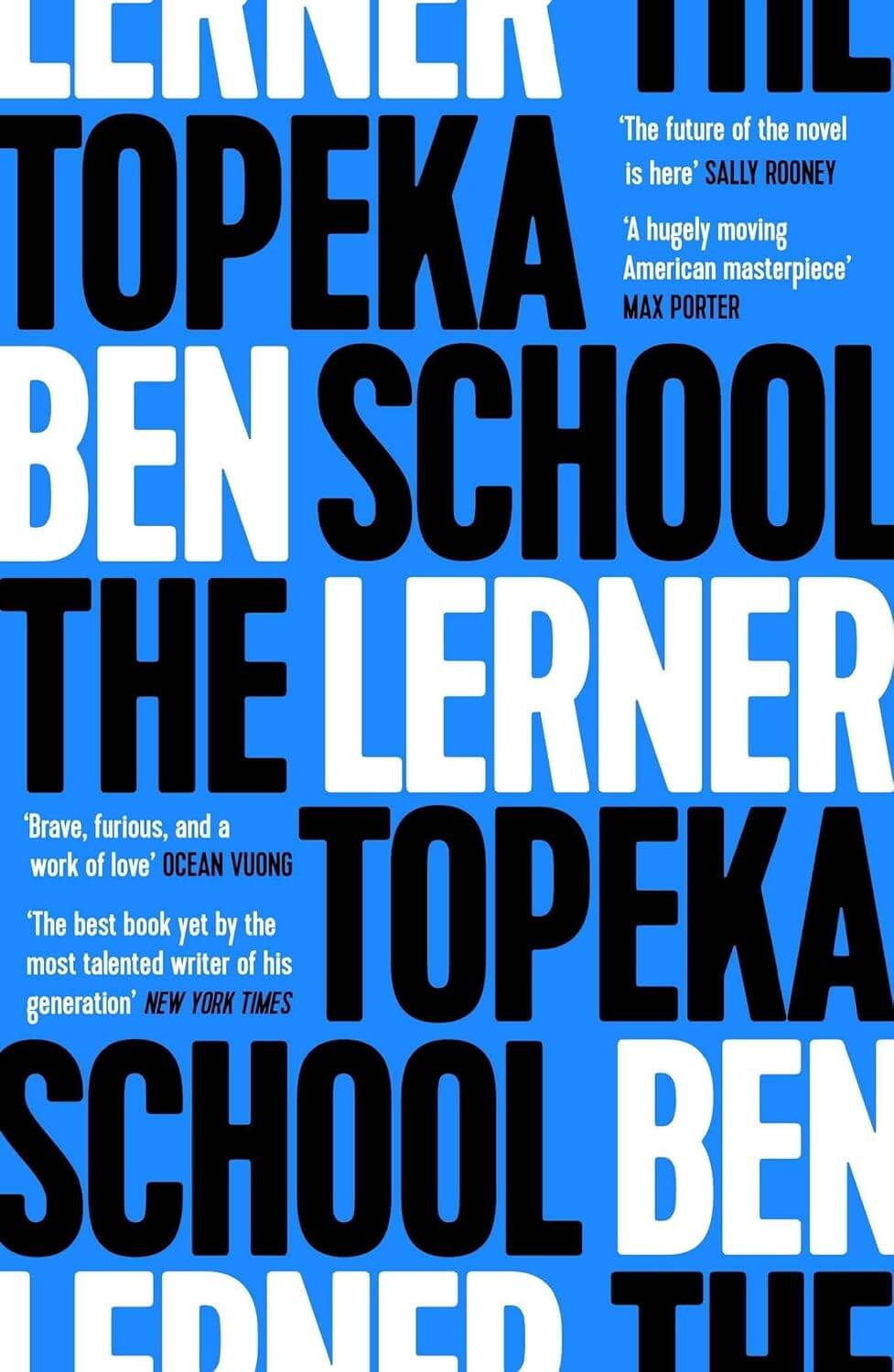
The Topeka School
by Ben Lerner
Ben Lerner’s novel is a kaleidoscopic portrait of adolescence, masculinity, and the culture of argument. Set in the 1990s, it follows Adam Gordon, the son of psychologists, as he navigates elite debate, friendship, and violence. Lerner’s sentences are elastic and analytic, moving between personal experience and social diagnosis. The book scrutinizes how language can be weaponized—how fluency becomes power, and how power can curdle into cruelty. Multiple perspectives broaden the narrative, revealing the costs borne by those outside the spotlight. The novel is deeply interested in the making of selfhood: what boys learn to perform, repress, and mimic. It also gestures toward a later political era, connecting private patterns to public discourse. Lerner is both empathetic and unsparing, willing to indict his protagonist’s blind spots. The Topeka School is challenging in the best way—sharp, funny, and unsettling. It leaves you thinking about speech as a social technology with real consequences.