Pulitzer Prize 2020

A year of fierce moral reckoning—stories and studies that expose injustice, interrogate identity, and reimagine care

The 2020 Pulitzer-recognized books circle questions of power: who wields it, who suffers beneath it, and how nations narrate their own histories. Across fiction and nonfiction, these works confront institutional cruelty, inherited privilege, racial capitalism, and the myths that shape American identity. They are not simply accounts of the past; they show how the past presses on the present.

The novels range from harrowing reckonings with state violence to intimate family sagas and experimental portraits of masculinity and ideology. In history and biography, scholars and journalists trace the roots of slavery’s afterlives, the architecture of housing discrimination, and the lives of cultural and political figures who helped define an era.

Poetry and general nonfiction deepen the list’s emotional and ethical range—offering witness, formal innovation, and hard-won wisdom about illness, aging, and confinement. Together, these books reflect a Pulitzer year defined by clarity and courage: writing that insists on truth while searching for new language to hold it.

Fiction

Three novels that interrogate American innocence—through institutional violence, family memory, and the shaping power of language and ideology.

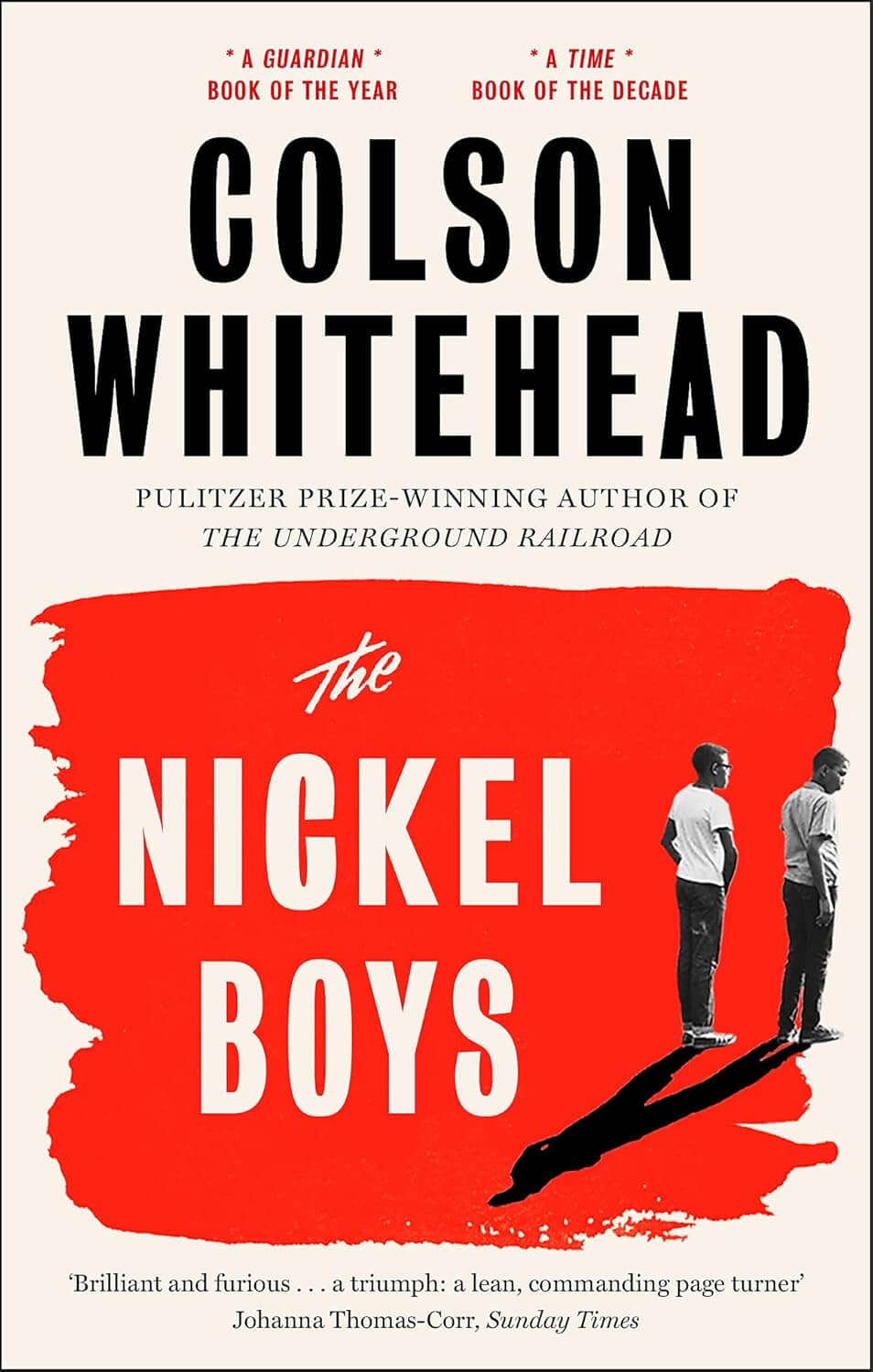
The Nickel Boys
Winner

The Nickel Boys

by Colson Whitehead

Colson Whitehead delivers a spare, devastating novel inspired by the real horrors of a Florida reform school. The story follows Elwood Curtis, a principled teenager whose faith in justice is tested by a brutal institution. Whitehead's style is controlled, almost restrained, which makes the violence land with even greater force. Friendship becomes a lifeline, but also a site of impossible choices. The novel exposes how cruelty is normalized through bureaucracy and denial. Its pacing is swift, with scenes that feel like documentary flashes of truth. The setting is rendered with haunting precision—sunlight and terror in the same frame. A late structural turn reframes what you think you know, deepening the book's ethical shock. The Nickel Boys is both an indictment and an elegy. It leaves readers with the ache of lives altered by systems designed to harm.
4.25
Literary Fiction
Historical Fiction
Haunting
Unflinching
Gripping
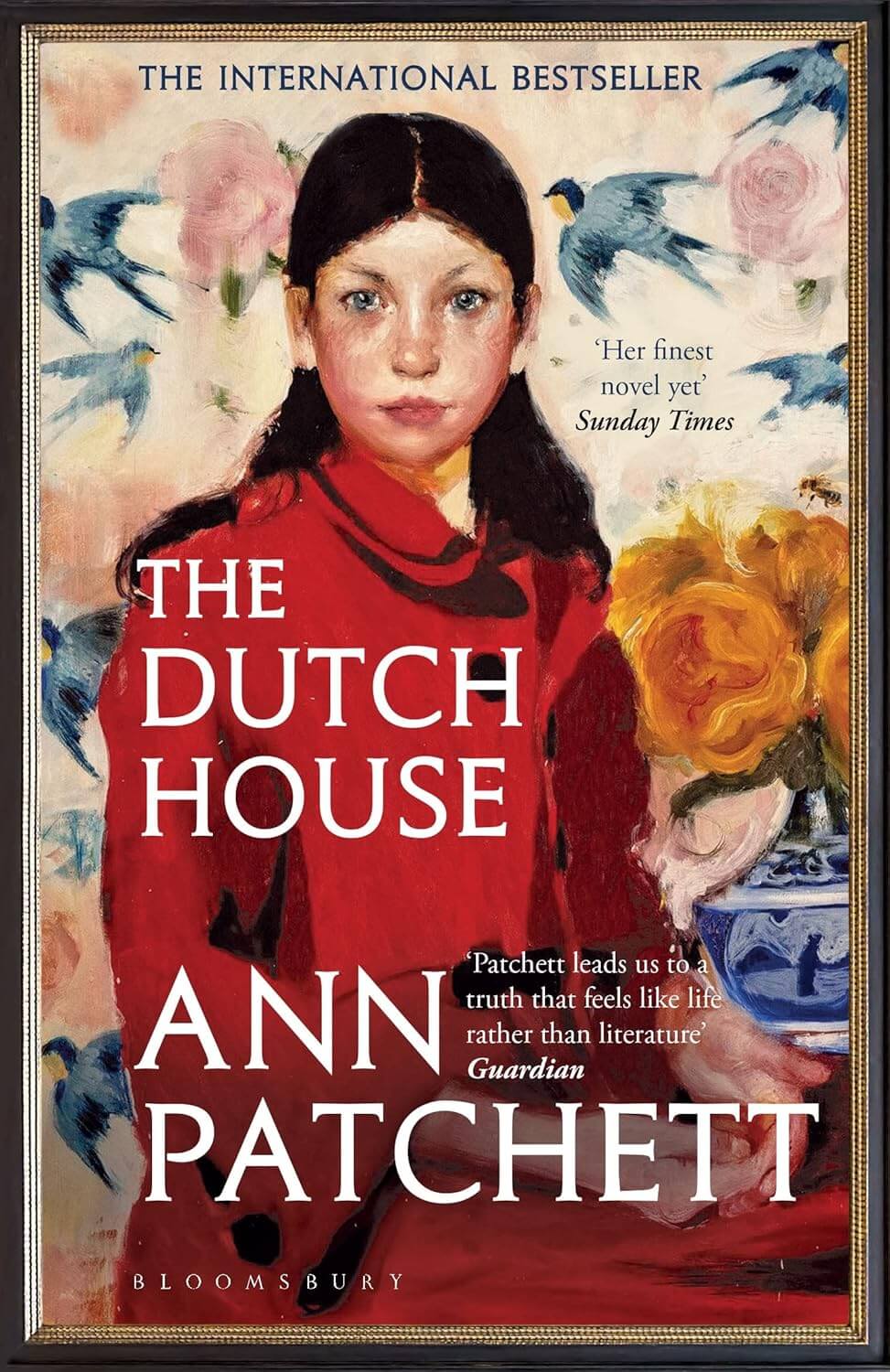
The Dutch House

The Dutch House

by Ann Patchett

Ann Patchett crafts an elegantly told family saga anchored by a single house that becomes both refuge and obsession. Narrated by Danny, the story tracks decades of sibling loyalty, resentment, and longing after their mother’s disappearance and their father’s remarriage. Patchett’s prose is warm, clear, and quietly funny, even when the emotional stakes are sharp. The novel is less about plot twists than about the slow accumulation of memory. The house itself functions like a character—beautiful, confining, and impossibly magnetic. Patchett explores how stories families tell can become cages as well as comforts. The relationship between Danny and his sister Maeve is the novel’s heart, tender and sometimes suffocating. The Dutch House asks what it means to move on when your identity is built on what you lost. It is intimate, readable, and emotionally precise. The ending leaves a lingering sense of reconciliation earned, not granted.

4.10
Literary Fiction
Family Saga
Tender
Nostalgic
Bittersweet
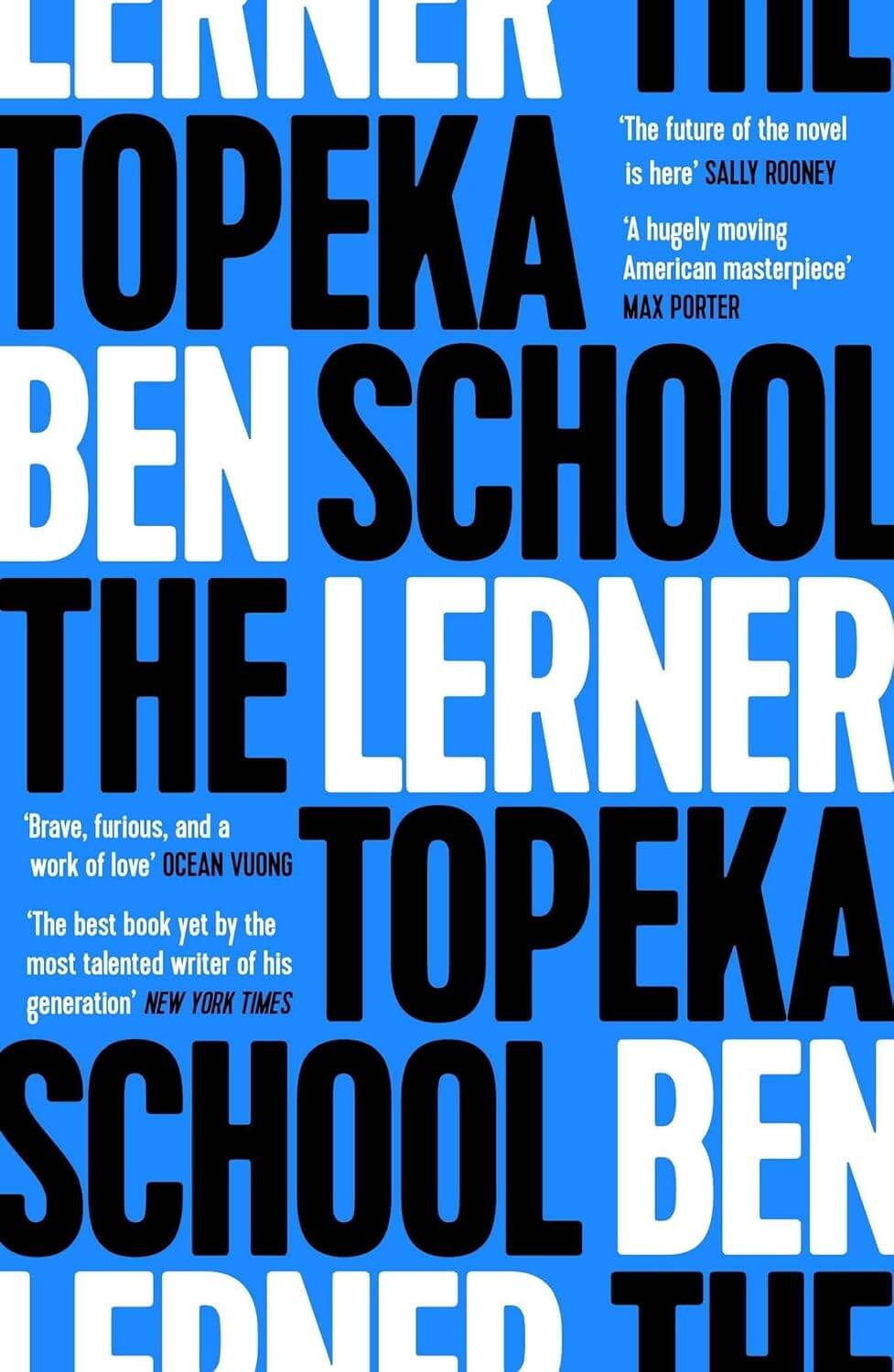
The Topeka School

The Topeka School

by Ben Lerner

Ben Lerner’s novel is a kaleidoscopic portrait of adolescence, masculinity, and the culture of argument. Set in the 1990s, it follows Adam Gordon, the son of psychologists, as he navigates elite debate, friendship, and violence. Lerner’s sentences are elastic and analytic, moving between personal experience and social diagnosis. The book scrutinizes how language can be weaponized—how fluency becomes power, and how power can curdle into cruelty. Multiple perspectives broaden the narrative, revealing the costs borne by those outside the spotlight. The novel is deeply interested in the making of selfhood: what boys learn to perform, repress, and mimic. It also gestures toward a later political era, connecting private patterns to public discourse. Lerner is both empathetic and unsparing, willing to indict his protagonist’s blind spots. The Topeka School is challenging in the best way—sharp, funny, and unsettling. It leaves you thinking about speech as a social technology with real consequences.

3.51
Literary Fiction
Coming-of-Age
Intellectual
Acerbic
Unsettling

General Nonfiction

Nonfiction that expands what “truth-telling” can look like—through history, memoiristic critique, and urgent writing about bodies under pressure.

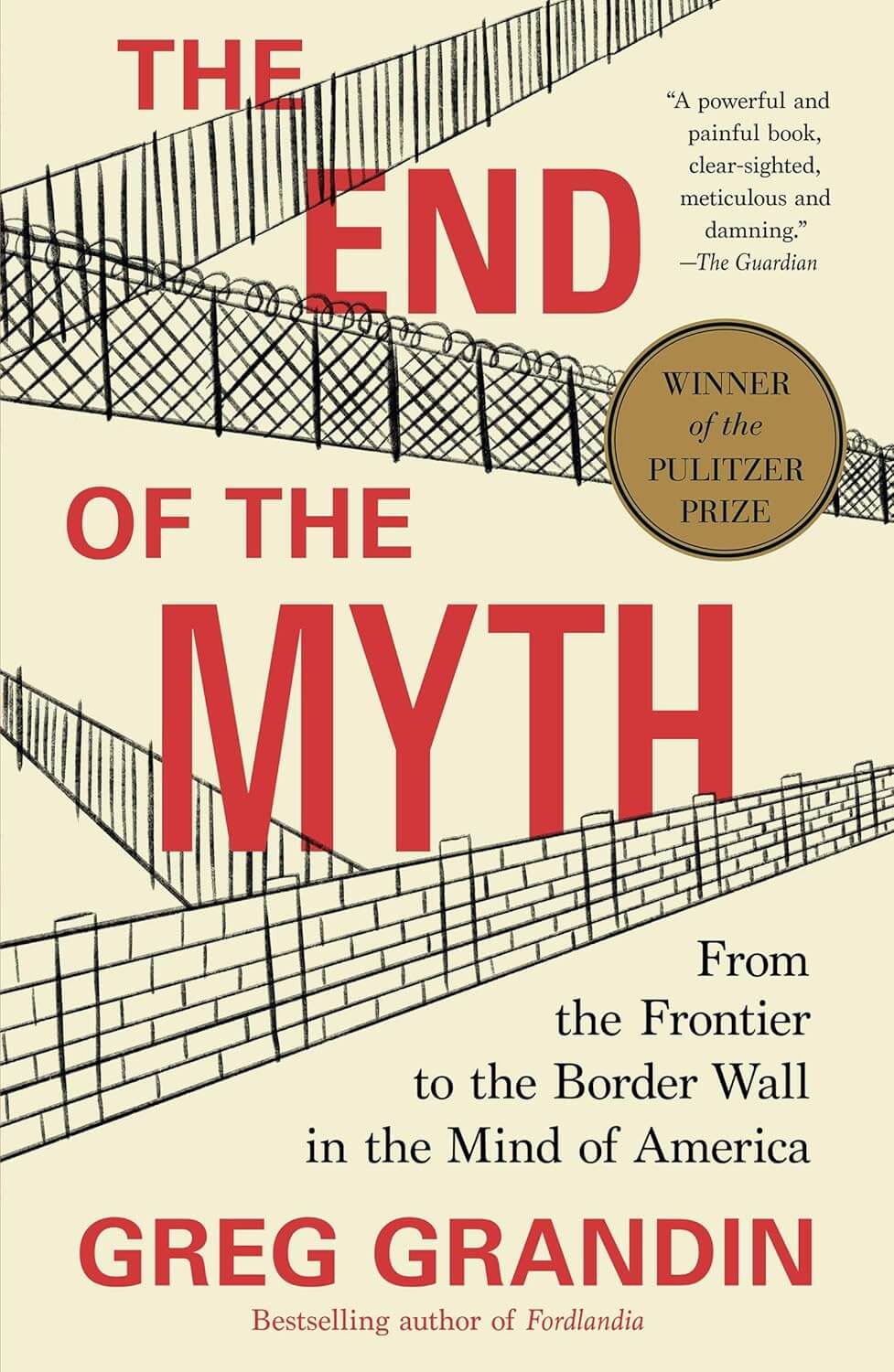
The End of the Myth: From the Frontier to the Border Wall in the Mind of America
Winner

The End of the Myth: From the Frontier to the Border Wall in the Mind of America

by Greg Grandin

Greg Grandin's argument is sweeping: the frontier wasn't just geography, it was an organizing idea that shaped American politics and identity. He traces how expansion offered a narrative of endless possibility while enabling violence and dispossession. The book connects westward conquest to overseas empire, showing continuity in the logic of "openness" enforced by force. When expansion ends, Grandin argues, the nation turns inward, channeling anxiety into exclusion and militarized borders. The writing is brisk and accessible for a big-idea history, with sharp synthesis across eras. Grandin is attentive to the stories Americans tell themselves—and what those stories obscure. The border wall appears not as a sudden rupture but as culmination. The book reframes current debates as the closing chapter of a long myth. It's provocative and clarifying, especially for readers trying to connect past and present. You may not agree with every emphasis, but the framework is hard to shake. It's a major contribution to understanding American nationalism.

4.29
Nonfiction
History
Political Analysis
Provocative
Big-Picture
Urgent
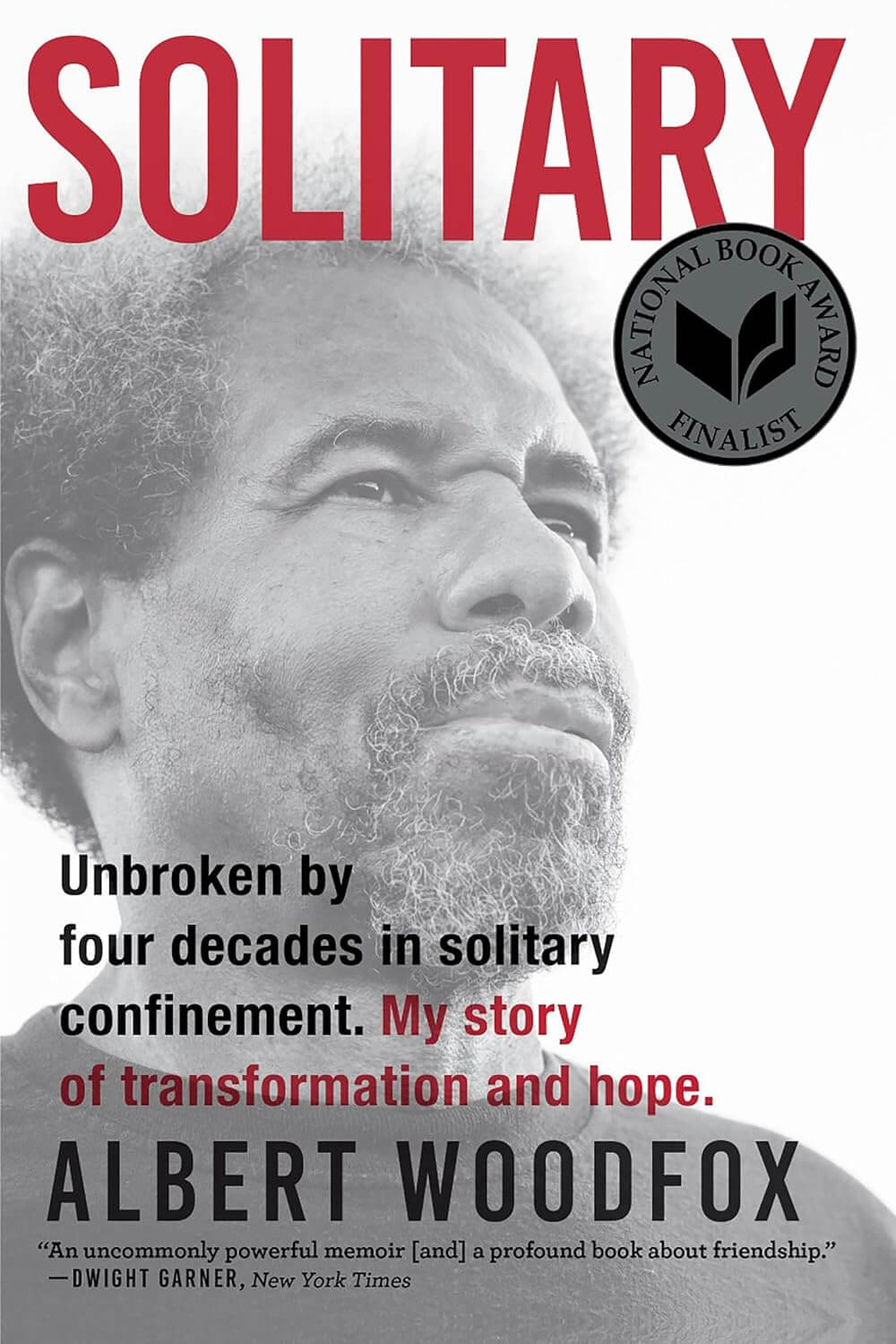
Solitary: Unbroken by Four Decades in Solitary Confinement

Solitary: Unbroken by Four Decades in Solitary Confinement

by Albert Woodfox with Leslie George

Albert Woodfox’s memoir recounts decades spent in solitary confinement, and the extraordinary persistence required to remain human within designed isolation. Woodfox writes with clarity about daily routines, psychological strain, and the slow violence of time. The book is also a history of activism from inside prison—how solidarity and political consciousness can survive even in forced separation. Woodfox’s voice balances anger with discipline; he refuses to be defined solely by suffering. The narrative exposes the punitive logic of the U.S. prison system and the ways it uses isolation to break people. Yet it also shows community forming under impossible conditions through letters, legal struggle, and moral commitment. The memoir is unflinching about what confinement does to the mind and body. It asks readers to confront solitary as a policy choice, not an inevitability. The story’s momentum comes from the long arc toward freedom, earned through endurance and advocacy. It is a powerful document of survival and a call for justice. You finish with a deeper understanding of what freedom costs when it is systematically denied.

4.42
Nonfiction
Memoir
Criminal Justice
Unflinching
Resilient
Indignant
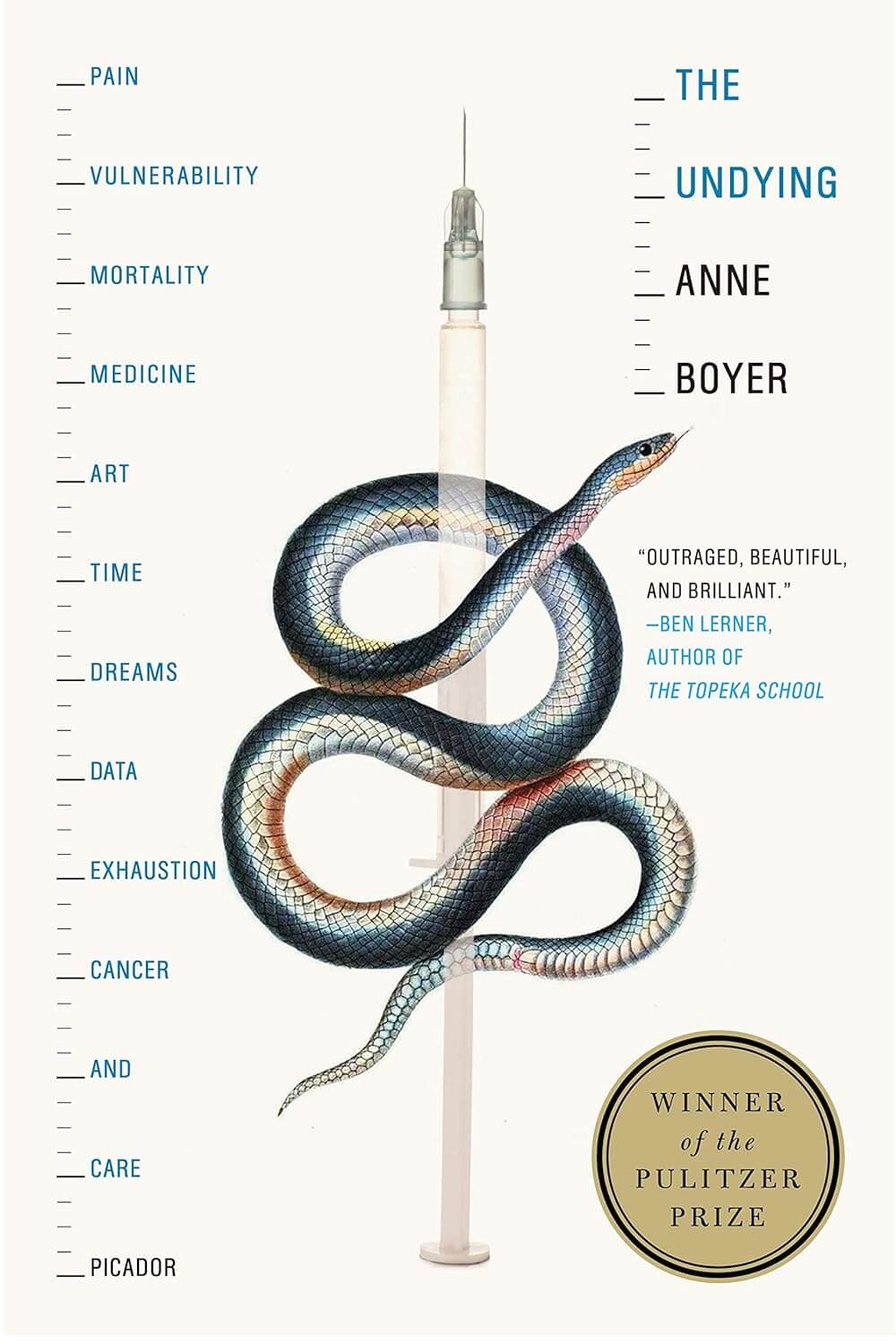
The Undying: Pain, Vulnerability, Mortality, Medicine, Art, Time, Dreams, Data, Exhaustion, Cancer, and Care
Winner

The Undying: Pain, Vulnerability, Mortality, Medicine, Art, Time, Dreams, Data, Exhaustion, Cancer, and Care

by Anne Boyer

Anne Boyer writes about cancer with fierce intelligence and refusal of clichés. The Undying is part memoir, part manifesto, part philosophical inquiry into what illness does to time and personhood. Boyer interrogates the language of “battle” and “survivorship,” asking who those metaphors serve. She also examines the economic realities of care—work, money, insurance, and the hidden labor required to stay alive. The prose is lyrical and jagged, capable of tenderness and rage within the same paragraph. Boyer threads art and literature through the experience, using culture not as escape but as tool for thinking. The book is attentive to pain without turning it into spectacle. It insists on the political dimension of vulnerability, especially for women and the precariously employed. Reading it can feel like being challenged to see medicine as a social system, not a neutral one. The result is bracing, intimate, and formally daring. It’s a landmark book about mortality that refuses to flatter the reader.

4.15
Nonfiction
Memoir
Medical Humanities
Bracing
Lyrical
Defiant
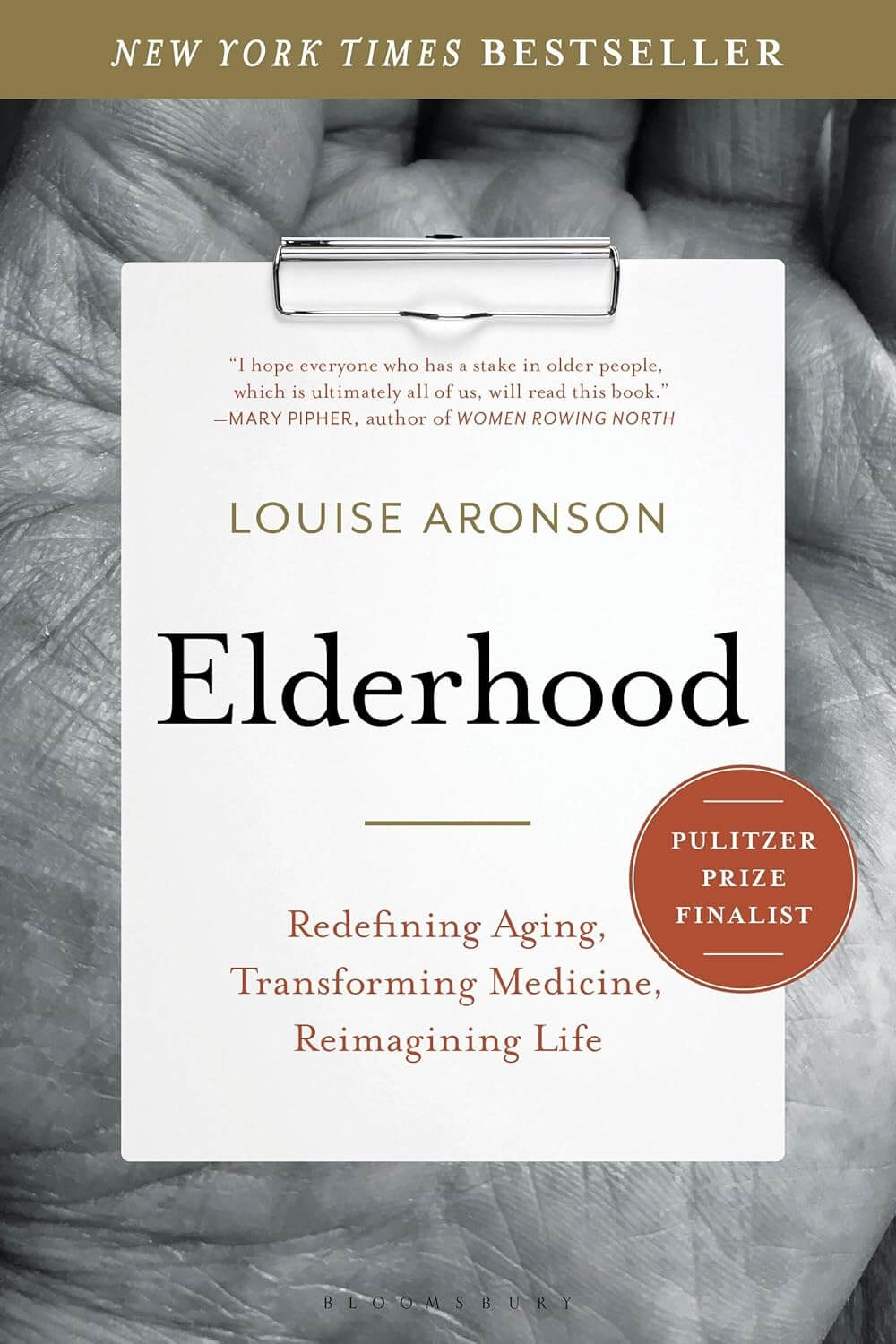
Elderhood: Redefining Aging, Transforming Medicine, Reimagining Life

Elderhood: Redefining Aging, Transforming Medicine, Reimagining Life

by Louise Aronson

Louise Aronson, a geriatrician, argues that aging deserves better stories—and better medicine. Elderhood blends clinical experience, research, and cultural critique to show how ageism shapes healthcare and daily life. Aronson explains how medical systems often treat older bodies as problems rather than people. She offers practical insights into caring for elders with dignity, including how goals and tradeoffs change over time. The book is compassionate without being sentimental, frank about frailty and realistic about limits. Aronson’s writing is accessible, enlivened by patient stories that reveal both failures and possibilities. She challenges readers to rethink independence, productivity, and what a “good life” looks like in later years. The argument expands beyond medicine into policy, architecture, and family culture. It’s an empowering read for anyone aging—which is everyone. The tone is wise, humane, and quietly radical. Elderhood reframes longevity as a stage of life worthy of imagination and investment.

3.96
Nonfiction
Health
Medicine
Wise
Compassionate
Empowering

History

Three histories that trace slavery’s afterlives, the mechanics of housing discrimination, and the national myths that shape borders and belonging.

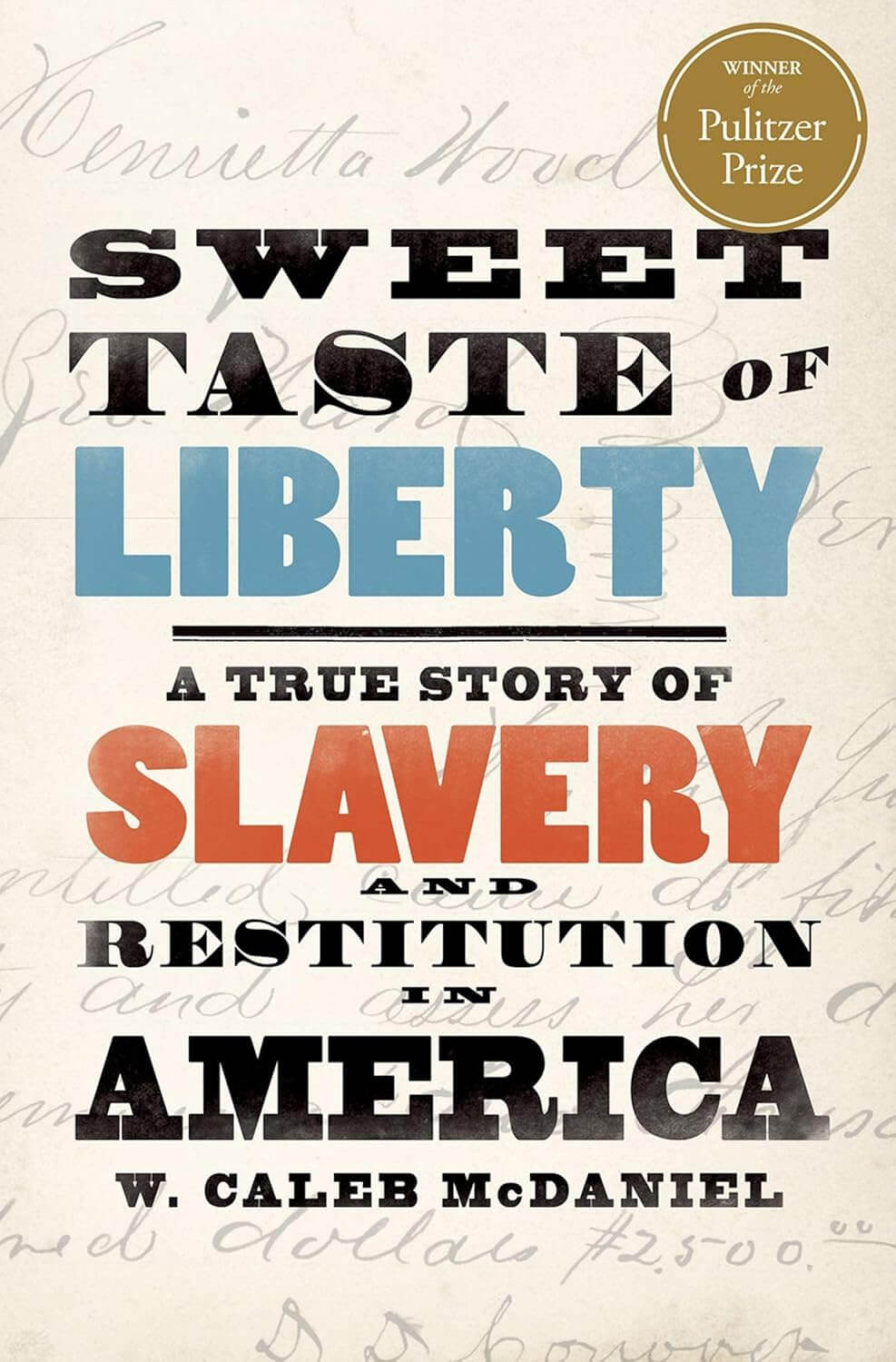
Sweet Taste of Liberty: A True Story of Slavery and Restitution in America
Winner

Sweet Taste of Liberty: A True Story of Slavery and Restitution in America

by W. Caleb McDaniel

W. Caleb McDaniel tells a riveting true story that links slavery to one of the earliest cases for reparations in the United States. Centered on Henrietta Wood, the book follows her kidnapping, enslavement, and extraordinary legal fight for justice. McDaniel combines archival rigor with narrative pacing that reads like a courtroom thriller. The story makes visible the legal and financial machinery that treated Black lives as property. Henrietta Wood's persistence becomes the book's moral core—quietly heroic, never sentimentalized. McDaniel also shows how restitution was conceived and constrained in a society built on racial hierarchy. The prose is clear and propulsive, guiding readers through complex legal terrain. By grounding big questions in a single life, the book makes history feel immediate and human. It leaves readers with a sharpened understanding of how wealth was extracted—and how justice was delayed. This is history as both documentation and reckoning.

4.26
History
Legal History
Gripping
Righteous
Revelatory
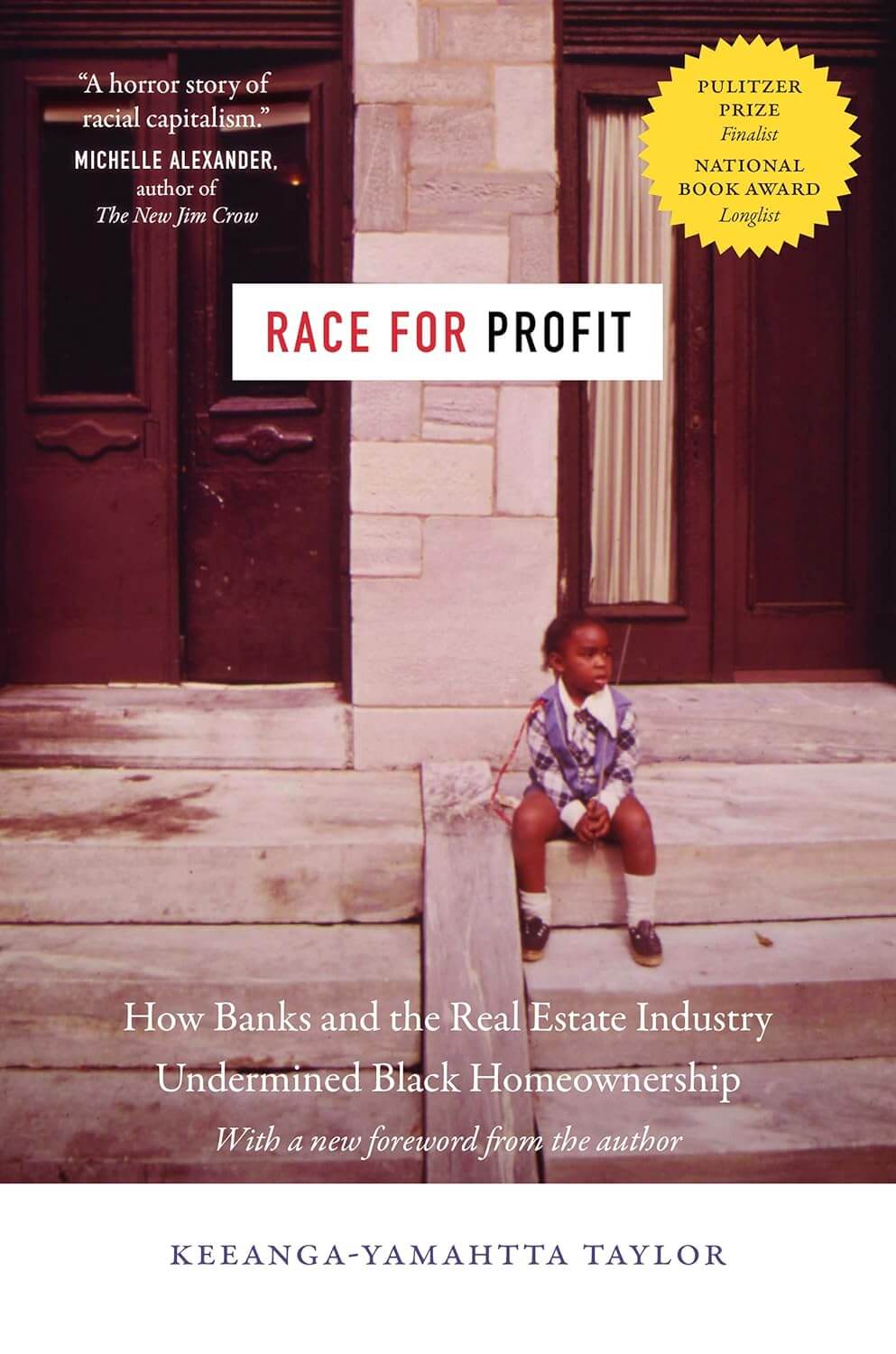
Race for Profit: How Banks and the Real Estate Industry Undermined Black Homeownership

Race for Profit: How Banks and the Real Estate Industry Undermined Black Homeownership

by Keeanga-Yamahtta Taylor

Keeanga-Yamahtta Taylor exposes how post–civil rights housing policy became a new engine of exploitation. Rather than offering equal access, banks and real estate interests often steered Black buyers into predatory arrangements. Taylor’s argument is structural and meticulously supported, showing how “inclusion” was frequently designed to extract profit. The book reframes homeownership as a contested terrain where racial inequality is reproduced through policy and finance. Taylor writes with clarity, balancing economic detail with moral force. Case studies and institutional histories reveal a system that punished Black aspiration. The book also challenges comforting narratives about progress after the Fair Housing Act. By tracing incentives and outcomes, Taylor shows discrimination as business model, not anomaly. The result is sobering and illuminating, a key text for understanding the racial wealth gap. It’s the kind of history that changes how you read contemporary housing debates.

4.26
History
Economic History
Analytical
Angering
Eye-Opening

Biography

Portraits of cultural and political influence—tracking how intellect, diplomacy, and artistic life shape an era’s imagination.

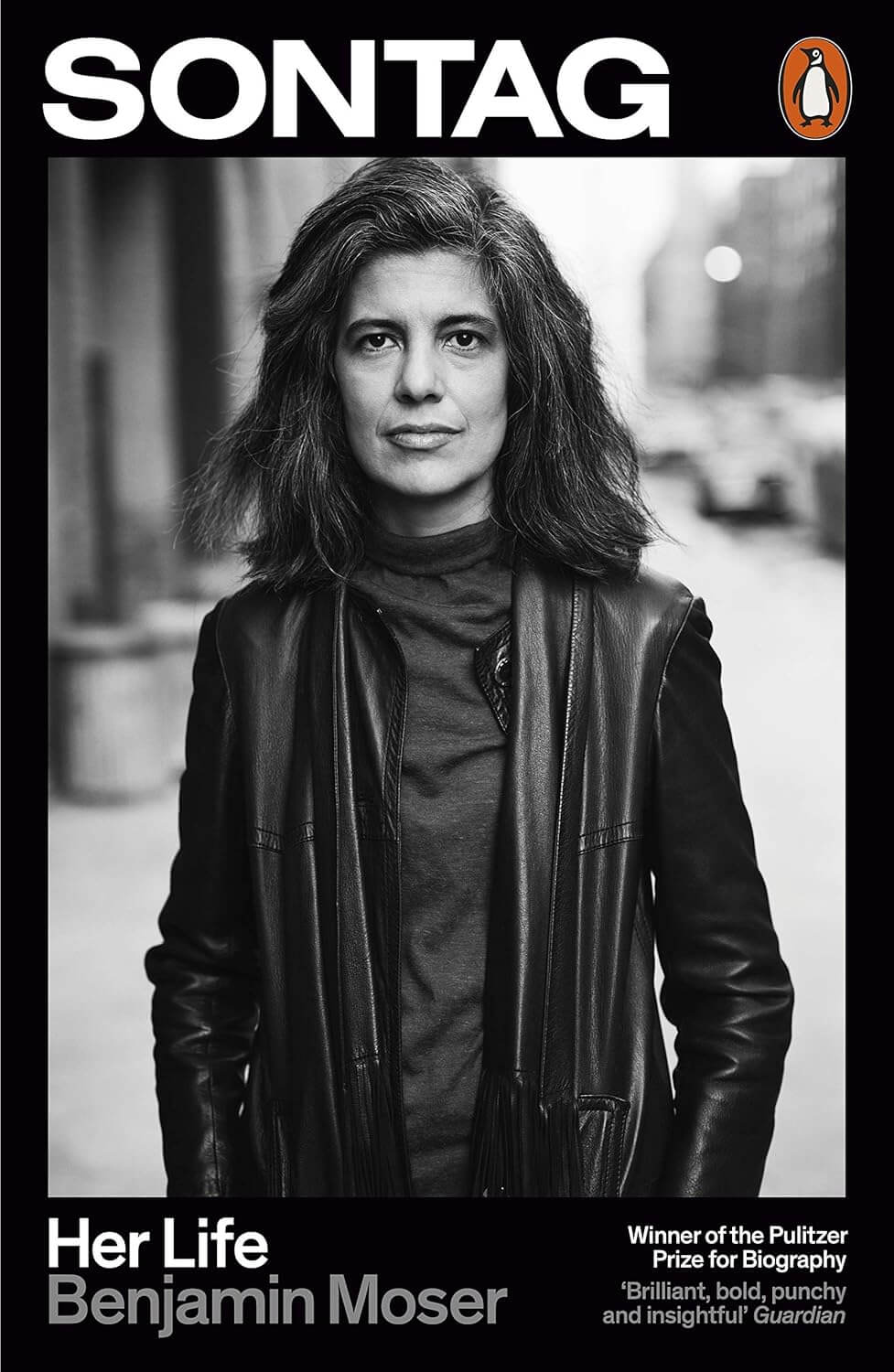
Sontag: Her Life and Work
Winner

Sontag: Her Life and Work

by Benjamin Moser

Benjamin Moser offers a sweeping biography of Susan Sontag that emphasizes both the public intellectual and the private person. The book follows Sontag’s ascent as a critic and cultural force, mapping how her ideas traveled through art, politics, and celebrity. Moser is attentive to ambition—Sontag’s drive to be taken seriously and to shape discourse. He also explores her contradictions, including the tensions between image, desire, and vulnerability. The biography situates Sontag’s work in the context of the Cold War, Vietnam, and the AIDS crisis. It reads at times like a history of intellectual life in the second half of the twentieth century. Moser’s approach is expansive and interpretive, treating the writing as inseparable from the life. Readers encounter Sontag as dazzling and difficult, magnetic and guarded. The result is a portrait that invites debate, much like Sontag herself. It’s engrossing for readers interested in culture, criticism, and the politics of ideas.

4.23
Biography
Literary Biography
Comprehensive
Intellectual
Provocative
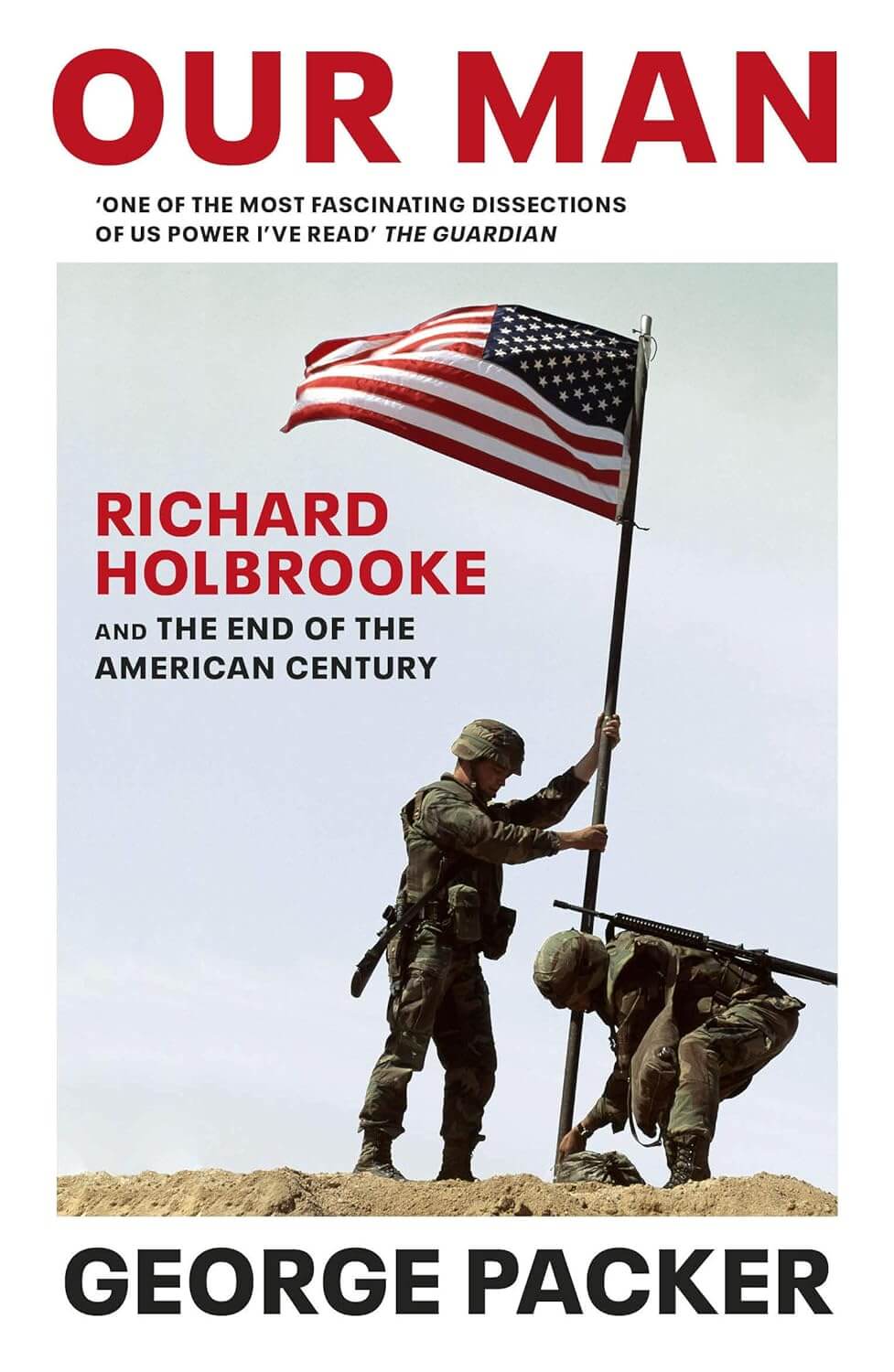
Our Man: Richard Holbrooke and the End of the American Century

Our Man: Richard Holbrooke and the End of the American Century

by George Packer

George Packer tells the story of Richard Holbrooke as a way to examine American power at its peak and its unraveling. Holbrooke emerges as brilliant, relentless, and often exhausting—an embodiment of a certain foreign-policy confidence. Packer traces his career through Vietnam, the Balkans, and the post–Cold War order, highlighting both achievements and blind spots. The book is as much about temperament as policy, showing how ego and urgency can shape outcomes. Packer writes with the narrative drive of a novelist and the skepticism of a reporter. He situates Holbrooke within the institutions that created him—State Department culture, elite networks, and the mythology of American indispensability. The biography asks what kind of person thrives in an empire’s management class. It also charts how ideals collide with realpolitik. Readers come away with a textured portrait of ambition and its costs. It’s a compelling lens on the “end of the American century” as lived experience.

4.37
Biography
Political Biography
Brisk
Insightful
Unsparing
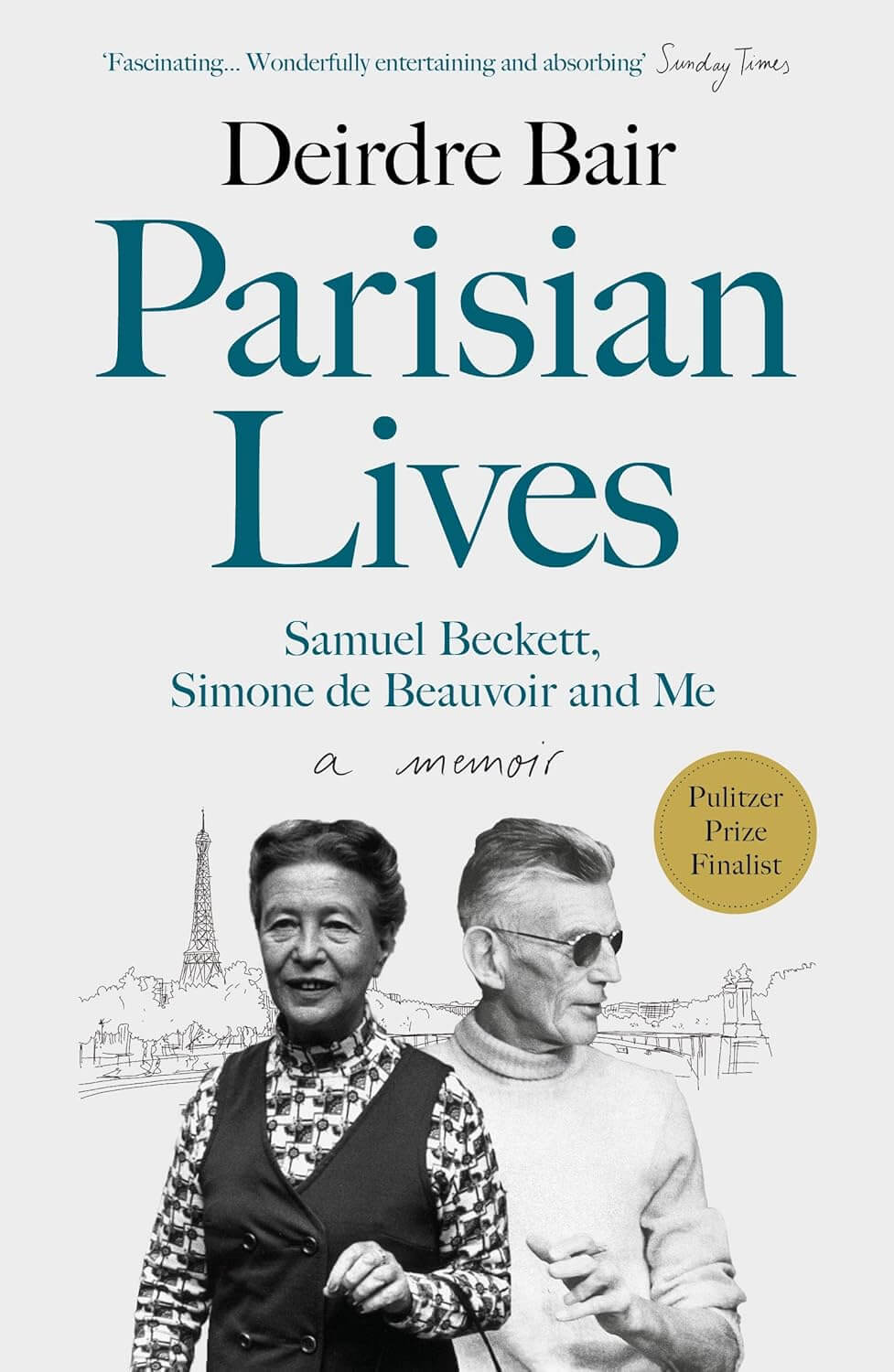
Parisian Lives: Samuel Beckett, Simone de Beauvoir, And Me

Parisian Lives: Samuel Beckett, Simone de Beauvoir, And Me

by Deirdre Bair

Deirdre Bair blends memoir and literary biography in a personal account of her work alongside two towering figures: Samuel Beckett and Simone de Beauvoir. The book offers a behind-the-scenes view of biography as craft—research, access, and the delicate negotiations of trust. Bair’s Paris is a world of cafés, archives, and intellectual mythology made tangible. She reflects on how proximity to greatness can both illuminate and distort. Beckett and de Beauvoir appear not as icons but as complicated people with routines, fears, and guarded boundaries. The narrative also tracks Bair’s own persistence in a field not always welcoming to women. Readers gain insight into how biographies are made—and what they cost the biographer. The tone is candid, sometimes wry, often reflective. It’s a book about lives in the plural: subjects, author, and the city that holds them together. For readers who love literary history, it’s both companionable and revealing.

4.02
Biography
Memoir
Literary History
Reflective
Candid
Literary

Poetry

Innovative collections that push form while speaking directly to violence, tenderness, identity, and the persistence of care.

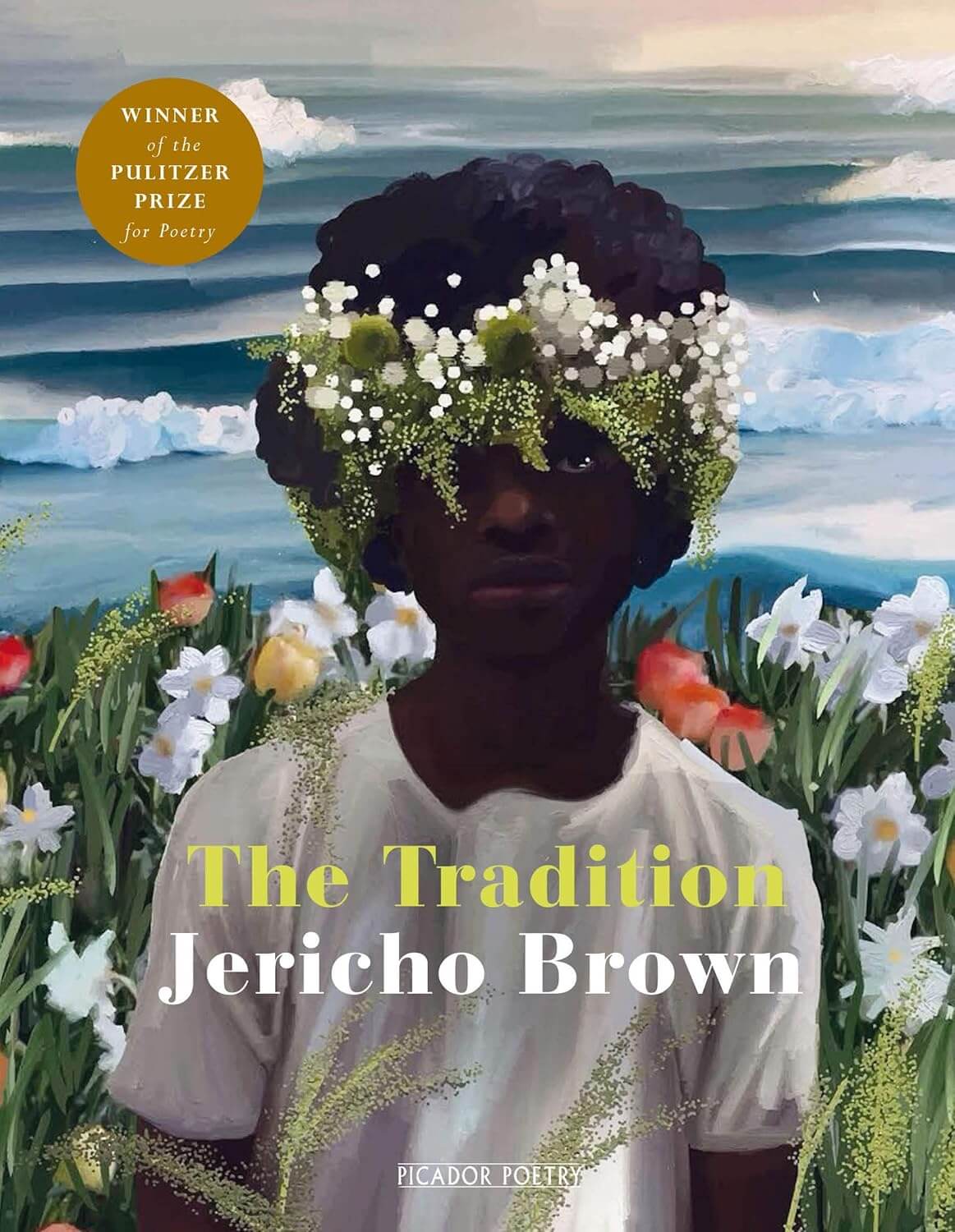
The Tradition
Winner

The Tradition

by Jericho Brown

Jericho Brown’s collection is electrifying—formally inventive and emotionally direct. The poems confront racism, masculinity, desire, and vulnerability with fierce precision. Brown’s “duplex” form threads repetition and variation into a music that feels both ritual and argument. The book holds beauty and brutality in the same breath, refusing to let lyricism soften the truth. Brown writes with intimacy, addressing lovers, the self, and a nation that is often hostile. There is rage here, but also tenderness and humor. The poems are attentive to the body as a site of pleasure and danger. Brown’s images are sharp, memorable, and often startling. The collection’s title points to inherited patterns—poetic and cultural—that Brown both honors and disrupts. Reading it feels like being spoken to directly, with urgency and care. It’s a vital book that expands what contemporary poetry can do.

4.23
Poetry
Contemporary Poetry
Fierce
Tender
Urgent
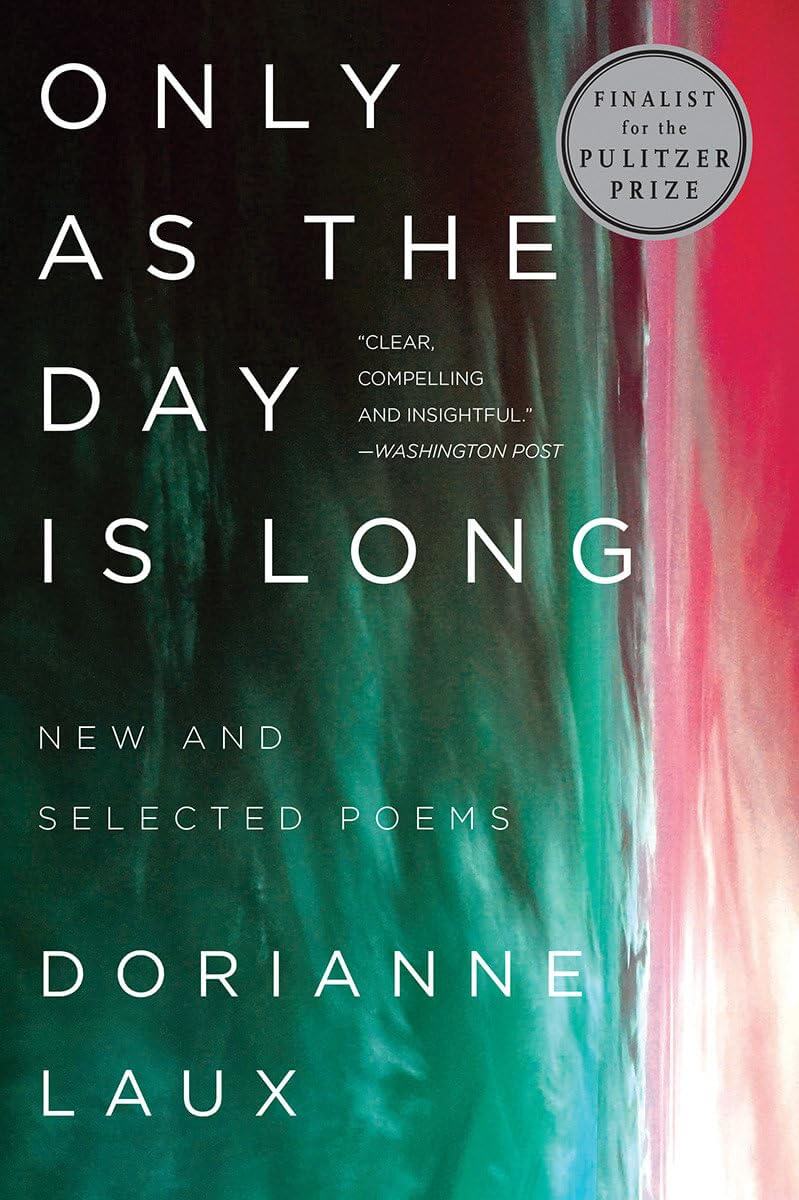
Only as the Day Is Long: New and Selected Poems

Only as the Day Is Long: New and Selected Poems

by Dorianne Laux

Dorianne Laux’s new and selected poems showcase a voice that is plainspoken yet intensely lyrical. Her work pays close attention to labor, family, grief, and the fleeting grace of ordinary moments. Laux writes with emotional clarity that never feels simplistic; the tenderness is hard-earned. The poems often begin in the everyday and open into something larger—memory, regret, awe. Her lines carry a quiet music that makes even small scenes feel monumental. Across the selection, you can see a sustained commitment to honesty, especially about pain and survival. Laux’s images are tactile and grounded, rooted in the body and its burdens. The collection also reveals humor and warmth, a refusal to romanticize suffering while still finding beauty. It’s a deeply readable book that rewards both newcomers and longtime fans. The overall effect is intimate, steady, and consoling without being sentimental. These poems keep faith with the lives people actually live.

4.37
Poetry
Selected Poems
Tender
Grounded
Heartfelt
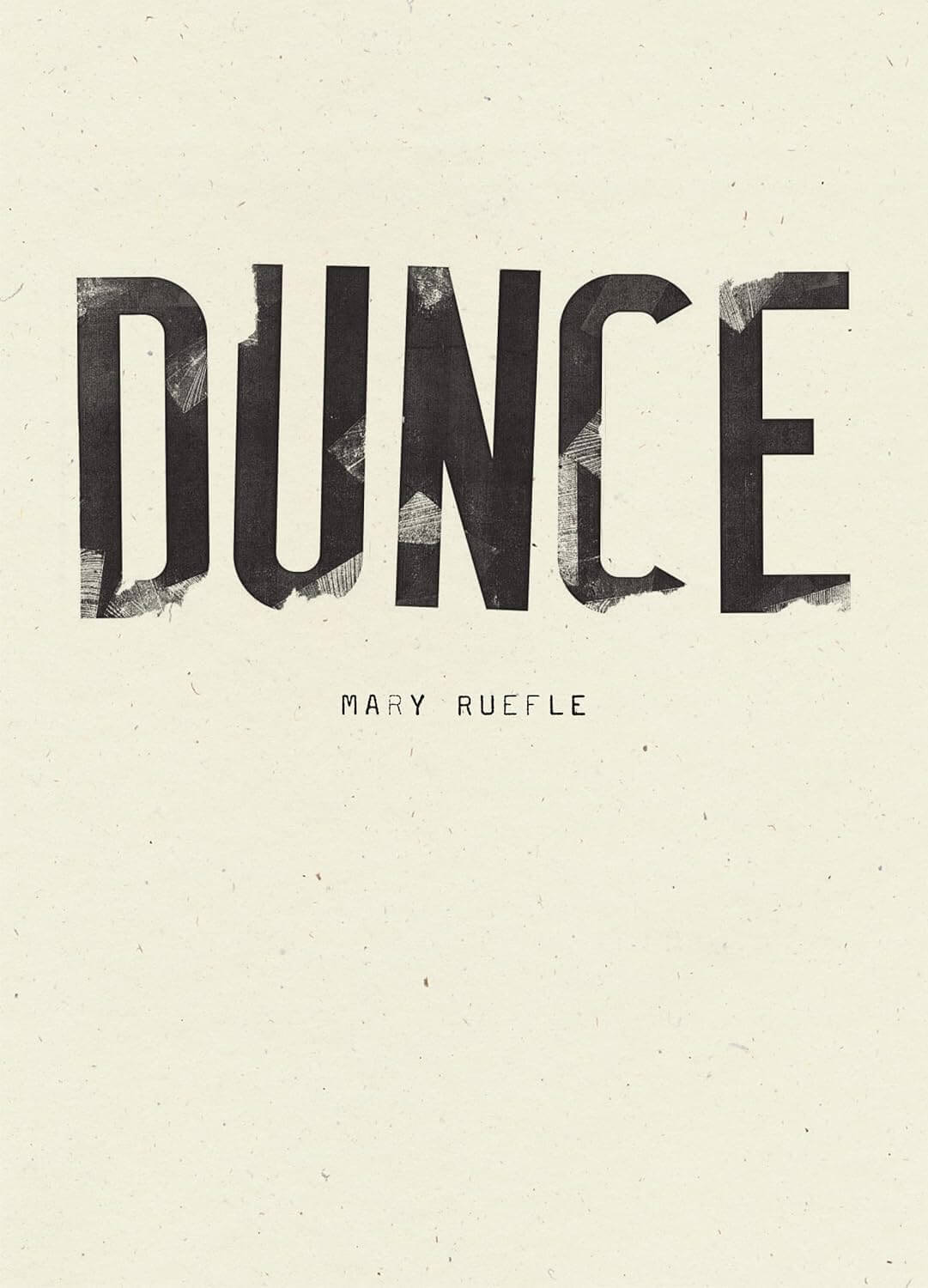
Dunce

Dunce

by Mary Ruefle

Mary Ruefle’s poems are mischievous, philosophical, and delightfully unpredictable. Dunce plays with the idea of foolishness as a doorway to wonder and truth. Ruefle’s voice is conversational but slyly profound, moving from the mundane to the metaphysical in a single turn. The poems often feel like thought experiments dressed as jokes. Yet beneath the humor is a serious inquiry into loneliness, aging, and the absurdity of human striving. Ruefle uses surprise as a method, keeping readers off-balance in productive ways. The collection is also formally nimble, shifting shapes and tones with ease. Her observations can be tender, then suddenly cutting. Dunce reminds you that wisdom doesn’t always sound wise. It’s a book to savor slowly, for its odd angles and luminous punchlines.

3.93
Poetry
Humor Poetry
Witty
Surreal
Bright