Orwell Prize 2020: Political Fiction

Thirteen daring novels exploring power, identity, and the private lives shaped by public worlds

The Orwell Prize for Political Fiction honours novels that reveal how power moves through society — in relationships, institutions, historical memory, and the borders that define who belongs. The 2020 longlist showcases a remarkable range of styles and perspectives, from sprawling experimental narratives to taut historical epics and sharp-edged social realism. These books look squarely at inequality, violence, migration, gender, and the fragility of democratic ideals, illuminating how political forces contour even the most intimate corners of life.

What makes these novels political is not only their subject matter but their approach: formally inventive, ethically engaged, and unwilling to accept easy stories. Whether set in medieval England, dystopian near-futures, contemporary America, or fragmented domestic spaces, they interrogate the structures that shape identity and agency. They embrace complexity and ambiguity, offering readers powerful emotional truths alongside incisive political insight.

Taken together, the 2020 longlist demonstrates the extraordinary scope of political fiction today. These books challenge complacency, deepen empathy, and expand our sense of responsibility to one another. Through imagination and narrative boldness, they make visible the systems that govern our lives — and remind us of fiction’s capacity to reveal, resist, and reimagine.

The Nickel Boys
Winner

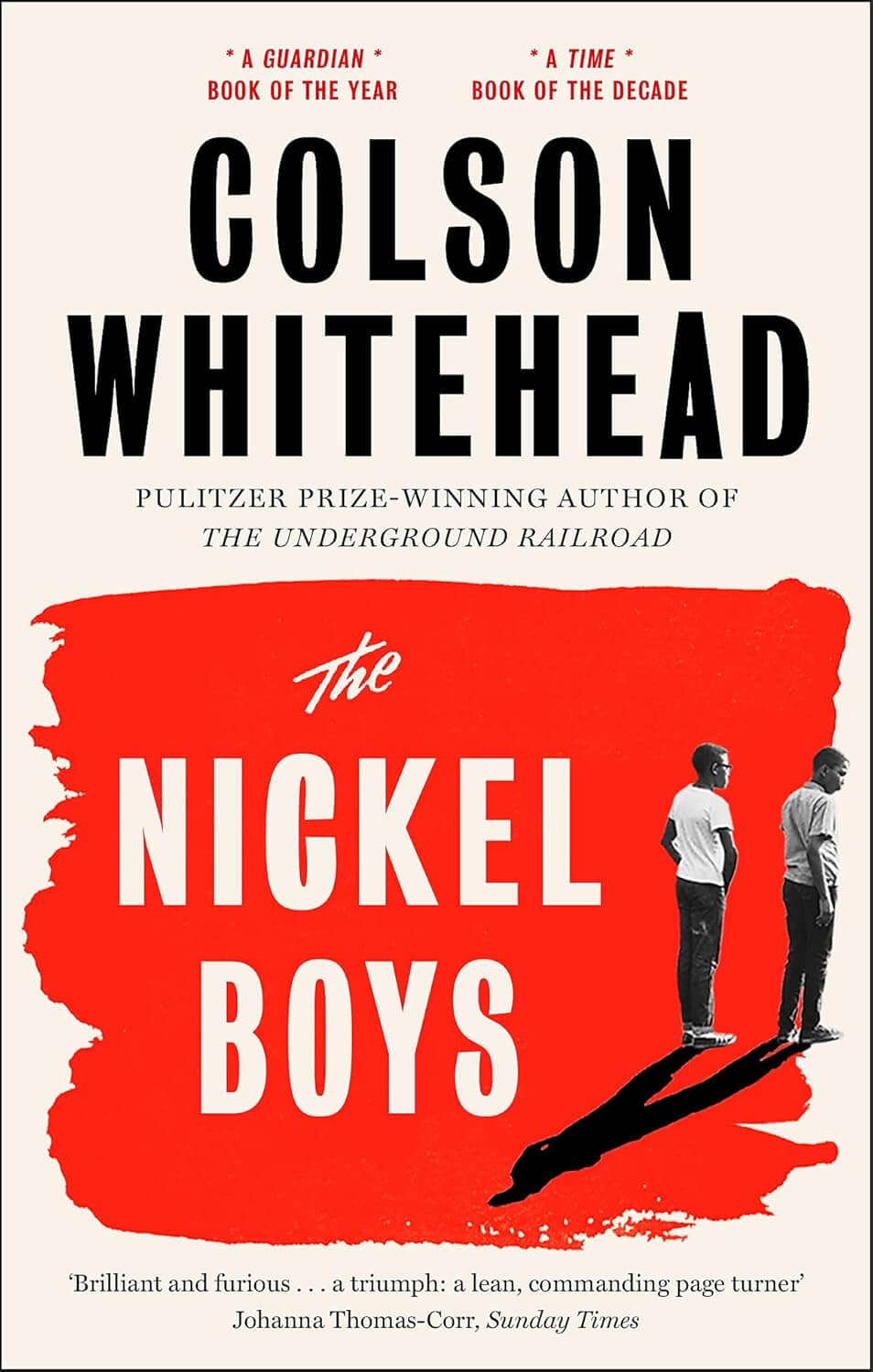
The Nickel Boys

by Colson Whitehead

Colson Whitehead’s The Nickel Boys is a devastating, morally searing novel based on the true story of a brutal reform school in Jim Crow–era Florida. Following two boys whose lives diverge under horrific circumstances, Whitehead exposes the violence of racism, the failures of American institutions, and the long shadows of trauma. His prose is elegant and restrained, heightening the impact of the story’s emotional and political truths. The novel confronts historical injustice while resonating powerfully with the present. It is a masterpiece of clarity, empathy, and righteous anger.

4.25
Historical Fiction
Political Fiction
Somber
Powerful
Unflinching
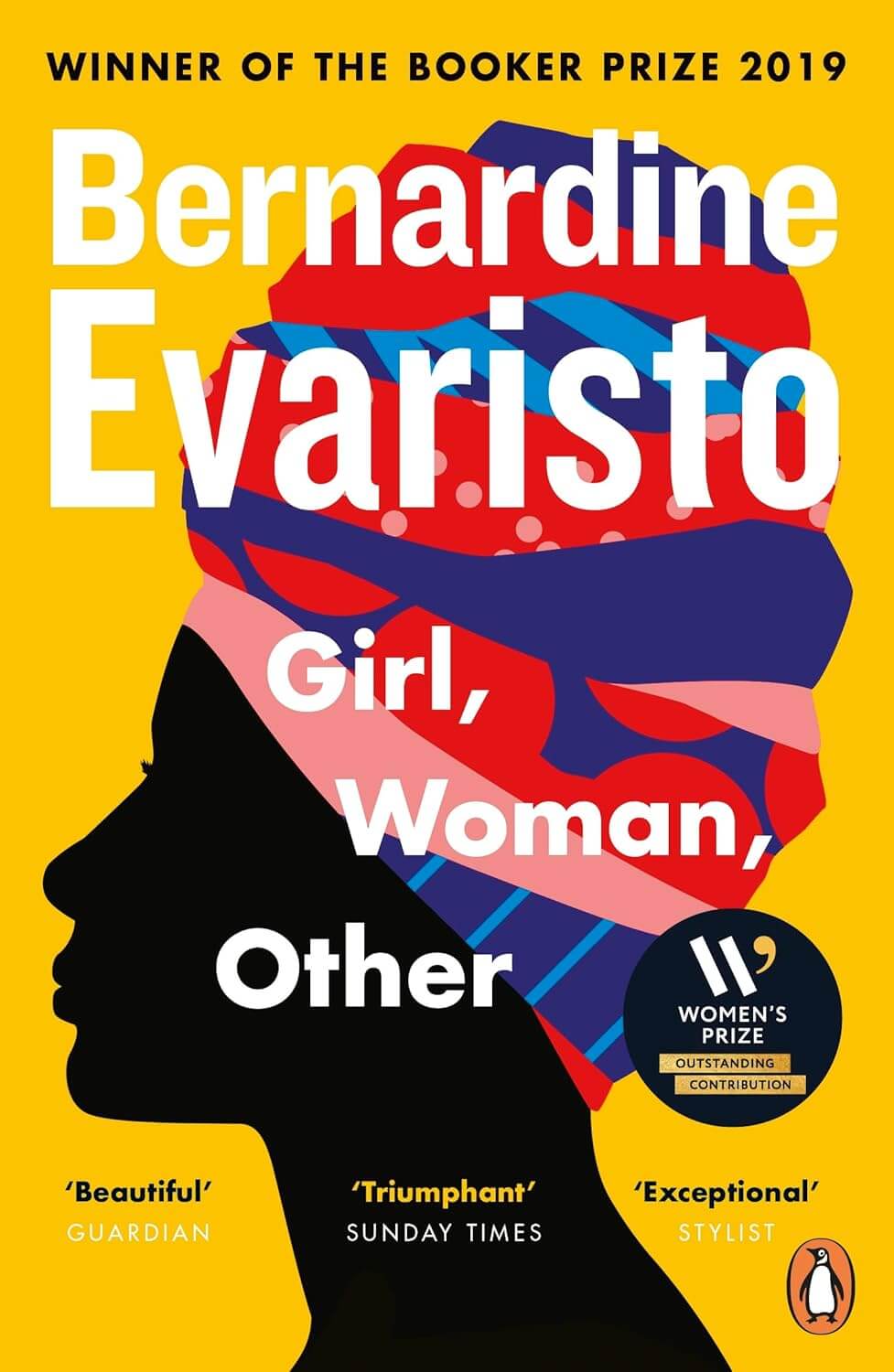
Girl, Woman, Other

Girl, Woman, Other

by Bernardine Evaristo

Bernardine Evaristo’s Booker Prize–winning novel follows twelve interconnected characters navigating identity, art, race, gender, and belonging in contemporary Britain. Through her signature hybrid prose style, Evaristo creates a vibrant tapestry of voices that celebrate multiplicity while confronting systemic inequality. Each character’s story offers a different lens on community, ambition, and self-definition. The novel is political in both form and content, challenging fixed categories and embracing fluidity. It is joyful, profound, and expansive, offering a dynamic portrait of British life often overlooked by mainstream narratives.

4.26
Literary Fiction
Political Fiction
Vibrant
Compassionate
Expansive
This Paradise

This Paradise

by Ruby Cowling

Ruby Cowling’s This Paradise is an inventive, sharp, and unsettling collection that examines the pressures of modern life in a world shaped by technology, surveillance, and relentless productivity. Cowling uses dark humour and formal experimentation to explore themes of alienation, labour, and the fragmentation of identity. Her stories capture the tension between the promised utopias of digital culture and the isolating realities they create. The writing is precise and empathetic, illuminating the people left behind by systems that prize efficiency over humanity. The result is a thought-provoking, richly textured portrait of contemporary life teetering on the edge.

4.11
Short Stories
Speculative Fiction
Political Fiction
Wry
Unsettling
Thoughtful
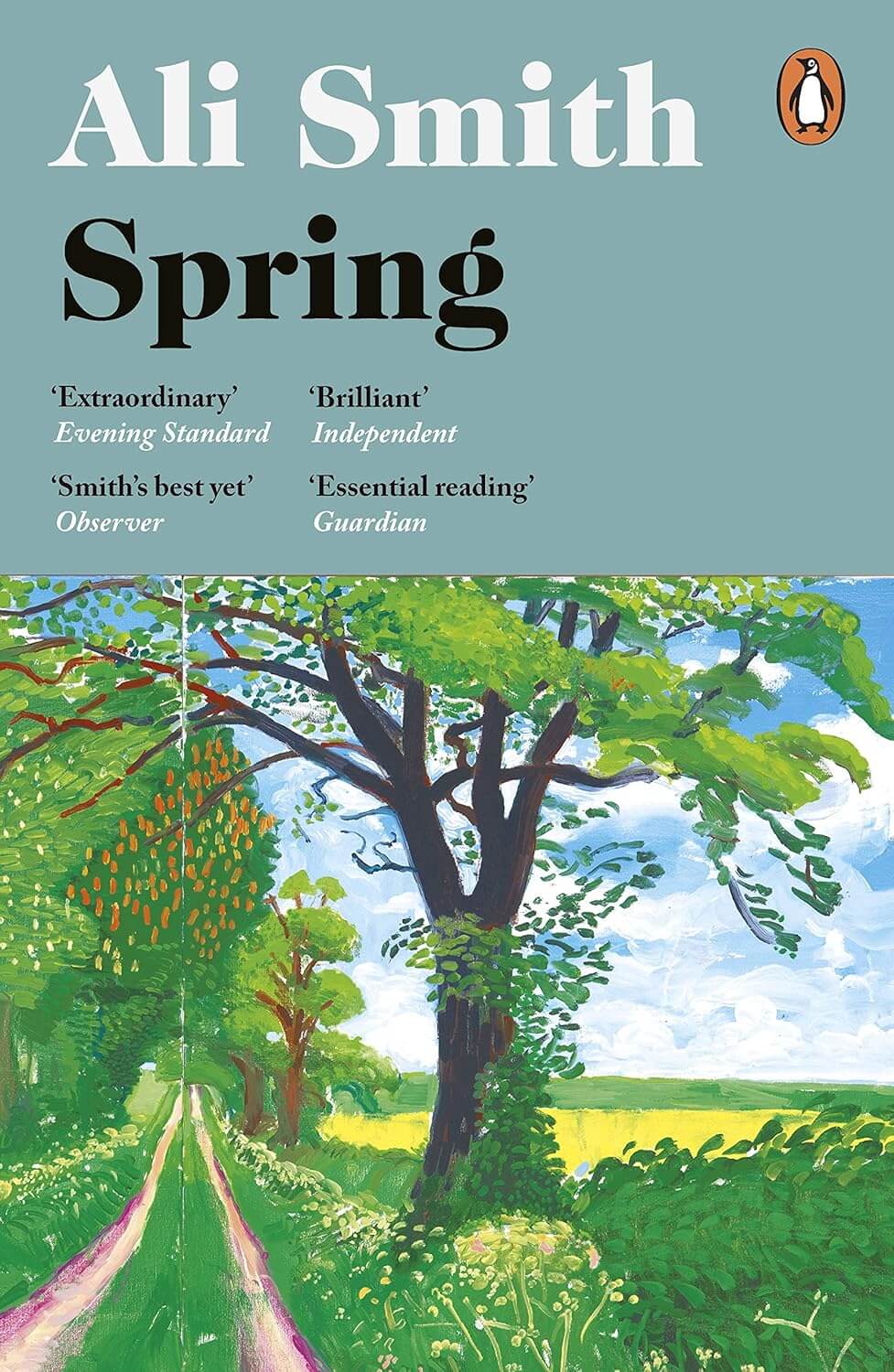
Spring

Spring

by Ali Smith

Ali Smith’s Spring is a dazzling, urgent novel that blends contemporary politics with myth, art, and playful storytelling. Set against the backdrop of Brexit and the migrant crisis, the narrative weaves together disparate lives brought into contact with a mysterious young girl whose presence disrupts established boundaries. Smith’s prose is inventive and compassionate, offering hope and imagination amid political despair. She exposes the bureaucratic cruelty of detention centres while celebrating human connection. Part of her Seasonal Quartet, Spring is both timely and timeless — a fierce call for renewal.

4.05
Literary Fiction
Political Fiction
Inventive
Compassionate
Hopeful
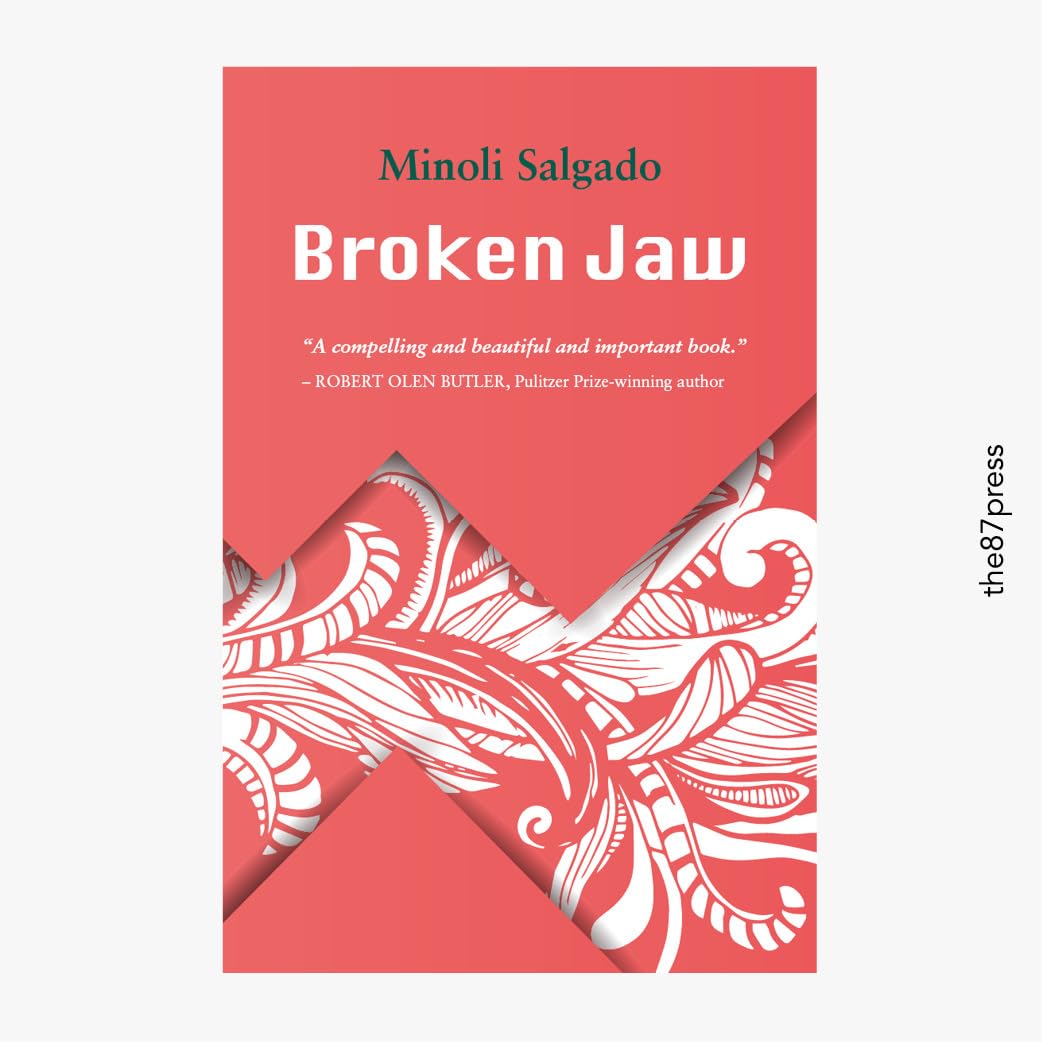
Broken Jaw

Broken Jaw

by Minoli Salgado

Minoli Salgado’s Broken Jaw is a poetic, politically charged novel exploring memory, trauma, and state violence in Sri Lanka. Blending lyrical prose with fragmented narrative, Salgado captures the psychological residue of civil war and exile. The novel examines how personal and collective histories intertwine, revealing the lasting wounds of political conflict. Salgado’s experimental style deepens the emotional impact, creating a haunting and immersive reading experience. It is a powerful meditation on loss, belonging, and the impossibility of returning unchanged from violence.

4.00
Literary Fiction
Political Fiction
Haunting
Reflective
Poetic
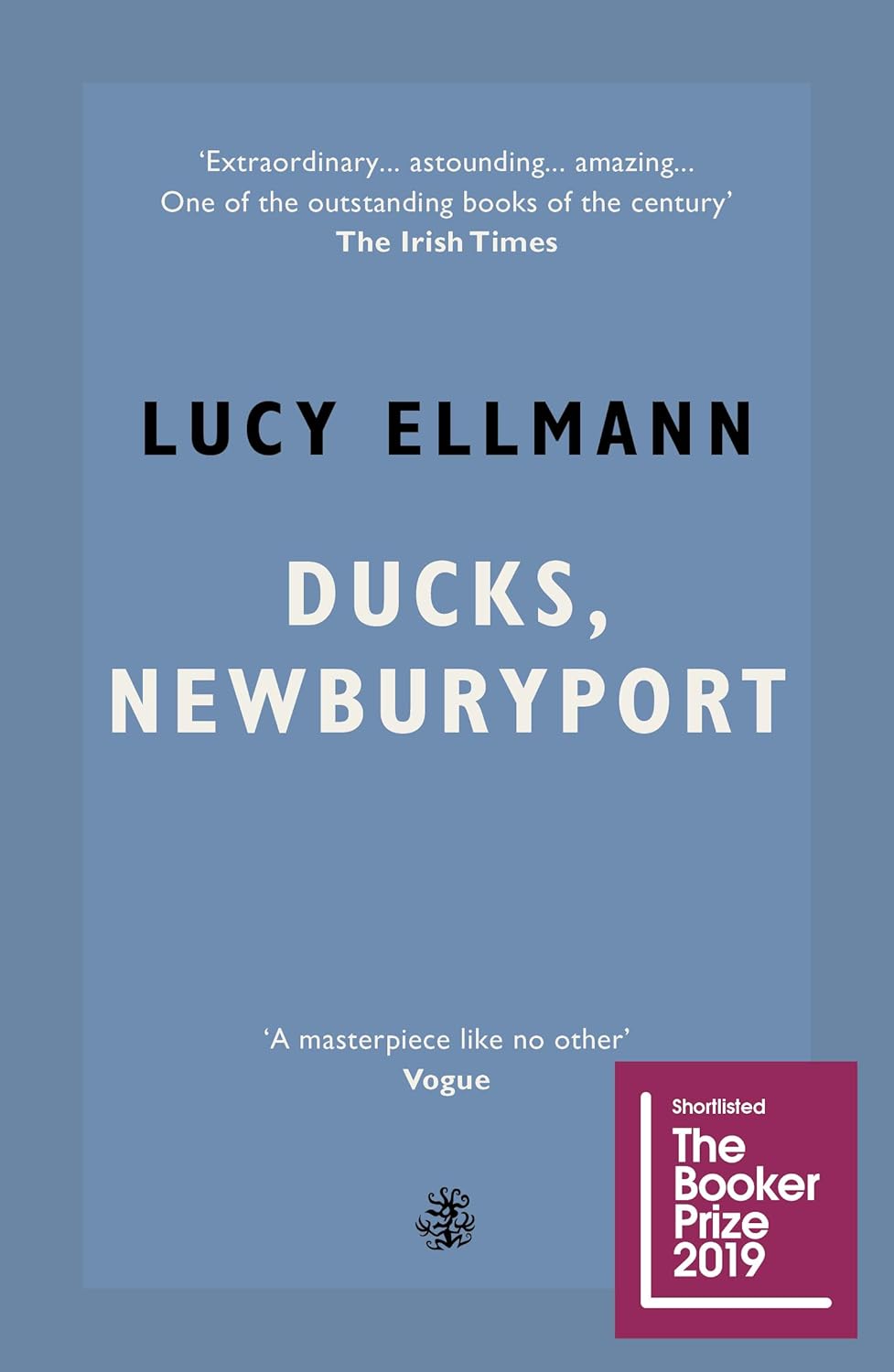
Ducks, Newburyport

Ducks, Newburyport

by Lucy Ellmann

Lucy Ellmann’s monumental novel unfolds as a single, breathless sentence capturing the inner monologue of a mother in Trump-era America. Through digressions, anxieties, memories, and humour, Ducks, Newburyport becomes a portrait of a country shaped by violence, inequality, and environmental crisis. Ellmann’s stream-of-consciousness style is bold and immersive, demanding attention while rewarding readers with profound emotional and political insight. She reveals how private fears and public dysfunction become intertwined. The result is a virtuosic, boundary-pushing novel that critiques contemporary America with both fury and compassion.

3.97
Experimental Fiction
Political Fiction
Intense
Expansive
Darkly Funny
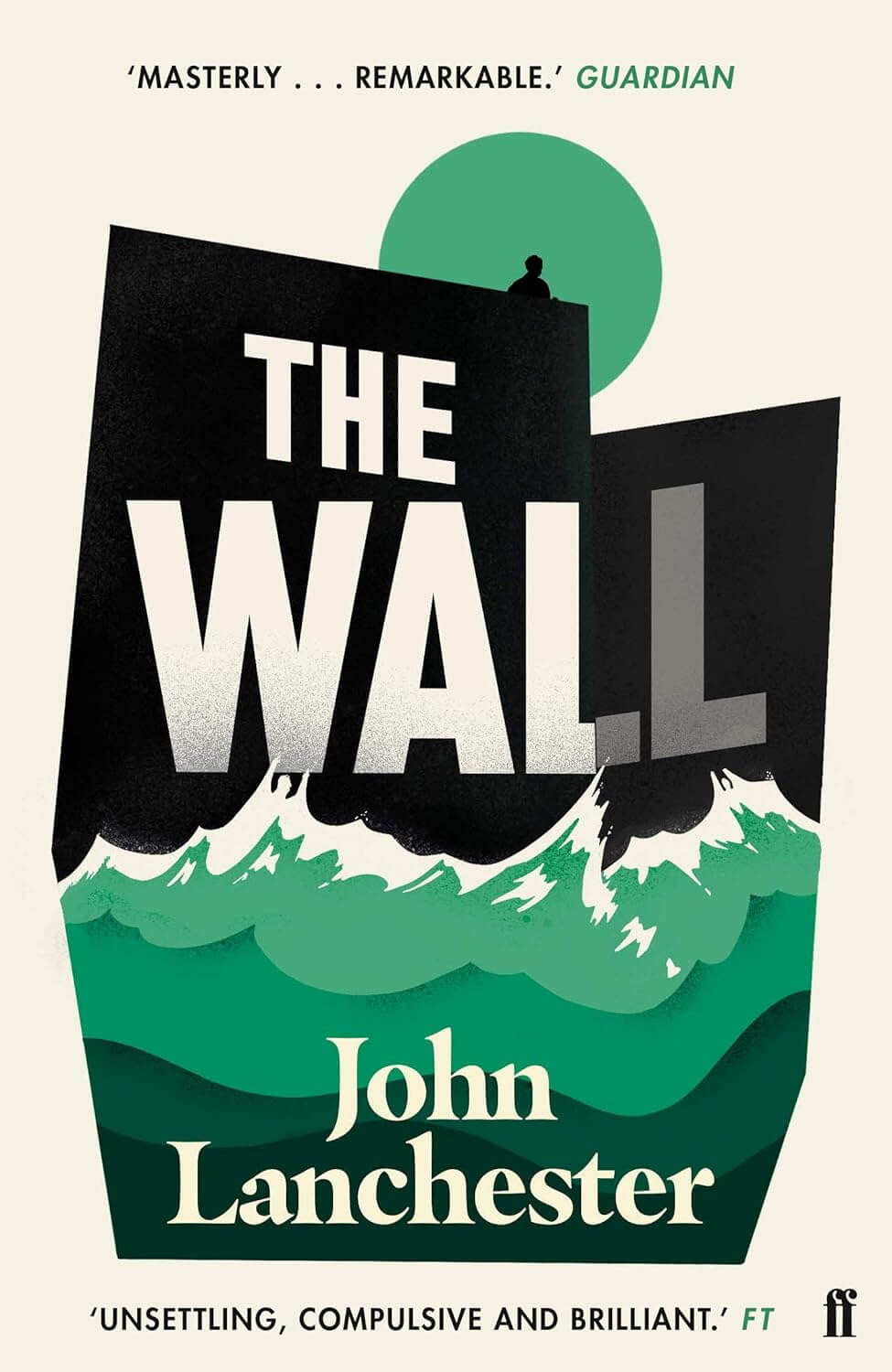
The Wall

The Wall

by John Lanchester

John Lanchester’s The Wall is a chilling, atmospheric dystopian novel set in a future Britain where rising seas have forced the nation to build a massive defensive barrier. The story follows new recruits assigned to guard duty, revealing a society defined by fear, exclusion, and climate collapse. Lanchester’s prose is spare but evocative, evoking both the monotony and terror of life on the Wall. The novel is a stark warning about isolationism and environmental neglect, exploring the political consequences of fortressed thinking. It is bleak, gripping, and unnervingly plausible.

3.58
Dystopian Fiction
Political Fiction
Bleak
Tense
Atmospheric
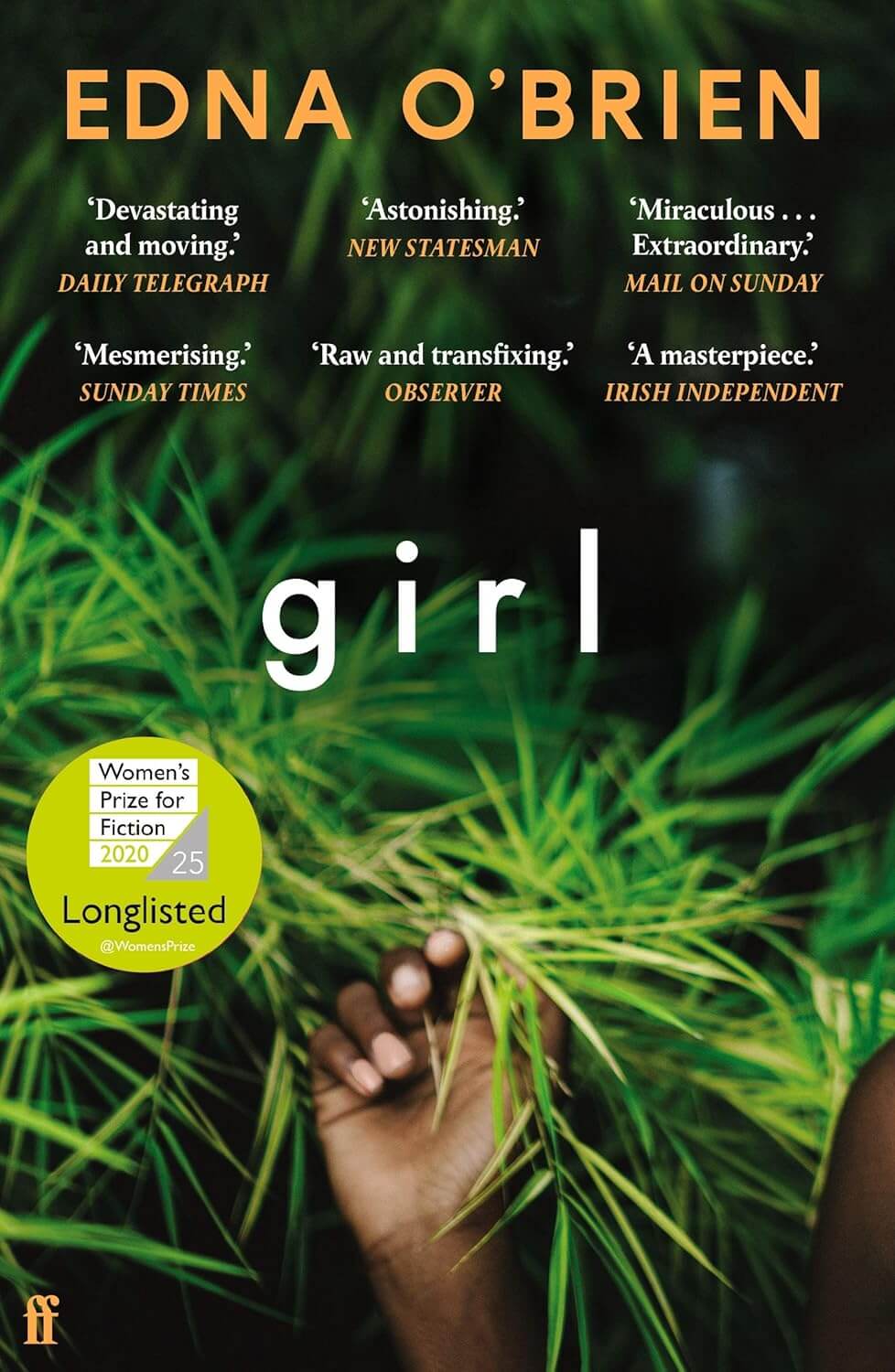
Girl

Girl

by Edna O’Brien

Edna O’Brien’s Girl is a powerful and devastating novel inspired by the kidnapping of Nigerian schoolgirls by Boko Haram. Through the eyes of a fictional survivor, O’Brien conveys the horrors of captivity, the trauma of return, and the complex politics of victimhood. Her prose is stark but empathetic, refusing to sensationalise suffering while honouring resilience. The novel highlights the intersection of gender, extremism, and global indifference. It is emotionally challenging but profoundly humane, offering a voice to those often silenced in geopolitical narratives.

3.53
Literary Fiction
Political Fiction
Somber
Intense
Compassionate
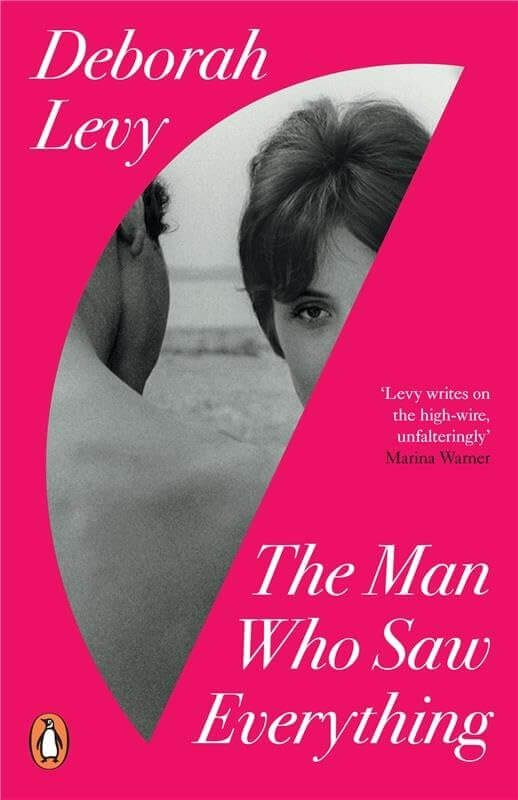
The Man Who Saw Everything

The Man Who Saw Everything

by Deborah Levy

Deborah Levy’s novel is a haunting, dreamlike exploration of memory, desire, and the politics of history. The story follows Saul, a self-absorbed historian, whose encounter with East Germany in 1988 reverberates across decades. Levy blends psychological nuance with political undercurrents, revealing how authoritarianism, surveillance, and personal mythmaking shape identity. Her writing is elegant, unsettling, and full of ambiguity. By shifting timelines and perceptions, Levy asks readers to question what is real, what is remembered, and what is deliberately forgotten. It is seductive, disorienting, and intellectually arresting.

3.67
Literary Fiction
Political Fiction
Dreamlike
Ambiguous
Introspective
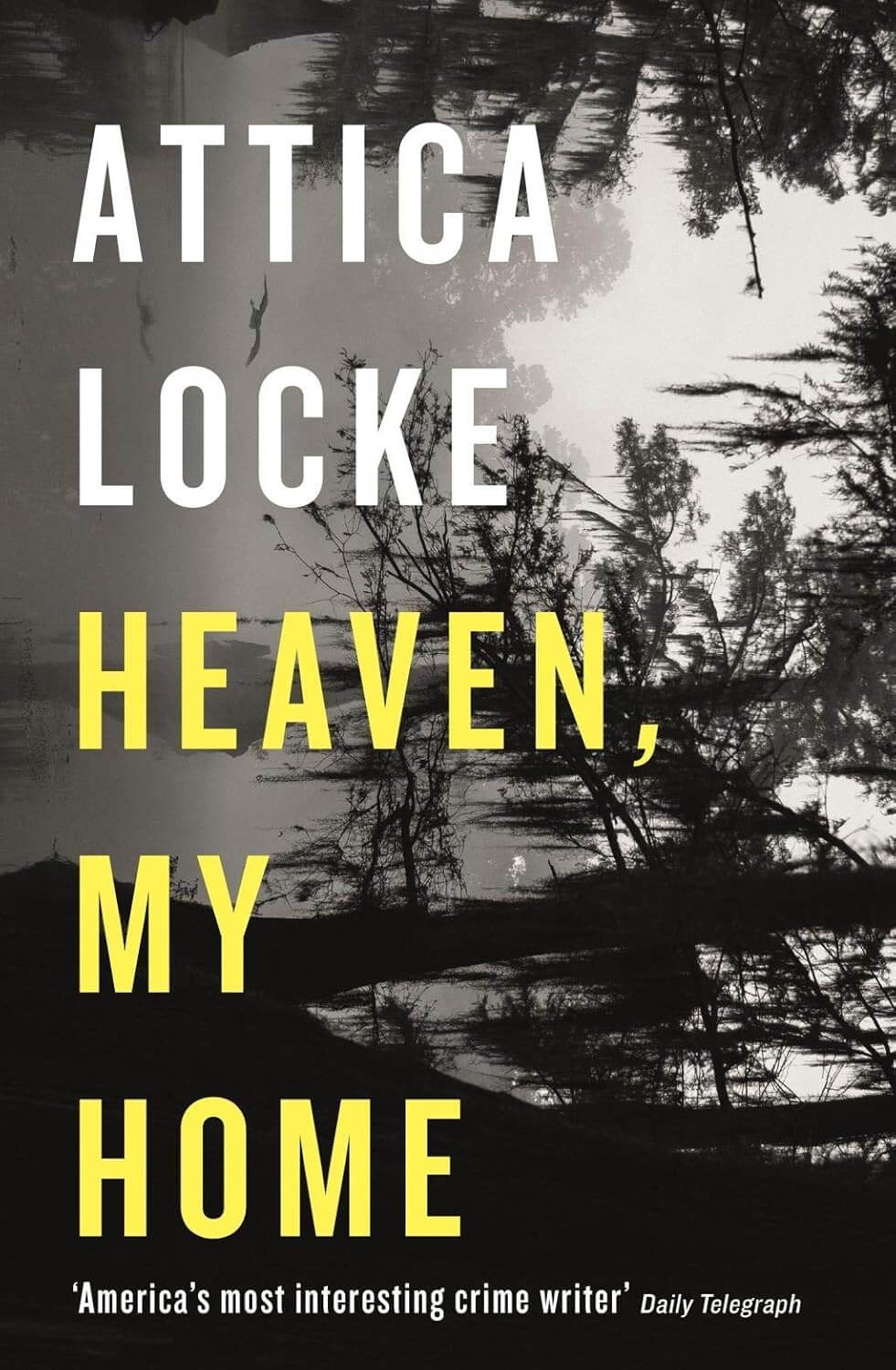
Heaven, My Home

Heaven, My Home

by Attica Locke

Attica Locke’s gripping crime novel follows Texas Ranger Darren Mathews as he investigates a disappearance in a deeply divided community. Set against the backdrop of the Trump era, the book interrogates racism, policing, and the legacy of white supremacy. Locke balances suspense with sharp political insight, using the crime narrative to explore the fractures of contemporary America. Her characters are complex and vividly drawn, revealing the tensions simmering beneath the surface of rural Texas. The novel is absorbing, socially aware, and rich with atmosphere. It stands as both a compelling mystery and a profound political commentary.

3.89
Crime Fiction
Political Fiction
Tense
Gritty
Socially Aware
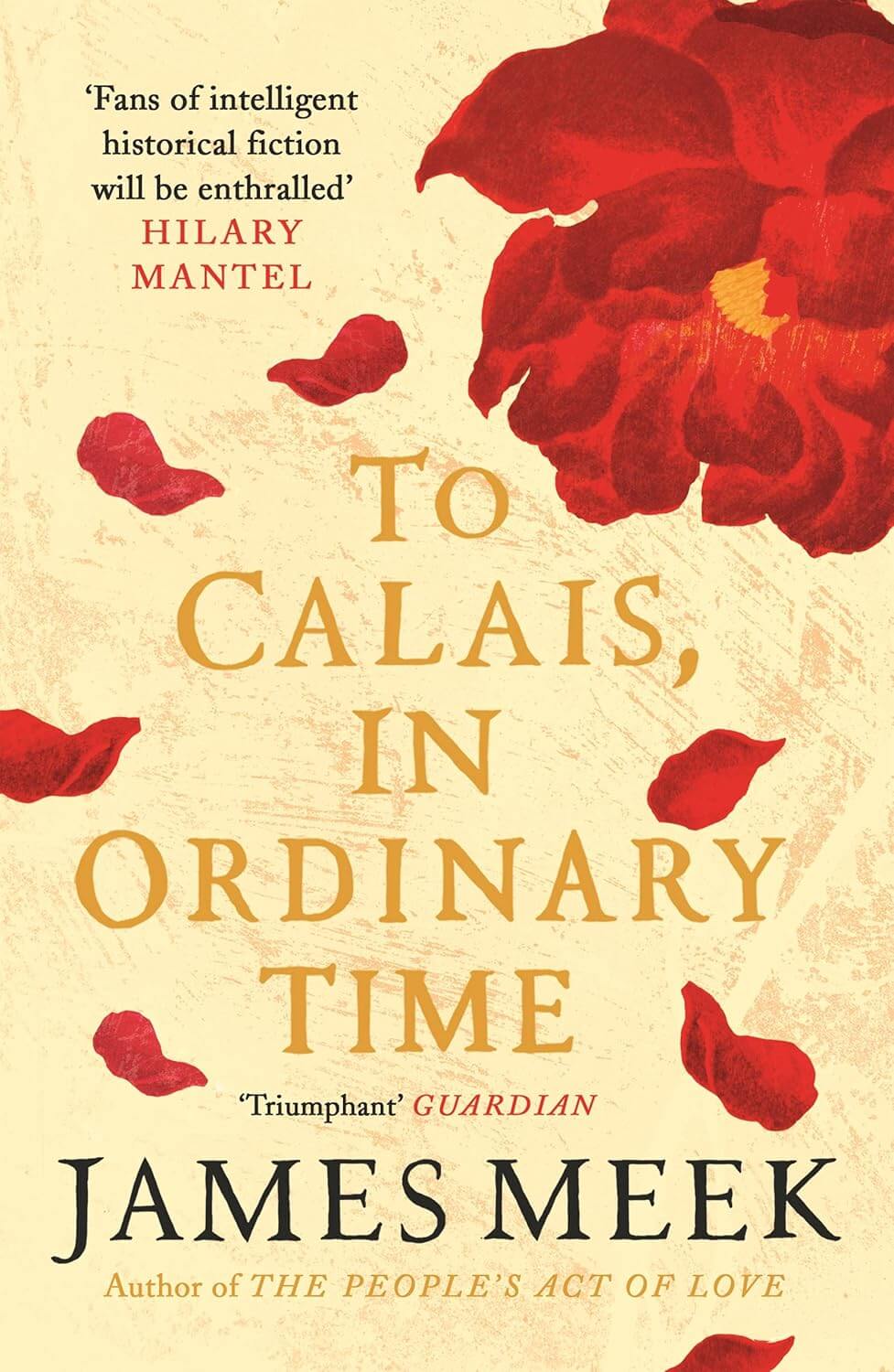
To Calais, in Ordinary Time

To Calais, in Ordinary Time

by James Meek

James Meek’s To Calais, in Ordinary Time is a richly imagined historical novel set during the Black Death, blending medieval language and modern sensibilities to examine power, class, and freedom. Through three intertwined narratives — a noblewoman, a serf, and a cleric — Meek reconstructs a world grappling with fear and upheaval. His linguistic experimentation immerses readers in the period while highlighting timeless political tensions. The novel explores how crisis reshapes social hierarchies and human relationships. It is ambitious, immersive, and intellectually daring, demonstrating how historical fiction can illuminate the present.

3.64
Historical Fiction
Political Fiction
Immersive
Ambitious
Atmospheric
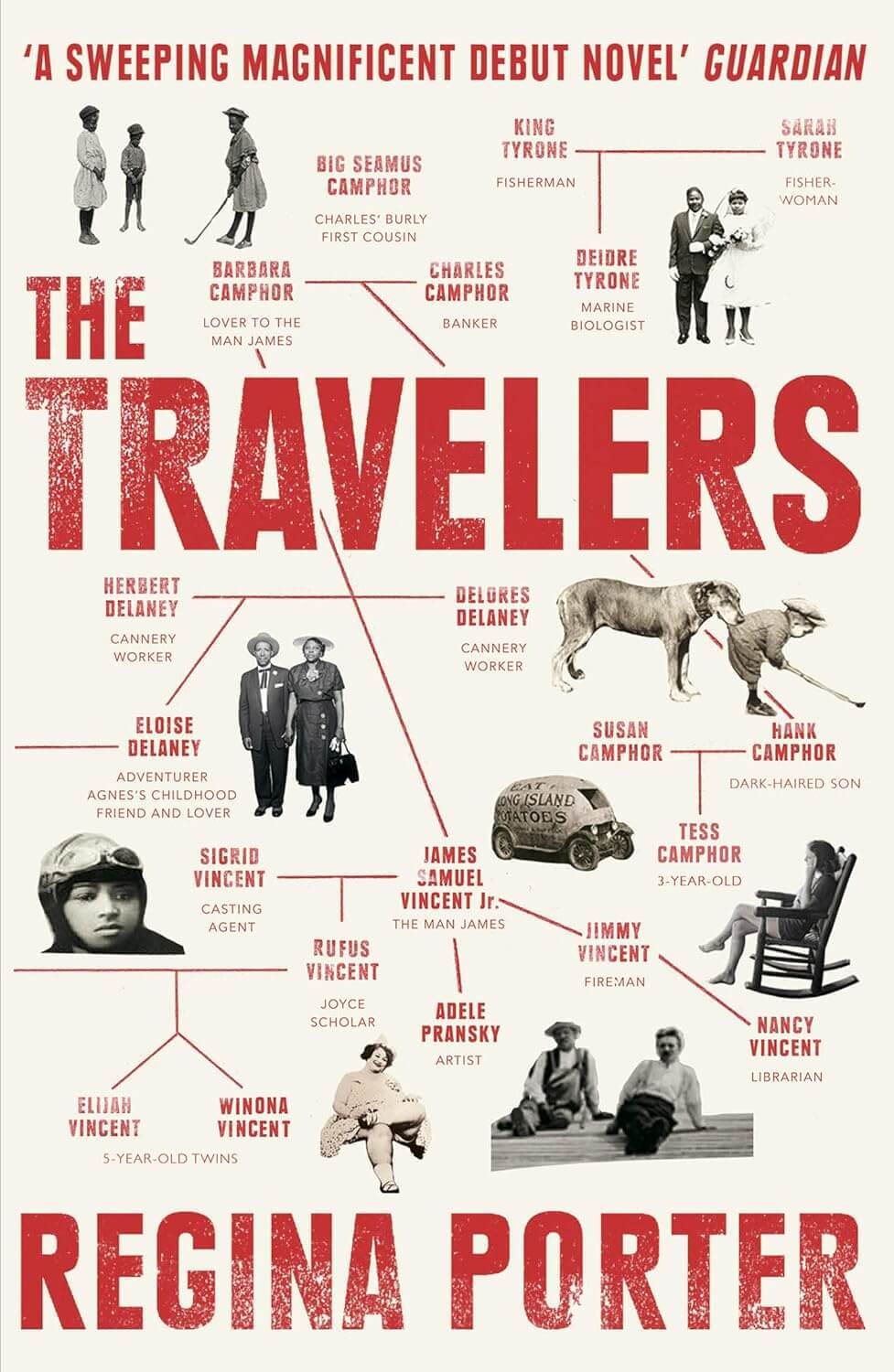
The Travelers

The Travelers

by Regina Porter

Regina Porter’s ambitious debut is a multi-generational, multi-racial American novel that spans decades of social change. Porter weaves together numerous characters and timelines, exploring race, family, war, queerness, and identity. Her storytelling is energetic and cinematic, blending humour with moments of deep emotional resonance. The political dimensions emerge organically through the characters’ experiences of inequality, migration, and cultural transformation. It is a vibrant, polyphonic novel that reflects America’s complexity with both warmth and critical insight.

3.60
Literary Fiction
Political Fiction
Vibrant
Expansive
Human
The Topeka School

The Topeka School

by Ben Lerner

Ben Lerner’s The Topeka School is a multilayered, intellectually rich novel examining masculinity, language, and political fragmentation in late-90s America. Moving between generations and perspectives, Lerner explores how cultural anxieties around speech, persuasion, and violence shaped the political landscape that followed. His writing is analytical yet deeply personal, blending autofiction with social critique. The novel captures the roots of contemporary polarisation through intimate family dynamics and the micro-politics of adolescence. It is ambitious, reflective, and formally sophisticated, offering a powerful meditation on the stories America tells about itself.

3.51
Literary Fiction
Political Fiction
Intellectual
Reflective
Complex