Stoicism & the Art of Living

Ancient wisdom and modern reflections on resilience, meaning, and living a thoughtful life

Stoicism has endured for more than two thousand years because it offers something rare: a philosophy designed not merely to explain the world, but to help people live well within it. Developed in ancient Greece and Rome, Stoicism teaches that while we cannot control external events, we can shape our responses to them. Through clarity, discipline, and perspective, it proposes a life guided by reason rather than fear, vanity, or impulse.

At the heart of Stoic thought is a deceptively simple idea: focus your energy on what you can control—your judgments, choices, and actions—and accept what lies beyond your power. This mindset creates resilience in the face of adversity and a calm independence from the chaos of circumstance. The writings of Marcus Aurelius, Seneca, and Epictetus remain strikingly relevant today because they address timeless human struggles: anxiety, ambition, loss, anger, and the search for meaning.

Modern writers have rediscovered Stoicism as a practical philosophy for contemporary life. The books in this list range from ancient texts to modern interpretations and adjacent works that explore purpose, time, and psychological freedom. Together, they form a powerful reading path toward a more deliberate life—one grounded in clarity, courage, and acceptance.

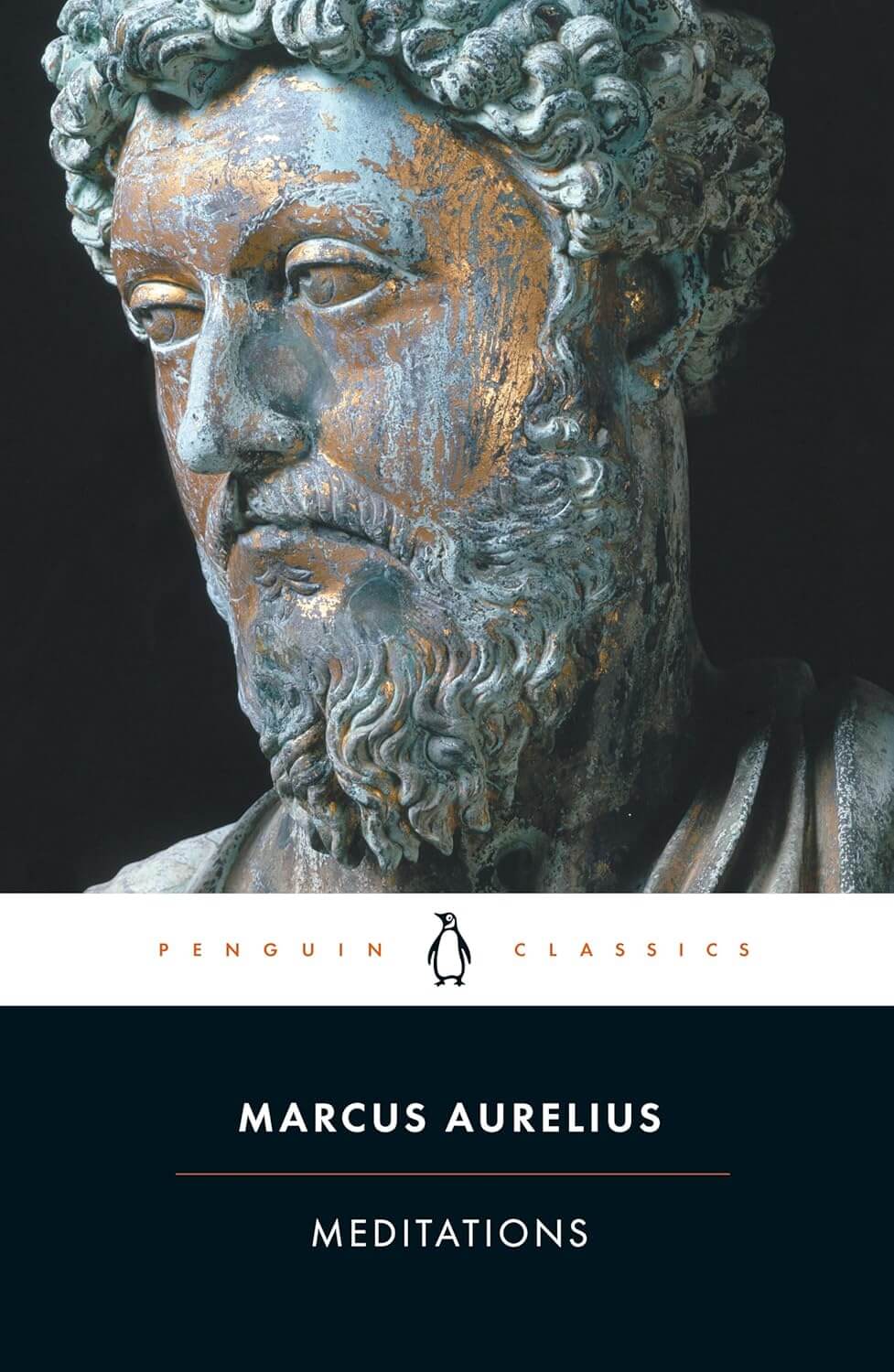
Meditations

Meditations

by Marcus Aurelius

Written as a private journal rather than a formal philosophical work, Marcus Aurelius’s Meditations offers a rare glimpse into the mind of a Roman emperor trying to live according to Stoic principles. The entries are brief, direct, and often intensely personal, reflecting a constant effort to remain calm, rational, and compassionate amid the pressures of power. Aurelius repeatedly reminds himself that anger, pride, and fear are distractions from a life of virtue. Instead, he urges attention to the present moment and acceptance of nature’s order. The book’s tone is humble and reflective rather than authoritative. That humility is part of its enduring power: the emperor is not lecturing but struggling, just like the reader. Many passages read like practical advice for emotional discipline and perspective. Though written nearly two millennia ago, the reflections feel remarkably modern in their concern with distraction, ego, and mortality. Meditations rewards slow reading and repeated return. It is less a book to finish than a companion for lifelong reflection.
4.28
Philosophy
Stoicism
Classics
Reflective
Calm
Contemplative
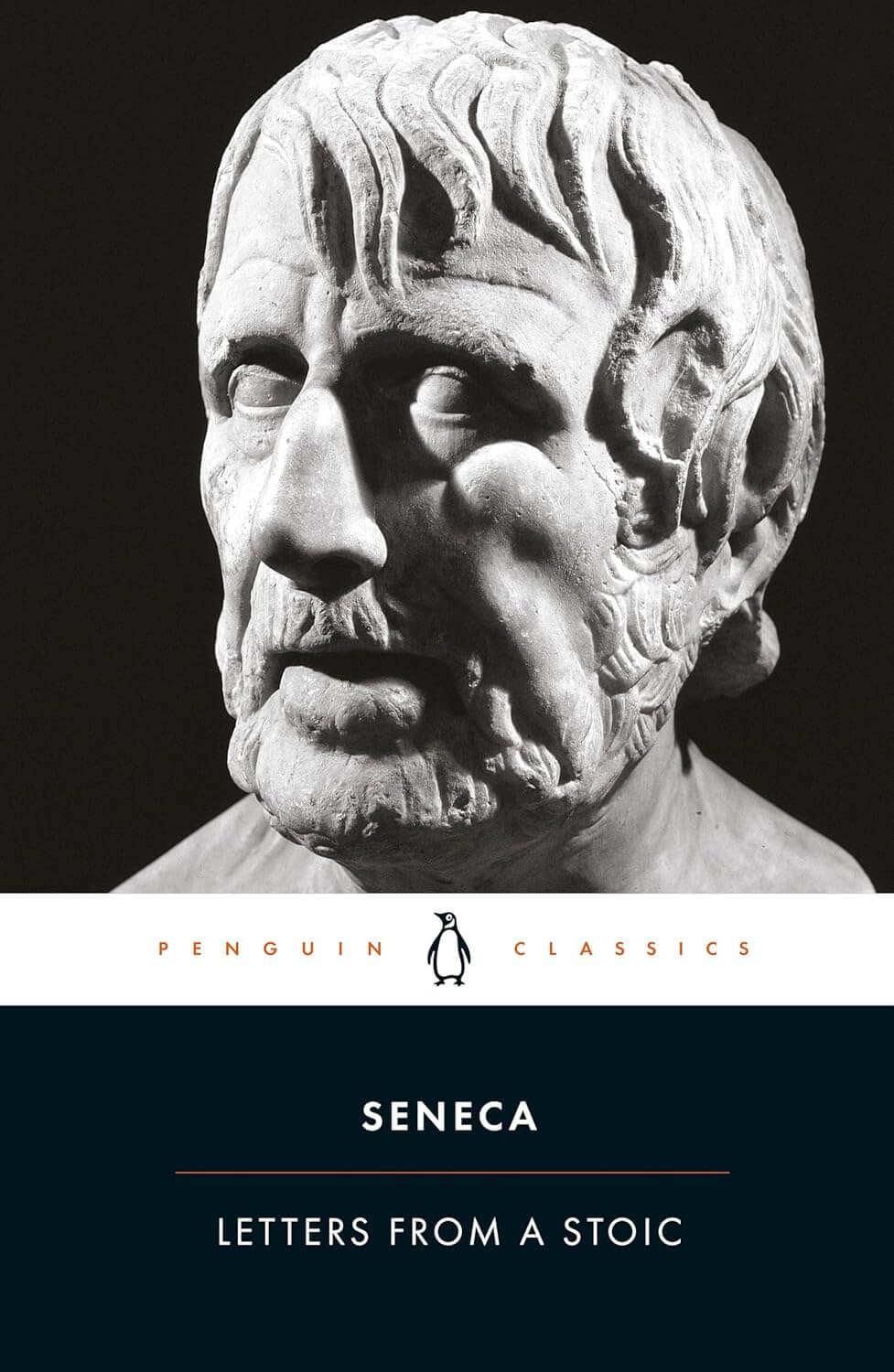
Letters from a Stoic

Letters from a Stoic

by Seneca

Seneca’s Letters from a Stoic reads like a series of thoughtful conversations about how to live well. Written as letters to his friend Lucilius, they cover everything from wealth and friendship to grief, ambition, and the proper use of time. Seneca’s style is elegant but accessible, combining philosophical argument with vivid examples and personal reflection. One of his central concerns is the danger of wasting life in distraction or ambition without reflection. He encourages readers to cultivate independence from external success while still participating responsibly in society. The letters often return to the importance of inner freedom—the idea that true contentment comes from mastering one’s own thoughts. Seneca is also unusually practical, offering advice about anger, adversity, and the pressures of public life. The result is philosophy that feels immediately applicable. The letters remain some of the most readable works in the Stoic tradition. They demonstrate how philosophical thinking can become a daily habit rather than an abstract system.

4.32
Philosophy
Stoicism
Classics
Thoughtful
Wise
Practical
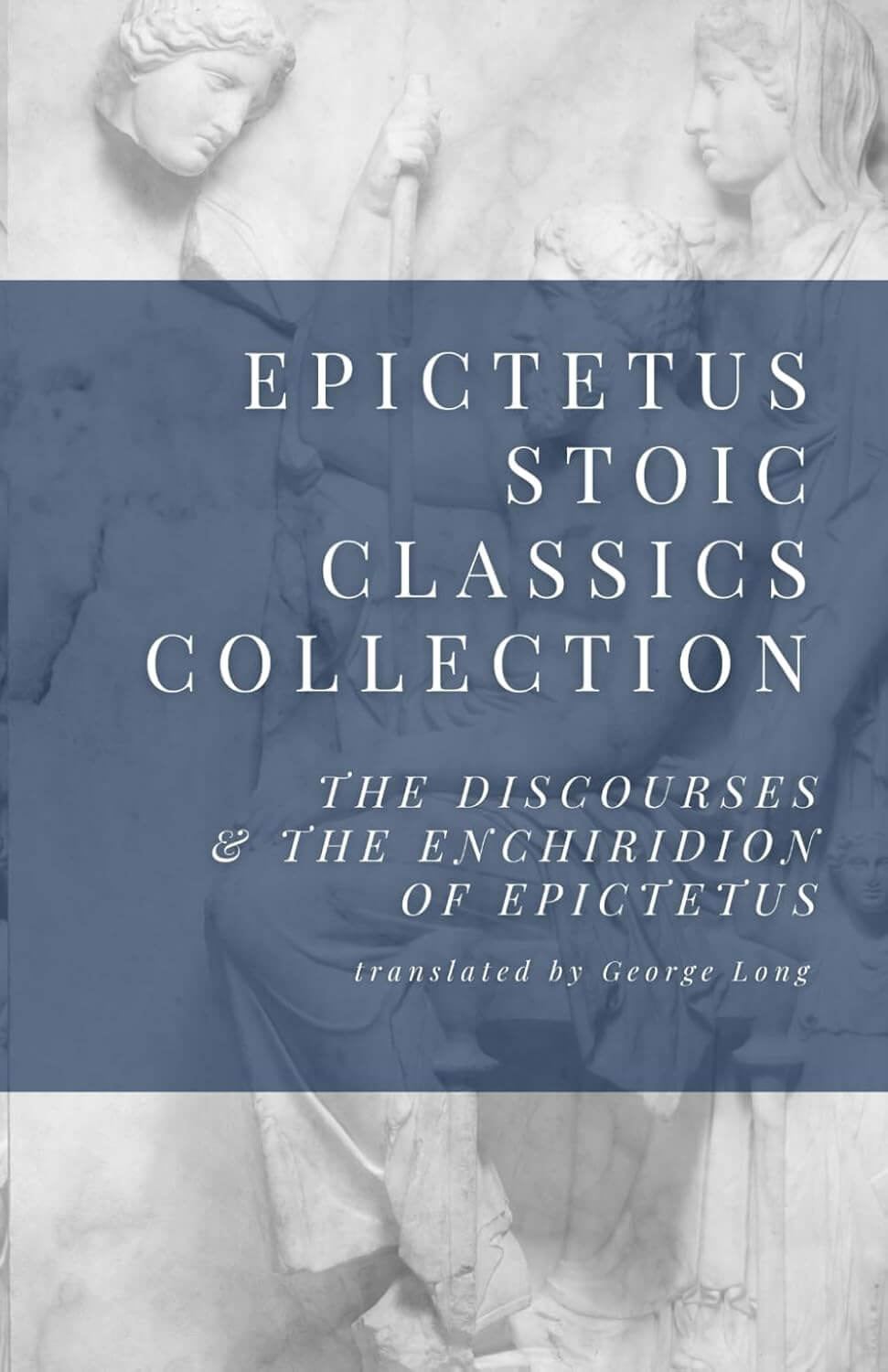
The Discourses & The Enchiridion of Epictetus

The Discourses & The Enchiridion of Epictetus

by Epictetus

The Discourses capture the teachings of Epictetus, a former slave who became one of the most influential Stoic philosophers. Recorded by his student Arrian, these conversations present Stoicism as a rigorous training for the mind. Epictetus insists that freedom does not come from wealth or power but from understanding what lies within our control. Much of the book focuses on how our judgments shape our emotional lives. By learning to question assumptions and resist destructive reactions, a person can achieve genuine independence. The tone is often direct, even confrontational, reflecting Epictetus’s belief that philosophy should challenge complacency. His examples are practical and frequently humorous, drawn from everyday life. The Discourses are less polished than other Stoic texts but more energetic and vivid. They show philosophy being taught in real time rather than summarized later. For readers willing to engage deeply, the book offers one of the most powerful introductions to Stoic thought.

4.24
Philosophy
Stoicism
Classics
Direct
Challenging
Insightful
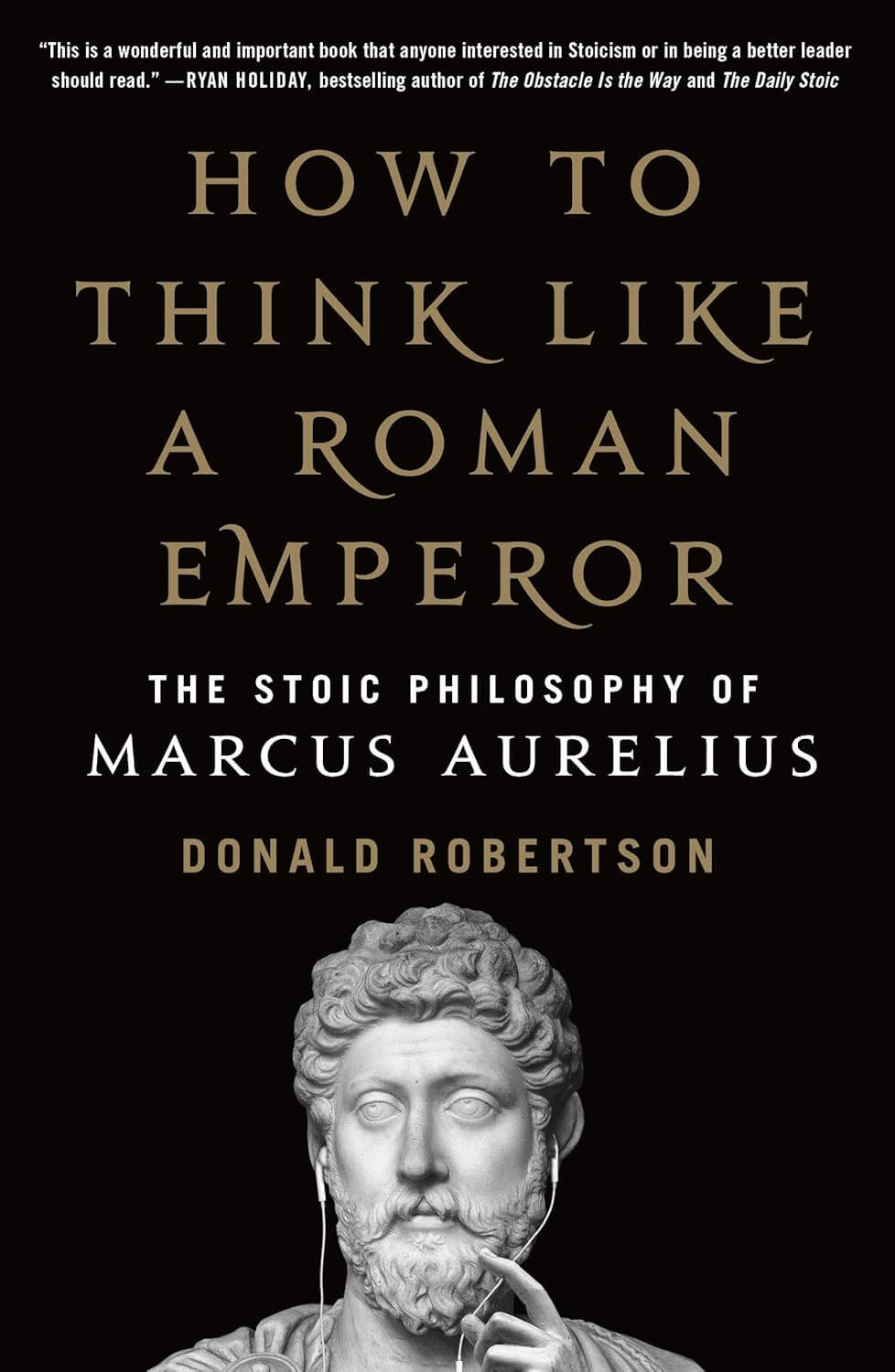
How to Think Like a Roman Emperor

How to Think Like a Roman Emperor

by Donald Robertson

Donald Robertson blends biography, Stoic philosophy, and modern psychology in this engaging study of Marcus Aurelius. The book follows the emperor’s life while explaining the Stoic ideas that shaped his decisions and character. Robertson also connects Stoic practices with modern cognitive behavioral therapy, showing their surprising overlap. Each chapter introduces exercises designed to help readers apply Stoic thinking to real situations. The result is both historical narrative and practical guide. Robertson portrays Aurelius not as a perfect philosopher-king but as a person struggling to live according to his principles. That humanity makes the lessons feel more accessible and realistic. The book also demonstrates how Stoicism can function as a kind of mental training for resilience. By combining ancient philosophy with modern psychology, Robertson shows why Stoicism continues to resonate today. It is both educational and deeply practical.

4.34
Philosophy
Stoicism
Psychology
Insightful
Reflective
Practical
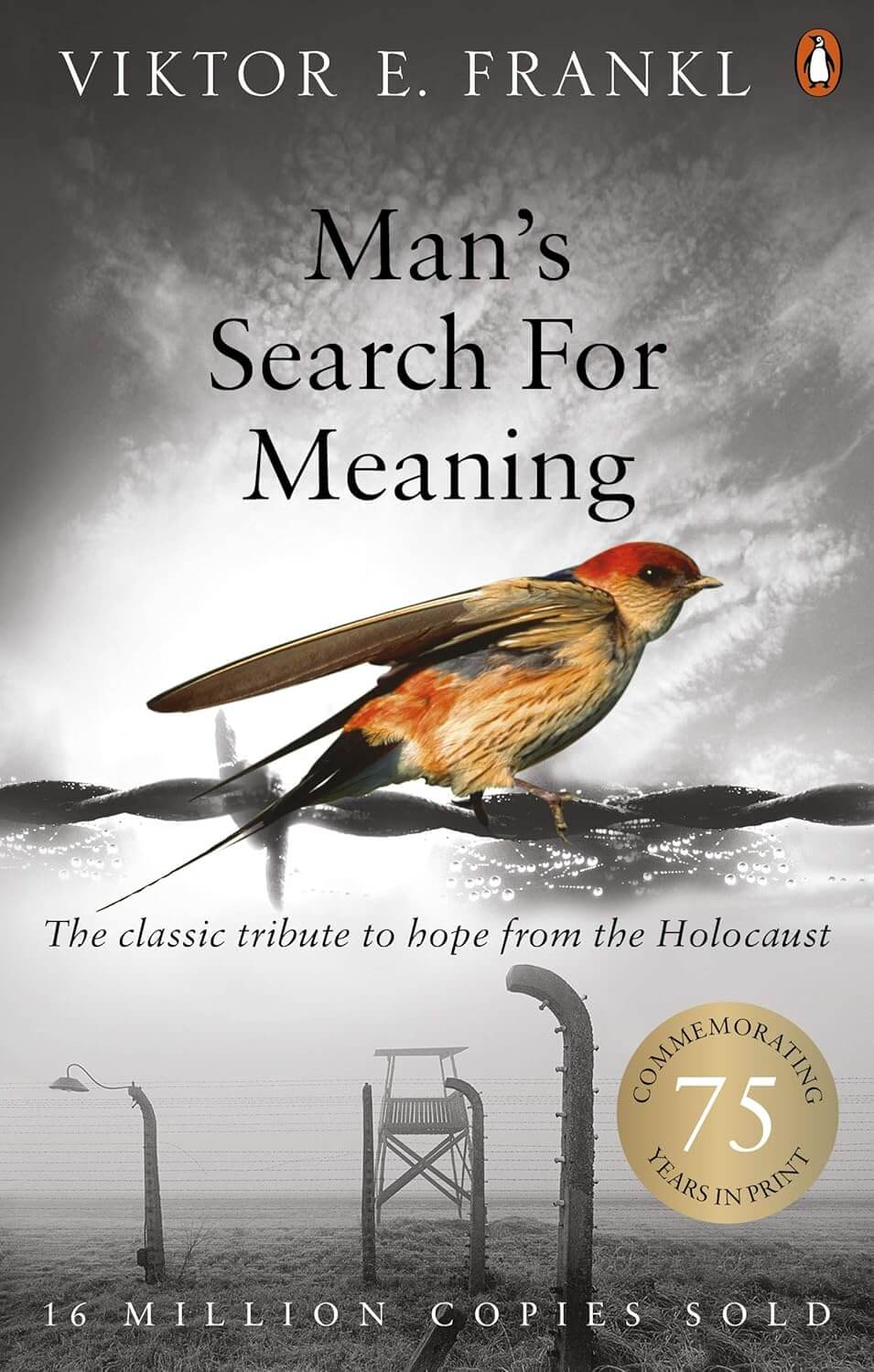
Man's Search for Meaning

Man's Search for Meaning

by Viktor Frankl

Viktor Frankl’s profound memoir combines personal testimony with psychological insight. Drawing on his experiences in Nazi concentration camps, Frankl explores how meaning can sustain human resilience even in the most extreme suffering. His philosophy, known as logotherapy, argues that people are motivated primarily by the search for purpose. The book’s first half recounts life in the camps with stark honesty and emotional clarity. The second half explains Frankl’s theory that individuals can choose their attitude toward circumstances, even when freedom is severely limited. Though not strictly a Stoic text, the book resonates strongly with Stoic ideas about inner freedom and perspective. Frankl demonstrates that meaning can emerge through work, love, and courage in adversity. The writing is simple but powerful, allowing the ideas to resonate deeply. Few books explore human resilience with such clarity and moral weight. It remains one of the most influential works on purpose and suffering.

4.37
Philosophy
Memoir
Psychology
Profound
Moving
Reflective
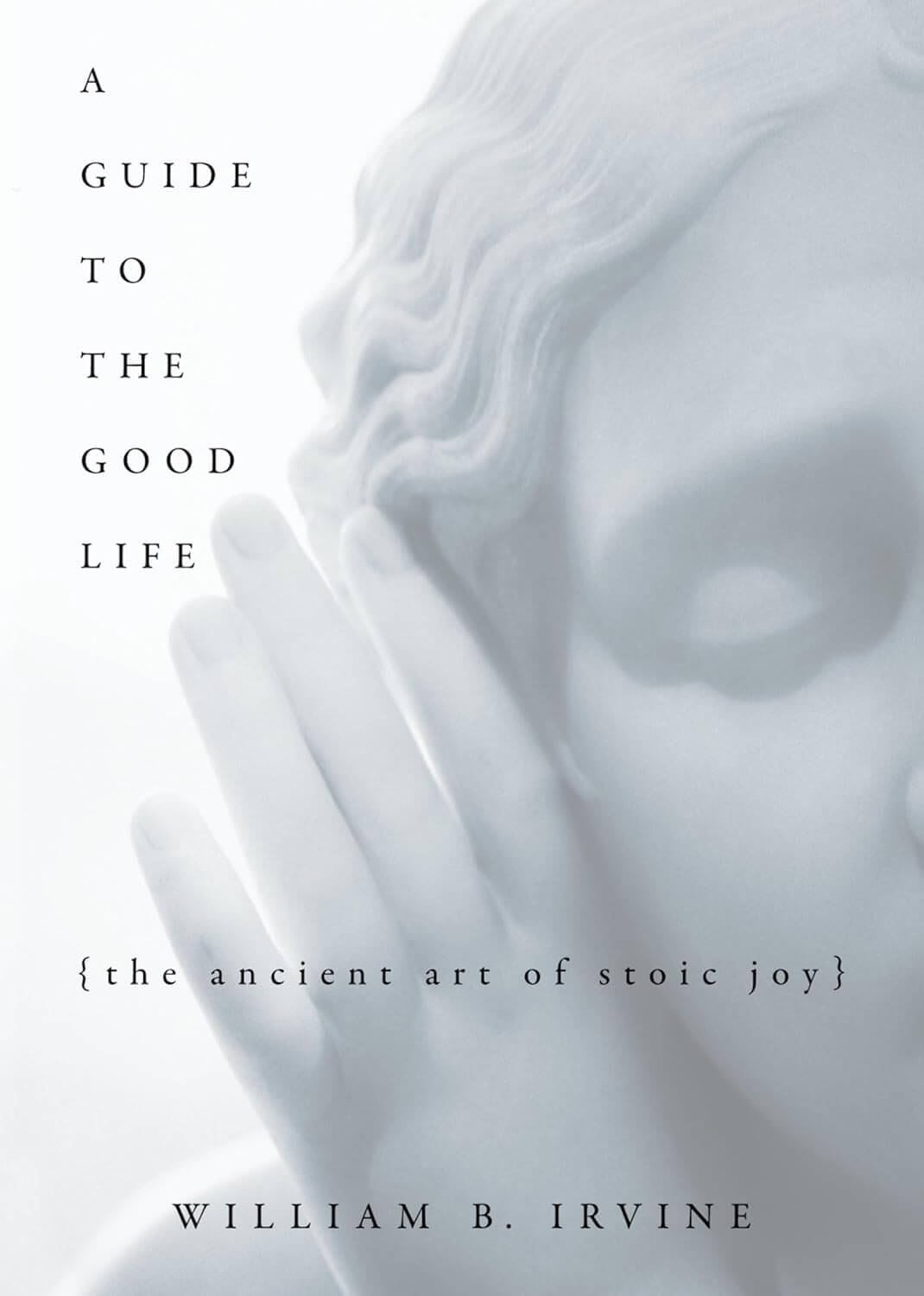
A Guide to the Good Life

A Guide to the Good Life

by William B. Irvine

William B. Irvine presents Stoicism as a practical philosophy for modern life, translating ancient ideas into everyday strategies. The book explains core Stoic principles—such as negative visualization, voluntary discomfort, and emotional discipline—in clear, engaging language. Irvine shows how these practices can reduce anxiety, increase gratitude, and create a more deliberate life. One of his strengths is connecting philosophical ideas to ordinary experiences like work, relationships, and ambition. Rather than advocating emotional detachment, Irvine emphasizes mindful engagement with life’s challenges. The book also clarifies common misconceptions about Stoicism, particularly the idea that Stoics suppress emotion. Instead, Stoicism becomes a framework for cultivating resilience and clarity. Irvine’s tone is friendly and explanatory, making the philosophy approachable without oversimplifying it. The result is a modern guide that encourages readers to apply ancient wisdom in practical ways. It serves as an excellent bridge between classical Stoic texts and contemporary life.

4.19
Philosophy
Self-Improvement
Stoicism
Practical
Encouraging
Insightful
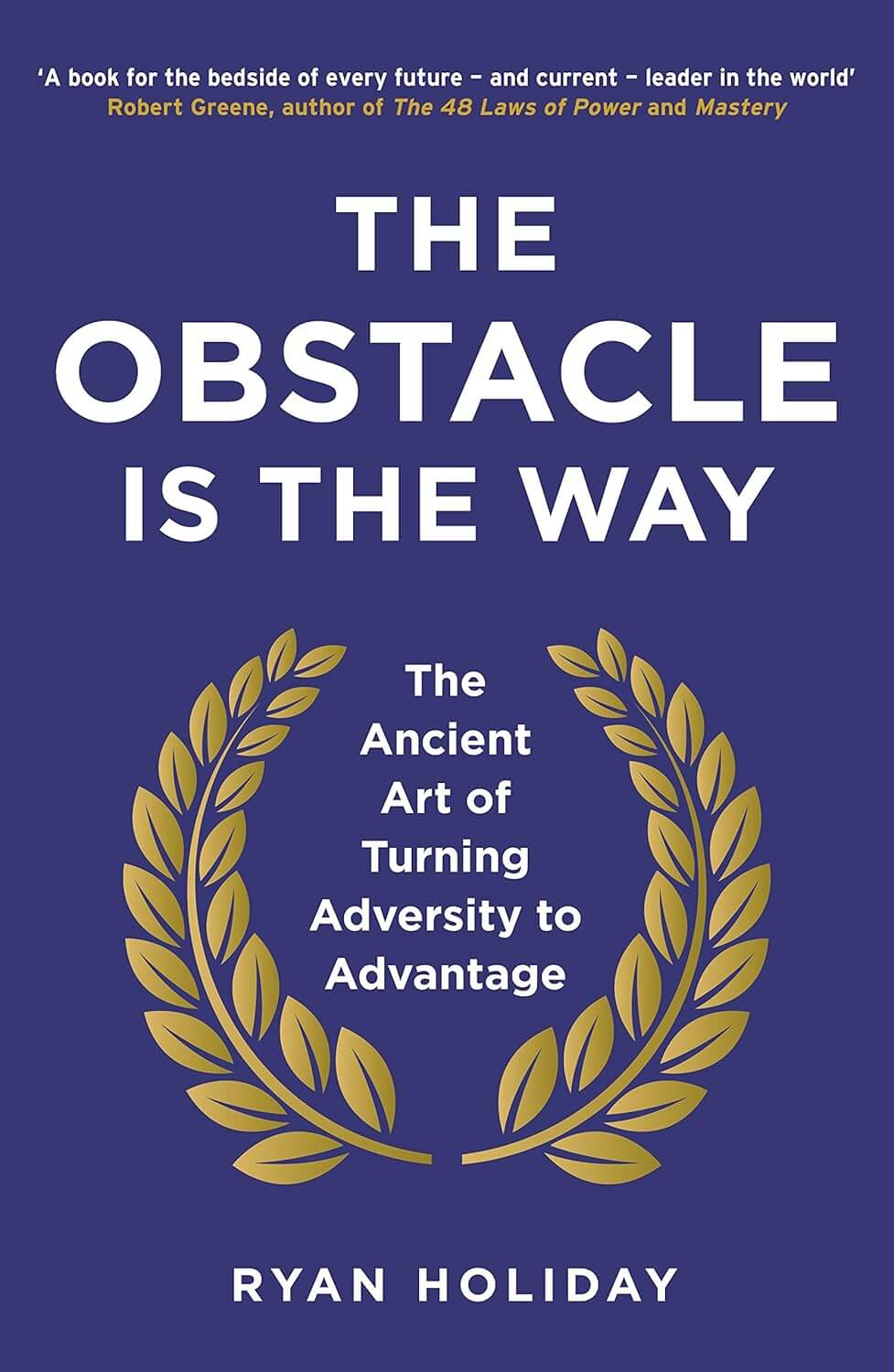
The Obstacle Is the Way

The Obstacle Is the Way

by Ryan Holiday

Ryan Holiday adapts Stoic principles into a motivational framework focused on resilience and action. The book centers on the idea that obstacles are not merely problems but opportunities for growth and discipline. Holiday illustrates this idea through historical examples, from ancient philosophers to modern leaders and athletes. The narrative style is energetic and accessible, emphasizing clarity and determination. Holiday breaks Stoic thinking into three key disciplines: perception, action, and will. Each section shows how reframing challenges can transform them into opportunities for progress. The book’s tone is pragmatic and motivational rather than strictly philosophical. While it simplifies some Stoic ideas, it effectively introduces their core spirit. Many readers find it useful as a mindset for dealing with adversity. It is particularly popular among entrepreneurs, athletes, and leaders seeking mental resilience.

4.15
Self-Improvement
Philosophy
Stoicism
Motivational
Focused
Empowering
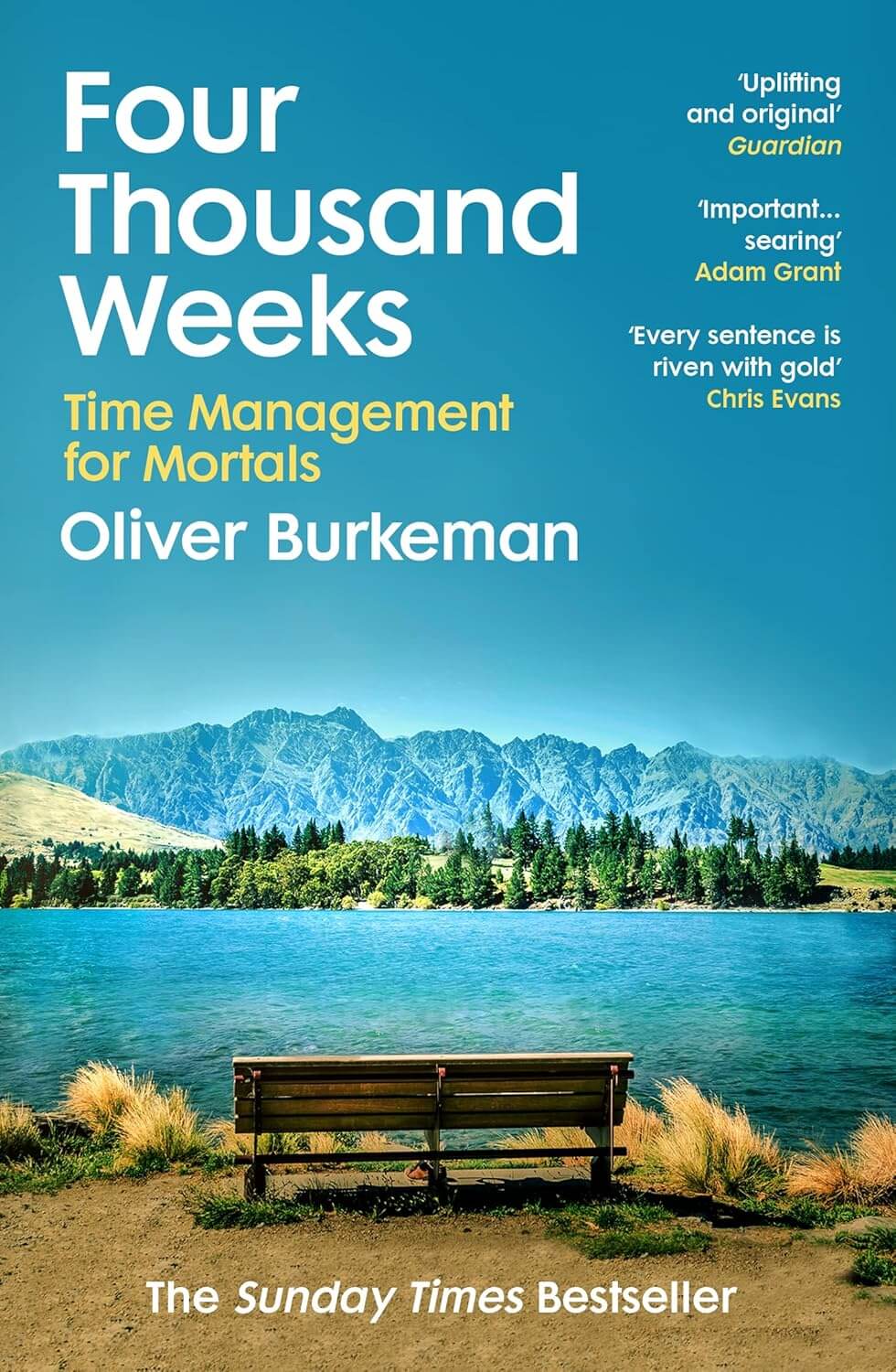
Four Thousand Weeks: Time Management for Mortals

Four Thousand Weeks: Time Management for Mortals

by Oliver Burkeman

Oliver Burkeman challenges modern productivity culture by confronting a simple truth: human life is finite. The title refers to the roughly four thousand weeks in an average lifespan, a reminder that time cannot be fully controlled or optimized. Rather than encouraging more efficient scheduling, Burkeman argues for a philosophical shift toward acceptance and presence. He draws on Stoicism, existential philosophy, and psychology to explore how people relate to time. The book suggests that meaning emerges not from doing everything but from choosing what matters. Burkeman’s tone is thoughtful, honest, and often gently humorous. He examines common anxieties about productivity and success with refreshing clarity. The result is a deeply philosophical reflection disguised as a time-management book. Readers are encouraged to embrace limits rather than fight them endlessly. The book ultimately offers a calmer, more humane approach to life’s constraints.

4.17
Philosophy
Self-Improvement
Psychology
Reflective
Calming
Thoughtful
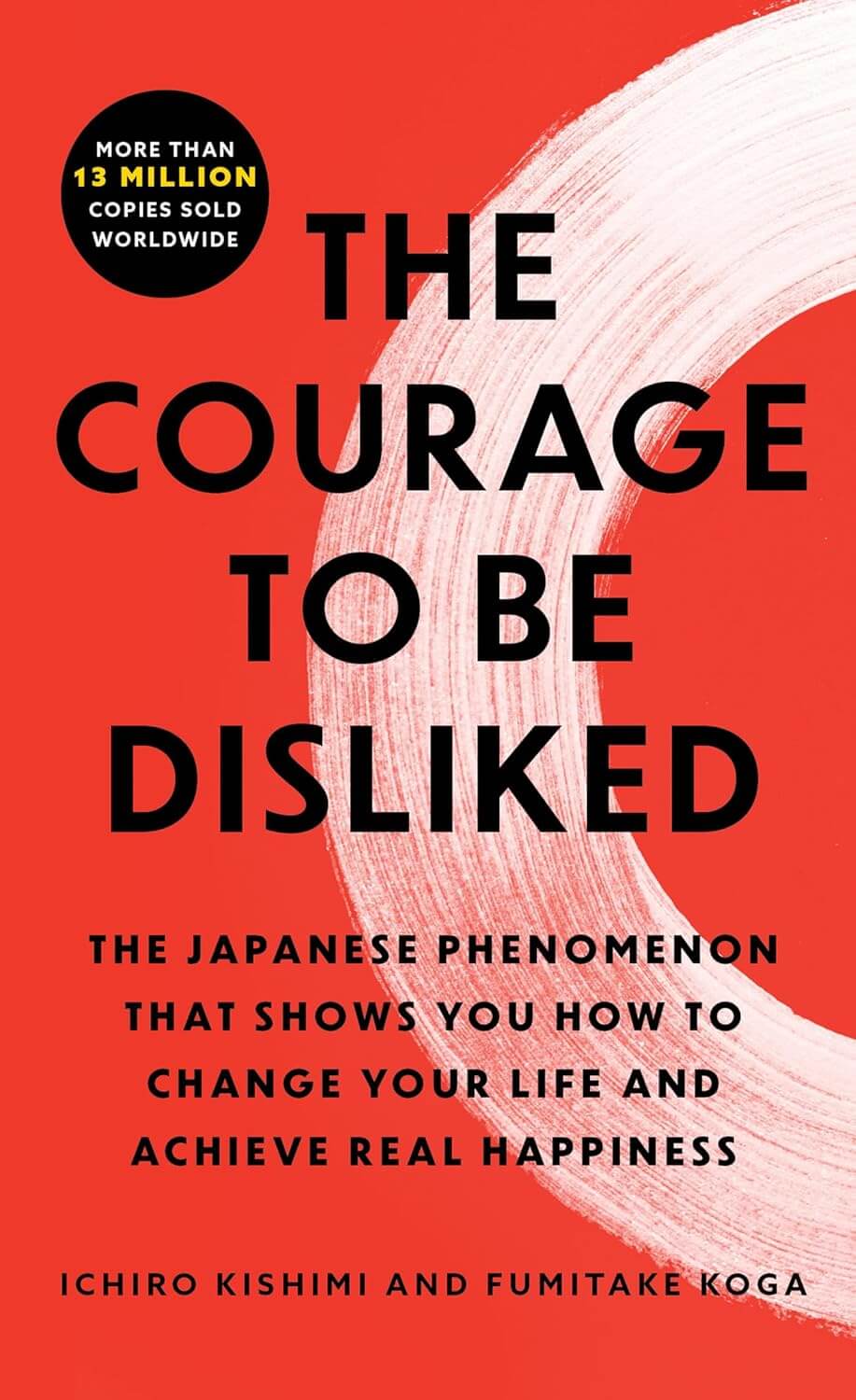
The Courage to Be Disliked

The Courage to Be Disliked

by Ichiro Kishimi & Fumitake Koga

Structured as a dialogue between a philosopher and a skeptical student, this book introduces Alfred Adler’s psychology through a philosophical conversation. Though rooted in Adlerian psychology rather than Stoicism, it shares many Stoic themes about freedom, responsibility, and personal perspective. The central argument is that individuals are not determined by past experiences but by the meanings they assign to them. The philosopher challenges the student’s assumptions about happiness, relationships, and social expectations. Through these exchanges, the book explores the courage required to live according to one’s values rather than seeking constant approval. Its conversational format makes complex ideas accessible and engaging. The text also encourages readers to reconsider how they interpret criticism and social pressure. By emphasizing autonomy and responsibility, the book echoes Stoic ideas about inner independence. It ultimately invites readers to rethink how happiness is constructed. The result is both philosophical and psychologically insightful.

3.91
Philosophy
Psychology
Self-Improvement
Thought-provoking
Philosophical
Empowering