2024 Women’s Prize for Non-Fiction

Sixteen revelatory books exploring truth, history, identity, and the hidden structures shaping our world

The Women’s Prize for Nonfiction 2024 longlist celebrates writing that interrogates, illuminates, and ultimately broadens our understanding of what it means to live in the world today. These books take readers across centuries and continents, from the deep evolutionary past to the unsettling digital present, from the shores of Britain’s islands to the flat plains of emotional terrain. Each author brings a distinctive voice and a fierce curiosity to subjects both intimate and immense.

What binds these books together is their commitment to uncovering what has been neglected or obscured — forgotten women, contested histories, moral blind spots, and the quiet forces shaping everyday life. They blend storytelling and scholarship, personal narrative and political insight, scientific investigation and lyrical reflection. Together, they challenge us to think more critically about the narratives we inherit and the systems we inhabit.

Whether you’re drawn to memoir, science, political commentary, art history, social justice, or cultural criticism, this list offers a rich landscape of ideas and experiences. These are books that speak boldly, question deeply, and leave readers changed — works that demonstrate the power of nonfiction to both reveal and remake the world.

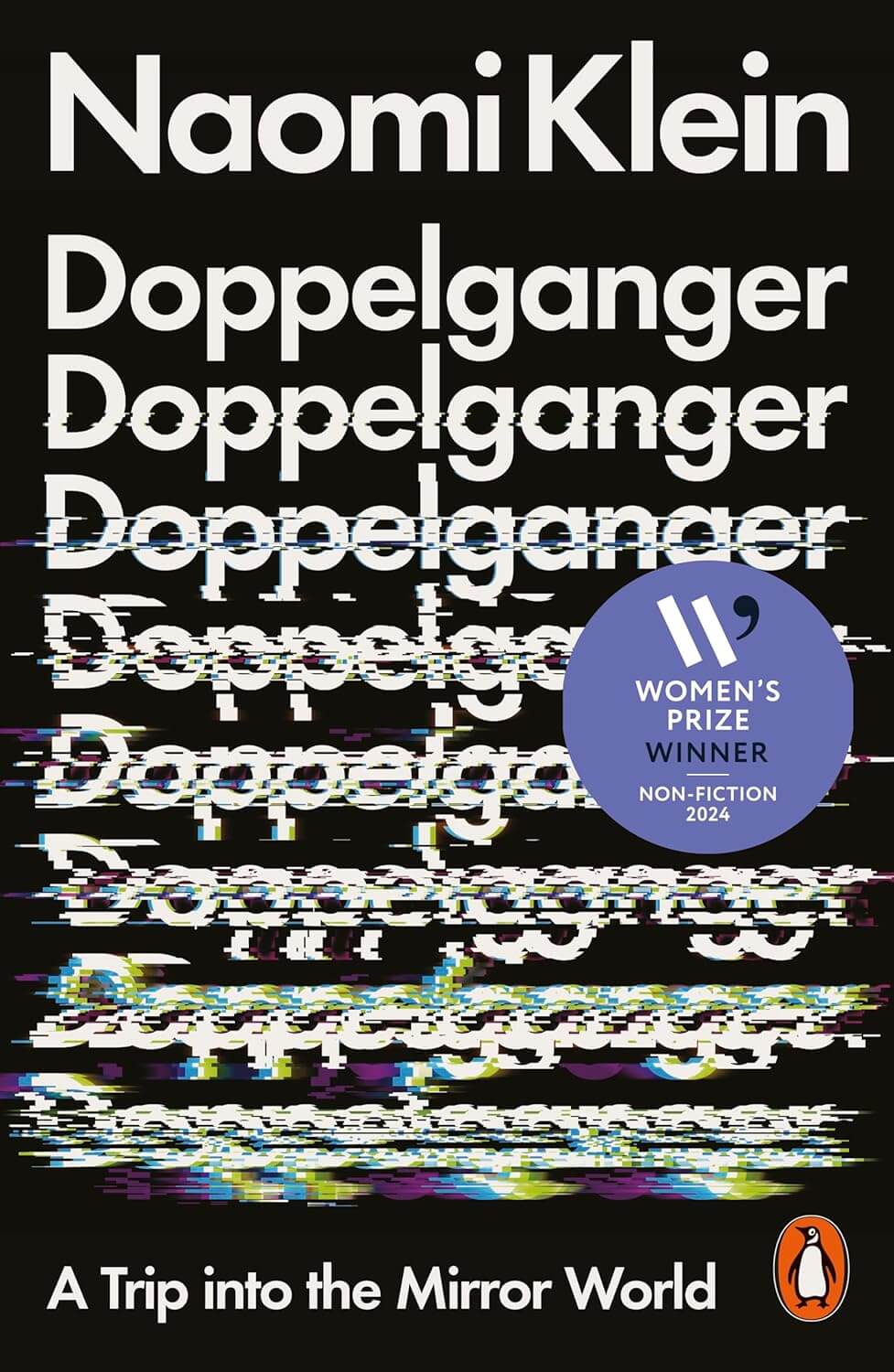
Doppelganger
Winner

Doppelganger

by Naomi Klein

Naomi Klein’s Doppelganger is a sharp, unsettling look into conspiracy culture, identity confusion, and the fractured public sphere. Using her frequent misidentification with Naomi Wolf as an entry point, she explores how the ‘mirror world’ of misinformation and political distortion has reshaped public discourse. Klein’s writing is witty, incisive, and often darkly funny, weaving personal narrative with global analysis. She dissects how grievances are weaponised and how digital systems amplify division. The result is a timely, intellectually rich examination of a world where reality feels unstable. It is both diagnosis and warning.

4.20
Politics
Cultural Criticism
Sharp
Provocative
Darkly Humorous
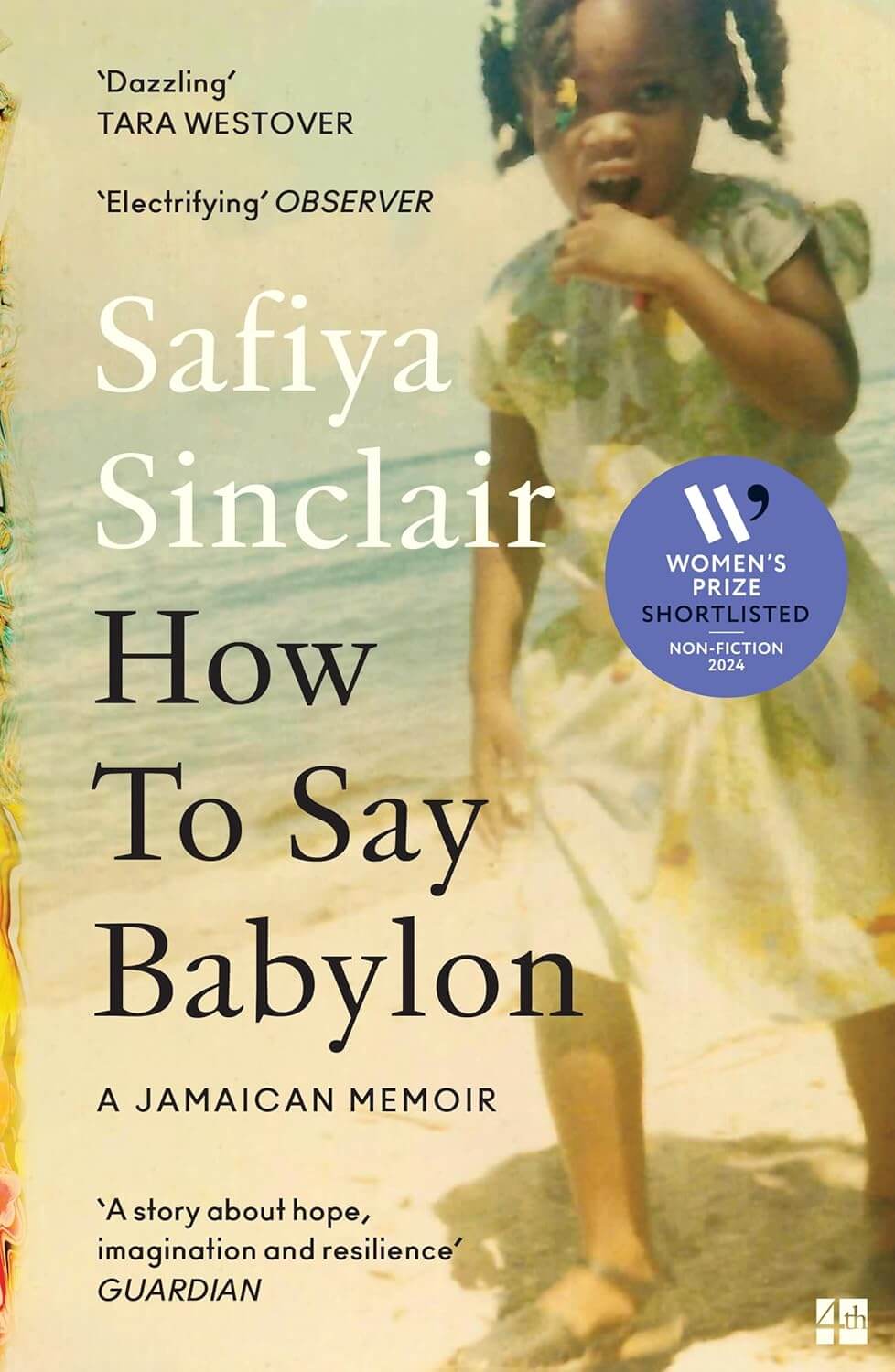
How to Say Babylon
Shortlisted

How to Say Babylon

by Safiya Sinclair

Safiya Sinclair’s memoir is a lyrical and ferocious exploration of growing up within a strict Rastafarian household and carving out space for her own voice. Her prose is lush and poetic, reflecting her training as a poet while capturing the intensity of childhood constraint. Sinclair writes with emotional honesty about family, rebellion, and the search for artistic freedom. The book navigates trauma and tenderness with equal skill, revealing how belief systems can both sustain and suffocate. It is a powerful coming-of-age story about the costs and triumphs of self-definition. Deeply affecting and beautifully written.

4.43
Memoir
Cultural Studies
Lyrical
Defiant
Emotional
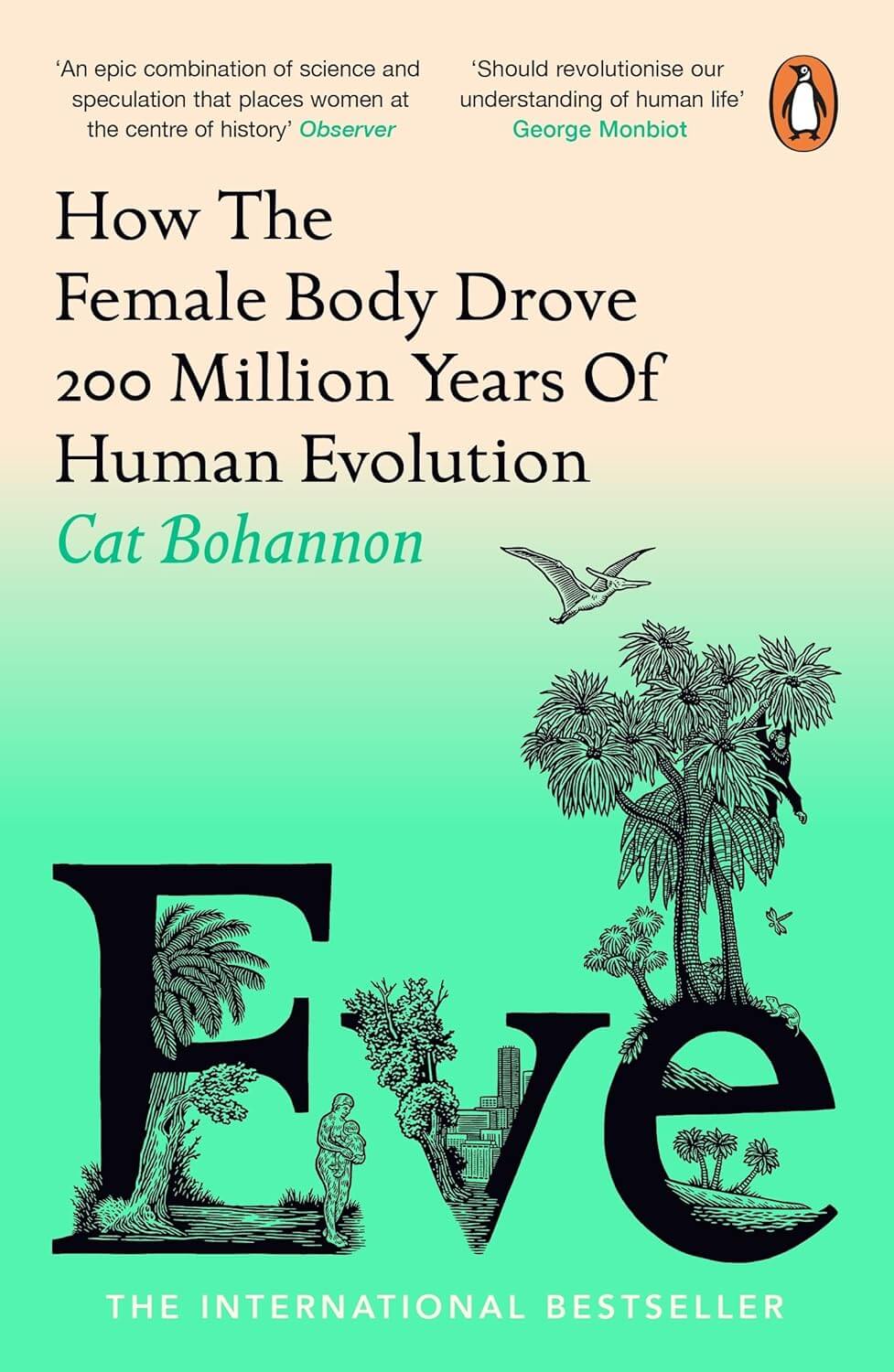
Eve: How the Female Body Drove 200 Million Years of Human Evolution

Eve: How the Female Body Drove 200 Million Years of Human Evolution

by Cat Bohannon

Cat Bohannon delivers an exhilarating re-examination of human evolution by placing the female body at its centre. With wit and scientific rigour, she challenges centuries of male-focused research and corrects widespread misconceptions about anatomy, reproduction, and biological development. Bohannon’s narrative is lively and packed with surprising revelations about traits and adaptations shaped by female physiology. She pushes readers to reconsider how evolutionary stories are told — and who gets included in them. The book is sprawling yet cohesive, balancing deep science with engaging storytelling. It’s an ambitious, spirited work that shifts the lens of biological history in necessary ways.

4.26
Science Writing
Biology
Bold
Insightful
Thought-Provoking
Intervals

Intervals

by Marianne Brooker

Marianne Brooker’s memoir is a quiet but piercing meditation on care, grief, and the structures surrounding end-of-life choices. She writes with striking emotional precision about her mother’s assisted death, weaving personal experience with philosophical and political reflection. Brooker interrogates how families navigate medical systems that often obscure dignity and autonomy. Her prose is beautifully restrained, full of tenderness and unspoken pain. The book asks difficult questions about who gets to choose, who supports that choice, and what it costs. It is intimate, ethically complex, and deeply moving.

4.42
Memoir
Medical Ethics
Somber
Tender
Reflective
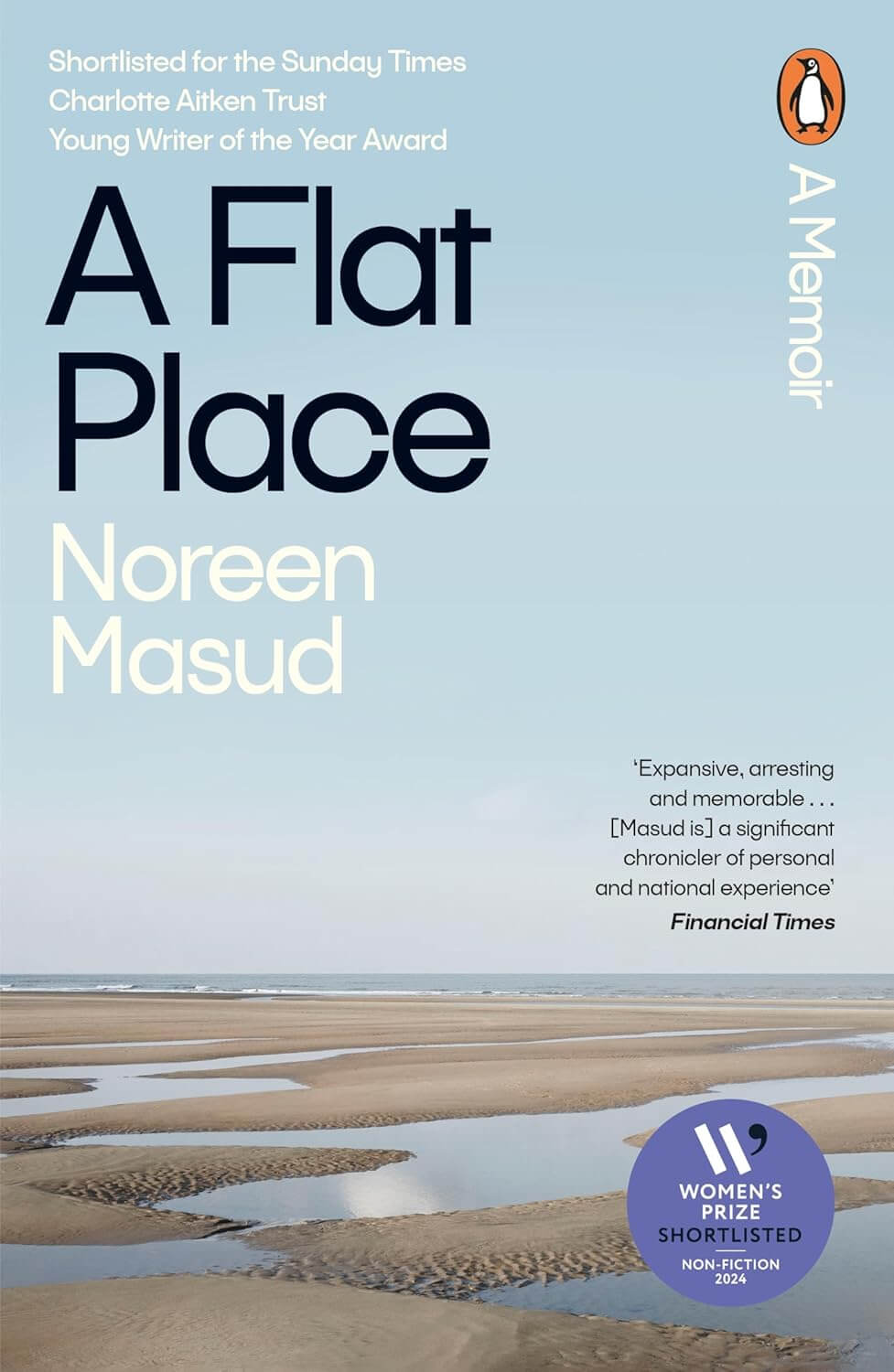
A Flat Place
Shortlisted

A Flat Place

by Noreen Masud

Noreen Masud’s memoir blends landscape writing with reflections on trauma, displacement, and belonging. Her journeys across Britain’s flattest landscapes become a meditation on emotional flatness and survival. Masud’s writing is spare yet poetic, carrying quiet but immense emotional power. She interrogates how place shapes feeling, and how stillness can hold both pain and possibility. The book is deeply introspective, but also culturally sharp, weaving personal history with postcolonial analysis. It is haunting, original, and beautifully crafted.

4.15
Memoir
Nature Writing
Haunting
Introspective
Delicate
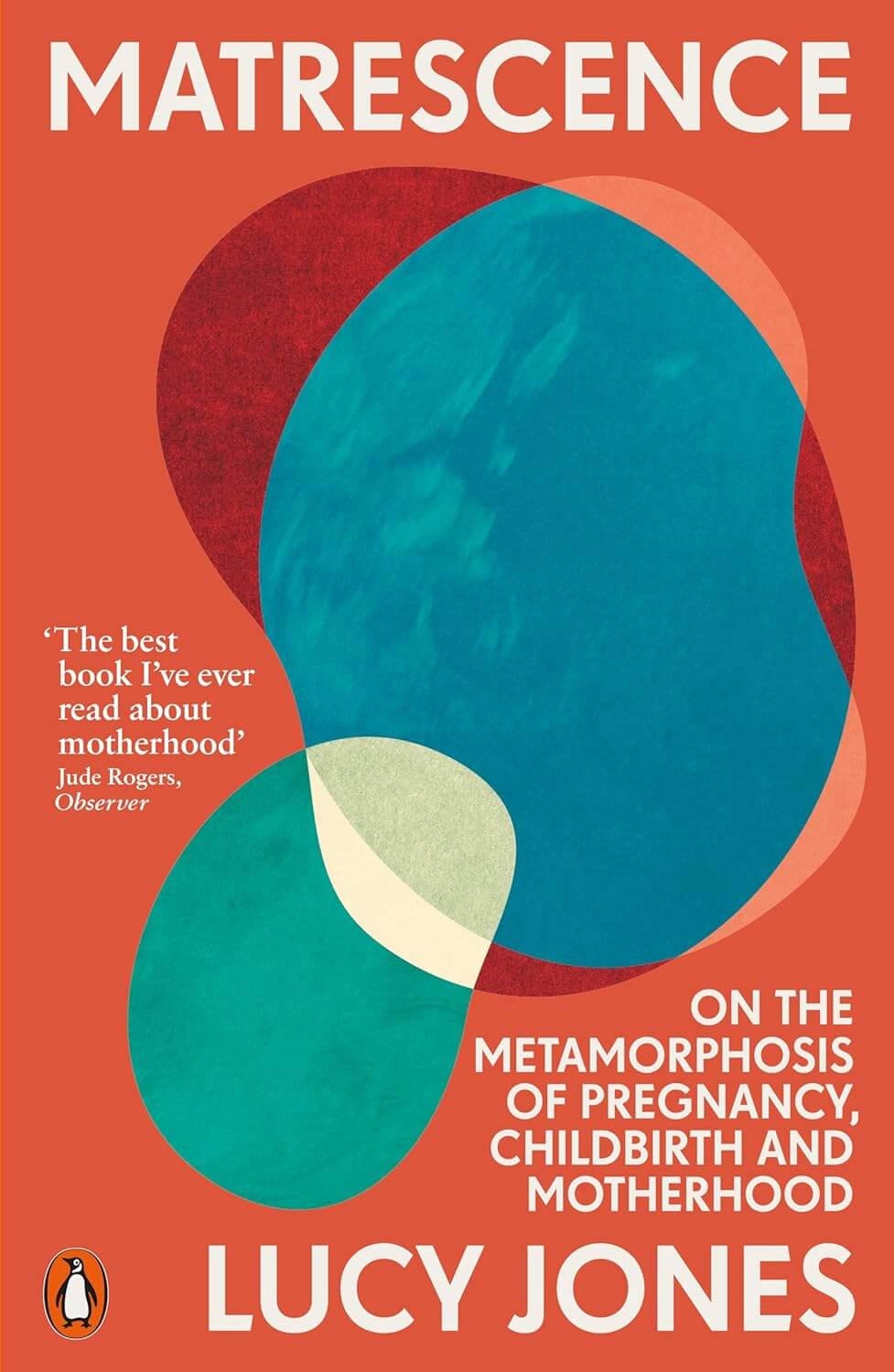
Matrescence

Matrescence

by Lucy Jones

Lucy Jones offers a compassionate and scientifically grounded examination of the profound transformation of becoming a mother. She combines research, cultural analysis, and her own experience to articulate the physical, emotional, and social upheaval she calls “matrescence.” Jones writes with empathy and rigour, dismantling cultural myths while honouring the complexity of maternal identity. Her insights reach beyond personal narrative into a broader critique of how society undervalues care. The book is validating, challenging, and beautifully written. It reframes motherhood not as an endpoint but as a metamorphosis deserving of serious attention.

4.41
Science Writing
Memoir
Tender
Insightful
Reassuring
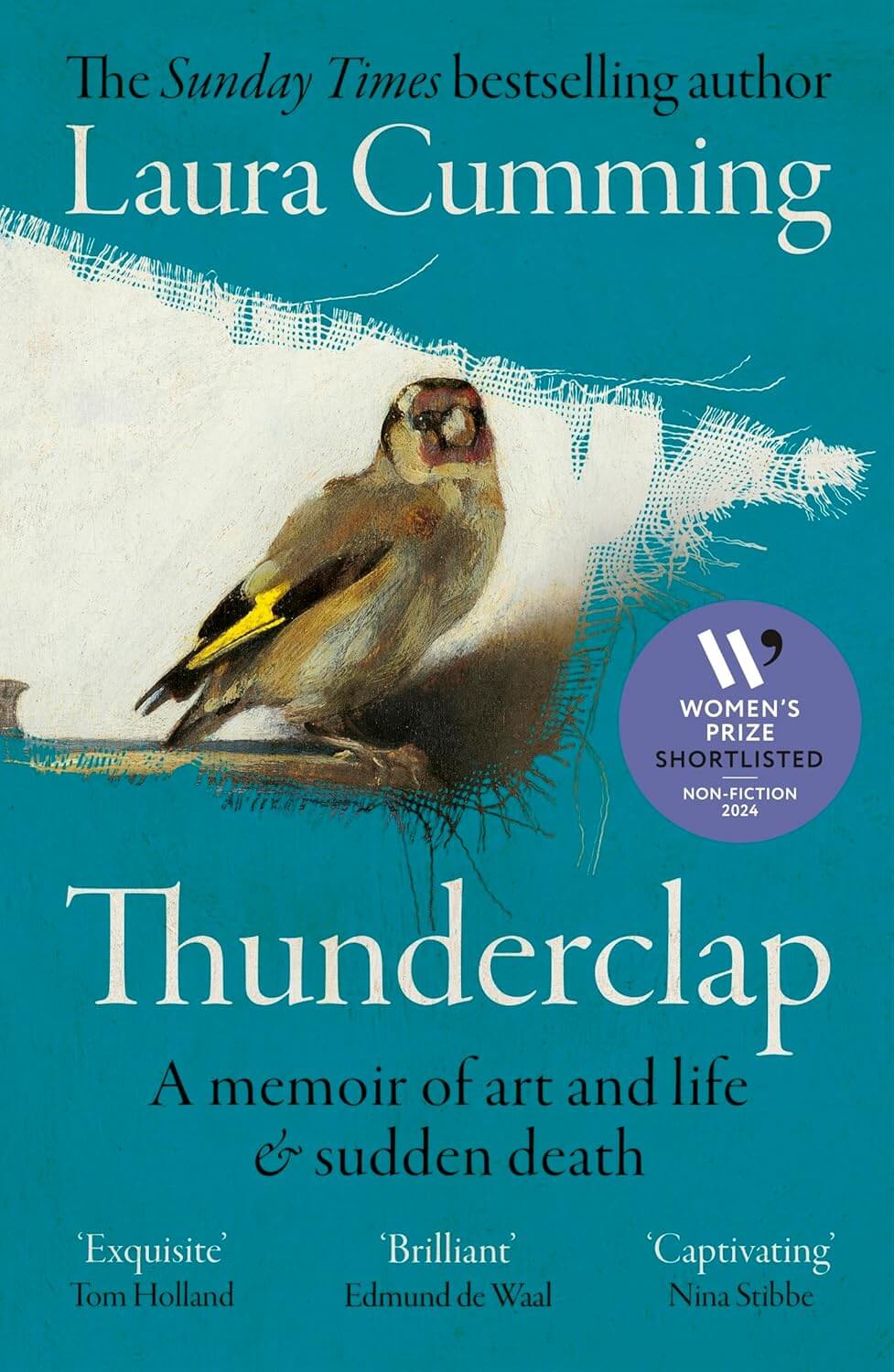
Thunderclap
Shortlisted

Thunderclap

by Laura Cumming

Laura Cumming blends art history, personal loss, and biography into a luminous and deeply felt narrative. Anchored in the life and tragic death of painter Carel Fabritius, the book becomes an exploration of how art shapes memory and meaning. Cumming’s prose is lyrical and beautifully textured, immersing the reader in the light and atmosphere of the Dutch Golden Age. She reflects on her own life and the art that has shaped her, creating a parallel story of presence and absence. The result is a book that feels intimate and expansive at once. It’s a masterful meditation on beauty, mortality, and the fragile thread connecting art to life.

4.16
Art History
Memoir
Lyrical
Atmospheric
Contemplative
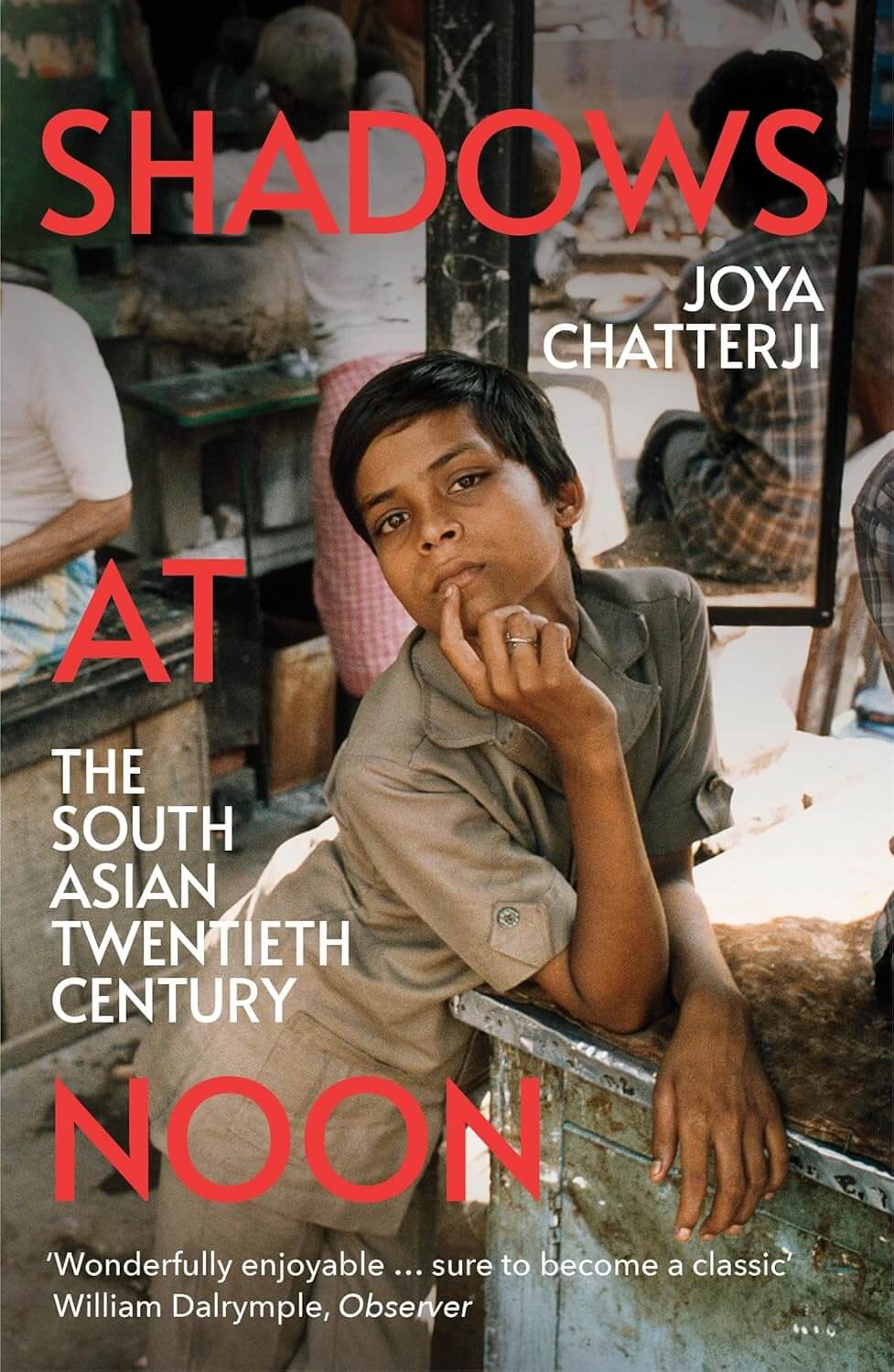
Shadows at Noon

Shadows at Noon

by Joya Chatterji

Joya Chatterji’s sweeping history of twentieth-century South Asia marries scholarship with gripping narrative power. She illuminates the complexity of nationalism, migration, and identity in a region shaped by colonialism and partition. Chatterji excels at blending large-scale political analysis with vivid portraits of ordinary lives. Her storytelling is rich, empathetic, and meticulous, offering nuance often missing in Western accounts. The book not only chronicles upheaval but reveals the emotional and social worlds behind historical events. It’s an authoritative, compelling work that deepens understanding of a century of transformation.

4.19
History
South Asian Studies
Comprehensive
Humane
Illuminating
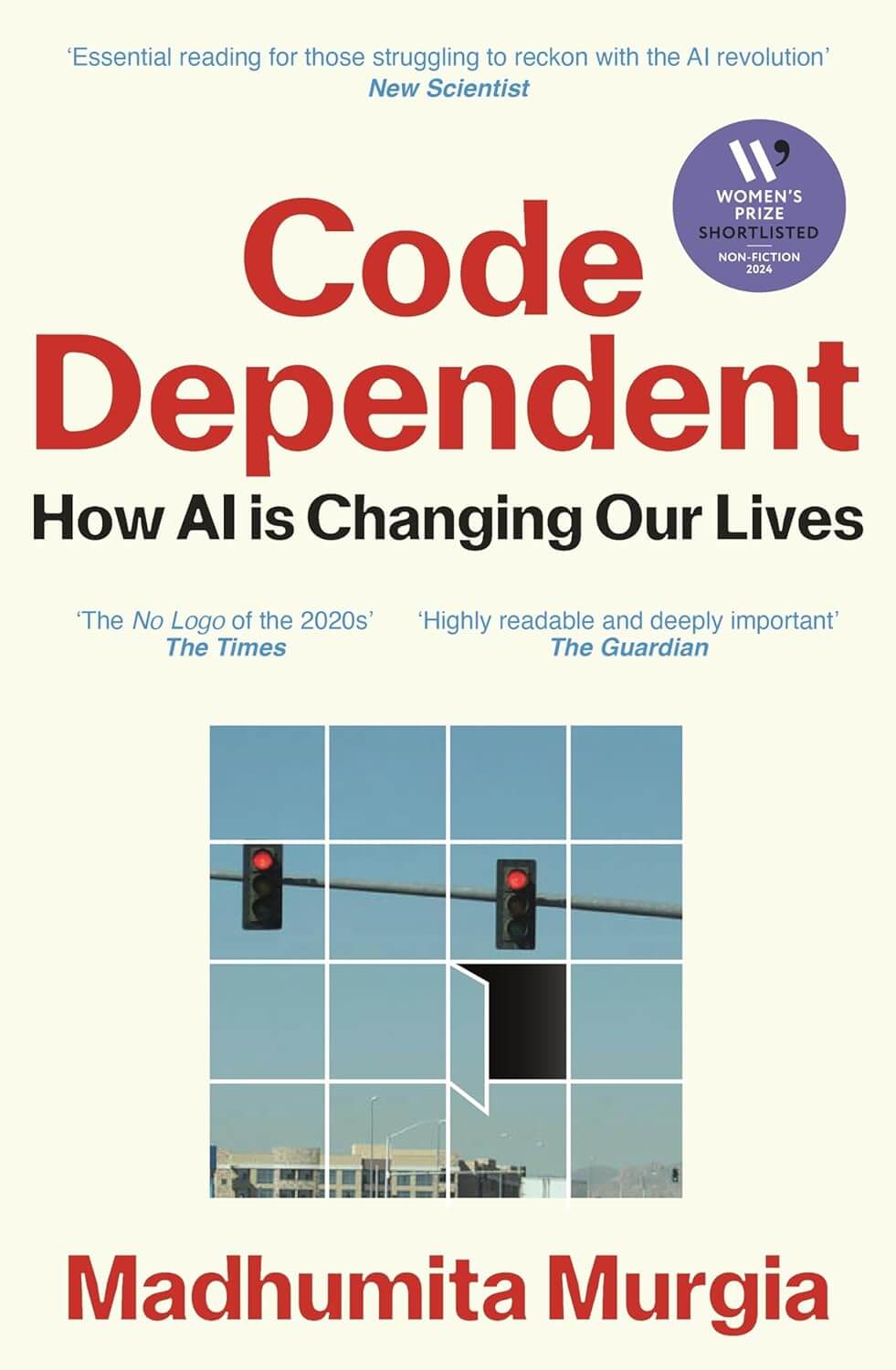
Code Dependent: Living in the Shadow of AI
Shortlisted

Code Dependent: Living in the Shadow of AI

by Madhumita Murgia

Madhumita Murgia explores the human cost of artificial intelligence by centering the people behind — and harmed by — today’s digital systems. Through intimate reporting, she reveals how data workers, gig laborers, marginalized communities, and everyday users experience AI not as an abstraction but a force shaping real lives. Murgia writes with clarity and empathy, demystifying complex technology without diminishing its stakes. She offers a necessary counterpoint to industry hype, highlighting structural inequalities amplified by machine logic. The book is deeply accessible, unsettling, and urgently relevant.

4.00
Technology
Journalism
Revealing
Critical
Engaging
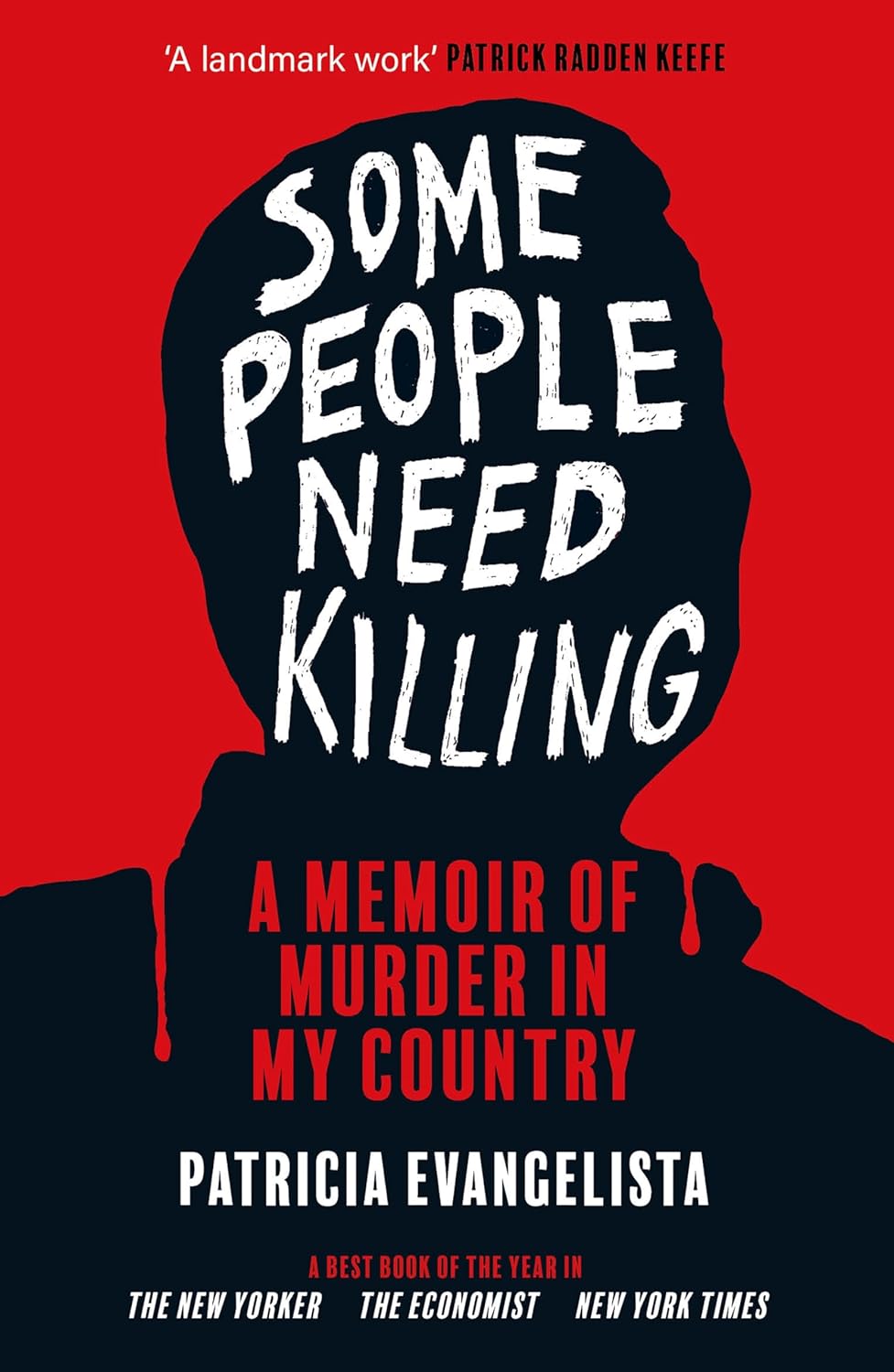
Some People Need Killing

Some People Need Killing

by Patricia Evangelista

Patricia Evangelista’s book is a staggering work of narrative journalism that confronts the violence of the Philippine drug war with clarity and compassion. Drawing on years of reporting, she chronicles the lives shattered by state-sanctioned extrajudicial killings. Evangelista’s writing is vivid without sensationalism, allowing the voices of victims and their families to come through with heartbreaking immediacy. She navigates danger and moral complexity with extraordinary courage. The book is suffused with grief, rage, and a deep sense of witnessing. It is one of the most important contemporary works on human rights violence — unflinching and essential.

4.20
Journalism
Politics
Human Rights
Somber
Courageous
Unflinching
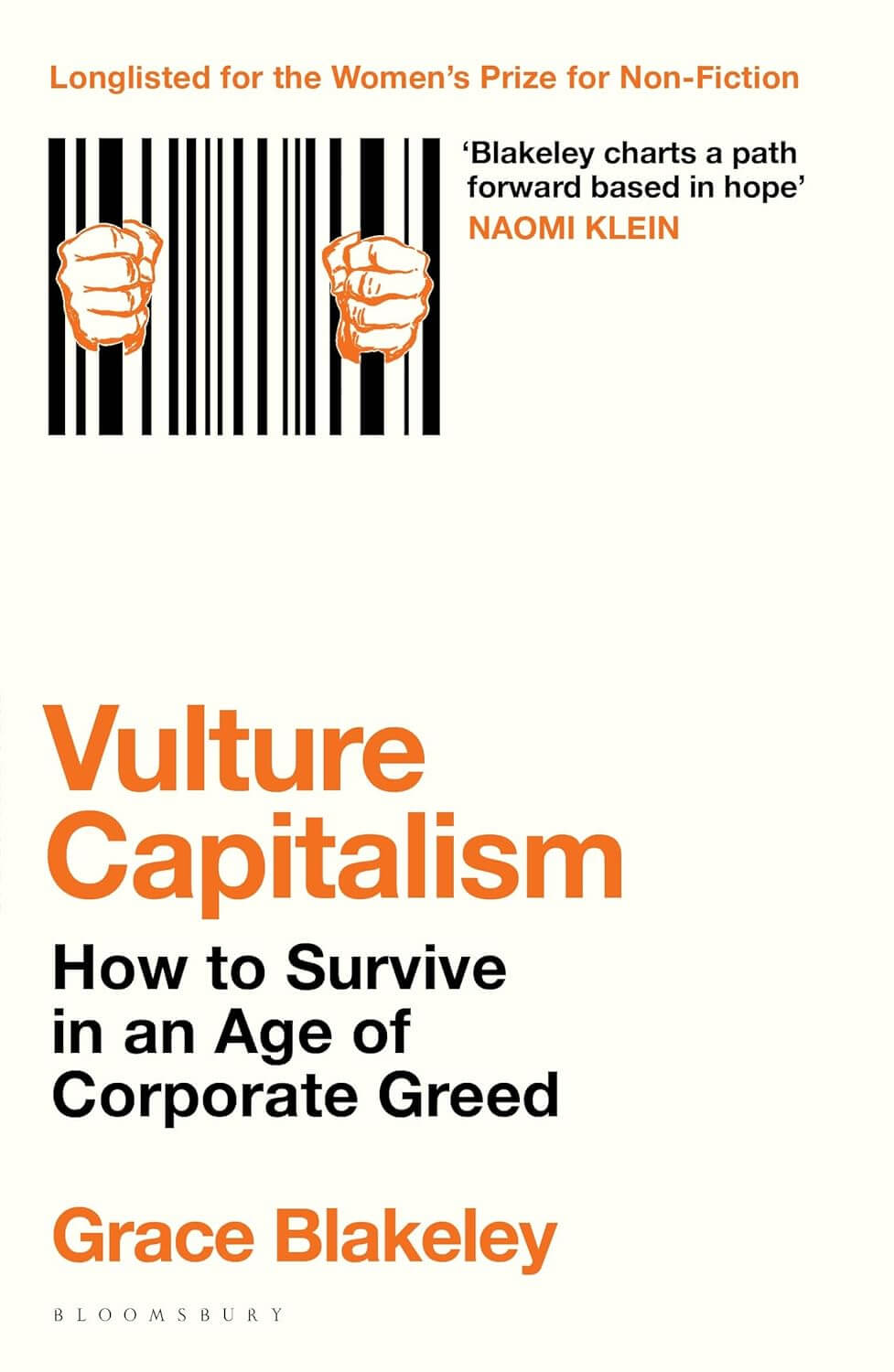
Vulture Capitalism

Vulture Capitalism

by Grace Blakeley

Grace Blakeley tackles the complex machinery of global capitalism with clarity, urgency, and persuasive force. She exposes how corporations and financial institutions shape political power while evading accountability, crafting a narrative that is both deeply researched and accessible. Blakeley excels at connecting structural economic issues to everyday consequences, making the book highly readable despite its challenging subject. She dismantles common myths about markets and innovation, showing how crisis, inequality, and exploitation are built into the system. The tone is unapologetically critical yet grounded in real-world examples. It’s a compelling call to rethink the economic order — and the freedoms it threatens.

4.16
Economics
Politics
Urgent
Analytical
Provocative
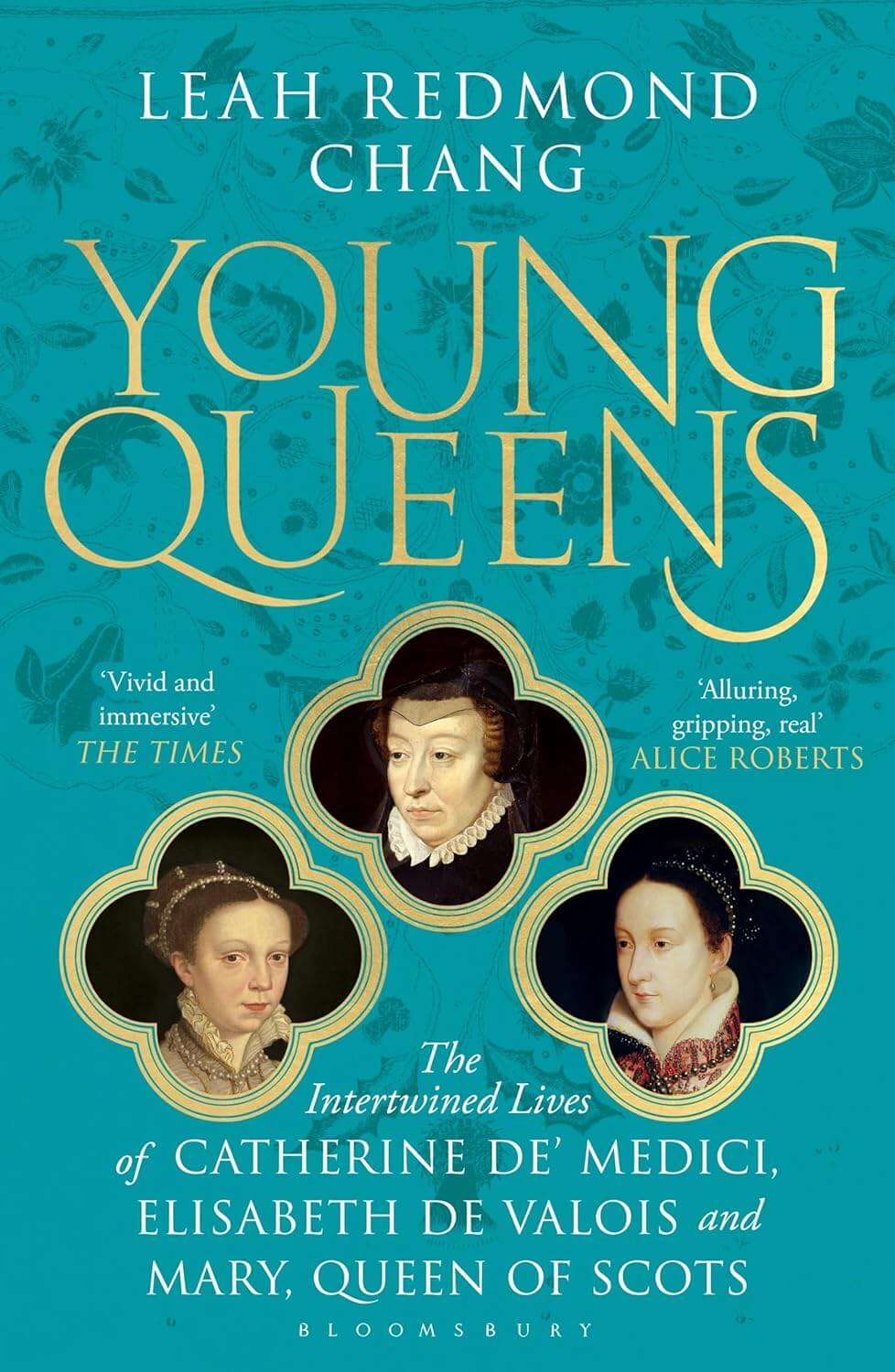
Young Queens: Three Renaissance Women and the Price of Power

Young Queens: Three Renaissance Women and the Price of Power

by Leah Redmond Chang

Leah Redmond Chang’s richly textured triple biography traces the intertwined lives of Catherine de’ Medici, Elisabeth de Valois, and Mary, Queen of Scots. She portrays them not as static historical icons but as young women navigating perilous political landscapes. Chang’s research is meticulous, and her storytelling vivid, capturing the emotional stakes of court intrigue and dynastic ambition. By emphasizing their youth and vulnerability, she reframes their legacy in fresh, resonant ways. It’s an elegant, compassionate work that brings the Renaissance world to life through the eyes of the women at its centre.

4.13
Biography
History
Dramatic
Rich
Insightful
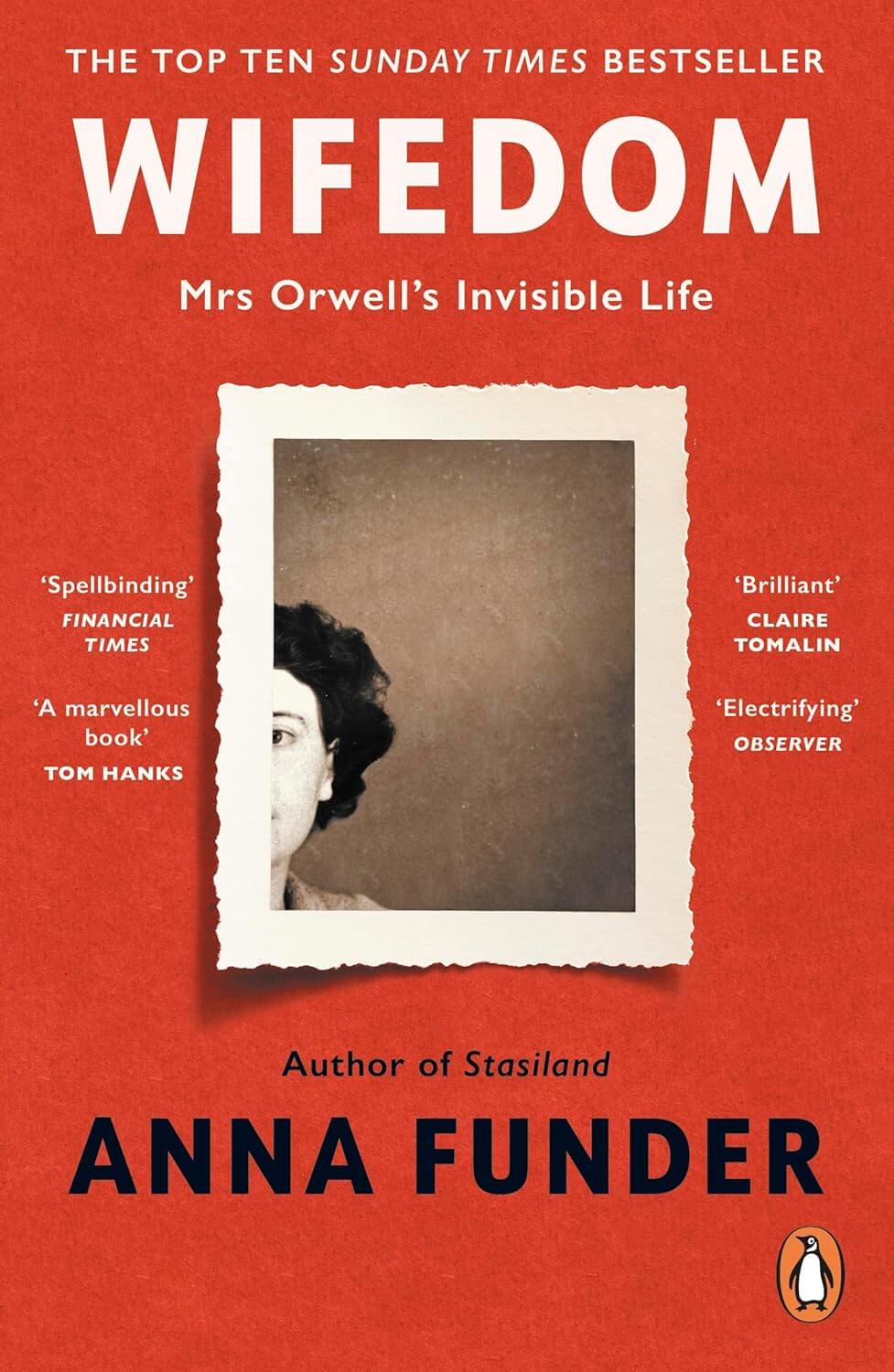
Wifedom

Wifedom

by Anna Funder

Anna Funder uncovers the life of Eileen O’Shaughnessy, George Orwell’s first wife, and exposes how her contributions were systematically erased. She blends biography, archival reconstruction, and feminist critique to challenge how literary history is written. Funder writes with sharp intelligence and emotional urgency, giving Eileen the voice and agency she was denied. The book also interrogates the complicity built into patriarchal narratives, making it as much about the present as the past. It is bold, meticulously researched, and morally compelling. Funder transforms biography into a form of justice.

4.09
Biography
Feminist History
Defiant
Revelatory
Analytical
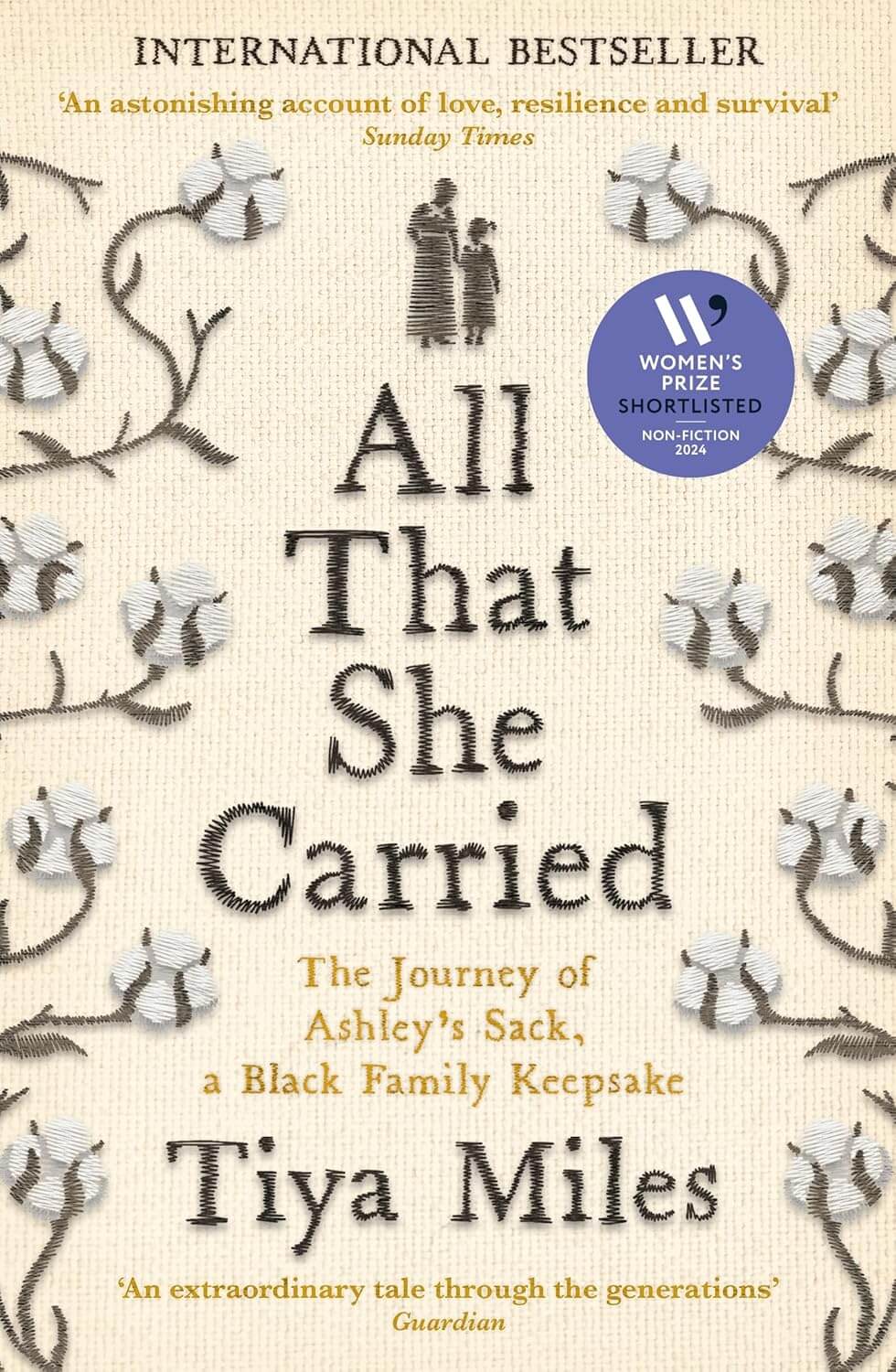
All That She Carried
Shortlisted

All That She Carried

by Tiya Miles

Tiya Miles reconstructs the remarkable history of an enslaved family through a single cotton sack, transforming a small artifact into a vast story of survival and love. With lyrical prose and meticulous research, she traces generational resilience amid the horrors of slavery. Miles brings emotional sensitivity to her historical work, handling the gaps and silences of the archive with care. The narrative becomes both a memorial and an act of restoration. It’s a moving, essential work that honours the lives erased by violence while celebrating their enduring strength.

3.93
History
African American Studies
Poignant
Reverent
Powerful
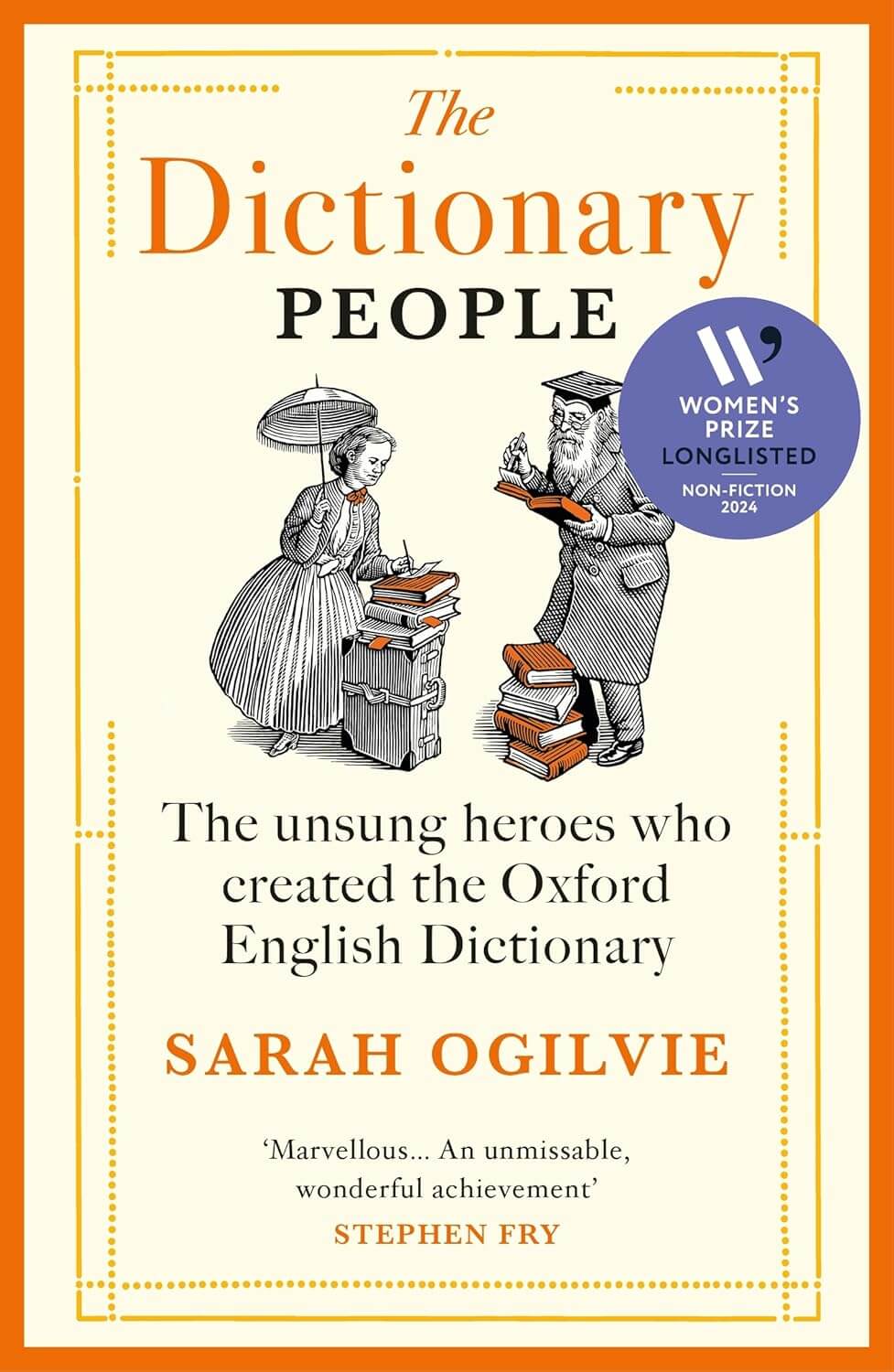
The Dictionary People

The Dictionary People

by Sarah Ogilvie

Sarah Ogilvie uncovers the quirky, dedicated volunteers who helped build the Oxford English Dictionary, bringing their forgotten stories to delightful life. Drawing on newly found archives, she highlights the passion and eccentricity behind one of the great literary projects of the English language. Ogilvie writes with charm and gentle humour, celebrating the collaborative oddness of lexicographical history. She restores personality to a process often imagined as purely academic. The result is a warm, lively tribute to the people behind the words we use every day.

4.05
History
Language
Cultural Studies
Whimsical
Warm
Intellectual
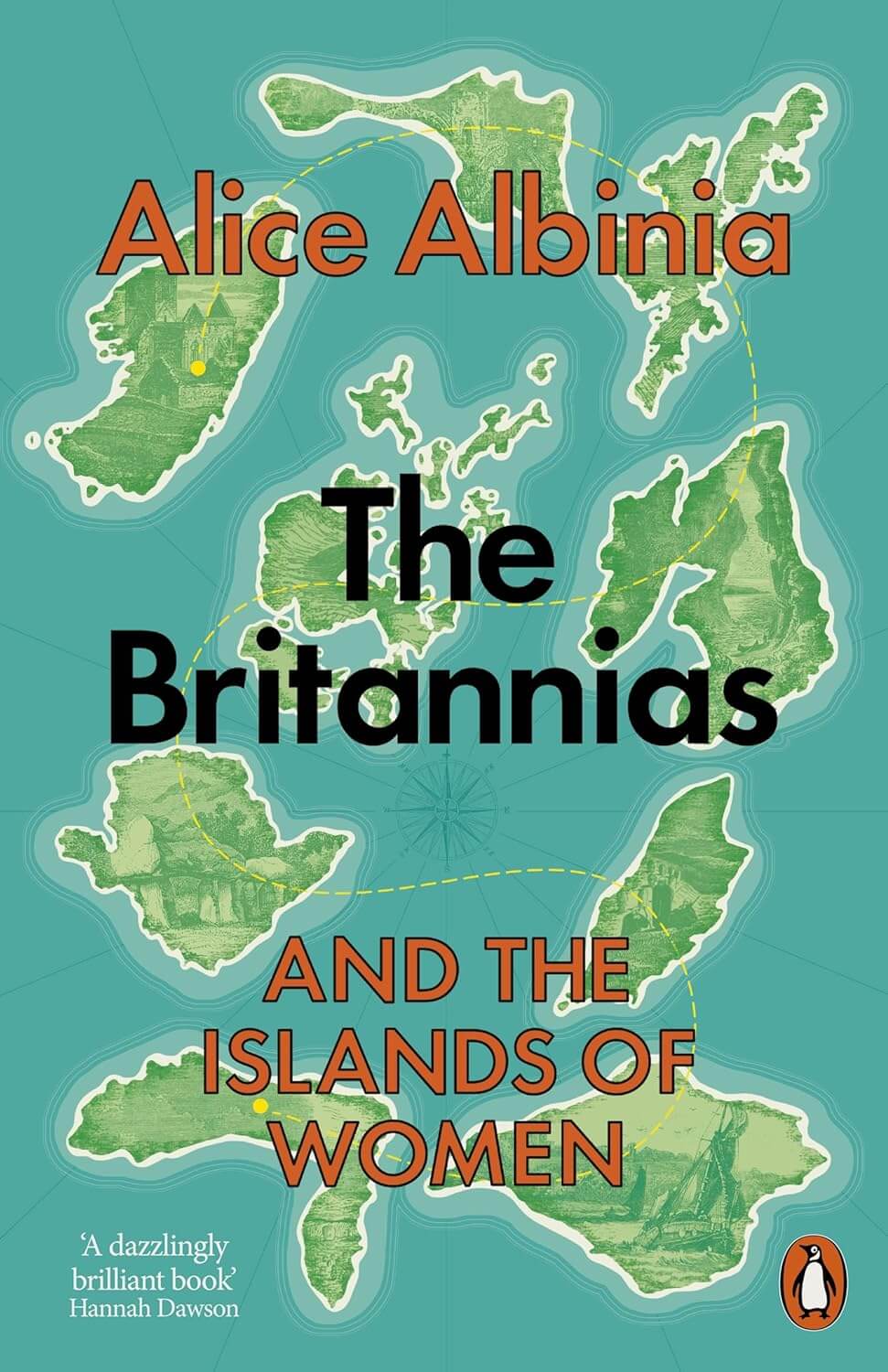
The Britannias: An Island Quest

The Britannias: An Island Quest

by Alice Albinia

Alice Albinia’s fascinating journey through Britain’s islands blends history, travel writing, and political inquiry with remarkable fluency. She uncovers the overlooked stories of outposts often dismissed as peripheral, showing how islands shaped the British imagination and imperial identity. Albinia writes with a sense of wonder, but also with sharp critical insight, revealing how geography, myth, and power intersect. Her portraits of island communities are warm yet unromanticised, grounded in deep research and vivid observation. The book invites readers to reconsider Britain as an interconnected archipelago rather than a monolithic entity. It’s expansive, beautifully written, and quietly radical in its reframing of place and nationhood.

3.59
History
Cultural Studies
Travel Writing
Curious
Expansive
Reflective