The Baillie Gifford Prize for Non-Fiction - 25th Anniversary Prize

Celebrating a quarter century of groundbreaking non-fiction

The Baillie Gifford Prize for Non-Fiction is one of the most prestigious awards in the literary world, honoring books that bring truth, history, and human experience vividly to life. In 2023, the prize marked its 25th anniversary with a special celebration, spotlighting some of the most outstanding winners from the past quarter century.

These books go beyond mere information; they reveal new ways of seeing the world. From the intricacies of Shakespeare’s London to the untold stories of North Korea, from global diplomacy to the opioid crisis, these works exemplify the power of non-fiction to inform, challenge, and inspire.

The anniversary shortlist captures the spirit of the prize: wide-ranging, intellectually rigorous, and deeply human. Each of these books has changed the conversation in its own way, and together they reflect the enduring impact of non-fiction writing on our understanding of history, politics, and culture.

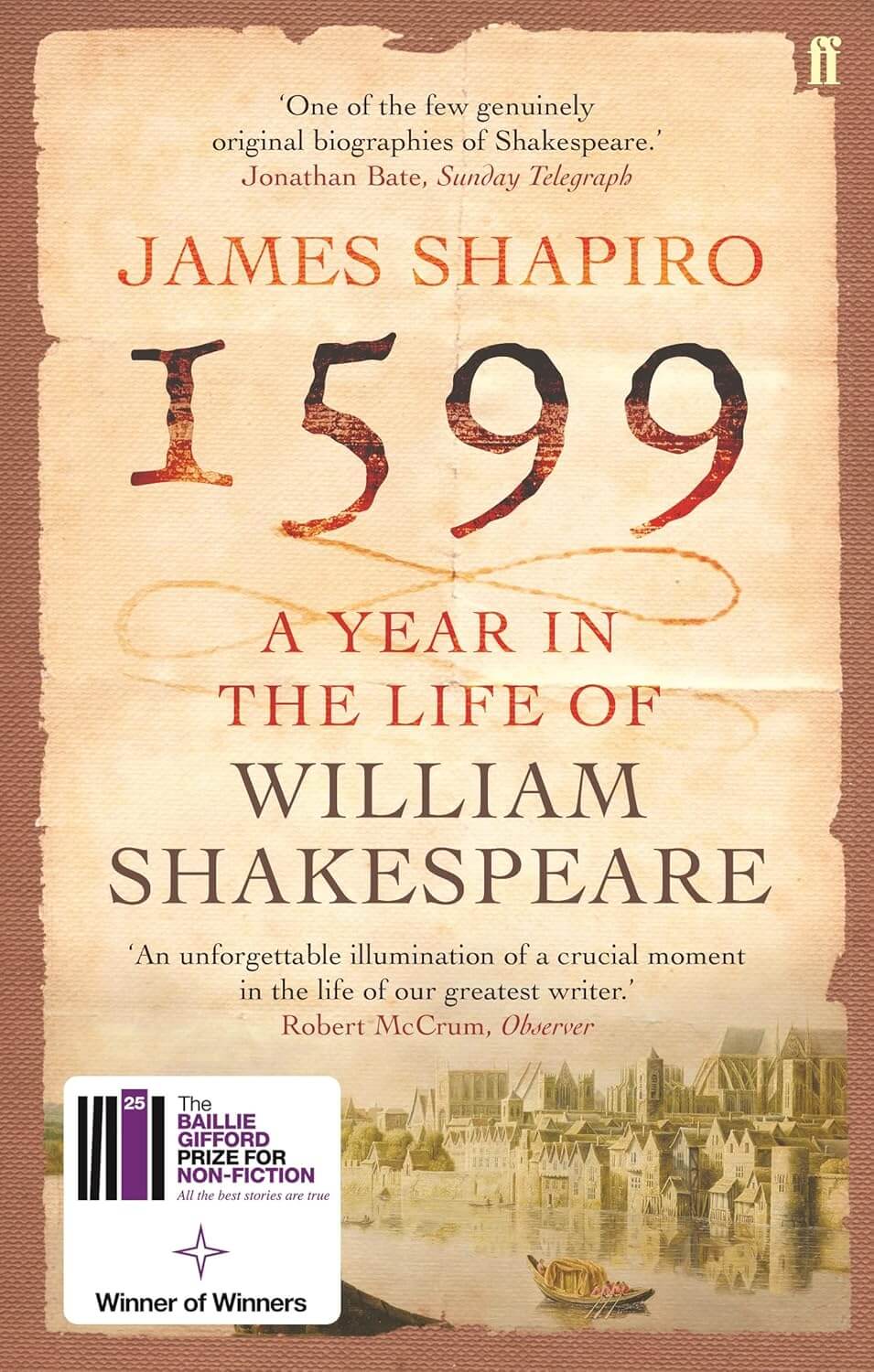
1599 - A Year in the Life of William Shakespeare
Winner

1599 - A Year in the Life of William Shakespeare

by James Shapiro

James Shapiro’s 1599 is a brilliant reconstruction of a single year in Shakespeare’s life and work, a year that saw the writing of Hamlet, As You Like It, and Henry V. Shapiro combines rigorous scholarship with narrative flair, situating Shakespeare firmly within the social, political, and cultural context of Elizabethan England. The book breathes life into history, showing how the anxieties of empire, religion, and succession shaped the plays. It’s both a study of one man’s genius and a portrait of a society at a crossroads. Shapiro’s ability to weave together archival detail with storytelling makes it as compelling as a novel.

4.08
History
Literary Criticism
Biography
Scholarly
Immersive
Illuminating
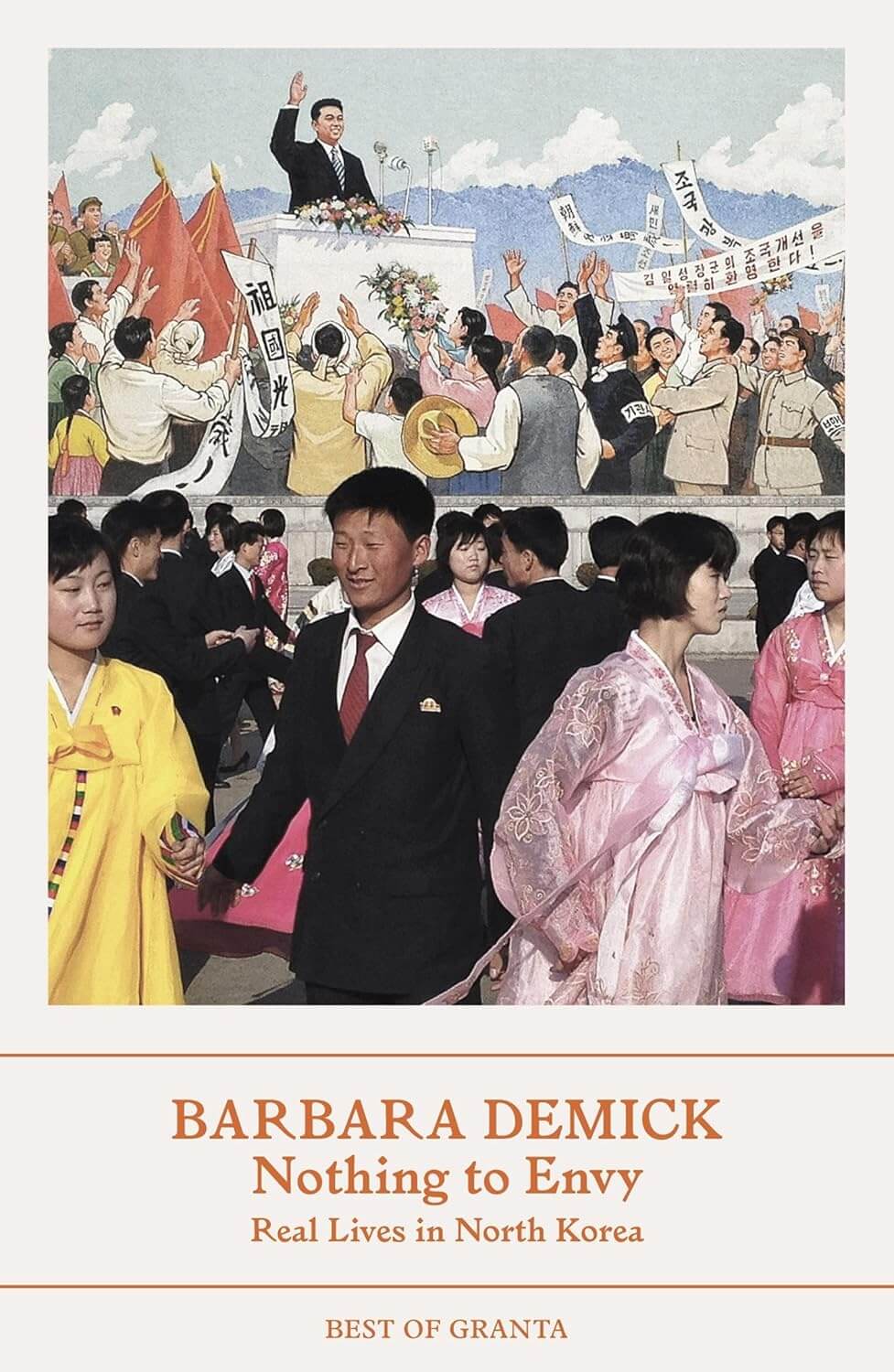
Nothing to Envy: Ordinary Lives in North Korea

Nothing to Envy: Ordinary Lives in North Korea

by Barbara Demick

Barbara Demick’s Nothing to Envy offers an intimate, heartbreaking look at life inside North Korea through the stories of ordinary defectors. Drawing on years of interviews and research, Demick reconstructs the lives of six individuals who endured famine, repression, and fear before escaping. The book strips away propaganda to reveal the resilience, love, and humanity of people living under extreme conditions. Demick’s writing is empathetic, clear, and unflinching, making the invisible visible. It’s a work of reportage that feels both urgent and timeless, offering insight into one of the world’s most closed societies.

4.46
Journalism
Political History
Human Rights
Heartbreaking
Empathetic
Revealing
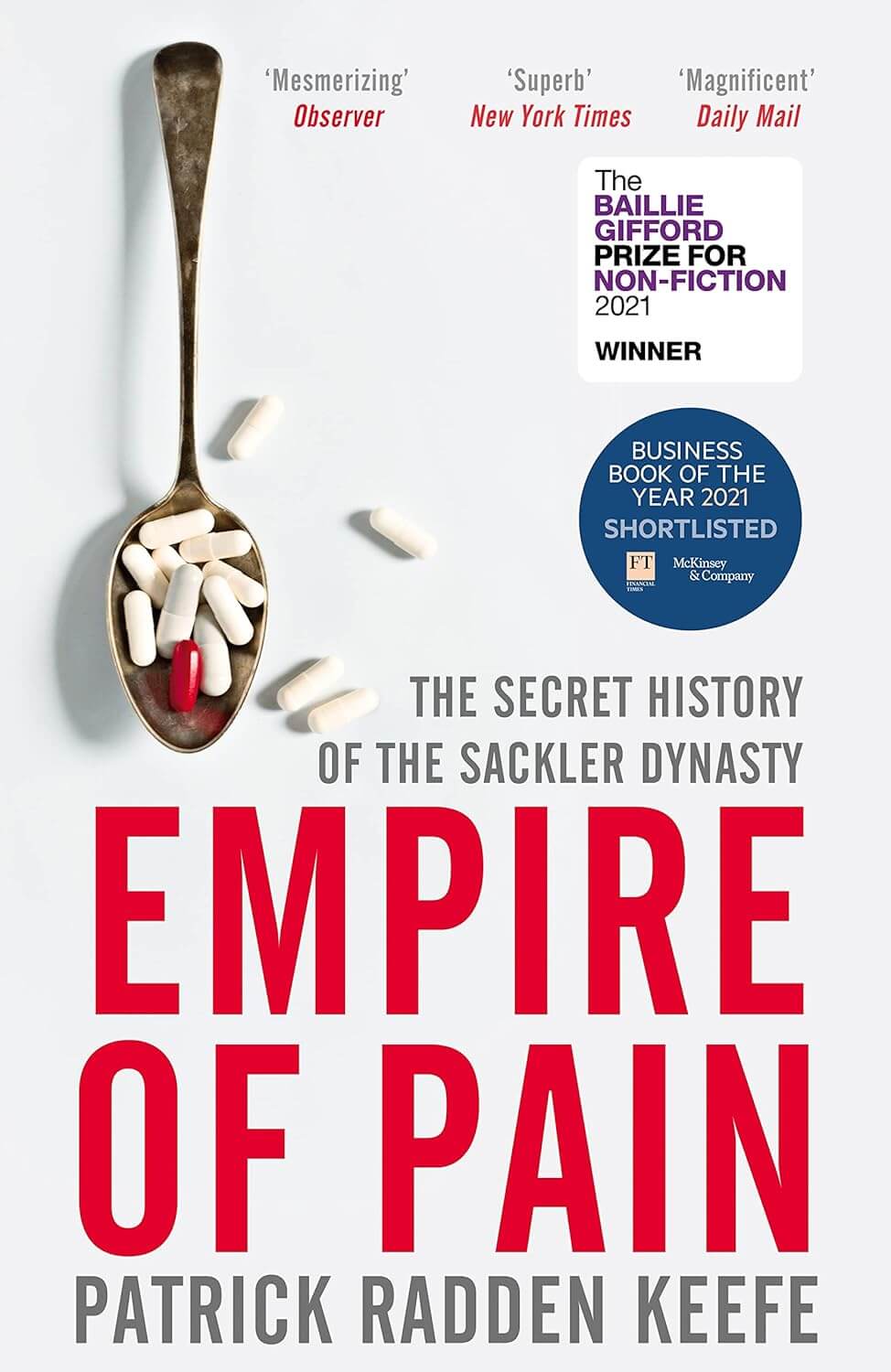
Empire of Pain: The Secret History of the Sackler Dynasty

Empire of Pain: The Secret History of the Sackler Dynasty

by Patrick Radden Keefe

Patrick Radden Keefe’s Empire of Pain is a meticulously researched exposé of the Sackler family and their central role in the opioid crisis. Keefe traces decades of calculated corporate strategy, political influence, and public manipulation, revealing how wealth and power insulated the Sacklers from scrutiny. The narrative moves with the momentum of a thriller, yet its emotional depth lies in the human suffering left in the family's wake. Keefe’s investigative precision is matched by his moral clarity, presenting a devastating portrait of greed dressed as philanthropy. It is a defining work of contemporary reporting and a blistering indictment of unregulated capitalism.

4.54
Investigative Journalism
History
Politics
Intense
Revelatory
Angry
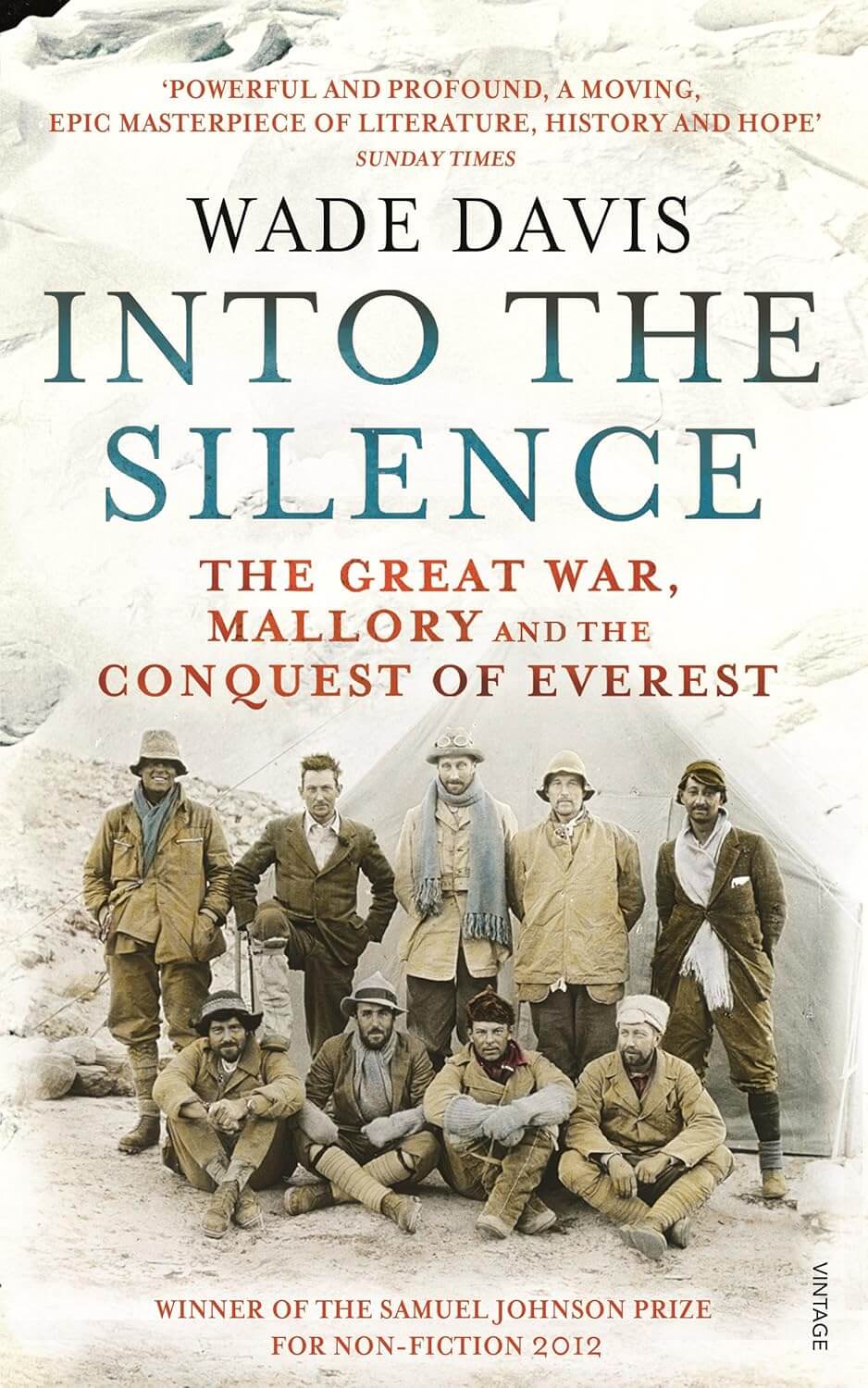
Into the Silence: The Great War, Mallory and the Conquest of Everest

Into the Silence: The Great War, Mallory and the Conquest of Everest

by Wade Davis

Wade Davis’s Into the Silence is a sweeping account of the first British attempts to climb Mount Everest in the aftermath of World War I. It blends adventure writing, cultural history, and biography, exploring how the trauma of the Great War shaped the men who sought solace and glory in the mountains. Davis meticulously reconstructs the expeditions, vividly describing both the physical dangers and the psychological scars carried by the climbers. It’s a deeply moving book that connects mountaineering with memory, loss, and resilience. Davis’s narrative is as gripping as any novel, yet rooted in rich historical research.

4.27
History
Adventure
Biography
Epic
Somber
Adventurous
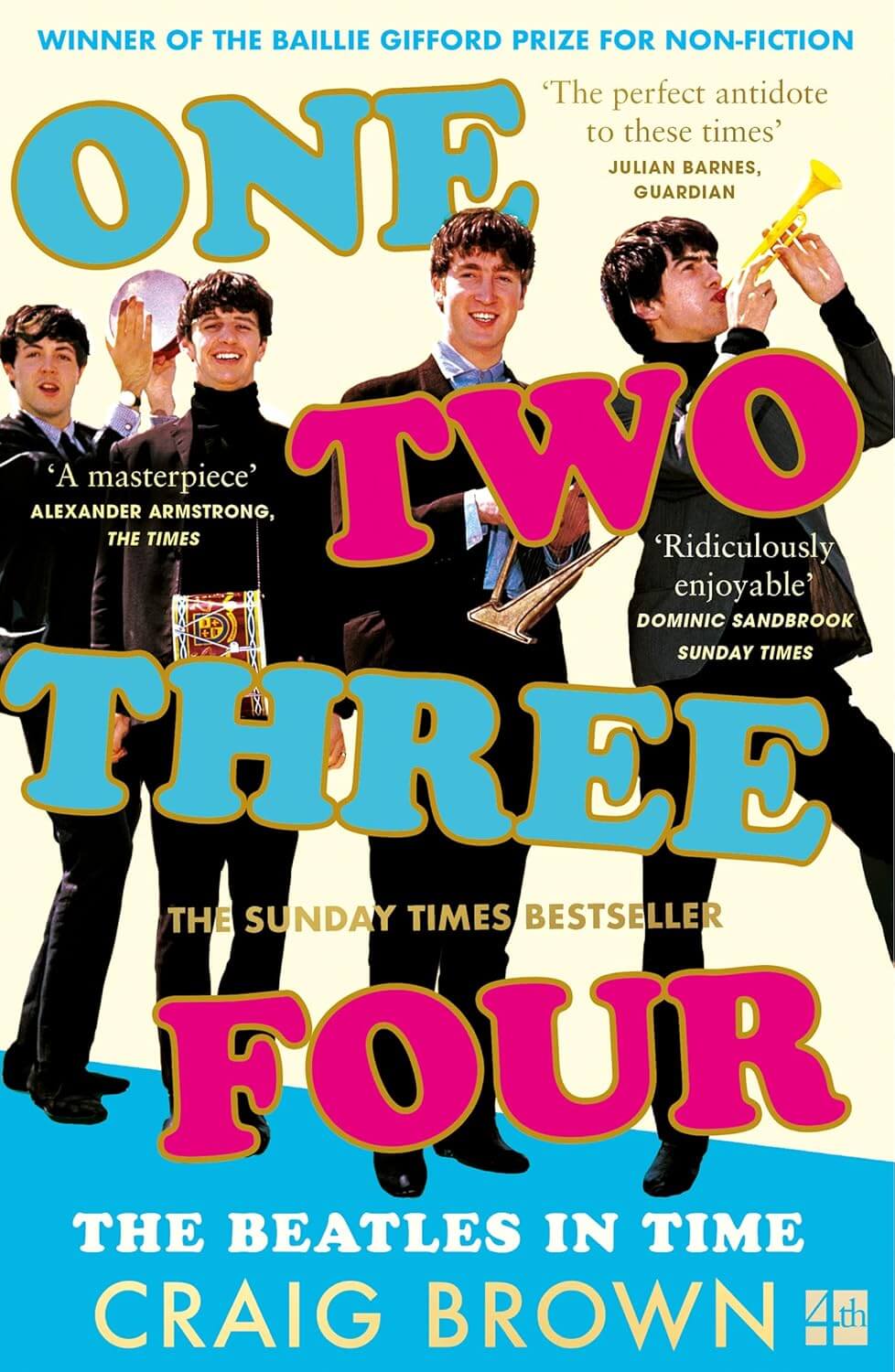
One Two Three Four: The Beatles in Time

One Two Three Four: The Beatles in Time

by Craig Brown

Craig Brown’s One Two Three Four is a kaleidoscopic portrait of The Beatles, told through a dazzling collage of anecdotes, perspectives, and cultural echoes. Rather than a straightforward history, Brown uses his wit and creativity to capture the mania, contradictions, and cultural significance of the band. The book is both playful and profound, blending humor with genuine insight into what made The Beatles such a phenomenon. Readers are treated to quirky digressions, unexpected voices, and fresh angles on familiar stories. It’s a reminder of how history can be told not just chronologically, but with imagination and energy.

4.26
Biography
Music
Cultural History
Playful
Witty
Inventive
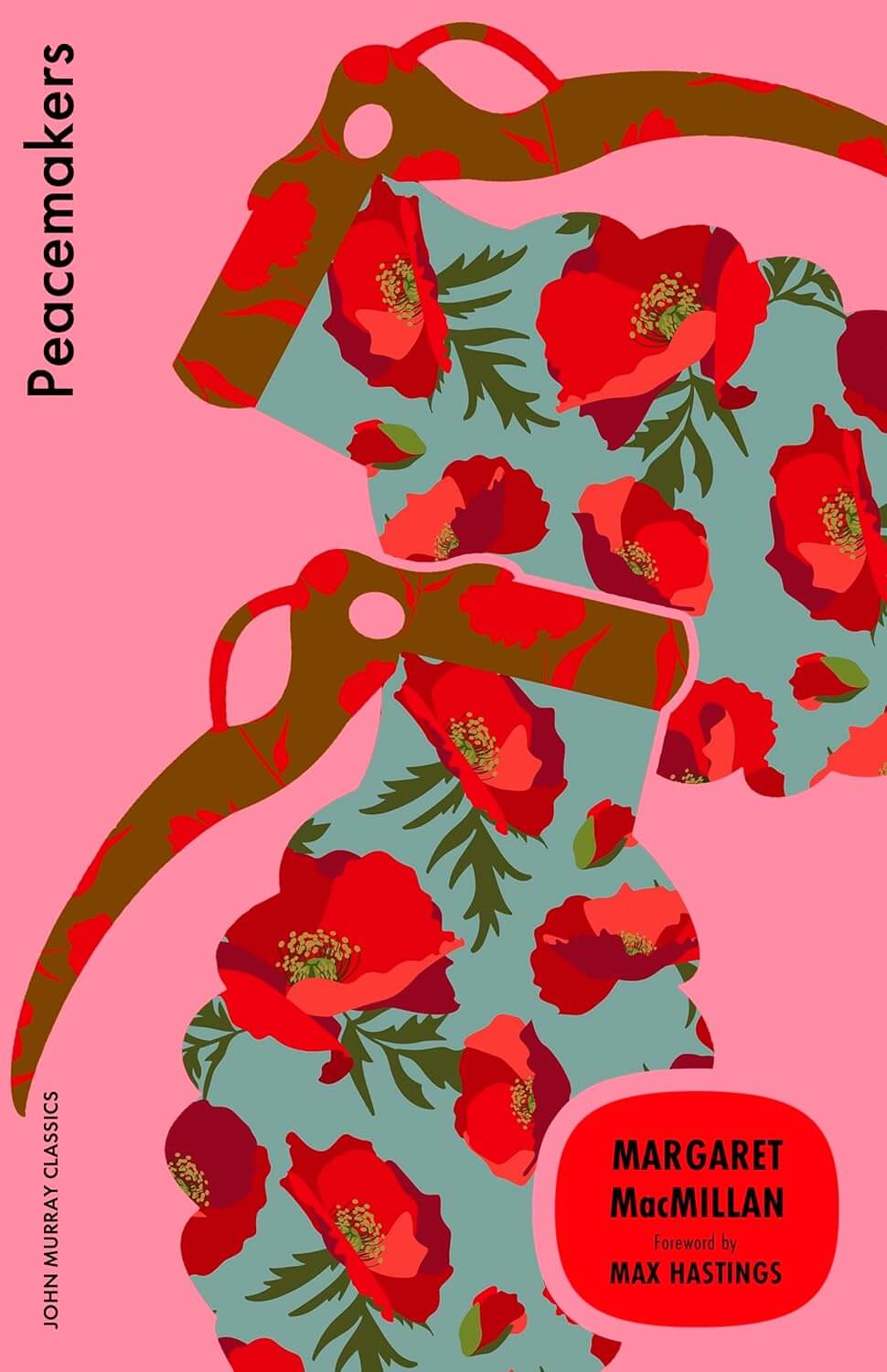
Peacemakers: Six Months that Changed the World

Peacemakers: Six Months that Changed the World

by Margaret MacMillan

Margaret MacMillan’s Peacemakers (published as Paris 1919 in some editions) is a masterful account of the Versailles peace talks and their far-reaching consequences. MacMillan brings to life the personalities of the negotiators — Wilson, Clemenceau, Lloyd George, and others — while showing how their decisions shaped the world order for decades to come. The book is both sweeping and precise, balancing grand narrative with keen attention to detail. MacMillan writes with clarity and authority, making complex diplomacy accessible. It’s an essential work for understanding the twentieth century and the enduring challenge of creating lasting peace.

4.13
History
Political Science
International Relations
Authoritative
Comprehensive
Reflective