2024 The Baillie Gifford Prize for Non-Fiction

The year’s most compelling true stories and ideas

Each year, the Baillie Gifford Prize highlights the most thought-provoking and beautifully written works of nonfiction, celebrating books that expand our understanding of the world. The 2024 longlist showcases authors who take on history, science, memoir, politics, and the natural world with originality and passion.

Last year’s selections cover staggering breadth: from courtroom reckonings and nuclear nightmares to explorations of family, identity, and the deep sea. These works are united by a commitment to truth, even when it is complex, painful, or inconvenient, and by writing that compels readers to think deeply and feel profoundly.

Together, these books remind us that nonfiction is not just about facts — it is about stories that shape who we are and how we live. They are urgent, humane, and illuminating works that will stay with readers long after the final page.

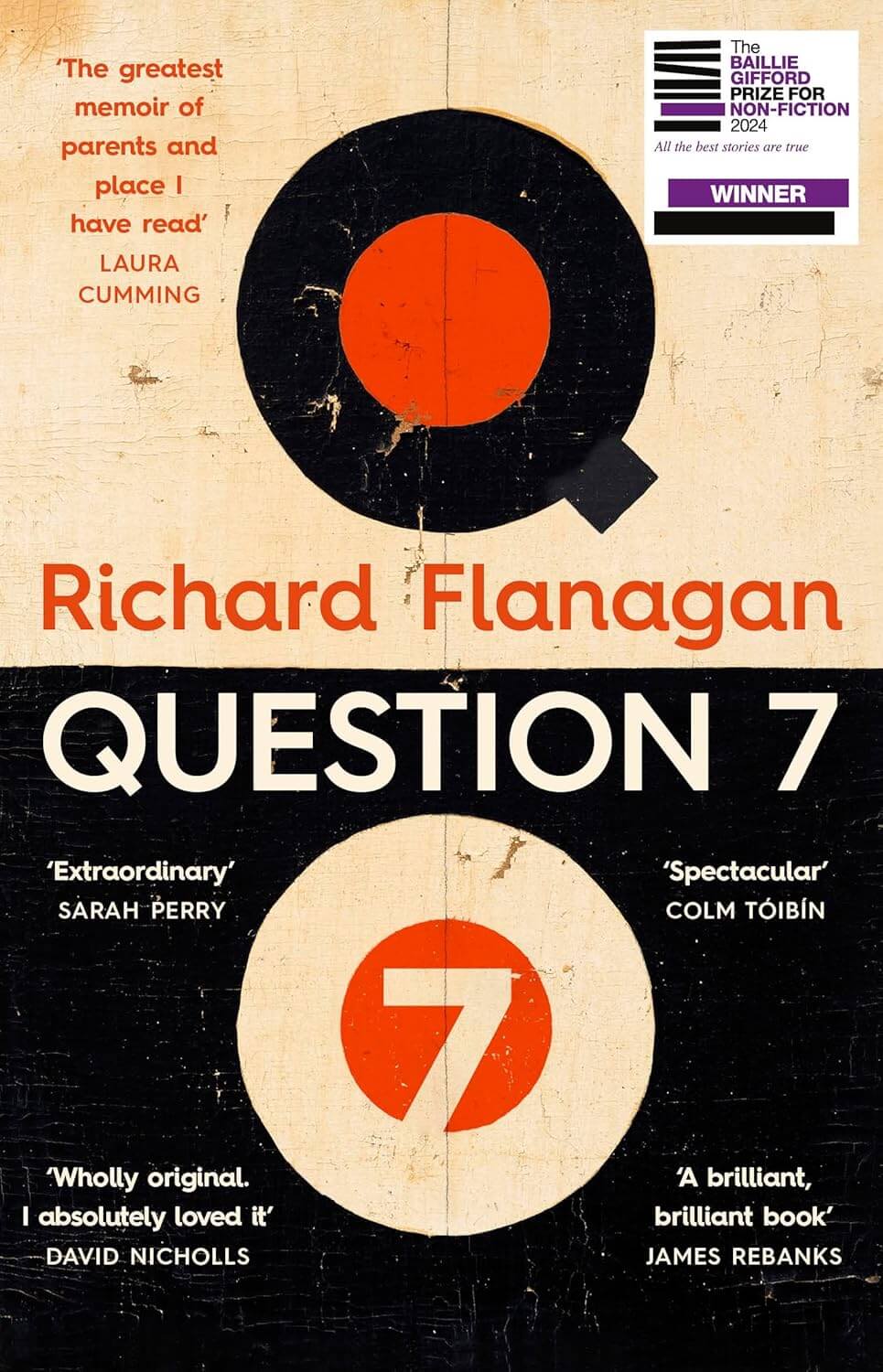
Question 7
Winner

Question 7

by Richard Flanagan

In Question 7, Booker Prize–winner Richard Flanagan blends memoir, history, and philosophy to reflect on his father’s survival as a Japanese POW and the moral complexities of existence. The book grapples with the nature of chance, love, and the fragile forces that shape lives. Flanagan’s prose is characteristically lyrical yet unsparing, balancing personal intimacy with sweeping historical resonance. He interrogates the responsibilities of memory and the ways stories can redeem or haunt us. This is a deeply human, questioning work, one that defies easy categorization but demands to be read slowly and thoughtfully. It lingers like a half-answered riddle.

4.17
Memoir
History
Philosophy
Reflective
Philosophical
Lyrical
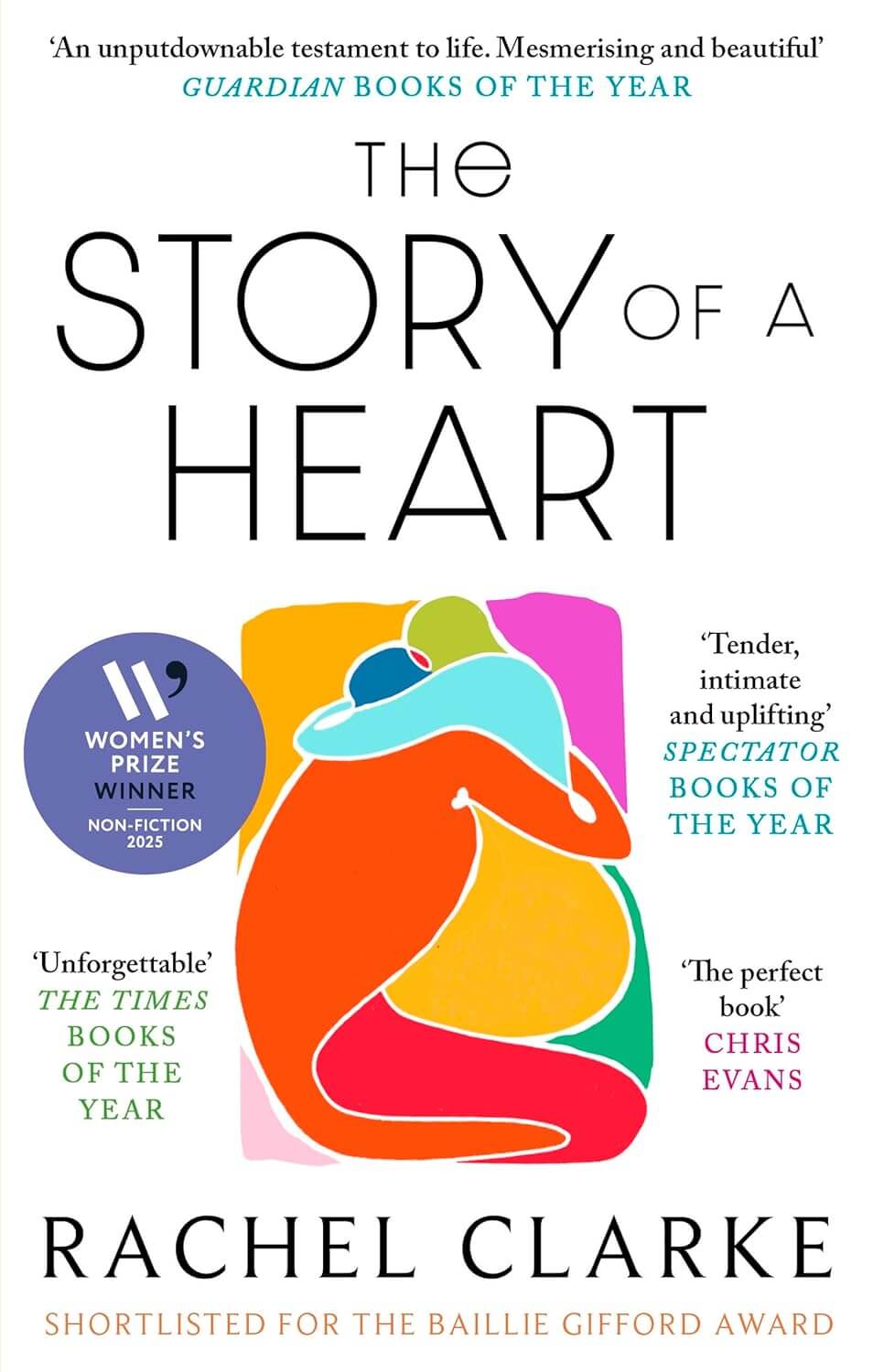
The Story of a Heart
Shortlisted

The Story of a Heart

by Rachel Clarke

Rachel Clarke, a doctor and writer, blends memoir and medical narrative in The Story of a Heart. She traces the history and symbolism of the human heart, weaving it with her own experiences caring for patients. Clarke’s writing is compassionate, lyrical, and deeply informed by medical practice. She shows how the heart is both an organ and a metaphor, central to science and literature alike. The book is moving without sentimentality, a profound reflection on life, death, and what sustains us. Clarke’s gift is making medicine feel both technical and deeply human.

4.61
Memoir
Medical Writing
Cultural History
Compassionate
Lyrical
Reflective
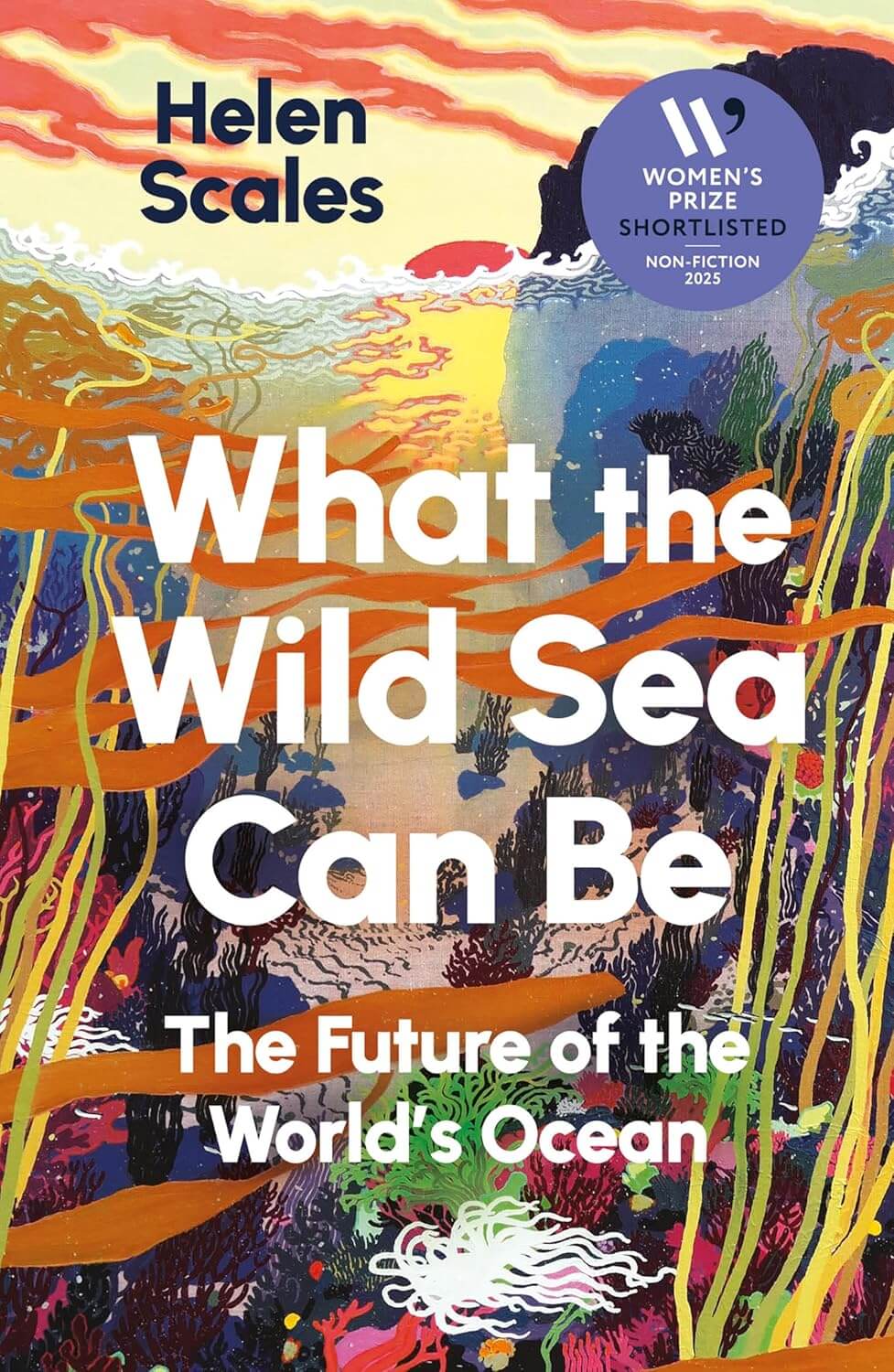
What The Wild Sea Can Be

What The Wild Sea Can Be

by Helen Scales

Marine biologist Helen Scales brings the ocean vividly to life in What The Wild Sea Can Be. Blending science, storytelling, and environmental advocacy, she reveals the mysteries of marine life and the threats facing our oceans. Scales writes with both authority and wonder, showing readers why the sea matters profoundly to all of us. Her narrative takes us beneath the waves, into ecosystems teeming with life and fragility. This is a passionate call to appreciate, protect, and learn from the ocean’s boundless depths.

4.14
Science Writing
Nature Writing
Environmental Nonfiction
Lyrical
Urgent
Wonder-filled
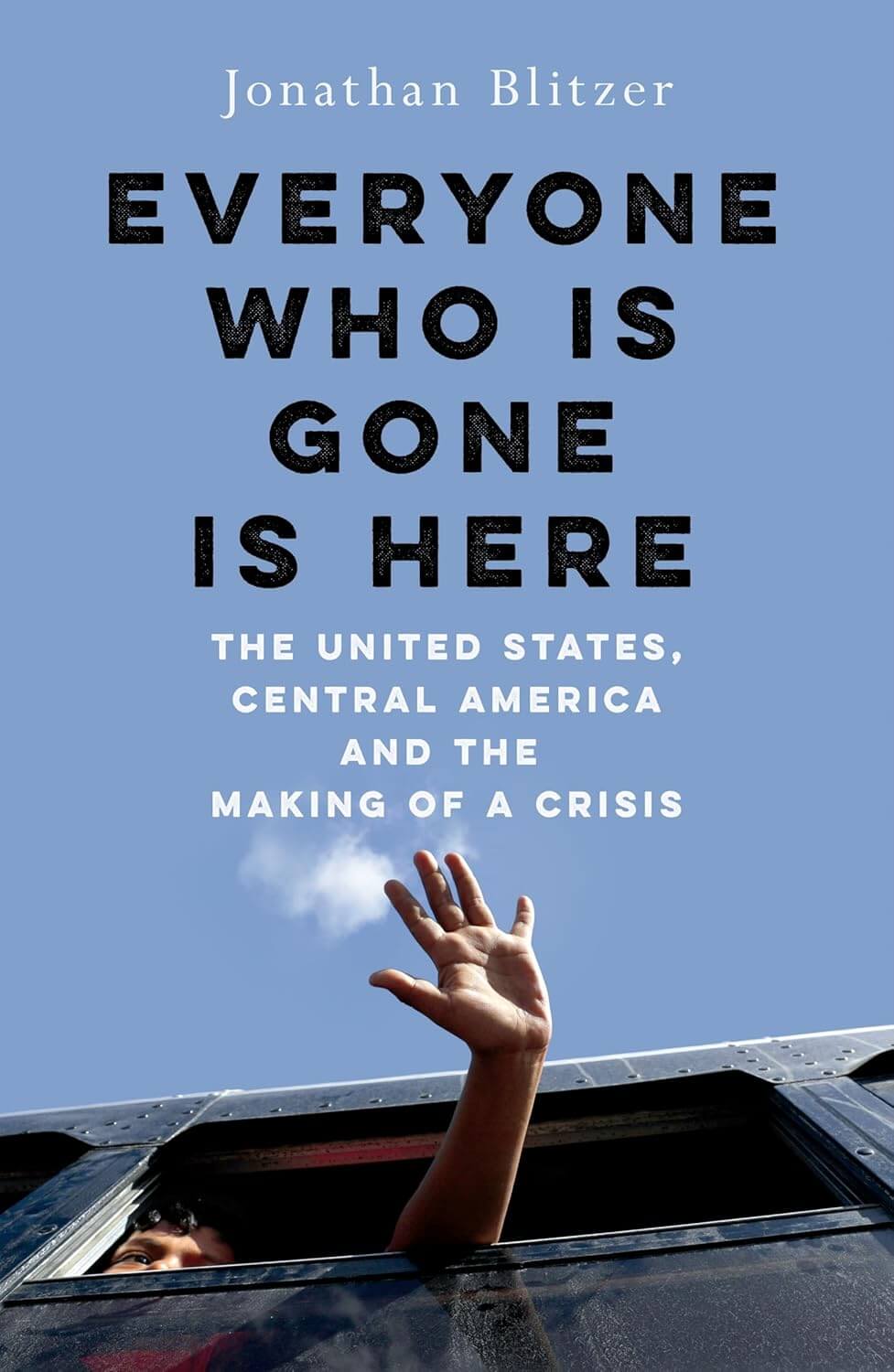
Everyone Who Is Gone Is Here

Everyone Who Is Gone Is Here

by Jonathan Blitzer

Jonathan Blitzer’s Everyone Who Is Gone Is Here examines the human cost of migration and displacement, focusing on families forced to leave Central America for the United States. Drawing on years of reporting, Blitzer brings readers close to the individuals behind headlines, capturing both suffering and resilience. His prose is empathetic, clear, and deeply informed. He reveals how policy, violence, and hope intersect in complex ways. This is journalism at its most humane and necessary, giving voice to those too often silenced.

4.47
Journalism
Politics
Current Affairs
Empathetic
Serious
Revealing
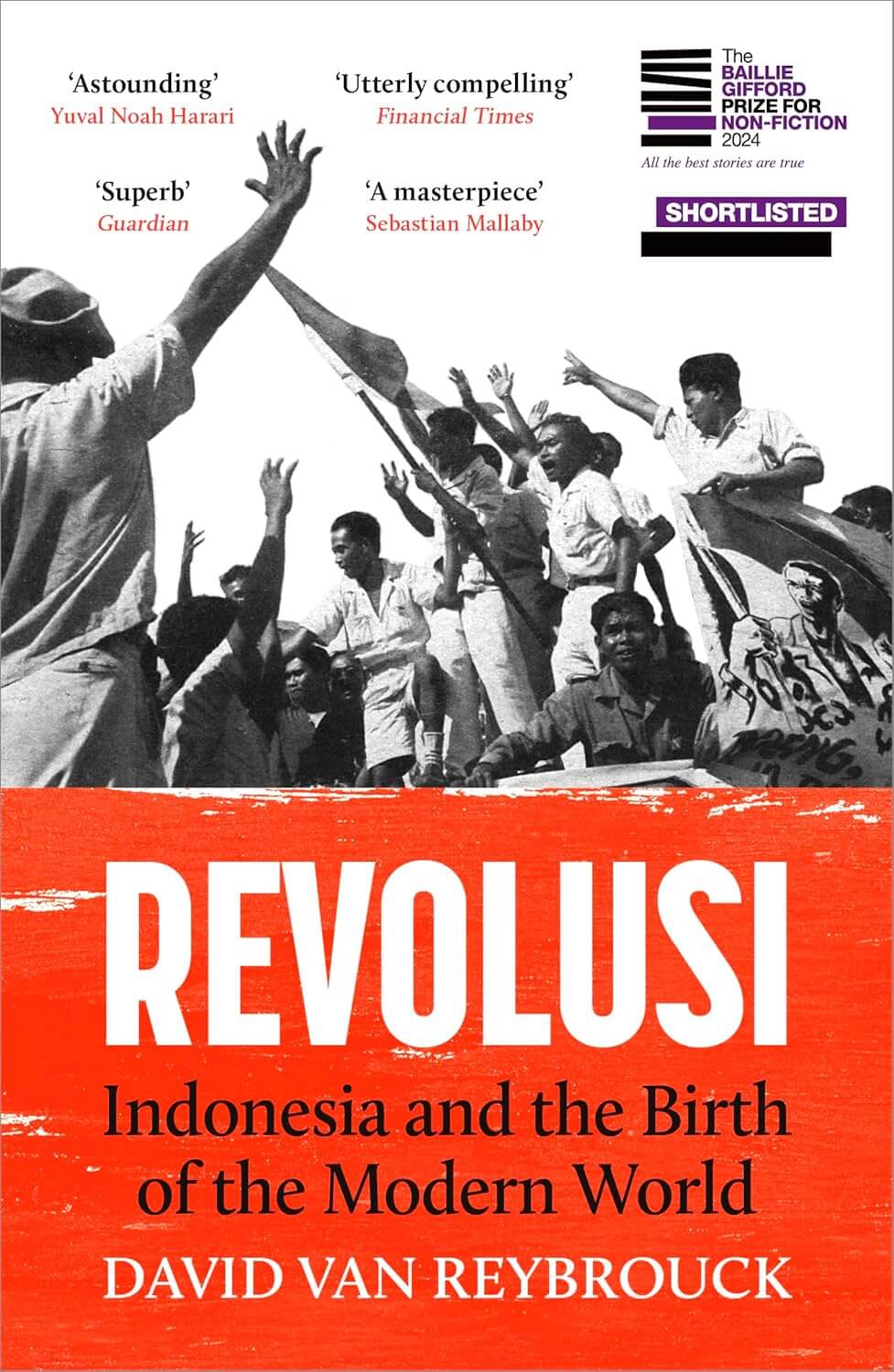
Revolusi
Shortlisted

Revolusi

by David Van Reybrouck

David Van Reybrouck’s Revolusi tells the sweeping story of Indonesia’s struggle for independence, situating it as a pivotal moment in global decolonization. Drawing on extensive oral histories, archival work, and travel, Van Reybrouck gives voice to ordinary Indonesians alongside political leaders. His narrative is vivid, empathetic, and rigorous, making history feel alive and urgent. He shows how Indonesia’s revolution reverberated across Asia, Africa, and beyond, reshaping the twentieth century. The book is as ambitious in scale as it is intimate in human detail, a masterwork of narrative history.

4.53
History
Political Nonfiction
Narrative History
Epic
Empathetic
Revealing
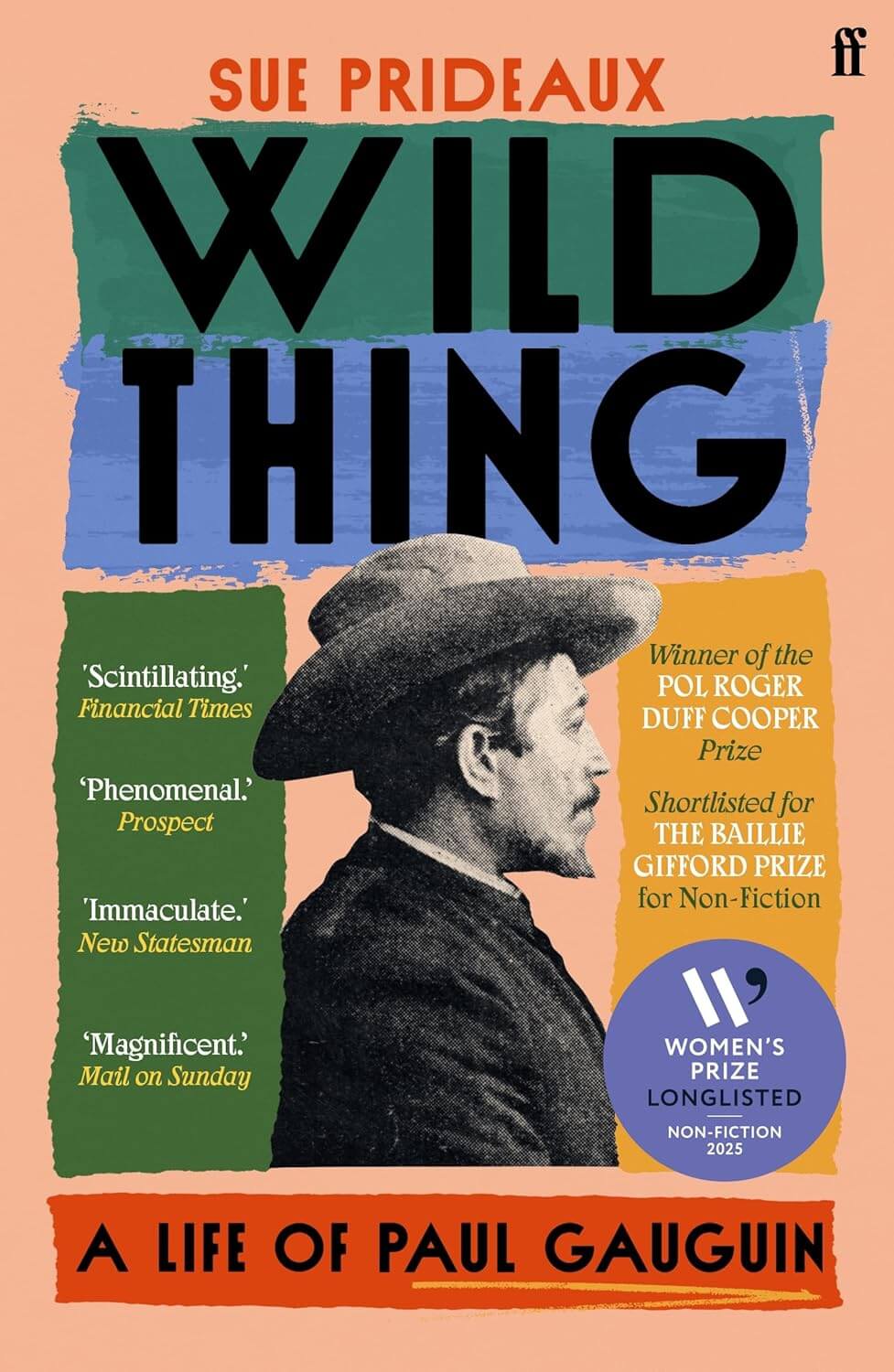
Wild Thing
Shortlisted

Wild Thing

by Sue Prideaux

Sue Prideaux’s Wild Thing is an exuberant exploration of freedom, art, and unconventional lives. Known for her biographies of iconic cultural figures, Prideaux examines the lives of those who rejected convention and embraced wildness in its many forms. Her prose is sharp, witty, and invigorating, making history feel like a living, unruly presence. She moves seamlessly between cultural criticism and narrative storytelling, always attentive to the forces that drive human creativity and rebellion. This is biography at its most spirited — irreverent, intellectual, and full of energy.

4.34
Biography
Cultural History
Energetic
Witty
Provocative
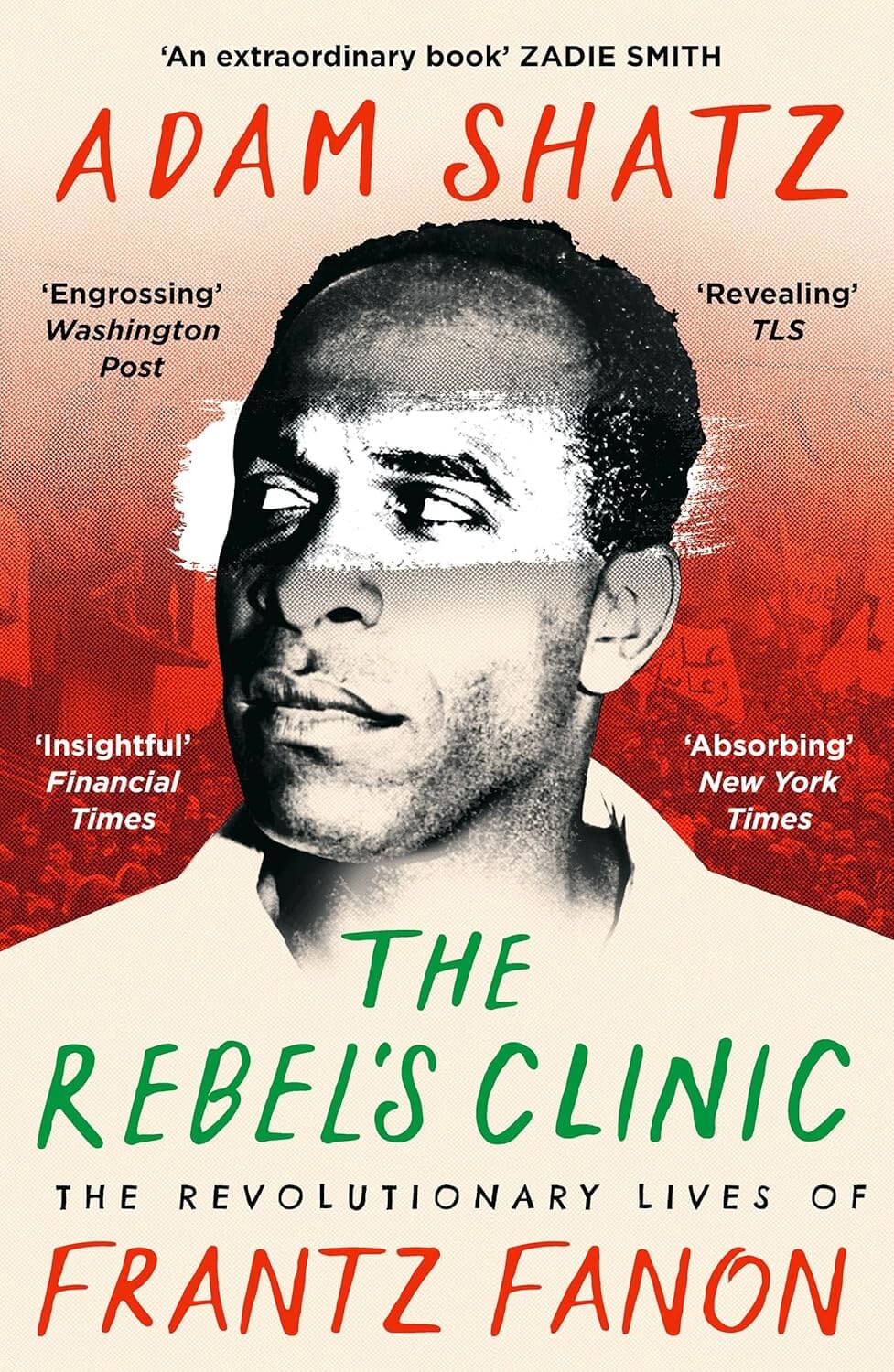
The Rebel's Clinic

The Rebel's Clinic

by Adam Shatz

Adam Shatz’s The Rebel’s Clinic is a profound intellectual biography of Frantz Fanon, the psychiatrist and revolutionary whose work continues to resonate today. Shatz examines Fanon’s life in colonial Martinique, his psychiatric practice in Algeria, and his revolutionary writings on race and liberation. The narrative is both critical and empathetic, situating Fanon within the struggles of his time while showing his enduring influence. Shatz writes with clarity and depth, balancing scholarly rigor with narrative accessibility. This is a powerful portrait of a thinker whose ideas remain urgent and unsettling.

4.20
Biography
Political Nonfiction
Intellectual History
Serious
Provocative
Intellectual
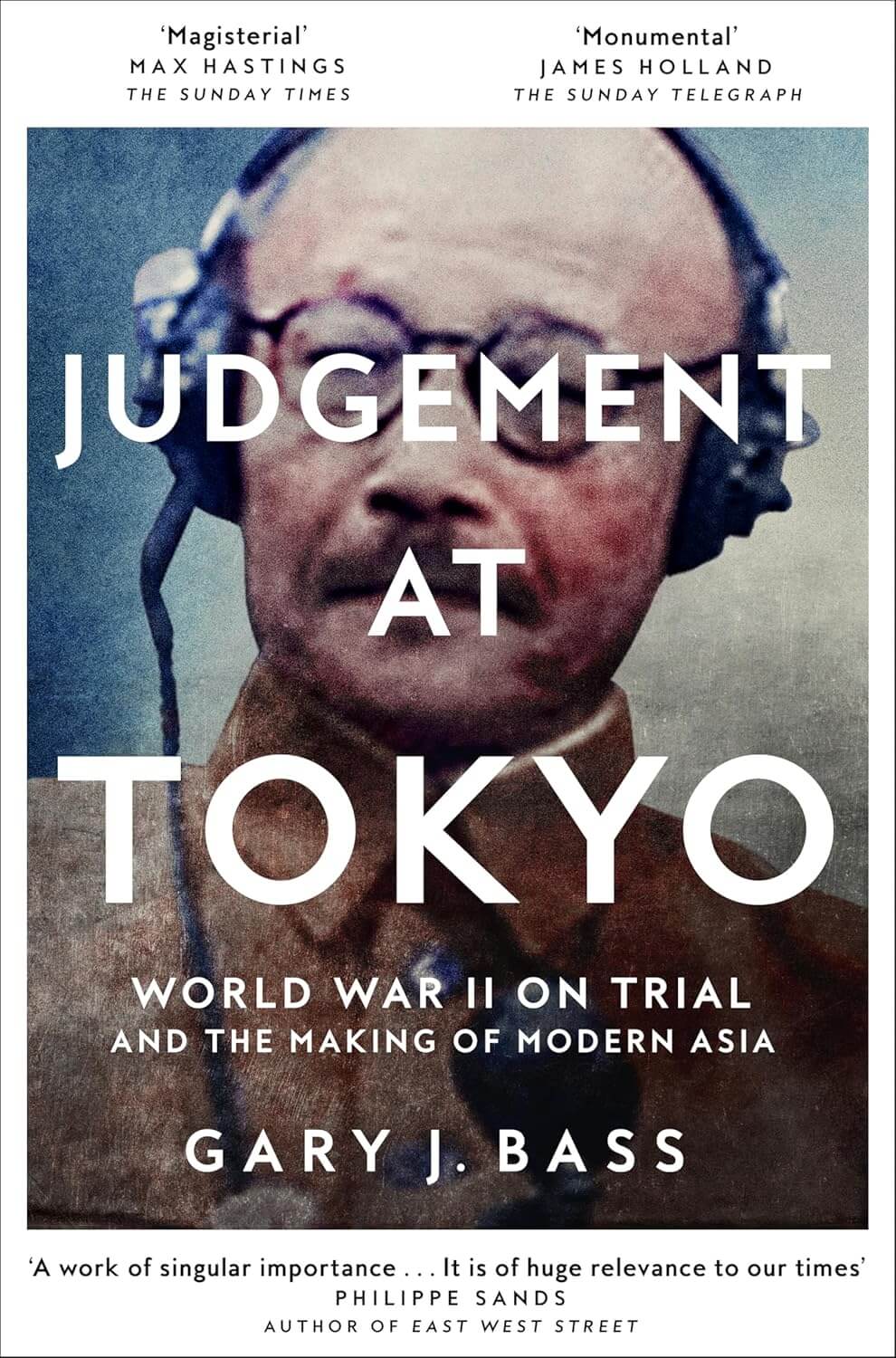
Judgement at Tokyo

Judgement at Tokyo

by Gary J. Bass

Gary J. Bass’s Judgement at Tokyo is a monumental history of the Tokyo War Crimes Trials, often overshadowed by Nuremberg. Bass meticulously reconstructs the courtroom drama, the political stakes, and the global ramifications. His narrative is gripping, filled with characters, conflicts, and moral dilemmas that defined the early postwar world. Bass balances narrative drive with historical precision, making complex legal history accessible and compelling. The book shows how the pursuit of justice after atrocity shaped international law and the modern order. It is both history and courtroom drama at its finest.

4.27
History
Legal Nonfiction
Political History
Gripping
Serious
Revealing
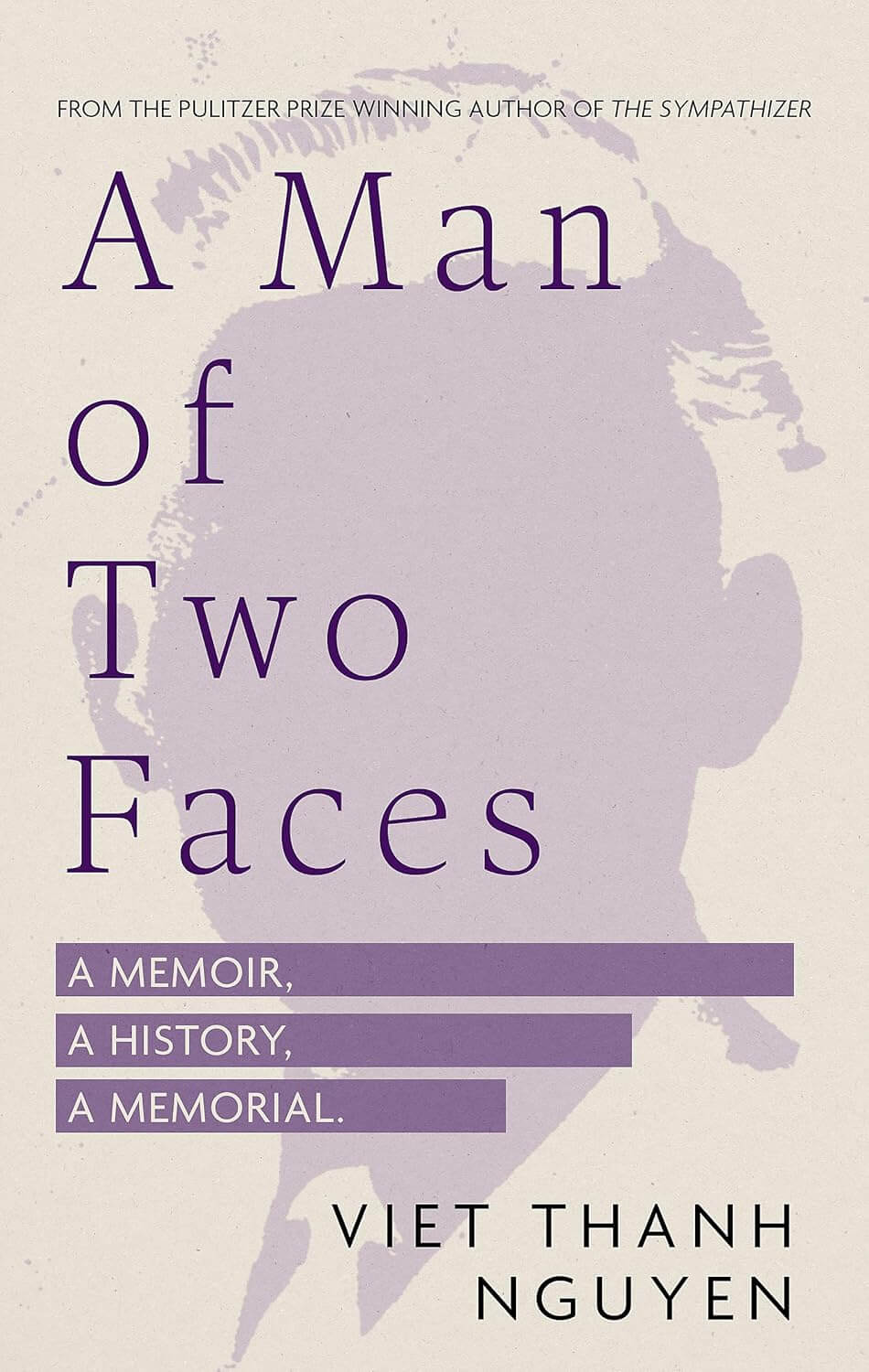
A Man of Two Faces
Shortlisted

A Man of Two Faces

by Việt Thanh Nguyen

Pulitzer Prize–winner Việt Thanh Nguyen turns to memoir in A Man of Two Faces, chronicling his family’s escape from Vietnam and his life as a refugee in America. With the precision of a novelist and the urgency of a witness, Nguyen explores identity, displacement, and the contradictions of belonging. His writing is searing, poetic, and deeply personal, while also interrogating the politics of memory and representation. The book is both intimate and fiercely intellectual, a memoir that refuses to fit into neat categories. It speaks to the immigrant experience and the human condition with rare power.

4.32
Memoir
Cultural Criticism
History
Intense
Personal
Defiant
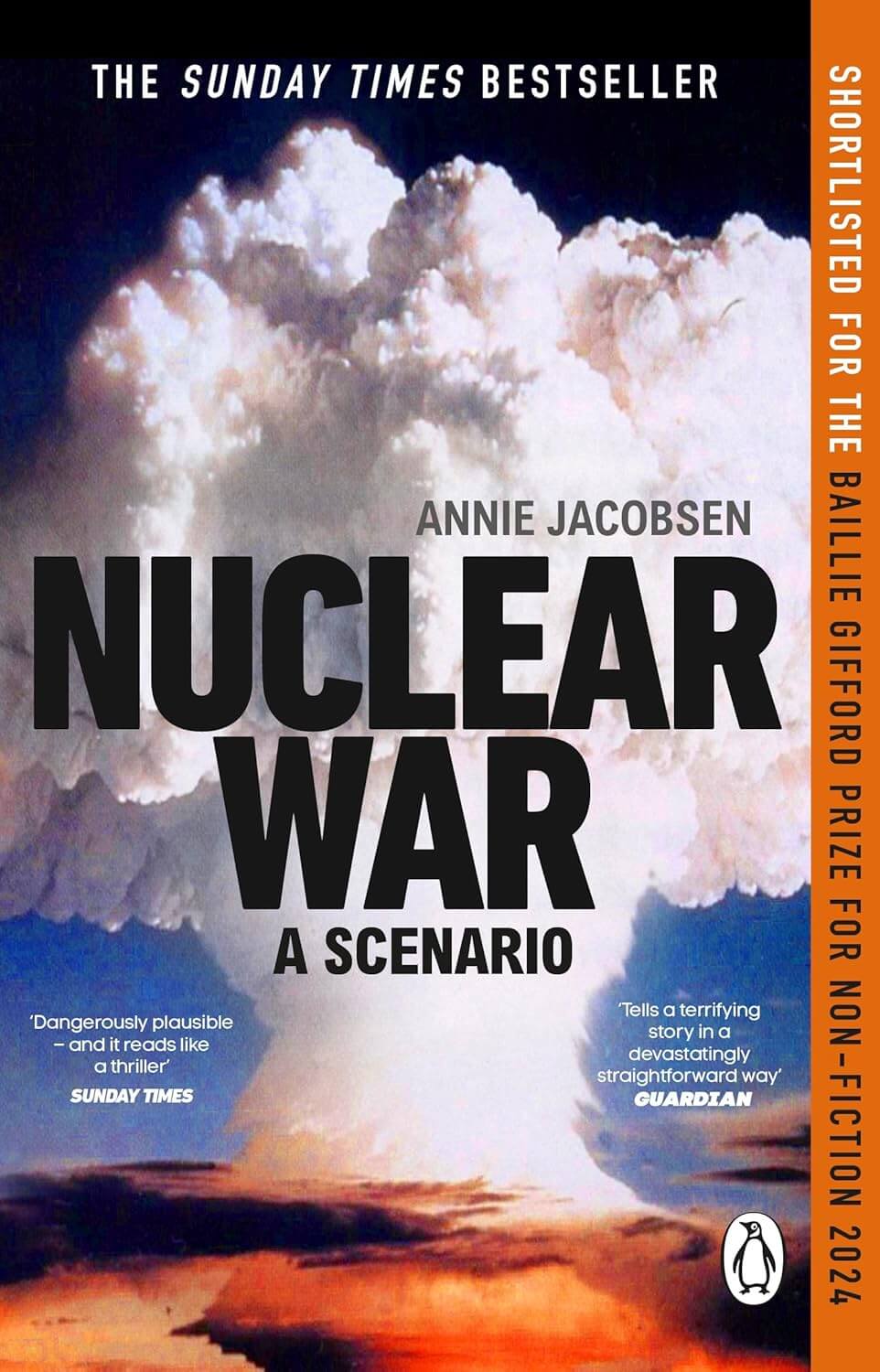
Nuclear War: A Scenario
Shortlisted

Nuclear War: A Scenario

by Annie Jacobsen

In Nuclear War, Annie Jacobsen delivers a chilling, minute-by-minute account of what would unfold if nuclear weapons were ever launched. Known for her meticulously researched works, Jacobsen combines military expertise, scientific detail, and narrative drive to produce a book that reads like a thriller but is grounded in sobering reality. She examines the fragile systems and human decisions that could determine survival or annihilation. The result is terrifying, urgent, and unforgettable, a wake-up call about the stakes of our nuclear age. This is investigative nonfiction at its most gripping and consequential.

4.38
Investigative Journalism
Science
Politics
Terrifying
Urgent
Gripping
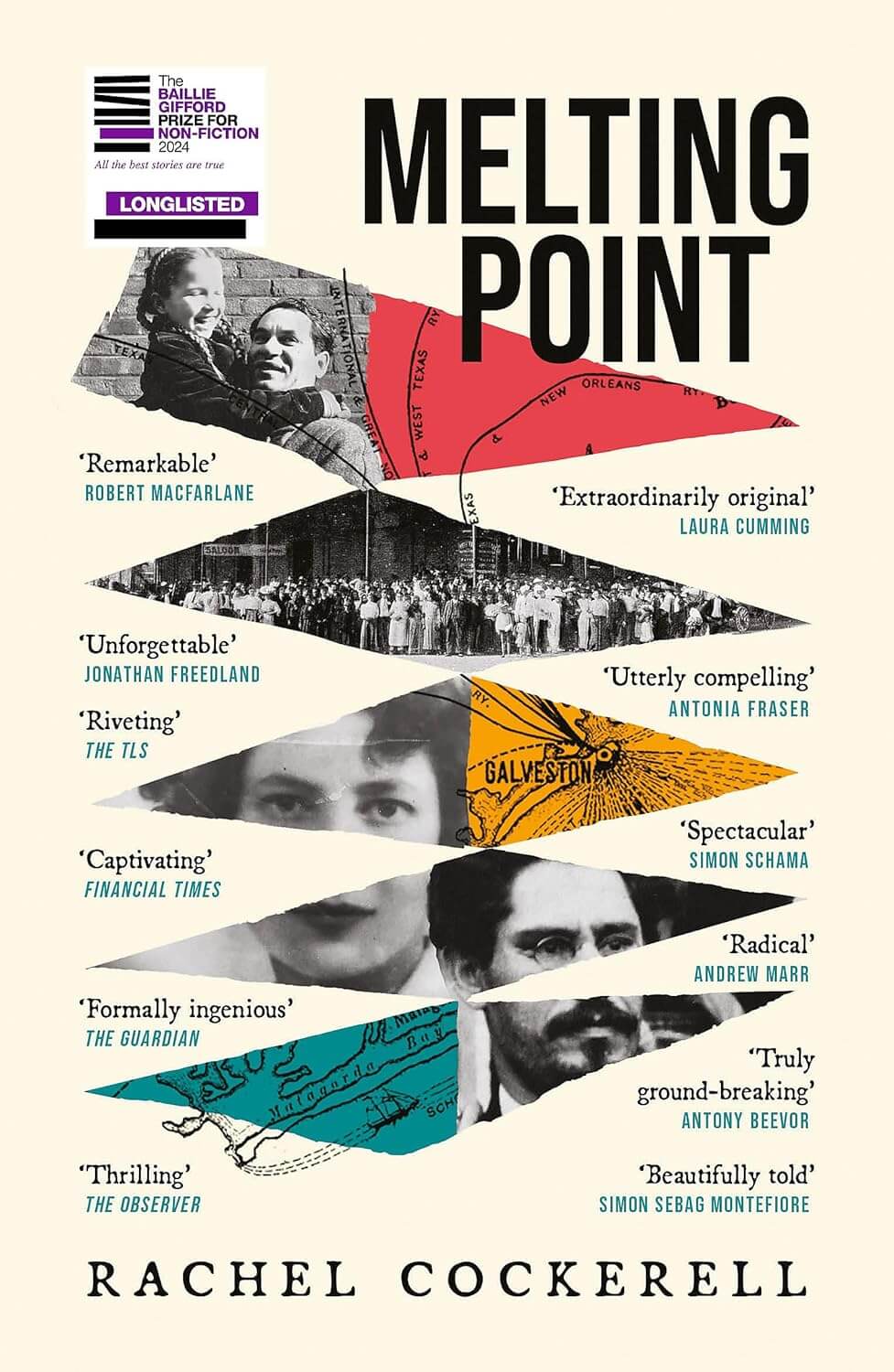
Melting Point

Melting Point

by Rachel Cockerell

Rachel Cockerell’s Melting Point examines the crisis of climate change through a sharp, investigative lens. She combines scientific analysis, personal reporting, and case studies to show how the world is already transforming. Cockerell writes with urgency but also clarity, translating complex issues into compelling narrative. The book confronts political inaction and societal denial while highlighting possibilities for adaptation and change. It is both a warning and a call to action, a vital contribution to our understanding of the climate emergency.

4.01
Science Writing
Environmental Nonfiction
Current Affairs
Urgent
Serious
Revealing
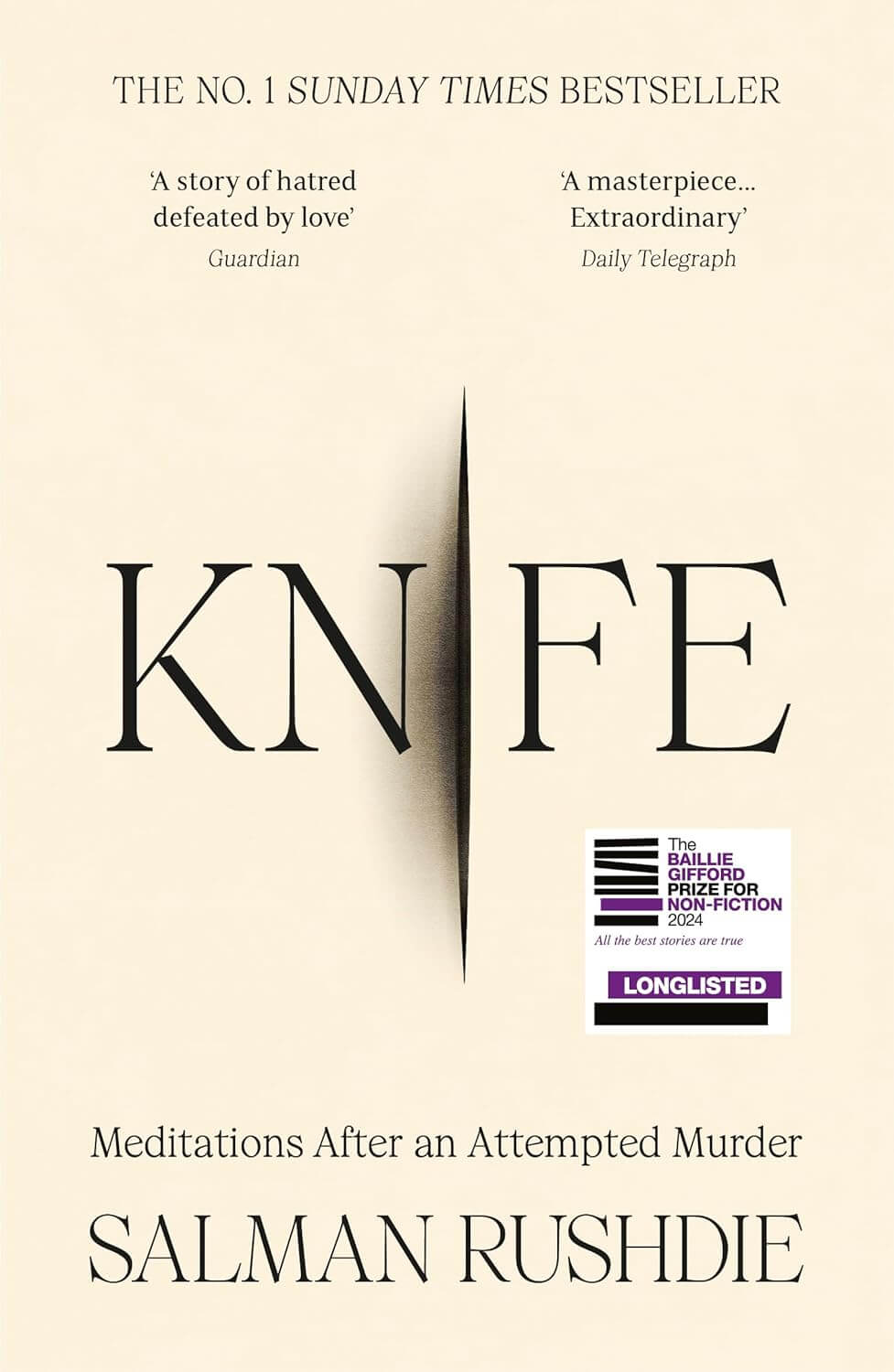
Knife

Knife

by Salman Rushdie

In Knife, Salman Rushdie recounts the harrowing experience of surviving the 2022 knife attack and reflects on violence, art, and resilience. With courage and clarity, Rushdie writes about trauma, recovery, and the unbreakable power of storytelling. His prose is sharp, direct, and suffused with defiance. This memoir is both personal and universal, confronting questions of freedom of expression and the costs of living as a writer in a dangerous world. Rushdie reasserts literature’s place as a tool for resistance and survival. It is a testament to endurance and the courage to keep creating.

3.99
Memoir
Literary Nonfiction
Defiant
Courageous
Raw