2023 The Baillie Gifford Prize for Non-Fiction

Illuminating truth through powerful storytelling

The Baillie Gifford Prize for Non-Fiction stands as one of the world’s leading awards for narrative non-fiction, celebrating books that combine intellectual depth with compelling storytelling. The 2023 longlist reflects the extraordinary range of non-fiction today, from history and politics to science, memoir, and the pressing challenges of our age.

2023 selection takes us into burning forests, forgotten revolutions, and the intricacies of the human body. They document personal struggles, collective traumas, and the systems that shape modern life. The authors are journalists, historians, scientists, and storytellers — each with a gift for transforming complex realities into narratives that move and enlighten us.

Together, these works underscore the vital role of non-fiction in helping us understand the world and ourselves. They challenge assumptions, spark debate, and inspire curiosity. Whether you seek insight into history, science, or human resilience, the 2023 Baillie Gifford longlist offers stories that matter.

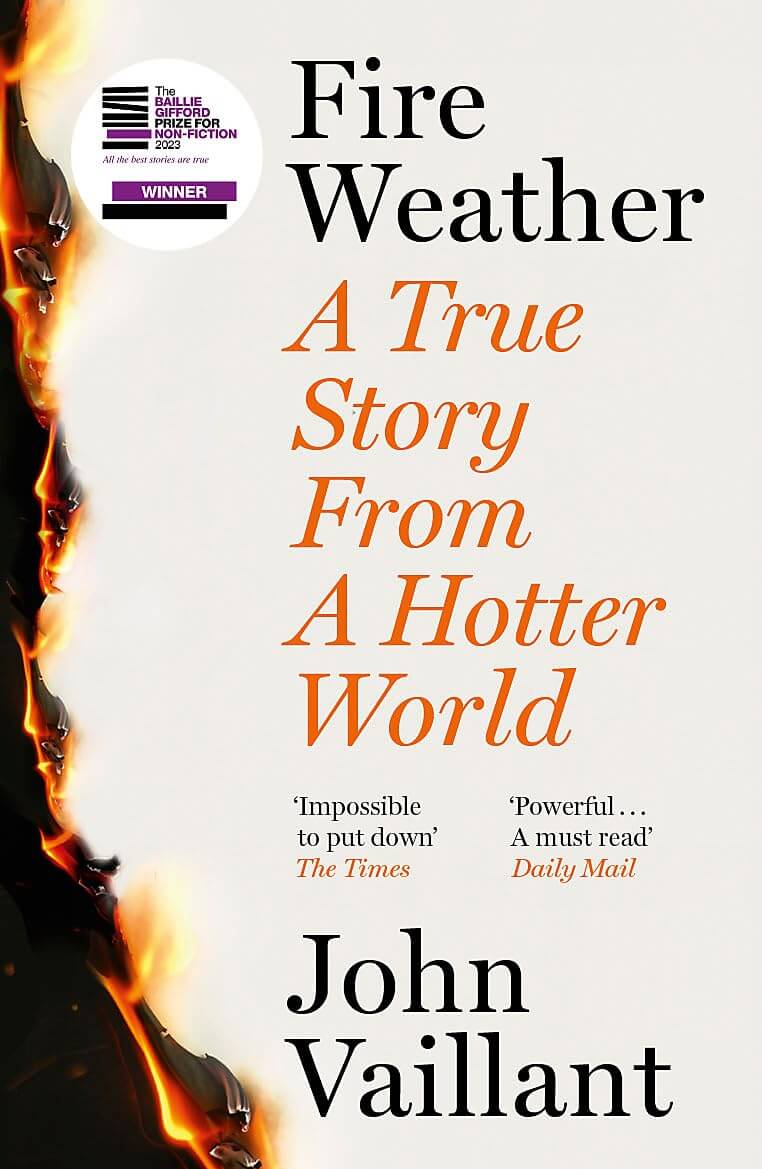
Fire Weather: A True Story from a Hotter World
Winner

Fire Weather: A True Story from a Hotter World

by John Vaillant

John Vaillant’s Fire Weather is an urgent and devastating account of the 2016 Fort McMurray wildfire in Canada, one of the most destructive in history. Vaillant intertwines the gripping, minute-by-minute drama of the fire with a broader examination of climate change, fossil fuel dependency, and the vulnerabilities of modern societies. His prose is cinematic and harrowing, capturing the ferocity of nature’s power while warning of the planetary consequences of a warming world. The book is both a disaster narrative and a wake-up call, urging readers to confront the realities of climate change. It is nonfiction at its most vivid and necessary.

4.33
Environmental Writing
Narrative Nonfiction
Urgent
Harrowing
Revealing
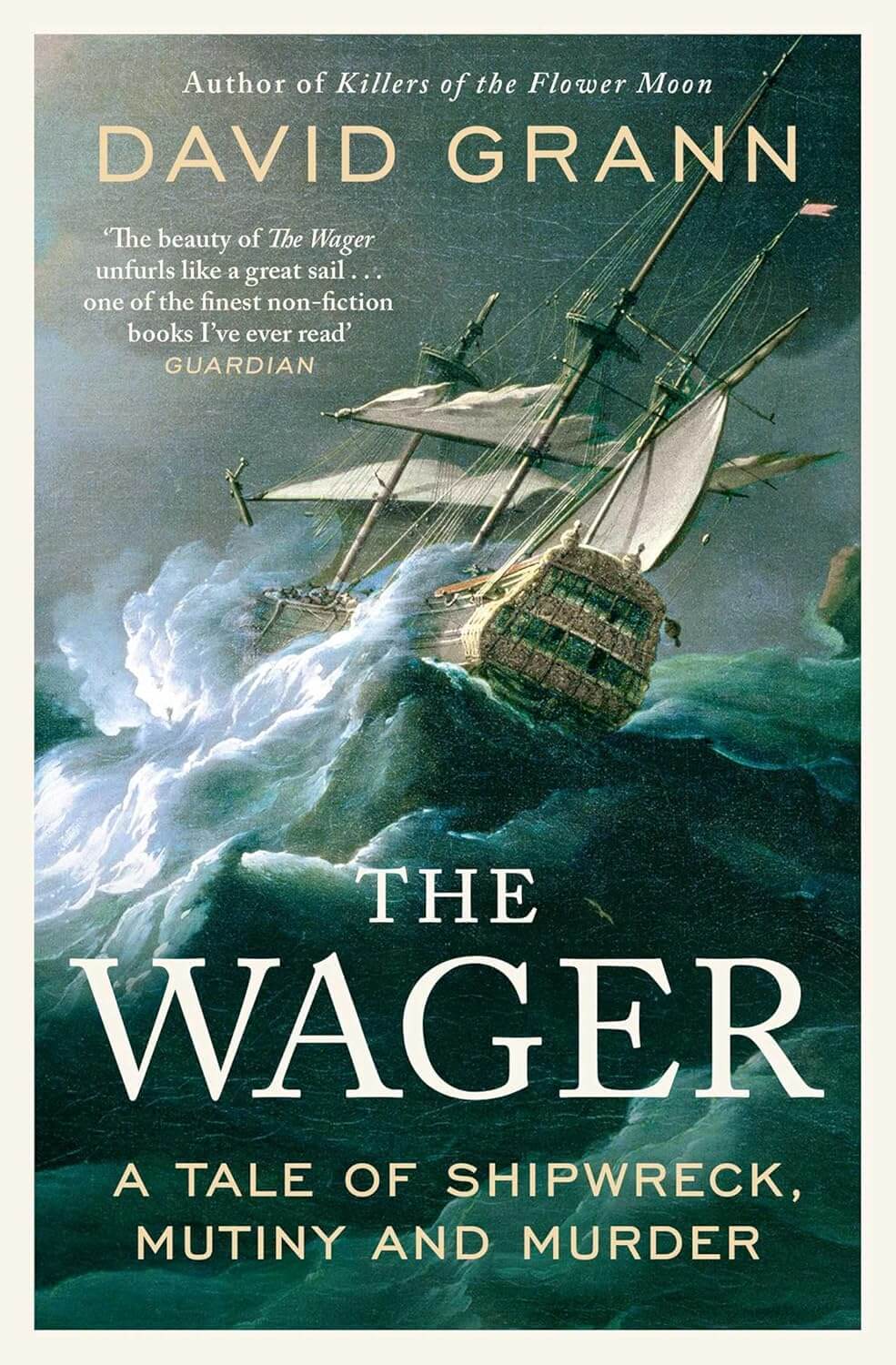
The Wager

The Wager

by David Grann

David Grann’s The Wager is a gripping maritime history of shipwreck, survival, and mutiny. Grann tells the story of a British naval vessel wrecked off the coast of South America in the 1740s, and the extraordinary ordeal that followed. His narrative combines page-turning suspense with meticulous historical research. Grann captures the extremes of human endurance and the moral questions that arise in desperate circumstances. The book reads like an adventure novel but is anchored in archival depth. It is a thrilling, sobering reminder of the fragility of order and the resilience of the human spirit.

4.17
History
Adventure
Narrative Nonfiction
Thrilling
Suspenseful
Dramatic
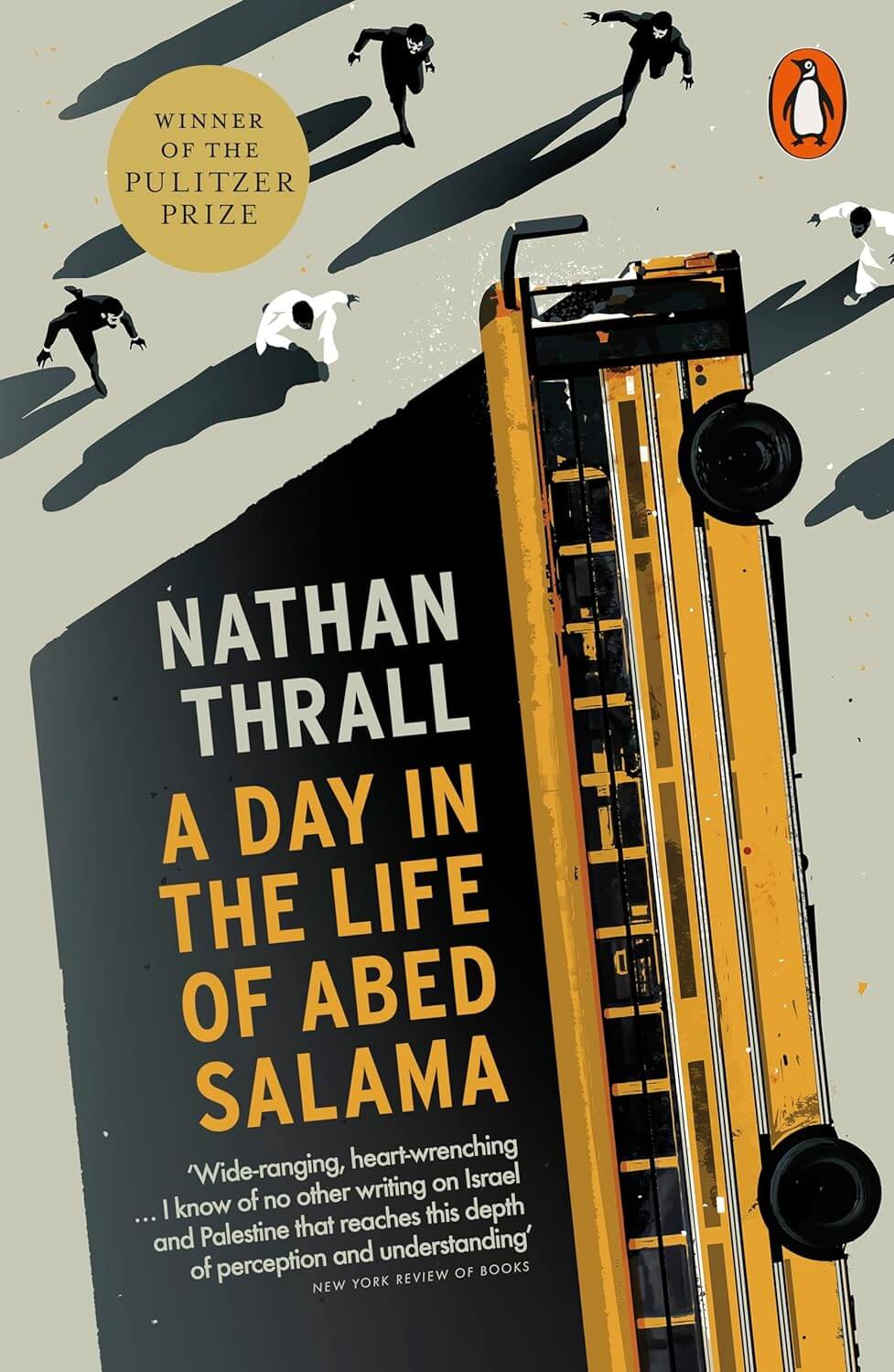
A Day in the Life of Abed Salama

A Day in the Life of Abed Salama

by Nathan Thrall

Nathan Thrall’s A Day in the Life of Abed Salama tells the harrowing story of a Palestinian father searching for his son after a school bus accident in the West Bank. Through this single day, Thrall reveals the larger realities of life under occupation, bureaucracy, and inequality. The narrative is intimate and devastating, grounded in personal testimony yet resonant with political meaning. Thrall writes with compassion and precision, refusing to reduce lives to symbols. The book is a profound act of witness, illuminating the human cost of conflict. It is both heartbreaking and essential.

4.35
Journalism
Politics
Narrative Nonfiction
Heartbreaking
Intimate
Serious
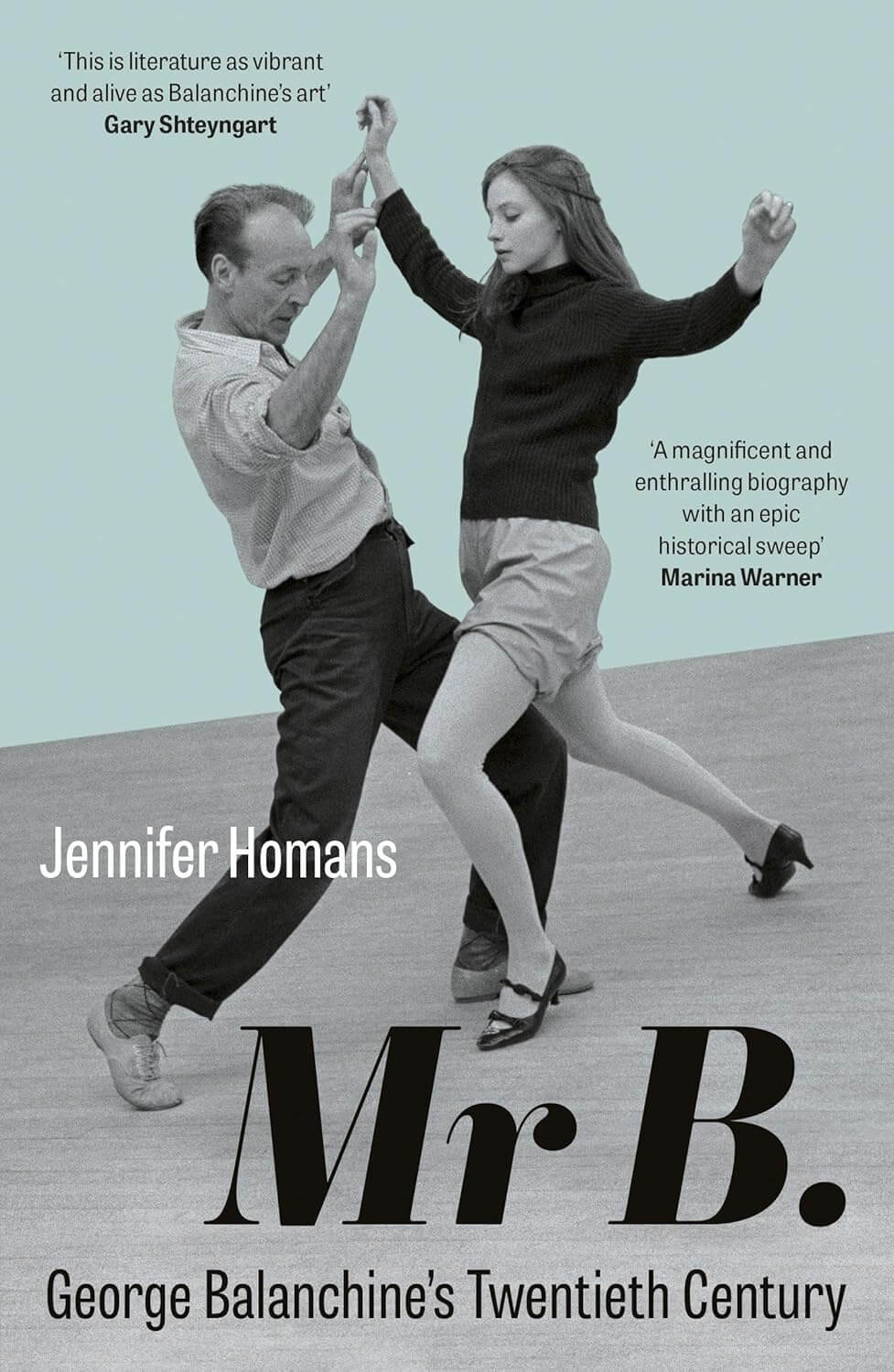
Mr B.
Shortlisted

Mr B.

by Jennifer Homans

In Mr B., Jennifer Homans presents a monumental biography of George Balanchine, the revolutionary choreographer who transformed modern ballet. Homans, herself a former dancer and historian, combines meticulous research with an insider’s understanding of Balanchine’s genius and contradictions. The book explores his artistry, personal life, and enduring influence on dance. Homans writes with grace and authority, balancing admiration with clear-eyed analysis. The result is a richly textured portrait that illuminates both the man and the art form he reshaped. It is a definitive biography destined to be a classic in the field of cultural history.

4.33
Biography
Arts & Culture
Elegant
Insightful
Reverent
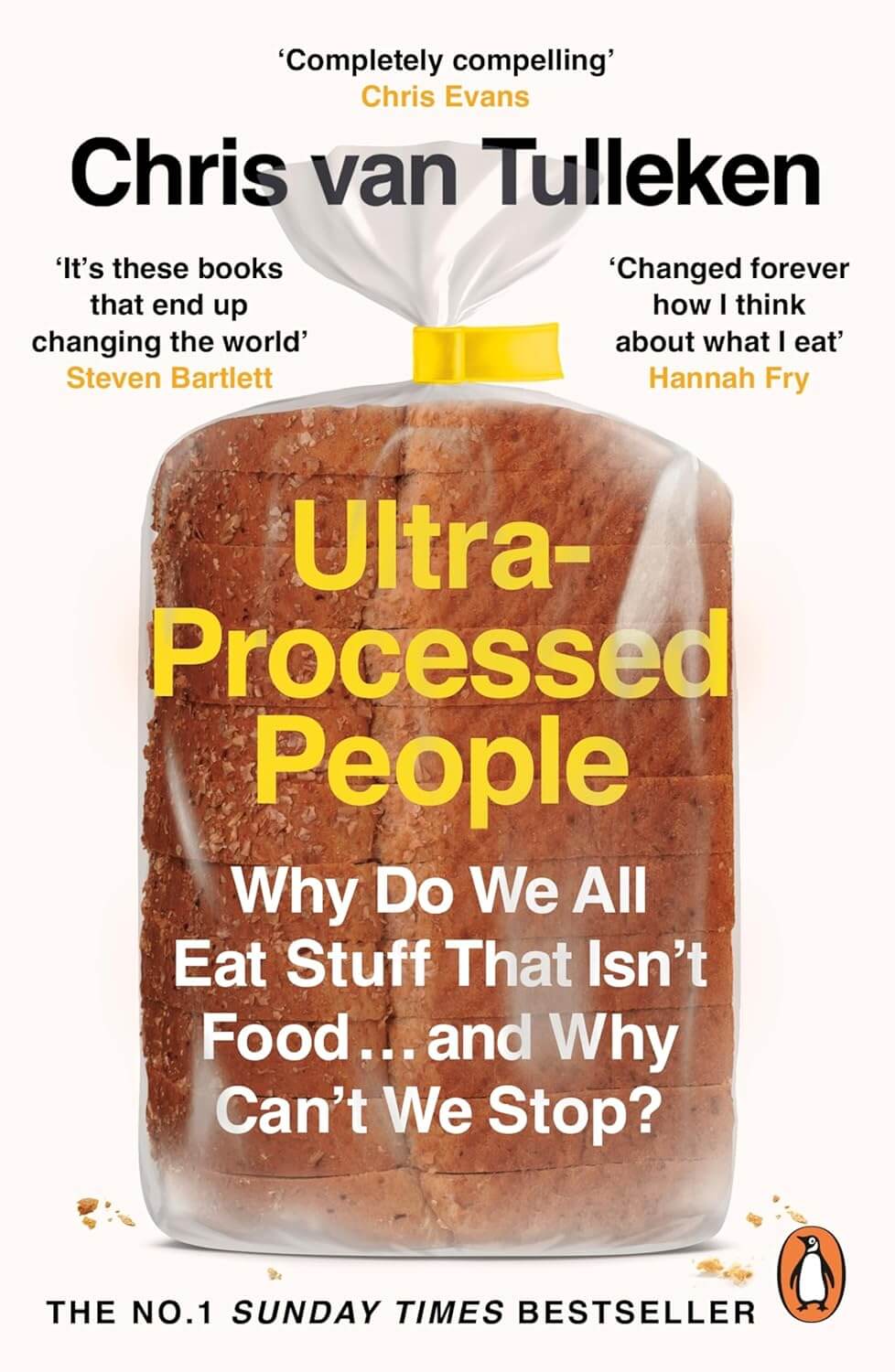
Ultra Processed People

Ultra Processed People

by Chris van Tulleken

Chris van Tulleken’s Ultra Processed People is a compelling exposé of how industrialized food is reshaping our bodies, health, and societies. Combining personal experimentation, scientific evidence, and cultural critique, van Tulleken unpacks the hidden dangers of ultra-processed foods. His writing is accessible, witty, and urgent, making complex science engaging for general readers. The book argues for systemic change while empowering individuals to rethink their diets. It is an eye-opening, unsettling account of one of the biggest health challenges of our time. Both persuasive and entertaining, it sparks critical conversation.

4.39
Science Writing
Health
Cultural Criticism
Eye-opening
Urgent
Engaging
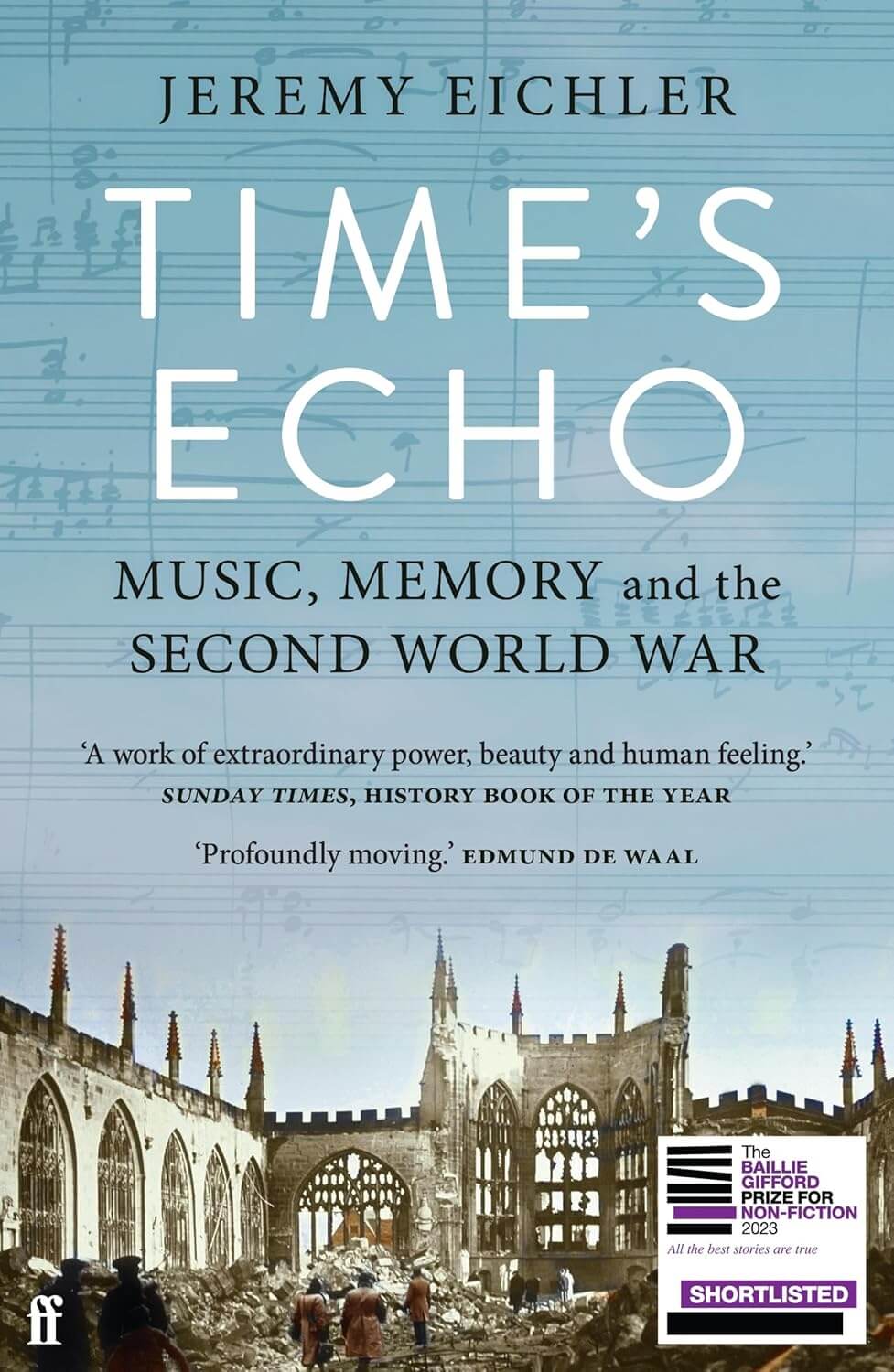
Time's Echo
Shortlisted

Time's Echo

by Jeremy Eichler

Jeremy Eichler’s Time’s Echo is a powerful meditation on music, memory, and the Holocaust. Eichler traces how composers like Strauss, Schoenberg, and Britten grappled with the legacy of atrocity in their work. His prose is lyrical and deeply informed, blending music criticism, history, and cultural reflection. The book asks how art can bear witness to collective trauma and preserve memory across generations. Eichler shows how music becomes both a refuge and a medium of remembrance. It is an elegiac, profound work that speaks to the enduring resonance of art in the face of unspeakable loss.

4.53
History
Music
Cultural Criticism
Elegiac
Reflective
Profound
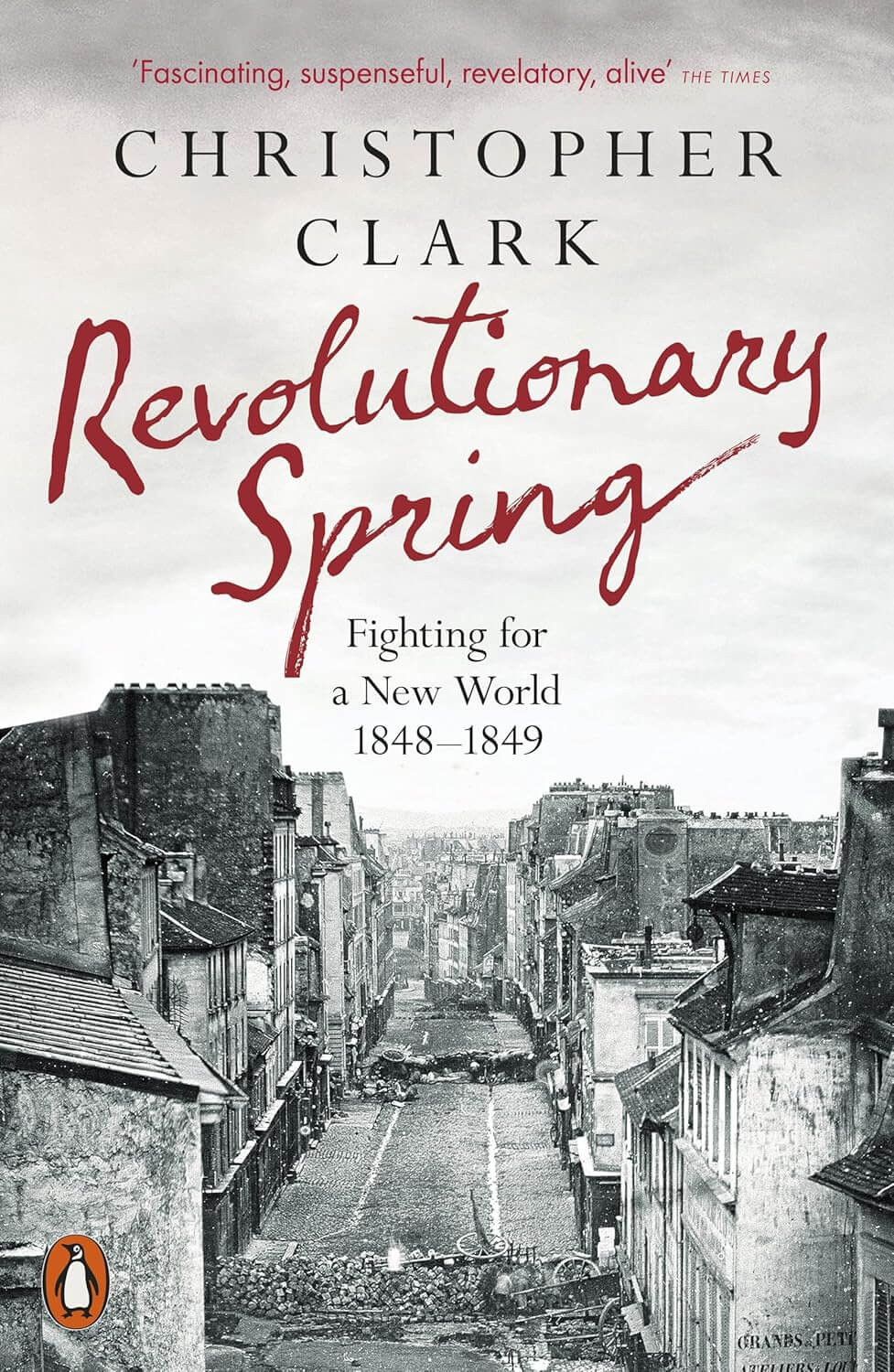
Revolutionary Spring
Shortlisted

Revolutionary Spring

by Christopher Clark

In Revolutionary Spring, historian Christopher Clark offers a sweeping account of the 1848 revolutions that shook Europe. With his trademark clarity and erudition, Clark examines how political upheaval spread across the continent, reshaping nations and ideas. The book brings to life both the ideals and the chaos of this pivotal year, balancing grand historical forces with the intimate stories of those who lived through it. Clark situates 1848 as a moment of both failure and transformation, one that continues to shape modern Europe. It is a masterful work of narrative history, rich in scope and detail.

4.19
History
Political Nonfiction
Epic
Analytical
Detailed
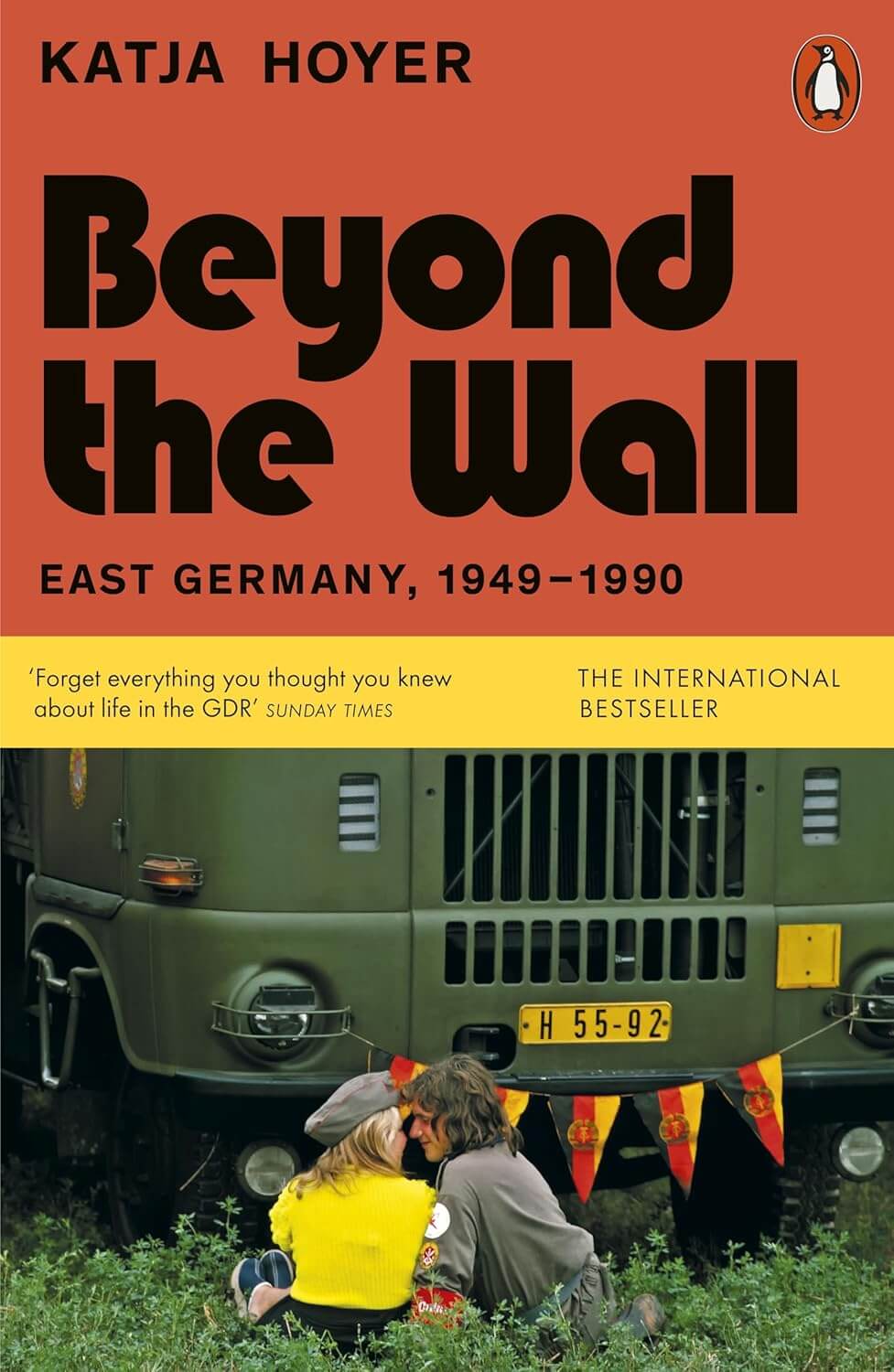
Beyond the Wall

Beyond the Wall

by Katja Hoyer

Katja Hoyer’s Beyond the Wall offers a fresh, comprehensive history of East Germany. Drawing on newly available sources and testimonies, Hoyer reconstructs life in the GDR beyond the stereotypes of oppression and decline. She shows the complexities, contradictions, and lived realities of a vanished state. Her narrative is vivid and accessible, balancing political analysis with human stories. The book challenges readers to reconsider assumptions about the Cold War and its legacies. It is a timely and illuminating account of a world that continues to echo in contemporary Europe.

4.22
History
Political Nonfiction
Revealing
Thoughtful
Engaging
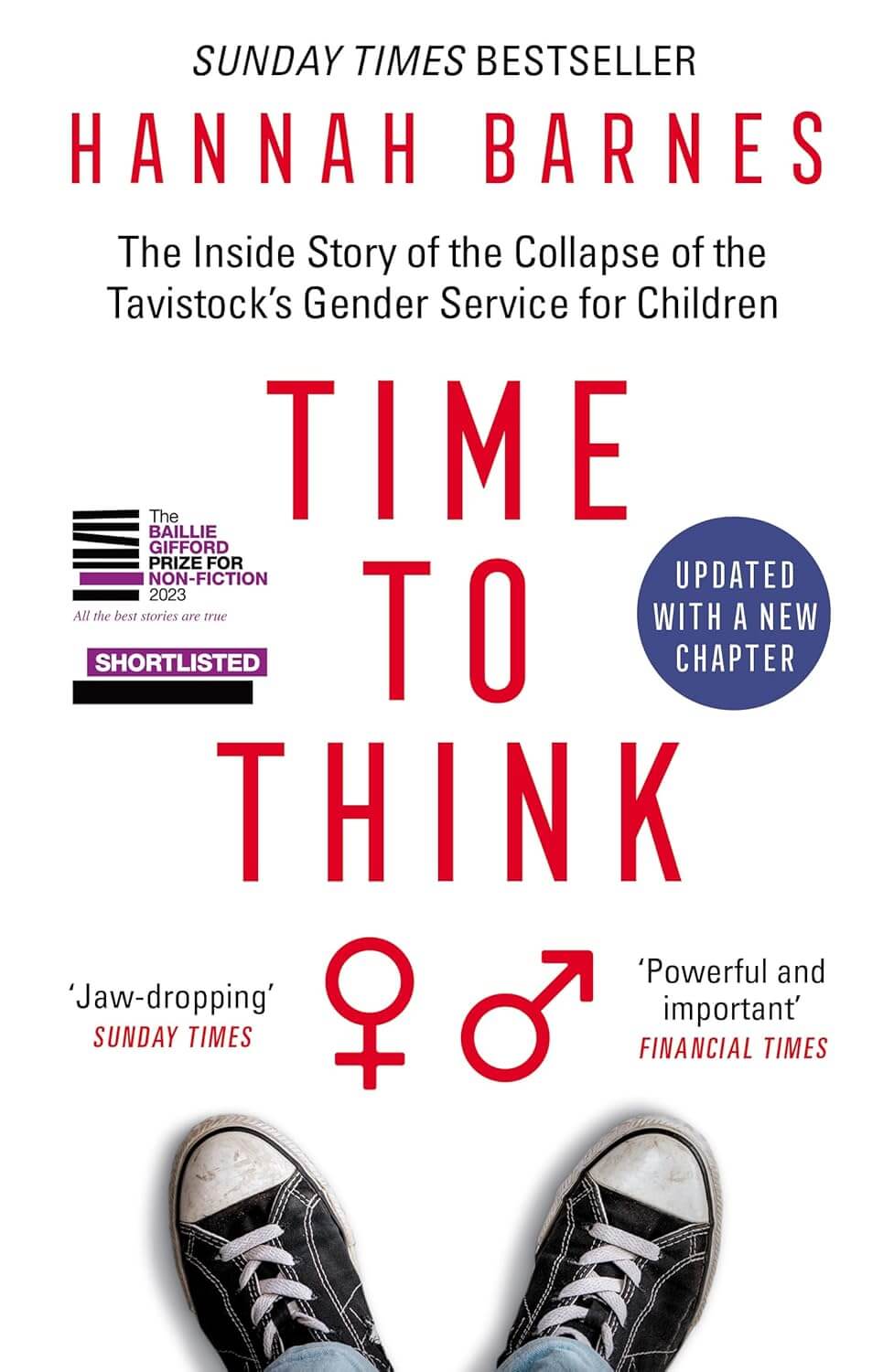
Time to Think
Shortlisted

Time to Think

by Hannah Barnes

Hannah Barnes’ Time to Think is a meticulously reported investigation into the NHS’s Gender Identity Development Service at the Tavistock clinic. Through interviews, documents, and insider accounts, Barnes examines the debates, challenges, and controversies surrounding treatment for young people. Her work is careful, balanced, and deeply researched, offering clarity in a field often clouded by polarization. Barnes emphasizes the importance of listening, nuance, and rigorous evidence in shaping policy and care. The book is essential reading for anyone seeking to understand a contentious and sensitive issue. It is journalism that prioritizes truth over ideology.

4.34
Investigative Journalism
Health
Politics
Serious
Balanced
Revealing
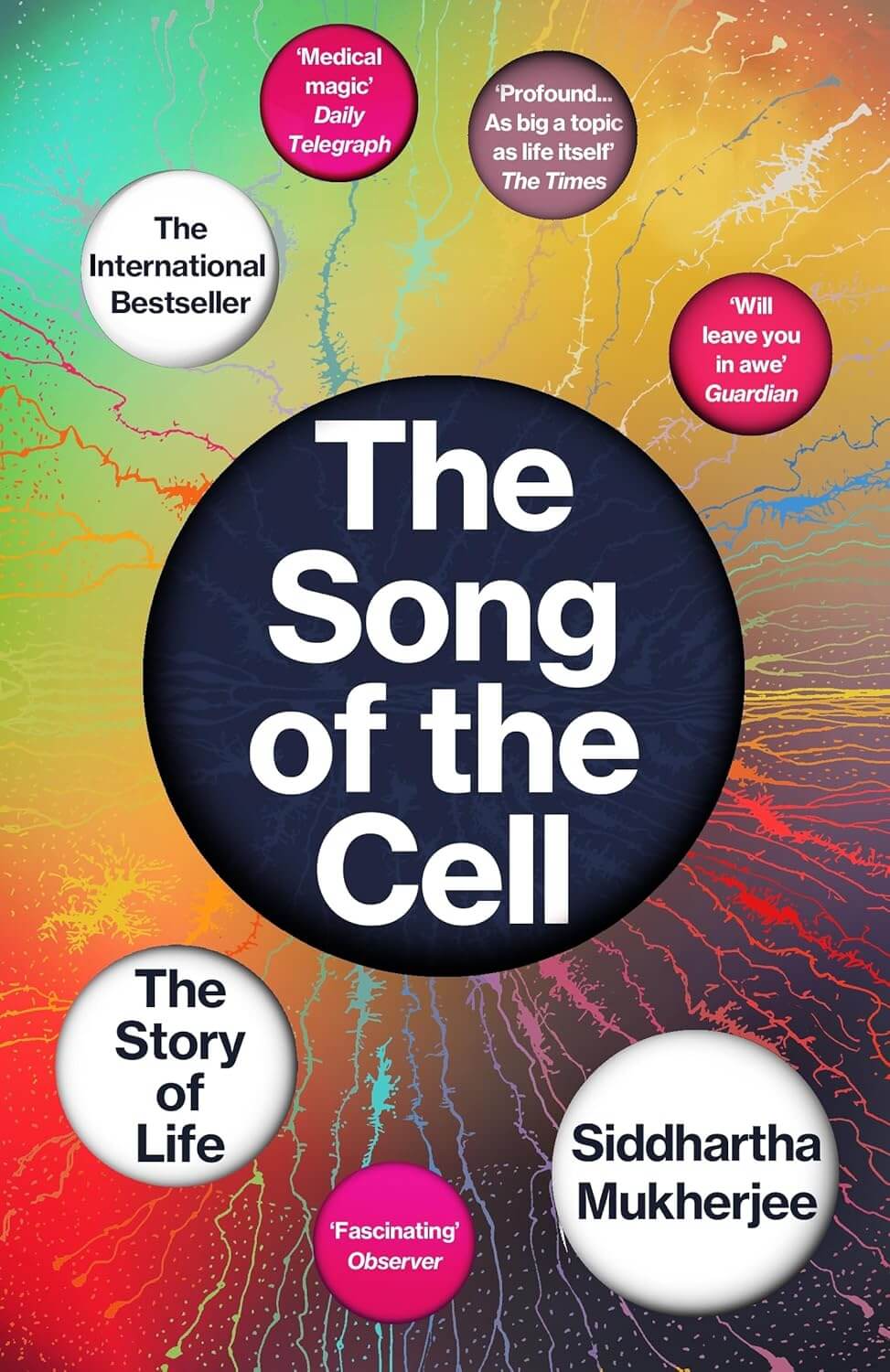
The Song of the Cell

The Song of the Cell

by Siddhartha Mukherjee

Siddhartha Mukherjee’s The Song of the Cell is a sweeping history of cell biology, told with his signature clarity and narrative flair. Mukherjee traces the discovery of cells and their central role in understanding health, disease, and the future of medicine. His storytelling balances scientific rigor with human stories, making the subject accessible and profound. The book illuminates how the cell has transformed medicine and our conception of life itself. Mukherjee writes with elegance and curiosity, turning biology into a grand, human-centered narrative. It is both educational and inspiring, science writing at its best.

4.29
Science Writing
Medical Writing
History of Science
Inspiring
Educational
Curious
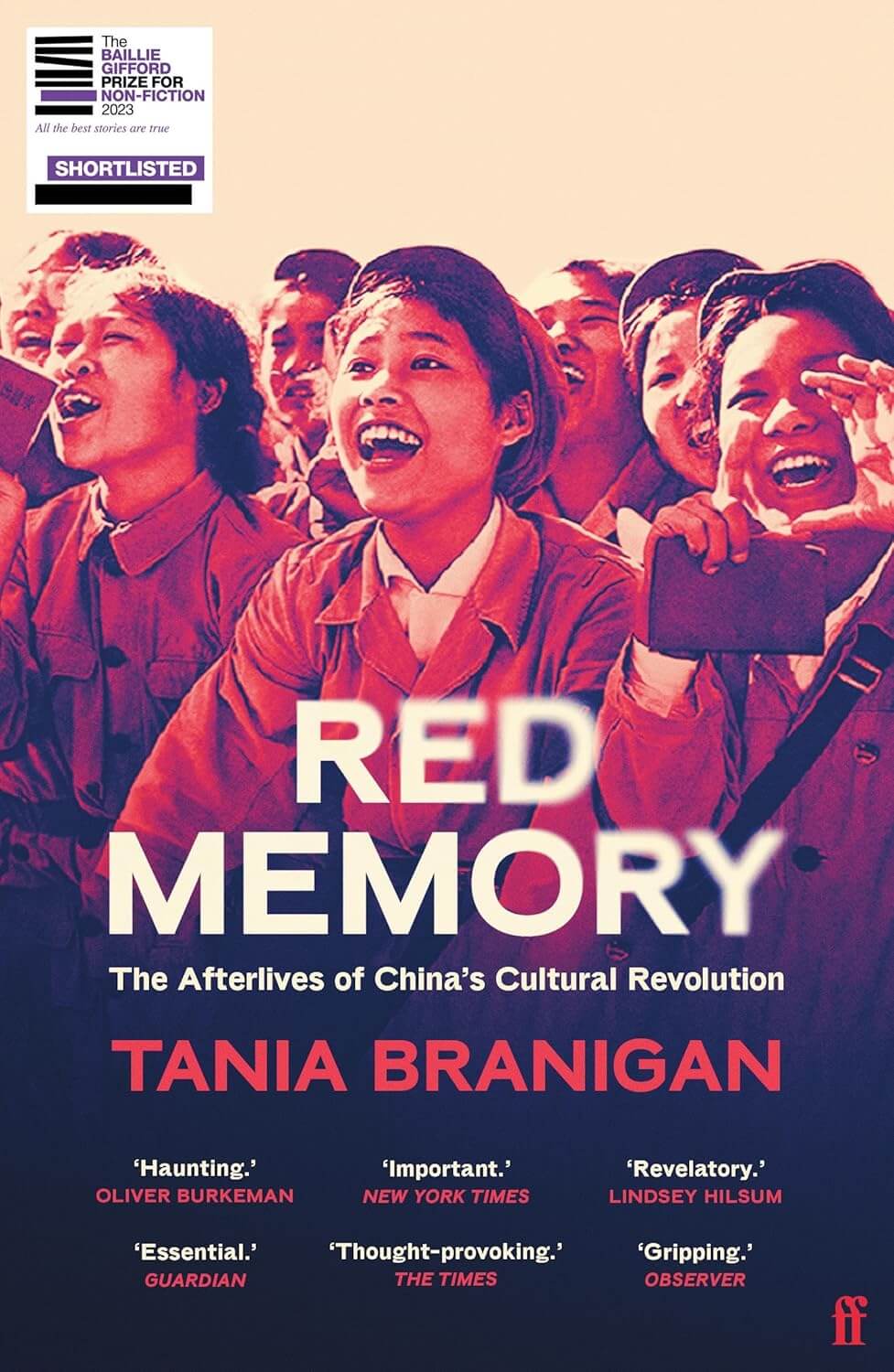
Red Memory
Shortlisted

Red Memory

by Tania Branigan

Tania Branigan’s Red Memory is a haunting exploration of China’s Cultural Revolution and its enduring legacy. Drawing on interviews, reportage, and historical research, Branigan uncovers the silences, traumas, and contested memories that continue to shape China today. Her writing is empathetic yet unflinching, capturing the pain of individuals and the complexities of collective amnesia. The book demonstrates how the past remains present, influencing politics and society in subtle but profound ways. It is a courageous work of journalism and history that insists on remembering what others seek to forget.

3.85
History
Journalism
Political Nonfiction
Haunting
Empathetic
Serious
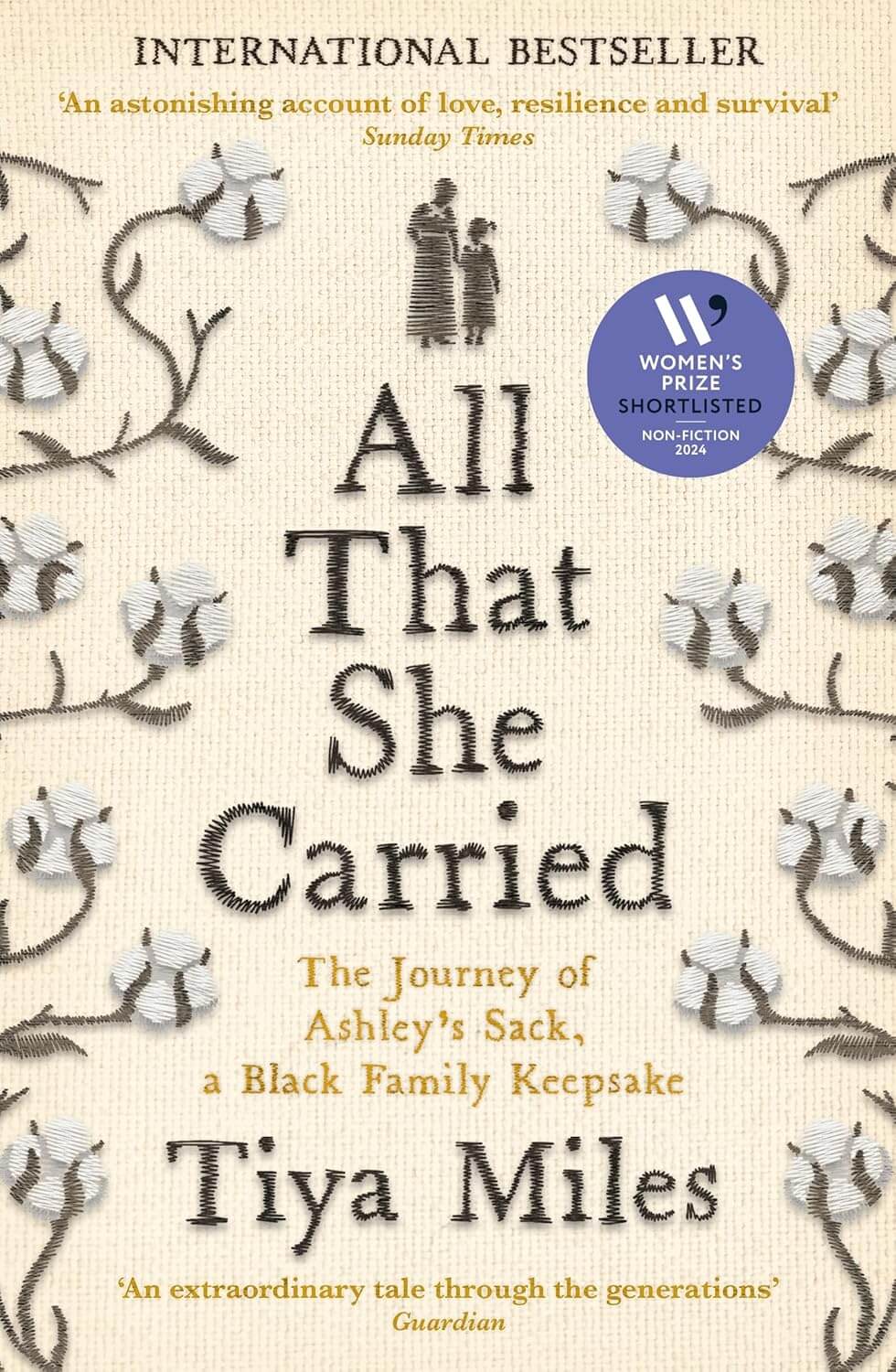
All That She Carried

All That She Carried

by Tiya Miles

Tiya Miles’ All That She Carried is a poignant and powerful history centered on a single artifact: a cotton bag passed from an enslaved woman to her daughter. Through this object, Miles reconstructs the lived experiences of Black women under slavery and their strategies of survival and memory. Her research is meticulous, and her prose is both lyrical and deeply empathetic. The book highlights resilience, love, and the preservation of history through everyday objects. It is a moving testament to the endurance of human spirit amidst oppression. Winner of the National Book Award, it continues to resonate globally.

3.93
History
Cultural History
Poignant
Empathetic
Revealing
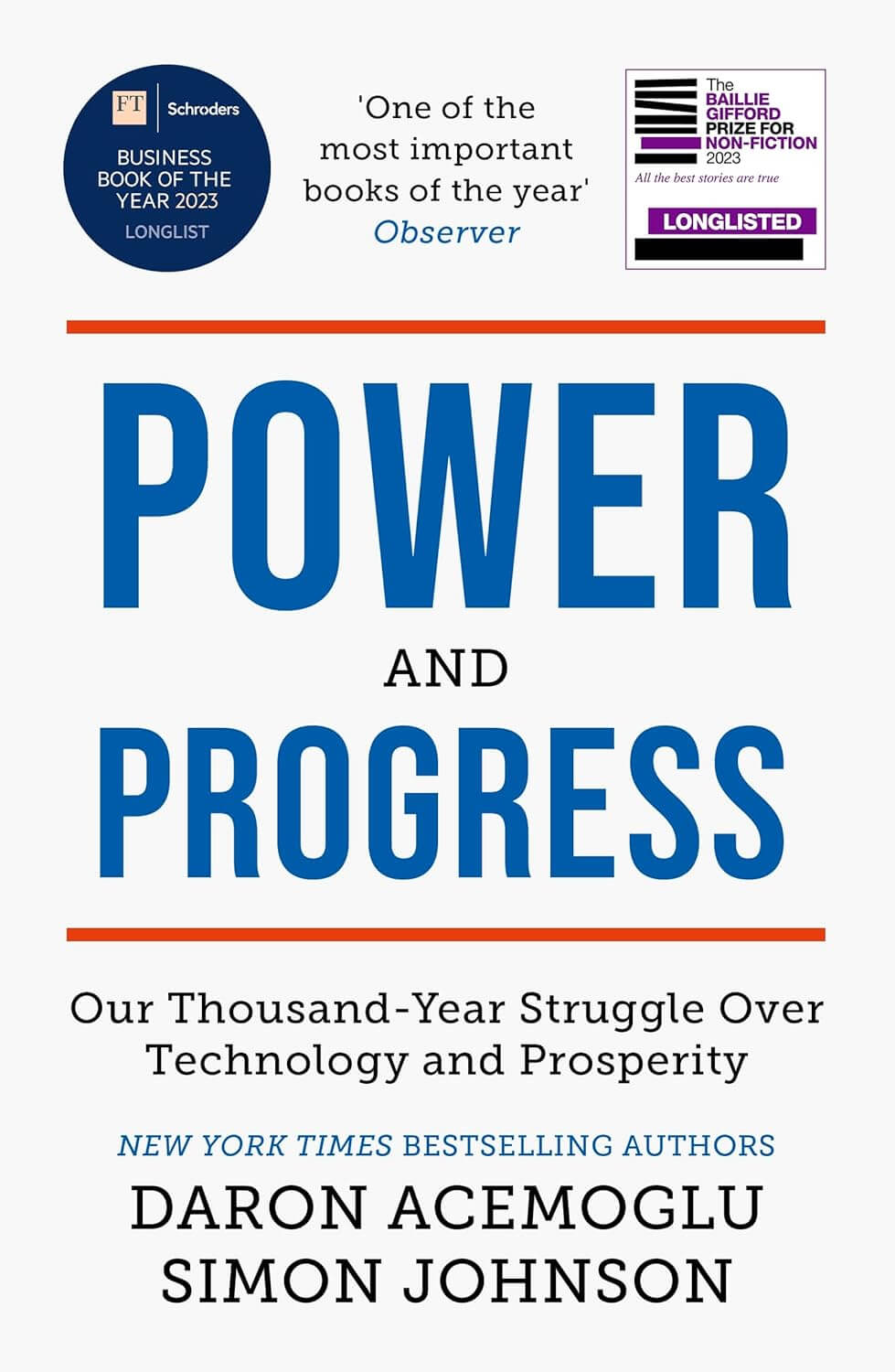
Power and Progress

Power and Progress

by Daron Acemoglu

In Power and Progress, economist Daron Acemoglu examines the relationship between technological change, power, and inequality. He argues that technology alone does not guarantee social progress; it depends on how it is directed and who benefits. Drawing on historical examples from the Industrial Revolution to the digital age, Acemoglu reveals patterns of exploitation and potential for reform. His prose is clear and persuasive, making complex economic ideas accessible. The book is a call to shape technology for the common good rather than elite interests. It is both a warning and a roadmap for the future.

3.93
Economics
Political Nonfiction
History
Analytical
Urgent
Persuasive