A showcase of truth, history, and human experience
The Baillie Gifford Prize celebrates the very best in non-fiction, honoring works that combine rigorous research with compelling storytelling. In 2022, the longlist and shortlist revealed a breathtaking range of topics, from the life of poets and thinkers to the struggles of modern refugees, from political histories to personal memoirs.
2022 selection underscores the diversity of the prize’s vision. The books take us across centuries and continents, illuminating everything from Renaissance England to contemporary migration crises, from the Versailles legacy of violence to the intricacies of language and culture. These are works that challenge our perspectives, deepen our empathy, and demand our attention.
Together, these books affirm the enduring value of non-fiction as a way of engaging with the world — as literature that is both beautiful and essential. They remind us that truth, in all its forms, can be as gripping and transformative as the most powerful fiction.
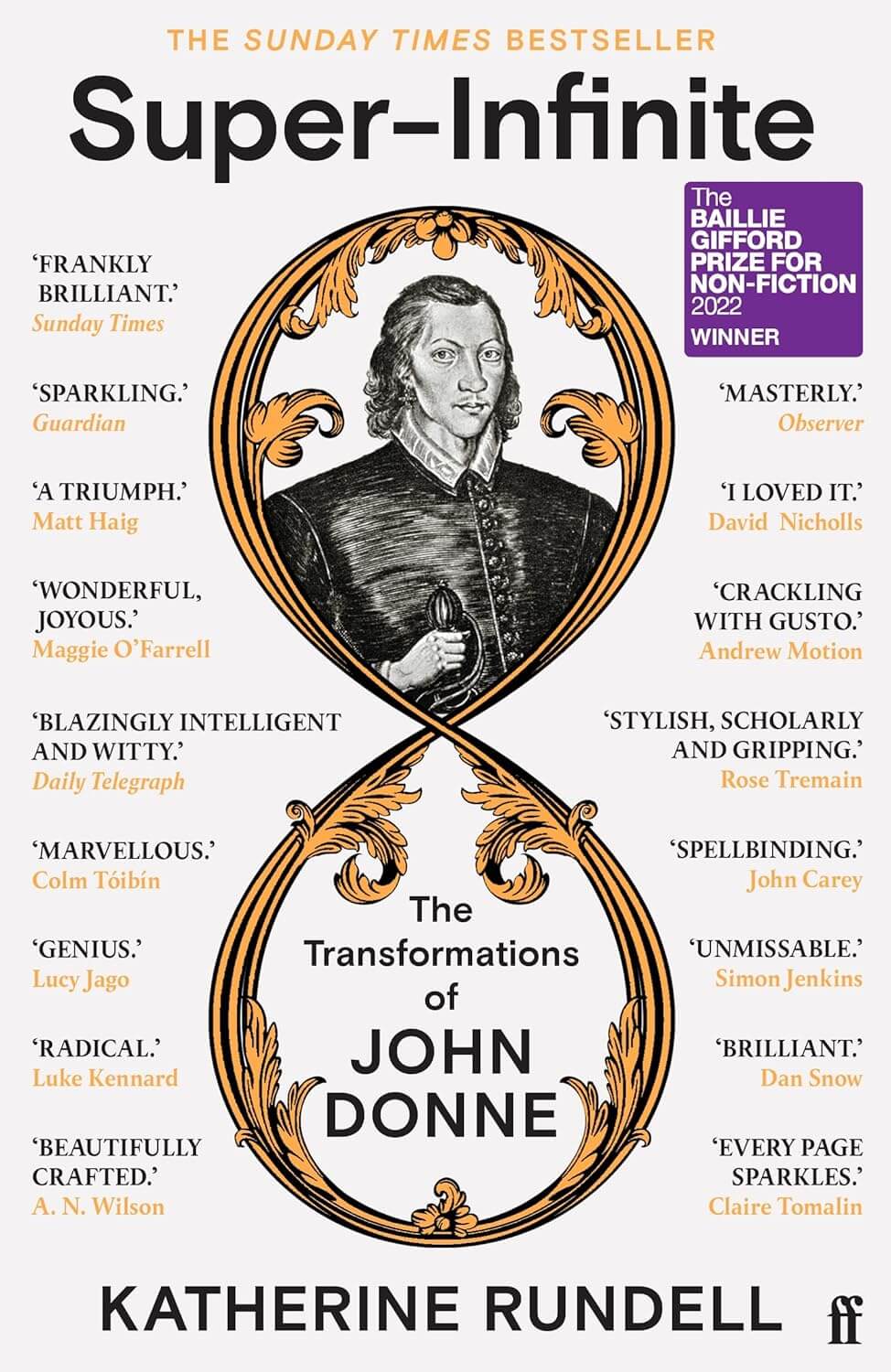
Katherine Rundell’s Super-Infinite brings the poet John Donne vividly to life, painting him as a man of contradictions: lover, priest, provocateur, and visionary. Rundell’s prose is electric, combining the elegance of literary criticism with the verve of storytelling. She avoids dry academic detail, instead infusing Donne’s poetry and biography with a sense of urgency and passion. The book captures Donne’s radical energy, his reinvention across the stages of his life, and his enduring relevance to modern readers. Rundell makes the case that Donne’s transformations mirror our own restless search for meaning. It’s a book that both enlightens and entertains.
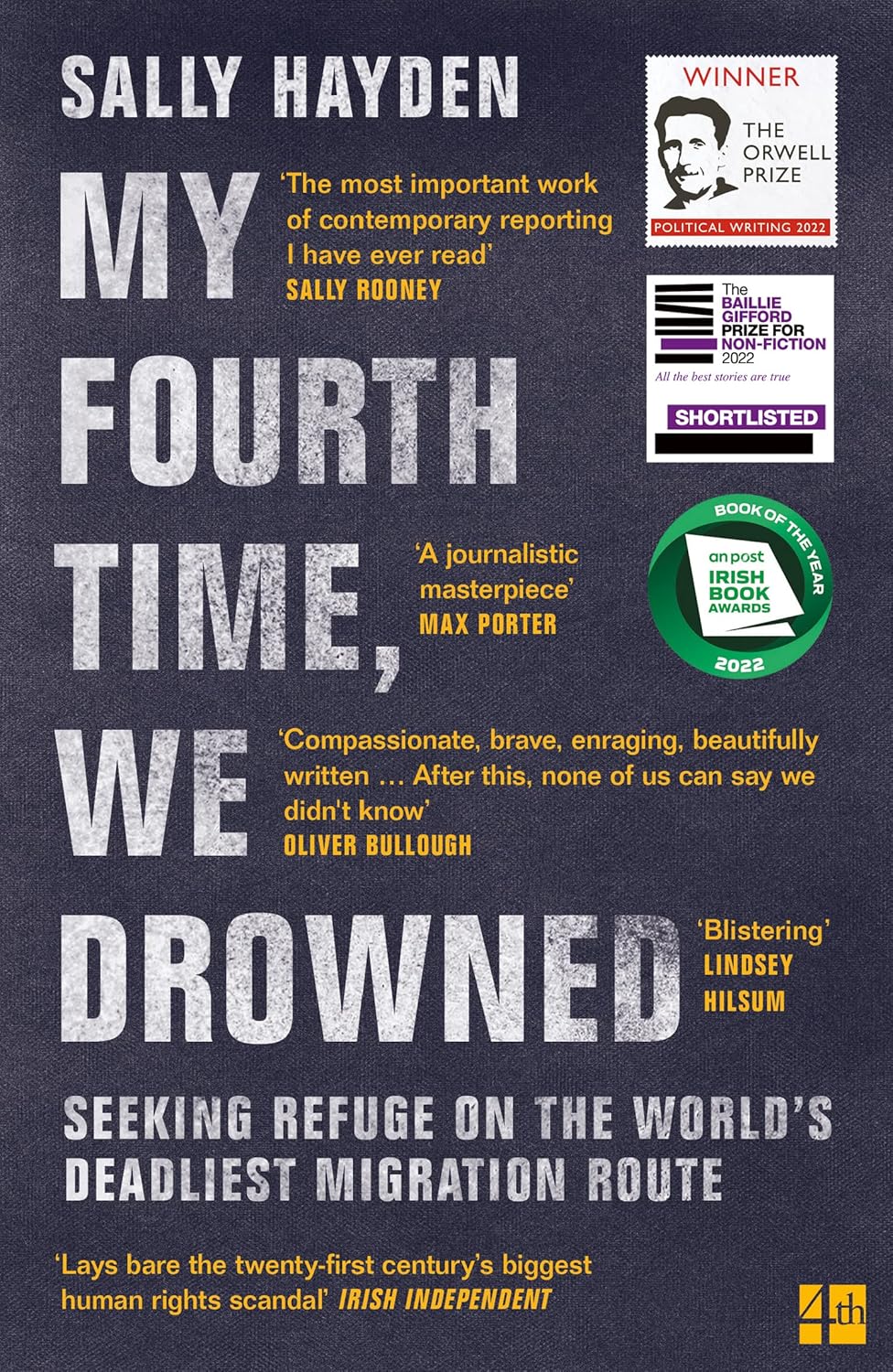
Sally Hayden’s My Fourth Time, We Drowned is a searing work of investigative journalism that documents the plight of refugees and migrants trapped in the Libyan detention system. Based on first-hand testimonies and relentless reporting, Hayden reveals the scale of suffering and the complicity of international powers. The book is both a cry of outrage and a testament to human resilience. Hayden refuses to look away, and she compels the reader not to either. It’s journalism at its most courageous, giving voice to those too often silenced by politics and indifference.
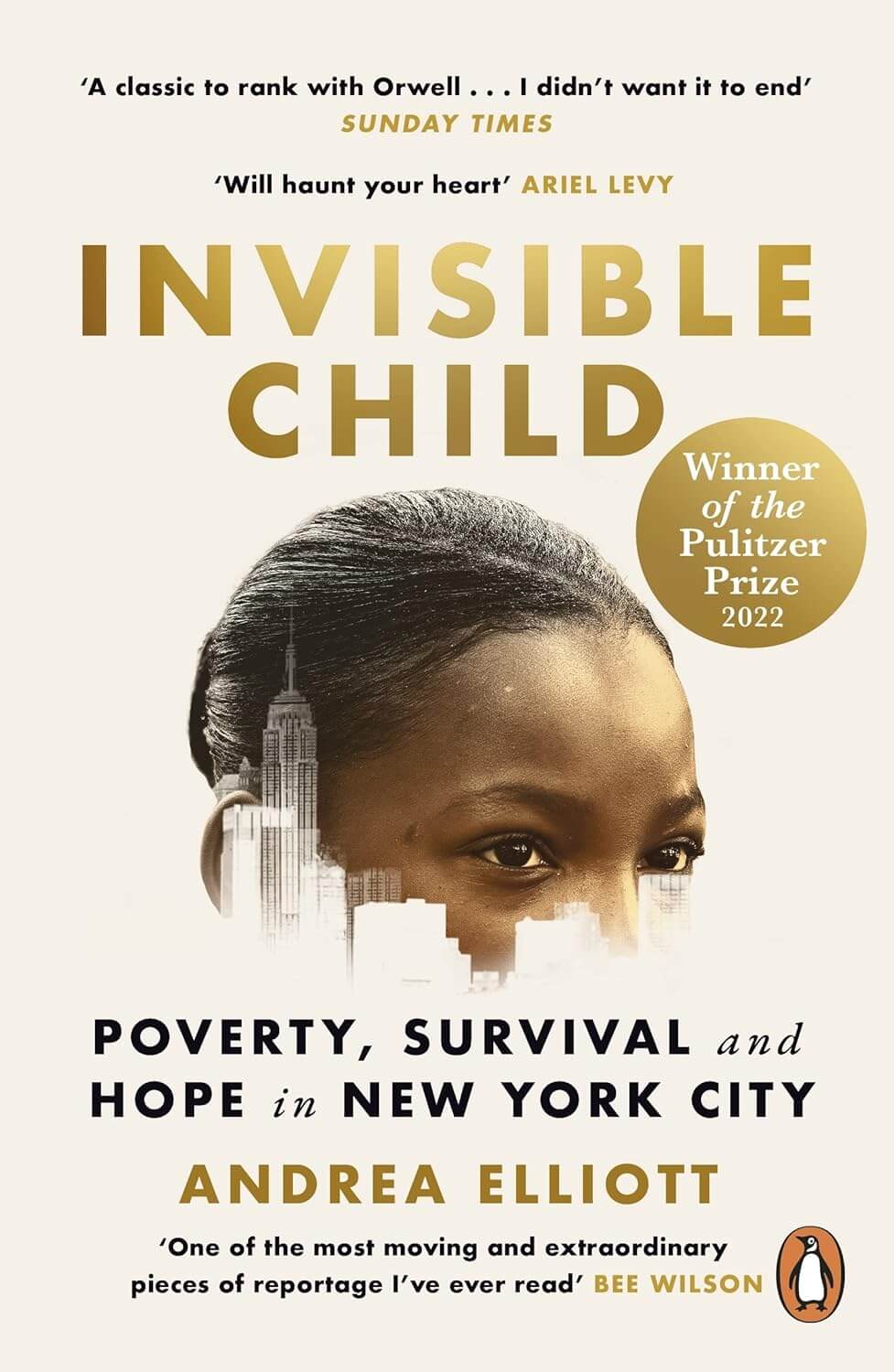
Andrea Elliott’s Invisible Child is a remarkable work of narrative journalism that chronicles the life of Dasani, a young girl growing up homeless in New York City. Elliott spent years following her subject, capturing both her struggles and her resilience. The book is as much about systemic poverty and inequality as it is about one child’s story. Elliott writes with empathy and clarity, giving Dasani and her family a voice that demands to be heard. It’s an intimate, powerful account that humanizes statistics and policies through lived experience.
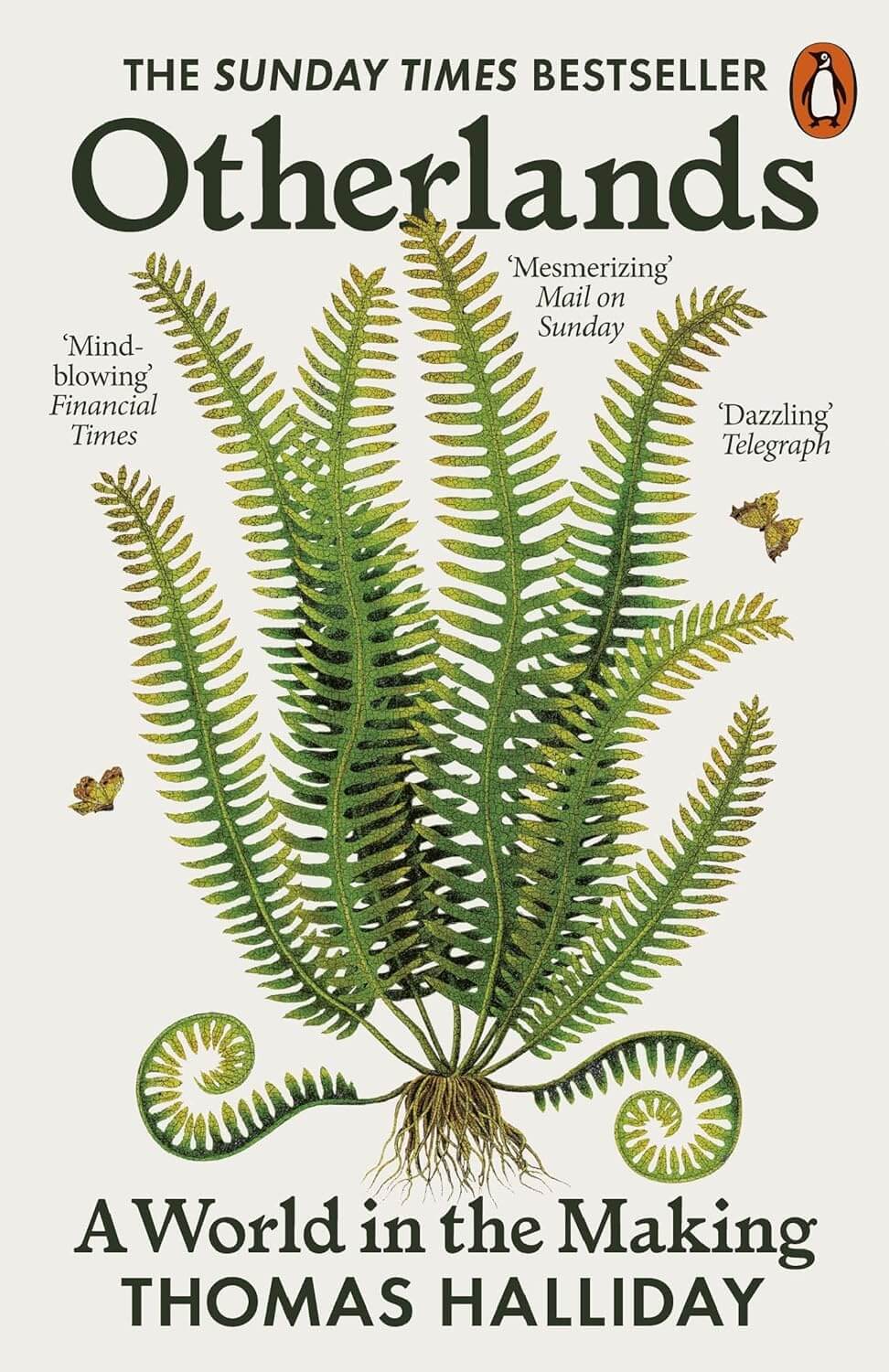
Thomas Halliday’s Otherlands takes readers on a grand journey through deep time, reconstructing vanished ecosystems across hundreds of millions of years. Each chapter immerses us in a specific epoch, from the earliest forests to the rise of mammals. Halliday writes with a scientist’s rigor and a storyteller’s imagination, bringing prehistoric worlds to life. The book is both humbling and awe-inspiring, reminding us of the vastness of Earth’s history and the fragility of the present. It’s a work that bridges science and wonder.
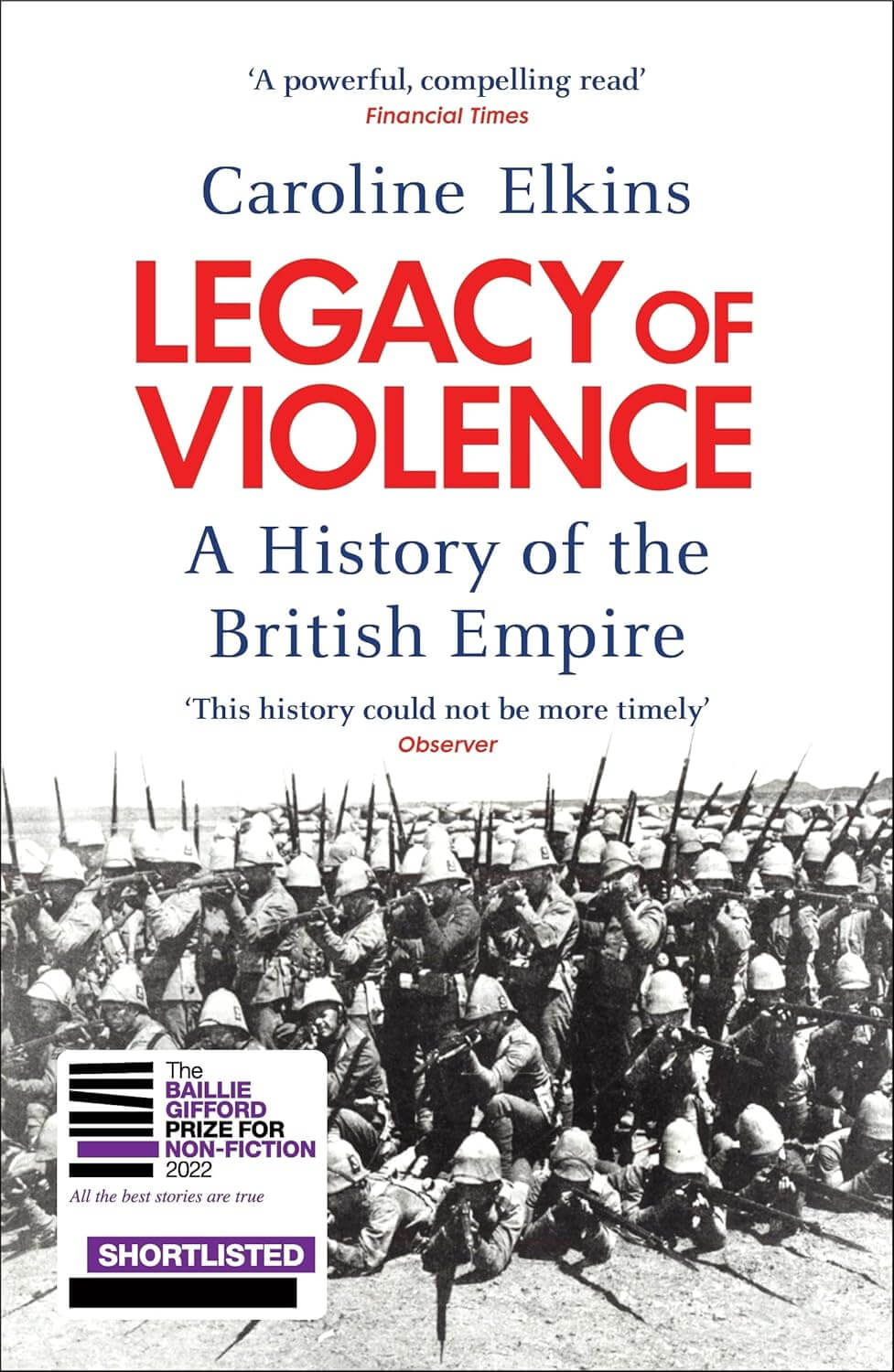
Caroline Elkins’s Legacy of Violence is a sweeping and uncompromising history of the British Empire’s darker side. Building on her groundbreaking earlier work, Elkins uncovers systemic violence, repression, and cover-ups that sustained imperial rule. Her research is meticulous, drawing on archives, testimonies, and newly uncovered evidence. Elkins dismantles the myth of a benign empire, exposing a legacy that continues to shape global politics and inequality. The narrative is forceful and compelling, never losing sight of the human cost of empire. This is history as indictment, a work that insists we confront uncomfortable truths.
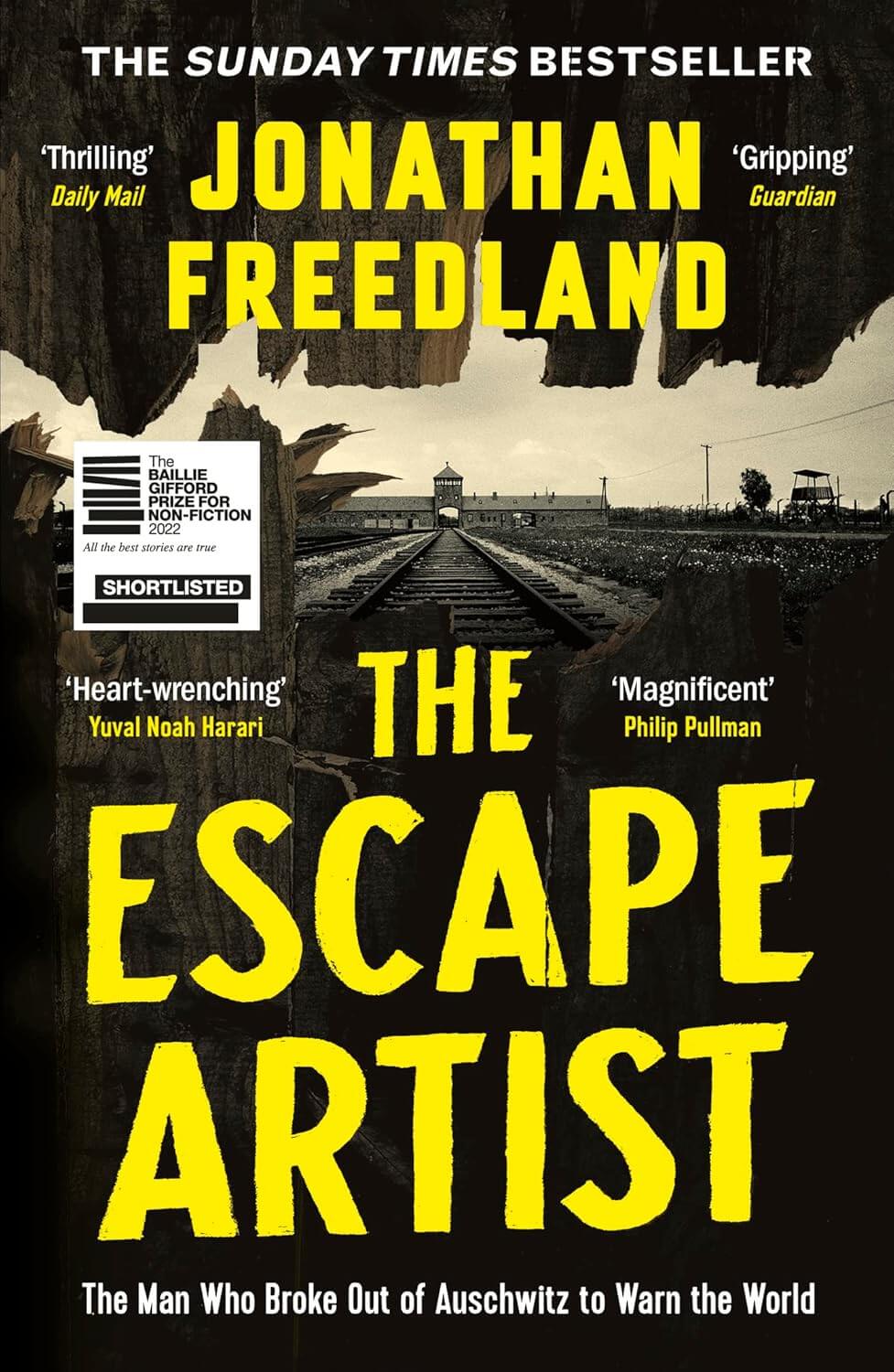
Jonathan Freedland’s The Escape Artist tells the extraordinary true story of Rudolf Vrba, one of the first men to escape from Auschwitz and expose the horrors of the Holocaust. Freedland combines narrative urgency with careful research, making Vrba’s journey both gripping and heartbreaking. The book highlights Vrba’s courage, his determination to warn the world, and the tragic failures of those who did not act on his information. Freedland writes with clarity and compassion, balancing suspense with moral gravity. It’s a tale of resilience and the vital importance of bearing witness.
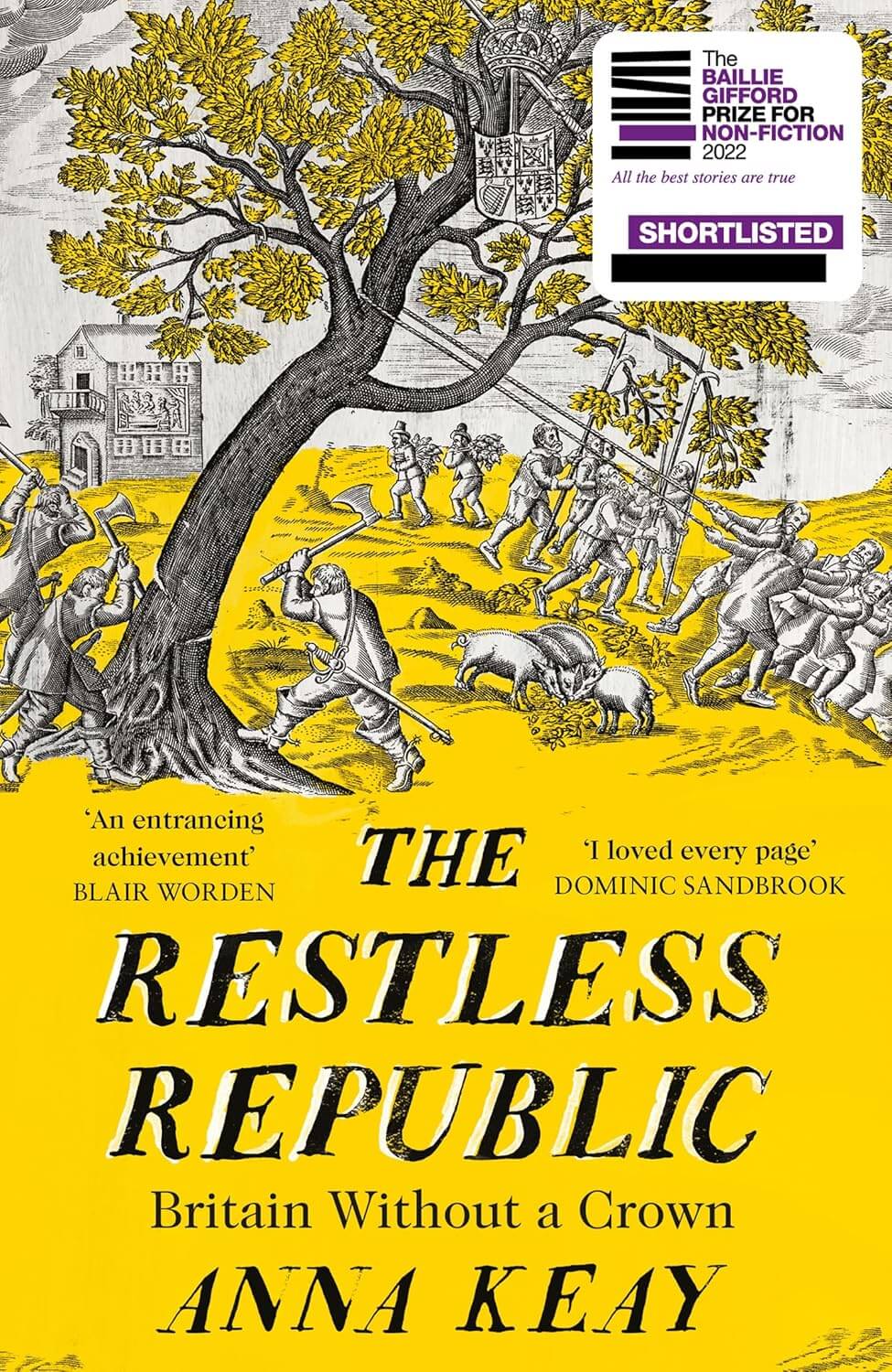
Anna Keay’s The Restless Republic explores one of the most turbulent periods in English history: the decade after the execution of Charles I. Keay breathes life into the interregnum by focusing on a diverse cast of characters, from politicians and soldiers to ordinary citizens. Her narrative is vivid and engaging, showing how people adapted to the uncertainty of a world without monarchy. Keay combines deep research with a gift for storytelling, making this complex period accessible and fascinating. It’s a portrait of instability that still resonates with our contemporary concerns about power and legitimacy.
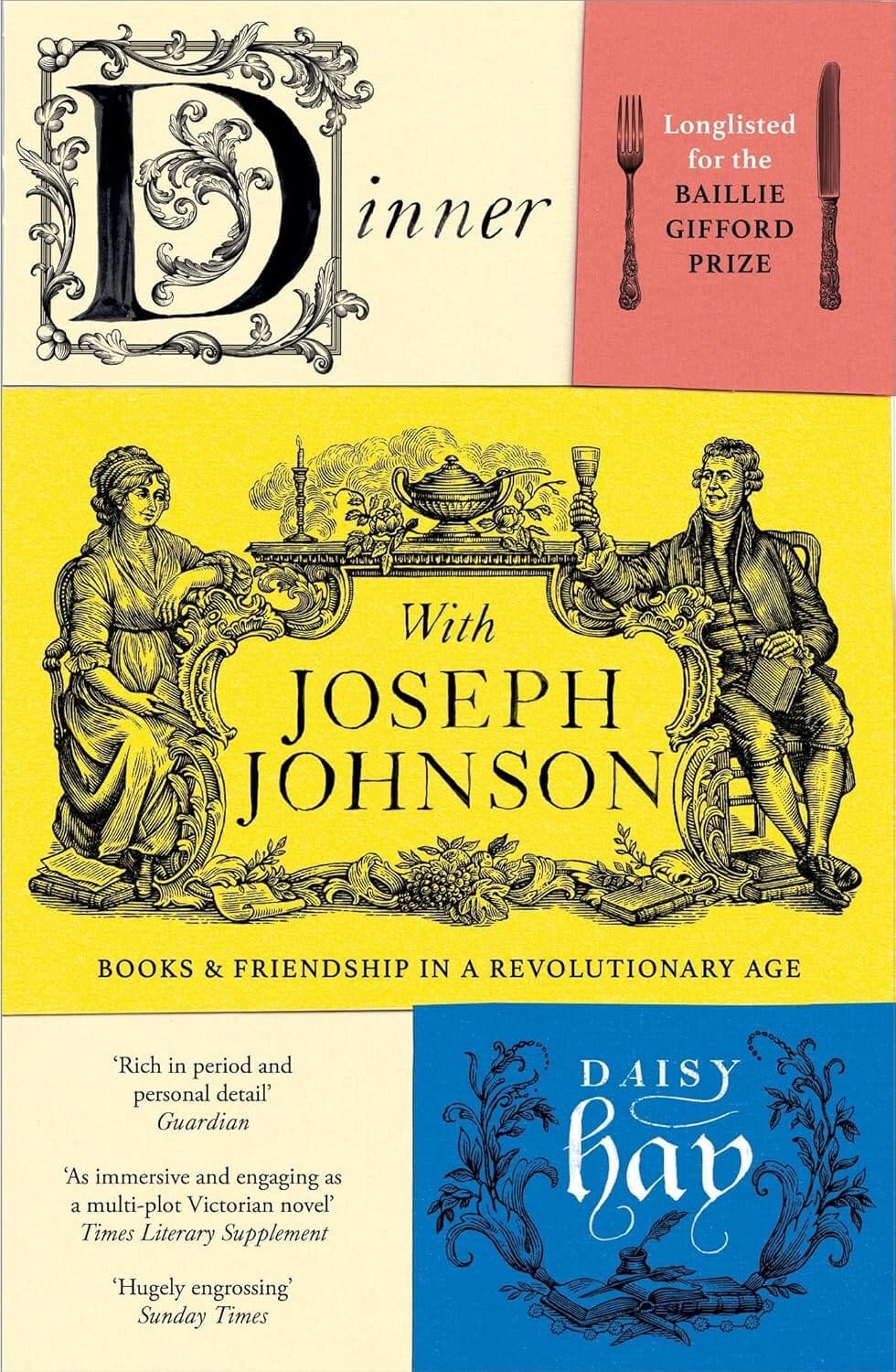
Daisy Hay’s Dinner with Joseph Johnson explores the world of the radical publisher who brought together some of the greatest minds of the late eighteenth century. Through Johnson’s dinners, Hay reconstructs a vibrant intellectual network that included William Blake, Mary Wollstonecraft, and Samuel Taylor Coleridge. The book is both biography and cultural history, offering insight into the intersection of literature, politics, and sociability. Hay writes with elegance, making the past feel lively and relevant. It’s a feast of ideas as well as personalities.
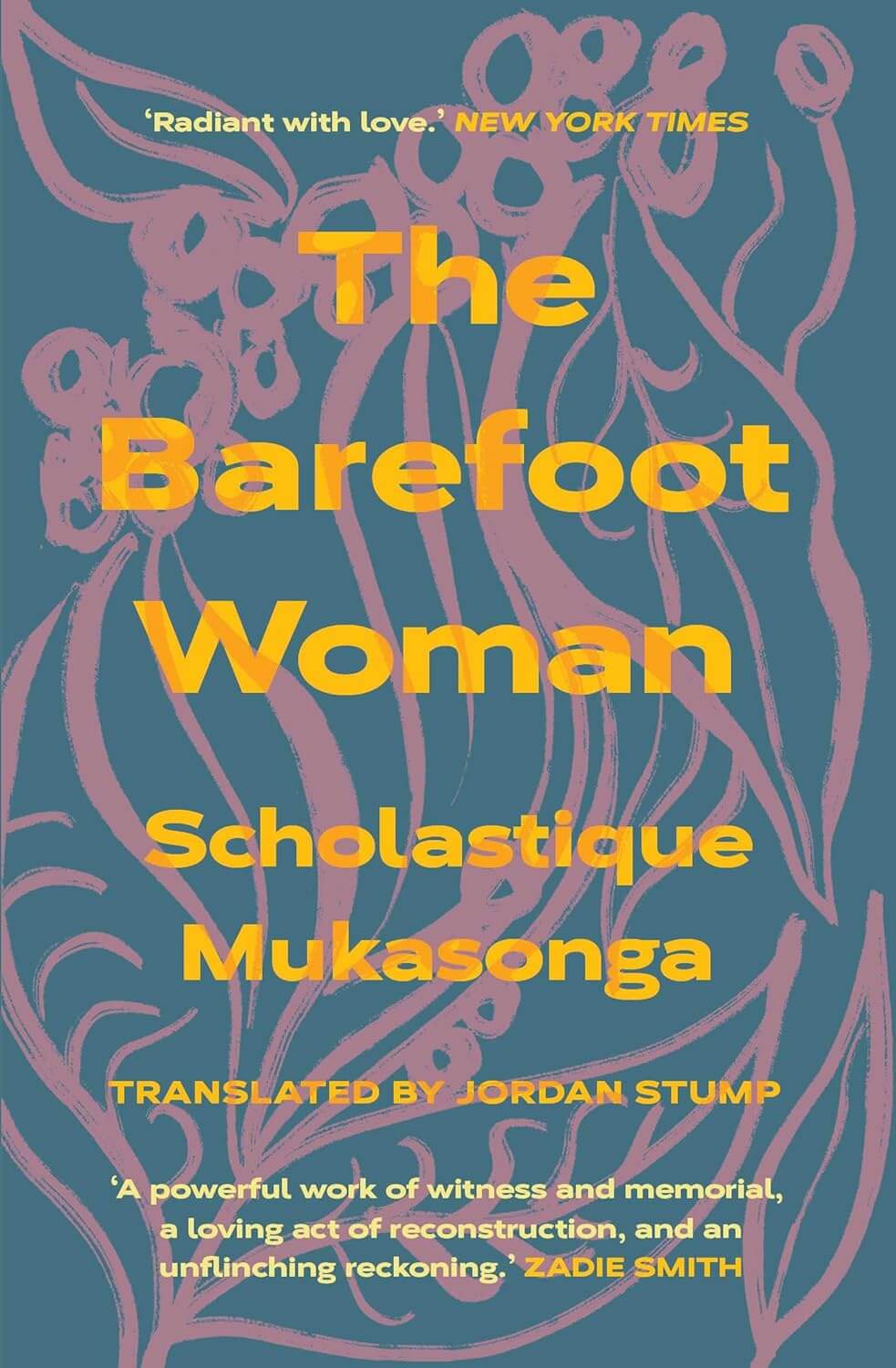
Scholastique Mukasonga’s The Barefoot Woman is a deeply personal memoir of her mother and a testament to survival in the face of the Rwandan genocide. Written with simplicity and grace, the book memorializes a life lost and a culture under siege. Mukasonga blends family memory with broader history, creating a work that is both intimate and universal. It is an elegy and an act of resistance, preserving what violence sought to erase. The prose is spare but emotionally resonant, making it a profound reading experience.
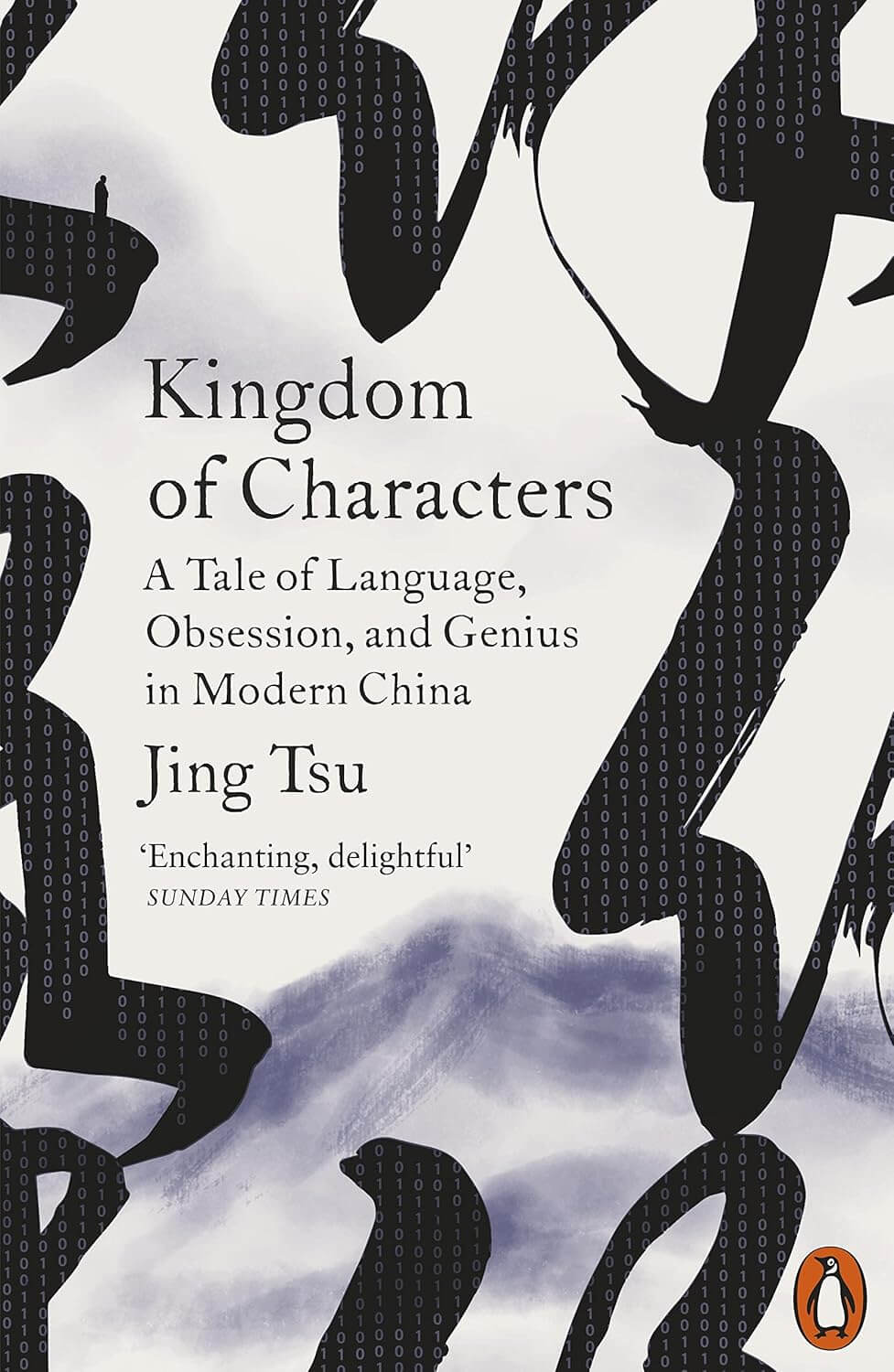
Jing Tsu’s Kingdom of Characters explores the modern history of the Chinese script and its role in shaping China’s place in the world. Tsu traces the efforts to adapt the complex writing system to typewriters, telegraphs, and computers, showing how language and technology intersect. The book is both a cultural history and a story of innovation, revealing how scripts and characters carry national identity. Tsu writes with clarity and erudition, making a specialized topic accessible and fascinating. It’s a reminder of how deeply language structures our reality.
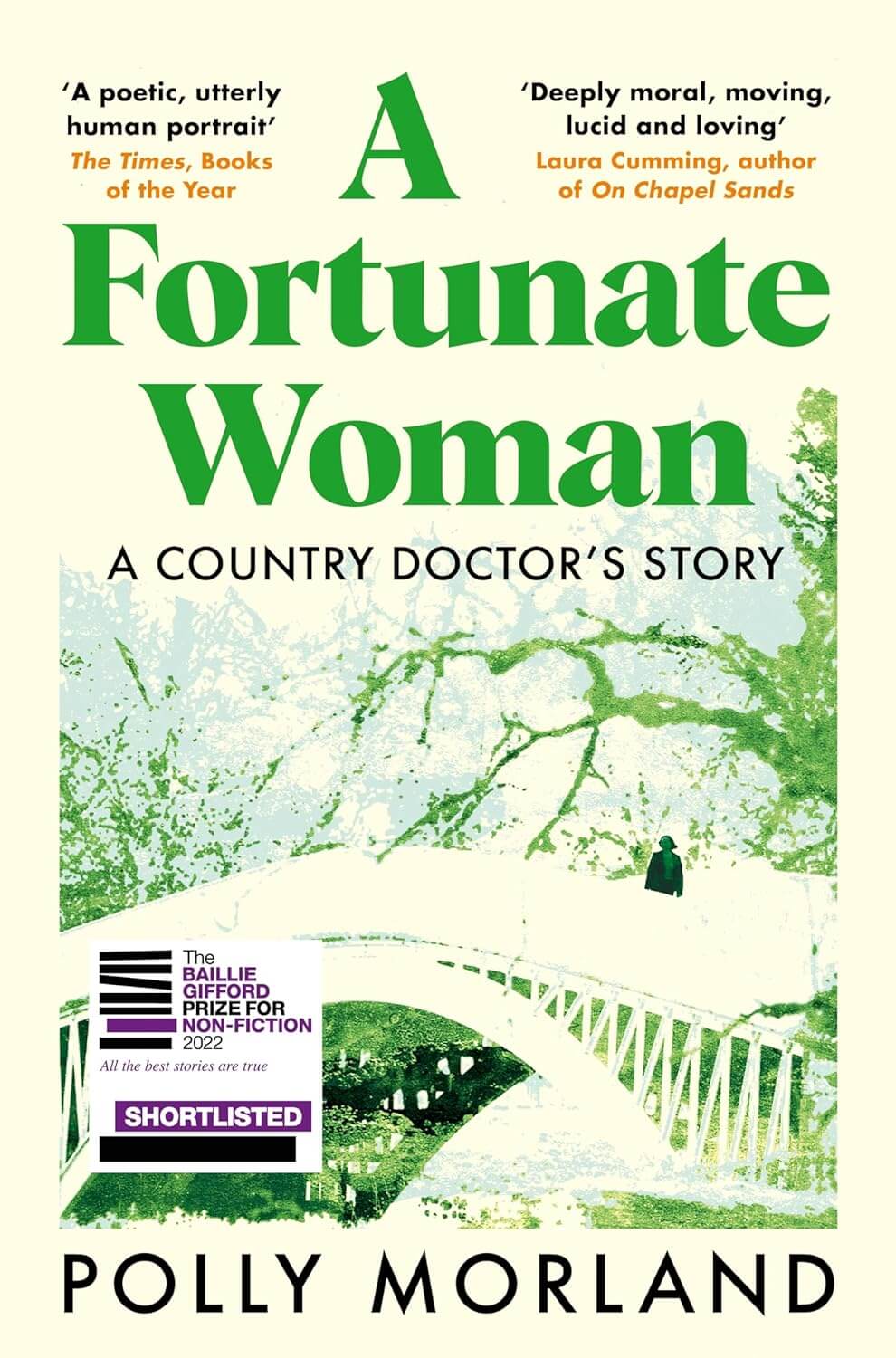
Polly Morland’s A Fortunate Woman is an homage to rural medicine and the intimacy of doctor-patient relationships. Inspired by John Berger’s A Fortunate Man, Morland follows a present-day country doctor, capturing the challenges and rewards of modern general practice. The book is deeply human, attentive to small details and the dignity of everyday care. Morland’s writing is empathetic and lyrical, offering a counterpoint to narratives of burnout and bureaucracy. It’s both a celebration and an honest reflection on the vital role of medicine in community life.
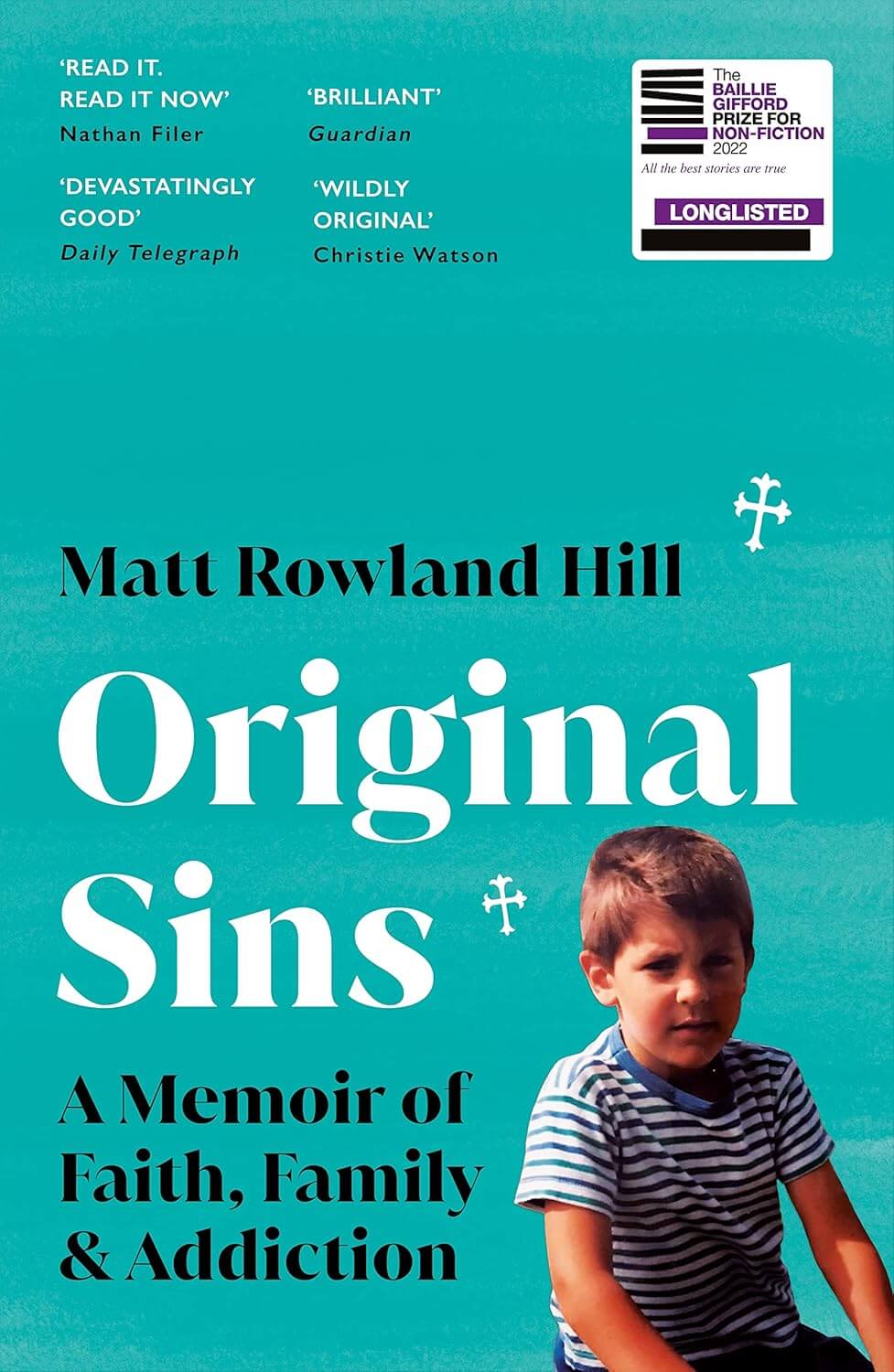
Matt Rowland Hill’s Original Sins is a memoir of addiction, faith, and recovery, told with brutal honesty and dark humor. Hill recounts his strict evangelical upbringing, his descent into heroin addiction, and his long road to recovery. The book is unflinching in its detail but also deeply humane, offering insight into the complex intersections of belief and self-destruction. Hill’s voice is sharp, self-aware, and often unexpectedly funny. It’s a story of survival that resists cliché, offering instead a raw and original account of life on the edge.