2021 The Baillie Gifford Prize for Non-Fiction

Thirteen bold works revealing hidden histories, moral reckonings, and the forces shaping our world

The 2021 Baillie Gifford Prize longlist brings together a remarkable range of nonfiction that interrogates power, memory, identity, and the unseen structures shaping modern life. From sweeping historical narratives to intimate memoirs, from investigative reporting to scientific inquiry, these books illuminate the world with clarity and emotional resonance. They challenge familiar stories, amplify unheard voices, and draw readers into the complexities of human experience.

Many of the shortlisted works explore the long shadows cast by empire, inequality, and generational trauma. Others focus on personal transformation, the ethics of new technologies, or the landscapes—human and ecological—left in the wake of abandonment or upheaval. Together, they reveal why nonfiction remains one of the most vital genres for understanding contemporary society: it exposes what is hidden, connects the personal to the political, and compels readers to reconsider their assumptions.

What unites these books is their commitment to truth-seeking and their willingness to delve deeply into contested terrain. They reveal the intellectual and emotional labour required to make sense of the present moment, offering readers powerful narratives that inform, unsettle, and inspire. This longlist stands as a testament to the diversity and ambition of nonfiction writing today.

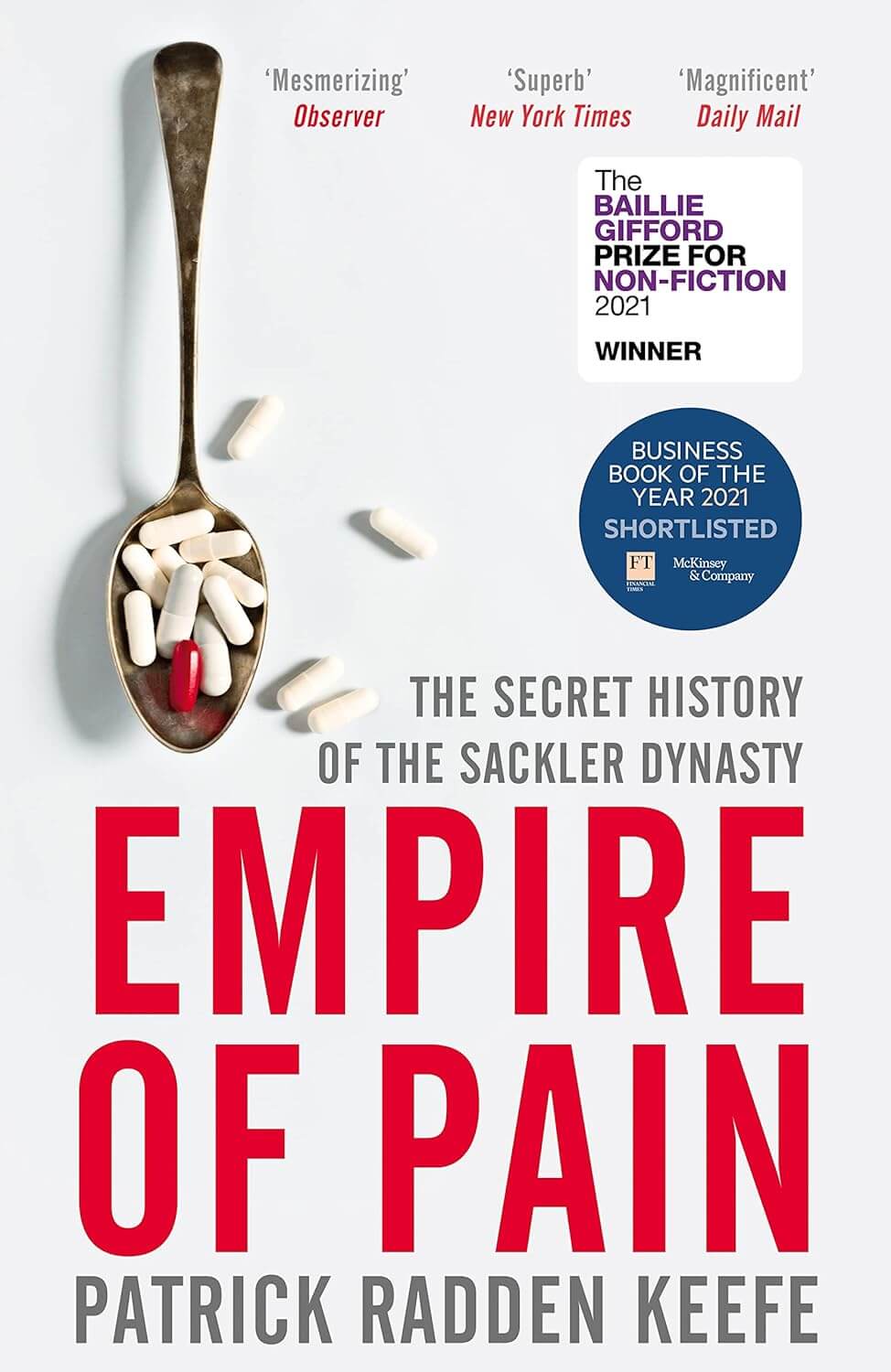
Empire of Pain: The Secret History of the Sackler Dynasty
Winner

Empire of Pain: The Secret History of the Sackler Dynasty

by Patrick Radden Keefe

Patrick Radden Keefe’s Empire of Pain is a meticulously researched exposé of the Sackler family and their central role in the opioid crisis. Keefe traces decades of calculated corporate strategy, political influence, and public manipulation, revealing how wealth and power insulated the Sacklers from scrutiny. The narrative moves with the momentum of a thriller, yet its emotional depth lies in the human suffering left in the family's wake. Keefe’s investigative precision is matched by his moral clarity, presenting a devastating portrait of greed dressed as philanthropy. It is a defining work of contemporary reporting and a blistering indictment of unregulated capitalism.

4.54
Investigative Journalism
History
Politics
Intense
Revelatory
Angry
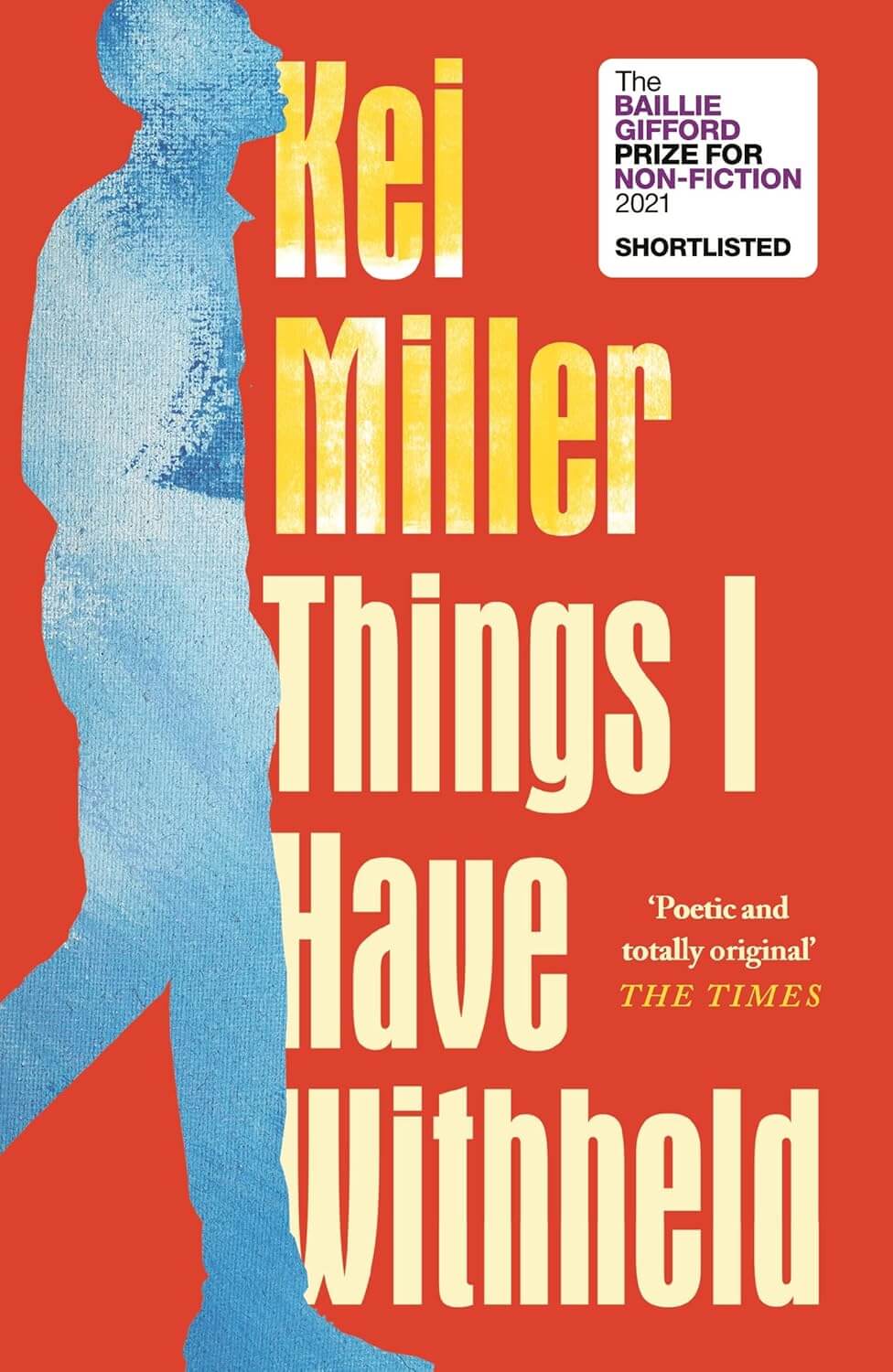
Things I Have Withheld
Shortlisted

Things I Have Withheld

by Kei Miller

Kei Miller’s essay collection is a probing, lyrical exploration of silence, power, race, and the politics of being seen. Through personal reflection, cultural critique, and literary inquiry, Miller investigates what remains unsaid—especially for Black, queer, and migrant identities navigating systems of control. His prose is poetic yet incisive, shifting fluidly between memoir and meditation. The essays ask pressing questions about vulnerability, self-protection, and the narratives society permits. It is a profound, emotionally resonant work that challenges readers to reconsider the spaces where silence becomes both shield and imprisonment.

4.49
Essays
Memoir
Cultural Studies
Lyrical
Introspective
Piercing
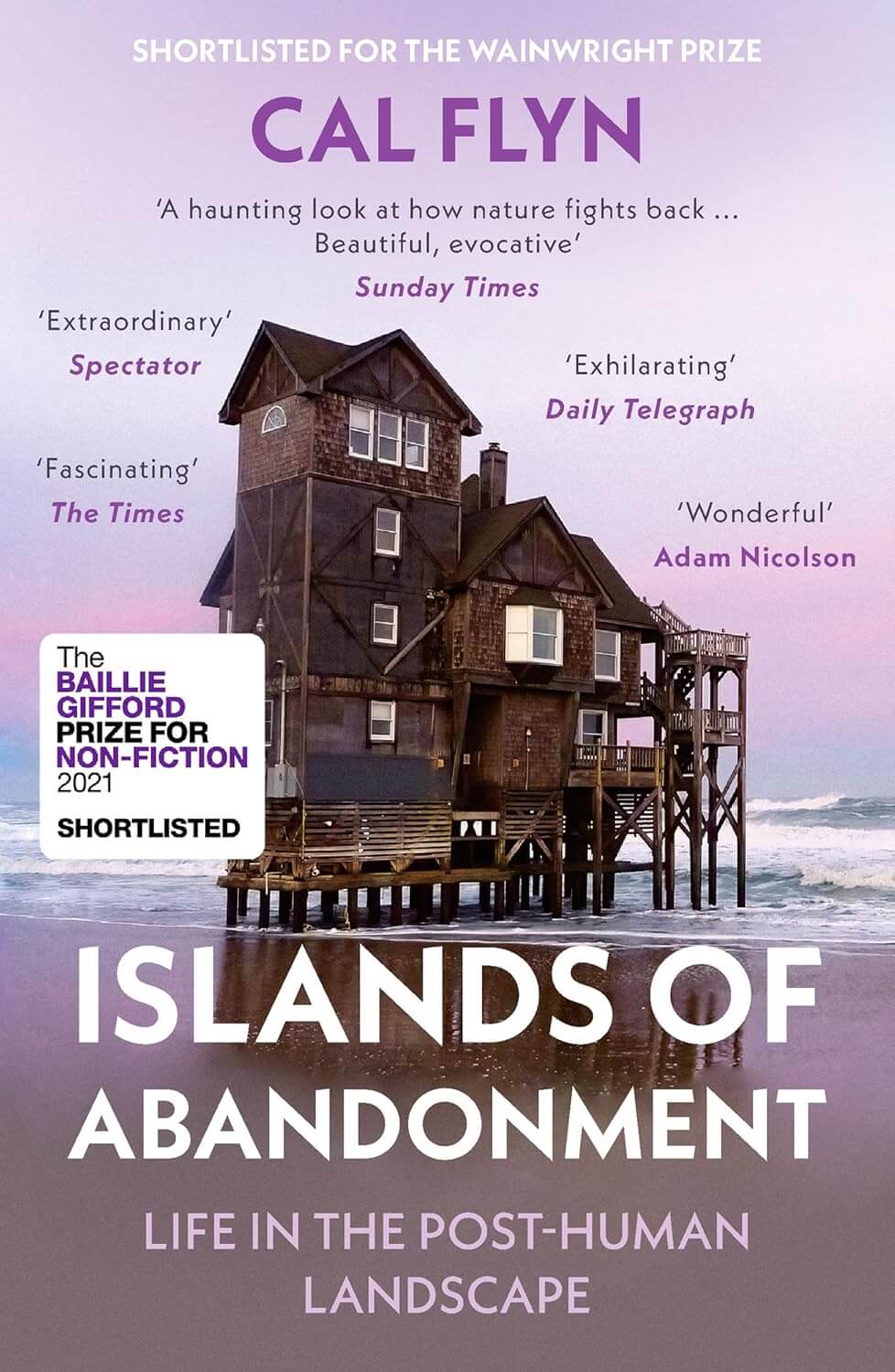
Islands of Abandonment
Shortlisted

Islands of Abandonment

by Cal Flyn

Cal Flyn’s Islands of Abandonment is a haunting and unexpectedly hopeful journey through places scarred by disaster, war, or abandonment. Flyn explores exclusion zones, derelict industrial sites, and forgotten landscapes to examine how nature regenerates in the absence of human intervention. Her prose is lyrical and deeply observational, blending ecological insight with philosophical reflection. Flyn refrains from easy optimism, instead presenting a nuanced portrait of resilience and decay. The book invites readers to reconsider what constitutes ruin—and what life emerges from it. It is a beautiful, contemplative work that lingers long after reading.

4.19
Nature Writing
Environmental Studies
Lyrical
Haunting
Reflective
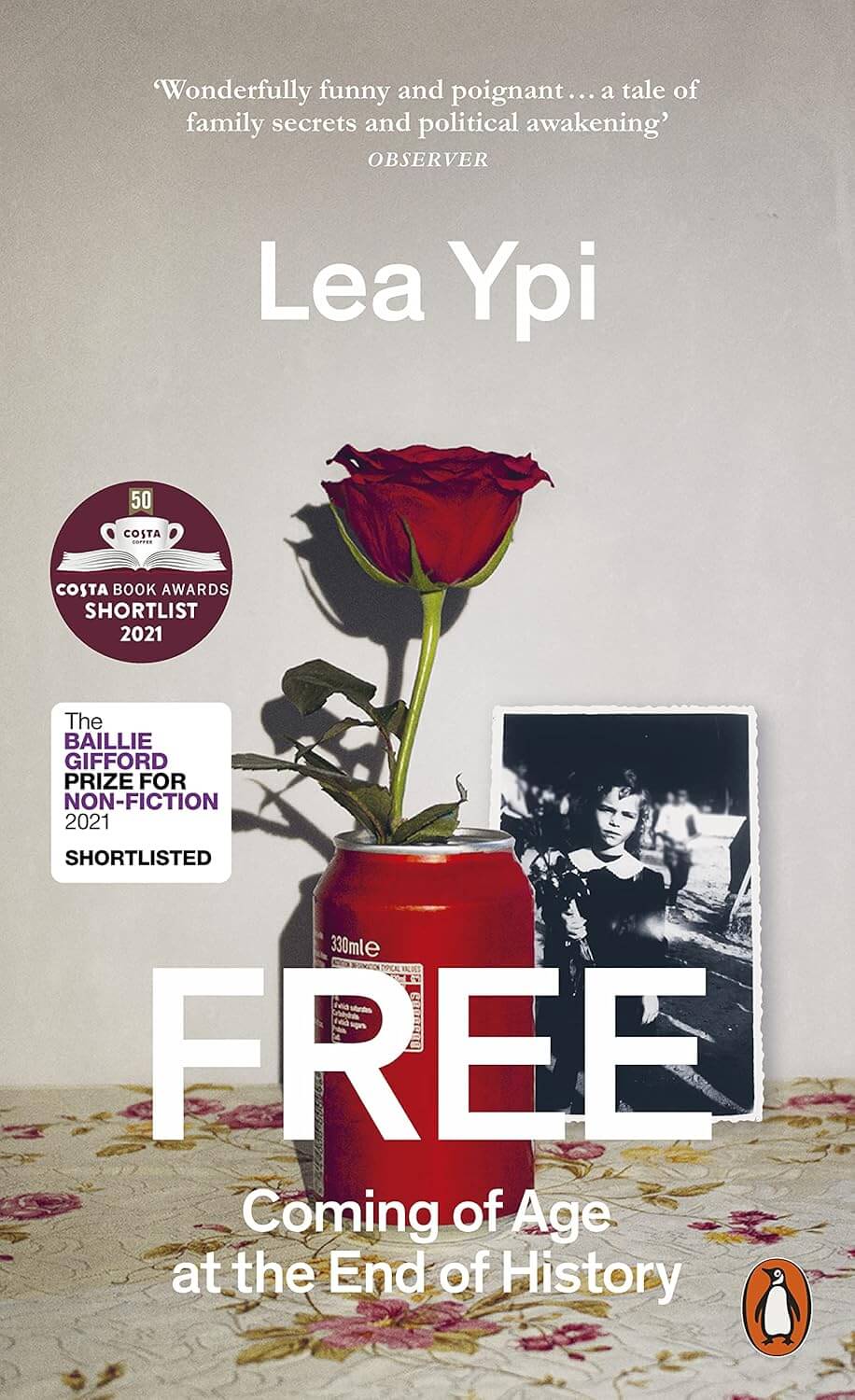
Free
Shortlisted

Free

by Lea Ypi

Lea Ypi’s Free is an extraordinary memoir about growing up in the final years of communist Albania and the turbulent transition that followed. Told through a child’s evolving understanding, the book blends humour, political history, and philosophical reflection. Ypi’s writing is vivid and humane, capturing both the absurdities and tragedies of ideological shifts. As she unravels family secrets and national myths, Ypi confronts the question of what freedom truly means. It is an elegant, moving, and intellectually rich narrative about identity, belief, and political awakening.

4.31
Memoir
Political History
Reflective
Warm
Insightful
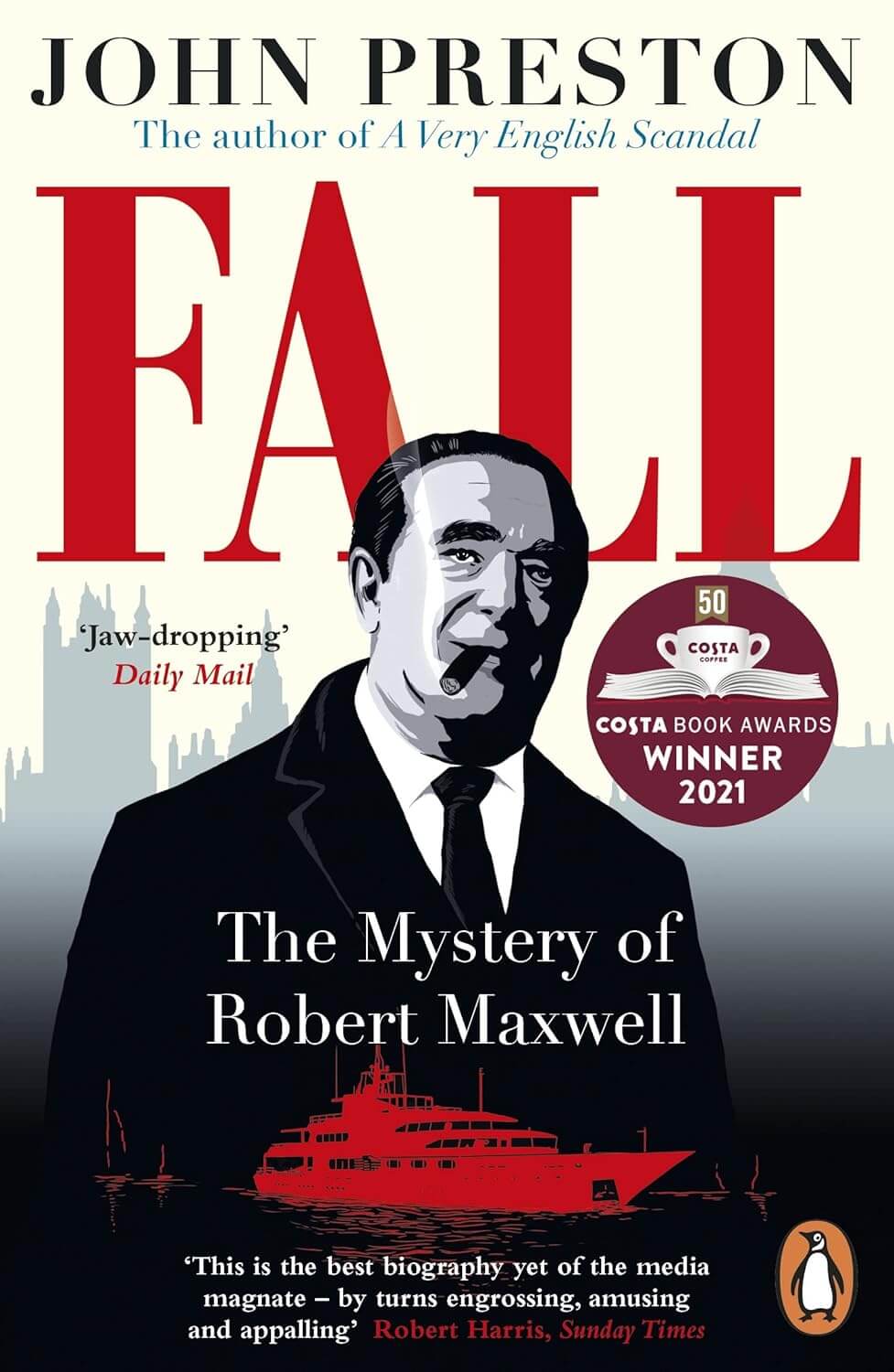
Fall
Shortlisted

Fall

by John Preston

In Fall, John Preston reconstructs the life and scandalous downfall of Robert Maxwell, the powerful and controversial media mogul. Preston writes with the pacing of a novel, blending intrigue, financial manipulation, and political ambition into a riveting narrative. His portrayal of Maxwell is both critical and deeply human, illuminating the hubris, insecurity, and recklessness that defined him. The book also charts the broader consequences of Maxwell’s empire, revealing how his excesses rippled across media and politics. Compelling, stylish, and meticulously researched, Fall offers a portrait of corruption with Shakespearean undertones.

4.22
Biography
Investigative Journalism
Tense
Compelling
Revelatory
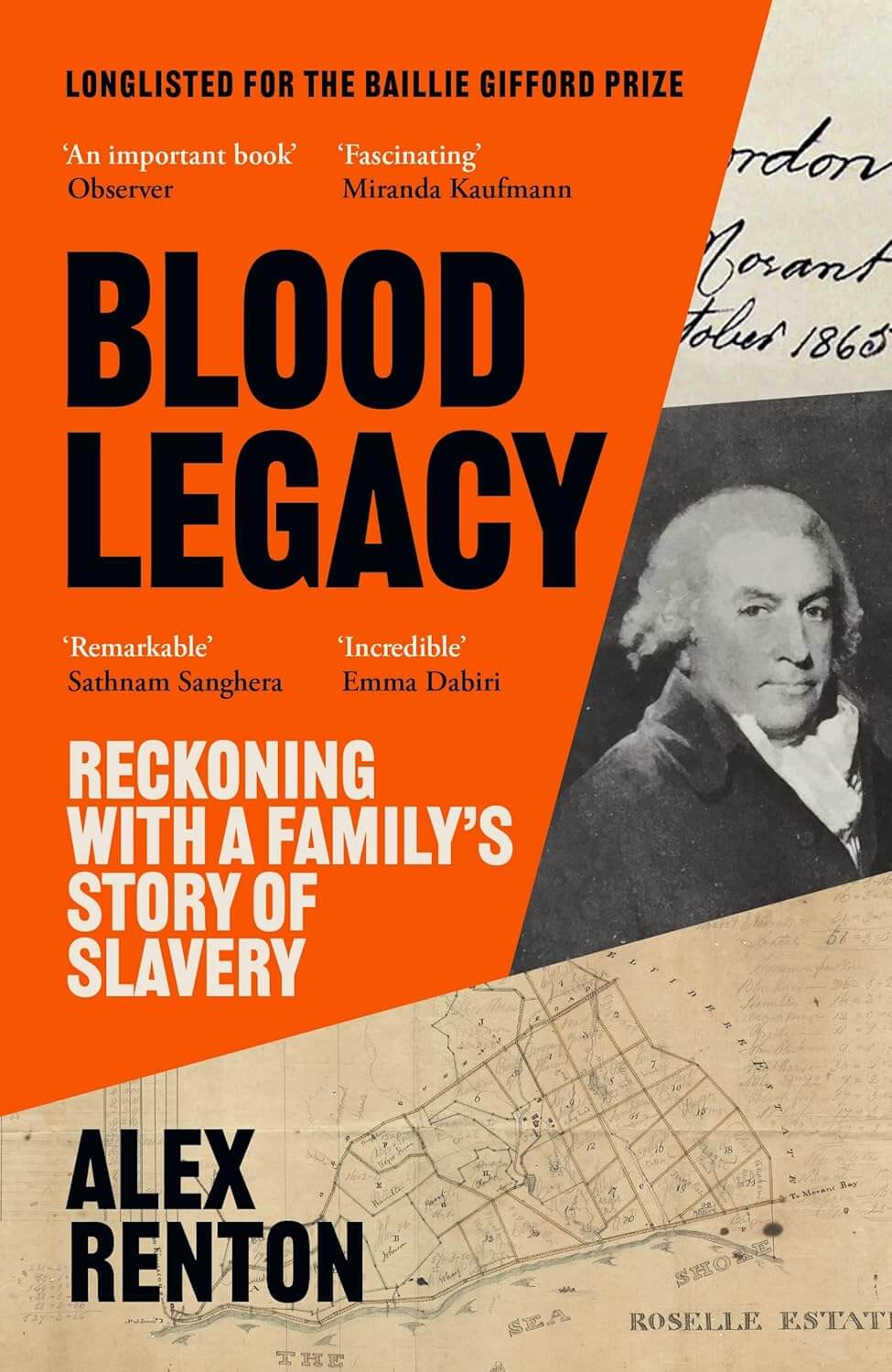
Blood Legacy: Reckoning With a Family’s Story of Slavery

Blood Legacy: Reckoning With a Family’s Story of Slavery

by Alex Renton

Alex Renton’s Blood Legacy confronts the author’s own family history of slave ownership, revealing the generational wealth and trauma that continue to shape British society. Renton blends archival research with personal narrative to examine how colonial violence reverberates across time. His writing is forthright and morally rigorous, refusing to shy away from uncomfortable truths. The book challenges readers to reconsider inherited privilege and national memory. It is an important, unsettling work that underscores the enduring consequences of empire.

4.30
History
Memoir
Somber
Courageous
Reflective
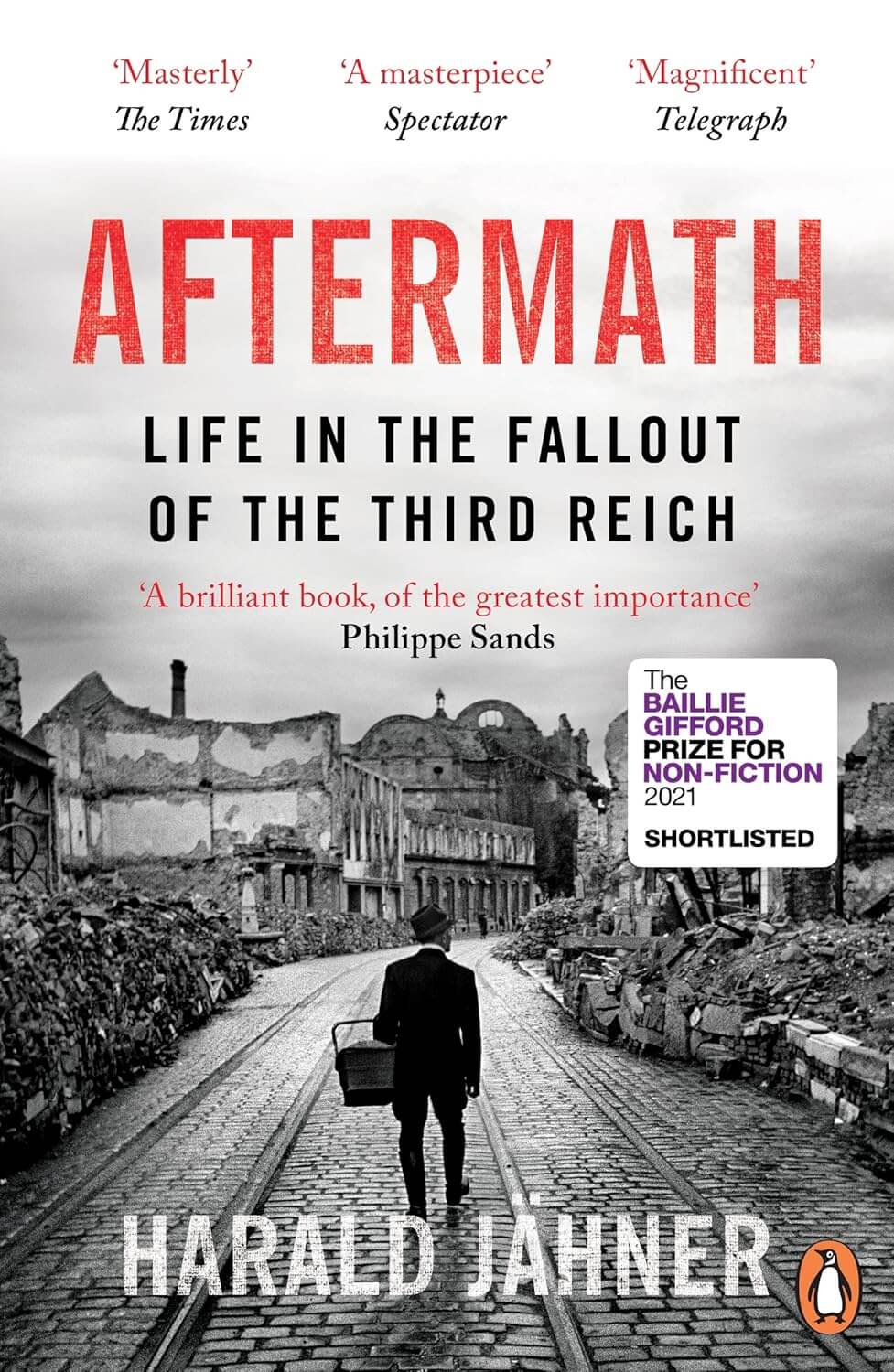
Aftermath: Life in the Fallout of the Third Reich, 1945–1955
Shortlisted

Aftermath: Life in the Fallout of the Third Reich, 1945–1955

by Harald Jähner

Harald Jähner’s Aftermath examines Germany’s chaotic years following World War II, revealing how a devastated nation reshaped itself socially, politically, and psychologically. Jähner brings fresh insight to a period often overshadowed by the war itself, documenting everyday life amid destruction, displacement, and moral reckoning. His narrative is balanced and humane, attentive to both trauma and reinvention. Jähner weaves together individual experiences with broader societal shifts, demonstrating how survival demanded both denial and reinvention. It is an illuminating, deeply researched portrait of a nation rebuilding its identity.

4.00
History
Cultural Studies
Somber
Illuminating
Thoughtful
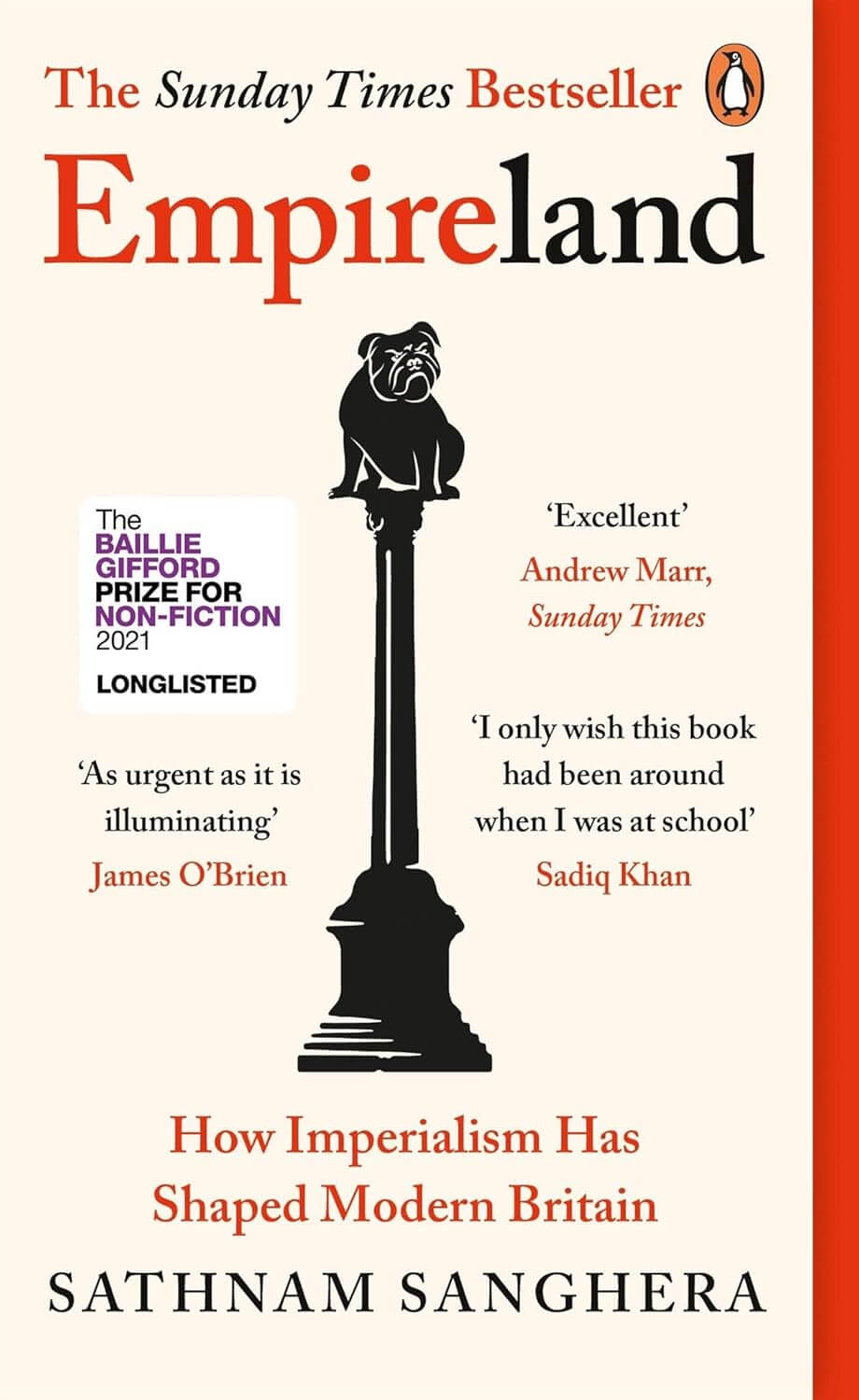
Empireland: How Imperialism has Shaped Modern Britain

Empireland: How Imperialism has Shaped Modern Britain

by Sathnam Sanghera

Sathnam Sanghera’s Empireland explores how British imperial history continues to shape modern Britain—culturally, politically, and psychologically. Sanghera writes with clarity, wit, and personal vulnerability, making complex histories accessible without diluting their gravity. He examines education, migration, class, racism, and national identity with balanced insight, exposing the gaps between popular narratives and historical reality. The result is a compelling call for honest engagement with the past. Sanghera’s blend of memoir and cultural analysis is illuminating and deeply relevant.

4.08
History
Cultural Studies
Insightful
Wry
Revealing
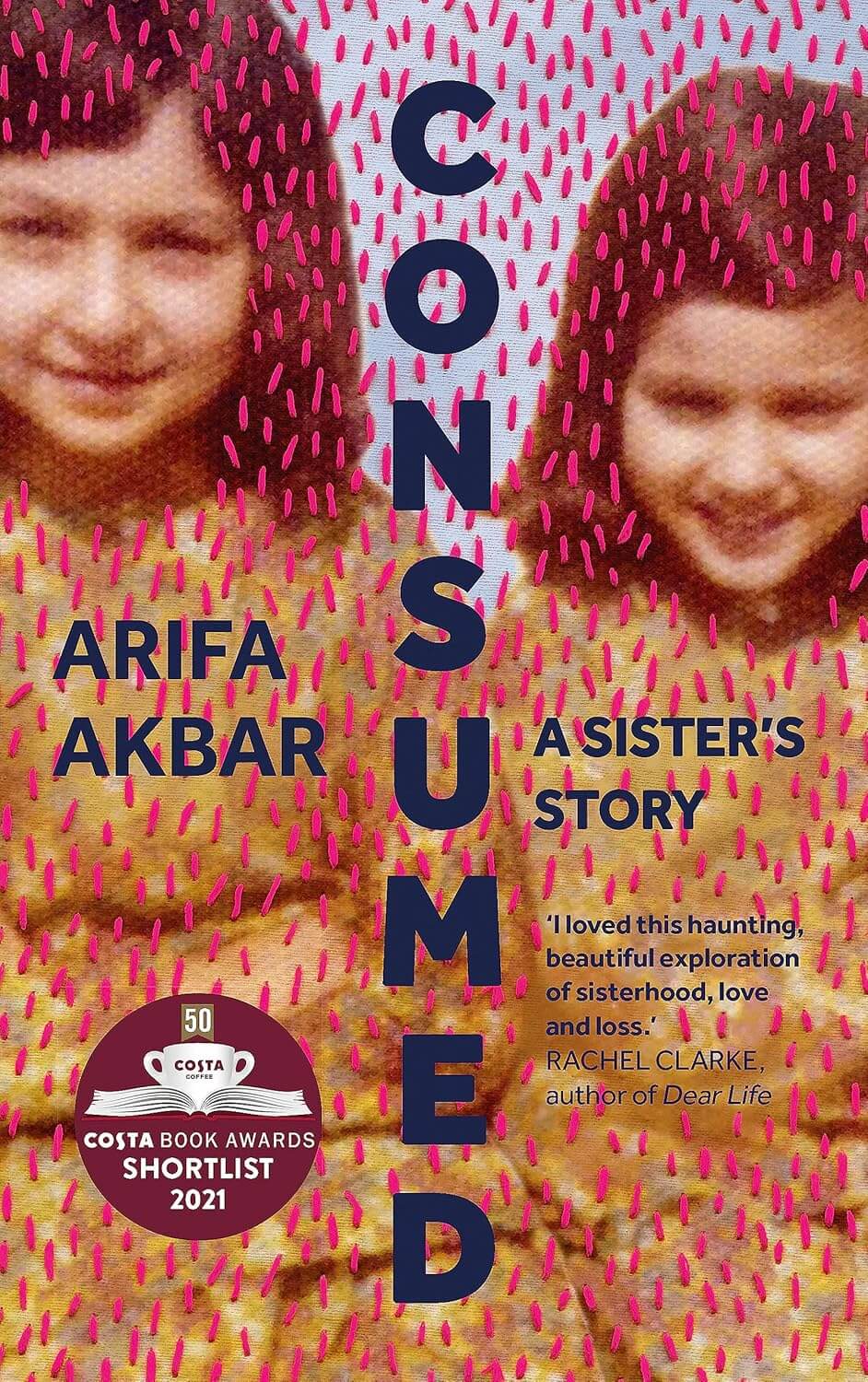
Consumed

Consumed

by Arifa Akbar

Arifa Akbar’s Consumed intertwines personal loss with cultural and medical investigation as she seeks to understand her sister’s sudden death from tuberculosis. The memoir traces Akbar’s emotional journey through grief while exploring the history and stigma of the disease. Her writing is intimate and probing, revealing the intersections of family trauma, illness, and migration. Akbar examines how silence shapes familial relationships and how grief drives the search for meaning. It is a tender, courageous work that navigates sorrow with clarity and resonance.

3.70
Memoir
Medical History
Emotional
Introspective
Tender
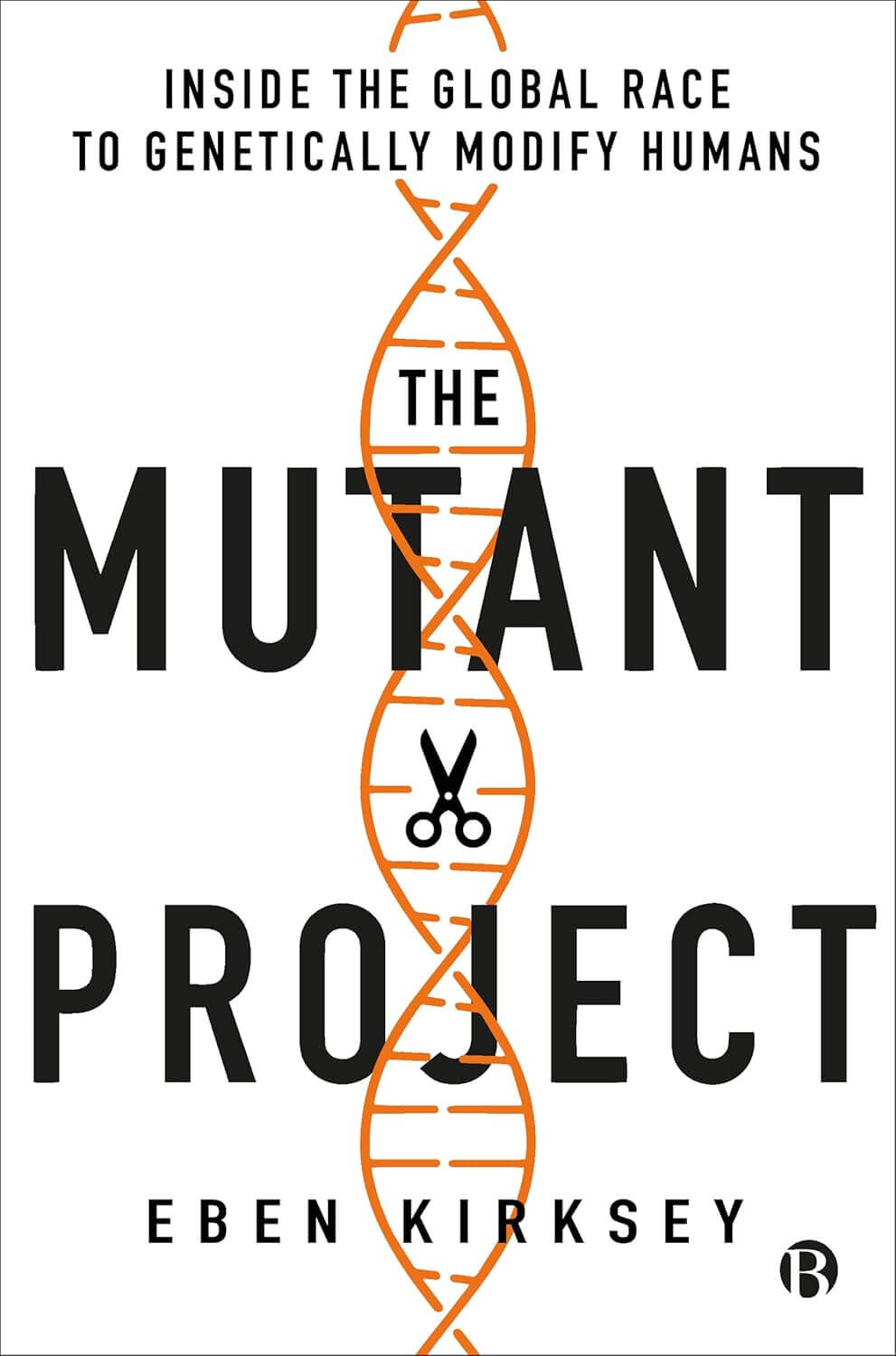
The Mutant Project: Inside the Global Race to Genetically Modify Humans

The Mutant Project: Inside the Global Race to Genetically Modify Humans

by Eben Kirksey

Eben Kirksey’s The Mutant Project investigates the ethics, innovation, and controversies surrounding CRISPR and human genetic engineering. Kirksey travels across labs, conferences, and activist spaces to explore the scientific frontier where hope, fear, and ambition converge. His writing is accessible yet richly detailed, making complex biology understandable without oversimplification. The book raises profound questions about who benefits from scientific progress and at what cost. It is a timely, provocative exploration of the future of human evolution and the moral landscapes that accompany it.

3.82
Science Writing
Ethics
Provocative
Inquisitive
Thought-Provoking
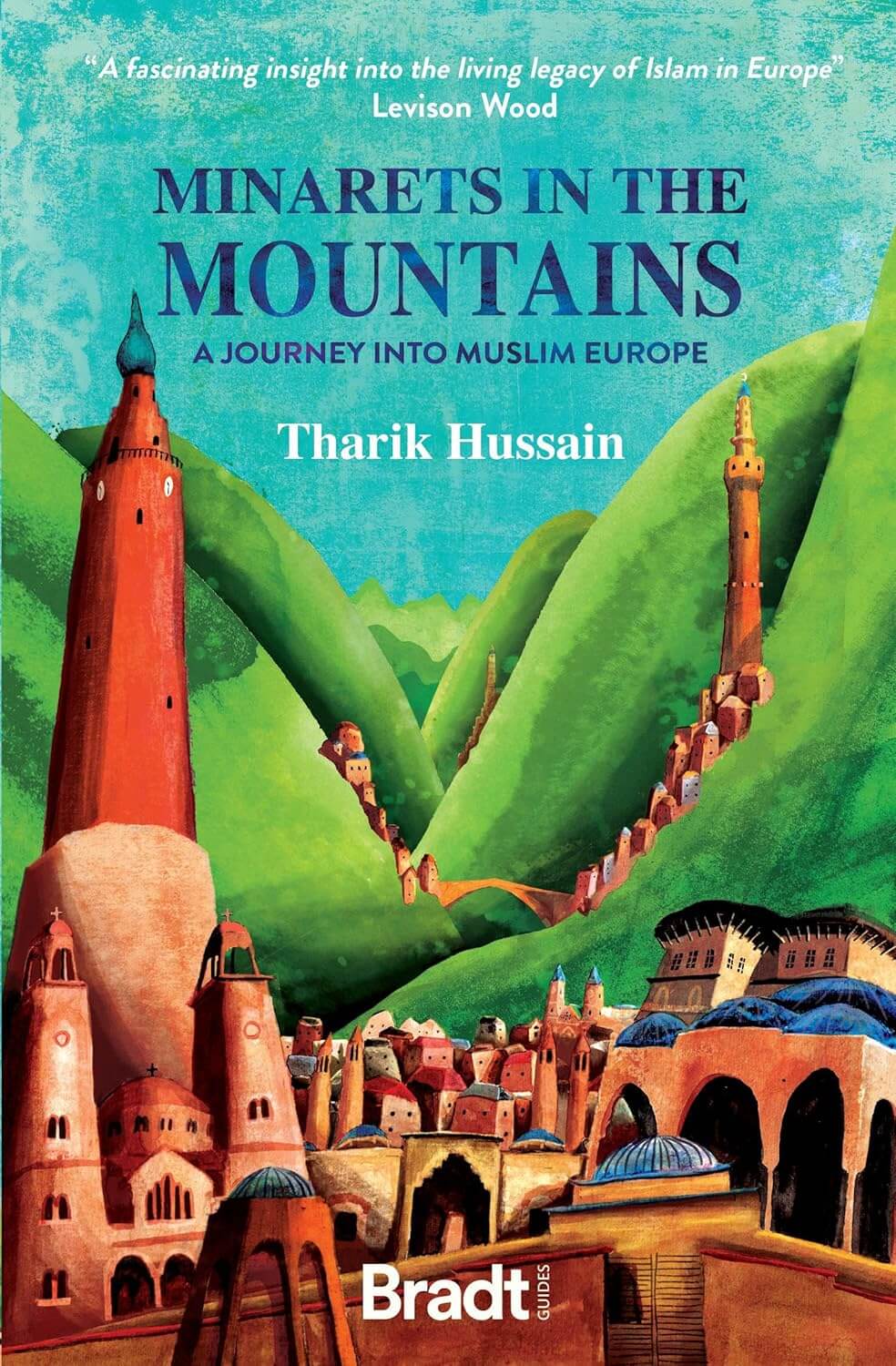
Minarets in the Mountains

Minarets in the Mountains

by Tharik Hussain

Tharik Hussain’s travel narrative uncovers the rich Muslim heritage of the Balkans, challenging stereotypes and re-centering a history often overlooked or erased. Hussain writes with warmth, curiosity, and a deep reverence for the communities he encounters. His journey becomes both a celebration of resilience and a critique of how cultural memory is shaped by politics and nationalism. The book blends historical insight with contemporary portraiture, illuminating a region defined by coexistence as much as conflict. It is uplifting, eye-opening, and richly textured.

3.81
Travel Writing
History
Warm
Curious
Illuminating
In Memory of Memory

In Memory of Memory

by Maria Stepanova

Maria Stepanova’s genre-defying book blends memoir, cultural essay, and historical meditation as she reconstructs her Jewish-Russian family’s past. The narrative moves through photographs, letters, diaries, and fragments of cultural memory, questioning what it means to inherit stories shaped by trauma, silence, and displacement. Stepanova’s prose is lyrical, intellectual, and deeply searching. She explores the instability of memory itself, crafting a mosaic-like narrative that resists simple conclusions. It is a profound, elegiac work that examines history as both inheritance and haunting.

3.83
Memoir
Cultural Studies
Literary Nonfiction
Elegiac
Thoughtful
Introspective
Burning Man: The Trials of D. H. Lawrence

Burning Man: The Trials of D. H. Lawrence

by Frances Wilson

Frances Wilson’s Burning Man is a bold and unconventional biography of D.H. Lawrence, tracing his restless life through the lens of pilgrimage and artistic transformation. Wilson structures her narrative around journeys—literal and emotional—capturing the intensity, conflict, and fervour that defined Lawrence’s creative existence. Her prose is stylish and perceptive, offering fresh insight into a figure both celebrated and controversial. Wilson interrogates the myth of the tortured artist while celebrating the vitality of Lawrence’s vision. It is a vibrant, original contribution to literary biography.

3.85
Biography
Literary Studies
Intellectual
Energetic
Evocative