Thirteen outstanding works uncovering hidden histories, creative lives, and the forces that shape who we are
The 2020 Baillie Gifford Prize for Non-Fiction longlist brings together books that combine intellectual ambition with deep humanity. Spanning history, biography, science, memoir, and cultural criticism, these works reveal how ideas, conflicts, and creative acts shape societies and individual lives. They reflect nonfiction at its most vivid: rigorously researched, beautifully written, and alive to moral complexity.\n\nAcross the list, authors revisit overlooked histories, challenge dominant narratives, and bring forgotten voices into focus. From revolutionary figures and wartime experiences to the evolution of the brain and the private lives of artists, these books show how the past continues to resonate in the present. Many of them blur traditional genre boundaries, blending personal reflection with historical inquiry or scientific exploration with storytelling.\n\nTogether, the 2020 longlist celebrates nonfiction as a space for curiosity, empathy, and discovery. These books invite readers to slow down, look closer, and reconsider what they think they know — about culture, conflict, creativity, and the fragile interconnectedness of human lives.
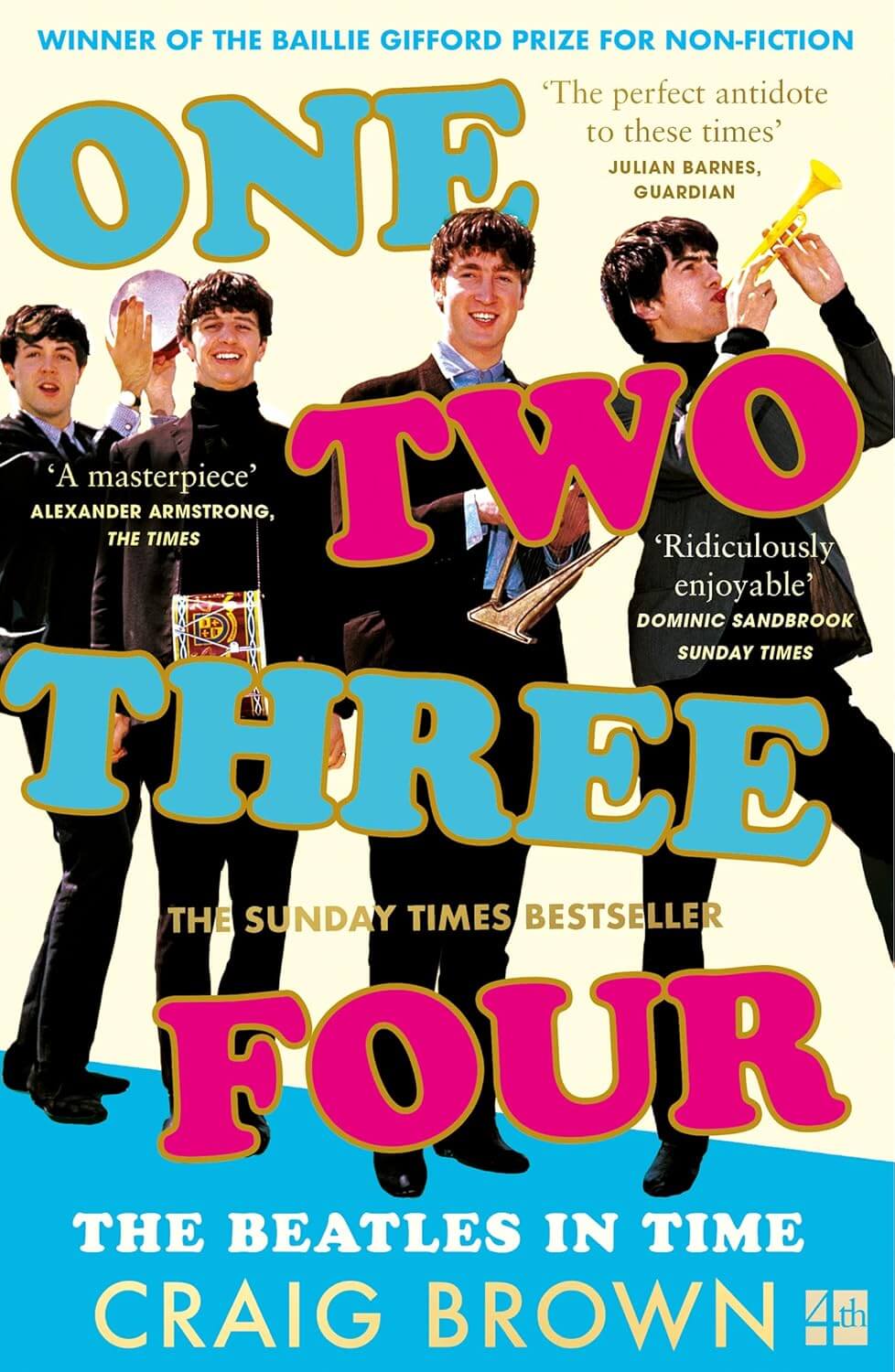
Craig Brown’s One Two Three Four is a kaleidoscopic portrait of The Beatles, told through a dazzling collage of anecdotes, perspectives, and cultural echoes. Rather than a straightforward history, Brown uses his wit and creativity to capture the mania, contradictions, and cultural significance of the band. The book is both playful and profound, blending humor with genuine insight into what made The Beatles such a phenomenon. Readers are treated to quirky digressions, unexpected voices, and fresh angles on familiar stories. It’s a reminder of how history can be told not just chronologically, but with imagination and energy.
Christina Lamb’s harrowing book documents the systematic use of sexual violence as a weapon of war. Drawing on decades of reporting, Lamb centres the voices of women from conflicts across the globe. Her writing is direct and compassionate, refusing to sensationalise while exposing brutality and impunity. The book also examines the political and military structures that enable such crimes to persist. While deeply disturbing, it is also a testament to resilience and courage. This is essential, urgent reading that demands attention and action.
Rachel Clarke’s deeply moving book reflects on life, death, and medical care through her experiences as a doctor. Clarke writes with warmth and honesty about patients, families, and the emotional toll of healthcare work. She explores how medicine intersects with ethics, grief, and compassion. The book gained particular resonance during the COVID-19 pandemic, though its insights are timeless. Clarke’s prose is gentle but unsentimental, offering comfort without false reassurance. It is a profound meditation on what it means to care for others.
Matthew Cobb’s sweeping history traces how humans have tried to understand the brain over centuries of science, philosophy, and speculation. Moving from ancient theories to modern neuroscience, Cobb shows how each era’s assumptions shaped what researchers believed the brain could be. He combines scientific explanation with historical storytelling, making complex ideas accessible and compelling. The book highlights how progress is rarely linear, shaped instead by metaphor, technology, and cultural context. Cobb’s tone is curious and reflective, inviting readers to question what we truly know about consciousness. It is an authoritative yet humane exploration of one of science’s greatest mysteries.
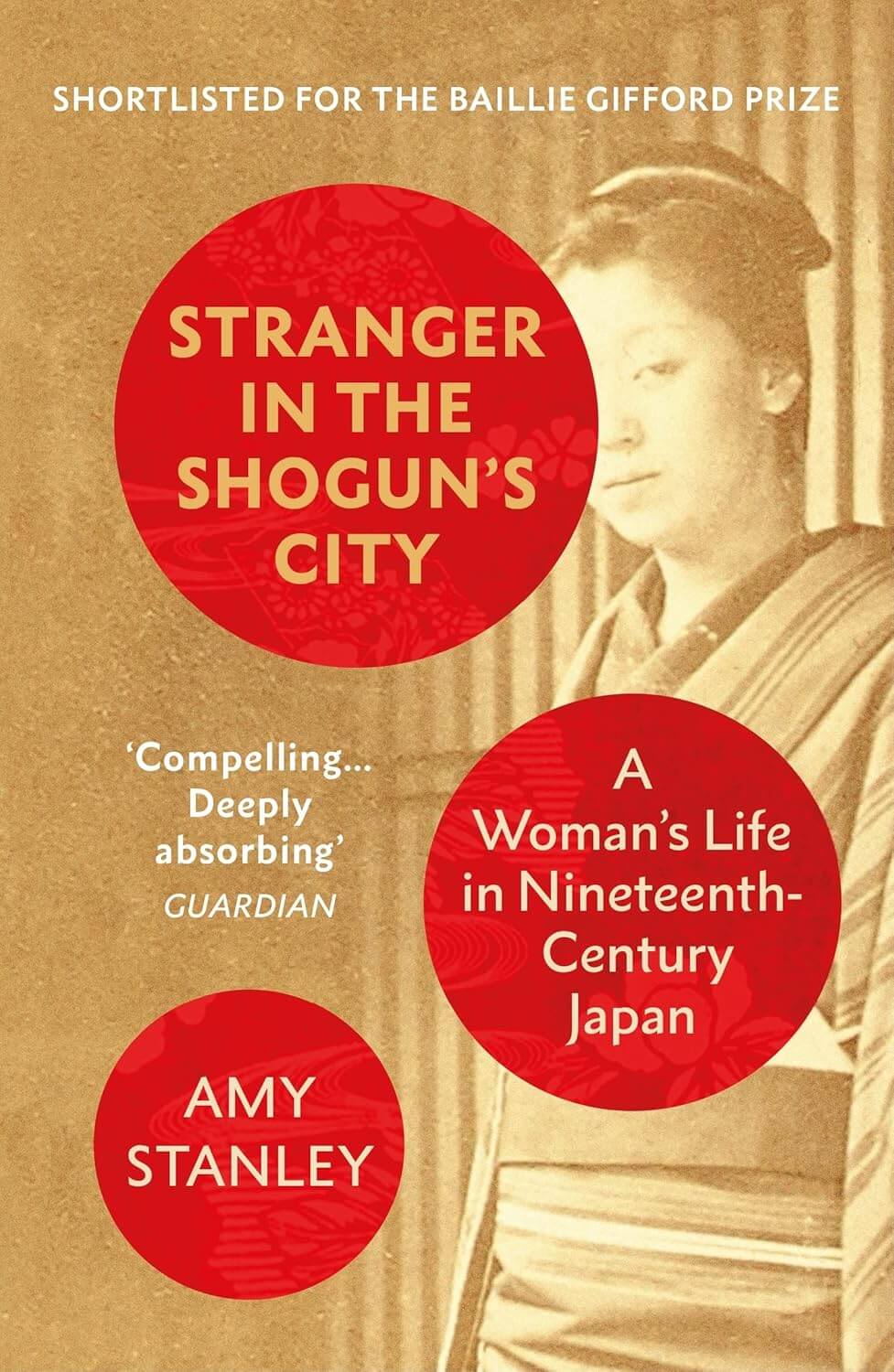
Amy Stanley reconstructs the extraordinary life of Tsuneno, a woman who navigated 19th-century Japan largely through her own determination. Using court records and personal documents, Stanley brings Tsuneno vividly to life as she survives marriage, abandonment, and poverty. The book offers a rare, ground-level view of Edo-period society, especially the constraints and possibilities facing women. Stanley’s storytelling is elegant and immersive, blending social history with narrative drive. The result is both scholarly and deeply human. It’s a refreshing shift away from elite historical perspectives.
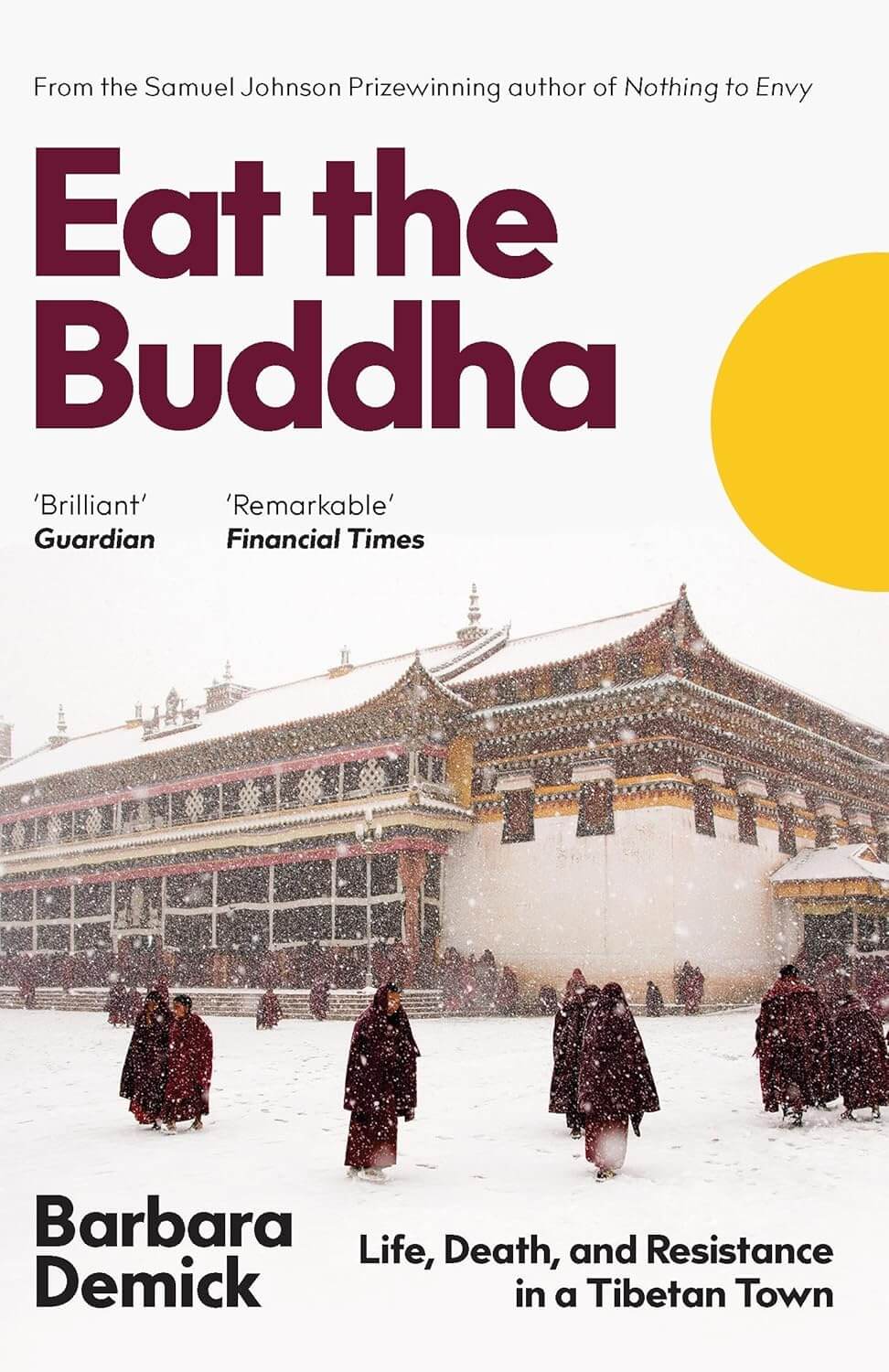
Barbara Demick travels through Tibetan regions of China to reveal everyday life under political repression. Through intimate portraits of monks, families, and activists, she shows how faith, culture, and identity persist despite surveillance and control. Demick’s reporting is sensitive and rigorous, grounding geopolitics in lived experience. The book exposes the slow erosion of cultural autonomy alongside acts of quiet resistance. Her narrative is calm but deeply affecting. It is an essential account of modern China beyond official narratives.
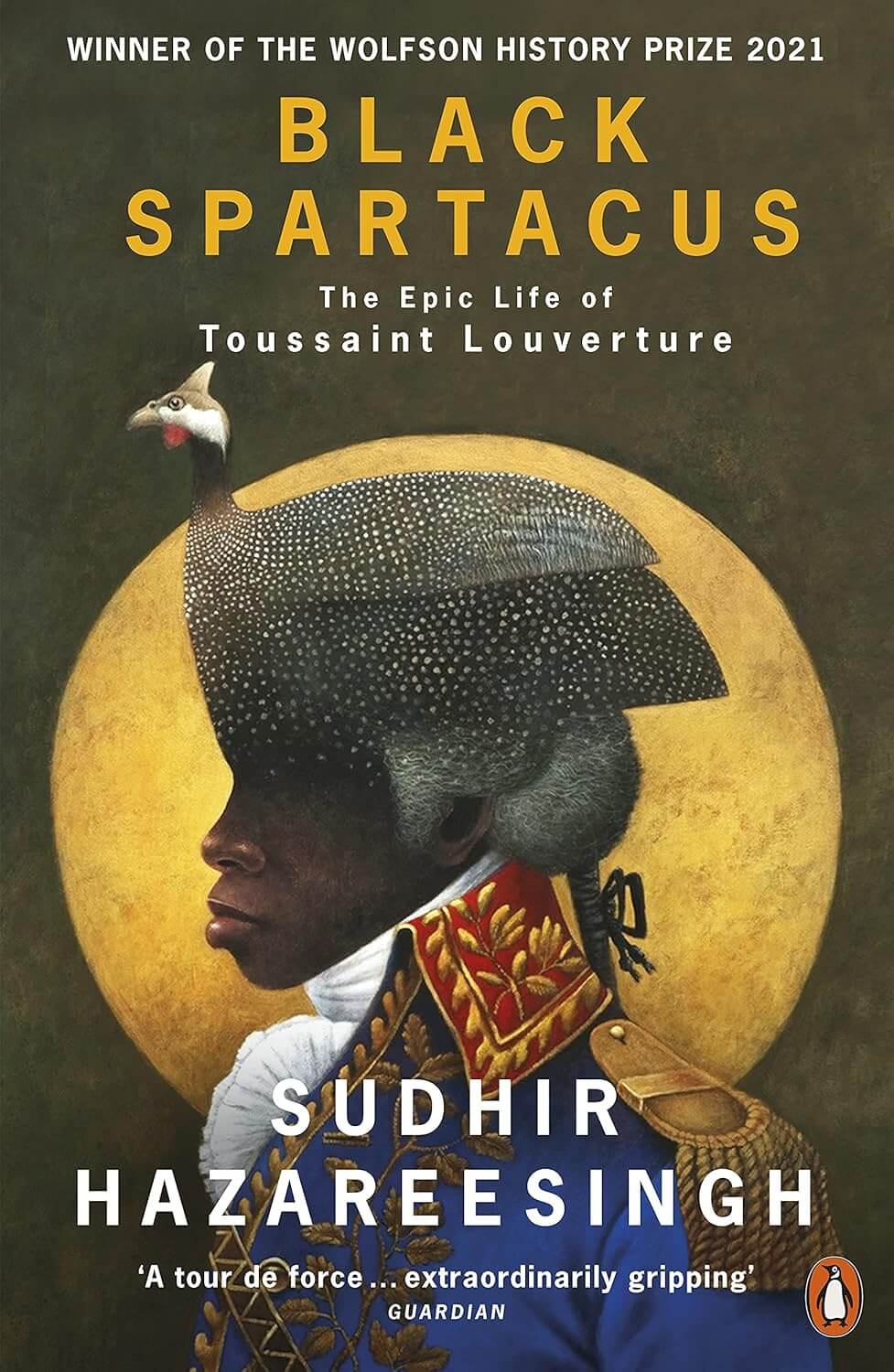
Sudhir Hazareesingh’s biography of Toussaint Louverture reclaims the revolutionary leader as a central figure of modern history. Louverture, who led the Haitian Revolution, is presented not as a footnote but as a visionary who reshaped ideas of freedom and equality. Hazareesingh combines meticulous scholarship with vivid narrative, bringing the drama and stakes of the revolution to life. The book challenges Eurocentric histories and highlights the global significance of Black revolutionary thought. It is both inspiring and sobering, revealing the costs of liberation and betrayal. A powerful reappraisal of a transformative life.
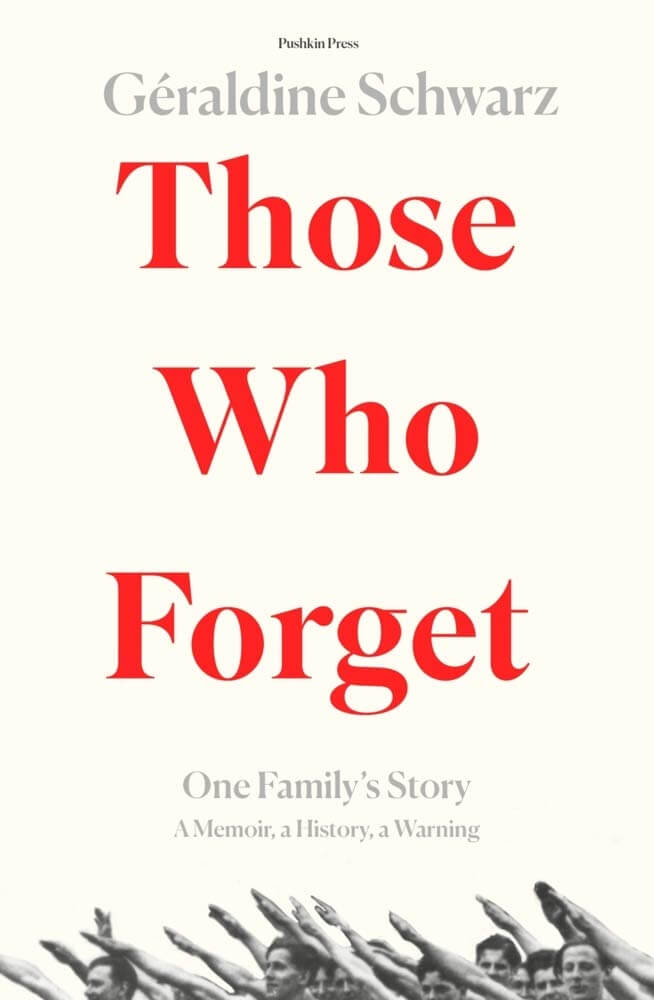
Géraldine Schwarz blends family memoir with political history to examine Europe’s struggle with memory and responsibility. Beginning with her own family’s silence about the Nazi era, Schwarz explores how nations remember — and forget — past atrocities. The book traces the rise of populism alongside unresolved historical reckoning. Schwarz writes with clarity and moral urgency, linking personal denial to political danger. Her analysis feels both intimate and timely. It is a compelling argument for historical honesty as a foundation for democracy.
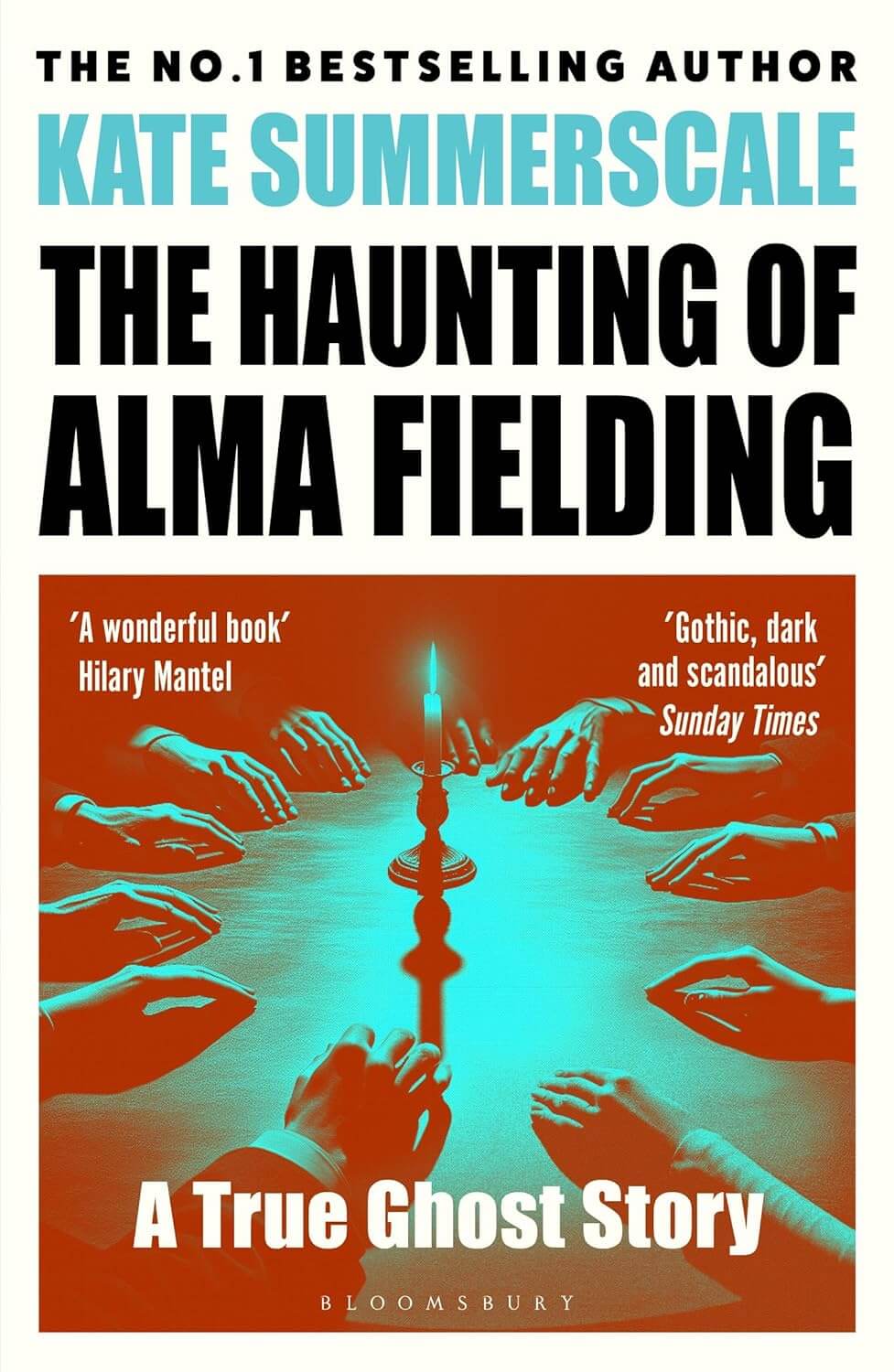
Kate Summerscale’s book blends true crime, psychology, and ghost story in her account of a notorious 1930s poltergeist case. Focusing on Alma Fielding and the investigators who studied her, Summerscale explores belief, performance, and the unconscious mind. Her narrative is atmospheric and precise, revealing how class, gender, and scientific ambition shaped interpretations of the supernatural. The book probes the boundaries between fraud and faith, science and suggestion. Summerscale excels at leaving questions open rather than offering easy conclusions. It’s eerie, intelligent, and deeply absorbing.
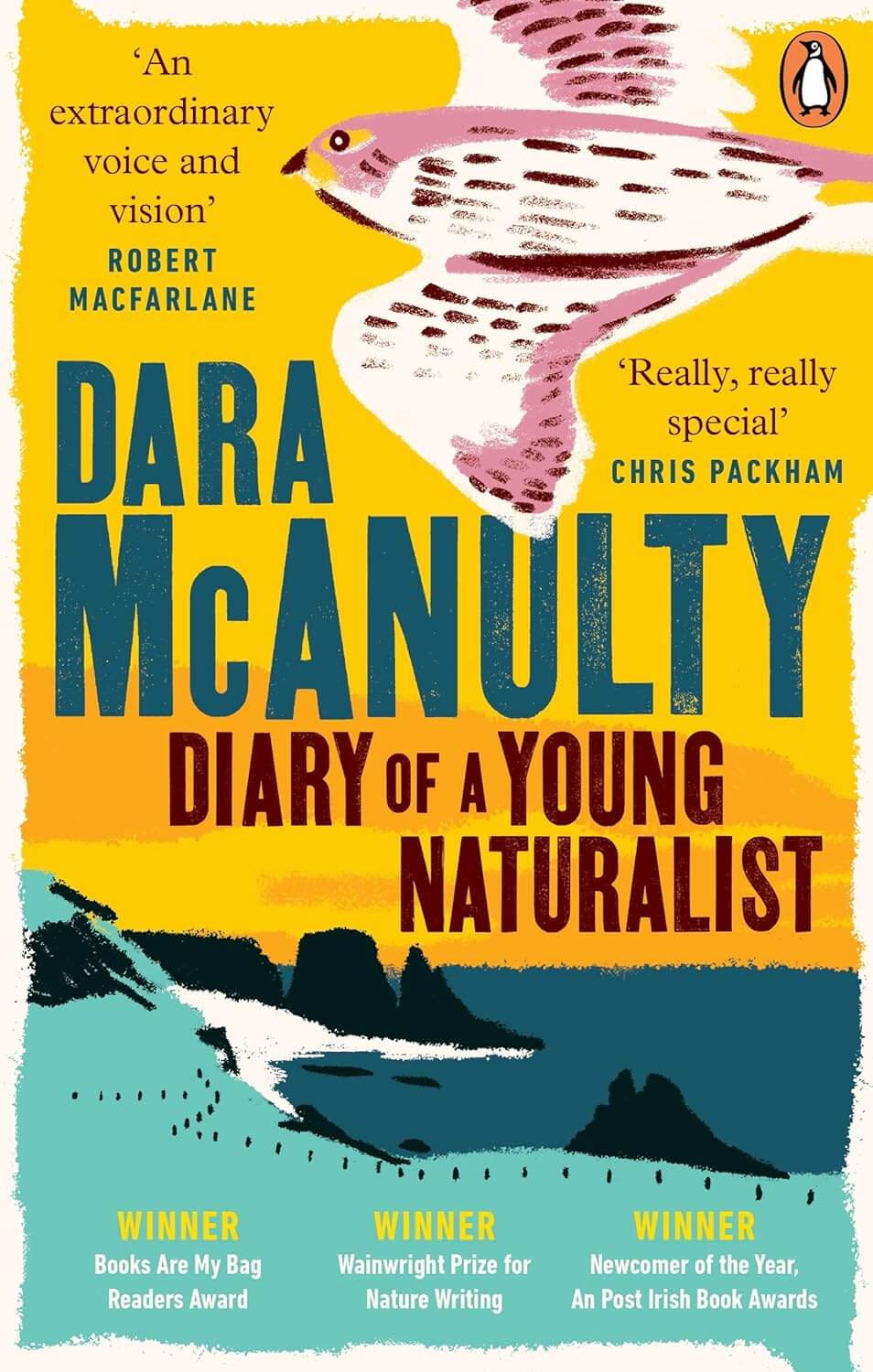
Written during his teenage years, Dara McAnulty’s diary is a lyrical celebration of nature and a candid account of living with autism. McAnulty writes with astonishing sensitivity about wildlife, seasons, and mental health. His observations are precise and poetic, revealing a deep emotional connection to the natural world. The book is also a quiet call to environmental stewardship and empathy. McAnulty’s voice is fresh, sincere, and full of wonder. It is both comforting and inspiring.
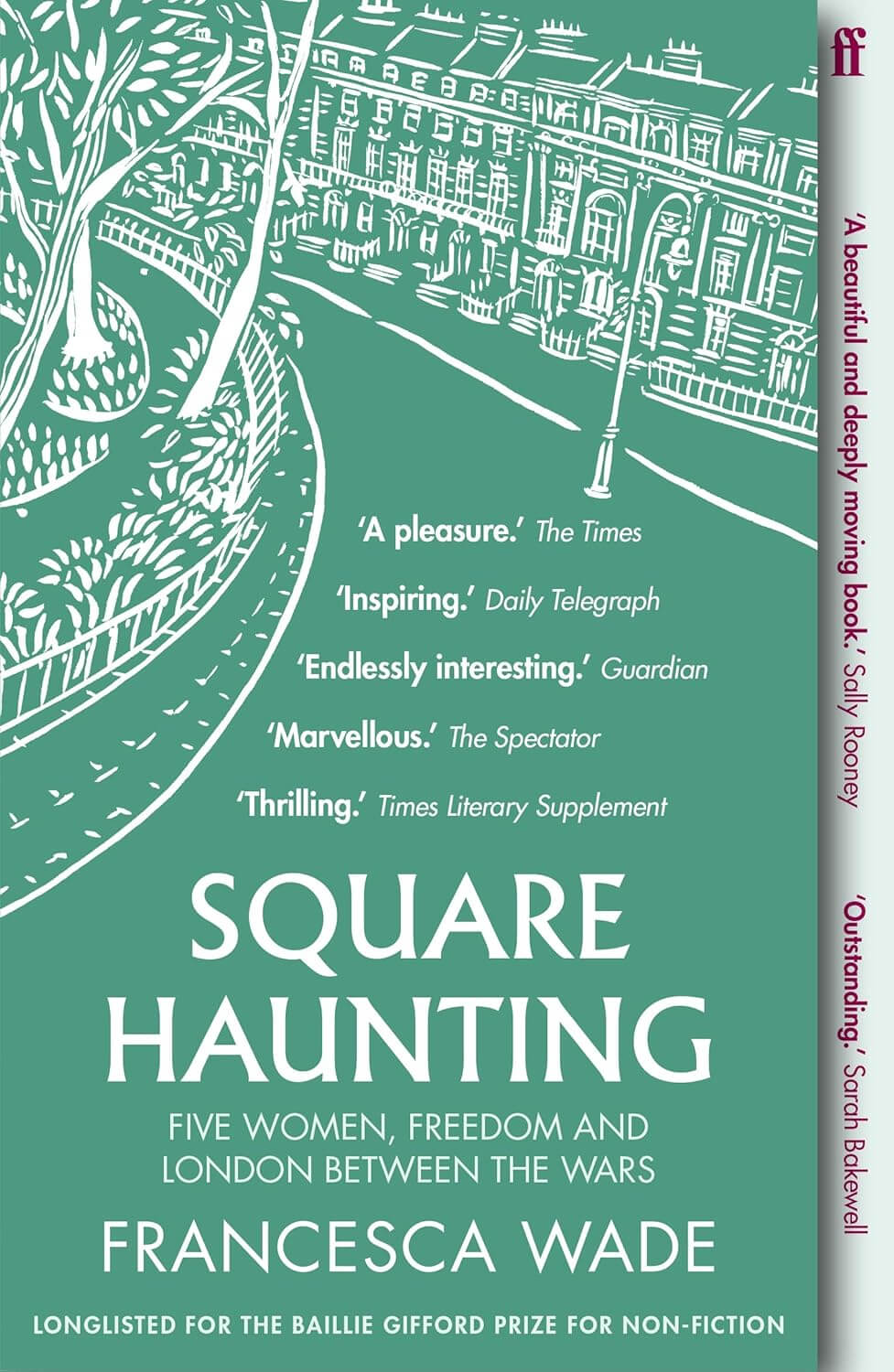
Francesca Wade’s book traces five women writers who lived in Mecklenburgh Square during the mid-20th century. Through figures such as Virginia Woolf and Dorothy L. Sayers, Wade explores creativity, independence, and female intellectual life. The square becomes a lens for examining women’s work, friendship, and resilience amid war and social change. Wade’s prose is elegant and precise, weaving biography into cultural history. The book is both intimate and expansive, revealing networks of influence often overlooked. It is a quiet, deeply satisfying work of literary recovery.
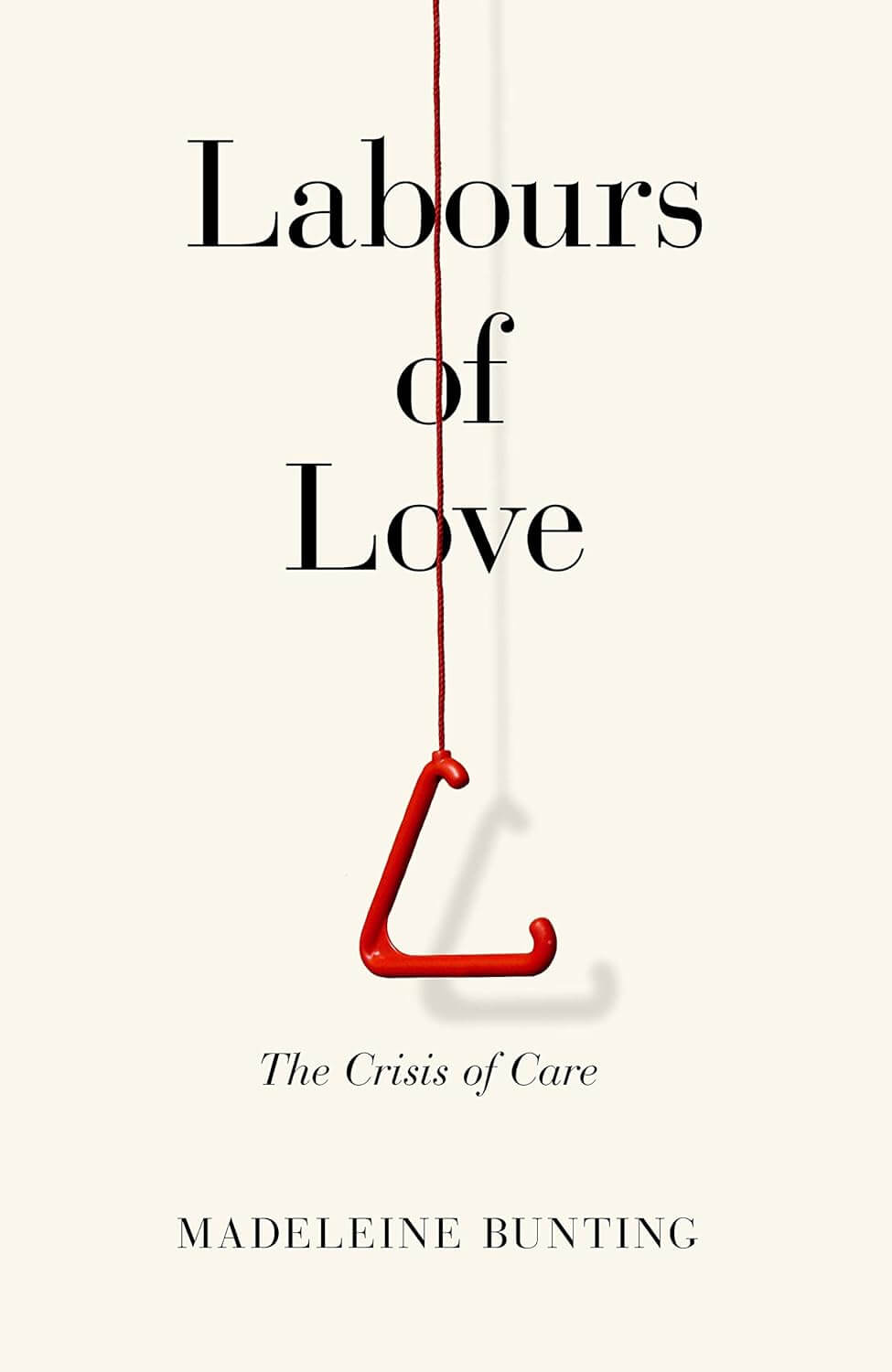
Madeleine Bunting’s book examines the often invisible labour of care that underpins families, economies, and societies. Through history, policy analysis, and personal stories, she shows how caregiving has been systematically undervalued. Bunting challenges economic models that ignore emotional and relational work. Her writing is clear and persuasive, connecting intimate experiences to structural inequality. The book argues for a radical rethinking of how societies support care. It is thoughtful, humane, and quietly transformative.
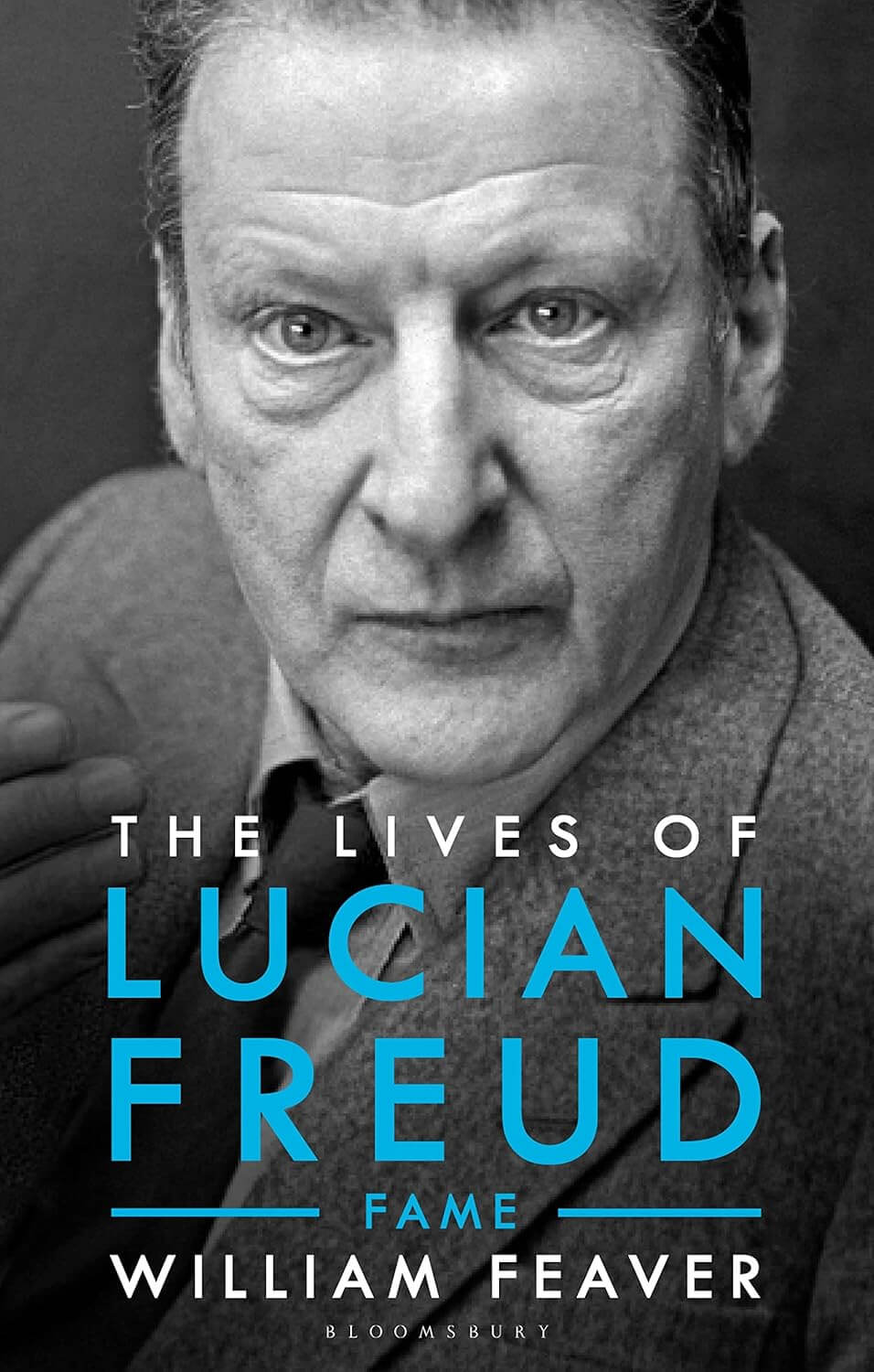
William Feaver’s monumental biography offers an unmatched portrait of the painter Lucian Freud. Drawing on decades of close observation, Feaver traces Freud’s art alongside his chaotic personal life. The book reveals the intensity, obsession, and discipline behind Freud’s work. Feaver avoids mythmaking, instead presenting a complex, often troubling figure. Rich with detail and insight, the biography doubles as a study of artistic process. It is definitive, demanding, and deeply illuminating.