2019 The Baillie Gifford Prize for Non-Fiction

Twelve powerful works reclaiming forgotten lives, confronting injustice, and re-examining history

The 2019 Baillie Gifford Prize for Non-Fiction longlist highlights books that challenge dominant narratives and bring overlooked stories into sharp focus. These works range across history, memoir, journalism, and biography, united by a commitment to truth-telling and moral inquiry. Together, they show nonfiction at its most urgent: investigative, humane, and deeply engaged with the world as it is — and as it has been misremembered.

Many of the books on this list confront systems of power and erasure, whether through revisiting historical crimes, exposing institutional failure, or documenting lives lived on the margins. Several authors recover voices deliberately silenced by history, reframing familiar events through new perspectives. Others interrogate how ideology, empire, and media shape collective understanding.

What emerges is a portrait of nonfiction as an act of justice. These books do not merely inform; they unsettle, provoke, and restore complexity to stories flattened by time or authority. They invite readers to look again — more carefully, more critically — at the forces that shape memory, responsibility, and truth.

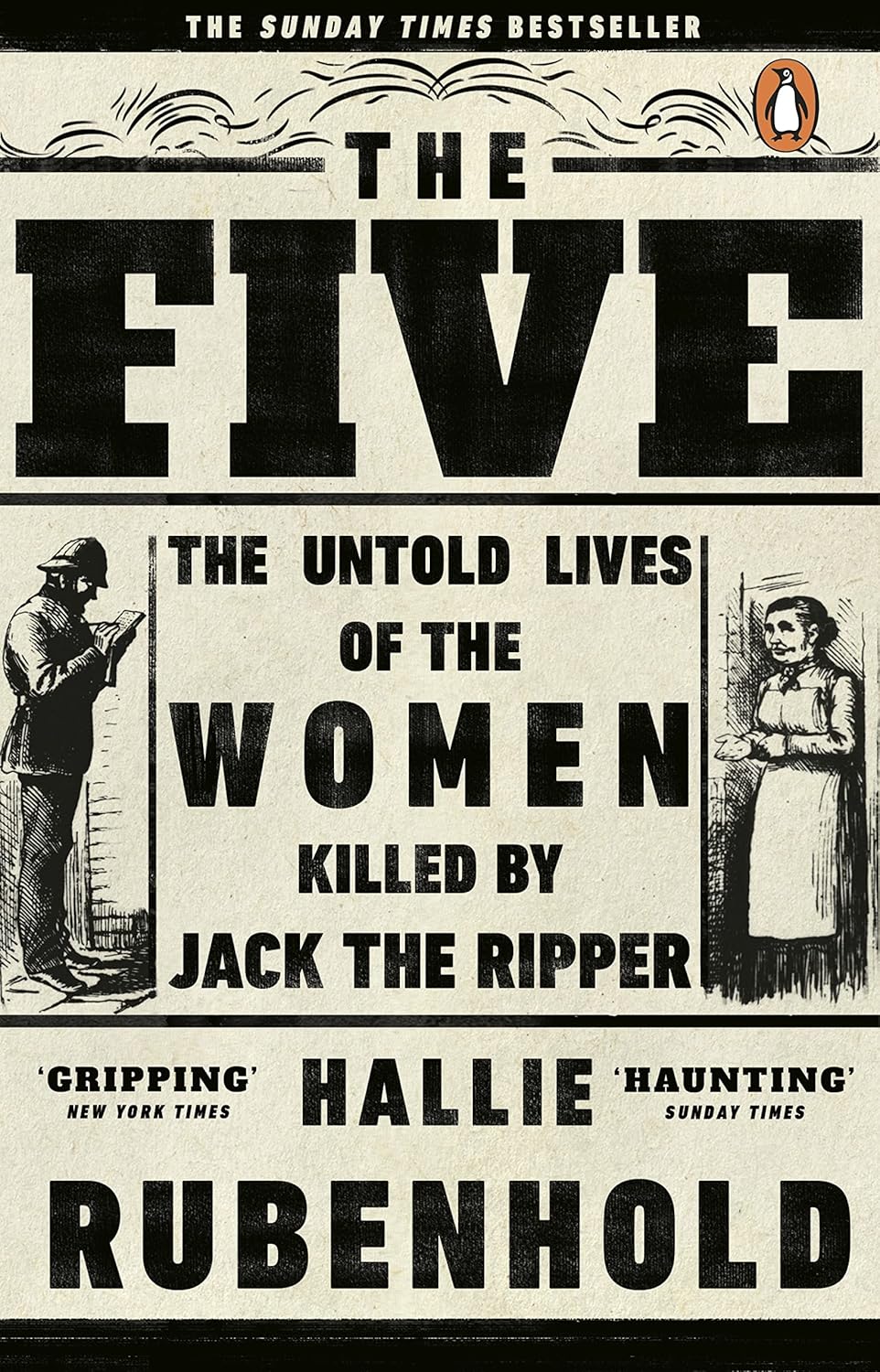
The Five: The Untold Lives of the Women Killed by Jack the Ripper
Winner

The Five: The Untold Lives of the Women Killed by Jack the Ripper

by Hallie Rubenhold

Hallie Rubenhold’s groundbreaking book reframes one of history’s most sensational crime stories by centring the victims rather than the killer. Through meticulous research, Rubenhold reconstructs the lives of the five women murdered by Jack the Ripper, restoring their humanity and complexity. She dismantles long-held myths and challenges misogynistic narratives that have defined the case. The book reads as both social history and moral reckoning, exposing how poverty, gender, and class shaped these women’s lives. Rubenhold writes with empathy and authority, making a compelling case for rethinking whose stories matter. It is revelatory and deeply moving.

4.09
Social History
True Crime
Revelatory
Compassionate
Unsettling
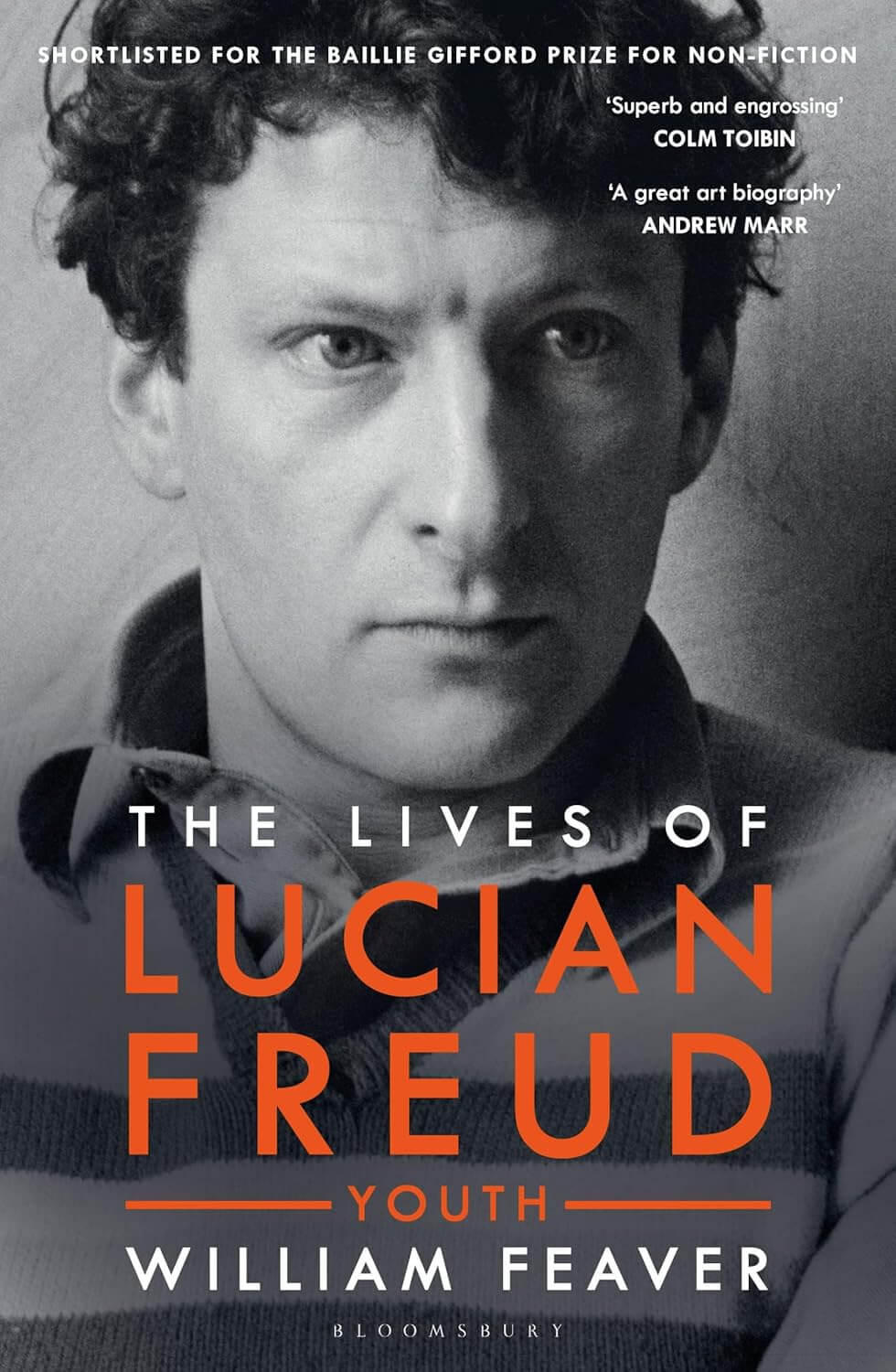
The Lives of Lucian Freud: Youth 1922 - 1968
Shortlisted

The Lives of Lucian Freud: Youth 1922 - 1968

by William Feaver

William Feaver’s definitive biography draws on decades of close observation to portray the artist Lucian Freud in all his complexity. Feaver traces Freud’s artistic evolution alongside his turbulent personal life, revealing the discipline behind his intensity. The book avoids hagiography, instead offering a nuanced portrait of ambition, obsession, and creative drive. Rich in anecdote and insight, it also serves as a study of artistic process. Demanding but rewarding, this is a monumental work of art biography.

4.50
Biography
Art History
Intense
Insightful
Serious
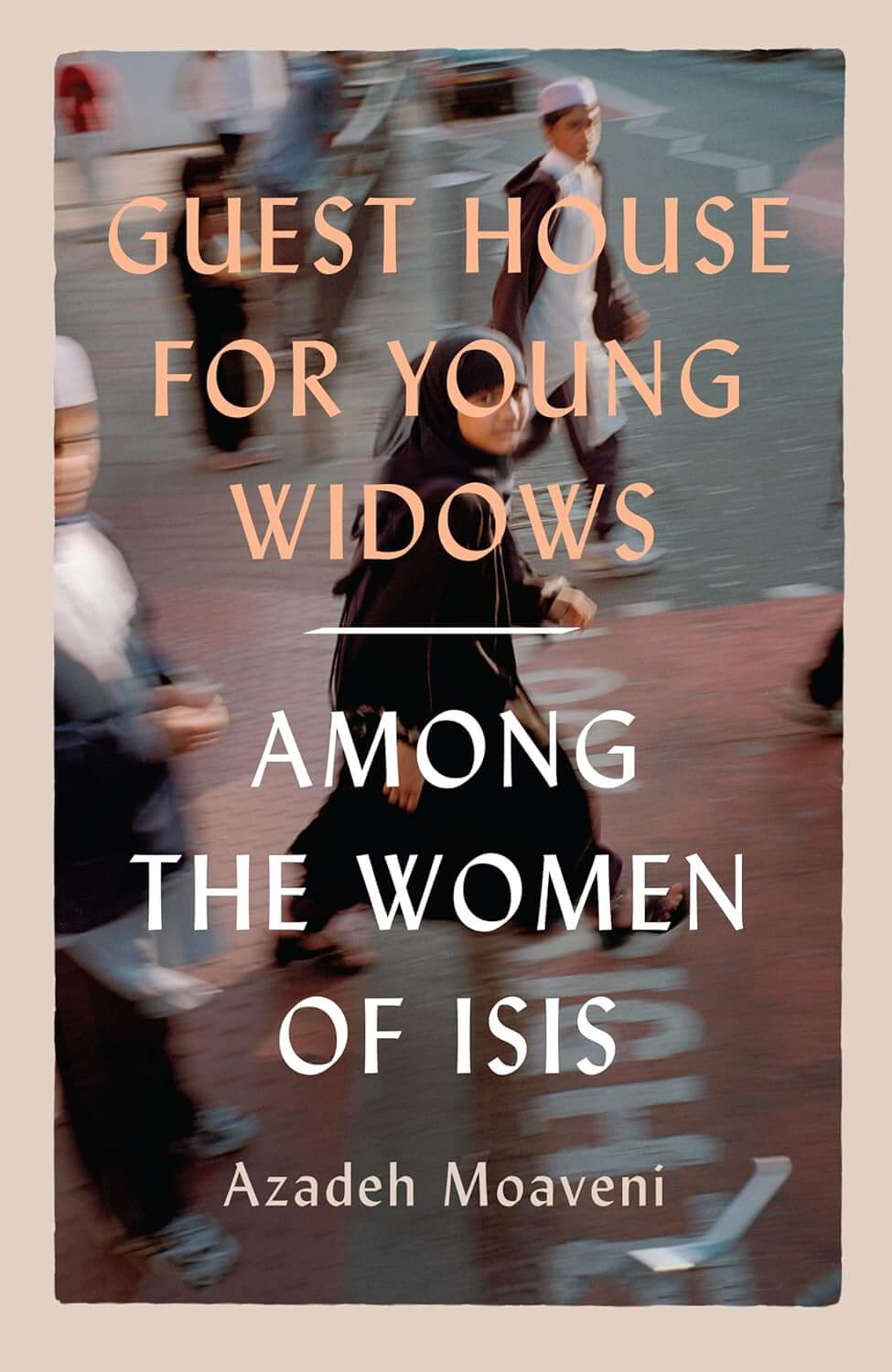
Guest House for Young Widows: Among the Women of ISIS
Shortlisted

Guest House for Young Widows: Among the Women of ISIS

by Azadeh Moaveni

Azadeh Moaveni’s deeply reported book examines the lives of women drawn into ISIS, resisting simplistic narratives of radicalisation. Through intimate interviews, Moaveni explores grief, idealism, manipulation, and agency. Her approach is empathetic but unsparing, refusing easy moral binaries. The book exposes the emotional and political conditions that shaped these women’s choices. Moaveni’s reporting is nuanced and humane, offering rare insight into lives often reduced to headlines. It is unsettling, illuminating, and essential.

4.03
Journalism
Political Analysis
Complex
Empathetic
Unsettling
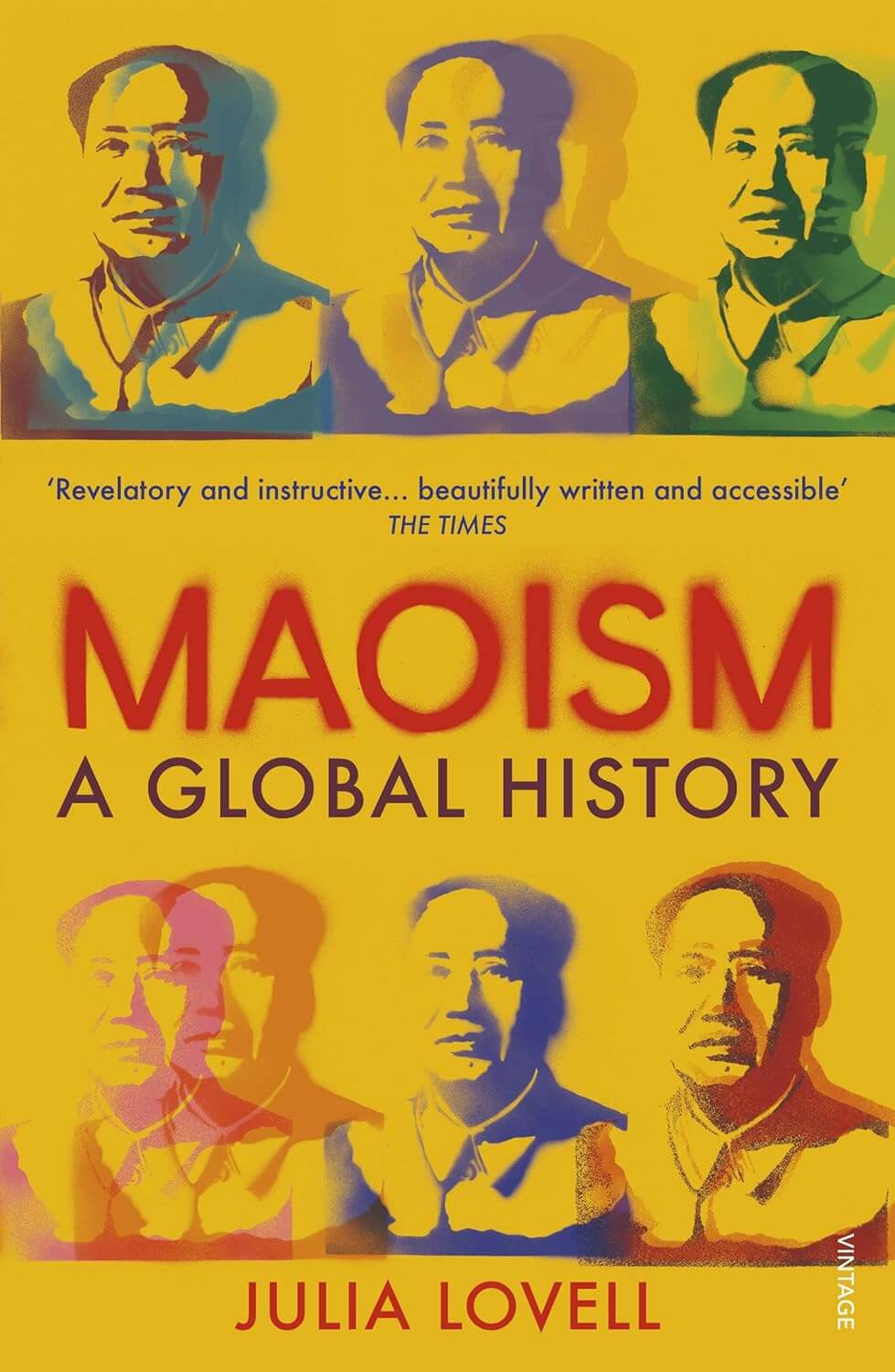
Maoism: A Global History
Shortlisted

Maoism: A Global History

by Julia Lovell

Julia Lovell’s Maoism is a sweeping global history demonstrating how Maoist ideology shaped movements far beyond China’s borders — from Peru to India to Western activist circles. Lovell’s analysis is rigorous, wide-ranging, and often surprising, revealing how Maoism was exported, adapted, and mythologised. She blends political narrative with cultural history, showing how ideology interacts with local conditions. The book is ambitious in scope yet highly readable, correcting misconceptions about Mao’s influence and legacy. It is a masterful work of global political history.

3.98
History
Political Analysis
Expansive
Rigorous
Revelatory
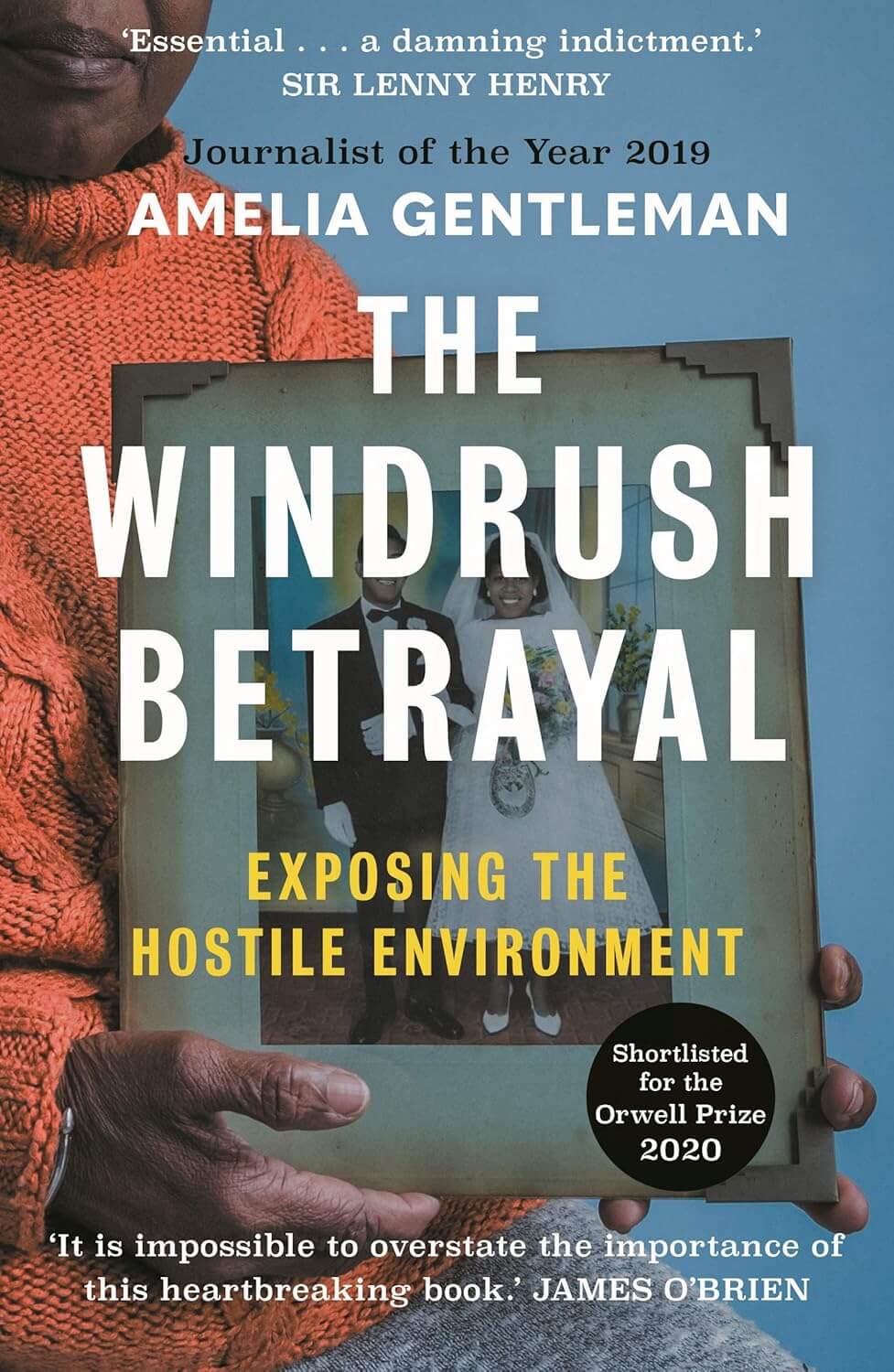
The Windrush Betrayal

The Windrush Betrayal

by Amelia Gentleman

Amelia Gentleman’s investigative work exposed the Windrush scandal, revealing how British citizens were wrongfully detained and deported. The book documents bureaucratic cruelty with precision and compassion, centring the voices of those affected. Gentleman traces how hostile immigration policies produced devastating human consequences. Her reporting is meticulous and morally clear, holding institutions to account. The book stands as a landmark in investigative journalism and public interest reporting.

4.52
Investigative Journalism
Political Writing
Outraged
Compassionate
Urgent
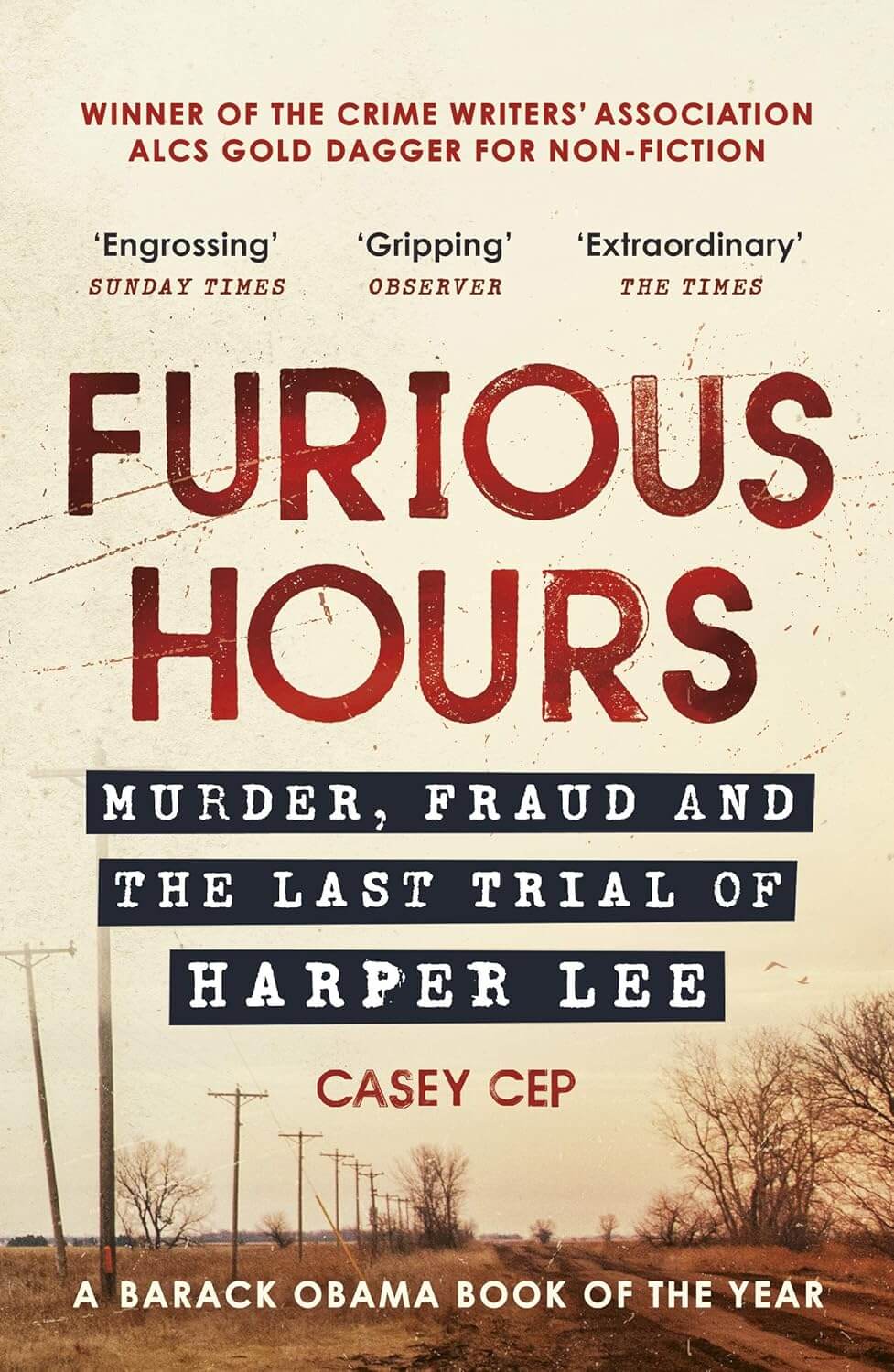
Furious Hours: Murder, Fraud, and the Last Trial of Harper Lee
Shortlisted

Furious Hours: Murder, Fraud, and the Last Trial of Harper Lee

by Casey Cep

Casey Cep’s Furious Hours combines true crime with literary history, tracing a series of murders in Alabama alongside Harper Lee’s failed attempt to write about them. Cep expertly weaves courtroom drama, Southern history, and the psychology of obsession. Her narrative is taut and atmospheric, capturing both the violence of the crimes and the moral ambiguity surrounding them. The book also becomes a subtle meditation on justice, storytelling, and why some stories resist resolution. Cep’s prose is elegant and controlled, making this a gripping and thoughtful work.

3.77
True Crime
Literary Nonfiction
Tense
Atmospheric
Intriguing
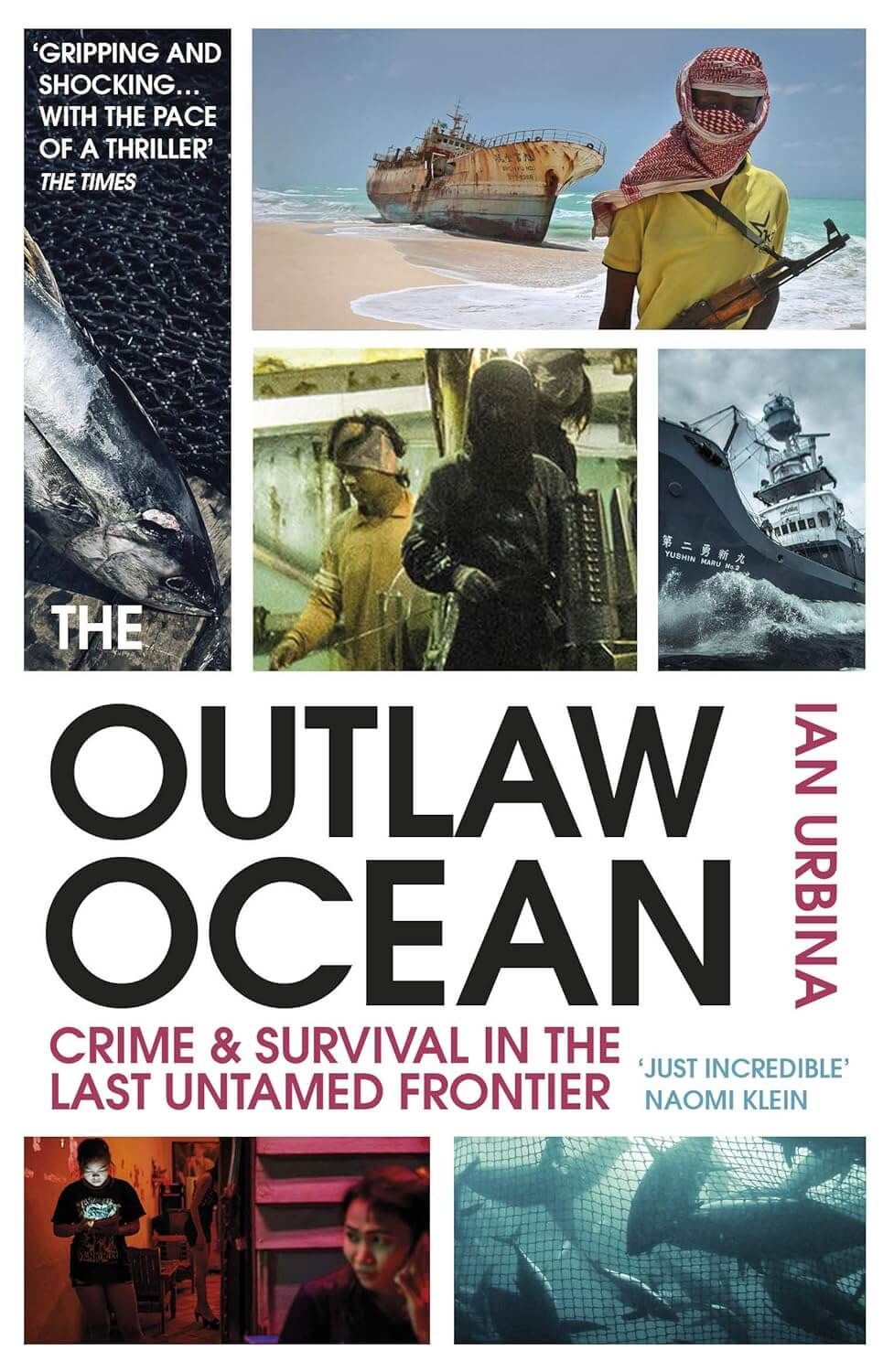
The Outlaw Ocean

The Outlaw Ocean

by Ian Urbina

Ian Urbina’s investigative tour of the world’s oceans exposes a lawless realm of exploitation, crime, and environmental abuse. Urbina reports from fishing vessels, ports, and offshore industries to reveal modern slavery, piracy, and ecological devastation. His storytelling is immersive and relentless, blending adventure reporting with moral urgency. The book exposes how weak governance enables abuses far from public view. It is shocking, gripping, and essential reading about a hidden global frontier.

4.37
Investigative Journalism
Environmental Reporting
Shocking
Urgent
Immersive
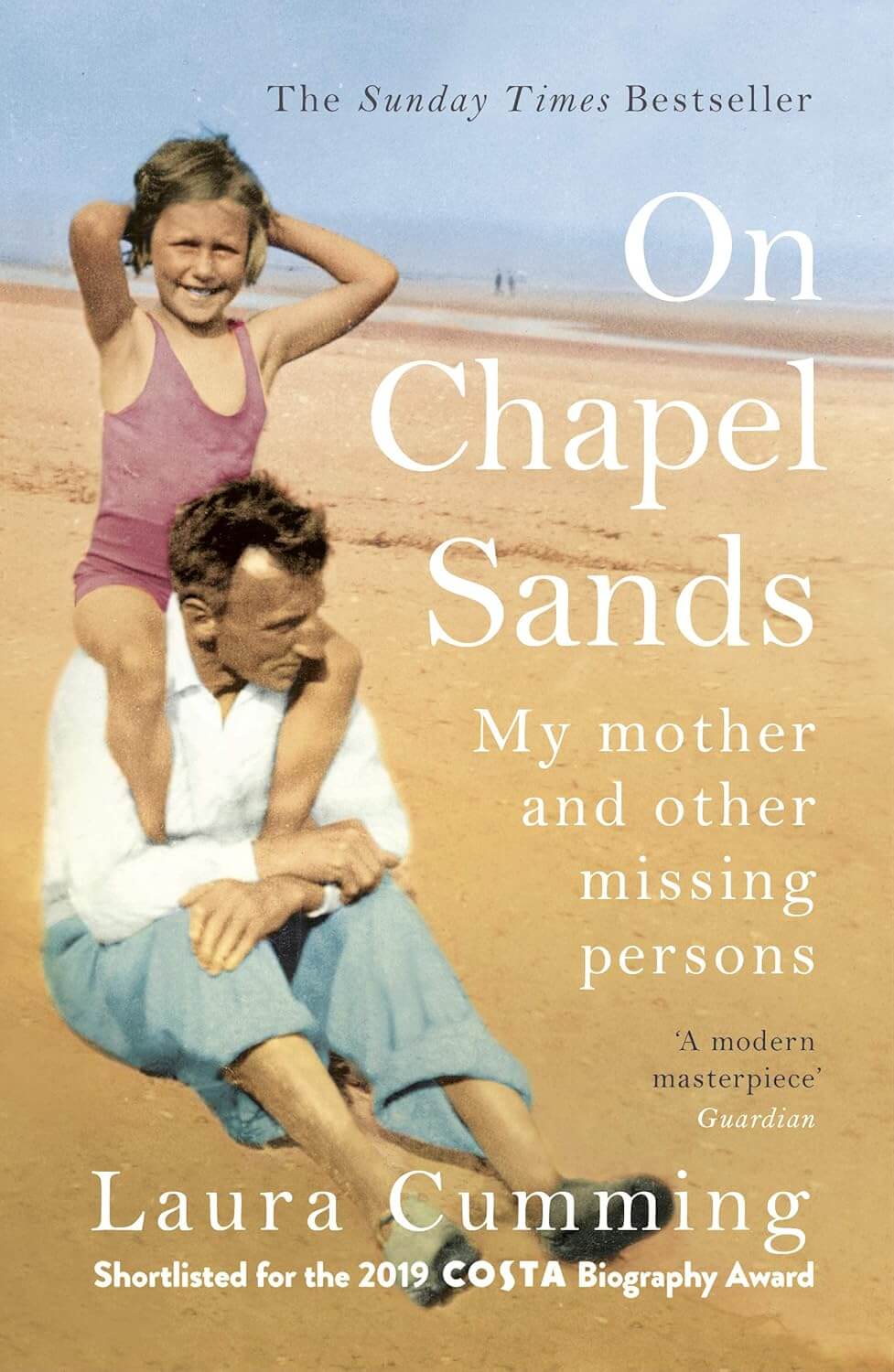
On Chapel Sands
Shortlisted

On Chapel Sands

by Laura Cumming

Laura Cumming’s memoir begins with a childhood abduction and expands into a meditation on memory, art, and perception. Blending personal history with reflections on painting and visual culture, Cumming explores how memory distorts and preserves truth. Her prose is lyrical and searching, attentive to the act of looking itself. The book unfolds slowly, rewarding patience with emotional and intellectual depth. It is both intimate and expansive, showing how personal trauma reverberates across a lifetime. A quietly extraordinary work.

3.58
Memoir
Cultural Criticism
Reflective
Intimate
Lyrical
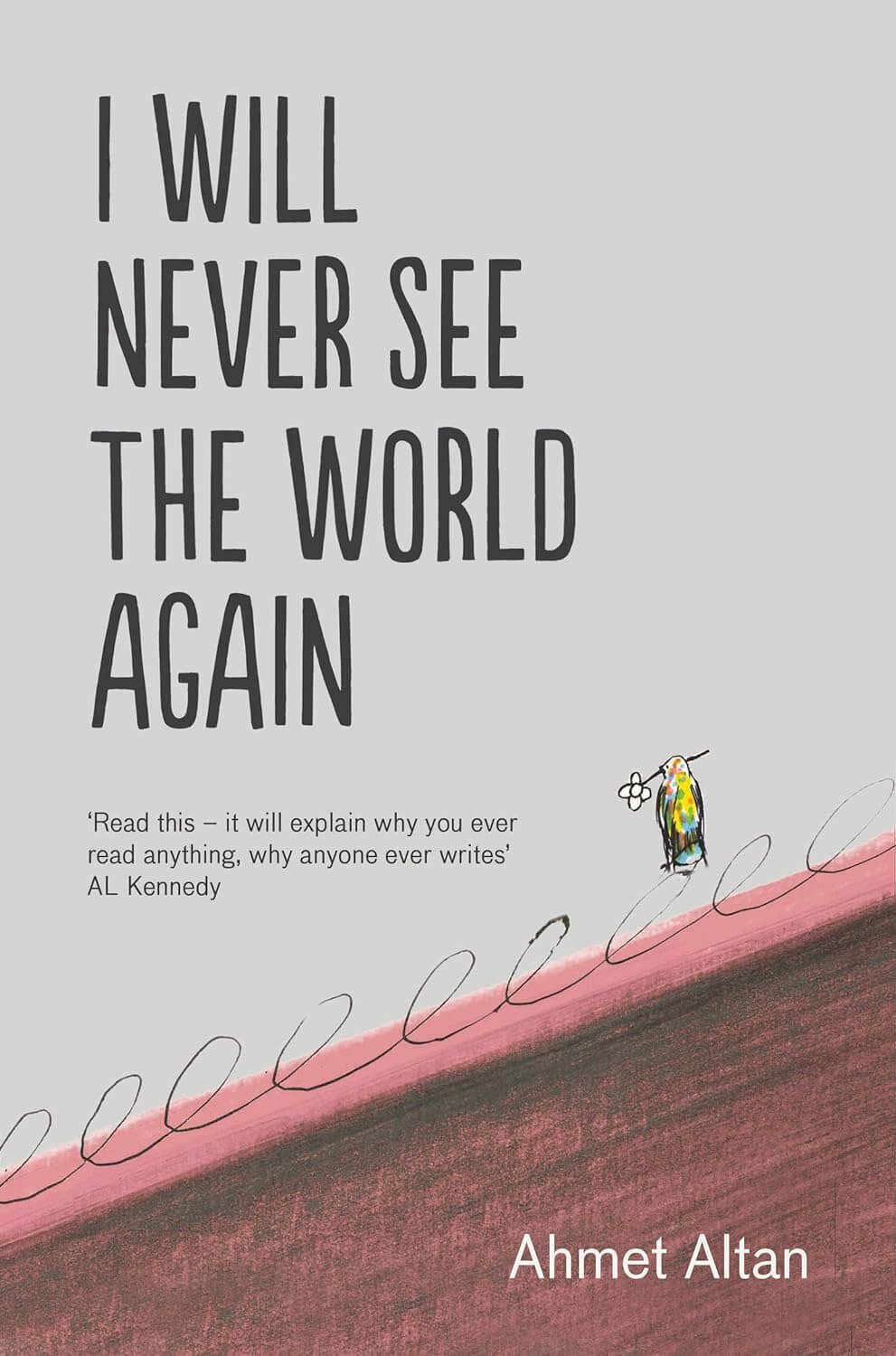
I Will Never See the World Again

I Will Never See the World Again

by Ahmet Altan

Written from a Turkish prison, Ahmet Altan’s memoir is a defiant meditation on freedom, imagination, and resistance. Despite confinement, Altan asserts the irreducible power of the mind and language. His prose is calm, lucid, and quietly rebellious, transforming imprisonment into philosophical reflection. The book blends personal testimony with broader reflections on authoritarianism. It is both an act of protest and a celebration of intellectual freedom. Spare yet profound, it resonates far beyond its circumstances.

4.24
Memoir
Political Writing
Defiant
Reflective
Hopeful
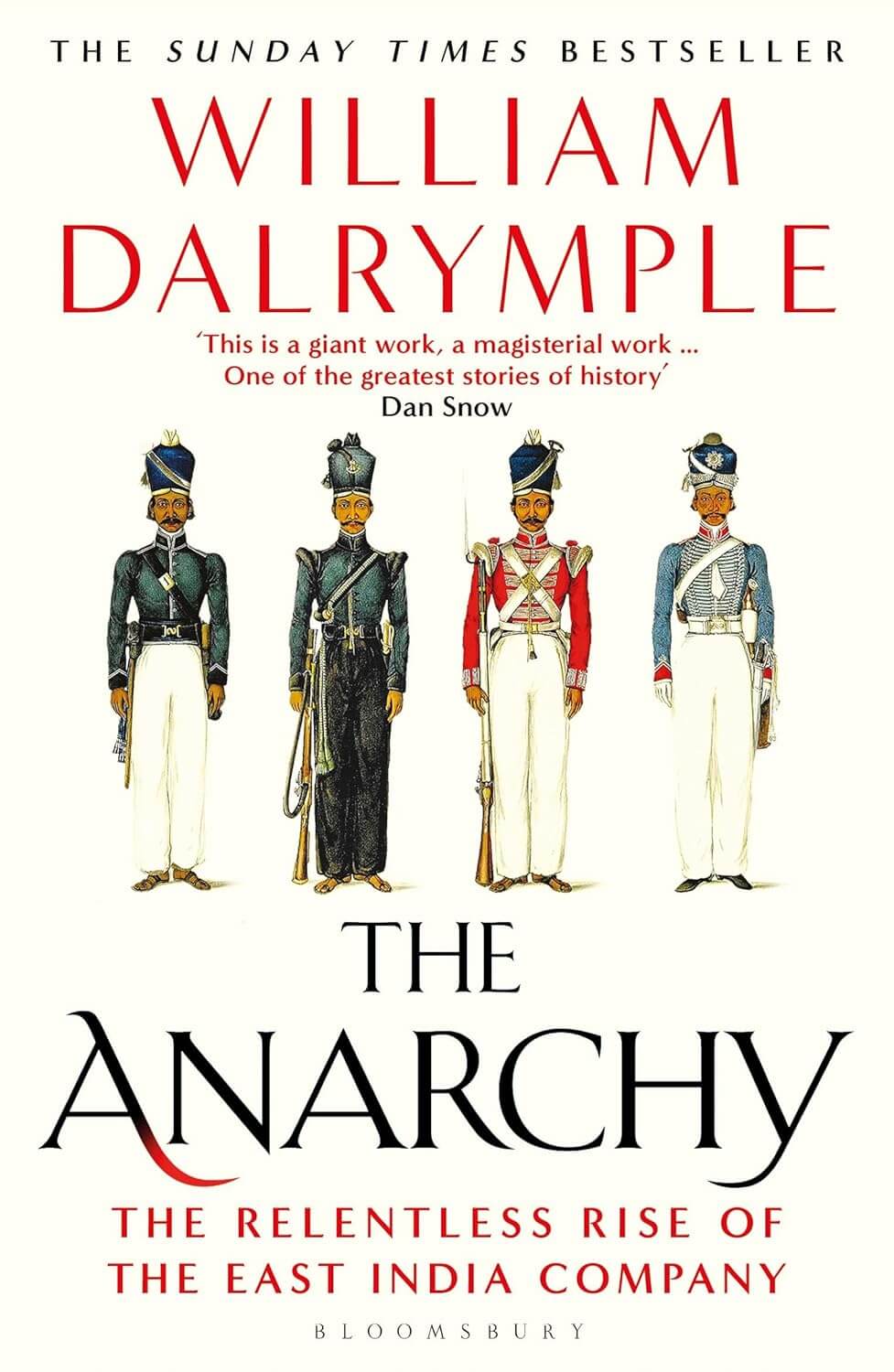
The Anarchy: The Relentless Rise of the East India Company

The Anarchy: The Relentless Rise of the East India Company

by William Dalrymple

William Dalrymple’s epic history chronicles the rise of the East India Company and the foundations of British imperial rule in India. Through vivid storytelling and rigorous scholarship, Dalrymple reveals how corporate greed and private power reshaped a subcontinent. The narrative is sweeping yet detailed, populated with memorable figures and dramatic turning points. Dalrymple draws clear parallels between past and present, making the book feel urgently relevant. It is both a gripping read and a devastating account of imperial exploitation.

4.20
History
Imperial Studies
Epic
Critical
Engrossing
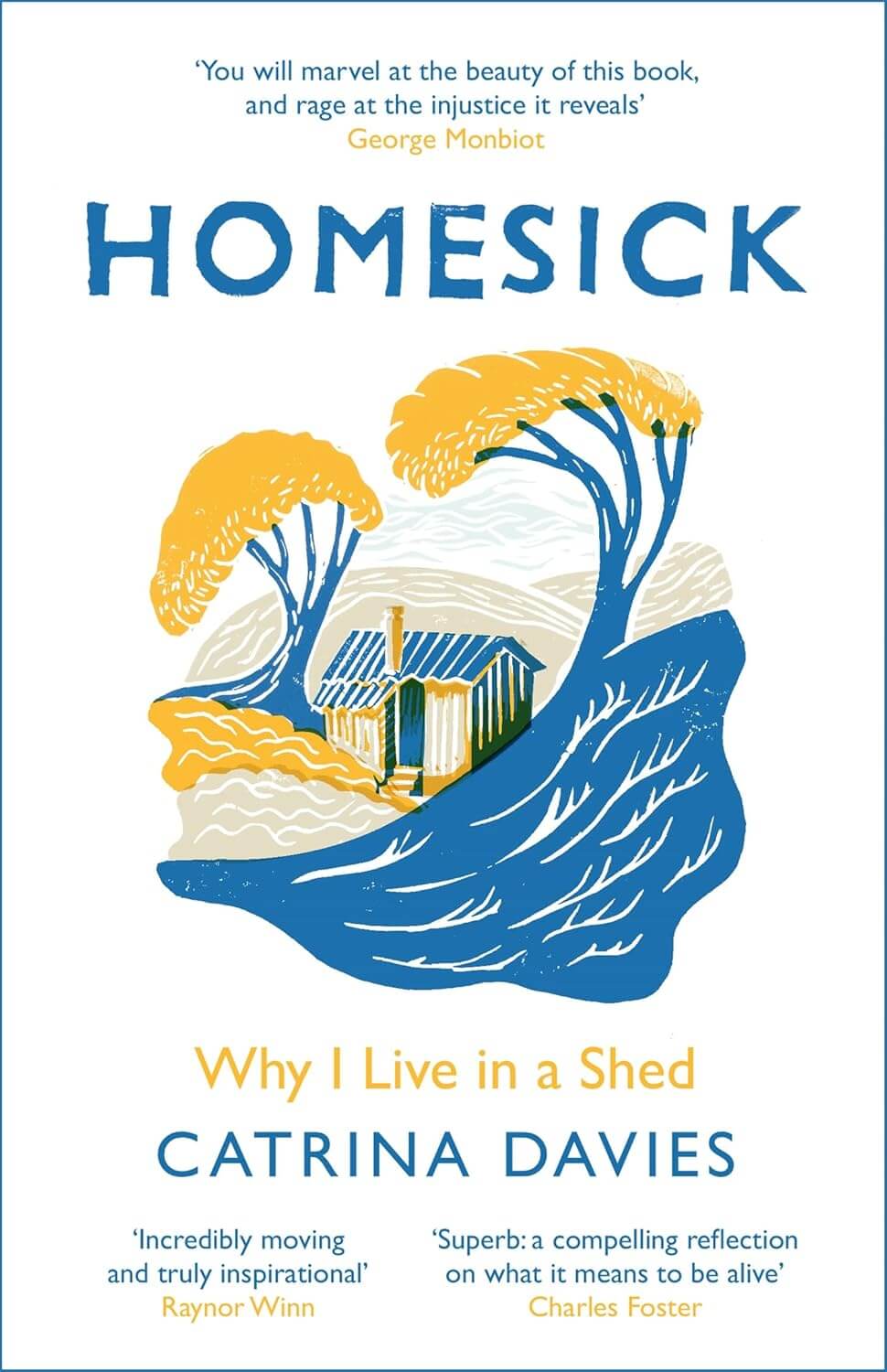
Homesick: Why I Live in a Shed

Homesick: Why I Live in a Shed

by Catrina Davies

Catrina Davies’s memoir traces her experiences growing up in and around British council housing, interrogating class, belonging, and aspiration. Davies writes with clarity and empathy, blending personal narrative with social critique. She examines how housing policy shapes lives and limits possibility. The book is intimate without being insular, connecting individual experience to systemic inequality. Davies’s voice is thoughtful and grounded, offering insight without sentimentality. It is a quietly powerful account of place and identity.

4.22
Memoir
Social Commentary
Thoughtful
Honest
Grounded
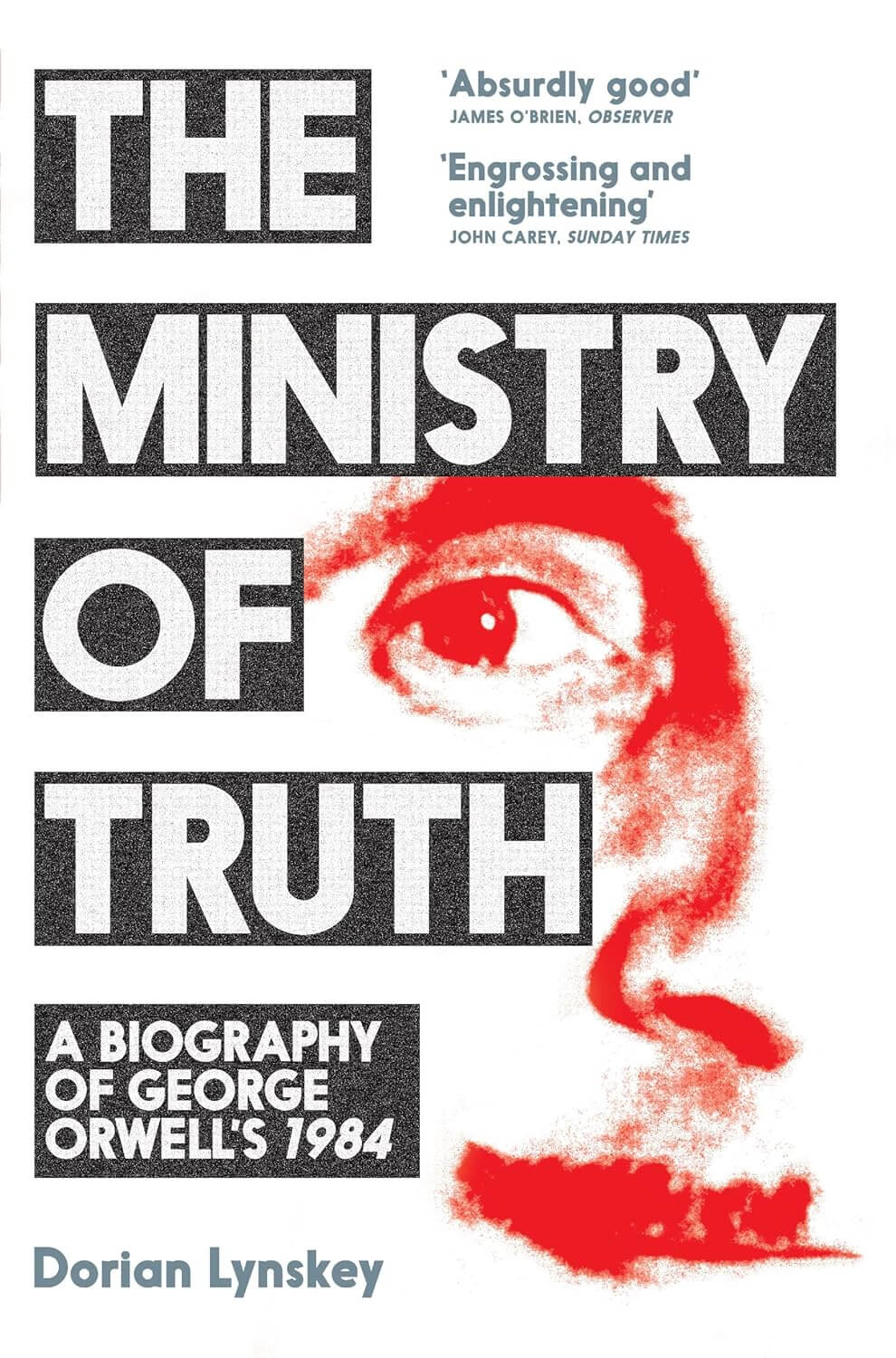
The Ministry of Truth

The Ministry of Truth

by Dorian Lynskey

Dorian Lynskey’s cultural history traces the origins, impact, and afterlife of George Orwell’s 1984. Moving across decades and continents, Lynskey explores how the novel has been interpreted, misused, and reclaimed. The book situates 1984 within Orwell’s life and political thought, while also examining its influence on modern language and protest. Lynskey writes with wit and clarity, making the history both accessible and intellectually rich. It is a compelling study of how literature shapes political imagination.

4.13
Literary History
Political Culture
Insightful
Engaging
Intellectual