Six illuminating works exploring catastrophe, identity, espionage, science, and the tides of empire
The 2018 Baillie Gifford Prize shortlist offers an exceptional collection of nonfiction that blends investigative depth with narrative brilliance. These books explore defining moments of the past and urgent questions of the present, ranging from scientific discovery and personal identity to geopolitical intrigue and historical reckoning. Each title demonstrates how nonfiction can illuminate unseen forces and reveal the stories behind transformative events.
Several of the books confront pivotal moments in world history — from the Chernobyl disaster to the turbulent final days of the Qing dynasty — showing how human decisions ripple outward through generations. Others probe interior landscapes: the shaping of selfhood, the ethics of artificial intelligence, and the biological legacies passed down through families and societies. Together, they create a multifaceted portrait of the world’s complexity.
What unites these authors is their curiosity and clarity. Whether they are charting the psychological stakes of masculinity, explaining intricate algorithms, or uncovering espionage in the Cold War, they bring rigour, empathy, and storytelling power to their subjects. This longlist stands as a testament to nonfiction’s ability not just to inform, but to transform the way readers see the world.
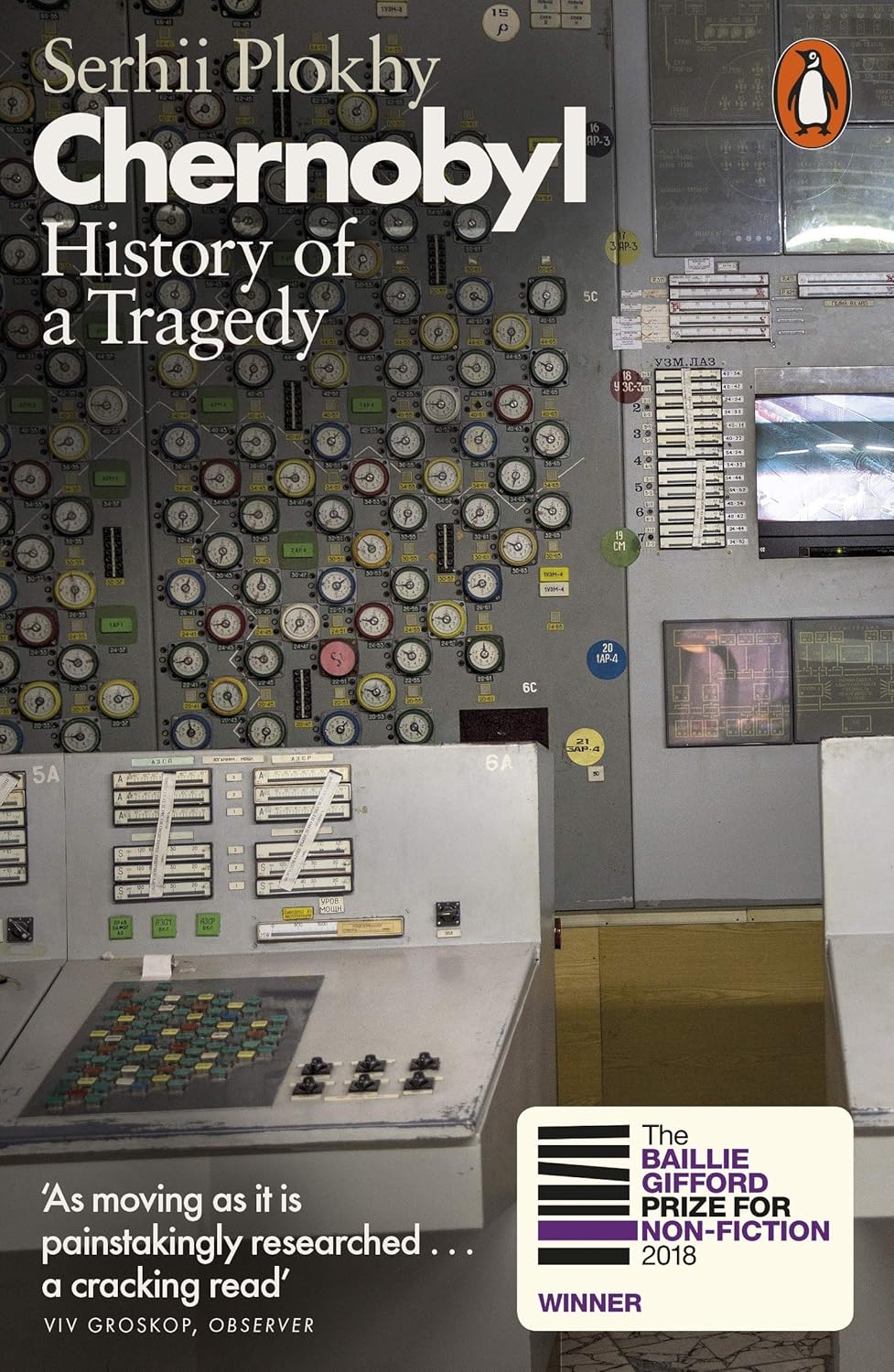
Serhii Plokhy’s Chernobyl provides a definitive account of the 1986 nuclear disaster, weaving political history, scientific detail, and human testimony into a gripping narrative. Plokhy reveals how Soviet bureaucracy, secrecy, and systemic failures created conditions for catastrophe, and he follows the event’s aftermath across borders and decades. His storytelling balances technical clarity with emotional depth, illuminating the experiences of first responders, residents, and scientists. The book also explores Chernobyl’s geopolitical legacy, including its role in the unraveling of the Soviet Union. It is authoritative, sobering, and deeply humane — essential reading on one of the twentieth century’s most consequential events.
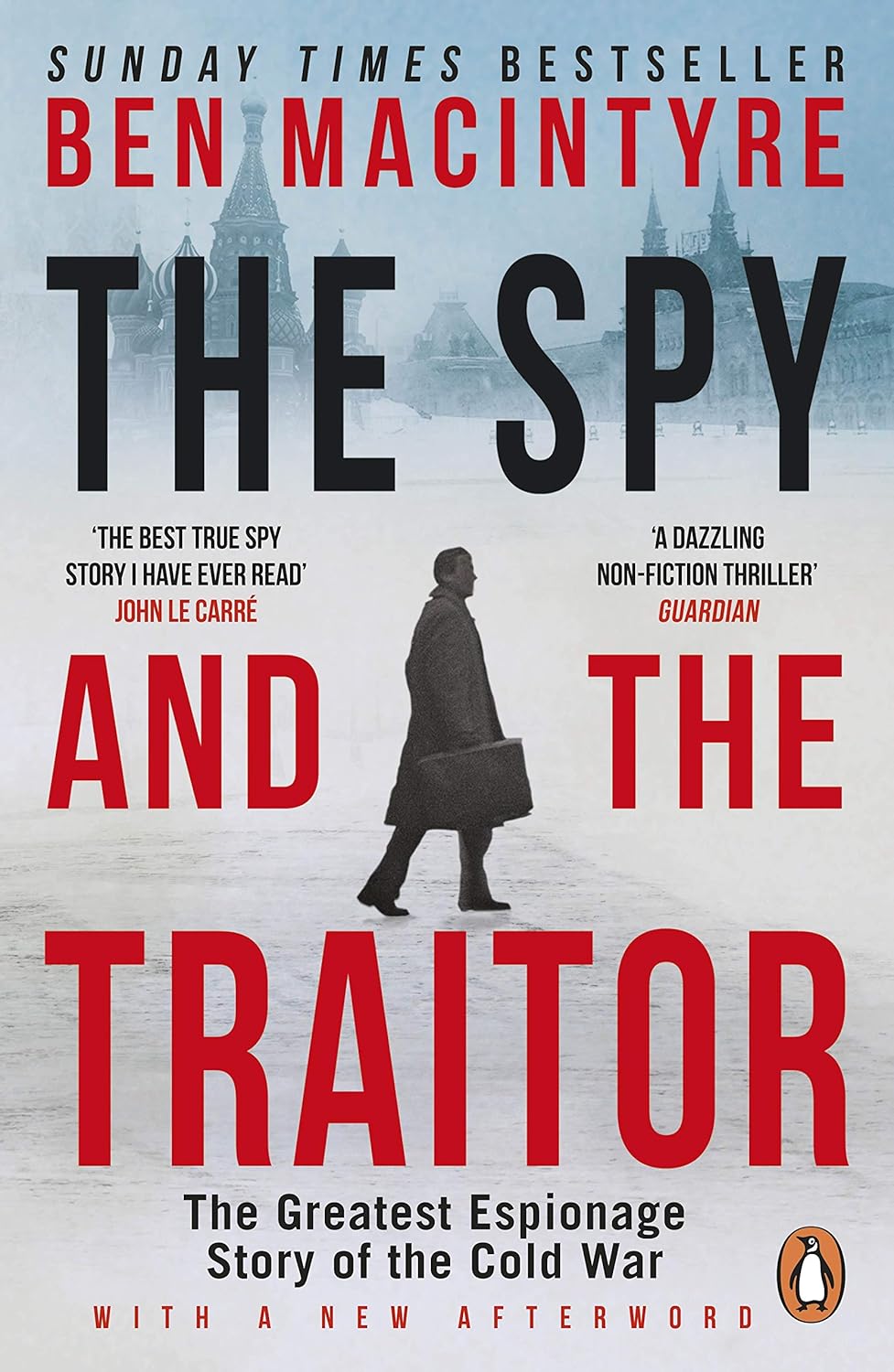
Ben Macintyre’s The Spy and the Traitor recounts the extraordinary true story of Oleg Gordievsky, the KGB officer who became one of MI6’s most valuable Cold War assets. Macintyre writes with the precision of a historian and the pacing of a thriller, creating a narrative that is both impeccably researched and compulsively readable. He captures the psychological tension of double agency, the geopolitical stakes, and the profound personal risks Gordievsky faced. The book brings to life a world of espionage defined by mistrust, courage, and moral ambiguity. It is thrilling nonfiction at its finest.
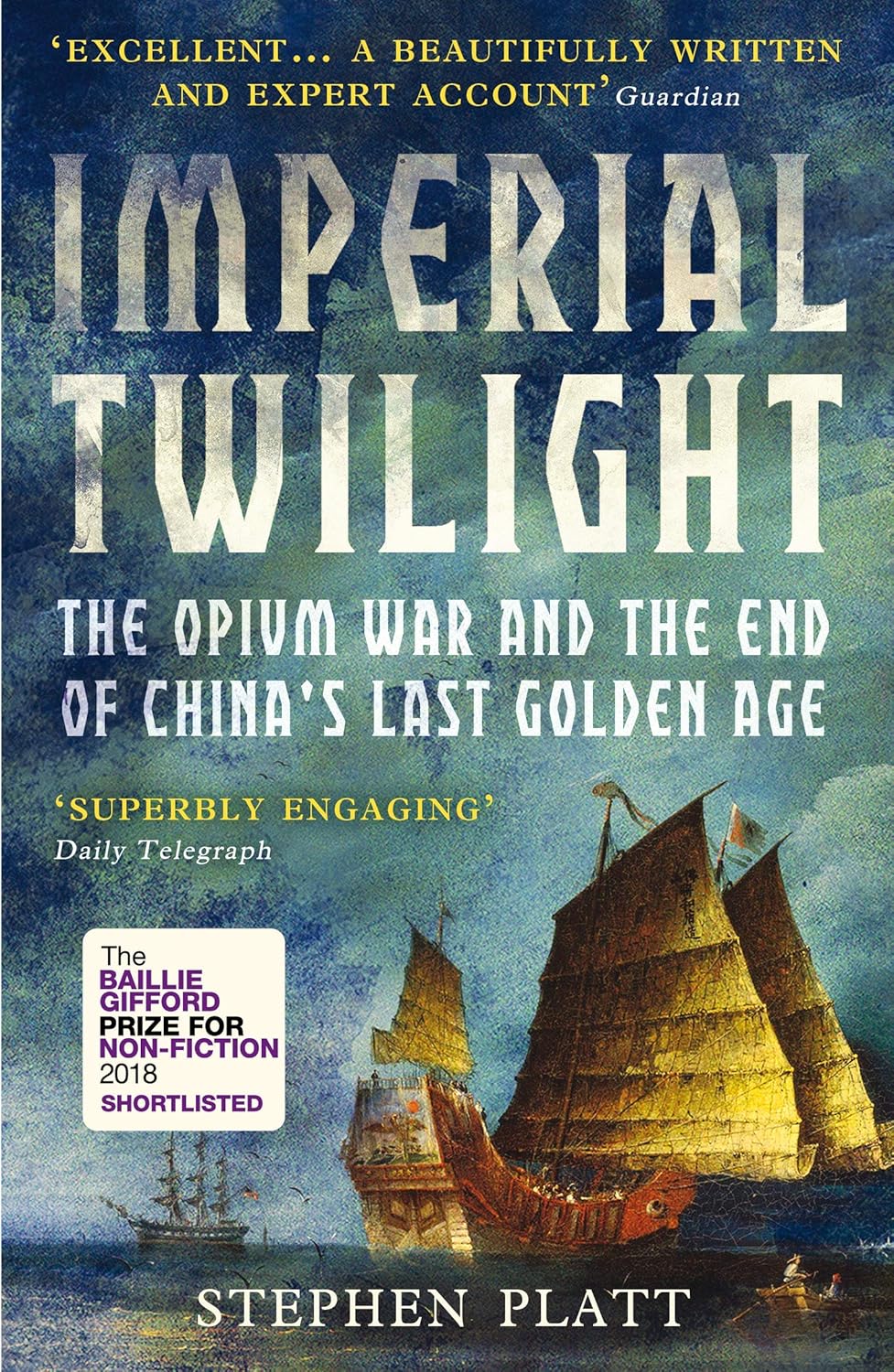
Stephen Platt’s Imperial Twilight offers a richly detailed account of the decades leading up to the Opium War, revealing the cultural misunderstandings, political missteps, and economic pressures that shaped Sino-British relations. Platt brings nuance to a period often oversimplified, presenting both sides with empathy and clarity. His narrative is immersive, following diplomats, traders, and officials as they navigate clashing worldviews. The book sheds new light on a pivotal moment in global history and the roots of modern tensions. Intelligent and engaging, it is a standout work of historical scholarship.
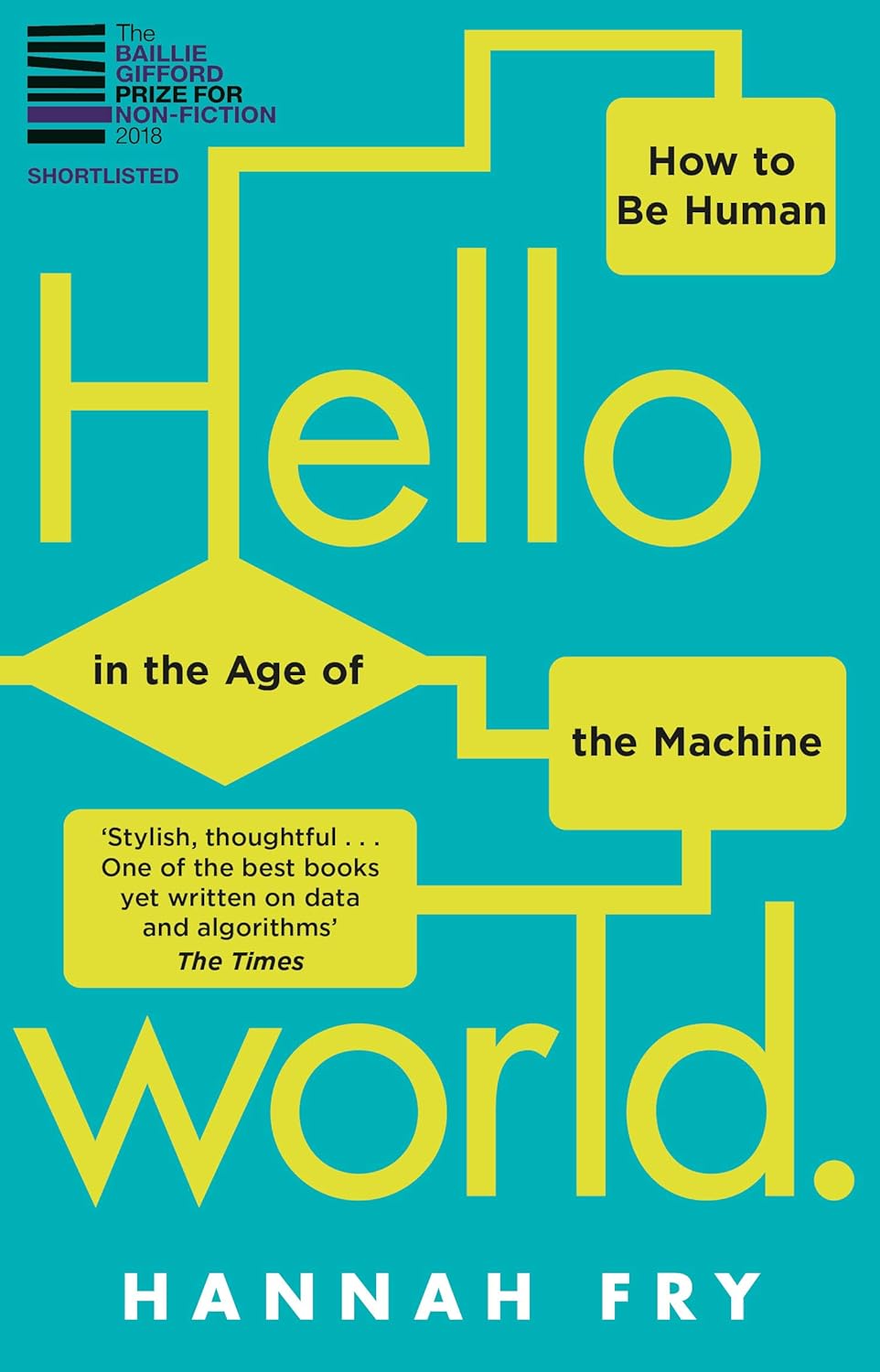
Hannah Fry’s Hello World is a lively and accessible exploration of algorithms and their growing influence on daily life. Fry demystifies complex mathematical systems while raising sharp ethical questions about fairness, bias, transparency, and control. Her writing is witty and clear, filled with real-world examples that show both the promise and peril of automated decision-making. Fry avoids alarmism, instead offering a nuanced guide to navigating a world increasingly mediated by machines. The book is engaging, thought-provoking, and ideal for readers curious about the intersection of technology and society.
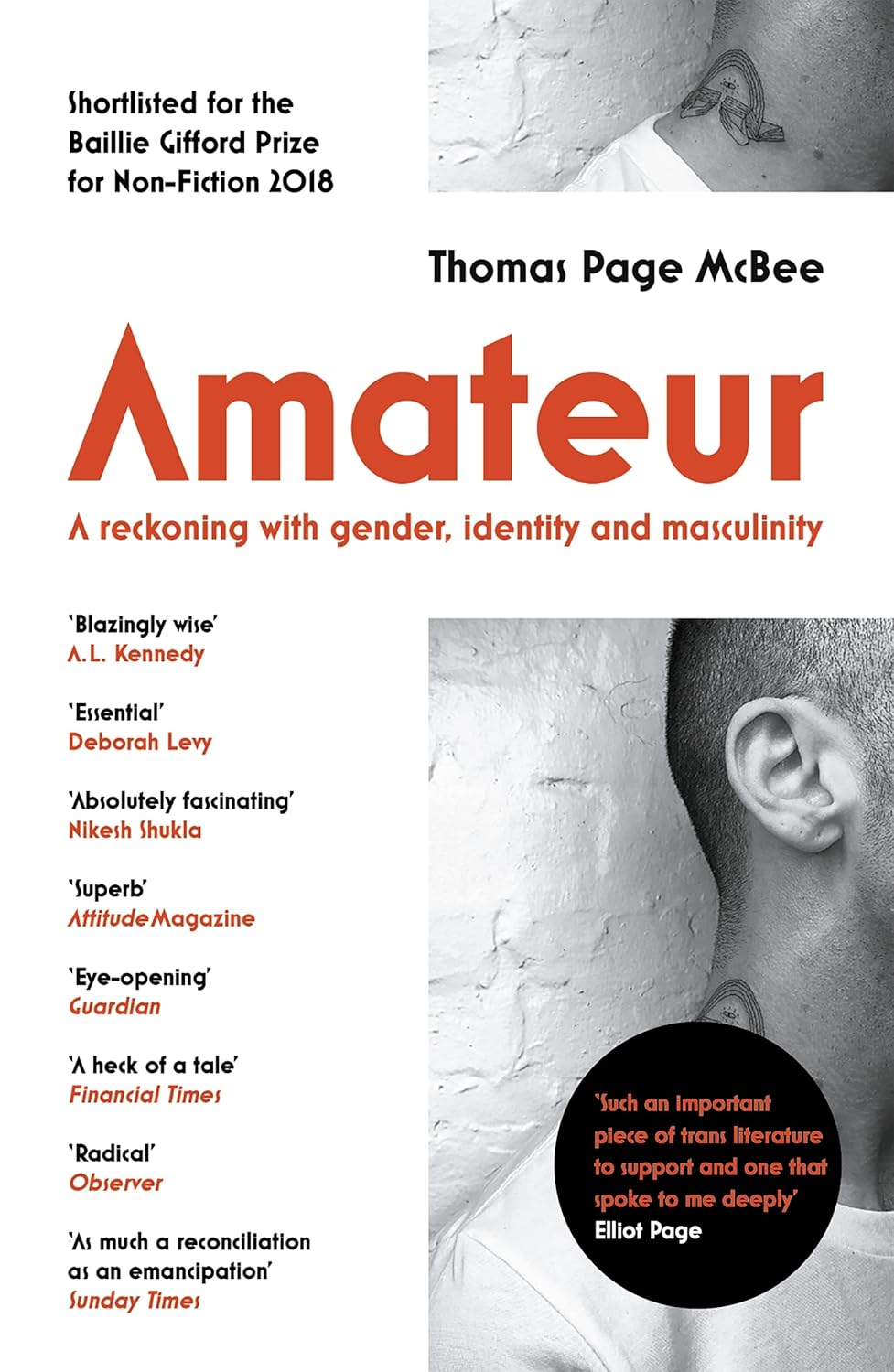
In Amateur, Thomas Page McBee chronicles his journey to become the first transgender man to box at Madison Square Garden, exploring masculinity, identity, and vulnerability along the way. McBee blends memoir with cultural analysis, interrogating the norms and expectations that shape modern manhood. His prose is introspective and compassionate, balancing personal struggle with broader social insight. The book challenges stereotypes while embracing the complexities of bodily transformation and emotional honesty. It is a moving, original exploration of what it means to be a man.
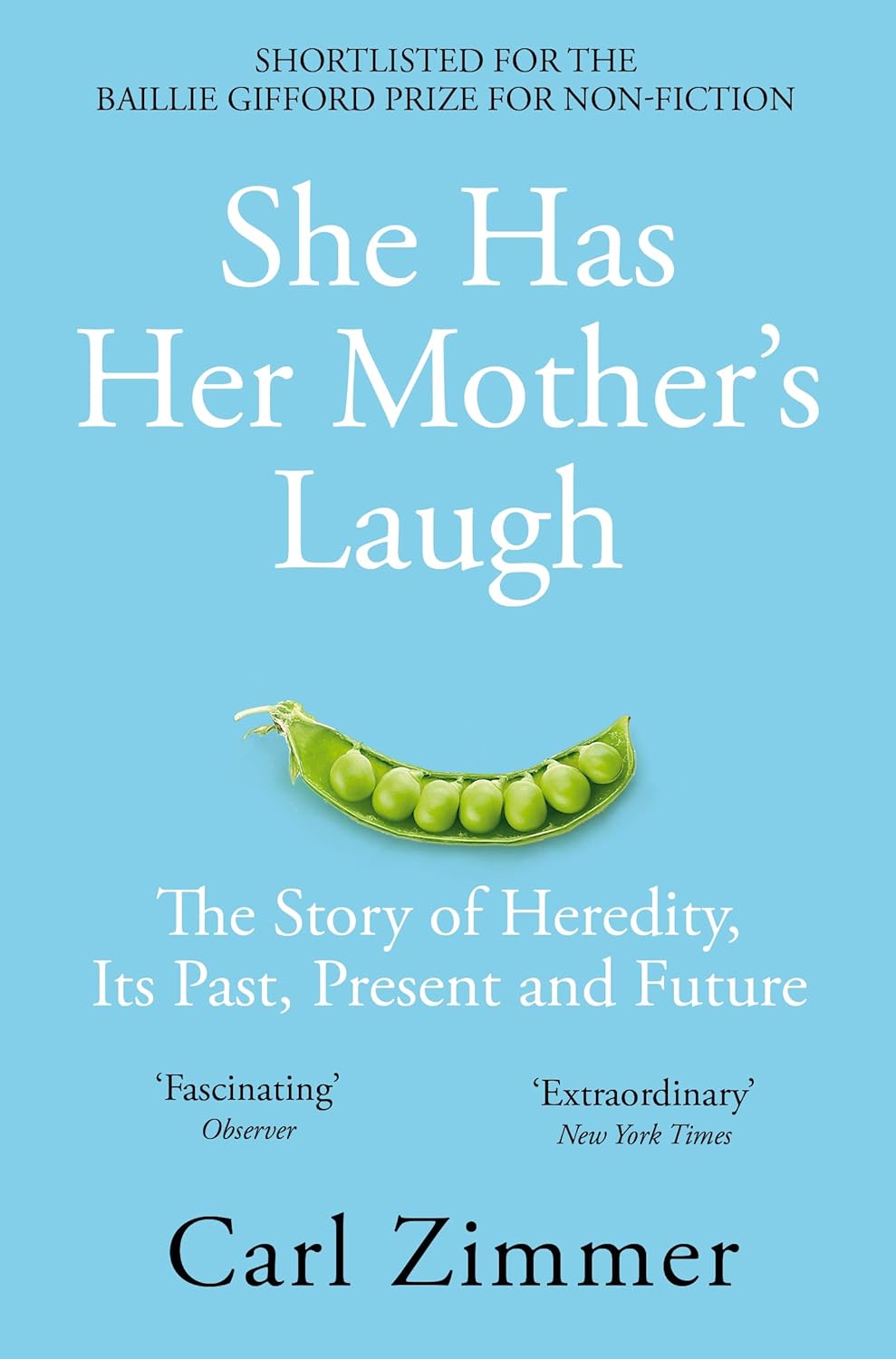
Carl Zimmer’s She Has Her Mother’s Laugh is an ambitious exploration of heredity — not just genes, but the many ways traits, behaviours, and histories pass between generations. Zimmer blends scientific research with storytelling, revealing how genetics intersects with culture, identity, and ethics. He explains complex concepts with clarity while highlighting the limitations and misconceptions that cloud public understanding. The book ranges widely, from ancient DNA to modern CRISPR debates, offering a holistic view of human inheritance. Zimmer’s curiosity and compassion make this a deeply engaging and enlightening read.