2017 The Baillie Gifford Prize for Non-Fiction

Twelve extraordinary works exploring identity, resistance, science, history, and the shifting borders of our world

The 2017 Baillie Gifford Prize longlist showcases a powerful blend of investigative journalism, memoir, history, and cultural criticism. These books illuminate pressing questions about how societies change, how individuals resist oppression, and how personal stories intersect with political upheaval. Whether through intimate accounts of illness and activism, deep historical analysis, or explorations of technology’s expanding reach, the authors bring clarity and emotional depth to complex subjects.

Many of the titles confront systems of power — from racial injustice and authoritarian regimes to the geopolitical fractures that define modern borders. Others turn inward, examining family histories, artistic legacies, and the meaning of belonging. Collectively, they demonstrate nonfiction’s ability to challenge received wisdom and bring forgotten perspectives into view. Their narratives reveal how personal histories often mirror the broader social and political landscapes that shape them.

At its core, this longlist celebrates nonfiction as a form of truth-seeking that is both rigorous and deeply human. These books spark curiosity, empathy, and critical reflection, offering new ways to understand the past and reimagine the future. They amplify voices that demand to be heard and bring readers closer to the forces — intimate and global — that create the world we inhabit.

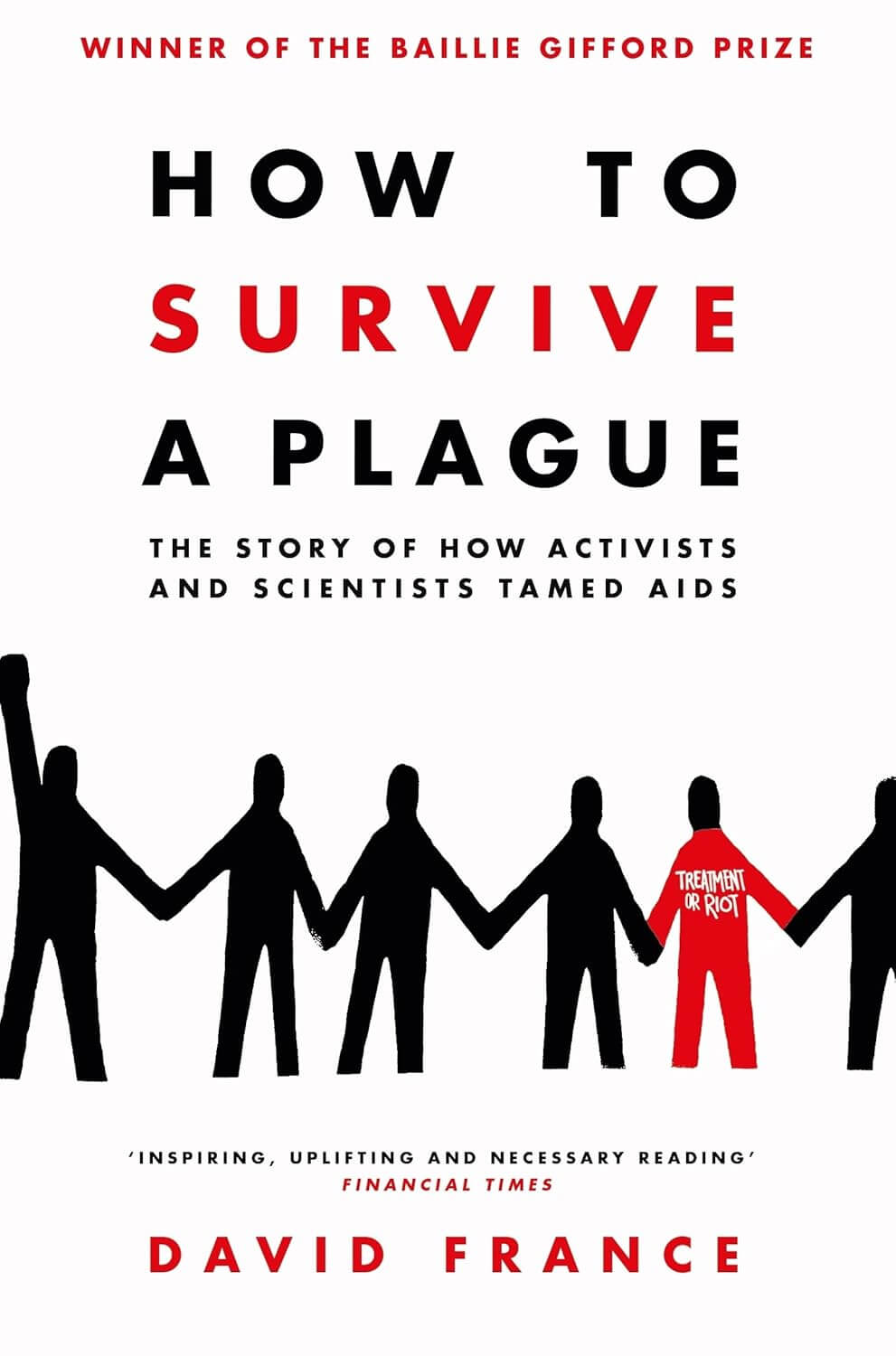
How to Survive a Plague: The Inside Story of How Citizens and Science Tamed AIDS
Winner

How to Survive a Plague: The Inside Story of How Citizens and Science Tamed AIDS

by David France

David France’s How to Survive a Plague is a monumental work of investigative history charting the early years of the AIDS epidemic and the activism that transformed treatment worldwide. France weaves together first-person testimony, archival materials, and political analysis to show how ordinary people fought for scientific breakthroughs against a backdrop of fear, stigma, and government inaction. His prose is clear, passionate, and unsparing, capturing the urgency and heartbreak of the crisis. The book honours the activists whose courage reshaped medical research and saved countless lives. It is harrowing, inspiring, and essential reading on collective resistance.

4.44
History
Investigative Journalism
Health
Urgent
Inspiring
Somber
An Odyssey: A Father, a Son, and an Epic
Shortlisted

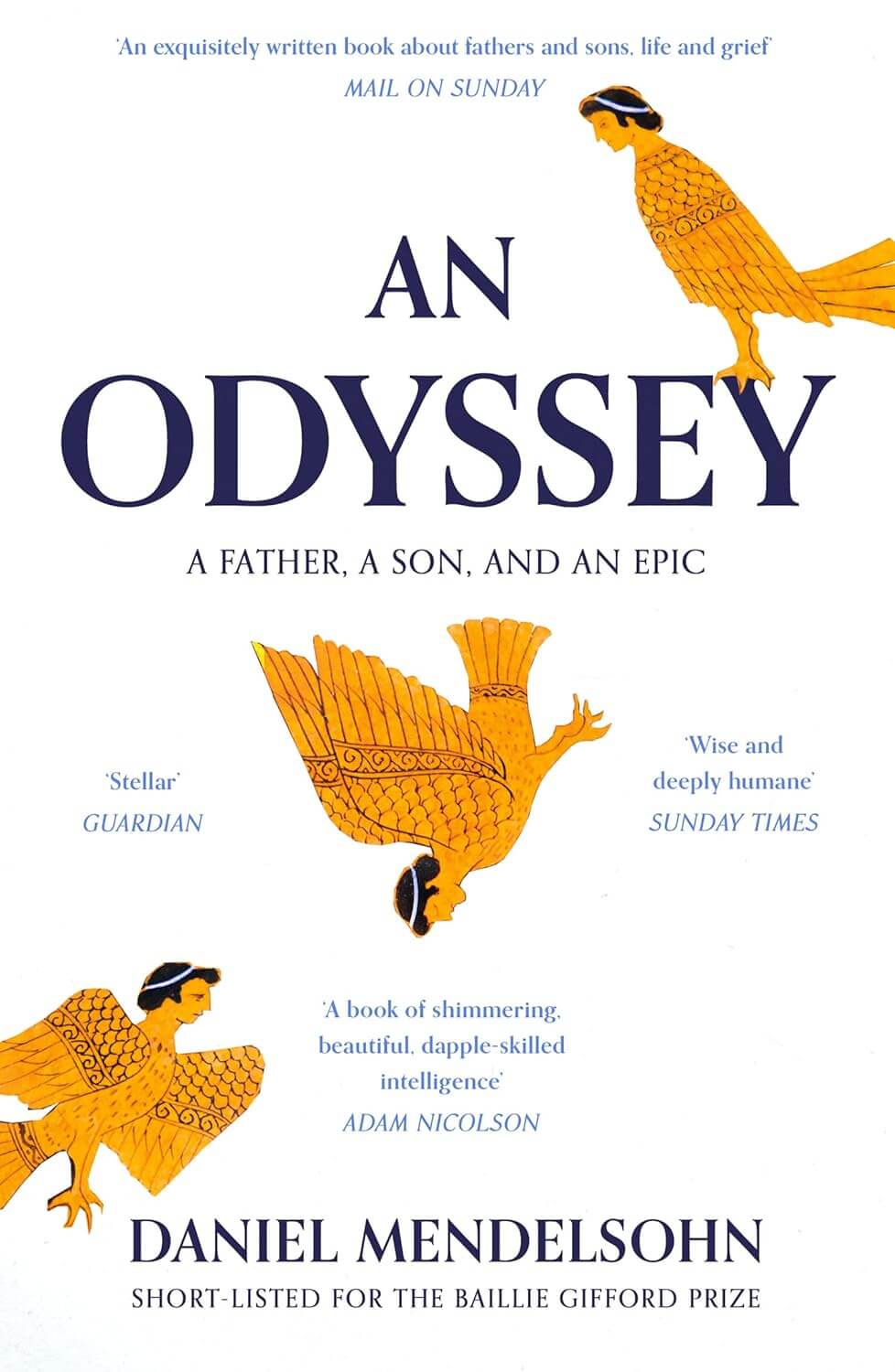
An Odyssey: A Father, a Son, and an Epic

by Daniel Mendelsohn

In An Odyssey, Daniel Mendelsohn blends memoir, literary criticism, and family narrative as he recounts teaching Homer’s Odyssey while his aging father enrolls in the course. The book becomes a meditation on fathers and sons, storytelling, mortality, and the enduring power of myth. Mendelsohn’s prose is elegant and generous, moving seamlessly between personal conflict and classical interpretation. His reflections on family dynamics deepen the emotional stakes, illuminating how ancient texts speak to modern bonds. It is tender, intellectually rich, and beautifully crafted.

4.26
Memoir
Literary Criticism
Tender
Intellectual
Reflective
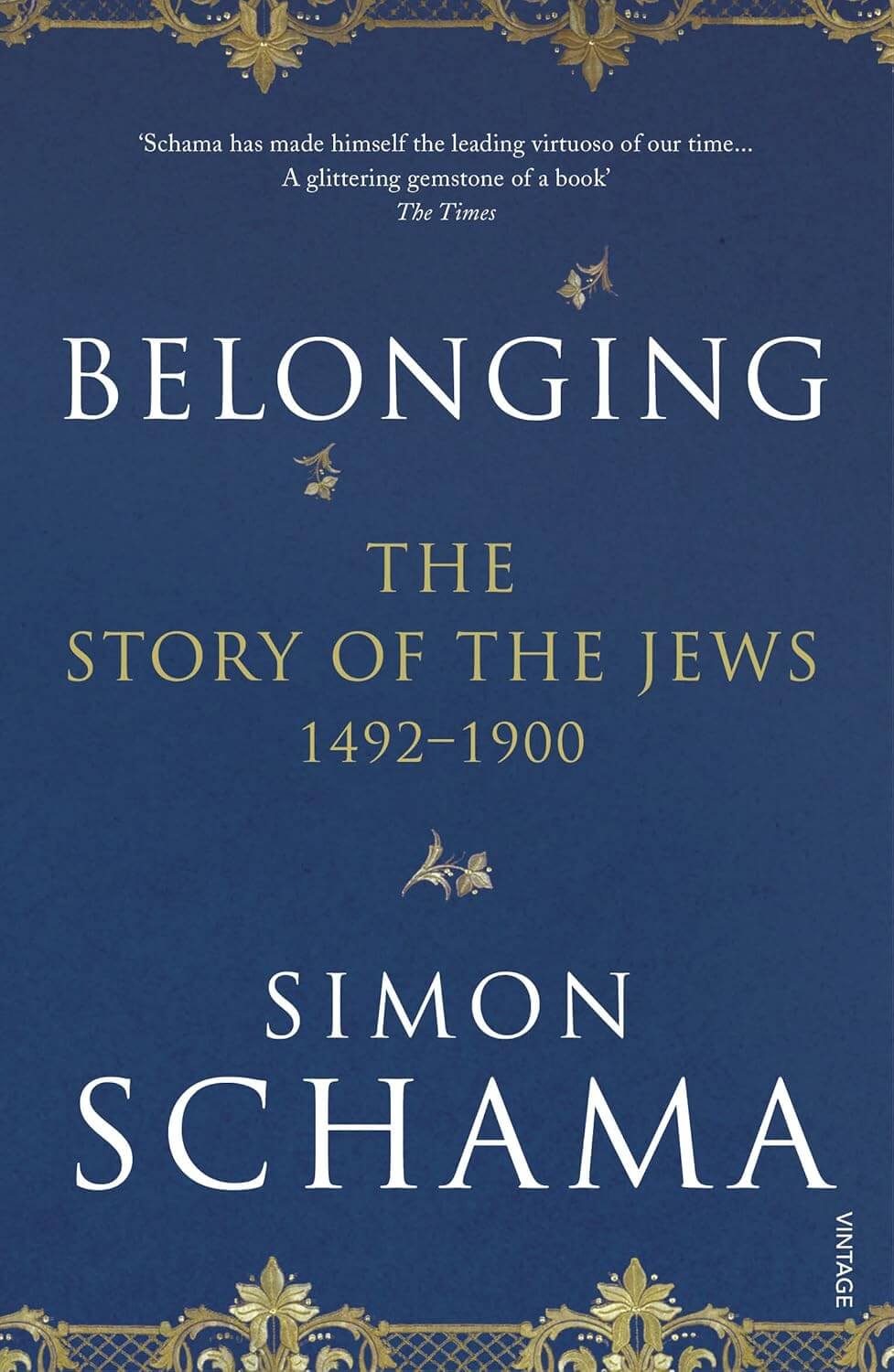
The Story of the Jews Volume Two: Belonging: 1492-1900
Shortlisted

The Story of the Jews Volume Two: Belonging: 1492-1900

by Simon Schama

Simon Schama’s Belonging is an expansive and deeply researched history of Jewish life from the seventeenth to nineteenth centuries. Through vivid storytelling and scholarly nuance, Schama traces communities across continents, highlighting resilience, innovation, and cultural flowering amid persecution. His narrative is rich with character and detail, making large historical arcs feel intimate and lived. Schama explores how identity is shaped by exile, belonging, and reinvention. It is a monumental work that captures both the fragility and strength of diaspora experience.

4.27
History
Cultural Studies
Epic
Human
Reflective
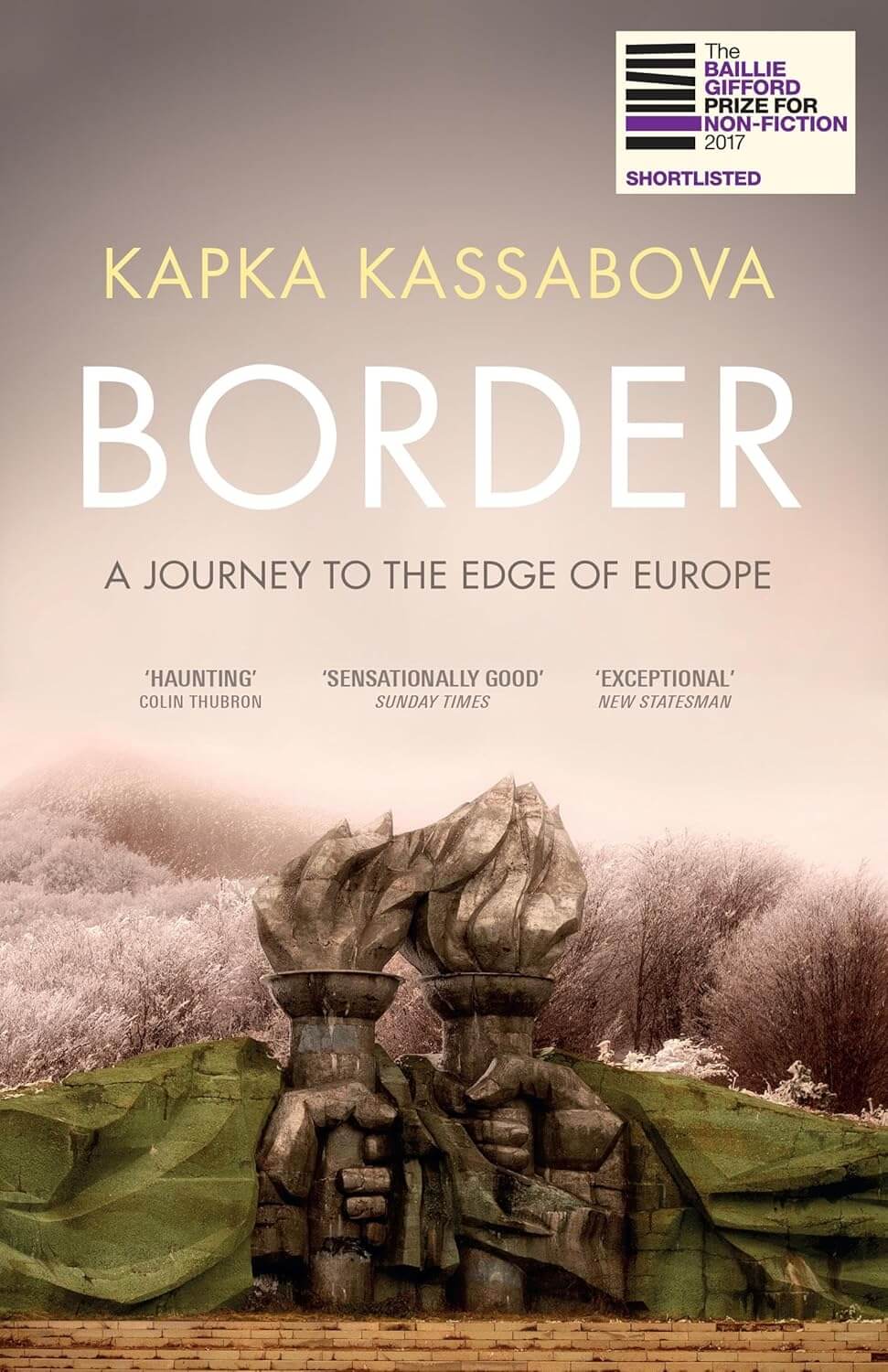
Border
Shortlisted

Border

by Kapka Kassabova

Kapka Kassabova’s Border is a haunting travel narrative exploring the regions where Bulgaria meets Turkey and Greece. Kassabova blends memoir, political history, and reportage to reveal how borders shape identities and trauma across generations. Her prose is lyrical yet sharp, capturing landscapes marked by surveillance, smuggling, and displacement. She listens closely to the stories of locals, whose lives reflect the violence and absurdity of shifting political lines. The result is an atmospheric, emotionally resonant portrait of a region defined by its fractures.

4.15
Travel Writing
History
Cultural Studies
Atmospheric
Melancholic
Reflective
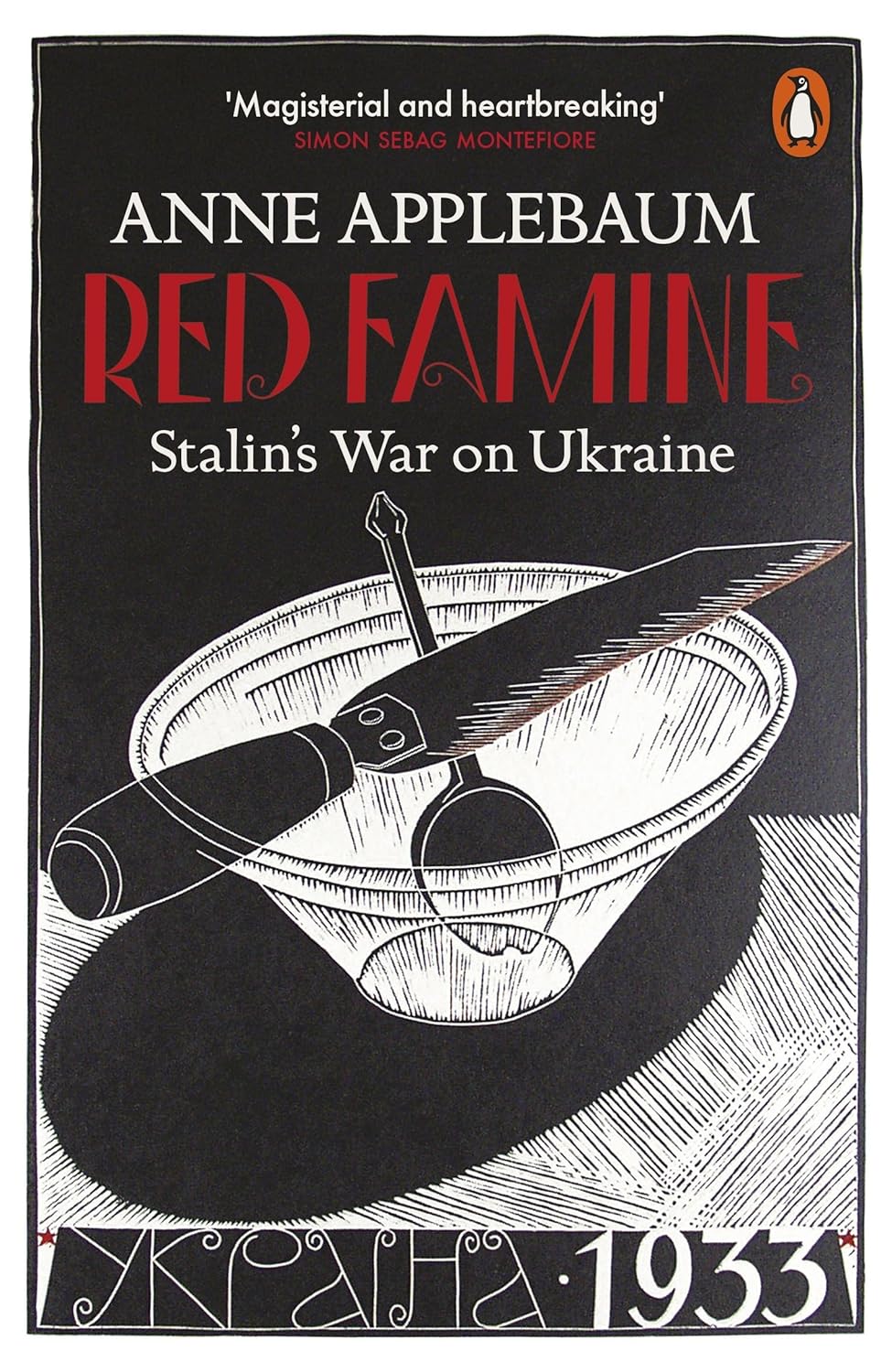
Red Famine: Stalin's War on Ukraine

Red Famine: Stalin's War on Ukraine

by Anne Applebaum

Anne Applebaum’s Red Famine offers a searing account of the Holodomor — the man-made famine that killed millions in Ukraine in the 1930s. Applebaum combines archival research with survivor testimony to show how Stalin’s policies deliberately targeted Ukrainian nationhood. Her narrative is precise, morally forceful, and historically rigorous. Applebaum situates the famine within broader Soviet strategies of control, revealing its political motivations and lasting consequences. The book is harrowing but essential, bringing clarity to a devastating and often overlooked atrocity.

4.39
History
Political Studies
Somber
Intense
Grave
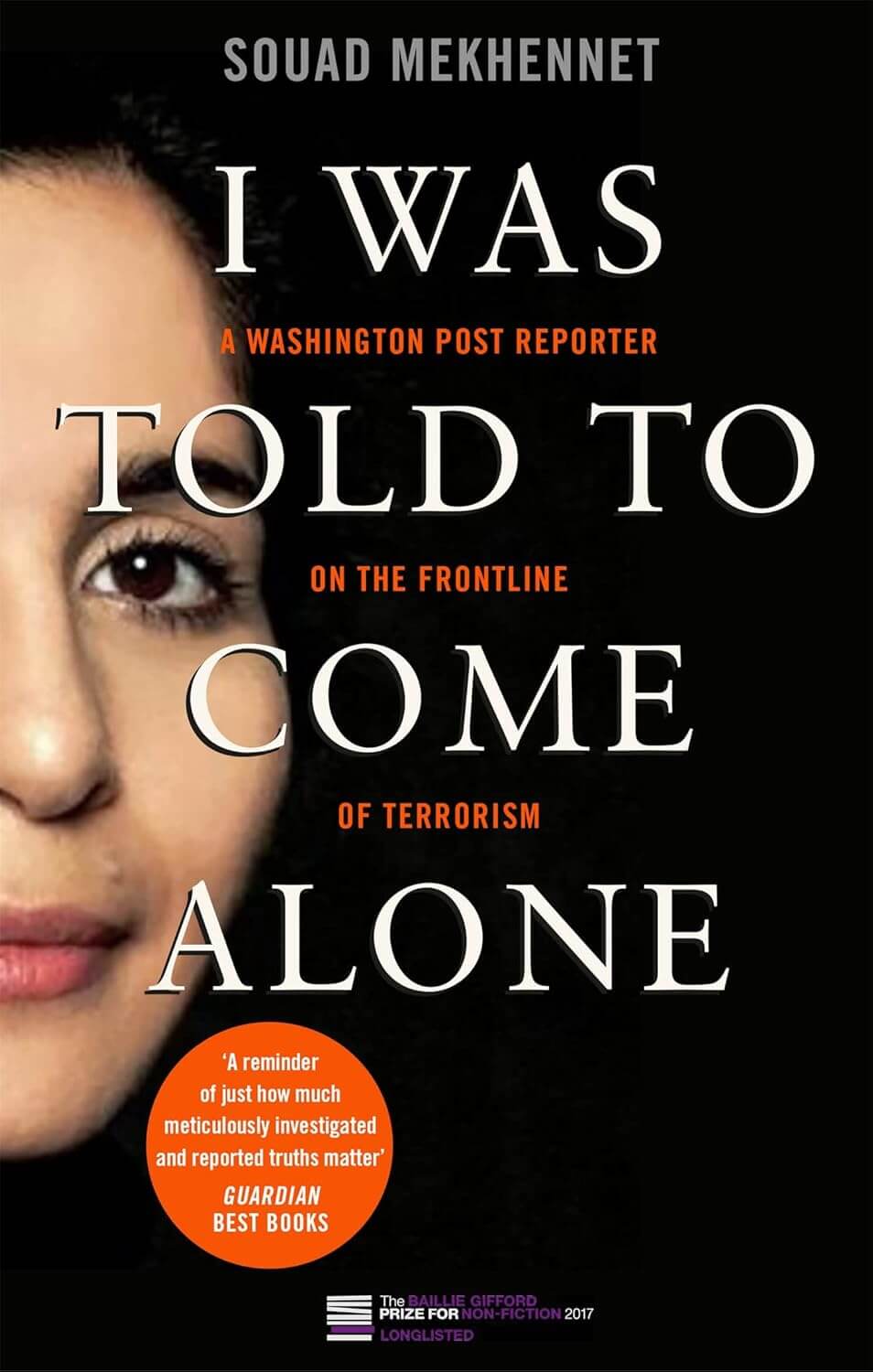
I Was Told to Come Alone: My Journey Behind the Lines of Jihad

I Was Told to Come Alone: My Journey Behind the Lines of Jihad

by Souad Mekhennet

Souad Mekhennet’s memoir blends investigative journalism with personal narrative as she recounts her work interviewing extremists across Europe and the Middle East. As a Muslim woman reporting on terrorism, Mekhennet navigates dangers and cultural barriers with remarkable clarity and courage. Her storytelling is vivid and suspenseful, offering rare insight into radicalisation, identity, and geopolitics. She interrogates both the motivations of her subjects and the biases of the societies that shaped them. It is gripping, humane, and profoundly illuminating.

4.42
Memoir
Investigative Journalism
Tense
Courageous
Revealing
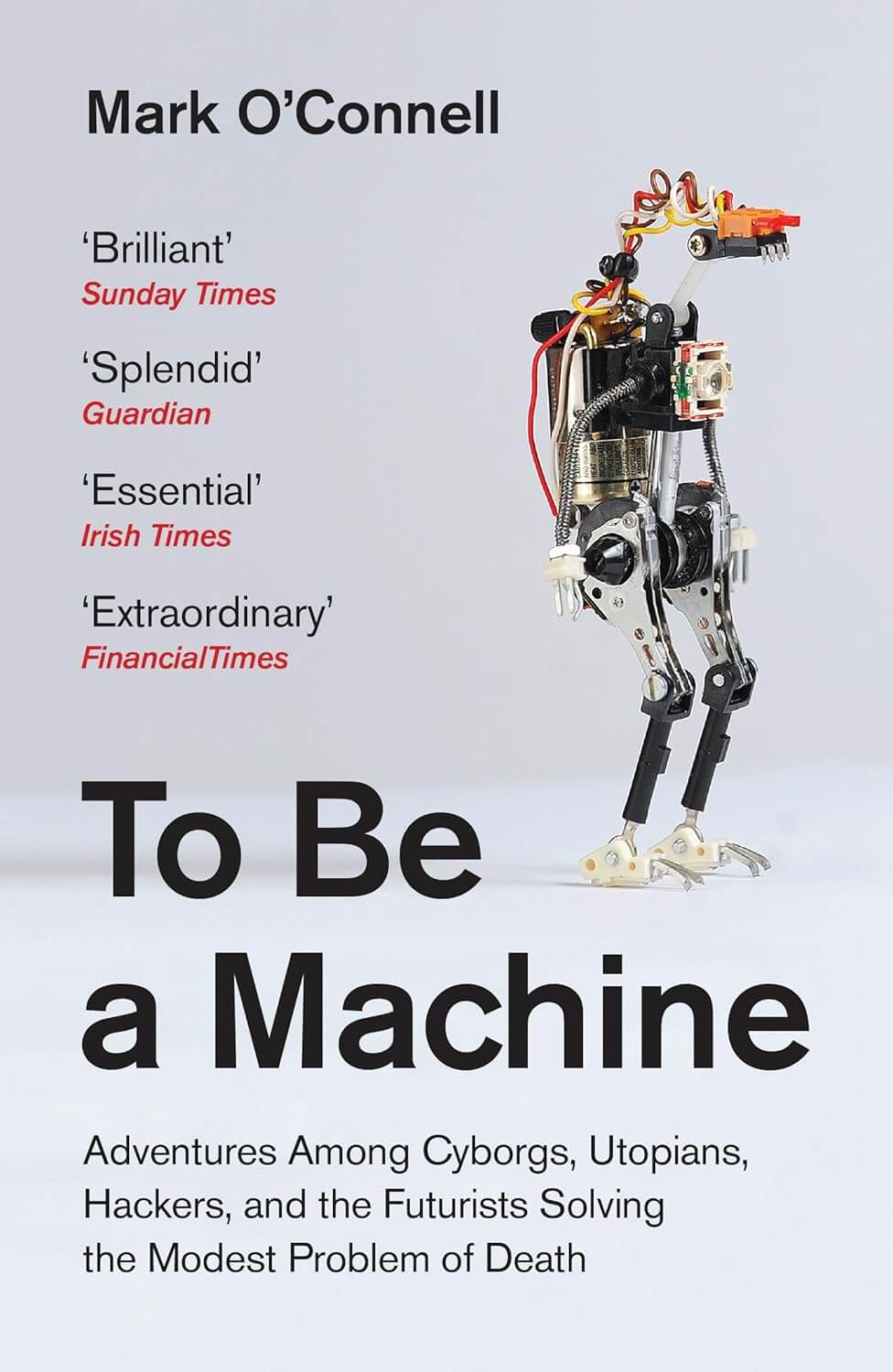
To Be a Machine: Adventures Among Cyborgs, Utopians, Hackers, and the Futurists Solving the Modest Problem of Death
Shortlisted

To Be a Machine: Adventures Among Cyborgs, Utopians, Hackers, and the Futurists Solving the Modest Problem of Death

by Mark O'Connell

Mark O’Connell’s To Be a Machine is a sharp, witty, and intellectually probing journey into the world of transhumanism. O’Connell meets biohackers, technologists, and futurists who seek to transcend the limits of the human body through technology. His approach is sceptical yet empathetic, exploring both the promise and absurdity of attempts to defy mortality. O’Connell writes with humour, philosophical insight, and a keen eye for contradiction. The book raises profound questions about identity, embodiment, and what it means to be human in an age of accelerating technological change.

3.77
Science & Technology
Philosophy
Wry
Curious
Thought-Provoking
Why I’m No Longer Talking to White People About Race

Why I’m No Longer Talking to White People About Race

by Reni Eddo-Lodge

Reni Eddo-Lodge’s book is a clear, powerful examination of race, privilege, and structural inequality in the UK. What began as a viral blog post expands into a rigorous analysis of British history, class, feminism, and the emotional dynamics of racism. Eddo-Lodge writes with precision and urgency, bringing clarity to conversations often clouded by defensiveness and denial. Her work challenges readers to confront uncomfortable truths and provides a framework for understanding racial injustice. It is a landmark text in contemporary discussions of race and politics.

4.37
Social Justice
Cultural Criticism
Urgent
Incisive
Empowering
The Islamic Enlightenment: The Struggle Between Faith and Reason
Shortlisted

The Islamic Enlightenment: The Struggle Between Faith and Reason

by Christopher de Bellaigue

Christopher de Bellaigue’s The Islamic Enlightenment offers a vibrant and nuanced history of intellectual, social, and political transformation in the Middle East from the nineteenth century onward. He challenges stereotypes by revealing periods of reform, innovation, and debate that shaped modern Islamic societies. Through portraits of influential thinkers and leaders, de Bellaigue shows how modernization efforts collided with colonial forces and internal resistance. His writing is elegant and deeply informed, bringing overlooked historical moments to light. The book is a corrective to simplistic narratives and a rich exploration of cultural change.

3.61
History
Cultural Studies
Enlightening
Nuanced
Intellectual
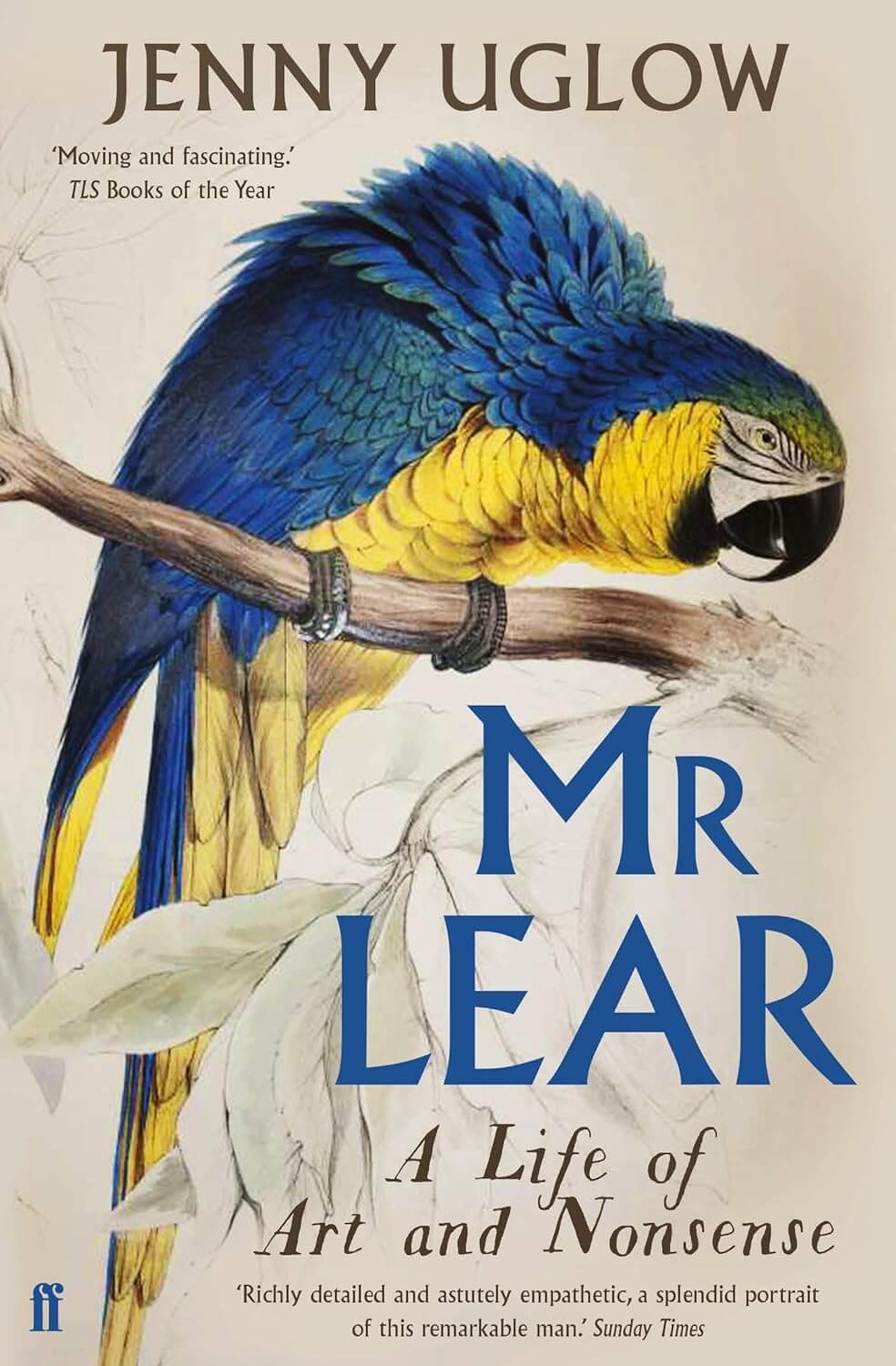
Mr. Lear: A Life of Art and Nonsense

Mr. Lear: A Life of Art and Nonsense

by Jenny Uglow

Jenny Uglow’s biography of Edward Lear captures the whimsical poet-artist in all his complexity. Uglow delves beyond the nonsense verse to reveal Lear’s struggles with health, loneliness, and belonging. Her portrait is affectionate but honest, blending literary criticism with rich historical detail. She explores Lear’s artistic evolution, his travels, and the emotional undercurrents that shaped his work. The result is a nuanced, beautifully written biography that restores depth to a much-loved figure. Uglow’s storytelling is warm, perceptive, and full of life.

4.23
Biography
Literary History
Gentle
Warm
Insightful
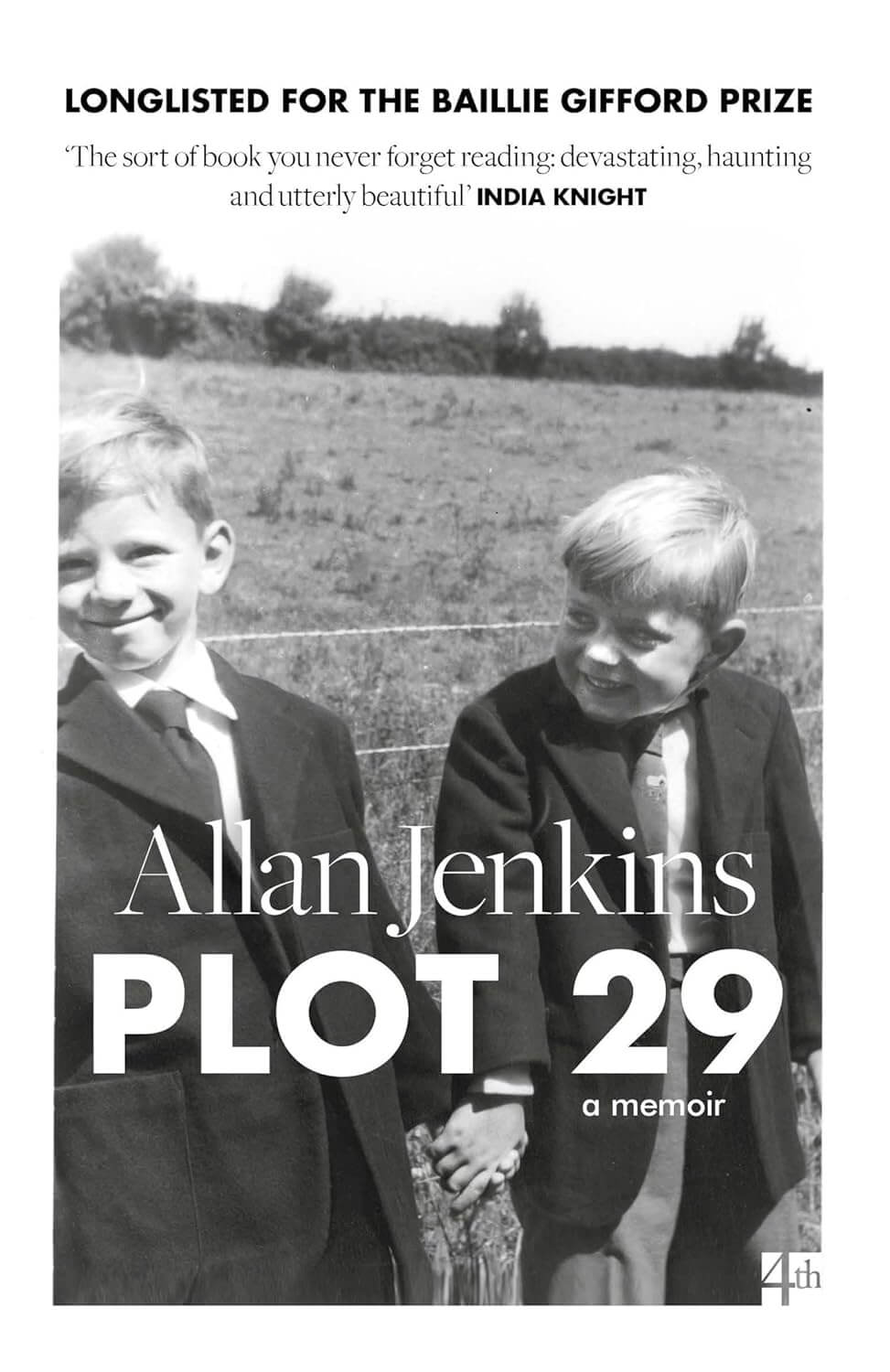
Plot 29

Plot 29

by Allan Jenkins

Allan Jenkins’s Plot 29 is a tender and introspective memoir about childhood trauma, healing, and the solace of growing things. Jenkins reflects on his troubled upbringing in care homes while cultivating a garden that becomes both refuge and metaphor. His writing is gentle yet candid, weaving sensory detail with emotional honesty. The book explores how memory, nature, and nurture interact over a lifetime. It is hopeful without sentimentality, offering a quiet affirmation of resilience and renewal.

4.06
Memoir
Tender
Hopeful
Introspective
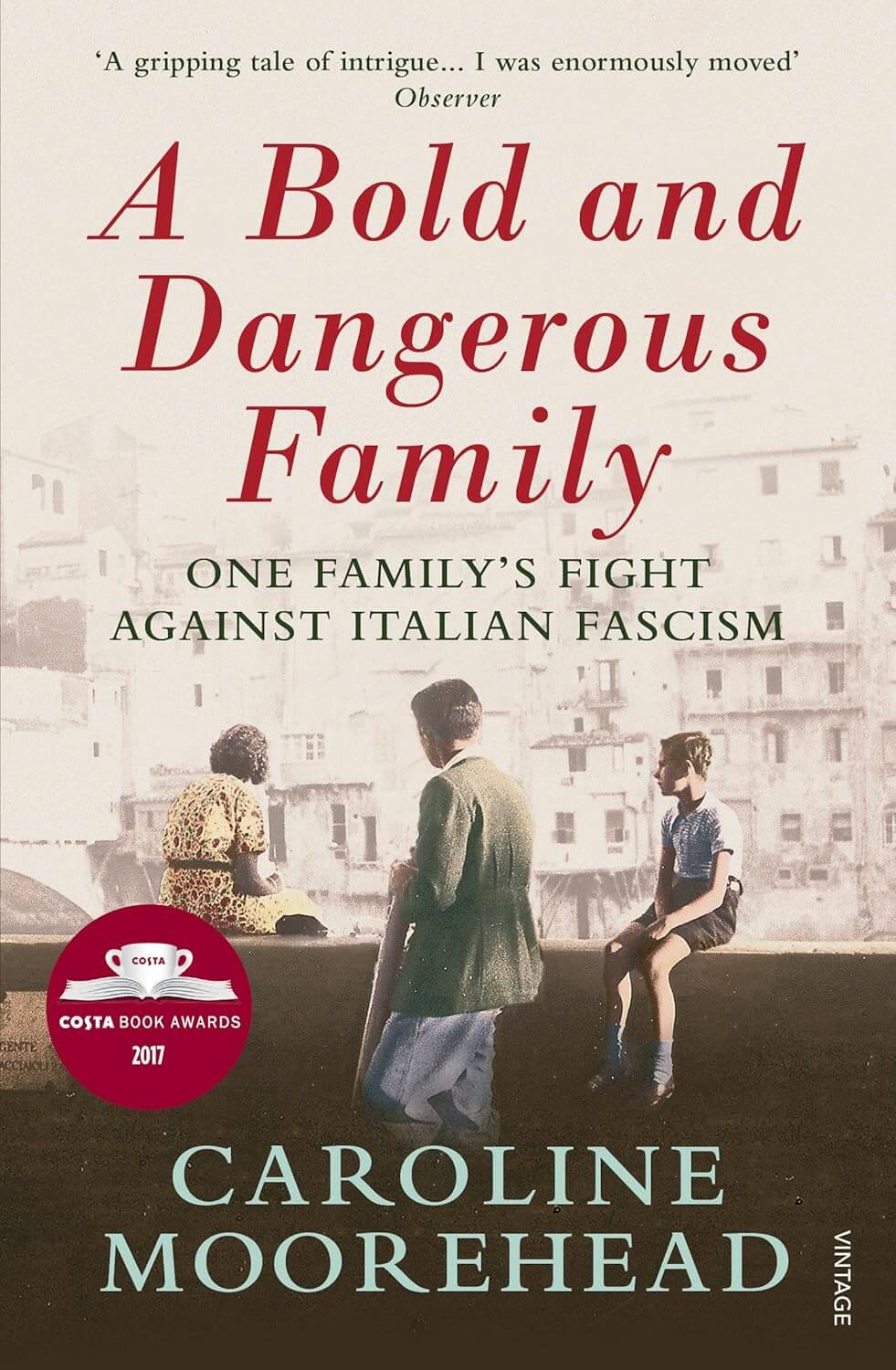
A Bold and Dangerous Family: One Family’s Fight Against Italian Fascism

A Bold and Dangerous Family: One Family’s Fight Against Italian Fascism

by Caroline Moorehead

Caroline Moorehead’s A Bold and Dangerous Family tells the gripping true story of the Rosselli family, who resisted Mussolini’s dictatorship at great personal cost. Moorehead writes with clarity and compassion, situating the family’s activism within the broader rise of Italian fascism. The narrative is rich with character and drama, revealing both the sacrifices and the enduring moral conviction of those who chose resistance. Moorehead’s research is meticulous, and her storytelling feels urgent and timeless. It is both a family biography and a powerful account of political courage.

3.71
History
Biography
Political Studies
Inspirational
Serious
Compelling