2016 The Baillie Gifford Prize for Non-Fiction

Ten unforgettable books exploring memory, justice, identity, and what it means to be human

The 2016 Baillie Gifford Prize for Non-Fiction longlist brings together writers who confront some of the deepest questions of modern history and personal identity. These books range from sweeping historical investigations into genocide and totalitarianism to intimate memoirs that examine exile, grief, race, and belonging. Together, they show nonfiction at its most courageous and searching.

Across the list, memory plays a central role — collective memory shaped by political violence, and personal memory shaped by loss, family, and place. Several books recover silenced voices or overlooked histories, while others challenge how knowledge itself is produced, whether through science, journalism, or lived experience. The authors blend rigorous research with emotional intelligence, producing works that are as humane as they are intellectually ambitious.

This longlist demonstrates the extraordinary range of contemporary nonfiction. These books do not simply explain the world; they ask readers to reckon with it — morally, emotionally, and imaginatively. They invite reflection, empathy, and a deeper understanding of the forces that shape lives and societies.

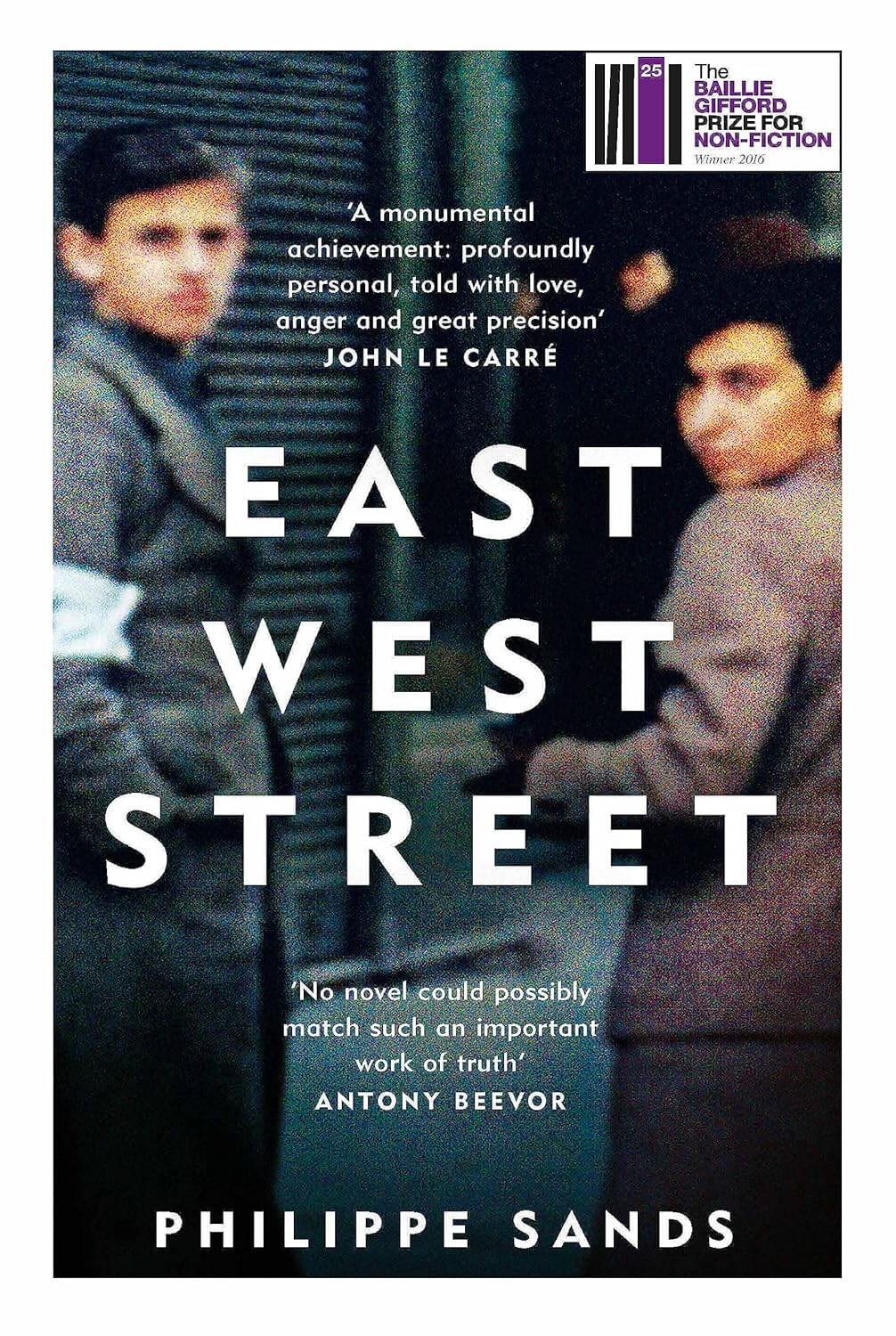
East West Street: On the Origins of Genocide and Crimes Against Humanity
Winner

East West Street: On the Origins of Genocide and Crimes Against Humanity

by Philippe Sands

Philippe Sands’s East West Street is a masterful blend of legal history, personal memoir, and detective story. Sands traces the origins of the concepts of genocide and crimes against humanity through the lives of two pioneering lawyers, while uncovering his own family’s connection to the same place: Lviv. The book reveals how ideas that shape international law emerge from individual lives marked by trauma and displacement. Sands writes with clarity and moral urgency, making complex legal history deeply human. It is both intellectually gripping and emotionally powerful, showing how justice is forged from loss.

4.46
History
Legal Studies
Memoir
Gripping
Reflective
Moral

Second-hand Time
Shortlisted

Second-hand Time

by Svetlana Alexievich

Svetlana Alexievich’s Second-hand Time captures the emotional aftermath of the collapse of the Soviet Union through a chorus of voices. Built from interviews, monologues, and testimonies, the book reveals how ordinary people experienced freedom, loss, and disorientation. Alexievich listens with extraordinary empathy, allowing contradictions and raw emotion to coexist. The result is a collective portrait of a society in transition, marked by nostalgia, bitterness, and fragile hope. It is devastating, humane, and unlike any conventional history.

4.46
Oral History
Political History
Haunting
Intimate
Somber
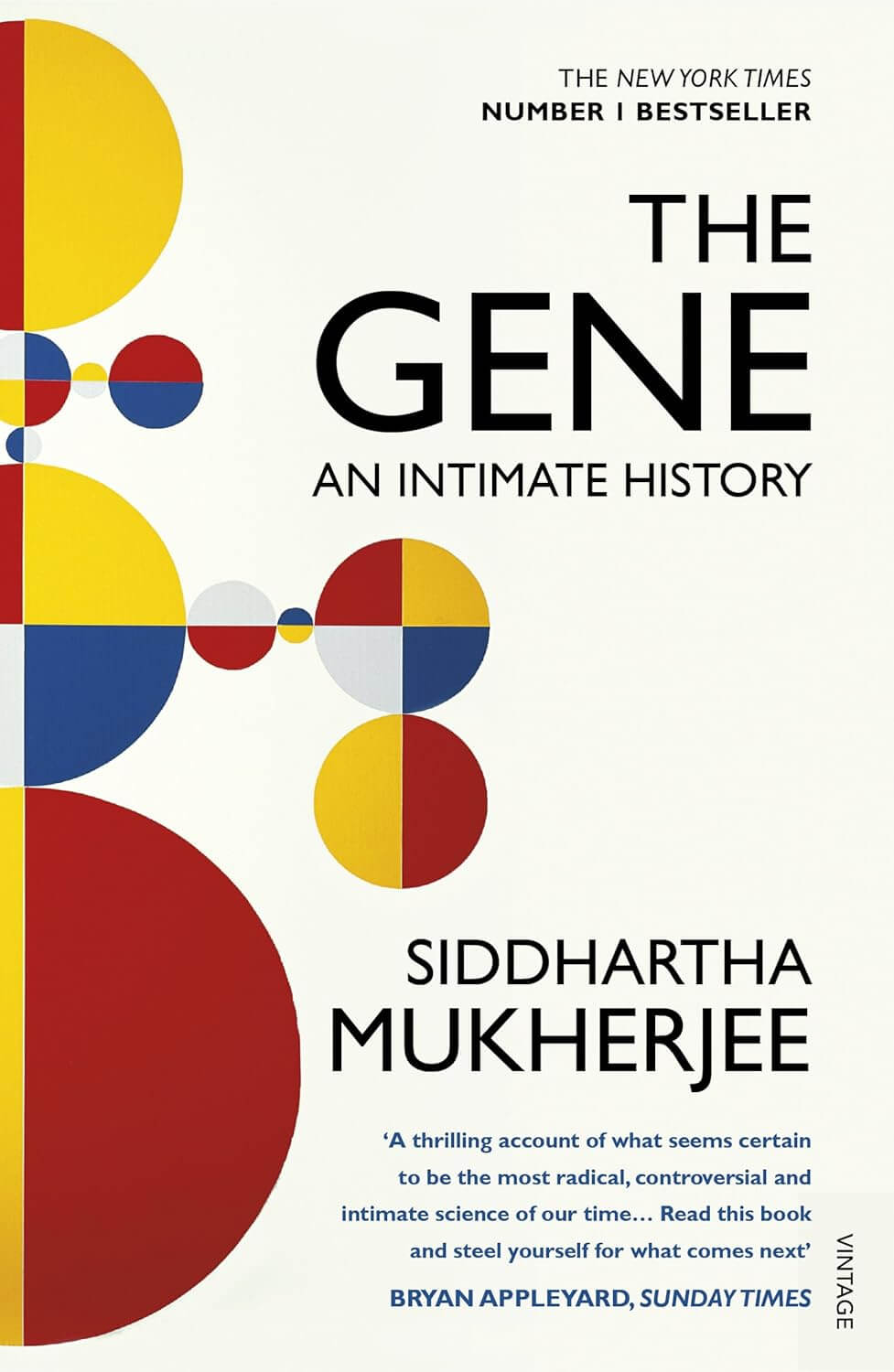
The Gene: An Intimate History

The Gene: An Intimate History

by Siddhartha Mukherjee

Siddhartha Mukherjee’s The Gene is an ambitious and accessible history of genetics, weaving science with personal and cultural narratives. Mukherjee traces discoveries from Mendel to modern genomics while confronting ethical dilemmas around heredity and identity. His prose is clear and engaging, making complex ideas intelligible without oversimplification. The book also reflects on how genetic knowledge shapes our understanding of fate, illness, and selfhood. It is expansive, humane, and intellectually exhilarating.

4.35
Science
Medical History
Expansive
Curious
Illuminating
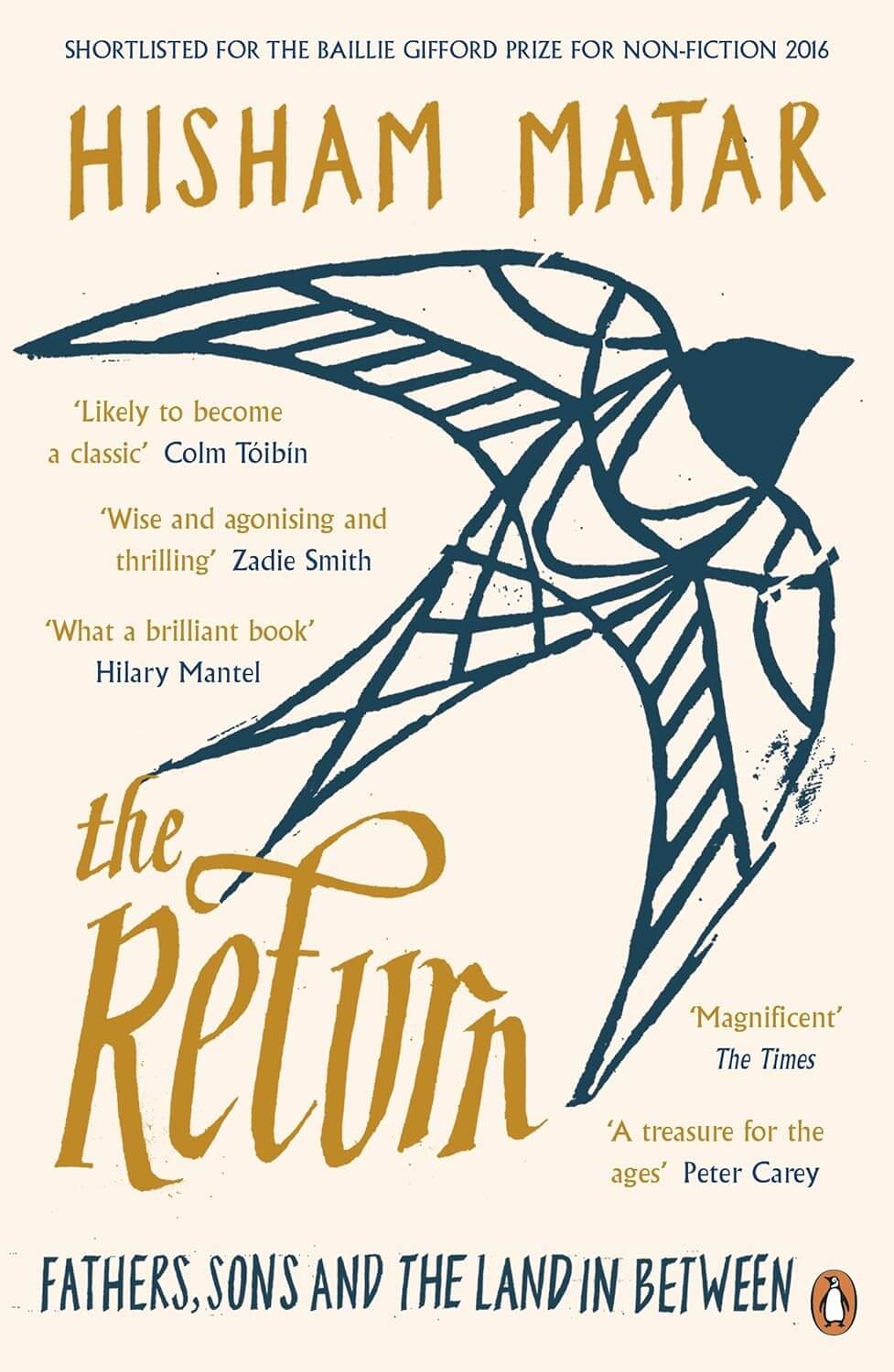
The Return
Shortlisted

The Return

by Hisham Matar

Hisham Matar’s The Return is a profoundly moving memoir about exile, hope, and the search for truth. After decades of uncertainty, Matar returns to Libya following the fall of Gaddafi to seek answers about his father’s disappearance. The book balances political history with intimate reflection, capturing grief that is unresolved yet enduring. Matar’s prose is lyrical and restrained, allowing emotion to emerge through quiet moments. It is a meditation on loss, dignity, and the limits of closure.

4.16
Memoir
Political History
Poignant
Lyrical
Searching
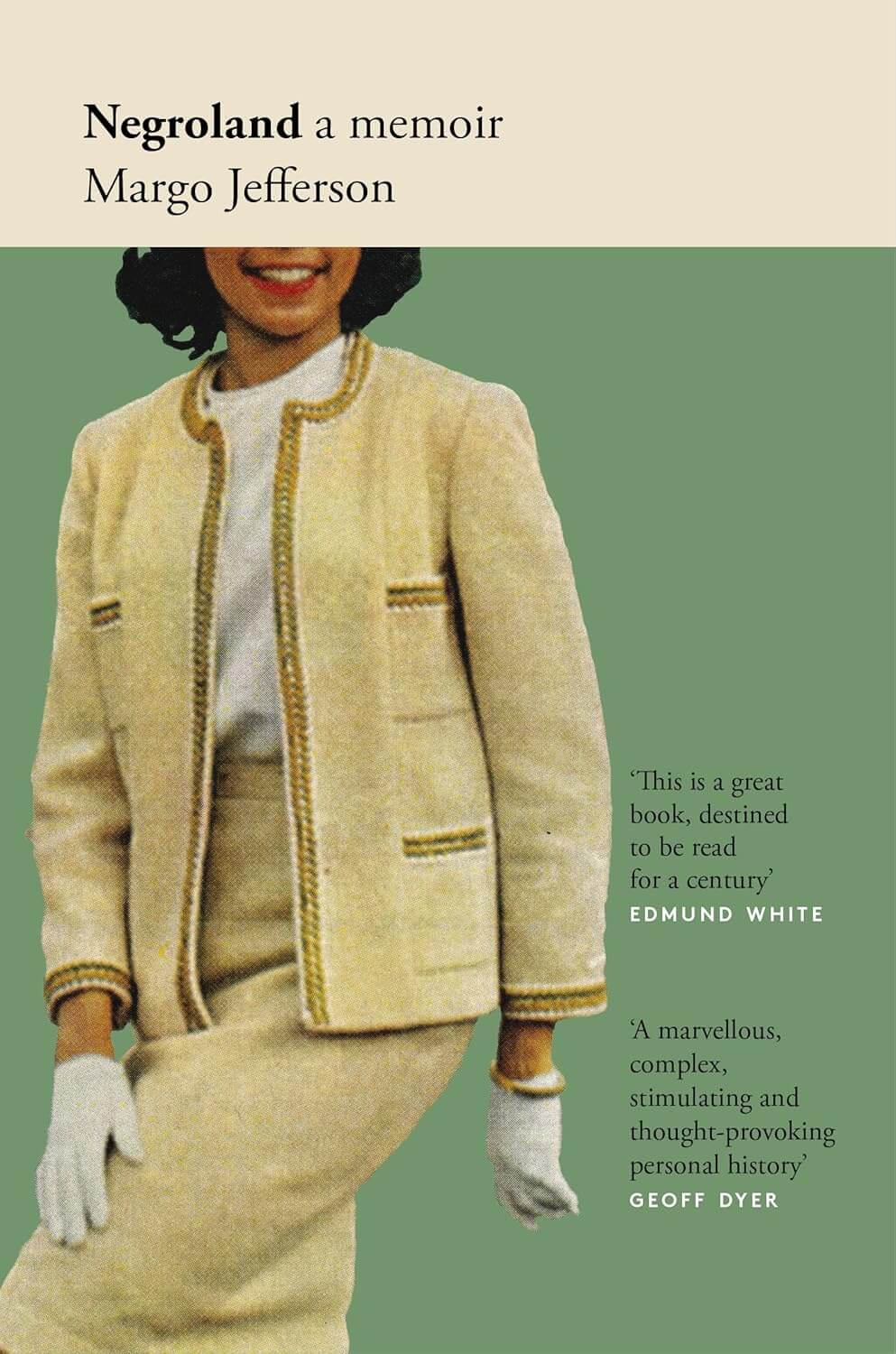
Negroland
Shortlisted

Negroland

by Margo Jefferson

In Negroland, Margo Jefferson reflects on growing up within America’s Black upper-middle class, exploring privilege, respectability, and racial identity. Her memoir is intellectually rigorous and emotionally candid, blending cultural criticism with personal history. Jefferson interrogates the costs of assimilation and the pressures of excellence imposed by both racism and class expectation. Her prose is elegant and incisive, unafraid of complexity or self-questioning. The book offers a rare, nuanced perspective on race, belonging, and social hierarchy.

3.62
Memoir
Cultural Criticism
Intellectual
Reflective
Honest
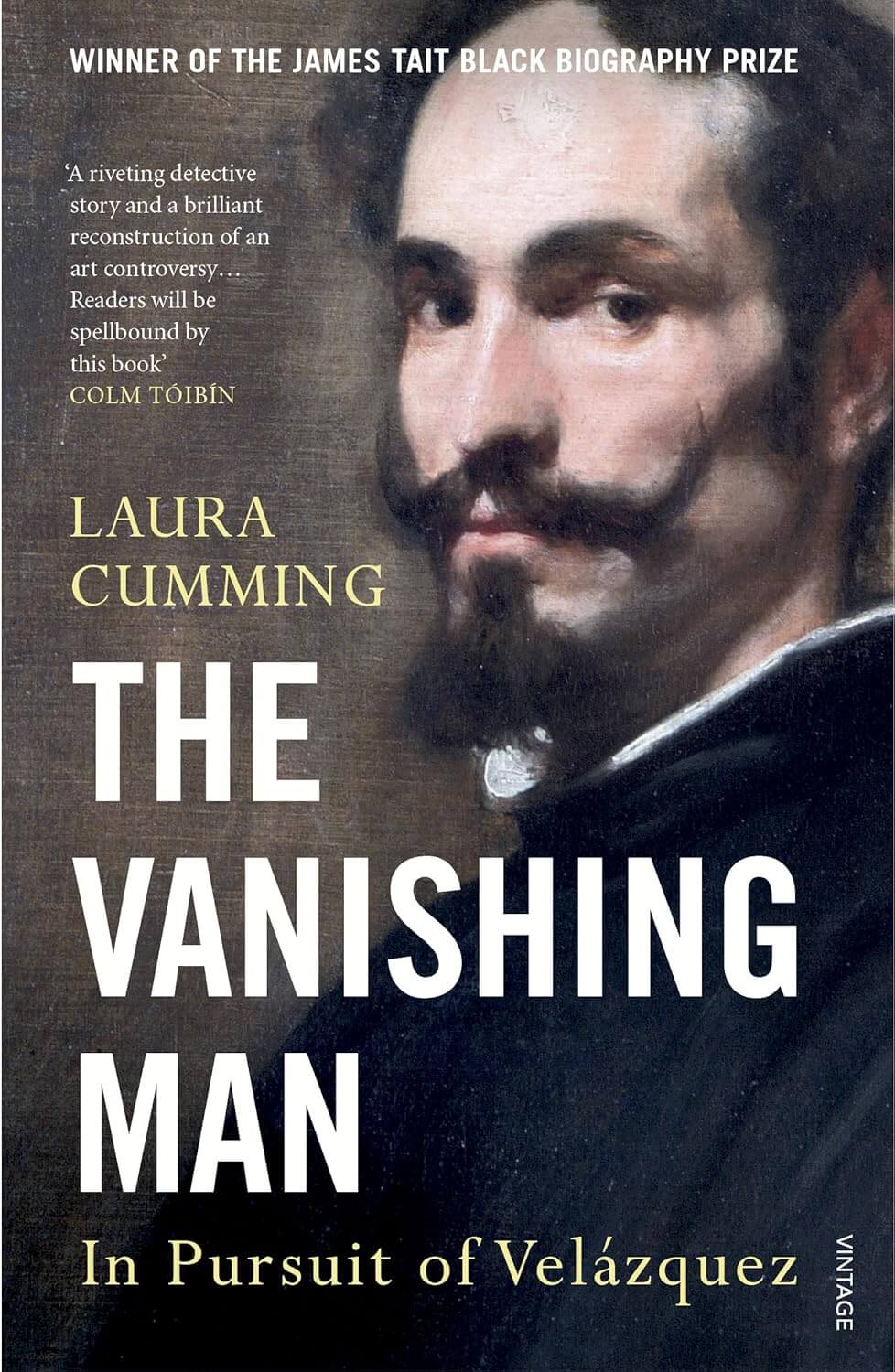
The Vanishing Man: In Pursuit of Velazquez

The Vanishing Man: In Pursuit of Velazquez

by Laura Cumming

Laura Cumming’s book explores disappearance as both theme and method, weaving art history with personal memoir. Beginning with the theft of a Vermeer painting, Cumming reflects on loss, secrecy, and the things that slip from view — including her own family history. Her prose is luminous and meditative, attentive to visual detail and emotional undercurrents. The book resists neat conclusions, instead lingering on uncertainty and absence. It is a subtle, beautifully crafted exploration of what it means to look — and to lose.

3.83
Memoir
Art History
Reflective
Quiet
Elegiac
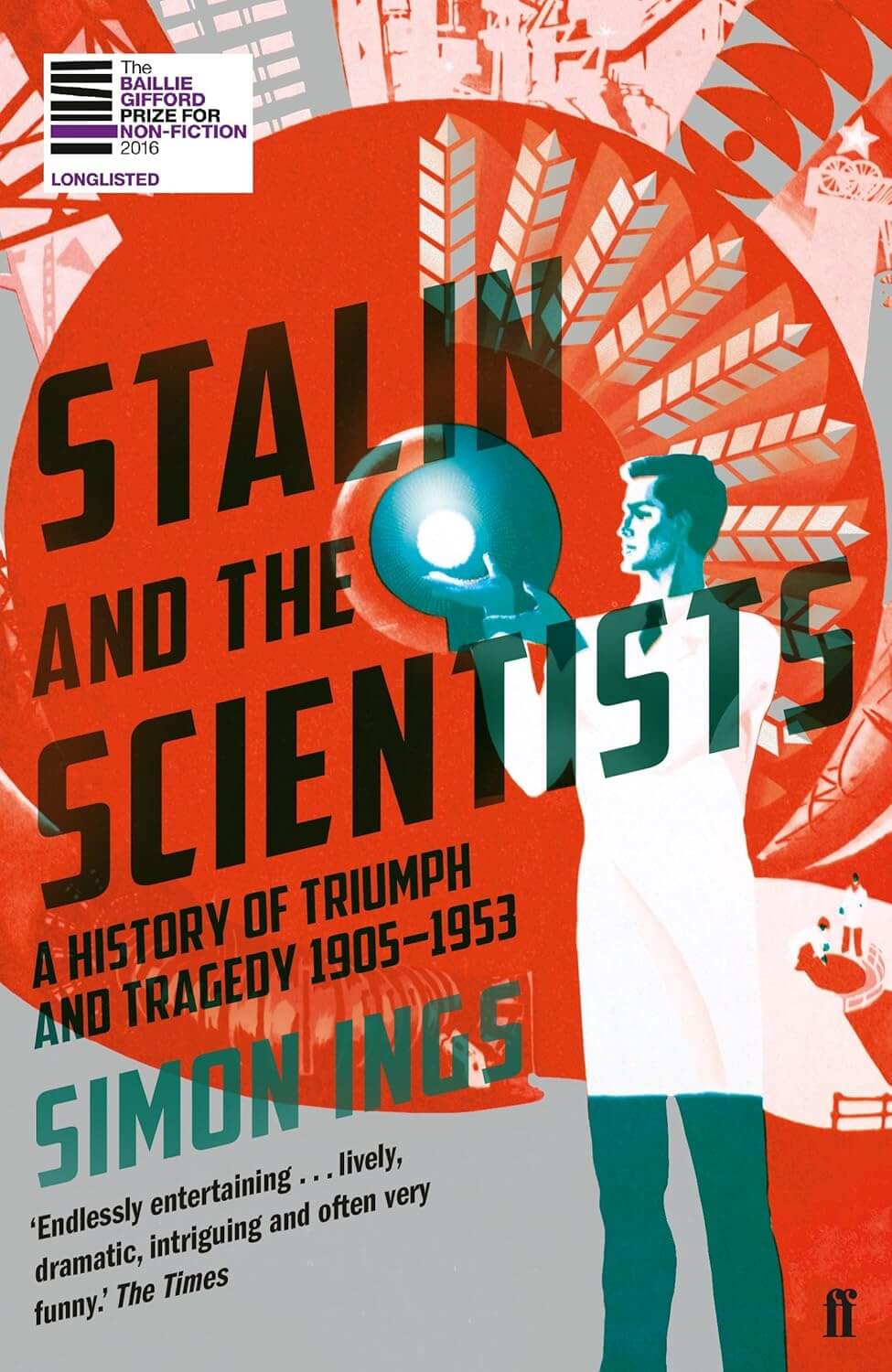
Stalin and the Scientists

Stalin and the Scientists

by Simon Ings

Simon Ings explores how science functioned under Stalin’s regime, revealing a world where ideology distorted research and punished dissent. The book examines both conformity and quiet resistance among Soviet scientists, showing how political pressure shaped knowledge itself. Ings writes with clarity and narrative drive, bringing complex scientific debates to life. The book raises enduring questions about truth, authority, and intellectual freedom. It is a chilling and fascinating study of science under totalitarianism.

3.68
History of Science
Political History
Chilling
Analytical
Fascinating
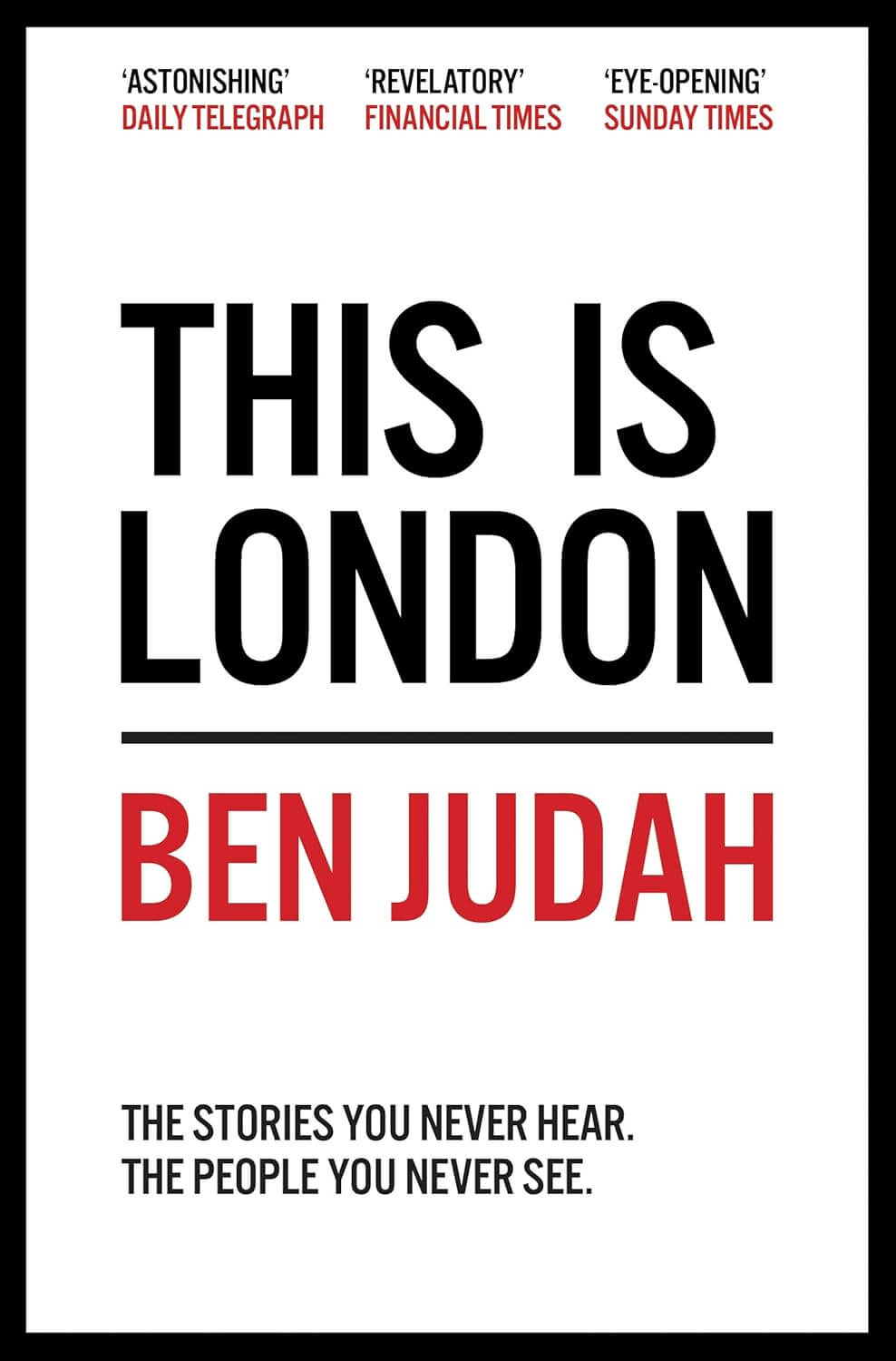
This is London: Life and Death in the World City

This is London: Life and Death in the World City

by Ben Judah

Ben Judah’s This Is London is a vivid portrait of a city transformed by global migration and inequality. Through encounters with migrants, workers, and elites, Judah reveals a fragmented metropolis of hidden lives and parallel worlds. His reporting is energetic and immersive, capturing voices often excluded from official narratives. The book challenges romantic notions of London, exposing the human cost of economic power and precarity. It is urgent, eye-opening, and fiercely contemporary.

3.93
Journalism
Social History
Urgent
Eye-Opening
Dynamic
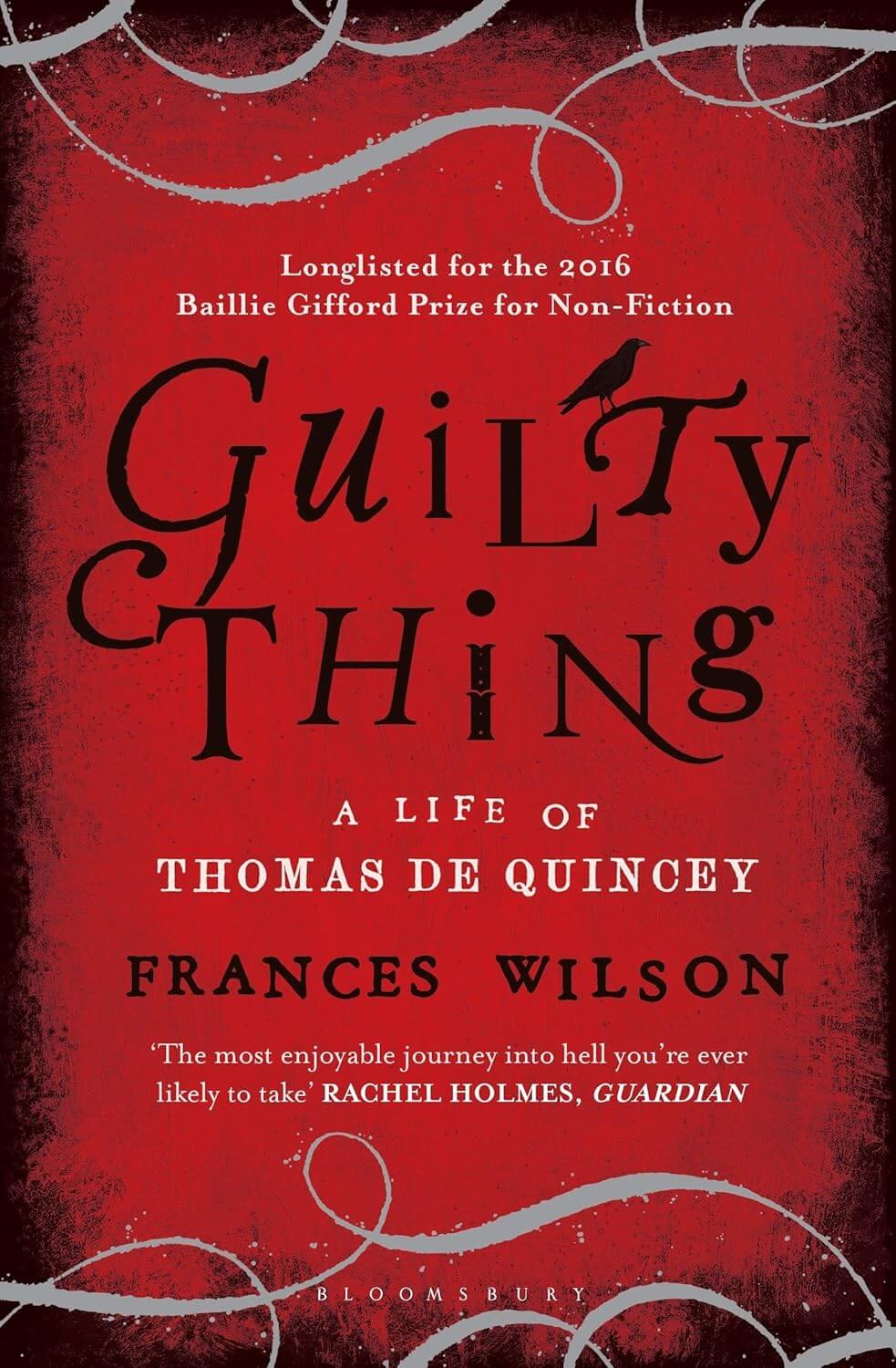
Guilty Thing

Guilty Thing

by Frances Wilson

Frances Wilson’s biography of Thomas De Quincey explores the life of the writer behind Confessions of an English Opium-Eater. Wilson examines addiction, creativity, and moral ambiguity with psychological insight and narrative flair. Her approach resists linear biography, instead probing the contradictions and obsessions that shaped De Quincey’s work. The book is intellectually rich and stylistically daring, offering a fresh perspective on a familiar literary figure. It is a compelling study of genius, excess, and self-invention.

3.96
Biography
Literary Studies
Intellectual
Unsettling
Insightful
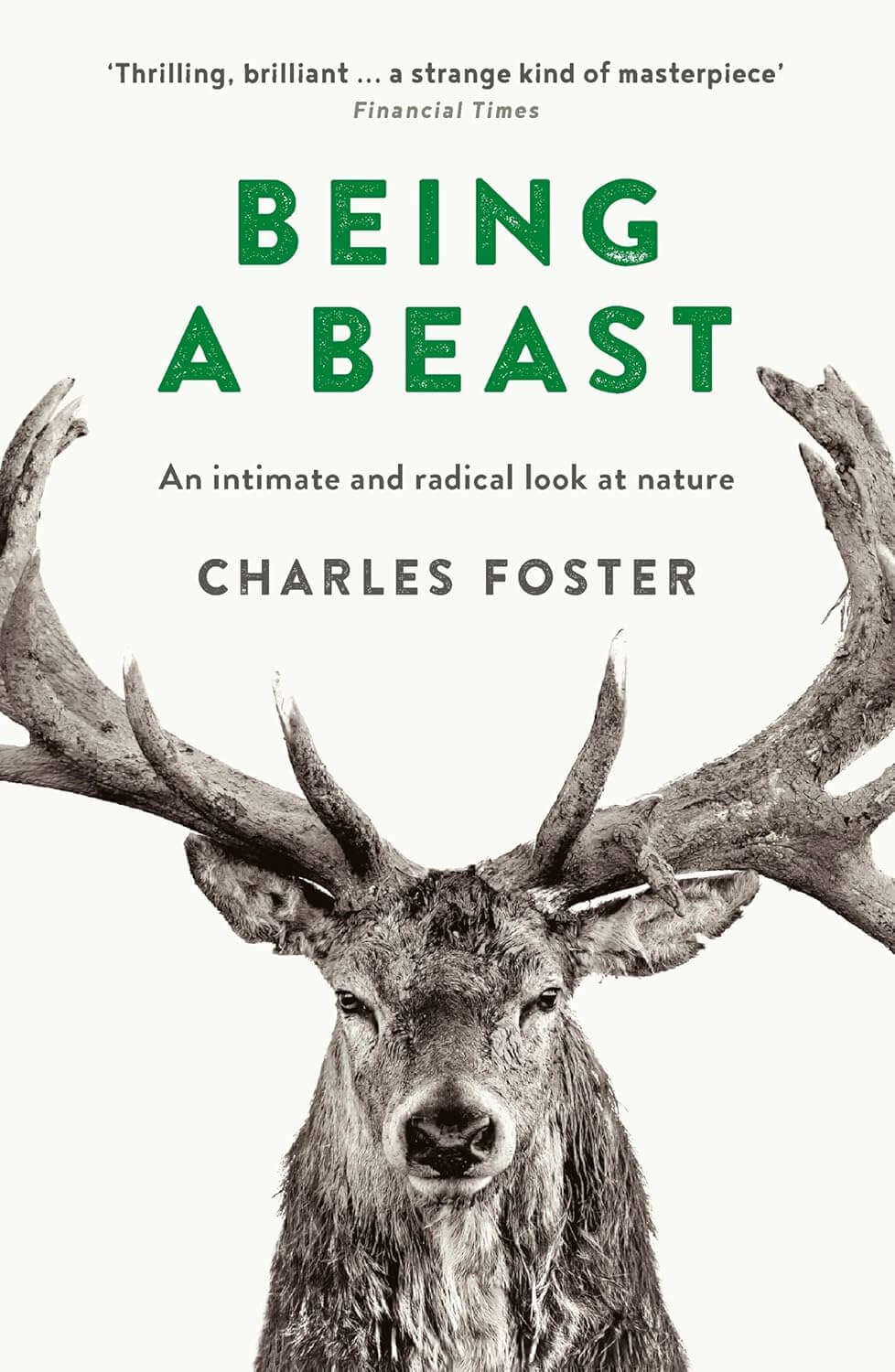
Being a Beast: Adventures Across the Species Divide

Being a Beast: Adventures Across the Species Divide

by Charles Foster

In Being a Beast, Charles Foster attempts to live like various animals in order to understand non-human consciousness. From badgers to otters, his immersive experiments are at times uncomfortable, absurd, and illuminating. Foster blends philosophy, zoology, and personal reflection to question how humans relate to the natural world. His writing is playful yet serious, combining humour with deep ethical inquiry. The book challenges anthropocentric thinking and invites readers to reconsider what it means to be human.

3.21
Nature Writing
Philosophy
Curious
Playful
Thought-Provoking