2015 The Baillie Gifford Prize for Non-Fiction

Twelve ambitious books rethinking minds, maps, power, and the stories that shape our world

The 2015 Baillie Gifford Prize for Non-Fiction longlist brings together works that challenge how we understand history, identity, technology, and truth. These books span science, biography, political reporting, environmental writing, and memoir, united by their curiosity and moral seriousness. Each author digs beneath surface narratives to reveal the structures — intellectual, political, and cultural — that shape contemporary life.

Several titles confront the legacies of violence and ideology, from the rise of modern authoritarianism to the scars left by war, colonialism, and detention. Others examine how language, landscape, and technology reshape the way we think and relate to one another. Across the list, there is a shared concern with how stories are told — and who controls them.

Together, these books show nonfiction at its most expansive and daring. They invite readers to question assumptions, embrace complexity, and see the world with sharper focus and deeper empathy. Whether grounded in meticulous research or lived experience, each work offers a powerful lens on what it means to be human in a rapidly changing world.

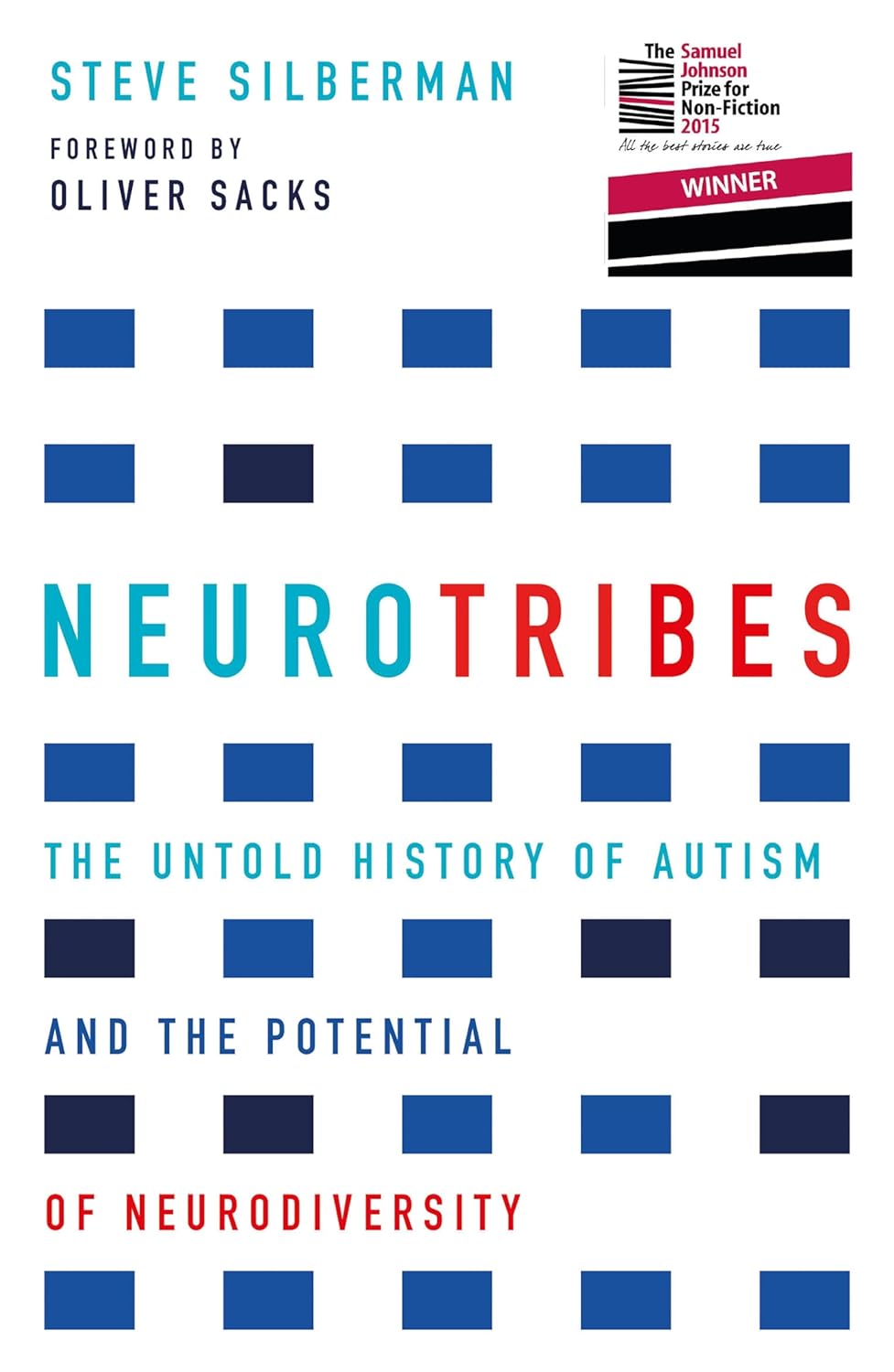
Neurotribes: The Legacy of Autism and How to Think Smarter About People Who Think Differently
Winner

Neurotribes: The Legacy of Autism and How to Think Smarter About People Who Think Differently

by Steve Silberman

Steve Silberman’s Neurotribes is a groundbreaking history of autism that challenges deficit-based narratives and reframes neurodiversity as a natural part of human variation. Silberman traces the scientific, cultural, and political history of autism with compassion and clarity. He exposes how stigma and misunderstanding shaped diagnosis and treatment, while celebrating the contributions of autistic individuals. The book is deeply researched yet highly readable, blending science with human stories. It has had a lasting impact on public discourse around neurodiversity. An essential and transformative work.

4.28
Science
Psychology
Social History
Illuminating
Compassionate
Empowering
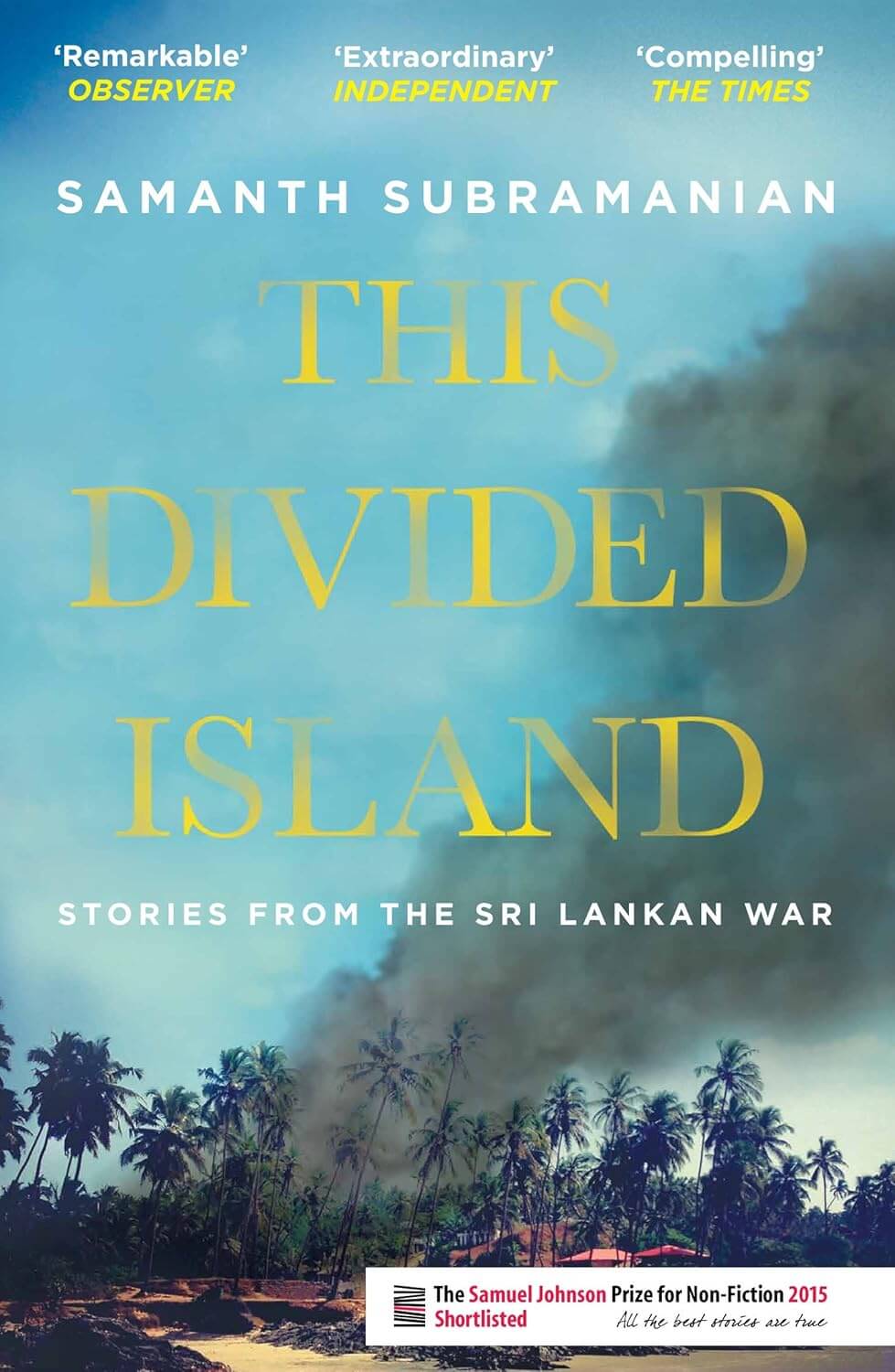
This Divided Island: Stories from the Sri Lankan War
Shortlisted

This Divided Island: Stories from the Sri Lankan War

by Samanth Subramanian

Samanth Subramanian explores the aftermath of Sri Lanka’s civil war through reportage, interviews, and historical analysis. He reveals how victory failed to bring reconciliation, instead entrenching division and silence. Subramanian’s writing is measured and incisive, attentive to voices often excluded from official narratives. The book examines memory, justice, and the politics of forgetting. It is a vital account of what happens after war ends — and what remains unresolved.

4.36
Journalism
Political History
Measured
Thought-Provoking
Somber
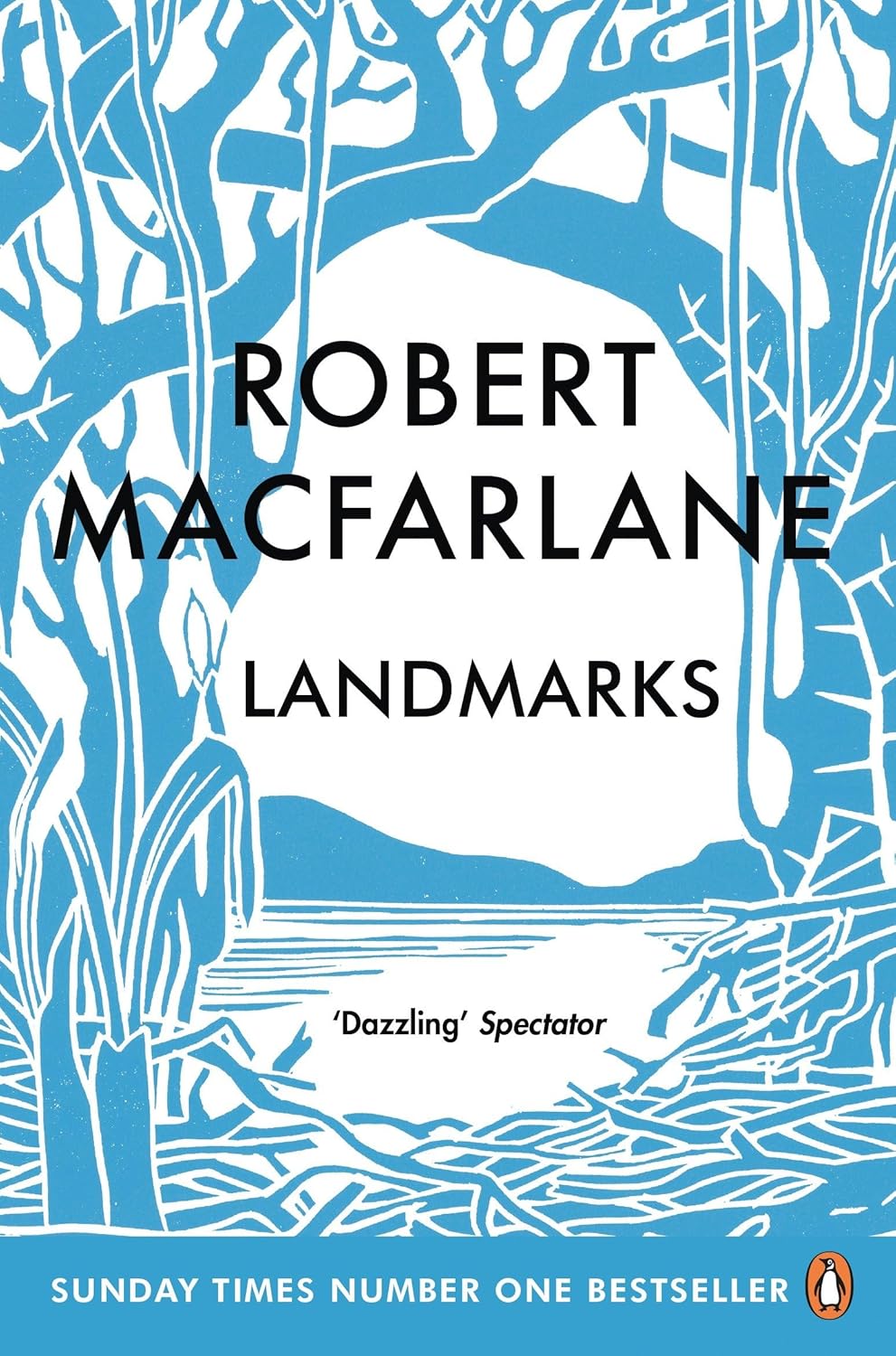
Landmarks
Shortlisted

Landmarks

by Robert MacFarlane

In Landmarks, Robert MacFarlane celebrates the language we use to describe landscape and the cultural knowledge embedded within it. He argues that losing words for nature diminishes our relationship with the land. The book blends essays, glossaries, and poetic reflection, drawing from regional dialects and ancient terms. MacFarlane’s writing is lyrical and reverent, inviting renewed attention to place. It is both a literary work and a quiet act of conservation.

4.23
Nature Writing
Cultural History
Lyrical
Reverent
Reflective
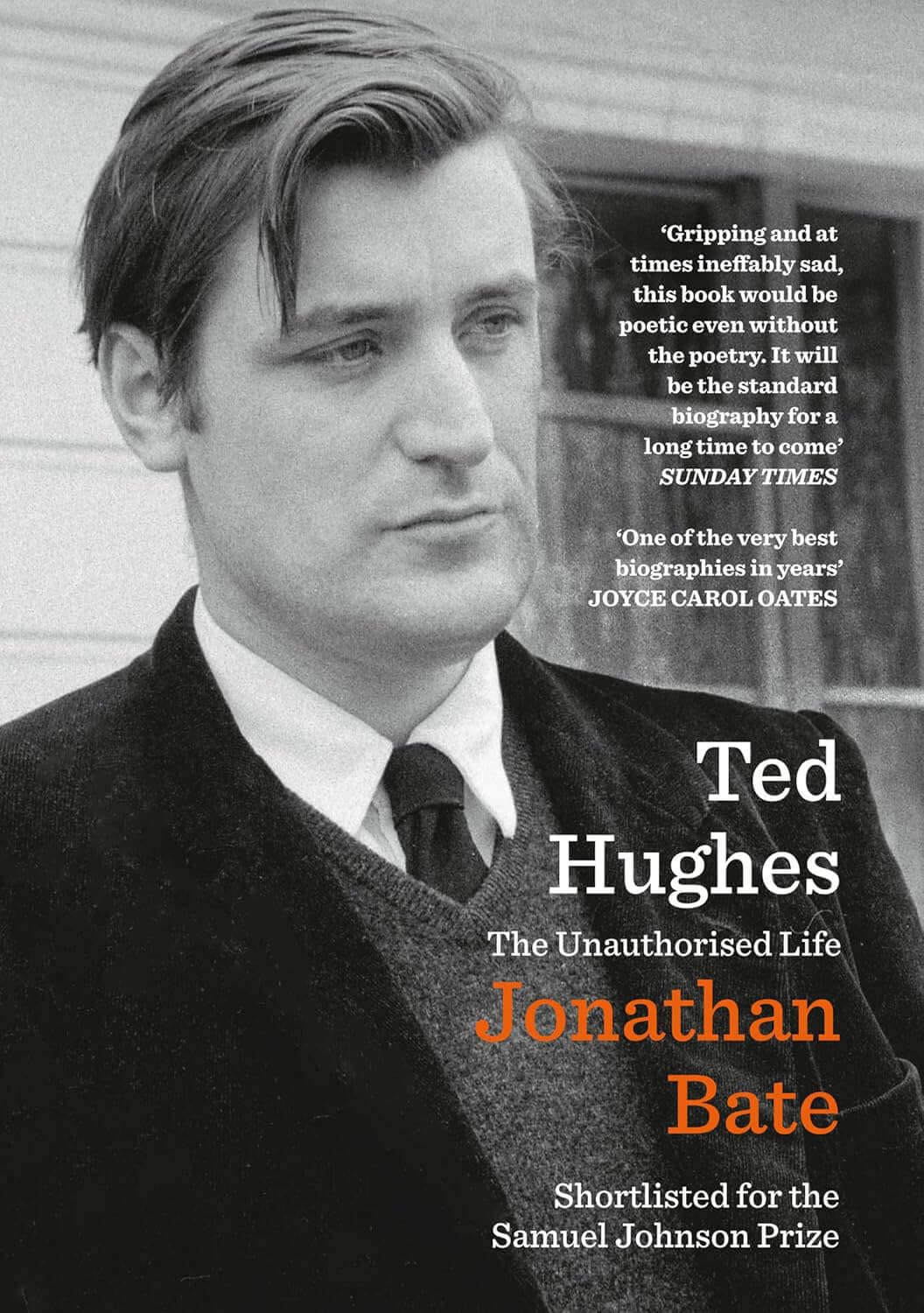
Ted Hughes: The Unauthorised Life – A Comprehensive Literary Biography by Scholar Jonathan Bate Exploring the Poet Laureate and Sylvia Plath
Shortlisted

Ted Hughes: The Unauthorised Life – A Comprehensive Literary Biography by Scholar Jonathan Bate Exploring the Poet Laureate and Sylvia Plath

by Jonathan Bate

Jonathan Bate’s biography offers a richly textured portrait of the poet Ted Hughes, examining both his literary achievement and the controversies that surrounded his life. Bate situates Hughes within his ecological vision, mythic imagination, and personal relationships. The book balances critical insight with narrative sensitivity, avoiding simple judgments. Bate explores how Hughes’s work was shaped by violence, nature, and grief. It is an authoritative and nuanced study of a complex literary figure.

4.16
Biography
Literary Studies
Thoughtful
Nuanced
Scholarly
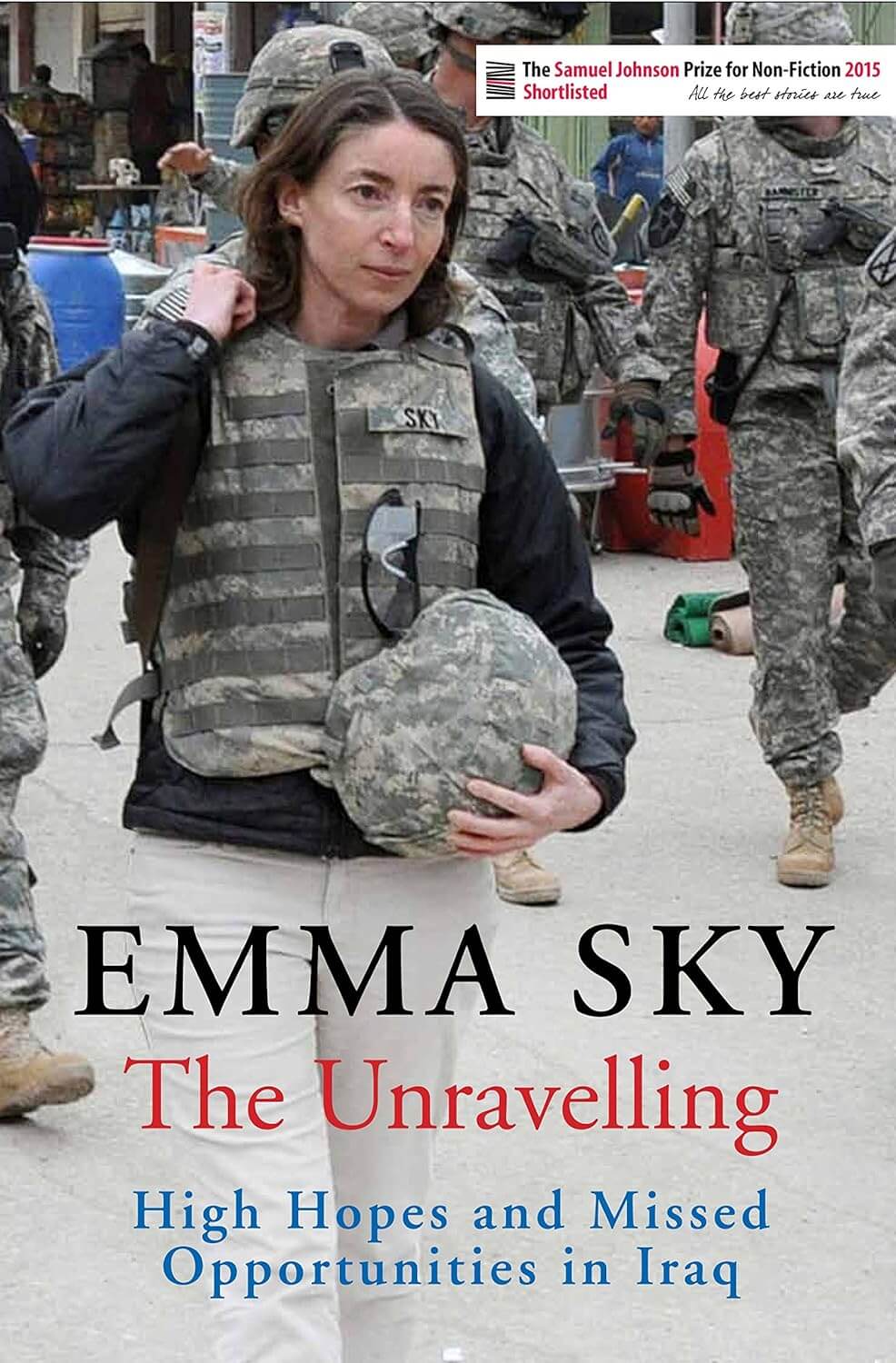
The Unraveling: High Hopes and Missed Opportunities in Iraq
Shortlisted

The Unraveling: High Hopes and Missed Opportunities in Iraq

by Emma Sky

Emma Sky’s memoir offers a firsthand account of post-invasion Iraq, where she worked as a political advisor amid chaos and uncertainty. Sky charts the failures of Western intervention with honesty and moral seriousness. Her narrative combines policy insight with lived experience, revealing how good intentions collided with political reality. The book exposes the human cost of miscalculation and hubris. It is clear-eyed, courageous, and deeply sobering.

4.07
Memoir
Political History
Sobering
Honest
Urgent
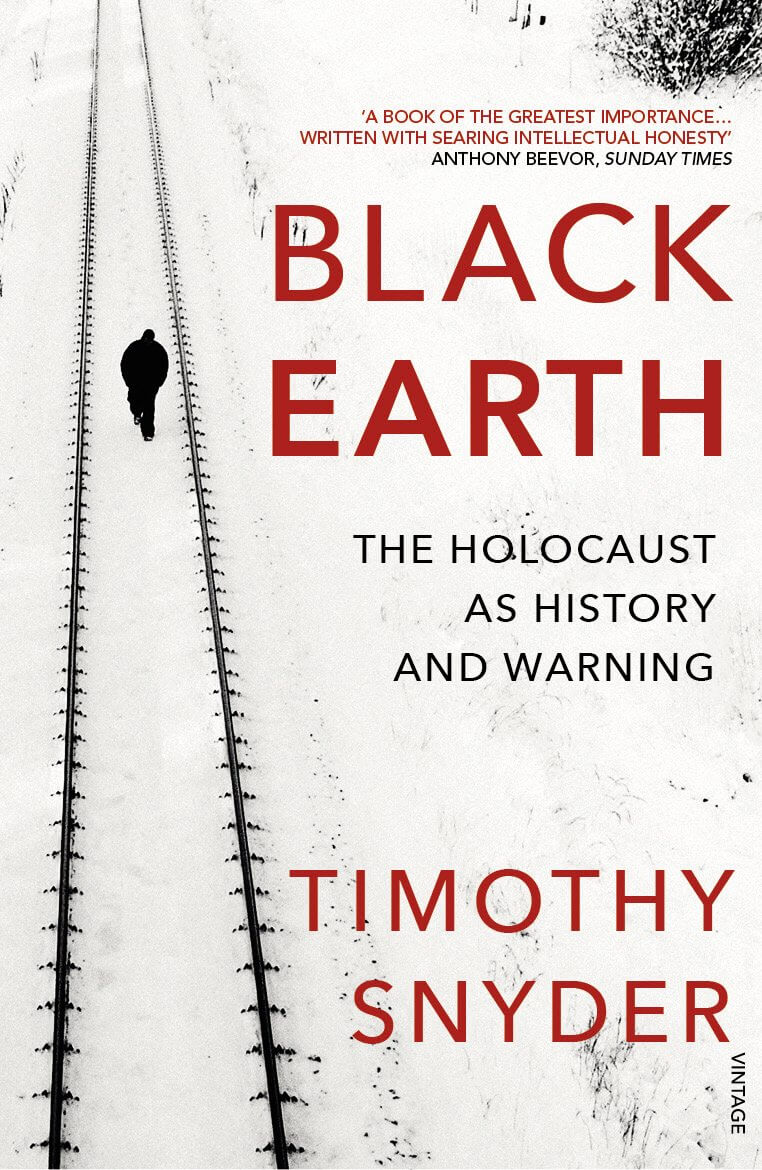
Black Earth: The Holocaust as History and Warning

Black Earth: The Holocaust as History and Warning

by Timothy Snyder

Timothy Snyder’s Black Earth offers a radical reinterpretation of the Holocaust, arguing that Nazi ideology flourished where states were destroyed. Snyder reframes genocide as a product of political collapse rather than inevitable hatred. His analysis is bold, unsettling, and deeply researched. The book challenges readers to rethink assumptions about history and modern threats. It is a demanding but vital contribution to Holocaust studies.

4.29
History
Holocaust Studies
Challenging
Grave
Analytical
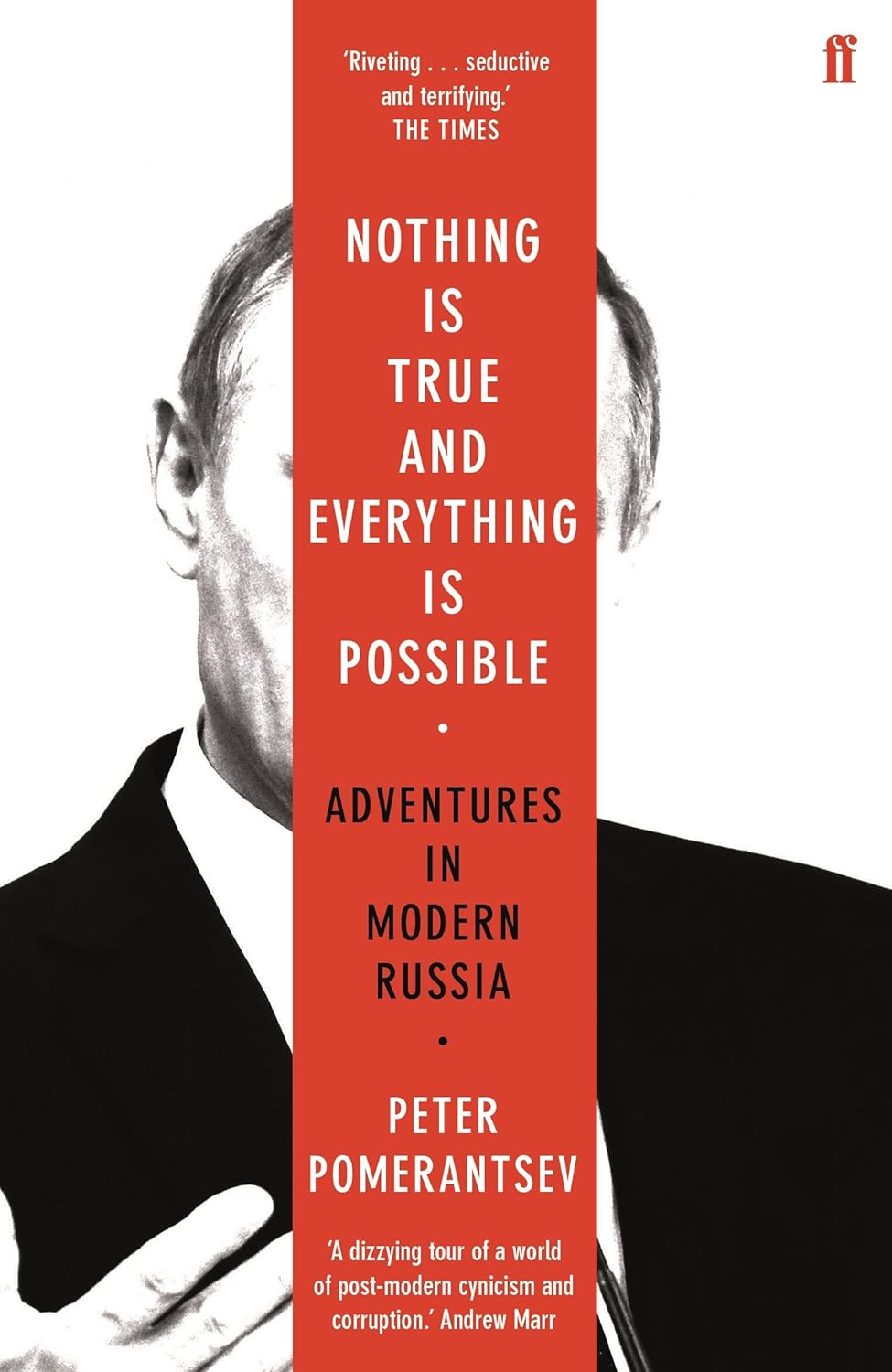
Nothing Is True and Everything Is Possible: The Surreal Heart of the New Russia

Nothing Is True and Everything Is Possible: The Surreal Heart of the New Russia

by Peter Pomerantsev

Peter Pomerantsev’s sharp, unsettling book explores modern Russia’s media landscape, where reality is endlessly manipulated. Blending memoir with reportage, he shows how propaganda erodes truth itself. Pomerantsev writes with wit and urgency, revealing a world where cynicism replaces belief. The book feels prophetic in its exploration of post-truth politics. It is gripping, disturbing, and essential for understanding contemporary information warfare.

3.97
Journalism
Political Analysis
Urgent
Disturbing
Insightful
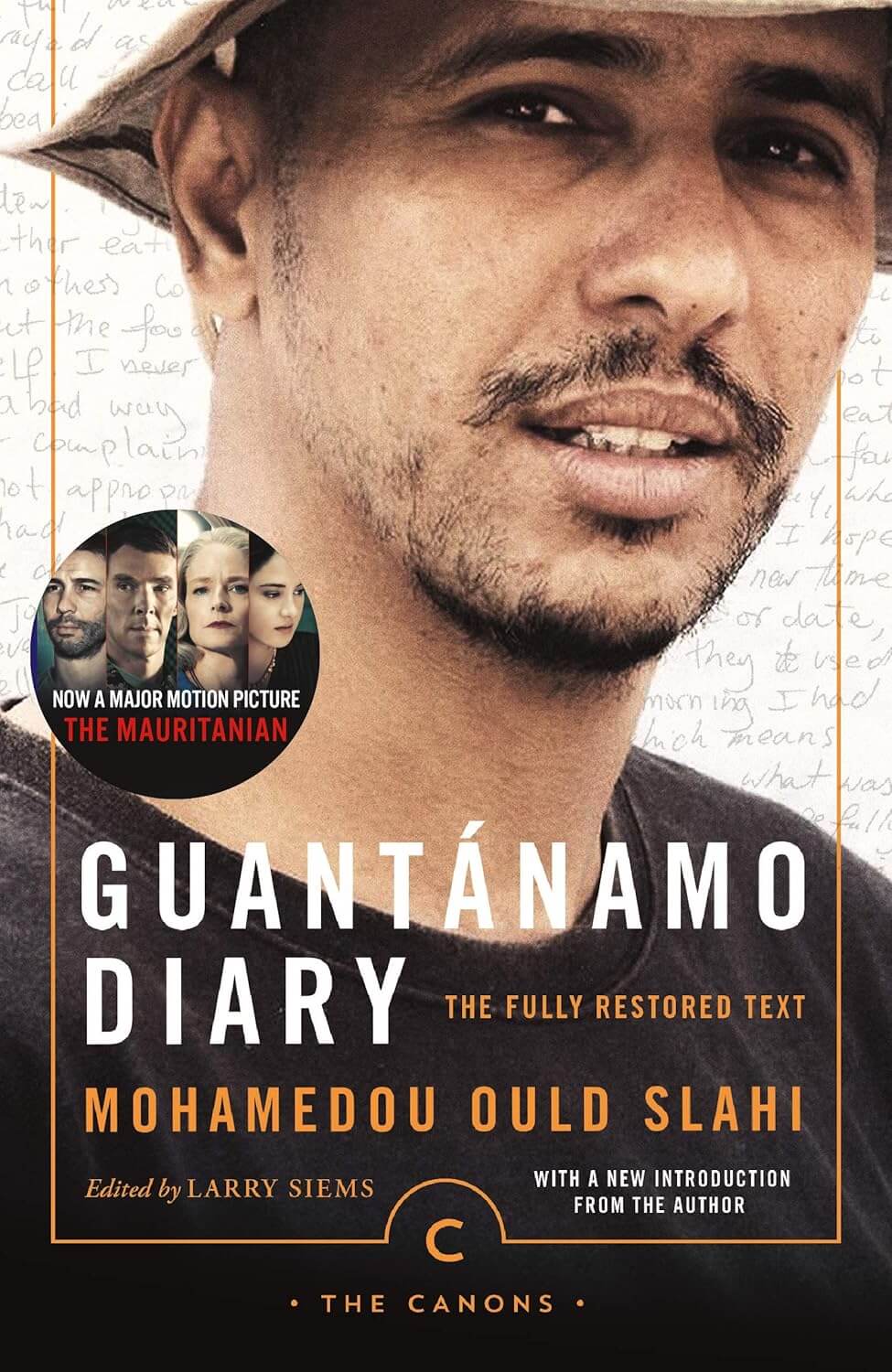
Guantánamo Diary

Guantánamo Diary

by Mohamedou Ould Slahi

Written while imprisoned without charge, Guantánamo Diary is Mohamedou Ould Slahi’s extraordinary account of detention, torture, and resilience. Slahi writes with humanity, humour, and forgiveness despite enduring years of abuse. His voice is clear and dignified, refusing hatred while exposing injustice. The book is both a personal testimony and a political document. It stands as a powerful indictment of indefinite detention and a testament to the endurance of the human spirit.

4.10
Memoir
Human Rights
Defiant
Moving
Human
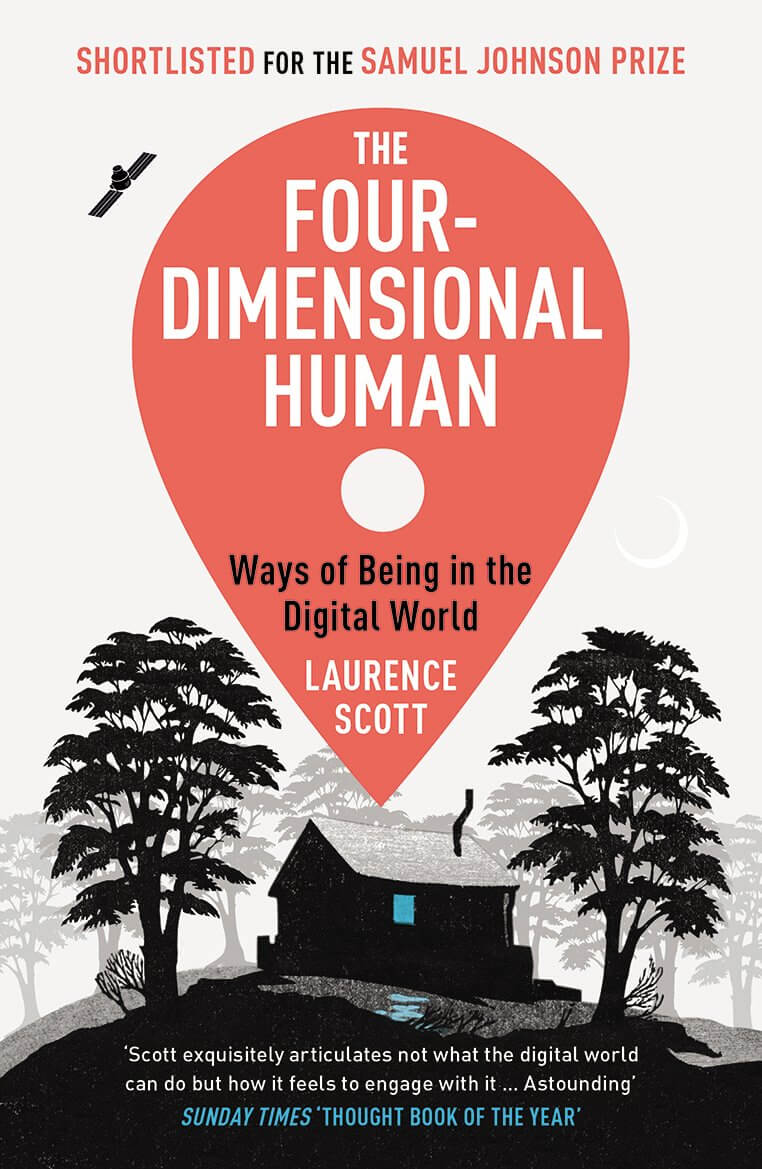
The Four-Dimensional Human: Ways of Being in the Digital World
Shortlisted

The Four-Dimensional Human: Ways of Being in the Digital World

by Laurence Scott

Laurence Scott’s book is a philosophical exploration of how digital technology reshapes human experience. Scott examines identity, presence, and time in an age of screens, social media, and constant connectivity. Drawing on literature, art, and personal reflection, he argues that digital life adds rather than subtracts dimensions of being human. His prose is lyrical and meditative, resisting simplistic techno-pessimism. The book invites readers to think more carefully about how they inhabit both physical and virtual worlds.

3.44
Cultural Criticism
Philosophy
Reflective
Intellectual
Meditative
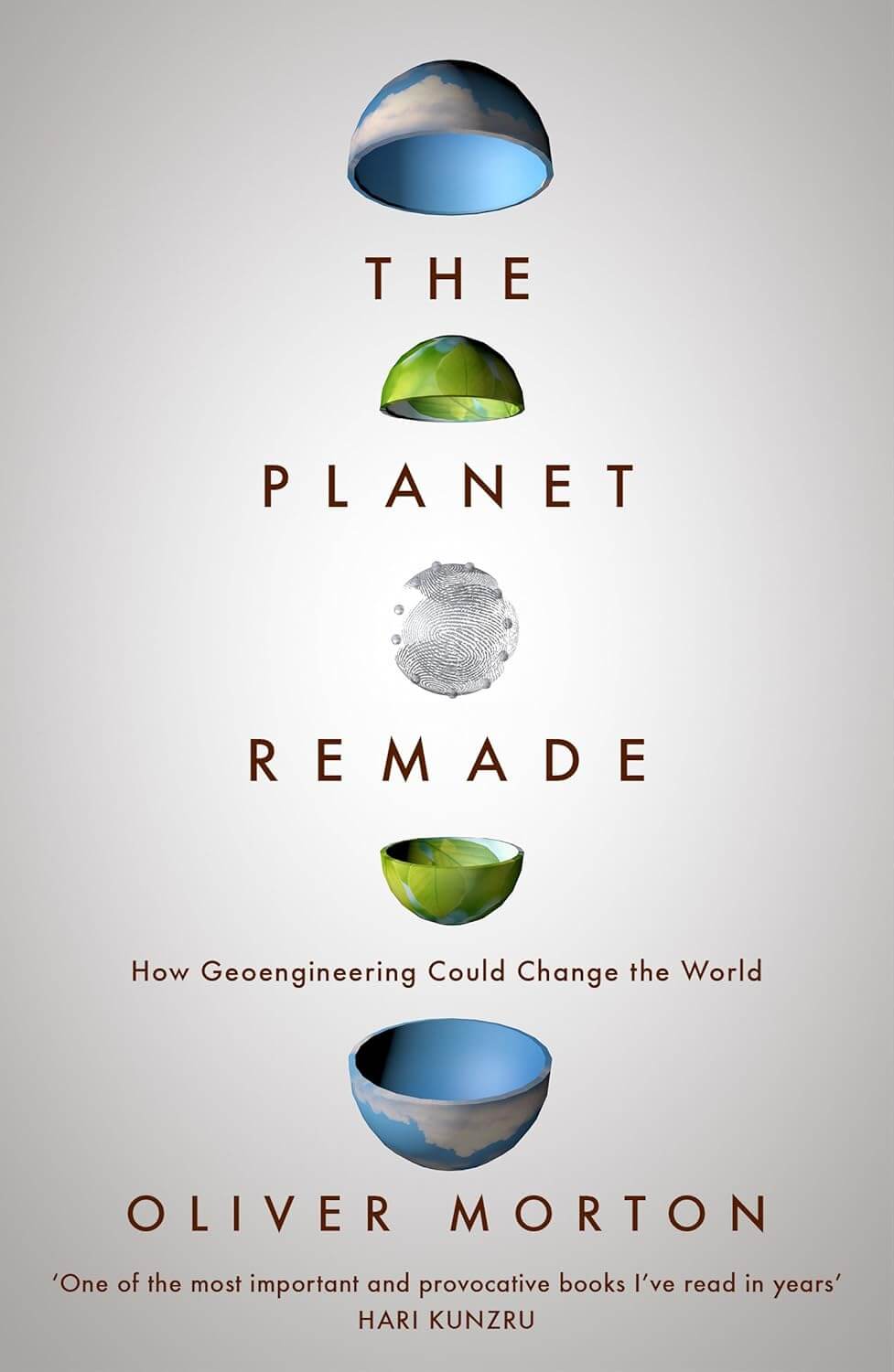
The Planet Remade: How Geoengineering Could Change the World

The Planet Remade: How Geoengineering Could Change the World

by Oliver Morton

Oliver Morton’s book confronts the reality of the Anthropocene, arguing that humanity is already reshaping the planet. Rather than despair, Morton calls for pragmatic engagement with climate engineering and technological solutions. His analysis is rigorous and provocative, challenging environmental orthodoxies. Morton balances scientific explanation with ethical debate. The book is intellectually demanding and refreshingly unsentimental.

3.77
Environmental Science
Climate Studies
Provocative
Analytical
Challenging
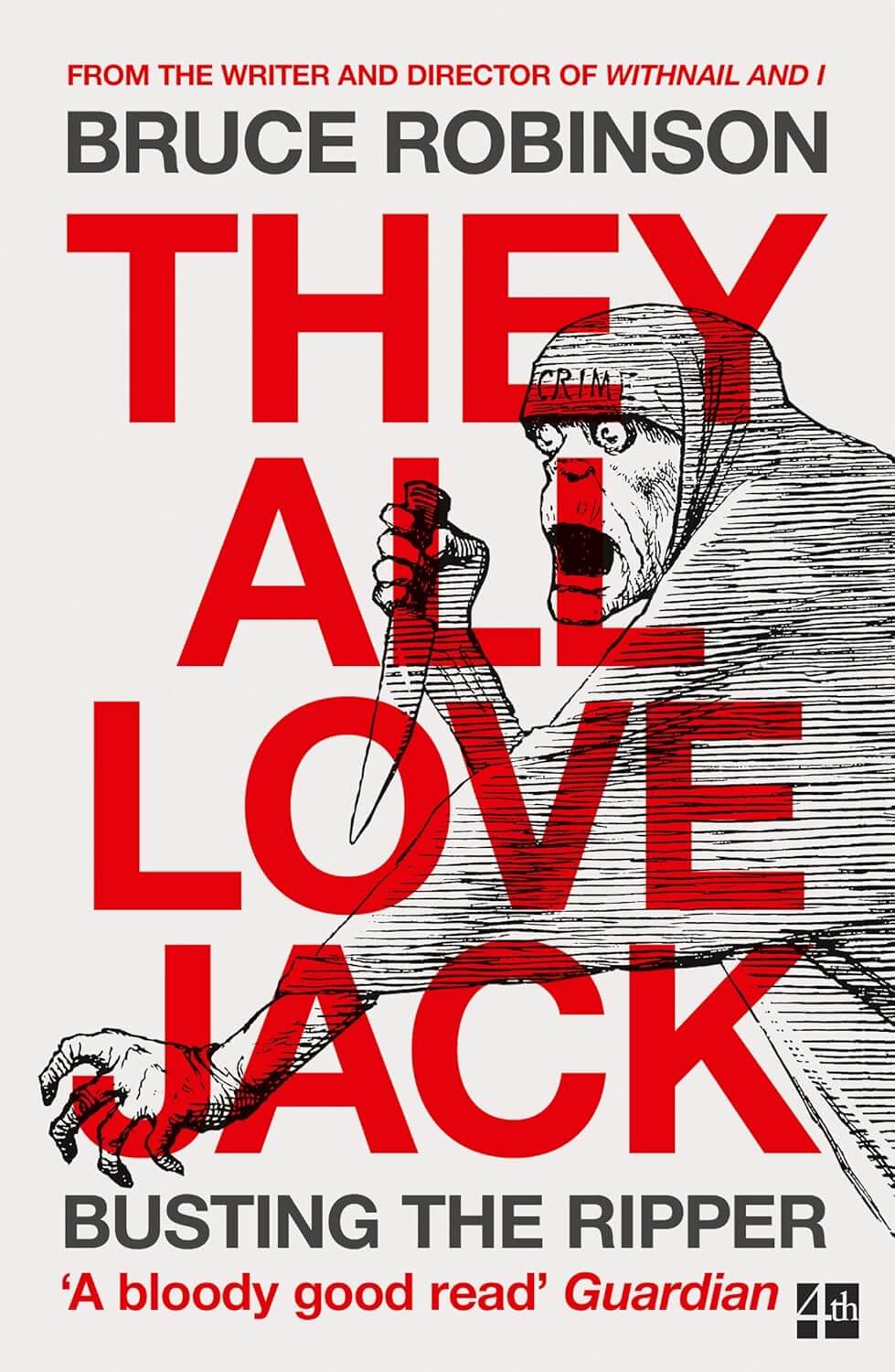
They All Love Jack: Busting the Ripper

They All Love Jack: Busting the Ripper

by Bruce Robinson

Bruce Robinson’s obsessive, sprawling investigation into Jack the Ripper is as much about myth-making as murder. Robinson argues that Victorian society colluded in protecting the killer, weaving conspiracy, cultural history, and polemic. The book is eccentric, provocative, and deeply researched. Its tone is confrontational and personal, challenging comfortable narratives. Whether or not readers accept its conclusions, it is a fascinating exploration of how societies bury uncomfortable truths.

3.68
True Crime
Cultural History
Provocative
Intense
Obsessive
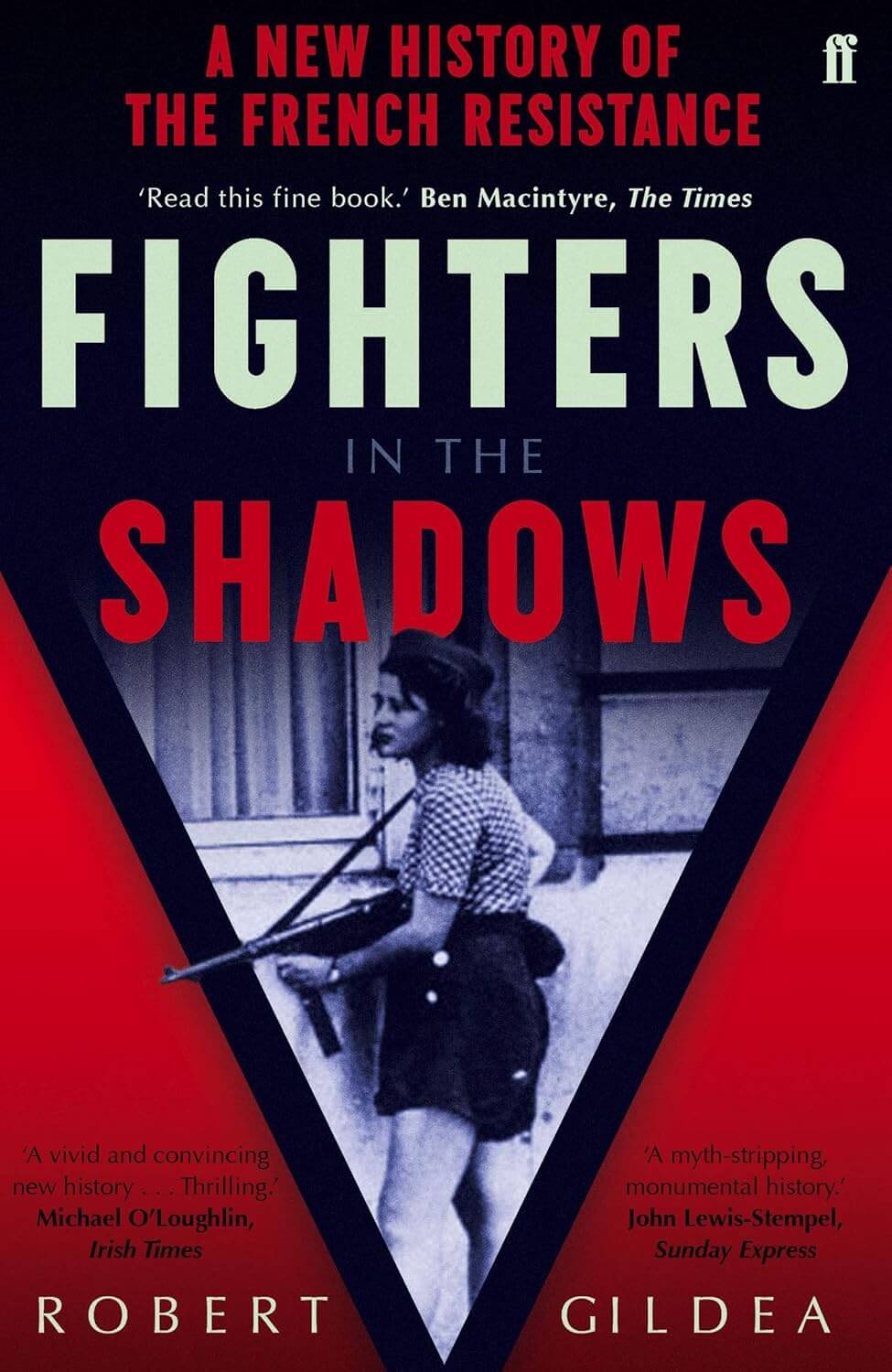
Fighters in the Shadows: A New History of the French Resistance

Fighters in the Shadows: A New History of the French Resistance

by Robert Gildea

Robert Gildea’s history of the French Resistance offers a nuanced portrait of resistance, collaboration, and moral ambiguity during World War II. Gildea challenges heroic myths by revealing internal divisions and difficult choices. His narrative is richly detailed and grounded in archival research. The book restores complexity to a story often simplified by legend. It is an important reappraisal of resistance and remembrance.

3.70
History
War Studies
Serious
Nuanced
Revealing