2014 The Baillie Gifford Prize for Non-Fiction

Fifteen extraordinary books blending memoir, history, science, and cultural insight

The 2014 Baillie Gifford Prize for Non-Fiction longlist is a landmark collection that showcases the emotional and intellectual range of contemporary nonfiction. These books move fluidly between personal memoir and sweeping history, between scientific inquiry and cultural reflection. Together, they demonstrate how nonfiction can be both rigorously researched and deeply felt.

Across the list, writers grapple with loss, care, mortality, creativity, power, and belonging. Several works begin with intensely personal experiences — grief, illness, family history — and expand outward to illuminate broader truths about society and the human condition. Others revisit historical moments and figures, revealing hidden lives and forgotten struggles with empathy and narrative force.

What unites these books is their ambition and generosity. They invite readers to think differently about how we live, how we remember, and how we tell stories about ourselves and the world. The 2014 longlist stands as a testament to nonfiction’s power to console, challenge, and profoundly reshape understanding.

H is for Hawk
Winner

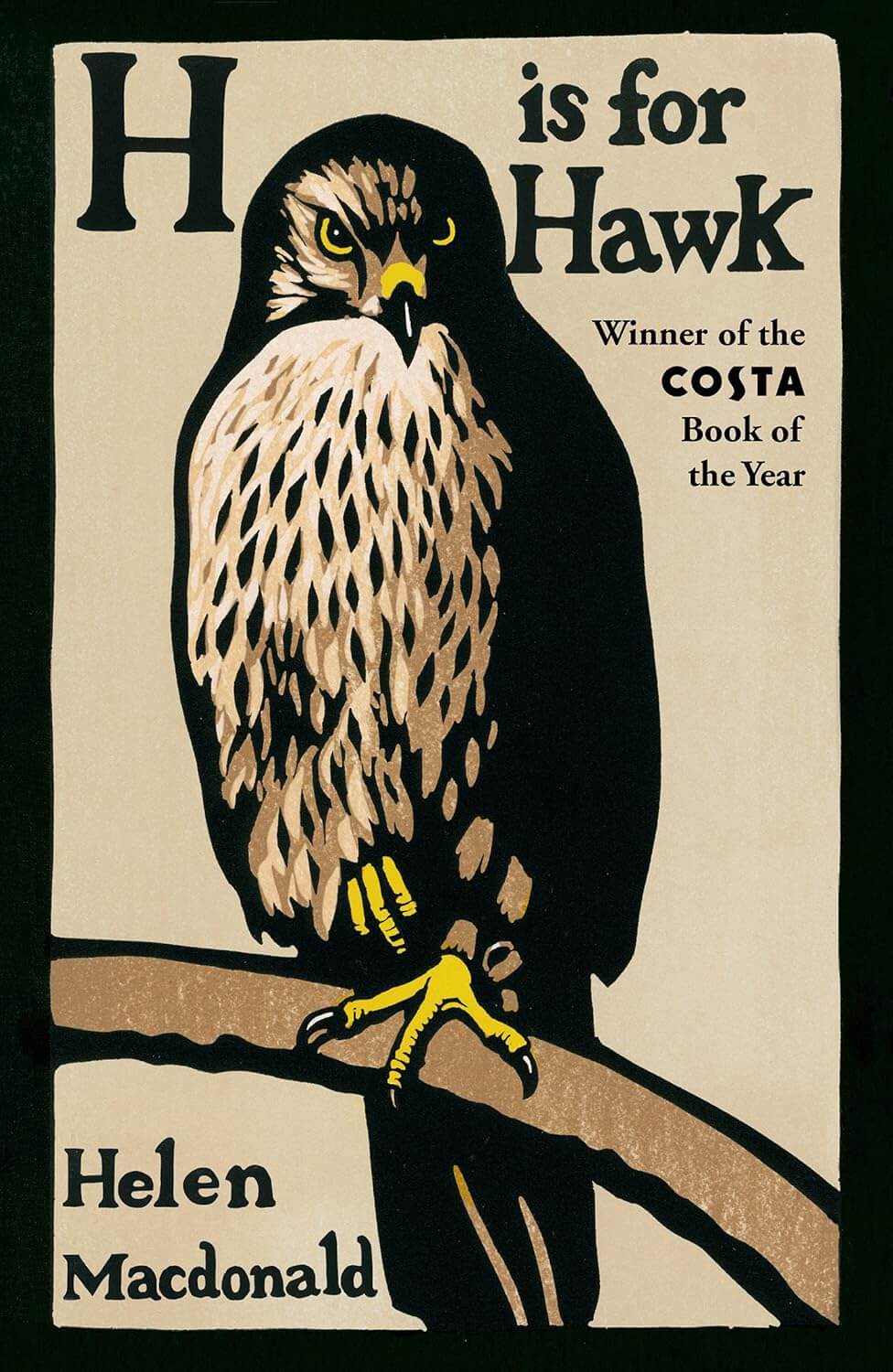
H is for Hawk

by Helen Macdonald

Helen Macdonald’s H is for Hawk is a luminous memoir that intertwines grief, falconry, and literary history. Following the sudden death of her father, Macdonald trains a goshawk, finding in the discipline both solace and confrontation. Her writing is precise, poetic, and deeply intelligent, moving seamlessly between personal pain, natural observation, and reflections on T.H. White. The book explores wildness — in animals and in the self — with rare sensitivity. It is both devastating and restorative, offering no easy comfort but profound understanding. A modern classic of nature writing and memoir.

3.74
Memoir
Nature Writing
Lyrical
Intimate
Healing
Being Mortal: Medicine and What Matters in the End

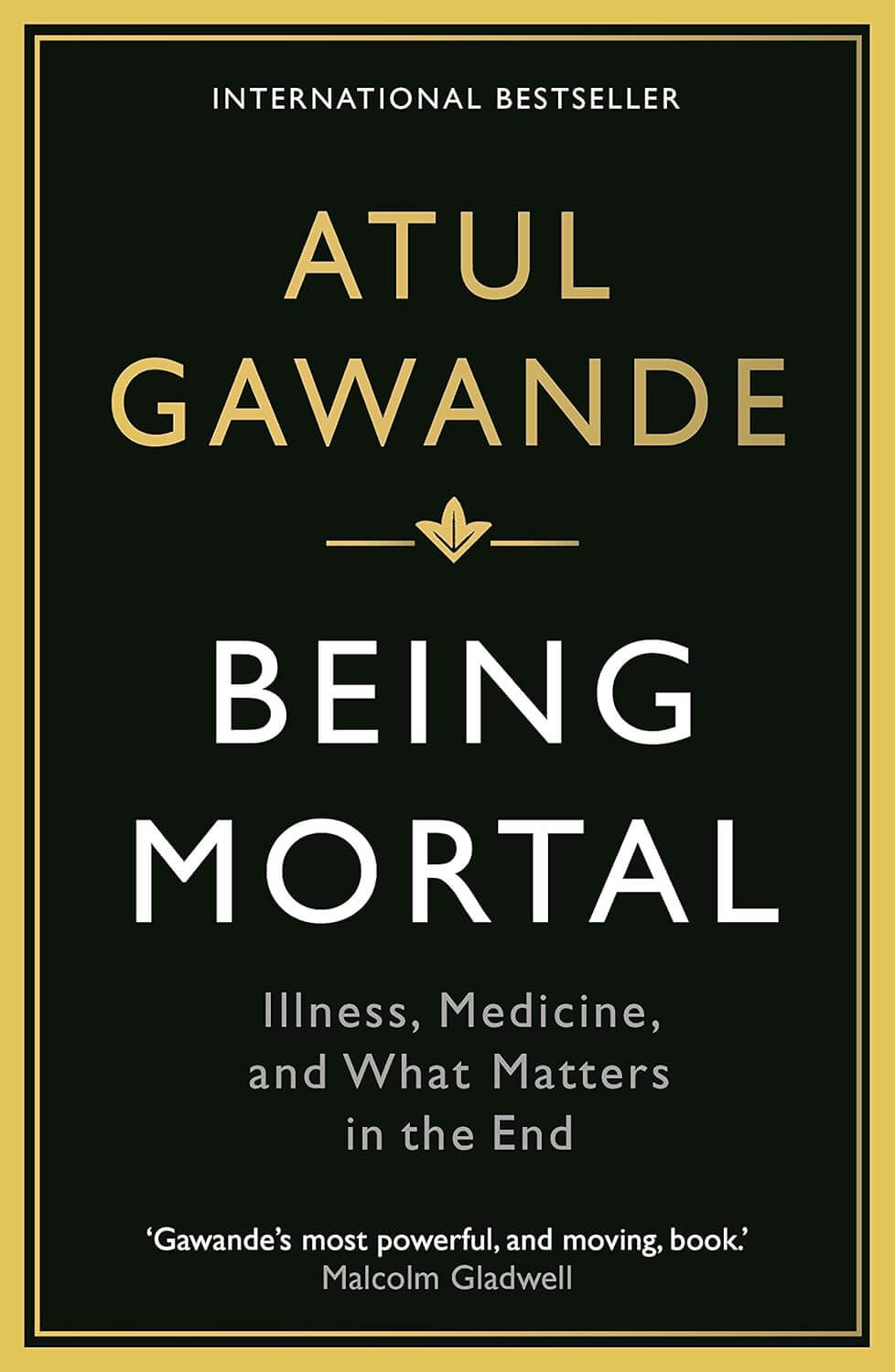
Being Mortal: Medicine and What Matters in the End

by Atul Gawande

Atul Gawande’s Being Mortal examines how medicine approaches aging, death, and end-of-life care. Through patient stories and medical insight, Gawande argues for dignity, autonomy, and honest conversations. His writing is compassionate and clear, blending science with humanity. The book challenges institutional norms and offers practical wisdom. It is profound, humane, and life-changing for many readers.

4.49
Medical Writing
Ethics
Compassionate
Wise
Reflective
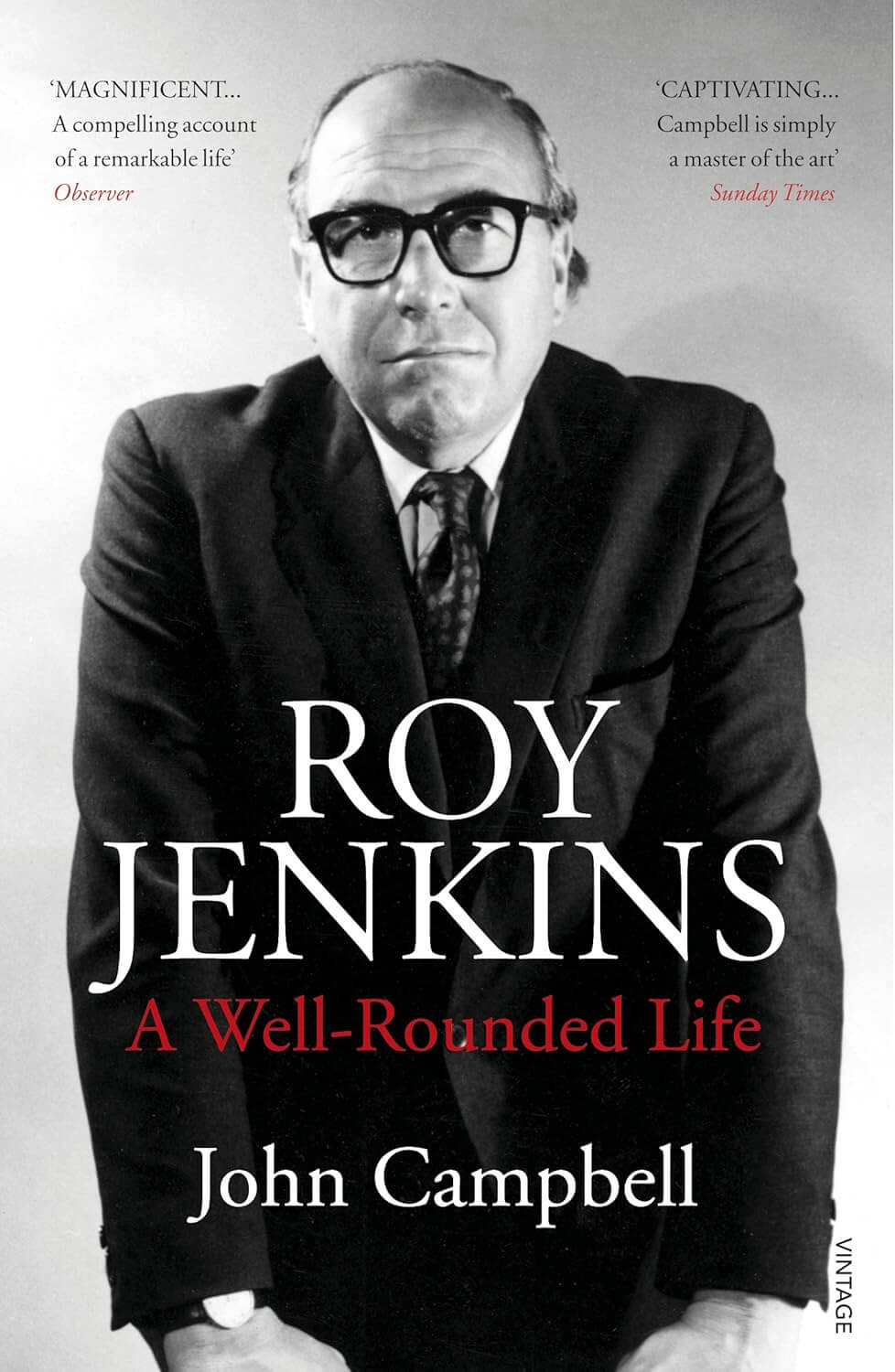
Roy Jenkins: A Well-Rounded Life
Shortlisted

Roy Jenkins: A Well-Rounded Life

by John Campbell

John Campbell’s biography offers a definitive account of Roy Jenkins, one of Britain’s most influential twentieth-century politicians. Campbell traces Jenkins’s career across decades of political change, from postwar reform to the founding of the SDP. The book balances policy analysis with personal insight, revealing Jenkins’s intellect, ambition, and contradictions. Campbell writes with clarity and authority, making complex political history accessible. It is a substantial, authoritative portrait of a statesman and his era.

4.38
Biography
Political History
Authoritative
Measured
Informative
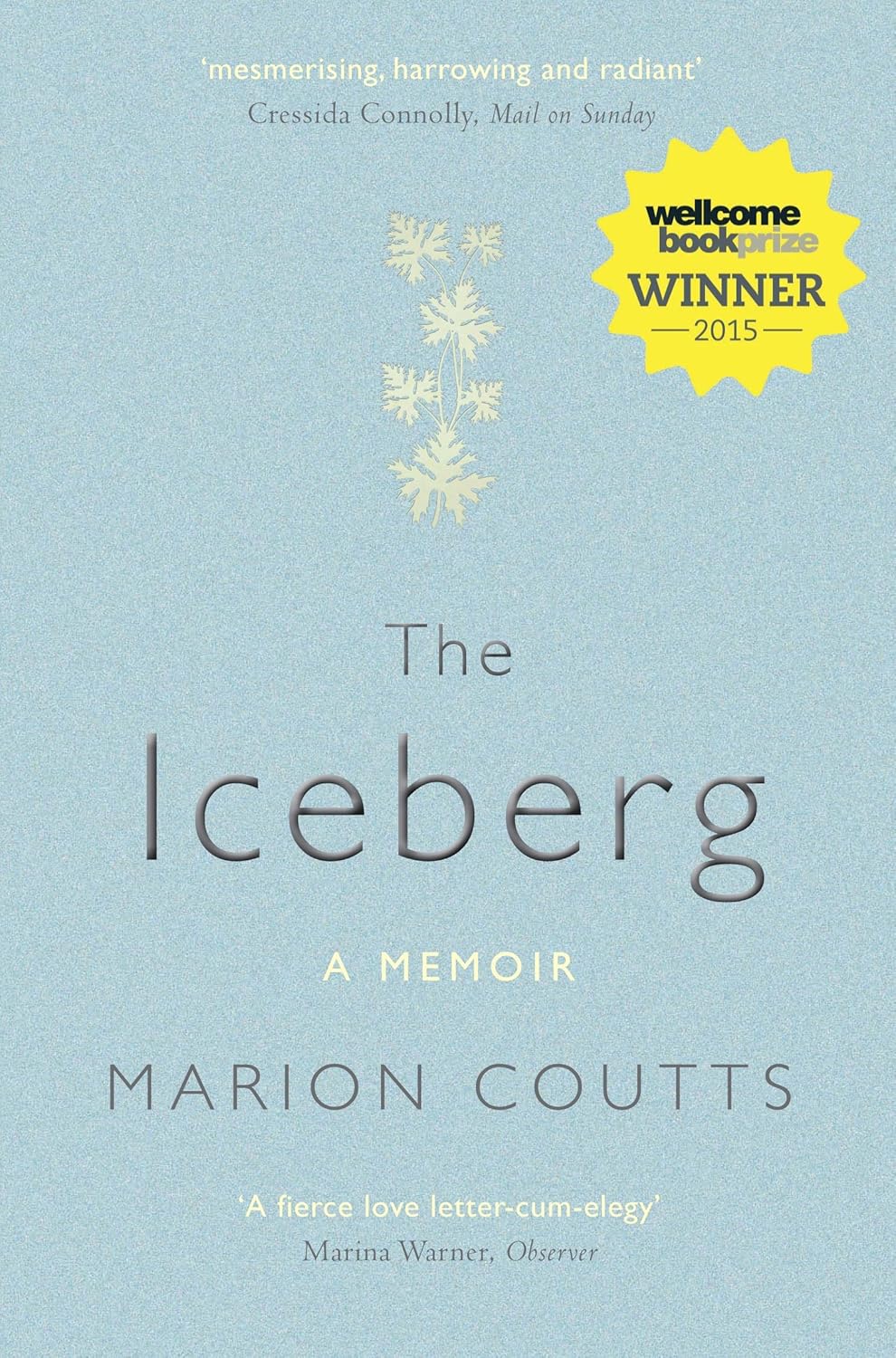
The Iceberg
Shortlisted

The Iceberg

by Marion Coutts

Marion Coutts’s The Iceberg is a raw, fragmented memoir written during her husband’s terminal illness. Blending diary entries, essays, and philosophical reflection, Coutts captures the disorientation of grief as it unfolds in real time. Her prose is fierce, searching, and uncompromising, refusing narrative neatness. The book explores love, motherhood, and language under extreme pressure. It is challenging, deeply moving, and profoundly honest — a testament to writing as survival.

3.98
Memoir
Experimental Nonfiction
Intense
Raw
Unflinching
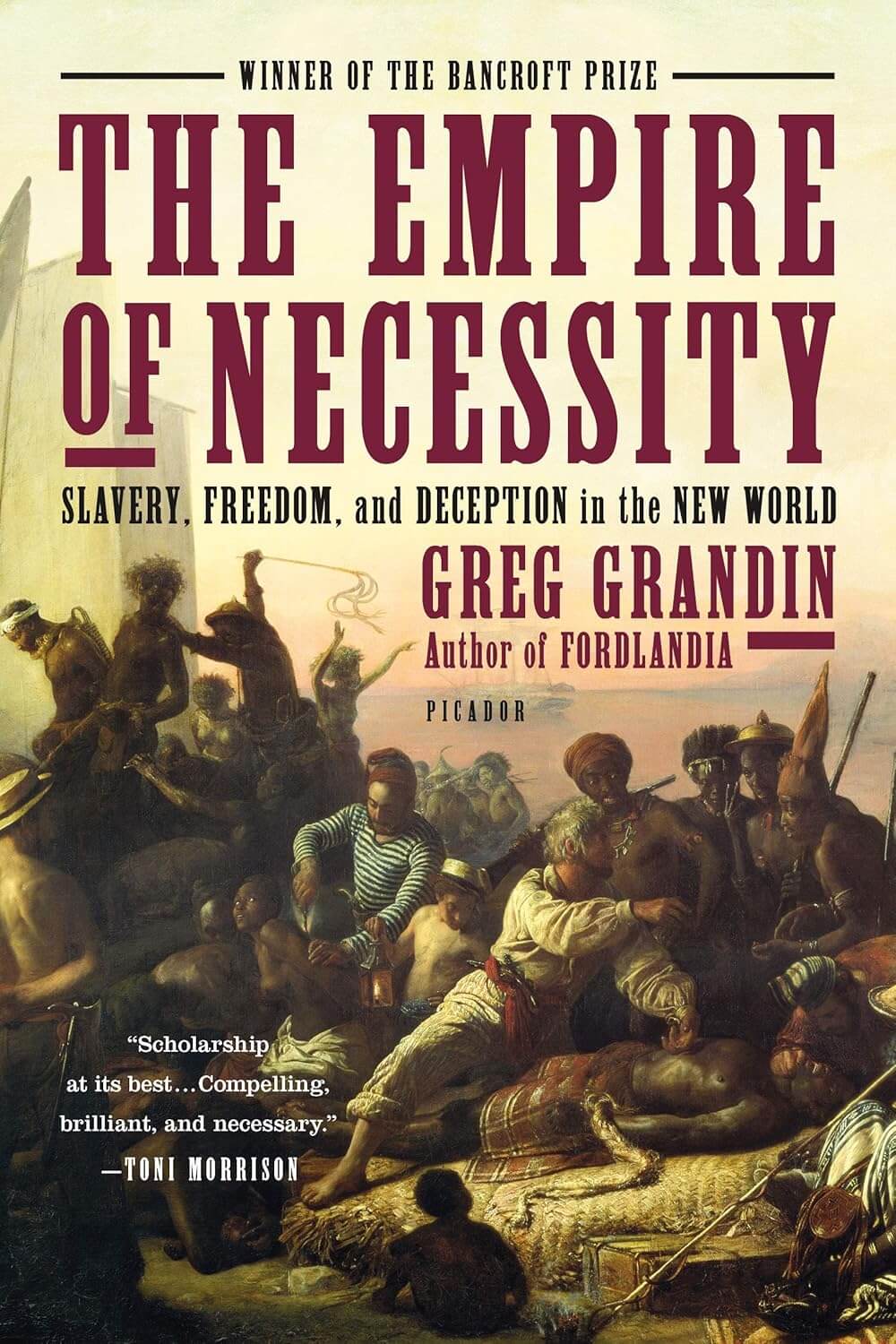
The Empire of Necessity: Slavery, Freedom, and Deception in the New World
Shortlisted

The Empire of Necessity: Slavery, Freedom, and Deception in the New World

by Greg Grandin

Greg Grandin revisits a notorious 1805 slave-ship rebellion to explore the moral contradictions at the heart of empire. Blending narrative history with political philosophy, Grandin examines how slavery shaped modern ideas of freedom and necessity. His storytelling is gripping, but his analysis is equally incisive, linking past violence to contemporary global systems. The book challenges romanticised views of liberty and progress. It is a demanding, thought-provoking work of historical reinterpretation.

3.97
History
Political Philosophy
Provocative
Serious
Challenging
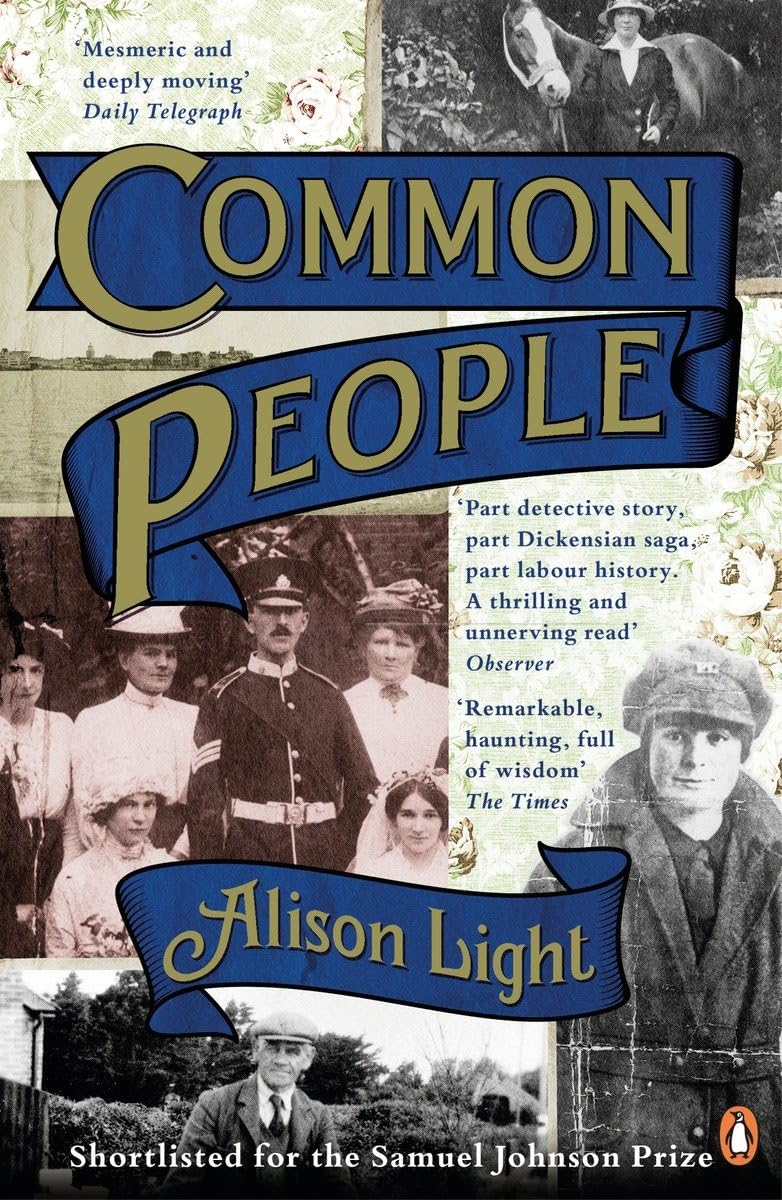
Common People: The History of An English Family
Shortlisted

Common People: The History of An English Family

by Alison Light

Alison Light’s memoir reconstructs the lives of her working-class parents, using photographs, documents, and memory to explore class and aspiration in twentieth-century Britain. Light writes with tenderness and clarity, avoiding nostalgia while honouring ordinary lives. The book examines how class shapes identity, opportunity, and self-understanding. Her prose is measured and quietly powerful. It is a deeply humane account of family, history, and social change.

3.90
Memoir
Social History
Reflective
Tender
Insightful
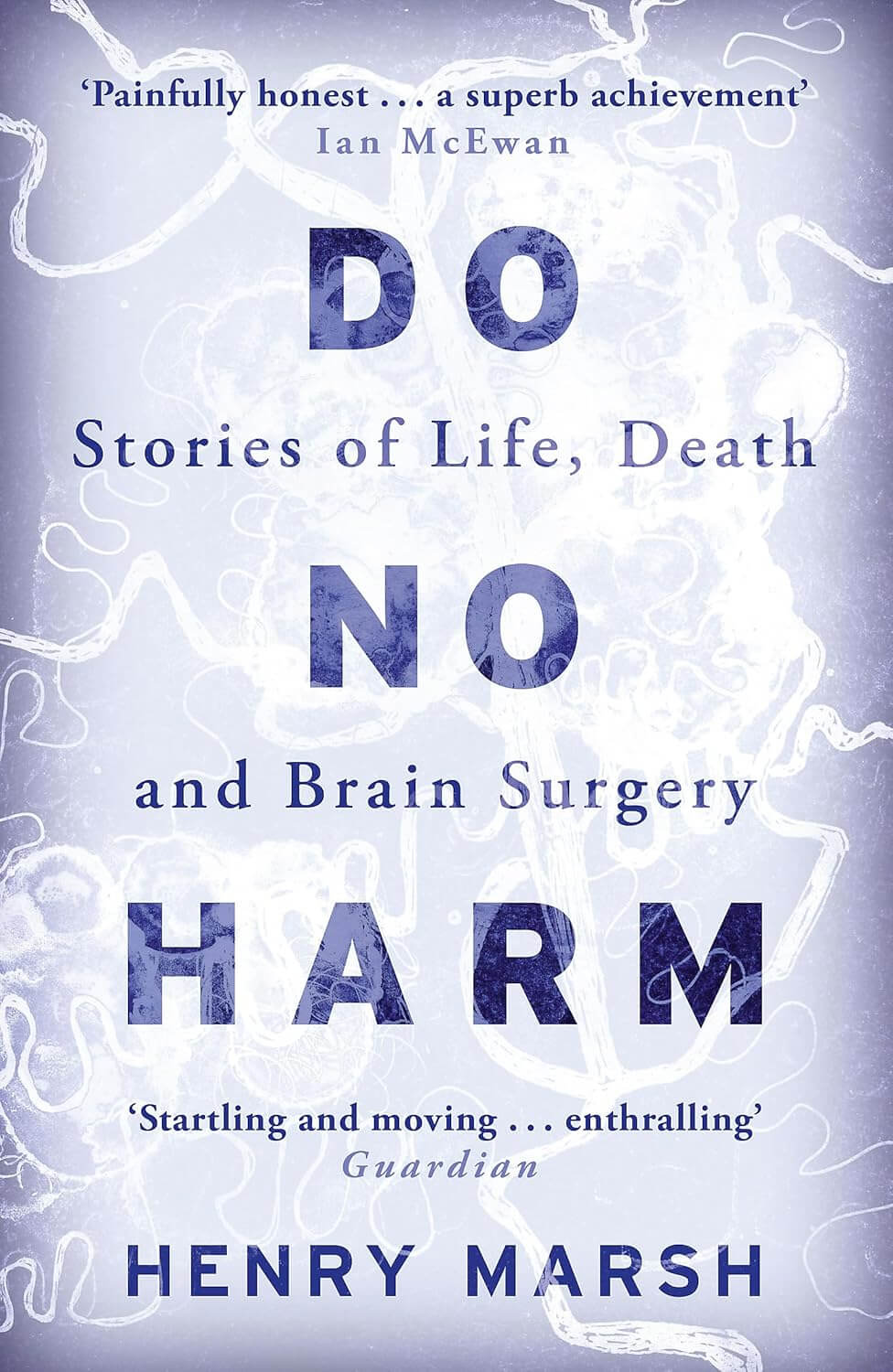
Do No Harm: Stories of Life, Death and Brain Surgery

Do No Harm: Stories of Life, Death and Brain Surgery

by Henry Marsh

Henry Marsh’s memoir offers an unflinching look at life as a neurosurgeon. Marsh writes candidly about success, failure, arrogance, and responsibility in the operating theatre. His prose is direct and humane, capturing the moral weight of medical decision-making. The book balances technical insight with emotional honesty. It is gripping, sobering, and deeply human.

4.25
Memoir
Medical Writing
Honest
Intense
Humbling
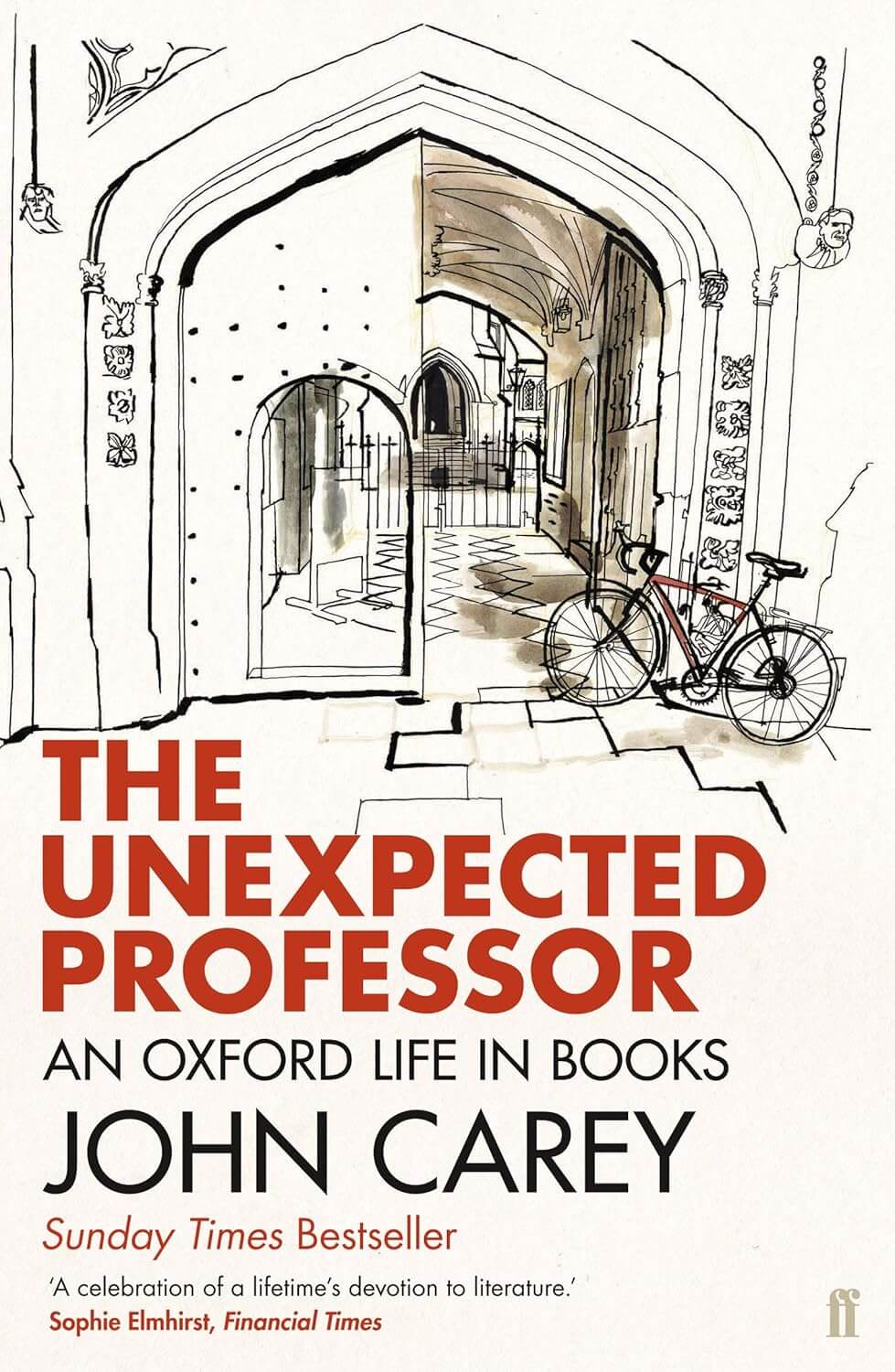
The Unexpected Professor: An Oxford Life in Books

The Unexpected Professor: An Oxford Life in Books

by John Carey

John Carey’s memoir is a lively reflection on a life spent thinking, teaching, and reading. Carey traces his journey from working-class roots to becoming one of Britain’s leading literary critics. His tone is witty, self-deprecating, and intellectually generous. The book is filled with reflections on education, class mobility, and the pleasures of the mind. It is warm, stimulating, and quietly radical in its belief in learning as liberation.

3.97
Memoir
Literary Criticism
Warm
Witty
Reflective
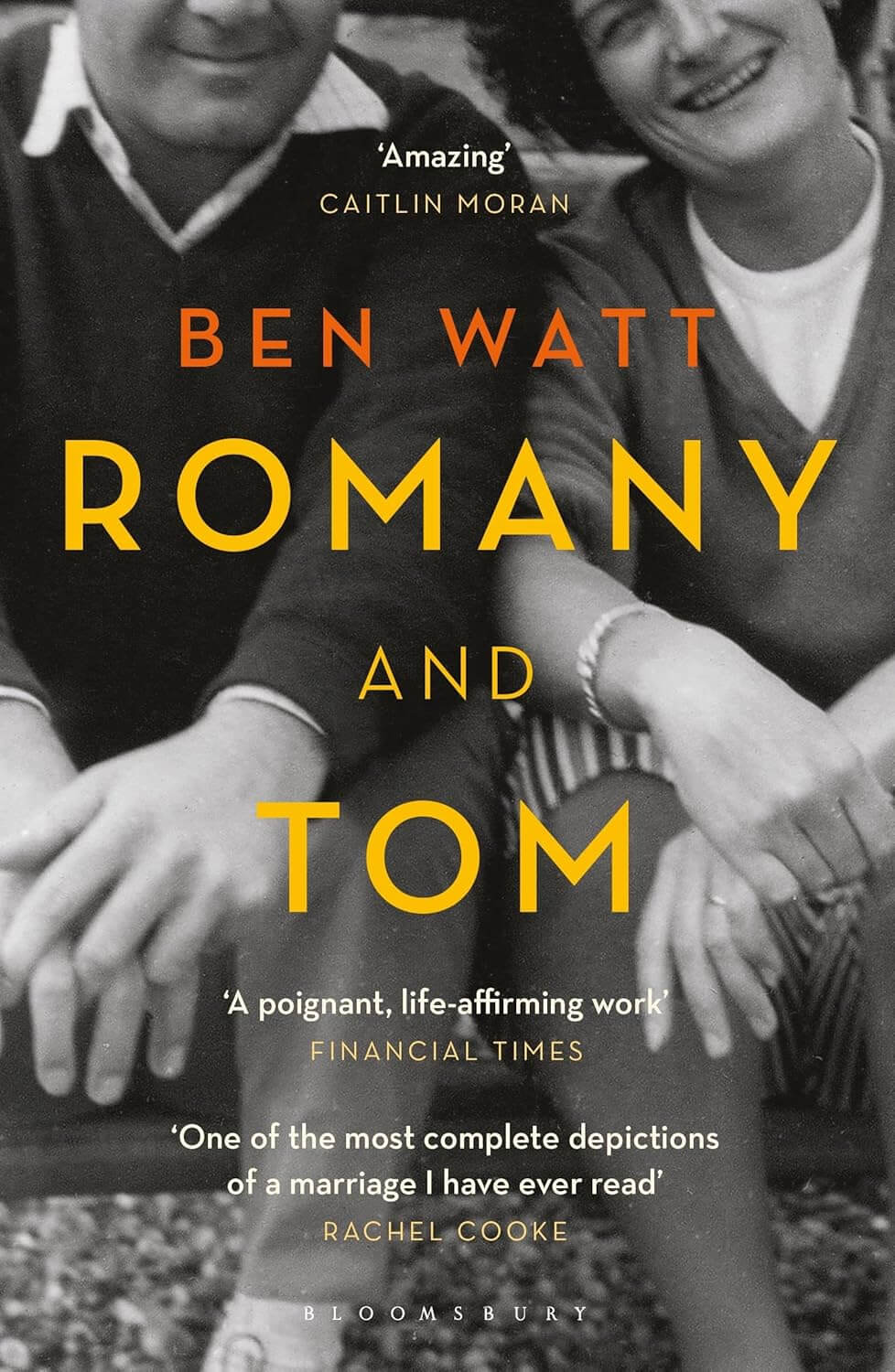
Romany and Tom: A Memoir

Romany and Tom: A Memoir

by Ben Watt

Ben Watt’s memoir traces his relationship with his parents, folk singers Romany Bain and Ewan MacColl, and his own journey as a musician. Watt writes with sensitivity about family, illness, creativity, and inheritance. The book balances musical history with intimate self-examination. It is affectionate without sentimentality, honest about complexity and loss. A beautifully written reflection on legacy and identity.

4.14
Memoir
Music History
Tender
Reflective
Warm
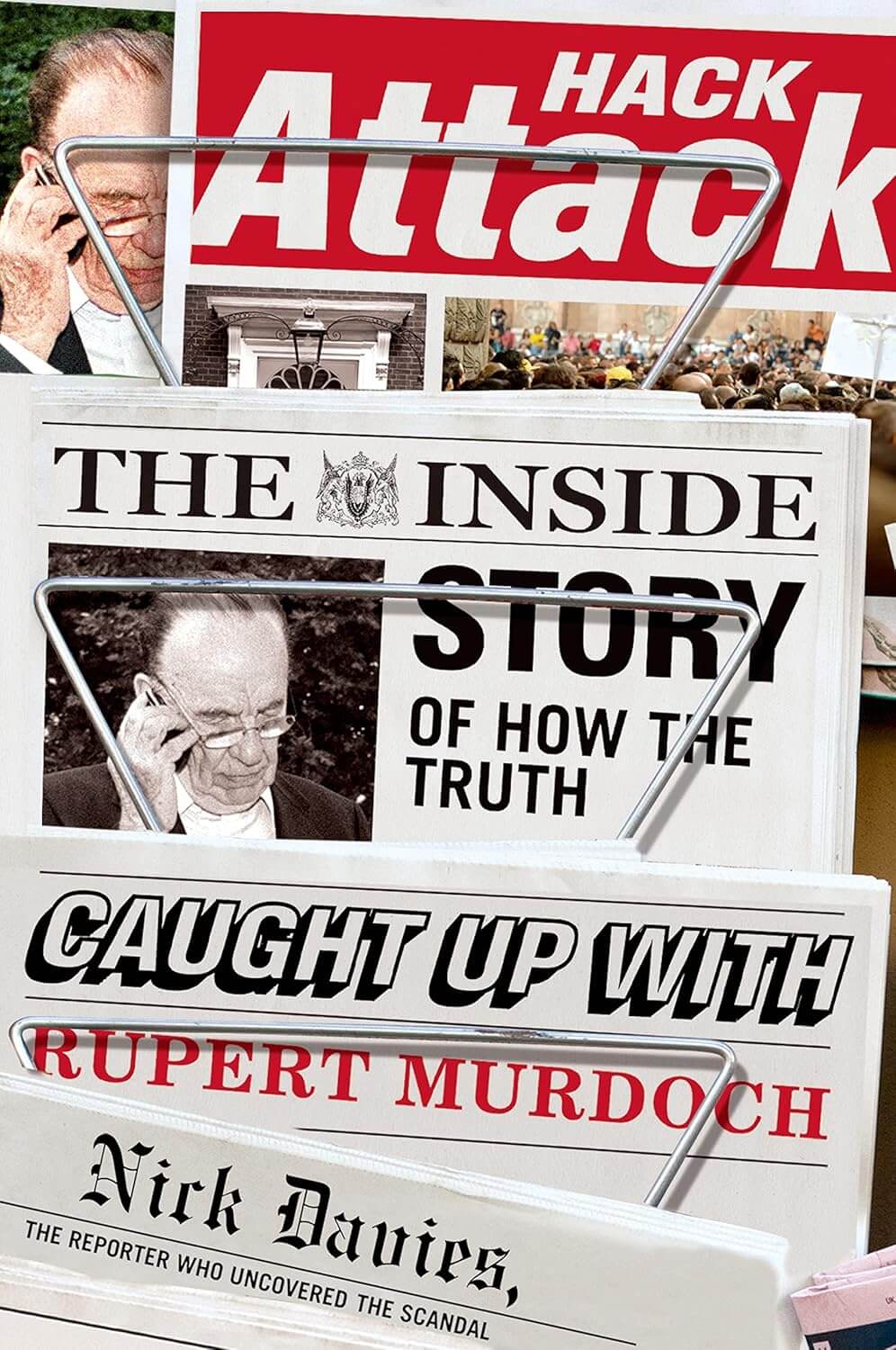
Hack Attack: The Inside Story of How the Truth Caught Up with Rupert Murdoch

Hack Attack: The Inside Story of How the Truth Caught Up with Rupert Murdoch

by Nick Davies

Nick Davies’s Hack Attack chronicles the phone-hacking scandal that rocked British journalism and politics. Davies offers an insider’s account of investigative reporting against powerful media interests. His narrative is detailed and relentless, exposing corruption, complicity, and institutional failure. The book doubles as a defence of public-interest journalism. It is gripping, outraged, and essential reading on media power.

4.22
Investigative Journalism
Media Studies
Outraged
Urgent
Revealing
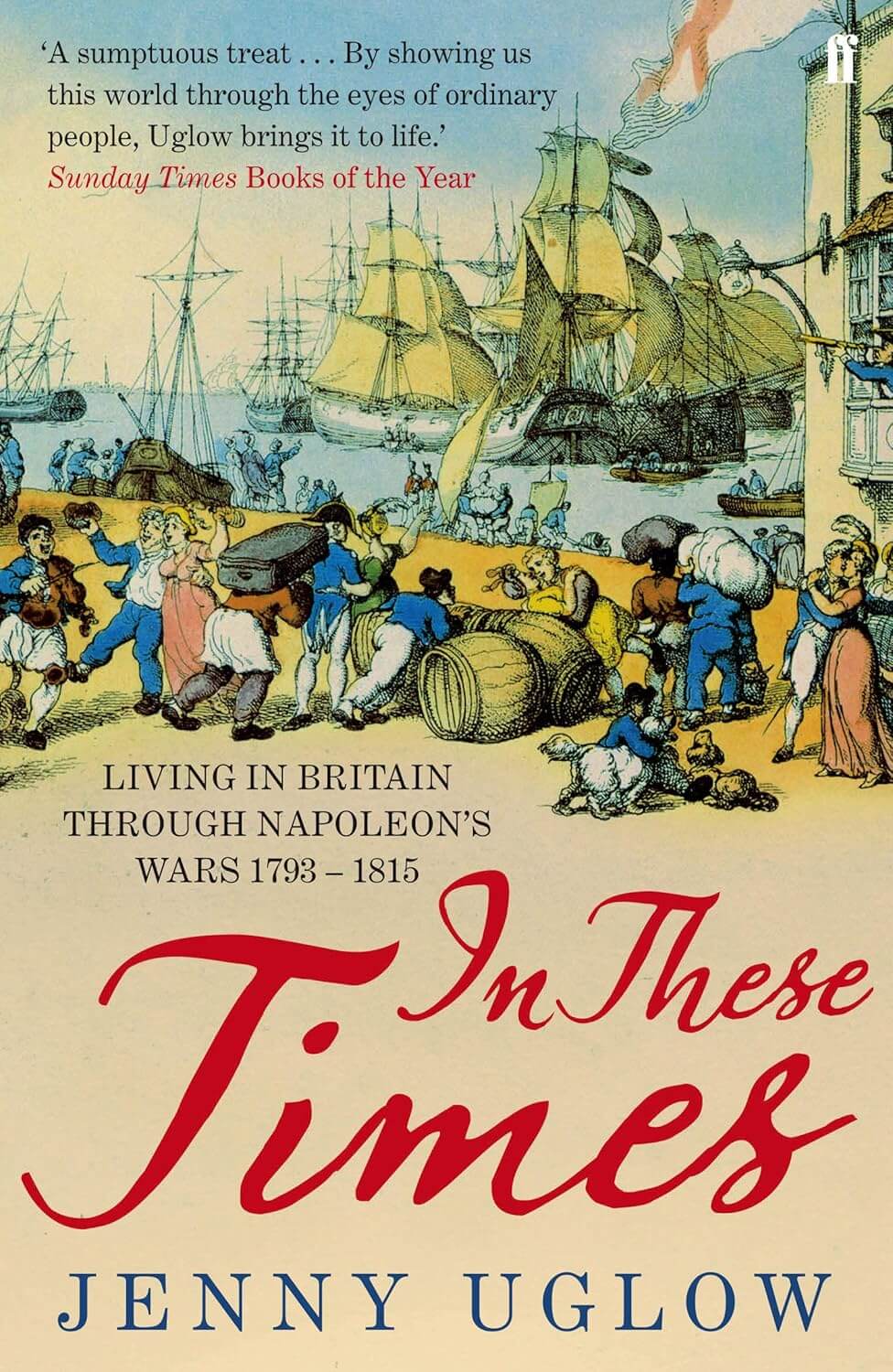
In These Times: Living in Britain Through Napoleon's Wars, 1793–1815

In These Times: Living in Britain Through Napoleon's Wars, 1793–1815

by Jenny Uglow

Jenny Uglow’s cultural history captures Britain during the Napoleonic Wars through letters, diaries, and everyday experiences. She brings to life artists, writers, workers, and families living through uncertainty and change. Uglow’s prose is rich and generous, attentive to detail and texture. The book reveals history as lived experience rather than grand narrative. It is immersive and deeply humane.

4.04
Cultural History
Immersive
Warm
Detailed
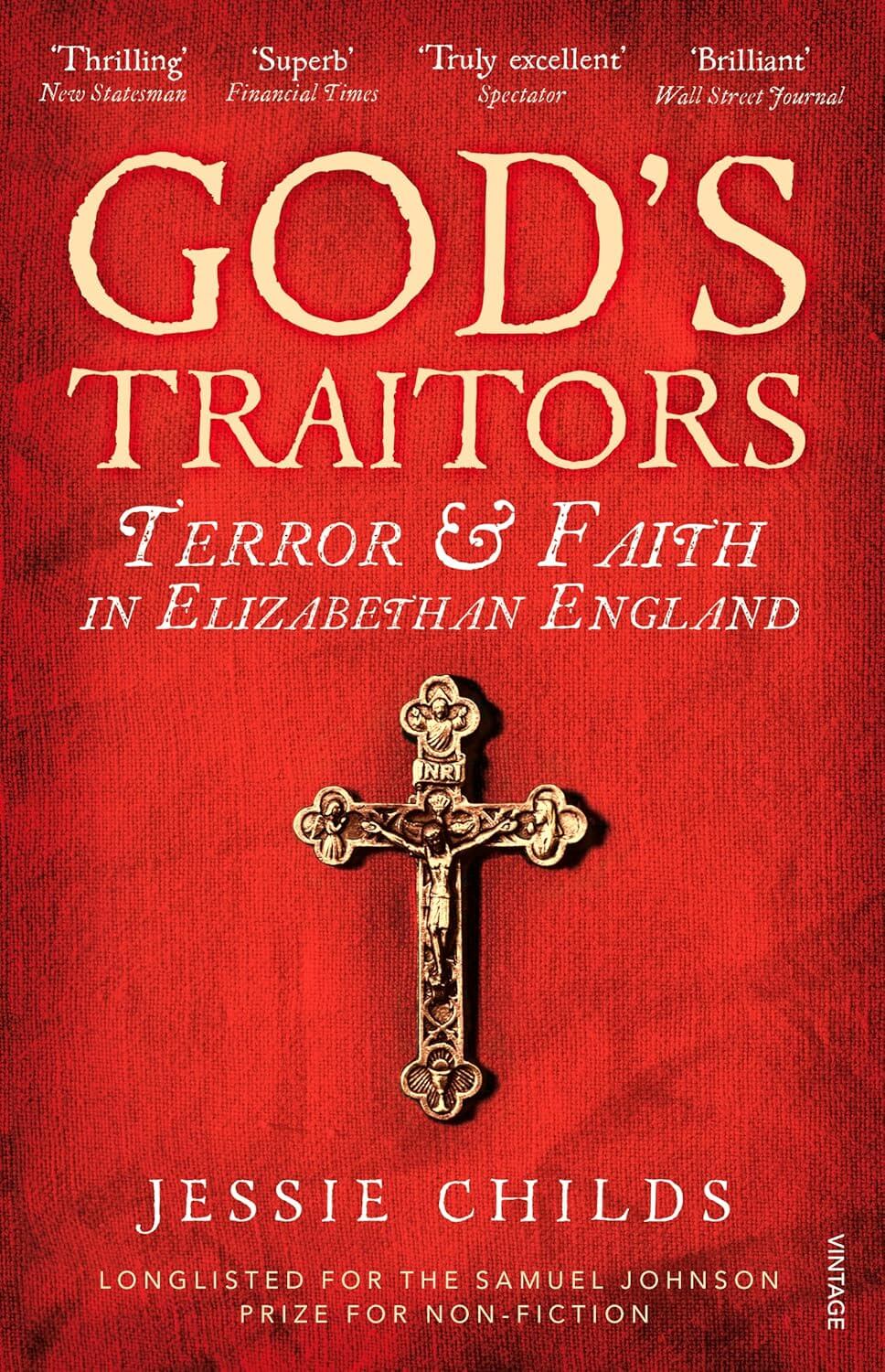
God's Traitors: Terror & Faith in Elizabethan England

God's Traitors: Terror & Faith in Elizabethan England

by Jessie Childs

Jessie Childs explores religious persecution in Elizabethan England through vivid personal stories. Focusing on Catholics accused of treason, she reveals how faith became politicised and criminalised. Childs writes with narrative drive and scholarly precision, making complex history accessible. The book highlights moral ambiguity and the human cost of ideological conflict. It is a compelling and illuminating account of belief under pressure.

3.92
History
Religious Studies
Dramatic
Illuminating
Serious
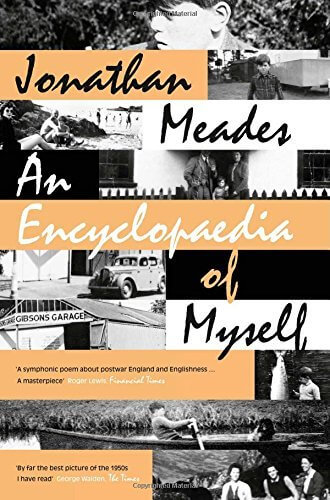
An Encyclopaedia of Myself

An Encyclopaedia of Myself

by Jonathan Meades

Jonathan Meades’s idiosyncratic memoir defies convention, blending cultural criticism, autobiography, and provocation. Meades writes with baroque flair, humour, and unapologetic subjectivity. The book is less a linear life story than a performance of self. Readers are challenged, entertained, and occasionally infuriated. It is a bold, singular work of literary personality.

4.05
Memoir
Cultural Criticism
Eccentric
Provocative
Playful
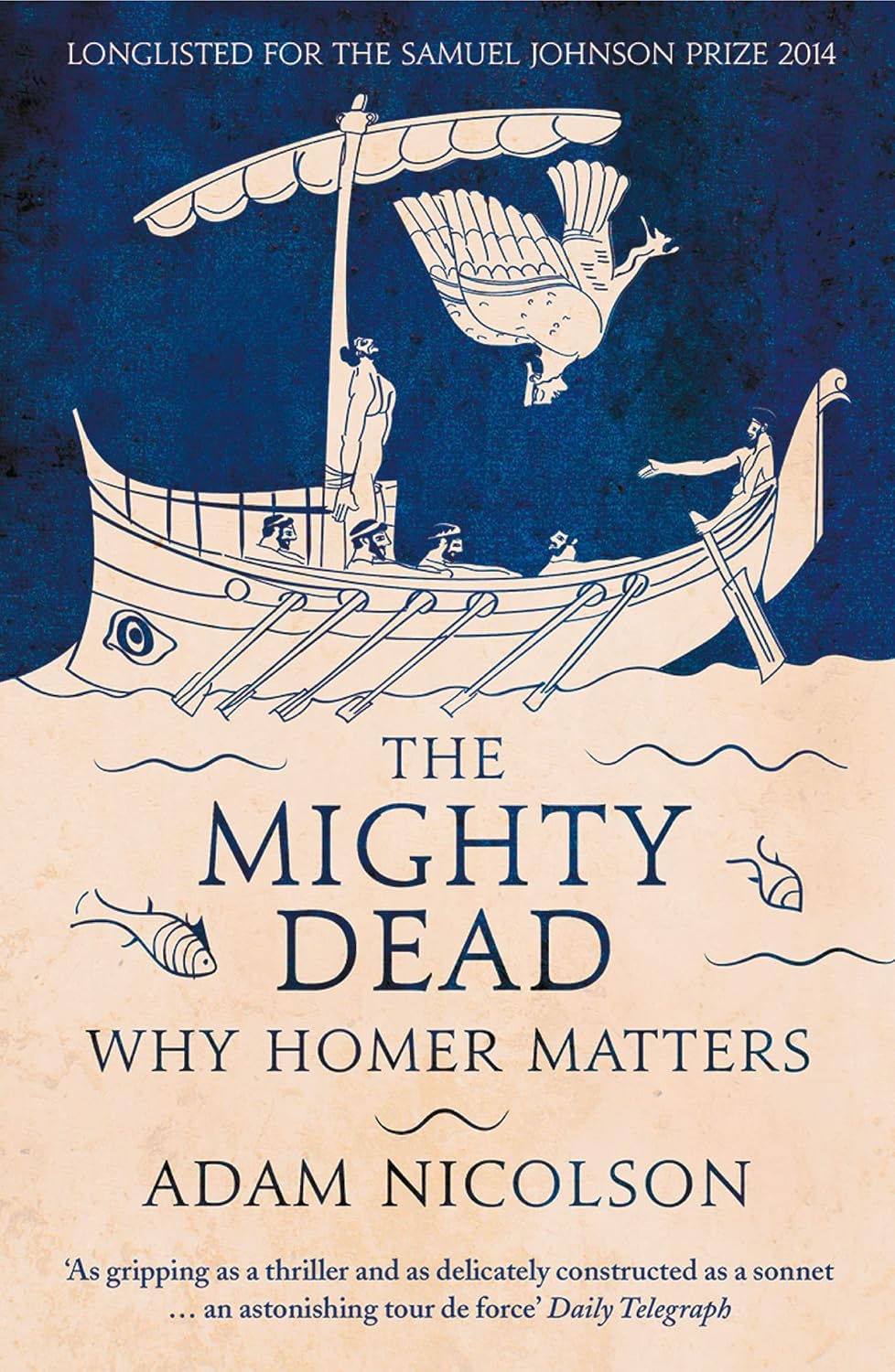
The Mighty Dead: Why Homer Matters

The Mighty Dead: Why Homer Matters

by Adam Nicolson

Adam Nicolson explores Homer’s Iliad as a living text that continues to shape ideas of war, heroism, and humanity. Blending literary analysis with personal reflection, Nicolson examines how ancient stories resonate in modern conflicts. His writing is passionate and insightful, bridging classical scholarship and contemporary relevance. The book invites readers to engage deeply with epic literature. It is thoughtful, immersive, and intellectually rewarding.

3.89
Literary Criticism
Classical Studies
Reflective
Intellectual
Immersive
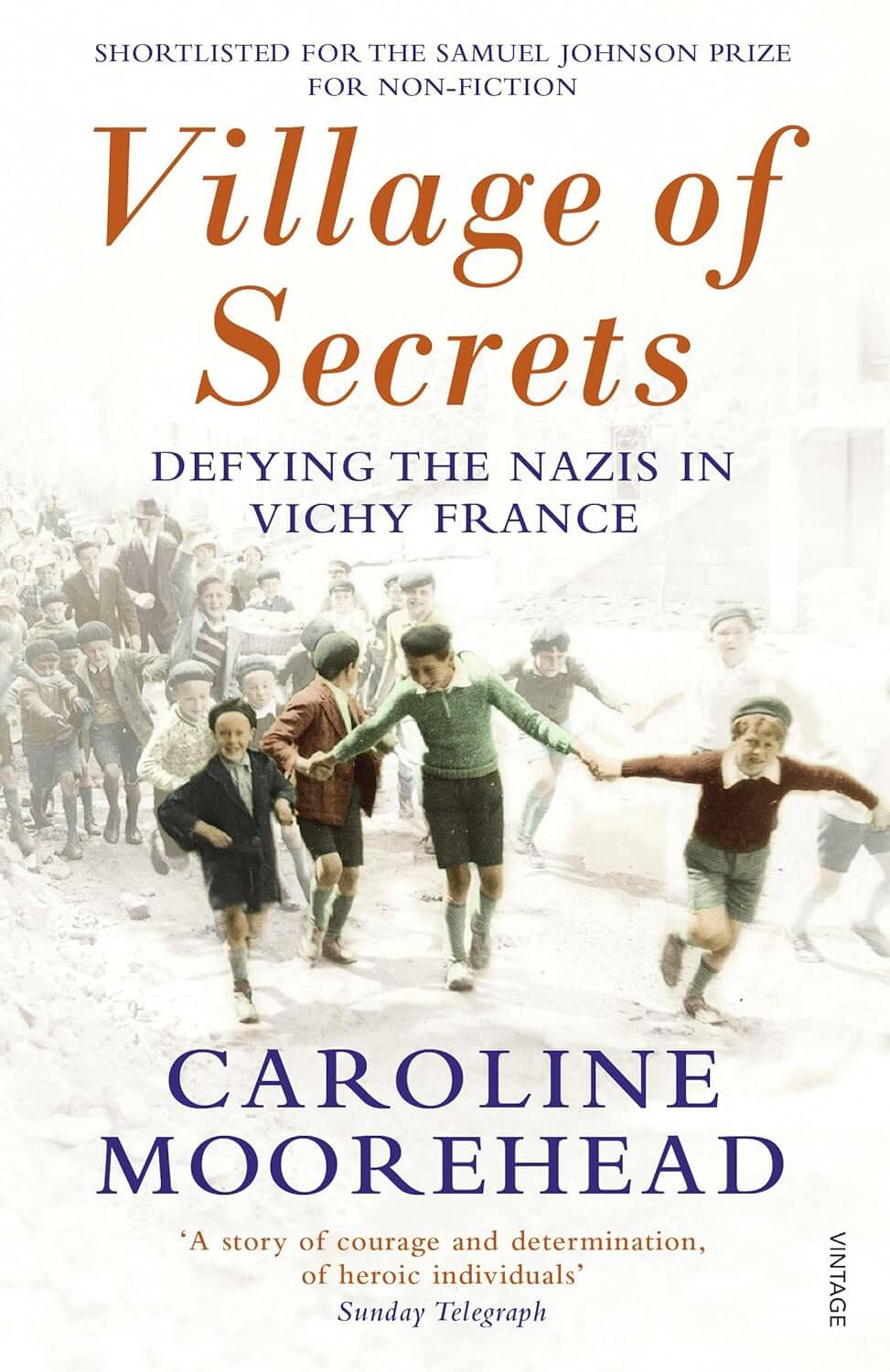
Village of Secrets: Defying the Nazis in Vichy France

Village of Secrets: Defying the Nazis in Vichy France

by Caroline Moorehead

Caroline Moorehead recounts the remarkable story of Le Chambon-sur-Lignon, a French village that sheltered thousands of Jews during World War II. Through meticulous research and personal testimony, Moorehead reveals how collective moral courage emerged from faith and solidarity. The narrative is gripping yet understated, focusing on everyday heroism rather than grand gestures. The book challenges assumptions about resistance and goodness under occupation. It is inspiring without sentimentality.

3.76
History
War Studies
Inspiring
Human
Hopeful