Survival Stories

True and imagined tales of endurance at the edge of human limits

Survival stories strip life back to its raw essentials. Whether set on frozen ice shelves, raging seas, high mountains, or desolate landscapes, these books explore what happens when comfort, certainty, and civilisation fall away. What remains is resilience, fear, ingenuity, and the stubborn will to live.

Across these narratives, survival is never just physical. Many of these books probe psychological endurance: isolation, moral dilemmas, hope against logic, and the quiet moments when despair threatens to win. Some are gripping works of nonfiction rooted in real catastrophe, while others use fiction to explore survival as an existential condition.

Together, these books remind us why survival stories endure as a genre. They are cautionary and inspiring, harrowing and strangely life-affirming. Each one invites readers to imagine how far the human spirit can stretch when pushed to the brink — and what it costs to come back alive.

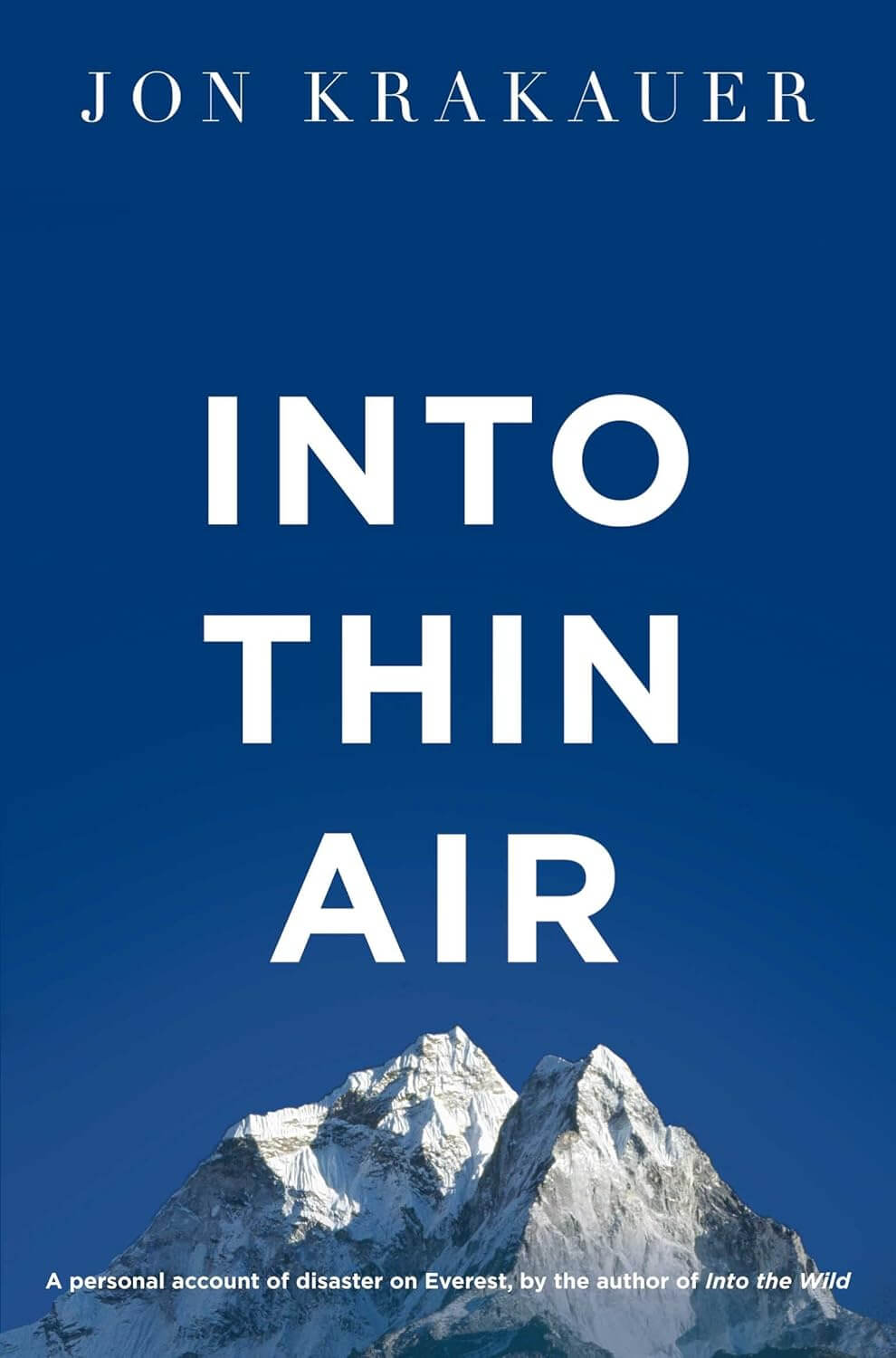
Into Thin Air: A Personal Account of the Mt. Everest Disaster

Into Thin Air: A Personal Account of the Mt. Everest Disaster

by Jon Krakauer

Krakauer’s firsthand account of the 1996 Everest disaster is both thrilling and unsettling. He examines how ambition, commercialisation, and chance collided on the world’s highest peak. The narrative balances personal reflection with investigative reporting. Moral questions linger long after the final page. The mountain itself feels indifferent and vast. A modern classic of survival writing.

4.26
Nonfiction
Mountaineering
Intense
Reflective
Sobering
Endurance: Shackleton's Incredible Voyage

Endurance: Shackleton's Incredible Voyage

by Alfred Lansing

This classic account tells the astonishing true story of Ernest Shackleton’s Antarctic expedition. When their ship is crushed by ice, Shackleton and his crew face months stranded in one of the harshest environments on Earth. Lansing’s narrative is clear, gripping, and relentlessly tense. Leadership and morale become matters of life and death. The book celebrates resilience without romanticising suffering. A definitive survival story.

4.46
Nonfiction
Adventure
Gripping
Heroic
Tense
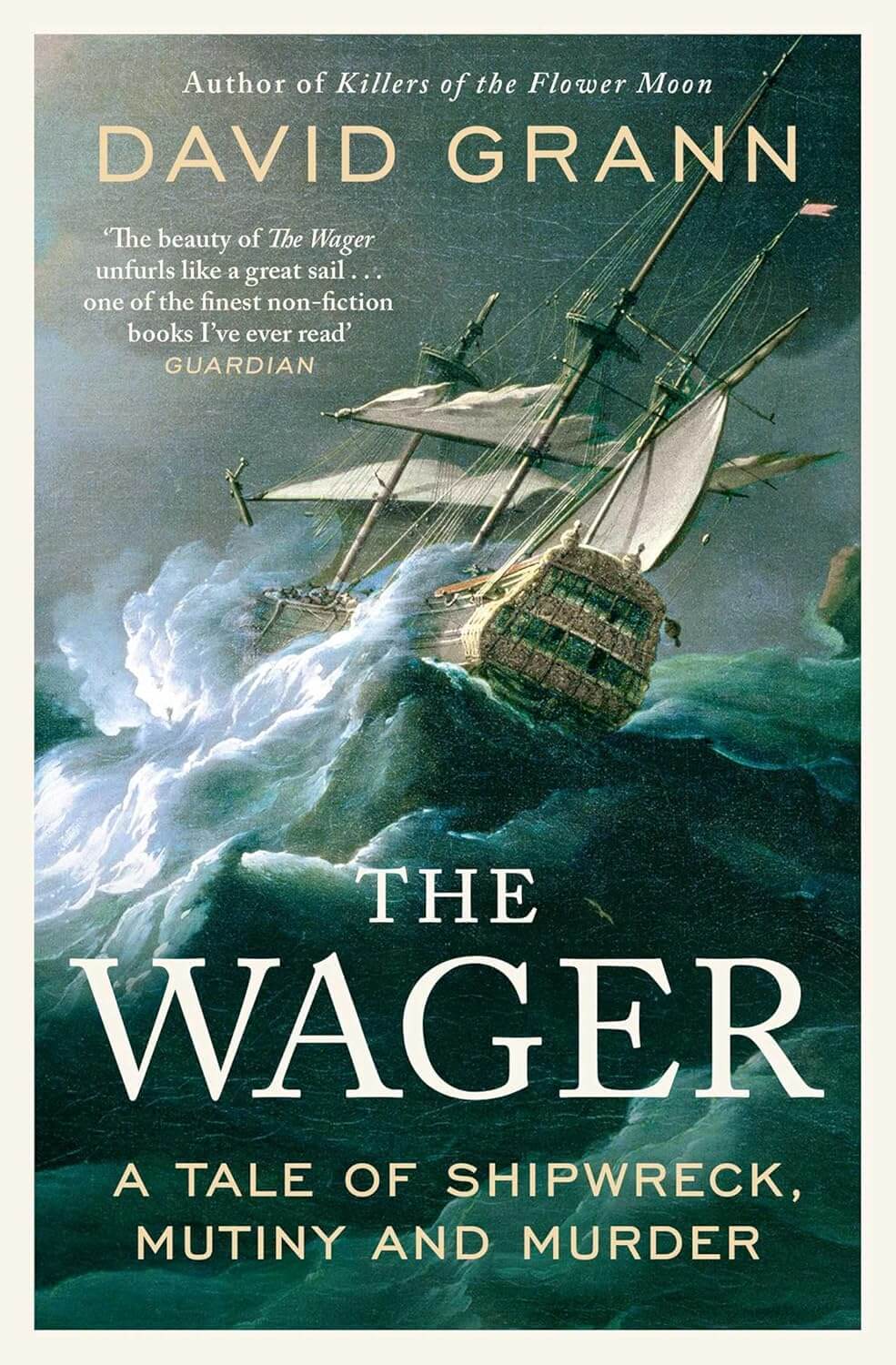
The Wager: A Tale of Shipwreck, Mutiny and Murder

The Wager: A Tale of Shipwreck, Mutiny and Murder

by David Grann

Grann reconstructs a disastrous eighteenth-century naval expedition with narrative flair. Shipwreck, mutiny, and moral collapse drive the story. Survival becomes inseparable from power and truth. The book questions whose version of events prevails. The pacing is cinematic and tense. A gripping blend of history and survival.

4.17
Nonfiction
History
Suspenseful
Dark
Riveting
Miracle in the Andes: 72 Days on the Mountain and My Long Trek Home

Miracle in the Andes: 72 Days on the Mountain and My Long Trek Home

by Nando Parrado

Parrado recounts surviving a plane crash in the Andes and the impossible choices that followed. Unlike sensationalist retellings, this book focuses on resilience and hope. The emotional impact is profound. Survival becomes a collective effort rooted in love and responsibility. The mountains feel vast and silent. A deeply moving survival story.

4.37
Nonfiction
Memoir
Inspiring
Emotional
Hopeful
A Woman in the Polar Night

A Woman in the Polar Night

by Christiane Ritter

Ritter’s memoir recounts living in the Arctic with her husband for a year. Survival here is quiet, domestic, and deeply psychological. The landscape is beautiful but unforgiving. Ritter’s observations are precise and reflective. Isolation reshapes her inner world. A unique, contemplative survival story.

4.22
Nonfiction
Memoir
Contemplative
Quiet
Atmospheric
The Indifferent Stars Above

The Indifferent Stars Above

by Daniel James Brown

This book revisits the infamous Donner Party tragedy with vivid detail. Brown reconstructs how optimism, poor decisions, and bad timing led to catastrophe. The narrative balances historical context with human drama. Survival becomes a brutal calculation. The landscape is coldly indifferent. Riveting and deeply unsettling.

4.25
Nonfiction
History
Dark
Gripping
Disturbing
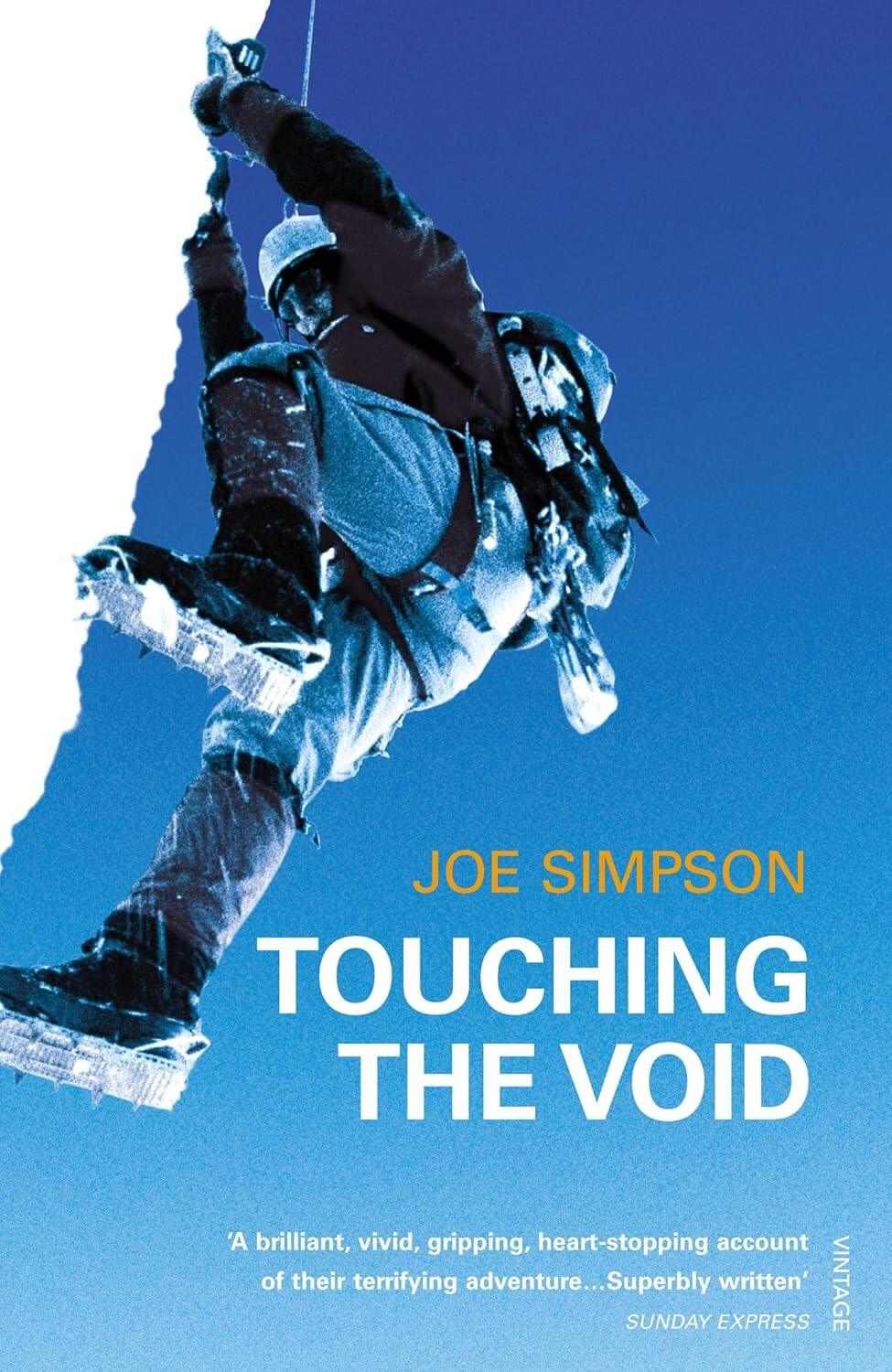
Touching the Void: The True Story of One Man's Miraculous Survival

Touching the Void: The True Story of One Man's Miraculous Survival

by Joe Simpson

This gripping memoir recounts a catastrophic climbing accident in the Andes. After a fall leaves Simpson severely injured, survival seems impossible. The book focuses on decision-making under extreme pressure. Simpson’s inner dialogue is as tense as the physical ordeal. Survival depends on stubborn, incremental choices. A powerful study of human will.

4.23
Nonfiction
Adventure
Harsh
Suspenseful
Determined
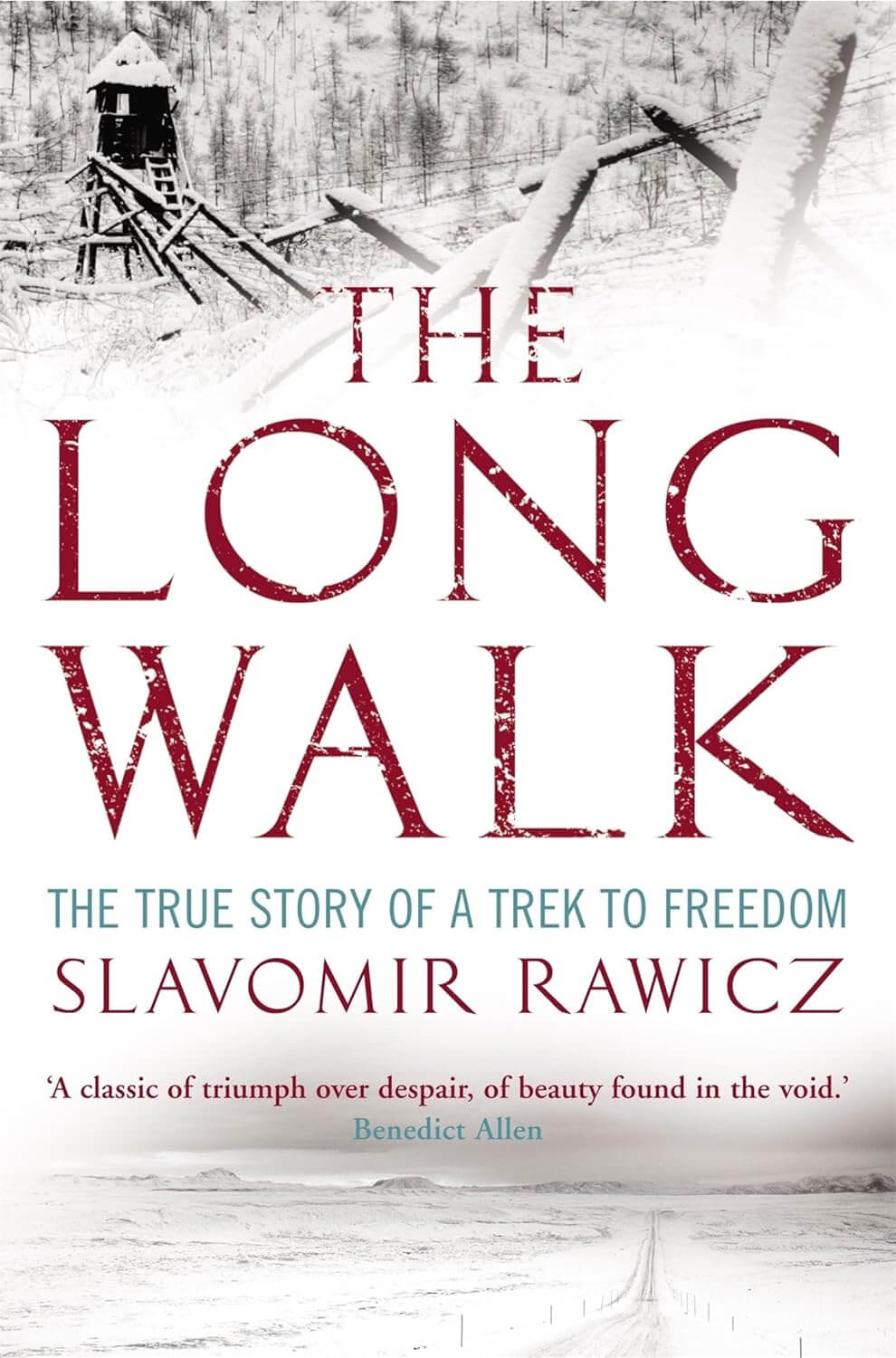
The Long Walk

The Long Walk

by Slavomir Rawicz

This controversial memoir describes an escape from a Siberian labour camp and an epic trek across continents. The journey is marked by exhaustion, hunger, and extreme landscapes. Survival depends on endurance and collective resolve. The scale of the walk is astonishing. Whether factual or not, the story is compelling. A classic tale of escape and survival.

4.24
Nonfiction
Adventure
Epic
Relentless
Hopeful
The Perfect Storm

The Perfect Storm

by Sebastian Junger

Junger blends reportage and storytelling to recreate a deadly storm at sea. The book examines the lives of fishermen who knowingly risk everything. Technical detail enhances the tension rather than slowing it. The ocean is portrayed as powerful and unforgiving. Fate and chance loom large. A compelling modern survival narrative.

4.12
Nonfiction
Maritime
Tense
Atmospheric
Fatalistic
The Wall

The Wall

by Marlen Haushofer

This quiet novel imagines a woman suddenly cut off from the rest of humanity by an invisible barrier. Survival becomes solitary and routine rather than dramatic. Haushofer focuses on psychological endurance and self-sufficiency. Nature offers both comfort and threat. The prose is calm and precise. A haunting meditation on isolation.

4.01
Literary Fiction
Survival Fiction
Quiet
Reflective
Eerie
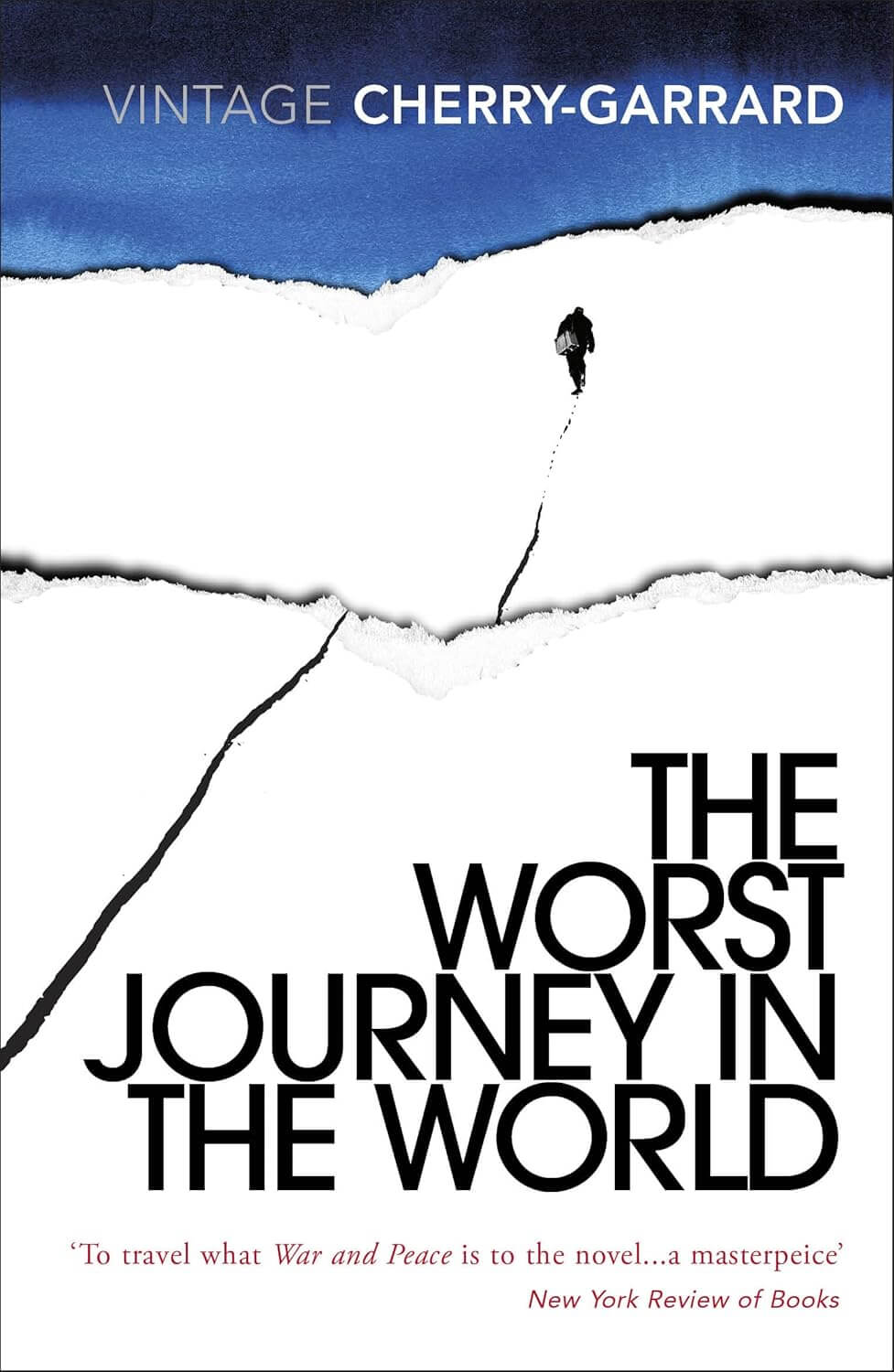
The Worst Journey in the World

The Worst Journey in the World

by Apsley Cherry-Garrard

This account of a doomed Antarctic expedition is both epic and tragic. Cherry-Garrard describes unimaginable cold, exhaustion, and loss with stoic restraint. The book reflects early twentieth-century ideas of endurance and duty. Nature is portrayed as vast and merciless. Suffering accumulates slowly, relentlessly. A haunting classic of exploration literature.

4.19
Nonfiction
Exploration
Bleak
Heroic
Grim
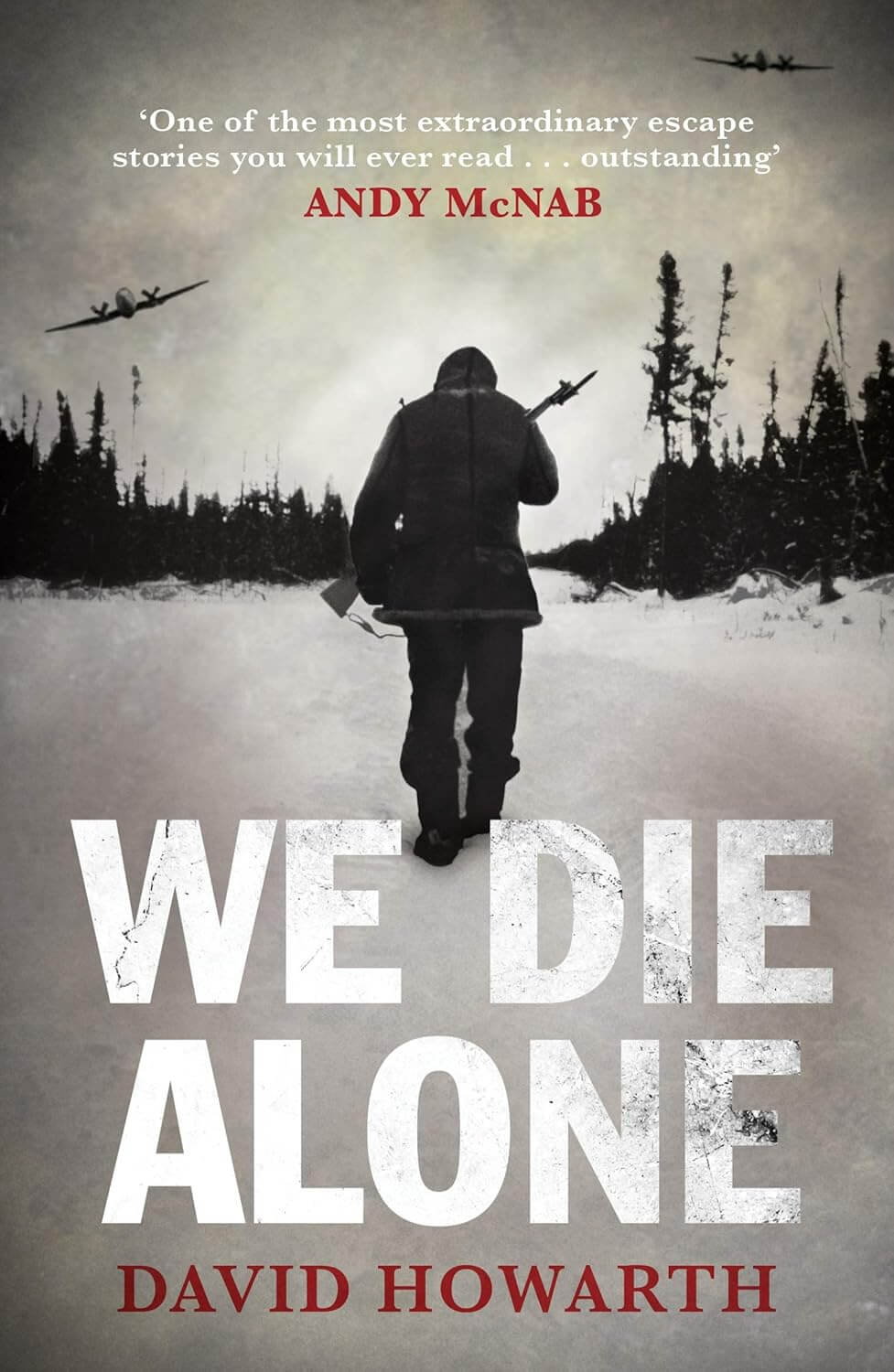
We Die Alone

We Die Alone

by David Howarth

This book tells the true story of a Norwegian resistance fighter escaping across Arctic wilderness during WWII. The odds of survival are impossibly slim. Howarth’s prose is restrained and tense. Nature becomes the primary antagonist. Isolation intensifies every decision. A stark, unforgettable survival account.

4.09
Nonfiction
War History
Bleak
Tense
Heroic