Voices Reclaimed

Twelve Pulitzer Prize books on identity, marginalization, and who gets to tell the story

A meta-theme woven through the decade's Pulitzer Prize books is this: whose perspective is centred in storytelling, history, and public life — and what is lost when marginalised voices are absent, erased, or distorted. These twelve books share that preoccupation across a wide range of forms and subjects.

The thread spans: immigrants confronting the myths of the nations they've entered (The Sympathizer, In the Distance, Notes on a Foreign Country); Asian American experience and the psychic costs of conditional belonging (Minor Feelings, Stay True); LGBTQ+ history and the state's response to queer life (The Deviant's War, frank: sonnets, I Heard Her Call My Name); disabled bodies and their representation (Easy Beauty); women's lives and the institutional failures that endanger them (Liliana's Invincible Summer); and diasporic cultural memory (Same Bed Different Dreams).

What connects these books is a structural argument: the decision about who narrates is itself a political act. The Sympathizer opens the decade by showing the Vietnam War from inside its 'wrong' side. James (2025) closes it by giving Huck Finn's Jim a full interior life. In between, the books consistently stage the work of reclaiming perspective — from cultural criticism, to formal literary experiment, to memoir, to historical recovery. A recurring formal feature: many of these books experiment with hybrid or unusual structures precisely because the conventional forms carry assumptions that exclude the perspective being offered.

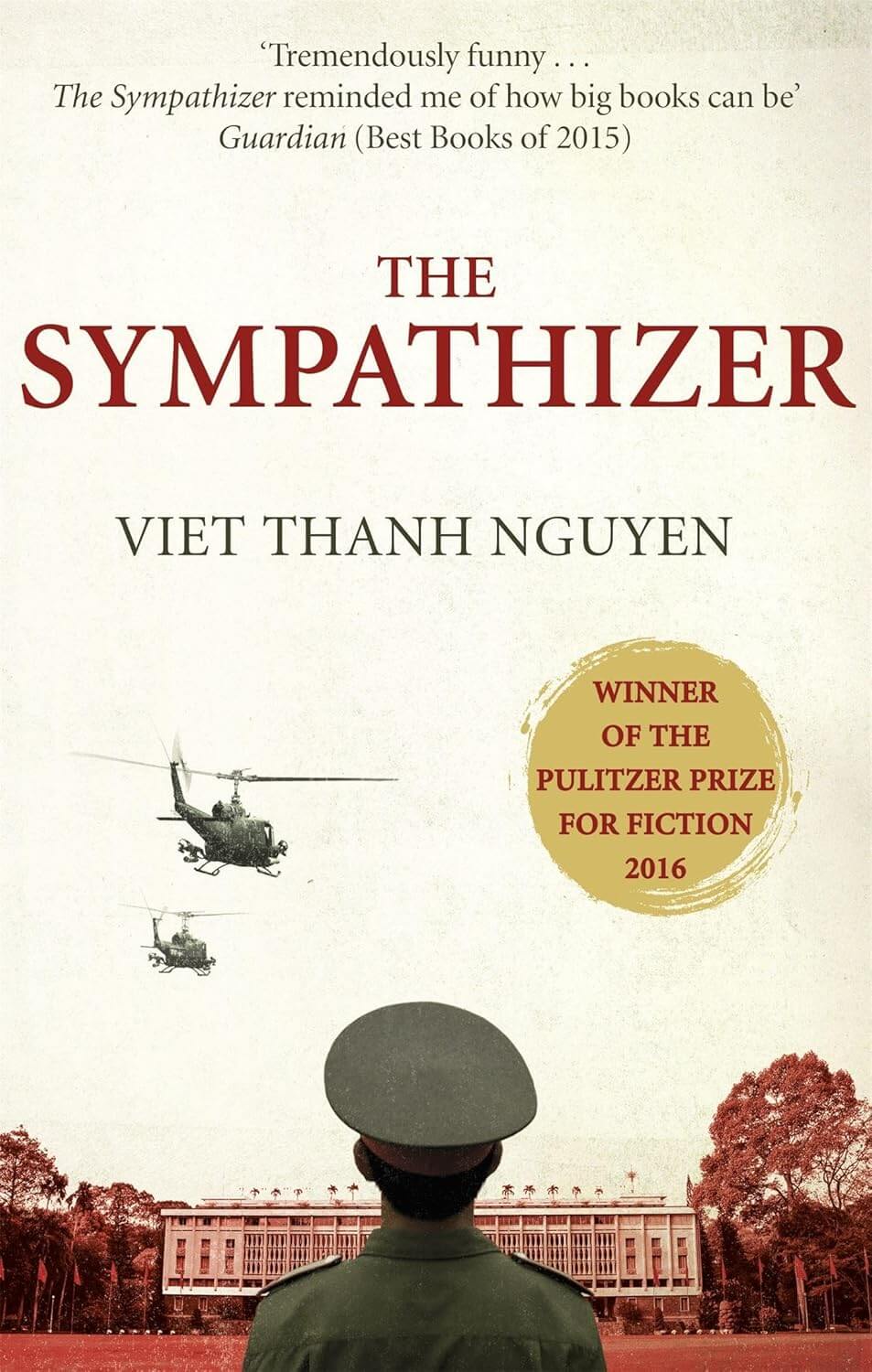
The Sympathizer

The Sympathizer

by Viet Thanh Nguyen

Nguyen's debut is a blisteringly smart spy novel that doubles as a critique of war stories and the machinery of representation. Narrated by a conflicted double agent, the book is equal parts confession, satire, and political reckoning. The voice is razor-edged—funny, furious, and painfully self-aware. Nguyen exposes how the Vietnam War has been narrated in the West, and who gets erased in those narratives. The novel's set pieces are propulsive, but the deeper drama is moral: what it means to live split between loyalties, languages, and selves. Nguyen writes with intellectual swagger while never losing emotional weight. The book skewers ideology on all sides, refusing simple heroes or villains. It's also a novel about identity as performance—how survival can require constant translation. The final movement tightens into something darker and more intimate, making the satire bite harder. By the end, the book feels like both thriller and indictment. A brilliant, unsettling, and unforgettable novel.
4.01
Fiction
Literary Fiction
Political Fiction
Acerbic
Intense
Provocative
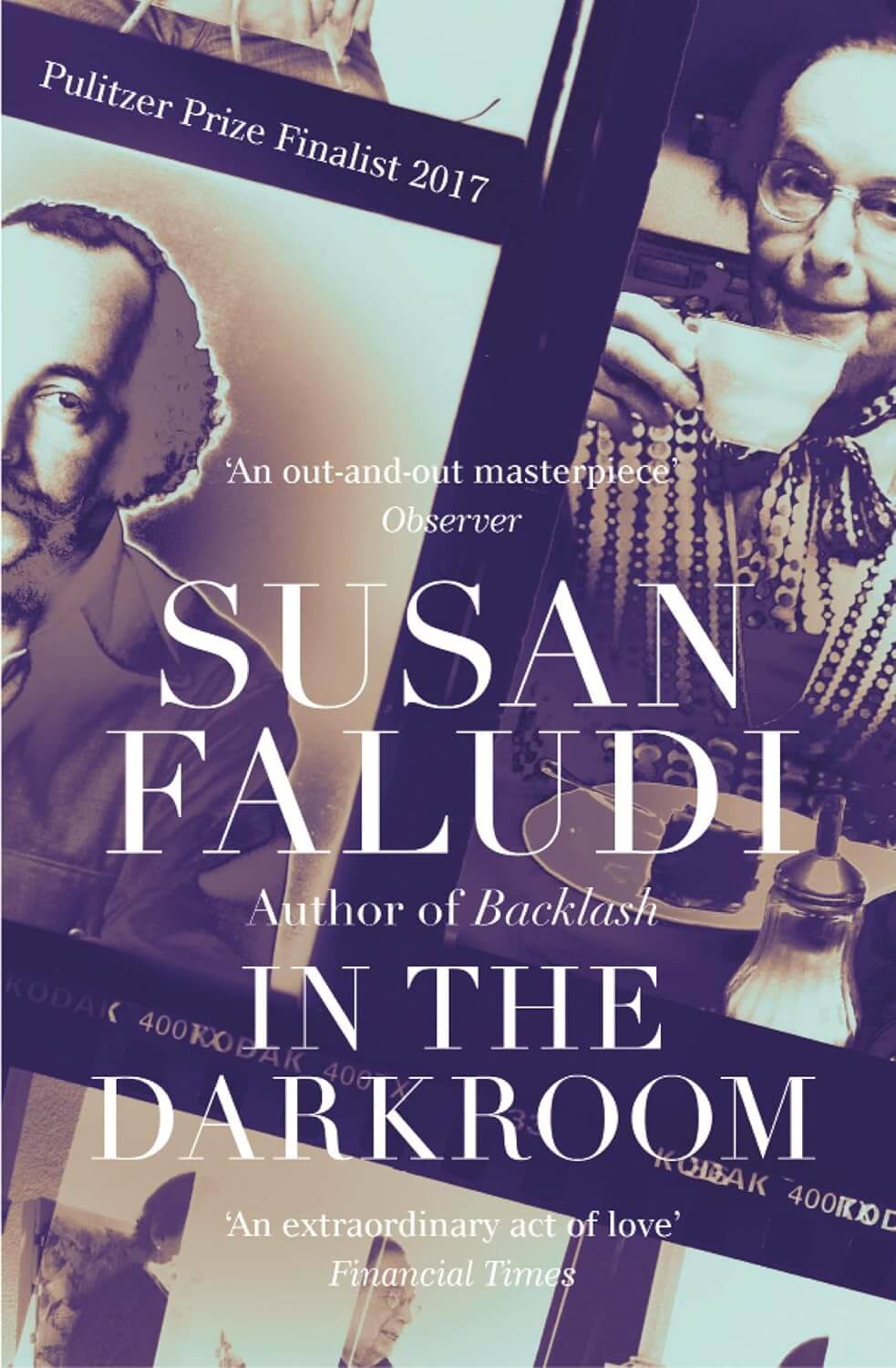
In the Darkroom

In the Darkroom

by Susan Faludi

Faludi's memoir investigates her father's late-life gender transition while interrogating the family histories that shaped them both. The book is intellectually ambitious, blending personal narrative with cultural analysis. Faludi writes with sharpness and curiosity, refusing to settle for a single explanation of identity. The father emerges as elusive, contradictory, and deeply shaped by history—especially trauma and displacement. The memoir becomes a study of storytelling: what families hide, what they invent, and what they cannot face. Faludi's voice is analytic but emotionally invested, and the tension between those modes drives the book. Questions of gender, nationalism, and personal reinvention intertwine. The prose is precise, with scenes that feel intimate and investigative at once. Faludi's refusal of tidy conclusions feels honest and brave. By the end, the memoir reads like a portrait of identity as a moving target. A probing, unforgettable work of family and self-understanding.

3.92
Nonfiction
Memoir
Intellectual
Unsettling
Curious
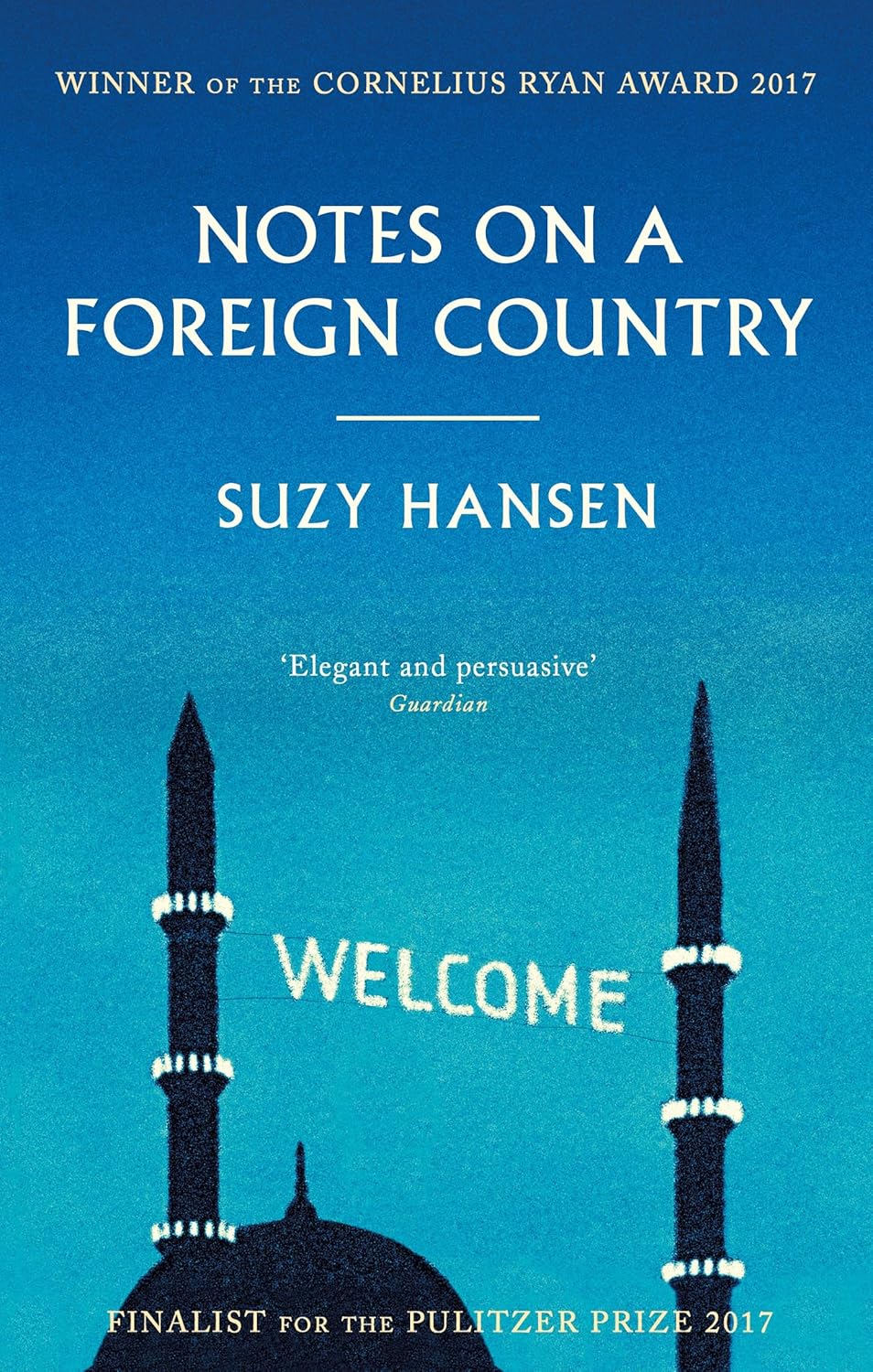
Notes on a Foreign Country

Notes on a Foreign Country

by Suzy Hansen

Suzy Hansen's book is part memoir, part reportage, part intellectual self-interrogation. Living in Turkey, she begins to question the assumptions about America and the world she absorbed while growing up. The result is a searching account of national identity, privilege, foreign policy, and self-deception. Hansen writes with candor and intelligence, willing to expose her own blind spots as part of the larger argument. The book is particularly strong on the emotional and moral disorientation that comes from seeing one's country from elsewhere. It is not a detached geopolitical study, but a lived encounter with the limits of American self-understanding. Hansen also writes beautifully about Istanbul and about the texture of being a foreigner. The prose is thoughtful, elegant, and often bracing. This is a book about unlearning as much as learning. A smart, necessary meditation on America from outside its usual frame.

4.06
Nonfiction
Memoir
Political Writing
Reflective
Critical
Curious
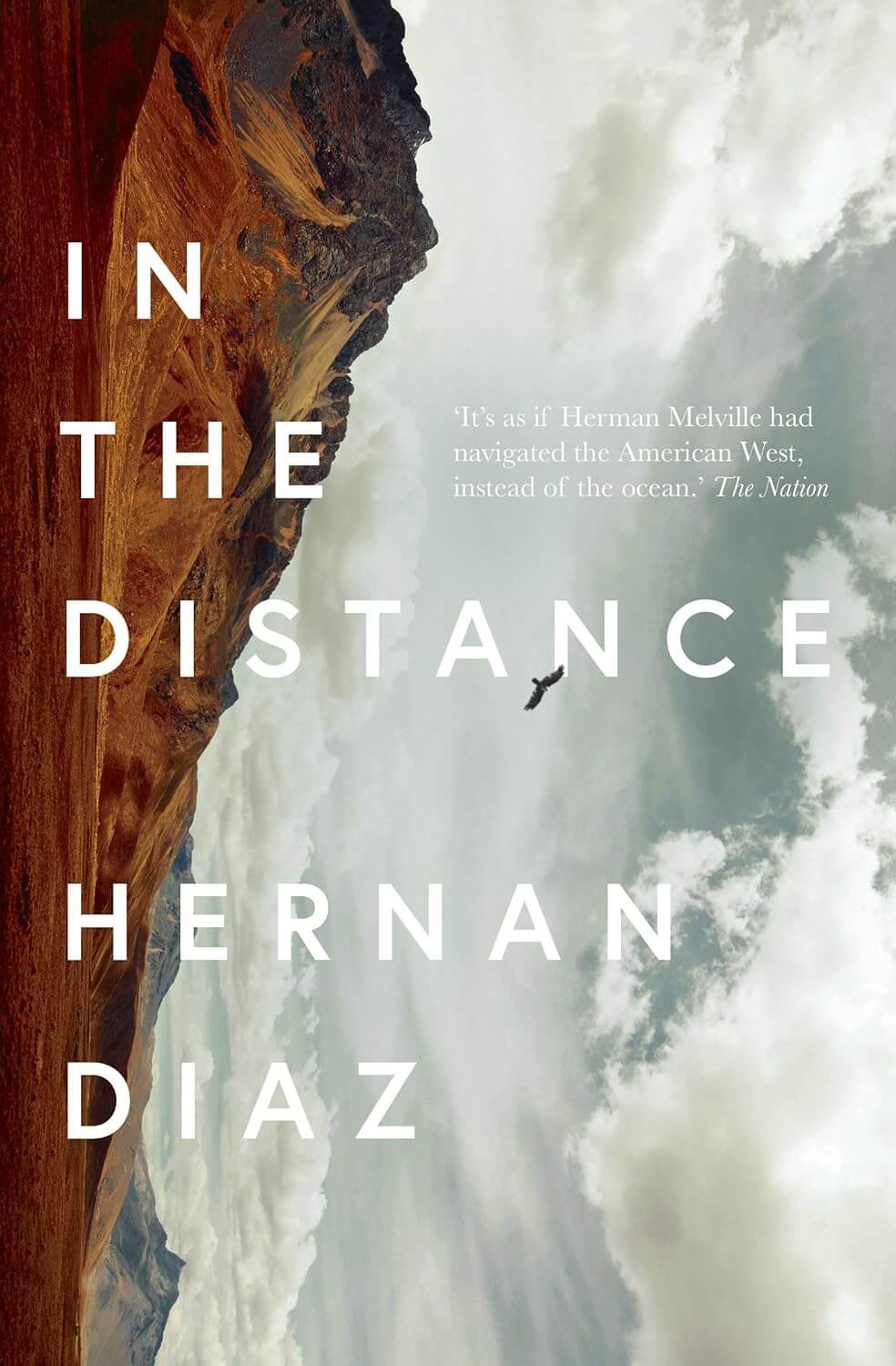
In the Distance

In the Distance

by Hernan Diaz

Hernan Diaz reimagines the American Western as a story of radical estrangement. His protagonist, a young Swedish immigrant named Håkan, becomes separated from his brother and wanders across a vast, hostile America he can barely understand. The novel transforms the frontier from a site of self-making into a landscape of loneliness, misunderstanding, and myth. Diaz writes in measured, luminous prose that feels both old-world and startlingly fresh. Håkan grows into a legend almost by accident, his size and silence encouraging stories that obscure his humanity. Violence appears throughout, but it is rarely romanticized. The book is deeply interested in language, especially what happens when one cannot speak the world around him. It also quietly dismantles the mythology of American expansion by emphasizing displacement rather than conquest. The result is a haunting, philosophical novel disguised as an adventure. Strange, beautiful, and profoundly unsettling.

4.10
Literary Fiction
Historical Fiction
Haunting
Contemplative
Spare
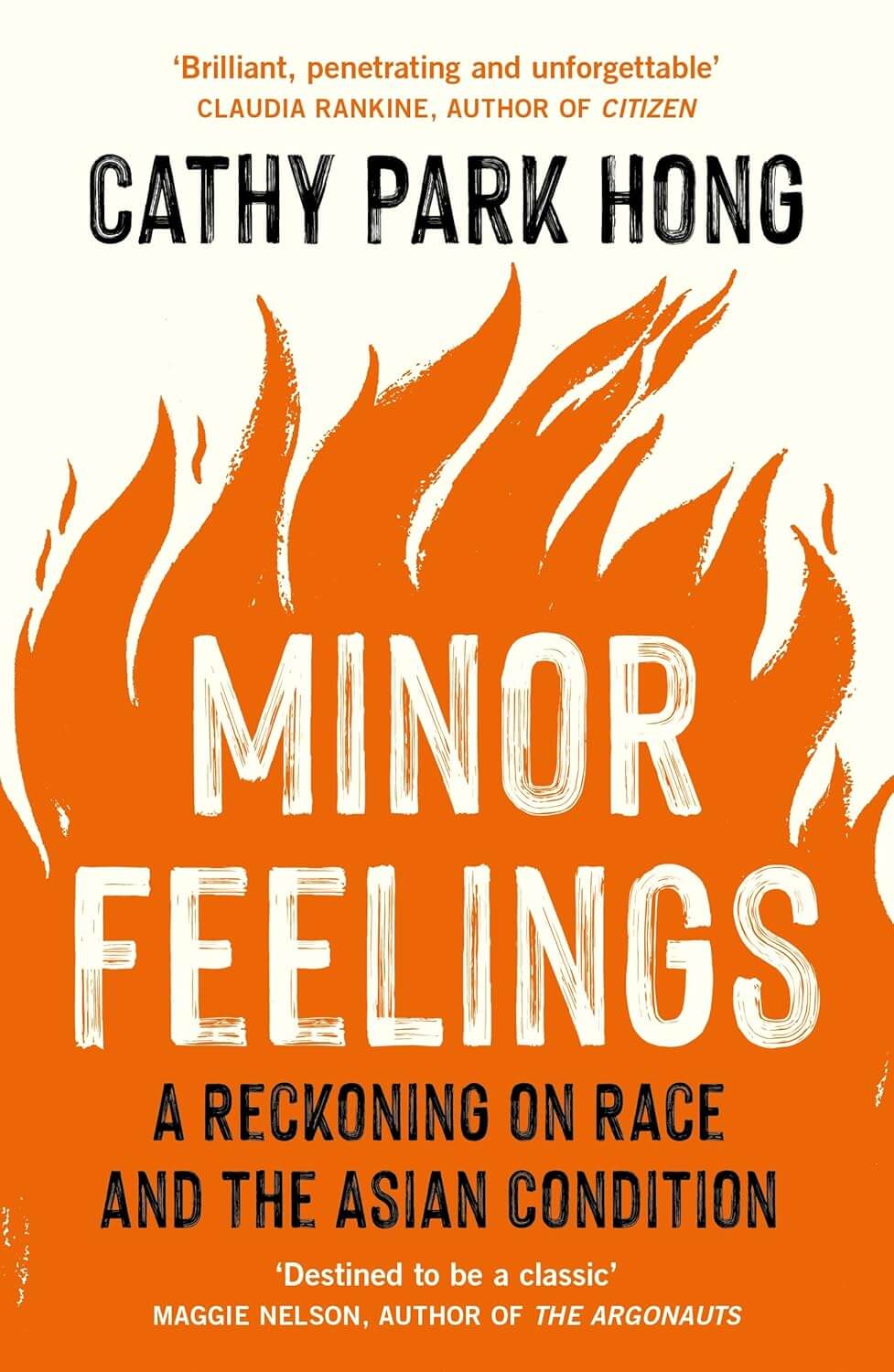
Minor Feelings: An Asian American Reckoning

Minor Feelings: An Asian American Reckoning

by Cathy Park Hong

Cathy Park Hong blends memoir, criticism, and cultural analysis to name the emotional texture of racialized life. The 'minor feelings' she describes are not small; they are the corrosive mix of shame, anger, and disbelief produced by everyday dismissal. Hong writes with intellectual force and sharp wit, moving through art, politics, and personal history. The book interrogates what it means to be visible only through stereotypes or invisibility. She challenges liberal narratives that demand gratitude and silence in exchange for conditional belonging. Hong's essays widen to include questions of class, immigration, and the politics of representation. The voice is candid and unsparing, yet deeply attentive to nuance. She refuses tidy uplift, offering instead a clearer vocabulary for lived contradiction. The work is both personal and diagnostic, mapping the psychic toll of structural racism. It's the kind of book that changes how readers interpret their own reactions. By the end, 'feeling' becomes a form of knowledge.

4.19
Nonfiction
Essays
Cultural Criticism
Incisive
Provocative
Candid
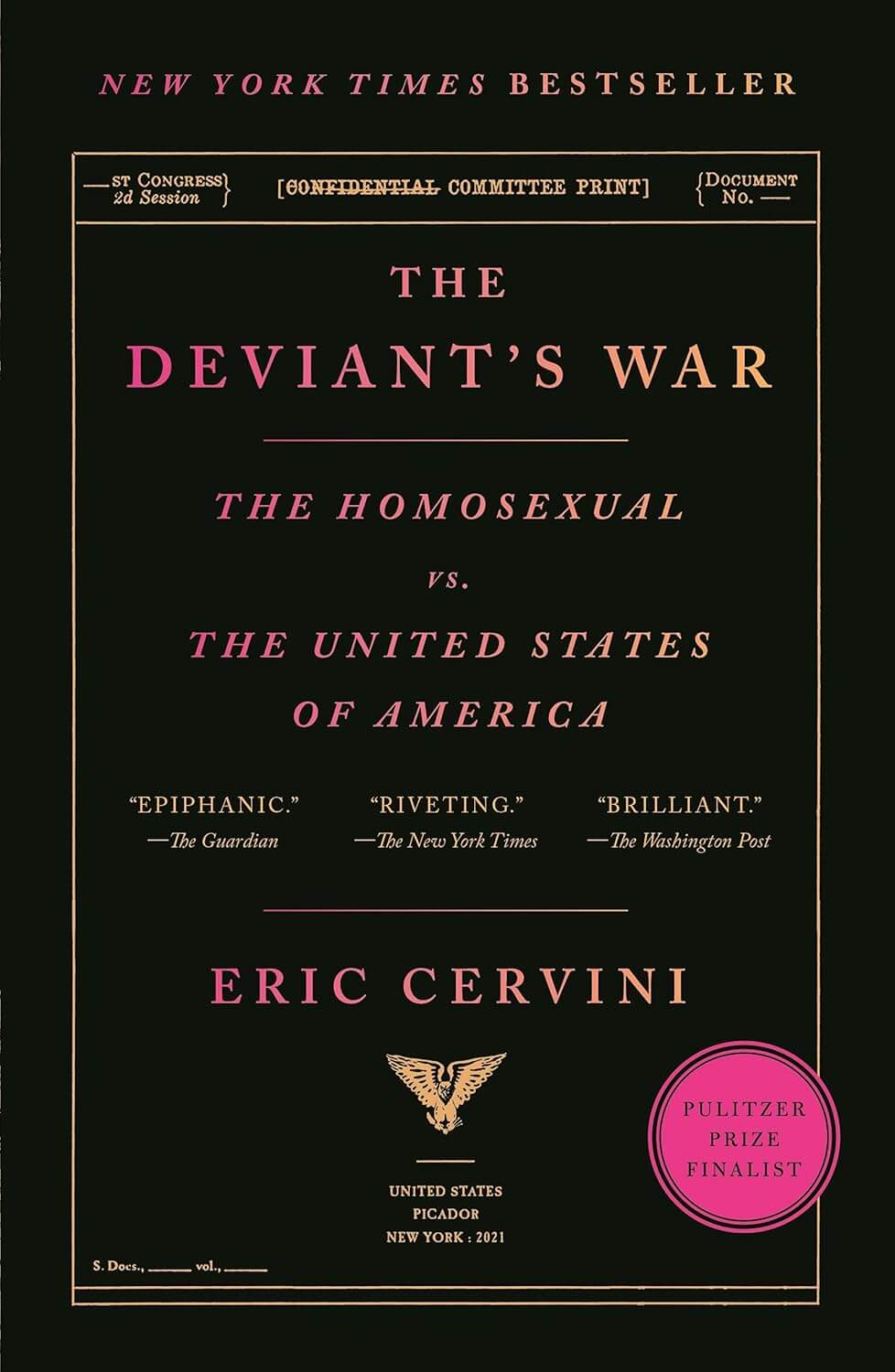
The Deviant's War: The Homosexual vs. the United States of America

The Deviant's War: The Homosexual vs. the United States of America

by Eric Cervini

Cervini chronicles the early LGBTQ+ rights movement through the life of activist Frank Kameny. The book combines biography with legal and political history. Cervini writes with narrative momentum and clear moral purpose. The story reveals how government persecution fueled organized resistance. Kameny emerges as flawed but formidable. The book captures the courage required to demand dignity in hostile times. Cervini contextualizes the movement within Cold War anxieties. The research is thorough yet vivid. The narrative feels both historical and urgent. A compelling account of activism and change.

4.31
Nonfiction
History
Civil Rights
Determined
Revelatory
Empowering
frank: sonnets

frank: sonnets

by Diane Seuss

Seuss takes the sonnet—often associated with polish and restraint—and makes it messy, funny, aching, and fiercely alive. The poems are intimate and conversational, but they're built with real formal intelligence. Seuss writes about desire, aging, class, and shame with candor that feels risky rather than performative. The voice can be brash, tender, profane, and lyrical in the same breath. The book's power comes from tension: tight form holding unruly feeling. Seuss's imagery is vivid, often surprising, and grounded in the textures of ordinary life. The poems refuse easy redemption arcs; instead, they insist on honest witnessing of the self. There's humor here, but it's sharpened by vulnerability. Reading the collection feels like overhearing someone tell the truth faster than they can censor it. It's exhilarating, bruising, and strangely comforting. A bold reinvention of a classic form.

4.49
Poetry
Brash
Tender
Electric
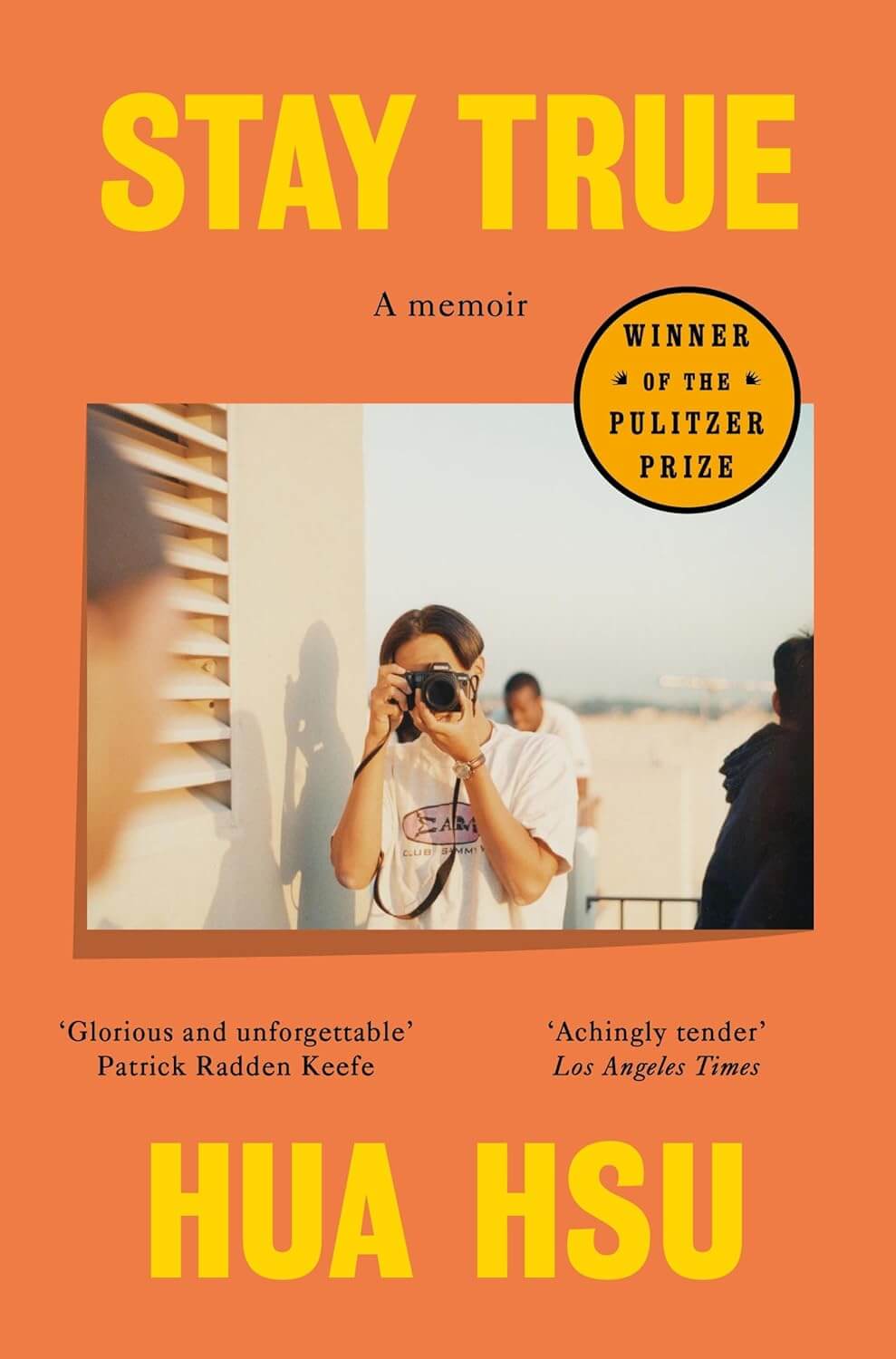
Stay True

Stay True

by Hua Hsu

Hua Hsu's memoir begins with a friendship between two college students who seemed to share little in common. When tragedy strikes, the book becomes a meditation on grief, identity, and the fragile intensity of youth. Hsu writes with restraint, allowing emotion to gather power quietly. He reflects on race, taste, and belonging in 1990s America without turning nostalgic. The narrative moves fluidly between cultural criticism and personal memory. Hsu interrogates his younger self with honesty and humility. The result is both elegy and coming-of-age story. His prose is lucid, thoughtful, and deeply humane. The memoir lingers as a tribute to friendship and self-discovery.

3.99
Memoir
Coming-of-Age
Reflective
Melancholic
Thoughtful
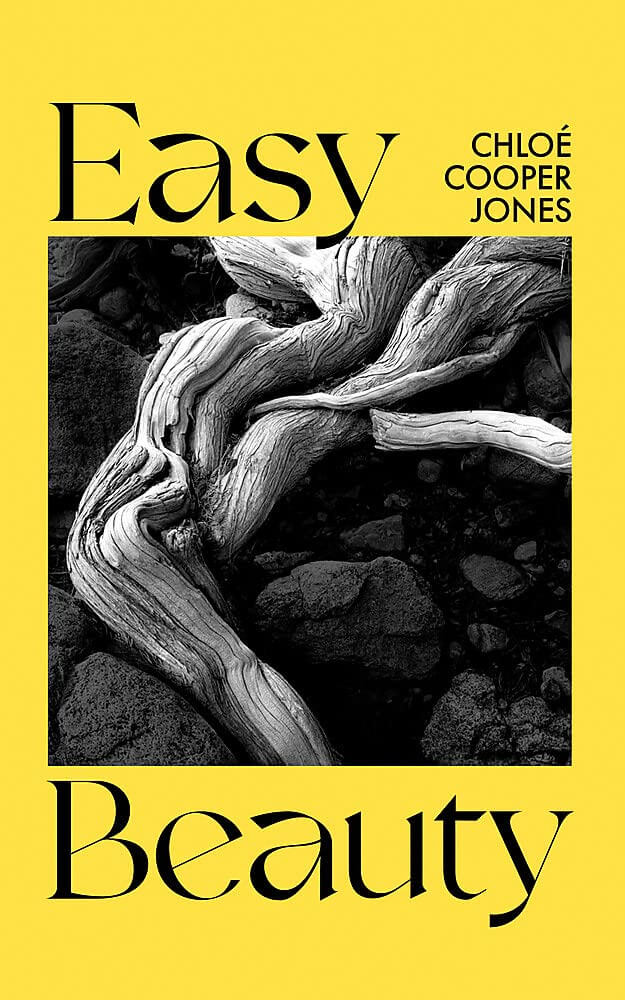
Easy Beauty: A Memoir

Easy Beauty: A Memoir

by Chloé Cooper Jones

Chloé Cooper Jones weaves philosophy, travel, and personal narrative into a meditation on disability and beauty. Born with sacral agenesis, she confronts the assumptions projected onto her body. The memoir unfolds through journeys to places like Cambodia and Mexico, each encounter prompting deeper inquiry. Jones blends cultural criticism with vulnerability. Her writing is incisive yet intimate, questioning what society deems worthy or whole. She explores art, literature, and desire alongside her own lived experience. The book resists easy sentimentality. Instead, it offers a rigorous exploration of embodiment. It is searching, intelligent, and quietly transformative.

4.06
Memoir
Cultural Criticism
Introspective
Analytical
Empowering
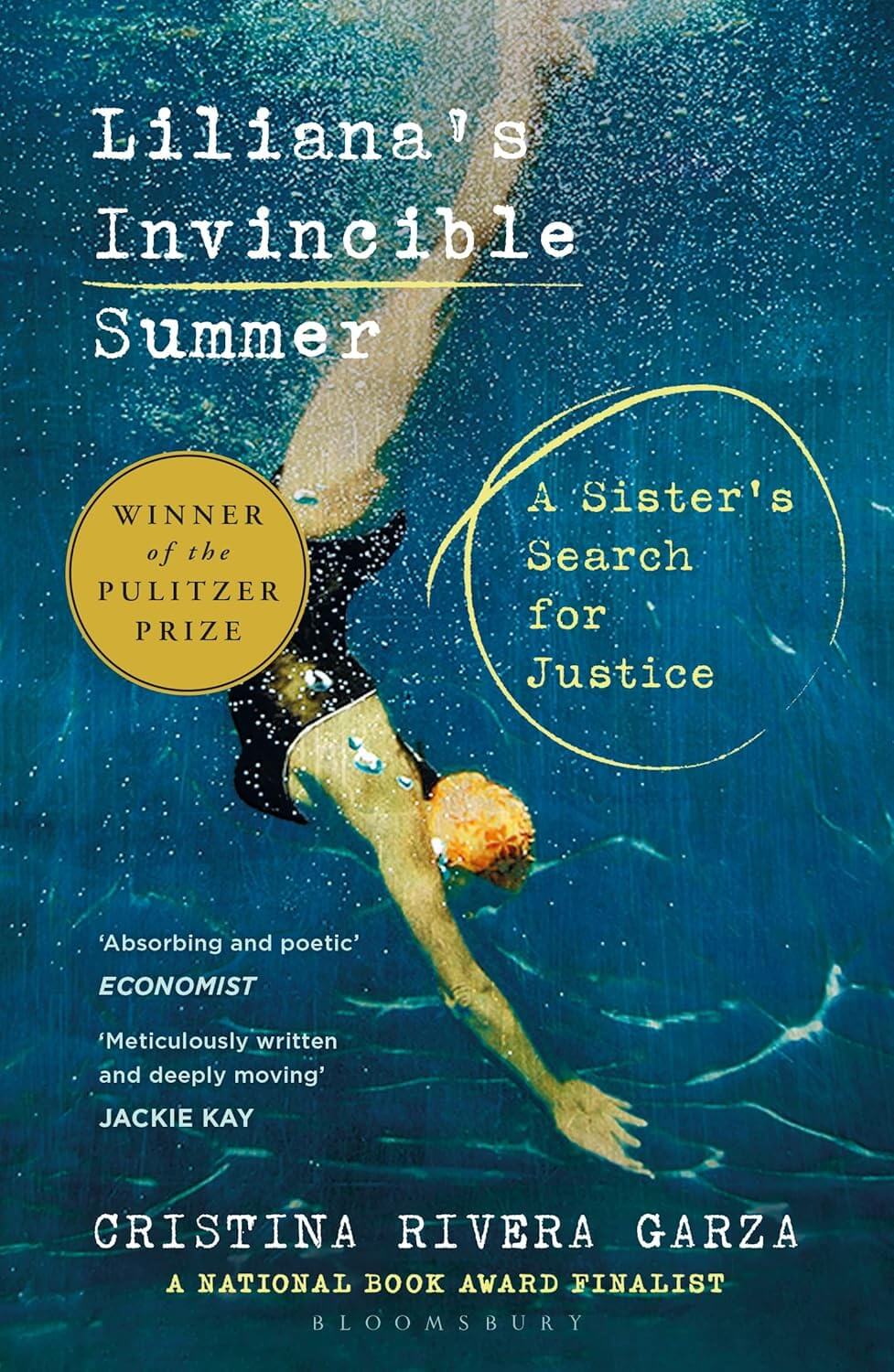
Liliana's Invincible Summer: A Sister's Search for Justice

Liliana's Invincible Summer: A Sister's Search for Justice

by Cristina Rivera Garza

This memoir is a work of love and refusal: a sister insisting that a life will not be reduced to a crime statistic. Rivera Garza reconstructs Liliana's story through diaries, letters, memories, and an investigation into institutional failure. The book moves between tenderness and rage, showing how grief becomes action. It also examines language—how systems talk about violence, and how families must fight to speak differently. Rivera Garza's prose is precise and emotionally direct, never exploiting pain but never turning away from it. The narrative reveals how bureaucracy can perpetuate injustice through delay and indifference. It is both personal and political, a portrait of a young woman and an indictment of structures that enable femicide. The memoir's power is cumulative: detail by detail, the reader sees a whole person restored. It's devastating, galvanizing, and quietly transformative. A book that turns mourning into witness.

4.33
Nonfiction
Memoir
Heartbreaking
Angry
Determined
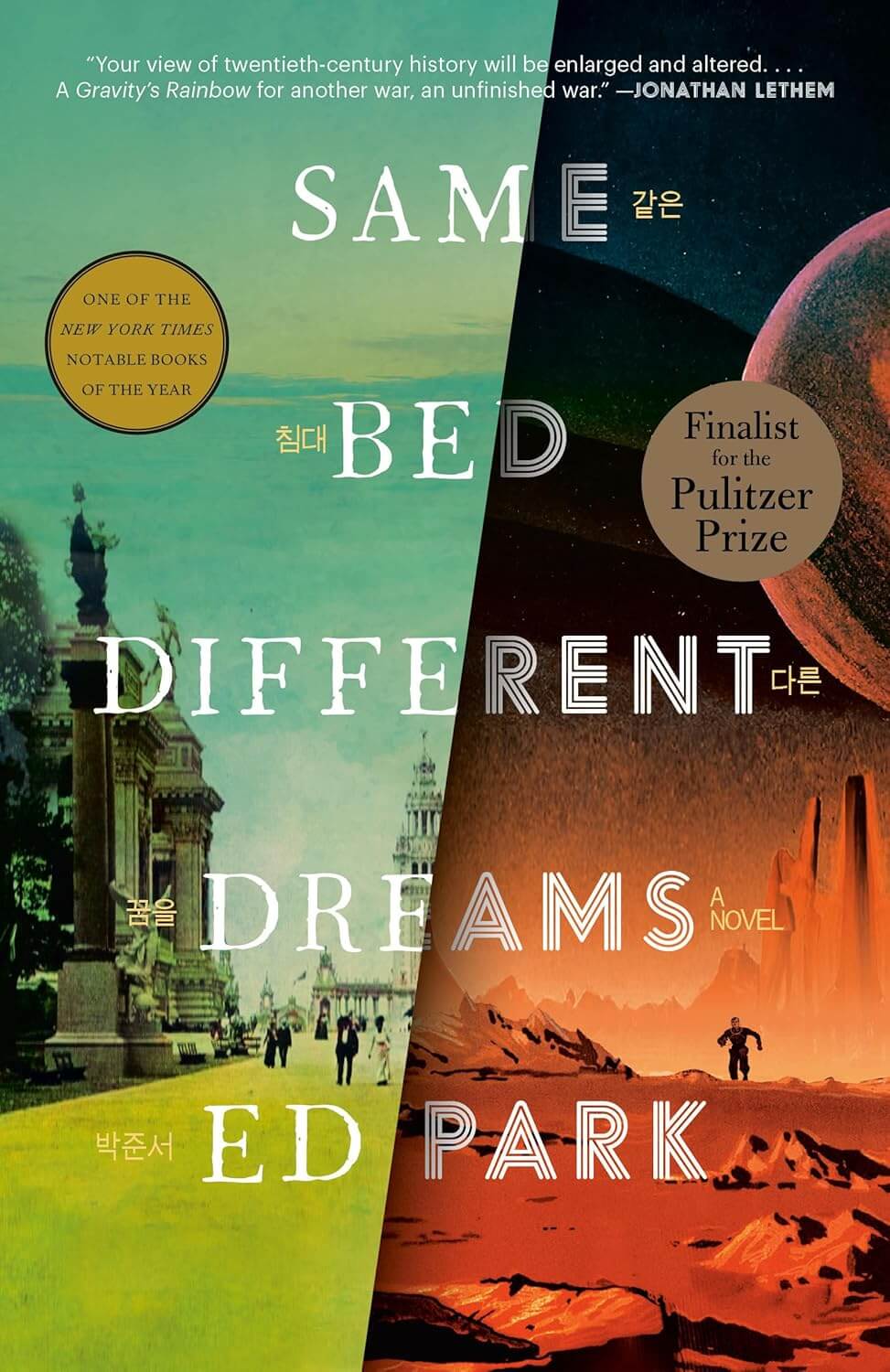
Same Bed Different Dreams

Same Bed Different Dreams

by Ed Park

Ed Park crafts a novel that feels playful on the surface and razor-smart underneath. It's a book about identity, culture, and the stories we tell ourselves—personal and national—told through a structure that keeps shifting its angle. The writing is witty, but it's also emotionally precise, catching the strange comedy of modern life without flattening it. Park's curiosity is infectious: every thread leads to another idea, another echo, another contradiction. The novel rewards readers who like to follow associations and hidden connections. It's attentive to media, history, and the ways memory gets edited over time. The tone can be breezy, then suddenly piercing. By the end, it feels like you've read both a story and a map of how stories get made. Inventive, funny, and quietly profound.

3.73
Fiction
Literary Fiction
Clever
Playful
Reflective
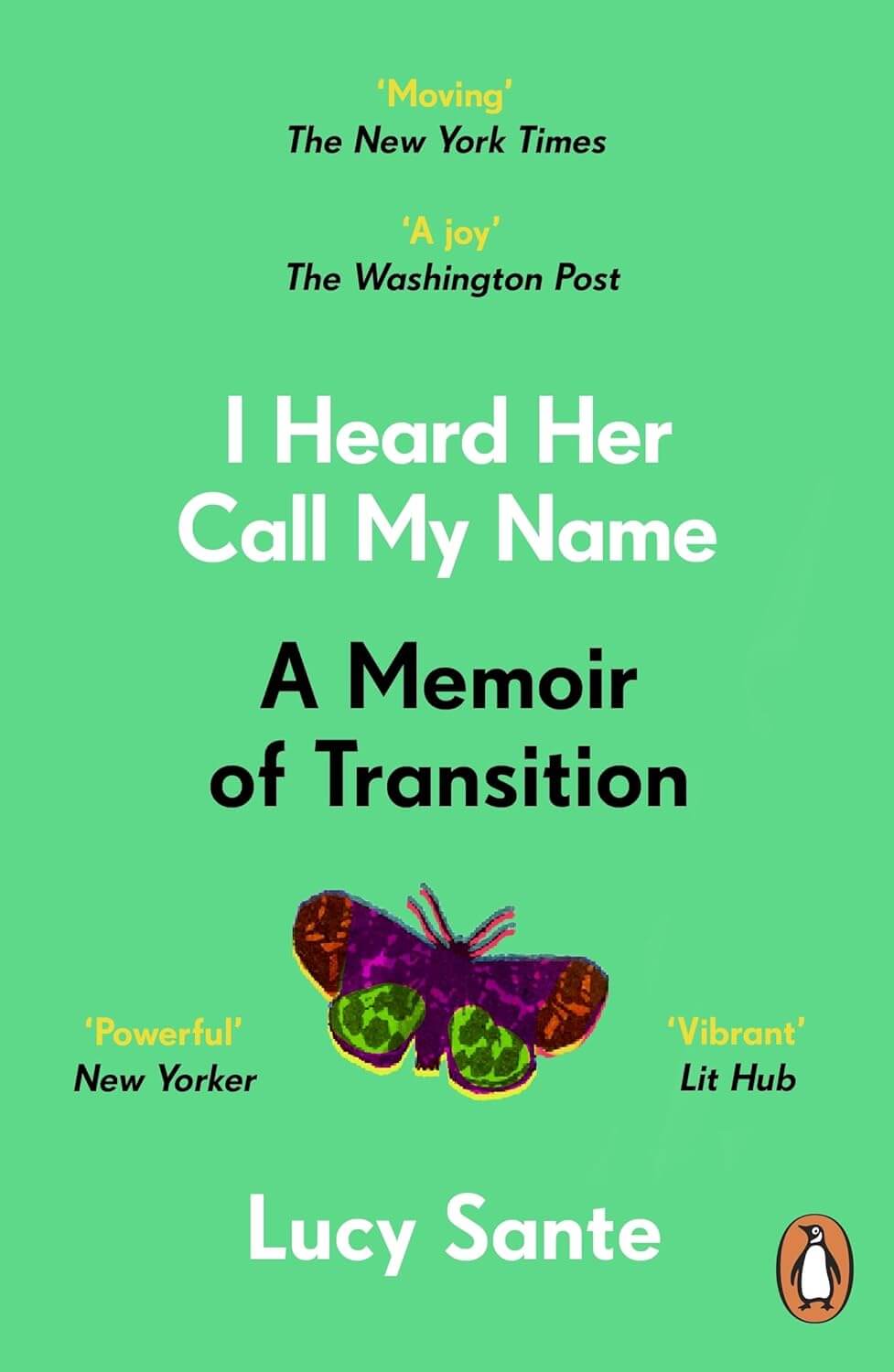
I Heard Her Call My Name: A Memoir of Transition

I Heard Her Call My Name: A Memoir of Transition

by Lucy Sante

Sante's memoir of transition is both personal narrative and intellectual self-inquiry. The writing is precise, reflective, and attentive to the subtleties of language—how words shape the self we can imagine. Rather than offering a single 'before/after' arc, it explores transition as a lived continuum. The book holds complexity: joy, fear, relief, and the pressure of being read by others. It also examines memory—how we revisit our past with new understanding, and what remains stubbornly unresolved. Sante's cultural awareness adds depth, connecting personal experience to larger histories of gender and visibility. The tone is honest without being performative, thoughtful without being distant. It's a memoir that trusts the reader with nuance. You finish feeling you've witnessed someone thinking their way into a truer life.

3.53
Nonfiction
Memoir
Reflective
Brave
Clear-eyed