A Decade of Racial Reckoning

Twelve essential Pulitzer Prize books on race, slavery, and the long fight for justice in America

Few subjects have commanded the attention of Pulitzer Prize committees more consistently than race in America. Across ten years of fiction, history, biography, reportage, and memoir, these books collectively constitute an argument: that anti-Black racism is not a historical aberration but a structural feature of American life, embedded in law, economy, housing, policing, and public memory.

From slavery's material mechanics to the carceral state, from the 1898 Wilmington coup to the killing of George Floyd, these books refuse the comfort of the past tense. What makes this selection particularly striking is the range of form and argument: sweeping biography alongside forensic economic history, harrowing fiction beside urgent reportage, and memoir that turns an artist's life into evidence. They don't repeat one another—they surround the same subject from every angle.

A further pattern across the decade: the books become increasingly structural in their analysis. Early titles work through lived experience and testimony. Later titles trace the material architecture of racial inequality—the ledger entries, the legal mechanisms, the housing policies that ensured wealth would not transfer. Together they build a multi-volume argument that the reckoning is ongoing, and that literature has a role in it.

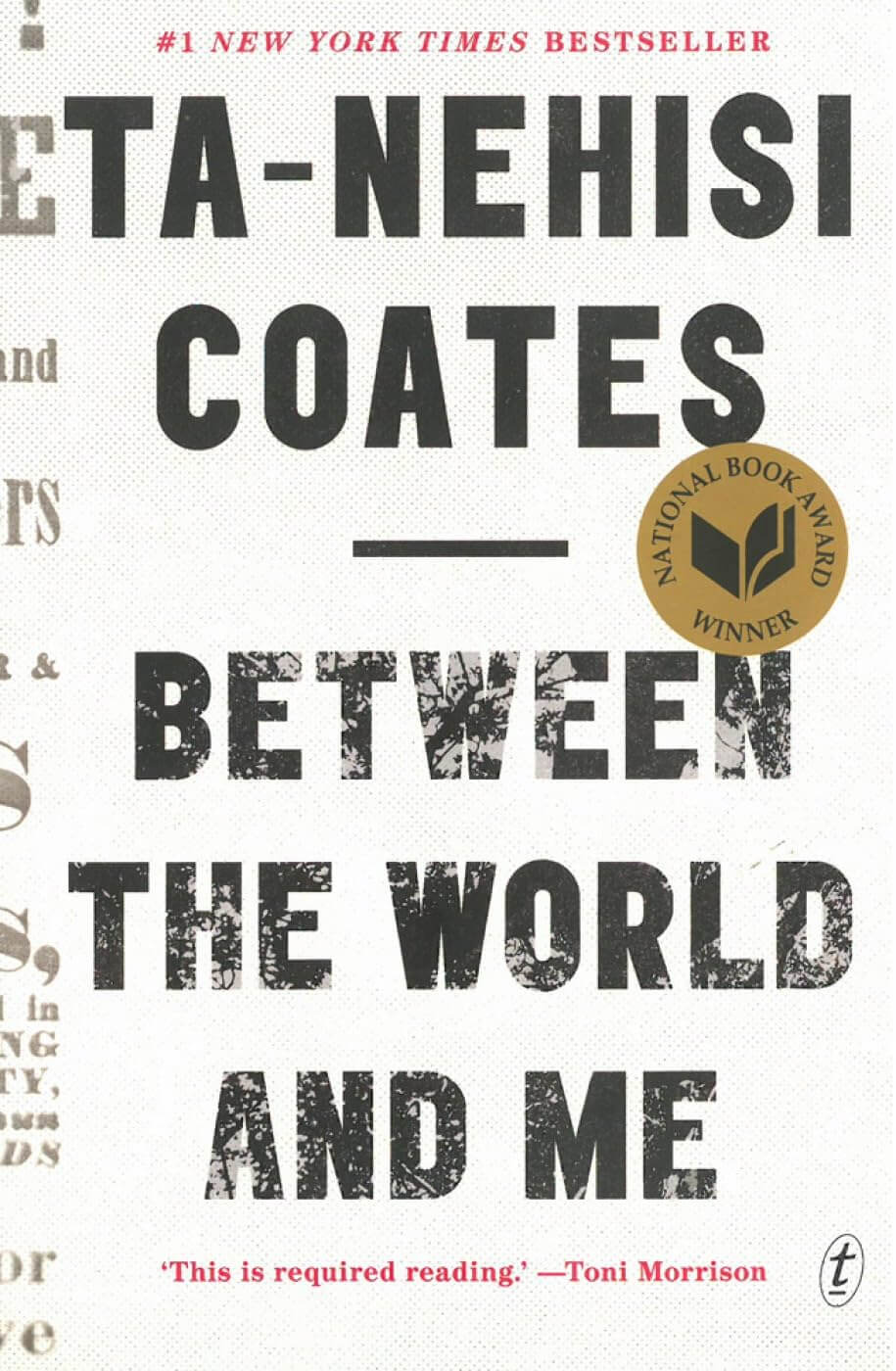
Between the World and Me

Between the World and Me

by Ta-Nehisi Coates

Coates writes a fierce, intimate letter to his son that becomes a profound meditation on race, history, and the vulnerability of the Black body in America. The book's power comes from its clarity and refusal of comforting myths. Coates blends personal memoir with structural analysis, moving from childhood streets to institutions like schools and universities that shape identity and risk. The prose is urgent and lyrical, often reading like a long, controlled exhale of truth. Coates interrogates the "Dream" of American innocence, exposing how it depends on forgetting. The book is also about parenting under threat—how love becomes complicated by fear. Coates' honesty is bracing; he refuses easy hope, yet the act of writing itself feels like care. The argument is built through lived experience rather than abstract theory. Readers often finish shaken, awake, and newly attentive to language that hides violence. It's short, but it lands like something much larger. A modern classic of American moral inquiry.
4.40
Nonfiction
Memoir
Cultural Criticism
Urgent
Incendiary
Reflective
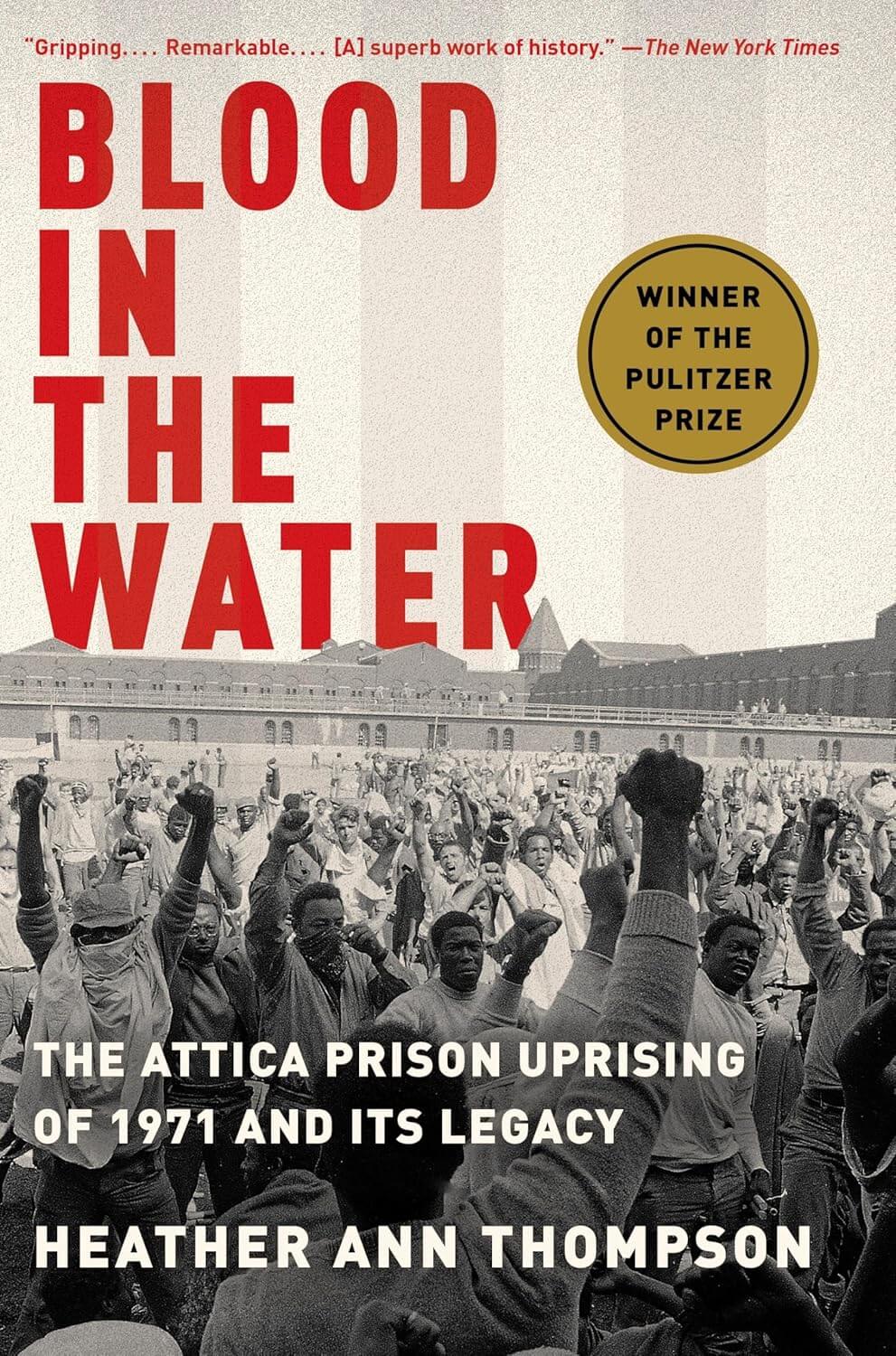
Blood in the Water: The Attica Prison Uprising of 1971 and Its Legacy

Blood in the Water: The Attica Prison Uprising of 1971 and Its Legacy

by Heather Ann Thompson

Thompson offers a definitive account of the Attica uprising, combining investigative rigor with narrative urgency. The book reconstructs the uprising and the state's violent response with painstaking detail. Thompson shows incarceration as a political system, not merely a criminal one, and foregrounds prisoners' demands for basic human rights. The narrative captures the negotiation, betrayal, and brutality that followed, including the long legal and cultural afterlife. Thompson's research is immense, drawing on documents and testimonies that expose official lies. The writing is vivid without sensationalism, letting facts carry moral weight. The book also connects Attica to broader histories of race, policing, and state power. Readers see how public memory is shaped—and distorted—by institutions. The legacy portion is especially powerful, showing how accountability was delayed and diluted. It's both history and indictment, and it feels painfully relevant. A landmark work on incarceration and the American state.

4.45
Nonfiction
History
Criminal Justice
Grave
Revelatory
Unflinching
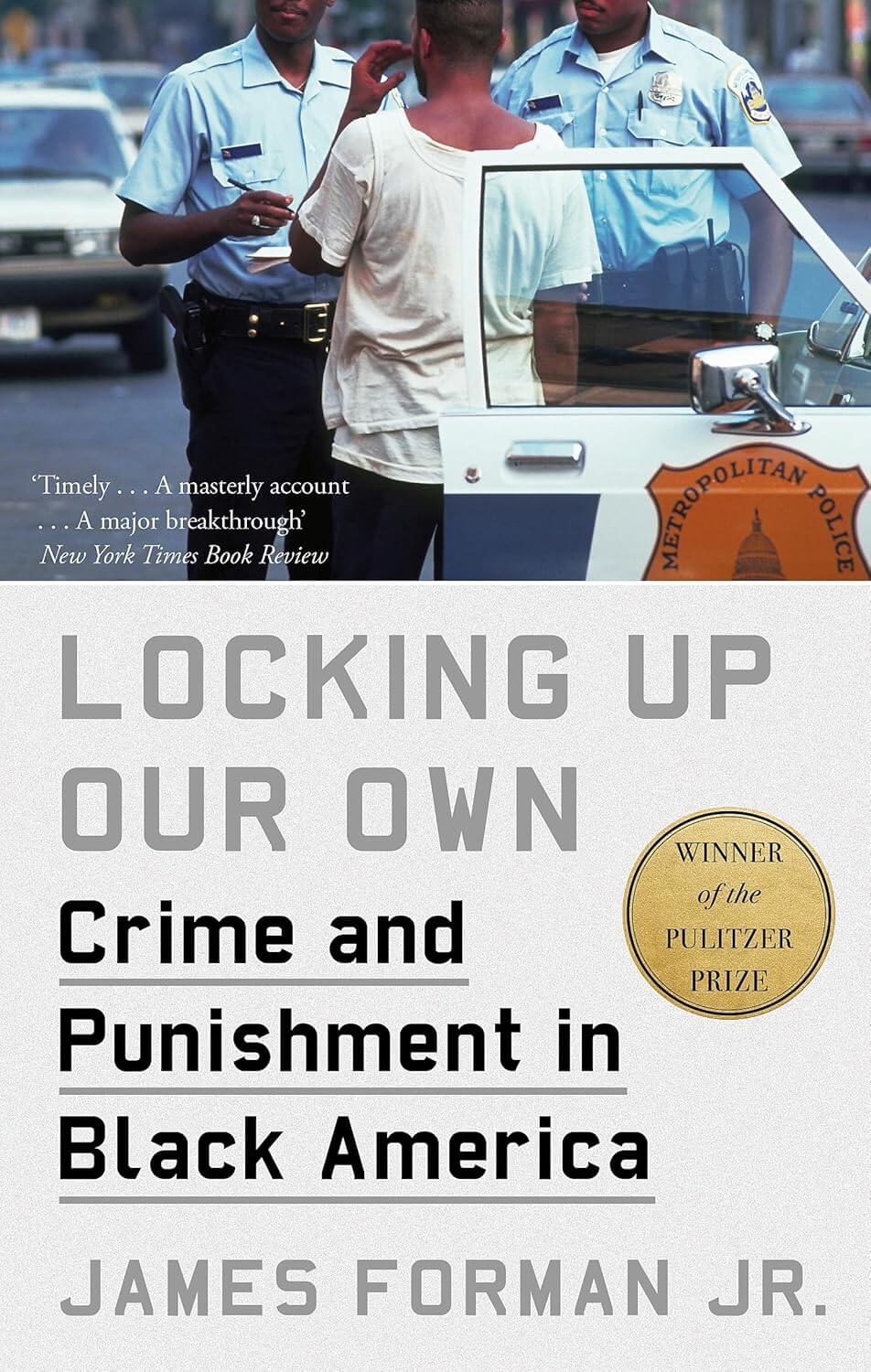
Locking Up Our Own: Crime and Punishment in Black America

Locking Up Our Own: Crime and Punishment in Black America

by James Forman Jr.

James Forman Jr. offers a nuanced and deeply important account of mass incarceration that refuses easy narratives. Rather than placing blame solely outside Black communities, he examines how Black politicians, judges, and citizens participated in punitive policies for reasons that were often complex and painful. The book is both historical and moral, tracing the unintended consequences of attempts to respond to crime and addiction. Forman writes with clarity, humility, and a deep sense of responsibility. He refuses caricature. Instead, he shows how people trying to protect their communities often found themselves reinforcing carceral systems. The argument is careful and the evidence strong, but what makes the book stand out is its honesty. It invites readers into difficulty rather than certainty. This is not a book of slogans; it is a book of reckoning. Essential for anyone trying to understand how mass incarceration became so entrenched.

4.37
Nonfiction
History
Criminal Justice
Thoughtful
Serious
Provocative
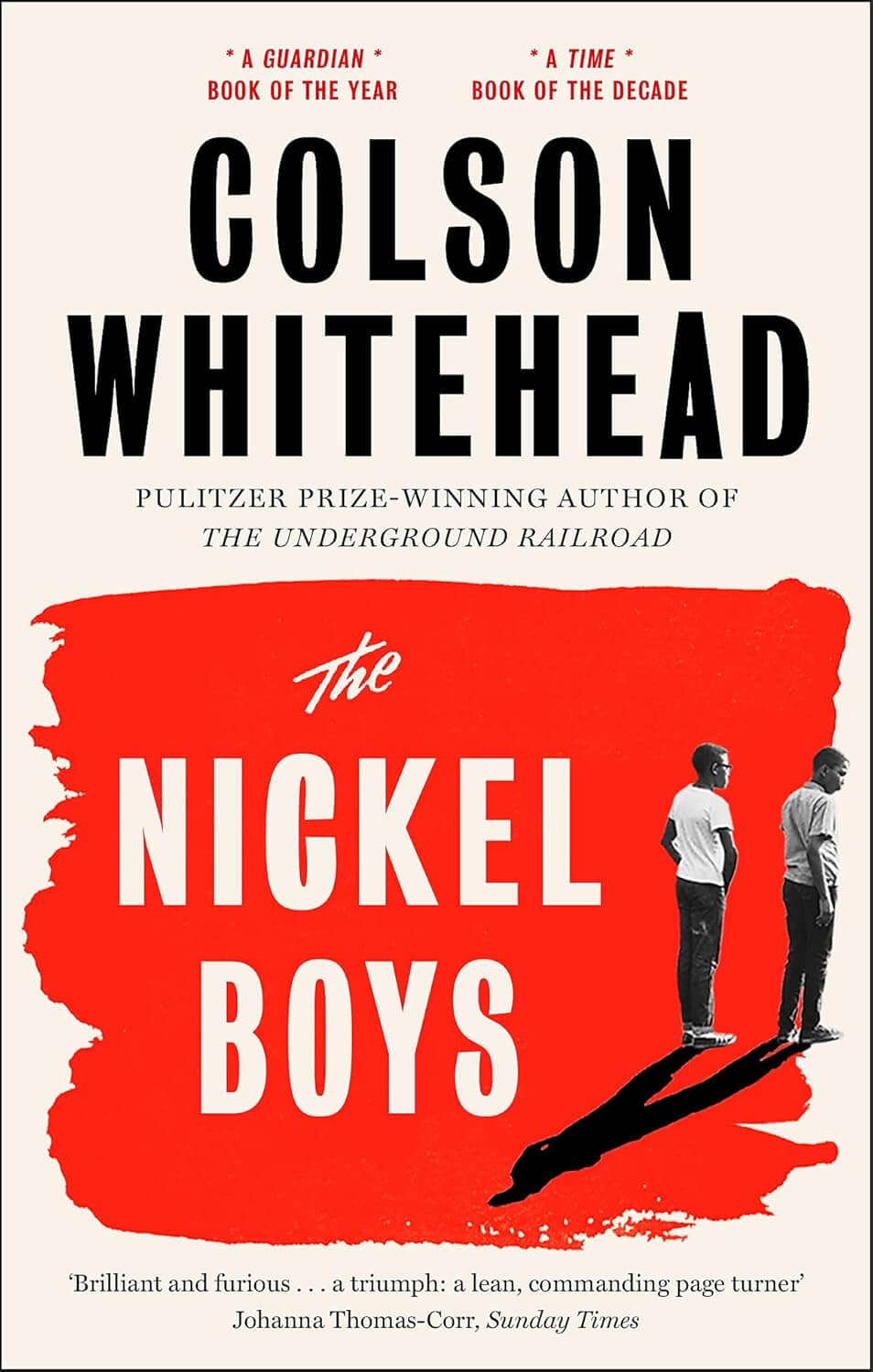
The Nickel Boys

The Nickel Boys

by Colson Whitehead

Colson Whitehead delivers a spare, devastating novel inspired by the real horrors of a Florida reform school. The story follows Elwood Curtis, a principled teenager whose faith in justice is tested by a brutal institution. Whitehead's style is controlled, almost restrained, which makes the violence land with even greater force. Friendship becomes a lifeline, but also a site of impossible choices. The novel exposes how cruelty is normalized through bureaucracy and denial. Its pacing is swift, with scenes that feel like documentary flashes of truth. The setting is rendered with haunting precision—sunlight and terror in the same frame. A late structural turn reframes what you think you know, deepening the book's ethical shock. The Nickel Boys is both an indictment and an elegy. It leaves readers with the ache of lives altered by systems designed to harm.

4.25
Literary Fiction
Historical Fiction
Haunting
Unflinching
Gripping
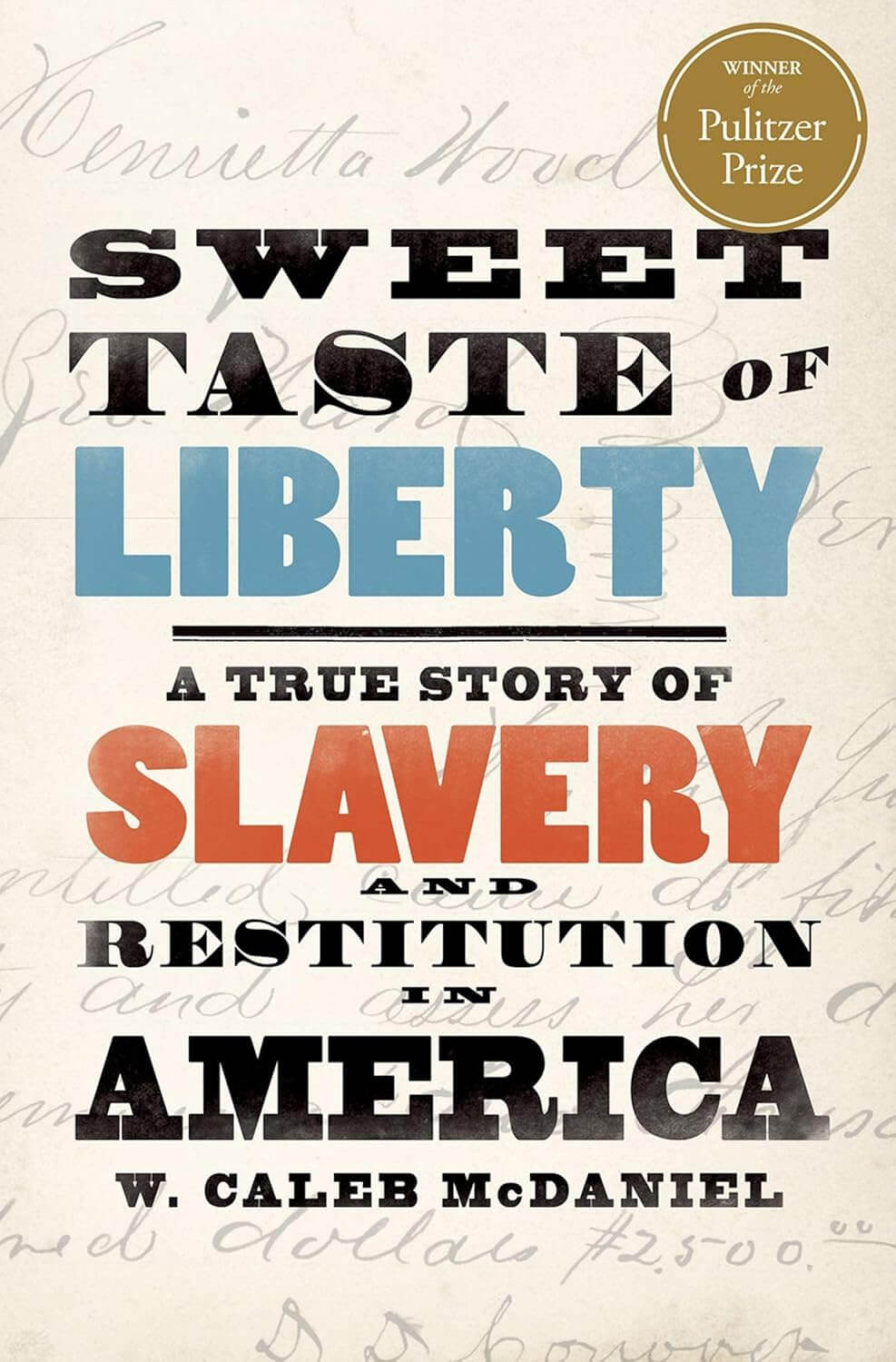
Sweet Taste of Liberty: A True Story of Slavery and Restitution in America

Sweet Taste of Liberty: A True Story of Slavery and Restitution in America

by W. Caleb McDaniel

W. Caleb McDaniel tells a riveting true story that links slavery to one of the earliest cases for reparations in the United States. Centered on Henrietta Wood, the book follows her kidnapping, enslavement, and extraordinary legal fight for justice. McDaniel combines archival rigor with narrative pacing that reads like a courtroom thriller. The story makes visible the legal and financial machinery that treated Black lives as property. Henrietta Wood's persistence becomes the book's moral core—quietly heroic, never sentimentalized. McDaniel also shows how restitution was conceived and constrained in a society built on racial hierarchy. The prose is clear and propulsive, guiding readers through complex legal terrain. By grounding big questions in a single life, the book makes history feel immediate and human. It leaves readers with a sharpened understanding of how wealth was extracted—and how justice was delayed. This is history as both documentation and reckoning.

4.26
History
Legal History
Gripping
Righteous
Revelatory
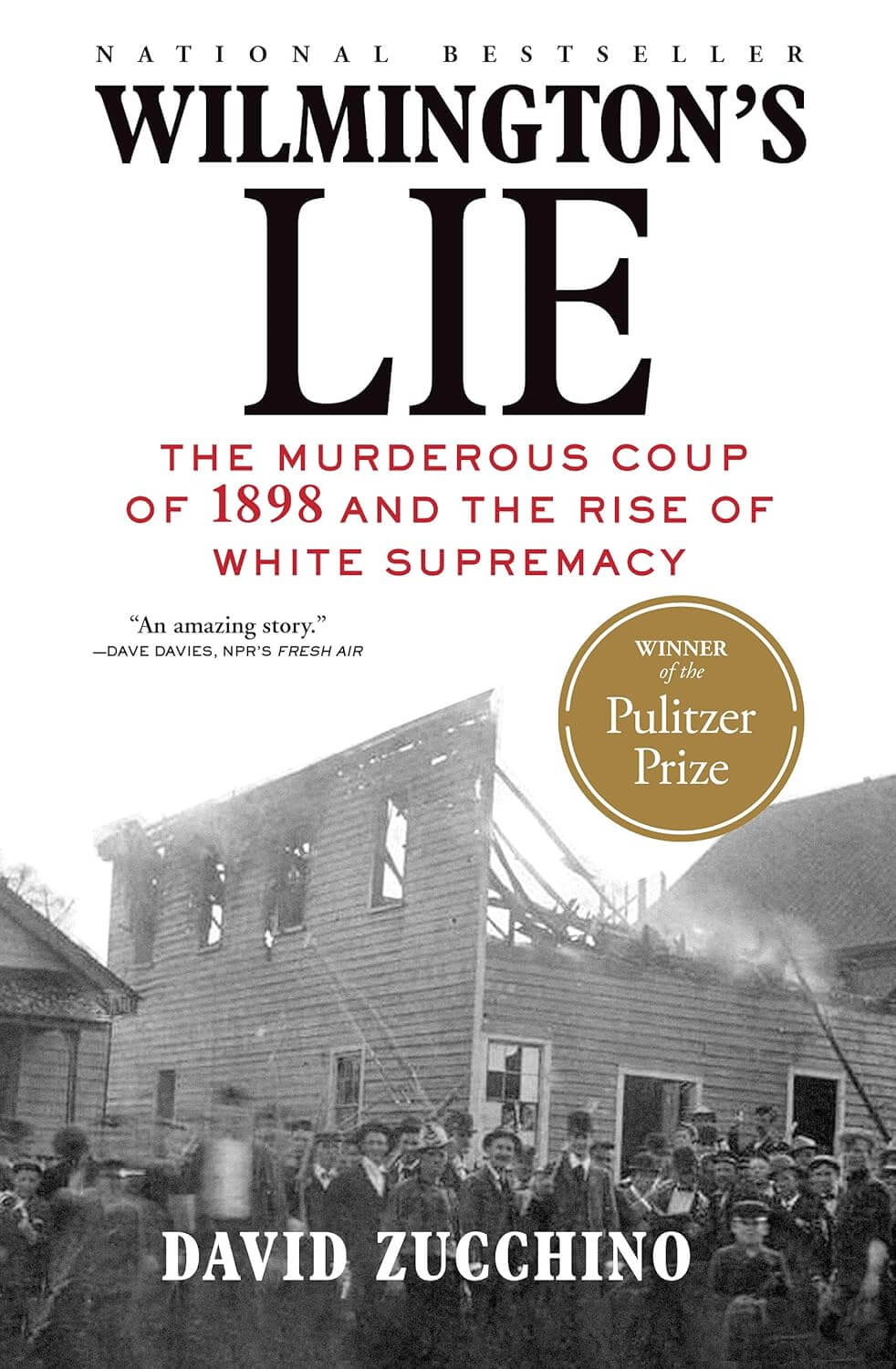
Wilmington's Lie: The Murderous Coup of 1898 and the Rise of White Supremacy

Wilmington's Lie: The Murderous Coup of 1898 and the Rise of White Supremacy

by David Zucchino

David Zucchino reconstructs the 1898 coup in Wilmington, North Carolina—an organized overthrow of a multiracial government—through meticulous reporting and narrative drive. The book shows how propaganda, political ambition, and racist terror combined into coordinated violence. Zucchino details the mechanics of the coup, making clear it was not a riot but a planned seizure of power. He tracks the human consequences: murdered citizens, exiled leaders, and a community reshaped by intimidation. The narrative reveals how white supremacy learned to launder itself through respectable institutions. Zucchino's prose is accessible, but the research is relentless. He also confronts the ways the event was misremembered, minimized, and mythologized for generations. The book clarifies how democratic backsliding has deep roots in American history. It reads as both a historical account and a warning. You finish with a sharpened sense of how easily lies can become civic "truth."

4.43
Nonfiction
History
Investigative Journalism
Shocking
Authoritative
Sobering
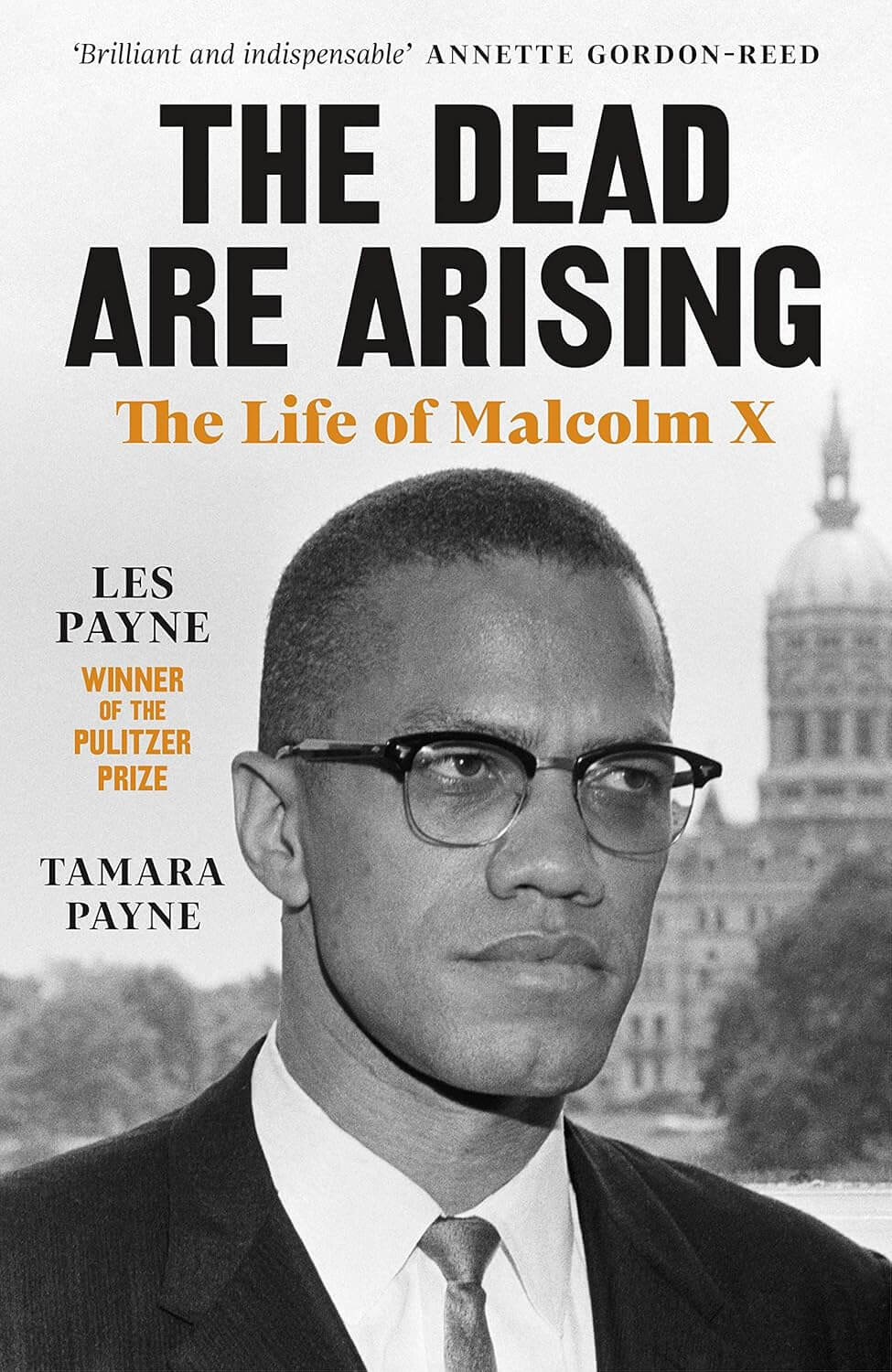
The Dead Are Arising: The Life of Malcolm X

The Dead Are Arising: The Life of Malcolm X

by Les Payne and Tamara Payne

This biography reads with the propulsion of a novel while maintaining the rigor of long-form reporting. Les Payne's decades of research, completed with Tamara Payne, traces Malcolm X from childhood trauma through reinvention and radical clarity. The book emphasizes the complexity of Malcolm's thinking rather than freezing him into a single image. It carefully maps the social and political pressures that shaped his worldview—racism, surveillance, incarceration, and the politics of respectability. The narrative is especially strong on Malcolm's evolution as a speaker and strategist. It also captures the toll of constant public scrutiny on private life. The authors portray both charisma and vulnerability without sentimentality. The result is a layered portrait of a man who kept changing even as the world tried to pin him down. It is both intimate and sweeping, a definitive account of a life lived at high velocity.

4.34
Biography
Political History
Powerful
Revelatory
Gripping
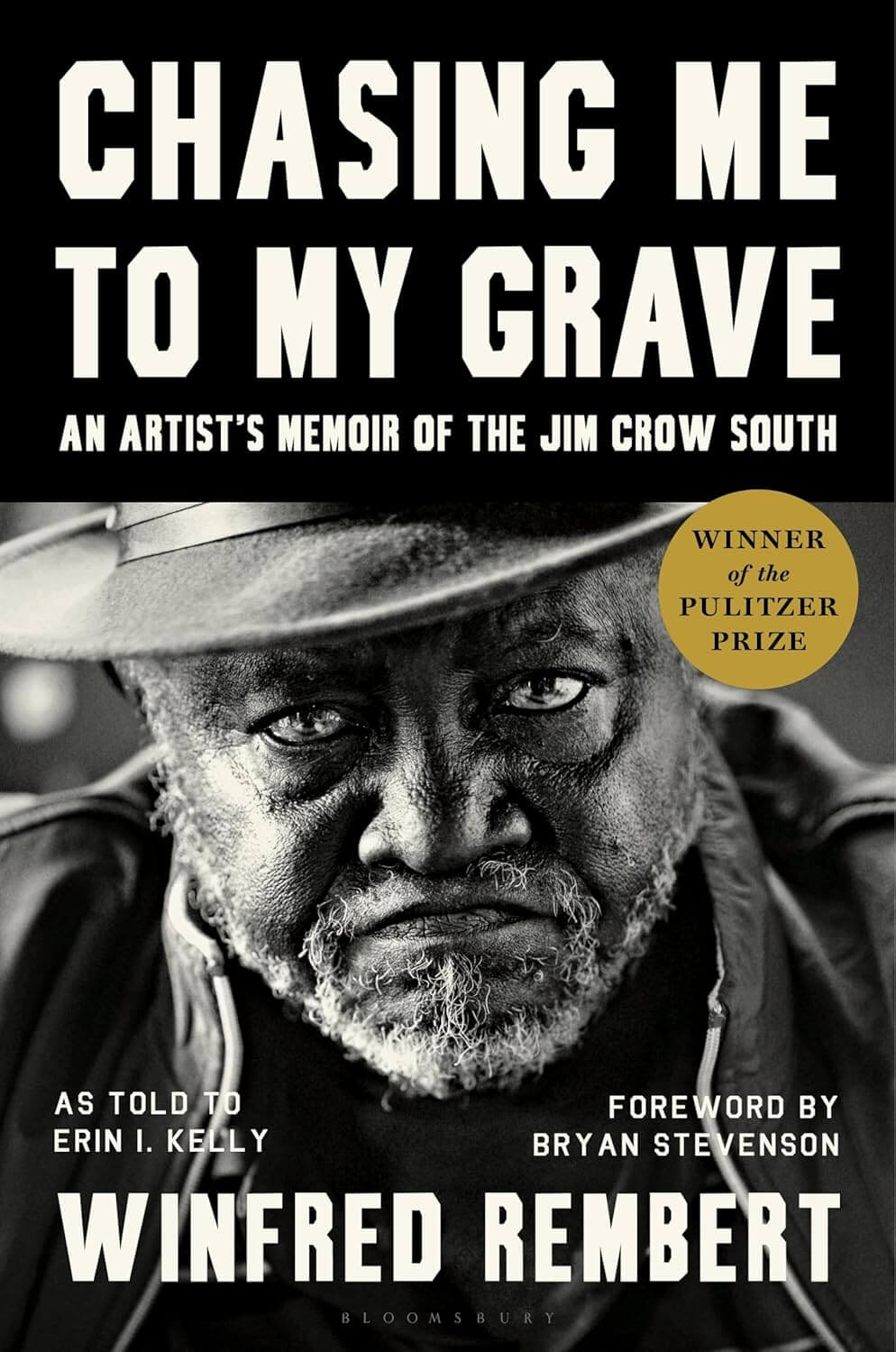
Chasing Me to My Grave: An Artist's Memoir of the Jim Crow South

Chasing Me to My Grave: An Artist's Memoir of the Jim Crow South

by Winfred Rembert (as told to Erin I. Kelly)

This memoir-biography is both testimony and artwork, pairing Rembert's life story with the visual power of his craft. The book recounts experiences shaped by Jim Crow terror, racial violence, and survival with a voice that is direct and unembellished. What makes it extraordinary is how art becomes a form of record—images carrying what ordinary language can't hold. The narrative foregrounds courage without turning suffering into spectacle. Rembert's perspective is clear-eyed about injustice, yet also full of humanity and detail. The collaboration preserves his voice while giving the story shape and pace. The book shows how memory can be stitched, carved, and preserved through making. It is harrowing in places, but it also insists on dignity and creative agency. Reading it feels like being shown a history that was meant to be erased. A powerful, unforgettable life rendered with honesty and craft.

4.57
Nonfiction
Biography
Memoir
Heartbreaking
Defiant
Powerful
His Name Is George Floyd: One Man's Life and the Struggle for Racial Justice

His Name Is George Floyd: One Man's Life and the Struggle for Racial Justice

by Robert Samuels and Toluse Olorunnipa

This deeply reported work reconstructs George Floyd's life beyond the moment that shocked the world. Samuels and Olorunnipa trace his upbringing, struggles, and aspirations. The book situates Floyd within broader systems of policing and inequality. The reporting is meticulous and compassionate. Structural racism emerges as a persistent force shaping opportunity. The authors balance biography with investigative rigor. Readers encounter Floyd as a full human being. The narrative is sober and unflinching. It stands as both memorial and systemic critique.

4.50
Nonfiction
Social Justice
Sobering
Compassionate
Powerful
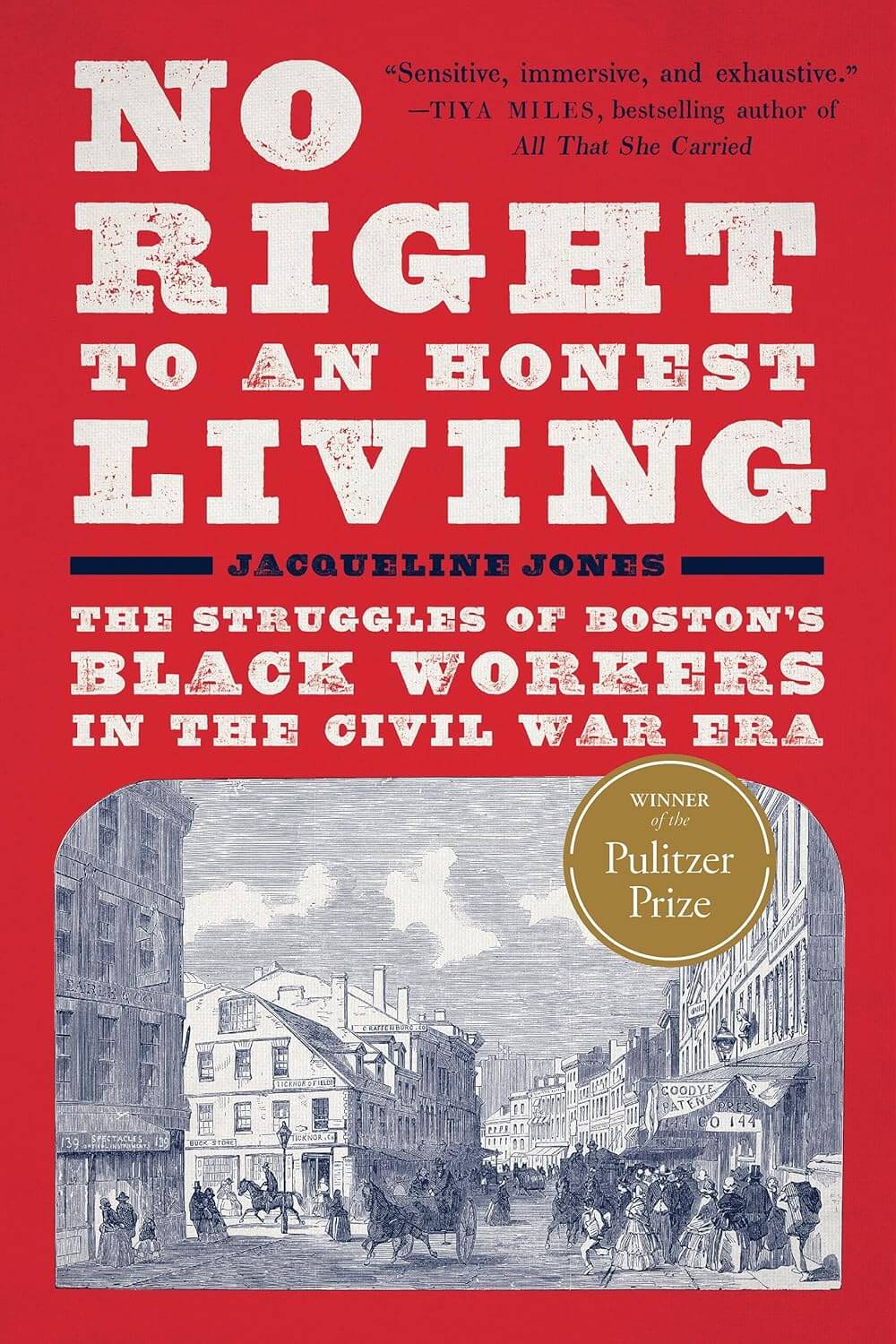
No Right to an Honest Living: The Struggles of Boston's Black Workers in the Civil War Era

No Right to an Honest Living: The Struggles of Boston's Black Workers in the Civil War Era

by Jacqueline Jones

Jones offers a deeply researched history that puts work—real, daily labor—at the center of freedom's promises and betrayals. The book shows how Black workers in Boston fought for access, dignity, and fair pay while confronting entrenched racism in institutions that claimed to be progressive. Rather than treating emancipation as a finish line, it traces the grinding struggles that followed. Jones is skilled at making structural forces legible without losing the human story. The narrative reveals how law, policing, and economic systems coordinated to limit opportunity. It's also a book about strategy: organizing, mutual aid, and the tactics of survival. The writing is clear and authoritative, with vivid detail that brings the era to life. You come away understanding labor as a battlefield for citizenship. A sobering, clarifying work of social history.

3.92
Nonfiction
History
Labor History
Illuminating
Serious
Sobering
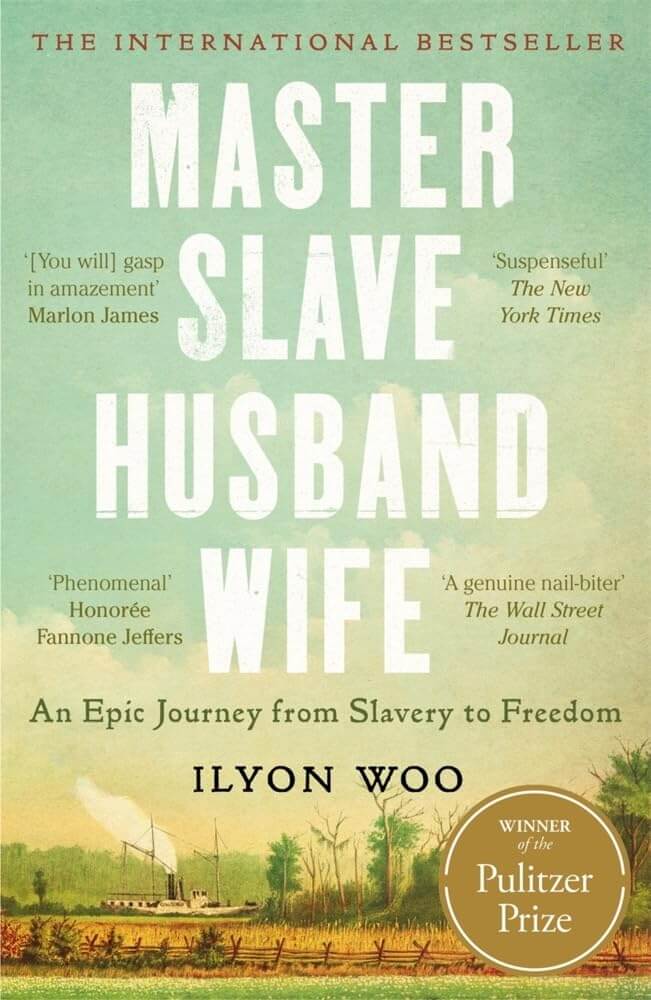
Master Slave Husband Wife: An Epic Journey from Slavery to Freedom

Master Slave Husband Wife: An Epic Journey from Slavery to Freedom

by Ilyon Woo

Woo reconstructs an extraordinary escape story with the pacing of a thriller and the rigor of serious history. The book follows a couple's daring flight from slavery, illuminating both ingenuity and constant danger. Woo is attentive to the logistics of survival—documents, disguises, routes, and the ever-present risk of exposure. But the narrative never loses sight of emotional stakes: intimacy under stress, trust, fear, and resolve. The book also reveals the wider systems that made such an escape necessary and nearly impossible. It's a story of agency in a world designed to deny it. Woo's prose is vivid and accessible, bringing archival research to life without sensationalism. The result is both gripping and profoundly moving. You feel the suspense, but you also feel the historical weight. An essential narrative of courage and partnership.

3.97
Nonfiction
Biography
History
Gripping
Suspenseful
Moving
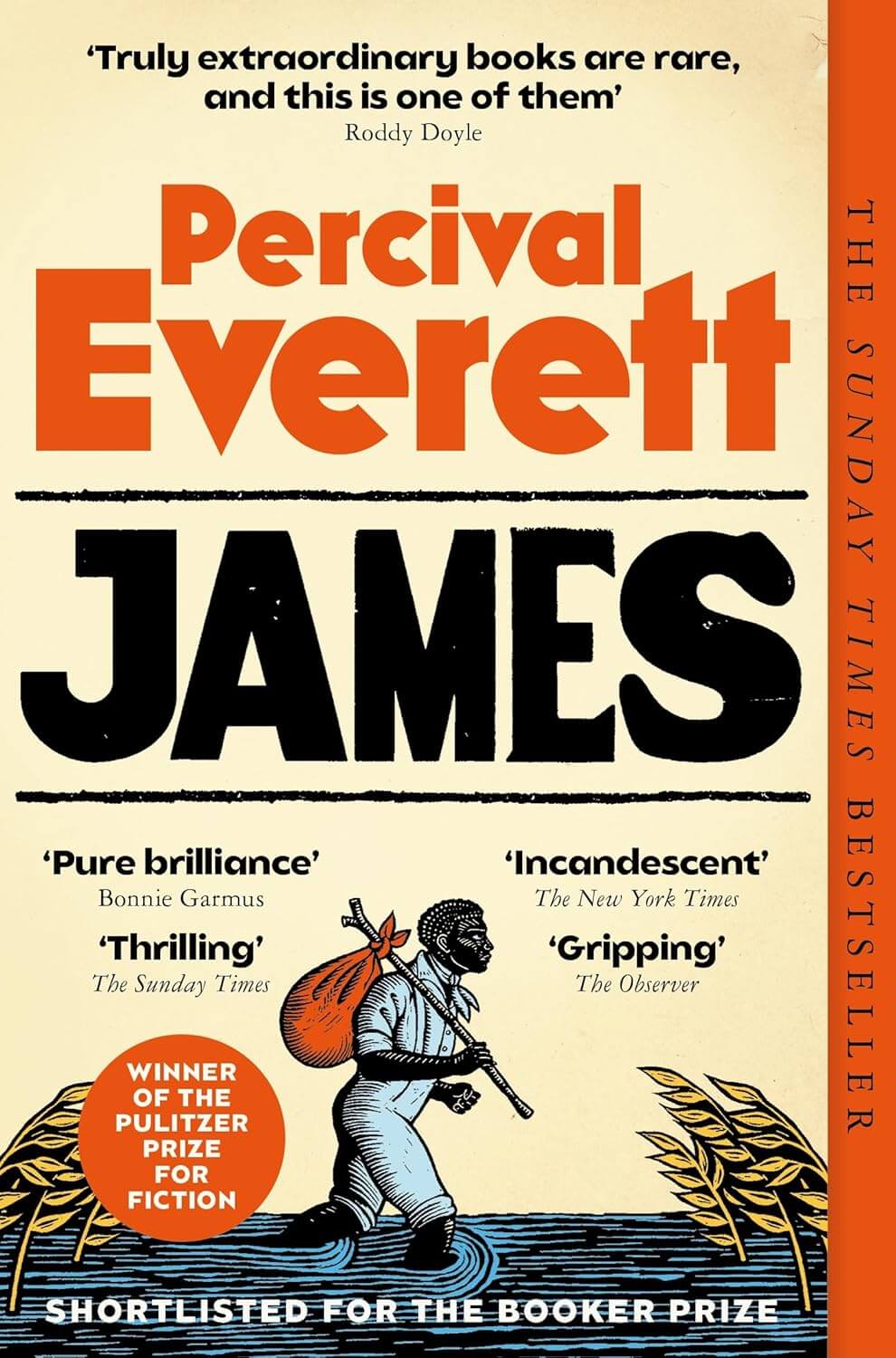
James

James

by Percival Everett

Everett's novel is a sly, forceful act of literary re-visioning that pulls a familiar American story into a new moral light. It centres voice—who gets to narrate, who gets believed, and what language can hide or reveal. The book moves with propulsive clarity while keeping its mind on larger questions of power and personhood. Its humour is sharp, but it never lets comedy soften what's at stake. Characters are allowed complexity, contradiction, and agency rather than serving as symbols. The narrative continually tests the reader's assumptions about history and "classic" storytelling. It's both a page-turner and an argument—delivered with precision. You finish feeling entertained, unsettled, and newly alert.

4.47
Fiction
Literary Fiction
Provocative
Wry
Urgent