Power, Institutions, and Democracy Under Pressure

Twelve Pulitzer Prize books on how power operates through institutions—and what happens when accountability fails

These books share a preoccupation with a single question: how does power actually work? Not in the abstract, but through bureaucracies, courts, surveillance systems, financial structures, and political machinery. Some trace historical turning points — a prison uprising, a constitutional crisis, the birth of America's surveillance state. Others follow power into the present: the political architecture of occupation, the mechanics of autocracy, the slow violence of housing policy and poverty.

A notable pattern across the decade: several books use historical case studies to illuminate dangerously contemporary dynamics. Wilmington's Lie reconstructs an 1898 coup that rewrote how America remembers democratic backsliding. Watergate returns to Nixon with newly opened archives and an unmistakeable sense of present relevance. American Anarchy shows how moral panic about immigration was used to expand state repression a century ago. The past these books recover is never safely past.

What distinguishes this thread from simple political history is its attention to the mechanics beneath the headlines: how bureaucracies distribute suffering; how accountability is delayed or diluted; how ordinary institutions — a housing office, a federal agency, a central bank — can concentrate harm without obvious villains. These books make power visible. That, in itself, is a form of resistance.

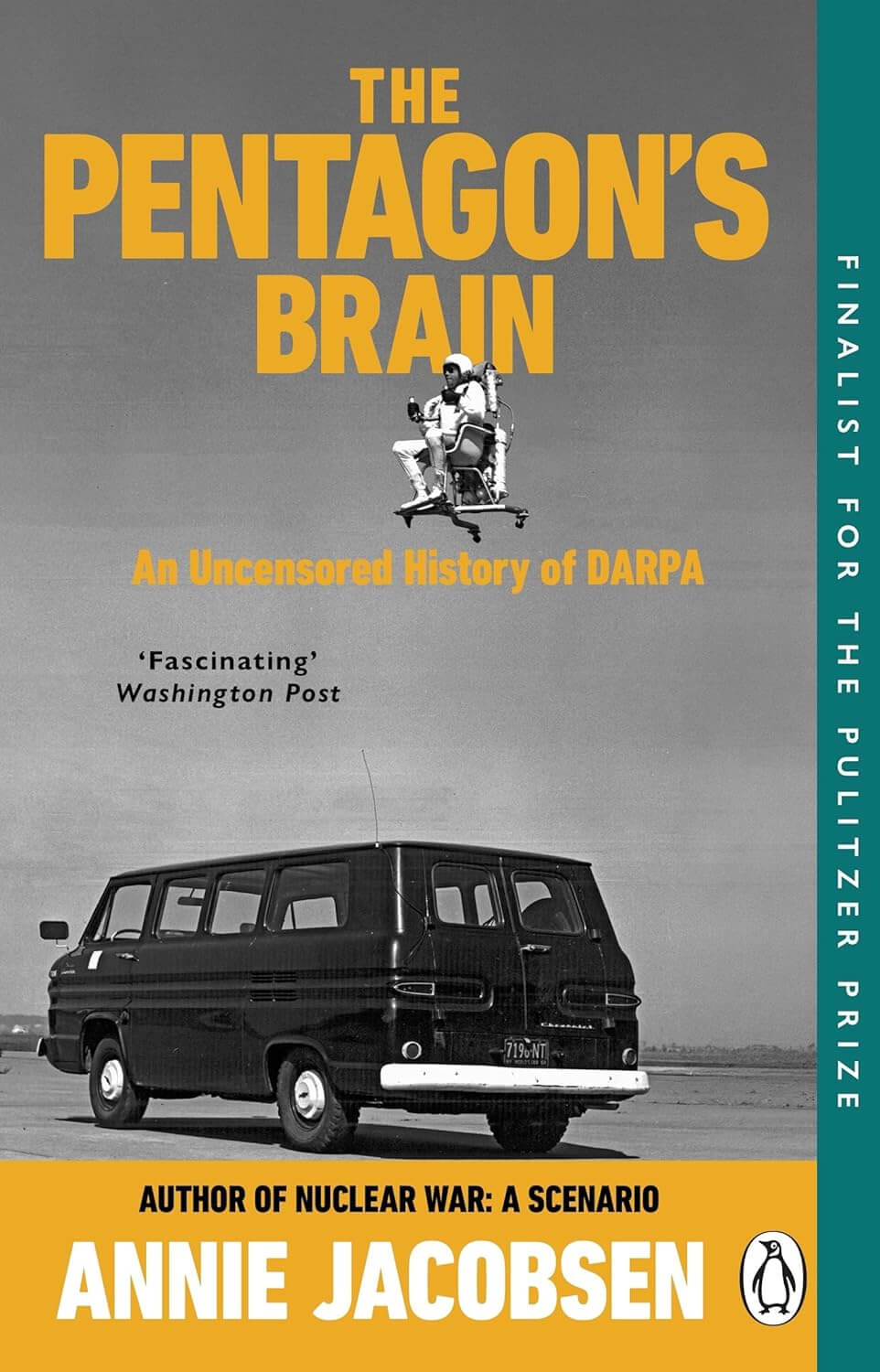
The Pentagon's Brain: An Uncensored History of DARPA, America's Top-Secret Military Research Agency

The Pentagon's Brain: An Uncensored History of DARPA, America's Top-Secret Military Research Agency

by Annie Jacobsen

Jacobsen charts the hidden history of DARPA and the research culture that shaped modern warfare and technology. The book moves through inventions and experiments that feel like science fiction—until you realize how many became everyday reality. Jacobsen writes with thriller-like pacing, making bureaucratic and technical material surprisingly readable. She shows how national security priorities accelerate innovation while also raising ethical questions about accountability. The narrative highlights the blurred line between defense research and civilian life, tracing how tools migrate from battlefield to pocket. Jacobsen is attentive to secrecy as a system: what it enables, what it hides, and how it distorts democratic oversight. The book's strongest passages show the human side of "top secret"—ambition, fear, competition, and belief. It's also a history of ideas: the rise of networks, surveillance, autonomy, and technological solutionism. Readers come away impressed and unsettled, which is likely the point. A gripping, eye-opening tour of the military-tech engine behind the modern world.
3.99
Nonfiction
History
Technology
Intriguing
Unsettling
Revelatory
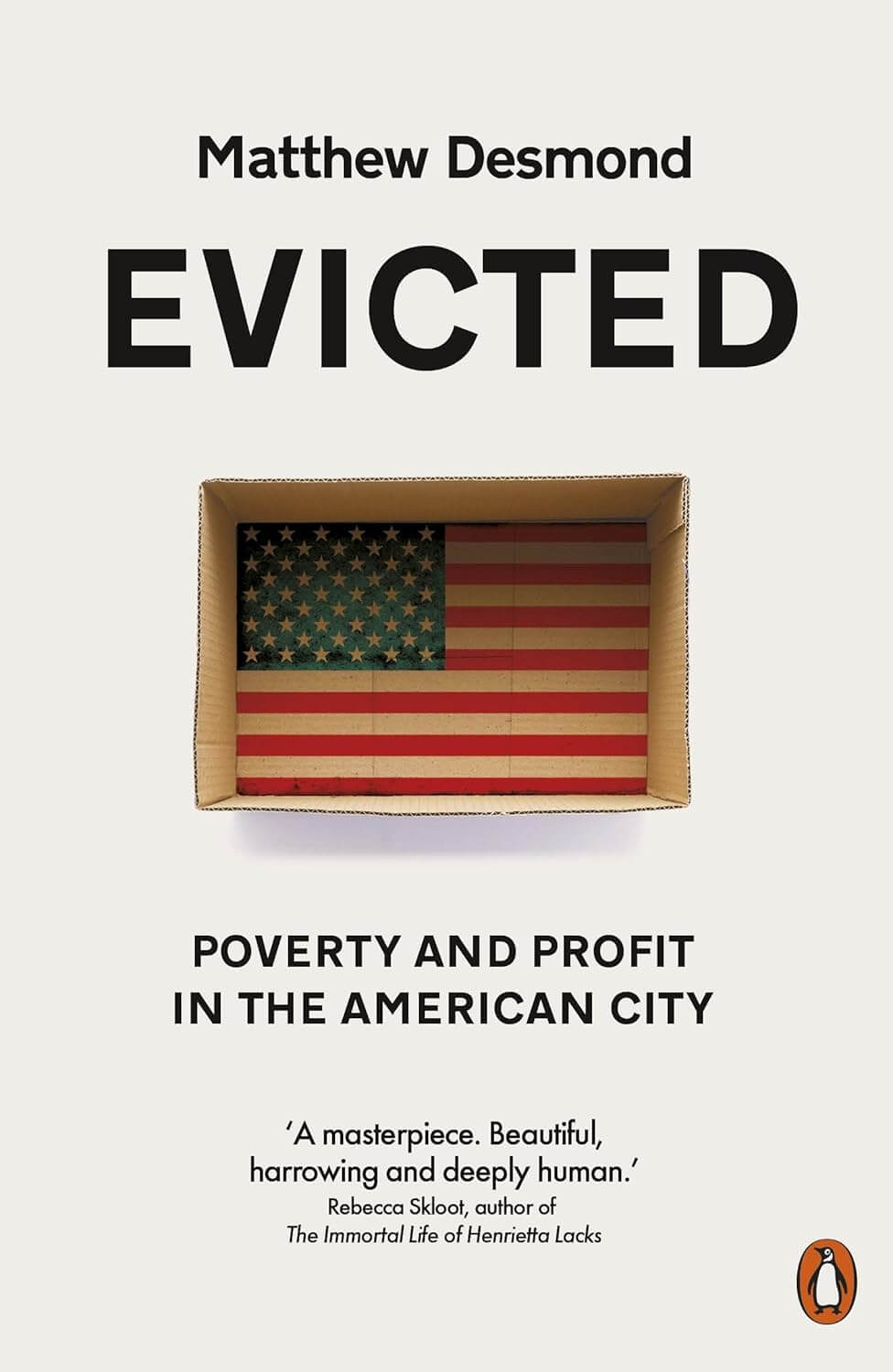
Evicted: Poverty and Profit in the American City

Evicted: Poverty and Profit in the American City

by Matthew Desmond

Desmond's book is a landmark work of immersive sociology that reads with the urgency of a novel. Following families in Milwaukee struggling to keep housing, it shows eviction as both symptom and engine of poverty. Desmond makes structural forces—landlord profit, legal imbalance, precarious wages—painfully legible through lived stories. The reporting is compassionate without being sentimental, and the analysis is clear without being abstract. Desmond portrays tenants with dignity and complexity, refusing stereotypes about the "deserving" poor. He also examines landlords, showing how incentives and scarcity shape choices. The narrative reveals how housing instability ripples into education, health, employment, and family life. The writing is propulsive, with scenes that stay in the mind like evidence. Desmond's policy arguments emerge naturally from the stories rather than being pasted on. The book leaves readers both angry and informed, with a sharper sense of how inequality is manufactured. It's essential reading for understanding modern urban poverty—and why home is the battleground.

4.47
Nonfiction
Journalism
Social Issues
Urgent
Compassionate
Incisive
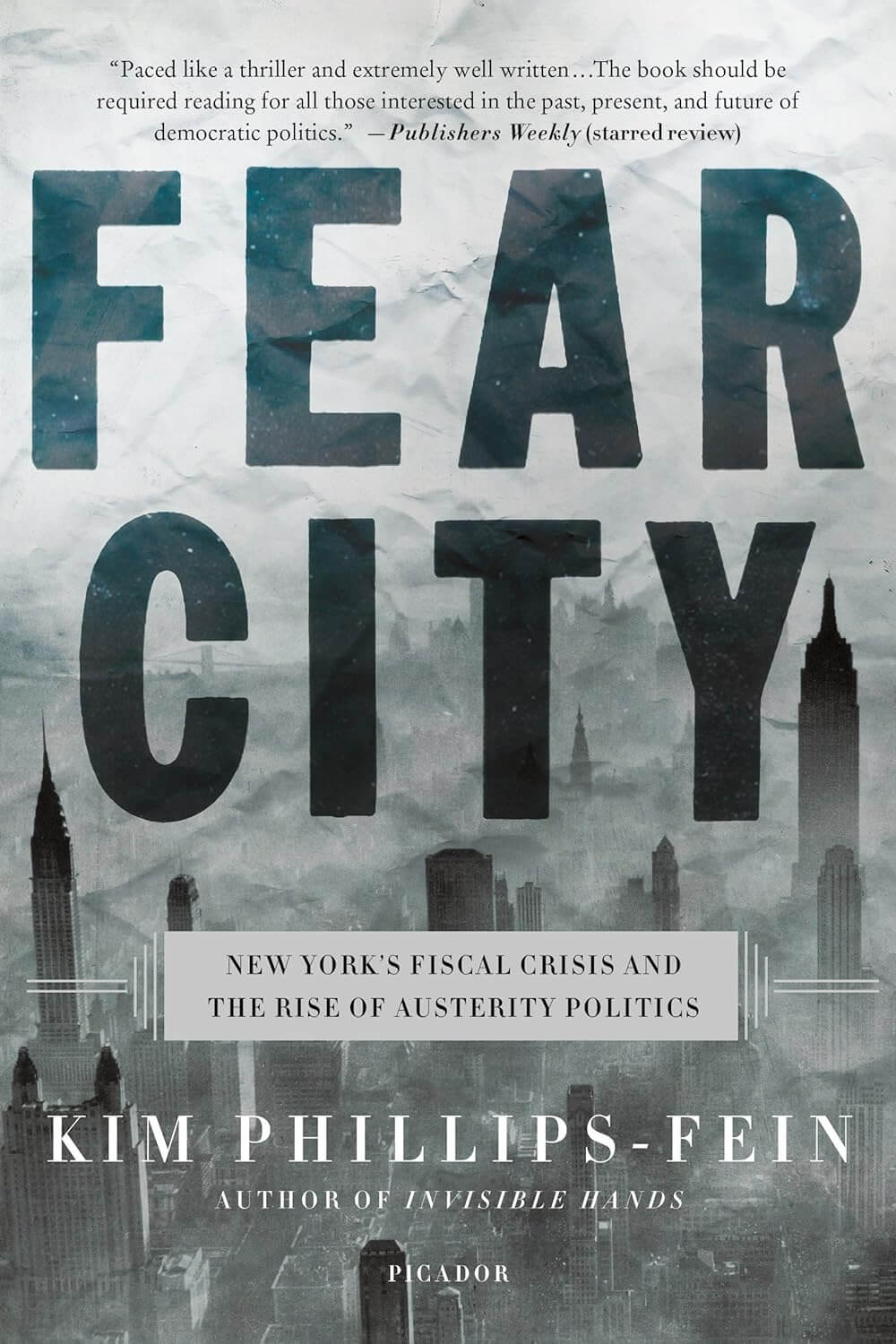
Fear City: New York's Fiscal Crisis and the Rise of Austerity Politics

Fear City: New York's Fiscal Crisis and the Rise of Austerity Politics

by Kim Phillips-Fein

Kim Phillips-Fein revisits New York City's 1970s fiscal crisis not as a local budgeting problem but as a foundational moment in the rise of modern austerity politics. Her book shows how bankers, technocrats, and political elites redefined the relationship between democracy and public finance. What emerges is a gripping story of who gets to govern a city and in whose interests. Phillips-Fein is excellent at making bureaucratic power visible. She traces how abstract financial decisions translated into real consequences for workers, public institutions, and urban life. The book also serves as an origin story for neoliberal assumptions that now feel commonplace. It is rigorously researched, but never inert. The drama lies in the struggle over public goods, labor, and the meaning of crisis itself. This is a history of turning points, but also of language: how "responsibility" and "discipline" became tools of political transformation. Sharp, timely, and highly clarifying.

4.22
History
Political History
Analytical
Serious
Provocative
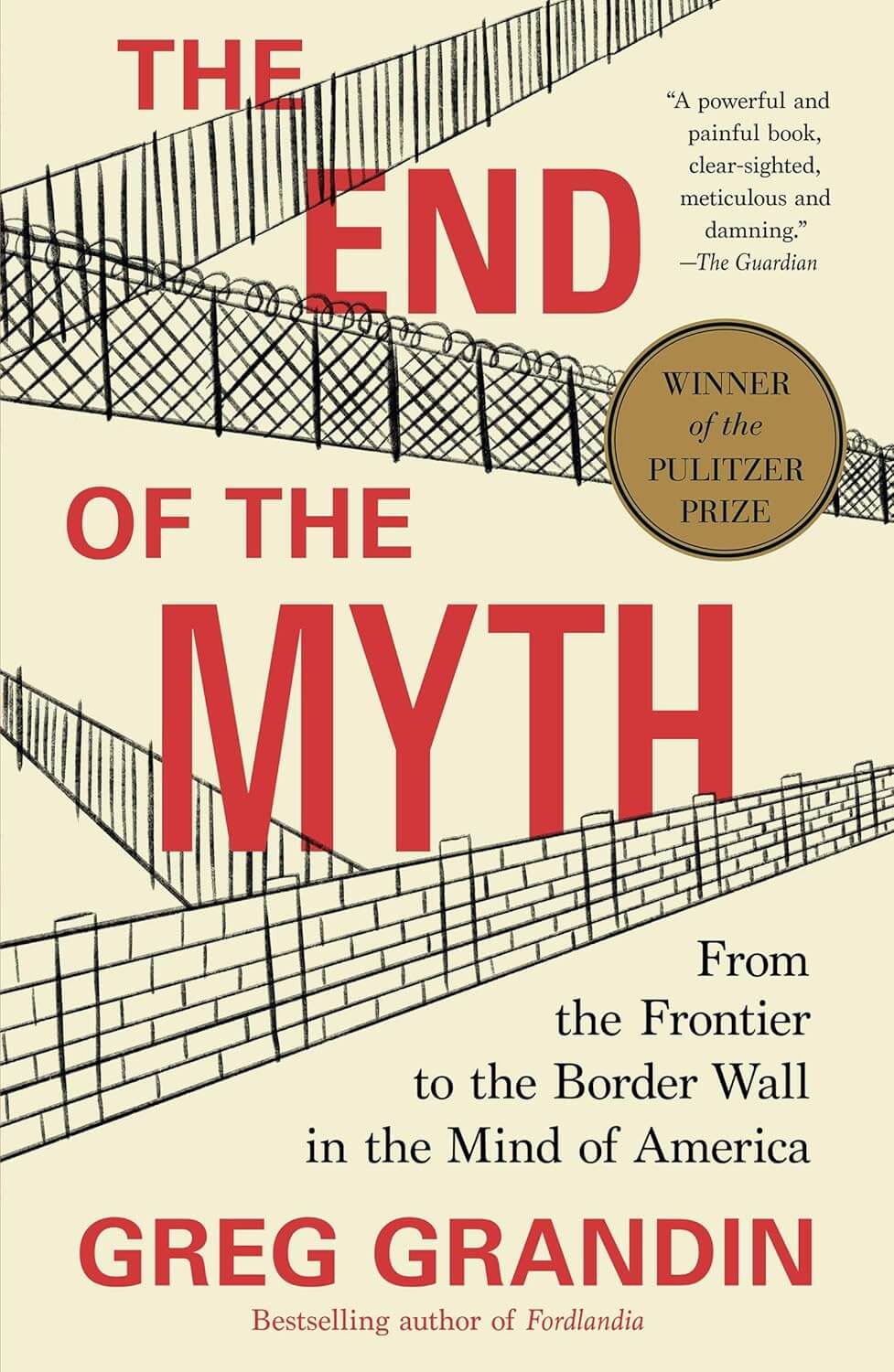
The End of the Myth: From the Frontier to the Border Wall in the Mind of America

The End of the Myth: From the Frontier to the Border Wall in the Mind of America

by Greg Grandin

Greg Grandin's argument is sweeping: the frontier wasn't just geography, it was an organizing idea that shaped American politics and identity. He traces how expansion offered a narrative of endless possibility while enabling violence and dispossession. The book connects westward conquest to overseas empire, showing continuity in the logic of "openness" enforced by force. When expansion ends, Grandin argues, the nation turns inward, channeling anxiety into exclusion and militarized borders. The writing is brisk and accessible for a big-idea history, with sharp synthesis across eras. Grandin is attentive to the stories Americans tell themselves—and what those stories obscure. The border wall appears not as a sudden rupture but as culmination. The book reframes current debates as the closing chapter of a long myth. It's provocative and clarifying, especially for readers trying to connect past and present. You may not agree with every emphasis, but the framework is hard to shake. It's a major contribution to understanding American nationalism.

4.29
Nonfiction
History
Political Analysis
Provocative
Big-Picture
Urgent
Invisible Child: Poverty, Survival & Hope in an American City

Invisible Child: Poverty, Survival & Hope in an American City

by Andrea Elliott

Andrea Elliott’s Invisible Child is a remarkable work of narrative journalism that chronicles the life of Dasani, a young girl growing up homeless in New York City. Elliott spent years following her subject, capturing both her struggles and her resilience. The book is as much about systemic poverty and inequality as it is about one child’s story. Elliott writes with empathy and clarity, giving Dasani and her family a voice that demands to be heard. It’s an intimate, powerful account that humanizes statistics and policies through lived experience.

4.70
Journalism
Sociology
Memoir
Intimate
Moving
Unflinching
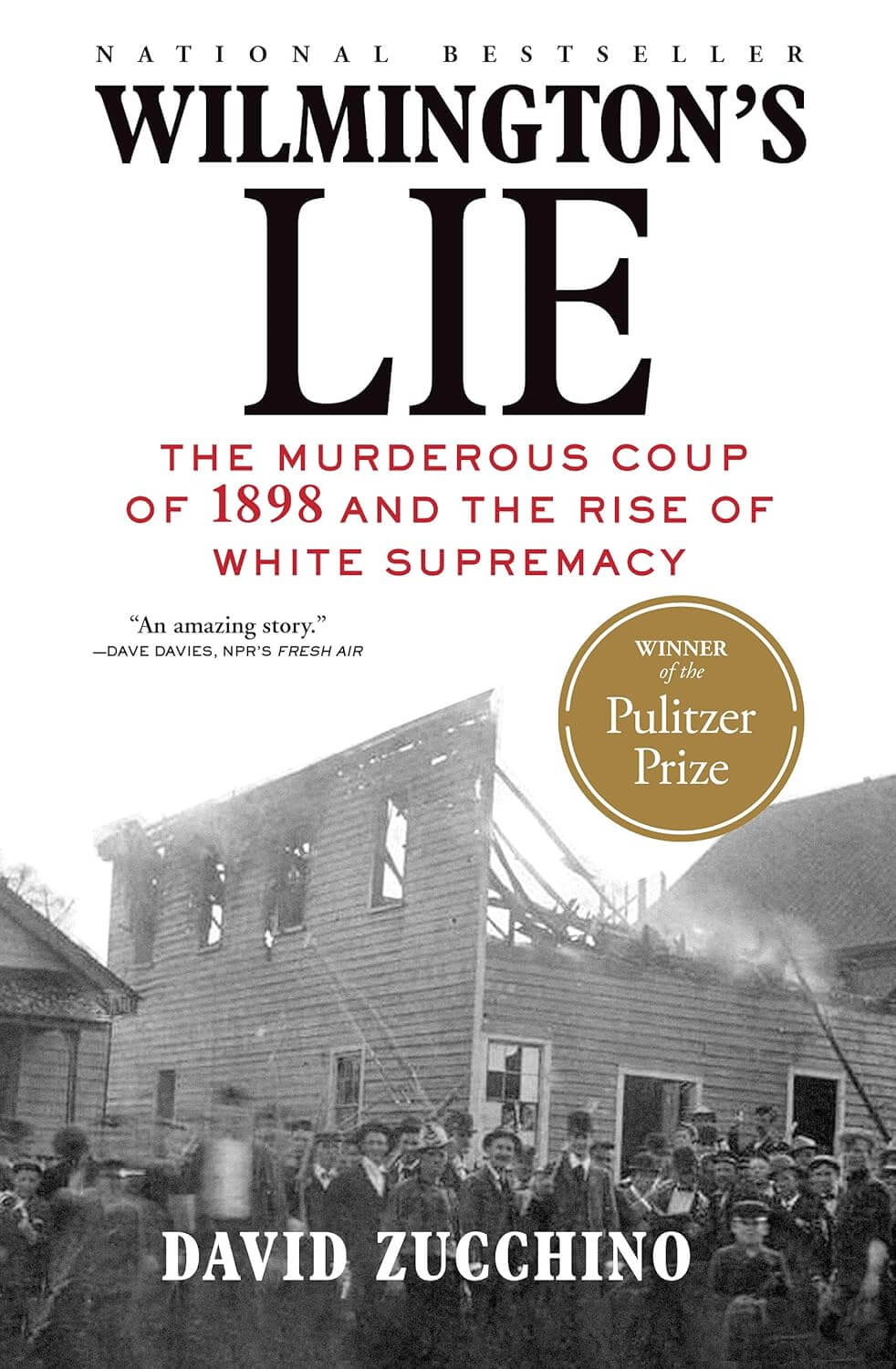
Wilmington's Lie: The Murderous Coup of 1898 and the Rise of White Supremacy

Wilmington's Lie: The Murderous Coup of 1898 and the Rise of White Supremacy

by David Zucchino

David Zucchino reconstructs the 1898 coup in Wilmington, North Carolina—an organized overthrow of a multiracial government—through meticulous reporting and narrative drive. The book shows how propaganda, political ambition, and racist terror combined into coordinated violence. Zucchino details the mechanics of the coup, making clear it was not a riot but a planned seizure of power. He tracks the human consequences: murdered citizens, exiled leaders, and a community reshaped by intimidation. The narrative reveals how white supremacy learned to launder itself through respectable institutions. Zucchino's prose is accessible, but the research is relentless. He also confronts the ways the event was misremembered, minimized, and mythologized for generations. The book clarifies how democratic backsliding has deep roots in American history. It reads as both a historical account and a warning. You finish with a sharpened sense of how easily lies can become civic "truth."

4.43
Nonfiction
History
Investigative Journalism
Shocking
Authoritative
Sobering
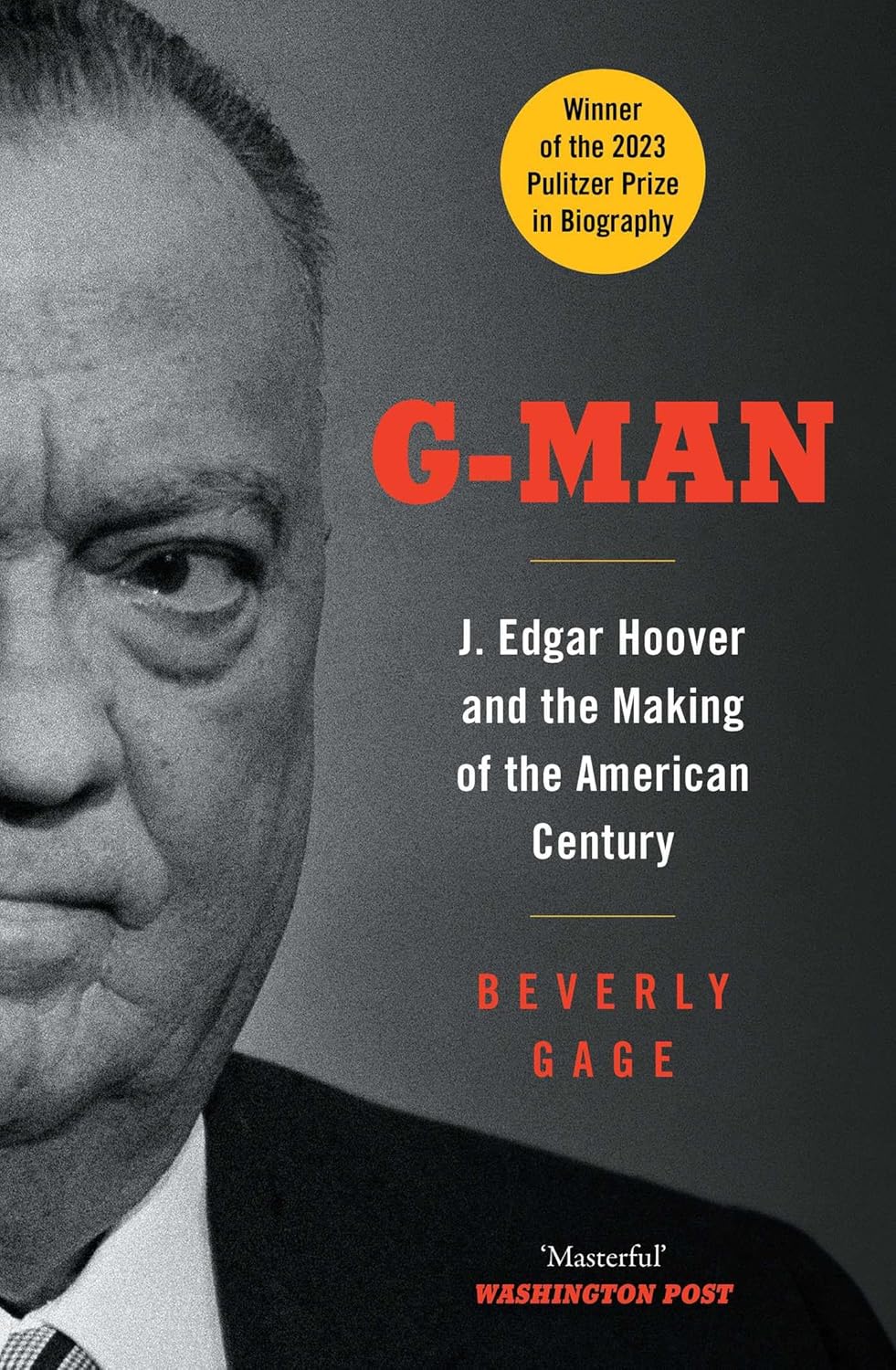
G-Man: J. Edgar Hoover and the Making of the American Century

G-Man: J. Edgar Hoover and the Making of the American Century

by Beverly Gage

Beverly Gage delivers a monumental biography of J. Edgar Hoover and his decades-long influence. She situates Hoover within the political anxieties of the twentieth century. The book explores surveillance, power, and institutional expansion. Gage resists caricature, portraying Hoover as complex and strategic. Archival depth strengthens every chapter. The biography reveals how Hoover shaped modern federal law enforcement. It also probes the personal contradictions behind the public persona. Gage's narrative is balanced and authoritative. The result is a definitive account of a controversial architect of American security.

4.00
Biography
Political History
Comprehensive
Critical
Insightful
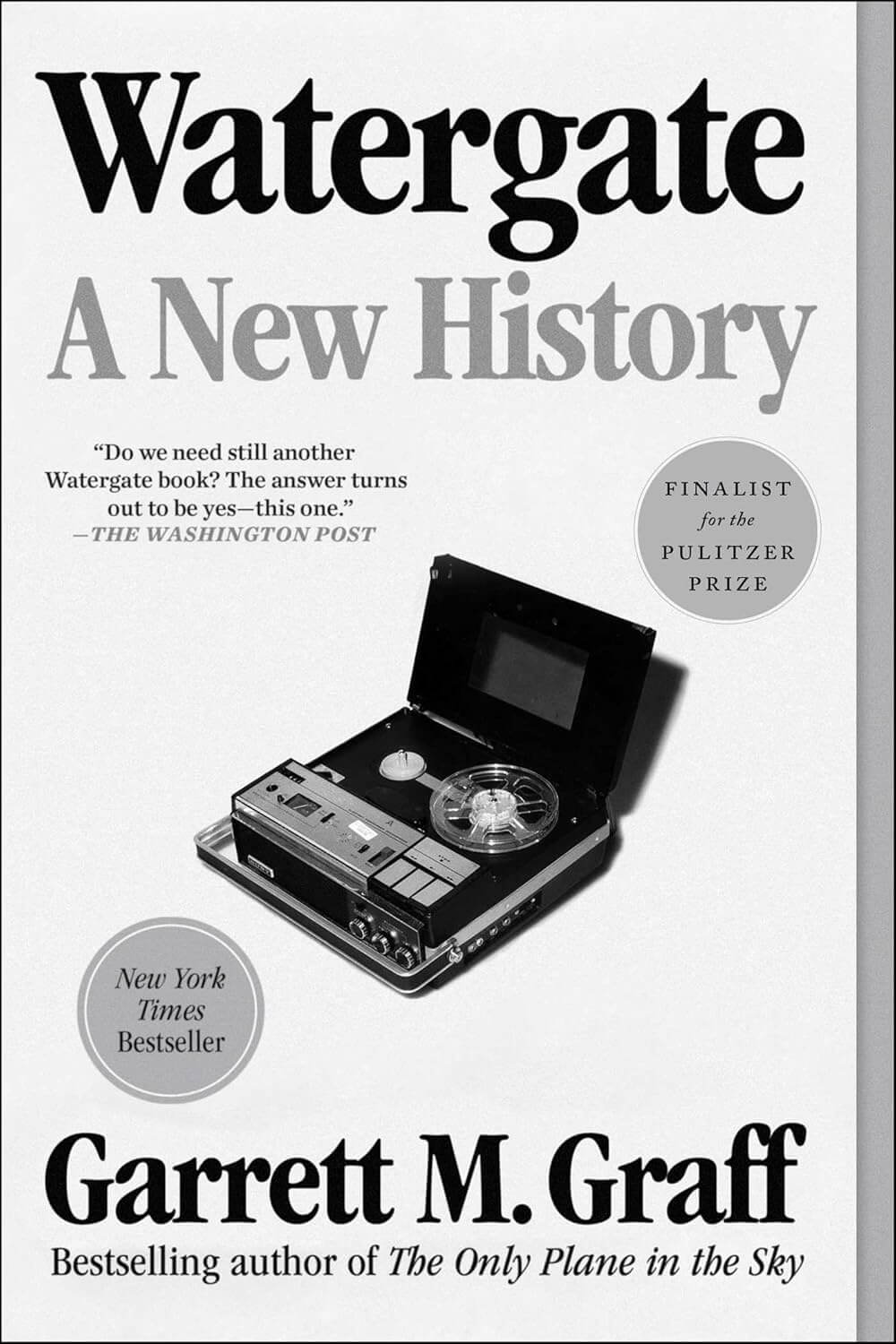
Watergate: A New History

Watergate: A New History

by Garrett M. Graff

Garrett M. Graff revisits Watergate with newly available sources and narrative clarity. He reconstructs the scandal's intricate web of power and paranoia. Familiar figures emerge with renewed complexity and motive. Graff situates the break-in within broader patterns of executive overreach. The pacing reads like a political thriller. Journalism's role in defending democracy takes center stage. The book clarifies constitutional stakes for modern readers. Graff's research is meticulous and compelling. It is both definitive history and timely warning.

4.48
History
Political History
Suspenseful
Authoritative
Insightful
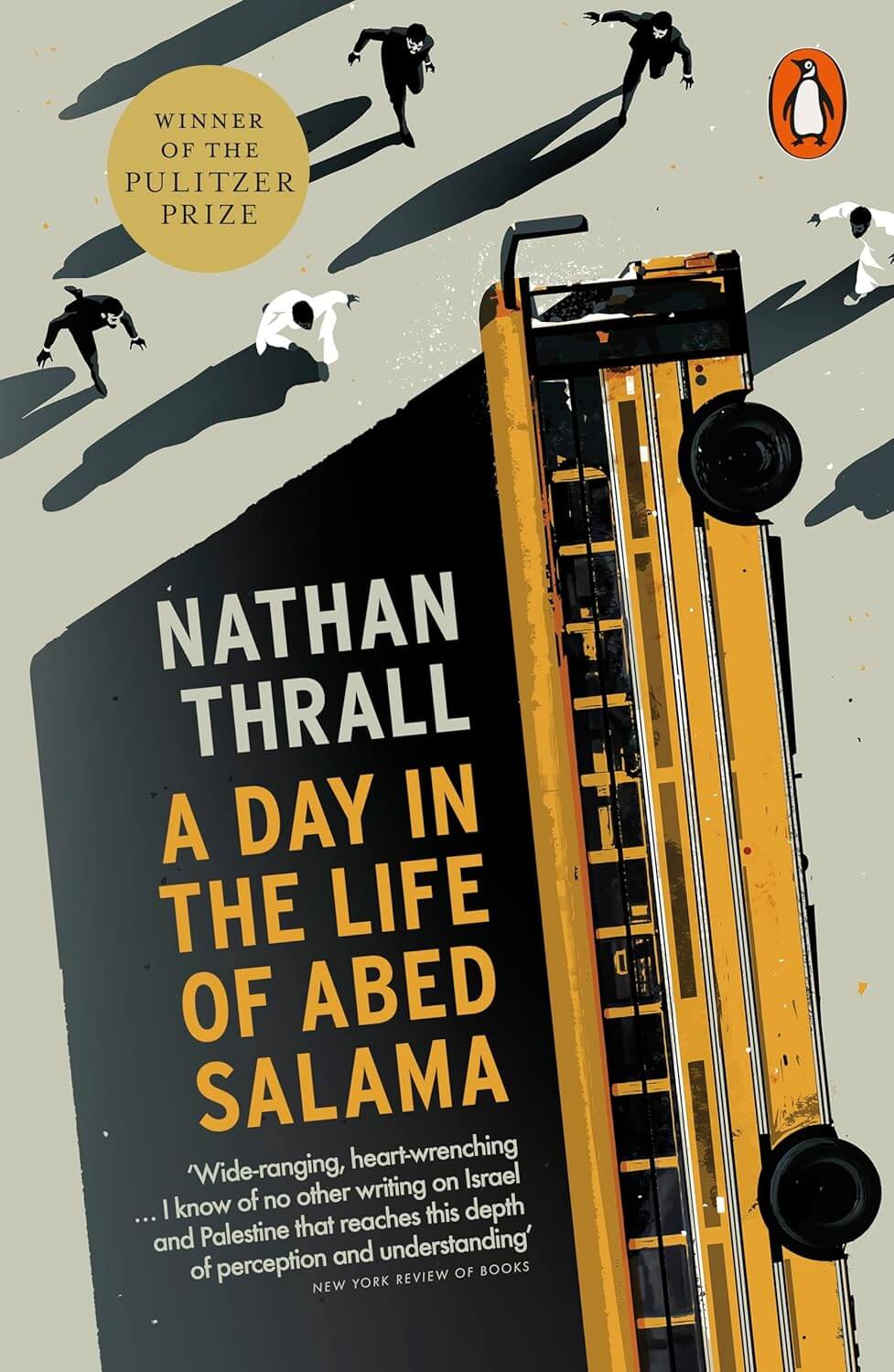
A Day in the Life of Abed Salama: Anatomy of a Jerusalem Tragedy

A Day in the Life of Abed Salama: Anatomy of a Jerusalem Tragedy

by Nathan Thrall

Thrall builds an entire political anatomy from one devastating day, showing how tragedy is produced by systems, not just accidents. The book follows a Palestinian father searching for his son after a school bus crash, and in doing so reveals the bureaucratic fractures of life in Jerusalem and the West Bank. Thrall's reporting is precise and novelistic, but never sensational. The narrative makes structural violence legible: permits, roads, policing, jurisdiction, and delays that become lethal. The emotional core is intimate—grief, panic, and the unbearable wait for certainty. The book also refuses simplification, showing multiple actors and layers without flattening complexity. Thrall's restraint is one of its strengths; the facts are allowed to speak. You finish understanding how ordinary life is shaped by political architecture. It's both heartbreaking and clarifying, a book that makes policy feel personal. A landmark work of narrative nonfiction. You close it changed.

4.35
Nonfiction
Journalism
Politics
Heartbreaking
Clarifying
Grave
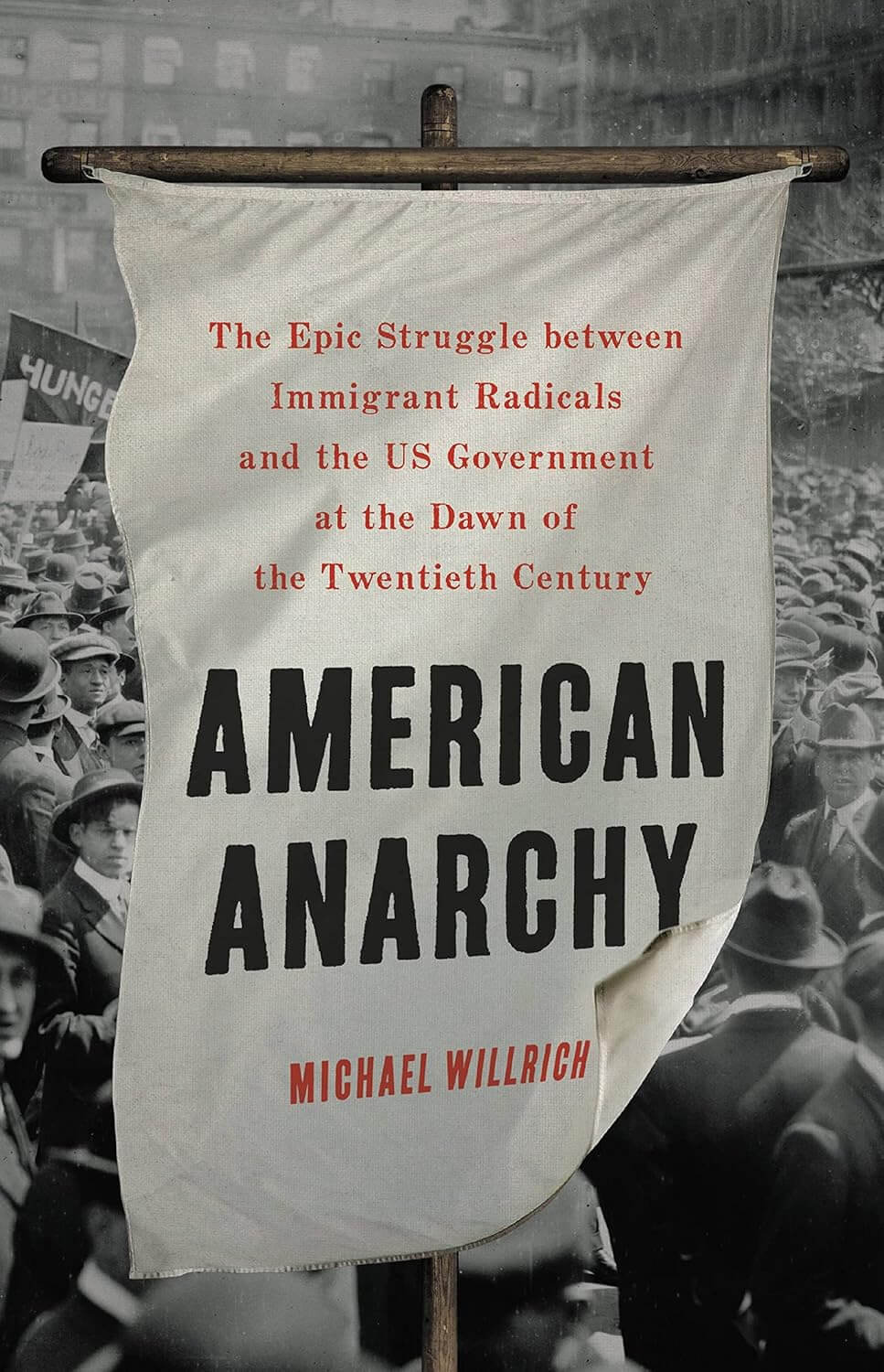
American Anarchy: The Epic Struggle between Immigrant Radicals and the US Government at the Dawn of the Twentieth Century

American Anarchy: The Epic Struggle between Immigrant Radicals and the US Government at the Dawn of the Twentieth Century

by Michael Willrich

Willrich tells a high-stakes story about ideology, fear, and the growth of state power, driven by vivid characters and sharp narrative momentum. The book follows immigrant radicals and the government forces determined to crush them, showing how surveillance and policing expanded through moral panic. It's not just a history of "anarchists" but of how labels become weapons. Willrich is attentive to courtroom drama, public spectacle, and the machinery of propaganda. The writing makes the period feel uncannily contemporary—debates about security, speech, and belonging repeating in new forms. Yet the scholarship stays grounded, refusing easy parallels or simple heroes. The book reveals how dissent is managed through bureaucracy as much as brute force. It's gripping, troubling, and historically precise. A compelling account of democracy under strain. You finish with a sharper sense of how liberties erode.

4.40
Nonfiction
History
Political History
Tense
Propulsive
Revealing
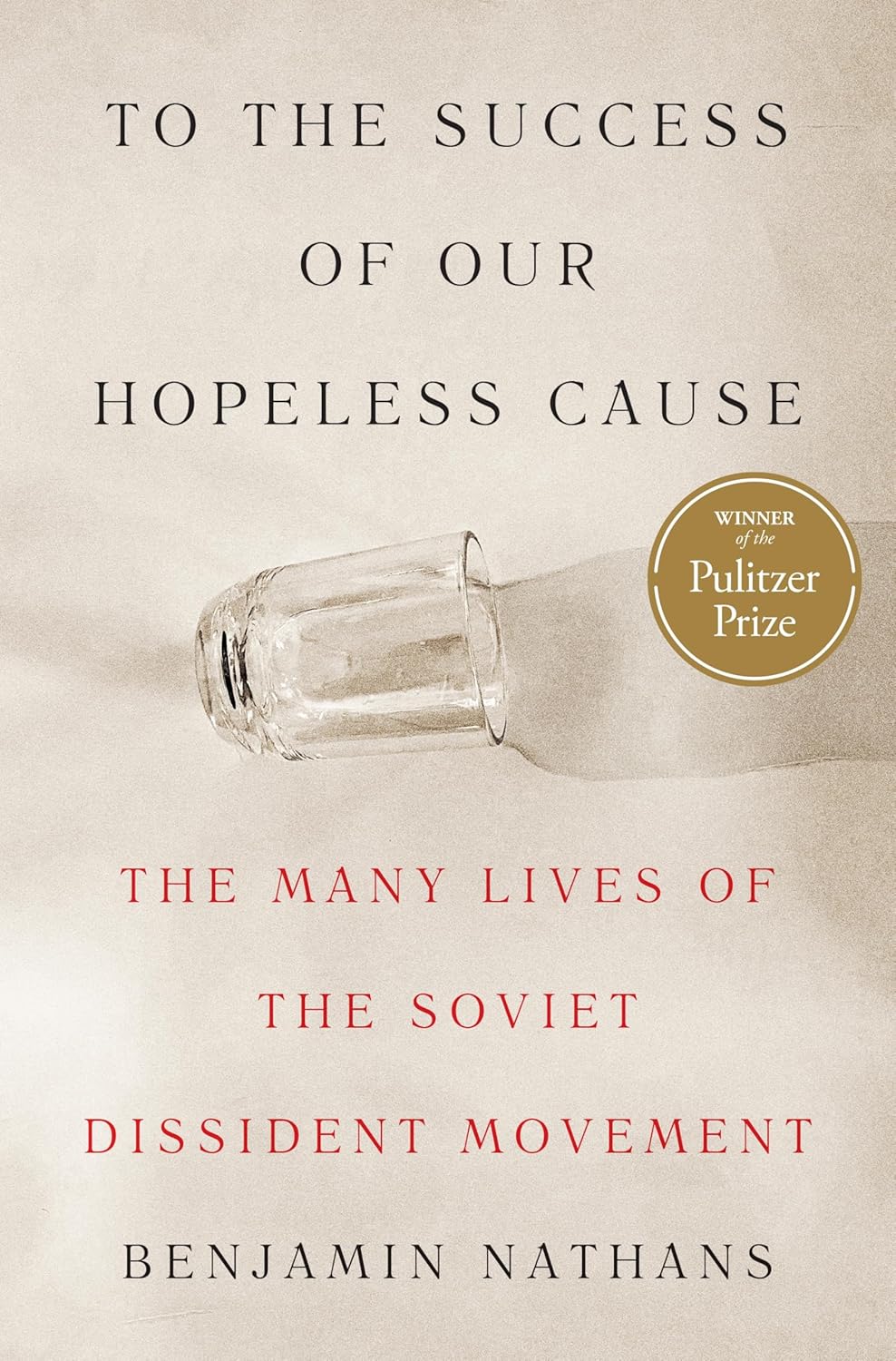
To the Success of Our Hopeless Cause: The Many Lives of the Soviet Dissident Movement

To the Success of Our Hopeless Cause: The Many Lives of the Soviet Dissident Movement

by Benjamin Nathans

Nathans offers a wide-ranging account of dissent that treats it as a lived ecosystem rather than a single heroic narrative. The book traces how movements form: through networks, moral arguments, private courage, and public pressure. It pays attention to the texture of opposition—meetings, texts, friendships, betrayals, and the slow work of sustaining belief. Nathans balances structural analysis with human story, making politics feel personal and intimate. The writing clarifies complexity without simplifying it, which is exactly what this subject demands. The book also shows how regimes respond: with surveillance, coercion, and strategic ambiguity. One of its strengths is its insistence that dissent is plural—full of disagreements, shifts, and reinventions. Reading it, you feel history happening in real time, not as a finished lesson. It's rigorous and absorbing, the kind of nonfiction that deepens your understanding of the present. You close it with a sharper sense of how fragile—yet persistent—freedom can be.

4.25
Nonfiction
History
Politics
Serious
Illuminating
Immersive
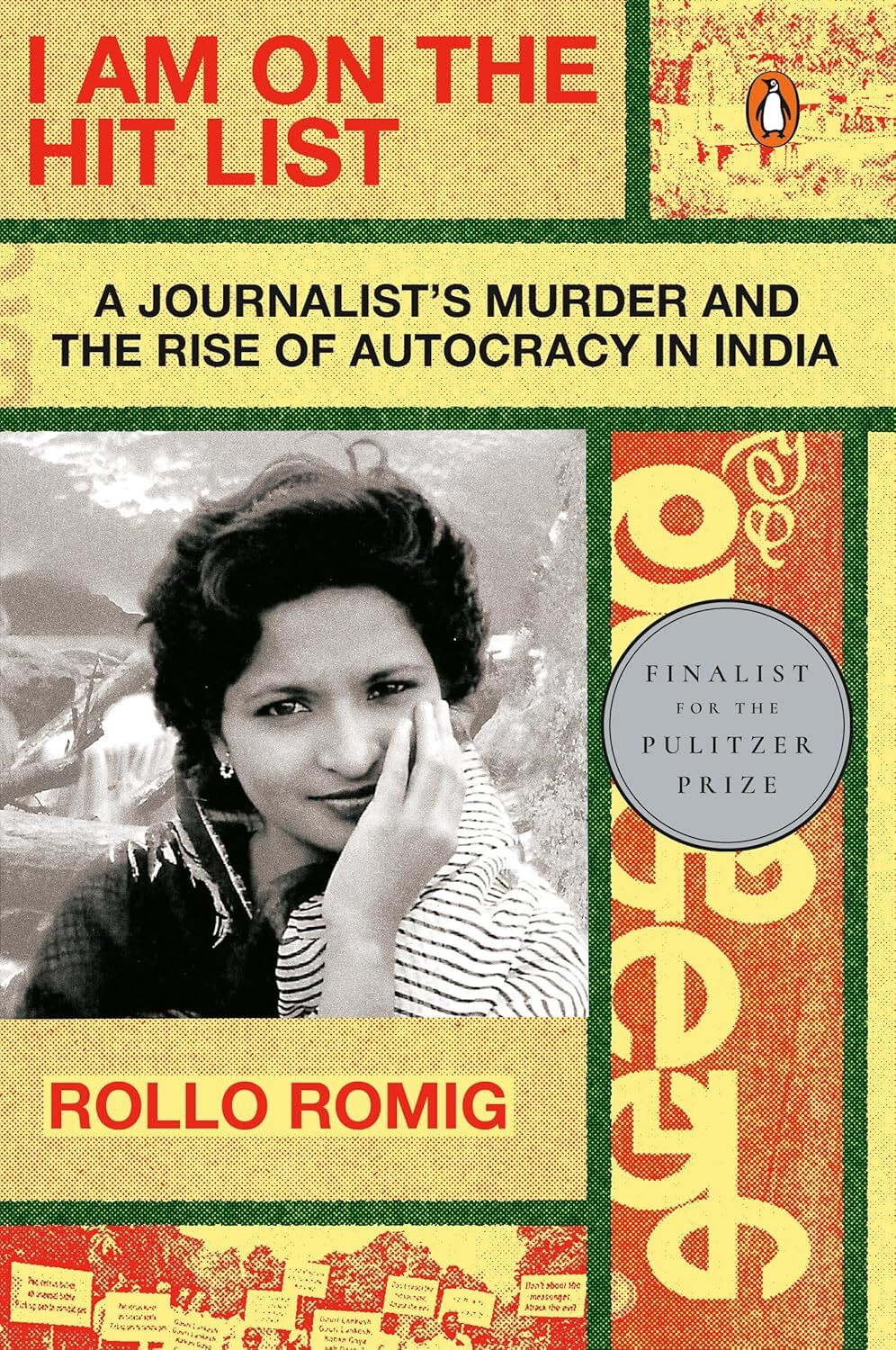
I Am on the Hit List: A Journalist's Murder and the Rise of Autocracy in India

I Am on the Hit List: A Journalist's Murder and the Rise of Autocracy in India

by Rollo Romig

Romig combines investigative reporting with moral urgency, tracing how targeted violence reshapes public life. The book treats a single murder not as an isolated event but as a lens on a broader political climate. It pays careful attention to the machinery of intimidation—how fear spreads, how truth gets constrained, how everyday choices become risky. Romig writes with clarity and restraint, letting facts accumulate into a frightening picture. The narrative also foregrounds human cost: families, colleagues, and communities living with threats that never fully disappear. It's a book about journalism under pressure, but also about citizenship—what happens when speaking becomes dangerous. The pace is propulsive, but the effect is sobering rather than sensational. You feel the stakes of information itself: who controls it, who pays for it, who is silenced. It leaves you asking hard questions about democracy and the price of dissent. Essential reading for understanding modern autocracy's quieter methods.

4.29
Nonfiction
Journalism
Politics
Sobering
Tense
Urgent