Nine Pulitzer Prize books on ecology, climate, and the human cost of extraction
The environmental thread in the Pulitzer Prize canon has intensified with every passing year since 2018. These nine books — spanning fiction, reported nonfiction, history, and poetry — share a refusal to treat ecological crisis as abstract. Each finds the human face of environmental harm: one family poisoned by fracking, one coastline already sinking, one Congolese mining community exhausted by cobalt extraction.
What distinguishes this selection is its range of scale and method. Richard Powers' The Overstory works at the scale of centuries and ecosystems; Elizabeth Rush's Rising works at the scale of a conversation with a coastal family watching their land disappear. Some books are urgently political; others are quietly observational. Together they argue that climate change and extraction are never distant abstractions — they are always happening to specific people, in specific places, right now.
A consistent pattern across these books: they connect the visible damage to invisible systems. Amity and Prosperity shows how fracking contracts are designed to obscure accountability. Cobalt Red traces a line from a Congolese mine to a smartphone screen. Fire Weather connects a single catastrophic wildfire to decades of fossil fuel industry and the physics of a warming atmosphere. The thread is urgent, and it is only growing louder.
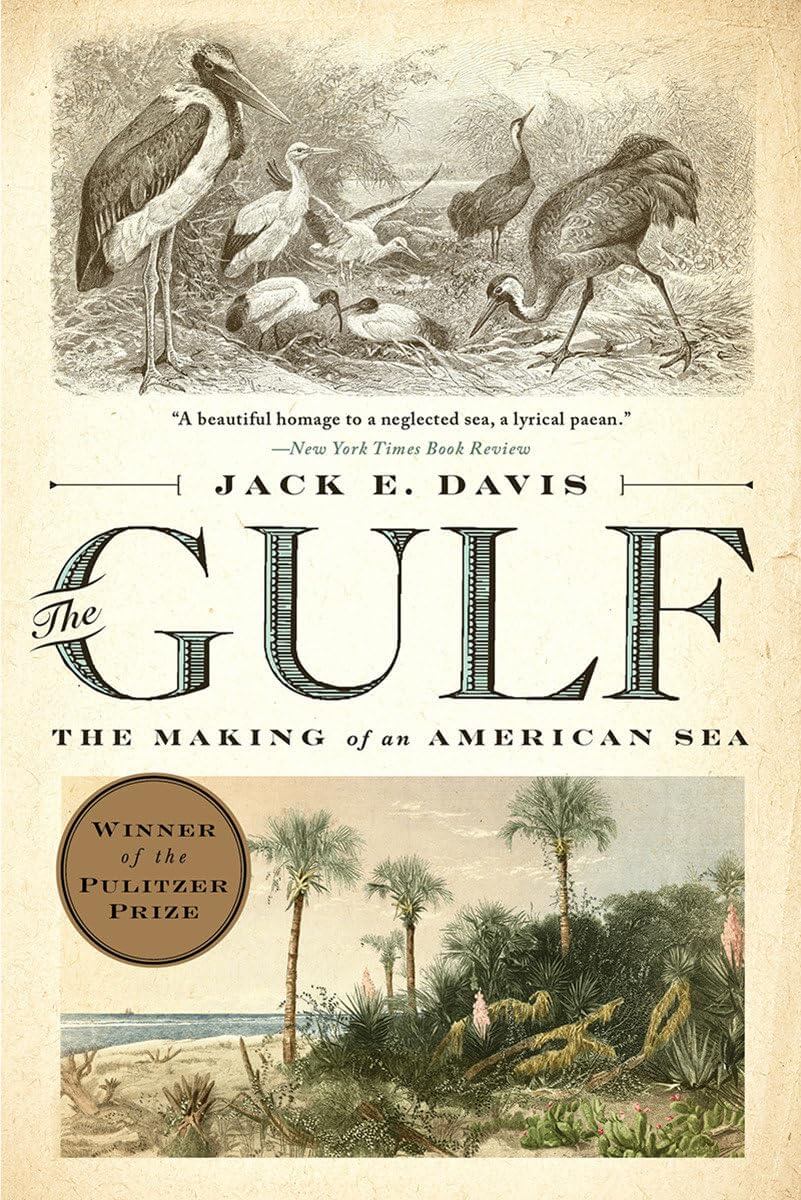
Jack E. Davis turns the Gulf of Mexico into the central character of an expansive and compelling history. He traces how this body of water shaped commerce, ecology, migration, warfare, and identity across centuries. The book moves fluidly from Indigenous histories to hurricanes, oil extraction, fisheries, and tourism, showing how the Gulf has been both resource and victim. Davis writes with narrative energy and environmental sensitivity, making scientific and historical detail feel immediate rather than abstract. One of the book's great strengths is its refusal to separate natural and human history. The Gulf is never just background; it is a dynamic force that shapes and is shaped by human ambition. Davis is especially strong on the contradictions of exploitation and reverence, on the ways people love a place while damaging it. The prose is accessible and often vivid, with a strong sense of place. By the end, the Gulf feels newly legible as one of the central engines of American history. A sweeping, eye-opening work of environmental history.
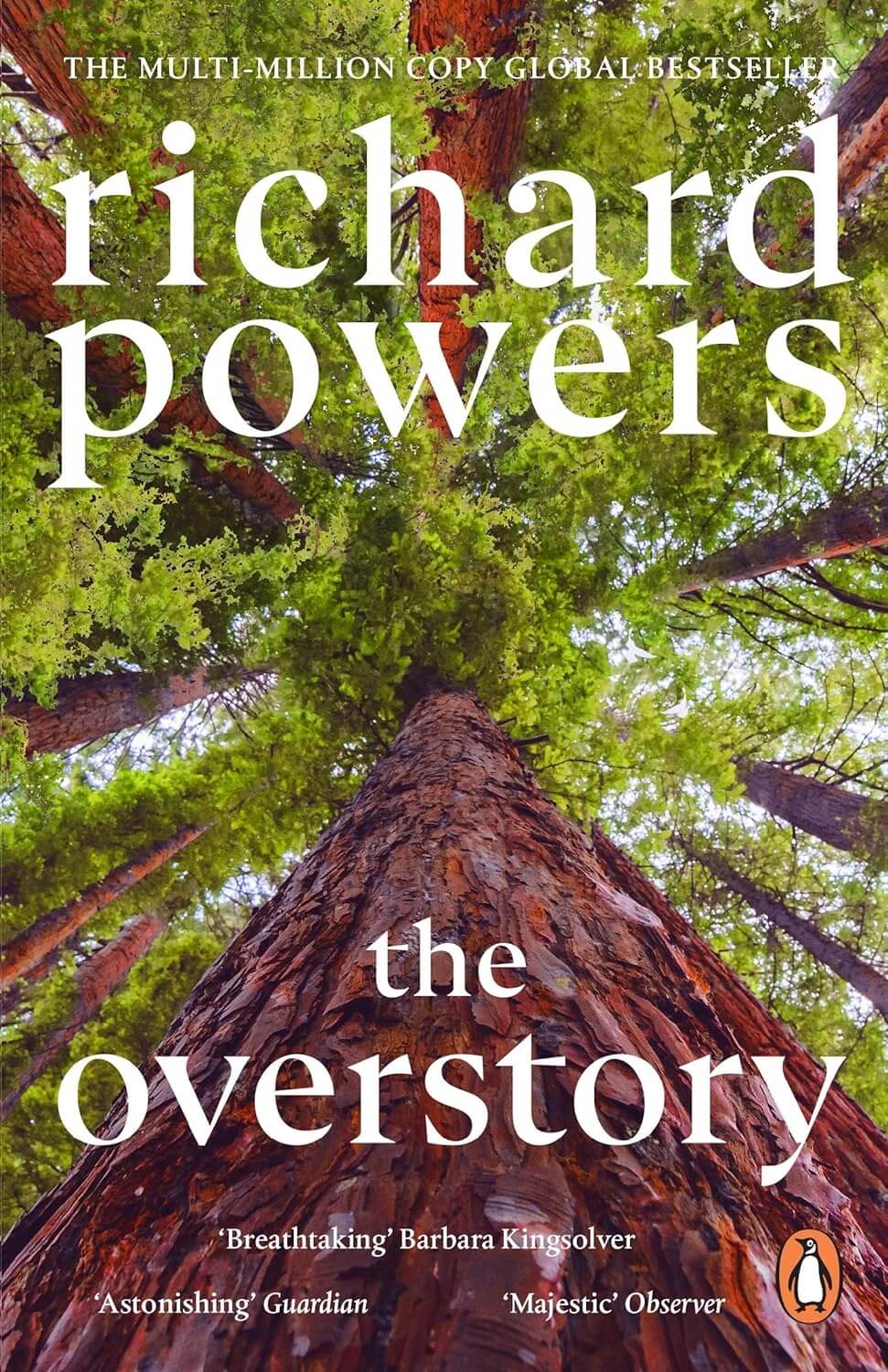
Powers builds a sprawling, polyphonic novel that treats trees not as scenery but as agents, archives, and living intelligence. The book begins with distinct human lives and gradually entwines them into a larger ecological narrative. Powers balances scientific wonder with moral urgency, asking what it means to live ethically on a damaged planet. The prose can be luminous, especially when describing forests as complex systems of communication and time. The novel's structure mirrors its theme: interconnection, root systems, networks, and hidden influence. Characters arrive at activism through grief, awe, anger, and love, and the book refuses to romanticize the costs. Some sections read like manifesto, but the emotional pull remains strong because each character feels particular. The scale is epic, yet the book often lands in quiet moments of perception. By the end, you feel both dwarfed and awakened. A major, ambitious work of eco-literature that changes how you look at the world outside your window.
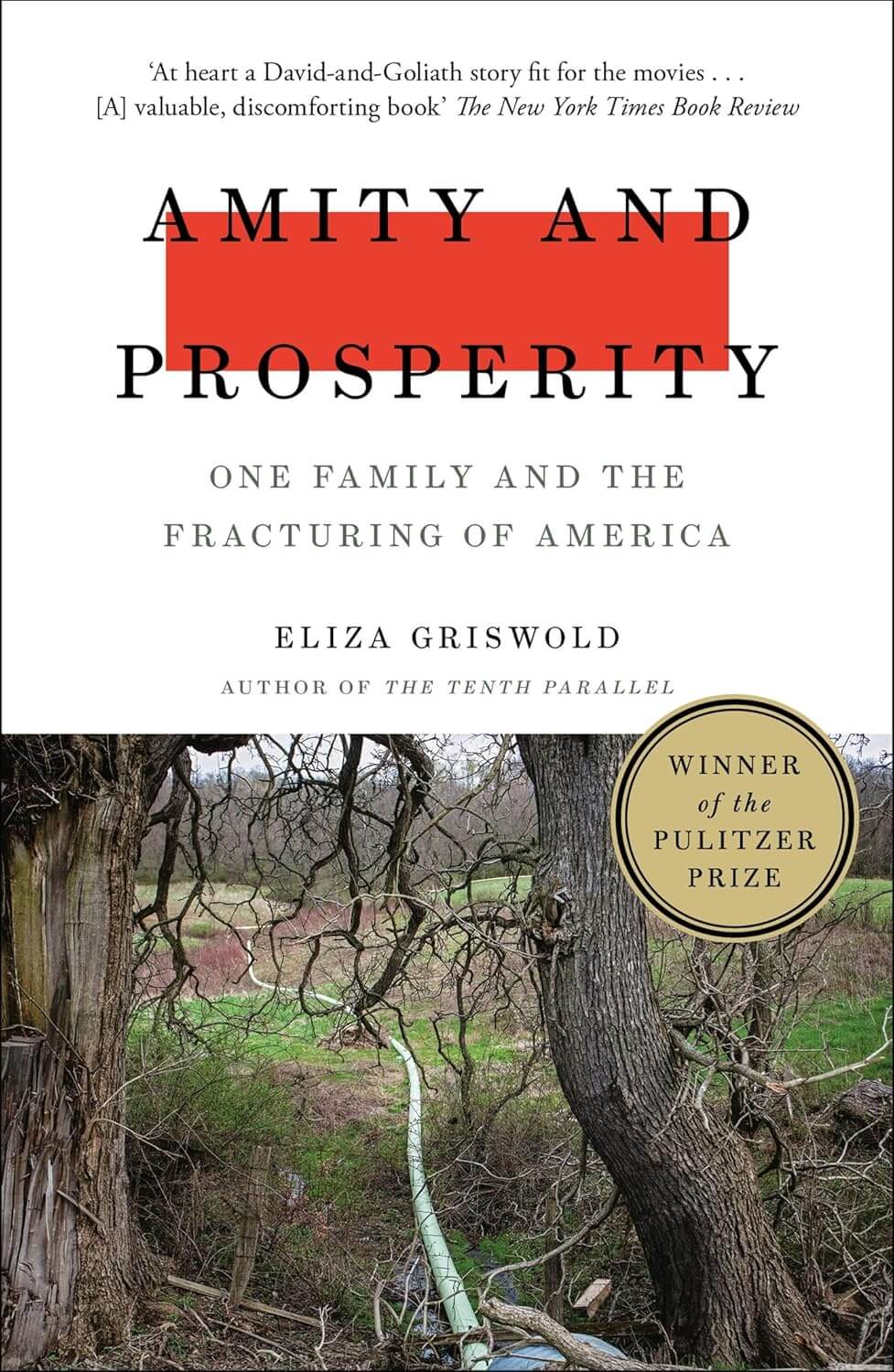
Griswold tells the story of fracking's human costs through one family, making a sprawling national issue intimate and undeniable. The book follows how promises of wealth and stability fracture into illness, legal battles, and mistrust. Griswold's reporting is immersive and patient, attentive to the slow grind of bureaucracy and litigation. She shows how power operates through contracts, technical language, and exhaustion. The narrative is tense in a quiet way—danger arrives not as spectacle but as accumulation. Griswold also captures the complexity of communities divided by jobs, loyalty, and fear. The book refuses easy villains; instead, it maps a system where responsibility is dispersed and accountability is hard to pin down. The prose is clear and compassionate, giving space to uncertainty and grief. Reading it, you feel how environmental harm becomes social harm, and how both linger. It's a book that changes how "energy" sounds as a word. Urgent, humane, and deeply unsettling.
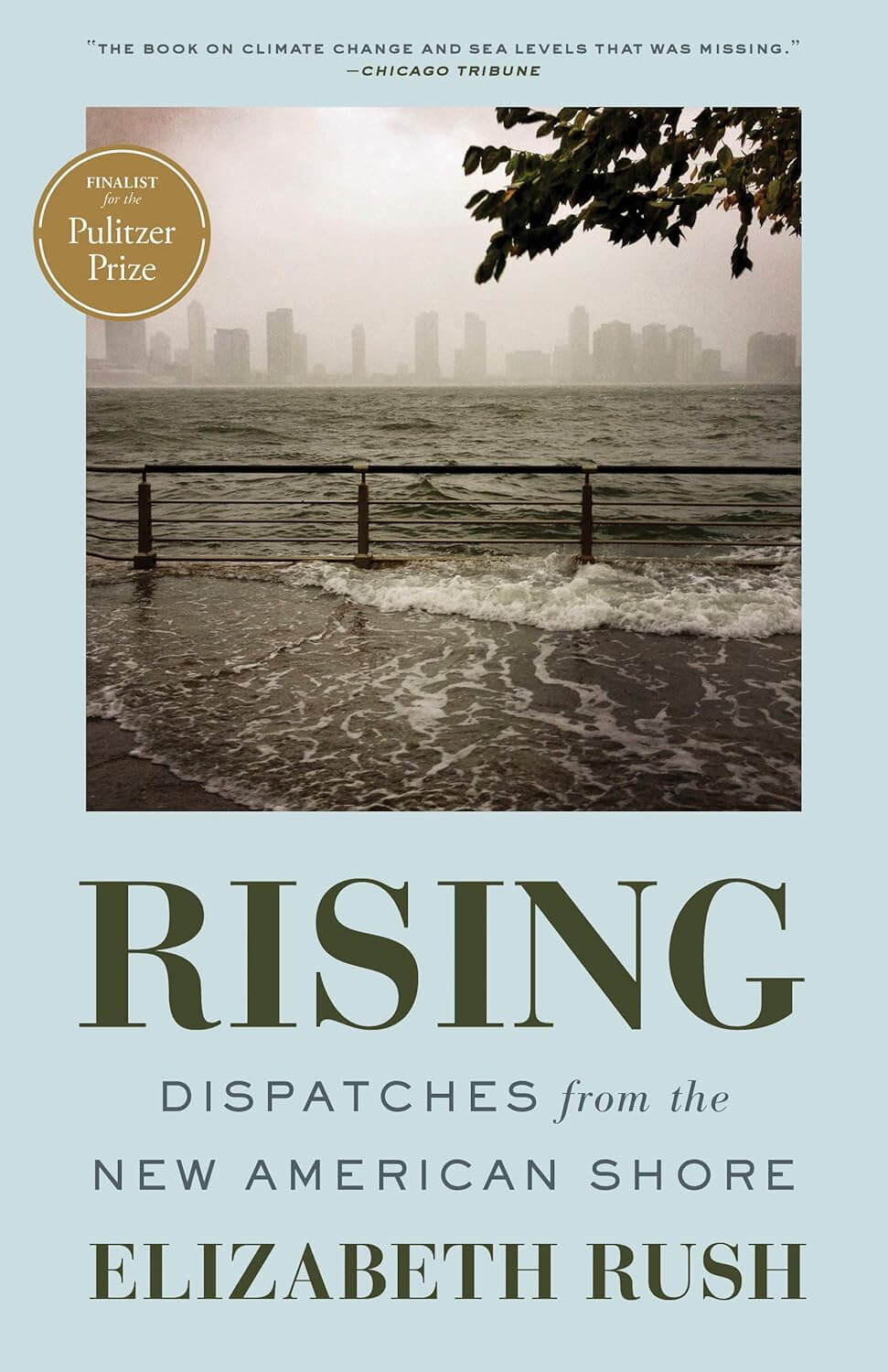
Rush reports on sea-level rise with a blend of scientific clarity and deep human attention. The book travels along American coastlines, meeting people already living in the future—where flooding is routine and relocation is looming. Rush writes with calm urgency, resisting disaster porn while still making the stakes feel real. She's attentive to inequality: who gets protected, who gets bought out, who is left behind. The narrative shows climate change not as a single event but as a slow, relentless reshaping of daily life. Rush balances policy and emotion, explaining the bureaucratic and psychological realities of retreat. The writing is lyrical in places, but always anchored in reportage. Communities feel distinct rather than interchangeable, each with its own history and vulnerabilities. The book also probes the ethical questions of adaptation: what we save, what we abandon, and what "home" means when land disappears. You finish with a sharper sense of climate change as lived experience. Quietly devastating, deeply necessary.
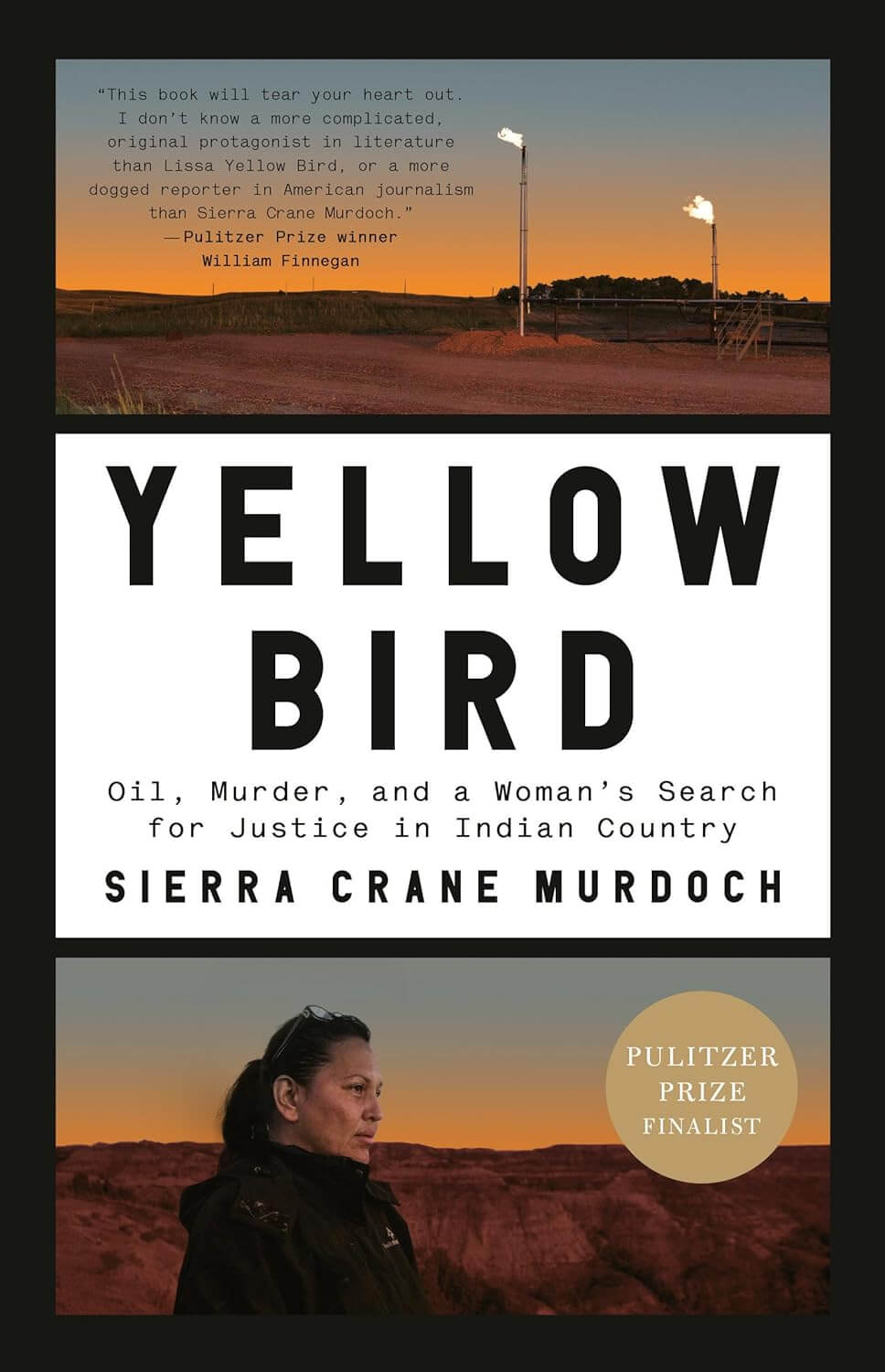
Sierra Crane Murdoch investigates a murder in the Bakken oil boom and the long, complicated search for justice that follows. The book is anchored in the story of a woman whose life becomes entwined with the case, giving the narrative emotional gravity. Murdoch shows how extraction economies reshape communities—bringing wealth for some, danger and instability for others. She traces jurisdictional complexity in Indian Country, where overlapping legal systems can enable impunity. The reporting is immersive, built from years of interviews and on-the-ground detail. Murdoch is careful with ambiguity, resisting easy heroes or simplistic conclusions. The book reveals how violence against Indigenous people is often treated as background noise rather than emergency. At the same time, it highlights persistence: families and advocates who refuse to let disappearance become disappearance from memory. The narrative balances true-crime momentum with structural analysis. It asks what justice can mean when systems are designed to fail. The result is haunting, urgent, and deeply human.
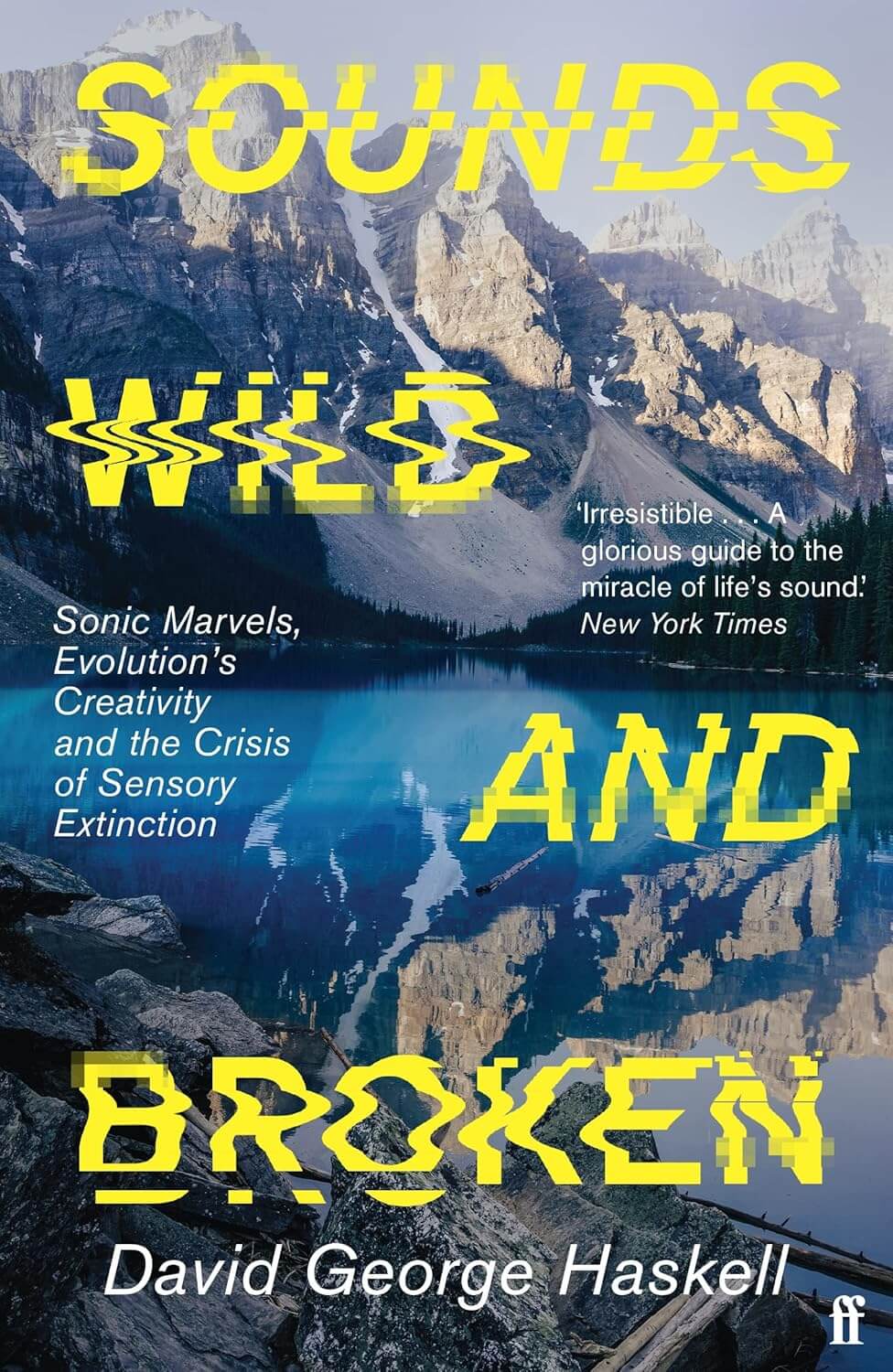
David George Haskell explores the astonishing diversity of animal sound across the planet. Blending science and lyrical observation, he invites readers to listen differently. The book examines how evolution shapes communication. Haskell also confronts the ecological crisis threatening sonic biodiversity. Field recordings and research animate the narrative. The prose is immersive and poetic. Readers are drawn into forests, oceans, and wetlands. The work balances wonder with urgency. It is both celebration and warning.
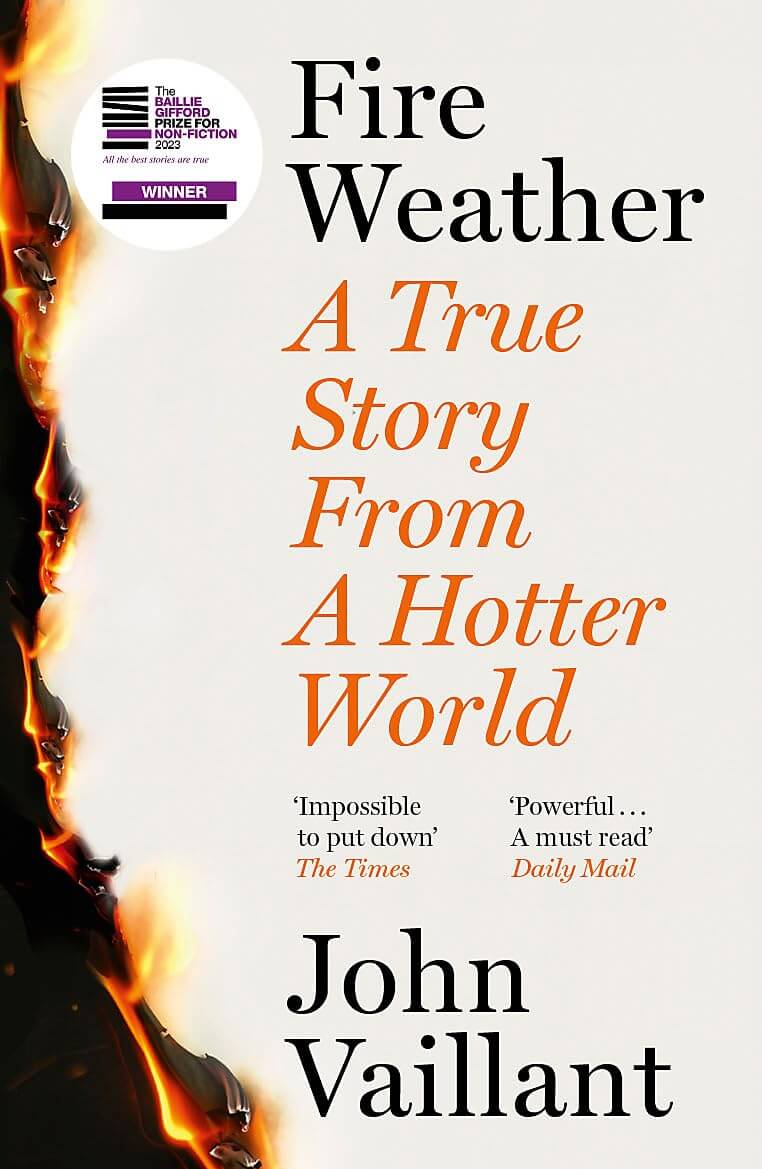
John Vaillant’s Fire Weather is an urgent and devastating account of the 2016 Fort McMurray wildfire in Canada, one of the most destructive in history. Vaillant intertwines the gripping, minute-by-minute drama of the fire with a broader examination of climate change, fossil fuel dependency, and the vulnerabilities of modern societies. His prose is cinematic and harrowing, capturing the ferocity of nature’s power while warning of the planetary consequences of a warming world. The book is both a disaster narrative and a wake-up call, urging readers to confront the realities of climate change. It is nonfiction at its most vivid and necessary.
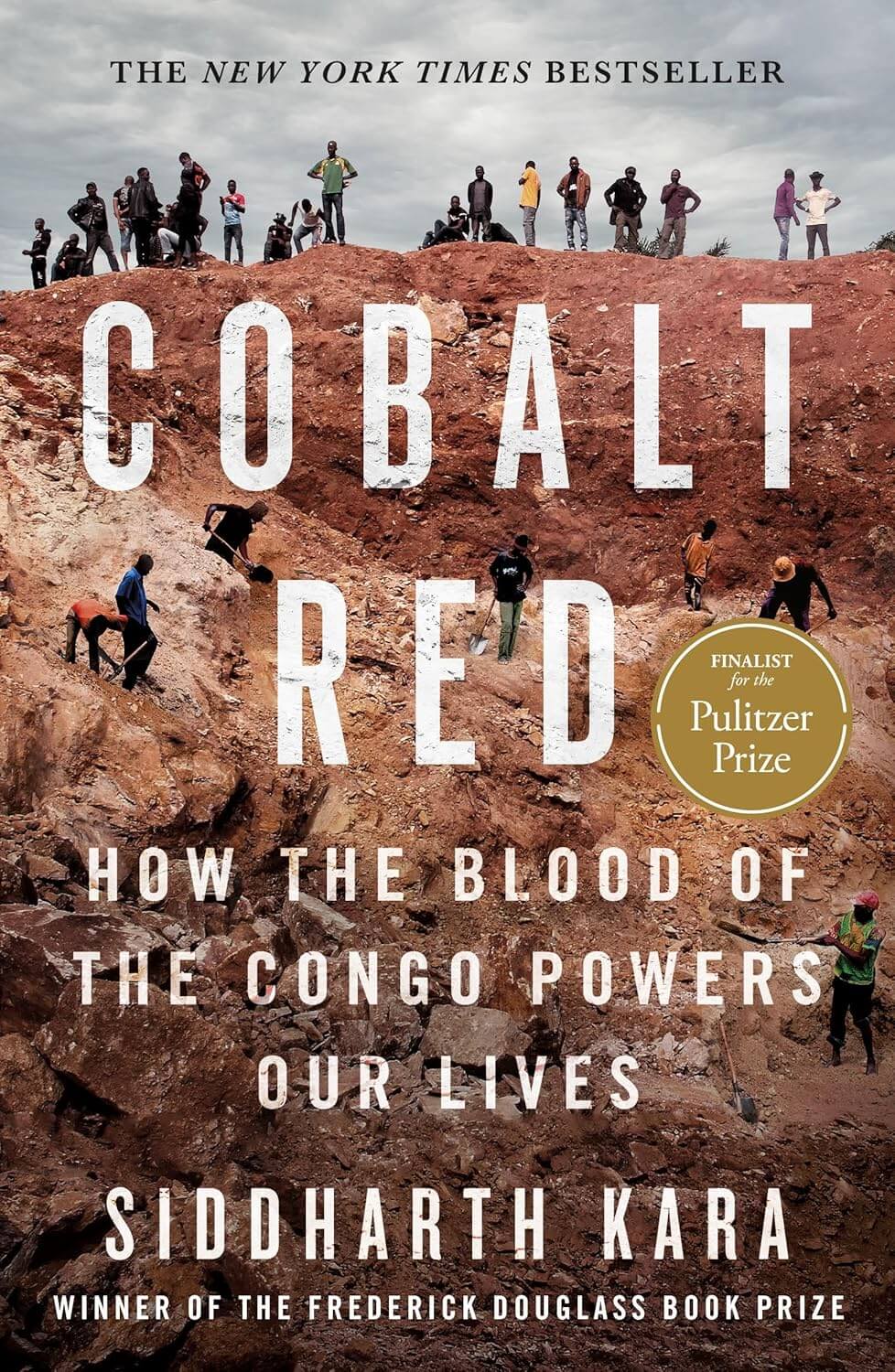
Kara's book is a moral confrontation with the supply chains that make modern life feel frictionless. He follows cobalt from Congolese mines into global technology, insisting that consumers and corporations reckon with human cost. The reporting foregrounds miners' experiences—danger, exploitation, injury, and precarity. Kara is blunt about responsibility and systems, refusing to treat suffering as an unfortunate side effect. The narrative exposes how legality can coexist with abuse, and how opacity protects profit. It's written with urgency and anger, but also with a commitment to documentation. The book forces readers to see extraction as a contemporary form of violence, not a distant problem. The scale is global, but the detail stays human. You may find it hard to read—because it is hard truth. And yet that difficulty is part of its purpose. A fierce, essential work of witness and accountability.
Graham writes with urgency, confronting the near future as something already pressing on the present. The poems feel like weather systems—complex, shifting, full of pressure and sudden openings. Graham's language is intellectually dense, but it's powered by emotion: fear, grief, love, and an insistence on attention. The collection interrogates time, asking what it means to live in an era of crisis and acceleration. Lines move by interruption and pivot, mimicking thought under stress. There's a strong sense of moral address: the poems speak outward, as if trying to reach someone before it's too late. Nature appears not as pastoral comfort but as a register of consequence. Reading this book can feel like being asked to stay awake. Yet within the urgency there are moments of startling beauty. The poems insist that language matters because it is one of the few tools we have to face reality. A fierce, challenging collection.