Nine Pulitzer Prize books that centre Native American voices and reframe the American story
One of the most significant corrections in Pulitzer Prize literature over the past decade has been the systematic recentring of Indigenous histories. These nine books — fiction, poetry, history, and reportage — collectively dismantle the myth of an empty frontier waiting to be settled. They show Native nations as sophisticated political actors with their own governance, diplomacy, and strategy; they document what was destroyed and what survived; and they insist, in fiction and poetry as much as in history, that Indigenous life is modern, urgent, and continuing.
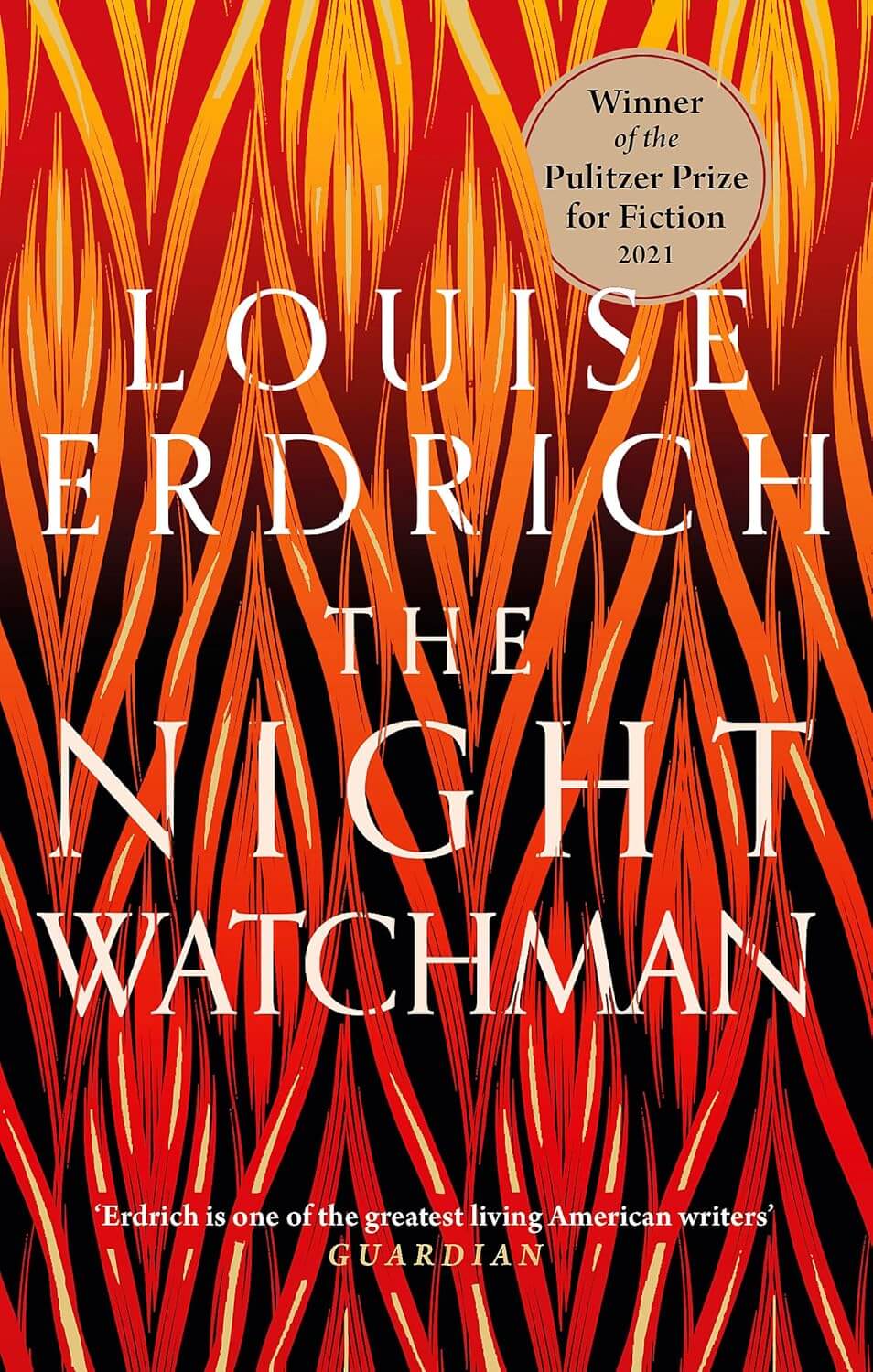
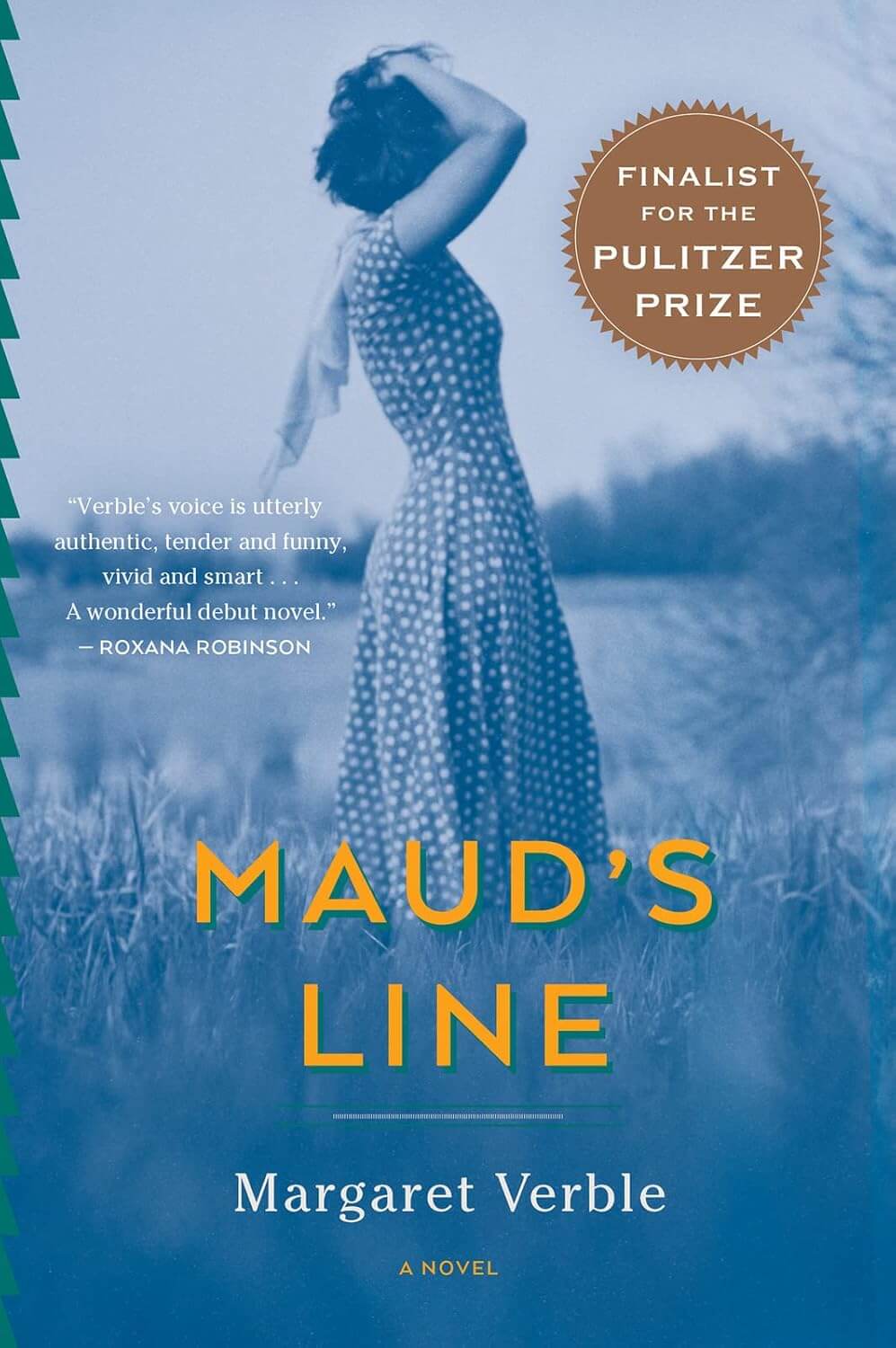
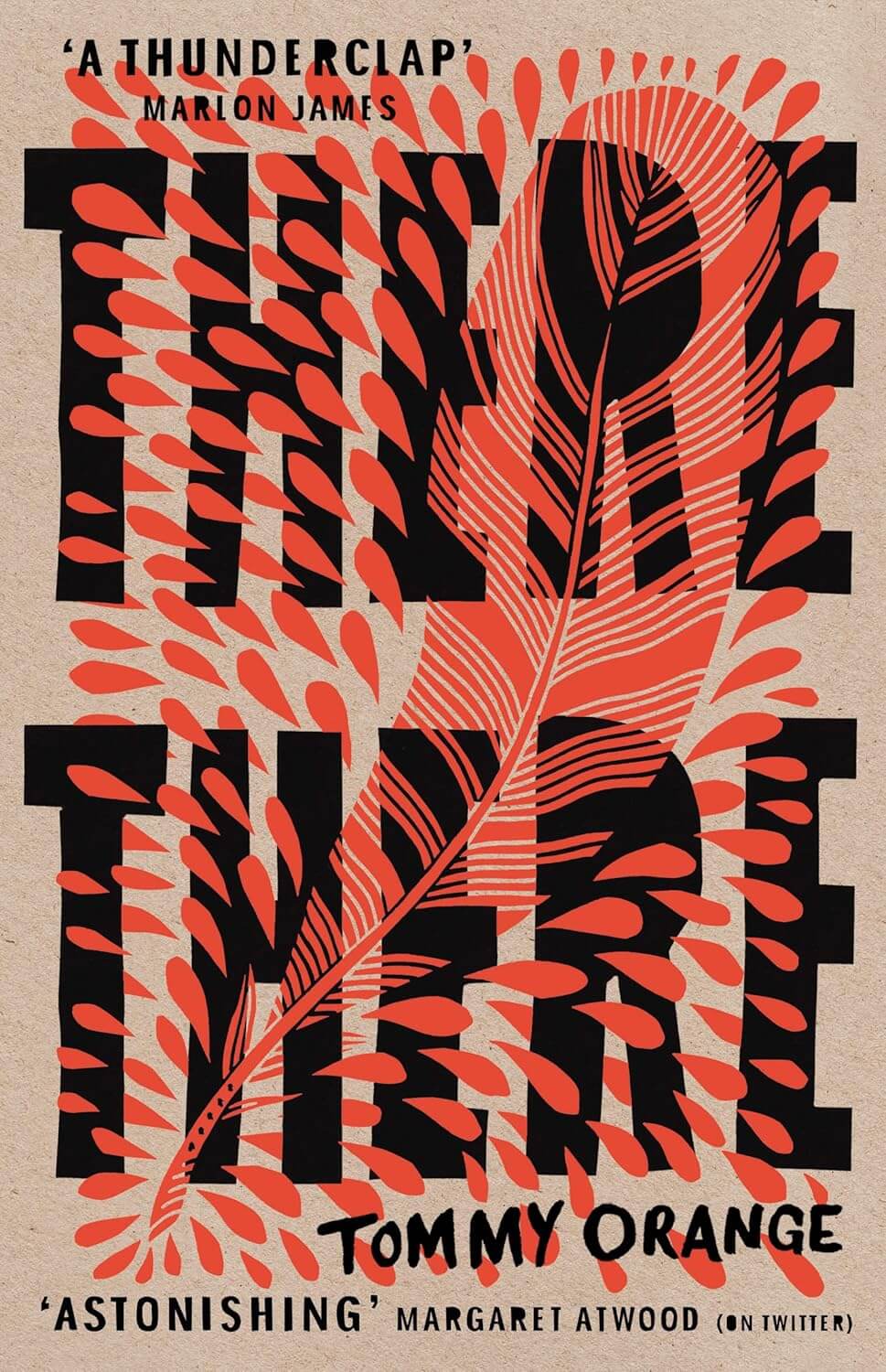
The fiction here refuses the museum version of Indigeneity. There There sets its polyphonic portrait in contemporary Oakland. The Night Watchman dramatises Native political resistance in the 1950s. Maud's Line grounds its coming-of-age story in the layered racial and cultural histories of rural Oklahoma. These are novels about now, connected to then.
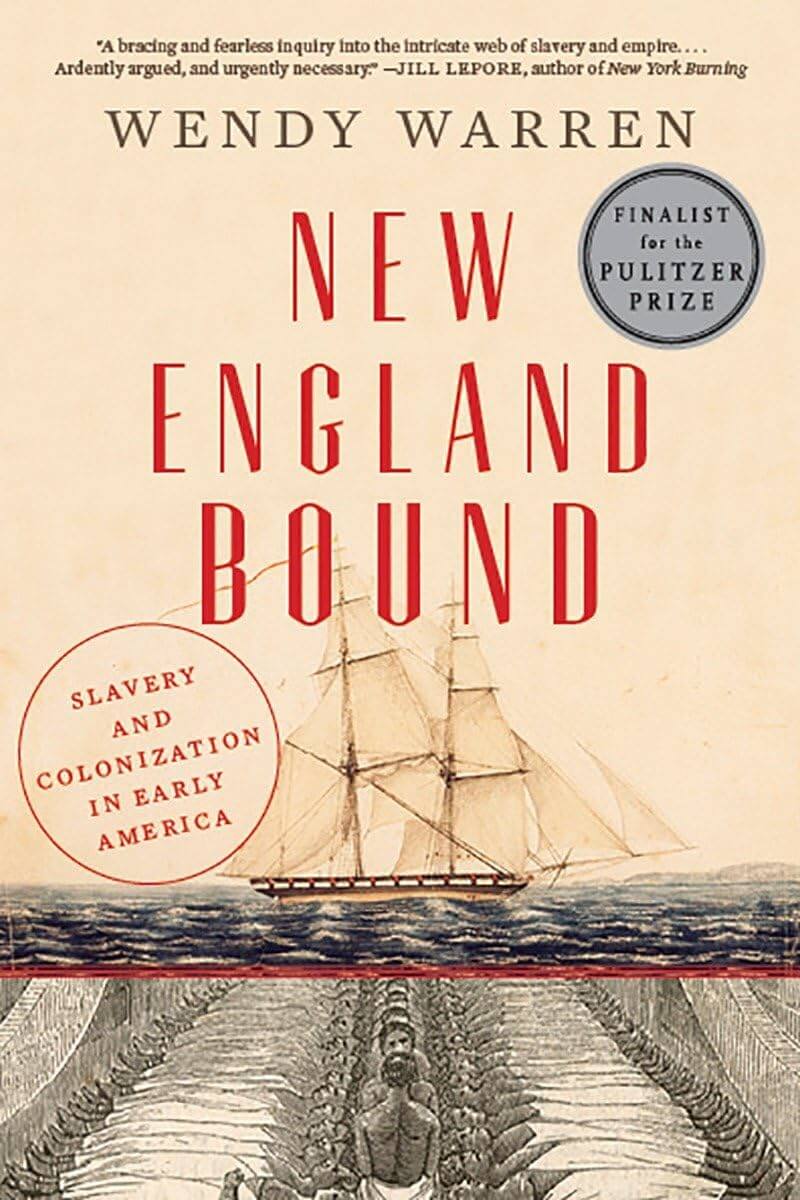
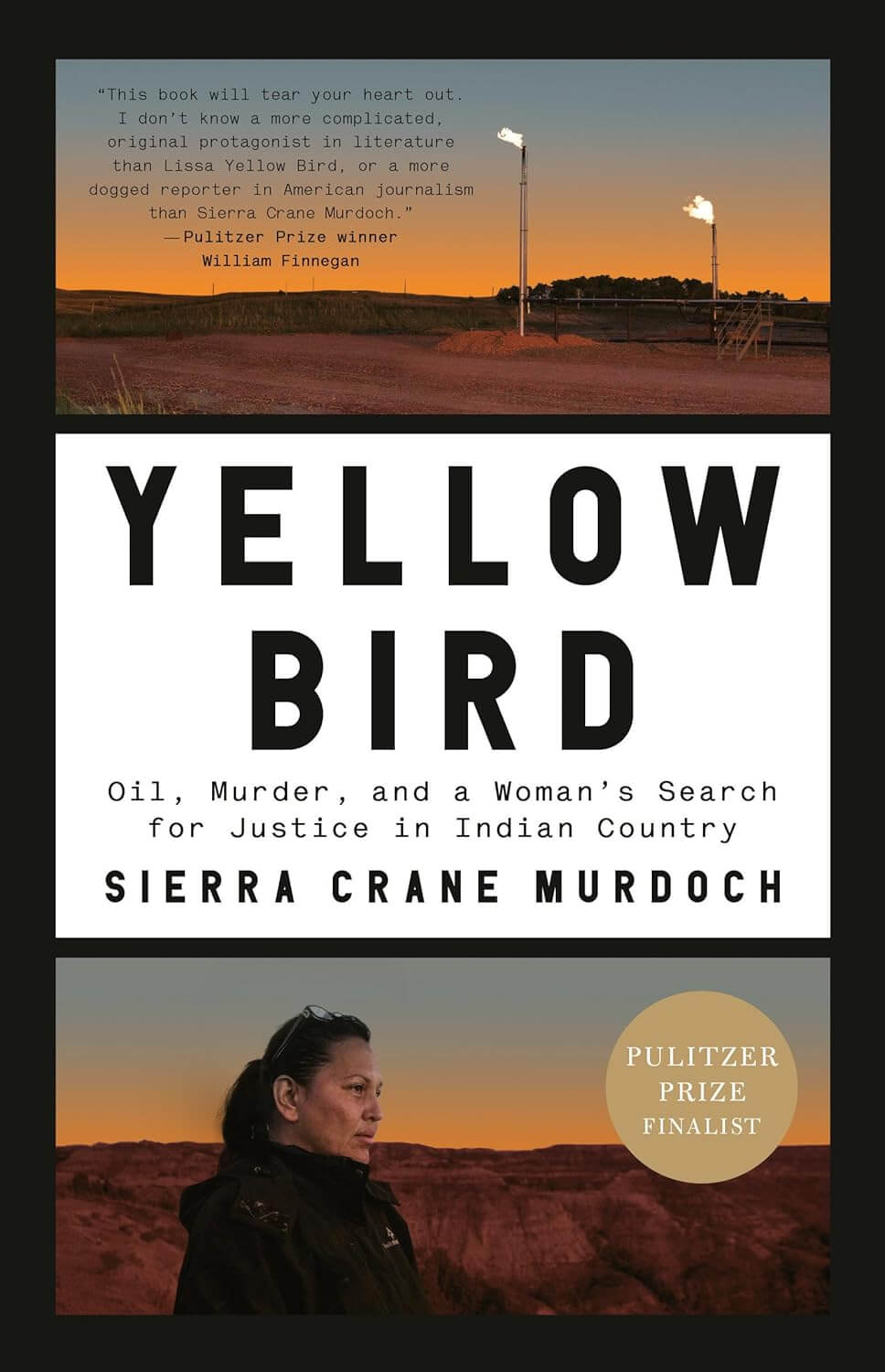
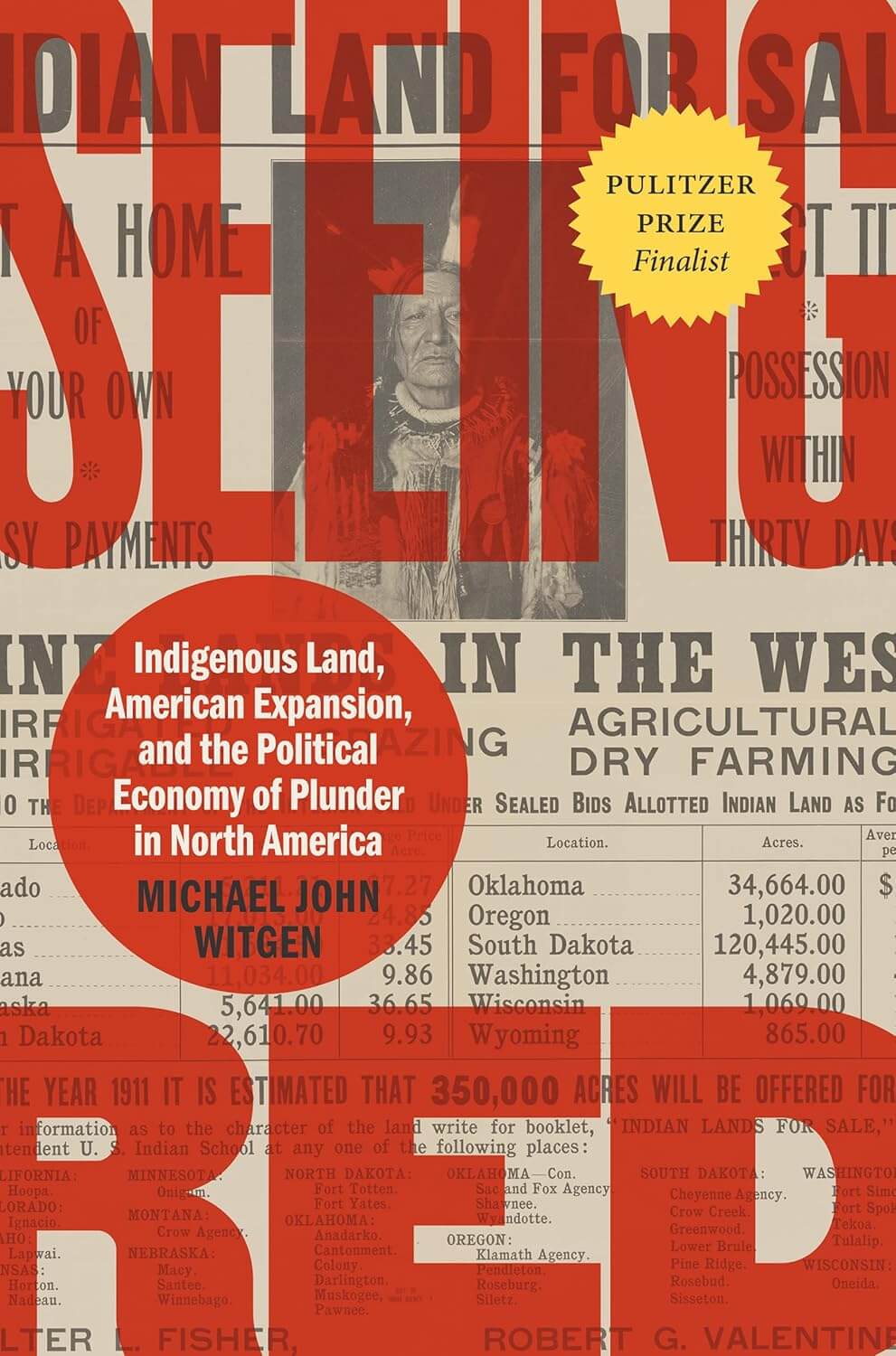
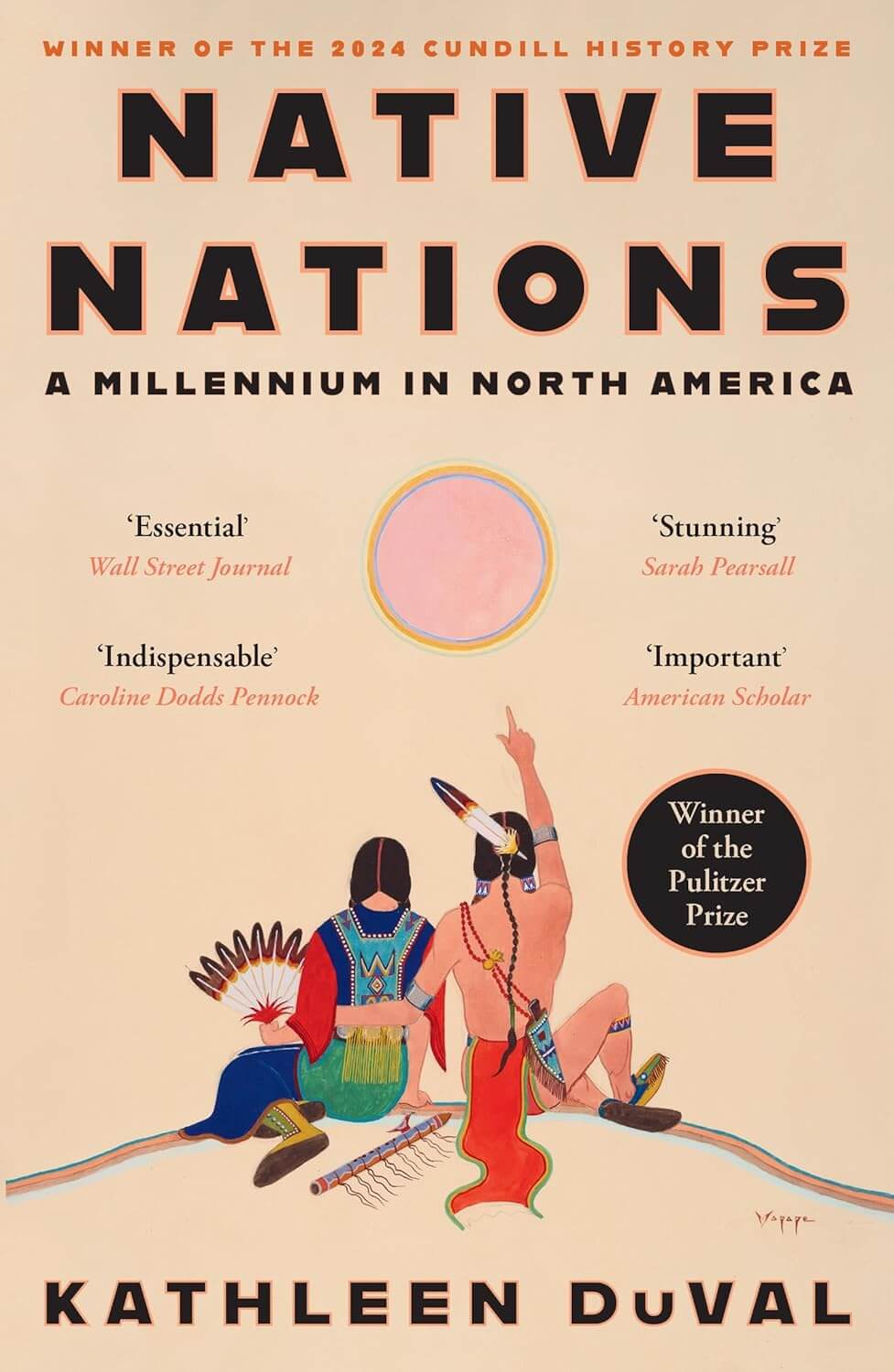
The histories work as corrections. New England Bound dismantles the idea of a "free" North by showing how Indigenous dispossession and African enslavement were intertwined from the start. Seeing Red reframes territorial expansion as a political-economic project, not a natural progression. Native Nations extends that lens across a full millennium. And Yellow Bird shows how the contemporary extraction economy plays out on Indigenous land with familiar logics of impunity. This is not corrective footnote — it is a fundamental reframing of what America's story is and who has been telling it.
Erdrich's novel draws on the real-life activism of her grandfather to tell a story of Native resistance against U.S. termination policy in the 1950s. The narrative blends political struggle with intimate community life, creating a tapestry of voices. Erdrich's prose is warm, textured, and often quietly humorous, even when addressing injustice. Characters are rendered with tenderness and complexity, especially in their relationships to land and tradition. The novel moves between suspenseful advocacy and lyrical reflection. It foregrounds sovereignty not as abstraction but as lived reality. Erdrich's storytelling honors cultural resilience without romanticizing hardship. The pacing allows both policy debates and personal journeys to unfold with weight. By the end, the victory feels communal and hard-won. A deeply humane and resonant novel.
Verble's novel is a textured coming-of-age story rooted in rural Oklahoma, where land, family, and identity are tightly bound. The narrator's voice is plainspoken but sly, revealing how much is noticed and withheld in a small community. The book captures the daily rhythms of farm life with tactile detail—weather, work, bodies, and the quiet negotiations of survival. Under the surface, it explores racial and cultural history, including Indigenous presence and the uneasy layers of belonging. Verble is attentive to the ways girls learn the rules of adulthood—often through constraint, observation, and small rebellions. The novel's pacing is patient, letting character and place deepen gradually rather than relying on big twists. There's humor here, but it's grounded in realism rather than sentimentality. The landscape functions as moral terrain: beautiful, demanding, and shaped by past decisions. The story balances intimacy with historical awareness, making the personal feel connected to broader forces. You finish with a strong sense of a young mind forming itself amid inherited pressures. A quiet, grounded novel with real emotional heft.
Warren dismantles the comforting narrative of a "free" New England by showing how slavery and colonization shaped the region from the start. The book is grounded in meticulous archival work that reveals hidden labor systems and coerced lives. Warren shows how Indigenous dispossession and African enslavement were intertwined economic projects. Her prose is clear and restrained, allowing the documentary evidence to speak with devastating force. The book traces how slavery was normalized through law, commerce, and religion. It also exposes how historical memory has selectively edited these facts out. Warren's approach makes early America feel less exceptional and more recognizably imperial. The narrative emphasizes structural entanglement rather than isolated incidents. Readers come away with a sharper, less mythic sense of "origins." It's sobering history that changes the frame of American beginnings. Essential reading for understanding how slavery was national, not regional.
Orange's debut is a kinetic, multi-voiced portrait of Native life in contemporary Oakland, building toward a gathering charged with hope and danger. The novel refuses the museum version of Indigeneity, insisting on modernity, contradiction, and survival. Orange writes with urgency and clarity, giving each character a distinct perspective and wound. The structure feels like a chorus, voices overlapping to create a collective truth. The book explores identity as something negotiated—through family, urban life, addiction, art, and inherited trauma. Orange is especially strong on how violence reverberates, how history sits inside the body. The pacing tightens as the powwow approaches, transforming separate stories into a shared collision. The novel is politically sharp without becoming didactic; it trusts story to do the work. Moments of humor and tenderness cut through the tension, making the world feel real. By the end, the impact is explosive and mournful. A landmark novel of contemporary Native experience.
Sierra Crane Murdoch investigates a murder in the Bakken oil boom and the long, complicated search for justice that follows. The book is anchored in the story of a woman whose life becomes entwined with the case, giving the narrative emotional gravity. Murdoch shows how extraction economies reshape communities—bringing wealth for some, danger and instability for others. She traces jurisdictional complexity in Indian Country, where overlapping legal systems can enable impunity. The reporting is immersive, built from years of interviews and on-the-ground detail. Murdoch is careful with ambiguity, resisting easy heroes or simplistic conclusions. The book reveals how violence against Indigenous people is often treated as background noise rather than emergency. At the same time, it highlights persistence: families and advocates who refuse to let disappearance become disappearance from memory. The narrative balances true-crime momentum with structural analysis. It asks what justice can mean when systems are designed to fail. The result is haunting, urgent, and deeply human.
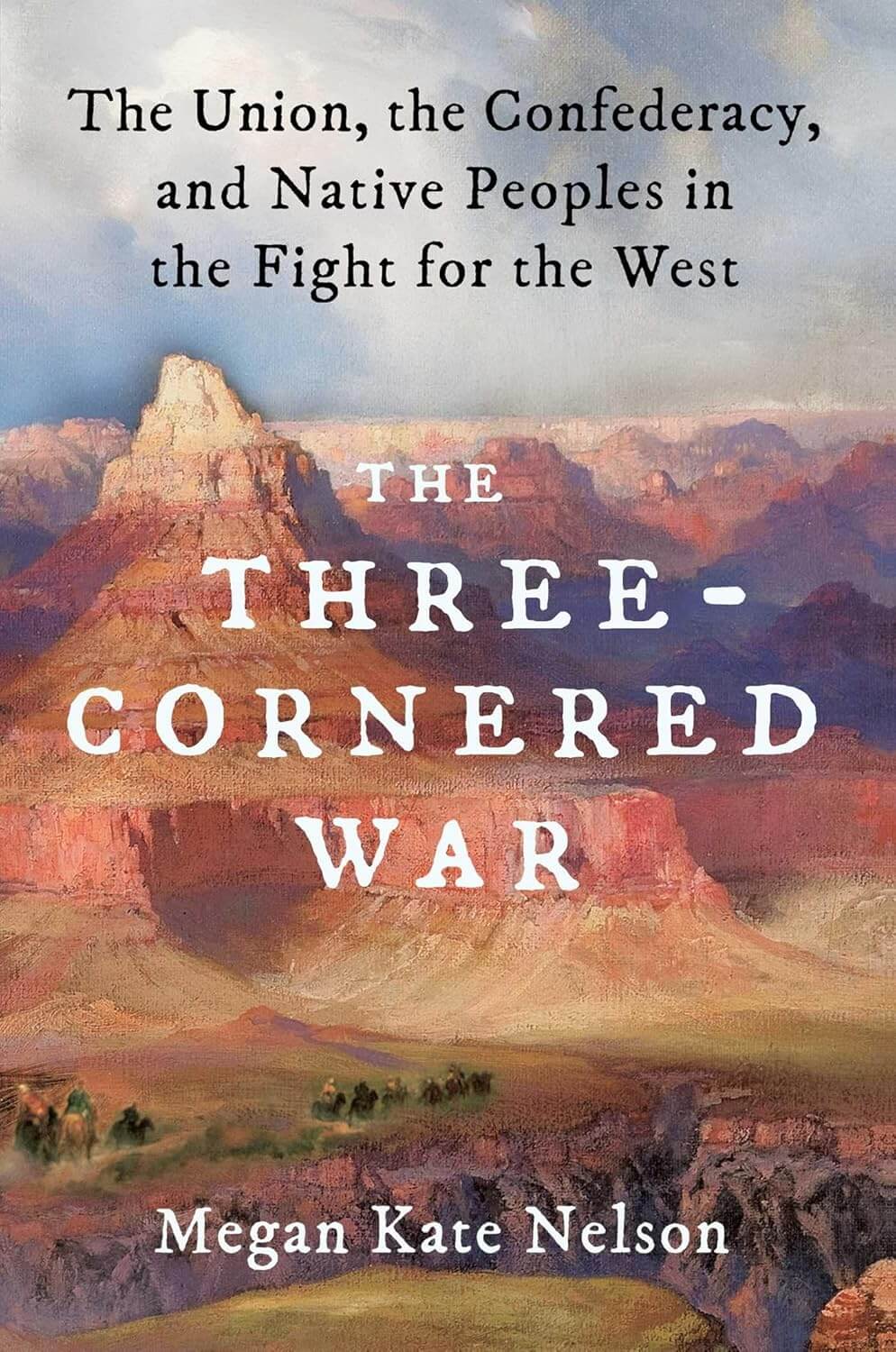
Nelson reframes the Civil War West as a three-sided conflict among Union, Confederate, and Native nations. The narrative challenges simplified battle maps. Nelson's prose is vivid and character-driven. She highlights Indigenous agency often erased from mainstream accounts. The book reveals how territorial expansion intensified violence. Nelson balances military history with cultural insight. The research is detailed but never dry. The story feels urgent and morally complex. Readers gain a broader perspective on the war's geography and consequences. A vital expansion of Civil War history.
Natalie Diaz writes love poems that refuse to separate intimacy from history. The collection pulses with desire, but it also names the violence of colonization and its ongoing effects. Diaz's imagery is embodied and muscular, turning landscapes into living presences. The poems move between tenderness and confrontation without losing lyric momentum. She often addresses a beloved directly, creating a charged immediacy on the page. At the same time, the voice insists on Indigenous sovereignty of feeling and language. Lines can be lush, then suddenly knife-sharp in their clarity. The collection's emotional range is wide—joy, grief, anger, hunger—yet it feels cohesive. Diaz's craft makes political insight inseparable from sensual experience. Reading it can feel like being awakened, again and again, to what love demands. It is fierce, radiant, and unforgettable.
Michael John Witgen reframes American expansion through Indigenous economic and political systems. He dismantles the myth of empty frontier lands by documenting Native governance and trade. The book argues that dispossession was structural and central to national growth. Witgen blends economic history with Indigenous studies in compelling ways. His analysis foregrounds Native agency and resilience. By centering Indigenous perspectives, he challenges entrenched narratives. The scholarship is rigorous but lucid. The book reshapes how readers understand territorial expansion. It stands as a corrective to traditional frontier mythology.
DuVal reframes North American history by treating Indigenous nations as central actors across centuries, not footnotes to colonial expansion. The book's scale is ambitious, but it stays grounded in the political realities of diplomacy, conflict, trade, and survival. It challenges familiar timelines and maps, making readers rethink what "America" even means as a historical unit. DuVal is especially good at showing continuity: how nations adapt, persist, and rebuild across ruptures. The narrative avoids romanticisation while preserving the complexity of governance and alliance. It also reads the present back into the past in a careful way, explaining why certain narratives became dominant. The result is both expansive and clarifying. You finish with a more accurate—and more interesting—framework for the continent's past.