Winners and finalists that capture the year’s sharpest storytelling, deepest research, and boldest imagination
The Pulitzer Prize 2025 books shortlist is a snapshot of writing at full power: fiction that retools the canon, history that re-anchors national narratives, biography that turns scholarship into drama, and nonfiction that follows truth into difficult terrain. Across categories, these titles share an insistence on clarity—about power, about consequence, and about the human stories inside big systems.
A striking theme this year is how lives are shaped by structures that feel inevitable until a writer makes them visible. You’ll find books that scrutinise institutions (from empires to newsrooms), trace the material mechanics of oppression, and follow individuals who resist or endure. Even the poetry finalists carry this same energy: close attention to daily experience, turned into language that lands like a bell.
Taken together, these winners and finalists make a great “guided tour” list: start with the novels for momentum, dip into history and general nonfiction for context, then let the memoirs and poems deepen everything. It’s an invitation to read widely—and to notice how each genre answers the same question in a different key: what do we do with what the world makes of us?
Fiction
Novels that interrogate identity, power, and the stories a nation tells about itself
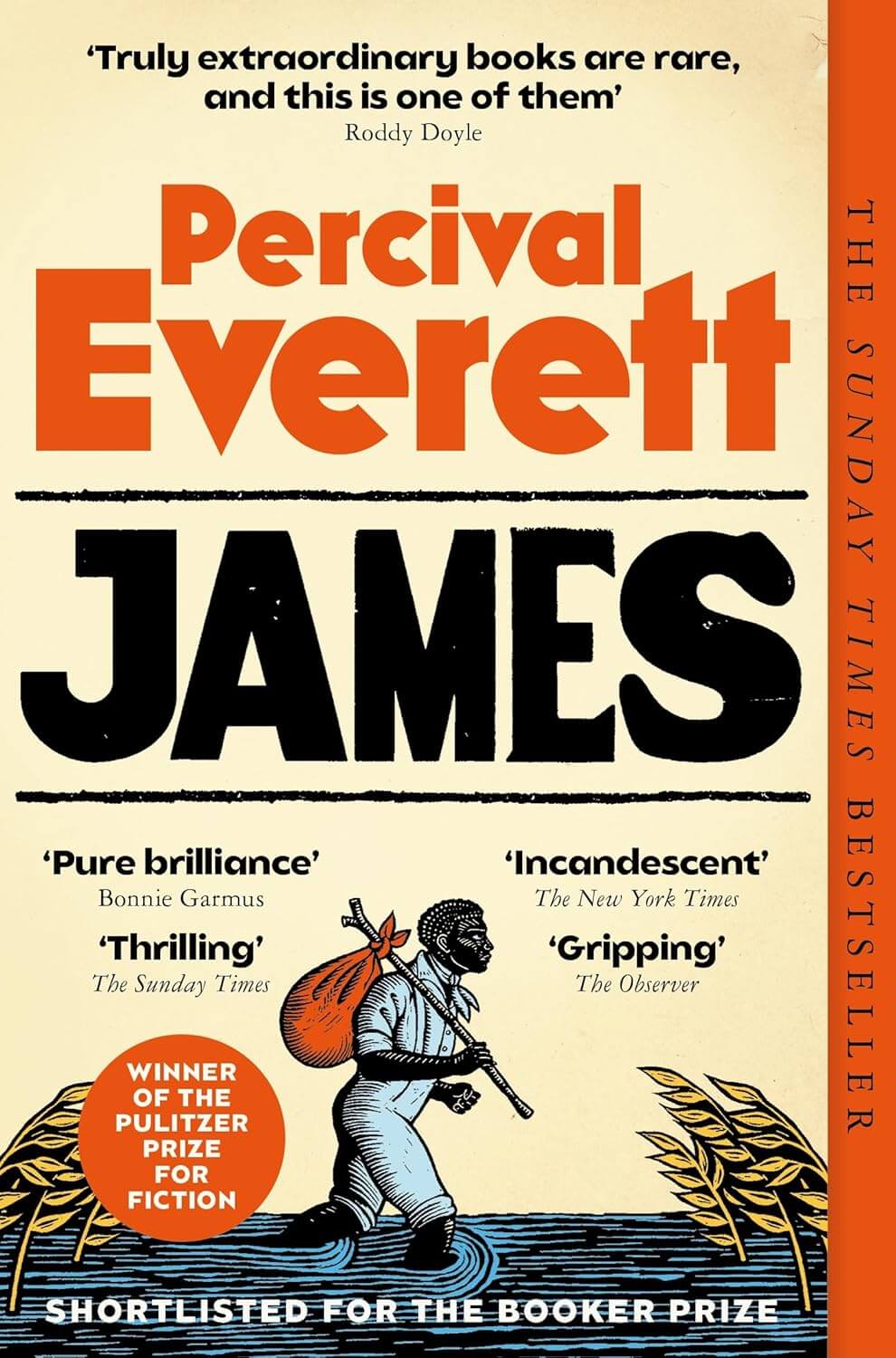
Everett's novel is a sly, forceful act of literary re-visioning that pulls a familiar American story into a new moral light. It centres voice—who gets to narrate, who gets believed, and what language can hide or reveal. The book moves with propulsive clarity while keeping its mind on larger questions of power and personhood. Its humour is sharp, but it never lets comedy soften what's at stake. Characters are allowed complexity, contradiction, and agency rather than serving as symbols. The narrative continually tests the reader's assumptions about history and "classic" storytelling. It's both a page-turner and an argument—delivered with precision. You finish feeling entertained, unsettled, and newly alert.
This novel takes the structure of a competition and uses it to examine how identity is built under pressure. Bullwinkel is fascinated by bodies—what they can do, what they endure, and how they’re watched and judged. The setting gives the story a tight, kinetic energy, but the book’s real ambition is psychological. It lingers on the granular details that separate confidence from performance and fear from focus. The writing is alert to the ways girls and young women are narrated by others—and how they push back. The result feels both intimate and analytical, like a close-up that keeps widening. It’s a book about ambition, vulnerability, and what we call strength. You’ll leave with the sense that every “match” was also a portrait.
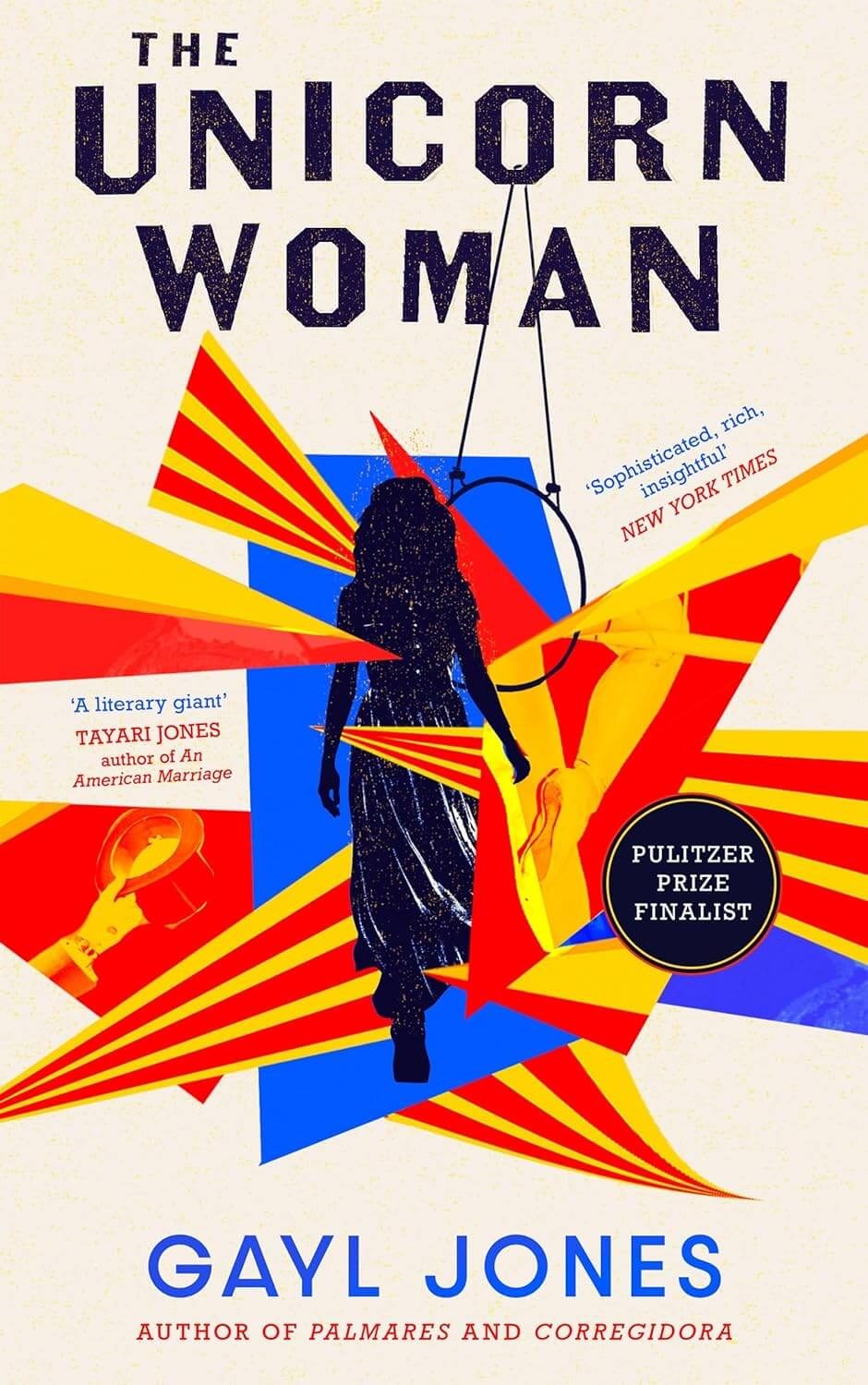
Gayl Jones writes with a voice that feels both mythic and fiercely grounded in lived experience. This novel unfolds with a sense of oral storytelling—rhythmic, digressive, and alive to the music of speech. It’s deeply attentive to what people carry: desire, regret, resilience, and the stories they’ve been told about themselves. The book makes room for contradiction, refusing tidy moral outcomes. Its humour can be barbed, but it’s never careless; it knows what it’s protecting. Jones is also a master of emotional compression—small moments expand into lasting significance. The narrative’s power comes from accumulation, not explanation. By the end, you feel you’ve been inside a mind and a culture, not just a plot. It’s bold, singular work from a writer who doesn’t dilute her vision.
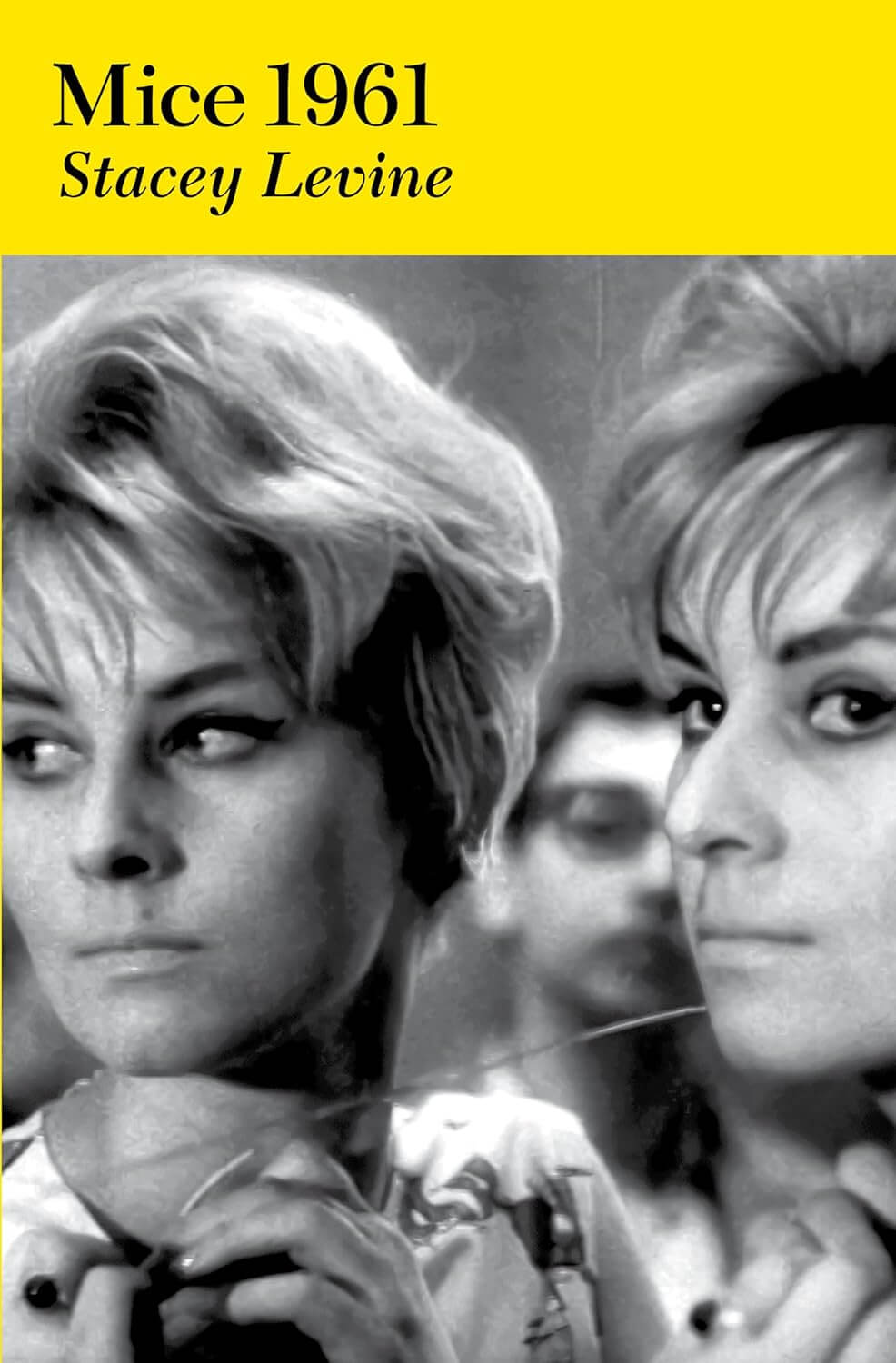
Levine’s novel is compact, strange, and intentionally off-centre—in the best way. It invites you into a world where meaning isn’t handed over neatly; it has to be felt, inferred, assembled. The prose has a bracing, eccentric intelligence that makes ordinary details tilt into the uncanny. Rather than relying on plot momentum, it builds a pressure of atmosphere and implication. Characters feel like they are being viewed through a prism: sharp edges, surprising refractions. There’s humour here, but it arrives sideways, almost as a by-product of the book’s surreal logic. The effect is hypnotic if you surrender to it. It’s the kind of novel that rewards rereading and rethinking. If you like fiction that refuses the obvious, this is a thrilling choice.
3.08
Fiction
Literary Fiction
Surreal
Curious
Offbeat
General Nonfiction
Deep reporting and scholarship that follow dissent, violence, and hidden systems to their roots
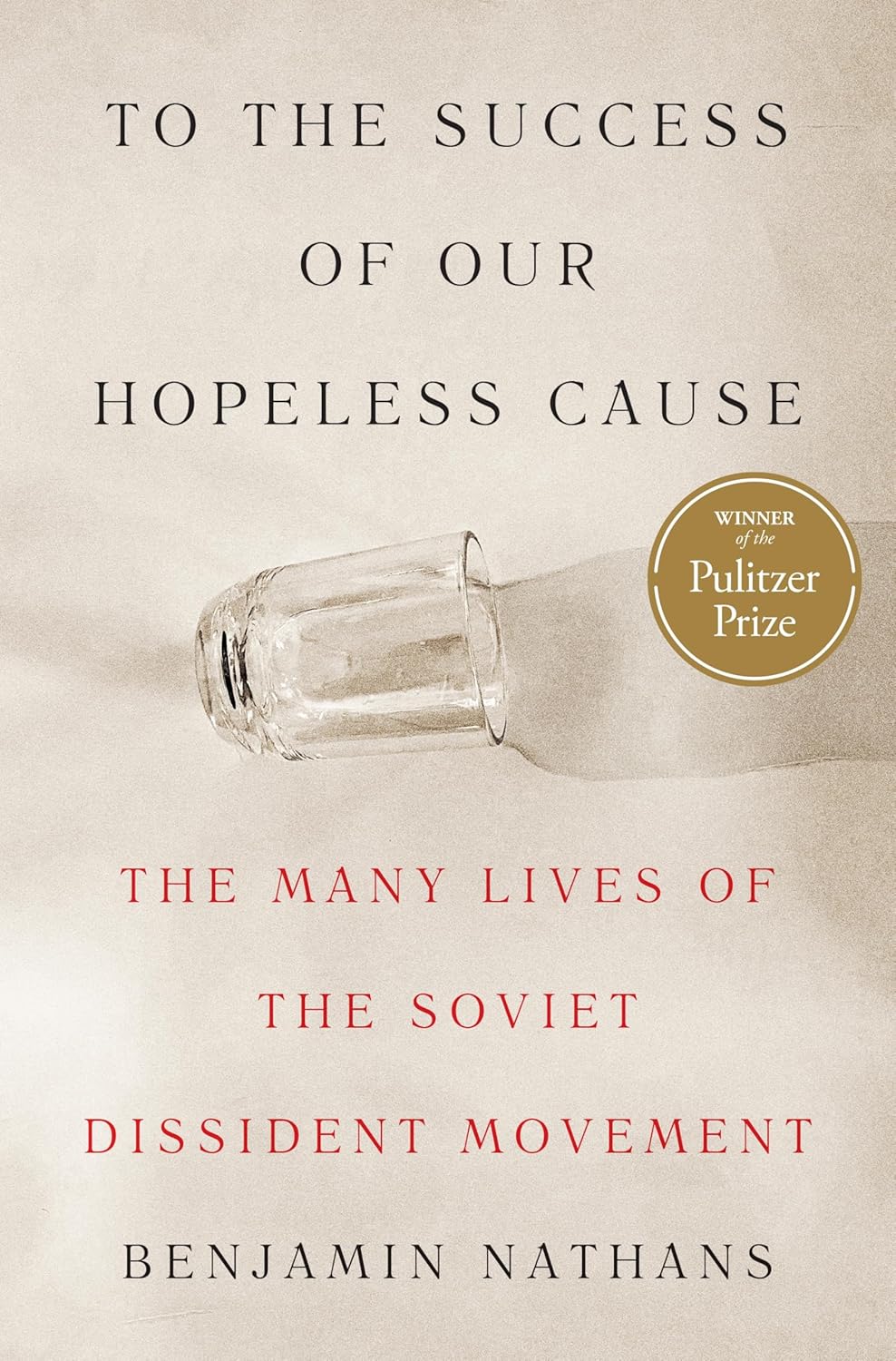
Nathans offers a wide-ranging account of dissent that treats it as a lived ecosystem rather than a single heroic narrative. The book traces how movements form: through networks, moral arguments, private courage, and public pressure. It pays attention to the texture of opposition—meetings, texts, friendships, betrayals, and the slow work of sustaining belief. Nathans balances structural analysis with human story, making politics feel personal and intimate. The writing clarifies complexity without simplifying it, which is exactly what this subject demands. The book also shows how regimes respond: with surveillance, coercion, and strategic ambiguity. One of its strengths is its insistence that dissent is plural—full of disagreements, shifts, and reinventions. Reading it, you feel history happening in real time, not as a finished lesson. It's rigorous and absorbing, the kind of nonfiction that deepens your understanding of the present. You close it with a sharper sense of how fragile—yet persistent—freedom can be.
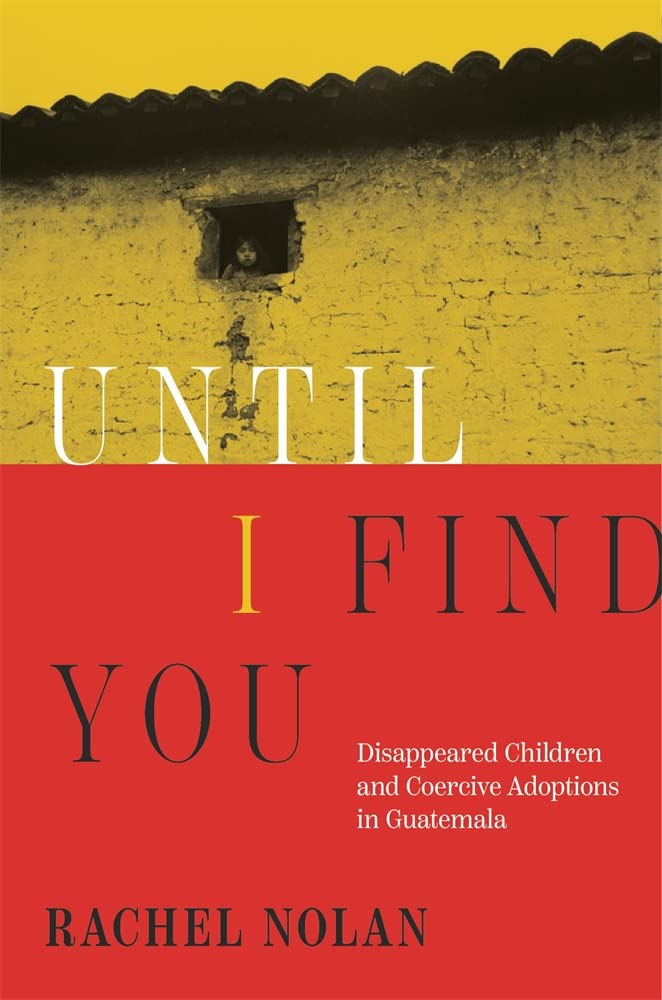
Nolan investigates a devastating system with patience, care, and a clear ethical compass. The book shows how coercion can hide inside paperwork, institutions, and narratives marketed as rescue. It’s attentive to the uneven distribution of power—between countries, between families, and between those who can ask questions and those who can’t. Nolan writes with compassion for the people most harmed, while staying rigorous about evidence and accountability. The reporting reveals how complex causes produce clear suffering, and how difficult it is to untangle responsibility after the fact. Rather than offering simple villains, the book maps a system that rewards silence and confusion. The prose is steady, never exploitative, which makes the material even more affecting. It asks readers to confront uncomfortable trade-offs in international adoption and humanitarian framing. You finish with a sharpened sense of what “choice” means when options are constrained. It’s a hard book—because the truth is hard—but it’s also necessary. A powerful example of nonfiction as witness.
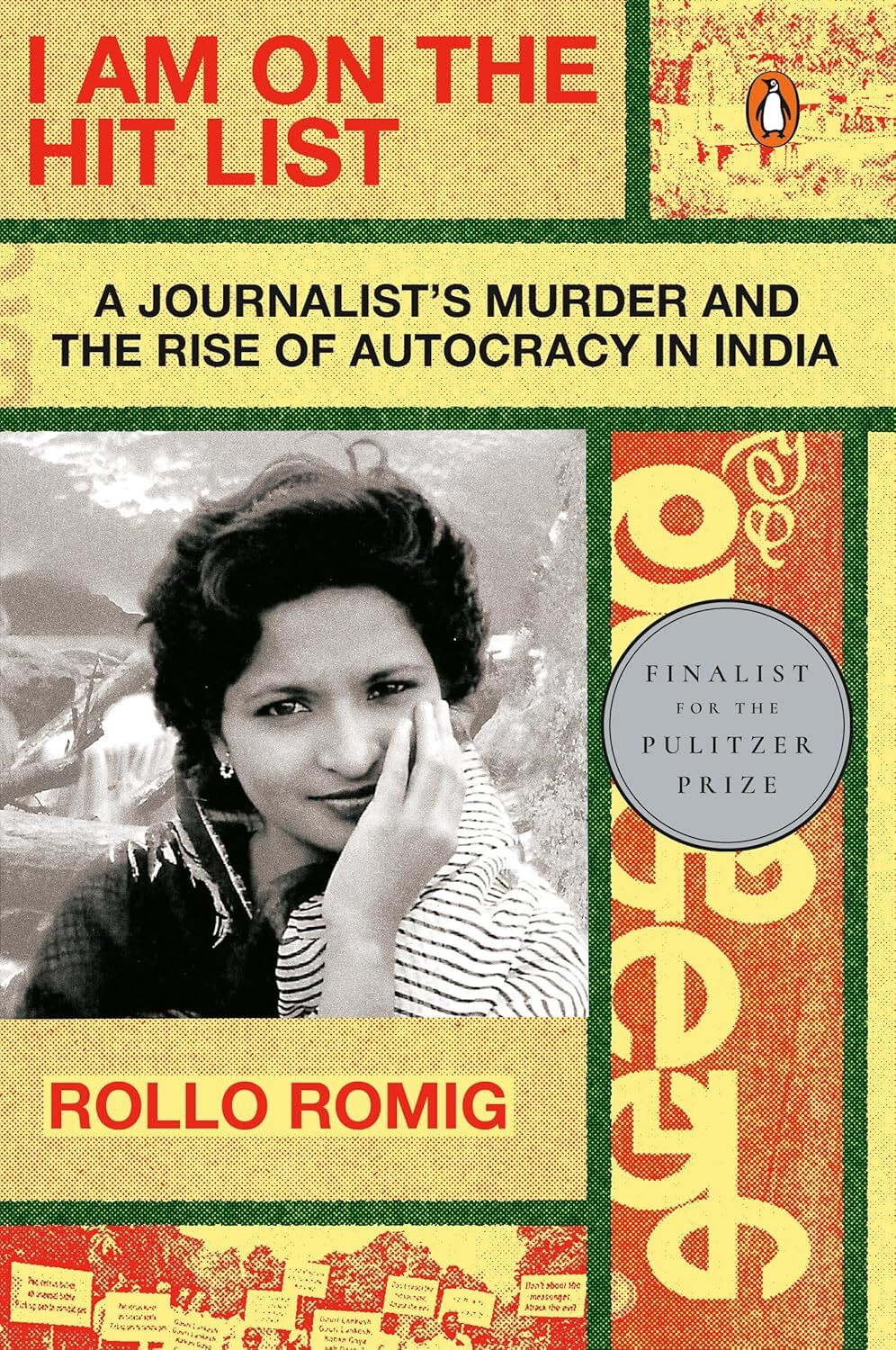
Romig combines investigative reporting with moral urgency, tracing how targeted violence reshapes public life. The book treats a single murder not as an isolated event but as a lens on a broader political climate. It pays careful attention to the machinery of intimidation—how fear spreads, how truth gets constrained, how everyday choices become risky. Romig writes with clarity and restraint, letting facts accumulate into a frightening picture. The narrative also foregrounds human cost: families, colleagues, and communities living with threats that never fully disappear. It’s a book about journalism under pressure, but also about citizenship—what happens when speaking becomes dangerous. The pace is propulsive, but the effect is sobering rather than sensational. You feel the stakes of information itself: who controls it, who pays for it, who is silenced. It leaves you asking hard questions about democracy and the price of dissent. Essential reading for understanding modern autocracy’s quieter methods.
4.29
Nonfiction
Journalism
Politics
Sobering
Tense
Urgent
History
Revelatory accounts that reshape how we understand freedom, nationhood, and the material reality of slavery
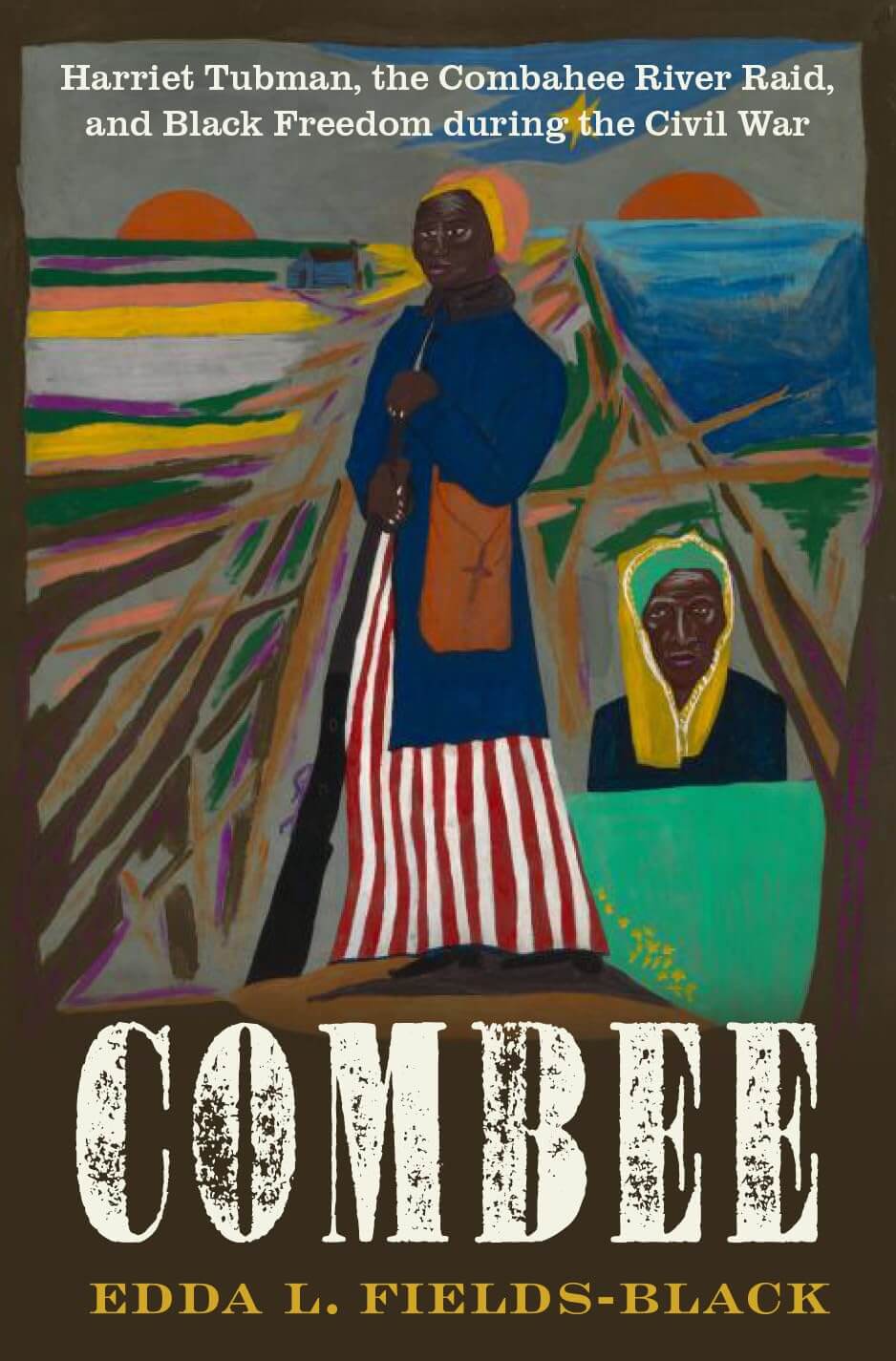
Fields-Black offers a richly textured historical account that brings strategy, community, and consequence into focus. The book places Black agency at the centre of the story, showing freedom not as an abstract ideal but as a project built through risk and coordination. Tubman’s presence is vivid, but the narrative expands beyond a single figure to include the networks that made action possible. The writing balances scholarly depth with narrative drive, making complex events legible without flattening them. It’s attentive to geography and logistics—how rivers, terrain, and timing shape outcomes. The book also insists on the afterlife of events: what changed, what didn’t, and who paid the price. You come away with a sharpened sense of how freedom was fought for and organised. It reads like a corrective and a revelation at once.
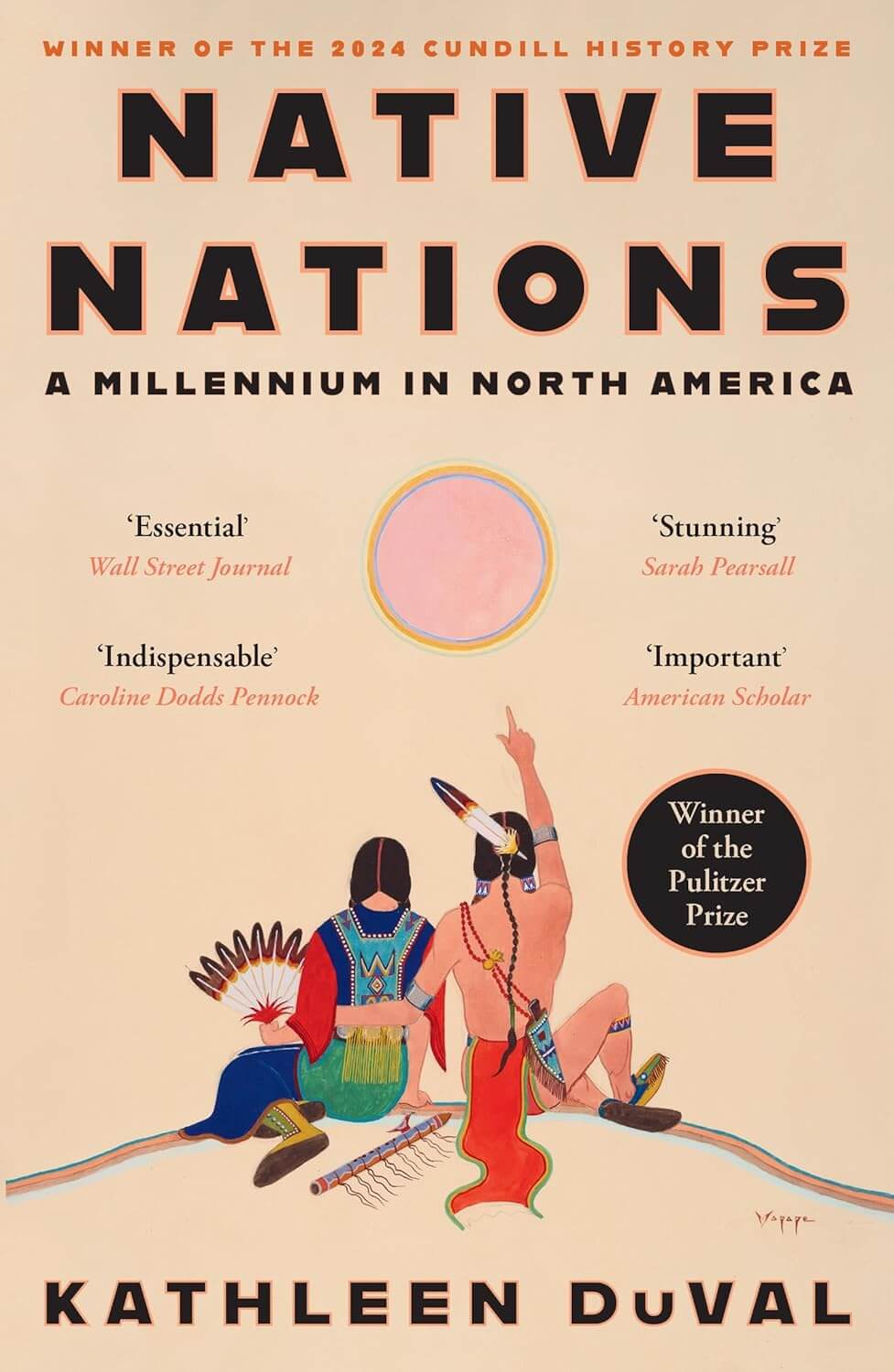
DuVal reframes North American history by treating Indigenous nations as central actors across centuries, not footnotes to colonial expansion. The book's scale is ambitious, but it stays grounded in the political realities of diplomacy, conflict, trade, and survival. It challenges familiar timelines and maps, making readers rethink what "America" even means as a historical unit. DuVal is especially good at showing continuity: how nations adapt, persist, and rebuild across ruptures. The narrative avoids romanticisation while preserving the complexity of governance and alliance. It also reads the present back into the past in a careful way, explaining why certain narratives became dominant. The result is both expansive and clarifying. You finish with a more accurate—and more interesting—framework for the continent's past.
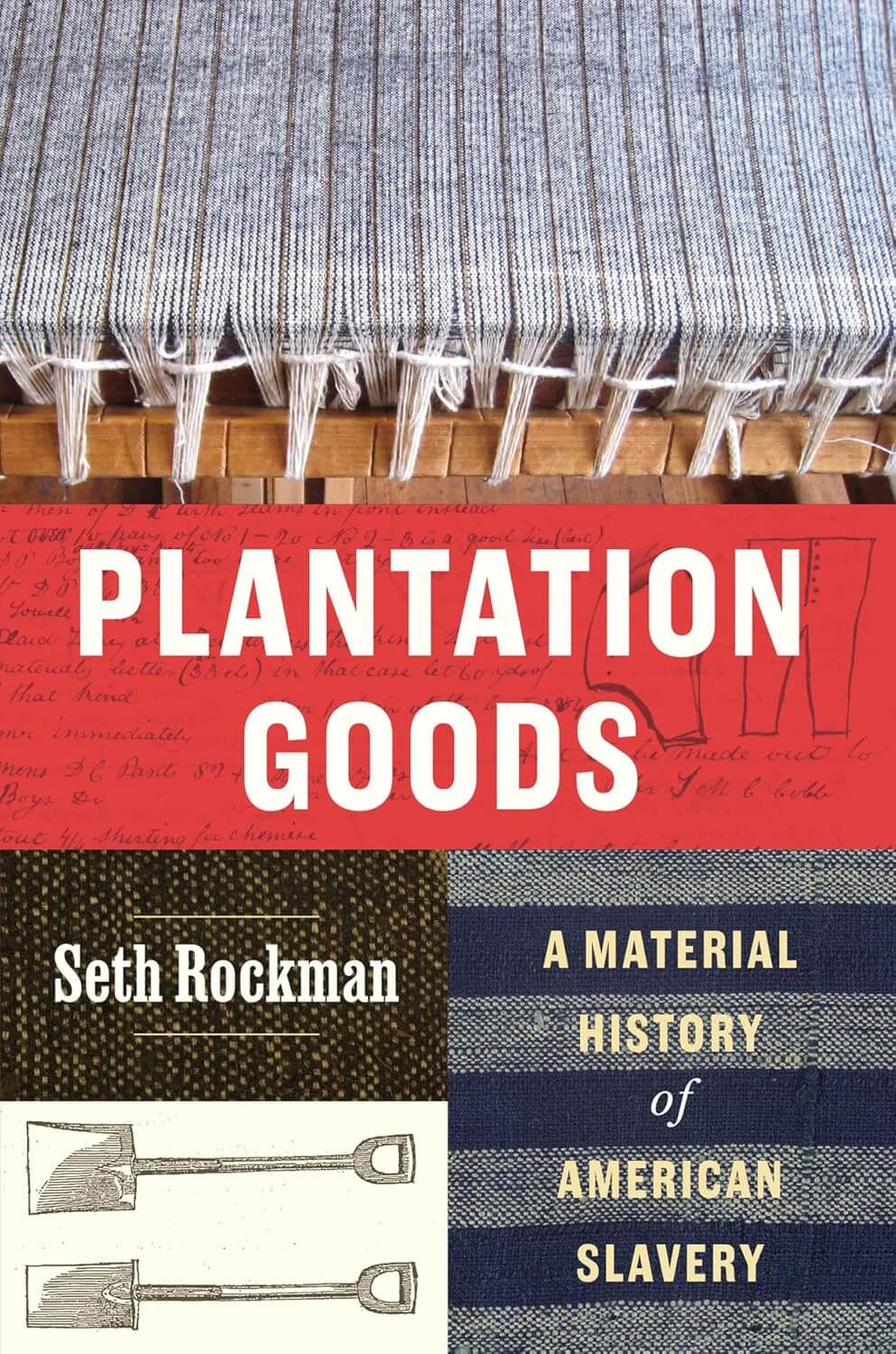
Rockman approaches slavery through objects and economies, showing how exploitation was engineered and normalised in daily life. The book makes “material history” feel urgent rather than academic, revealing the systems behind the things people bought, sold, and depended on. It traces how wealth was created and maintained, and how violence was built into the logic of production. Rockman’s method is quietly devastating: a ledger entry becomes a moral document; a commodity becomes a record of coercion. The writing is rigorous, but it’s also readable—guided by clear questions and sharp examples. The book helps explain how slavery shaped American capitalism in tangible, legible ways. It’s the kind of history that changes how you look at museums, archives, and even everyday goods. After reading, “the past” feels far less distant.
4.41
Nonfiction
History
Sobering
Analytical
Illuminating
Memoir or Autobiography
Personal narratives that turn private experience into art—and pain into something speakable
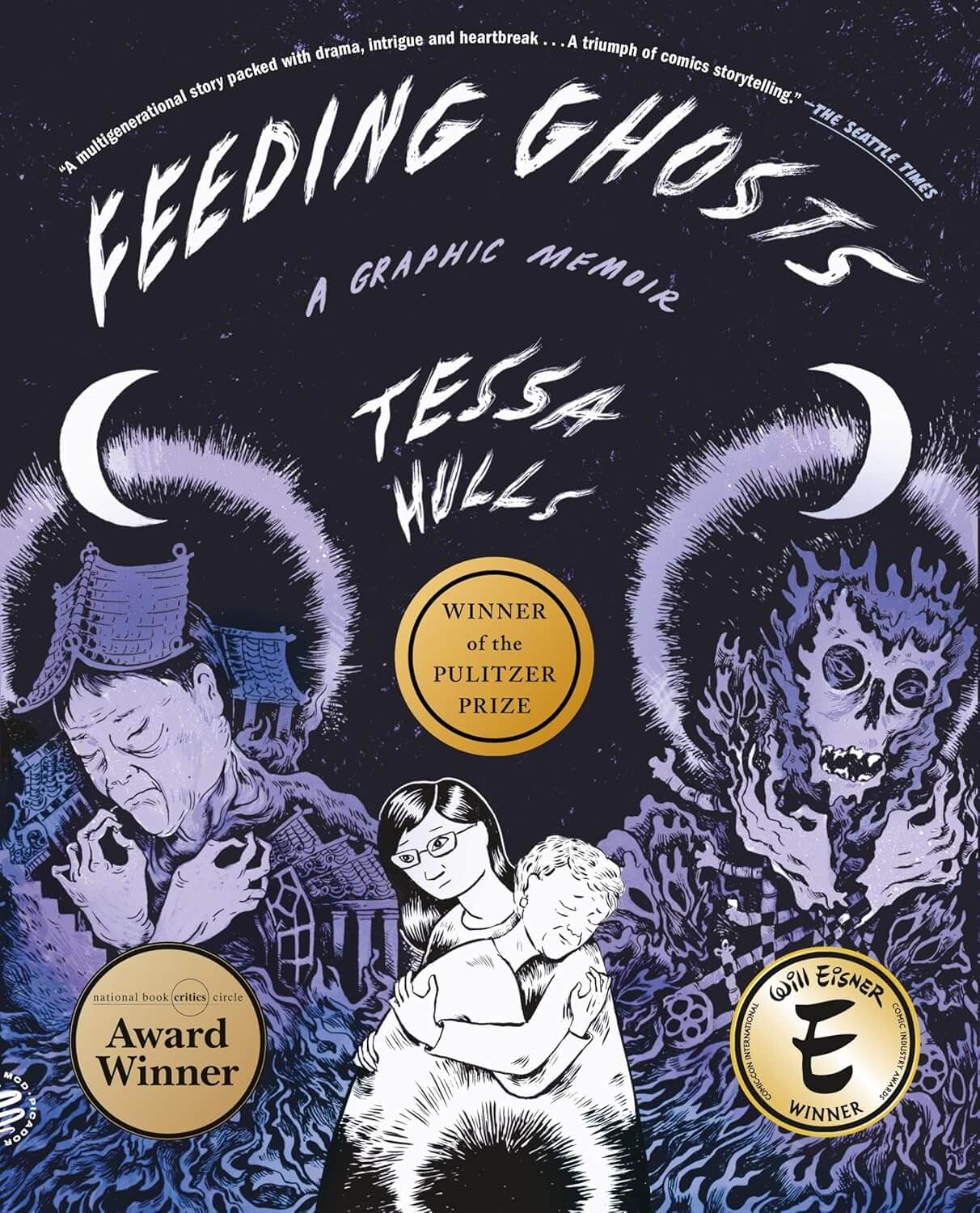
Hulls uses the graphic form to hold memory the way it actually arrives: in images, fragments, and recurring symbols. The memoir moves across generations, showing how trauma travels through families—sometimes as story, sometimes as silence. The illustrations don’t simply “depict” events; they interpret emotion, atmosphere, and the shape of fear. The pacing feels intimate, like being led through a carefully kept archive that suddenly becomes alive. Hulls is honest about the limits of knowing—how even love can’t always translate what happened. The book’s power comes from its steadiness: it refuses sensationalism while still confronting pain directly. It also carries a quiet tenderness toward survival, in all its messy forms. By the end, the title feels literal: a work of care offered to the past. It’s a memoir you don’t just read—you absorb.
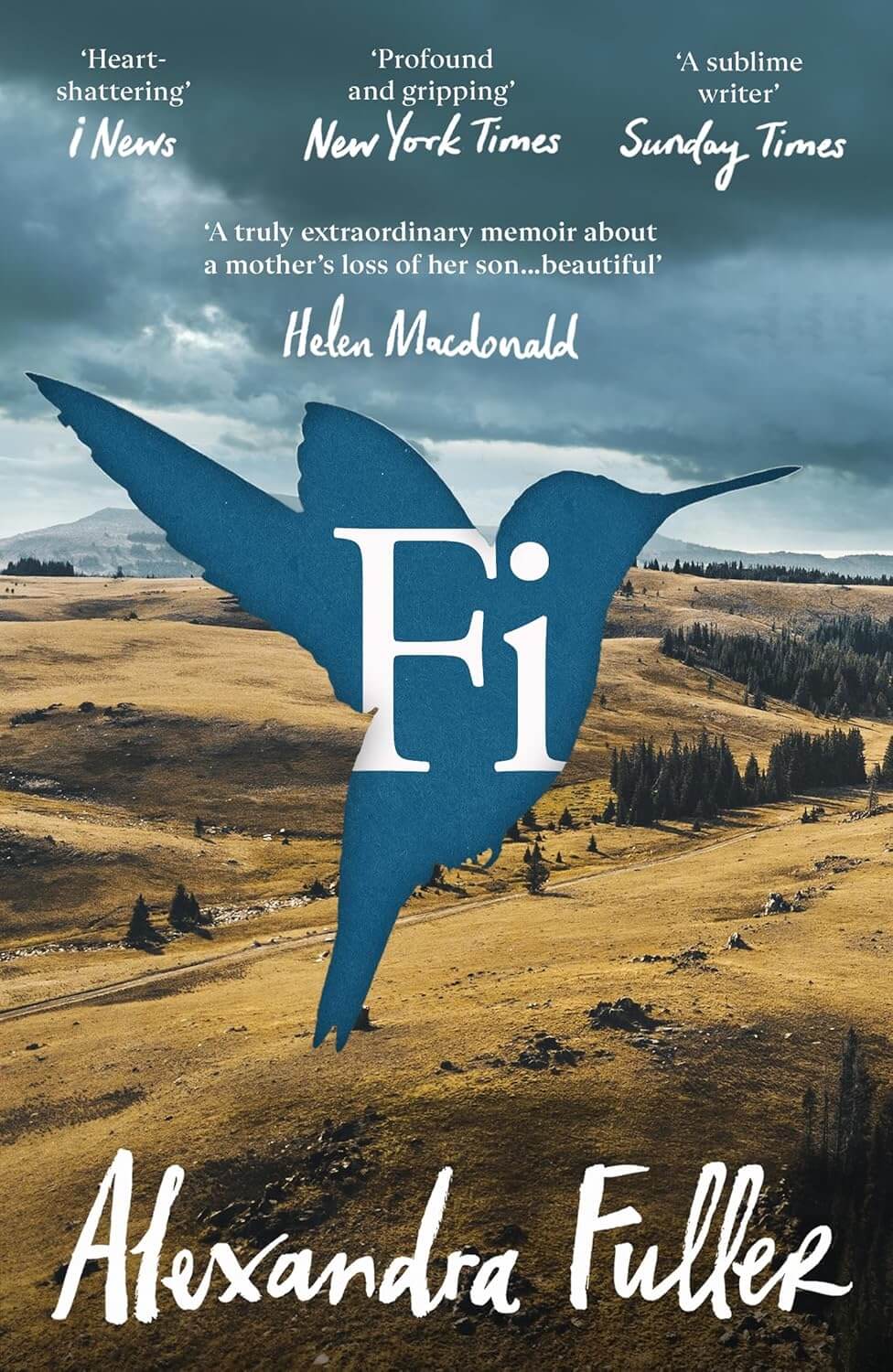
Fuller writes with fierce clarity about the intensity of parental love and the complexity of grief. The memoir is shaped by attention—watching, remembering, trying to honour a life without simplifying it. Fuller’s voice is intimate and unsparing, willing to show contradiction and raw feeling. The book explores the ways families create narratives to survive what they cannot fix. It also examines identity and personhood: who someone was to themselves versus who they were to others. The writing avoids neat catharsis, choosing instead the difficult honesty of staying with loss. Moments of tenderness arrive unexpectedly, and they land hard. The memoir feels both personal and communal, as if it’s speaking for others who have no language for similar pain. It’s a book that asks for care from the reader—and gives it back in return.
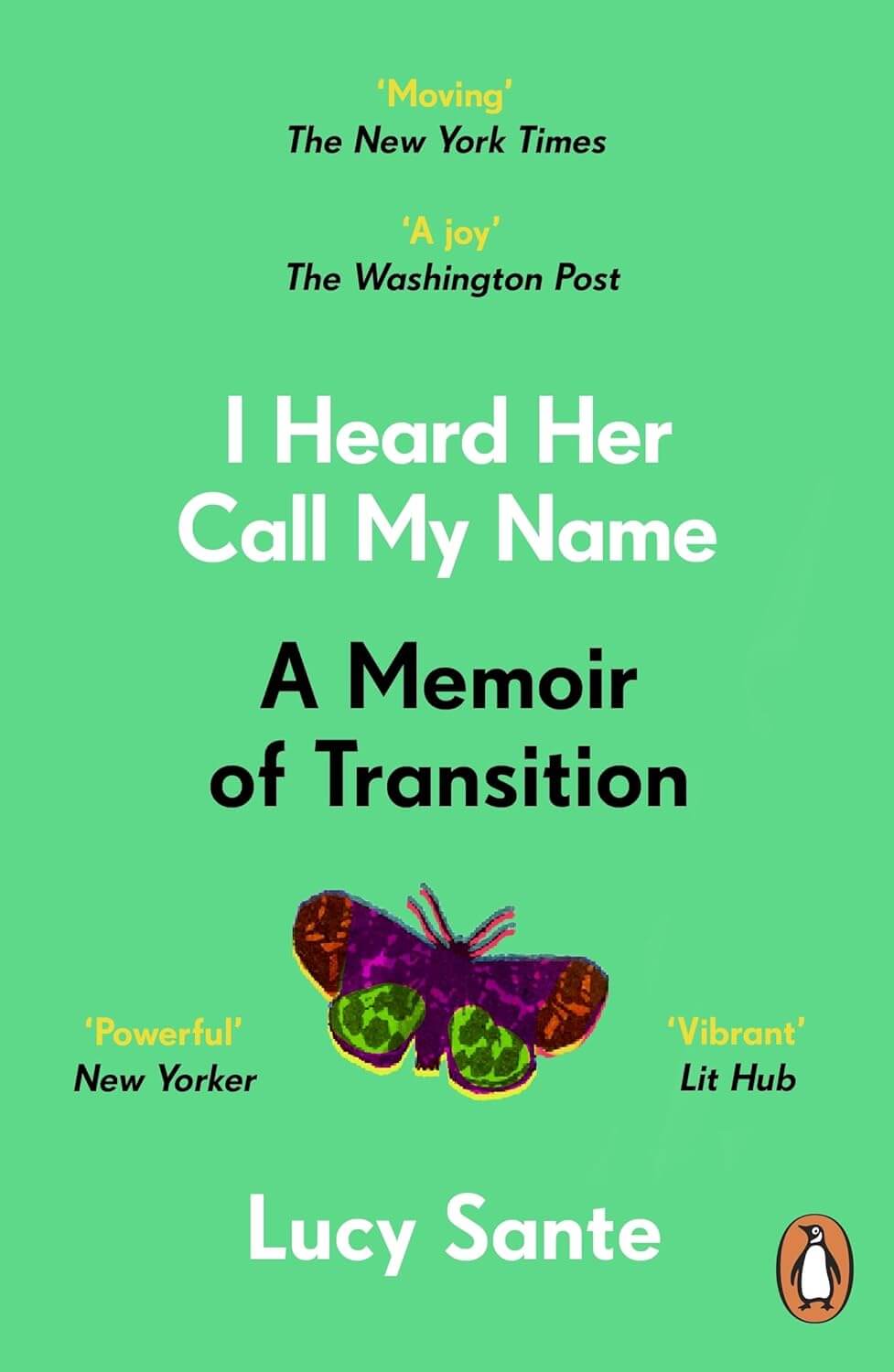
Sante's memoir of transition is both personal narrative and intellectual self-inquiry. The writing is precise, reflective, and attentive to the subtleties of language—how words shape the self we can imagine. Rather than offering a single 'before/after' arc, it explores transition as a lived continuum. The book holds complexity: joy, fear, relief, and the pressure of being read by others. It also examines memory—how we revisit our past with new understanding, and what remains stubbornly unresolved. Sante's cultural awareness adds depth, connecting personal experience to larger histories of gender and visibility. The tone is honest without being performative, thoughtful without being distant. It's a memoir that trusts the reader with nuance. You finish feeling you've witnessed someone thinking their way into a truer life.
3.53
Nonfiction
Memoir
Reflective
Brave
Clear-eyed
Biography
Lives told at full narrative speed—where scholarship becomes story and obsession becomes discovery
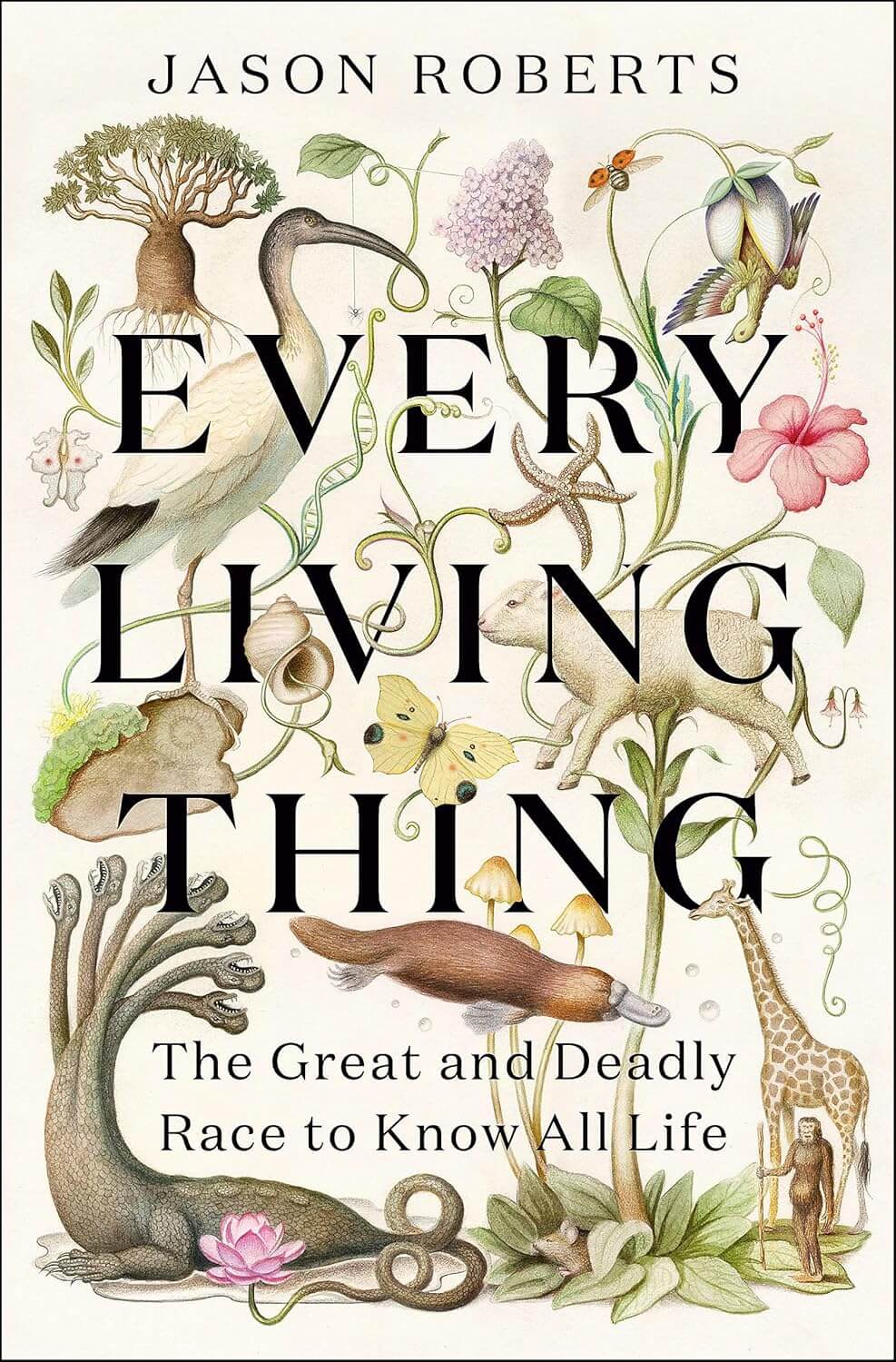
Roberts turns scientific history into something with the velocity of a novel. The book captures rivalry not as a petty sideshow but as a force that shapes ideas, institutions, and legacies. It’s fascinated by classification—how humans try to order the world, and what gets distorted in the process. Roberts writes science with clarity, making big concepts feel human-scaled and consequential. The narrative is rich with ambition, personality, and the drama of competing visions. You can feel the thrill of discovery alongside the anxiety of being wrong. The book also carries a quiet warning about certainty: how systems of knowledge can outlast the values that produced them. It’s immersive and compulsively readable. By the end, you’re thinking differently about nature—and about the people who claimed to define it.
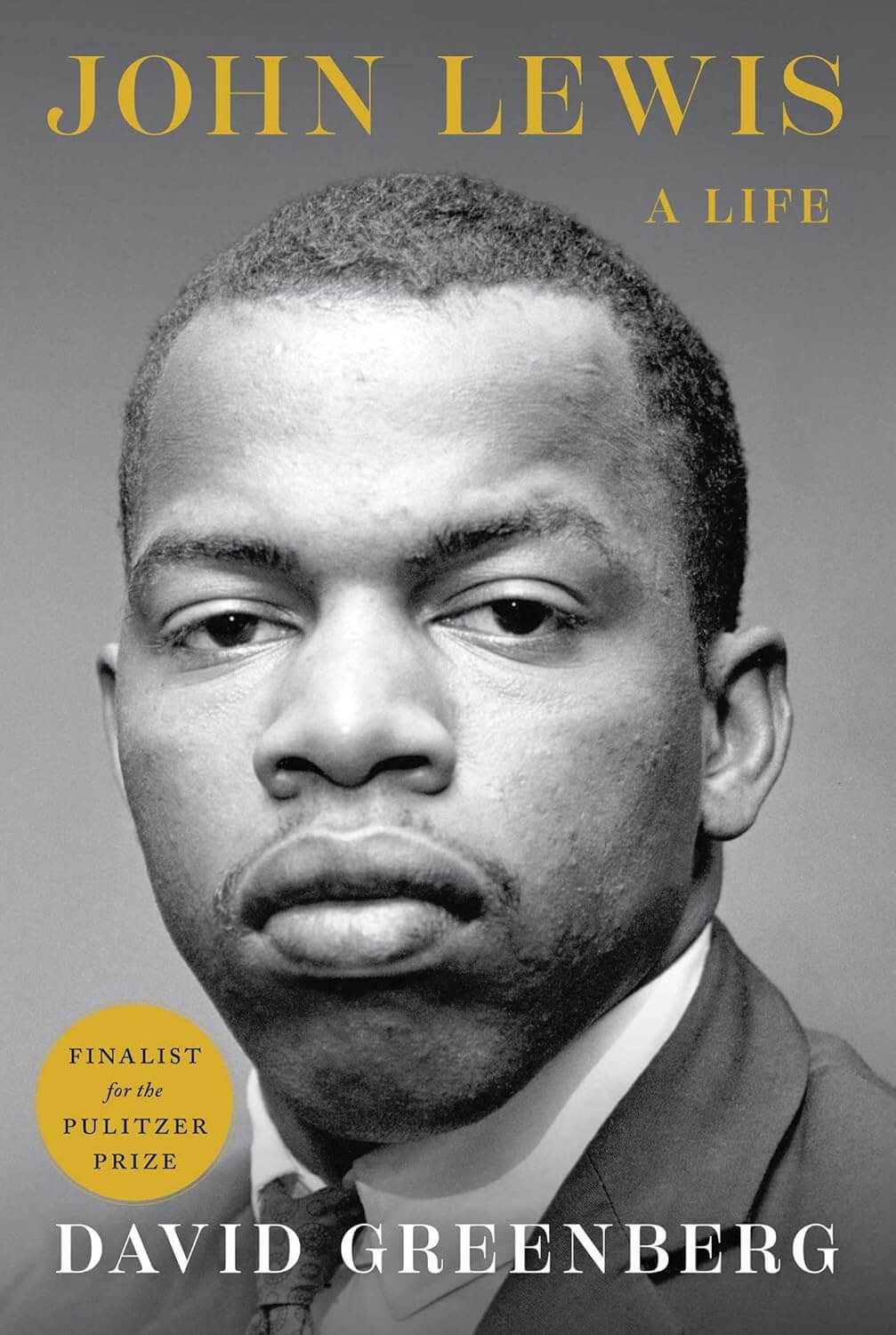
This biography presents a portrait of a public life shaped by moral conviction and strategic discipline. Greenberg is attentive to the difference between myth and record, showing how a legacy is built through choices and compromises. The narrative balances admiration with analysis, resisting easy sainthood. Political context matters here: movements, institutions, and opponents all shape the story’s stakes. The book also pays attention to time—how long progress takes, and how exhausting persistence can be. Moments of courage are set against the slower work of coalition and policy. The result feels both intimate and historical, a life that illuminates an era without being reduced to it. It’s a compelling study of leadership as endurance. You come away understanding not just what was achieved, but what it cost.
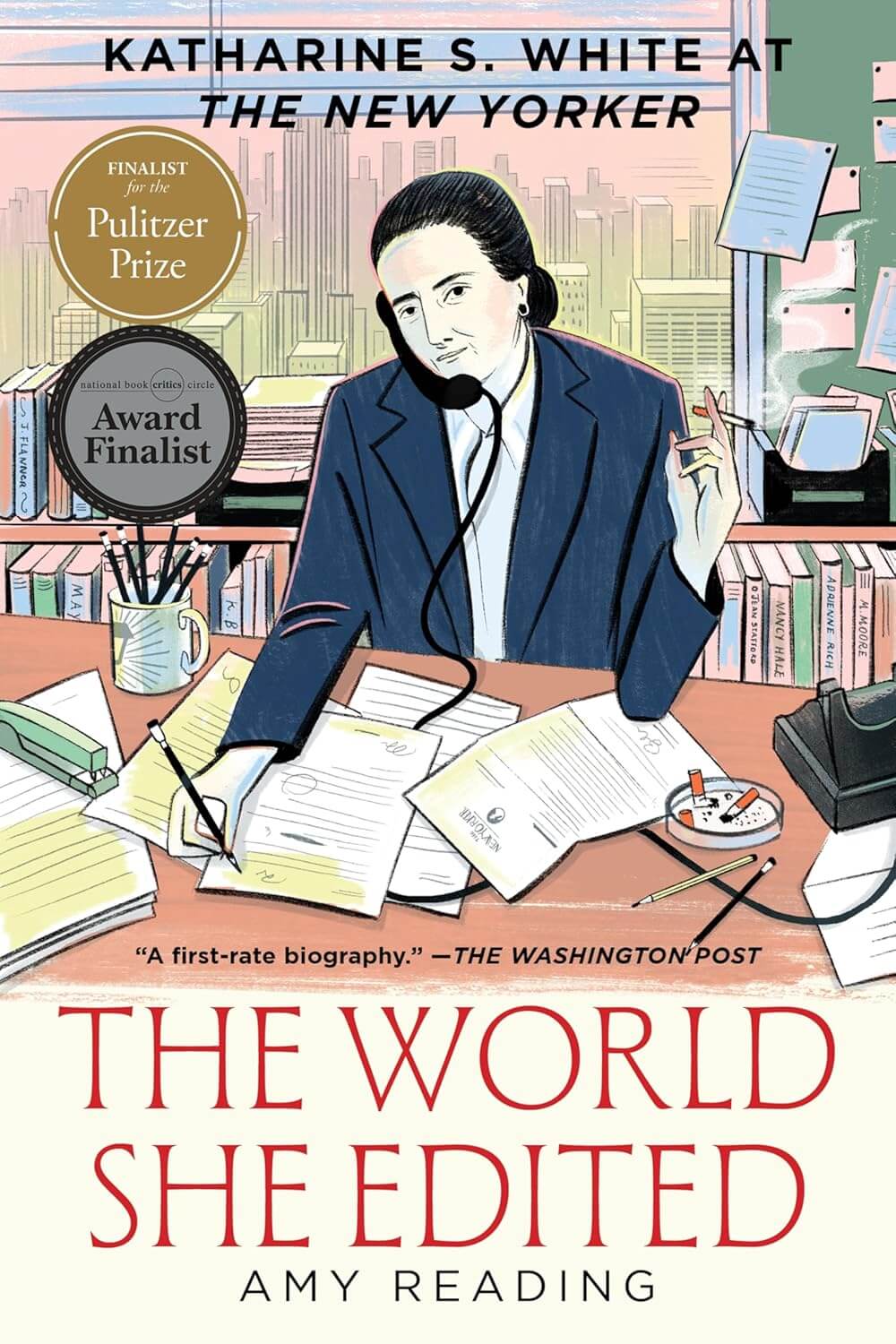
Reading offers a portrait of influence exercised through craft rather than spotlight. The book shows editing as a form of authorship: shaping voices, building standards, and making taste visible on the page. It’s also a story about power in a workplace—how authority is negotiated, performed, and sometimes resisted. White’s professional life becomes a lens on the evolution of modern literary culture. Reading balances institutional history with personal nuance, revealing the complexity of a career built behind the scenes. You get the pleasures of a newsroom-style narrative: personalities, pressures, and the pursuit of excellence. The book makes you notice how much writing depends on invisible labour. It’s both biography and cultural history, with a sharp sense of detail. Afterward, you’ll read magazines differently—listening for the editor’s hand.
4.10
Nonfiction
Biography
Fascinating
Observant
Intellectual
Poetry
Collections that find holiness and heat in the everyday—where language becomes a tool for attention
This collection gathers decades of work into a single emotional field, letting themes recur and deepen over time. Howe’s poems are attentive to daily life—small moments that suddenly open into questions of mortality and meaning. The voice is direct without being plain; it aims for clarity but welcomes mystery. Many poems feel like conversations with the self, with the reader, with whatever we call the sacred. There’s a steady compassion here, especially for ordinary loneliness. Howe’s line breaks and pacing create a quiet dramatic tension: what is said, what is withheld, what is finally admitted. The poems balance intimacy with a wider human reach, as if personal experience is a doorway rather than an endpoint. Reading the collection straight through reveals a life’s arc without forcing it into a narrative. It’s a book to return to when you want language that steadies you. The overall effect is tenderness with backbone.
Chang’s poems feel meticulously made, with an intelligence that never loses touch with the body. The collection probes identity and perception, asking what “authenticity” means when selfhood is shaped by family, culture, and expectation. The language is vivid, often startling in its precision. Chang is alert to the moral charge of attention: what we notice, what we ignore, what we decide counts. Many poems move by association, creating a logic that is emotional as much as argumentative. The voice is questioning rather than declarative, which makes the insights feel earned. There’s also a strong sense of craft pleasure—sound, rhythm, and image working together. The poems can be intimate without being confessional, analytical without being cold. You read them and feel your own perceptions sharpen. It’s a collection that rewards slow rereading and quiet thought.