Pulitzer Prize 2024

A year of finalists that blend moral urgency with literary ambition—across fiction, history, biography, memoir, poetry, and reportage

The Pulitzer Prize 2024 book finalists offer a panoramic view of contemporary writing at its most searching. Across genres, these books press on the same pressure points—power and accountability, the afterlives of violence, the meaning of citizenship, and the intimate costs of public history. Whether through novels that rewire narrative form or nonfiction that follows evidence into uncomfortable places, the list rewards readers who want both momentum and depth.

A defining thread this year is witness: writers paying close attention to lives shaped by institutions—governments, courts, workplaces, families, and systems of extraction. Many of these books insist that history isn’t distant; it’s lived in bodies, landscapes, and language. Even the poetry finalists share that impulse, turning attention into a form of ethics.

Taken together, this is a list built for exploration. Start with the fiction for invention and voice, move through history and biography for context and character, then let memoir and nonfiction deepen the emotional stakes. By the time you reach the poetry, you’ll feel how these books speak to one another—different genres, same insistence: look closer, and don’t look away.

Fiction

Novels that stretch form and voice while probing memory, identity, and the stories nations tell themselves

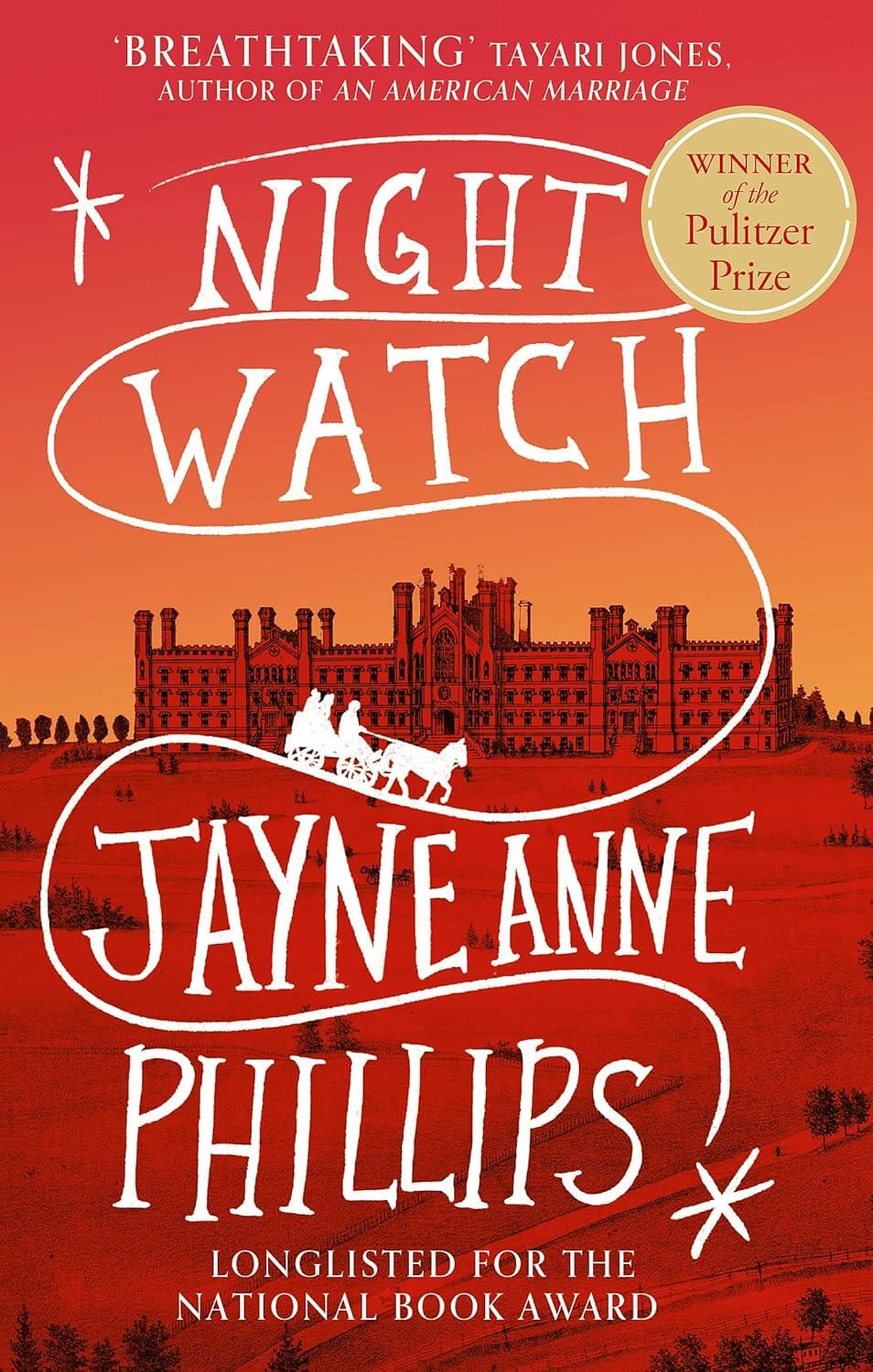
Night Watch
Winner

Night Watch

by Jayne Anne Phillips

Phillips writes historical fiction with a quiet intensity that makes every scene feel lived-in. The novel moves through a landscape shaped by violence and aftermath, focusing on how trauma settles into daily life rather than announcing itself. Her prose is lyrical but controlled, attentive to gesture, silence, and the weight of what can’t be said. Characters are drawn with moral complexity—capable of tenderness and denial in the same breath. The book’s pacing is patient, letting dread and hope accumulate gradually. It’s also deeply atmospheric, with setting functioning as an emotional register. Rather than offering tidy catharsis, it shows how survival can be a long negotiation with memory. You finish feeling both hushed and shaken. A haunting, steady work of endurance.
3.69
Fiction
Literary Fiction
Historical Fiction
Atmospheric
Somber
Haunting
Same Bed Different Dreams

Same Bed Different Dreams

by Ed Park

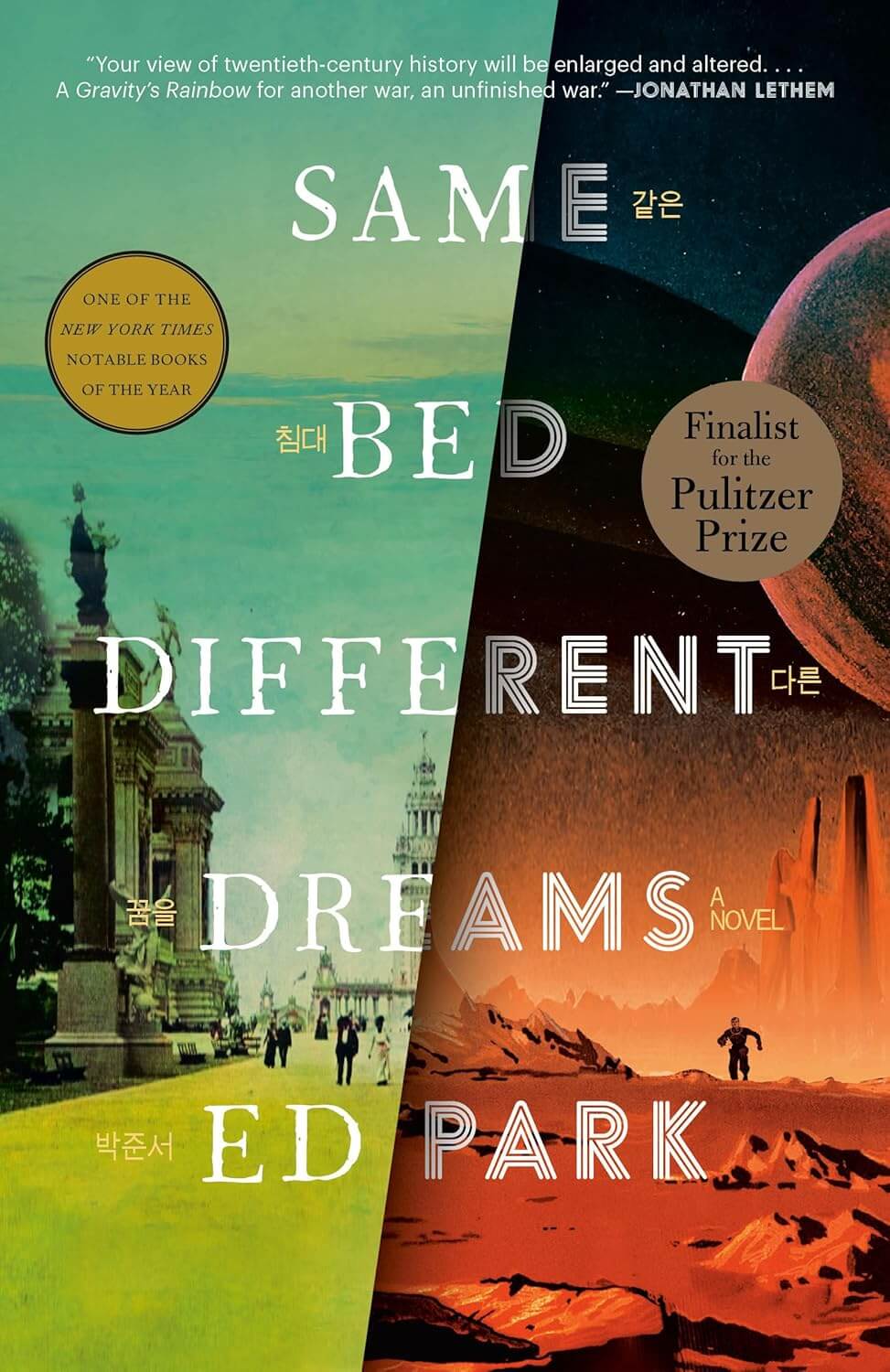
Ed Park crafts a novel that feels playful on the surface and razor-smart underneath. It's a book about identity, culture, and the stories we tell ourselves—personal and national—told through a structure that keeps shifting its angle. The writing is witty, but it's also emotionally precise, catching the strange comedy of modern life without flattening it. Park's curiosity is infectious: every thread leads to another idea, another echo, another contradiction. The novel rewards readers who like to follow associations and hidden connections. It's attentive to media, history, and the ways memory gets edited over time. The tone can be breezy, then suddenly piercing. By the end, it feels like you've read both a story and a map of how stories get made. Inventive, funny, and quietly profound.

3.73
Fiction
Literary Fiction
Clever
Playful
Reflective
Wednesday’s Child

Wednesday’s Child

by Yiyun Li

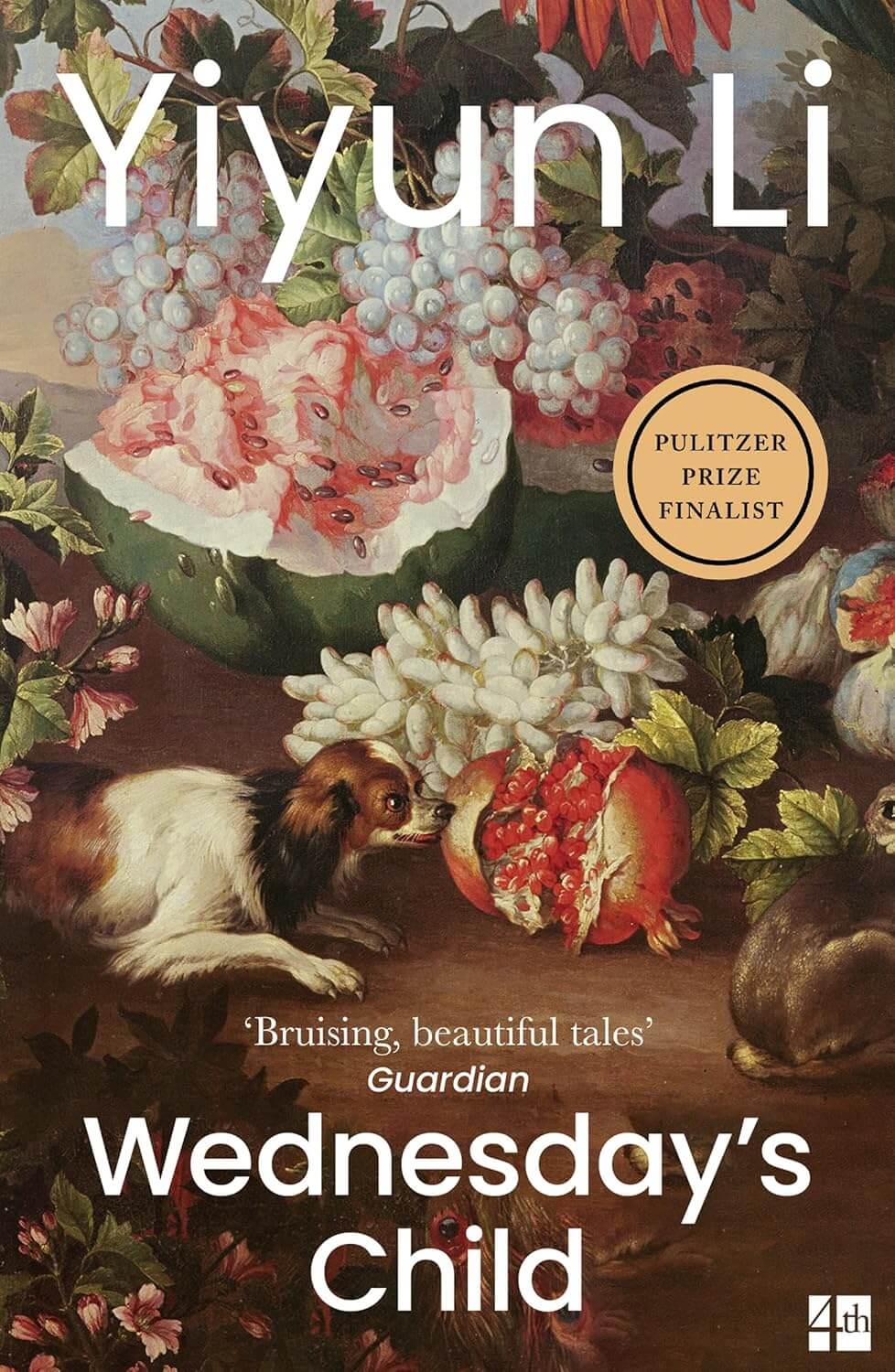
Yiyun Li’s fiction is known for its clarity and emotional discipline, and this novel leans into that strength. It explores family, loneliness, and the long shadows of choices that can’t be undone. Li’s prose is spare, almost cool, yet it carries enormous feeling beneath the surface. The book is attentive to the ethical texture of relationships—how care can coexist with distance, how love can be imperfect and still real. Memory arrives in fragments, and what’s omitted matters as much as what’s spoken. The narrative refuses melodrama, which makes its heartbreak sharper. It’s a novel that asks readers to sit with ambiguity rather than resolve it. The emotional impact builds slowly, then lands all at once. Quietly devastating and beautifully controlled.

3.69
Fiction
Literary Fiction
Quiet
Melancholic
Intimate

General Nonfiction

Reported and researched books that follow real lives into systems of conflict, extraction, and climate consequence

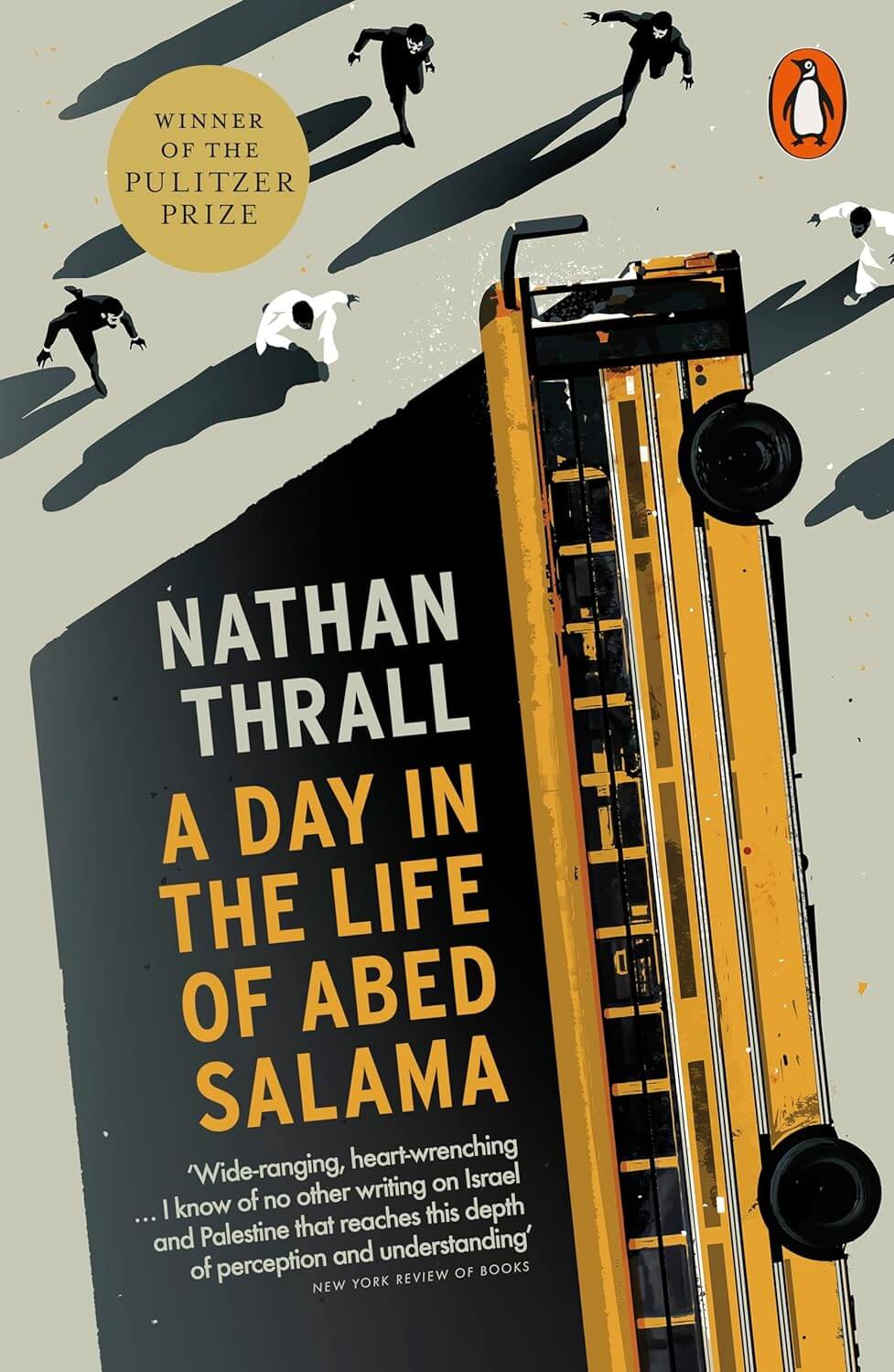
A Day in the Life of Abed Salama: Anatomy of a Jerusalem Tragedy
Winner

A Day in the Life of Abed Salama: Anatomy of a Jerusalem Tragedy

by Nathan Thrall

Thrall builds an entire political anatomy from one devastating day, showing how tragedy is produced by systems, not just accidents. The book follows a Palestinian father searching for his son after a school bus crash, and in doing so reveals the bureaucratic fractures of life in Jerusalem and the West Bank. Thrall's reporting is precise and novelistic, but never sensational. The narrative makes structural violence legible: permits, roads, policing, jurisdiction, and delays that become lethal. The emotional core is intimate—grief, panic, and the unbearable wait for certainty. The book also refuses simplification, showing multiple actors and layers without flattening complexity. Thrall's restraint is one of its strengths; the facts are allowed to speak. You finish understanding how ordinary life is shaped by political architecture. It's both heartbreaking and clarifying, a book that makes policy feel personal. A landmark work of narrative nonfiction. You close it changed.

4.35
Nonfiction
Journalism
Politics
Heartbreaking
Clarifying
Grave
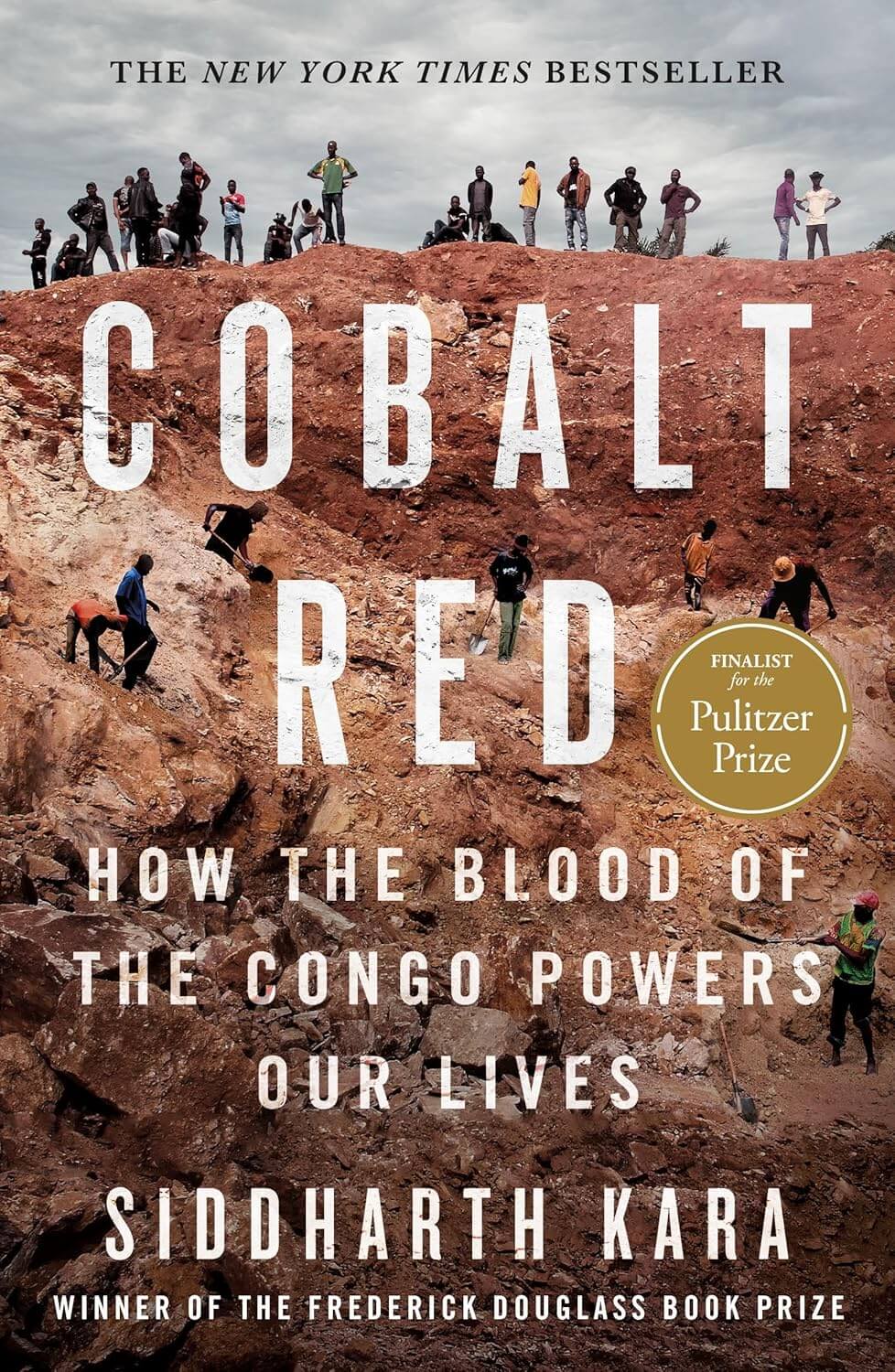
Cobalt Red: How the Blood of the Congo Powers Our Lives

Cobalt Red: How the Blood of the Congo Powers Our Lives

by Siddharth Kara

Kara's book is a moral confrontation with the supply chains that make modern life feel frictionless. He follows cobalt from Congolese mines into global technology, insisting that consumers and corporations reckon with human cost. The reporting foregrounds miners' experiences—danger, exploitation, injury, and precarity. Kara is blunt about responsibility and systems, refusing to treat suffering as an unfortunate side effect. The narrative exposes how legality can coexist with abuse, and how opacity protects profit. It's written with urgency and anger, but also with a commitment to documentation. The book forces readers to see extraction as a contemporary form of violence, not a distant problem. The scale is global, but the detail stays human. You may find it hard to read—because it is hard truth. And yet that difficulty is part of its purpose. A fierce, essential work of witness and accountability.

4.36
Nonfiction
Investigative Journalism
Human Rights
Angry
Urgent
Unflinching
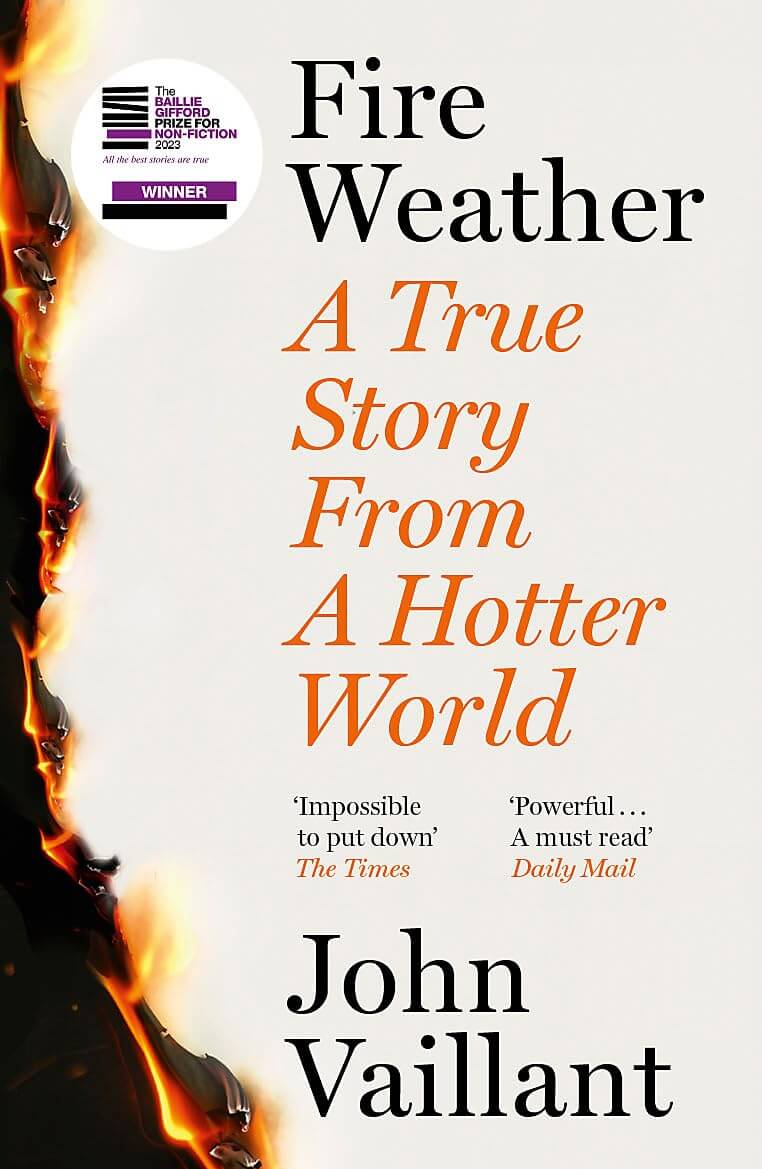
Fire Weather: A True Story from a Hotter World

Fire Weather: A True Story from a Hotter World

by John Vaillant

John Vaillant’s Fire Weather is an urgent and devastating account of the 2016 Fort McMurray wildfire in Canada, one of the most destructive in history. Vaillant intertwines the gripping, minute-by-minute drama of the fire with a broader examination of climate change, fossil fuel dependency, and the vulnerabilities of modern societies. His prose is cinematic and harrowing, capturing the ferocity of nature’s power while warning of the planetary consequences of a warming world. The book is both a disaster narrative and a wake-up call, urging readers to confront the realities of climate change. It is nonfiction at its most vivid and necessary.

4.32
Environmental Writing
Narrative Nonfiction
Urgent
Harrowing
Revealing

History

Books that reframe American history through labor, state power, and the contested meaning of expansion

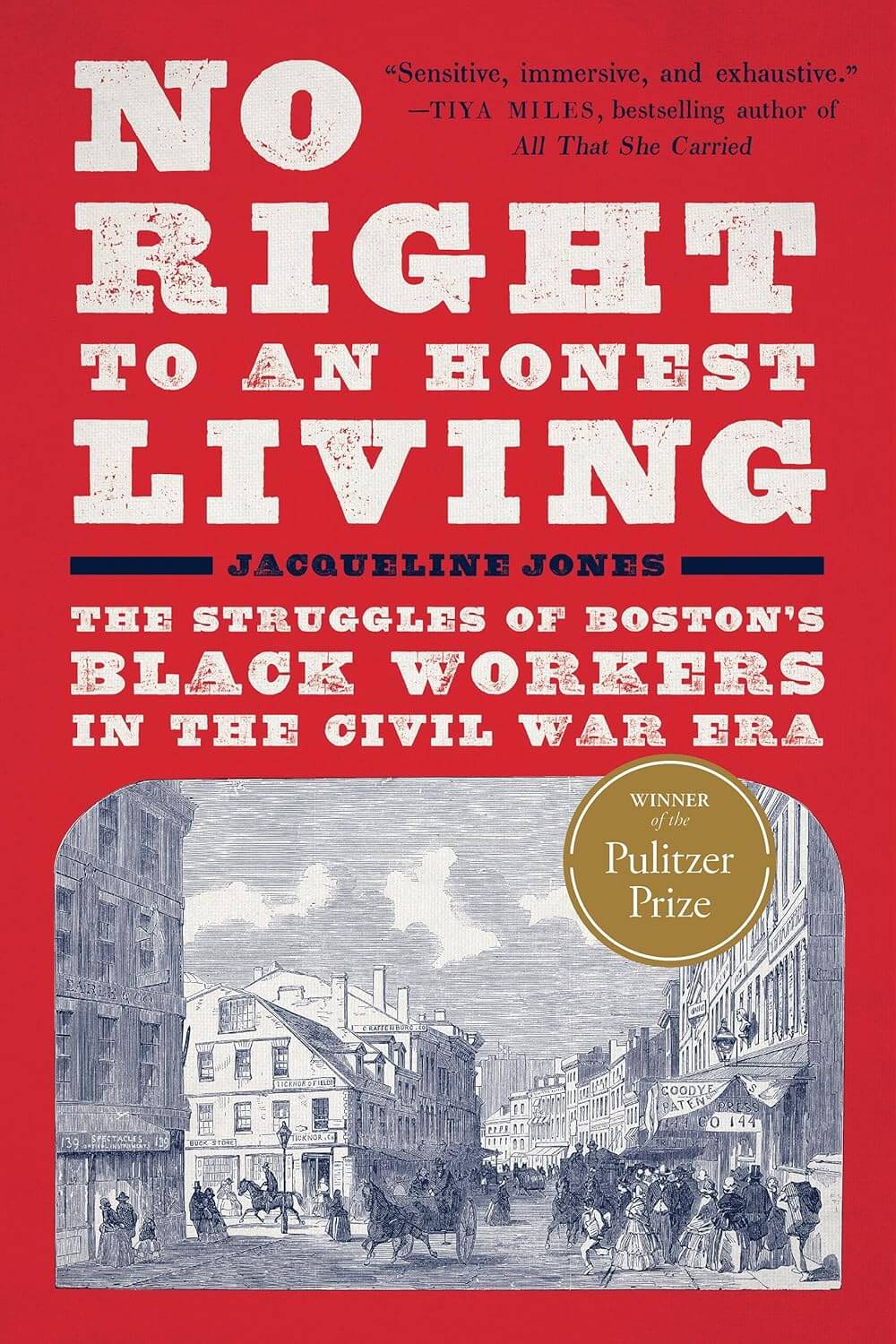
No Right to an Honest Living: The Struggles of Boston’s Black Workers in the Civil War Era
Winner

No Right to an Honest Living: The Struggles of Boston’s Black Workers in the Civil War Era

by Jacqueline Jones

Jones offers a deeply researched history that puts work—real, daily labor—at the center of freedom’s promises and betrayals. The book shows how Black workers in Boston fought for access, dignity, and fair pay while confronting entrenched racism in institutions that claimed to be progressive. Rather than treating emancipation as a finish line, it traces the grinding struggles that followed. Jones is skilled at making structural forces legible without losing the human story. The narrative reveals how law, policing, and economic systems coordinated to limit opportunity. It’s also a book about strategy: organizing, mutual aid, and the tactics of survival. The writing is clear and authoritative, with vivid detail that brings the era to life. You come away understanding labor as a battlefield for citizenship. A sobering, clarifying work of social history.

3.92
Nonfiction
History
Labor History
Illuminating
Serious
Sobering
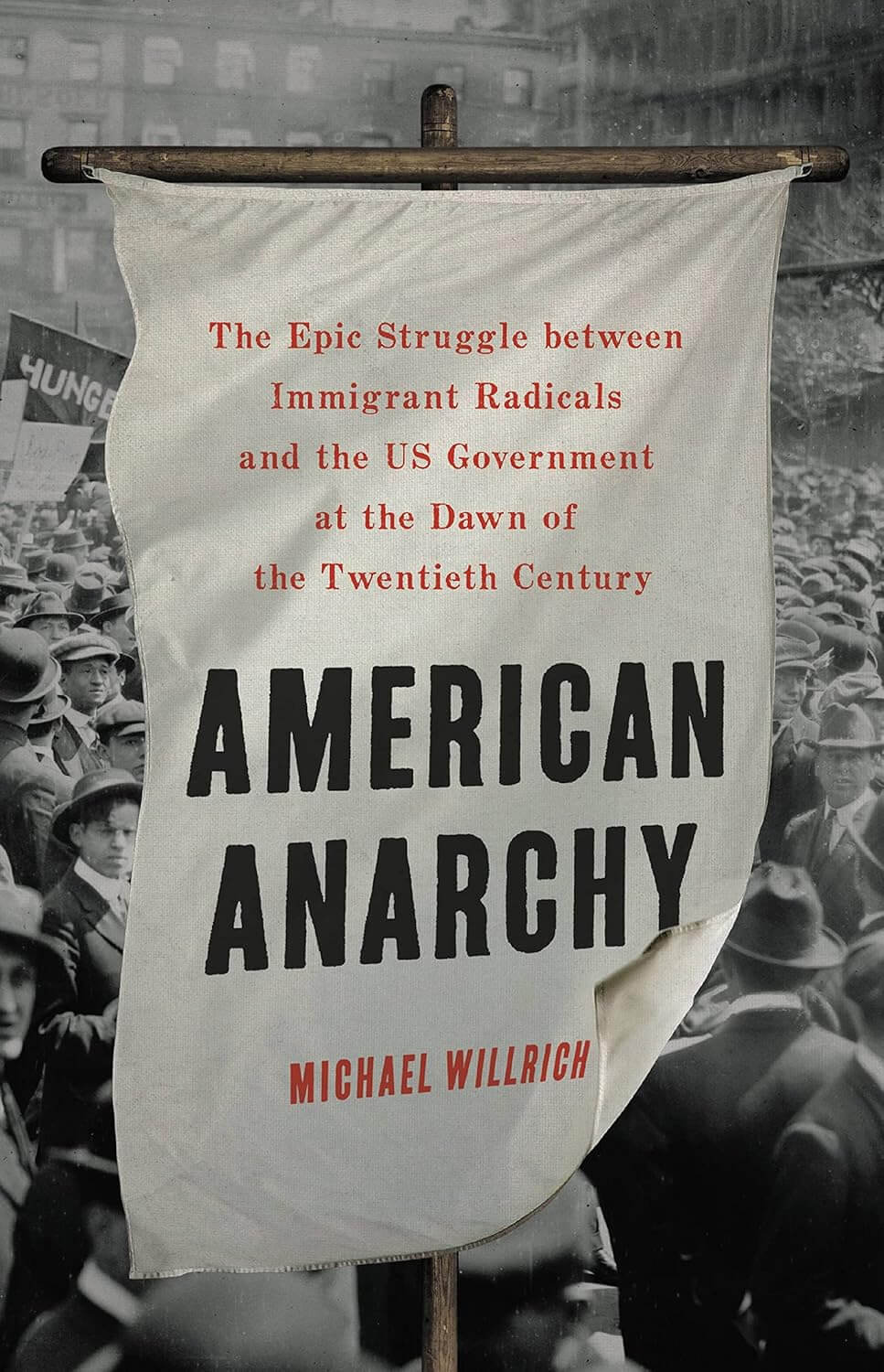
American Anarchy: The Epic Struggle between Immigrant Radicals and the US Government at the Dawn of the Twentieth Century

American Anarchy: The Epic Struggle between Immigrant Radicals and the US Government at the Dawn of the Twentieth Century

by Michael Willrich

Willrich tells a high-stakes story about ideology, fear, and the growth of state power, driven by vivid characters and sharp narrative momentum. The book follows immigrant radicals and the government forces determined to crush them, showing how surveillance and policing expanded through moral panic. It's not just a history of "anarchists" but of how labels become weapons. Willrich is attentive to courtroom drama, public spectacle, and the machinery of propaganda. The writing makes the period feel uncannily contemporary—debates about security, speech, and belonging repeating in new forms. Yet the scholarship stays grounded, refusing easy parallels or simple heroes. The book reveals how dissent is managed through bureaucracy as much as brute force. It's gripping, troubling, and historically precise. A compelling account of democracy under strain. You finish with a sharper sense of how liberties erode.

4.40
Nonfiction
History
Political History
Tense
Propulsive
Revealing
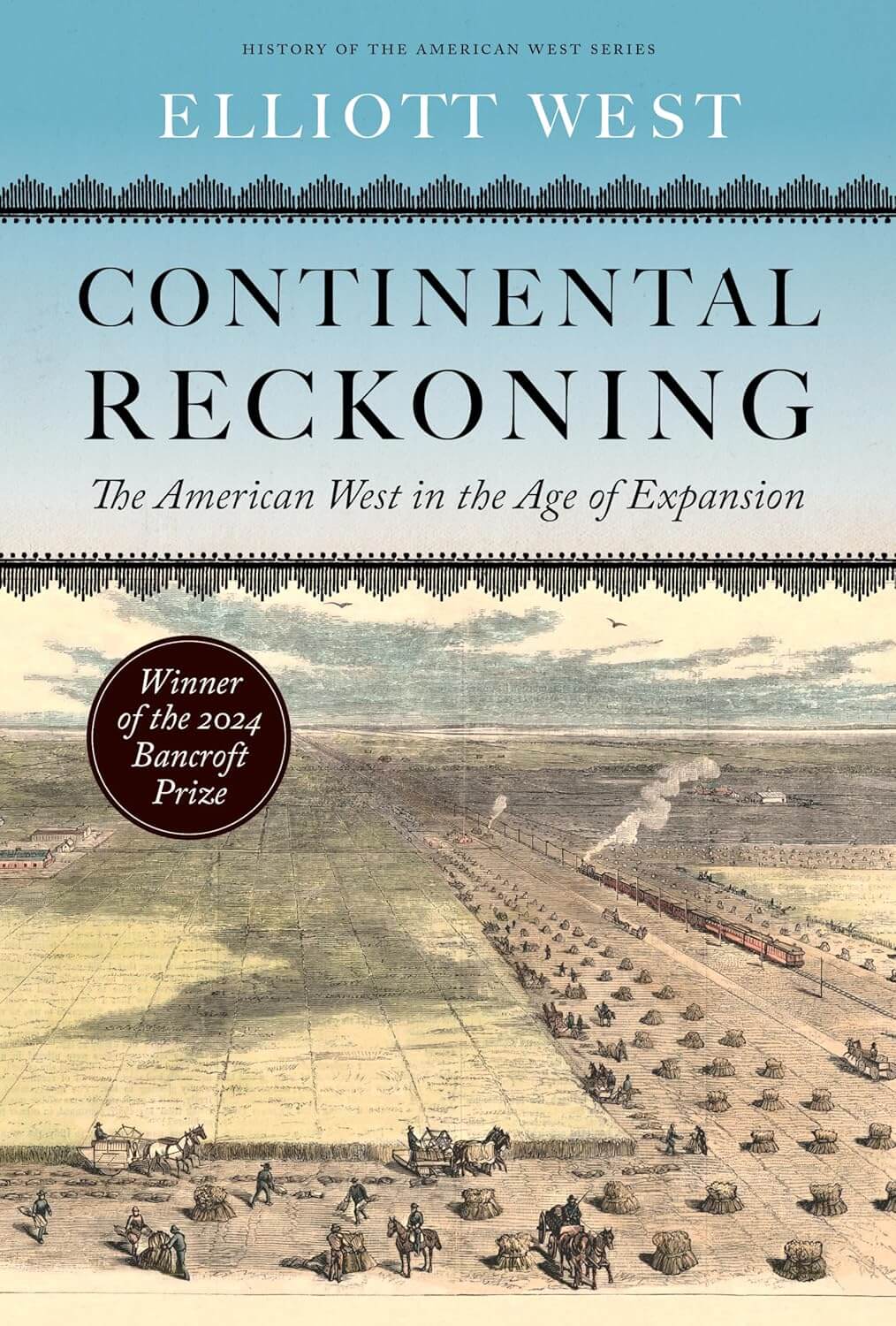
Continental Reckoning: The American West in the Age of Expansion

Continental Reckoning: The American West in the Age of Expansion

by Elliott West

West offers a sweeping reappraisal of expansion that refuses triumphal narratives and insists on complexity. He shows the American West as a site of constant negotiation—between empires, Indigenous nations, settlers, markets, and ecologies. The book is especially strong on contingency: how events could have gone differently, and how choices narrowed into outcomes. West writes with authority but also with a storyteller’s sense of momentum. Violence and dispossession are treated as central, not incidental, and the human costs are never abstracted away. The landscape matters as more than backdrop; environment shapes possibility and disaster alike. The narrative connects local moments to continental systems of power. It’s both a big-picture history and a precise moral reckoning. You come away with a clearer sense of how expansion was made—and what it destroyed. A major work of historical synthesis.

4.29
Nonfiction
History
Expansive
Clarifying
Grave

Memoir or Autobiography

Personal investigations into grief, responsibility, and what it means to live with — and against — limitation

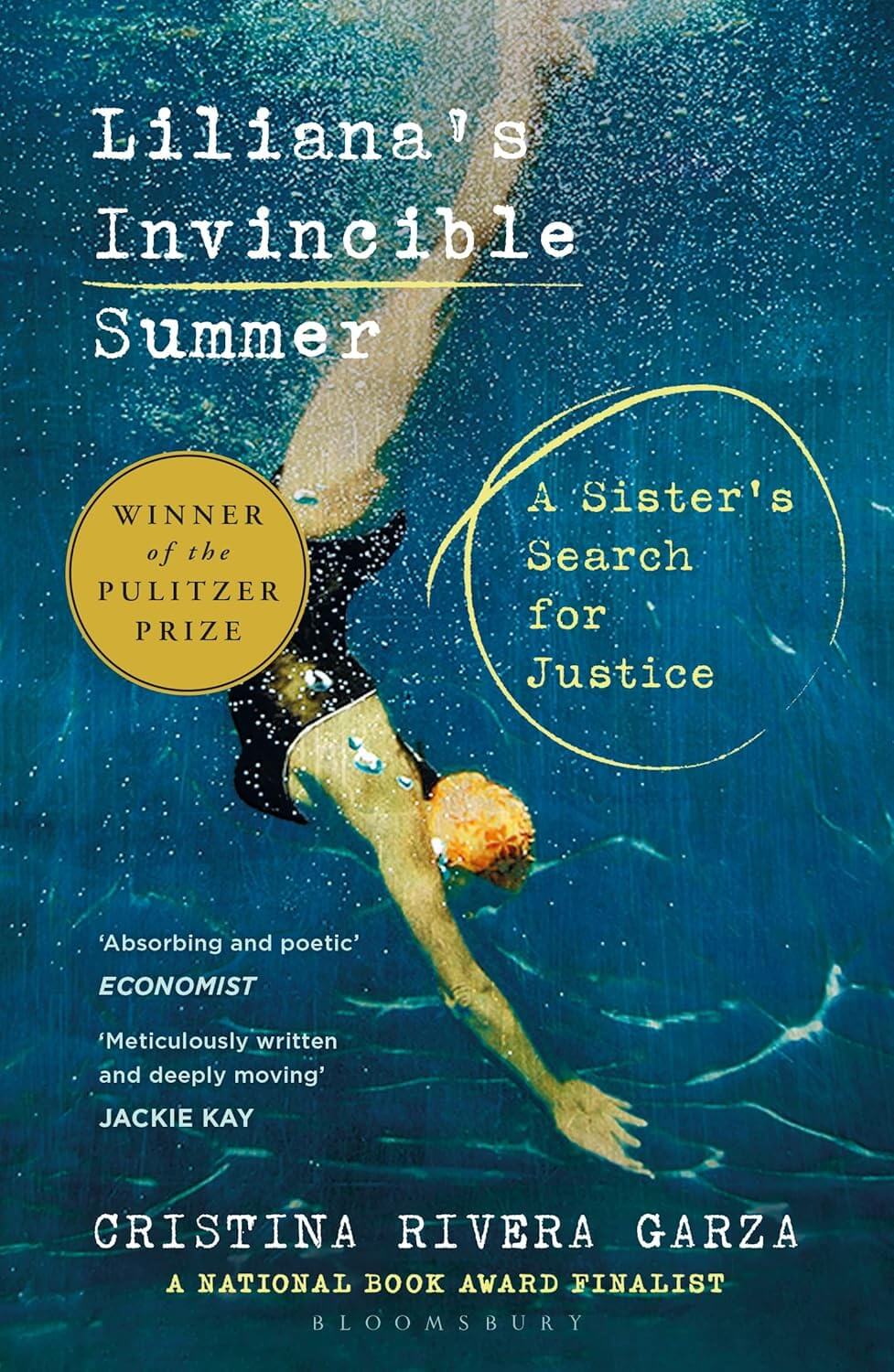
Liliana’s Invincible Summer: A Sister’s Search for Justice
Winner

Liliana’s Invincible Summer: A Sister’s Search for Justice

by Cristina Rivera Garza

This memoir is a work of love and refusal: a sister insisting that a life will not be reduced to a crime statistic. Rivera Garza reconstructs Liliana’s story through diaries, letters, memories, and an investigation into institutional failure. The book moves between tenderness and rage, showing how grief becomes action. It also examines language—how systems talk about violence, and how families must fight to speak differently. Rivera Garza’s prose is precise and emotionally direct, never exploiting pain but never turning away from it. The narrative reveals how bureaucracy can perpetuate injustice through delay and indifference. It is both personal and political, a portrait of a young woman and an indictment of structures that enable femicide. The memoir’s power is cumulative: detail by detail, the reader sees a whole person restored. It’s devastating, galvanizing, and quietly transformative. A book that turns mourning into witness.

4.33
Nonfiction
Memoir
Heartbreaking
Angry
Determined
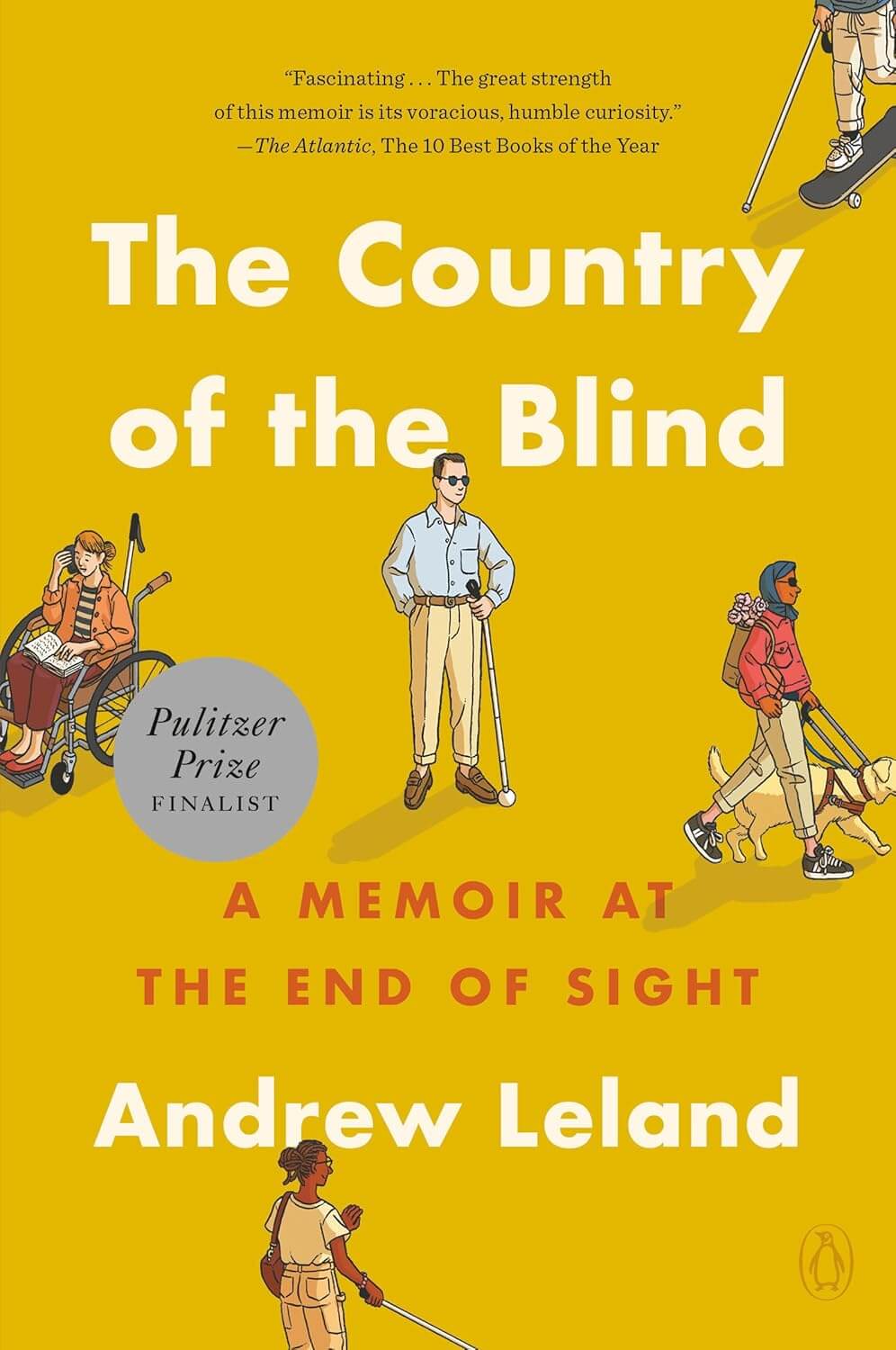
The Country of the Blind: A Memoir at the End of Sight

The Country of the Blind: A Memoir at the End of Sight

by Andrew Leland

Leland writes about vision loss with curiosity rather than despair, turning a personal transition into a cultural and philosophical exploration. The memoir balances practical realities—devices, mobility, adaptation—with deeper questions about perception and identity. Leland is especially good at describing the social dimension of disability: awkwardness, assumption, and the politics of being seen. The book introduces readers to blind communities and histories with respect and warmth. It also wrestles with uncertainty, capturing the emotional whiplash of gradual change. Leland’s prose is bright and inviting, making the subject feel accessible without simplifying it. The memoir’s tone is steady, combining humour, honesty, and a willingness to learn. Rather than framing blindness as tragedy or inspiration, it treats it as life—complex, demanding, and full. The result is both informative and deeply humane. You finish feeling your own sense of “normal” recalibrated. A generous, enlightening memoir.

4.09
Nonfiction
Memoir
Curious
Warm
Insightful
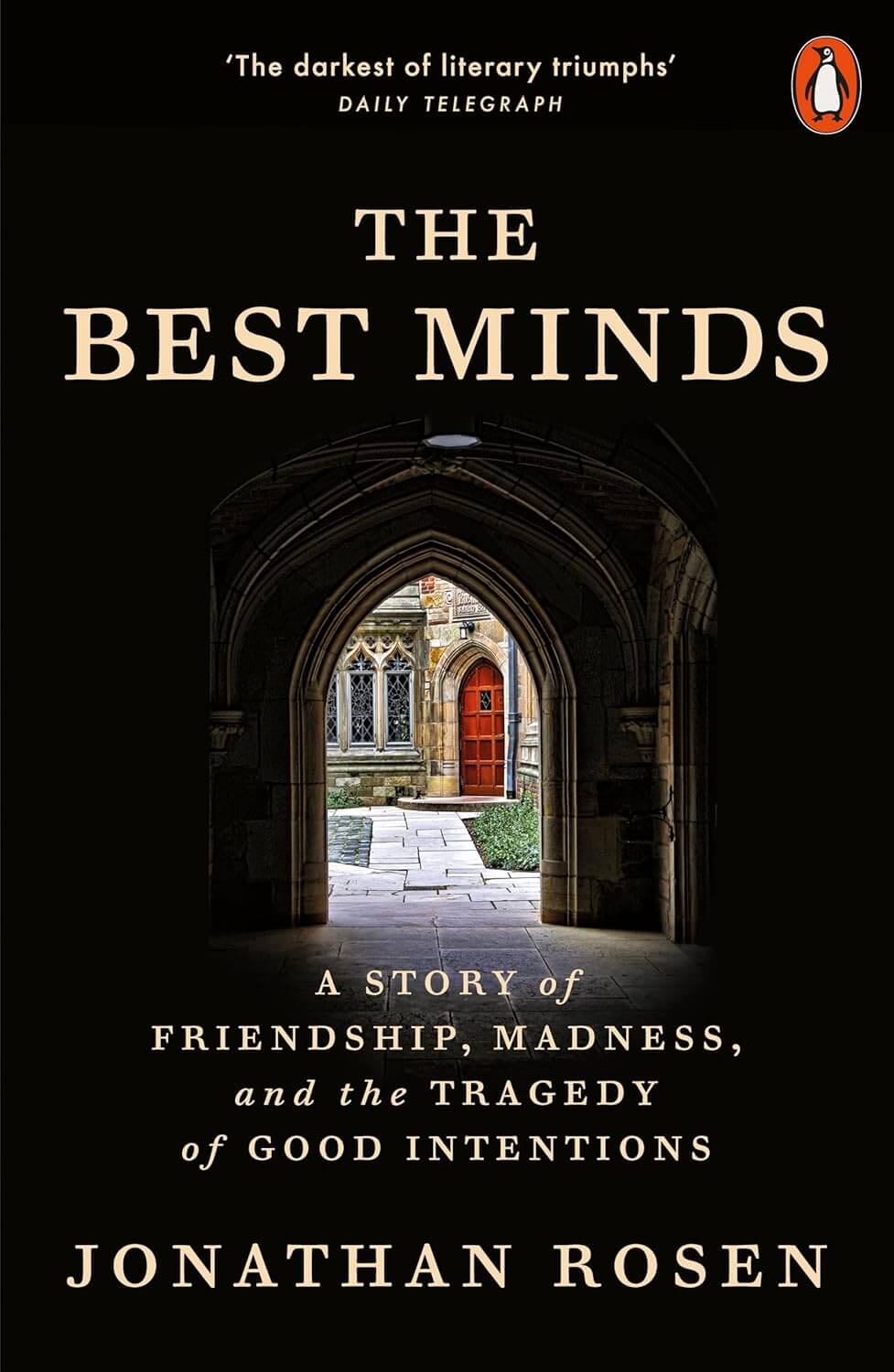
The Best Minds: A Story of Friendship, Madness, and the Tragedy of Good Intentions

The Best Minds: A Story of Friendship, Madness, and the Tragedy of Good Intentions

by Jonathan Rosen

Rosen tells a story that begins in friendship and expands into a searching inquiry into mental illness, care, and responsibility. The book is intimate without being sentimental, refusing easy explanations for what happens when someone you love becomes unreachable. Rosen writes with compassion and intellectual honesty, acknowledging how little control good intentions can provide. The memoir examines education, privilege, and the narratives we build to make sense of talent and promise. It also confronts the limits of systems—medical, legal, social—that claim to help. Rosen’s grief is braided with analysis, and the result feels both personal and universal. The writing is clear-eyed, especially about the ways friends can mistake proximity for understanding. The emotional impact comes from restraint: the hardest moments are delivered without melodrama. By the end, the memoir leaves you with complicated sorrow rather than closure. It’s a book about love as commitment, even when outcomes are unbearable.

4.03
Nonfiction
Memoir
Reflective
Sad
Compassionate

Biography

Lives rendered with narrative drive—where personal choices illuminate public eras

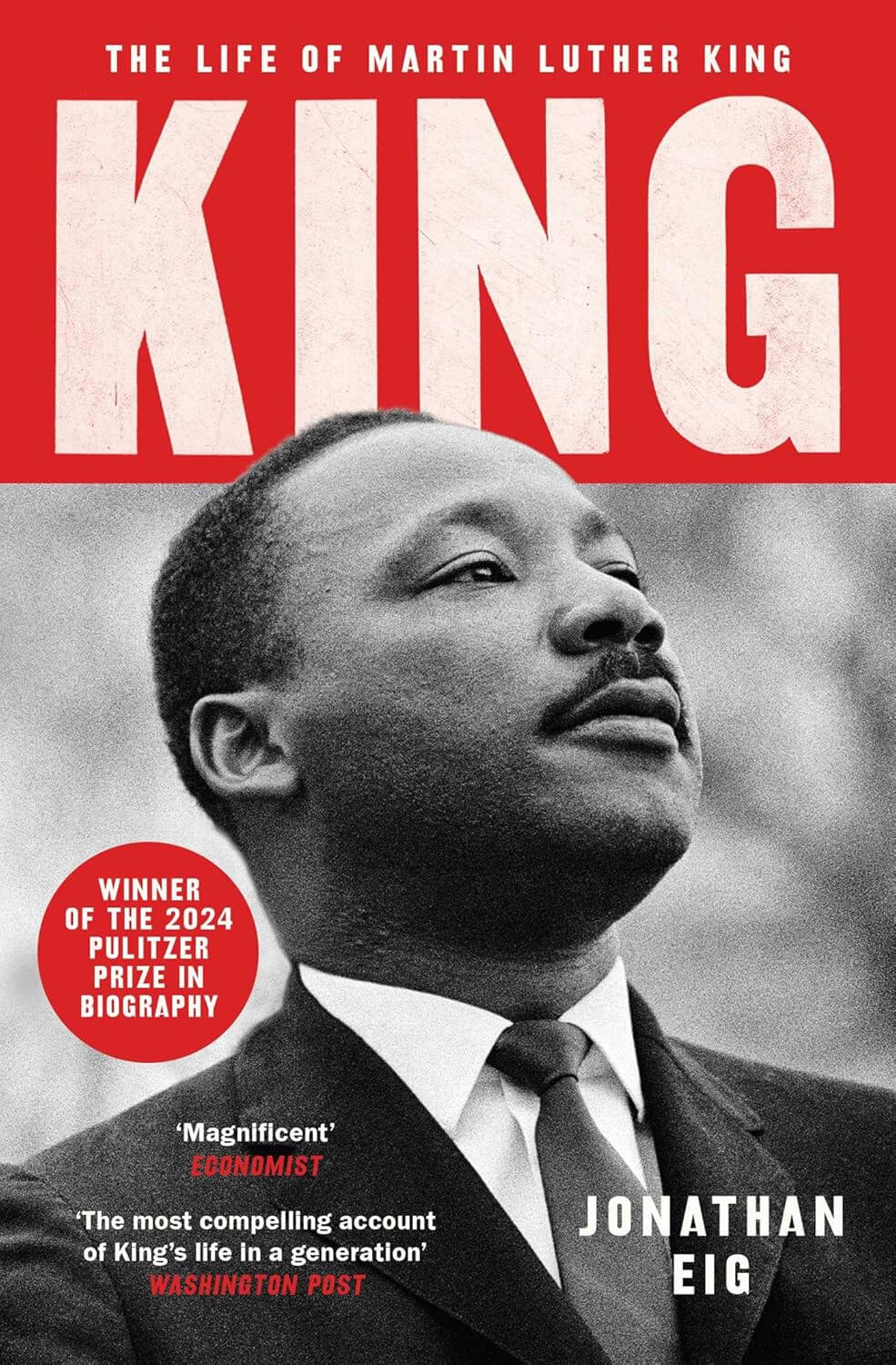
King: A Life
Winner

King: A Life

by Jonathan Eig

Eig’s biography presents Martin Luther King Jr. as both an icon and a complicated, evolving human being. The book is attentive to the movement’s collective nature while still tracing King’s particular gifts and contradictions. Eig writes with narrative momentum, making political strategy feel immediate rather than distant. The biography highlights the pressures of leadership—public scrutiny, private doubt, and constant threat. It also examines surveillance and state hostility, showing how power responds to moral challenge. The portrayal avoids hagiography without losing admiration. Moments of courage are grounded in the messy reality of organizing and coalition. The writing balances intimacy with historical sweep, giving readers a sense of the era’s volatility. By the end, King feels newly present—not simplified, but sharpened. A compelling, readable, and consequential life story.

4.64
Nonfiction
Biography
History
Inspiring
Serious
Immersive
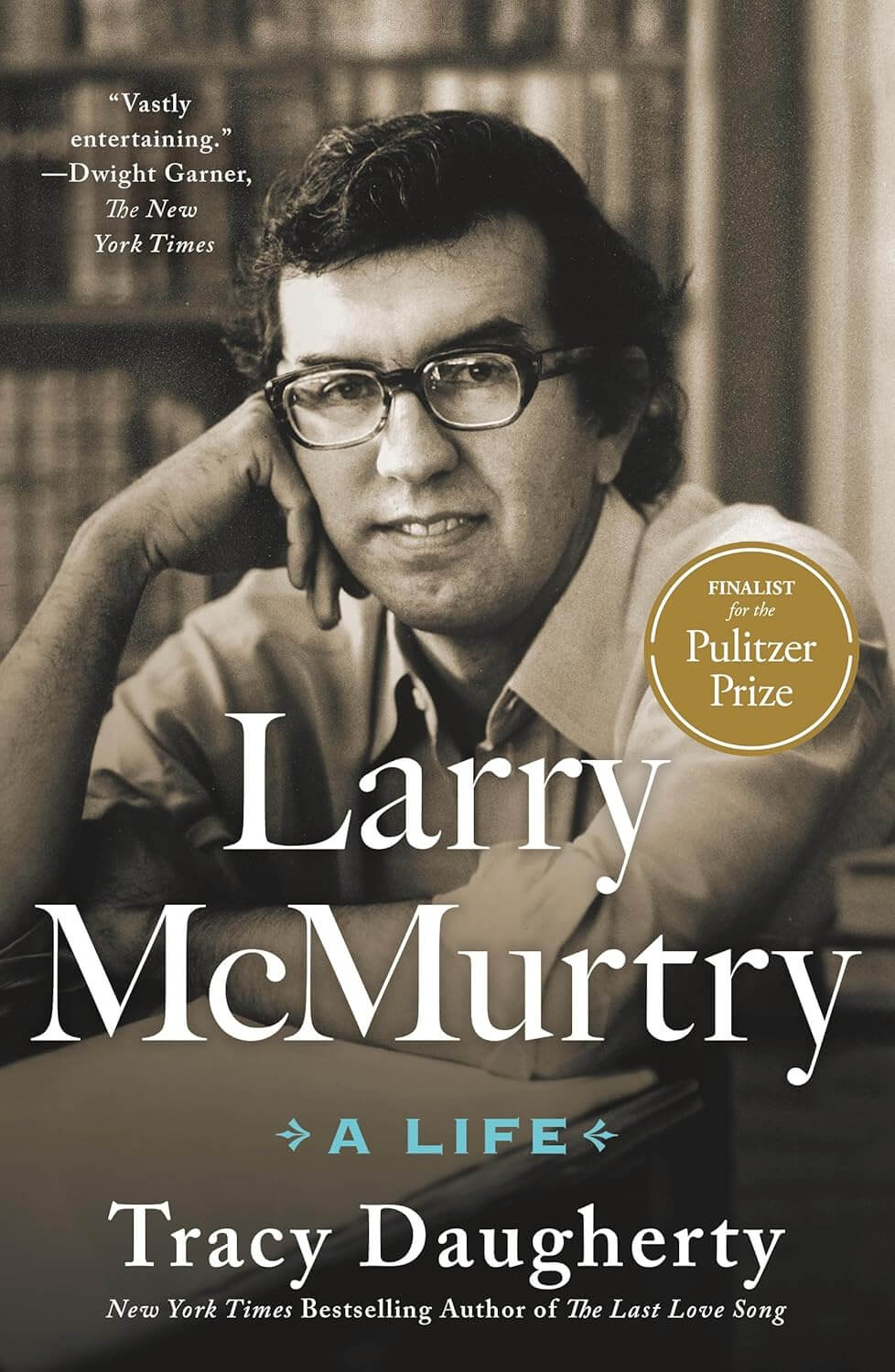
Larry McMurtry: A Life

Larry McMurtry: A Life

by Tracy Daugherty

Daugherty traces McMurtry’s life with an eye for contradiction: the mythmaker of the West who also took apart its myths. The biography explores how ambition, industry, and appetite shaped both the man and his work. It’s attentive to the literary marketplace—editing, screenwriting, bookselling—and how McMurtry navigated all of it with restless energy. Daugherty treats craft seriously, showing how themes evolved across decades. The portrait is rich in cultural context, charting shifts in American storytelling and taste. There’s also a sense of personal cost: relationships strained by work, identity shaped by success. The book captures a life lived at high speed and high output. It’s both a literary biography and a study of American cultural production. You finish with a renewed curiosity about McMurtry’s range and influence. A detailed, absorbing account of a major figure.

4.24
Nonfiction
Biography
Fascinating
Expansive
Insightful
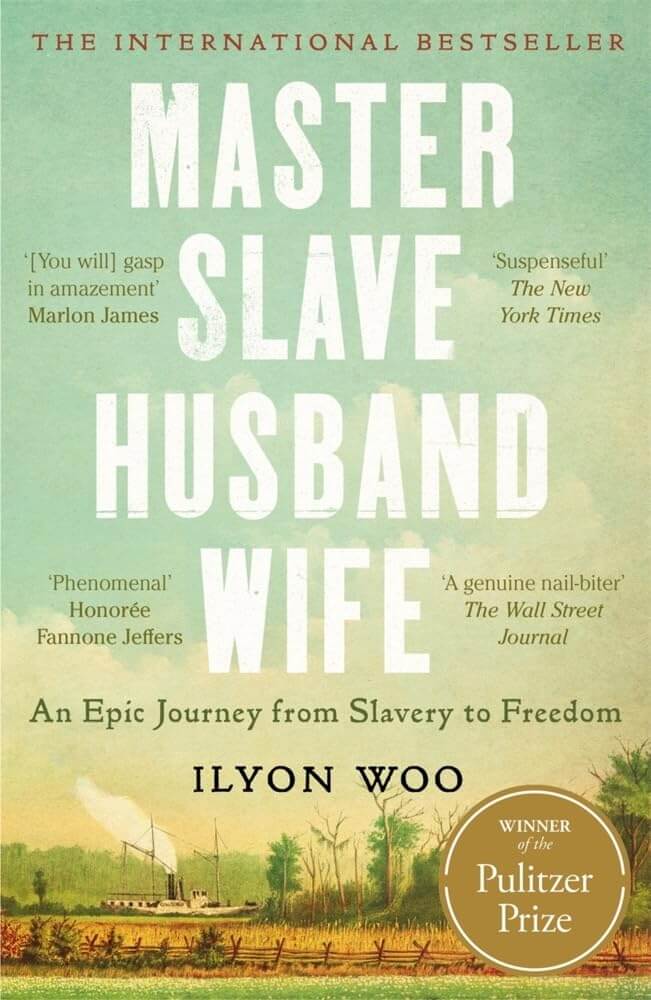
Master Slave Husband Wife: An Epic Journey from Slavery to Freedom
Winner

Master Slave Husband Wife: An Epic Journey from Slavery to Freedom

by Ilyon Woo

Woo reconstructs an extraordinary escape story with the pacing of a thriller and the rigor of serious history. The book follows a couple's daring flight from slavery, illuminating both ingenuity and constant danger. Woo is attentive to the logistics of survival—documents, disguises, routes, and the ever-present risk of exposure. But the narrative never loses sight of emotional stakes: intimacy under stress, trust, fear, and resolve. The book also reveals the wider systems that made such an escape necessary and nearly impossible. It's a story of agency in a world designed to deny it. Woo's prose is vivid and accessible, bringing archival research to life without sensationalism. The result is both gripping and profoundly moving. You feel the suspense, but you also feel the historical weight. An essential narrative of courage and partnership.

3.97
Nonfiction
Biography
History
Gripping
Suspenseful
Moving

Poetry

Collections that stretch the line—epic in attention, daring in form, and fiercely alive to the present

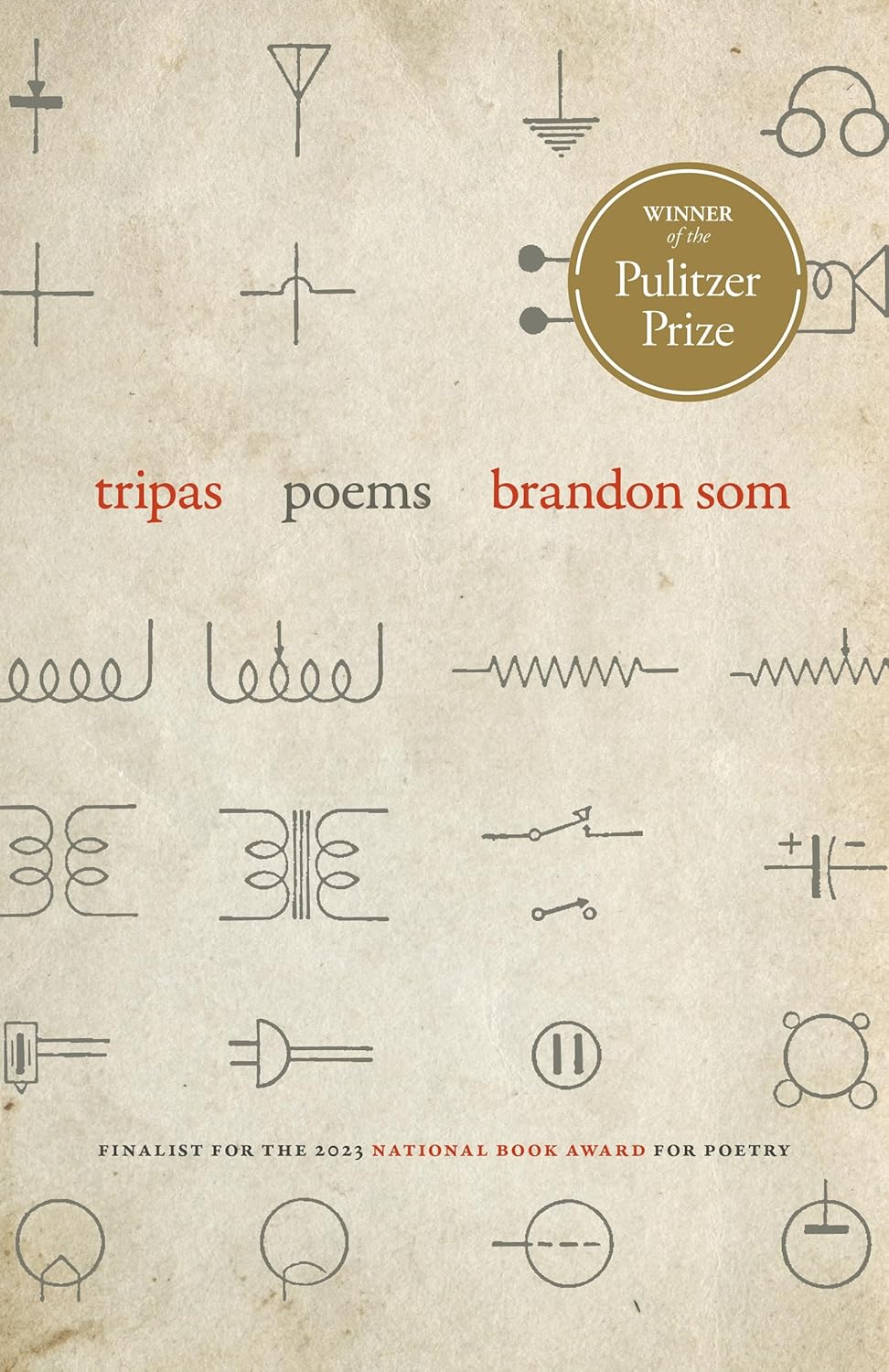
Tripas: Poems
Winner

Tripas: Poems

by Brandon Som

Som’s poems feel like acts of inquiry—into family, history, language, and the body as archive. The collection is attentive to what gets inherited: stories, silences, and the subtle physics of belonging. Som’s imagery is vivid and precise, often surprising in the way it leaps between registers. The voice moves between intimacy and analysis, making thought feel muscular rather than abstract. Many poems explore translation broadly—how experience crosses borders of culture and time. There’s a strong sense of craft: rhythms that tighten, lines that turn sharply, images that return with new meaning. The collection rewards slow reading, inviting you to sit with ambiguity and echo. Emotional moments are earned rather than announced. The result is a book that feels both personal and intellectually alive. You finish with a heightened sense of how language holds what we cannot. A powerful collection of attention and pressure.

3.84
Poetry
Searching
Lyrical
Intimate
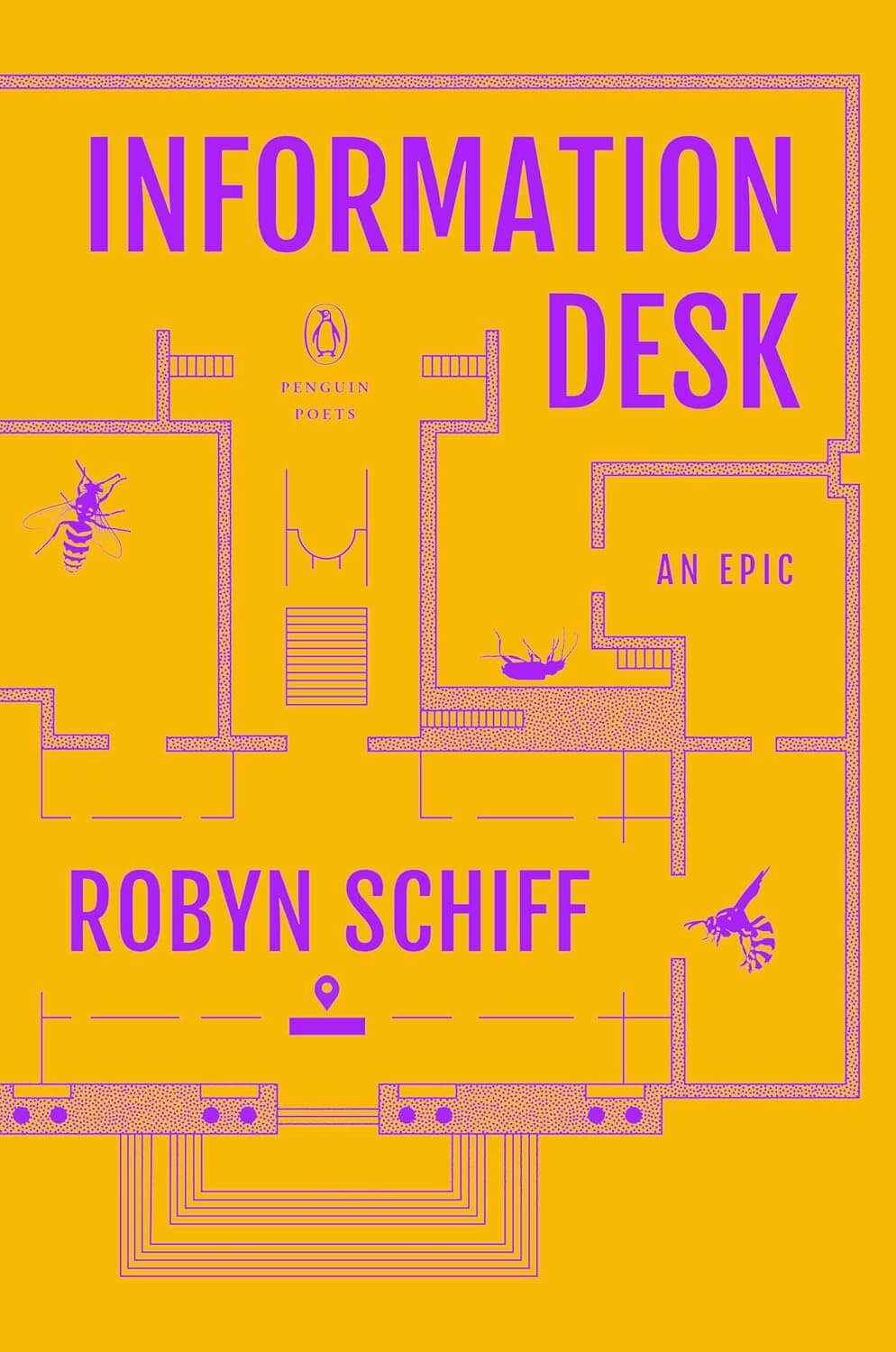
Information Desk: An Epic

Information Desk: An Epic

by Robyn Schiff

Schiff’s “epic” is epic less in battles than in attention: to institutions, to bodies in public space, to the strange theatre of modern life. The collection is formally adventurous, using long lines and accumulating detail to create momentum. Schiff balances wit with seriousness, letting humour sharpen rather than soften the critique. The poems feel contemporary in the best sense—alive to language as it is spoken and marketed and institutionalised. There’s a strong ethical current: who is served, who is watched, who is made legible. The title becomes a metaphor for mediation—how information is filtered and how people are managed. Schiff’s observational power is relentless, and the intelligence is bracing. Yet there are moments of tenderness and vulnerability that keep the voice human. The book can be demanding, but it’s also thrillingly alive. You finish feeling that “epic” can be a day at a desk—if you look closely enough. A bold, unforgettable collection.

3.90
Poetry
Cerebral
Wry
Electrifying
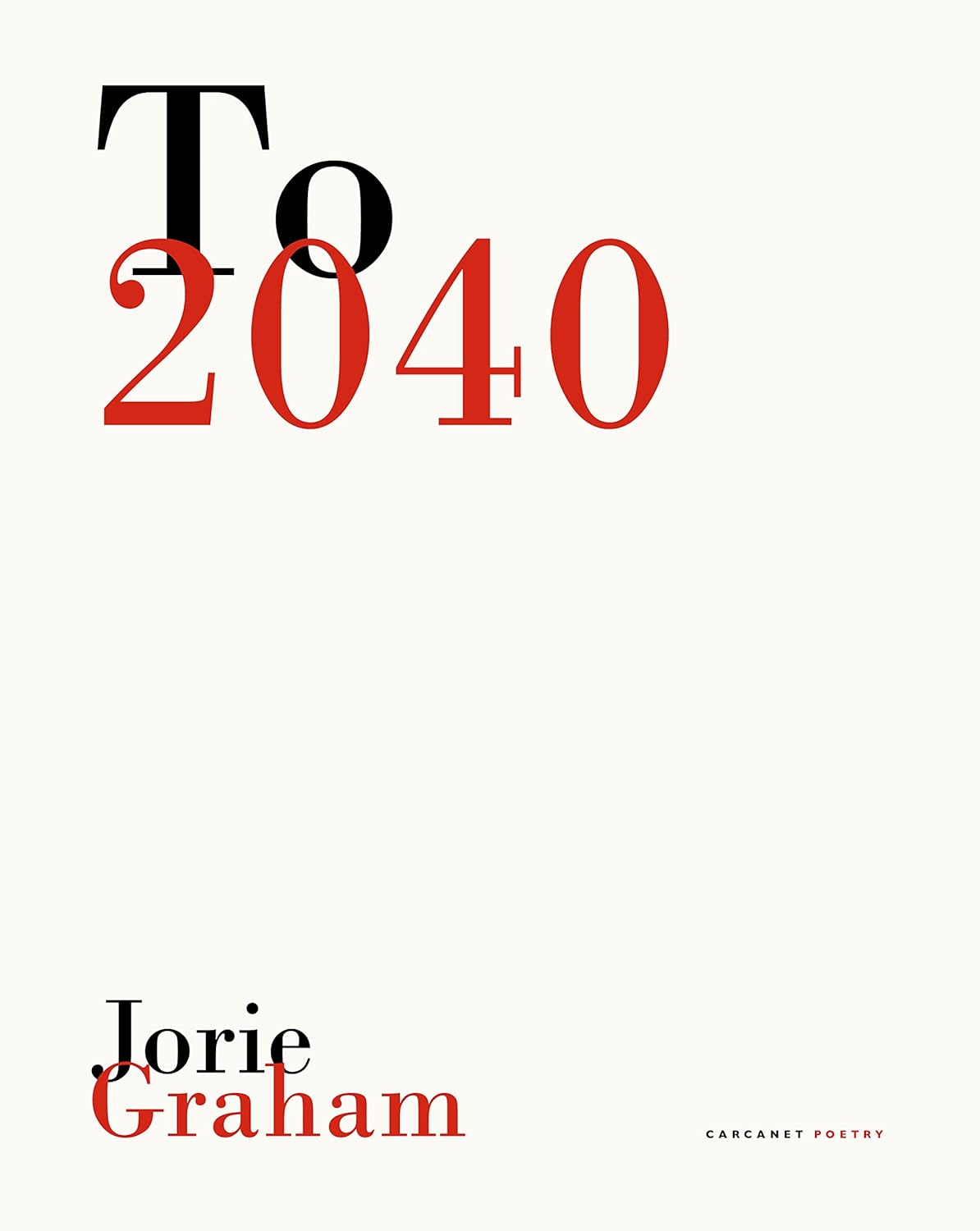
To 2040

To 2040

by Jorie Graham

Graham writes with urgency, confronting the near future as something already pressing on the present. The poems feel like weather systems—complex, shifting, full of pressure and sudden openings. Graham's language is intellectually dense, but it's powered by emotion: fear, grief, love, and an insistence on attention. The collection interrogates time, asking what it means to live in an era of crisis and acceleration. Lines move by interruption and pivot, mimicking thought under stress. There's a strong sense of moral address: the poems speak outward, as if trying to reach someone before it's too late. Nature appears not as pastoral comfort but as a register of consequence. Reading this book can feel like being asked to stay awake. Yet within the urgency there are moments of startling beauty. The poems insist that language matters because it is one of the few tools we have to face reality. A fierce, challenging collection.

3.99
Poetry
Urgent
Intense
Apocalyptic