A landmark year of fiction, history, biography, memoir, poetry, and nonfiction at the height of American literary excellence
The 2023 Pulitzer Prize–recognized books represent a sweeping portrait of American life, power, art, and identity. Across genres, these works interrogate the systems that shape our world—capitalism, racism, political authority, technological innovation—while centering the deeply human stories within them. Together, they reflect a literary culture unafraid of complexity.
From inventive novels that dismantle myths of wealth and opportunity to historical studies that expose the foundations of inequality, this year’s selections offer both narrative brilliance and intellectual rigor. Biographies and memoirs bring readers close to iconic figures and intimate personal reckonings, while poetry distills private and collective experience into language that lingers.
These books do more than chronicle events; they challenge readers to reconsider the stories America tells about itself. Urgent, compassionate, and incisive, the Pulitzer Prize 2023 honorees capture a moment of cultural reckoning and artistic achievement.
Fiction
Inventive and ambitious novels that reimagine American life through bold structure, unforgettable voices, and moral inquiry.
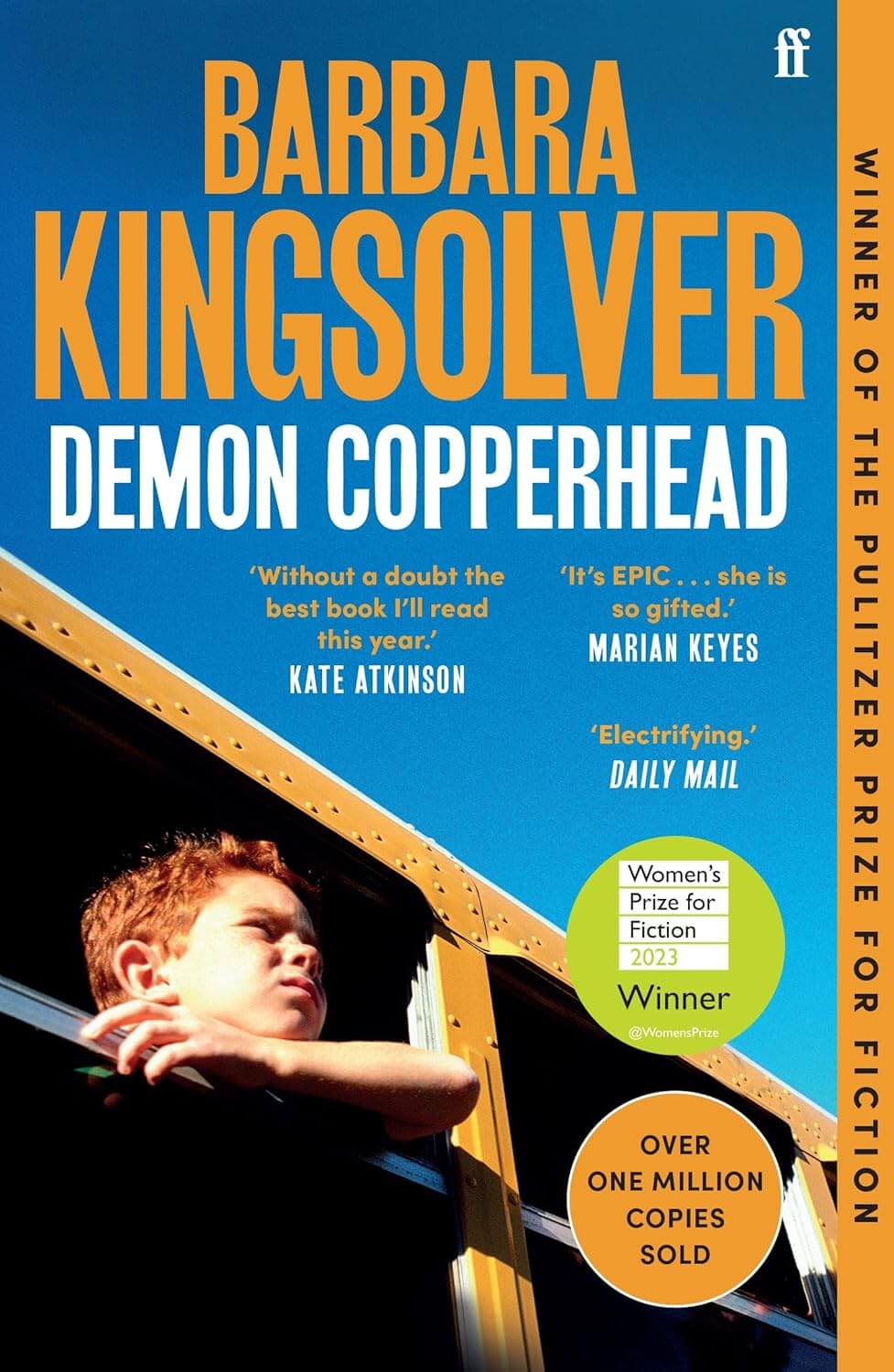
Barbara Kingsolver’s reimagining of David Copperfield is a fierce, heartfelt portrait of a boy determined to survive a world stacked against him. Set in Appalachia, the novel follows Demon through addiction, poverty, makeshift families, and flashes of hope. Kingsolver’s voice is both compassionate and unsparing, blending humour with devastating realism. The result is a novel that feels epic in scope while remaining deeply personal. Demon’s voice is unforgettable — sharp, tender, and painfully honest — making the book a contemporary classic in its own right.
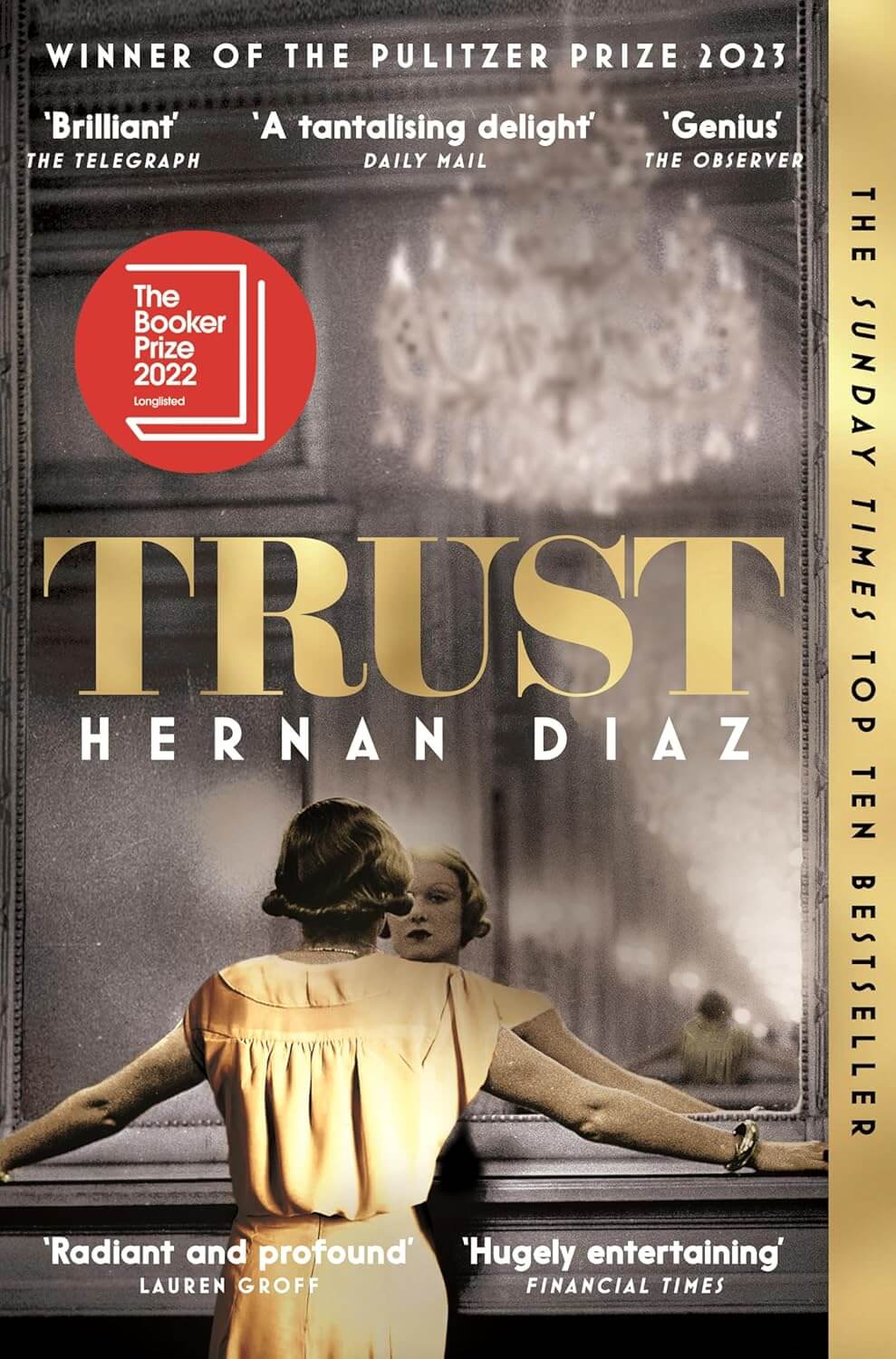
Hernan Diaz crafts a literary puzzle about money, power, and authorship in early twentieth-century America. Told in four interlocking narratives, the novel revisits the same marriage from competing perspectives. Each section reframes the previous one, destabilizing the notion of a single truth. Diaz’s cool, controlled prose mirrors the austere world of finance. Beneath that surface lies a meditation on erasure and narrative control. A marginalized voice gradually claims its authority. The structure becomes a commentary on how wealth shapes history itself. Readers are invited to question not only characters, but storytellers. It is cerebral, elegant, and quietly subversive.
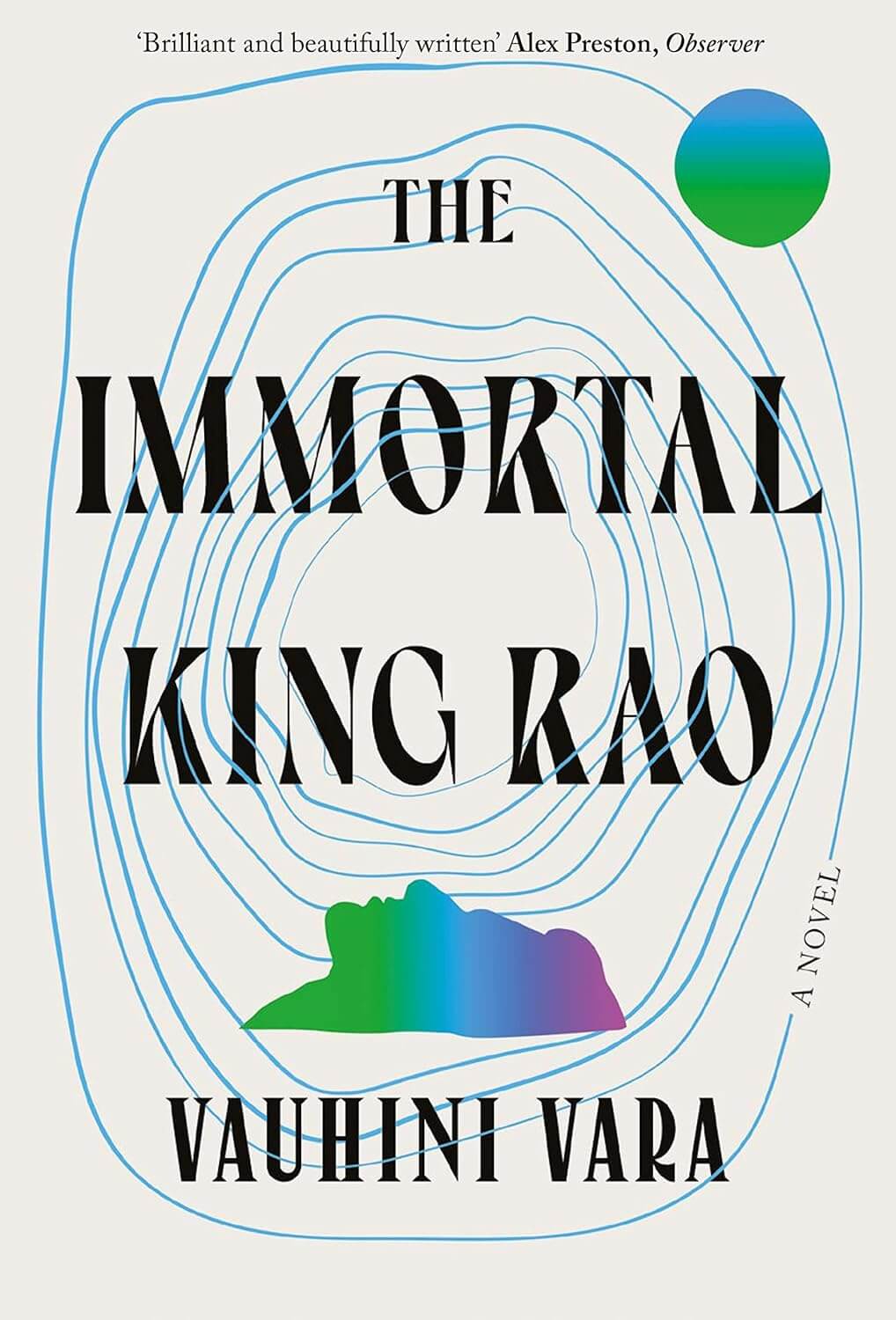
Vauhini Vara’s sweeping debut follows a tech visionary from rural India to Silicon Valley dominance. Framed as testimony before a future tribunal, the novel blends realism and speculative fiction. King Rao emerges as brilliant, charismatic, and increasingly authoritarian. Vara interrogates the mythology of technological progress. The father-daughter relationship at the novel’s center adds emotional depth to its global scope. Questions of data, surveillance, and corporate power loom large. Vara’s prose is sharp and morally attentive. The narrative critiques both ambition and complicity. It is a timely meditation on innovation and control.
3.65
Literary Fiction
Speculative Fiction
Ambitious
Reflective
Unsettling
General Nonfiction
Investigative and cultural works that illuminate injustice, language reform, ecology, and systemic inequality.
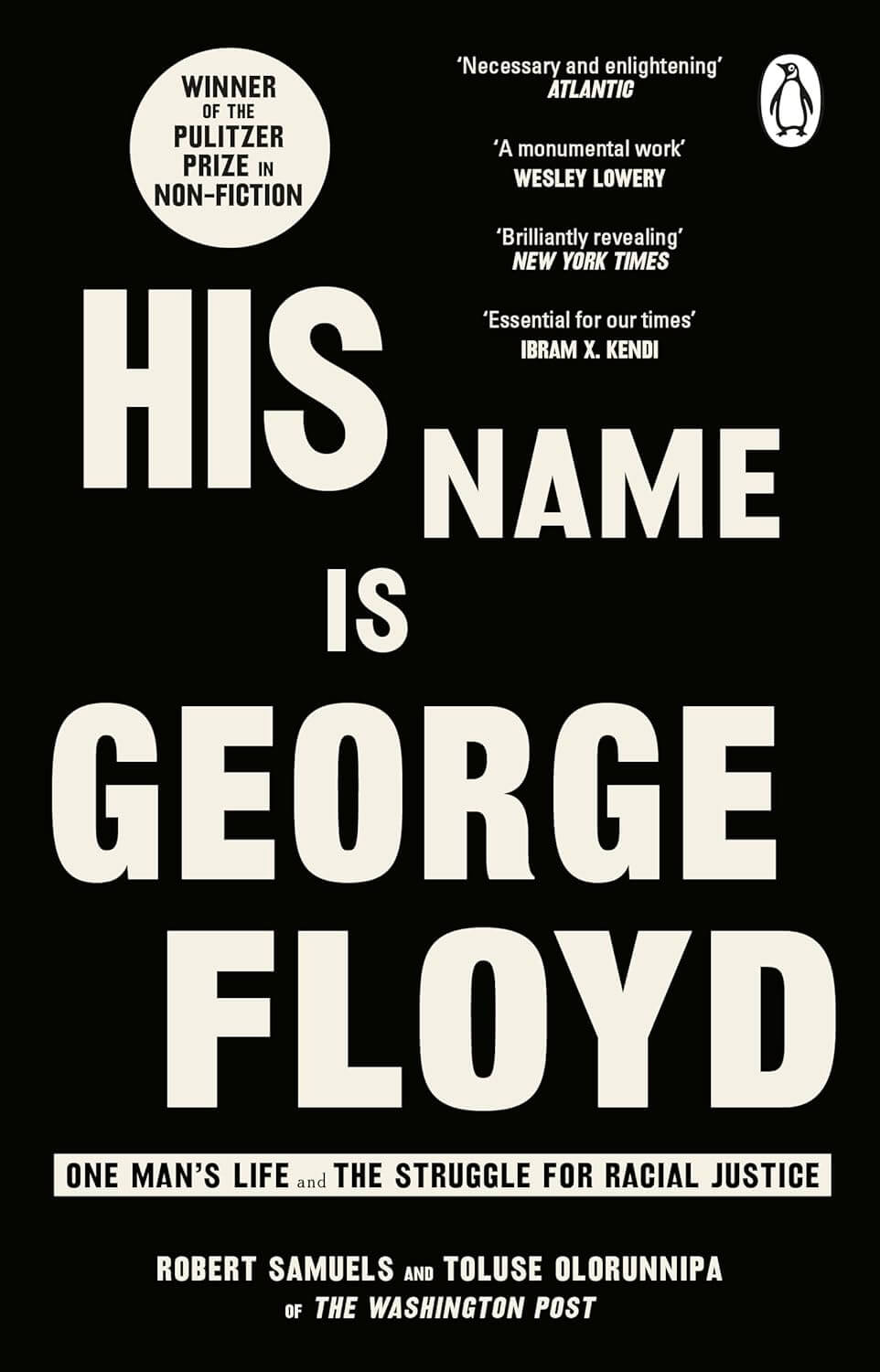
This deeply reported work reconstructs George Floyd’s life beyond the moment that shocked the world. Samuels and Olorunnipa trace his upbringing, struggles, and aspirations. The book situates Floyd within broader systems of policing and inequality. The reporting is meticulous and compassionate. Structural racism emerges as a persistent force shaping opportunity. The authors balance biography with investigative rigor. Readers encounter Floyd as a full human being. The narrative is sober and unflinching. It stands as both memorial and systemic critique.
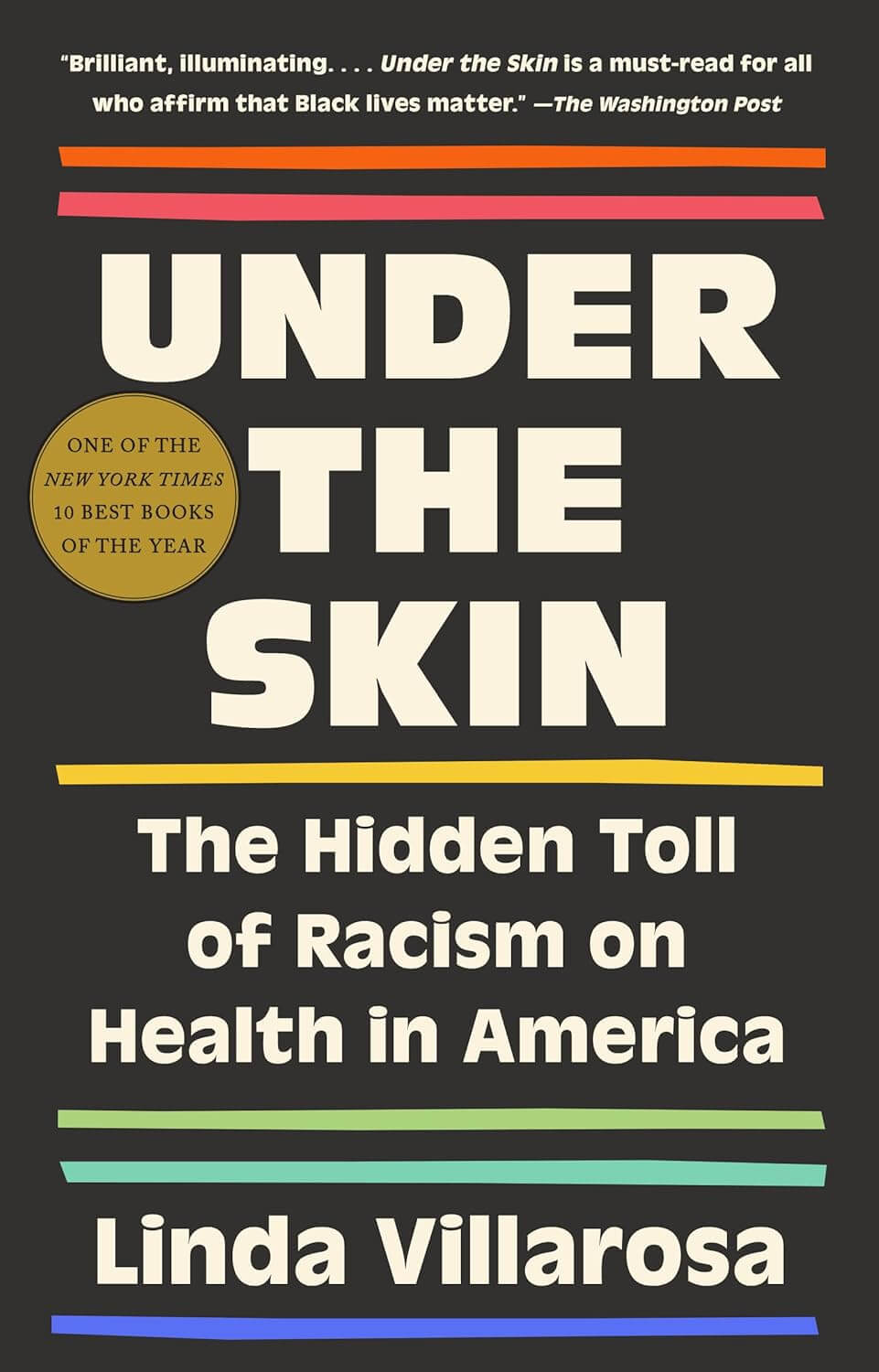
Linda Villarosa investigates the medical consequences of systemic racism in America. Drawing on research and personal narratives, she reveals disparities in maternal health and chronic illness. The book dismantles myths about biological race. Villarosa shows how stress and inequality shape physical outcomes. Her reporting is clear and compassionate. Case studies bring statistics into human focus. The narrative challenges entrenched assumptions in medicine. Villarosa calls for structural change in healthcare systems. It is an urgent and transformative work.
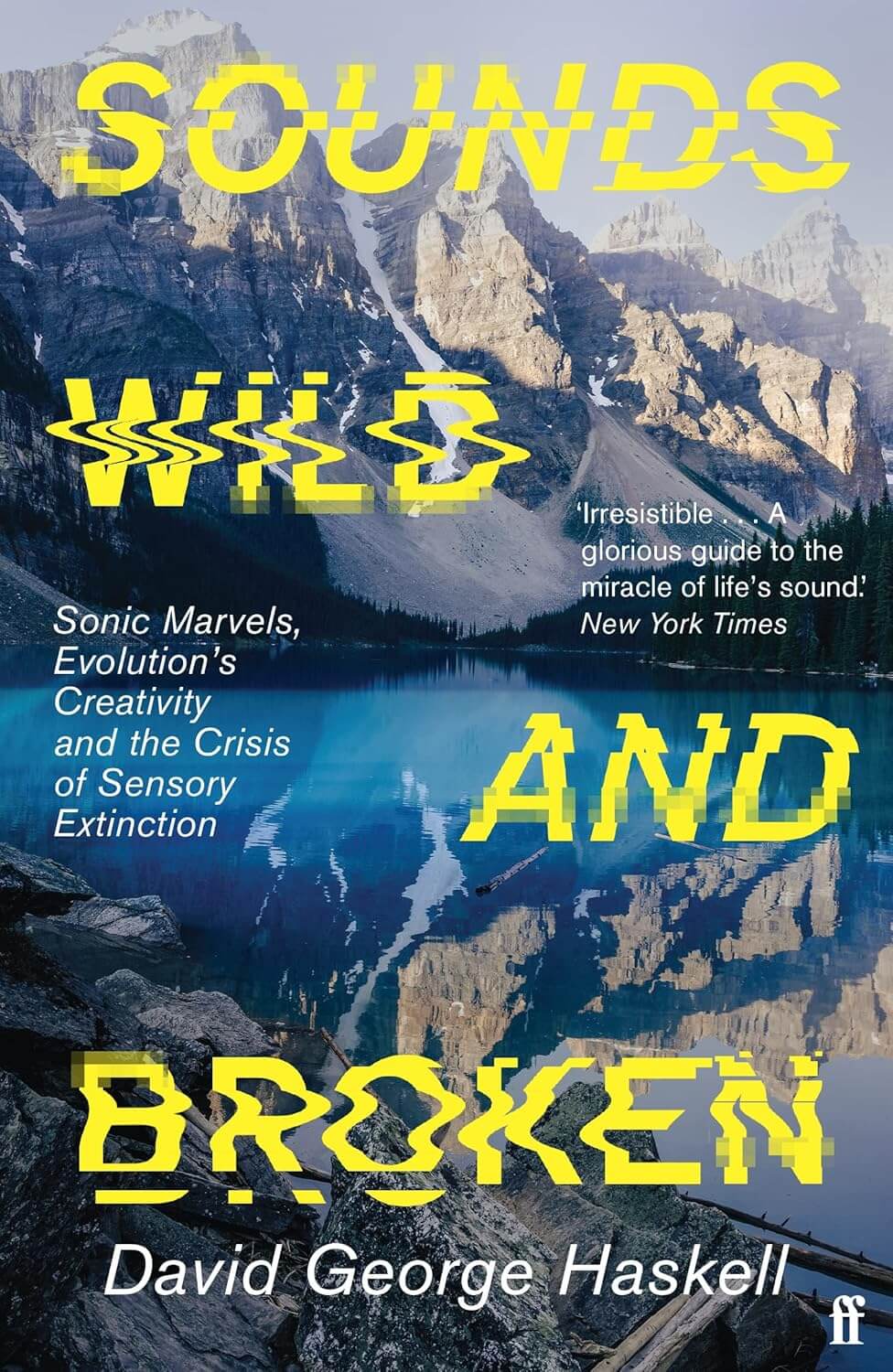
David George Haskell explores the astonishing diversity of animal sound across the planet. Blending science and lyrical observation, he invites readers to listen differently. The book examines how evolution shapes communication. Haskell also confronts the ecological crisis threatening sonic biodiversity. Field recordings and research animate the narrative. The prose is immersive and poetic. Readers are drawn into forests, oceans, and wetlands. The work balances wonder with urgency. It is both celebration and warning.
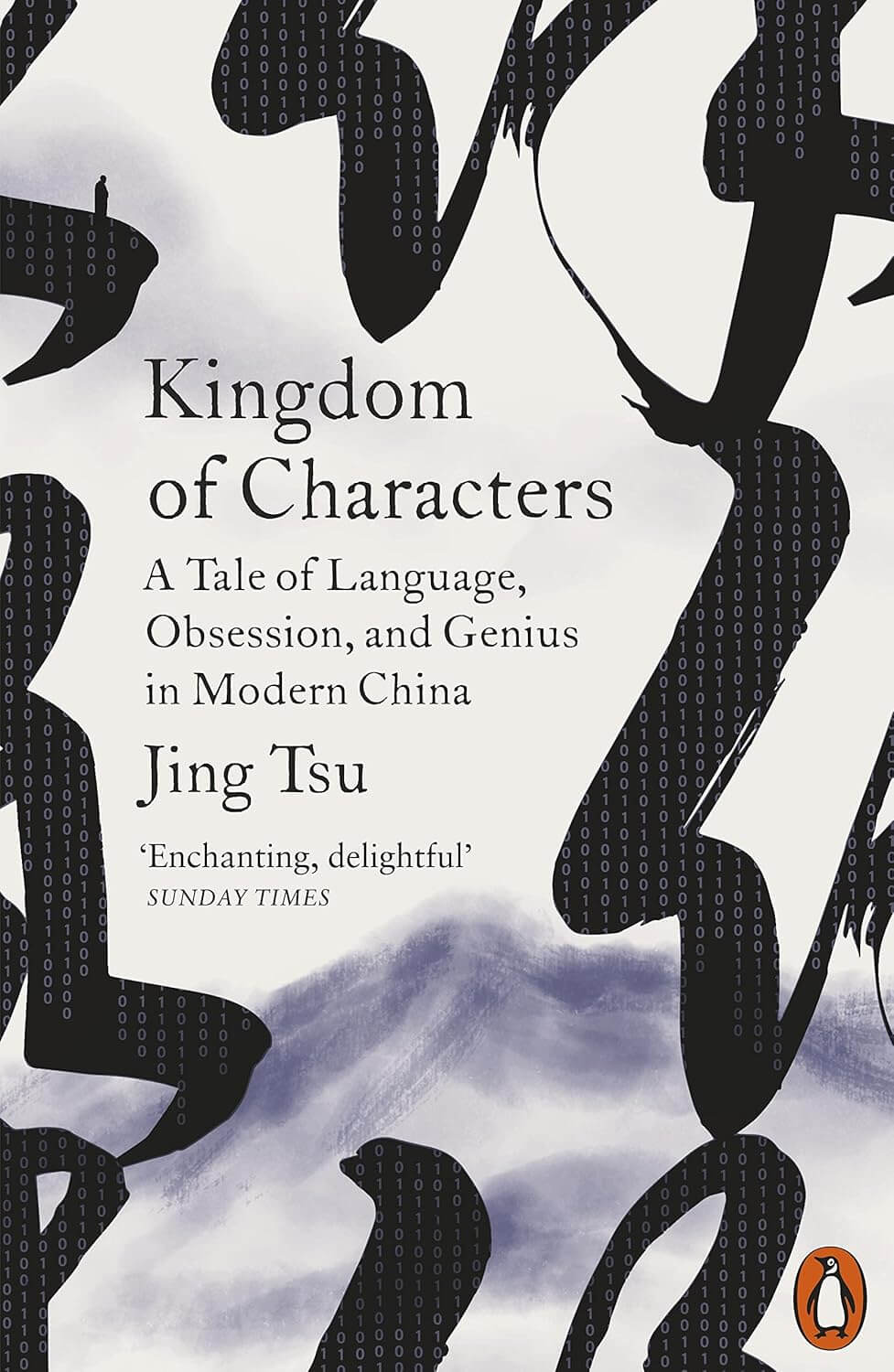
Jing Tsu’s Kingdom of Characters explores the modern history of the Chinese script and its role in shaping China’s place in the world. Tsu traces the efforts to adapt the complex writing system to typewriters, telegraphs, and computers, showing how language and technology intersect. The book is both a cultural history and a story of innovation, revealing how scripts and characters carry national identity. Tsu writes with clarity and erudition, making a specialized topic accessible and fascinating. It’s a reminder of how deeply language structures our reality.
3.85
History
Linguistics
Cultural Studies
Intellectual
Accessible
Intriguing
History
Rigorous works that examine the political, economic, and constitutional forces shaping the United States.
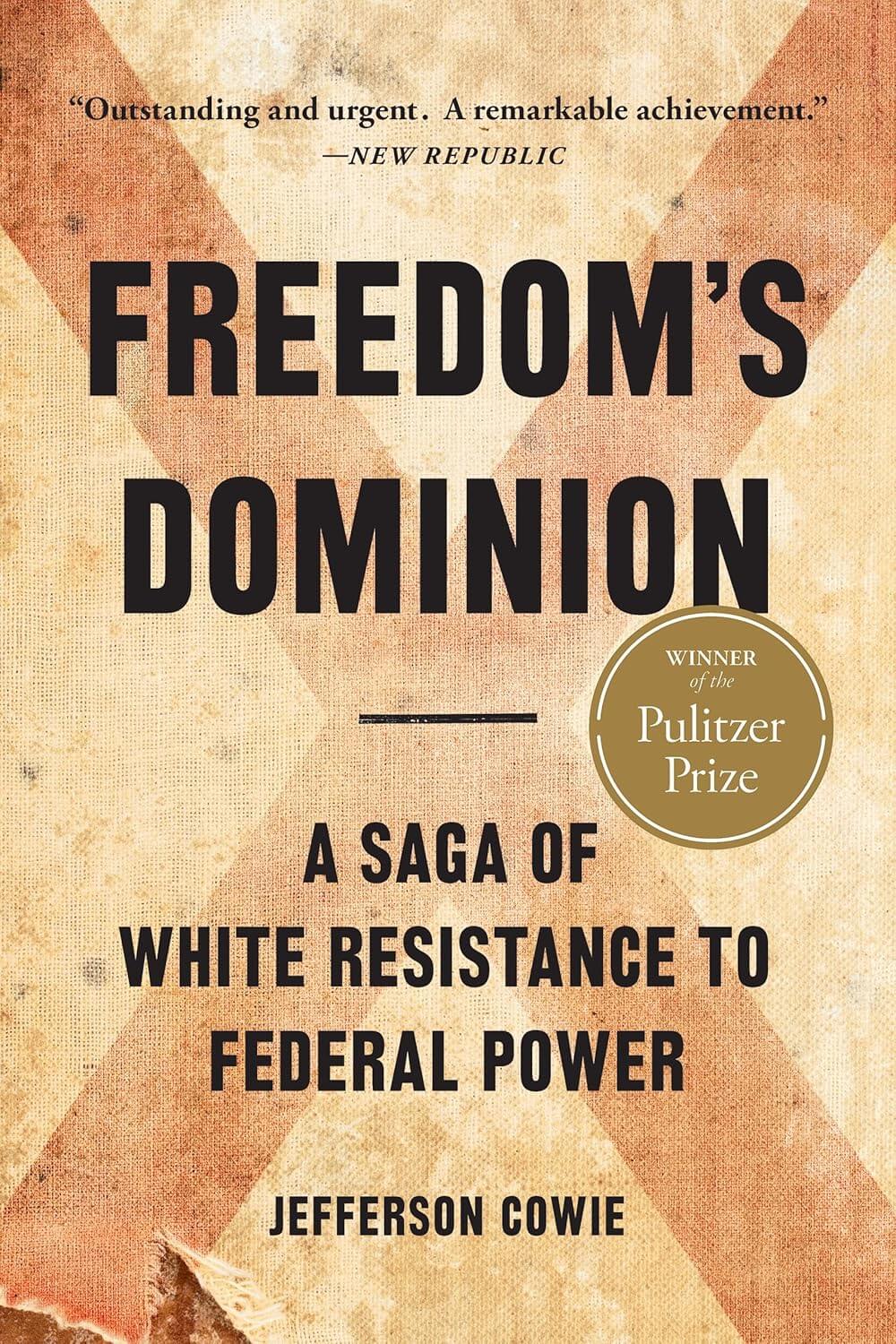
Jefferson Cowie traces the roots of white resistance to federal authority from Reconstruction through the twentieth century. Centering on Barbour County, Alabama, he reveals how local struggles shaped national ideology. The book connects historical violence and political rhetoric to modern debates about states’ rights. Cowie’s scholarship is deeply researched yet accessible. He exposes how appeals to liberty often masked racial hierarchy. The narrative moves seamlessly between local archives and national politics. Cowie reframes familiar constitutional arguments in startling ways. His analysis underscores the fragility of democratic ideals. It is a sobering and essential reinterpretation of American political history.
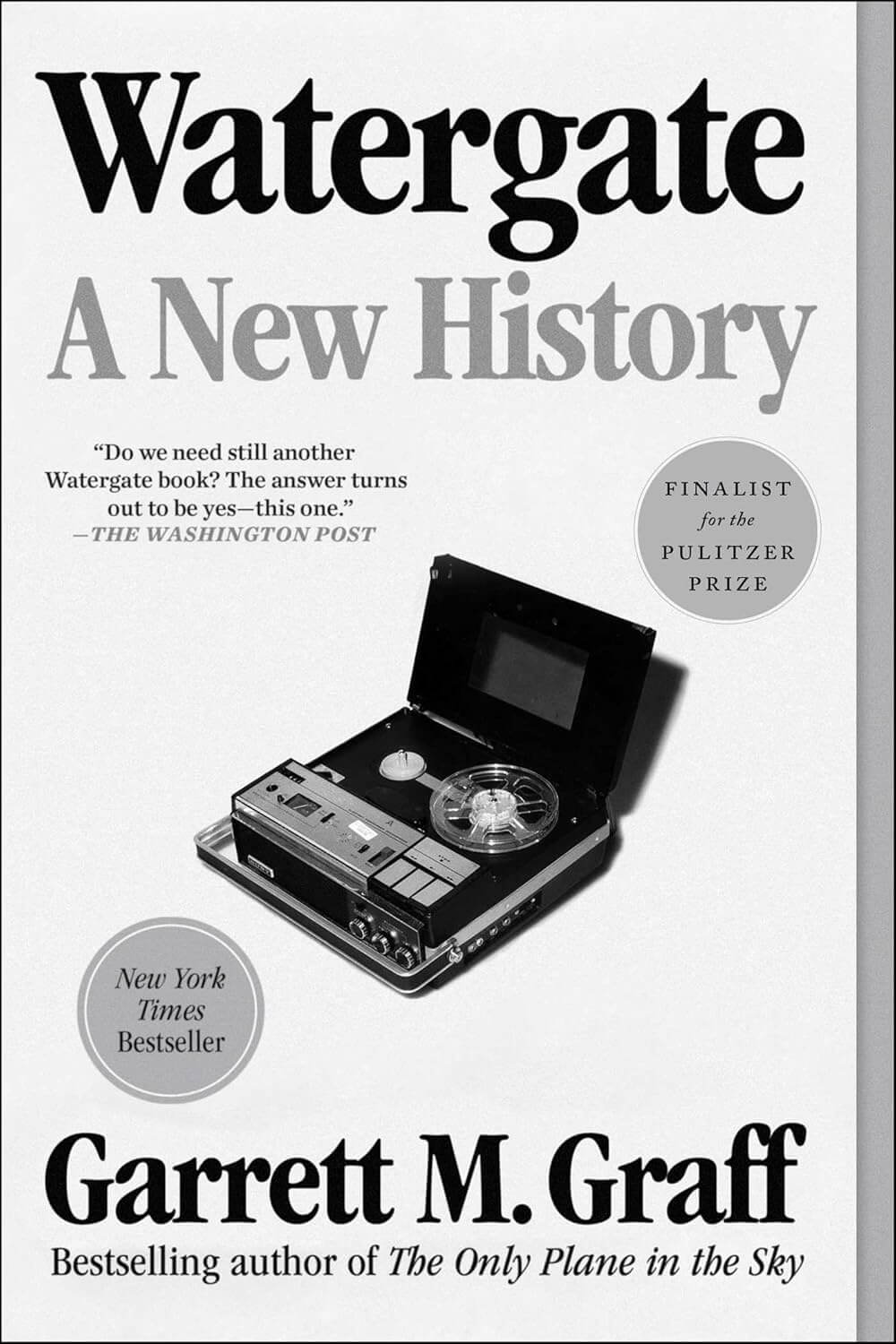
Garrett M. Graff revisits Watergate with newly available sources and narrative clarity. He reconstructs the scandal's intricate web of power and paranoia. Familiar figures emerge with renewed complexity and motive. Graff situates the break-in within broader patterns of executive overreach. The pacing reads like a political thriller. Journalism's role in defending democracy takes center stage. The book clarifies constitutional stakes for modern readers. Graff's research is meticulous and compelling. It is both definitive history and timely warning.
Michael John Witgen reframes American expansion through Indigenous economic and political systems. He dismantles the myth of empty frontier lands by documenting Native governance and trade. The book argues that dispossession was structural and central to national growth. Witgen blends economic history with Indigenous studies in compelling ways. His analysis foregrounds Native agency and resilience. By centering Indigenous perspectives, he challenges entrenched narratives. The scholarship is rigorous but lucid. The book reshapes how readers understand territorial expansion. It stands as a corrective to traditional frontier mythology.
4.09
History
Indigenous Studies
Scholarly
Challenging
Illuminating
Memoir or Autobiography
Personal narratives that transform memory into inquiry, tracing identity, loss, resilience, and belonging.
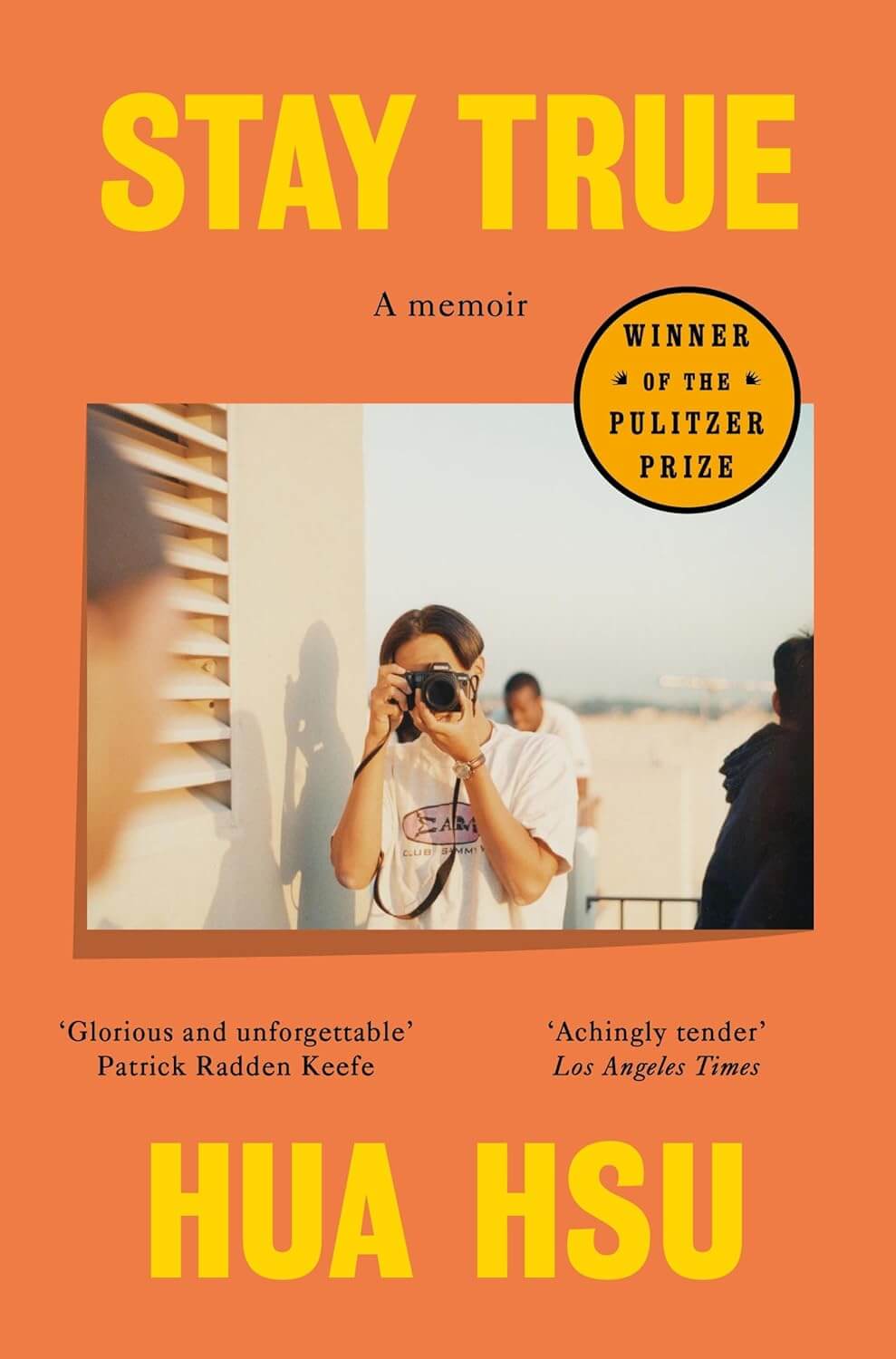
Hua Hsu's memoir begins with a friendship between two college students who seemed to share little in common. When tragedy strikes, the book becomes a meditation on grief, identity, and the fragile intensity of youth. Hsu writes with restraint, allowing emotion to gather power quietly. He reflects on race, taste, and belonging in 1990s America without turning nostalgic. The narrative moves fluidly between cultural criticism and personal memory. Hsu interrogates his younger self with honesty and humility. The result is both elegy and coming-of-age story. His prose is lucid, thoughtful, and deeply humane. The memoir lingers as a tribute to friendship and self-discovery.
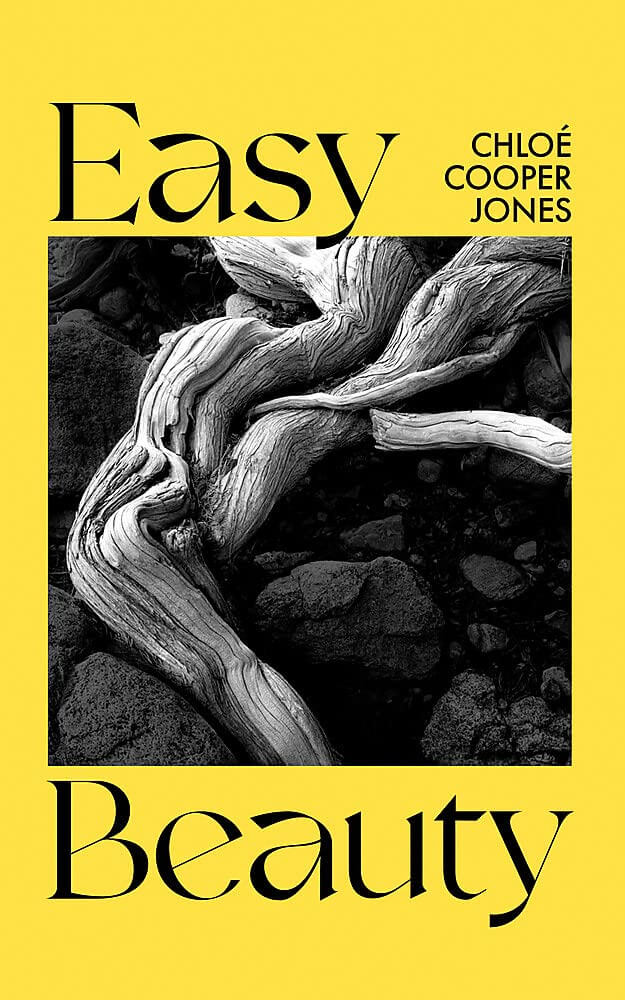
Chloé Cooper Jones weaves philosophy, travel, and personal narrative into a meditation on disability and beauty. Born with sacral agenesis, she confronts the assumptions projected onto her body. The memoir unfolds through journeys to places like Cambodia and Mexico, each encounter prompting deeper inquiry. Jones blends cultural criticism with vulnerability. Her writing is incisive yet intimate, questioning what society deems worthy or whole. She explores art, literature, and desire alongside her own lived experience. The book resists easy sentimentality. Instead, it offers a rigorous exploration of embodiment. It is searching, intelligent, and quietly transformative.
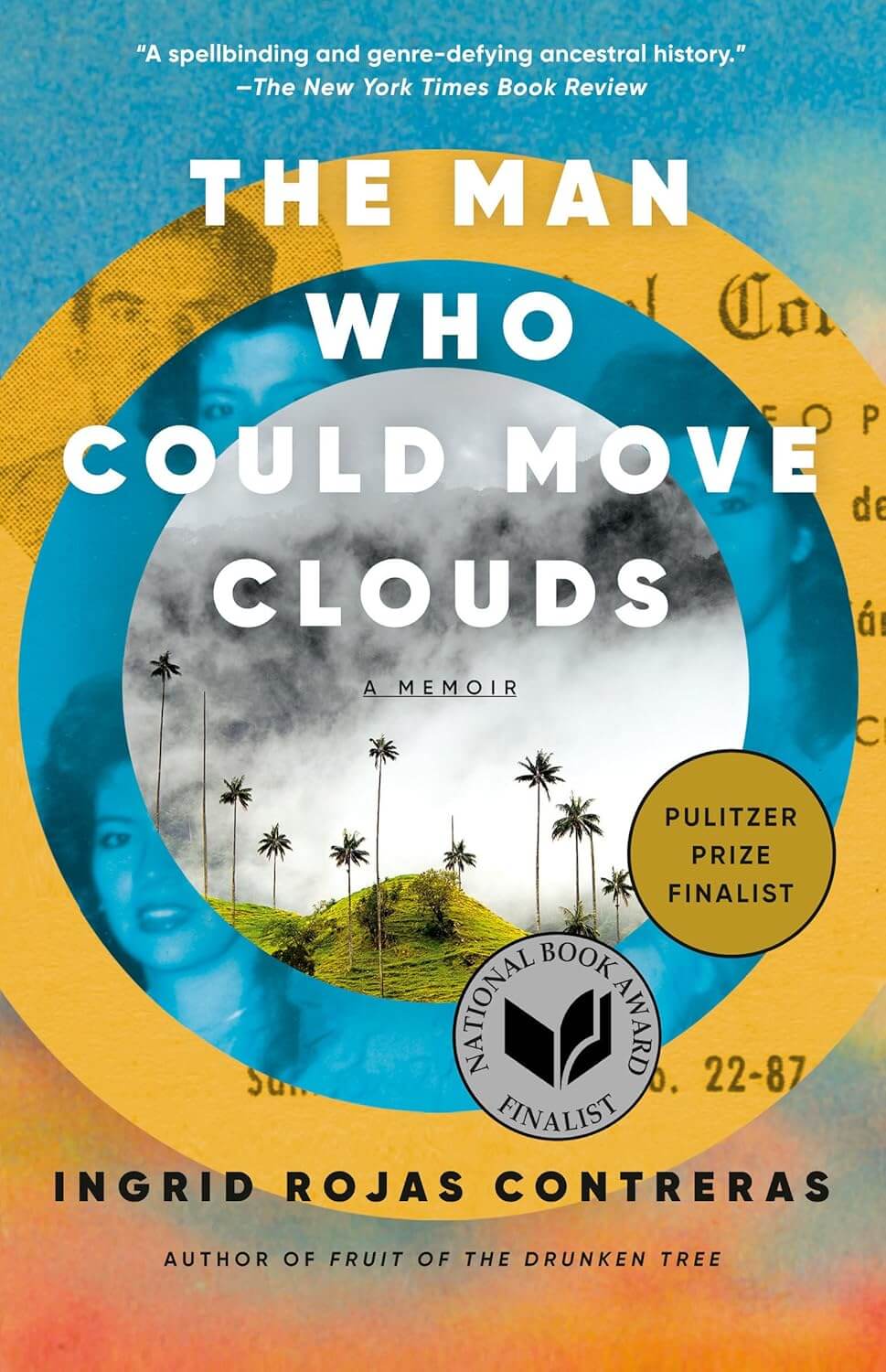
Ingrid Rojas Contreras blends family history with myth and magical realism in this lyrical memoir. After a head injury leaves her struggling with memory, she turns to her grandfather’s legendary healing powers for guidance. The narrative moves between Colombia and the United States, tracing migration and inheritance. Contreras explores generational trauma and storytelling as survival. Her prose is vivid and sensuous, steeped in folklore. Memory becomes both fragile and sacred. The memoir questions what is remembered, forgotten, and transformed. It is as much about imagination as it is about lineage. The result is haunting and luminous.
4.03
Memoir
Literary Nonfiction
Lyrical
Haunting
Intimate
Biography
Intimate and expansive portraits of figures who shaped American politics, culture, and justice.
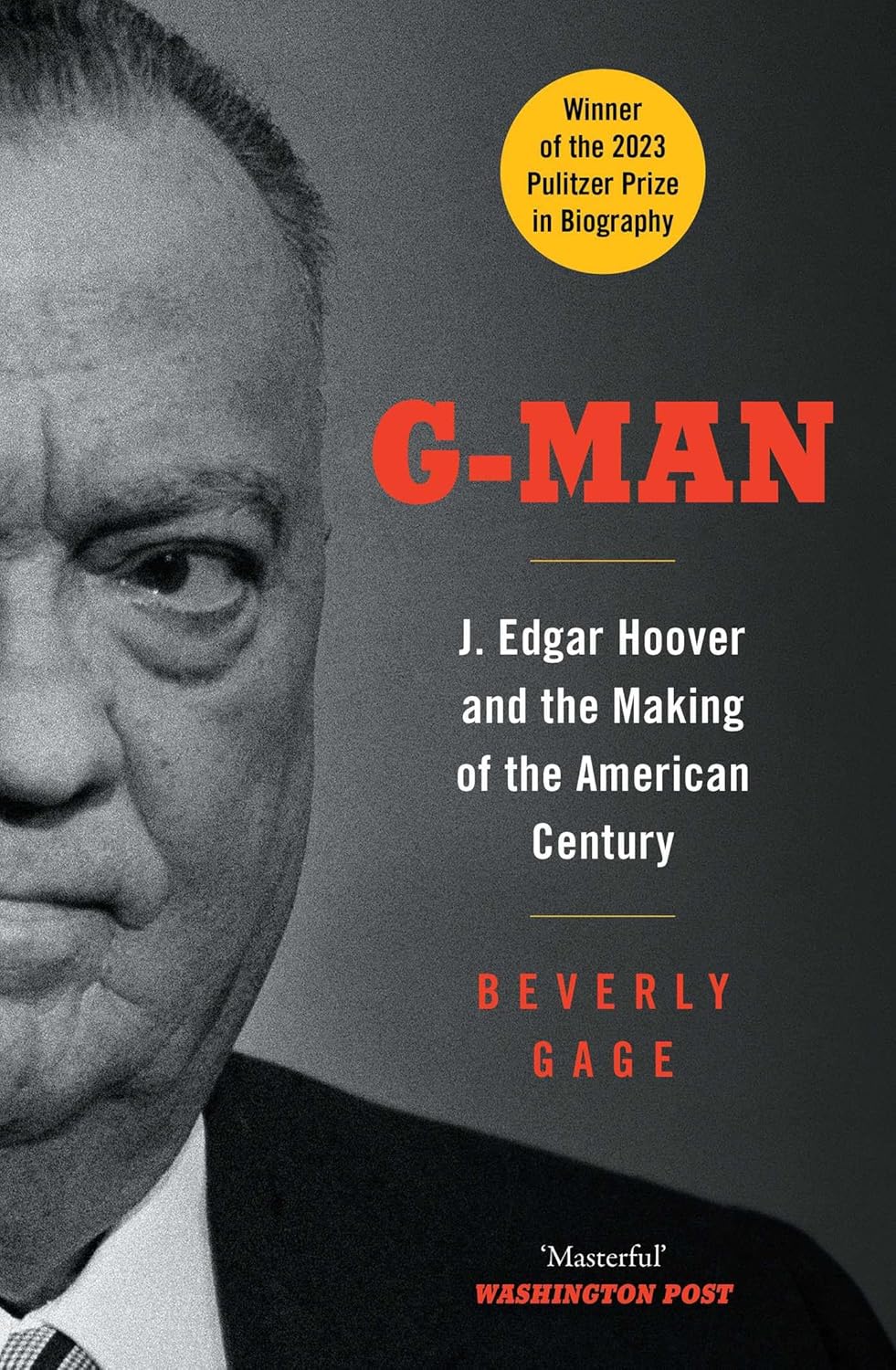
Beverly Gage delivers a monumental biography of J. Edgar Hoover and his decades-long influence. She situates Hoover within the political anxieties of the twentieth century. The book explores surveillance, power, and institutional expansion. Gage resists caricature, portraying Hoover as complex and strategic. Archival depth strengthens every chapter. The biography reveals how Hoover shaped modern federal law enforcement. It also probes the personal contradictions behind the public persona. Gage's narrative is balanced and authoritative. The result is a definitive account of a controversial architect of American security.
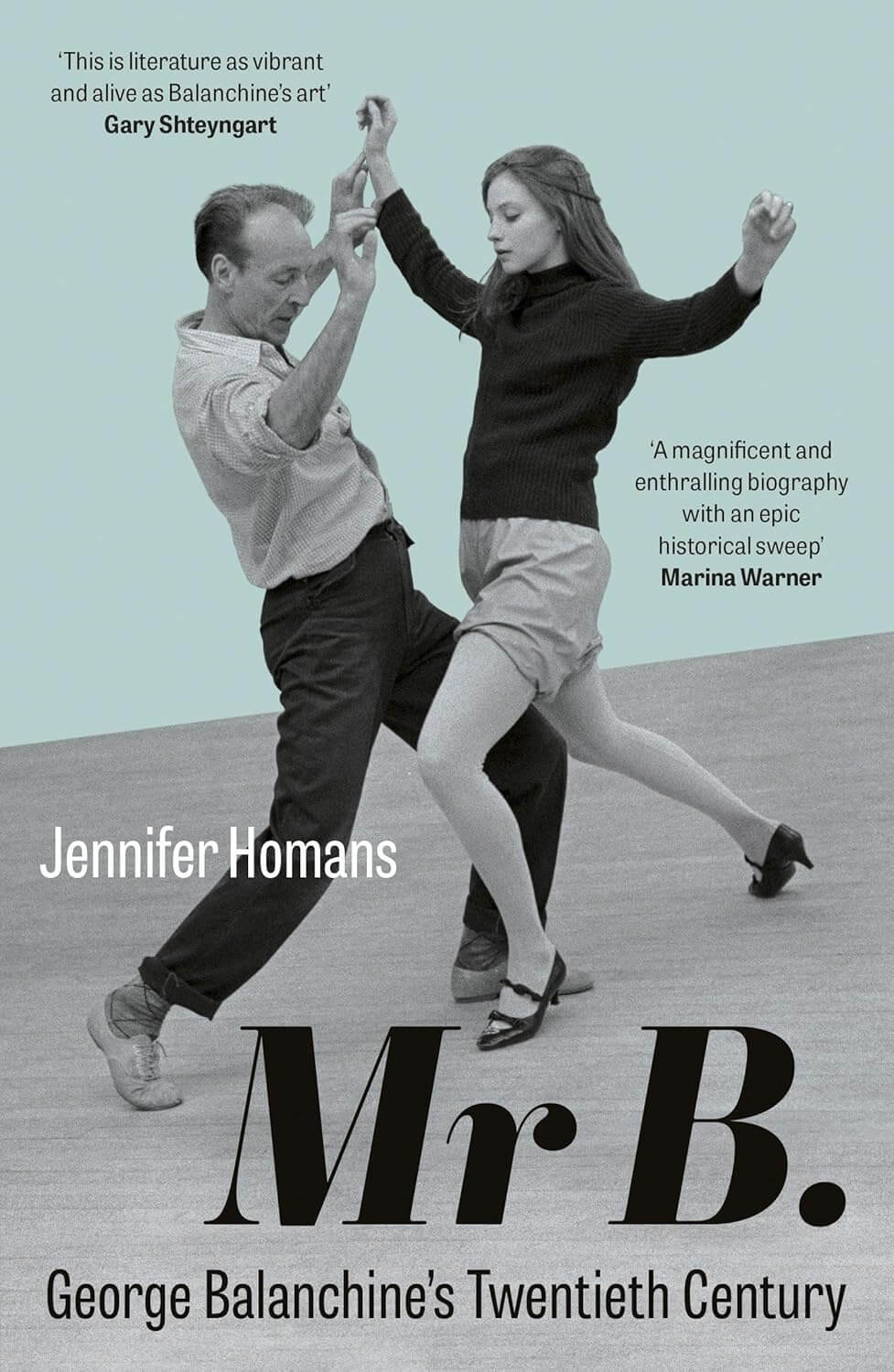
In Mr B., Jennifer Homans presents a monumental biography of George Balanchine, the revolutionary choreographer who transformed modern ballet. Homans, herself a former dancer and historian, combines meticulous research with an insider’s understanding of Balanchine’s genius and contradictions. The book explores his artistry, personal life, and enduring influence on dance. Homans writes with grace and authority, balancing admiration with clear-eyed analysis. The result is a richly textured portrait that illuminates both the man and the art form he reshaped. It is a definitive biography destined to be a classic in the field of cultural history.
4.33
Biography
Arts & Culture
Elegant
Insightful
Reverent
Poetry
Collections that confront history, spirituality, and personal reckoning through precise and resonant language.
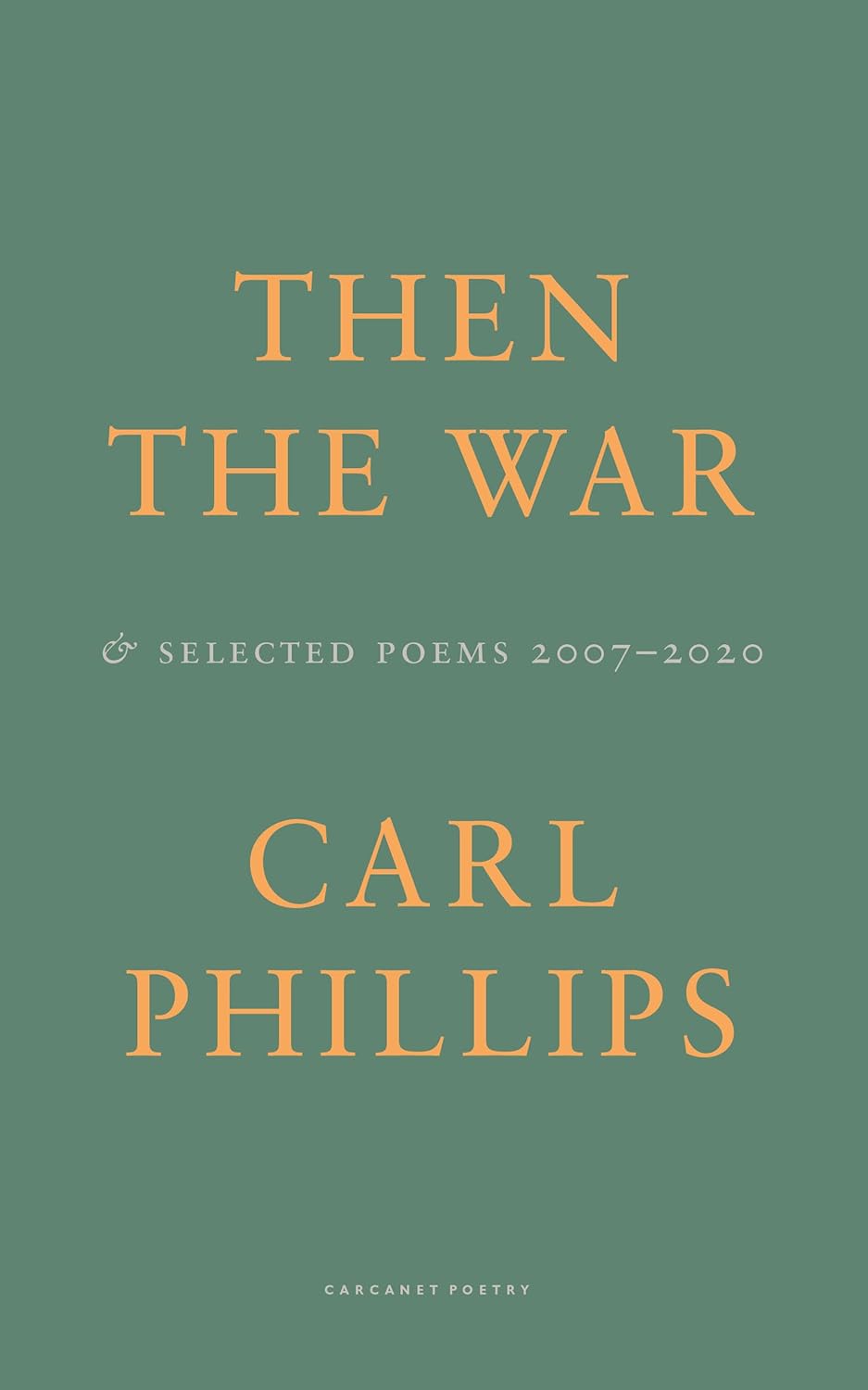
Carl Phillips gathers new and selected poems that wrestle with desire, faith, and moral uncertainty. His lines are meditative and finely tuned. Phillips explores vulnerability and power in intimate relationships. The poems question what it means to act ethically in turbulent times. Classical echoes blend with contemporary urgency. His language feels restrained yet emotionally charged. The collection spans years, revealing thematic continuity and growth. Each poem invites slow, careful reading. The result is contemplative and profound.
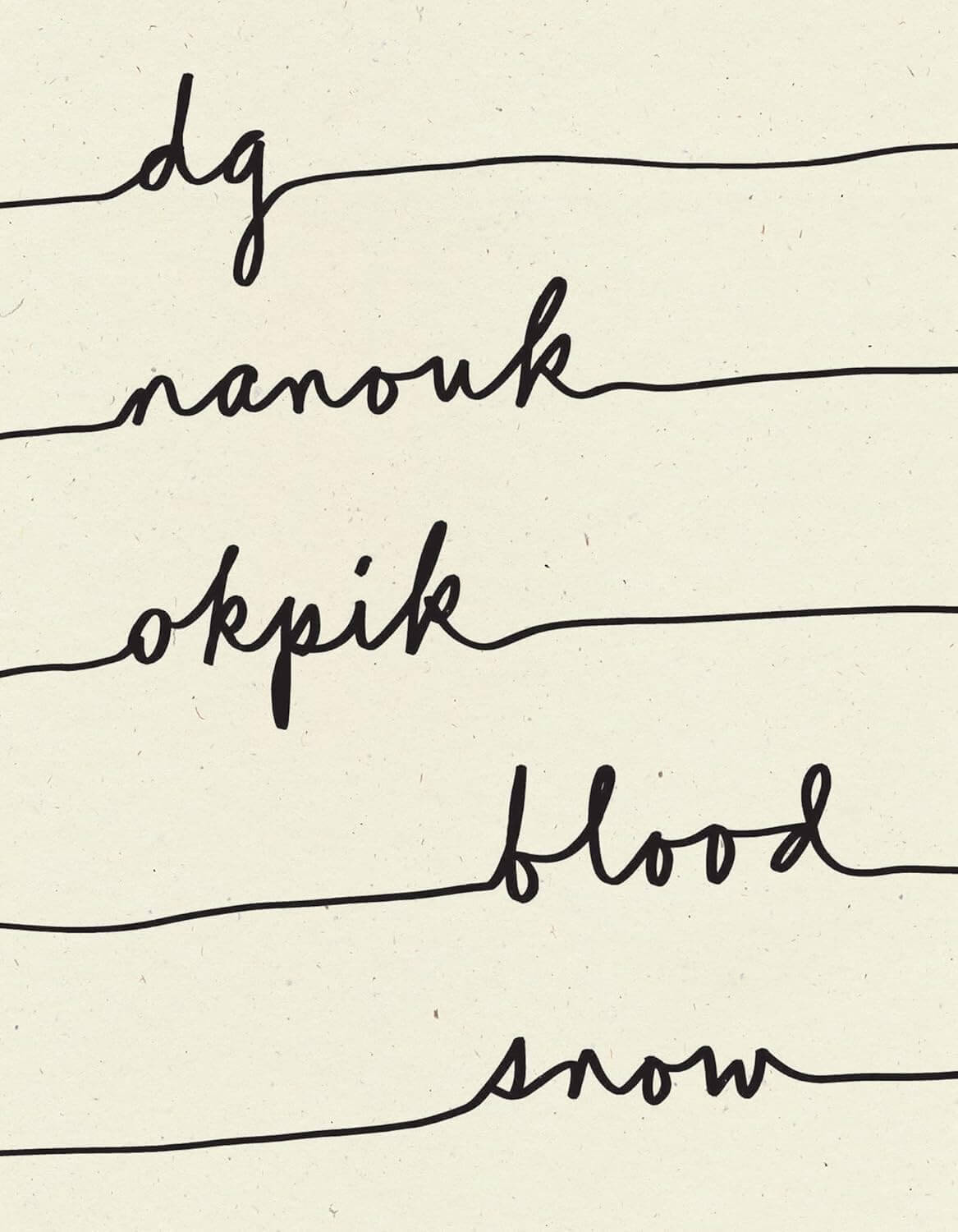
dg nanouk okpik’s collection draws on Iñupiaq heritage and Arctic landscapes. The poems are elemental and evocative. Okpik explores colonization, climate change, and cultural survival. Language fractures and reforms across the page. The natural world pulses with spiritual presence. Imagery of ice, animals, and ancestral memory recur with force. The poems resist linear narrative, favoring incantation. Each piece feels both ancient and urgently contemporary. It is a powerful testament to endurance and voice.
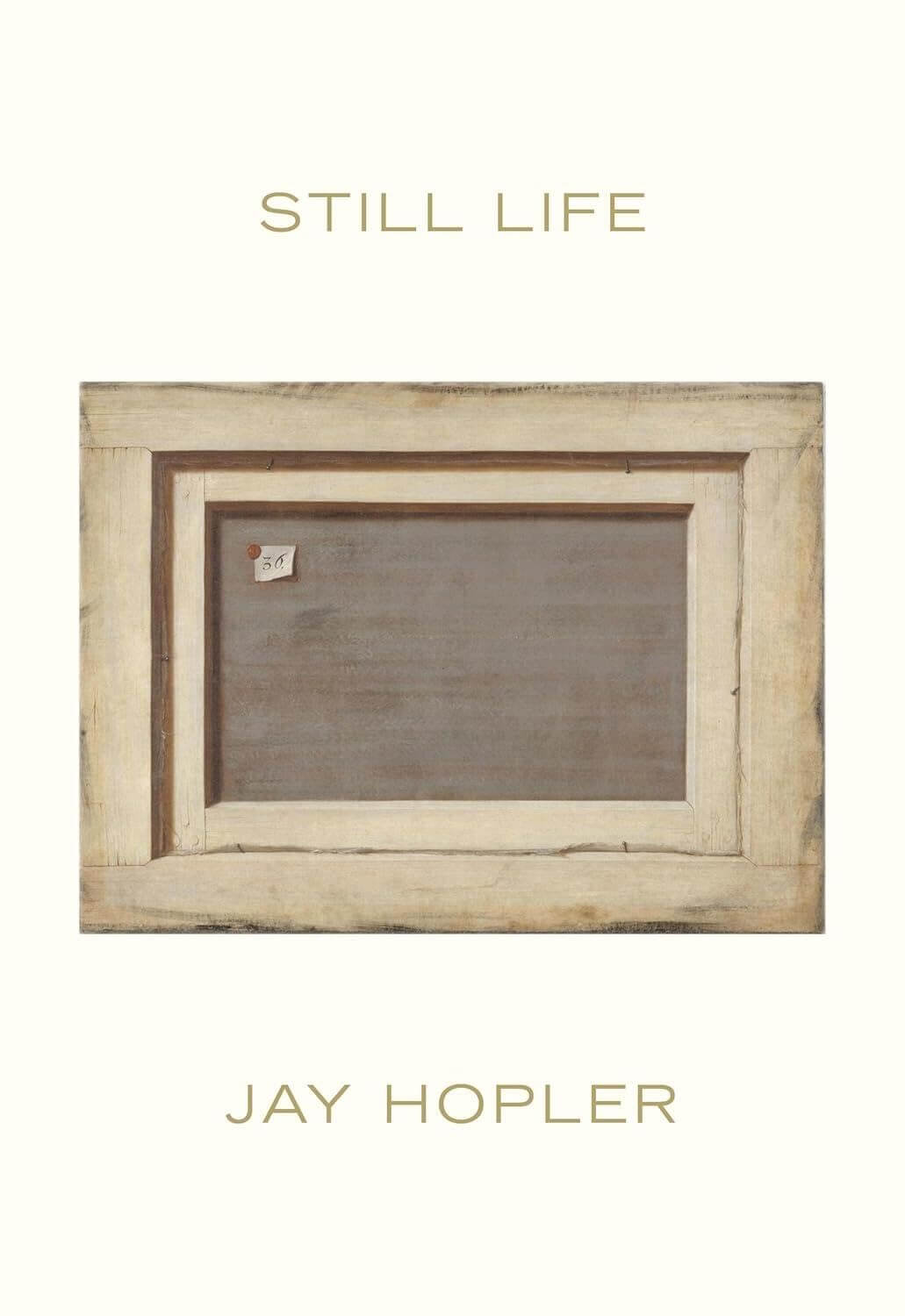
Jay Hopler’s final collection contemplates mortality with wit and formal grace. The poems shimmer with intellectual playfulness even as they confront illness and loss. Hopler engages with art history and theology. His language is lush and musically attentive. Humor flickers amid sorrow. The structure of the poems reflects careful craftsmanship. Reflections on time and transience permeate the collection. Hopler’s voice feels generous and searching. The result is elegiac yet vibrantly alive.