Finalists that blend literary daring with moral urgency—across fiction, history, biography, poetry, and reportage
The Pulitzer Prize 2022 books shortlist highlights writers who refuse the easy version of a story. Across categories, these finalists dig into the machinery behind lived experience—how identity is formed by history, how institutions distribute harm, and how memory survives in art, language, and family. The result is a list that feels intellectually ambitious and emotionally immediate.
A strong thread running through the year is reclamation: of overlooked lives, suppressed histories, and narratives distorted by power. The histories revisit foundational periods in the Americas with sharper lenses; the biographies illuminate creators and pioneers navigating systems designed to exclude them. The fiction finalists experiment with form and voice, while the poetry and nonfiction finalists transform witness into craft.
Read together, these books make an ideal “wide-angle” tour of contemporary writing. They invite curiosity, reward attention, and offer that rare combination of momentum and depth—stories that can entertain you on the surface while quietly rearranging how you understand the world underneath.
Fiction
Formally bold novels that question legacy, belonging, and how history is narrated
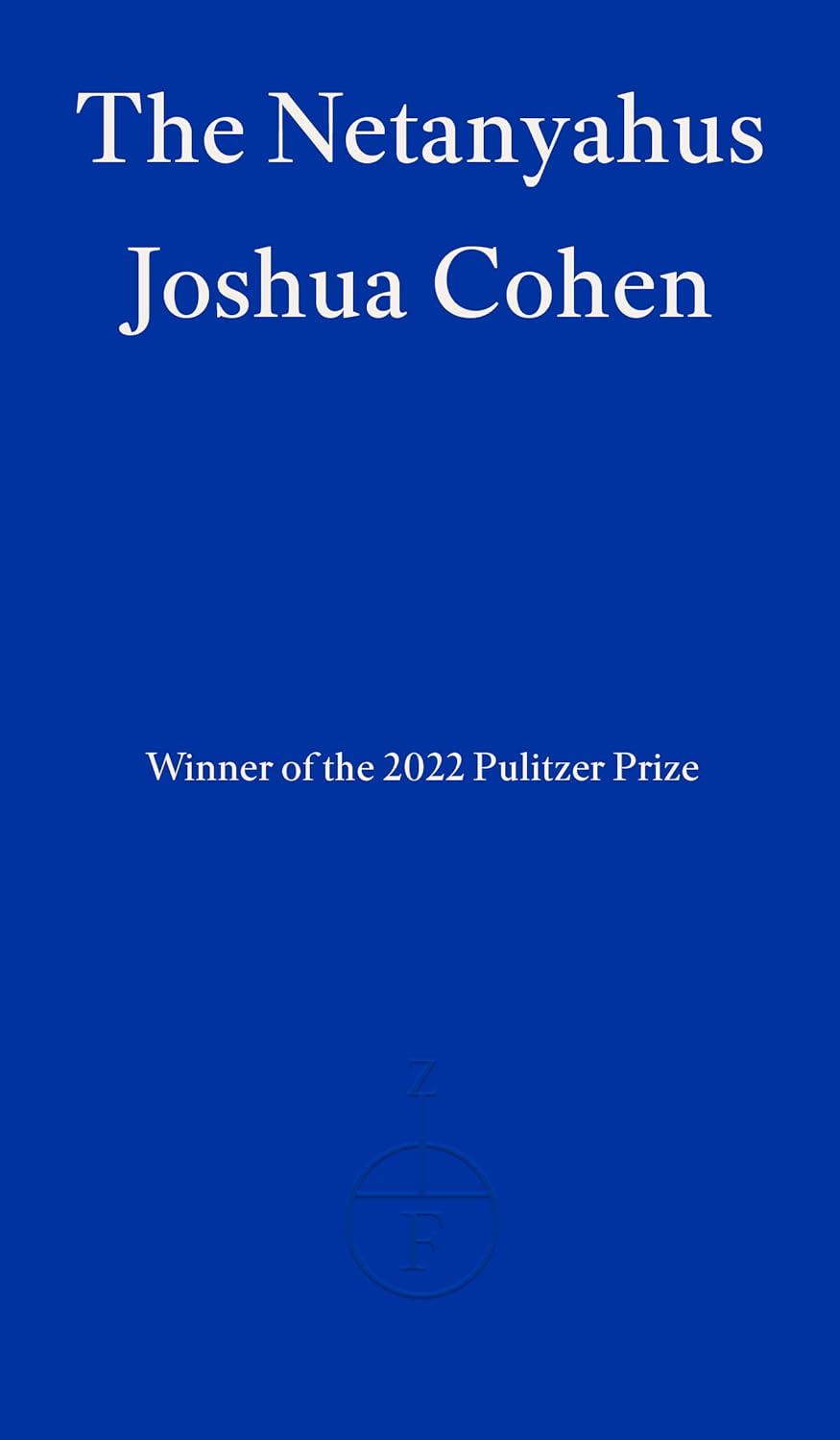
Joshua Cohen’s novel is a comic, intellectual whirlwind that uses one awkward academic visit to interrogate identity, power, and historical narrative. The premise is deceptively small, but Cohen expands it into a sharp critique of institutions and the stories they legitimise. The narrator’s perspective is both incisive and self-undermining, generating humour that is as uncomfortable as it is funny. The book plays with genre, slipping between campus satire, historical reflection, and philosophical riff. Cohen’s sentences can be exuberantly long, full of digressions that feel like thinking in real time. Beneath the comedy is a serious interest in who gets to define history—especially when history becomes brand. The novel also captures the absurd performance of expertise, and the quiet cruelties of gatekeeping. It’s densely packed but surprisingly propulsive. You finish entertained, slightly scorched, and newly suspicious of “official” narratives. A brilliantly irritating, brilliant book.
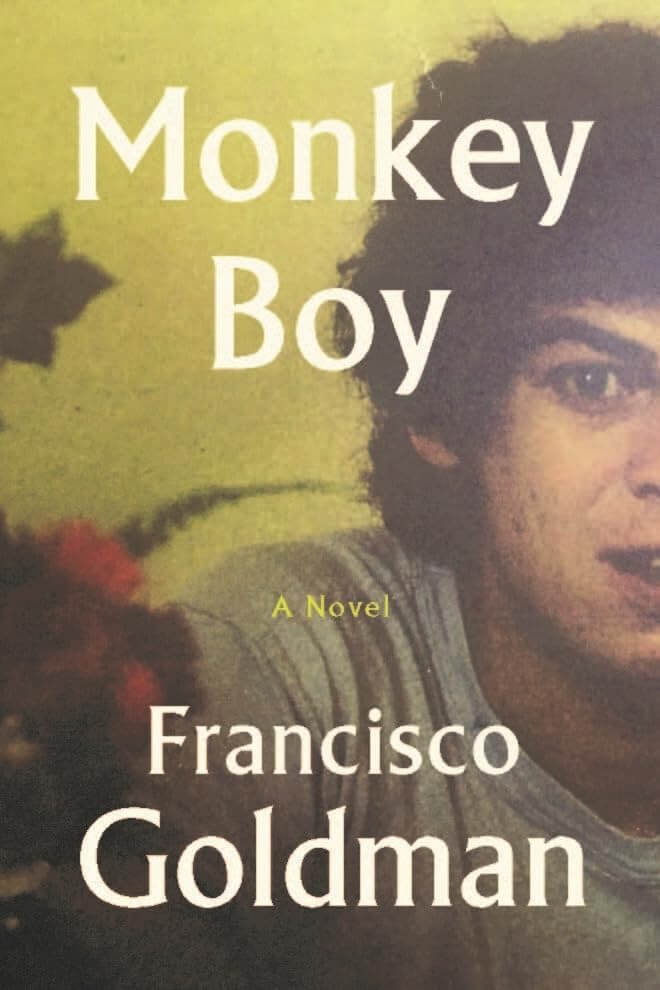
Goldman’s novel moves like memory: looping, intimate, and charged with personal history. It follows a young man caught between cultures, relationships, and the shifting self that emerges through art and desire. The prose is sensual and reflective, with a strong sense of place and atmosphere. Goldman is attentive to how identity is performed and revised over time—how we narrate ourselves into being. The novel explores family and inheritance without reducing them to simple origin stories. It’s also a book about obsession, about the magnetic pull of certain people and ideas. Scenes carry emotional heat, but they’re framed by a mature awareness of consequence. The pacing is patient, allowing the psychological portrait to deepen gradually. There’s a quiet courage in its honesty about longing and contradiction. By the end, it feels less like a plot you’ve followed and more like a life you’ve inhabited.
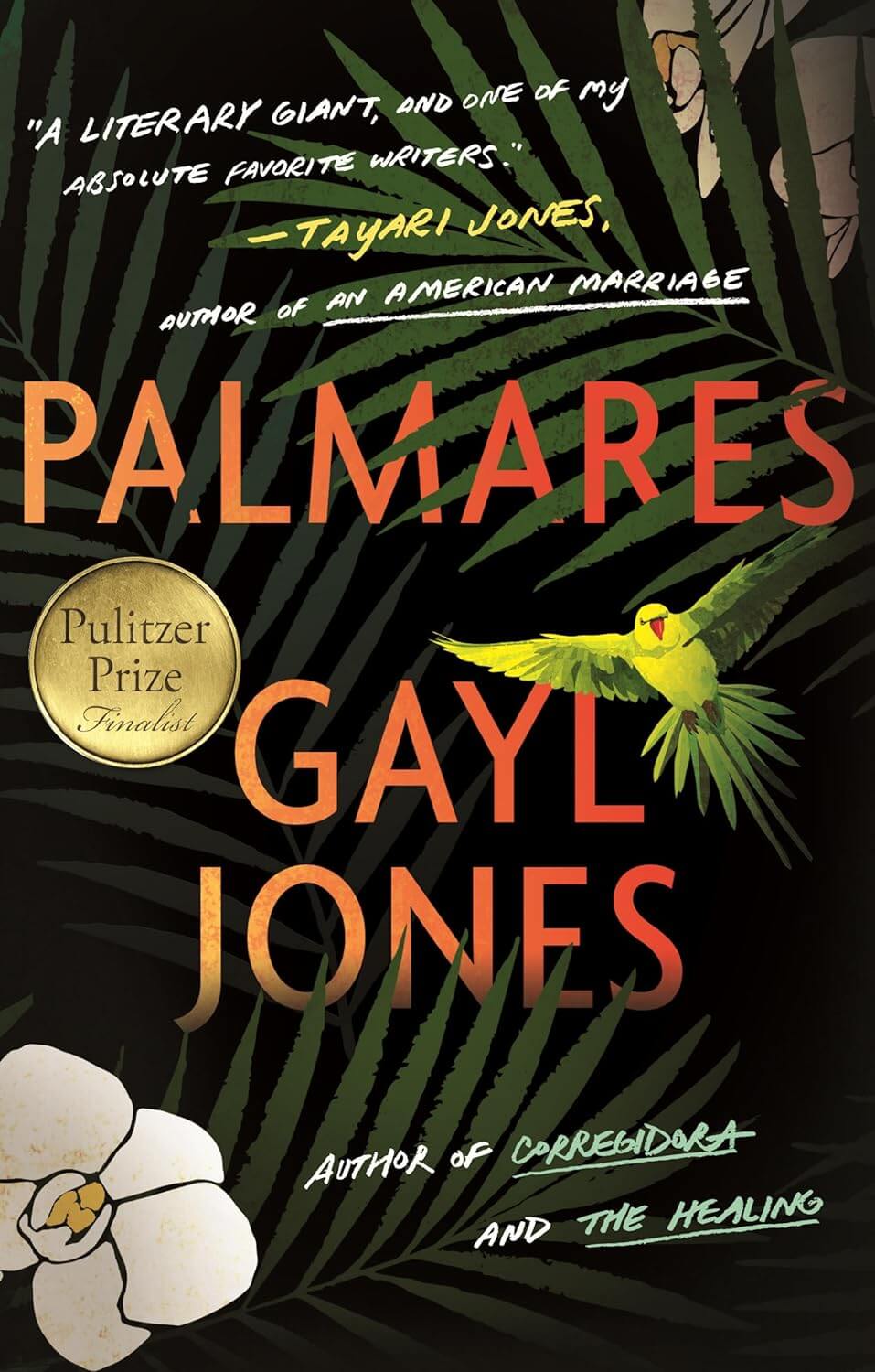
Gayl Jones conjures a sweeping historical vision rooted in resistance, survival, and the endurance of culture. The novel draws on the history of Palmares, the Afro-Brazilian quilombo, to explore freedom as both dream and daily labour. Jones’ voice is musical and incantatory, often feeling closer to oral tradition than conventional realism. The book refuses a tidy heroic arc; instead it honours complexity, contradiction, and the costs of struggle. Violence is present, but so are community and imagination—the practices that make survival possible. Jones is attentive to language as inheritance, carrying history through rhythm and repetition. The scale is epic, but the emotional register stays human. Reading it can feel immersive, almost trance-like, as if the novel is chanting its way into memory. It’s demanding, but the reward is profound: a world rendered on its own terms. A fierce, singular work of historical imagination.
2.92
Fiction
Historical Fiction
Mythic
Intense
Defiant
General Nonfiction
Reported and researched books that illuminate poverty, extremism, and the legal architecture of American life
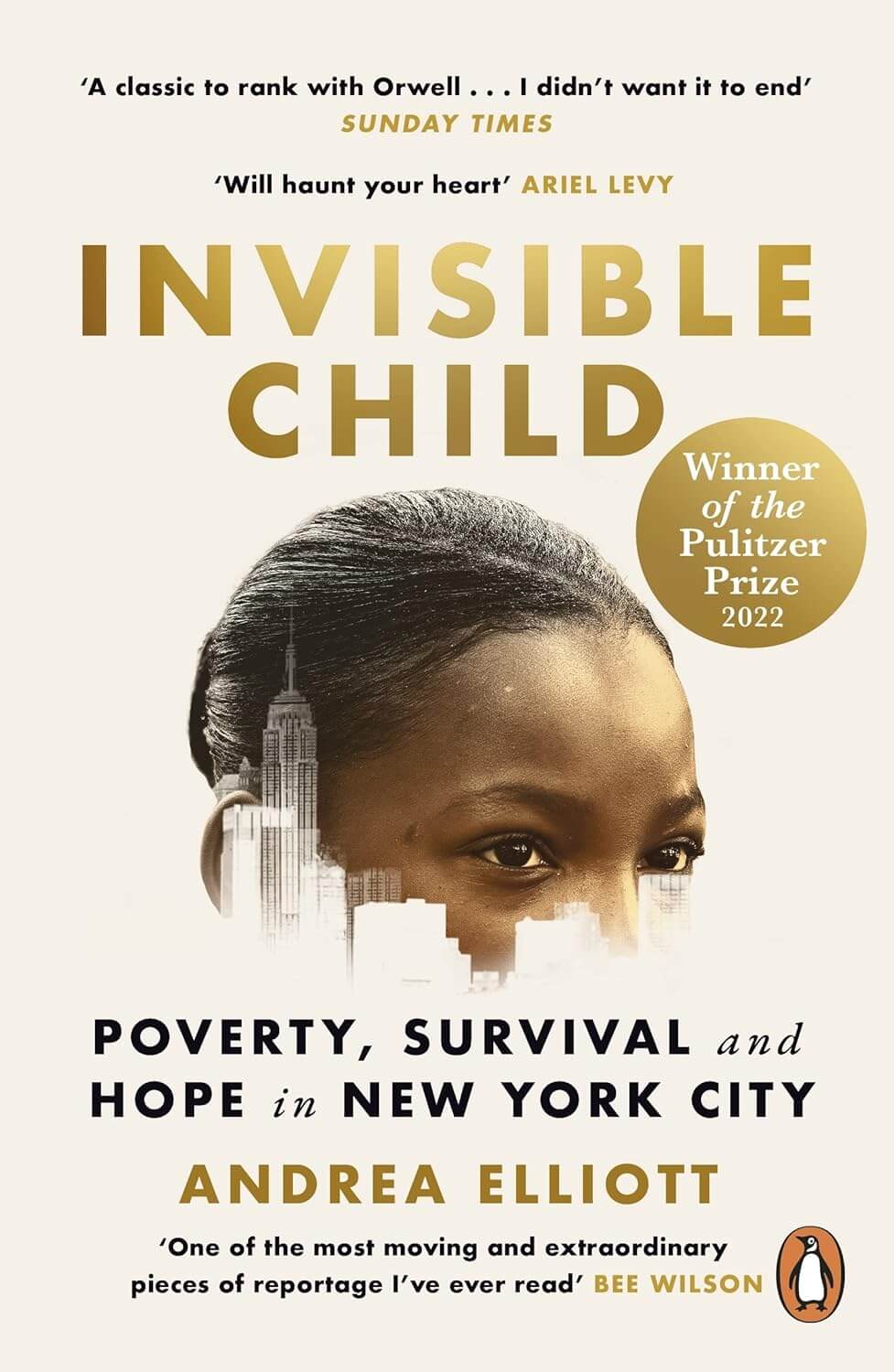
Andrea Elliott’s Invisible Child is a remarkable work of narrative journalism that chronicles the life of Dasani, a young girl growing up homeless in New York City. Elliott spent years following her subject, capturing both her struggles and her resilience. The book is as much about systemic poverty and inequality as it is about one child’s story. Elliott writes with empathy and clarity, giving Dasani and her family a voice that demands to be heard. It’s an intimate, powerful account that humanizes statistics and policies through lived experience.
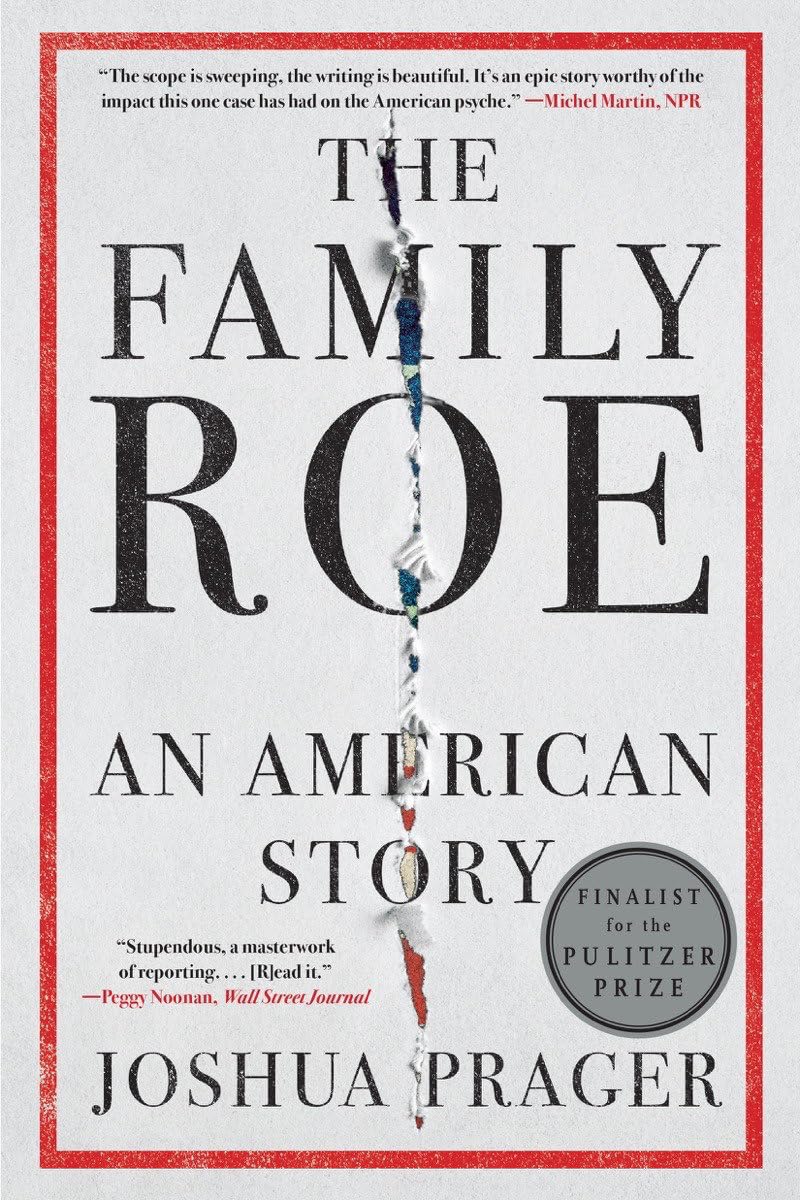
Prager tells the story behind Roe v. Wade by focusing on the people whose lives were shaped—and often shattered—by the case and its consequences. The book is meticulous in its reporting, with a novelist’s sense of scene and momentum. Prager shows how legal history is made not just by courts but by families, secrets, and political machinery. The narrative complicates familiar slogans, revealing the messy, human realities beneath ideological battles. It is attentive to how power works through institutions, media, and strategic storytelling. Prager also captures the long afterlife of Roe: the ways it has been used, misunderstood, and weaponized. The writing is propulsive but careful, resisting sensationalism even when the material is dramatic. You finish with a deeper understanding of how one case became a cultural fault line. It’s both intimate and politically illuminating. A gripping, clarifying work of narrative journalism.
Power explores deradicalization through human stories, resisting the simplistic narratives that often surround extremism. The book examines why people become radicalized, but it focuses just as much on what it takes to return—emotionally, socially, and politically. Power writes with empathy without naïveté, keeping moral clarity while acknowledging complexity. She pays attention to the role of community, belonging, and humiliation in extremist recruitment. The narrative moves across countries and contexts, showing how local histories shape pathways into violence. Power is also alert to the limits of programs and policy frameworks, especially when trust has been broken. The reporting emphasizes listening: what former extremists say, and what they can’t. The book doesn’t promise easy solutions, but it offers real insight into prevention and repair. Reading it feels like being asked to hold complexity without surrendering to cynicism. It’s thoughtful, sobering, and quietly hopeful. A nuanced contribution to a difficult subject.
4.04
Nonfiction
Journalism
Politics
Sobering
Thoughtful
Hopeful
History
Revisions of the past that make power, law, and nationhood newly legible
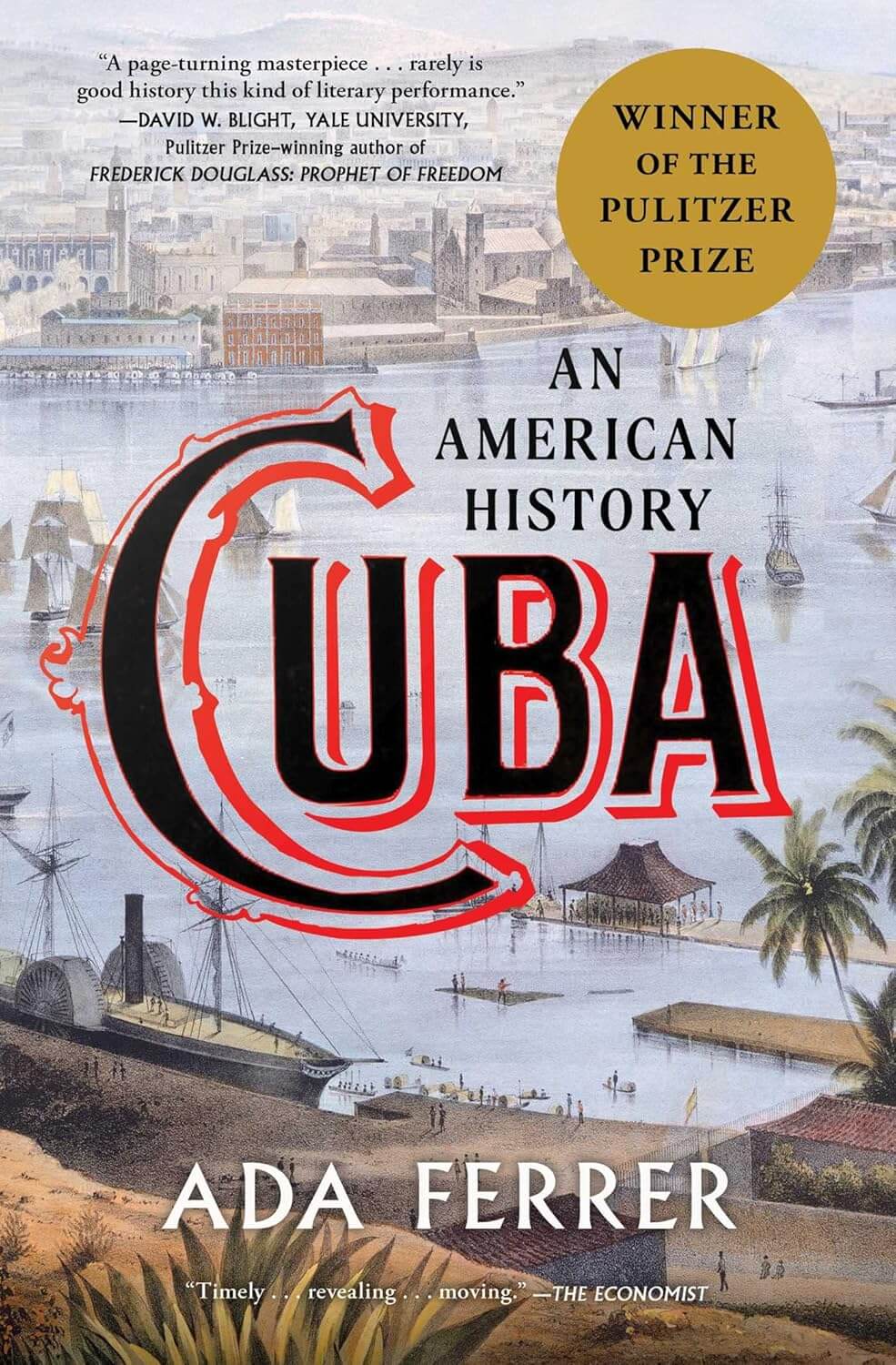
Ferrer offers a sweeping, lucid account that places Cuba at the centre of the Americas rather than at the margins of U.S. history. The book traces Cuba’s political, cultural, and economic transformations with clarity and momentum. Ferrer is especially strong on entanglement—how Cuba and the United States have shaped one another across centuries. The narrative balances high politics with the lived experiences of ordinary people. Revolution is treated with nuance, including its hopes, contradictions, and costs. Ferrer’s scholarship is deep, but her storytelling keeps the book accessible. She dismantles simplistic Cold War frames and replaces them with a longer, more complex arc. The result is both corrective and engrossing. You finish with a sharper understanding of why Cuba matters—and how much of “American” history cannot be told without it. A big, essential history that reads like a story.
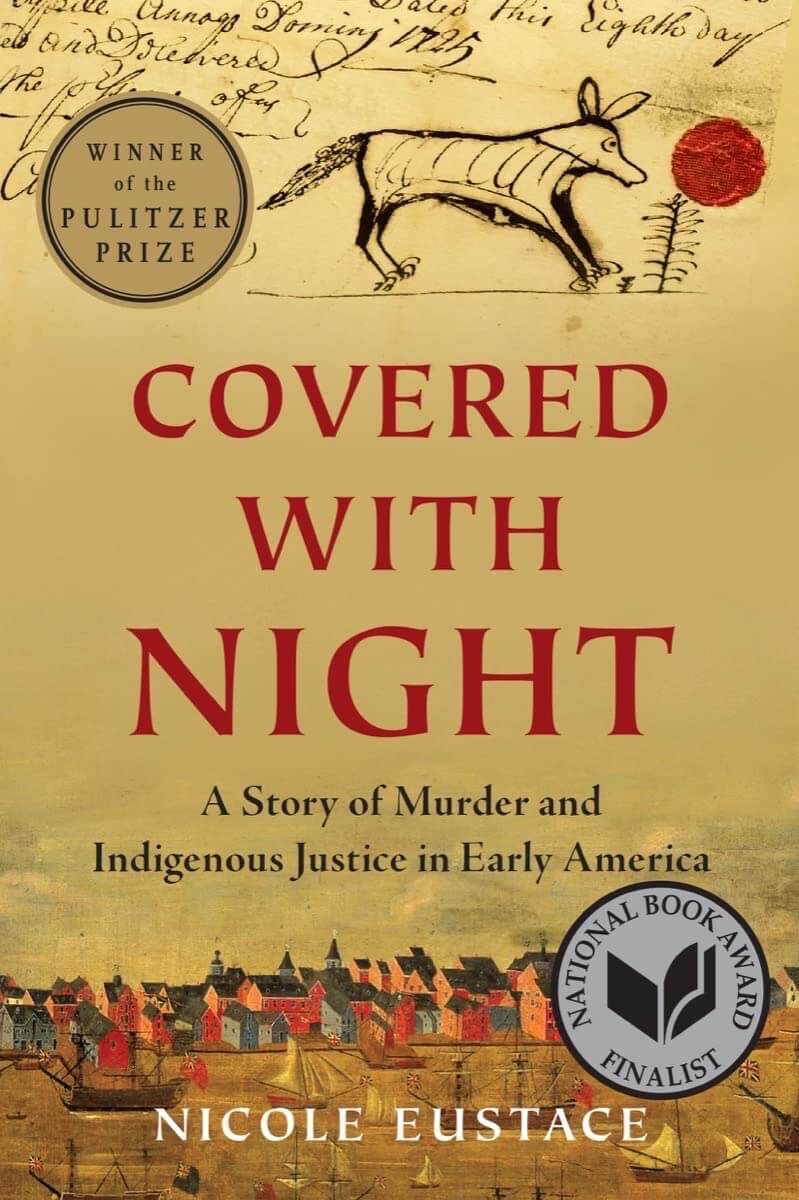
Eustace reconstructs an early American world where law, violence, and identity were in flux—and where outcomes were far from inevitable. The book is richly researched and alive to the granular realities of daily life, not just big political moments. Eustace shows how communities negotiated authority, justice, and belonging through messy, contested processes. Rather than smoothing events into a neat narrative, she highlights uncertainty and contingency. The writing is clear and narrative-driven, making complex legal and social dynamics accessible. Power here is not abstract; it is enacted through bodies, threats, relationships, and institutions. The book reveals how racial and gender hierarchies were formed and enforced. It also captures how ordinary people—especially those with limited formal power—navigated and resisted their constraints. The result is both immersive and intellectually clarifying. It reads like a suspenseful social history with real moral stakes.
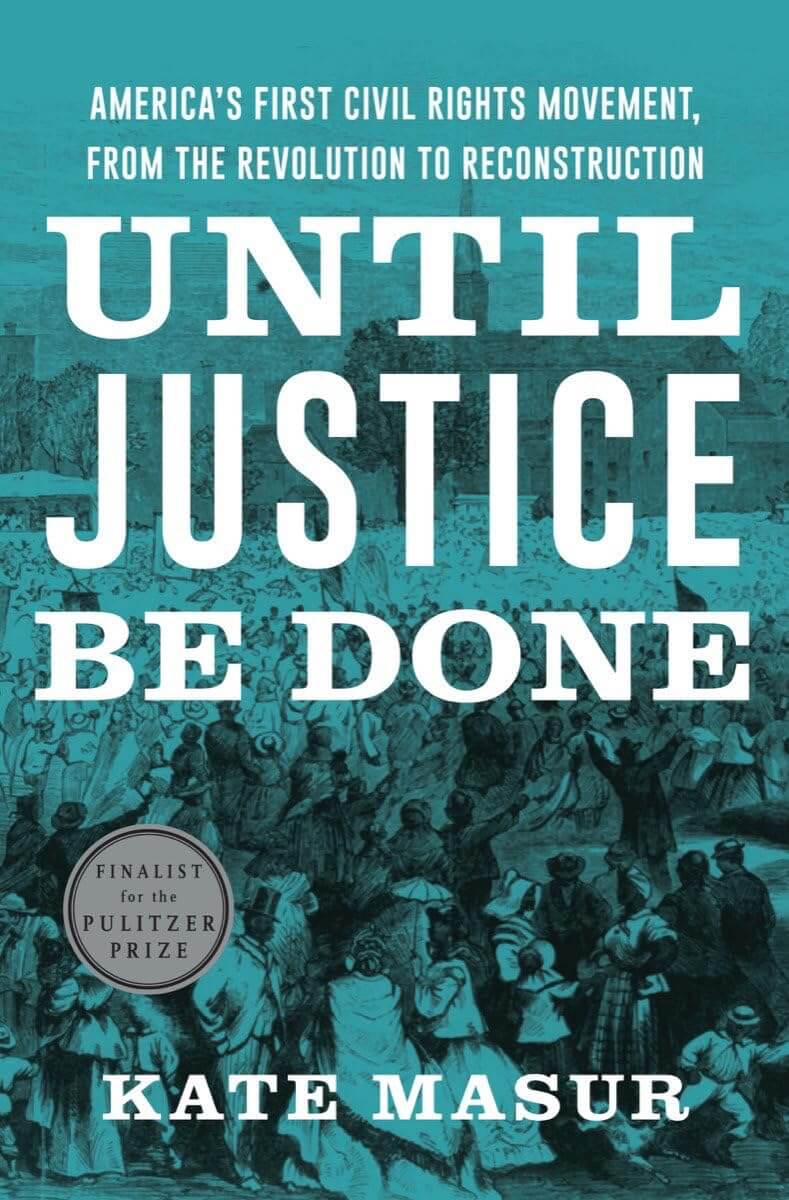
Masur reframes early U.S. history by tracing a long civil rights movement that begins well before the 20th century. The book foregrounds Black activism and intellectual leadership in the struggle for equal citizenship. Masur shows how law became both tool and battleground, with rights asserted, denied, negotiated, and reasserted over generations. The narrative is wide-ranging but carefully structured, helping readers see patterns across decades. It challenges the idea that civil rights was a sudden “modern” development. Masur’s writing is clear and persuasive, backed by meticulous research. She also captures the backlash—how white resistance adapted to preserve hierarchy. The book makes Reconstruction feel not like an epilogue but a central turning point. It is both a corrective and a call to re-read national myths. You come away with a deeper sense of how long justice has been demanded—and how hard it has been fought for.
4.20
Nonfiction
History
Civil Rights
Revelatory
Grave
Motivating
Biography
Lives that illuminate art, ingenuity, and the fight to be seen within exclusionary systems
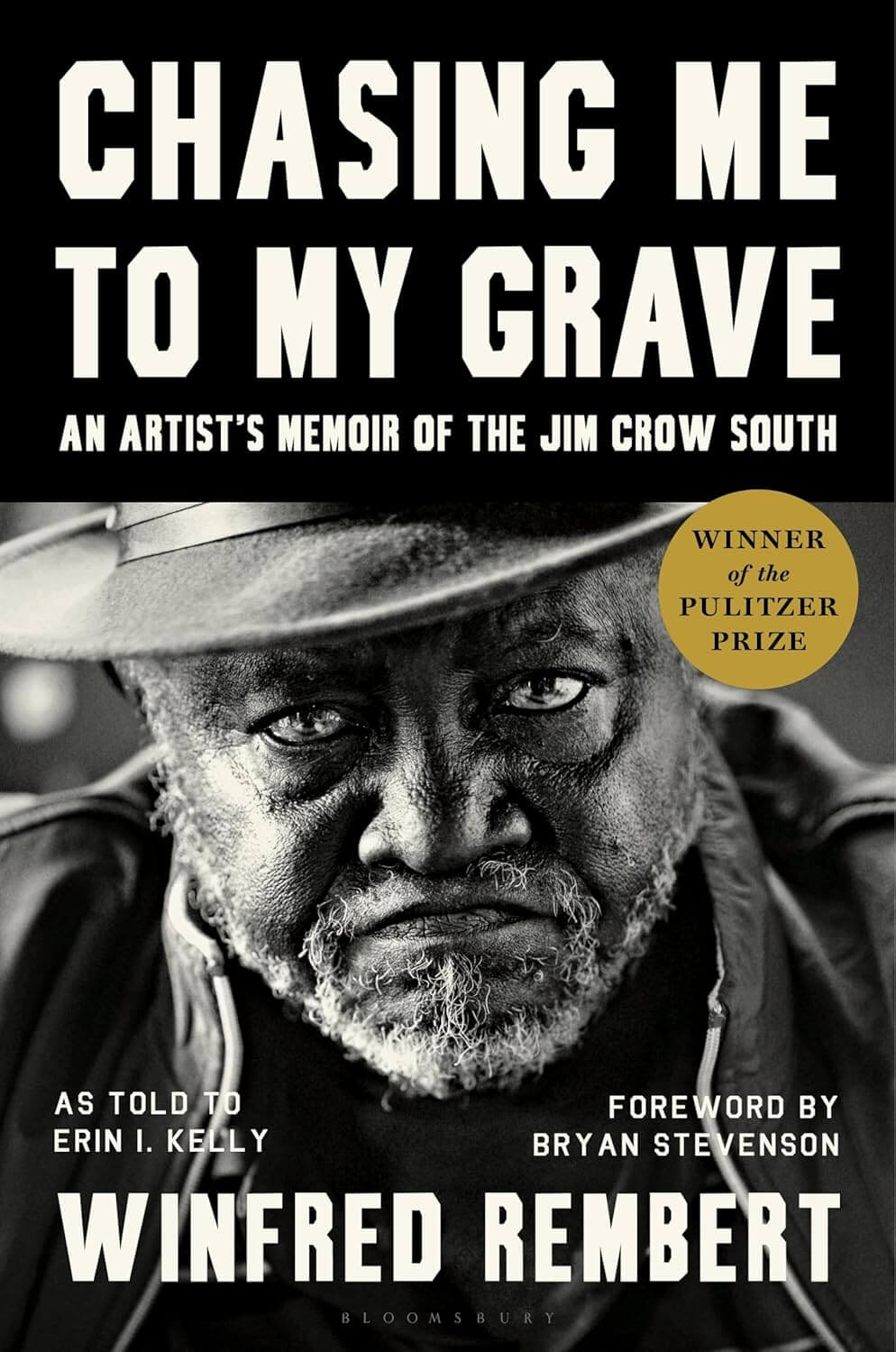
This memoir-biography is both testimony and artwork, pairing Rembert's life story with the visual power of his craft. The book recounts experiences shaped by Jim Crow terror, racial violence, and survival with a voice that is direct and unembellished. What makes it extraordinary is how art becomes a form of record—images carrying what ordinary language can't hold. The narrative foregrounds courage without turning suffering into spectacle. Rembert's perspective is clear-eyed about injustice, yet also full of humanity and detail. The collaboration preserves his voice while giving the story shape and pace. The book shows how memory can be stitched, carved, and preserved through making. It is harrowing in places, but it also insists on dignity and creative agency. Reading it feels like being shown a history that was meant to be erased. A powerful, unforgettable life rendered with honesty and craft.
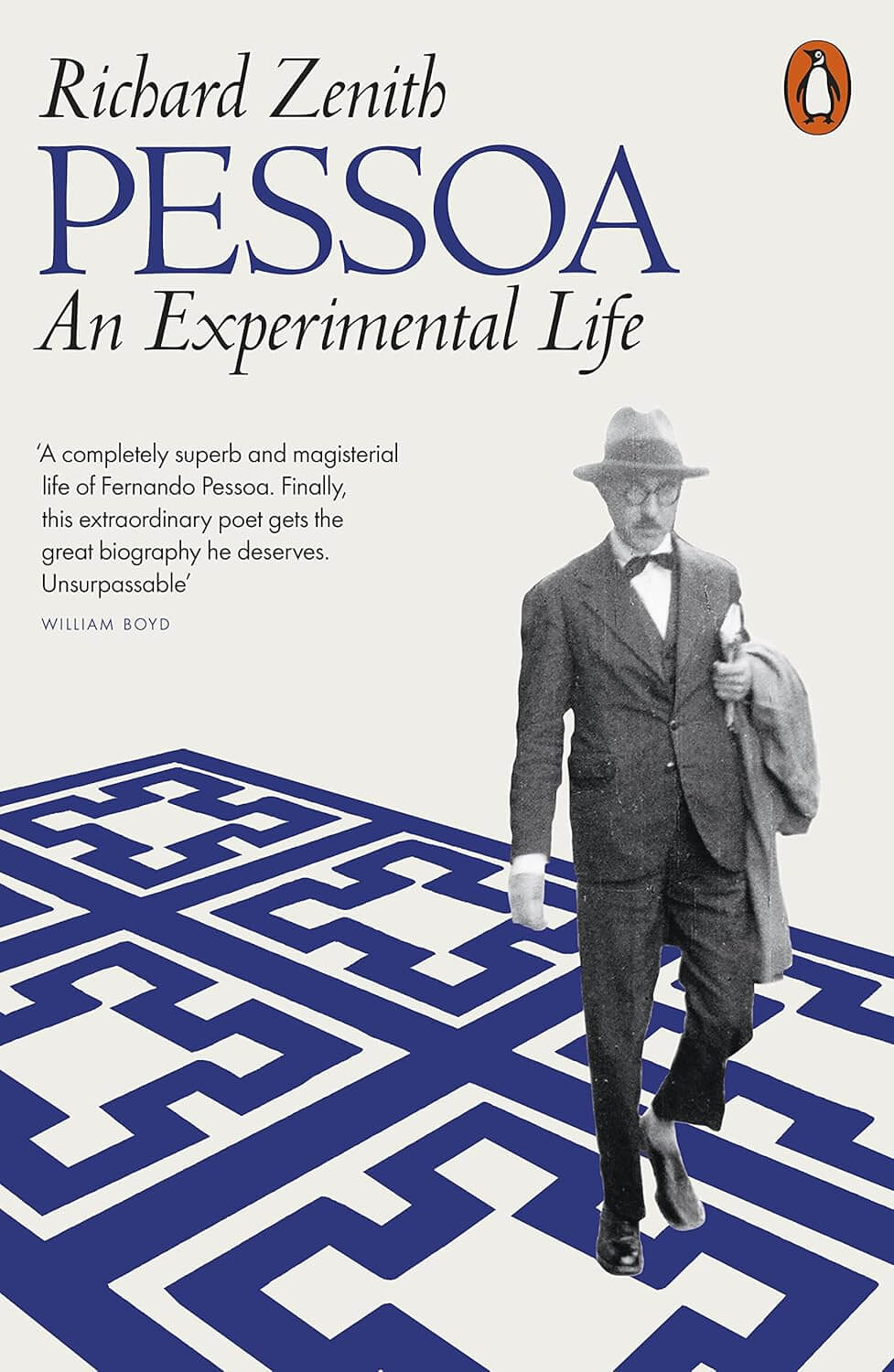
Zenith’s biography brings Fernando Pessoa’s strange, dazzling interior universe into clear focus without reducing its mystery. Pessoa’s life—seemingly quiet, even modest—contained multitudes, and Zenith shows how that multiplicity became an artistic method. The book is richly documented, mapping friendships, influences, and the cultural atmosphere of Lisbon. Zenith is especially good at explaining Pessoa’s heteronyms as more than a literary gimmick: they are a philosophical stance on identity. The biography balances scholarship with narrative readability, making the literary history feel alive. It treats writing as both refuge and experiment, a way of living multiple lives at once. The book’s detail rewards readers who love notebooks, fragments, and the slow construction of genius. It also captures the loneliness that often accompanies such inwardness. By the end, Pessoa feels simultaneously more knowable and more uncanny. A definitive, engrossing portrait of a singular mind.
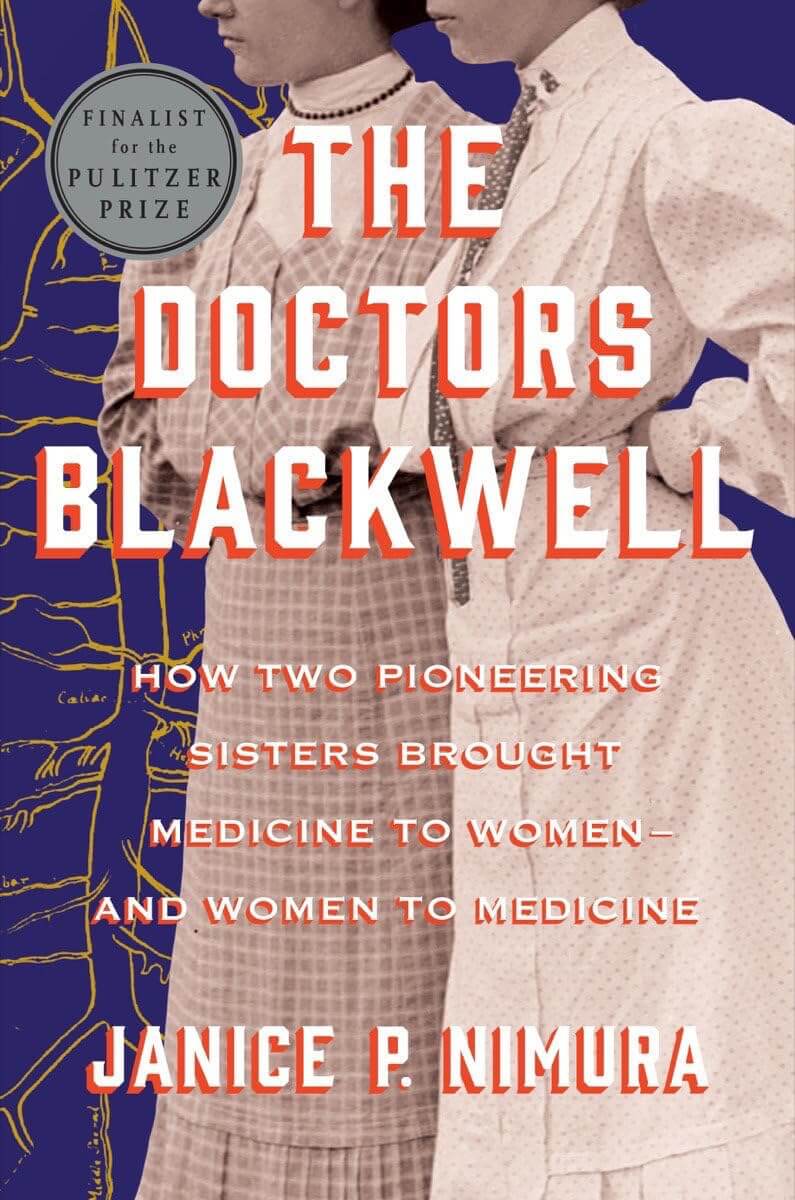
Nimura tells the story of Elizabeth and Emily Blackwell with narrative energy and a keen sense of institutional pressure. The sisters’ achievements are remarkable, but Nimura avoids making them into uncomplicated heroines. Instead, she explores ambition, rivalry, compromise, and the complex politics of “progress.” The book illuminates how medicine became a battleground over women’s roles and authority. Nimura is attentive to the practical obstacles: education, licensing, professional networks, and cultural hostility. The writing is crisp and engaging, with a strong sense of scene. The biography also highlights how reform movements can include exclusion and contradiction. By focusing on the sisters’ choices, Nimura shows how pioneering can be both inspiring and ethically complicated. You finish with a sharper sense of how institutions change—slowly, unevenly, and through imperfect people. A compelling, human portrait of trailblazing.
3.59
Nonfiction
Biography
History
Inspiring
Insightful
Engaging
Poetry
Collections that push form, voice, and image to illuminate desire, history, and diasporic memory
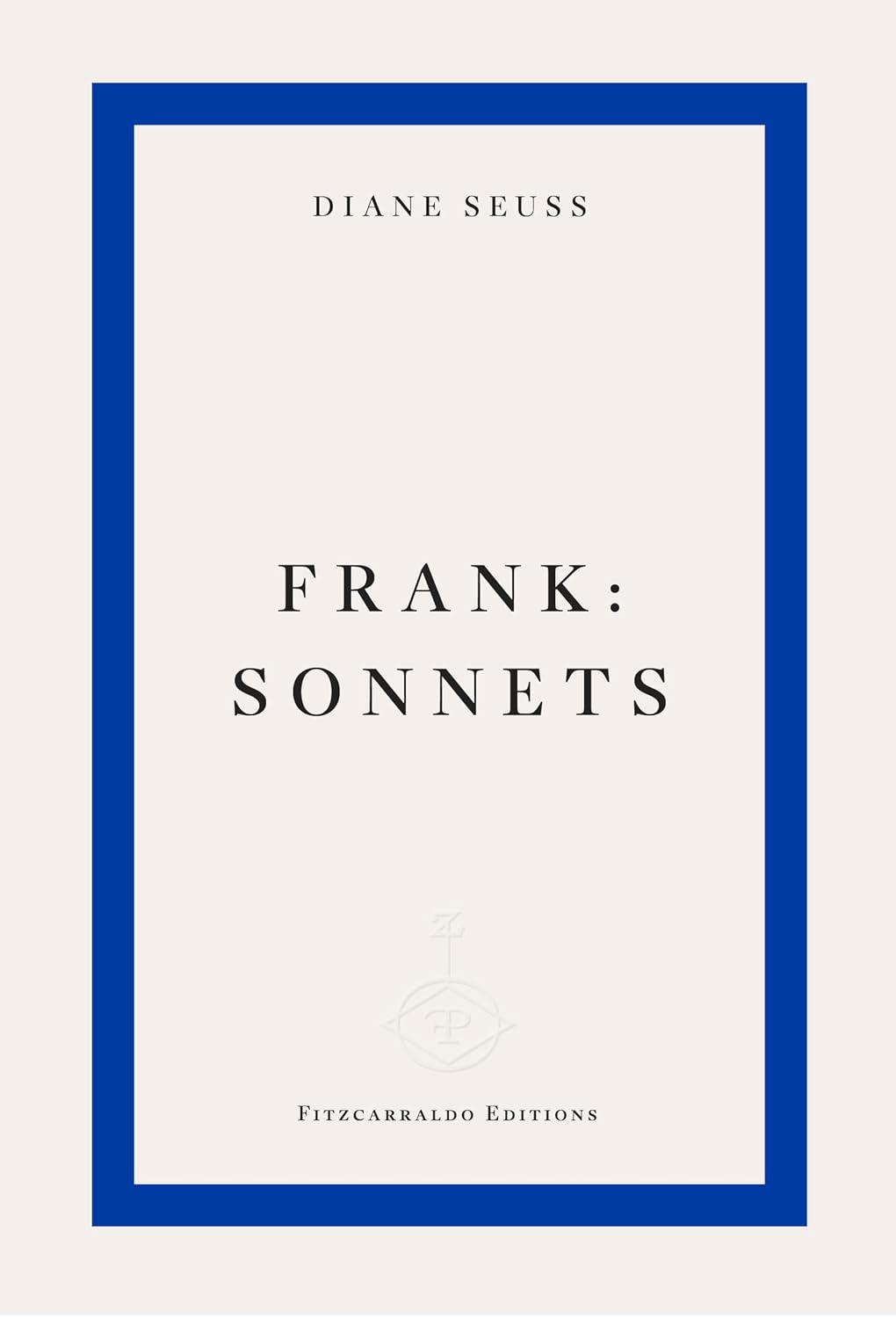
Seuss takes the sonnet—often associated with polish and restraint—and makes it messy, funny, aching, and fiercely alive. The poems are intimate and conversational, but they're built with real formal intelligence. Seuss writes about desire, aging, class, and shame with candor that feels risky rather than performative. The voice can be brash, tender, profane, and lyrical in the same breath. The book's power comes from tension: tight form holding unruly feeling. Seuss's imagery is vivid, often surprising, and grounded in the textures of ordinary life. The poems refuse easy redemption arcs; instead, they insist on honest witnessing of the self. There's humor here, but it's sharpened by vulnerability. Reading the collection feels like overhearing someone tell the truth faster than they can censor it. It's exhilarating, bruising, and strangely comforting. A bold reinvention of a classic form.
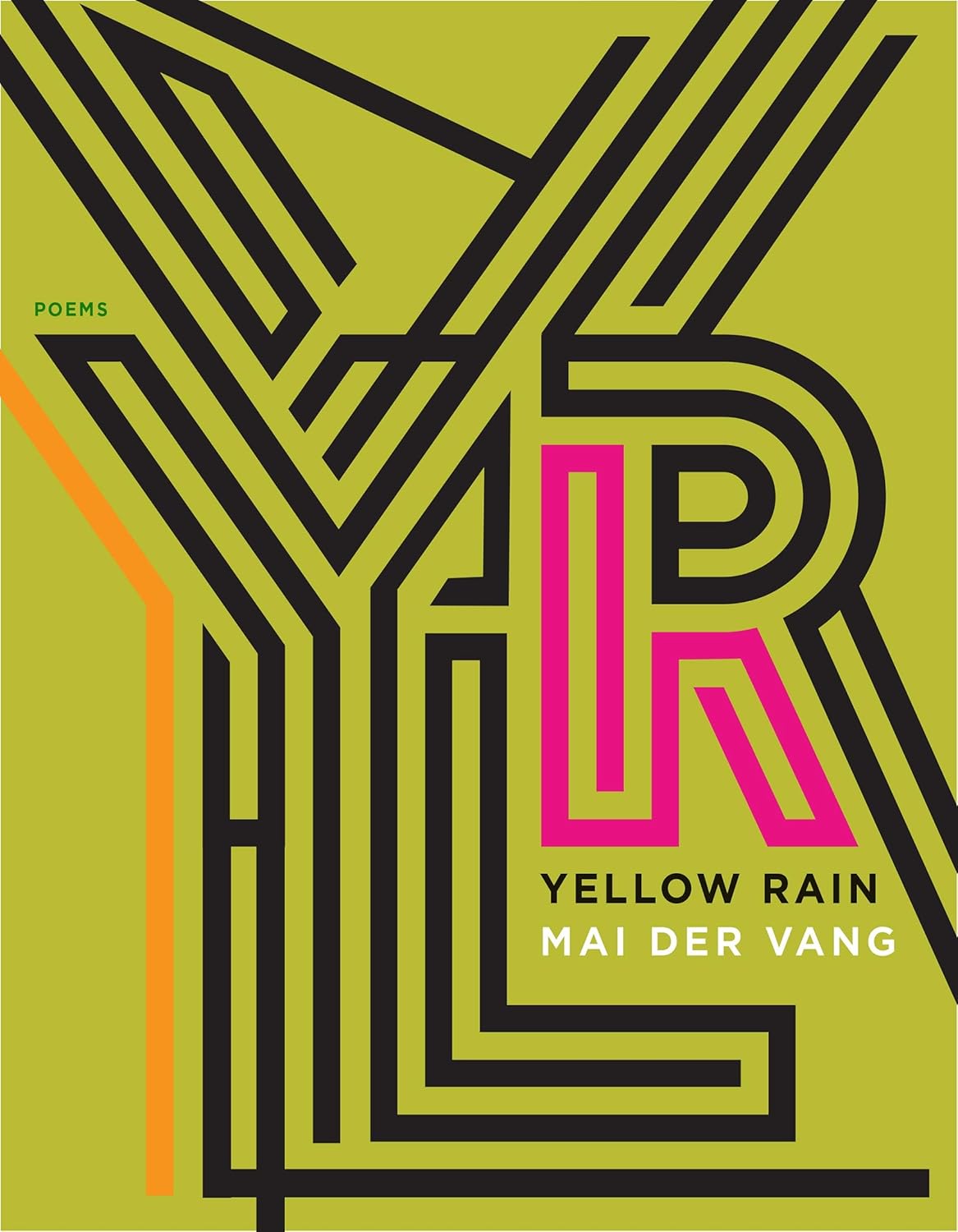
Vang’s collection is both lyrical and documentary, confronting the history of chemical warfare allegations and their human consequences. The poems weave research, testimony, and personal memory into a braided form that feels necessary and inventive. Vang is attentive to the ethics of language: how history is recorded, denied, and reimagined. The imagery is vivid, often startling, with nature rendered as both refuge and evidence. The poems hold grief and rage without becoming didactic. The book explores diaspora, loss, and the struggle for recognition in official narratives. Vang’s craft is precise, using form to embody fragmentation and persistence. The emotional force builds through repetition and variation, like a chorus that won’t be quieted. Reading it feels like being asked to witness, to remember, and to question whose suffering becomes “provable.” It’s an urgent collection with deep tenderness. A powerful example of poetry as archive and insistence.
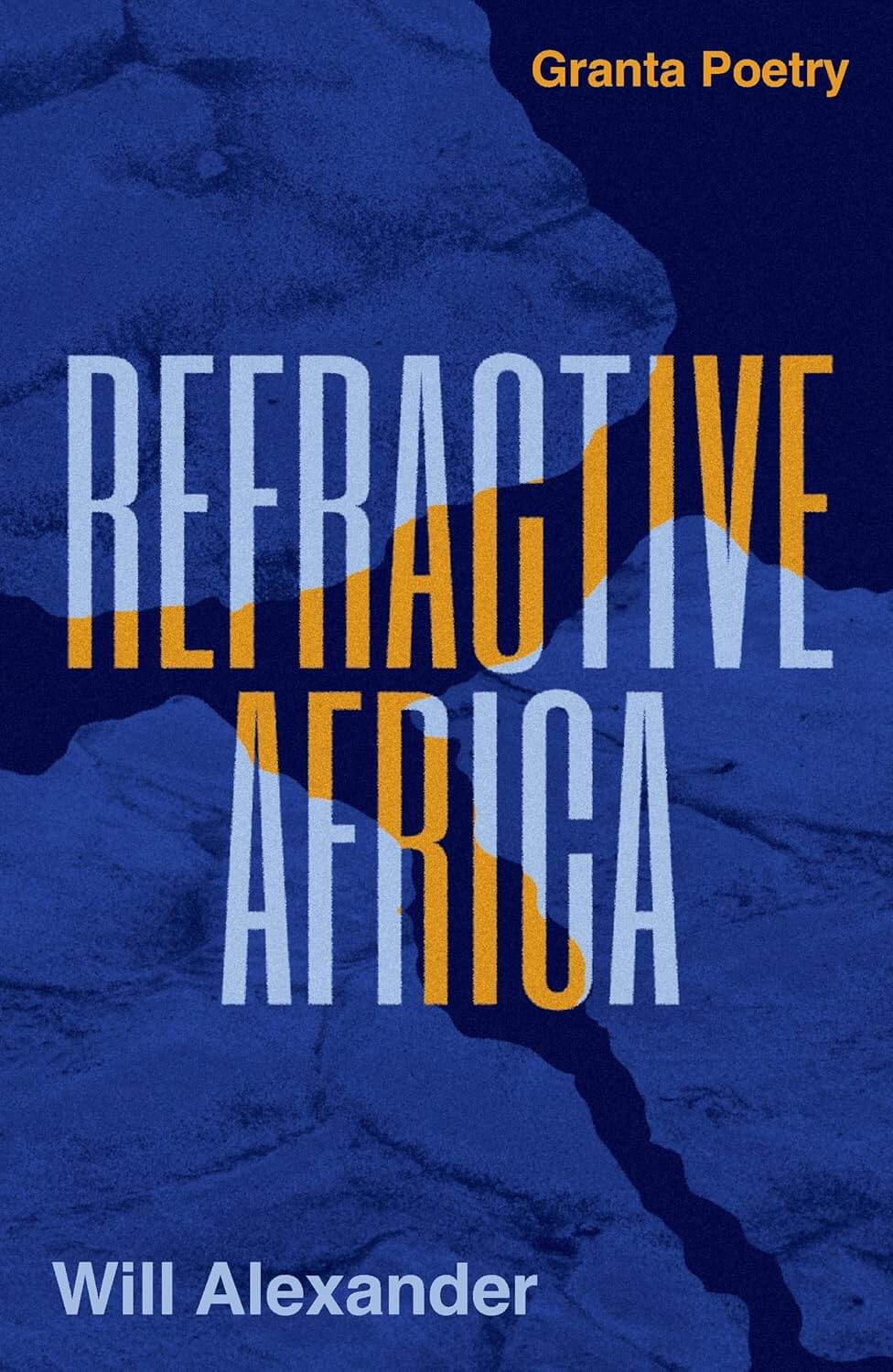
Alexander’s poetry is visionary and challenging, driven by language that feels cosmic in scale. The poems refract history, geography, and politics through surreal imagery and intense sonic patterns. This is not poetry that seeks easy entry; it asks readers to surrender to its momentum and density. The collection evokes Africa as a site of historical violence and imaginative power, refusing reduction or stereotype. Alexander’s lines move like incantations, building a kind of lyrical weather. The work is politically charged, but it operates through metaphor and associative logic rather than argument. Moments of beauty arrive with startling force. The poems can feel like transmissions—urgent, strange, and expansive. Reading them is an act of attention and endurance, and the reward is a heightened sense of language’s capacity. A formidable, singular collection for readers who like poetry that pushes the mind open.