Pulitzer Prize 2021

Stories of resistance, identity, and historical reckoning across fiction, poetry, biography, and reportage

The Pulitzer Prize 2021 finalists reflect a year of literary depth and historical urgency. Across categories, these books confront injustice, memory, and belonging with craft and moral clarity. They move between intimate lives and national turning points, showing how the personal and political are inseparable.

A strong throughline is resistance: to erasure, to state violence, to economic exploitation, and to cultural silencing. Whether through novels rooted in Indigenous sovereignty, biographies of transformative figures, or investigative histories that expose suppressed truths, these works insist on expanding the historical record. The poetry finalists add lyric force, exploring love, loss, and cosmic connection in language that feels both elemental and contemporary.

Taken together, the 2021 list offers readers both immersion and insight. These are books that reward slow attention while carrying undeniable narrative pull. They ask difficult questions but remain deeply human, reminding us that literature can both witness the world and reimagine it.

Fiction

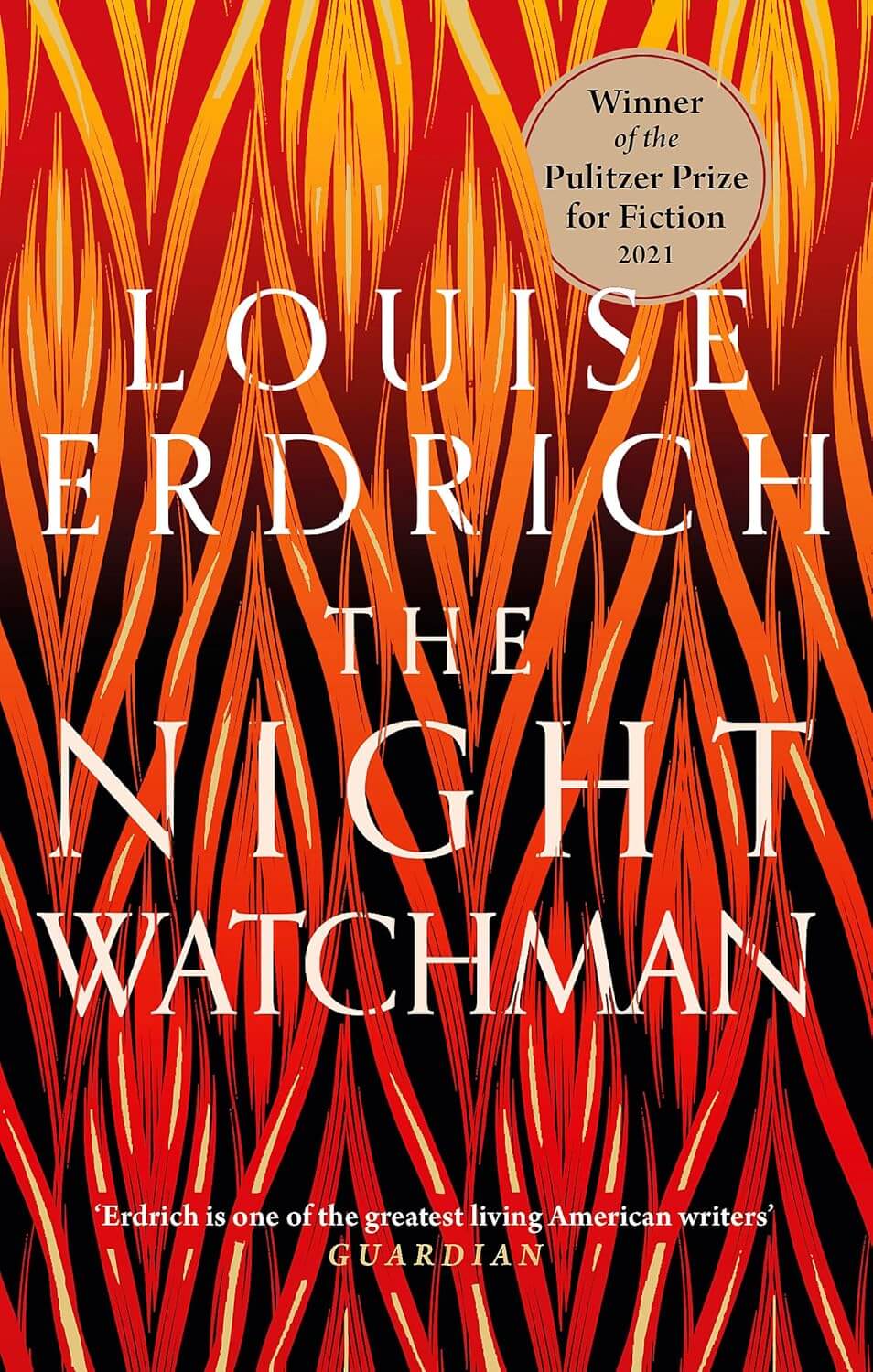
The Night Watchman
Winner

The Night Watchman

by Louise Erdrich

Erdrich's novel draws on the real-life activism of her grandfather to tell a story of Native resistance against U.S. termination policy in the 1950s. The narrative blends political struggle with intimate community life, creating a tapestry of voices. Erdrich's prose is warm, textured, and often quietly humorous, even when addressing injustice. Characters are rendered with tenderness and complexity, especially in their relationships to land and tradition. The novel moves between suspenseful advocacy and lyrical reflection. It foregrounds sovereignty not as abstraction but as lived reality. Erdrich's storytelling honors cultural resilience without romanticizing hardship. The pacing allows both policy debates and personal journeys to unfold with weight. By the end, the victory feels communal and hard-won. A deeply humane and resonant novel.
4.08
Fiction
Historical Fiction
Literary Fiction
Resilient
Reflective
Hopeful
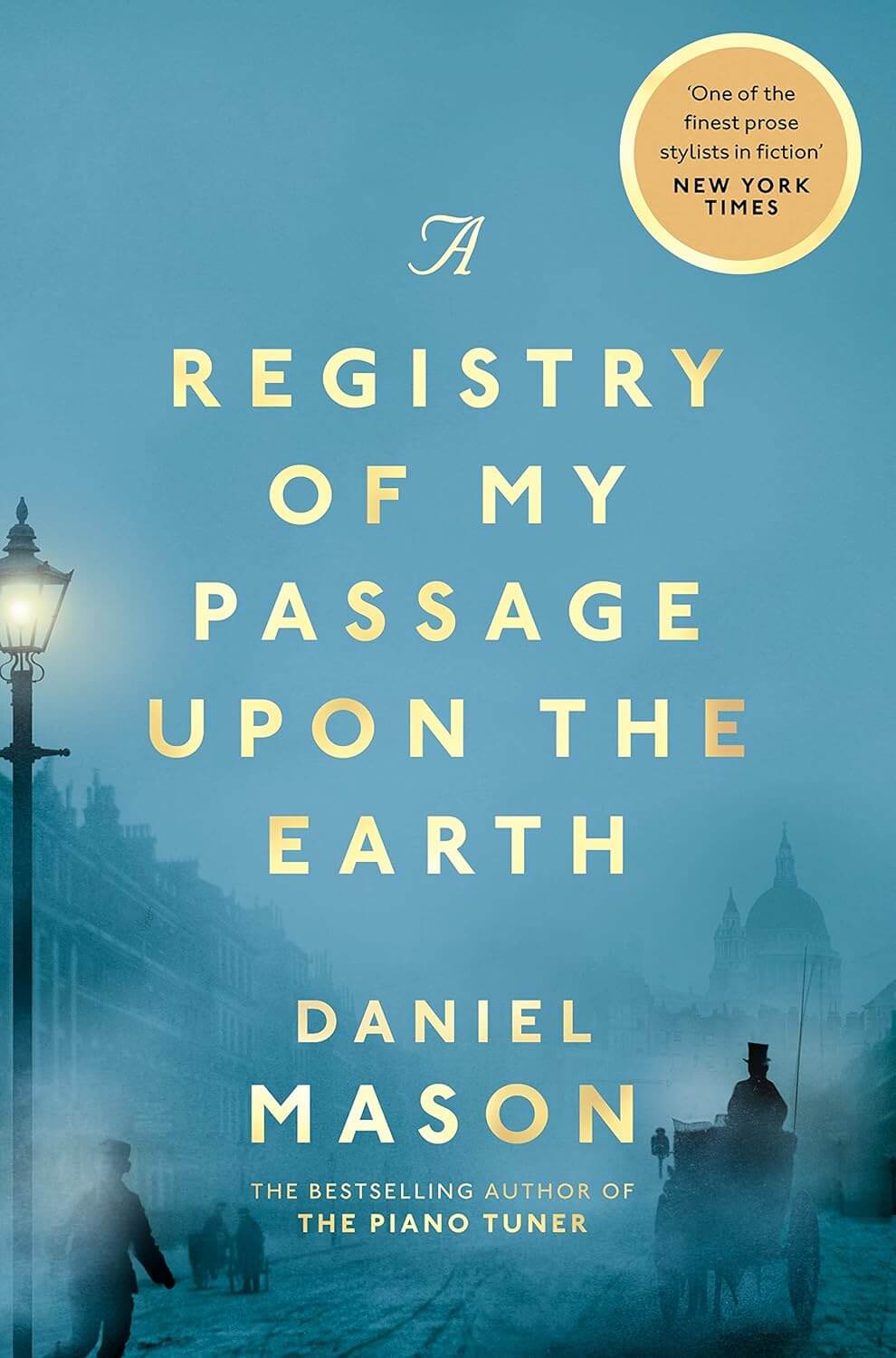
A Registry of My Passage Upon the Earth

A Registry of My Passage Upon the Earth

by Daniel Mason

Mason’s collection of historical stories feels like a cabinet of curiosities—each piece meticulously crafted and distinct in voice. The stories span centuries and continents, united by a fascination with exploration and discovery. Mason writes with elegance and precision, evoking scientific ambition and personal longing. Each narrative inhabits its historical moment without feeling museum-like. There is wonder here, but also isolation and cost. Mason captures the fragile line between obsession and brilliance. The prose often glimmers with quiet lyricism. The collection rewards readers who savor atmosphere and detail. Emotional stakes emerge gradually rather than dramatically. A refined and imaginative work of historical fiction.

3.73
Fiction
Short Stories
Historical Fiction
Curious
Elegant
Atmospheric
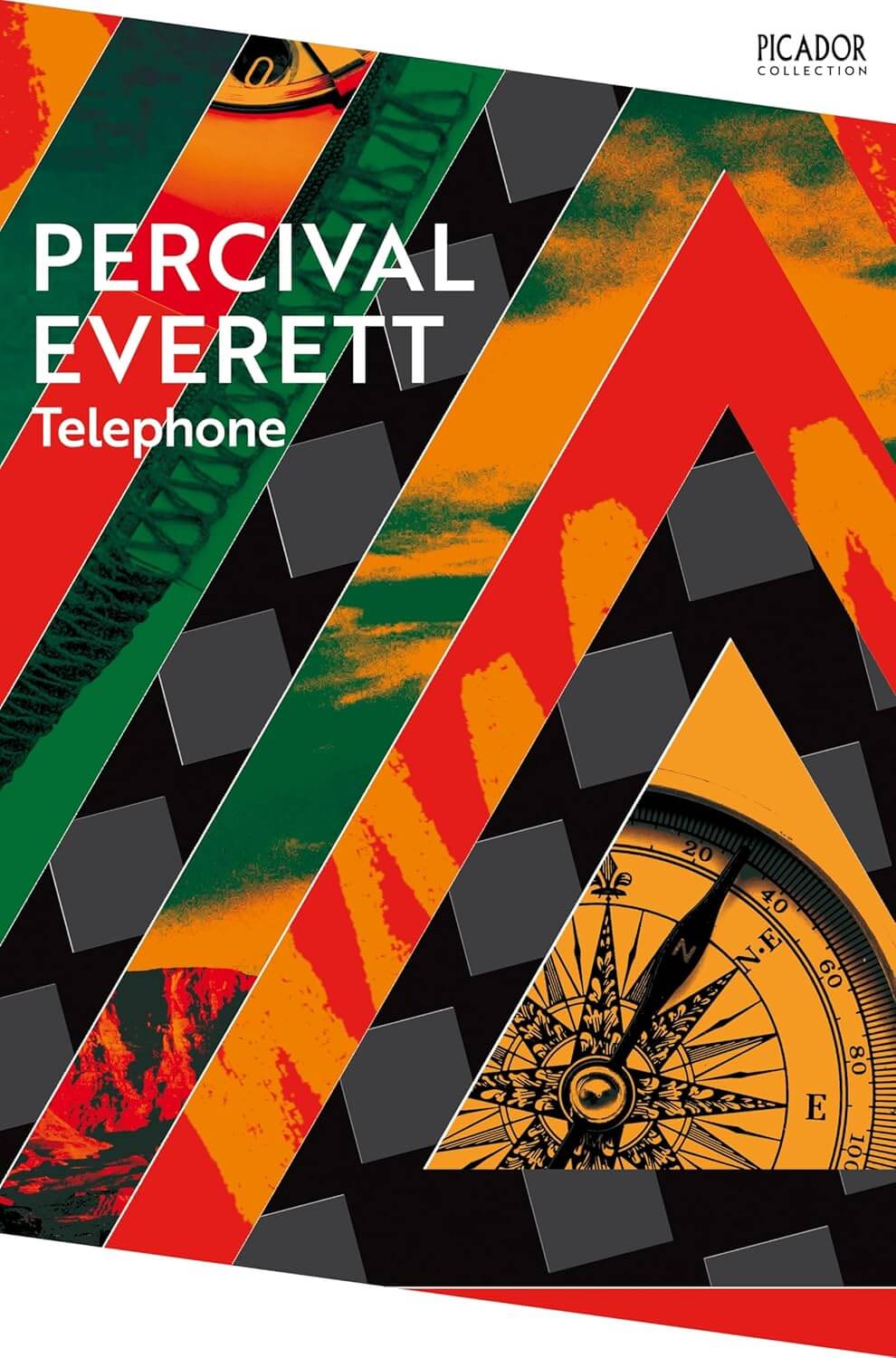
Telephone

Telephone

by Percival Everett

Everett’s novel experiments with narrative variation, offering multiple endings that subtly reshape the story. At its heart is a father grappling with devastating news about his daughter. Everett balances emotional gravity with intellectual playfulness. The shifting structure highlights the instability of storytelling itself. Themes of race, medicine, and moral responsibility surface without heavy exposition. Everett’s prose is spare and often darkly humorous. The novel asks how many versions of truth can coexist. Its brevity belies its complexity. The emotional core remains steady despite structural experimentation. A bold and quietly moving exploration of narrative and grief.

3.97
Fiction
Literary Fiction
Experimental
Poignant
Thoughtful

General Nonfiction

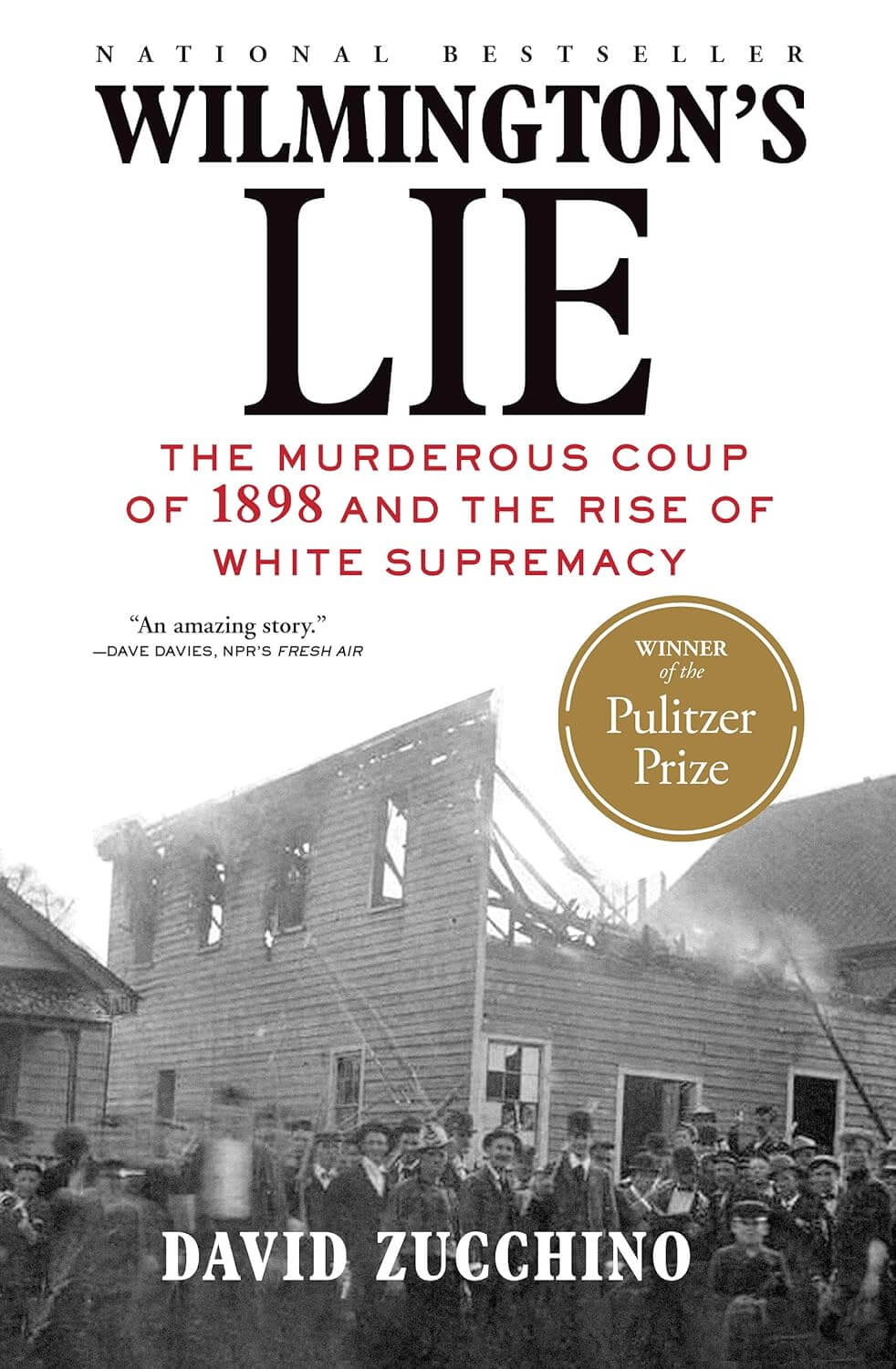
Wilmington’s Lie: The Murderous Coup of 1898 and the Rise of White Supremacy
Winner

Wilmington’s Lie: The Murderous Coup of 1898 and the Rise of White Supremacy

by David Zucchino

David Zucchino reconstructs the 1898 coup in Wilmington, North Carolina—an organized overthrow of a multiracial government—through meticulous reporting and narrative drive. The book shows how propaganda, political ambition, and racist terror combined into coordinated violence. Zucchino details the mechanics of the coup, making clear it was not a riot but a planned seizure of power. He tracks the human consequences: murdered citizens, exiled leaders, and a community reshaped by intimidation. The narrative reveals how white supremacy learned to launder itself through respectable institutions. Zucchino’s prose is accessible, but the research is relentless. He also confronts the ways the event was misremembered, minimized, and mythologized for generations. The book clarifies how democratic backsliding has deep roots in American history. It reads as both a historical account and a warning. You finish with a sharpened sense of how easily lies can become civic “truth.”

4.43
Nonfiction
History
Investigative Journalism
Shocking
Authoritative
Sobering
Minor Feelings: An Asian American Reckoning

Minor Feelings: An Asian American Reckoning

by Cathy Park Hong

Cathy Park Hong blends memoir, criticism, and cultural analysis to name the emotional texture of racialized life. The 'minor feelings' she describes are not small; they are the corrosive mix of shame, anger, and disbelief produced by everyday dismissal. Hong writes with intellectual force and sharp wit, moving through art, politics, and personal history. The book interrogates what it means to be visible only through stereotypes or invisibility. She challenges liberal narratives that demand gratitude and silence in exchange for conditional belonging. Hong's essays widen to include questions of class, immigration, and the politics of representation. The voice is candid and unsparing, yet deeply attentive to nuance. She refuses tidy uplift, offering instead a clearer vocabulary for lived contradiction. The work is both personal and diagnostic, mapping the psychic toll of structural racism. It's the kind of book that changes how readers interpret their own reactions. By the end, 'feeling' becomes a form of knowledge.

4.19
Nonfiction
Essays
Cultural Criticism
Incisive
Provocative
Candid
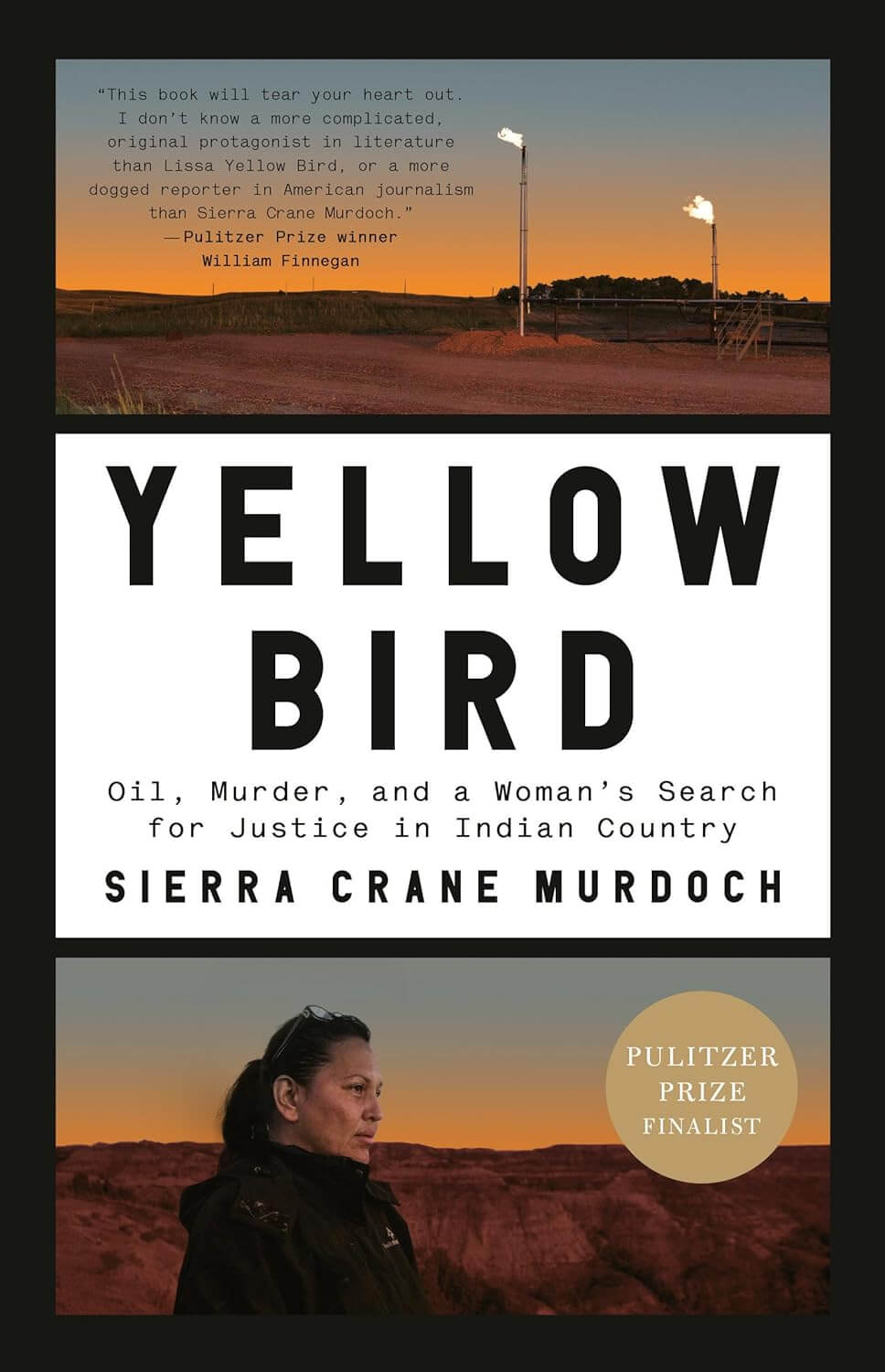
Yellow Bird: Oil, Murder, and a Woman's Search for Justice in Indian Country

Yellow Bird: Oil, Murder, and a Woman's Search for Justice in Indian Country

by Sierra Crane Murdoch

Sierra Crane Murdoch investigates a murder in the Bakken oil boom and the long, complicated search for justice that follows. The book is anchored in the story of a woman whose life becomes entwined with the case, giving the narrative emotional gravity. Murdoch shows how extraction economies reshape communities—bringing wealth for some, danger and instability for others. She traces jurisdictional complexity in Indian Country, where overlapping legal systems can enable impunity. The reporting is immersive, built from years of interviews and on-the-ground detail. Murdoch is careful with ambiguity, resisting easy heroes or simplistic conclusions. The book reveals how violence against Indigenous people is often treated as background noise rather than emergency. At the same time, it highlights persistence: families and advocates who refuse to let disappearance become disappearance from memory. The narrative balances true-crime momentum with structural analysis. It asks what justice can mean when systems are designed to fail. The result is haunting, urgent, and deeply human.

3.76
Nonfiction
True Crime
Investigative Journalism
Haunting
Tense
Urgent

History

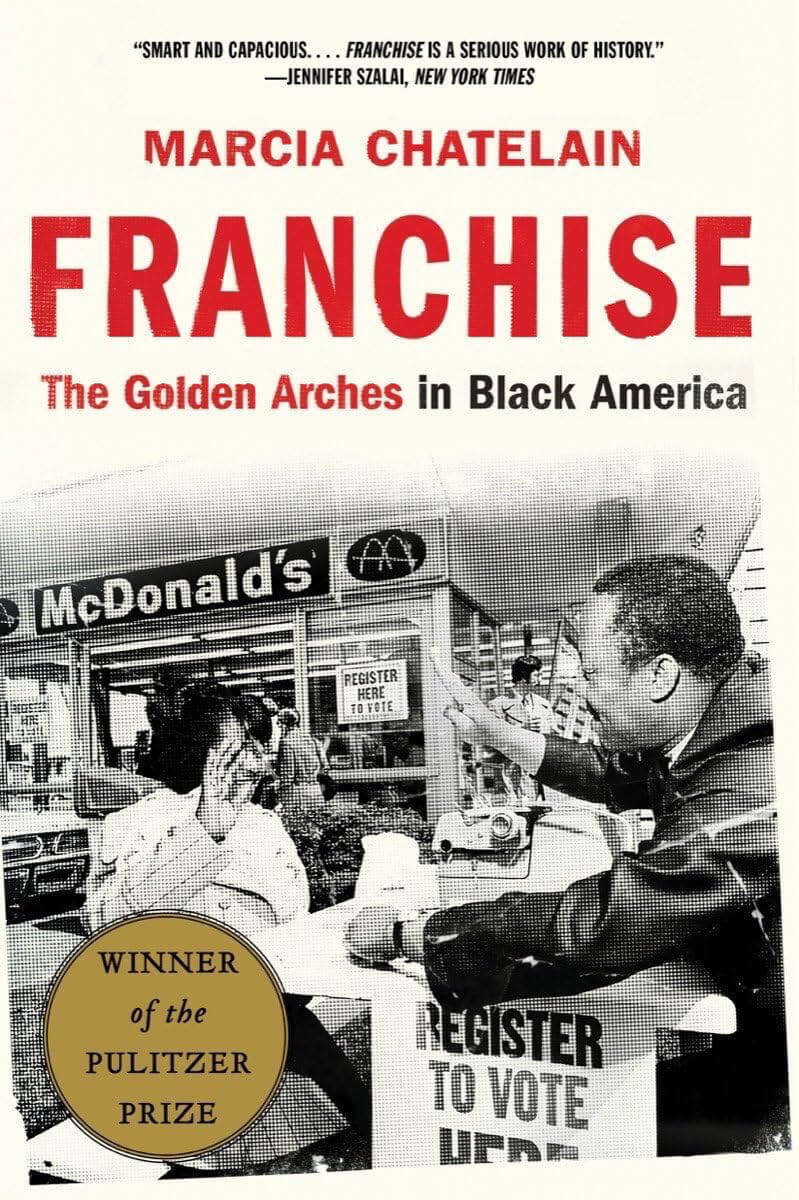
Franchise: The Golden Arches in Black America
Winner

Franchise: The Golden Arches in Black America

by Marcia Chatelain

Chatelain examines McDonald’s expansion into Black communities, revealing how fast food intersected with civil rights and economic policy. The book complicates narratives of empowerment and exploitation. Chatelain writes with clarity and nuance, balancing corporate strategy with lived experience. She shows how businesses positioned themselves as allies while reinforcing inequality. The research is meticulous, yet the storytelling remains accessible. The book reframes familiar symbols as sites of contested power. It connects consumer culture to political change. Readers gain insight into capitalism’s local and national dimensions. A surprising and illuminating history.

3.83
Nonfiction
History
Cultural History
Revelatory
Analytical
Engaging
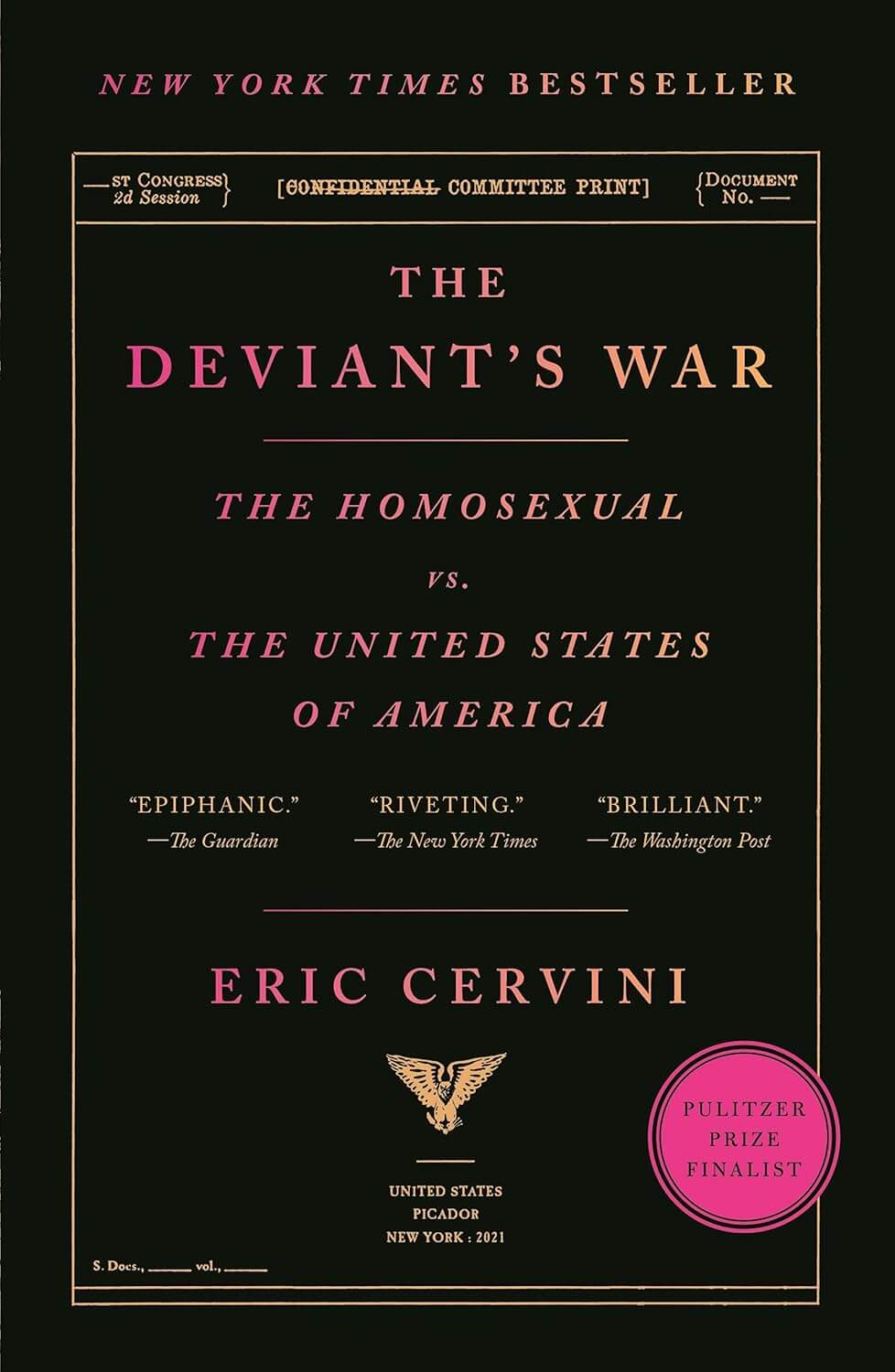
The Deviant's War: The Homosexual vs. the United States of America

The Deviant's War: The Homosexual vs. the United States of America

by Eric Cervini

Cervini chronicles the early LGBTQ+ rights movement through the life of activist Frank Kameny. The book combines biography with legal and political history. Cervini writes with narrative momentum and clear moral purpose. The story reveals how government persecution fueled organized resistance. Kameny emerges as flawed but formidable. The book captures the courage required to demand dignity in hostile times. Cervini contextualizes the movement within Cold War anxieties. The research is thorough yet vivid. The narrative feels both historical and urgent. A compelling account of activism and change.

4.31
Nonfiction
History
Civil Rights
Determined
Revelatory
Empowering
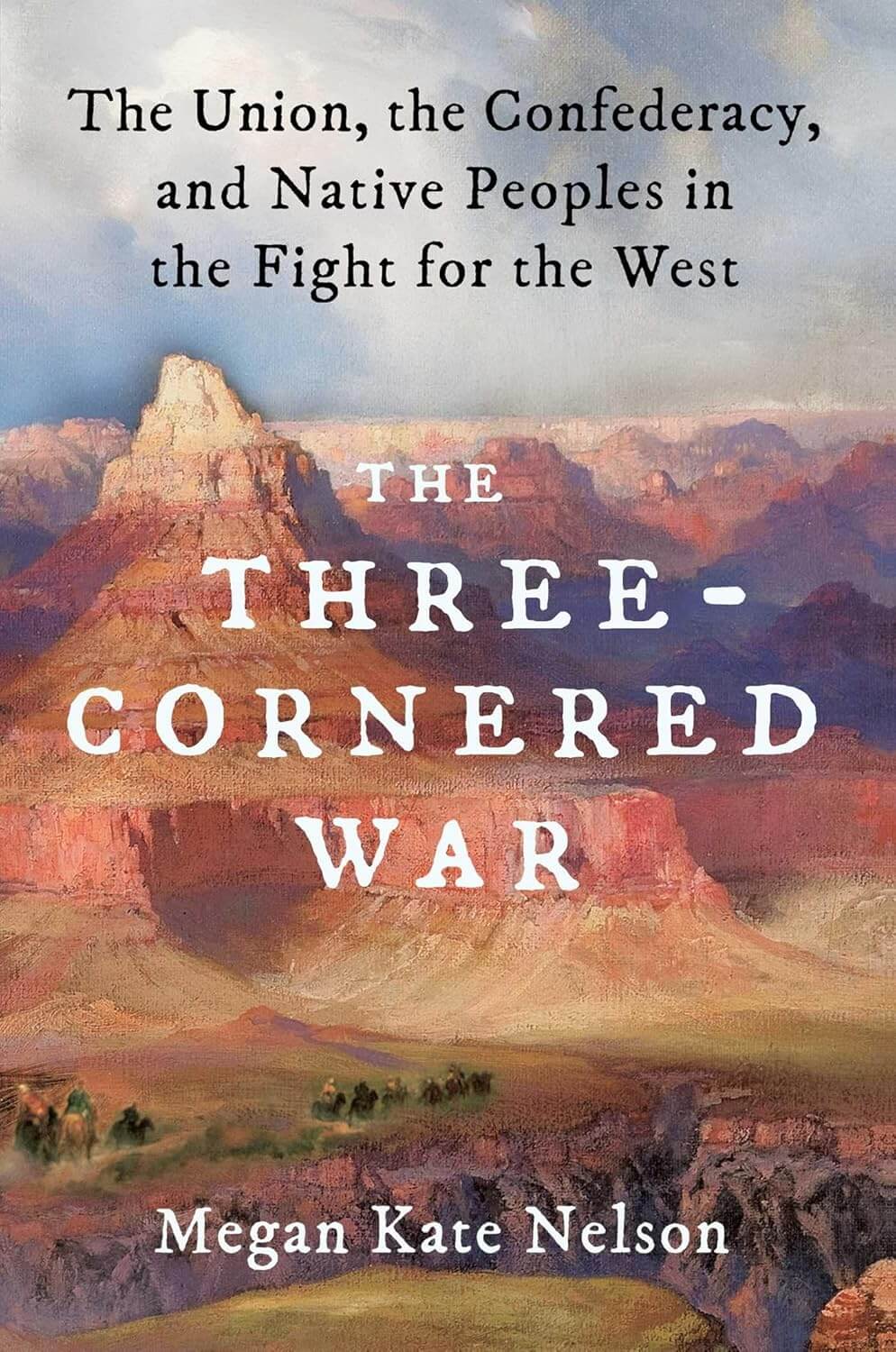
The Three-Cornered War

The Three-Cornered War

by Megan Kate Nelson

Nelson reframes the Civil War West as a three-sided conflict among Union, Confederate, and Native nations. The narrative challenges simplified battle maps. Nelson’s prose is vivid and character-driven. She highlights Indigenous agency often erased from mainstream accounts. The book reveals how territorial expansion intensified violence. Nelson balances military history with cultural insight. The research is detailed but never dry. The story feels urgent and morally complex. Readers gain a broader perspective on the war’s geography and consequences. A vital expansion of Civil War history.

4.02
Nonfiction
History
Expansive
Serious
Illuminating

Biography

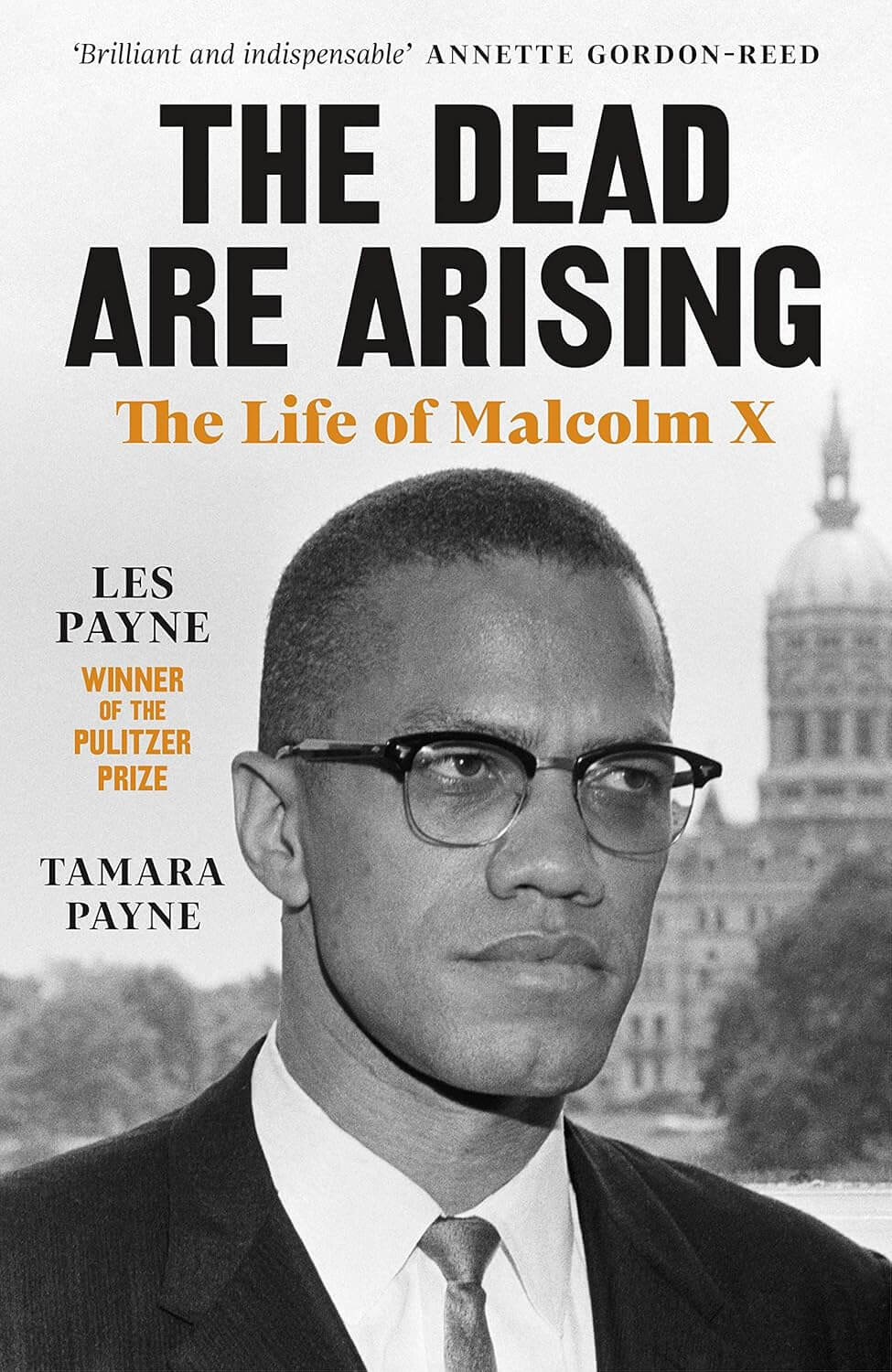
The Dead Are Arising: The Life of Malcolm X
Winner

The Dead Are Arising: The Life of Malcolm X

by Les Payne and Tamara Payne

This biography reads with the propulsion of a novel while maintaining the rigor of long-form reporting. Les Payne's decades of research, completed with Tamara Payne, traces Malcolm X from childhood trauma through reinvention and radical clarity. The book emphasizes the complexity of Malcolm's thinking rather than freezing him into a single image. It carefully maps the social and political pressures that shaped his worldview—racism, surveillance, incarceration, and the politics of respectability. The narrative is especially strong on Malcolm's evolution as a speaker and strategist. It also captures the toll of constant public scrutiny on private life. The authors portray both charisma and vulnerability without sentimentality. The result is a layered portrait of a man who kept changing even as the world tried to pin him down. It is both intimate and sweeping, a definitive account of a life lived at high velocity.

4.34
Biography
Political History
Powerful
Revelatory
Gripping
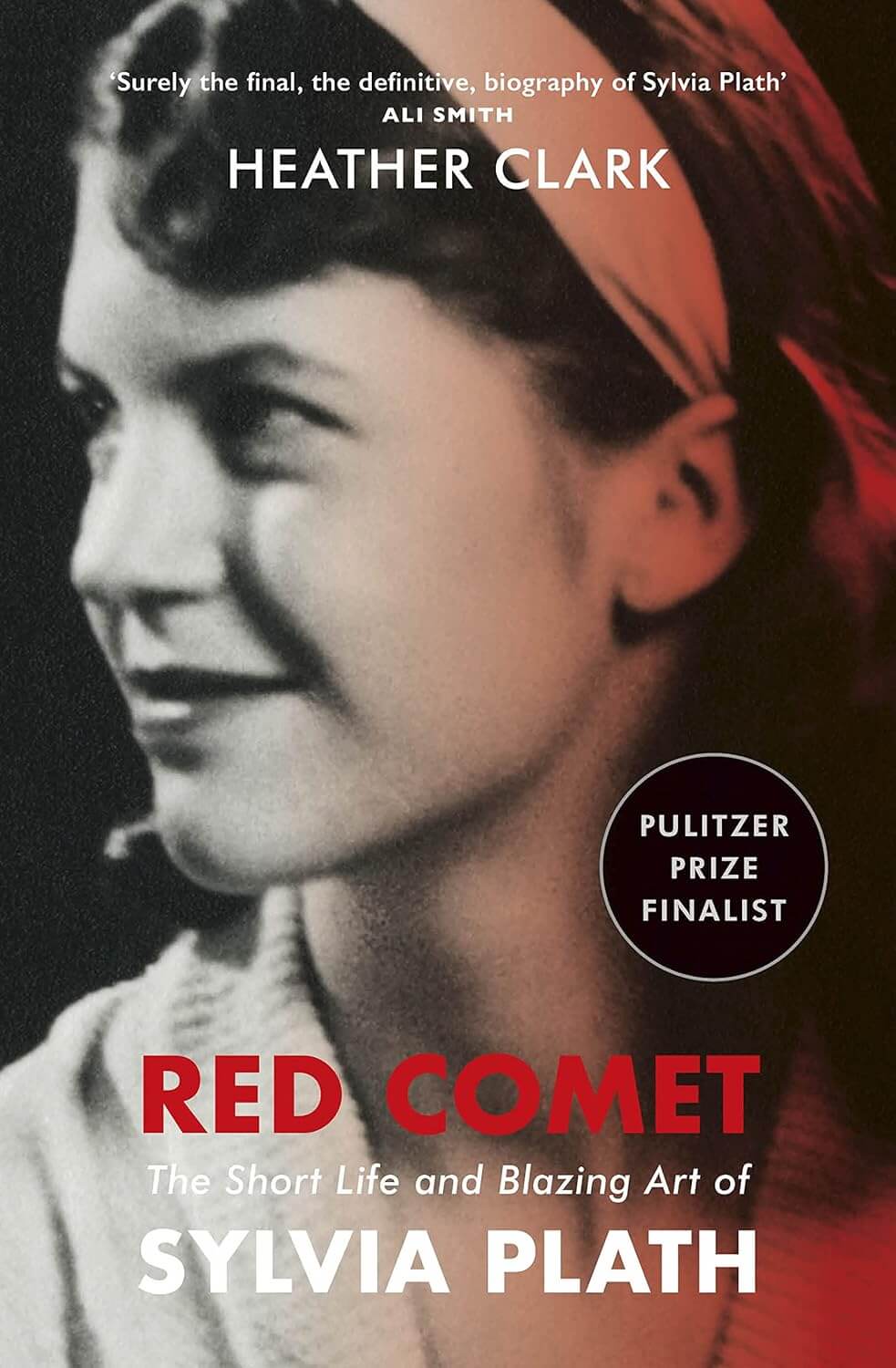
Red Comet: The Short Life and Blazing Art of Sylvia Plath

Red Comet: The Short Life and Blazing Art of Sylvia Plath

by Heather Clark

Heather Clark delivers an expansive portrait that returns Sylvia Plath to her full artistic ambition. Rather than centering only on tragedy, the biography foregrounds Plath’s relentless craft, intelligence, and literary strategy. Clark reconstructs Plath’s formative years with vivid attention to education, friendships, and creative apprenticeship. The book treats poems and journals not as gossip but as evidence of a mind at work. It also situates Plath within the constraints faced by mid-century women artists. Clark handles the marriage narrative with nuance, resisting simplistic villains or saints. The critical readings of major poems illuminate how style and life braid together. Even readers familiar with Plath will find the broader context clarifying and fresh. The biography ultimately honors Plath’s artistry as fiercely as it acknowledges her suffering. It is immersive, scholarly, and emotionally resonant.

4.57
Biography
Literary Biography
Immersive
Nuanced
Luminous
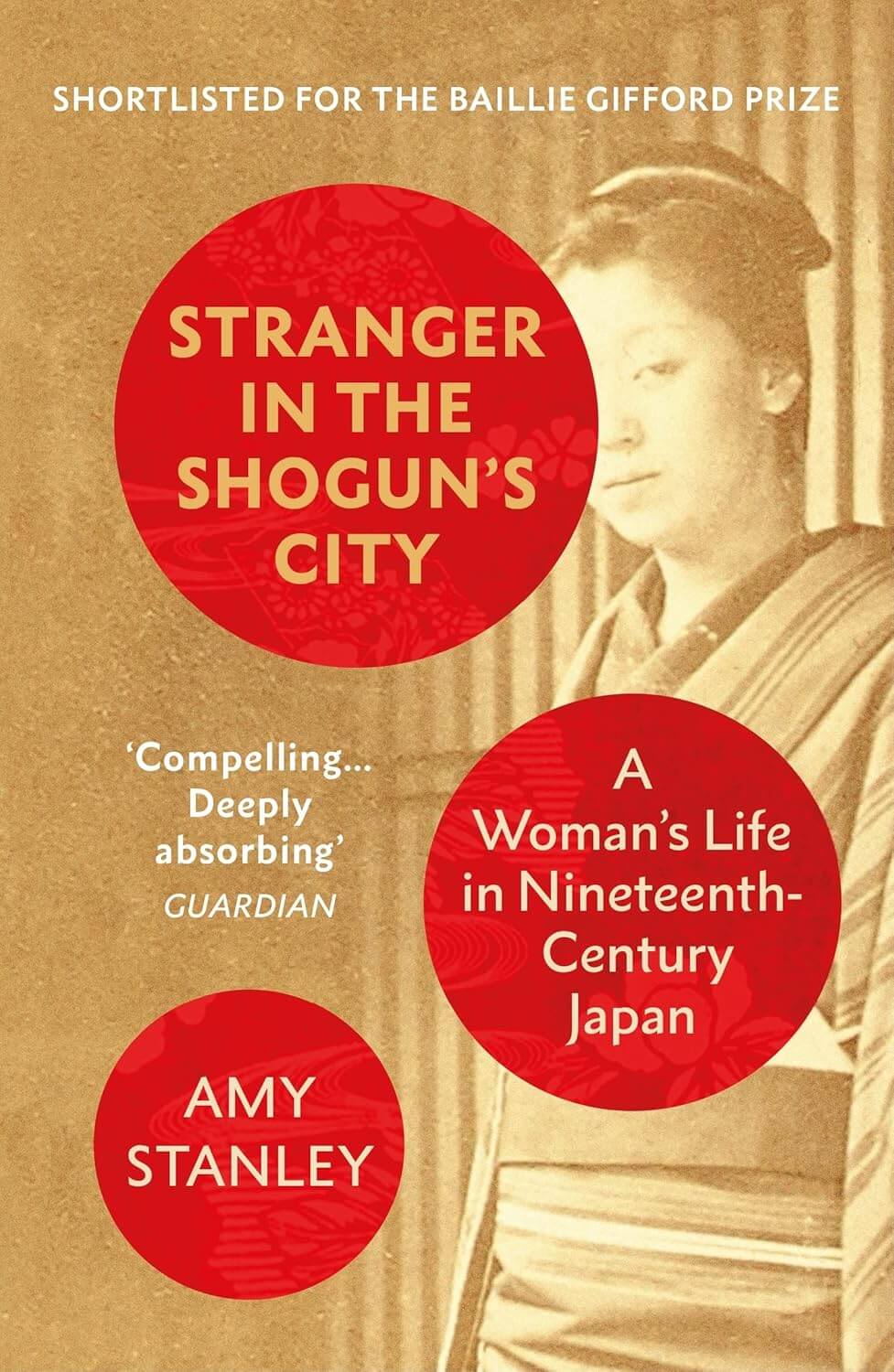
Stranger in the Shogun’s City: A Japanese Woman and Her World

Stranger in the Shogun’s City: A Japanese Woman and Her World

by Amy Stanley

Amy Stanley reconstructs the life of Tsuneno, a woman who migrated to Edo and left traces in scattered historical records. The book is part biography, part detective story, showing how historians read against the grain of archives. Stanley brings daily life into focus—work, marriage, debt, kinship, and the fragile economics of survival. Tsuneno’s choices reveal the pressures and possibilities faced by women in early modern Japan. The narrative avoids exoticism, emphasizing recognizable human stakes within unfamiliar systems. Stanley’s prose is clear and absorbing, making scholarship feel narratively alive. The book also reflects on what cannot be known, turning gaps into ethical questions rather than tidy conclusions. By centering an ordinary life, it expands what “history” can be about. The result is intimate, instructive, and quietly radical. It’s a portrait of agency carved out within constraint.

3.77
Biography
Social History
Curious
Intimate
Illuminating

Poetry

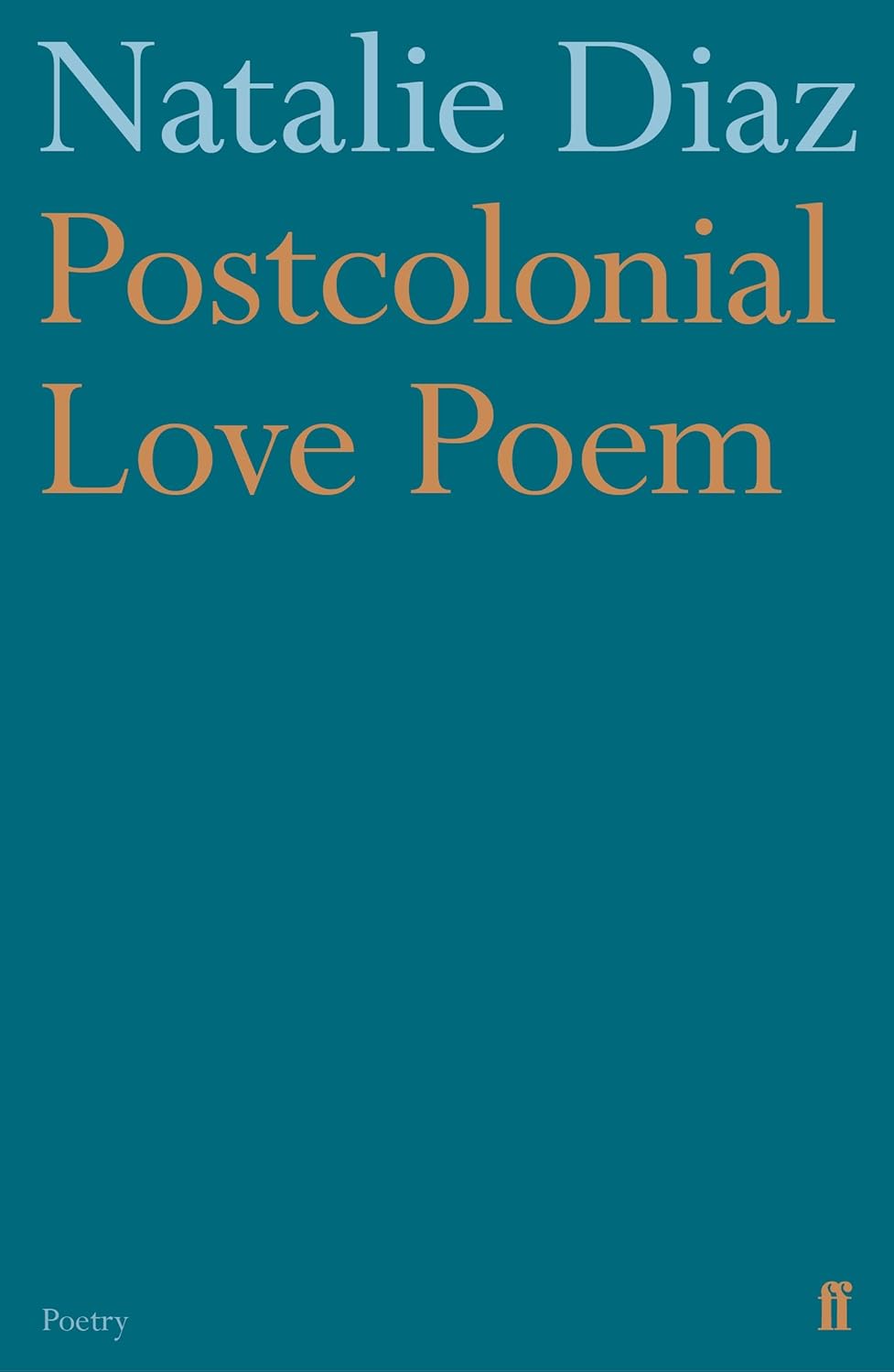
Postcolonial Love Poem
Winner

Postcolonial Love Poem

by Natalie Diaz

Natalie Diaz writes love poems that refuse to separate intimacy from history. The collection pulses with desire, but it also names the violence of colonization and its ongoing effects. Diaz's imagery is embodied and muscular, turning landscapes into living presences. The poems move between tenderness and confrontation without losing lyric momentum. She often addresses a beloved directly, creating a charged immediacy on the page. At the same time, the voice insists on Indigenous sovereignty of feeling and language. Lines can be lush, then suddenly knife-sharp in their clarity. The collection's emotional range is wide—joy, grief, anger, hunger—yet it feels cohesive. Diaz's craft makes political insight inseparable from sensual experience. Reading it can feel like being awakened, again and again, to what love demands. It is fierce, radiant, and unforgettable.

4.31
Poetry
Contemporary Poetry
Fierce
Sensual
Exhilarating
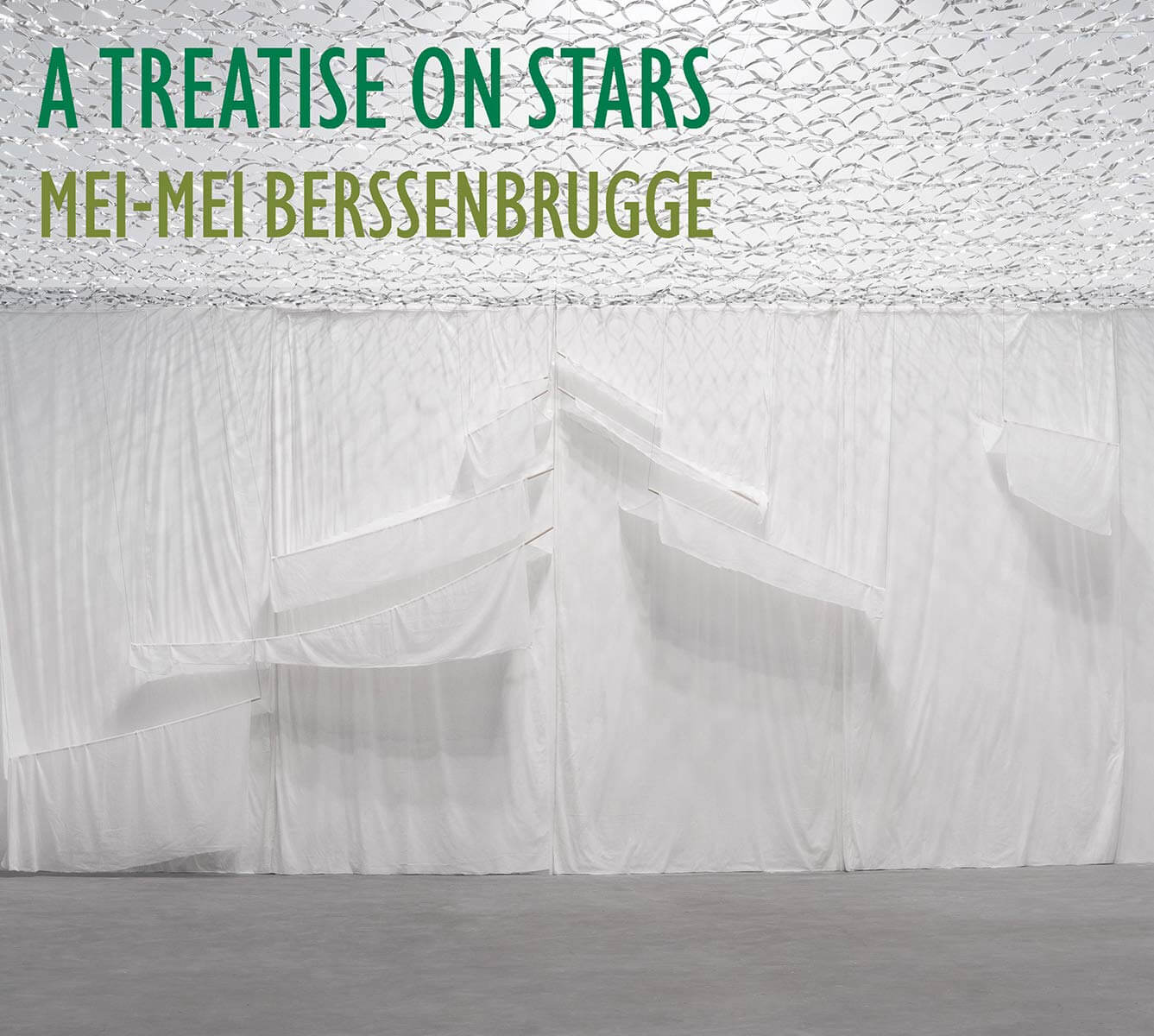
A Treatise on Stars

A Treatise on Stars

by Mei-mei Berssenbrugge

Mei-mei Berssenbrugge’s poems unfold like spacious thought, moving by association rather than argument. The collection invites readers into a meditative attention where perception becomes an ethical practice. Berssenbrugge blends the everyday with the cosmic, making intimacy feel planetary. Her syntax is airy and exploratory, leaving room for the reader’s mind to participate. Images appear, drift, and return with altered meaning, like constellations forming slowly. The poems often consider love not as certainty but as a way of seeing. There is a quiet rigor beneath the openness—an insistence on honesty about what can’t be simplified. The work rewards rereading, as lines deepen with familiarity. It’s less about statement than about presence, a sustained listening. The overall effect is luminous and calming without ever being complacent. It is poetry that thinks, feels, and breathes at once.

3.81
Poetry
Experimental Poetry
Contemplative
Luminous
Spacious
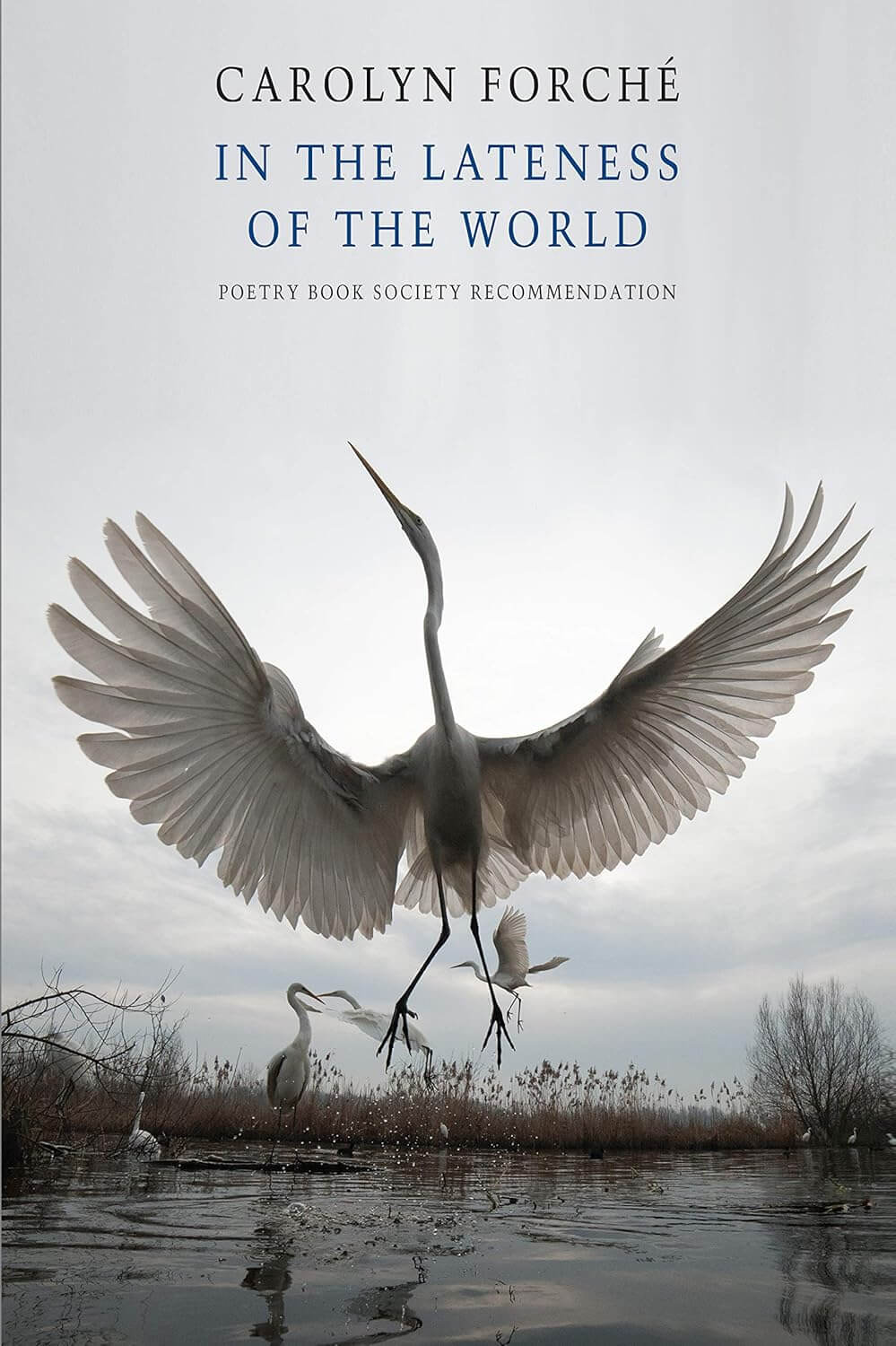
In the Lateness of the World

In the Lateness of the World

by Carolyn Forché

Carolyn Forché’s collection is a work of witness shaped by the moral urgency of living in a world of ongoing violence. The poems carry an international scope, moving through histories of war, displacement, and political brutality. Forché’s language is precise and unsentimental, refusing spectacle even as it confronts atrocity. She asks what it means to speak ethically about suffering—what can be said, and what must be guarded. The title’s “lateness” suggests a time of reckoning, when consequences have arrived and denial is no longer possible. Yet the poems also hold moments of tenderness, art, and persistence. Forché’s voice is steady, calibrated, and deeply humane. The collection insists that attention is a form of responsibility. Reading it can feel like standing in a cold, clarifying wind. It is grave, bracing, and necessary.

4.01
Poetry
Political Poetry
Grave
Urgent
Unflinching