Pulitzer Prize 2019

Big-idea novels, restorative history, and urgent reporting — a year of books that widened the American story

The Pulitzer Prize 2019 finalists capture literature’s ability to zoom out and zoom in at once. Across fiction, history, biography, poetry, and general nonfiction, these books explore the systems that shape lives — ecology, disease, migration, labor, violence, and the afterlives of national myth. They are united by a sense of scale, whether the scale is a forest’s intelligence, an epidemic’s grief, or the slow accrual of injustice.

A defining thread of the year is connection. The novels braid many voices into collective portraits; the historians and biographers return complexity to figures and eras often simplified; the nonfiction finalists expose hidden costs in energy, labor, and climate. Even the poetry titles wrestle with how language can be both intimate and public — a space where identity, perception, and ethics meet.

Taken together, the 2019 list offers an energising reading path for anyone who likes books that do more than tell a story. These are works that change the angle of vision: they make you notice what’s been backgrounded, question what’s been normalized, and feel the weight of the present in the texture of the past.

Fiction

Ambitious novels that weave collective experience — ecology, epidemic grief, and Indigenous urban life

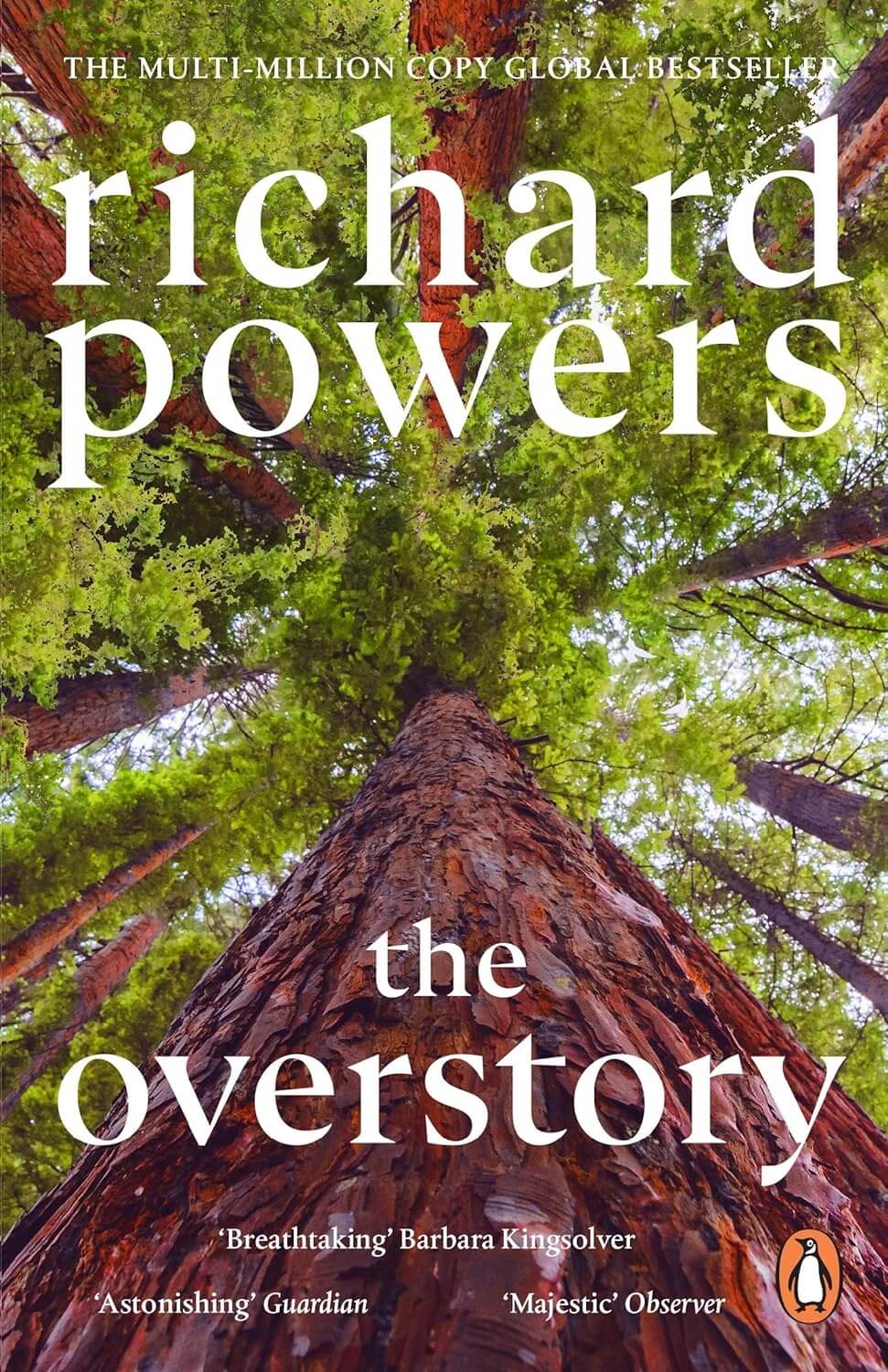
The Overstory
Winner

The Overstory

by Richard Powers

Powers builds a sprawling, polyphonic novel that treats trees not as scenery but as agents, archives, and living intelligence. The book begins with distinct human lives and gradually entwines them into a larger ecological narrative. Powers balances scientific wonder with moral urgency, asking what it means to live ethically on a damaged planet. The prose can be luminous, especially when describing forests as complex systems of communication and time. The novel's structure mirrors its theme: interconnection, root systems, networks, and hidden influence. Characters arrive at activism through grief, awe, anger, and love, and the book refuses to romanticize the costs. Some sections read like manifesto, but the emotional pull remains strong because each character feels particular. The scale is epic, yet the book often lands in quiet moments of perception. By the end, you feel both dwarfed and awakened. A major, ambitious work of eco-literature that changes how you look at the world outside your window.
4.11
Fiction
Literary Fiction
Awe-filled
Urgent
Expansive
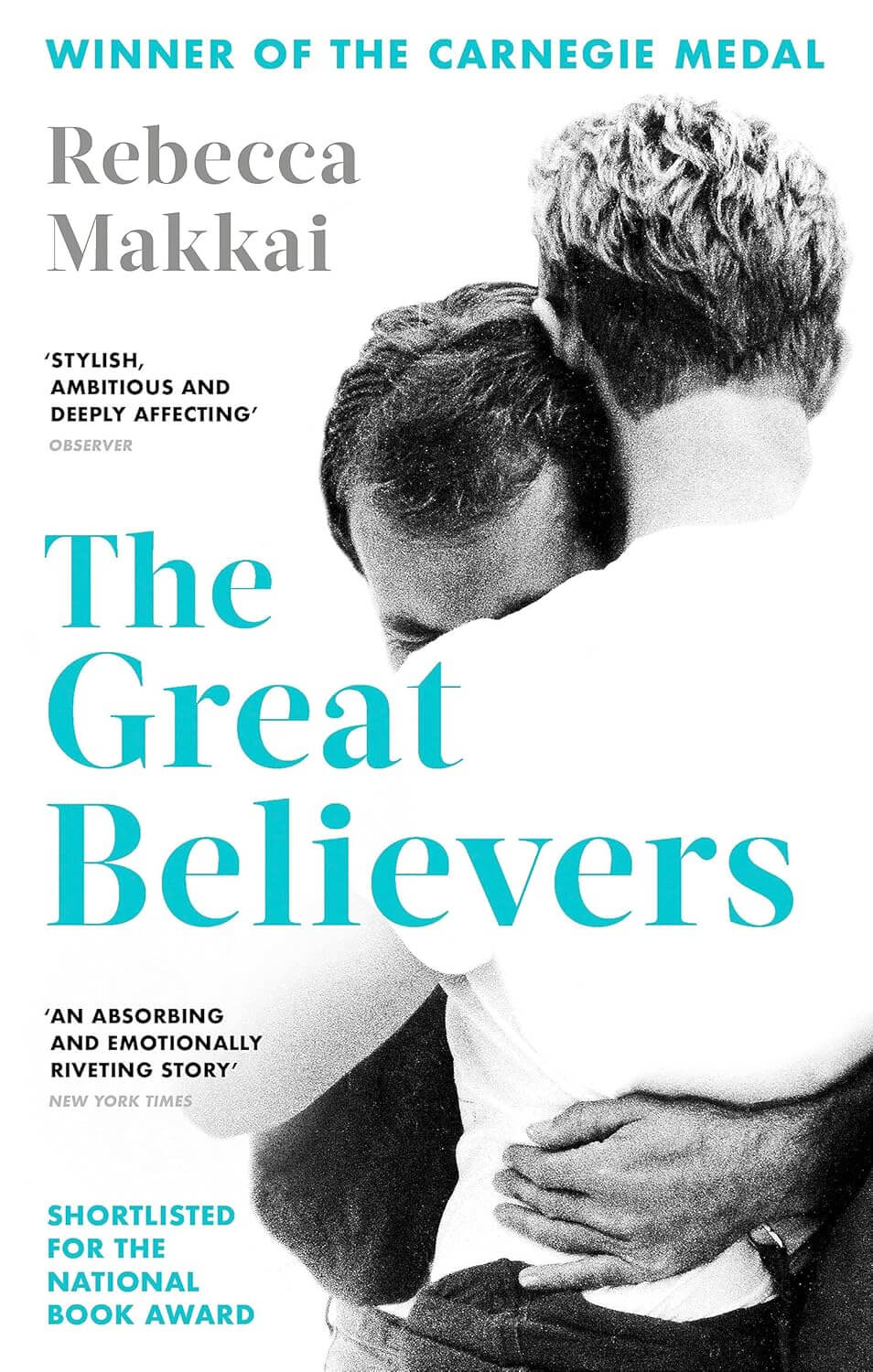
The Great Believers

The Great Believers

by Rebecca Makkai

Makkai’s novel is a deeply humane portrait of friendship and loss during the AIDS crisis, grounded in the specificity of a Chicago art community. The narrative moves between the 1980s and a later present, showing how grief echoes across decades. Makkai writes with emotional clarity and a novelist’s sense of scene, making the era vivid without relying on nostalgia. The characters are complex and fiercely alive, which makes the losses feel personal rather than historical. The book examines how communities hold one another up when institutions fail. It also explores memory’s distortions: what survivors carry, what they omit, what they can’t stop replaying. The later timeline adds perspective and tension, revealing how time reshapes blame and love. Makkai balances heartbreak with warmth, humor, and the stubbornness of art. It’s a novel that honors the dead without turning them into symbols. Devastating, compassionate, and beautifully constructed.

4.30
Fiction
Literary Fiction
Historical Fiction
Heartbreaking
Tender
Reflective
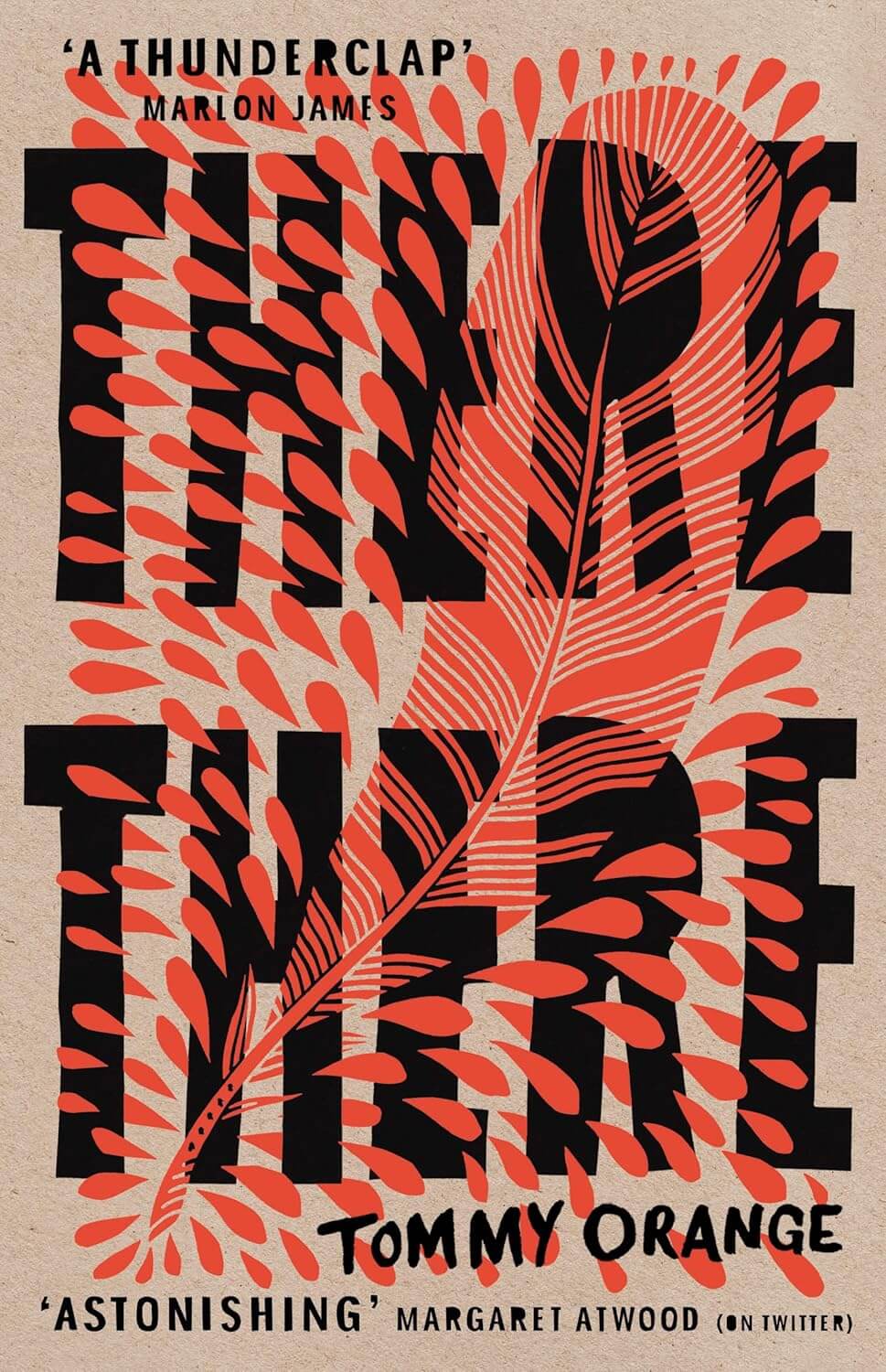
There There

There There

by Tommy Orange

Orange's debut is a kinetic, multi-voiced portrait of Native life in contemporary Oakland, building toward a gathering charged with hope and danger. The novel refuses the museum version of Indigeneity, insisting on modernity, contradiction, and survival. Orange writes with urgency and clarity, giving each character a distinct perspective and wound. The structure feels like a chorus, voices overlapping to create a collective truth. The book explores identity as something negotiated—through family, urban life, addiction, art, and inherited trauma. Orange is especially strong on how violence reverberates, how history sits inside the body. The pacing tightens as the powwow approaches, transforming separate stories into a shared collision. The novel is politically sharp without becoming didactic; it trusts story to do the work. Moments of humor and tenderness cut through the tension, making the world feel real. By the end, the impact is explosive and mournful. A landmark novel of contemporary Native experience.

3.97
Fiction
Literary Fiction
Urgent
Intense
Rousing

General Nonfiction

On-the-ground reporting about extraction, labor, and the rising costs of living in modern America

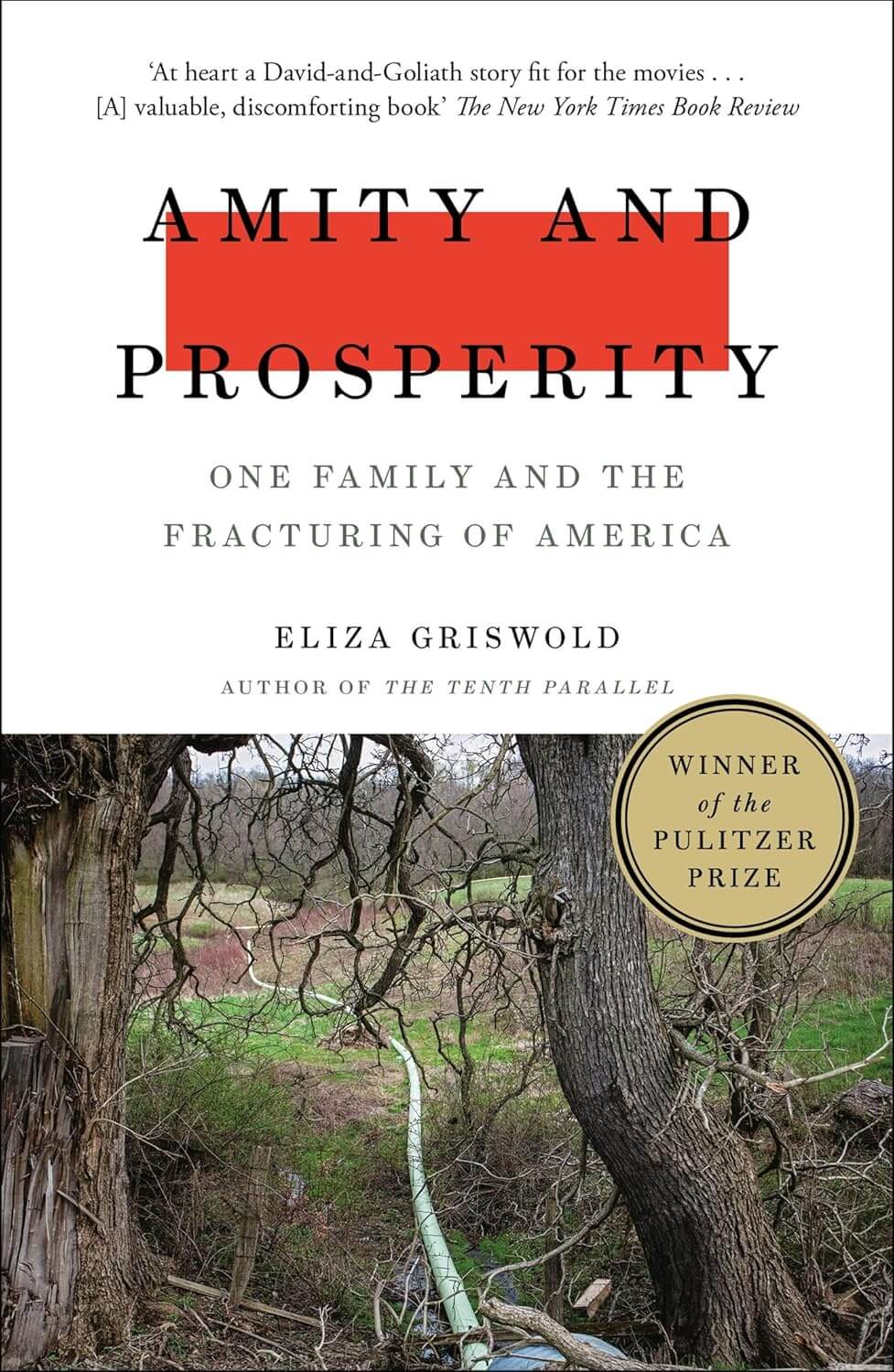
Amity and Prosperity: One Family and the Fracturing of America
Winner

Amity and Prosperity: One Family and the Fracturing of America

by Eliza Griswold

Griswold tells the story of fracking's human costs through one family, making a sprawling national issue intimate and undeniable. The book follows how promises of wealth and stability fracture into illness, legal battles, and mistrust. Griswold's reporting is immersive and patient, attentive to the slow grind of bureaucracy and litigation. She shows how power operates through contracts, technical language, and exhaustion. The narrative is tense in a quiet way—danger arrives not as spectacle but as accumulation. Griswold also captures the complexity of communities divided by jobs, loyalty, and fear. The book refuses easy villains; instead, it maps a system where responsibility is dispersed and accountability is hard to pin down. The prose is clear and compassionate, giving space to uncertainty and grief. Reading it, you feel how environmental harm becomes social harm, and how both linger. It's a book that changes how "energy" sounds as a word. Urgent, humane, and deeply unsettling.

4.26
Nonfiction
Journalism
Environmental
Sobering
Compelling
Grave
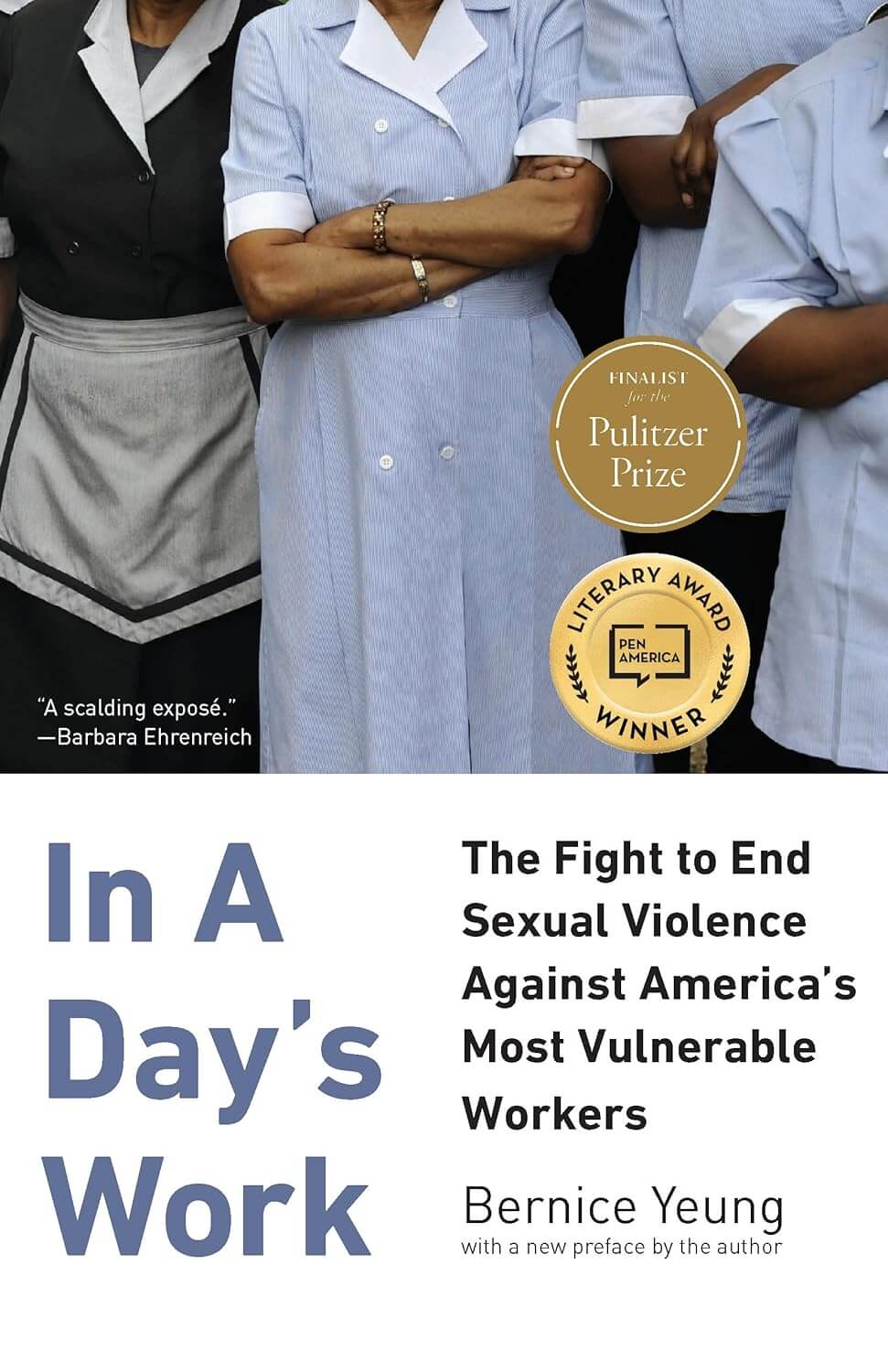
In a Day’s Work: The Fight to End Sexual Violence Against America’s Most Vulnerable Workers

In a Day’s Work: The Fight to End Sexual Violence Against America’s Most Vulnerable Workers

by Bernice Yeung

Yeung investigates workplace sexual violence with a reporter’s rigor and a storyteller’s ability to keep human stakes front and center. The book shows how vulnerability is engineered—through immigration status, economic precarity, and industries that rely on invisibility. Yeung follows survivors and advocates who fight back, often at great personal cost. The reporting reveals how institutions protect perpetrators through silence, disbelief, and procedural barriers. Yeung is especially strong at tracing patterns: how abuse repeats across sectors and how accountability is consistently dodged. The narrative balances outrage with clear documentation, keeping the book grounded in evidence. It also highlights resilience without romanticizing suffering. The writing is direct and propulsive, making complex legal and workplace dynamics legible. Readers come away with a deeper understanding of how power functions in everyday settings. It’s hard to read, but harder to forget. A vital work of investigative journalism.

4.07
Nonfiction
Investigative Journalism
Social Issues
Urgent
Angry
Resolute
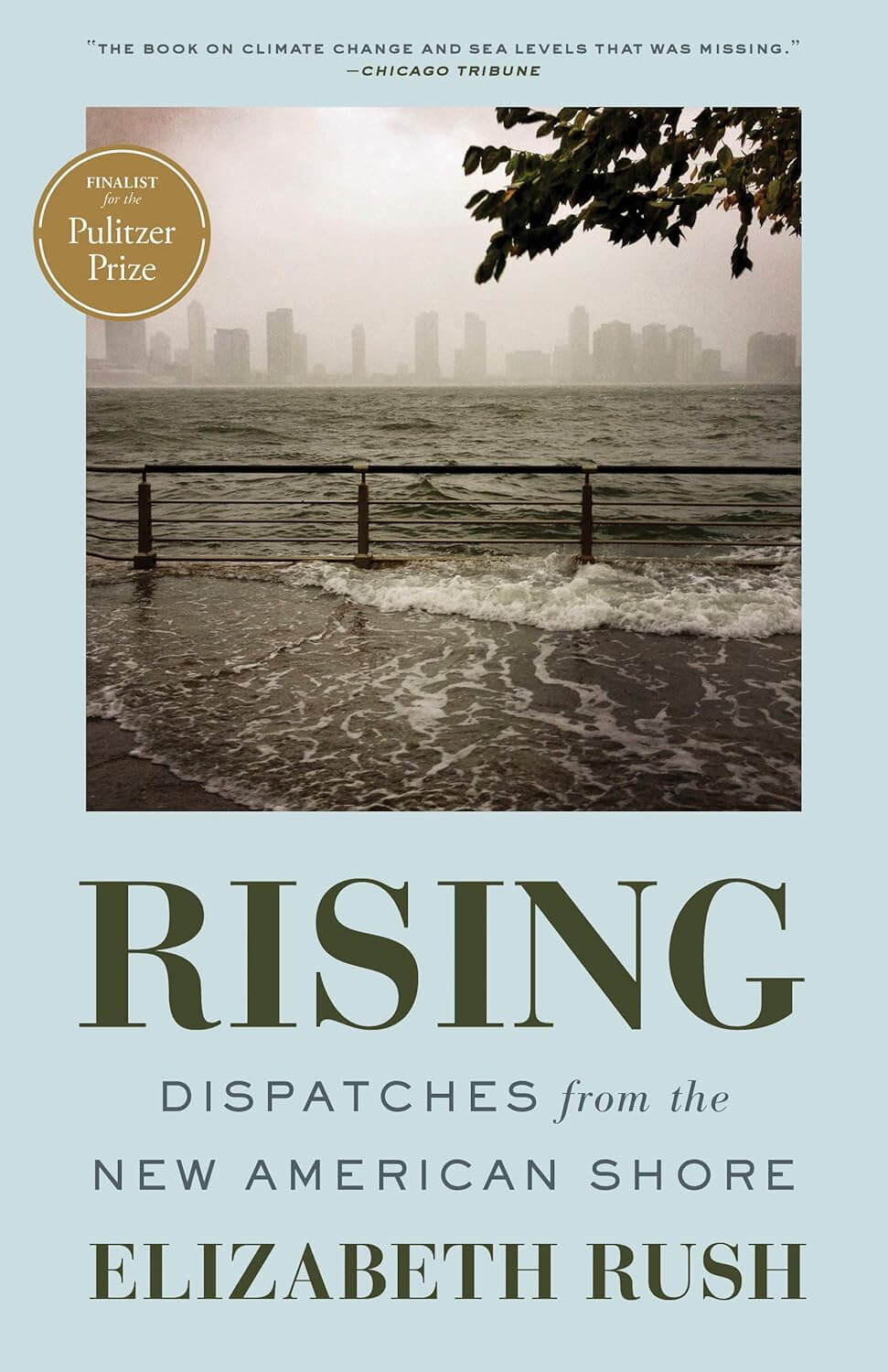
Rising: Dispatches from the New American Shore

Rising: Dispatches from the New American Shore

by Elizabeth Rush

Rush reports on sea-level rise with a blend of scientific clarity and deep human attention. The book travels along American coastlines, meeting people already living in the future—where flooding is routine and relocation is looming. Rush writes with calm urgency, resisting disaster porn while still making the stakes feel real. She's attentive to inequality: who gets protected, who gets bought out, who is left behind. The narrative shows climate change not as a single event but as a slow, relentless reshaping of daily life. Rush balances policy and emotion, explaining the bureaucratic and psychological realities of retreat. The writing is lyrical in places, but always anchored in reportage. Communities feel distinct rather than interchangeable, each with its own history and vulnerabilities. The book also probes the ethical questions of adaptation: what we save, what we abandon, and what "home" means when land disappears. You finish with a sharper sense of climate change as lived experience. Quietly devastating, deeply necessary.

4.17
Nonfiction
Journalism
Environmental
Urgent
Reflective
Haunting

History

Restorative histories that connect politics, science, and violence to the making of America

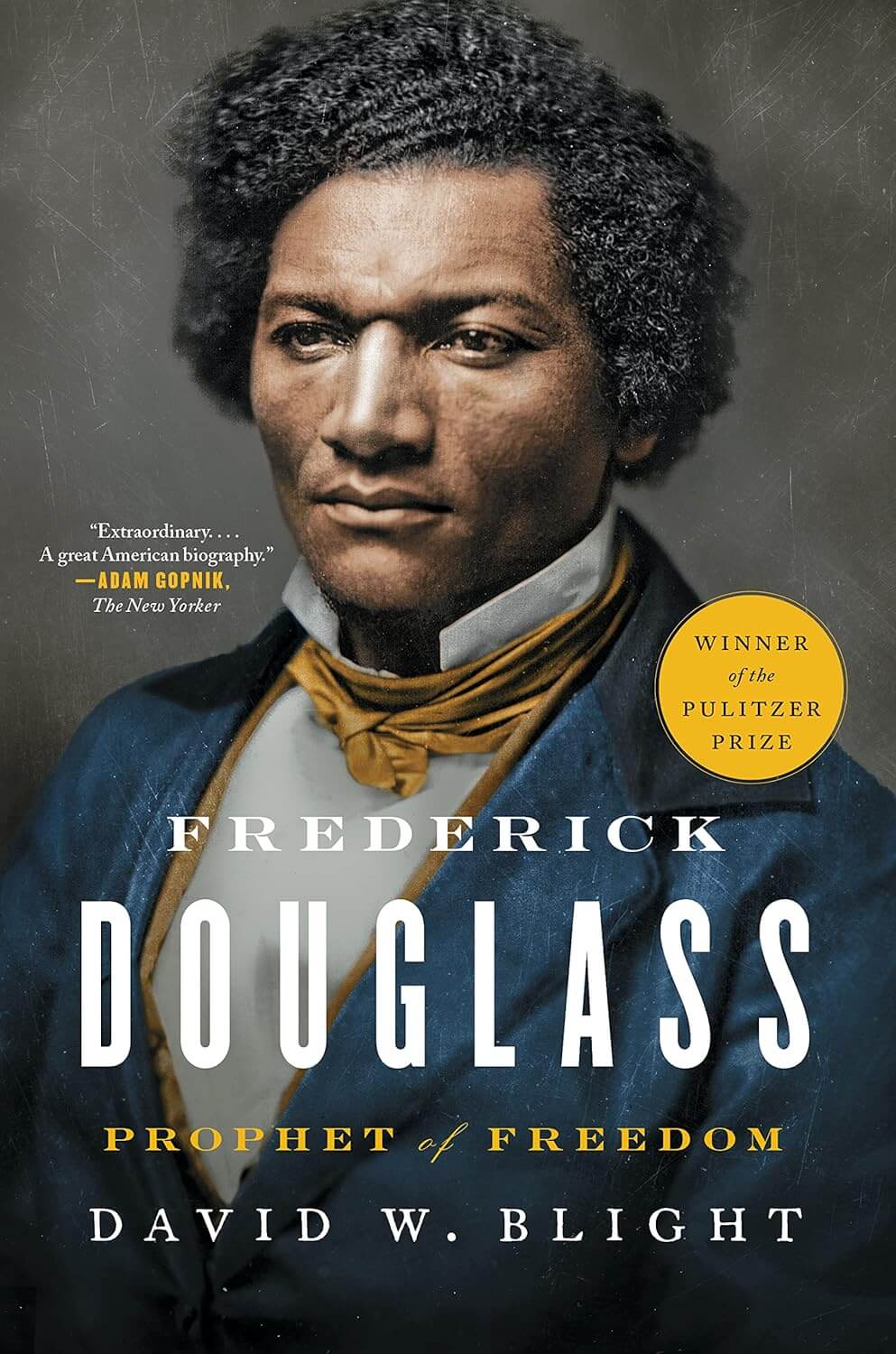
Frederick Douglass: Prophet of Freedom
Winner

Frederick Douglass: Prophet of Freedom

by David W. Blight

Blight delivers a deeply researched, richly narrated biography-history that restores Douglass’s full complexity as thinker, strategist, and writer. The book traces his evolution from enslavement to international statesman with a strong sense of political context. Blight is especially good at showing Douglass’s intellectual growth—how he refined arguments, navigated alliances, and adapted to shifting realities. Douglass emerges not as a fixed icon but as a man in constant conversation with his time, often pushing it forward. The narrative includes the tensions and contradictions of public life: ambition, disagreement, and the costs of leadership. Blight writes with clarity and momentum, making dense history readable without flattening it. The book also situates Douglass within Black political traditions rather than isolating him as exceptional. It’s a portrait of courage, but also of strategy and persuasion. You come away with a deeper sense of the post–Civil War struggle and how fiercely contested freedom remained. A definitive account that reads with the force of lived history.

4.18
Nonfiction
History
Biography
Expansive
Inspiring
Serious
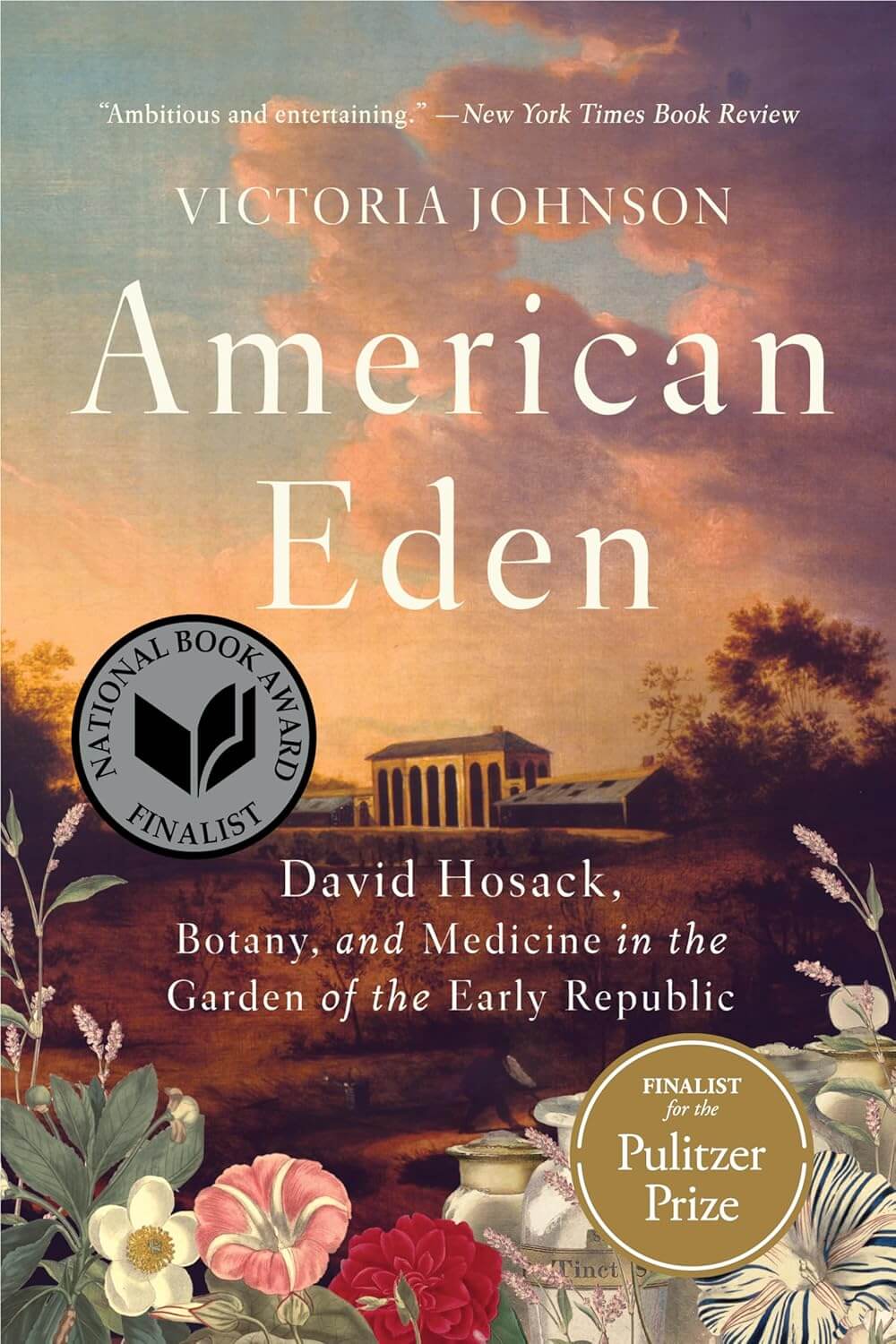
American Eden: David Hosack, Botany, and Medicine in the Garden of the Early Republic

American Eden: David Hosack, Botany, and Medicine in the Garden of the Early Republic

by Victoria Johnson

Johnson tells a surprising early-American story where science, medicine, and politics intertwine in the pursuit of knowledge and prestige. Centered on physician-botanist David Hosack, the book reveals how gardens functioned as both laboratories and cultural statements. Johnson writes with narrative charm, making the early republic feel vivid and bustling rather than sepia-toned. The book explores ambition and institution-building: who funds science, who benefits, and who gets remembered. It also captures the era’s blend of enlightenment optimism and practical constraint. Hosack’s world is full of experiments, rivalries, and the fragile infrastructure of a young nation. Johnson is attentive to material detail—plants, tools, spaces—and how they shape ideas. The narrative moves briskly, balancing biography with broader cultural history. You finish with a new appreciation for how medical and botanical knowledge traveled, and how prestige was cultivated alongside plants. An engaging history of American scientific aspiration.

4.03
Nonfiction
History
Science History
Curious
Engaging
Illuminating
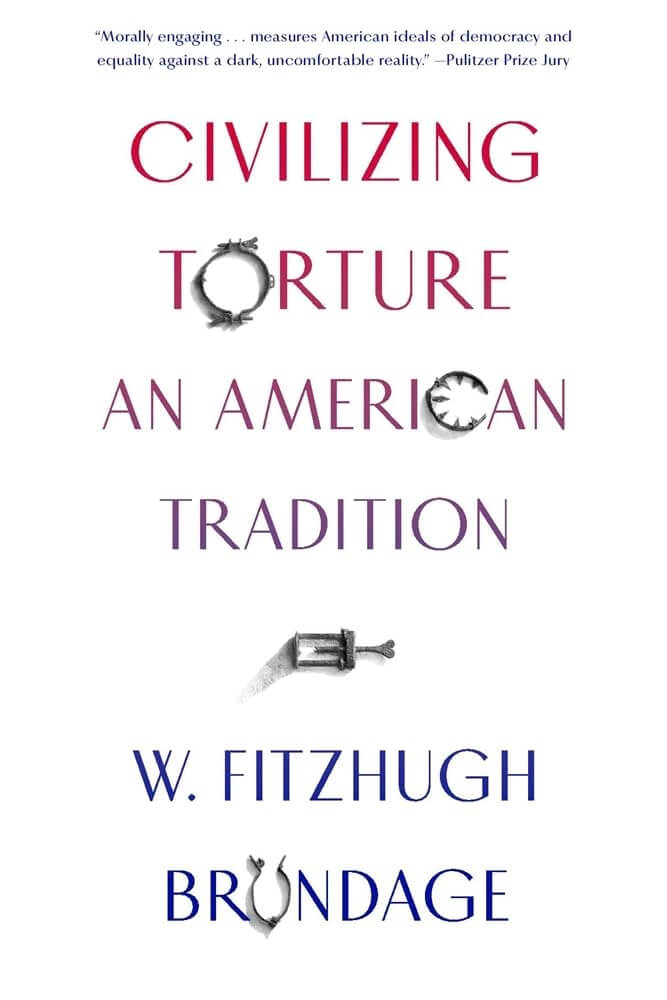
Civilizing Torture: An American Tradition

Civilizing Torture: An American Tradition

by W. Fitzhugh Brundage

Brundage confronts a grim subject with clear-eyed historical rigor, tracing how torture has been rationalized within American culture and power. The book explores the language of “civilization” as a tool for excusing violence, especially against marginalized groups. Brundage shows how practices of coercion appear across eras, shifting forms while retaining familiar logics. The narrative connects domestic and international contexts without flattening differences. It’s a history of institutions—police, prisons, military—and the myths that shield them from scrutiny. Brundage’s scholarship is meticulous, but the writing remains accessible, guided by a strong argumentative thread. The book challenges exceptionalist narratives, insisting that abuse is not an anomaly but a recurring feature of state power. It also examines public complicity: how audiences consume and normalize violence. The result is sobering and clarifying, the kind of history that changes how you read current events. A difficult but necessary work.

4.15
Nonfiction
History
Grave
Unflinching
Provocative

Biography

Lives that map cultural power — from Harlem modernism to Parisian salons to Cold War strategy

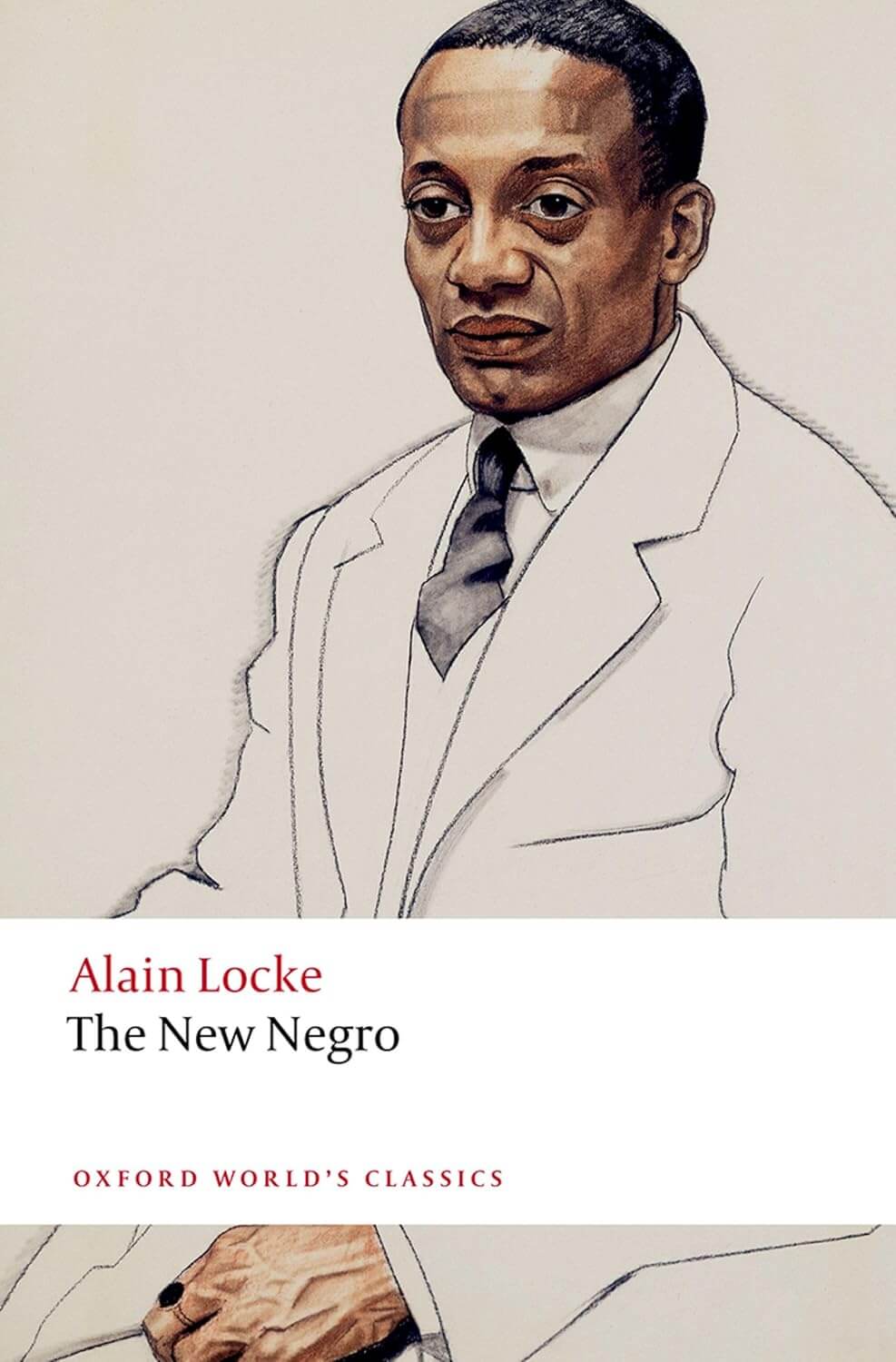
The New Negro: The Life of Alain Locke
Winner

The New Negro: The Life of Alain Locke

by Jeffrey C. Stewart

Stewart’s biography restores Alain Locke as a central architect of the Harlem Renaissance and a major thinker in Black modernity. The book shows how Locke shaped culture not only through ideas but through networks—mentoring artists, organizing debates, and influencing institutions. Stewart is attentive to Locke’s complexity: his brilliance, ambition, and the pressures of navigating racism and respectability politics. The biography also explores Locke’s private life with care, showing how identity and secrecy shaped his public role. The scholarship is extensive, yet the narrative remains vivid and scene-driven. Stewart situates Locke within transatlantic intellectual currents, connecting Harlem to broader modernist movements. The book captures the tension between art and politics, aesthetics and activism. It’s also a story about cultural gatekeeping: who gets to define “the new,” and at what cost. You come away with a fuller picture of how movements are curated as well as created. A monumental, essential biography.

4.04
Nonfiction
Biography
Cultural History
Illuminating
Intellectual
Expansive
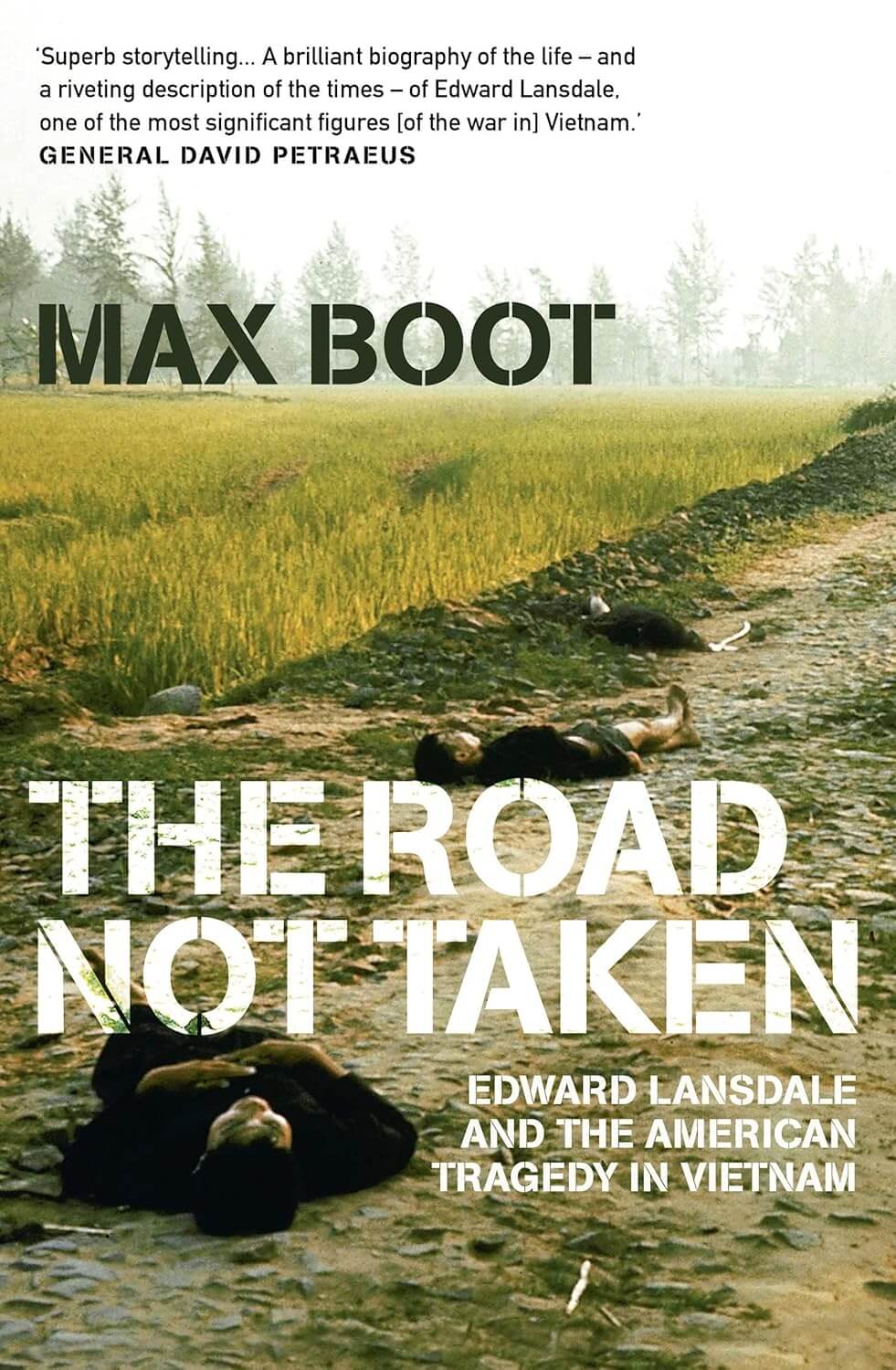
The Road Not Taken: Edward Lansdale and the American Tragedy in Vietnam

The Road Not Taken: Edward Lansdale and the American Tragedy in Vietnam

by Max Boot

Boot’s biography uses Edward Lansdale’s career to explore the rise of American covert power and the tragedy of Vietnam. Lansdale was a figure of myth and contradiction—part strategist, part showman—and Boot captures that ambiguity without smoothing it into heroism. The narrative is rich in political detail, showing how personal relationships, ideology, and bureaucracy shape policy outcomes. Boot writes with momentum, making complex Cold War contexts readable and dramatic. The book interrogates the fantasy of “winning hearts and minds” and the hubris embedded in interventionist thinking. Lansdale’s story becomes a lens on American self-image: optimistic, improvisational, often blind to local realities. Boot also shows how dissent and warning can be ignored within institutions that reward confidence. The biography is deeply researched, drawing a clear line between individual agency and systemic momentum. It is both portrait and cautionary tale. You finish with a sharpened sense of how policy becomes destiny—and how tragedy is built decision by decision. A compelling, sobering account of power and illusion.

4.22
Nonfiction
Biography
History
Sobering
Analytical
Compelling
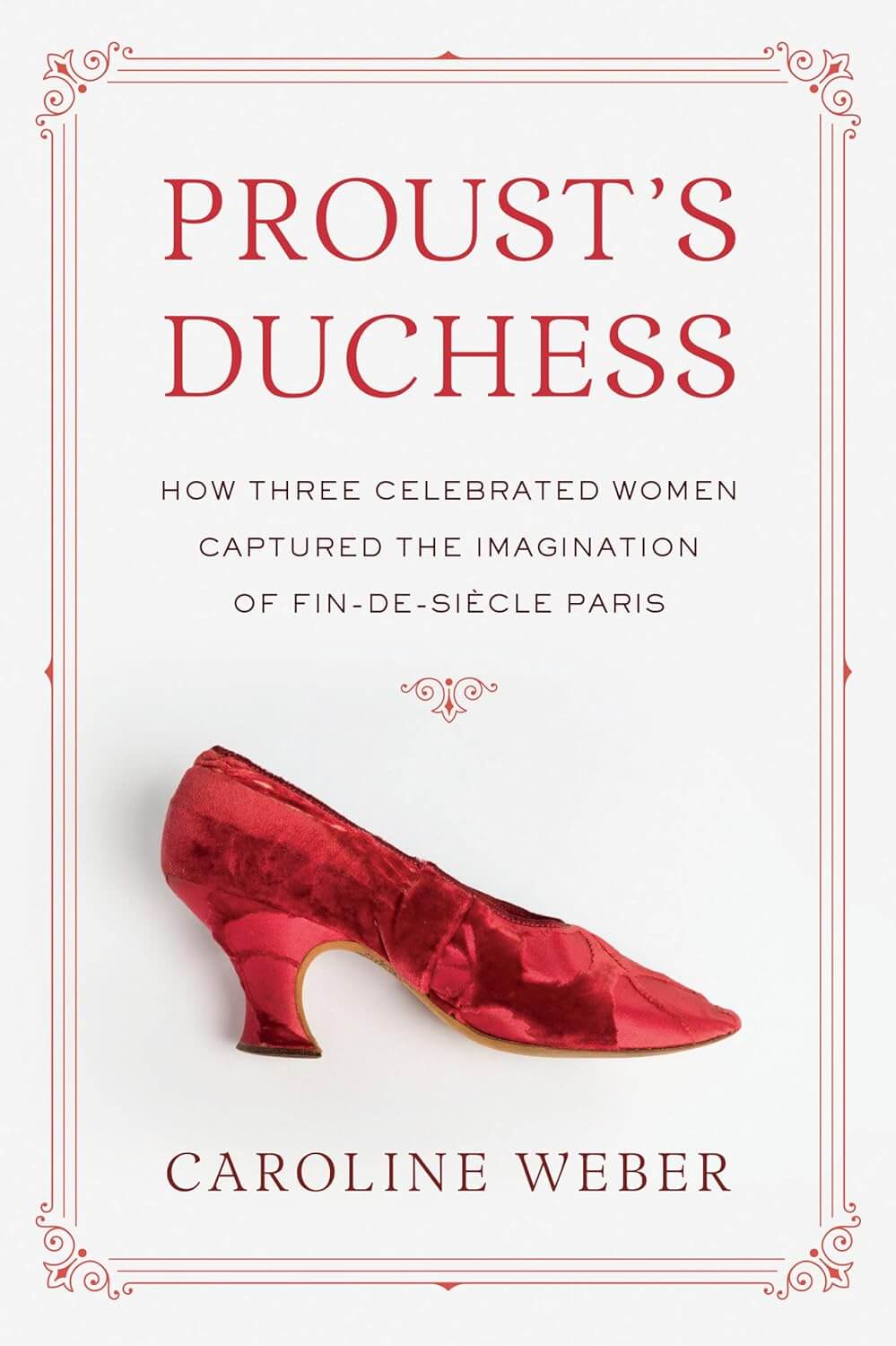
Proust's Duchess: How Three Celebrated Women Captured the Imagination of Fin-de-Siècle Paris

Proust's Duchess: How Three Celebrated Women Captured the Imagination of Fin-de-Siècle Paris

by Caroline Weber

Weber offers a sparkling cultural biography that follows three women who helped shape the social world Proust transformed into literature. The book blends literary history with gossip’s serious cousin: social power, reputation, and the choreography of salons. Weber writes with verve, making fin-de-siècle Paris feel vivid, competitive, and performative. These women emerge as strategists as well as muses, navigating class, gender, and desire in a tightly coded society. The narrative explores how influence operates—through style, conversation, patronage, and exclusion. Weber connects lived social dynamics to Proust’s fictional transformations, showing how art both borrows from and distorts reality. The research is rich but presented with ease, making it feel like a story rather than a lecture. The book also prompts questions about representation: who is remembered, who is fictionalized, who is flattened into archetype. It’s glamorous, sharp, and surprisingly analytical beneath the shimmer. A delightful read for anyone who loves literature as social history.

3.93
Nonfiction
Biography
Literary History
Witty
Glamorous
Clever

Poetry

Form-forward collections that rethink voice, desire, and the social life of language

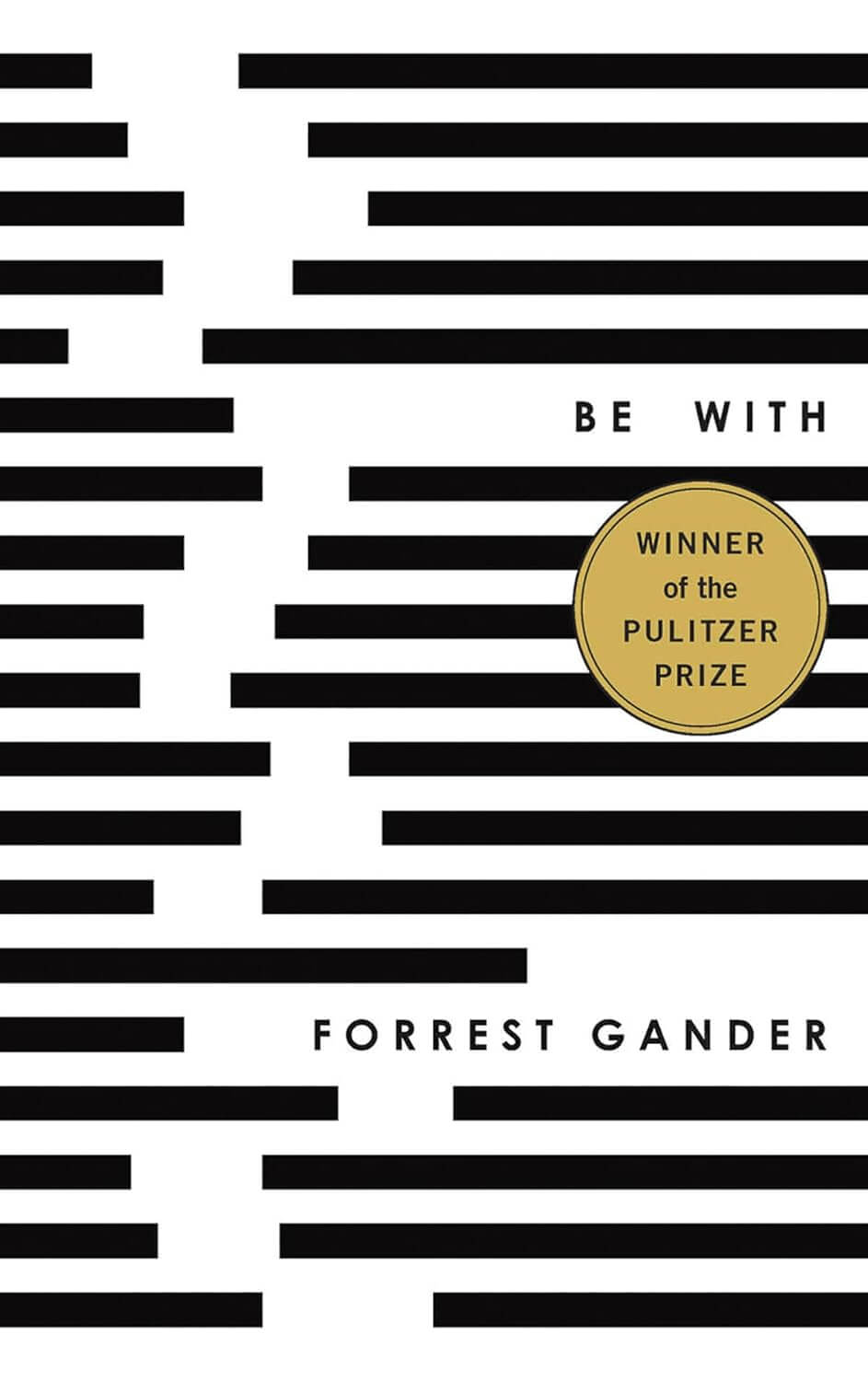
Be With
Winner

Be With

by Forrest Gander

Gander’s collection is a searching meditation on grief, attention, and the porous boundaries between self and world. The poems often move by association, arriving at insight through image and sensory detail rather than statement. There is a deep awareness of nature, but it is not pastoral comfort; it’s a field of presence and change. Gander’s language can be elliptical, yet it carries emotional pressure beneath its restraint. The poems explore intimacy and loss with a quiet, unshowy honesty. Lines feel attentive to breath, as if thought is being measured against silence. The collection rewards rereading, revealing new connections and echoes over time. There’s also a philosophical undercurrent: what it means to “be with” another person, another landscape, another moment. The book is formally subtle, relying on pacing and image rather than rhetorical flourish. It leaves an aftertaste of tenderness and unsettledness. A spare, luminous work for readers who like poetry as deep listening.

3.80
Poetry
Contemplative
Tender
Atmospheric
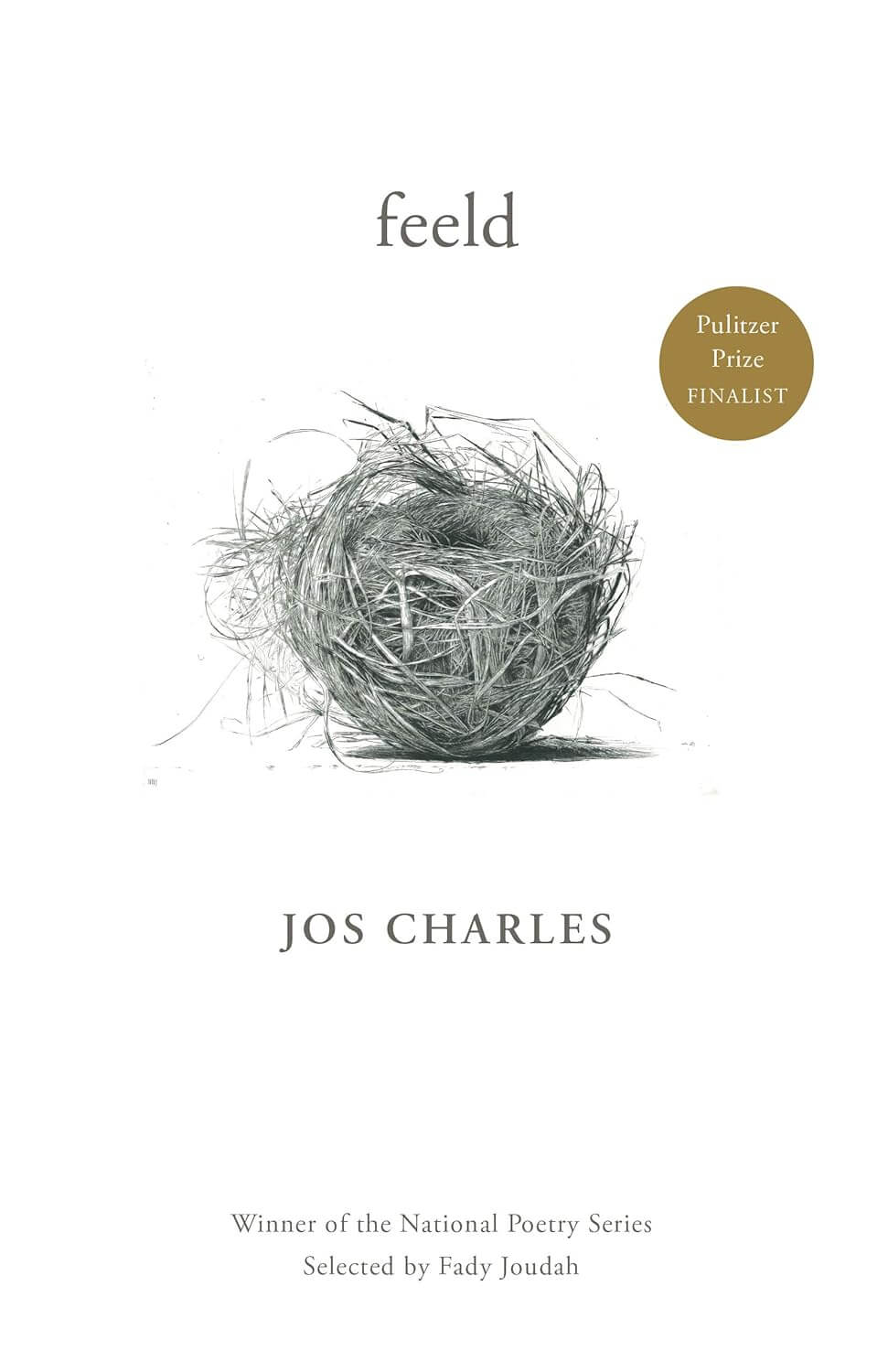
feeld

feeld

by Jos Charles

Charles’ collection is formally daring, written in a crafted, nonstandard orthography that reshapes how the reader hears language. The result is not gimmick but argument: spelling becomes a politics of voice, embodiment, and refusal. The poems explore gender, desire, and self-making with intelligence and emotional edge. The altered spellings slow the reading experience, forcing attention to sound and texture. This friction creates intimacy; you feel close to the language’s mouth. The collection also plays with pastoral tradition, queering it and unsettling its assumptions about nature and the body. Charles balances vulnerability with sharp wit, often turning a line in unexpected directions. The poems ask what “correctness” means and who it serves. Over time, the eye adjusts and the poems begin to feel startlingly direct. It’s a book that changes how you read, then changes what reading can be. Strange, brave, and deeply alive.

4.13
Poetry
Experimental
Intimate
Provocative
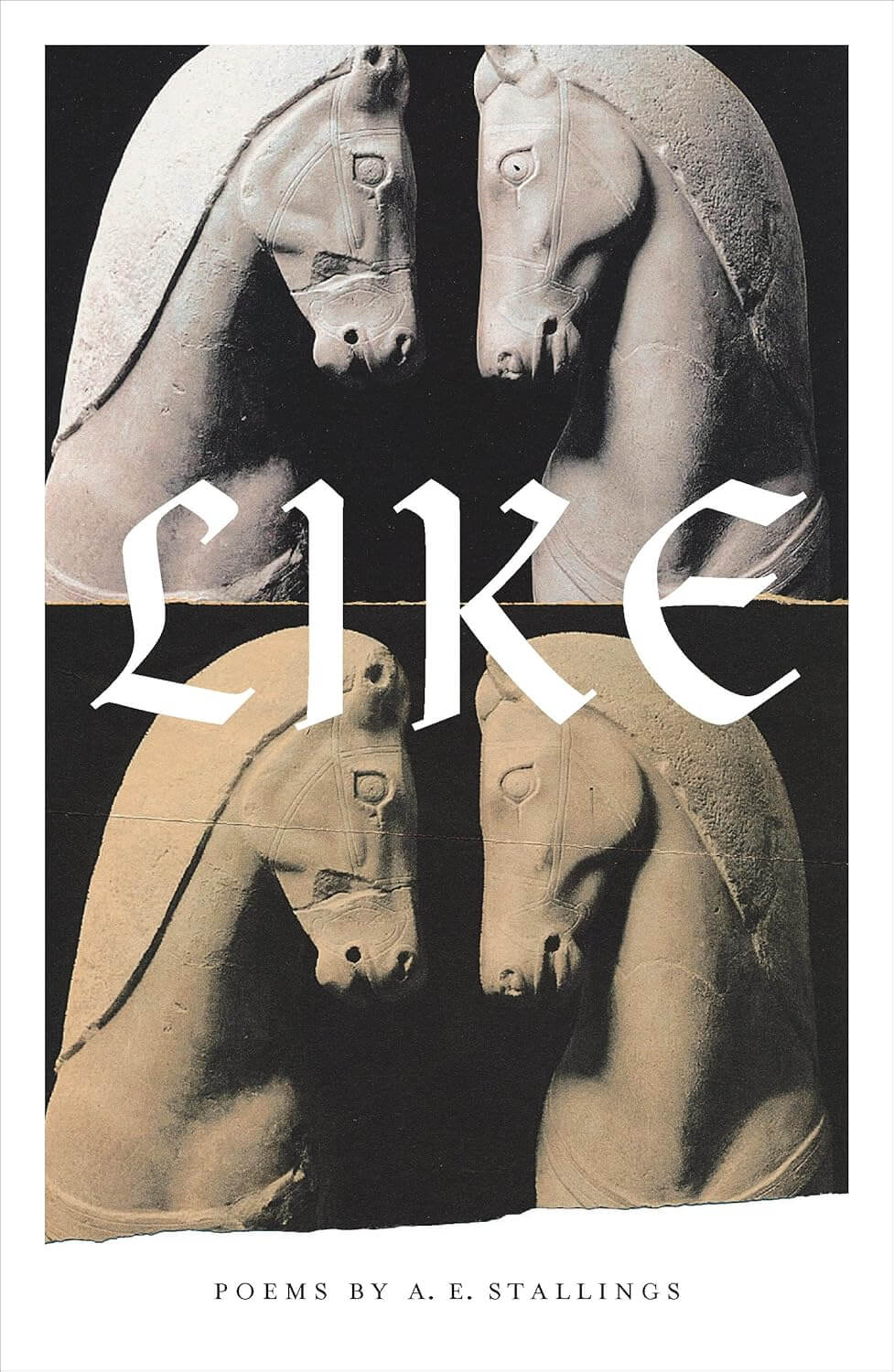
Like

Like

by A. E. Stallings

Stallings brings classical intelligence to contemporary life, writing poems that are witty, precise, and formally accomplished. The collection’s title hints at its fascination with simile and comparison—how we try to make meaning by linking unlike things. Stallings’ craft is virtuosic, but never cold; her poems often carry genuine warmth and wonder. She moves easily between mythic reference and modern observation, making ancient stories feel newly relevant. The language is polished and musical, with lines that satisfy at the level of sound. Humor appears frequently, often sharpened by philosophical bite. The poems explore family, time, history, and the small absurdities of daily life. Stallings’ formal control gives the collection a steady elegance, even when the subject turns dark or uncertain. Reading it feels like being guided by a mind that sees patterns everywhere—and delights in them. A smart, rewarding collection for readers who love poetry that thinks as it sings.

4.06
Poetry
Witty
Elegant
Bright