Pulitzer Prize 2018

Witty fiction, revisionist history, searching biography, and urgent nonfiction that reframe American life

The Pulitzer Prize 2018 finalists bring together books that are intellectually ambitious, emotionally alert, and deeply engaged with the stories nations tell about themselves. Across fiction, history, biography, poetry, and nonfiction, these works challenge inherited myths about success, innocence, identity, and power. Some do it with satire and formal play, others through archival rigor or lyric intensity, but all of them widen the frame.

A striking thread through this list is revision. The historians revisit familiar events and places with sharper questions about race, austerity, fascism, and environmental change. The biographers look again at iconic figures and beloved cultural myths, revealing the tensions beneath public reputation. In poetry and nonfiction, language becomes a tool for witness, critique, and repair.

Taken together, the 2018 finalists offer an excellent reading map for curious readers. These are books that entertain, provoke, and deepen understanding at the same time. Whether you want a novel of awkward reinvention, a history of hidden political struggle, or a nonfiction work that shifts how you see beauty, punishment, or national identity, this list delivers.

Fiction

Three sharply distinct novels exploring reinvention, exile, language, and the absurdities of modern selfhood.

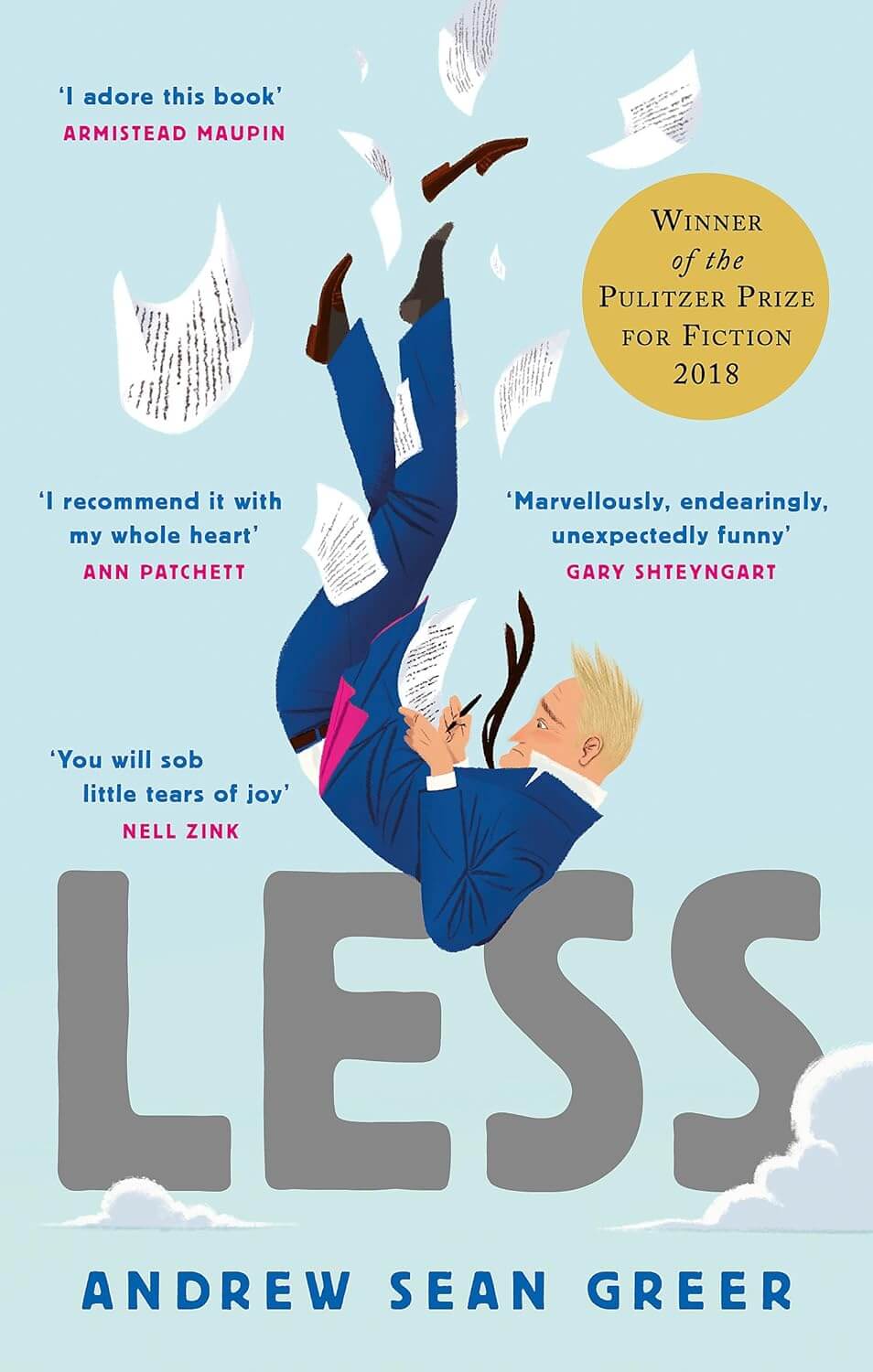
Less
Winner

Less

by Andrew Sean Greer

Andrew Sean Greer’s novel is a comic escape story that turns into something far more tender and perceptive. Arthur Less, a mildly famous novelist approaching fifty, accepts a string of literary invitations around the world to avoid attending his ex-boyfriend’s wedding. The premise allows Greer to satirize writers, festivals, aging, vanity, and cultural awkwardness with delightful ease. Yet beneath the surface wit lies a sincere portrait of loneliness and emotional evasiveness. Arthur is both ridiculous and deeply sympathetic, which makes the novel’s humor land with unusual warmth. The prose is elegant, light on its feet, and often quietly devastating. Travel becomes less about glamorous movement than about the impossibility of outrunning oneself. The book also has a lovely sense of timing, revealing emotional truths just after the laugh. By the end, what looked like a farce has become a deeply humane novel about love and self-acceptance. It is charming, smart, and unexpectedly moving.
3.62
Literary Fiction
Comedy
Wry
Tender
Playful
In the Distance

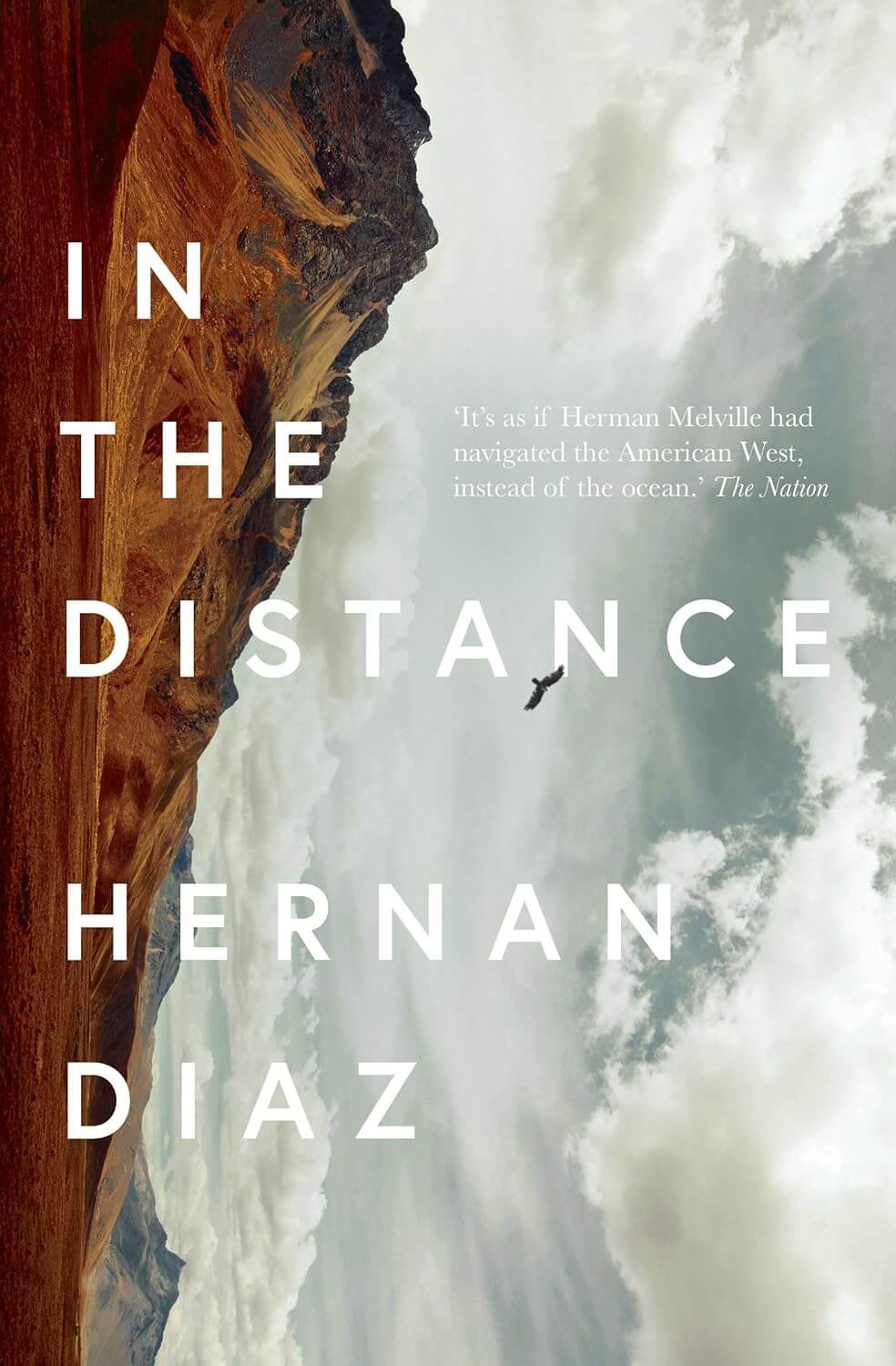
In the Distance

by Hernan Diaz

Hernan Diaz reimagines the American Western as a story of radical estrangement. His protagonist, a young Swedish immigrant named Håkan, becomes separated from his brother and wanders across a vast, hostile America he can barely understand. The novel transforms the frontier from a site of self-making into a landscape of loneliness, misunderstanding, and myth. Diaz writes in measured, luminous prose that feels both old-world and startlingly fresh. Håkan grows into a legend almost by accident, his size and silence encouraging stories that obscure his humanity. Violence appears throughout, but it is rarely romanticized. The book is deeply interested in language, especially what happens when one cannot speak the world around him. It also quietly dismantles the mythology of American expansion by emphasizing displacement rather than conquest. The result is a haunting, philosophical novel disguised as an adventure. Strange, beautiful, and profoundly unsettling.

4.10
Literary Fiction
Historical Fiction
Haunting
Contemplative
Spare
The Idiot

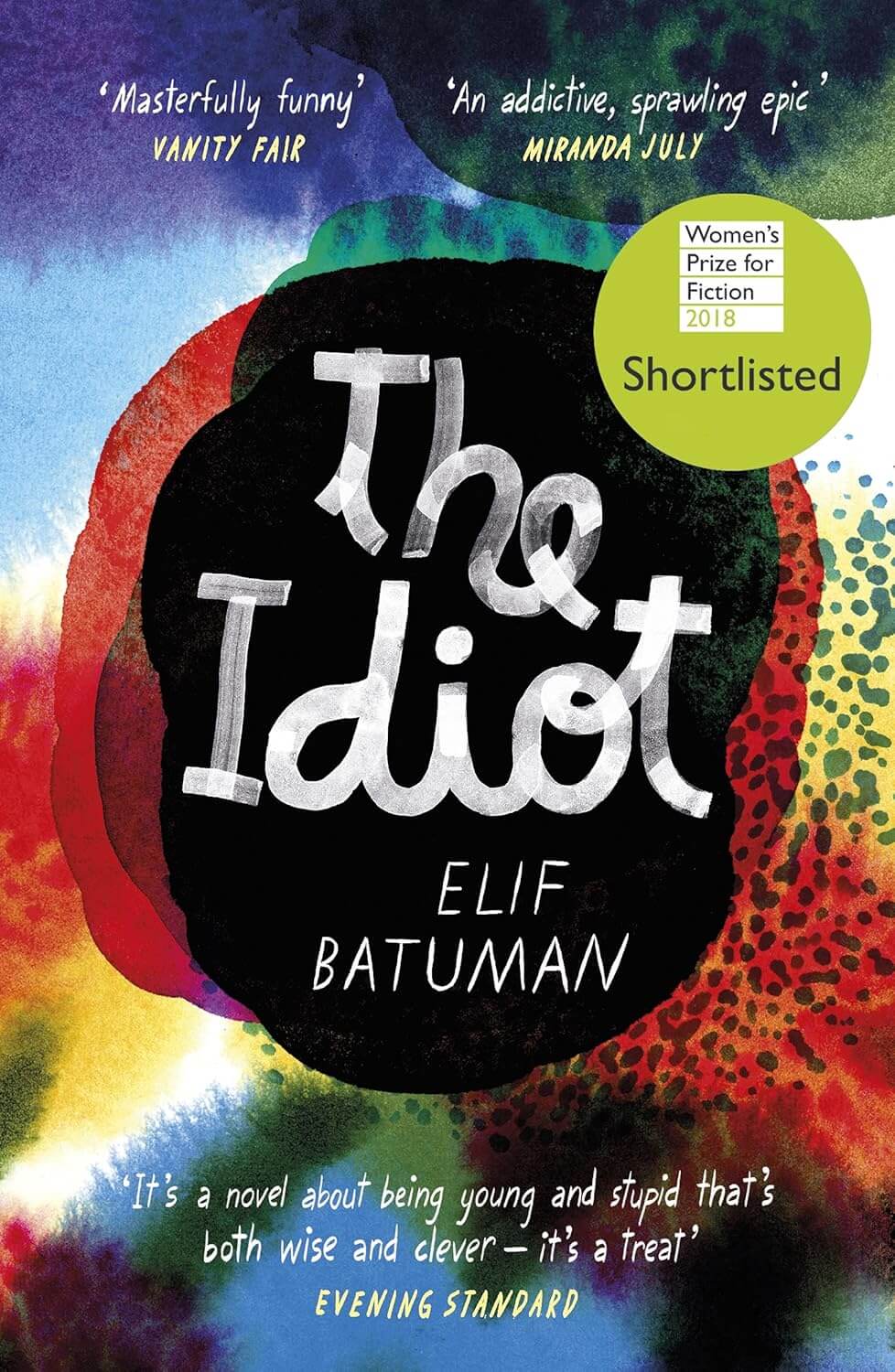
The Idiot

by Elif Batuman

Elif Batuman’s debut is a campus novel that takes thought itself as both subject and comedy engine. Set during Selin’s first year at Harvard in the 1990s, it follows her through classes, emails, conversations, and an increasingly ambiguous attachment to an older student. Batuman captures the absurd intensity of intellectual youth with astonishing precision. Selin is analytical, awkward, observant, and often hilariously literal, making her a perfect guide to the strange theater of higher education. The novel resists conventional plot in favor of a more diffuse and truthful structure: the shape of confusion, longing, and ideas not yet resolved into identity. It is a book about language, and about the way language can both reveal and distort what we feel. Batuman writes with dry brilliance, but never at the expense of emotional reality. The result is both a satire of earnestness and a defense of it. If you’ve ever overthought a conversation for three days, this novel will feel uncannily familiar. Quietly brilliant and wonderfully funny.

3.64
Literary Fiction
Campus Novel
Intellectual
Dry
Introspective

General Nonfiction

Books that investigate punishment, American identity abroad, and the surprising science behind beauty and choice.

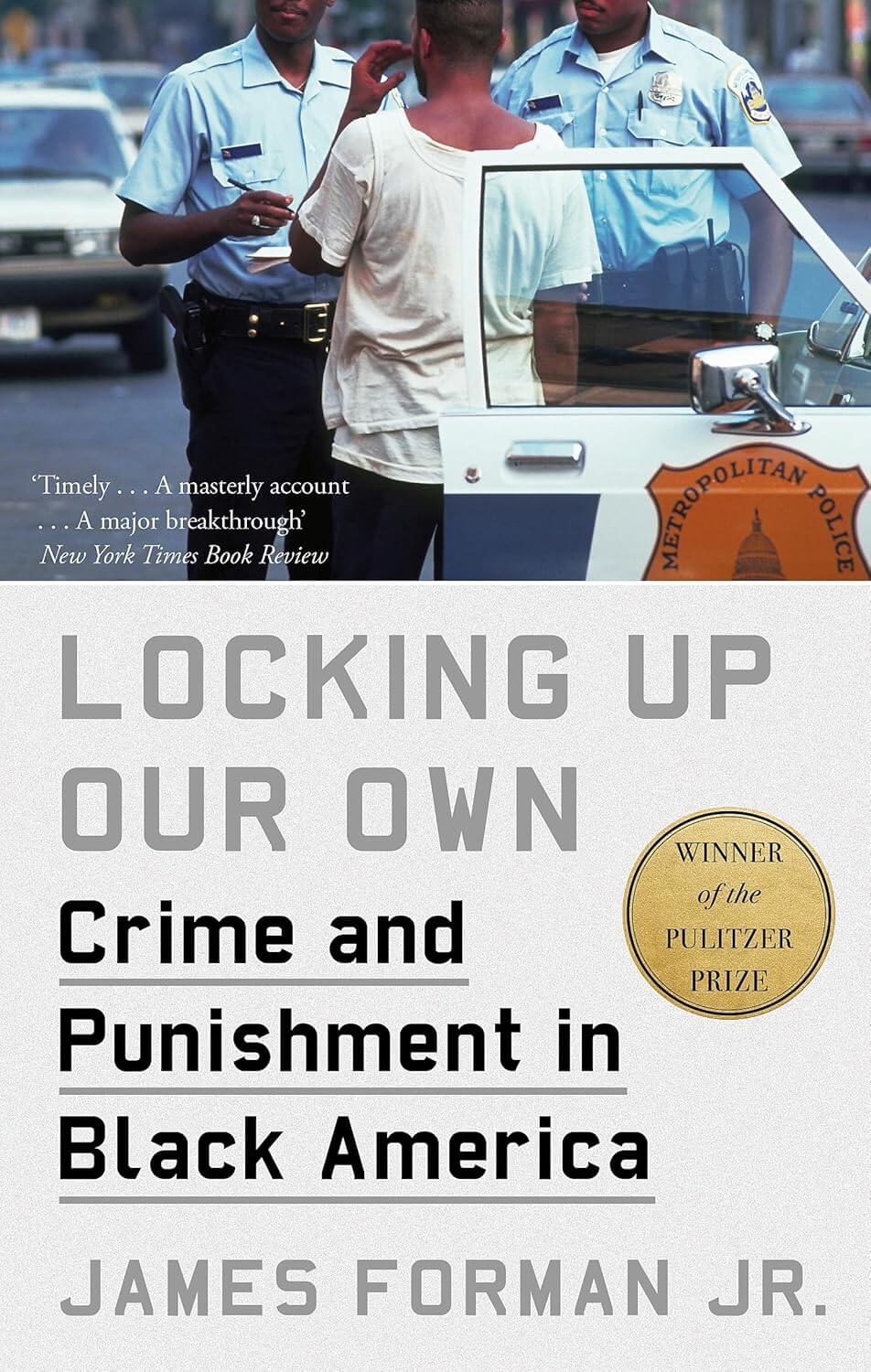
Locking Up Our Own: Crime and Punishment in Black America
Winner

Locking Up Our Own: Crime and Punishment in Black America

by James Forman Jr.

James Forman Jr. offers a nuanced and deeply important account of mass incarceration that refuses easy narratives. Rather than placing blame solely outside Black communities, he examines how Black politicians, judges, and citizens participated in punitive policies for reasons that were often complex and painful. The book is both historical and moral, tracing the unintended consequences of attempts to respond to crime and addiction. Forman writes with clarity, humility, and a deep sense of responsibility. He refuses caricature. Instead, he shows how people trying to protect their communities often found themselves reinforcing carceral systems. The argument is careful and the evidence strong, but what makes the book stand out is its honesty. It invites readers into difficulty rather than certainty. This is not a book of slogans; it is a book of reckoning. Essential for anyone trying to understand how mass incarceration became so entrenched.

4.37
Nonfiction
History
Criminal Justice
Thoughtful
Serious
Provocative
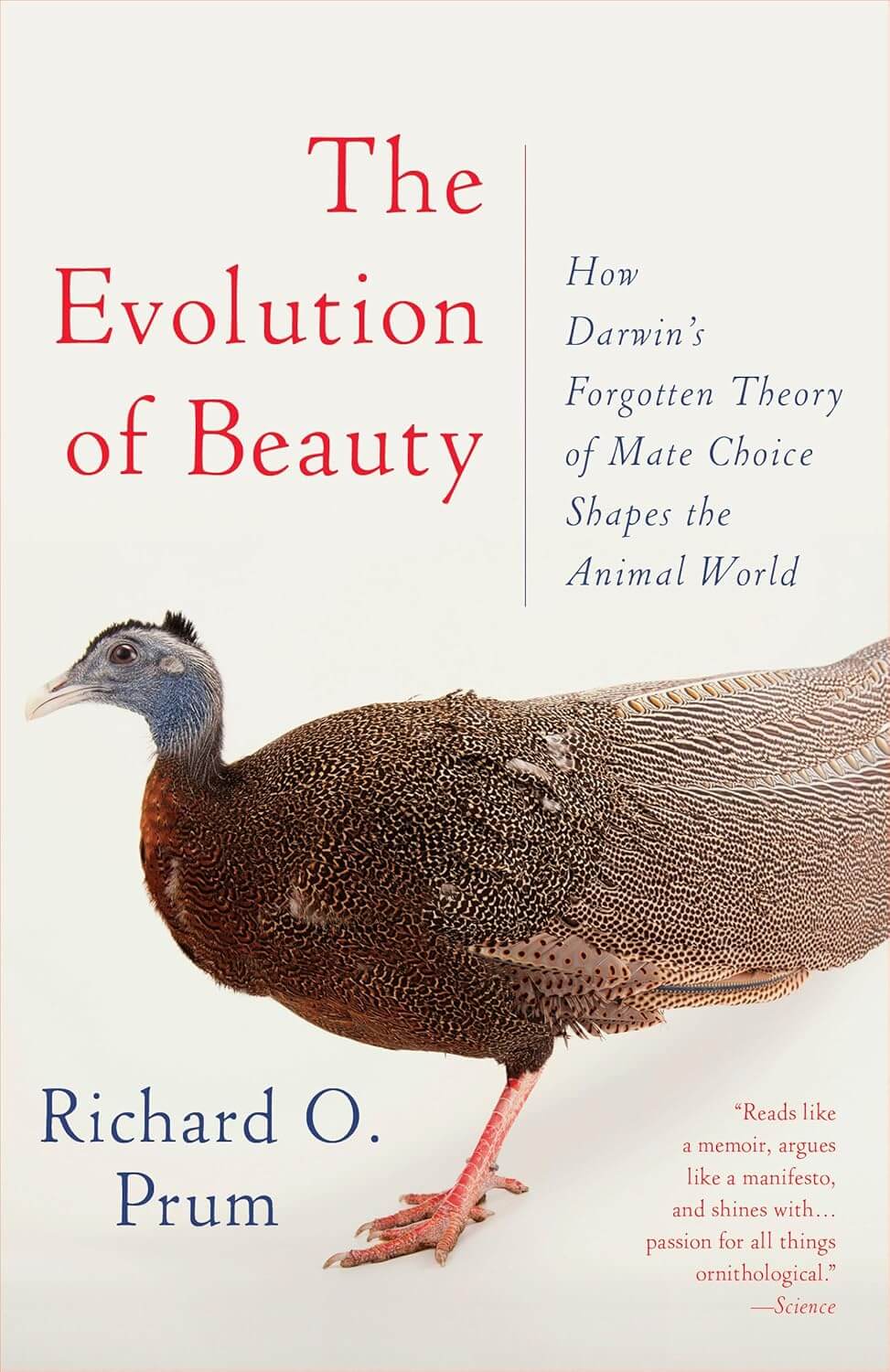
The Evolution of Beauty: How Darwin’s Forgotten Theory of Mate Choice Shapes the Animal World—and Us

The Evolution of Beauty: How Darwin’s Forgotten Theory of Mate Choice Shapes the Animal World—and Us

by Richard O. Prum

Richard O. Prum offers a bold and engaging challenge to standard evolutionary storytelling by restoring Darwin’s theory of mate choice to the center. Rather than explaining beauty only in terms of survival, Prum argues that aesthetic choice itself drives evolution. The book is full of wonder, especially in its vivid descriptions of birds, courtship, color, and display. Prum writes with the confidence of a scientist and the delight of a naturalist. He is particularly good at making technical debates readable and exciting. The argument carries implications beyond biology, touching on pleasure, agency, and even human ideas about sexuality. At times the ambition of those connections can feel provocative by design, but that is part of the book’s energy. It invites readers to rethink what counts as serious in science. Beauty, Prum insists, is not ornamental to life. It helps shape it. A lively, original work of scientific revisionism.

4.06
Nonfiction
Science
Curious
Insightful
Playful
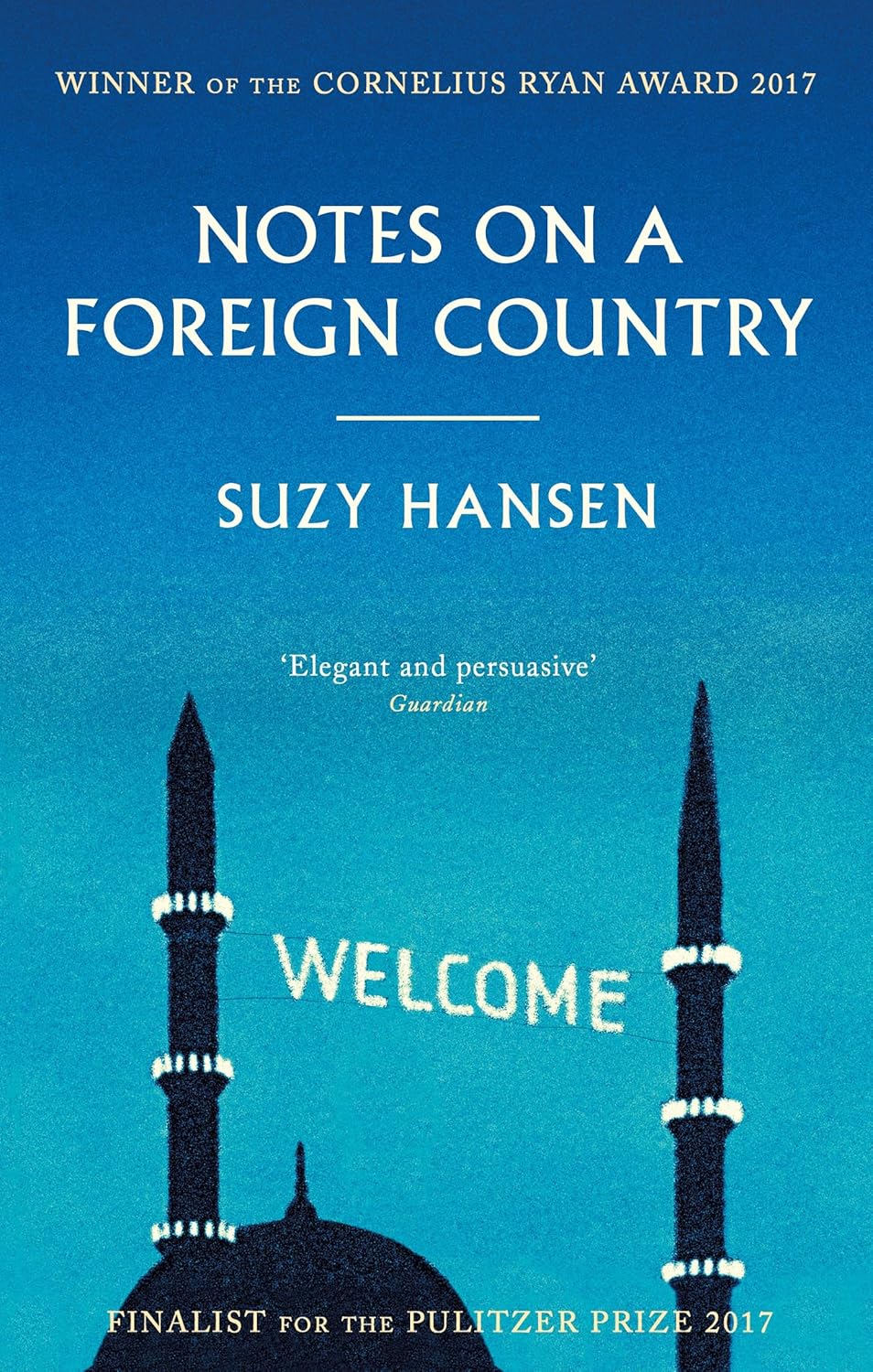
Notes on a Foreign Country: An American Abroad in a Post-America World

Notes on a Foreign Country: An American Abroad in a Post-America World

by Suzy Hansen

Suzy Hansen’s book is part memoir, part reportage, part intellectual self-interrogation. Living in Turkey, she begins to question the assumptions about America and the world she absorbed while growing up. The result is a searching account of national identity, privilege, foreign policy, and self-deception. Hansen writes with candor and intelligence, willing to expose her own blind spots as part of the larger argument. The book is particularly strong on the emotional and moral disorientation that comes from seeing one’s country from elsewhere. It is not a detached geopolitical study, but a lived encounter with the limits of American self-understanding. Hansen also writes beautifully about Istanbul and about the texture of being a foreigner. The prose is thoughtful, elegant, and often bracing. This is a book about unlearning as much as learning. A smart, necessary meditation on America from outside its usual frame.

4.06
Nonfiction
Memoir
Political Writing
Reflective
Critical
Curious

History

Three revisionist histories that uncover the environmental, political, and ideological forces shaping America’s past.

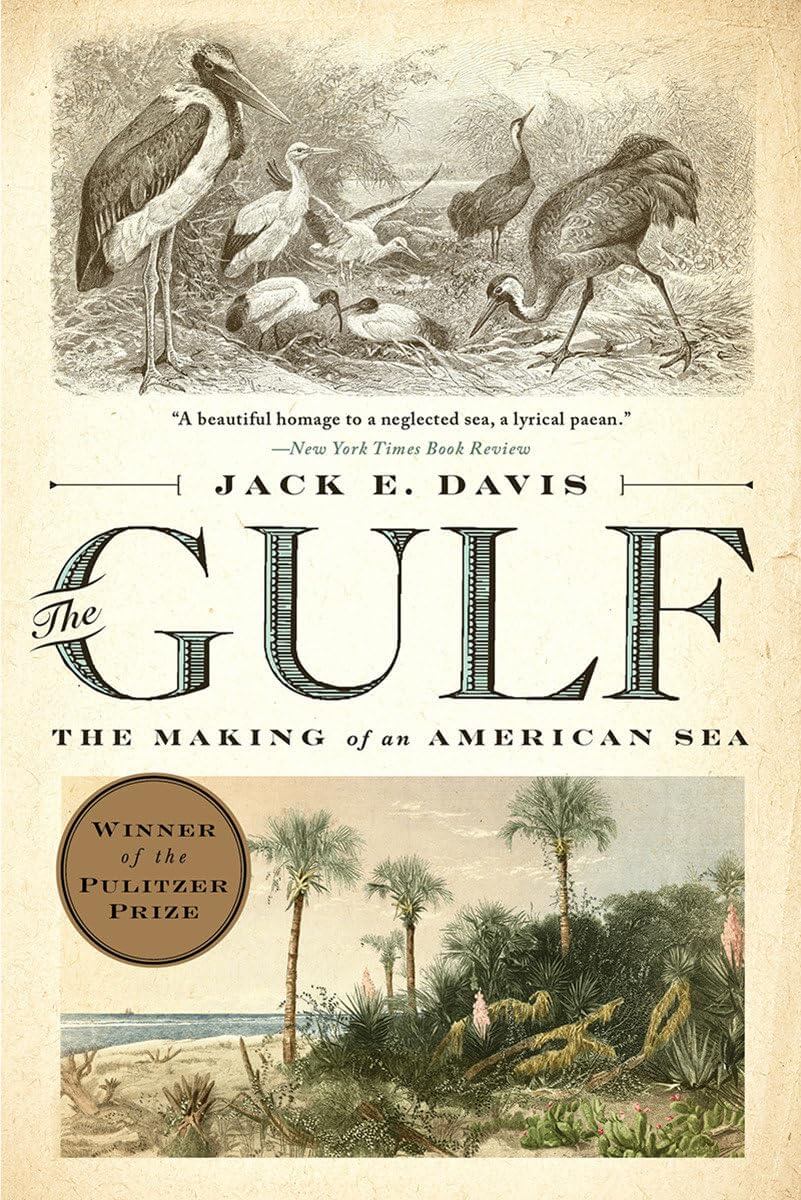
The Gulf: The Making of an American Sea
Winner

The Gulf: The Making of an American Sea

by Jack E. Davis

Jack E. Davis turns the Gulf of Mexico into the central character of an expansive and compelling history. He traces how this body of water shaped commerce, ecology, migration, warfare, and identity across centuries. The book moves fluidly from Indigenous histories to hurricanes, oil extraction, fisheries, and tourism, showing how the Gulf has been both resource and victim. Davis writes with narrative energy and environmental sensitivity, making scientific and historical detail feel immediate rather than abstract. One of the book's great strengths is its refusal to separate natural and human history. The Gulf is never just background; it is a dynamic force that shapes and is shaped by human ambition. Davis is especially strong on the contradictions of exploitation and reverence, on the ways people love a place while damaging it. The prose is accessible and often vivid, with a strong sense of place. By the end, the Gulf feels newly legible as one of the central engines of American history. A sweeping, eye-opening work of environmental history.

4.23
History
Environmental History
Expansive
Immersive
Illuminating
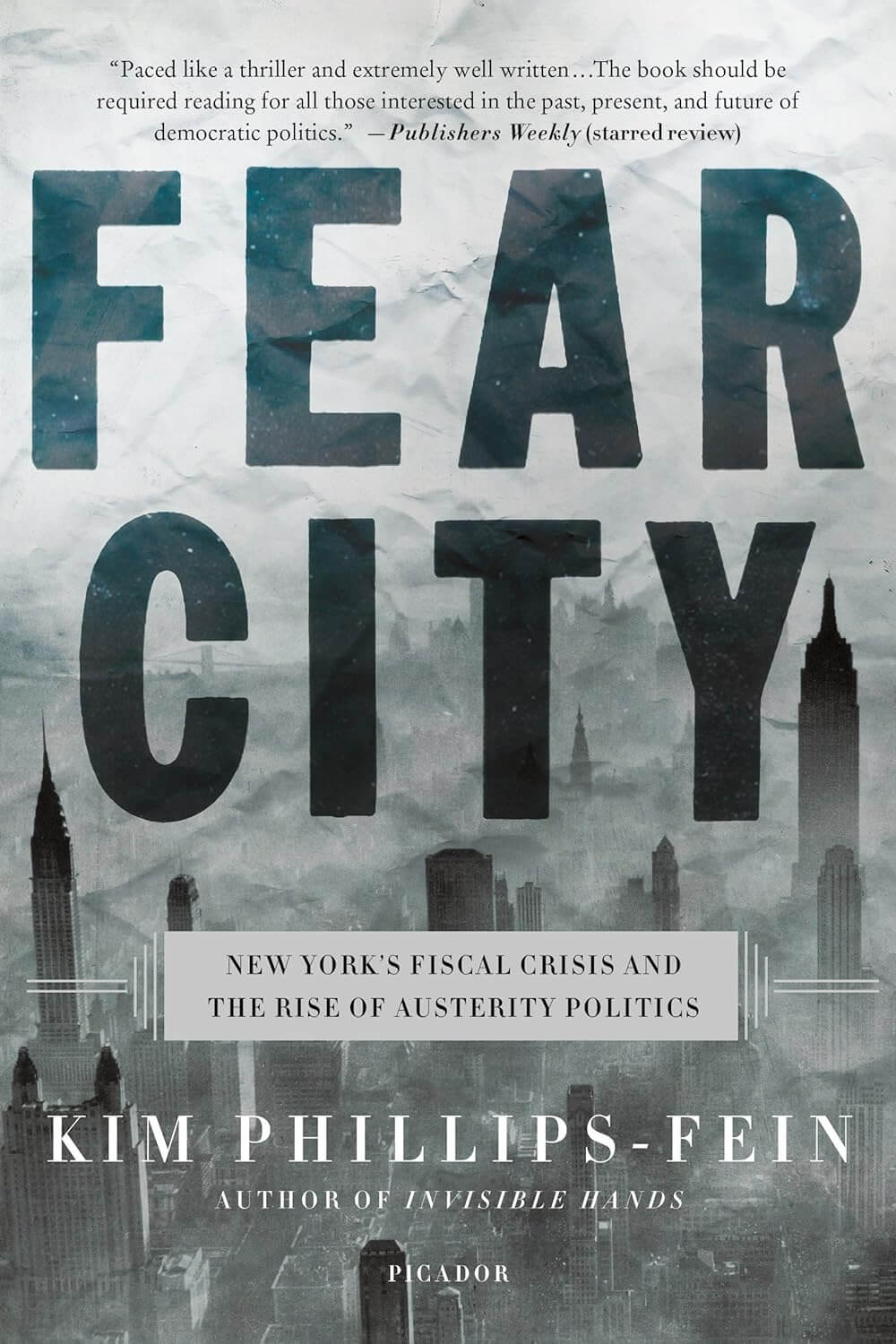
Fear City: New York’s Fiscal Crisis and the Rise of Austerity Politics

Fear City: New York’s Fiscal Crisis and the Rise of Austerity Politics

by Kim Phillips-Fein

Kim Phillips-Fein revisits New York City’s 1970s fiscal crisis not as a local budgeting problem but as a foundational moment in the rise of modern austerity politics. Her book shows how bankers, technocrats, and political elites redefined the relationship between democracy and public finance. What emerges is a gripping story of who gets to govern a city and in whose interests. Phillips-Fein is excellent at making bureaucratic power visible. She traces how abstract financial decisions translated into real consequences for workers, public institutions, and urban life. The book also serves as an origin story for neoliberal assumptions that now feel commonplace. It is rigorously researched, but never inert. The drama lies in the struggle over public goods, labor, and the meaning of crisis itself. This is a history of turning points, but also of language: how “responsibility” and “discipline” became tools of political transformation. Sharp, timely, and highly clarifying.

4.22
History
Political History
Analytical
Serious
Provocative
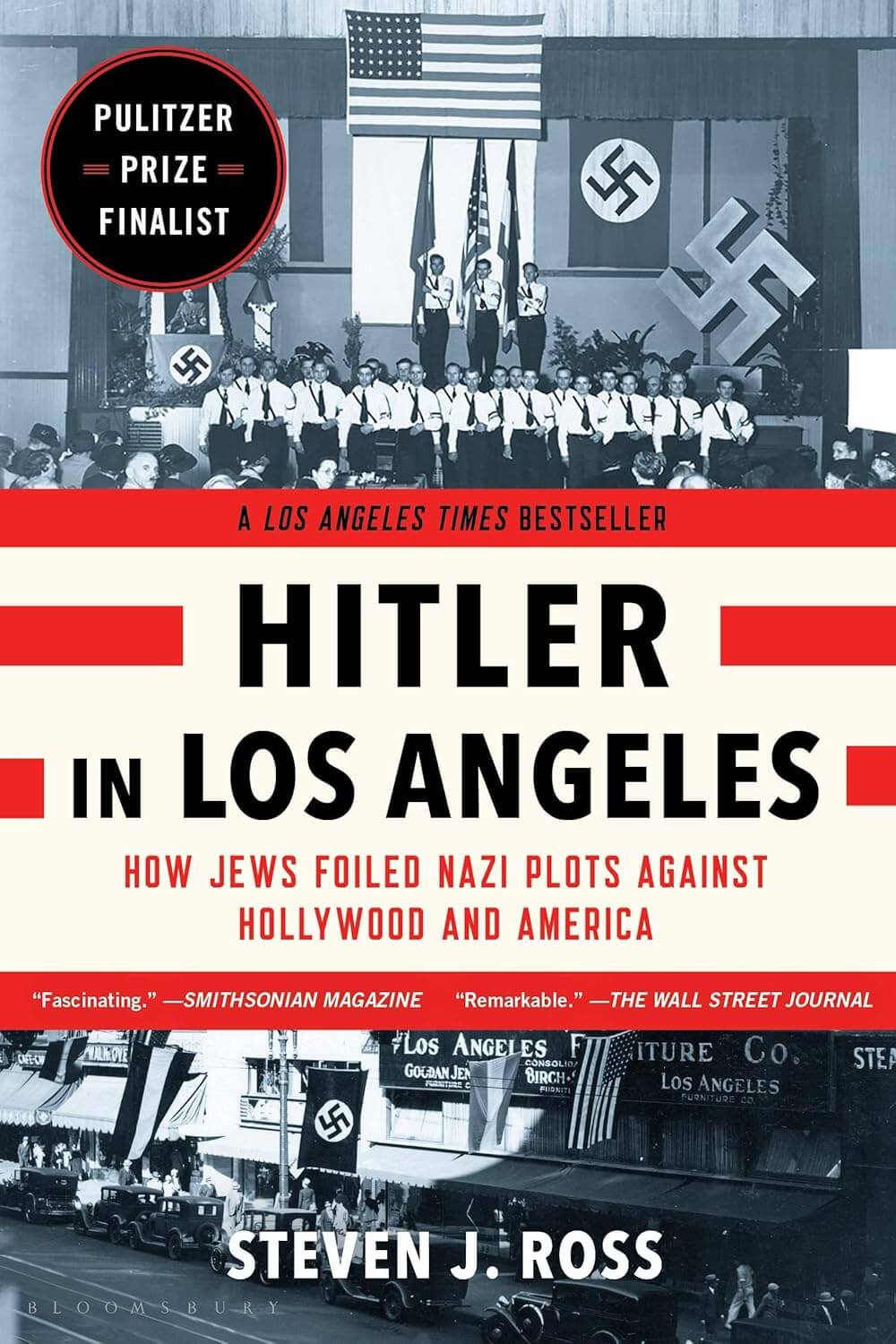
Hitler in Los Angeles: How Jews Foiled Nazi Plots Against Hollywood and America

Hitler in Los Angeles: How Jews Foiled Nazi Plots Against Hollywood and America

by Steven J. Ross

Steven J. Ross uncovers a tense and deeply unsettling chapter of American history: the presence of Nazi organizing in Los Angeles before World War II, and the efforts of Jewish activists to stop it. The book reads at times like a political thriller, complete with plots, infiltrators, and hidden networks. But it never loses sight of the real stakes involved. Ross is particularly effective at showing how extremism can flourish under the guise of patriotism, respectability, and anti-communism. Hollywood becomes an unexpectedly important battleground, not just a glamorous backdrop. The book also highlights the role of ordinary citizens who recognized the danger before institutions fully responded. It’s a sharp reminder that fascism was never solely a European story. The narrative is vivid, fast-moving, and rich in archival detail. Ross makes a compelling case for the importance of vigilance and collective action. A gripping history with unnerving contemporary resonance.

3.98
History
Jewish History
Suspenseful
Revealing
Urgent

Biography

Biographies that rethink cultural icons and political power through ambition, instability, and the making of public myth.

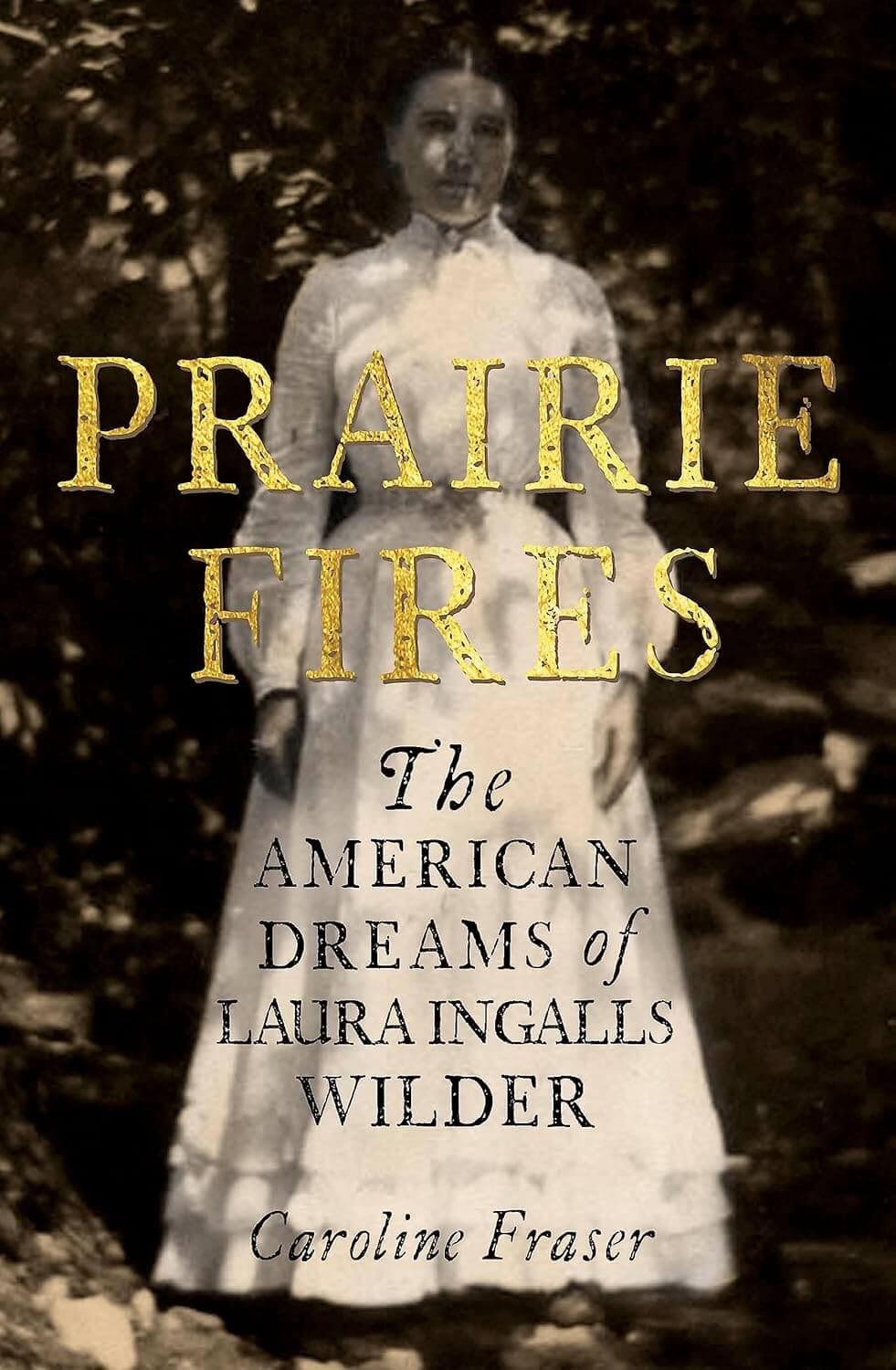
Prairie Fires: The American Dreams of Laura Ingalls Wilder
Winner

Prairie Fires: The American Dreams of Laura Ingalls Wilder

by Caroline Fraser

Caroline Fraser’s biography of Laura Ingalls Wilder is both a life story and a dismantling of the myths built around the Little House books. Fraser situates Wilder within the economic, ecological, and ideological realities of the frontier, offering a far more complex portrait than the nostalgic image many readers inherit. She is especially attentive to the role of Wilder’s daughter, Rose Wilder Lane, in shaping both the books and their politics. The biography explores hardship, ambition, authorship, and the creation of cultural memory with remarkable depth. Fraser never treats Wilder as either saint or fraud. Instead, she shows how personal experience becomes transformed into national mythology. The book is rich in detail without becoming unwieldy. It is also one of the smartest accounts of how literary fame is made. Readers who grew up with the novels may find this portrait destabilizing, but also thrillingly clarifying. A major biography that reopens a foundational American story.

3.95
Biography
Literary Biography
Revelatory
Reflective
Nuanced
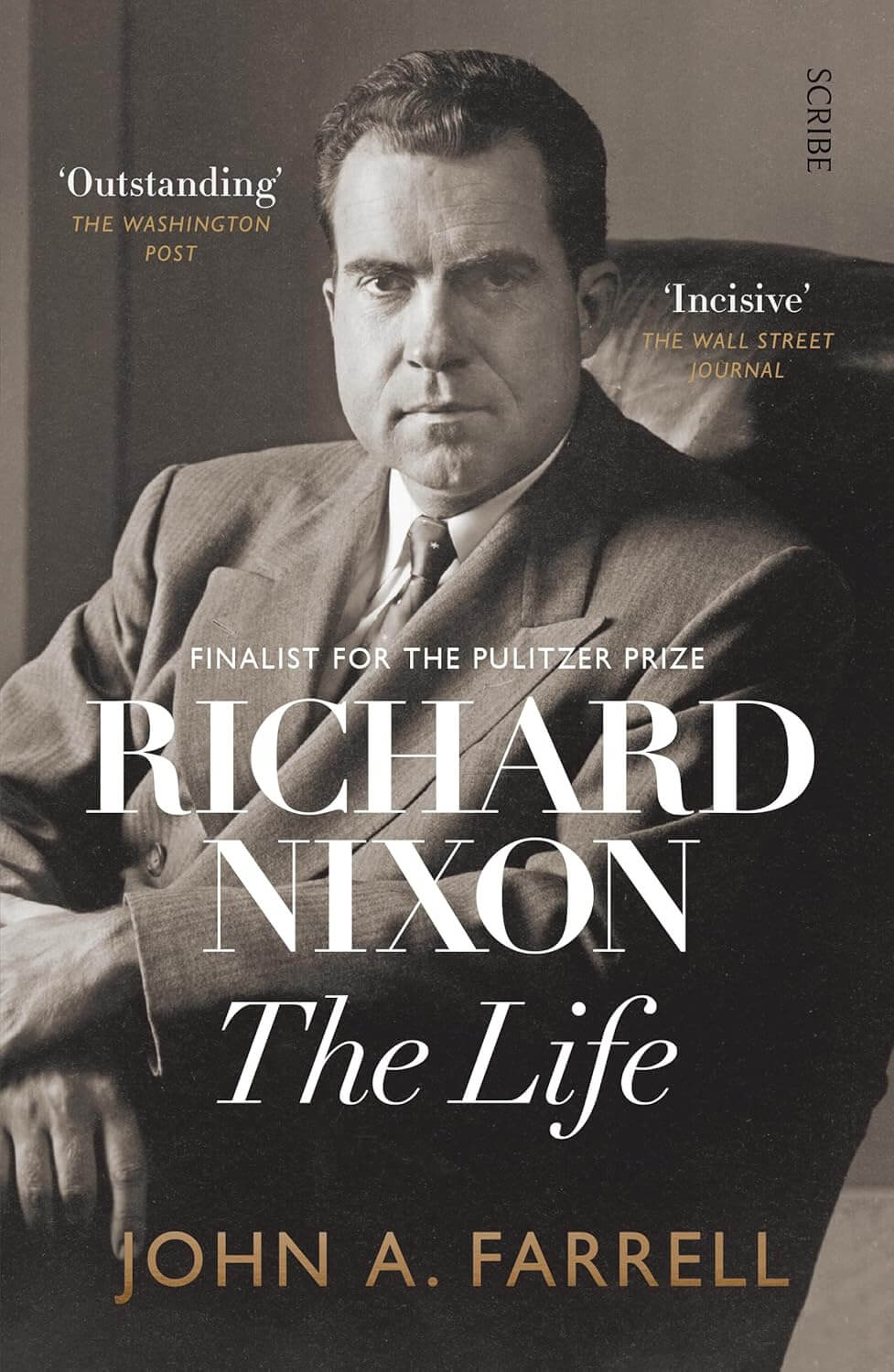
Richard Nixon: The Life

Richard Nixon: The Life

by John A. Farrell

John A. Farrell offers a brisk, deeply informed biography of Richard Nixon that captures both his formidable political gifts and his corrosive weaknesses. Nixon emerges as a figure of restless ambition, strategic brilliance, grievance, and self-sabotage. Farrell writes with admirable clarity, cutting through familiar mythology without flattening complexity. The biography covers the expected milestones, but its real power lies in how it traces patterns: paranoia, resentment, reinvention, and a profound hunger for recognition. Farrell is especially good at showing how Nixon’s insecurities fed his political instincts. The result is a portrait of a man both shrewd and fatally trapped by his own habits of mind. The prose is accessible and the pacing strong, making it an ideal entry point for readers new to Nixon. Yet it also offers fresh nuance for those who know the outline already. It is less interested in simple villainy than in the making of a political character. A compelling, lucid account of one of America’s most consequential presidents.

4.35
Biography
Political Biography
Compelling
Analytical
Sobering
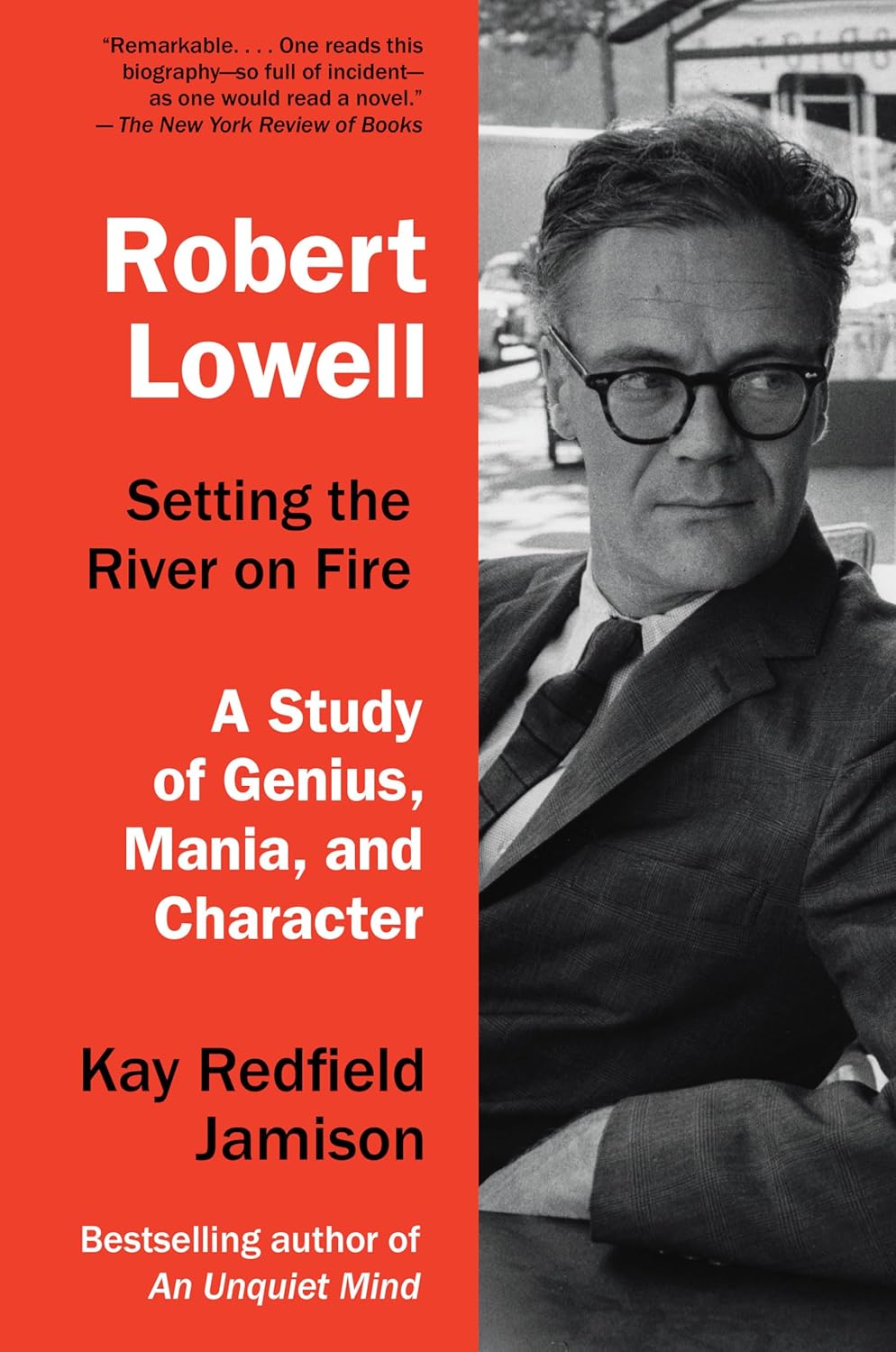
Robert Lowell, Setting the River on Fire: A Study of Genius, Mania, and Character

Robert Lowell, Setting the River on Fire: A Study of Genius, Mania, and Character

by Kay Redfield Jamison

Kay Redfield Jamison brings unusual authority to her study of Robert Lowell, blending literary biography with deep psychological insight. The book examines Lowell’s poetry alongside his manic illness, not to reduce the work to diagnosis but to illuminate the conditions in which genius and suffering intertwined. Jamison writes with sympathy, intelligence, and critical discipline. She is alert to the danger of romanticizing instability, and the book is strongest when it holds artistic brilliance and personal damage in tension. Lowell’s relationships, breakdowns, and self-revisions all become part of the story of a life lived at painful intensity. Jamison also gives readers a vivid sense of the mid-century literary world, its friendships, rivalries, and ambitions. The prose is elegant and accessible, often quietly moving. This is biography as interpretation, not just chronology. It asks what art costs, and who pays. A thoughtful, deeply engaging portrait of a poet and the fire he lived inside.

4.15
Biography
Literary Biography
Intense
Insightful
Reflective

Poetry

Three powerful poetry collections grappling with history, violence, identity, and the possibilities of form.

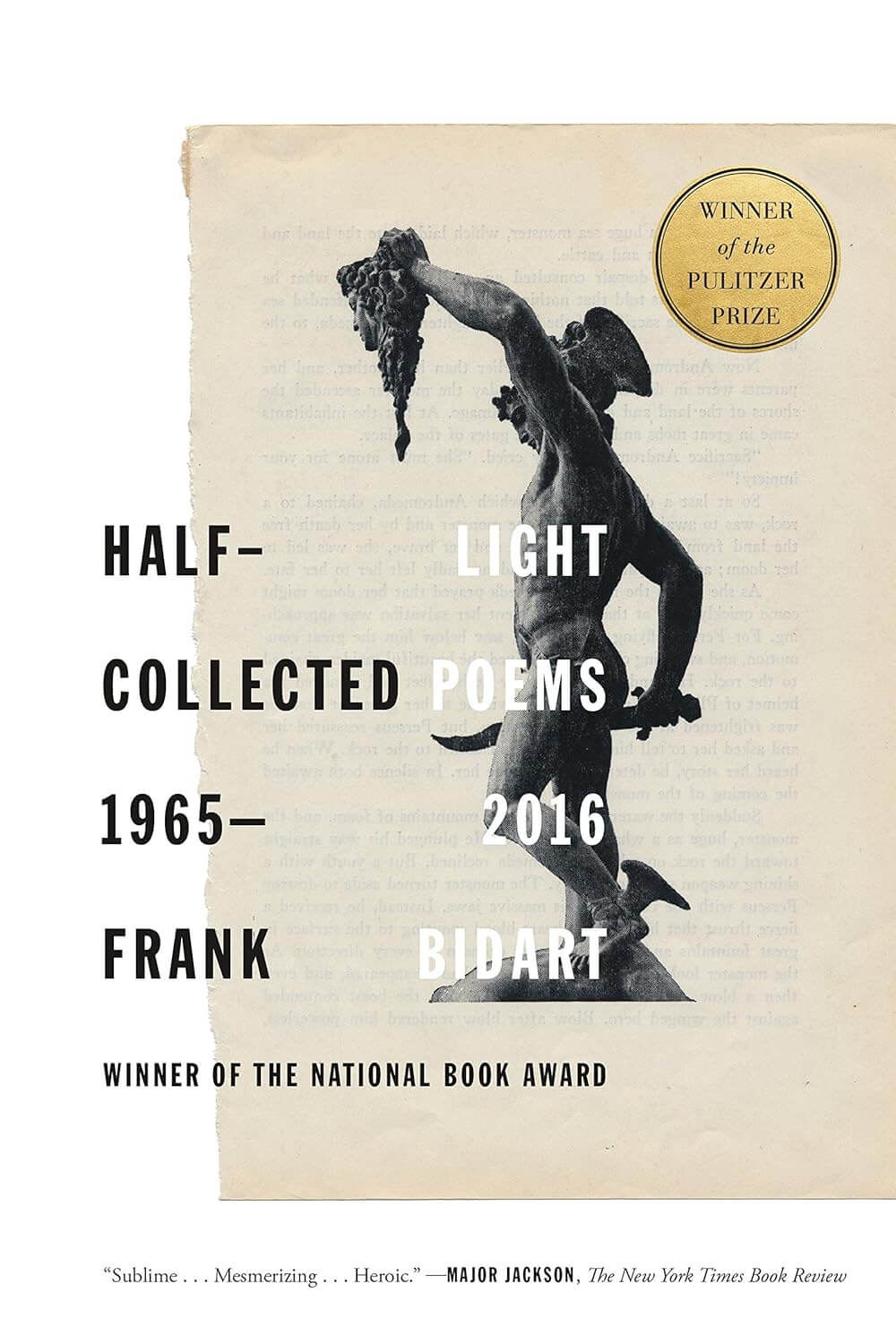
Half-light: Collected Poems 1965-2016
Winner

Half-light: Collected Poems 1965-2016

by Frank Bidart

This career-spanning collection reveals Frank Bidart as one of the most formally and emotionally distinctive poets of his generation. His poems are dramatic, confessional, philosophical, and often startlingly direct. Across decades of work, Bidart returns to obsession, shame, desire, and the instability of selfhood. The voice is intense and unmistakable, often pressing against the limits of line and syntax. What makes the collection so powerful is its consistency of vision alongside its evolution of form. Bidart’s speakers are often haunted, divided, or driven by impulses they cannot master. Yet the poems also pulse with intelligence and control. Reading them together, you see how his themes deepen rather than repeat. This is a poet unafraid of large emotion or difficult thought. A monumental collected volume that feels urgent from first page to last.

4.14
Poetry
Intense
Philosophical
Haunting
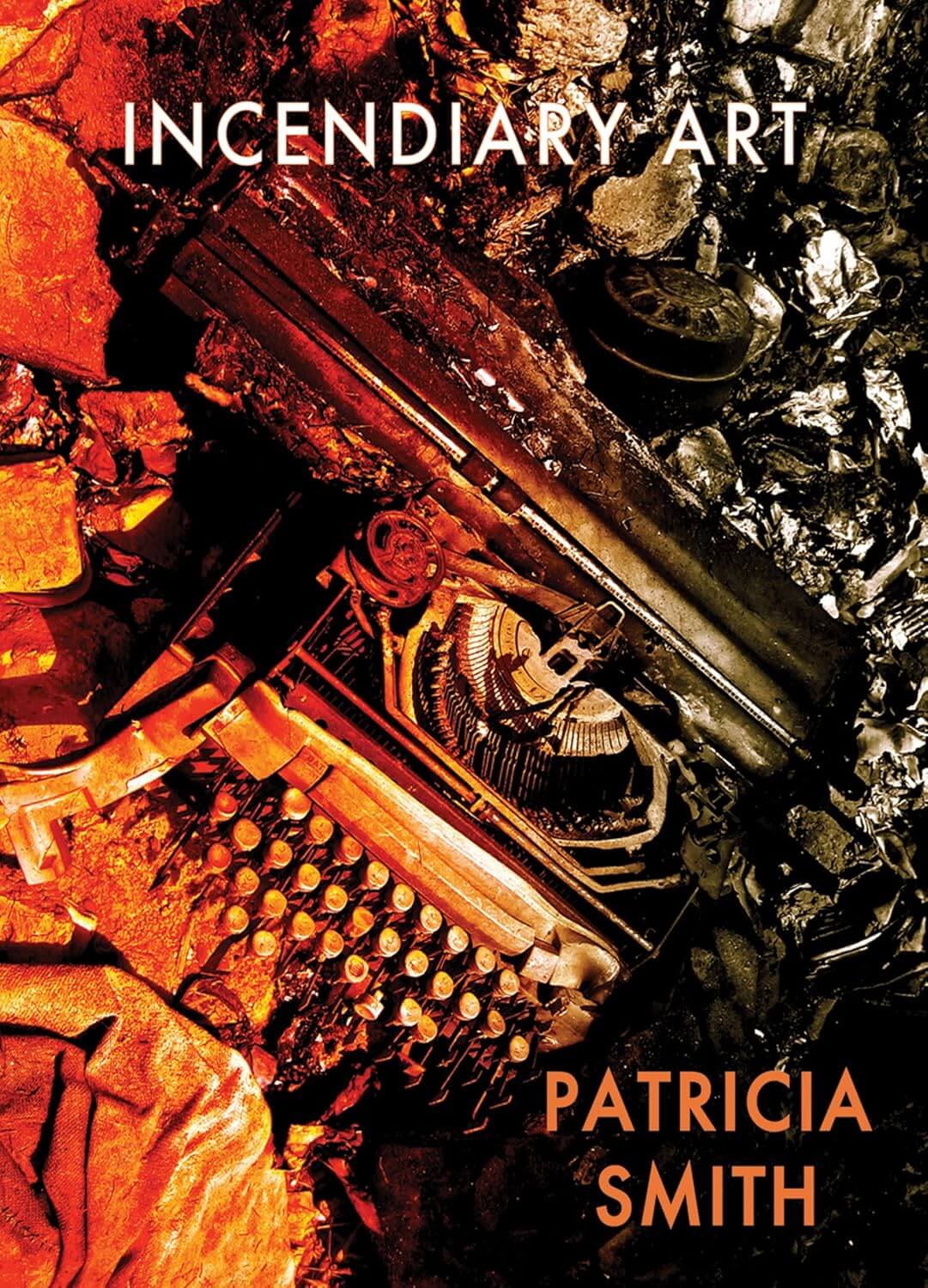
Incendiary Art

Incendiary Art

by Patricia Smith

Patricia Smith’s collection is fierce, formally agile, and driven by grief, rage, and witness. The poems address racial violence, motherhood, memory, and public atrocity with unflinching force. Smith moves through multiple voices and forms, and each choice feels purposeful rather than ornamental. The collection is especially powerful in its treatment of Black death and public spectacle. Smith refuses numbness. Her poems insist on feeling, naming, and remembering. Yet the book is not only angry; it is also deeply crafted, full of music, image, and emotional range. Smith’s language can blaze, but it can also ache. The result is a collection that feels both immediate and enduring. It is poetry as testimony and transformation.

4.64
Poetry
Fierce
Urgent
Powerful
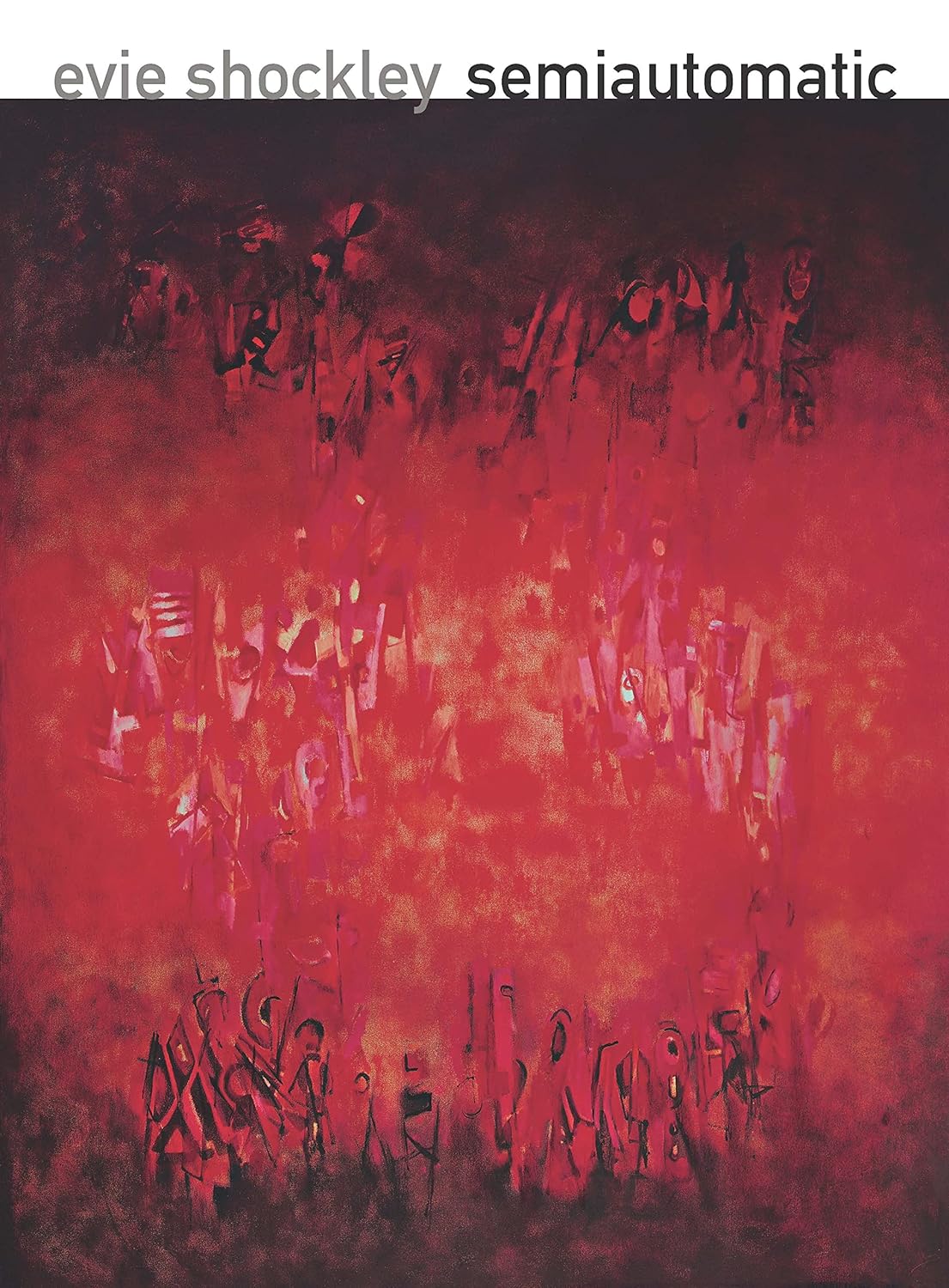
semiautomatic

semiautomatic

by Evie Shockley

Evie Shockley’s collection takes up race, surveillance, police violence, and Black life in America with formal invention and intellectual sharpness. The title itself suggests both weaponry and repetition, and the poems explore that duality with devastating precision. Shockley experiments widely, drawing on visual arrangement, inherited forms, and contemporary speech. Her poems are politically charged without ever feeling programmatic. Instead, they remain alive to complexity, contradiction, and music. The collection pays close attention to language as a site of control and resistance. Shockley is particularly strong at showing how violence becomes normalized through rhetoric and media. Yet there is also wit, beauty, and tenderness in these poems. They ask readers not only to witness but to think harder. An innovative, urgent collection that feels fully of its moment and beyond it.

4.31
Poetry
Defiant
Analytical
Urgent