Orwell Prize 2025: Political Writing

Books that interrogate power, truth, and the forces shaping our world

The Orwell Prize for Political Writing honours books that illuminate politics in the deepest, widest sense — not just elections or institutions, but the lived realities shaped by power, ideology, and conflict. The 2025 selection reflects the Prize’s enduring mission: to reward writing that is both beautifully crafted and fiercely engaged with the world.

This year’s finalists spans continents and centuries, from the propaganda engines of the digital age to the enduring shadows of the Cold War. These books examine the fragility of democracy, the violence of empire, and the ways stories — official or suppressed — shape our understanding of truth. Whether through journalism, narrative history, or personal testimony, each work invites readers to look more closely at the systems we inhabit.

Together, these books form a compelling map of global politics: where we’ve come from, where we stand, and the forces that threaten to shape our future. They challenge assumptions, expose hidden mechanisms of power, and ultimately ask the most Orwellian question of all: what happens when truth itself becomes contested?

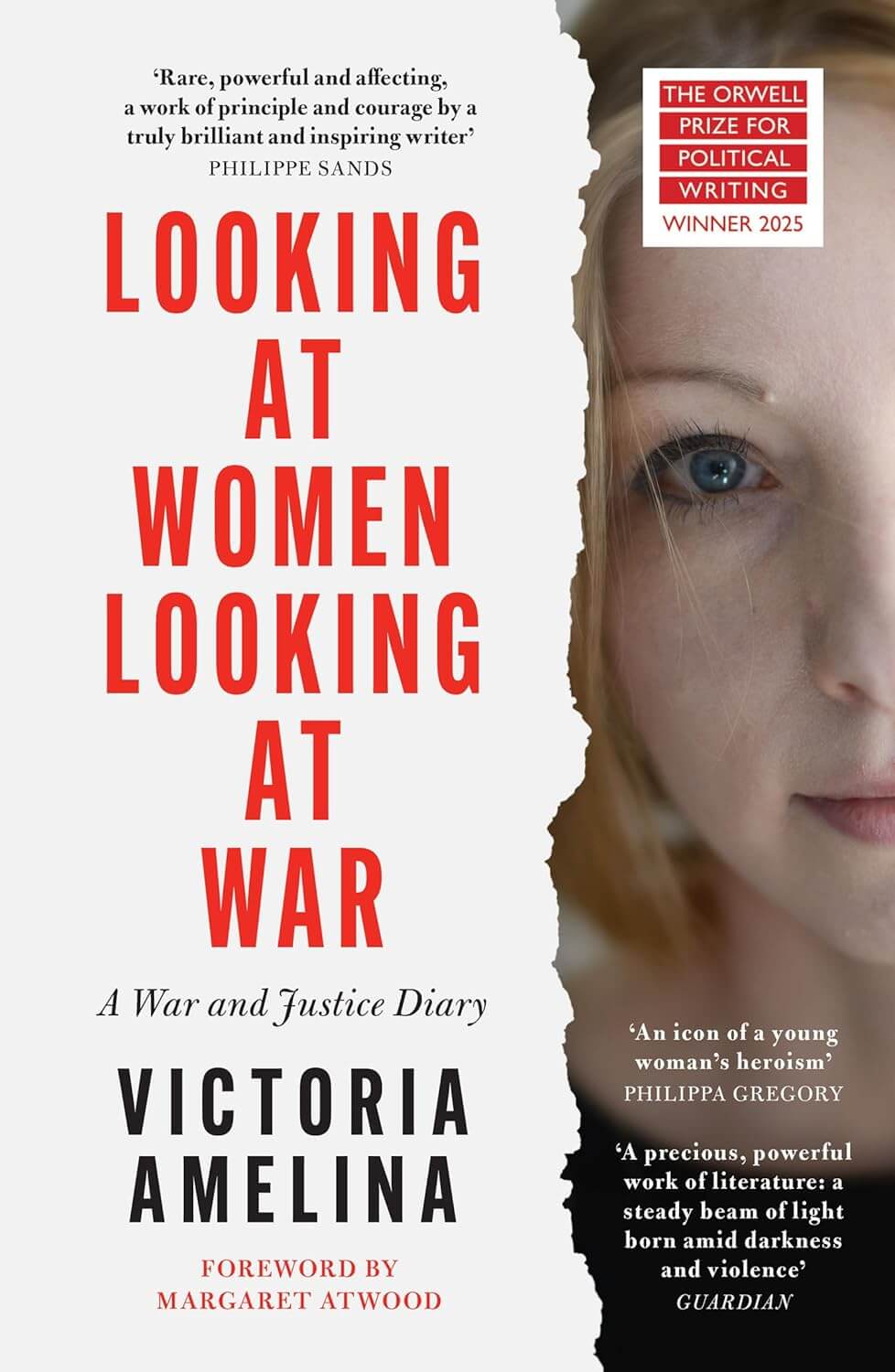
Looking at Women, Looking at War
Winner

Looking at Women, Looking at War

by Victoria Amelina

Victoria Amelina’s final book is a profound and haunting exploration of war, memory, and the particular vulnerabilities faced by women in conflict zones. Written with clarity and moral courage, it reflects Amelina’s journalistic work in documenting Russian war crimes in Ukraine before her tragic death. She weaves reportage with personal reflection, creating a book that is both intimate and politically urgent. Amelina challenges readers to confront the human cost of war beyond the battlefield, focusing on lives disrupted, silenced, or erased. Her voice is compassionate yet unflinching, refusing to look away from the violence inflicted on civilians. This is political writing at its most immediate, bearing witness with extraordinary honesty.
4.37
Political Writing
War Reporting
Human Rights
Somber
Courageous
Unflinching
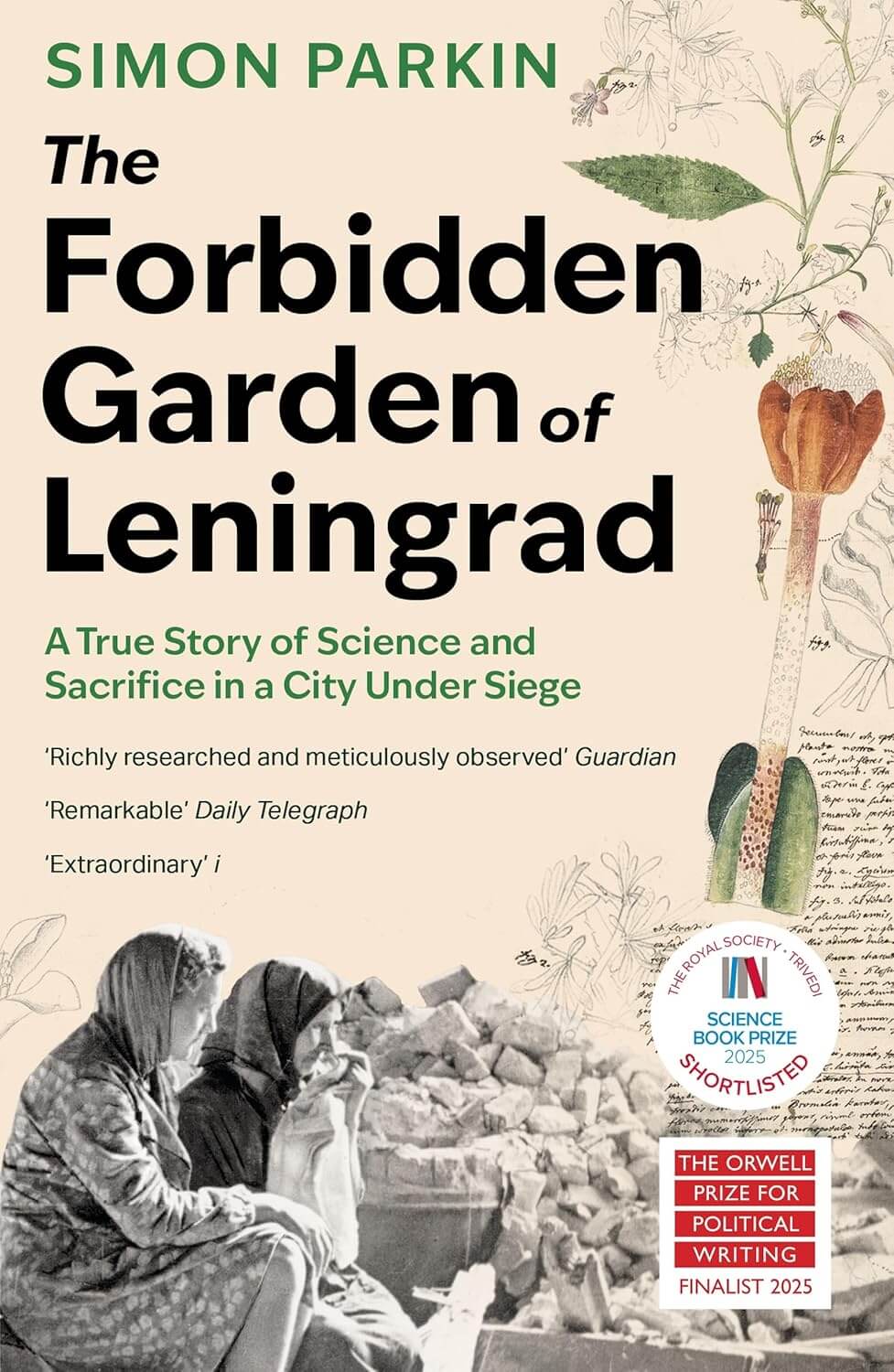
The Forbidden Garden of Leningrad

The Forbidden Garden of Leningrad

by Simon Parkin

In The Forbidden Garden of Leningrad, Simon Parkin uncovers a remarkable story of botanists who protected a seed bank during the Siege of Leningrad, choosing starvation over surrendering their collection. Parkin uses this microhistory to explore themes of scientific idealism, resilience, and the brutal logic of totalitarianism. His narrative is immersive, weaving personal stories with the larger horrors of wartime Soviet life. The book highlights the tension between state propaganda and individual sacrifice, showing how people preserved knowledge even as society collapsed. Parkin writes with elegant restraint, allowing the extraordinary courage of his subjects to speak for itself.

4.26
History
War Writing
Political Writing
Somber
Heroic
Reflective
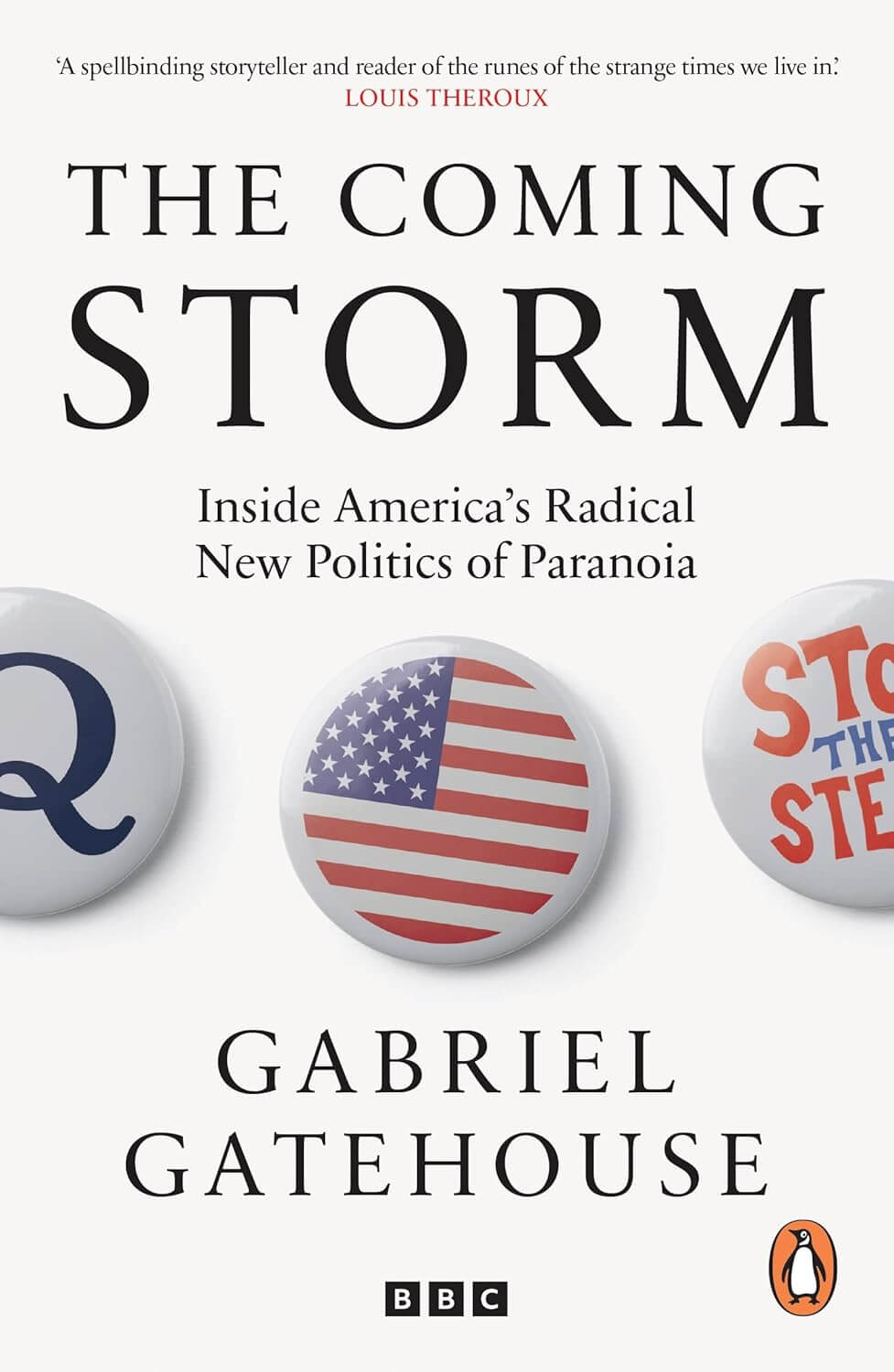
The Coming Storm: A Journey into the Heart of the Conspiracy Machine

The Coming Storm: A Journey into the Heart of the Conspiracy Machine

by Gabriel Gatehouse

Gabriel Gatehouse’s The Coming Storm takes readers inside the world of conspiracists, tracing how fringe beliefs metastasized into a political force. Drawing on his acclaimed podcast work, Gatehouse examines the emotional, psychological, and structural roots of conspiracy thinking. He meets those who have embraced alternative realities and unpacks why such beliefs flourish in moments of uncertainty and institutional distrust. The narrative is gripping, unsettling, and empathetic — Gatehouse neither mocks nor endorses, but seeks understanding. He argues that conspiracy culture reveals deep fractures in democratic societies, and that ignoring these movements comes at great cost.

4.10
Politics
Sociology
Investigative Journalism
Dark
Compelling
Analytical
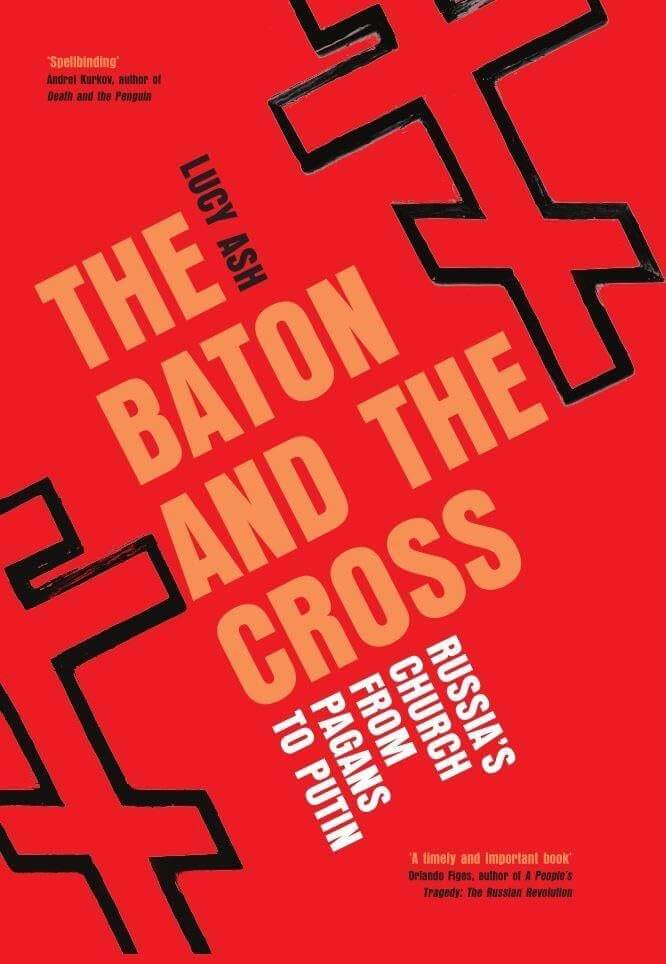
The Baton and the Cross

The Baton and the Cross

by Lucy Ash

Lucy Ash investigates the rise of religious nationalism in Russia and how the Orthodox Church has intertwined itself with state power. Through years of on-the-ground reporting, she reveals how faith, tradition, and political manipulation converge to fuel militarism and authoritarianism. The book captures voices from across Russian society, from priests to activists to everyday believers, illustrating the complexity beneath official narratives. Ash’s storytelling is vivid and deeply researched, illuminating a system where spiritual authority becomes a tool for control. Her work offers essential insight into the ideological machinery driving Russian aggression and domestic repression.

4.36
Political Writing
Religion
Russian Studies
Investigative
Serious
Revealing
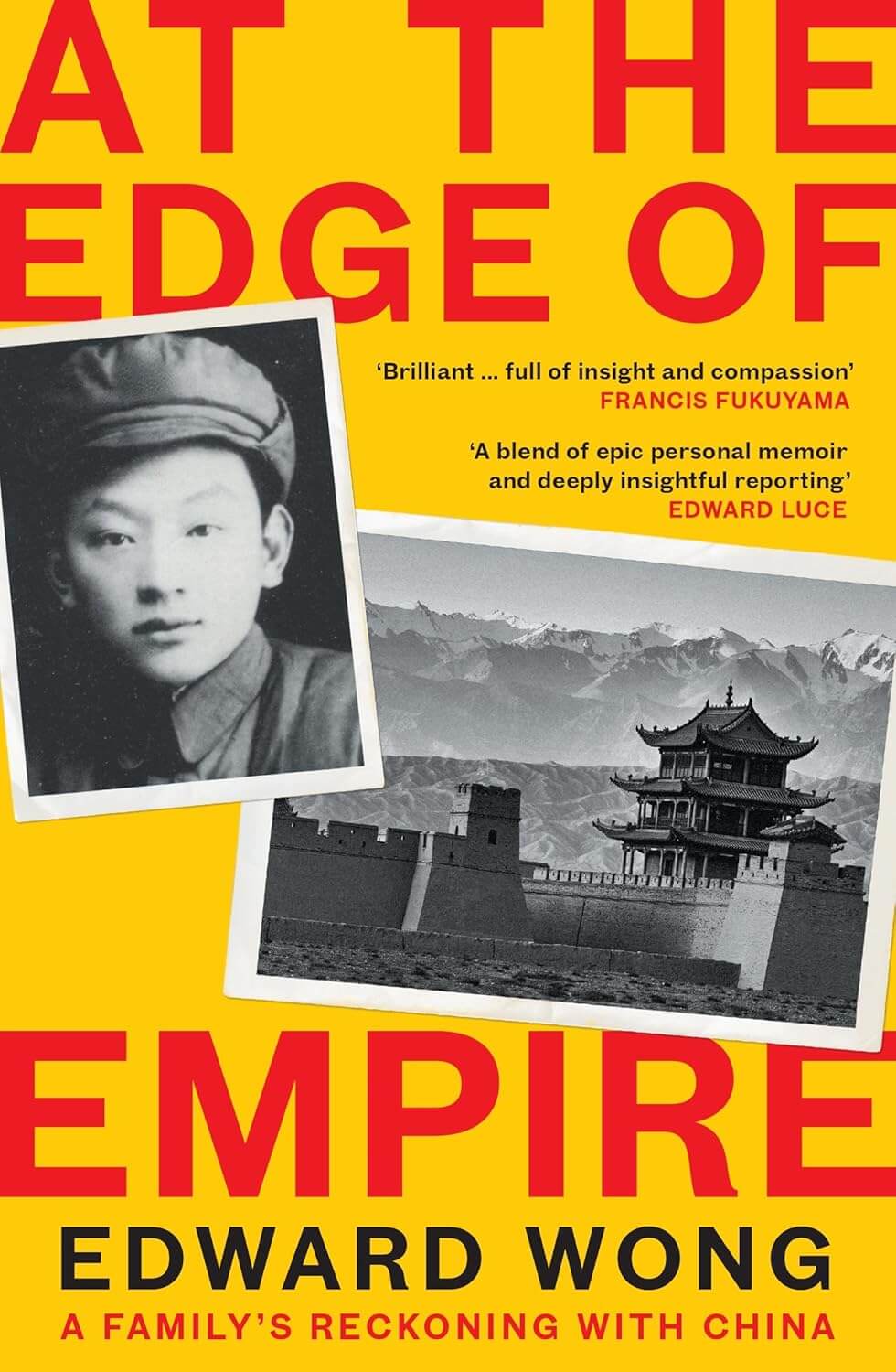
At the Edge of Empire

At the Edge of Empire

by Edward Wong

Edward Wong draws on decades of foreign correspondence to illuminate America’s shifting role on the global stage. Blending memoir and analysis, he recounts his time reporting from China, Iraq, and other geopolitical flashpoints, using personal encounters to expose the contradictions of American power. Wong writes with the insight of a historian and the precision of a journalist, dissecting how empire sustains itself — and how it fractures. His reflections on authoritarianism, nationalism, and the erosion of democratic norms feel both global and deeply personal. The book is rich in nuance, resisting simplifications while insisting on accountability. It is a timely examination of a world defined by rivalry, surveillance, and contested influence.

4.04
Journalism
Geopolitics
Political History
Serious
Nuanced
Reflective
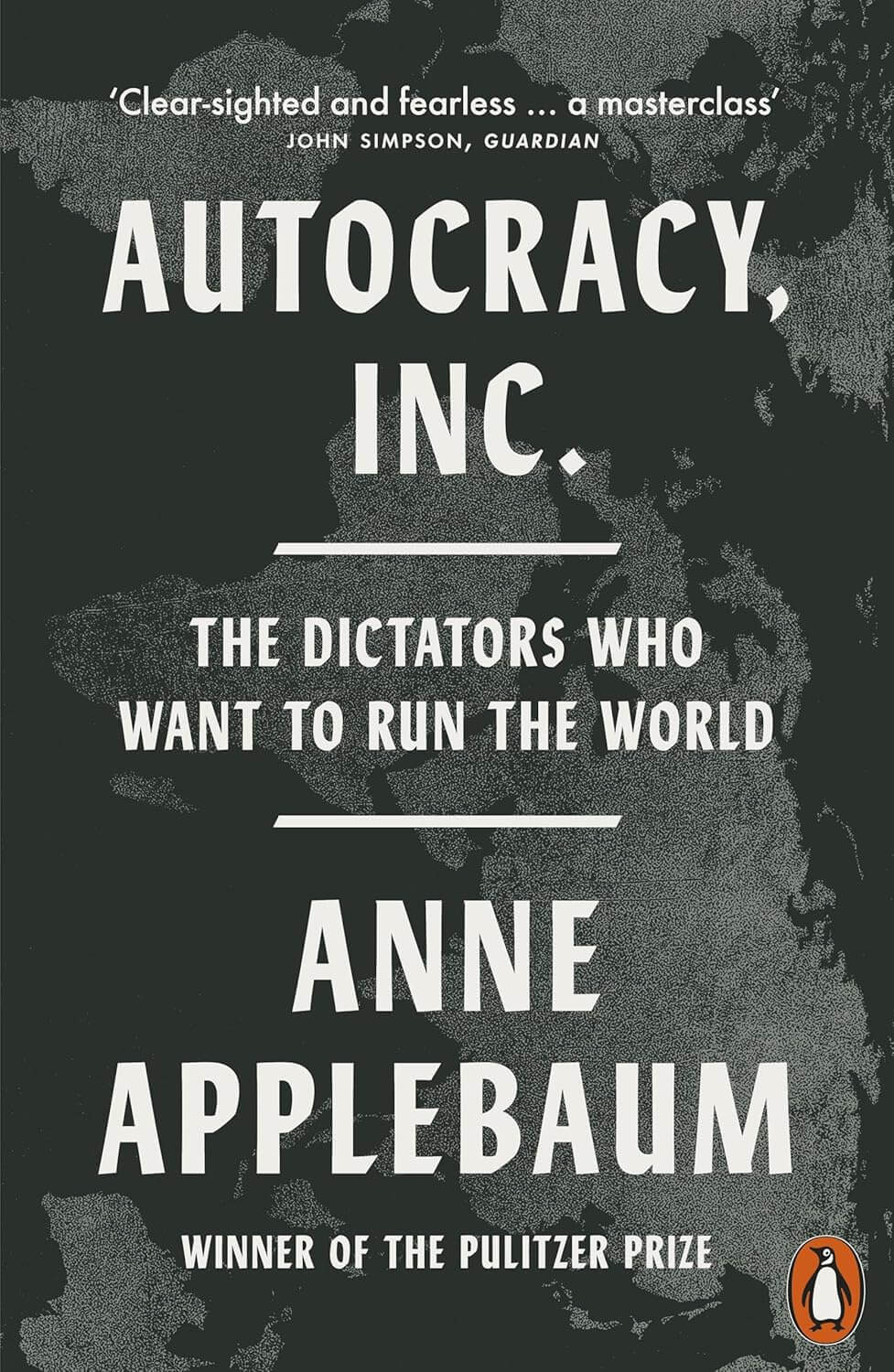
Autocracy Inc.

Autocracy Inc.

by Anne Applebaum

Anne Applebaum’s Autocracy Inc. investigates the increasingly coordinated networks of authoritarianism reshaping global politics. Drawing on years of research and reporting, she argues that today’s autocrats collaborate across borders, sharing tactics, technologies, and propaganda strategies. Applebaum explains how democratic backsliding is not accidental but carefully engineered. Her writing is sharp, urgent, and deeply informed, weaving historical parallels with contemporary case studies. She charts the rise of digital repression, elite corruption, and ideological manipulation with clarity and moral force. The book is a warning but also a call to action, urging democratic societies to recognize the scale and sophistication of the threat.

4.19
Politics
History
Investigative Writing
Urgent
Incisive
Grave
Broken Threads

Broken Threads

by Mishal Husain

In Broken Threads, Mishal Husain explores how identity, migration, and belonging shape modern Britain. Blending personal narrative with reporting, she examines the tensions between multicultural ideals and political realities. Husain delves into how families carry histories of displacement and how society negotiates questions of loyalty, faith, and national identity. Her analysis is empathetic yet critical, grounded in lived experience and journalistic rigor. She highlights both the fragility and resilience of social cohesion, tracing the forces pulling communities apart or stitching them together. This is a thoughtful, humane contribution to the national conversation around identity and inclusion.

4.18
Political Writing
Sociology
Memoir
Thoughtful
Empathetic
Reflective
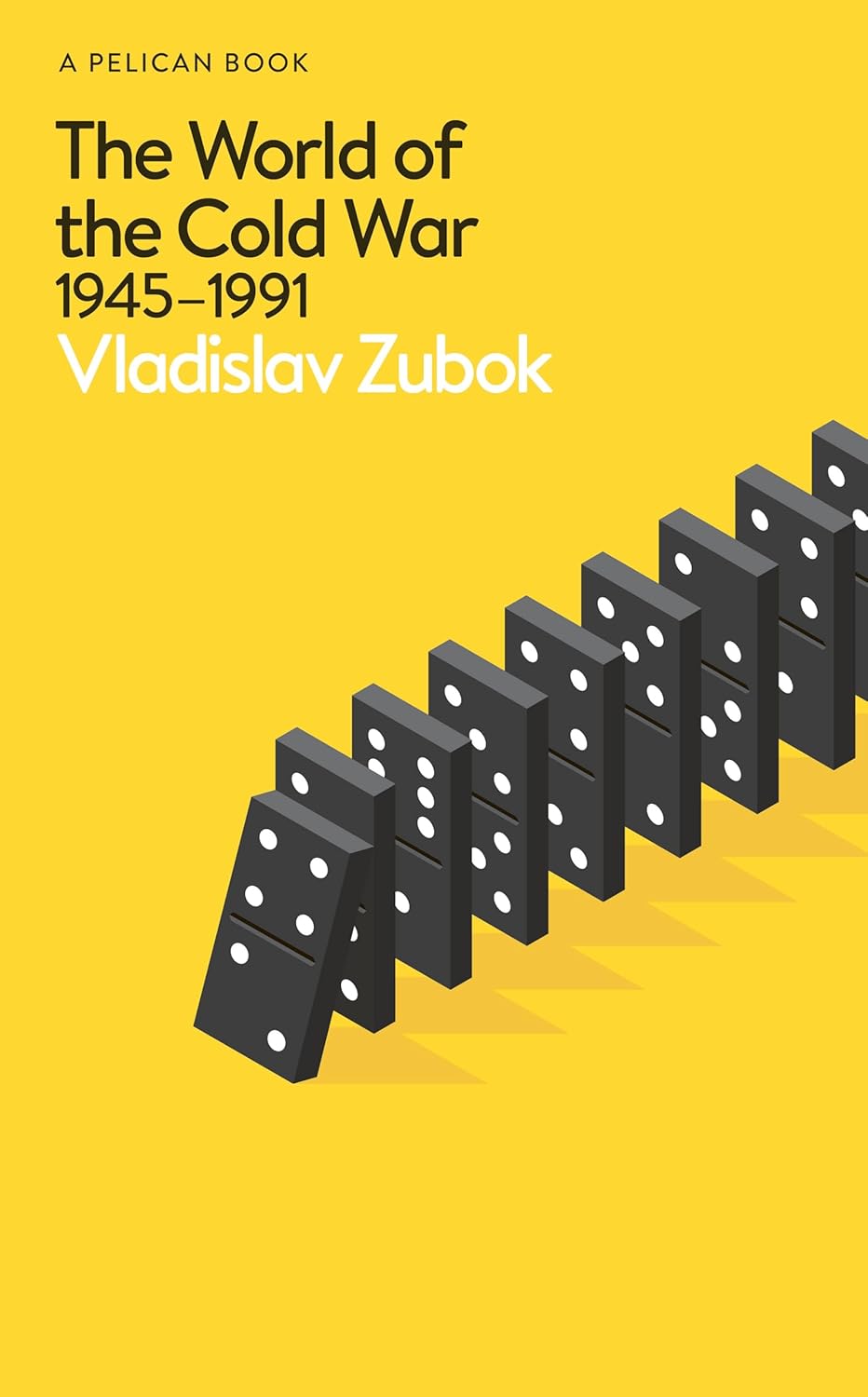
The World of the Cold War: 1945–1991

The World of the Cold War: 1945–1991

by Vladislav Zubok

Vladislav Zubok offers a sweeping reinterpretation of the Cold War, blending geopolitical analysis with human stories from across the world. He traces not only the superpower confrontations but also the ripple effects in Asia, Africa, Latin America, and Eastern Europe. Zubok writes with clarity and authority, challenging simplistic Western narratives and highlighting overlooked perspectives. His account shows how ideology, paranoia, and ambition shaped decades of global tension. The book is expansive yet accessible, ideal for readers seeking to understand how the Cold War continues to shape present-day politics.

3.96
History
Political Writing
International Relations
Comprehensive
Analytical
Thoughtful