Orwell Prize 2024: Political Writing

Nine powerful works interrogating truth, authority, conflict, and the politics shaping our world

The Orwell Prize for Political Writing honours books that illuminate the structures of power and the lived realities shaped by them. The 2024 longlist brings together authors who confront injustice with clarity, nuance, and a commitment to uncovering truths often obscured by official narratives. These books explore war, surveillance, identity, colonial legacies, incarceration, and the moral responsibilities of nations and individuals.

What sets this longlist apart is its scope: from deeply personal family histories to sweeping investigations of geopolitical conflict, from rigorous intellectual histories to close-up reporting on communities navigating systems of oppression. Each author brings a distinctive lens, yet all share Orwell’s conviction that political writing must be grounded in human experience. They remind readers that political forces are never abstract — they operate in bodies, in families, in neighbourhoods, in the stories we tell and inherit.

Whether you are drawn to investigative reportage, memoir, historical analysis, or philosophical argument, this collection offers uncompromising insight into the political landscapes of our present moment. These are books that challenge, unsettle, and ultimately illuminate — essential reading for anyone seeking to understand the world more clearly.

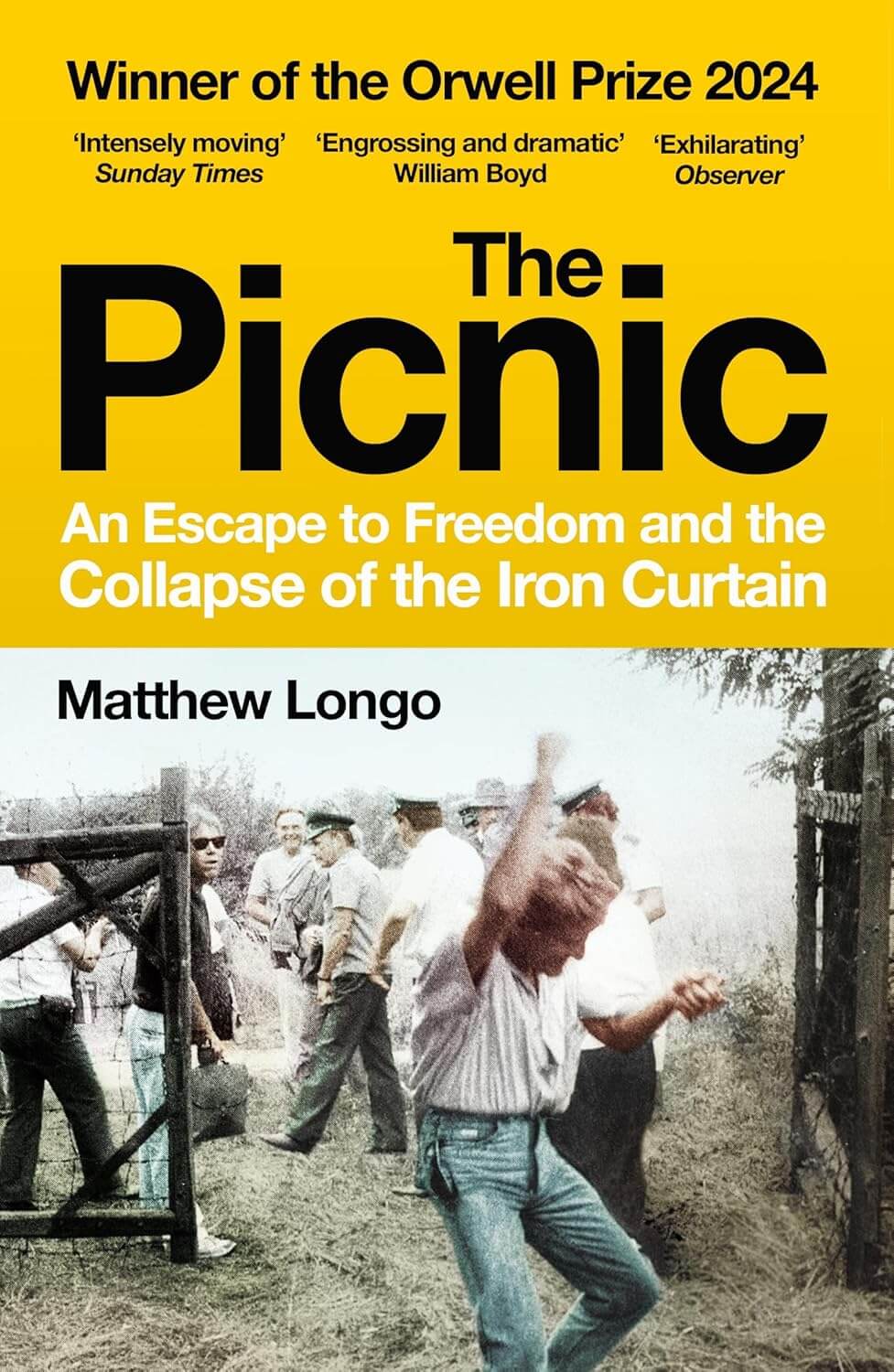
The Picnic

The Picnic

by Matthew Longo

In The Picnic, Matthew Longo investigates the political significance of borders by focusing on the people who live beside them and those tasked with enforcing them. Through vivid reportage and interviews, he reveals how borderlands are shaped by fear, surveillance, and complicated alliances. Longo resists simplistic narratives, instead showing how human relationships persist even amid militarised structures. His prose is clear and immersive, grounding political theory in everyday encounters. The book is both intimate and expansive, weaving personal stories with a broader critique of modern border regimes. It is a thought-provoking meditation on the politics of belonging and the cost of security.

4.22
Politics
Journalism
Sociology
Analytical
Immersive
Thought-Provoking
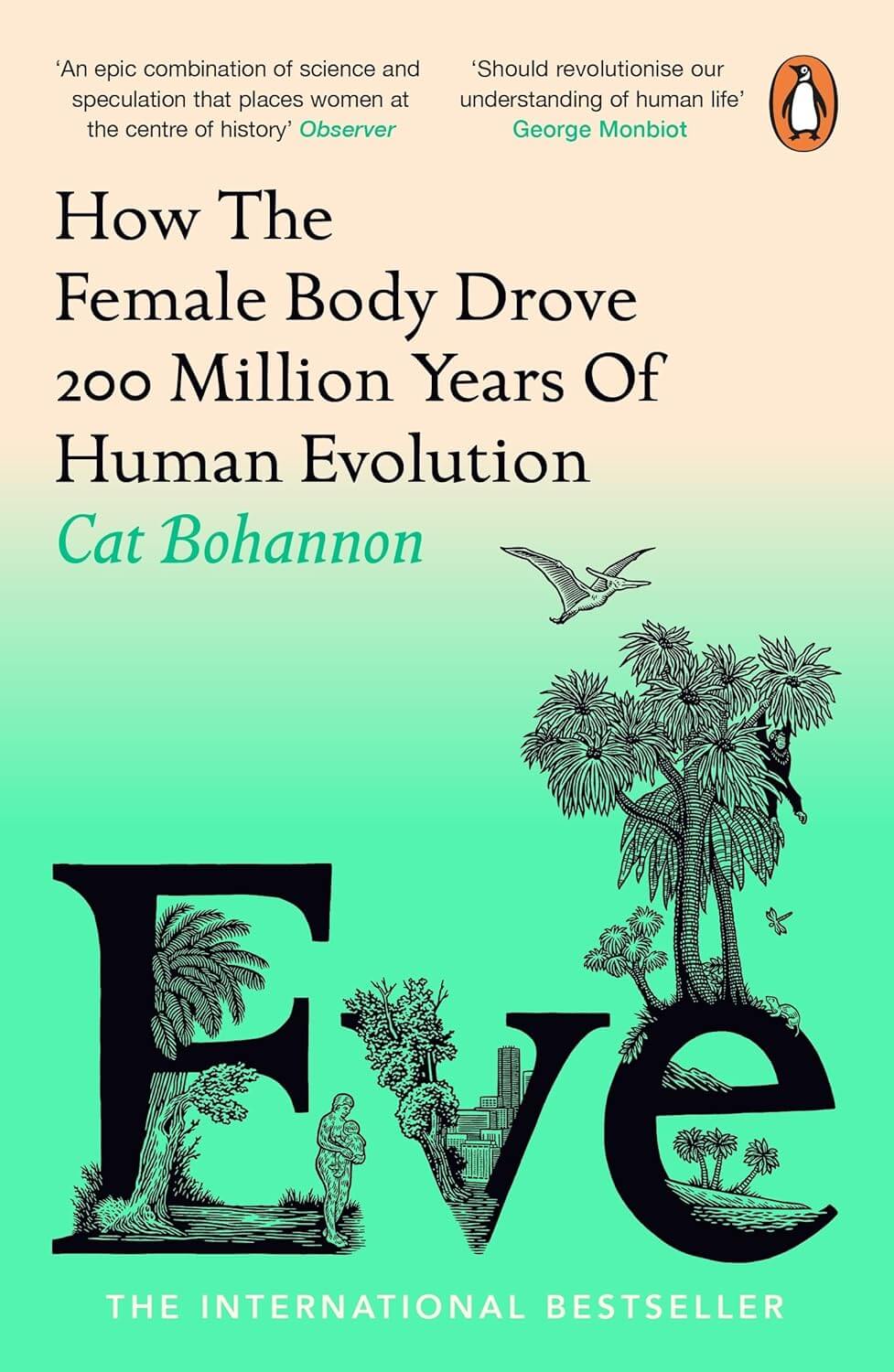
Eve

Eve

by Cat Bohannon

Cat Bohannon’s Eve reframes human evolution by placing the female body at the centre of biological history. She dismantles long-held biases in scientific research, revealing how evolutionary stories have been shaped by the male-as-default model. With humour, rigor, and narrative flair, Bohannon guides readers through 200 million years of adaptation, reproduction, and resilience. The book balances big-picture science with engaging case studies that make the evolutionary timeline feel surprisingly accessible. Bohannon’s voice is bold and confident, challenging readers to rethink what they think they know about biology. This is a transformative work that shifts the lens on human origins in groundbreaking ways.

4.26
Science Writing
Gender Studies
Energetic
Challenging
Insightful
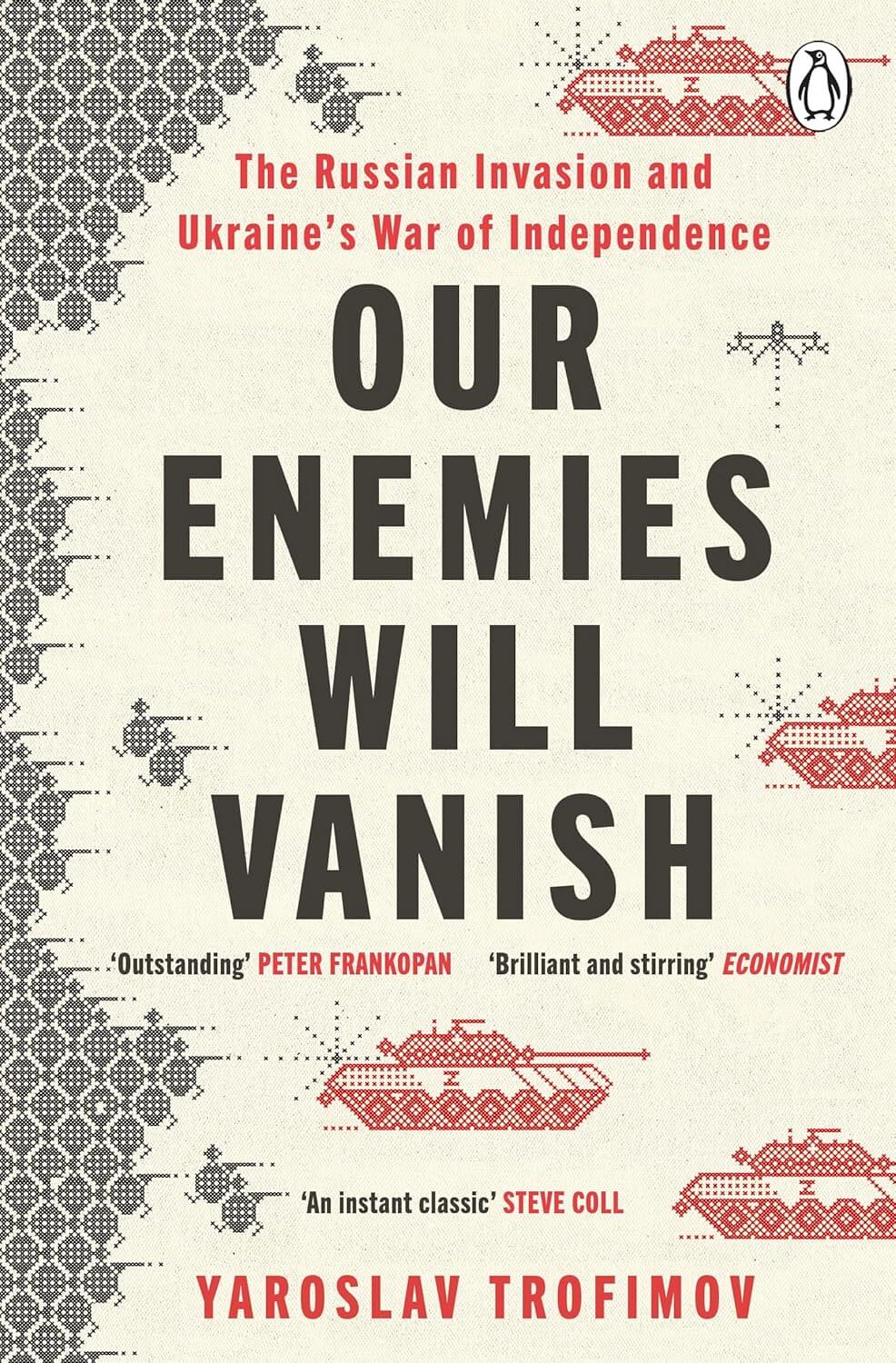
Our Enemies Will Vanish

Our Enemies Will Vanish

by Yaroslav Trofimov

Yaroslav Trofimov offers a gripping first-year account of Russia’s full-scale invasion of Ukraine, drawing on frontline reporting and extensive interviews. He captures the confusion, bravery, terror, and resilience that define war as lived by civilians and soldiers alike. Trofimov’s writing is swift, vivid, and unsparing, yet never sensationalist. He situates the conflict within its broader historical and geopolitical context while keeping human stories at the book’s core. The narrative reveals how nations respond under existential threat and how ordinary people become agents of history. It is essential, urgent reportage from one of the world’s most consequential conflicts.

4.39
War Reporting
Politics
History
Urgent
Gritty
Immersive
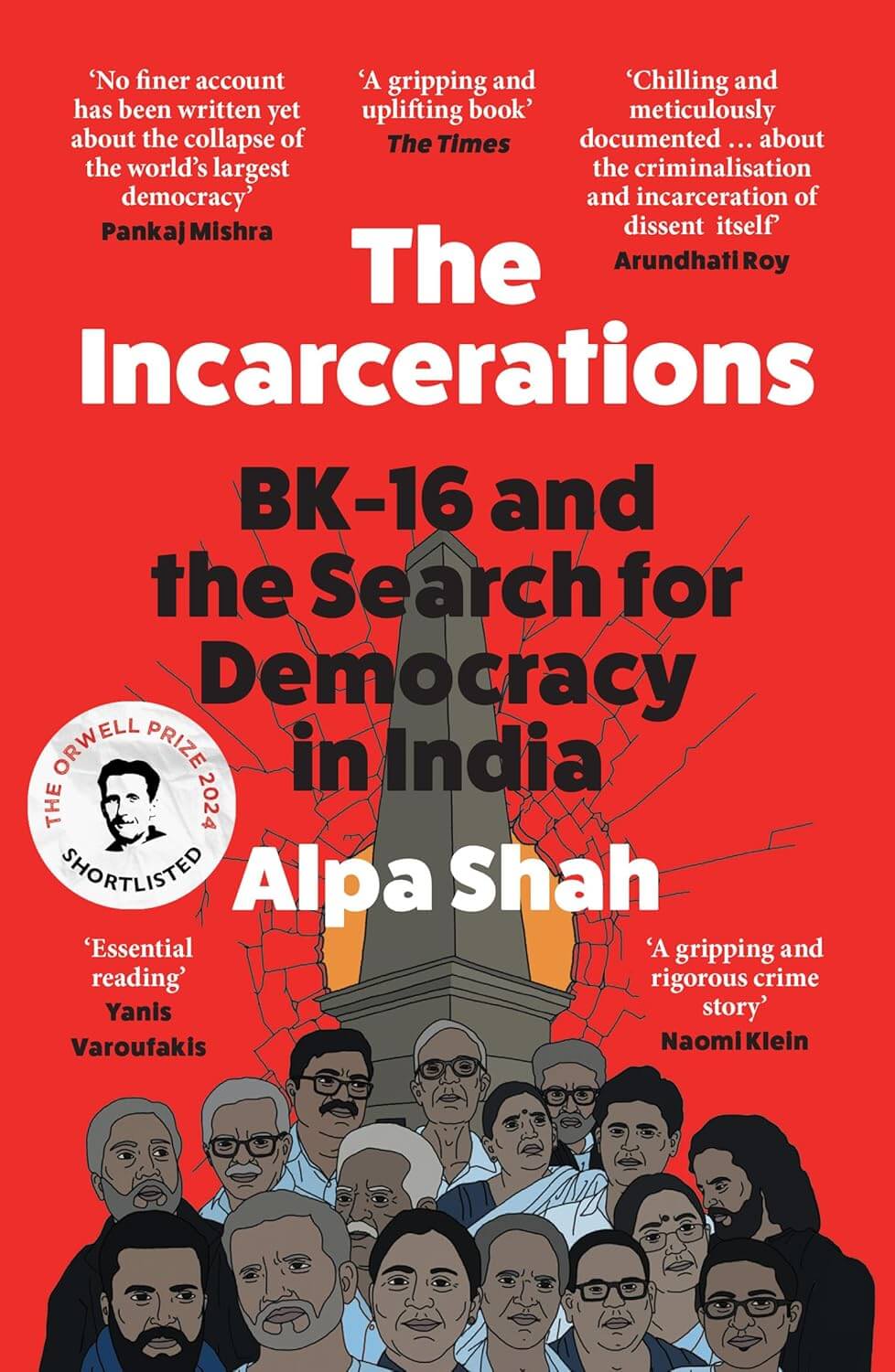
The Incarcerations

The Incarcerations

by Alpa Shah

Alpa Shah’s investigation into India’s political prisoners is both harrowing and urgently important. She examines how thousands of activists, journalists, and ordinary citizens have been detained under anti-terror laws, often without trial. Through first-hand interviews and field research, Shah exposes the mechanisms of repression that operate within India’s democratic framework. Her writing is clear, fearless, and deeply committed to justice. She centres the voices of those targeted, restoring their humanity in a system designed to erase them. The book is a blistering indictment of state power and a vital act of documentation.

4.51
Politics
Human Rights
Journalism
Unflinching
Urgent
Investigative
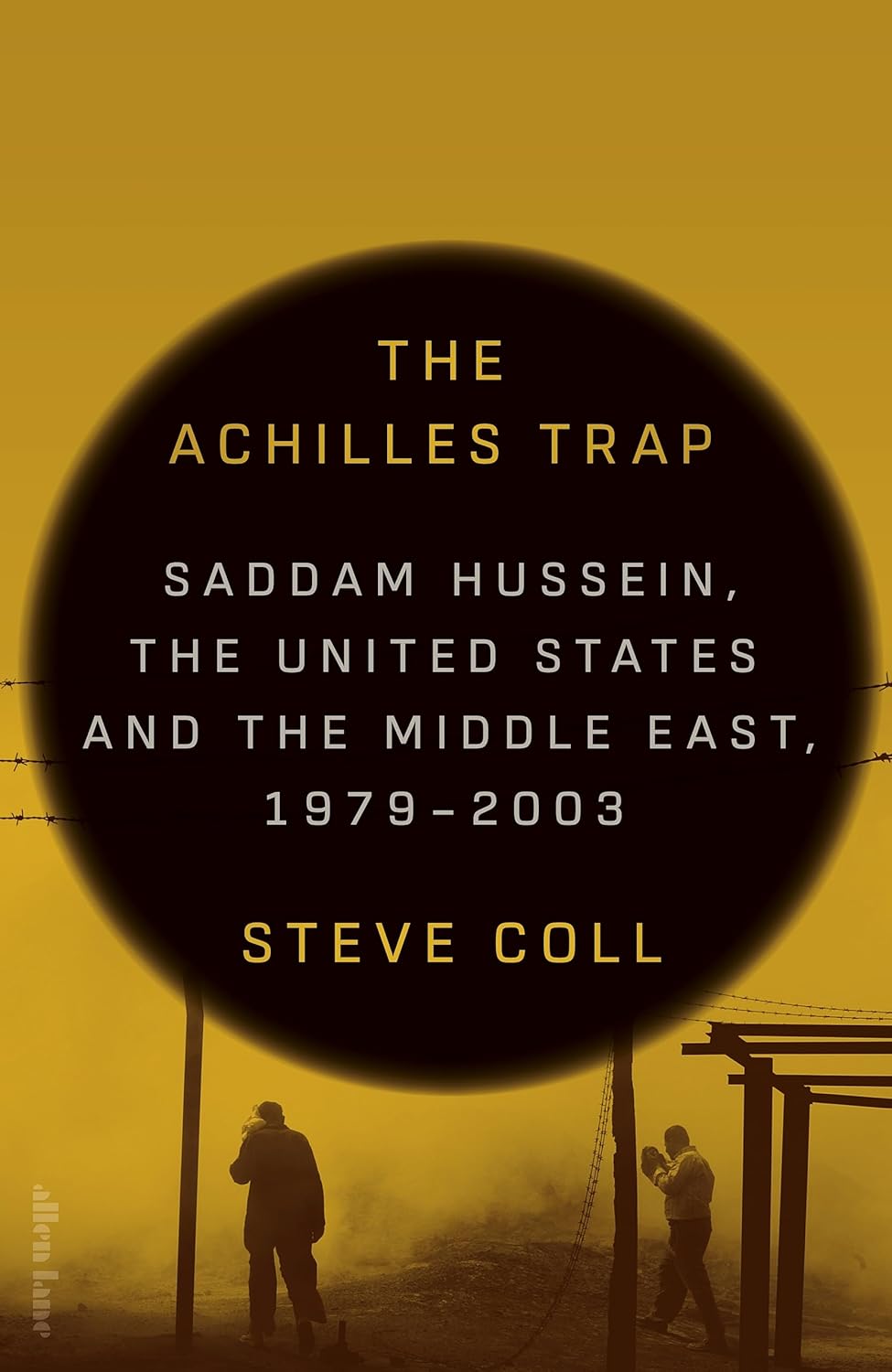
The Achilles Trap

The Achilles Trap

by Steve Coll

Steve Coll’s The Achilles Trap is an extraordinary investigation into the U.S.–Iran relationship through the figure of Qassem Soleimani. Coll draws on extensive interviews, intelligence documents, and field reporting to reveal how miscalculation, secrecy, and mutual distrust shaped decisions on both sides. The book moves between Washington and Tehran with equal authority, balancing geopolitical analysis with intimate portraits of the individuals who wield power. Coll’s prose is measured but gripping, turning complex diplomacy into a narrative of tension and consequence. He demonstrates how small choices escalate into international crises. It is masterful, meticulous political writing of the highest calibre.

4.35
Politics
History
Investigative Writing
Serious
Detailed
Tense
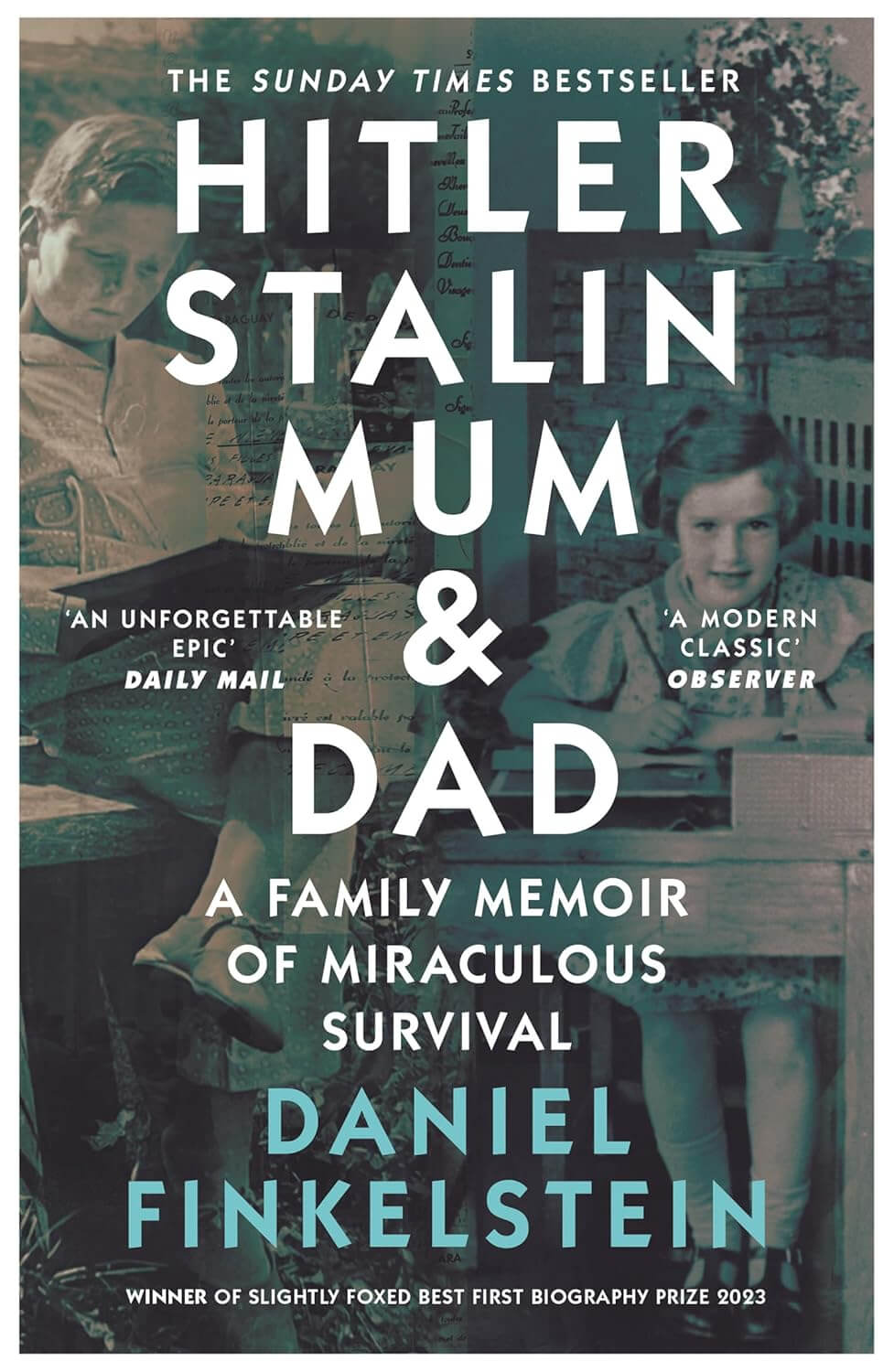
Hitler, Stalin, Mum and Dad

Hitler, Stalin, Mum and Dad

by Daniel Finkelstein

Daniel Finkelstein’s family memoir is at once heartbreaking and historically illuminating, tracing how his parents survived the horrors of Nazism and Stalinism. He tells their stories with clarity, warmth, and a deep sense of responsibility, illuminating how totalitarian regimes shape individual lives in ways both devastating and enduring. Finkelstein expertly contextualises his family’s experiences within the broader history of twentieth-century Europe. His writing avoids sentimentality, leaning instead on precise, humane storytelling. The book becomes a meditation on memory, trauma, and inherited identity. It is a profound reminder of the human cost of political extremism.

4.60
Memoir
History
Politics
Emotional
Reflective
Sober
Revolutionary Acts

Revolutionary Acts

by Jason Okundaye

Jason Okundaye’s Revolutionary Acts blends memoir, cultural criticism, and political analysis to chart the history of Black British queer life. He foregrounds the activists, artists, and everyday people who built community in the face of systemic exclusion. Okundaye writes with tenderness, wit, and incisive clarity, revealing how queer Black identity is shaped by migration, racism, and state neglect. His archival work is impressive, bringing overlooked histories into the spotlight. The personal and political merge seamlessly, creating a narrative as intimate as it is urgent. This is a vibrant, necessary contribution to contemporary British political writing.

4.41
Cultural Studies
Politics
Memoir
Defiant
Warm
Revelatory
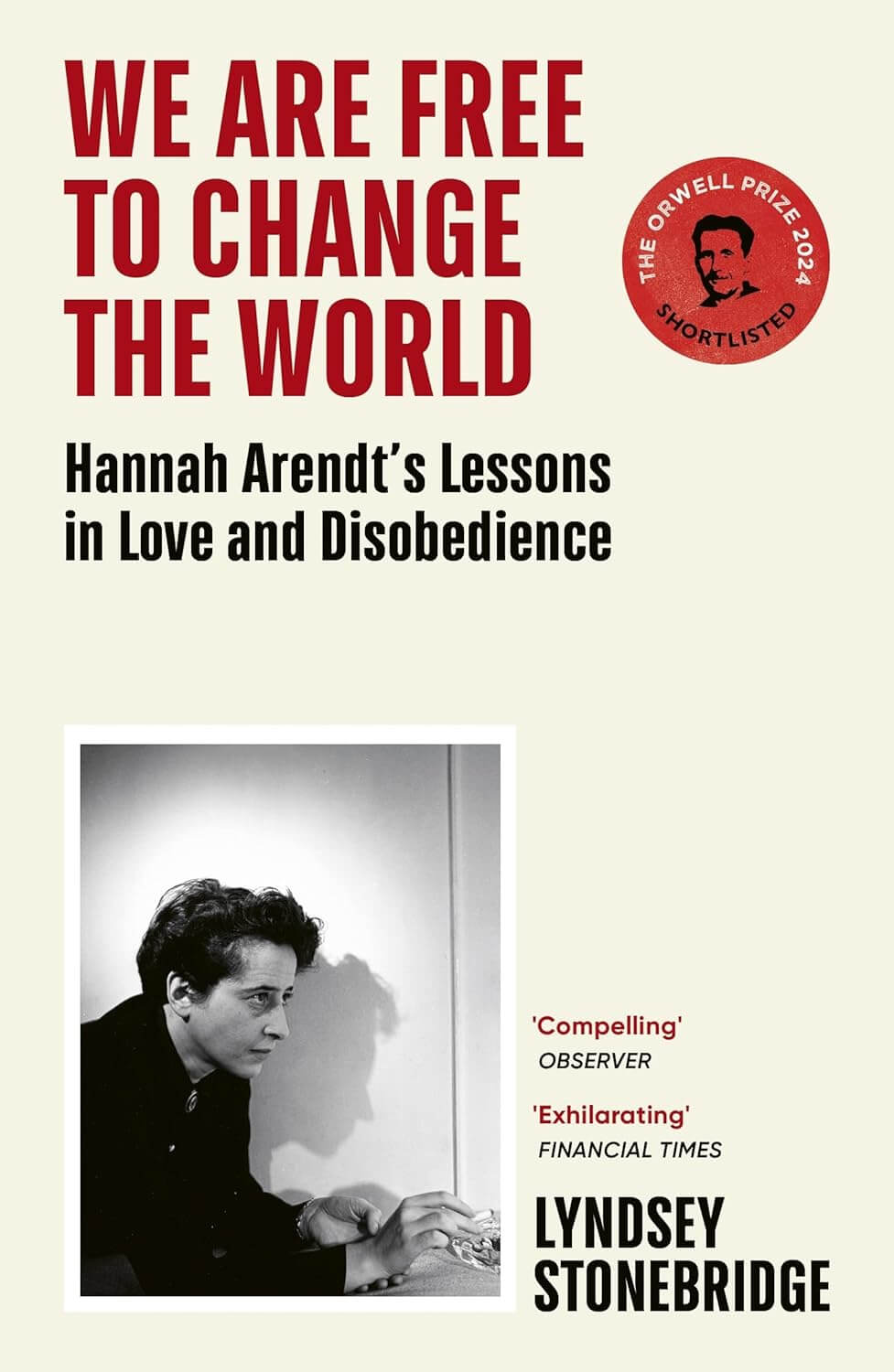
We Are Free to Change the World

We Are Free to Change the World

by Lyndsey Stonebridge

Lyndsey Stonebridge explores the intellectual legacy of Hannah Arendt and her relevance to modern political crises. Through elegant, thoughtful analysis, she connects Arendt’s ideas on freedom, responsibility, and truth to contemporary challenges from authoritarianism to public apathy. Stonebridge writes with clarity and moral conviction, making complex theory accessible without simplifying it. She shows how philosophy becomes a tool for living and acting in the world, not just abstract thought. The book feels like a conversation across time, urging readers to reclaim the responsibilities of citizenship. It is both intellectually invigorating and politically inspiring.

4.14
Philosophy
Politics
Intellectual History
Reflective
Intellectual
Inspiring
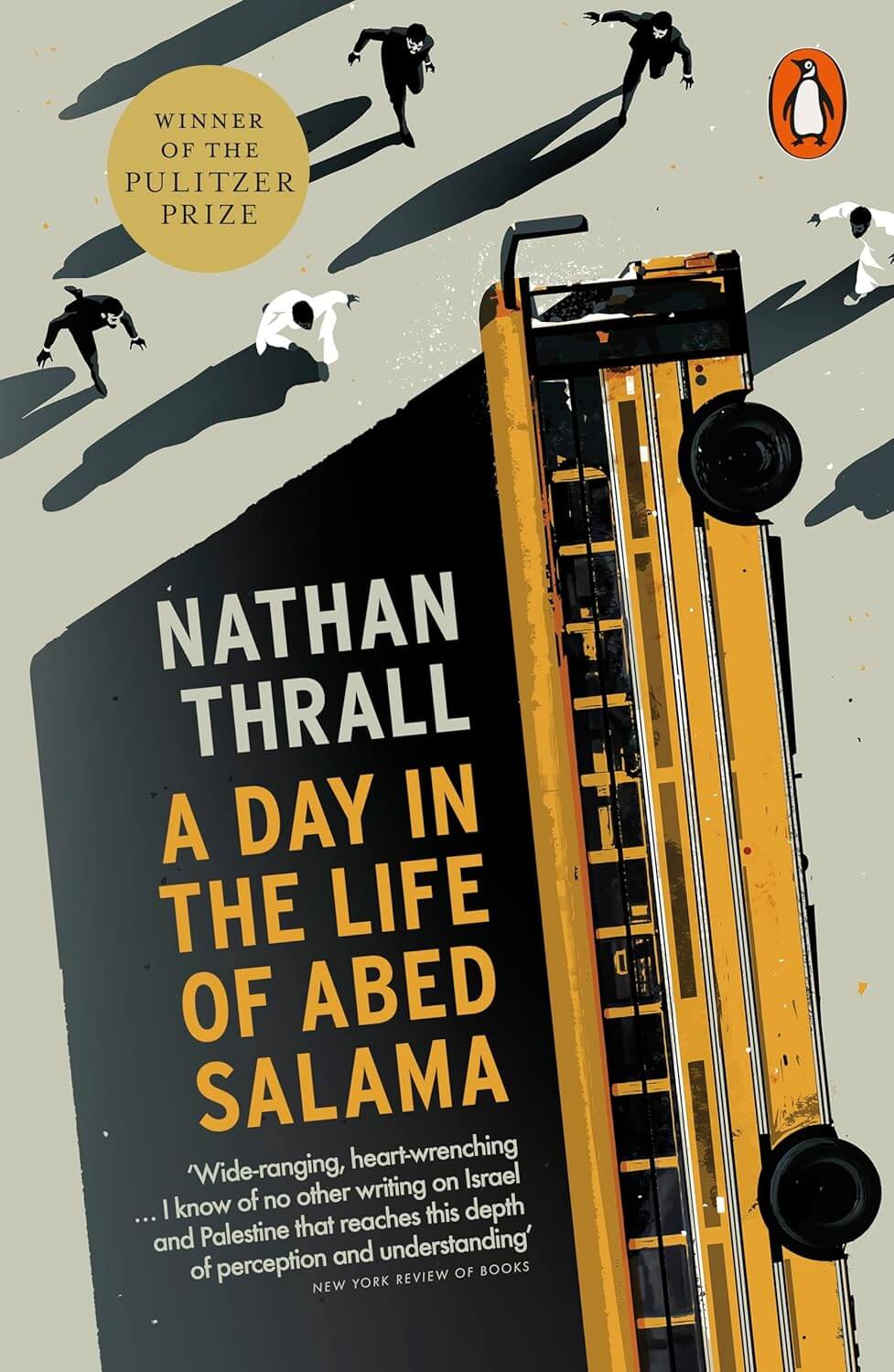
A Day in the Life of Abed Salama

A Day in the Life of Abed Salama

by Nathan Thrall

Nathan Thrall’s book is a masterful work of narrative nonfiction that examines the Israeli-Palestinian conflict through a single tragic event: a school bus accident on the outskirts of Jerusalem. Thrall uses this local catastrophe to illuminate the structural inequalities that define life under occupation. His reporting is sensitive, exhaustive, and guided by deep moral clarity. By focusing on one father’s desperate search for answers, Thrall transforms geopolitical abstraction into a deeply human story. The book refuses easy binaries, instead presenting a painfully honest account of systems that shape grief. It is one of the most affecting political works of the decade.

4.35
Journalism
Politics
Human Rights
Heartbreaking
Clear-Eyed
Deeply Human