Orwell Prize 2021: Political Writing

Thirteen groundbreaking works examining power, history, identity, and the shifting politics of our world

The Orwell Prize for Political Writing rewards books that speak truth to power — works that examine political systems not in abstraction, but through the lived realities of individuals and communities. The 2021 longlist is a rich and varied collection, capturing the turbulence of a world marked by rising authoritarianism, ongoing inequality, fragile democracies, and questions about identity and belonging. These books illuminate the political forces shaping the twenty-first century, while drawing deep connections to the histories that inform them.

Across continents and centuries, the longlist showcases authors who confront uncomfortable truths with clarity and moral purpose. Whether documenting the weaponisation of conspiracy, exposing the hidden crisis of global care work, or telling the untold histories left out of the mainstream narrative, these works offer perspectives that cut through polarisation and myth. Each book embodies Orwell’s belief that the first duty of political writing is “to see what is in front of one’s nose” — and to challenge the stories that obscure it.

Together, these titles provide an essential toolkit for understanding power in its many forms: persuasive, coercive, bureaucratic, intimate, historic, and often invisible. They invite readers not only to think critically, but to re-examine the assumptions that underpin political narratives today. This longlist stands as a testament to the transformative role nonfiction can play in shaping public consciousness.

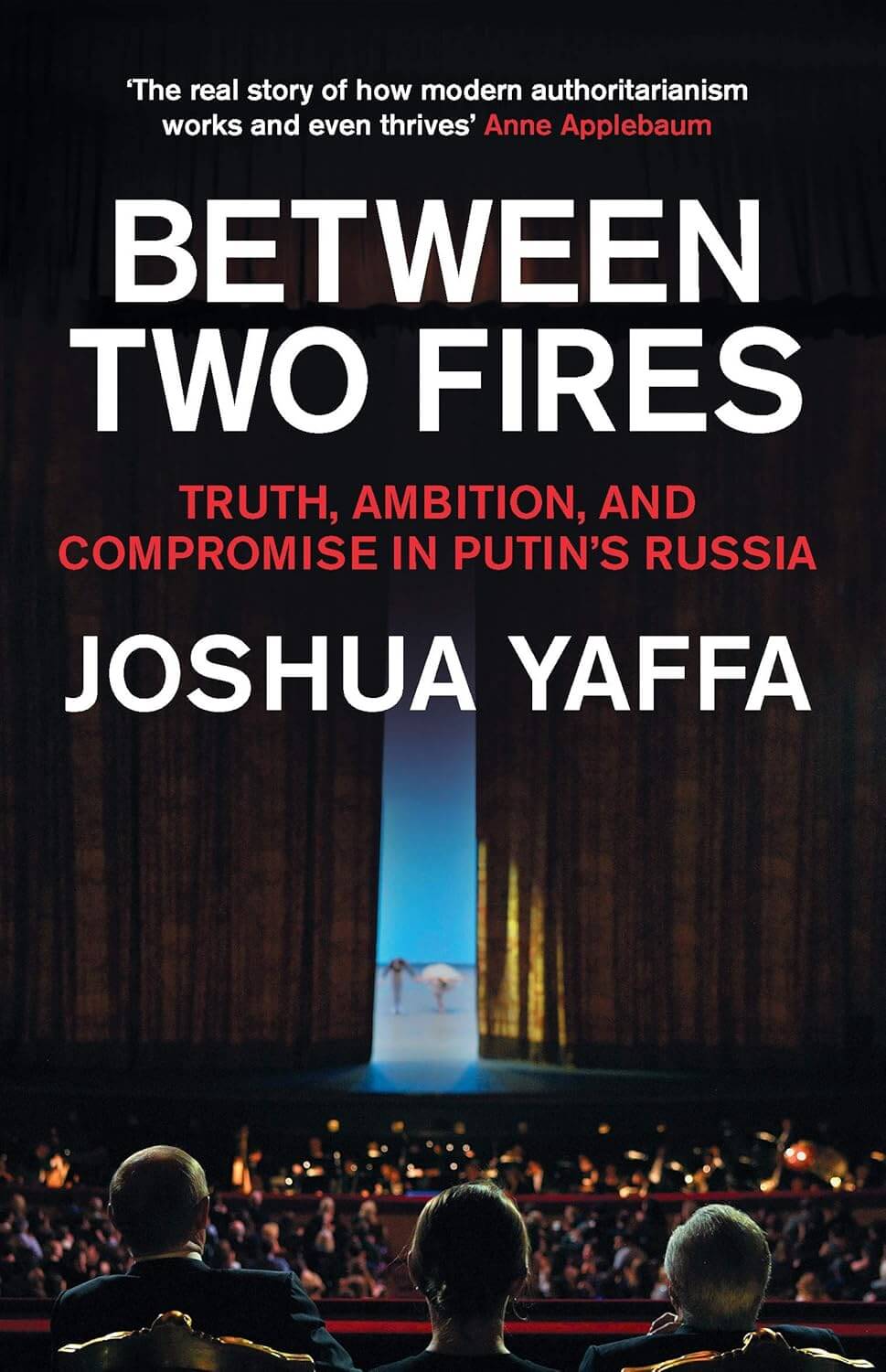
Between Two Fires
Winner

Between Two Fires

by Joshua Yaffa

Joshua Yaffa’s Between Two Fires examines the lives of ordinary Russians navigating a political system defined by ambiguity, compromise, and quiet coercion. Rather than focus solely on high-level politics, Yaffa profiles artists, journalists, entrepreneurs, and believers who learn to ‘work the system’ in order to survive. His writing is nuanced and empathetic, revealing a society shaped not just by fear but by adaptation and negotiation. Yaffa shows how authoritarianism operates through informal pressures as much as overt force. The book is rich in detail and moral complexity, offering a textured portrait of contemporary Russia. It is illuminating, unsettling, and deeply human.

4.14
Journalism
Politics
Sociology
Nuanced
Human
Unsettling
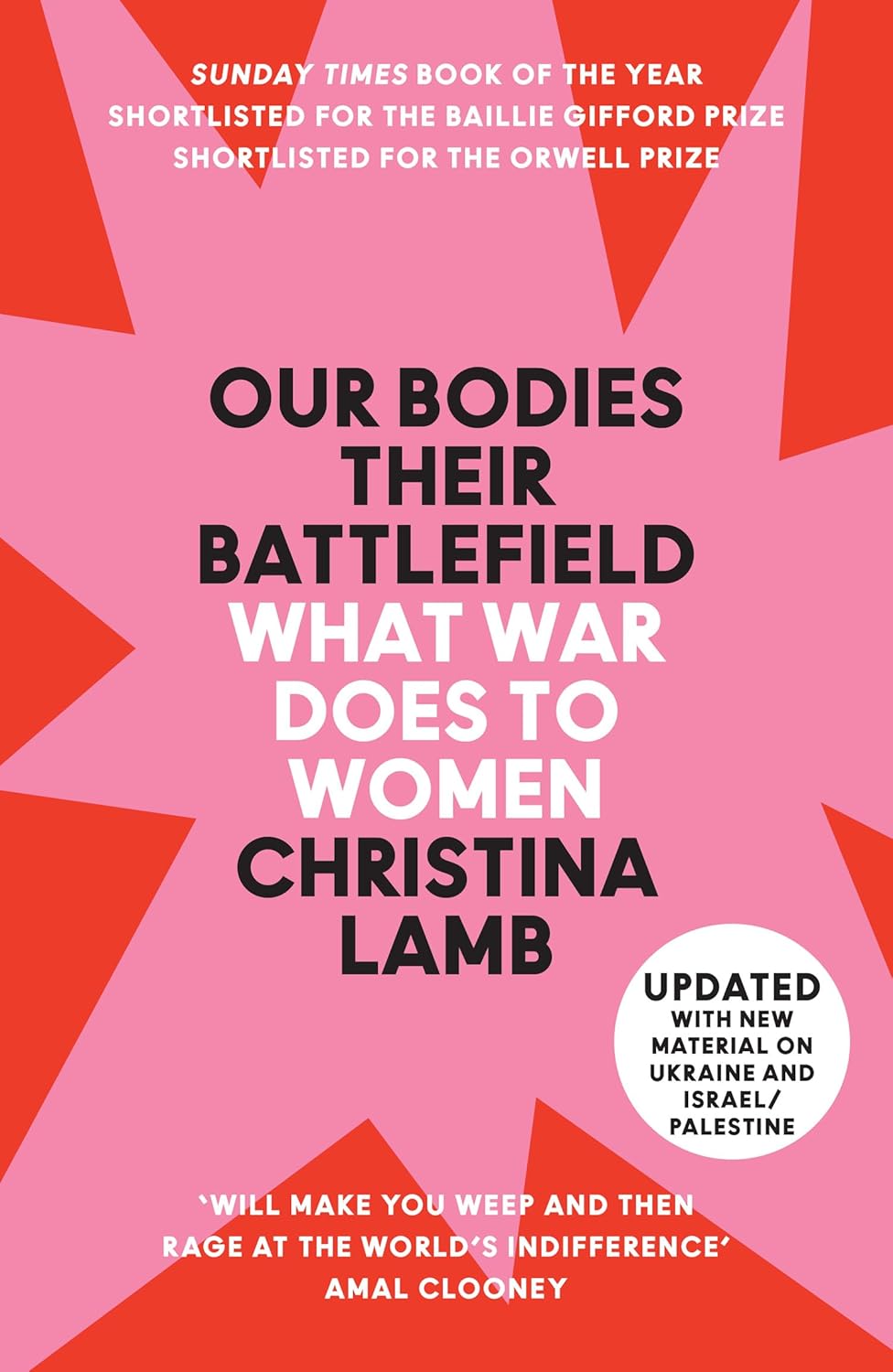
Our Bodies, Their Battlefield

Our Bodies, Their Battlefield

by Christina Lamb

Christina Lamb’s Our Bodies, Their Battlefield is a devastating and vital work documenting the use of sexual violence in war. Lamb travels across continents — from Bosnia to Myanmar to Nigeria — interviewing survivors whose testimonies reveal the strategic, systematic nature of this violence. Her writing is courageous and empathetic, refusing sensationalism while confronting the brutal realities of conflict. Lamb exposes how governments, militaries, and international institutions often fail to protect women or prosecute perpetrators. The book is emotionally challenging but essential, amplifying voices too often ignored. It is one of the most powerful works on the atrocities of war in recent memory.

4.64
Human Rights
War Reporting
Unflinching
Somber
Courageous
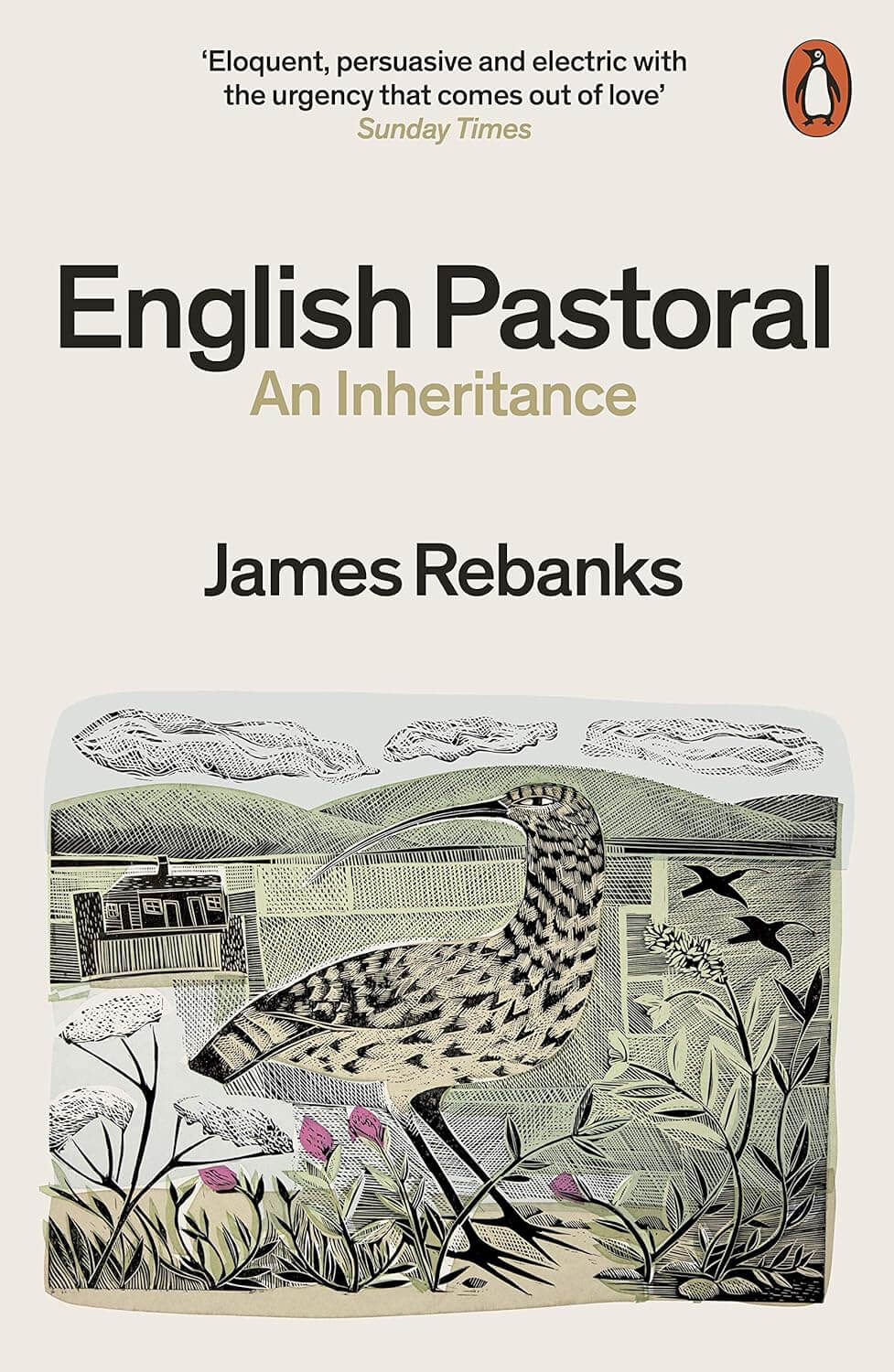
English Pastoral

English Pastoral

by James Rebanks

James Rebanks’s English Pastoral is a beautifully written memoir of farming, landscape, and the transformation of rural Britain. Rebanks traces his family’s generational connection to the land while examining how industrial agriculture reshaped the countryside. His writing is lyrical yet grounded, capturing both the physical labour of farming and the policy decisions that affect rural life. The book is a call for more sustainable, attentive forms of stewardship — politically informed but deeply personal. Rebanks’s reflections on ecology, heritage, and responsibility resonate far beyond the farming community. It is tender, evocative, and politically powerful in its quiet way.

4.42
Memoir
Environmental Writing
Politics
Lyrical
Reflective
Grounded
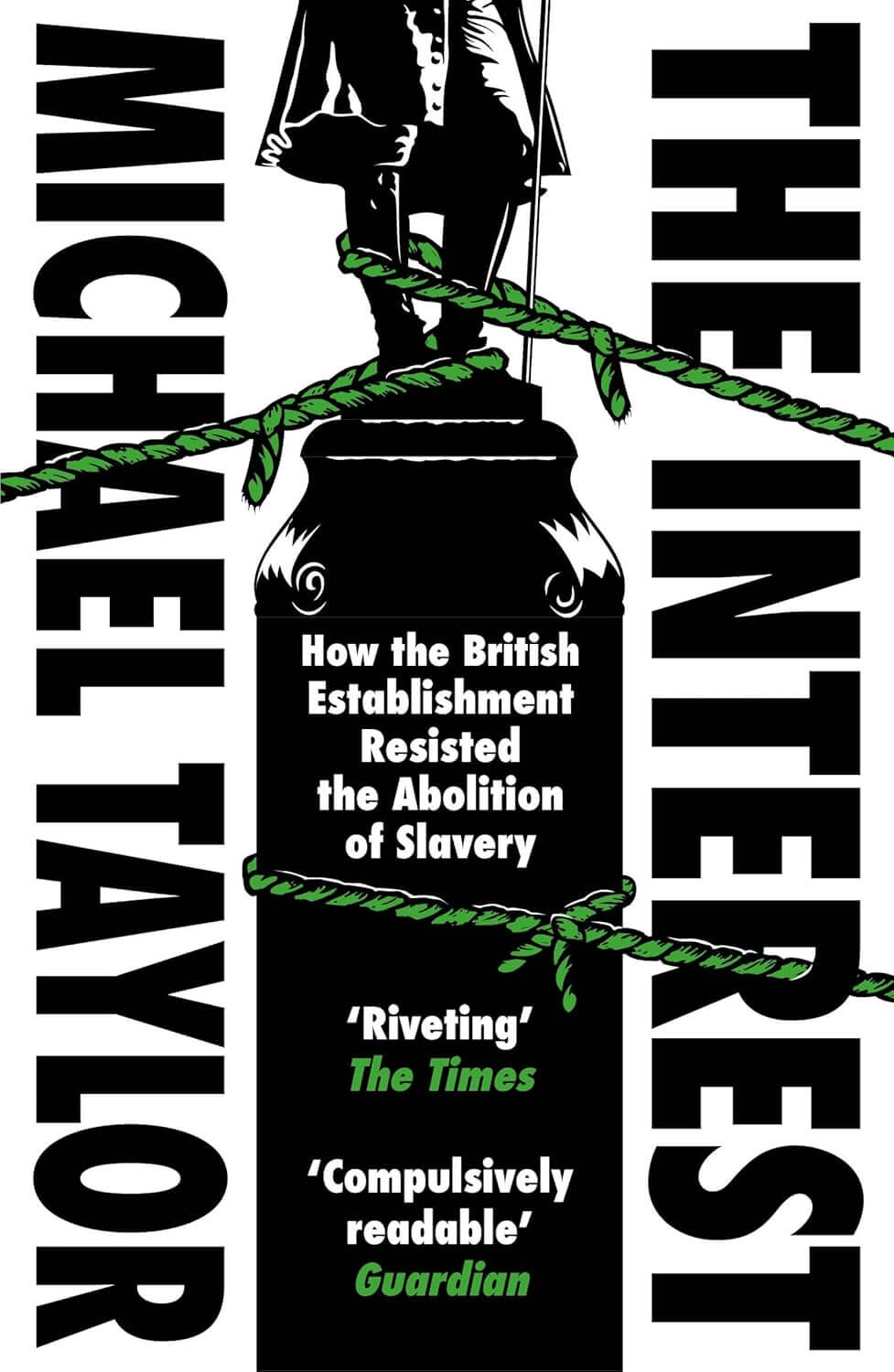
The Interest

The Interest

by Michael Taylor

Michael Taylor’s The Interest is a gripping and revelatory history of the powerful coalition that fought to preserve slavery in Britain. Taylor exposes how politicians, businessmen, and institutions used legal and economic manoeuvres to maintain the slave system long after public opinion shifted. His research is meticulous, and his storytelling is vivid, showing how deeply slavery was woven into British wealth and politics. The book dismantles the comforting myth that Britain led the world in abolition out of moral virtue. Instead, Taylor reveals a story of resistance, hypocrisy, and self-interest. It is an essential corrective to the national narrative.

4.33
History
Politics
Revelatory
Serious
Meticulous
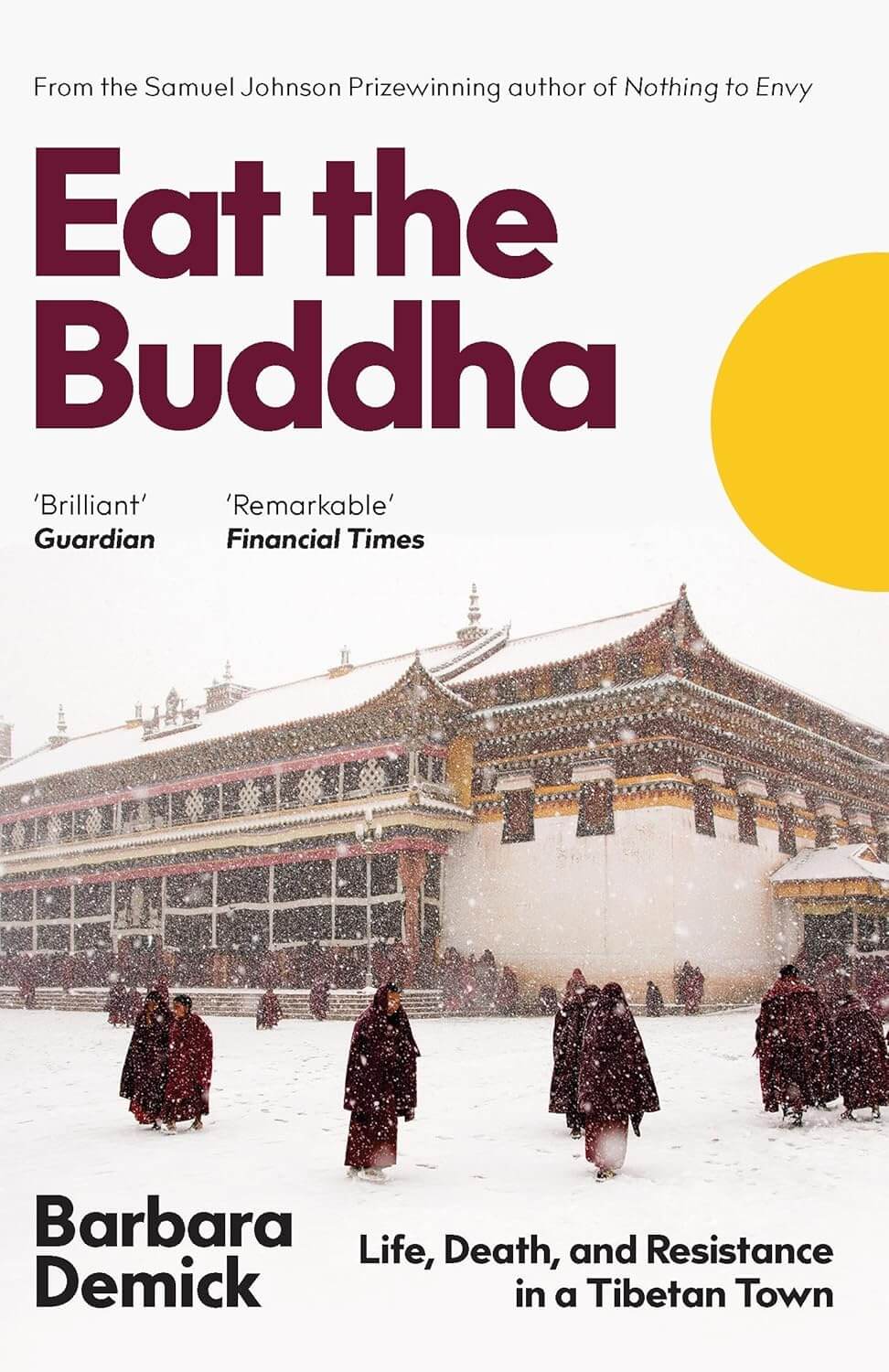
Eat the Buddha

Eat the Buddha

by Barbara Demick

Barbara Demick’s Eat the Buddha offers a riveting and deeply humane account of life in a Tibetan town grappling with Chinese state control. Through intimate portraits of monks, students, shopkeepers, and activists, Demick reconstructs decades of conflict, protest, and repression. Her reporting is meticulous, and her storytelling compassionate, illuminating the personal costs of political oppression. She balances historical context with vibrant contemporary voices, showing how identity, faith, and resistance persist under immense pressure. Demick provides rare insight into a region often shrouded in silence by state power. The book is powerful, revelatory, and unforgettable.

4.15
Journalism
History
Politics
Revealing
Somber
Compassionate
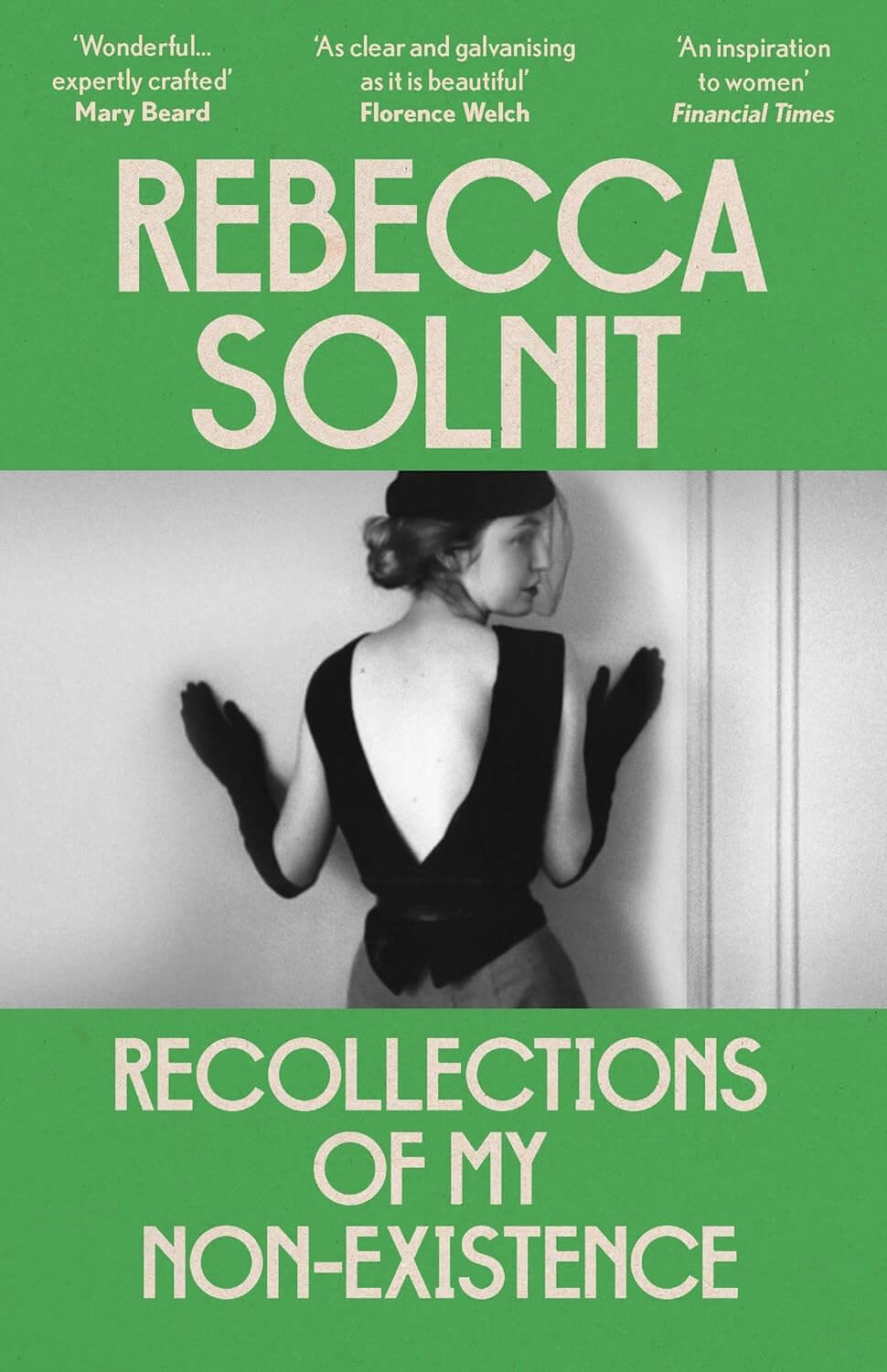
Recollections of My Non-Existence

Recollections of My Non-Existence

by Rebecca Solnit

Rebecca Solnit’s memoir is a mesmerizing exploration of voice, vulnerability, and the shaping of a political consciousness. Through scenes from her early life in San Francisco, Solnit reflects on fear, harassment, and the cultural forces that attempted to silence her. Her prose is elegant and quietly fierce, blending personal narrative with broader feminist critique. Solnit shows how writing became a form of survival and resistance, tracing the development of her worldview. The book is both intimate and expansive, offering profound insight into the personal roots of political engagement. It is beautifully crafted, emotionally precise, and intellectually rich.

4.20
Memoir
Feminism
Cultural Criticism
Lyrical
Introspective
Elegant
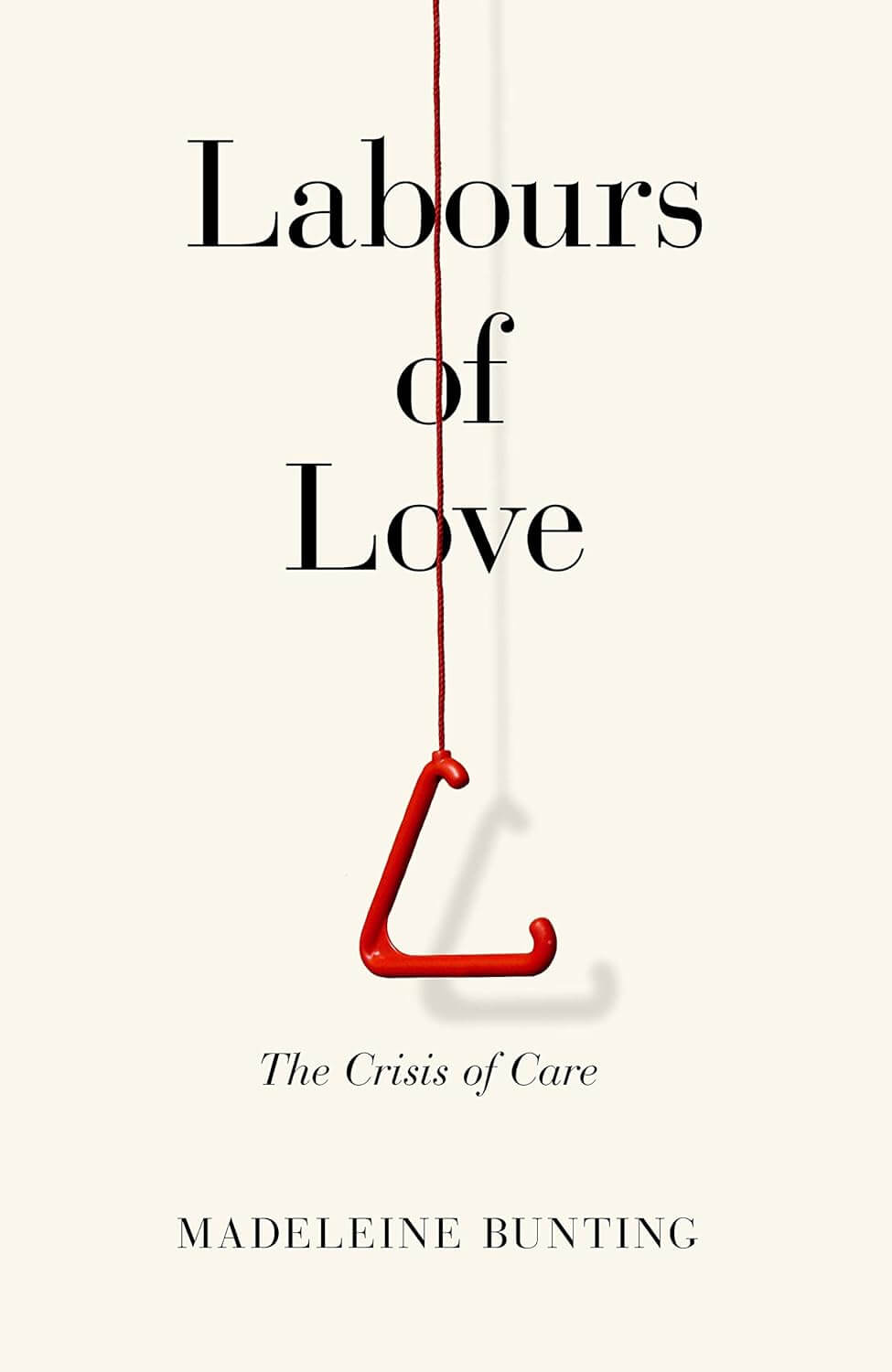
Labours of Love

Labours of Love

by Madeleine Bunting

Madeleine Bunting’s Labours of Love is a compassionate and deeply researched examination of the crisis in modern caregiving. Through interviews with nurses, care workers, and family members, she explores the emotional and physical demands of care, and the political forces that undervalue it. Bunting’s writing is moving yet clear-eyed, highlighting the structural inequalities and gendered expectations that shape the care economy. She shows how neoliberal systems have squeezed compassion out of public services while leaving carers overstretched and underpaid. The book is a powerful blend of reportage and social critique, urging society to reconsider what it owes those who care for others. It is humane, necessary, and quietly radical.

4.07
Social Policy
Journalism
Politics
Empathetic
Somber
Thoughtful
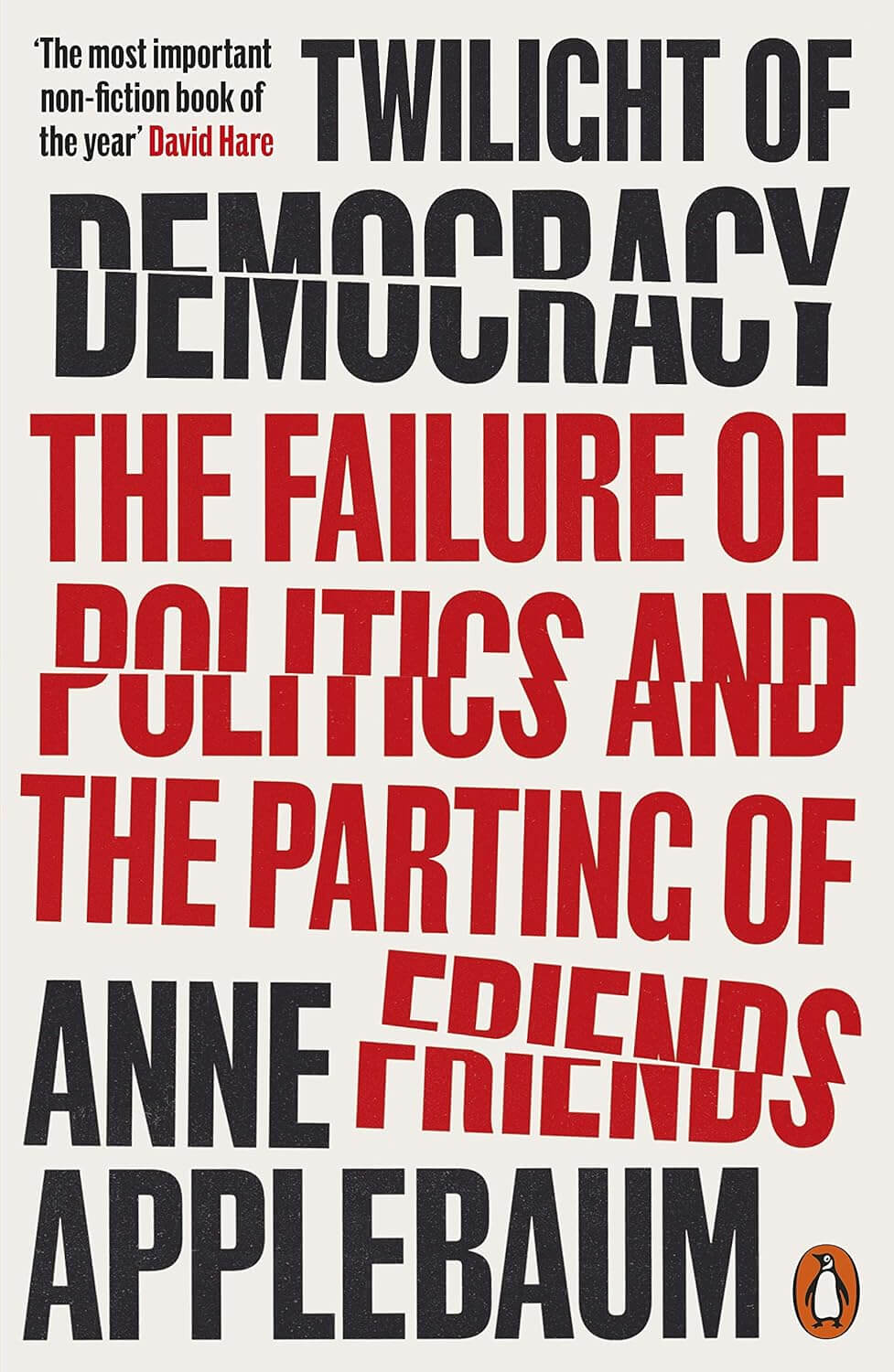
Twilight of Democracy

Twilight of Democracy

by Anne Applebaum

Anne Applebaum’s Twilight of Democracy is a sharp, personal, and deeply informed account of the global rise of authoritarianism and the political realignments it has produced. Applebaum blends memoir with political analysis, tracing how friendships and alliances forged after the Cold War fractured as former colleagues embraced nationalism, conspiracy, and illiberal politics. Her writing is lucid and urgent, explaining not just what is happening but why people — especially intellectuals — choose to support authoritarian movements. Applebaum identifies cultural despair, opportunism, and disinformation as key drivers, drawing parallels across countries. The book is concise yet profound, offering a powerful warning about the fragility of liberal democracy. It is as much a personal reckoning as a political diagnosis.

3.90
Politics
History
Memoir
Urgent
Reflective
Analytical
African Europeans

African Europeans

by Olivette Otele

Olivette Otele’s African Europeans is a sweeping, corrective history tracing the centuries-long presence of African people in Europe. Otele dismantles the myth that Black European history is recent or marginal, illuminating stories of rulers, traders, scholars, and communities who shaped the continent. Her writing is measured and deeply researched, balancing narrative with analysis. Otele highlights how identity, belonging, and racial hierarchy evolved across time, showing how the legacies of empire continue to shape Europe’s present. It is an essential, illuminating account that expands our understanding of European history.

3.78
History
Race & Identity
Illuminating
Measured
Educational
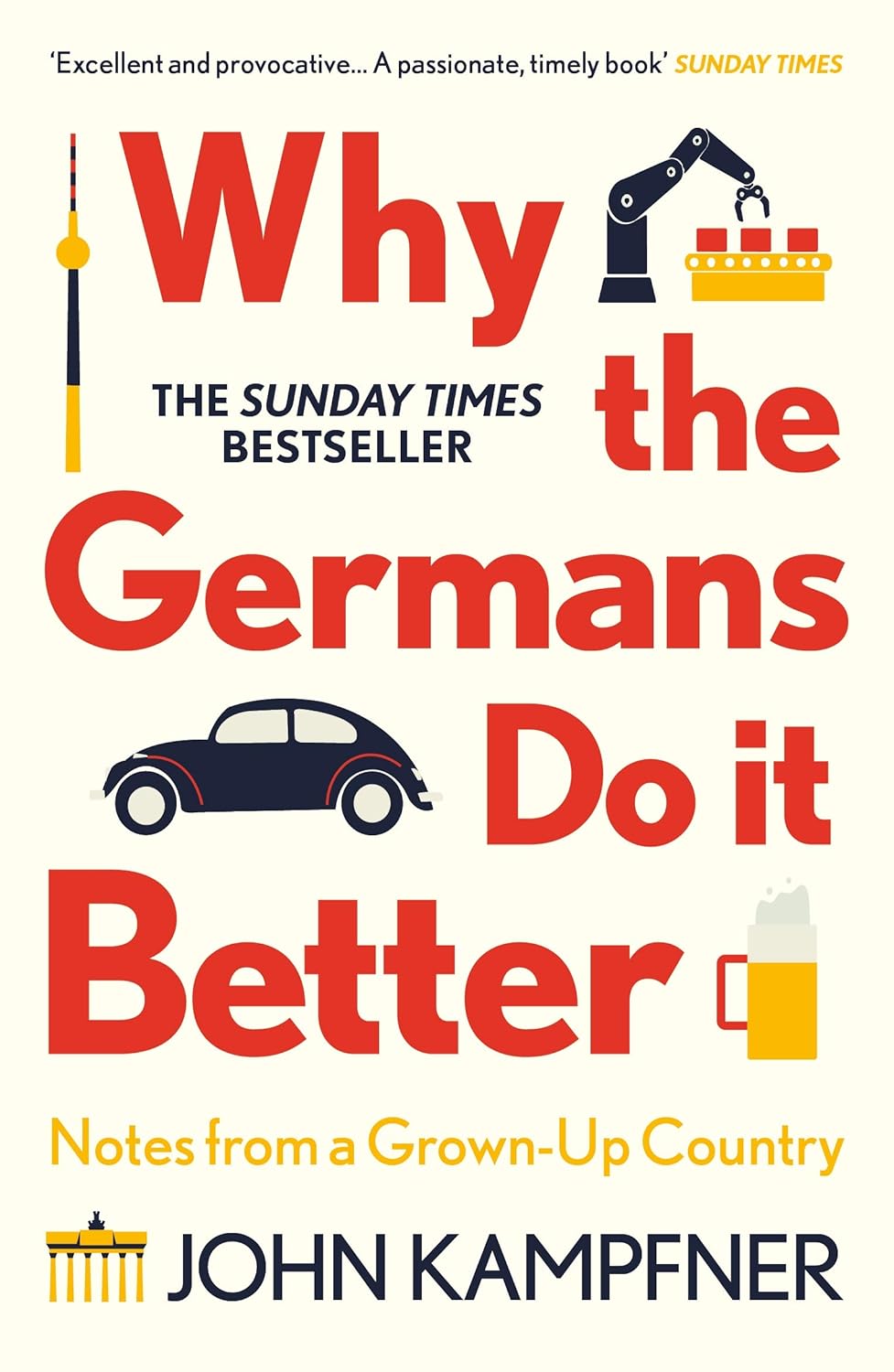
Why the Germans Do It Better

Why the Germans Do It Better

by John Kampfner

John Kampfner’s book is both an admiring and critical look at modern Germany, offering insight into how the country rebuilt itself into a stable, socially cohesive democracy. Kampfner explores Germany’s political culture, its approach to governance, and its capacity for collective responsibility. His analysis is nuanced, balancing Germany’s strengths with its blind spots, including challenges around migration, identity, and memory. The book is engaging and informative, using comparative analysis to reflect on the weaknesses of Anglo-American political systems. Kampfner ultimately makes a compelling case for why Germany’s model of adult politics has something to teach the world.

3.94
Politics
Cultural Studies
Reflective
Measured
Informative
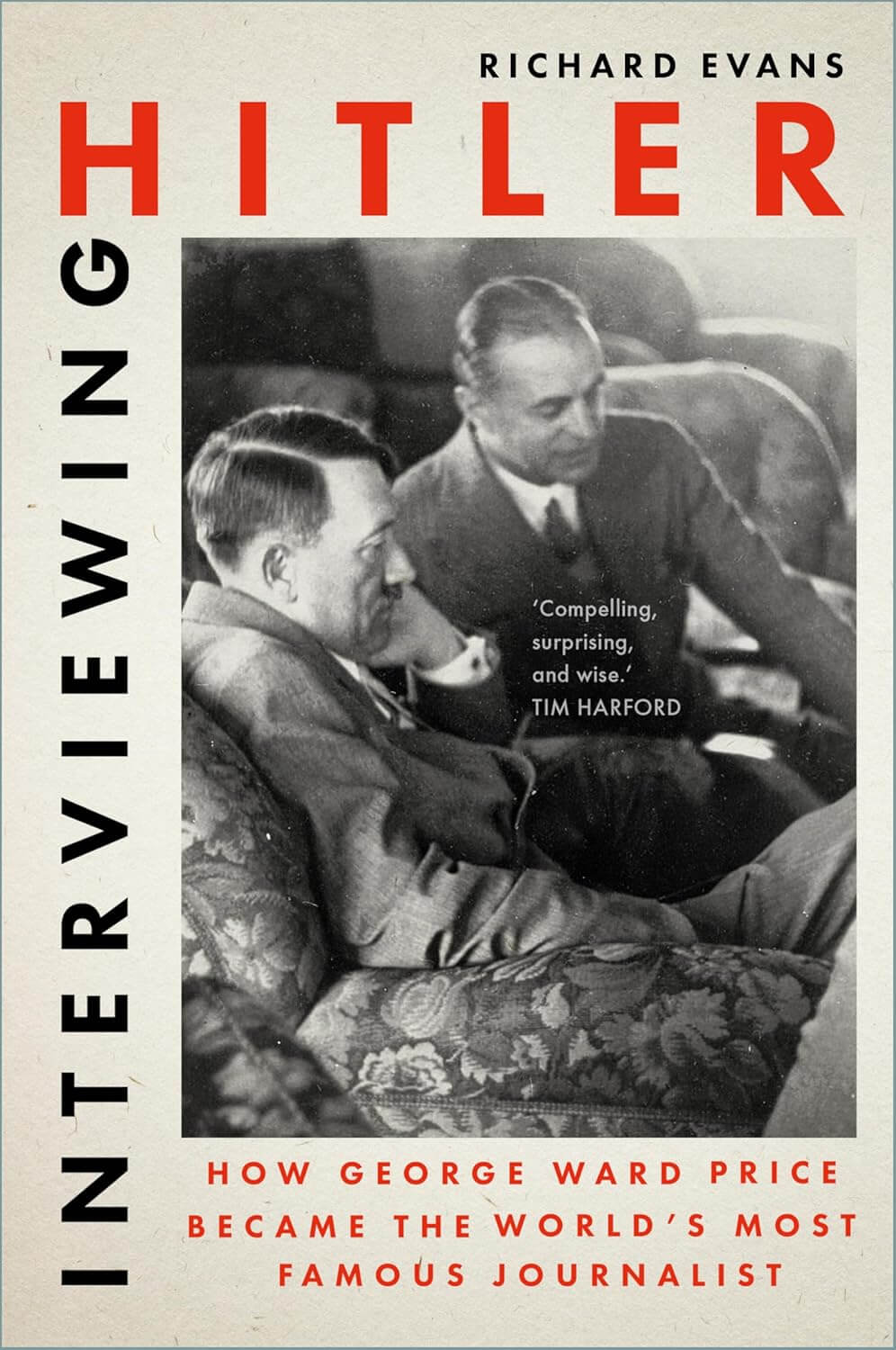
The Hitler Conspiracies

The Hitler Conspiracies

by Richard Evans

In The Hitler Conspiracies, historian Richard Evans examines some of the most persistent conspiracy theories surrounding the Third Reich. Evans dismantles myths ranging from Hitler’s supposed escape to the rewriting of Nazi alliances, revealing how conspiracy thinking emerges and why it remains so enduring. His analysis is rigorous but accessible, situating these fantasies within the broader history of propaganda, denialism, and political manipulation. Evans shows how conspiracy theories thrive in moments of crisis and distrust, offering seductive but dangerous alternatives to historical truth. The book is timely, incisive, and a sobering reminder of how easily false narratives can distort collective memory.

3.86
History
Political Analysis
Analytical
Serious
Clear-Eyed
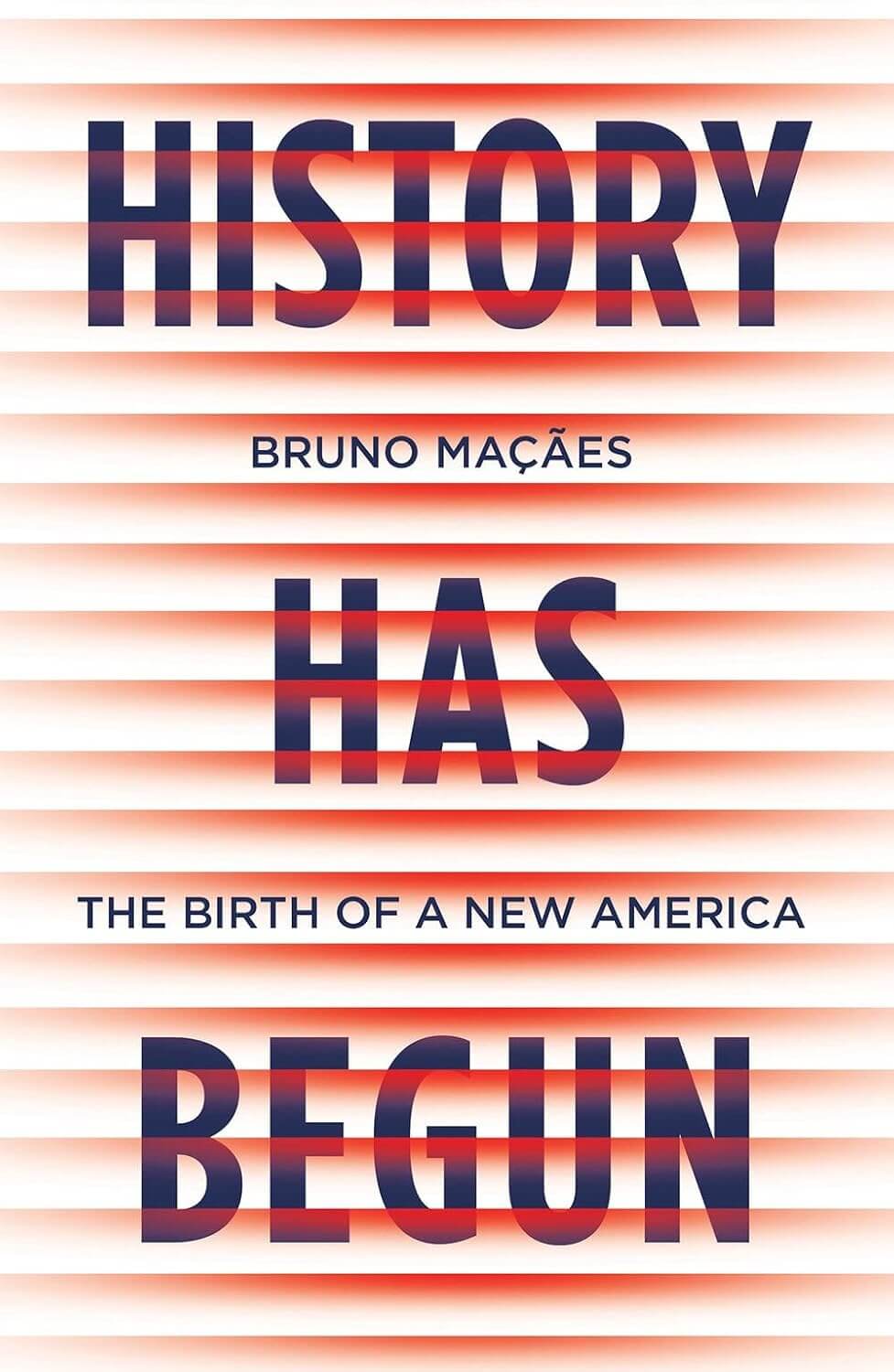
History Has Begun

History Has Begun

by Bruno Maçães

Bruno Maçães’s History Has Begun argues that America is entering a new era defined by its embrace of storytelling, myth, and virtual reality as political tools. He contends that the United States is diverging from Europe not just politically but philosophically, increasingly blurring the line between fiction and governance. Maçães’s style is provocative and imaginative, drawing connections between Hollywood, Silicon Valley, and the shifting nature of democracy. His ideas challenge readers to rethink the relationship between narrative and power. While speculative at times, the book is bold, original, and deeply thought-provoking — a diagnosis of America’s political psyche.

3.70
Political Theory
Cultural Analysis
Provocative
Philosophical
Speculative
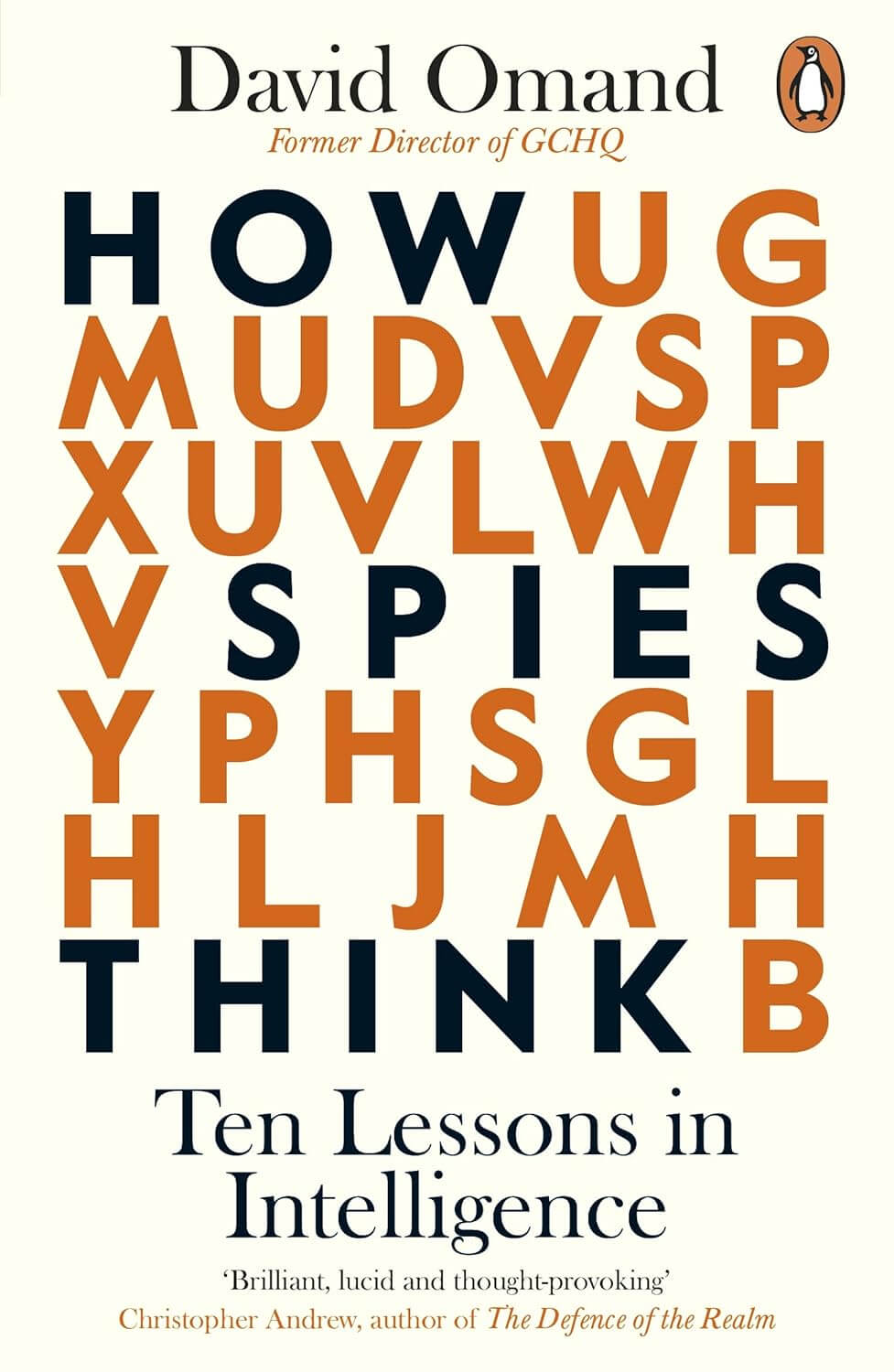
How Spies Think

How Spies Think

by David Omand

Former MI5 director David Omand distills decades of intelligence experience into a framework for making better decisions in a complex, disinformation-filled world. How Spies Think introduces the 'SEES' model — situational awareness, explanation, estimation, and strategic notice — offering tools used in intelligence to avoid cognitive traps. Omand’s writing is calm, wise, and grounded in real-world cases, from counterterror operations to geopolitical crises. He explains how intelligence officers navigate uncertainty, ambiguity, and deception — lessons increasingly relevant to public life. The book is practical, insightful, and surprisingly accessible, offering clarity in an age of noise.

3.63
Intelligence
Politics
Psychology
Calm
Practical
Insightful