Orwell Prize 2020: Political Writing

Twelve incisive works revealing systems of power, historical fault lines, and the unseen forces shaping modern life

The Orwell Prize for Political Writing honours nonfiction that exposes power with clarity and courage. The 2020 longlist is a panoramic collection of investigations, histories, memoirs, and intellectual works that illuminate political forces operating across the globe. These books uncover institutional failures, challenge dominant narratives, and bring hidden stories into public view — from the abuses of the Hostile Environment to the global legacy of Maoism, from gendered data gaps to the architecture of surveillance capitalism.

What unites these works is their commitment to truth-telling. Whether tracing the diplomatic blunders that paved the way to war, analysing the rise of online radicalisation, or documenting the human consequences of authoritarian resurgence, these authors refuse to look away from uncomfortable realities. Their writing bridges the personal and the political, showing how systems shape individual lives and how individuals resist, endure, and challenge those systems.

Taken together, the longlist offers a vital reading map for understanding the world as it is — and how it became so. These books reveal the deep roots of today’s crises while charting the ideologies, technologies, and political decisions that will define our future. They stand firmly in the tradition of Orwell: clear-eyed, morally engaged, and unafraid to confront power.

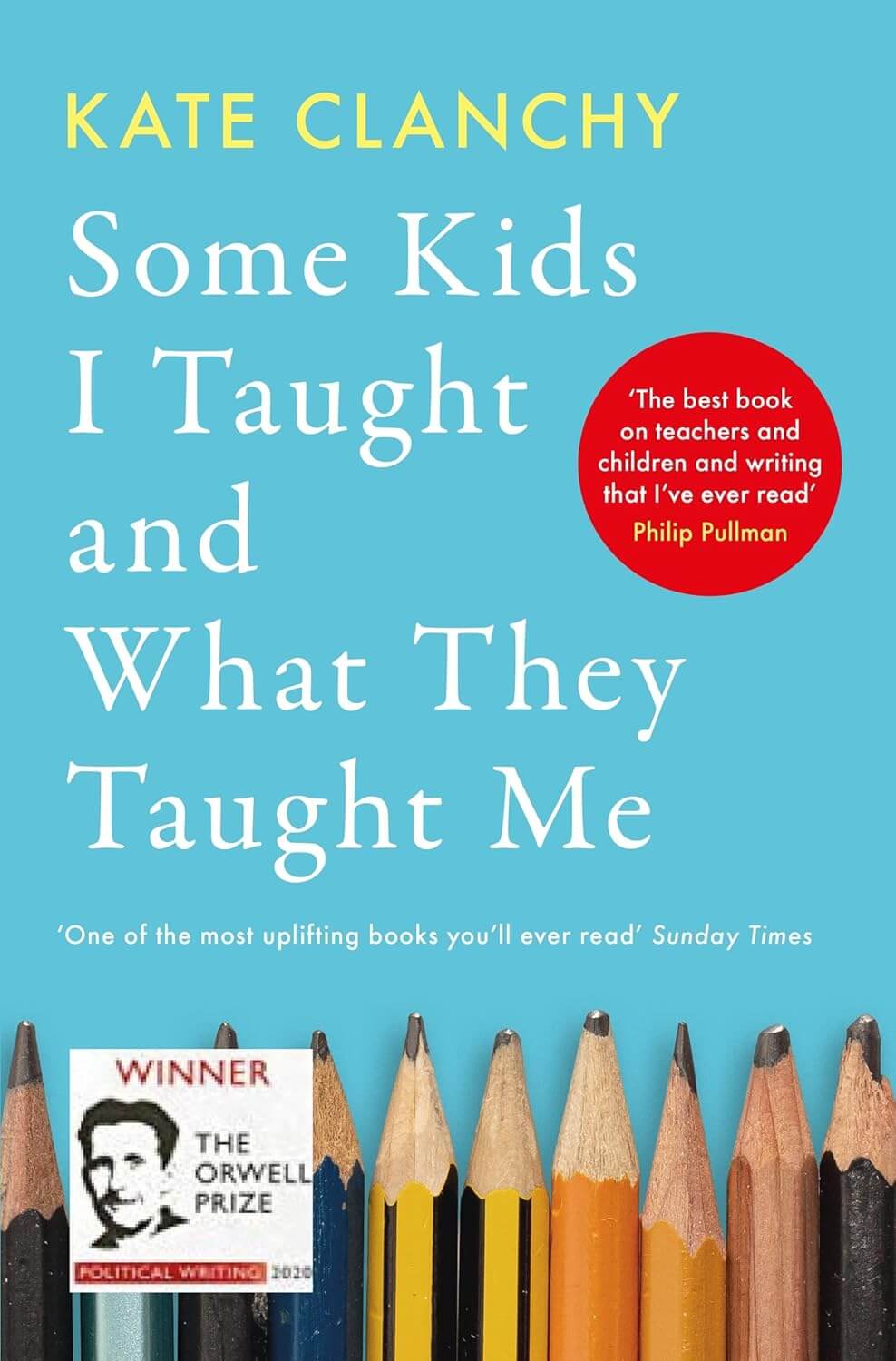
Some Kids I Taught and What They Taught Me
Winner

Some Kids I Taught and What They Taught Me

by Kate Clanchy

Kate Clanchy’s memoir is a tender, reflective, and sharply observed account of her decades teaching in British state schools. Through portraits of individual students, Clanchy explores themes of migration, class, inequality, and the transformative power of education. Her writing is empathetic and intimate, capturing the challenges and joys of the classroom while interrogating broader societal forces. Clanchy situates her personal experiences within political debates about schooling, opportunity, and belonging. The book is both a celebration of students’ creativity and a critique of the systems that constrain them. Warm, insightful, and quietly radical.

3.70
Memoir
Education
Politics
Empathetic
Warm
Reflective
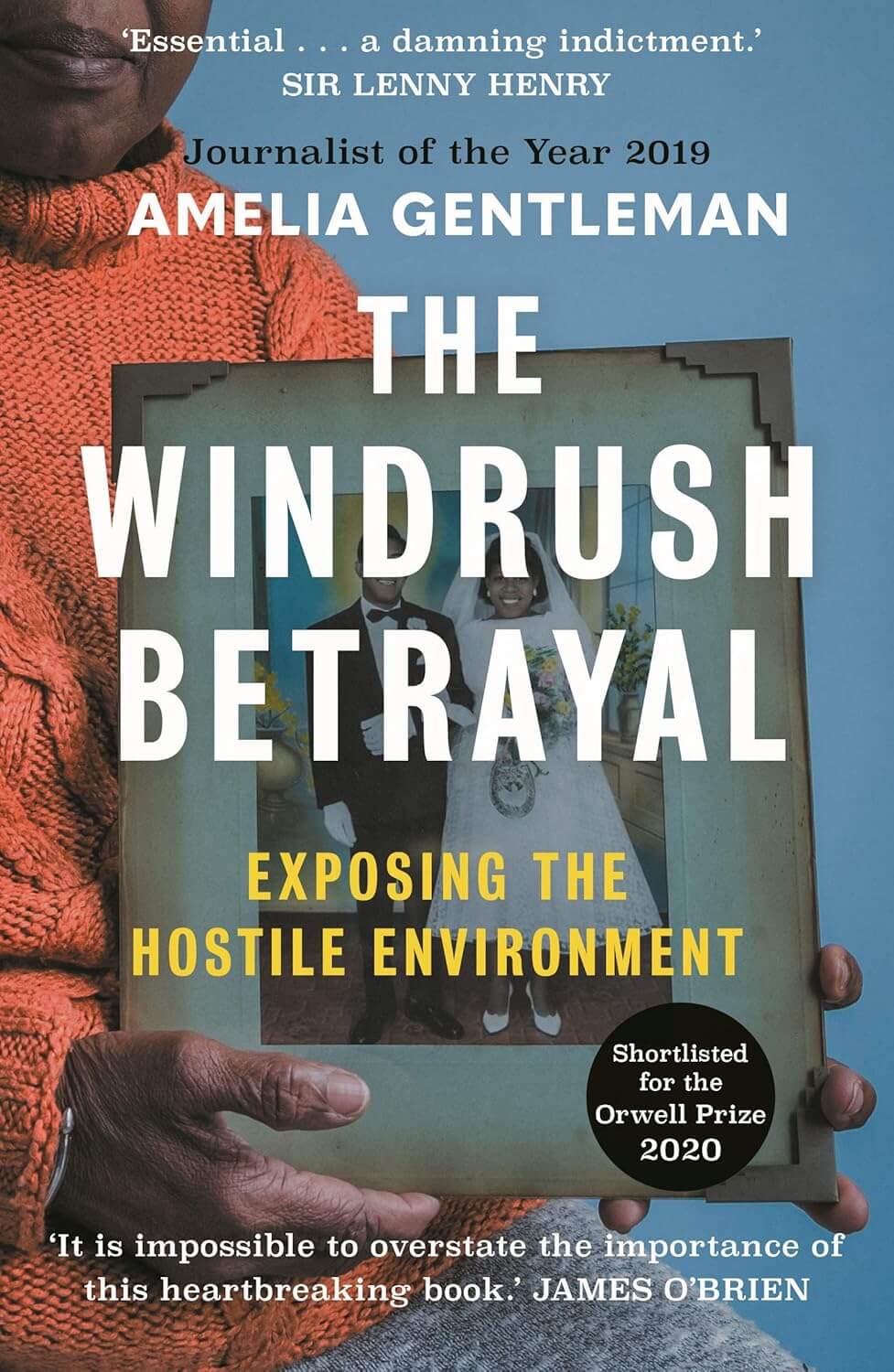
The Windrush Betrayal

The Windrush Betrayal

by Amelia Gentleman

Amelia Gentleman’s The Windrush Betrayal is a powerful piece of investigative journalism that traces how the UK government’s Hostile Environment policy resulted in the wrongful detainment, deportation, and humiliation of lawful residents. Gentleman follows victims’ stories in heartbreaking detail, revealing the bureaucratic cruelty and systemic racism underpinning the scandal. Her reporting is precise, compassionate, and relentless, demonstrating how institutional indifference can destroy lives. The book is both a meticulous record of injustice and a demand for accountability. It is essential reading for anyone concerned with civil rights and state power.

4.52
Investigative Journalism
Politics
Human Rights
Somber
Urgent
Compassionate
Margaret Thatcher – Herself Alone

Margaret Thatcher – Herself Alone

by Charles Moore

Charles Moore’s final volume of Thatcher’s authorised biography is detailed, authoritative, and politically rich. Covering Thatcher’s final years in office and her life afterward, Moore offers an insider view of the personalities, conflicts, and ideological battles that defined her premiership. His research is exhaustive, drawing on personal papers and extensive interviews. While sympathetic, the book does not shy away from controversy, presenting a complex portrait of a polarising figure. It is essential reading for understanding late-20th-century British politics and the legacy of Thatcherism.

4.40
Biography
Politics
History
Serious
Detailed
Authoritative
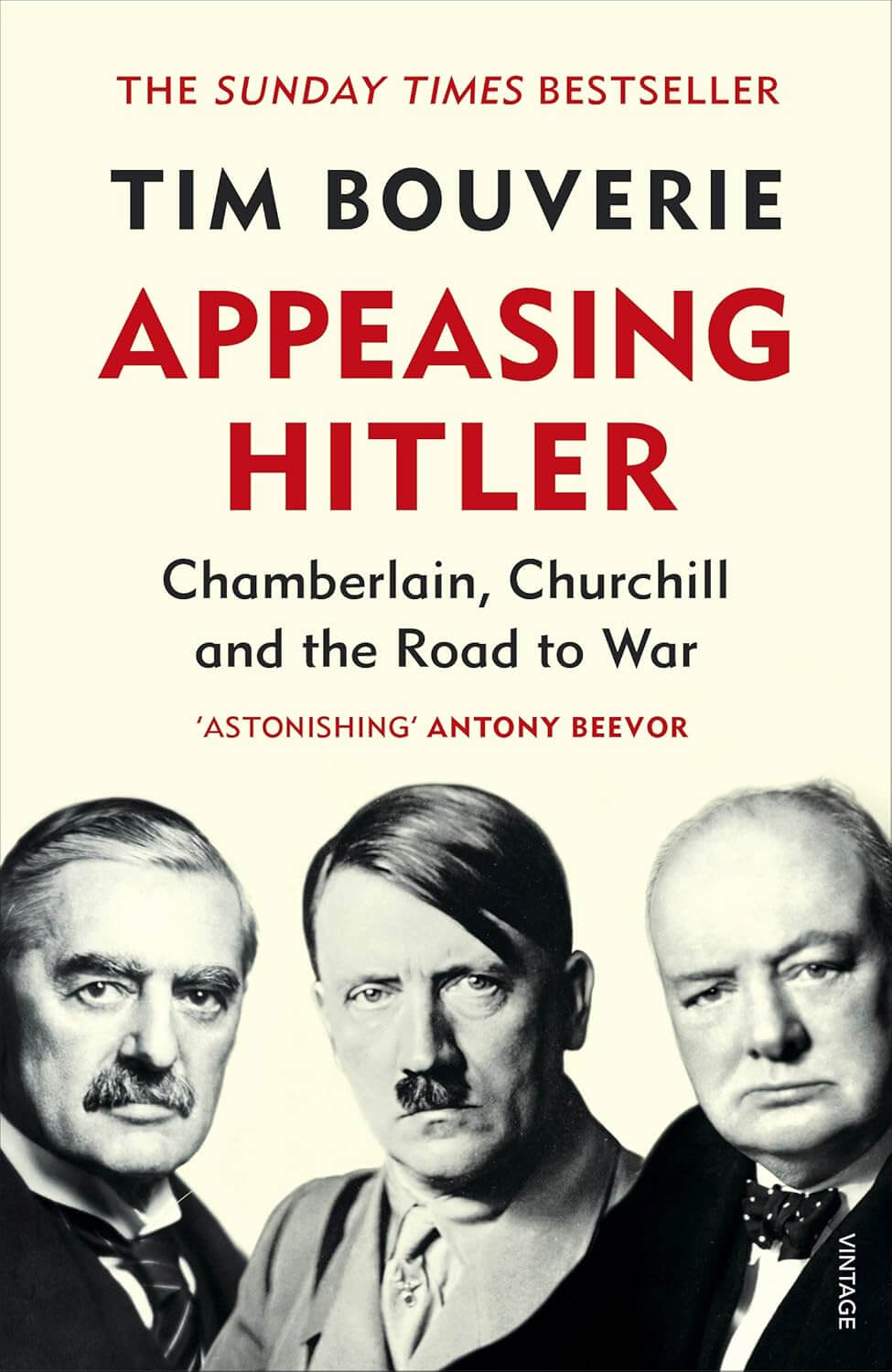
Appeasing Hitler

Appeasing Hitler

by Tim Bouverie

Tim Bouverie’s Appeasing Hitler is a gripping, meticulously researched account of Britain’s failed attempts to contain Nazi Germany through appeasement. Drawing on extensive archival material, Bouverie reconstructs the political delusions, wishful thinking, and elite complacency that paved the way to catastrophe. His narrative is both dramatic and analytical, revealing how personal egos, class biases, and institutional inertia shaped foreign policy. Bouverie writes with clarity and pace, making complex diplomatic history accessible without sacrificing nuance. The book serves not only as a historical reckoning but also as a cautionary tale about the dangers of ignoring authoritarian aggression. It is sobering, compelling, and urgently relevant.

4.37
History
Politics
Serious
Analytical
Sobering
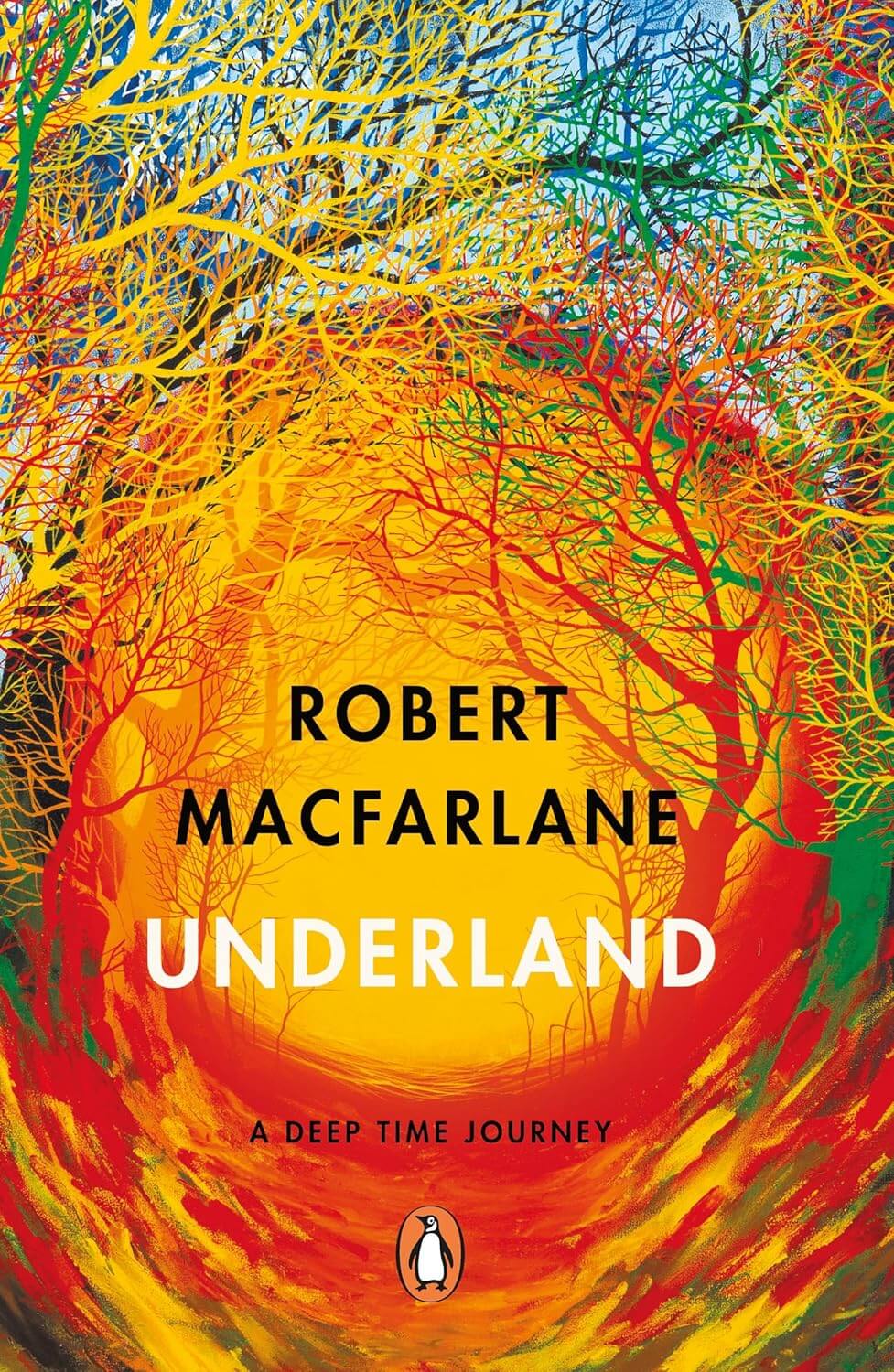
Underland

Underland

by Robert Macfarlane

Robert Macfarlane’s Underland is a poetic, ambitious journey into the worlds beneath our feet — from caves and catacombs to glacial rivers and nuclear waste repositories. Macfarlane blends environmental writing, philosophy, and mythology to examine humanity’s deep relationship with the subterranean. His prose is lyrical and meditative, yet charged with political urgency as he investigates how climate change, extractive industries, and ecological collapse reshape the underworld. The book is immersive and profound, offering a powerful reflection on time, memory, and planetary responsibility.

4.23
Environmental Writing
Travel
Philosophy
Lyrical
Meditative
Profound
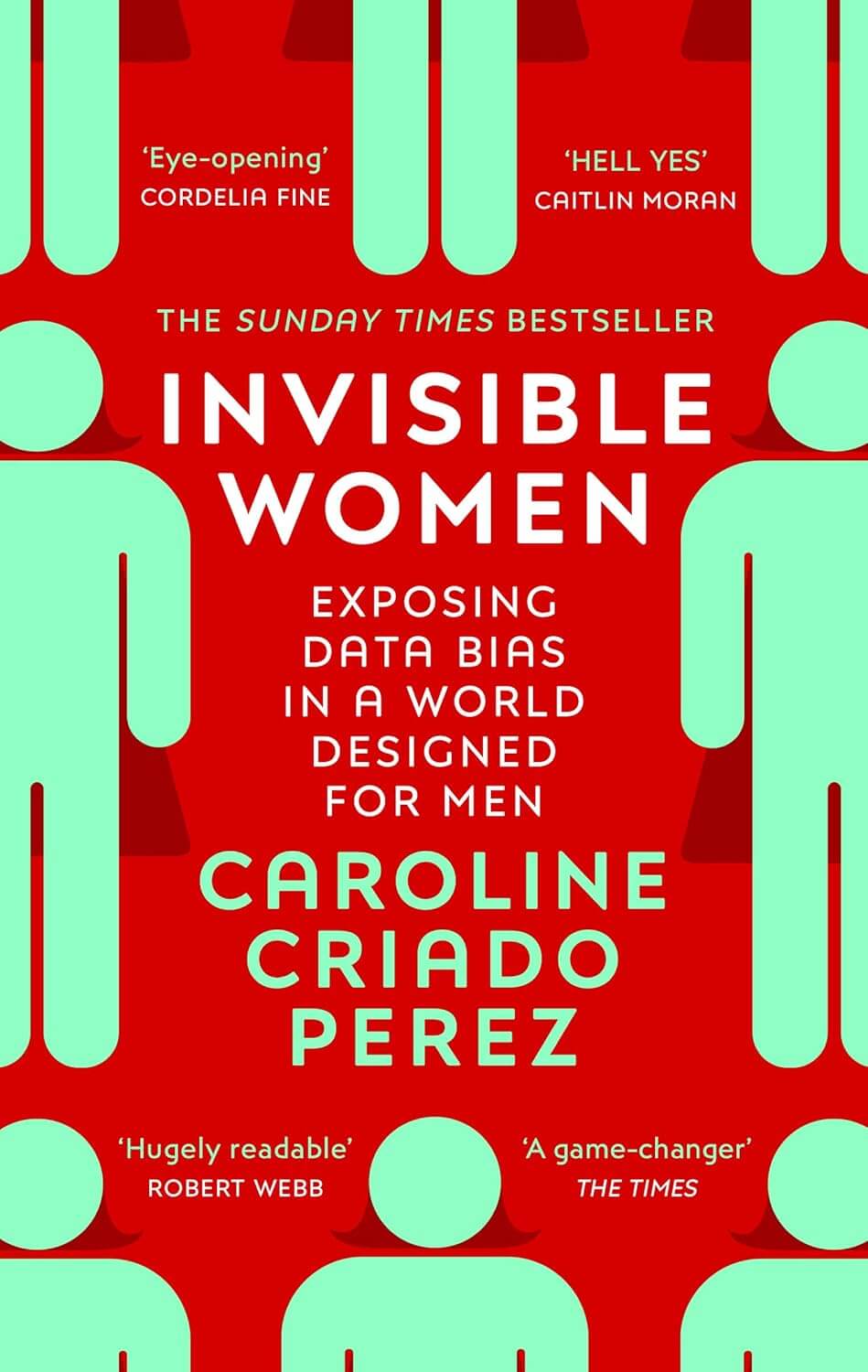
Invisible Women

Invisible Women

by Caroline Criado Perez

Caroline Criado Perez’s groundbreaking book exposes the pervasive gender data gap embedded in institutions, products, and policies around the world. Through meticulously researched case studies, she demonstrates how women are systematically left out of research and decision-making, leading to everyday harms — from poorly designed medication dosages to dangerous urban planning. Perez writes with clarity and controlled anger, marshaling statistics and stories into a persuasive argument for structural change. The book is both revelatory and infuriating, showing how bias is built into systems assumed to be neutral. It is a landmark work of feminist analysis.

4.34
Feminism
Policy Analysis
Data & Society
Incisive
Revelatory
Righteous
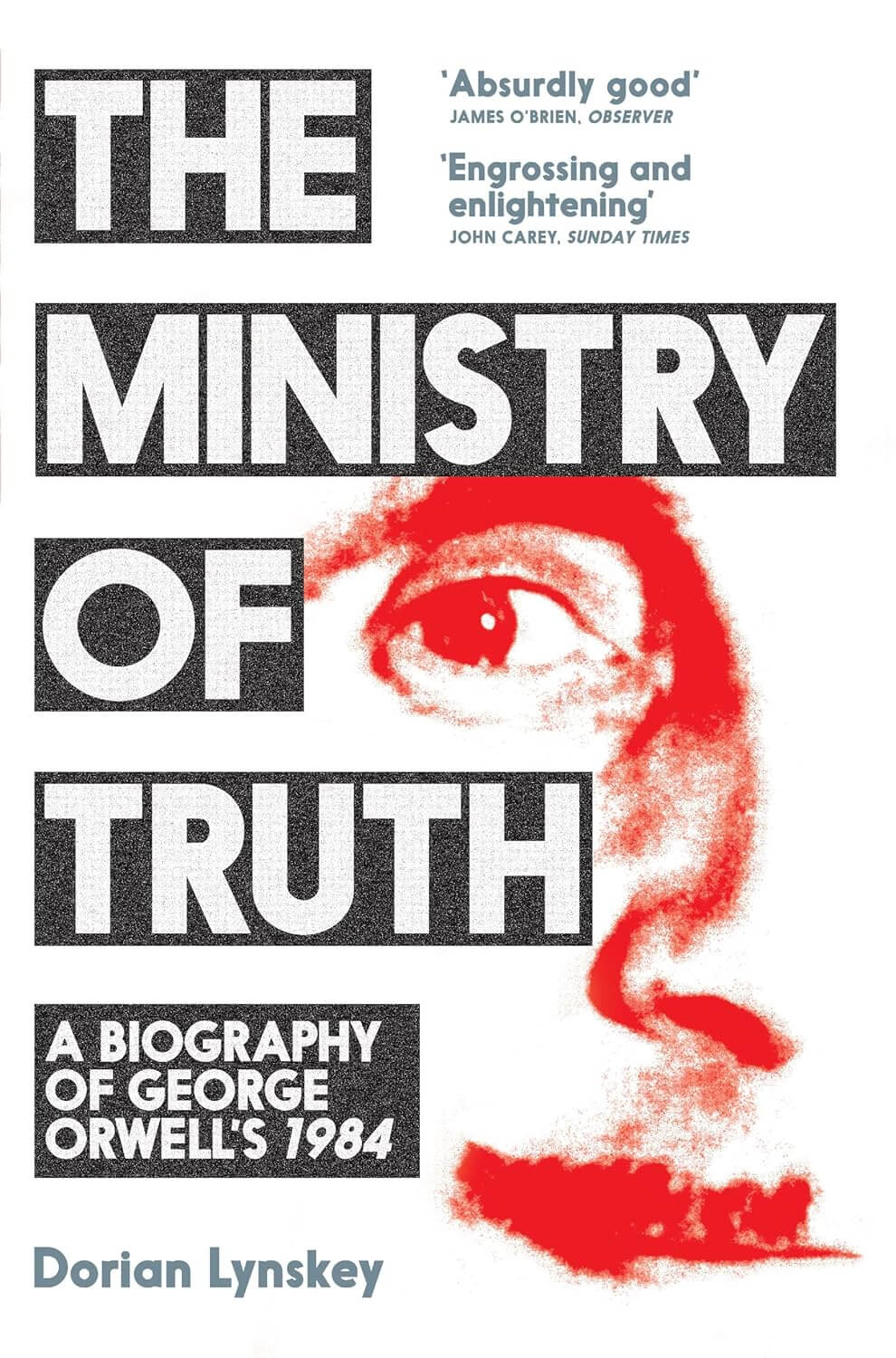
The Ministry of Truth

The Ministry of Truth

by Dorian Lynskey

Dorian Lynskey’s The Ministry of Truth is an engaging and deeply researched biography of George Orwell’s 1984. Lynskey traces the novel’s intellectual origins, reception, and cultural afterlife, showing how Orwell’s ideas continue to shape political discourse. The book is part literary criticism, part history, and part cultural analysis. Lynskey writes with infectious enthusiasm, illuminating the fears and debates that informed Orwell’s dystopia. He also examines how 1984 has been appropriated across the political spectrum. The result is a rich, illuminating account of a novel that refuses to fade from public consciousness.

4.13
Literary History
Politics
Cultural Analysis
Insightful
Engaging
Thoughtful
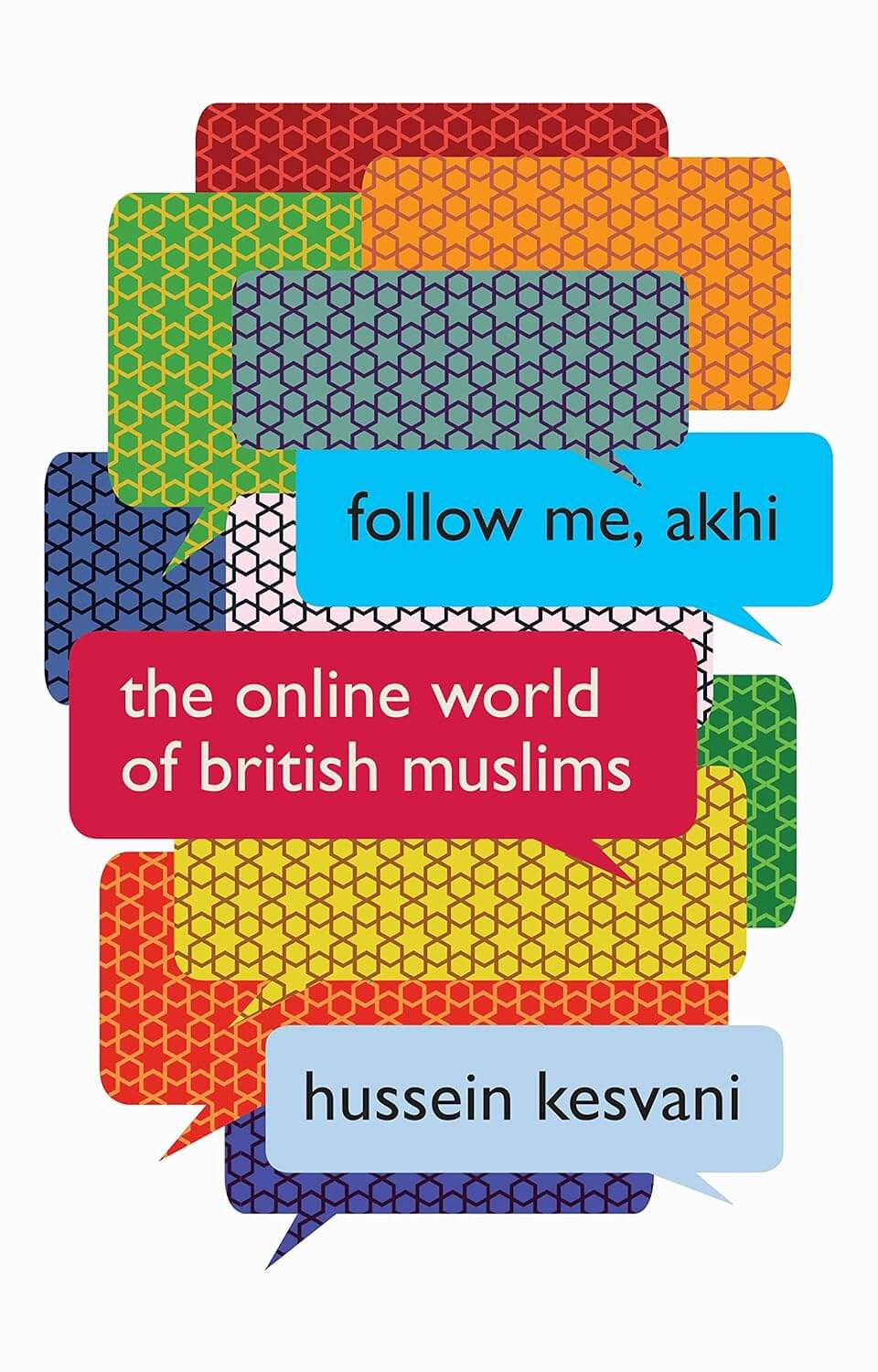
Follow Me, Akhi

Follow Me, Akhi

by Hussein Kesvani

Hussein Kesvani’s Follow Me, Akhi is a sharp and often humorous exploration of how young British Muslims navigate online spaces to build identity, community, and spiritual life. Through interviews and digital ethnography, Kesvani captures the diversity of online Muslim experiences — from influencers to meme pages to radicalisation concerns. His writing is lively and insightful, balancing political analysis with cultural nuance. Kesvani challenges stereotypes and reveals the complexities of faith in the digital age. The book is fresh, engaging, and quietly revolutionary in how it centres voices typically marginalised in mainstream media.

4.08
Cultural Studies
Religion & Society
Politics
Lively
Nuanced
Engaging
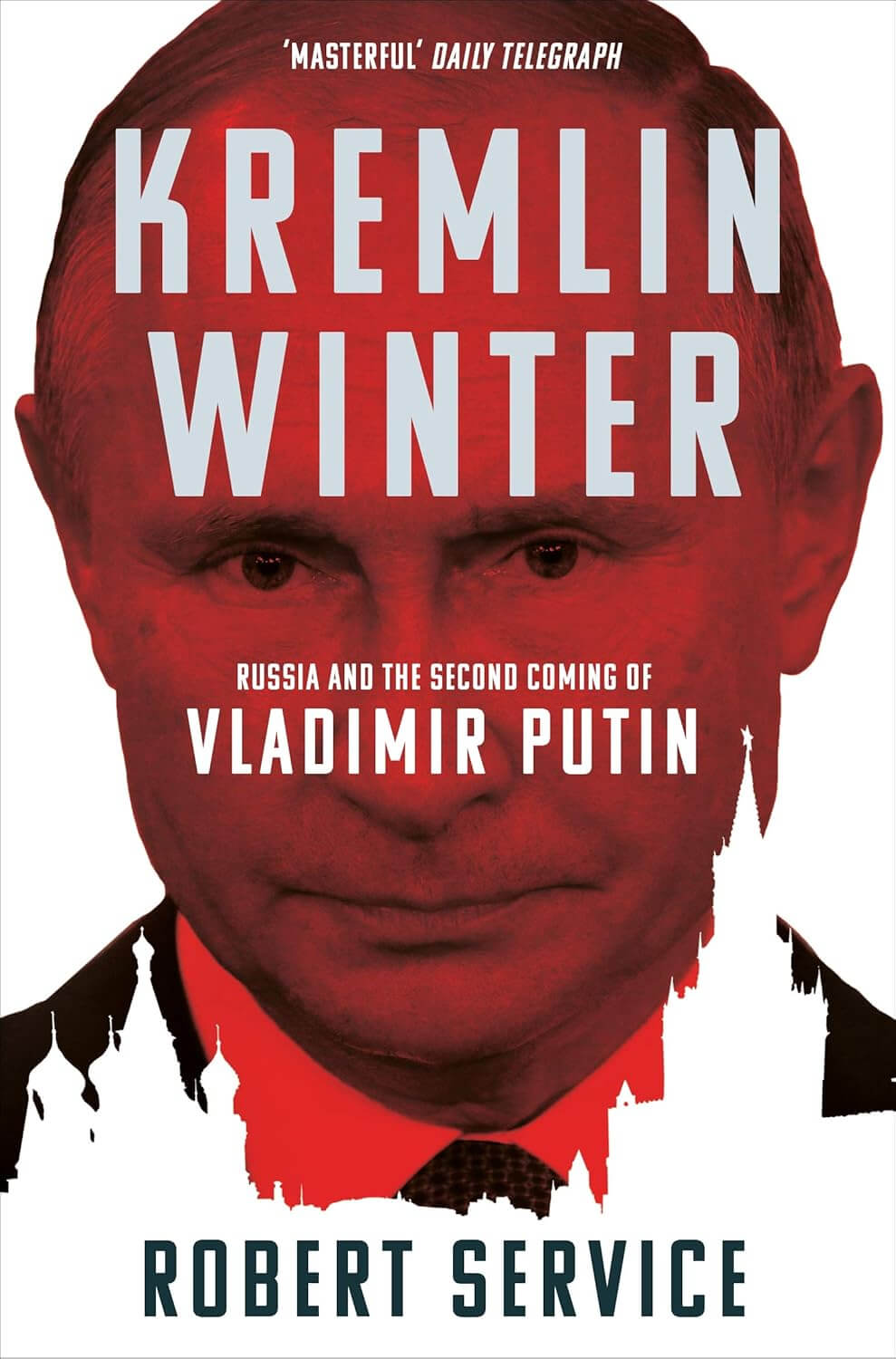
Kremlin Winter

Kremlin Winter

by Robert Service

Robert Service’s Kremlin Winter examines the nature of Vladimir Putin’s Russia in the 21st century, exploring how nationalism, authoritarianism, and economic control have evolved under his rule. Service combines history, political analysis, and contemporary reporting to trace the regime’s tightening grip on institutions and public life. His writing is sober and incisive, offering a clear-eyed assessment of power dynamics within Russia and its relations with the world. The book is a valuable lens on the political strategies that maintain autocracy while projecting strength abroad.

3.81
Politics
History
Geopolitics
Serious
Analytical
Cold-Eyed
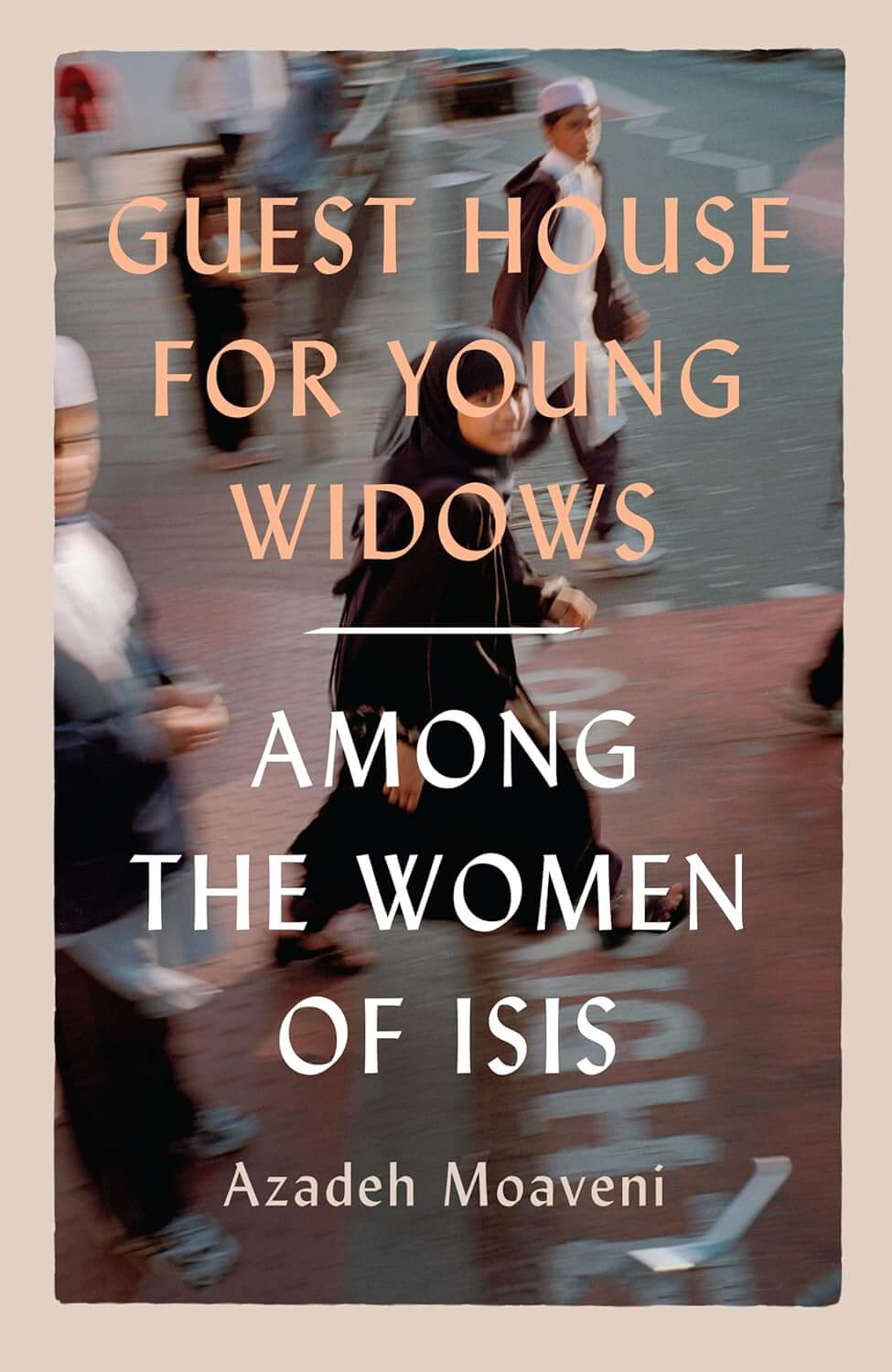
Guest House for Young Widows

Guest House for Young Widows

by Azadeh Moaveni

Azadeh Moaveni’s Guest House for Young Widows is a deeply empathetic investigation into the lives of women who joined, fled, or were caught within ISIS. Through extensive interviews and on-the-ground reporting, Moaveni reveals the personal, social, and political forces that shaped their decisions. Her writing refuses simplistic narratives, instead offering a nuanced portrait of vulnerability, ideology, trauma, and coercion. The book highlights the failures of governments and communities to understand or support these women. It is a courageous and humanising work that complicates public discourse on extremism.

4.03
Journalism
Politics
Gender Studies
Compassionate
Nuanced
Unflinching
The Age of Surveillance Capitalism

The Age of Surveillance Capitalism

by Shoshana Zuboff

Shoshana Zuboff’s The Age of Surveillance Capitalism is a monumental, paradigm-shifting examination of how tech companies extract personal data to shape behaviour, markets, and society. Zuboff argues that this new economic order — built on prediction and manipulation — threatens democracy, autonomy, and human rights. Her analysis is vast in scope yet precise, tracing how surveillance systems infiltrate everyday life. Although dense at times, the book is groundbreaking in its articulation of the stakes involved in losing control over personal information. It is an essential intellectual framework for understanding the digital age.

4.06
Technology
Economics
Politics
Urgent
Intellectual
Challenging
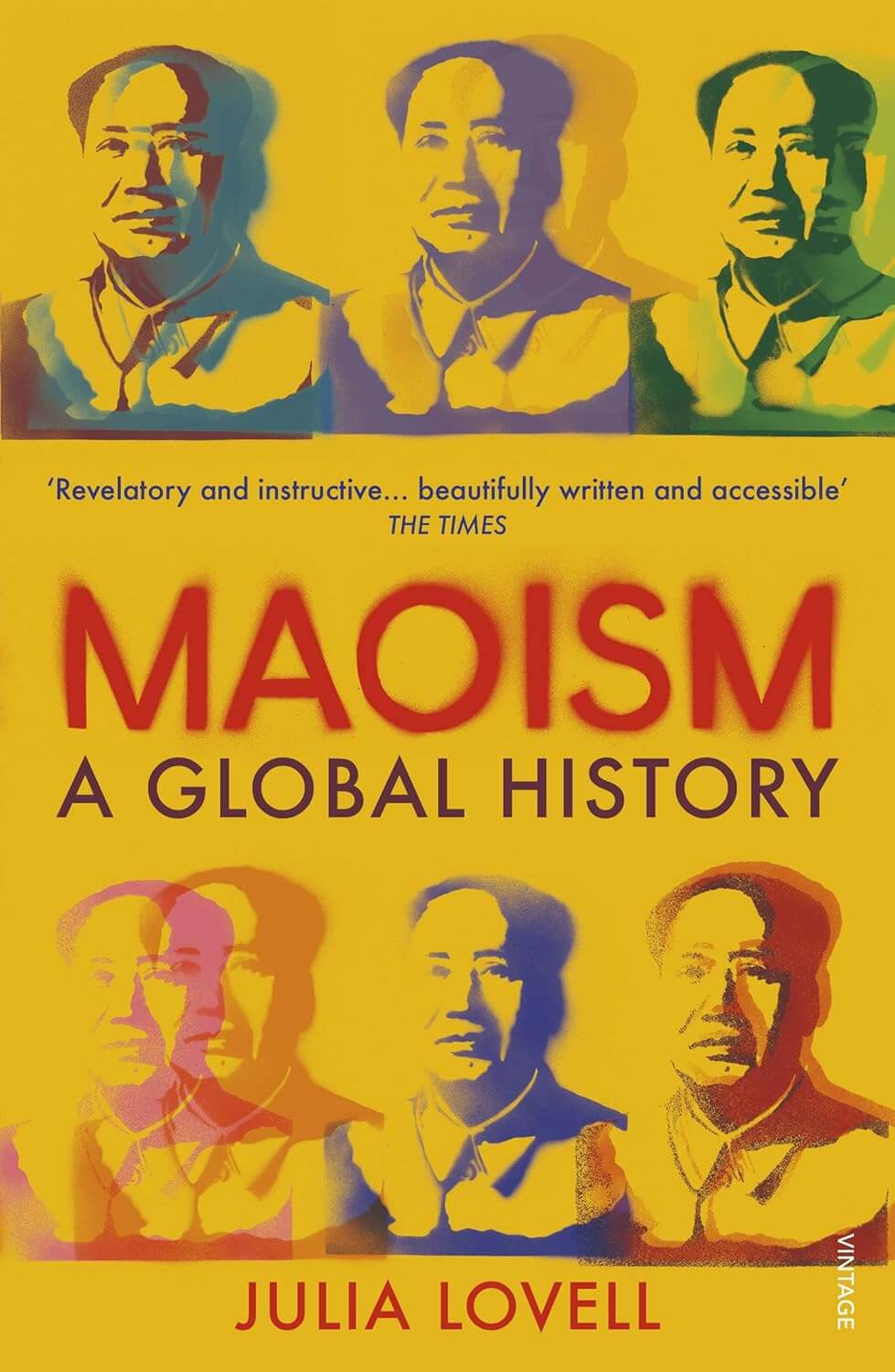
Maoism: A Global History

Maoism: A Global History

by Julia Lovell

Julia Lovell’s Maoism is a sweeping global history demonstrating how Maoist ideology shaped movements far beyond China’s borders — from Peru to India to Western activist circles. Lovell’s analysis is rigorous, wide-ranging, and often surprising, revealing how Maoism was exported, adapted, and mythologised. She blends political narrative with cultural history, showing how ideology interacts with local conditions. The book is ambitious in scope yet highly readable, correcting misconceptions about Mao’s influence and legacy. It is a masterful work of global political history.

3.98
History
Political Analysis
Expansive
Rigorous
Revelatory