Orwell Prize 2019: Political Writing

Fifteen vital works exposing power, conflict, inequality, and the stories shaping modern political life

The Orwell Prize for Political Writing celebrates nonfiction that reveals how power operates — in institutions, in history, in culture, and in the everyday experiences of ordinary people. The 2019 longlist showcases a powerful range of investigative reporting, biography, memoir, political analysis, and narrative history. These books confront the defining challenges of our time: economic injustice, racial inequality, corruption, war, and the complex legacies of empire. Through careful research and compelling storytelling, each work illuminates truths that are often obscured by political rhetoric or bureaucratic opacity.

What makes these works so compelling is their humanity. Whether documenting opioid addiction in the United States, tracing guerrilla movements in India, following the aftershocks of the Troubles, or examining the hidden architecture of global corruption, the authors never lose sight of the individuals caught within vast systems. Their writing bridges the personal and the political, revealing how policy decisions reverberate through communities, families, and intimate lives. They challenge complacency and bring marginalised voices to the forefront.

Together, the 2019 longlist offers readers a panoramic view of the world as it is — fractured, interconnected, and deeply shaped by forces many of us rarely see. These books embody the spirit of Orwell: clear-eyed, morally engaged, and committed to uncovering uncomfortable truths. They invite us not just to learn, but to reckon, to question, and to imagine a more just future.

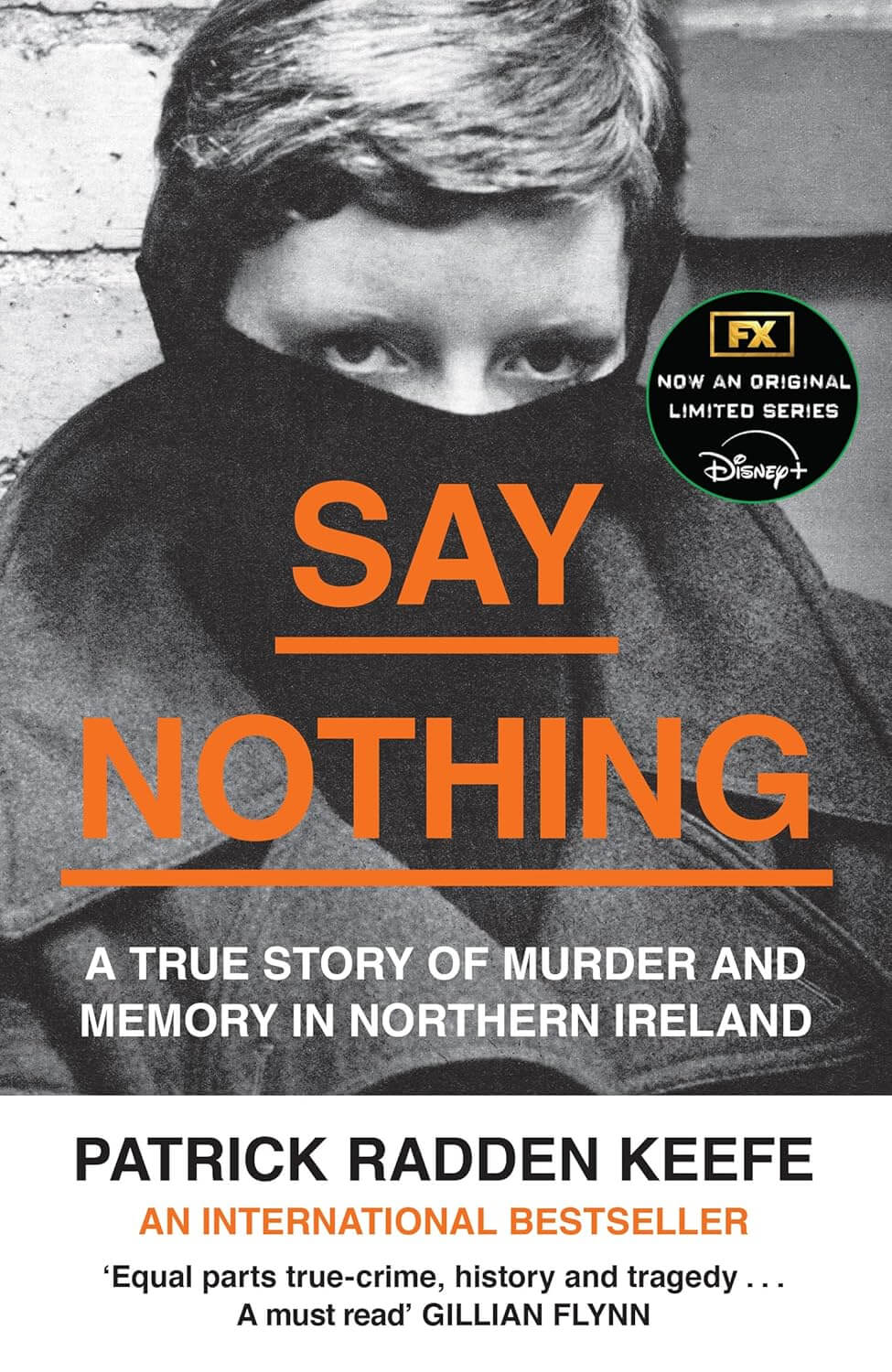
Say Nothing: A True Story Of Murder and Memory in Northern Ireland
Winner

Say Nothing: A True Story Of Murder and Memory in Northern Ireland

by Patrick Radden Keefe

Patrick Radden Keefe’s Say Nothing is a masterful narrative history of the Troubles in Northern Ireland, centred on the 1972 disappearance of Jean McConville. Keefe blends investigative reporting with gripping storytelling, reconstructing decades of conflict, secrecy, and divided loyalties. His portraits of IRA members, activists, and victims are nuanced and deeply human. The book exposes the long shadow of political violence and the moral ambiguity of insurgency. With its blend of suspense and historical insight, Say Nothing reads like a thriller yet maintains profound empathy. It is a landmark work of nonfiction.

4.47
History
Investigative Journalism
Politics
Tense
Revealing
Immersive
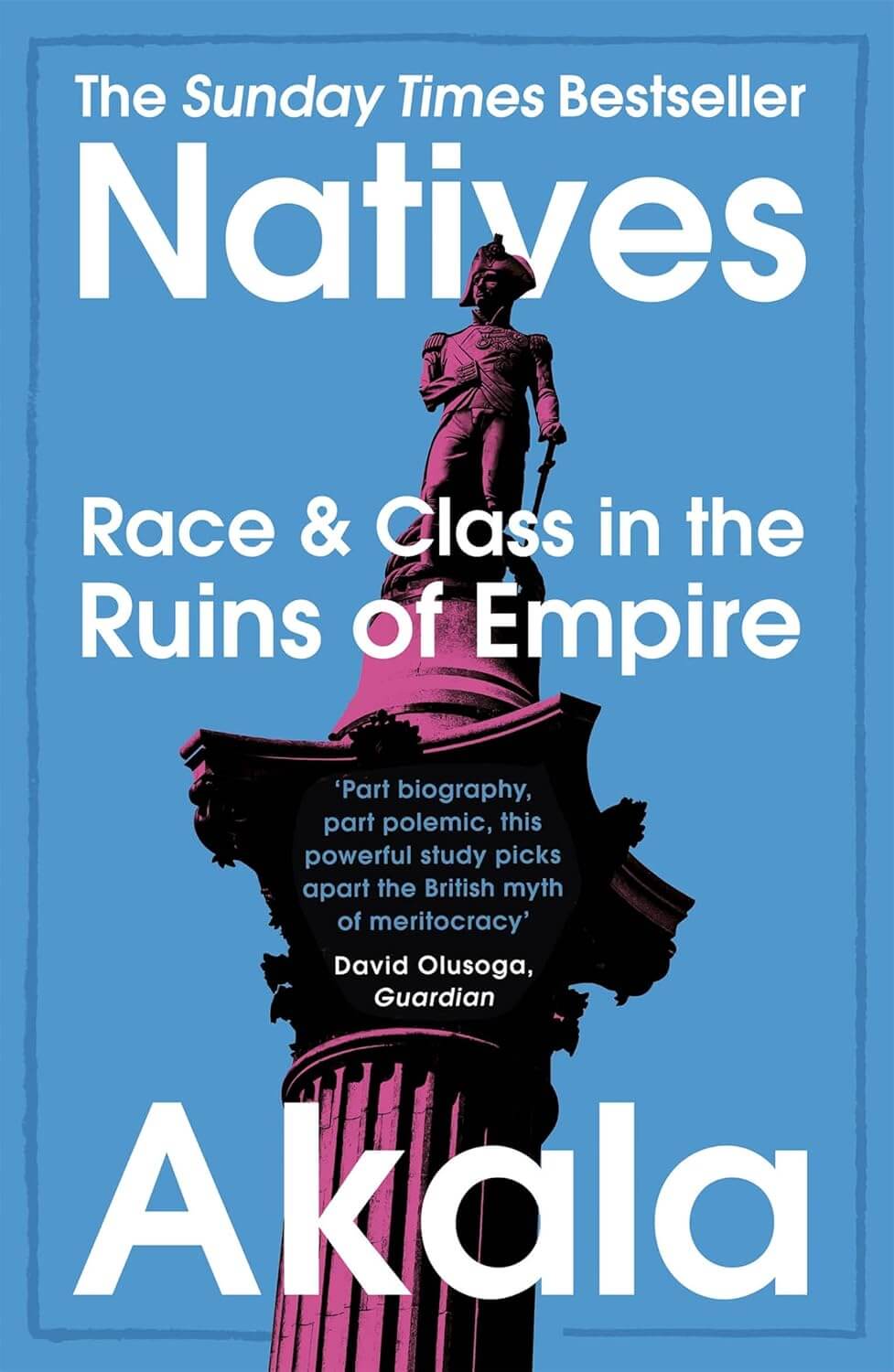
Natives

Natives

by Akala

Akala’s Natives is a powerful blend of memoir, cultural analysis, and political commentary examining race and class in modern Britain. With sharp wit and intellectual clarity, Akala draws on his own experiences as well as history and sociology to expose systemic racism and its intersections with poverty and identity. His writing is direct, compelling, and deeply informed, offering a searing critique of British institutions. Natives is both personal and political, challenging readers to confront uncomfortable truths about inequality. It is one of the most important contemporary works on race in the UK.

4.53
Memoir
Cultural Criticism
Politics
Incisive
Angry
Thought-Provoking
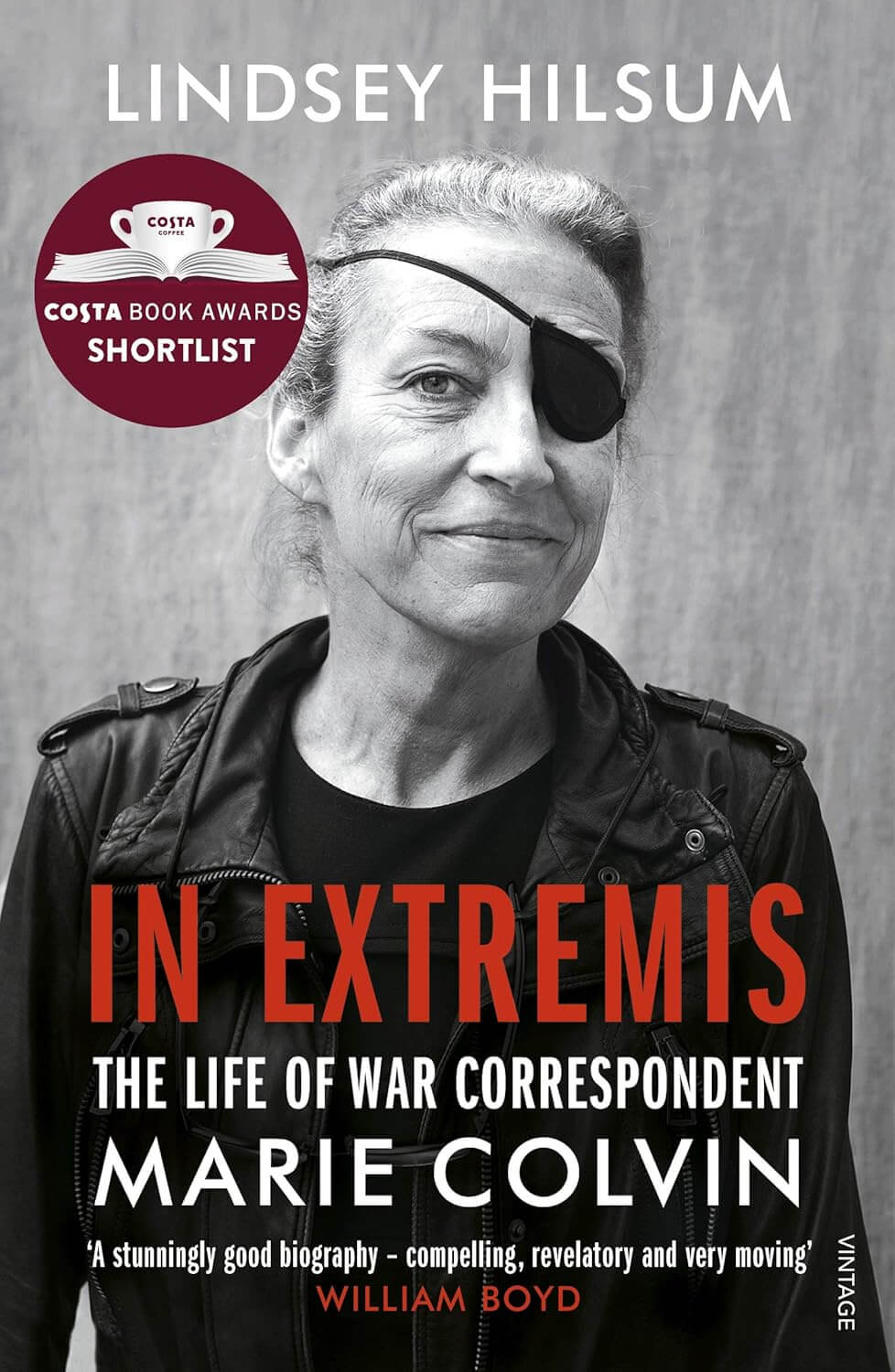
In Extremis

In Extremis

by Lindsey Hilsum

Lindsey Hilsum’s biography of war correspondent Marie Colvin is an extraordinary account of courage, conviction, and the cost of bearing witness. Drawing on interviews, archives, and personal correspondence, Hilsum portrays Colvin as both fearless and vulnerable. The book captures the emotional toll of covering conflict, while celebrating Colvin’s commitment to telling the stories of those caught in war. Hilsum’s writing is elegant and compassionate, situating Colvin’s life within the broader context of international journalism and political violence. It is thrilling, heartbreaking, and profoundly inspiring.

4.42
Biography
War Reporting
Politics
Intense
Compassionate
Inspiring
A Certain Idea of France

A Certain Idea of France

by Julian Jackson

Julian Jackson’s monumental biography of Charles de Gaulle is a richly detailed portrait of the statesman who shaped modern France. Jackson blends archival depth with elegant narrative, exploring de Gaulle’s leadership in wartime, his political philosophy, and his sometimes difficult personality. The book situates de Gaulle within the broader sweep of French and European history, revealing his contradictions and his enduring influence. Jackson avoids hagiography, instead offering a nuanced character study alongside rigorous political analysis. It is an authoritative, absorbing biography that illuminates one of the 20th century’s most consequential figures.

4.42
Biography
History
Politics
Serious
Authoritative
Nuanced
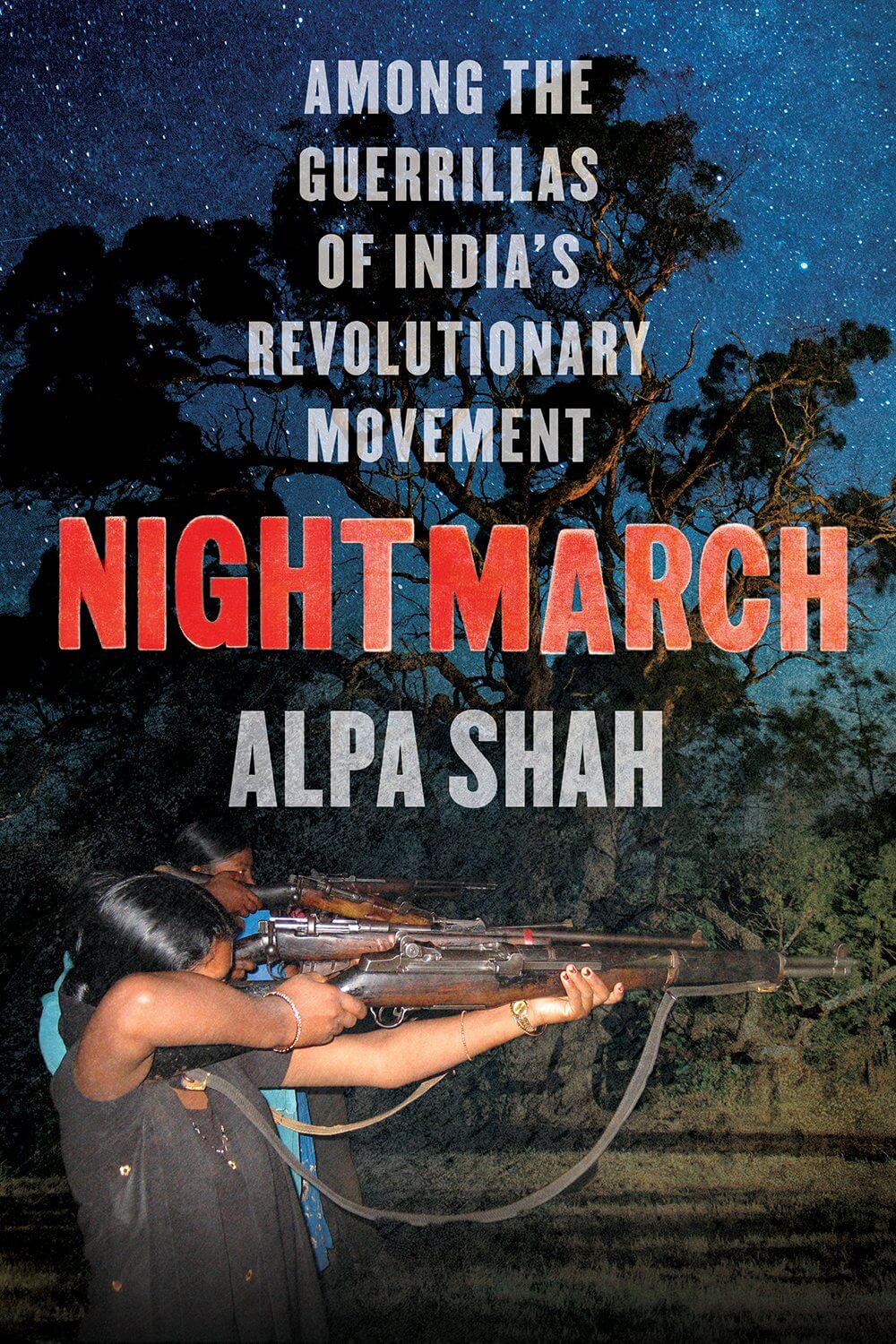
Nightmarch

Nightmarch

by Alpa Shah

Anthropologist Alpa Shah offers a rare, immersive account of India’s Naxalite guerrilla movement, based on months spent living clandestinely among its members. Nightmarch combines ethnographic detail with political analysis, revealing the motivations, contradictions, and personal costs of revolutionary struggle. Shah writes with empathy and nuance, avoiding romanticisation while highlighting the structural injustices that drive insurgency. The book is vivid, revelatory, and deeply human, offering insight into a conflict rarely understood from the inside. It is a powerful testament to the complexities of rebellion and state power.

4.32
Anthropology
Politics
Conflict Studies
Immersive
Serious
Revelatory
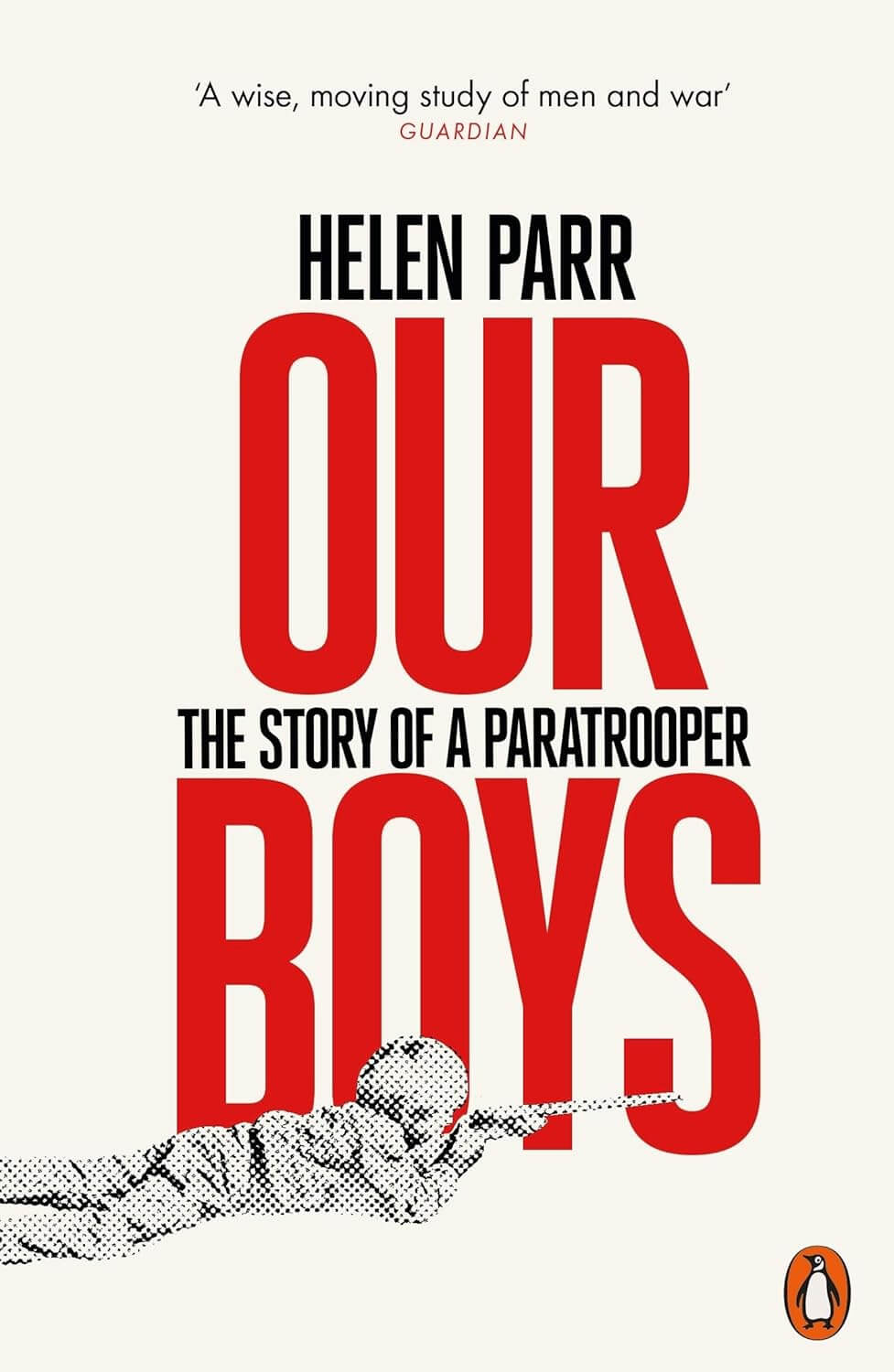
Our Boys

Our Boys

by Helen Parr

Helen Parr’s Our Boys is a moving and meticulously researched history of British paratroopers in the Falklands War. Parr combines oral histories, archival material, and personal narrative — her uncle was among the fallen — to explore the emotional and political dimensions of the conflict. The book captures both the camaraderie and the trauma of soldiering, while interrogating the political decisions that sent young men to war. Parr writes with clarity, compassion, and moral seriousness. It is a powerful meditation on sacrifice, memory, and the human cost of geopolitical conflict.

4.22
History
War Studies
Politics
Somber
Reflective
Compassionate
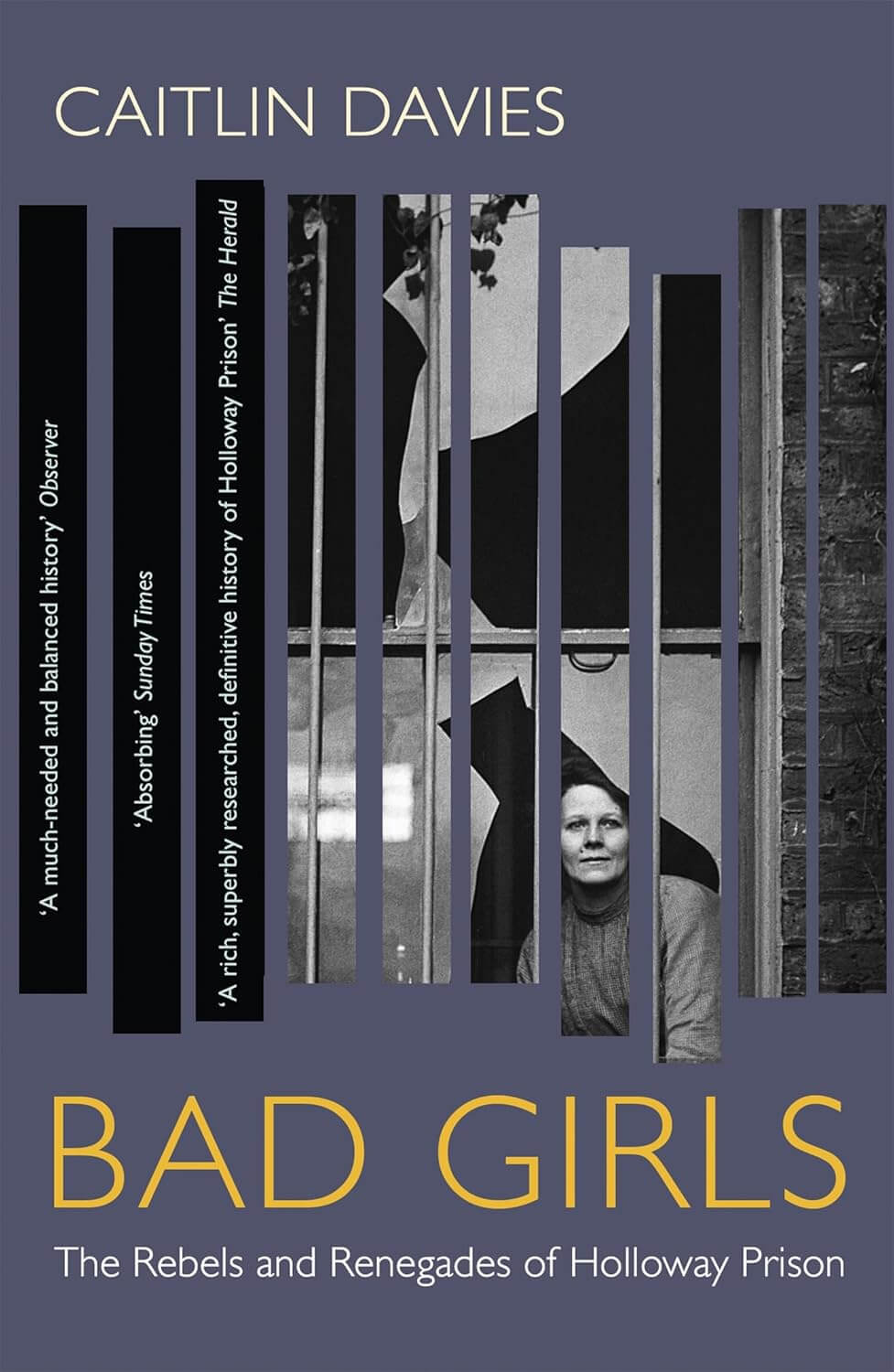
Bad Girls

Bad Girls

by Caitlin Davies

In Bad Girls, Caitlin Davies uncovers the history of Holloway Prison, Britain’s most famous women’s jail, through the stories of inmates, reformers, and activists. Davies blends archival research with vivid storytelling to reveal the social and political forces that shaped the institution. She highlights how gendered expectations and punitive legislation disproportionately targeted vulnerable women. The book challenges stereotypes of female criminality and exposes systemic failures in justice and welfare. Davies’s narrative is rich, empathetic, and deeply engaging — a compelling exploration of punishment, resistance, and social change.

4.07
History
Gender Studies
Politics
Empathetic
Revealing
Reflective
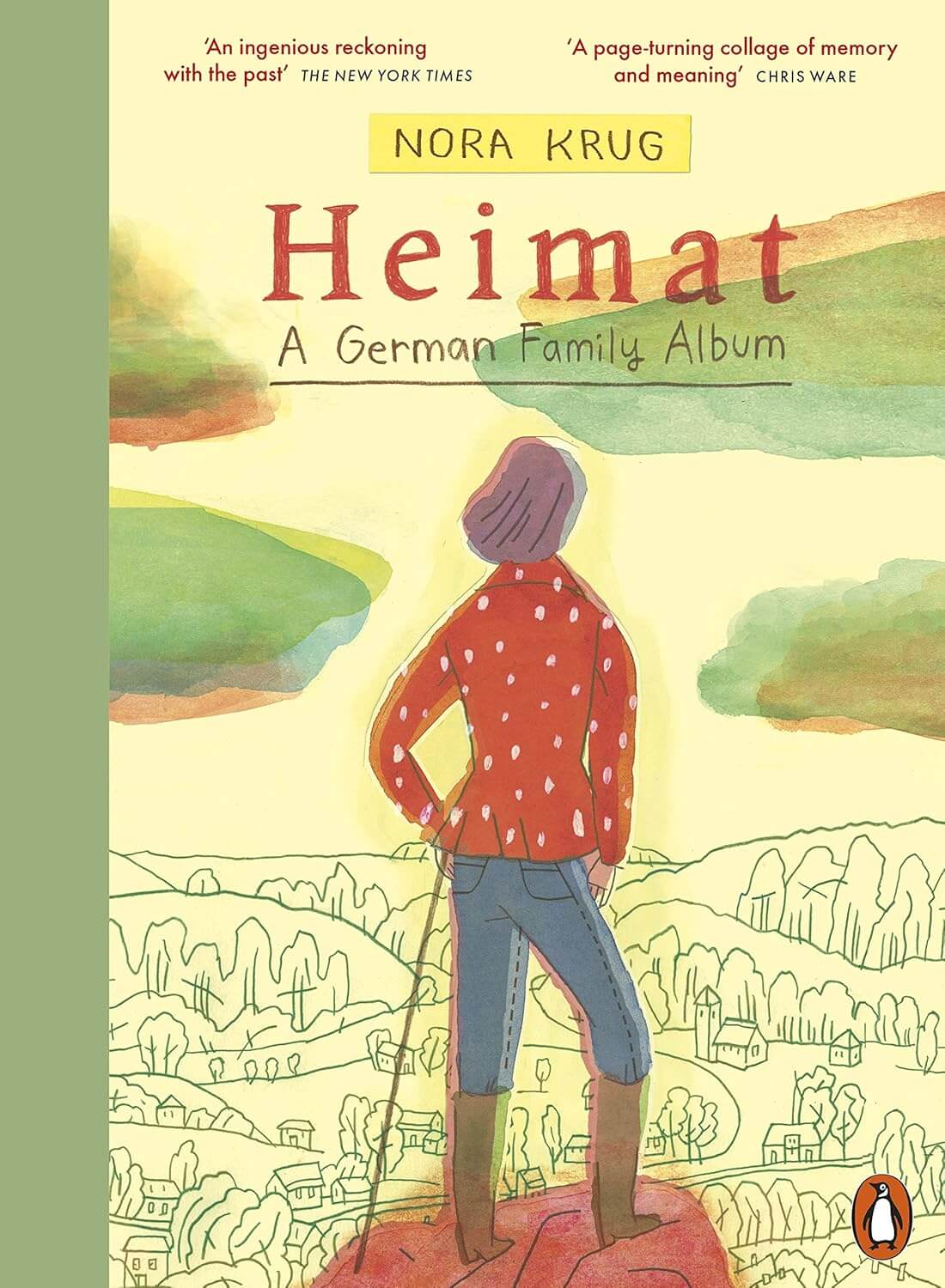
Heimat

Heimat

by Nora Krug

Nora Krug’s Heimat is a visually striking, genre-blurring memoir exploring her family’s history in Germany during the Nazi era. Through illustrations, documents, and personal reflection, Krug confronts inherited guilt, national identity, and the complexities of historical memory. Her fragmented, scrapbook-like style mirrors the process of searching for truth amid silence and shame. The book is both intimate and politically resonant, showing how the past shapes contemporary identity. Krug’s approach is innovative and emotionally powerful, making Heimat a standout work of graphic nonfiction.

4.32
Graphic Nonfiction
Memoir
History
Introspective
Artful
Haunting
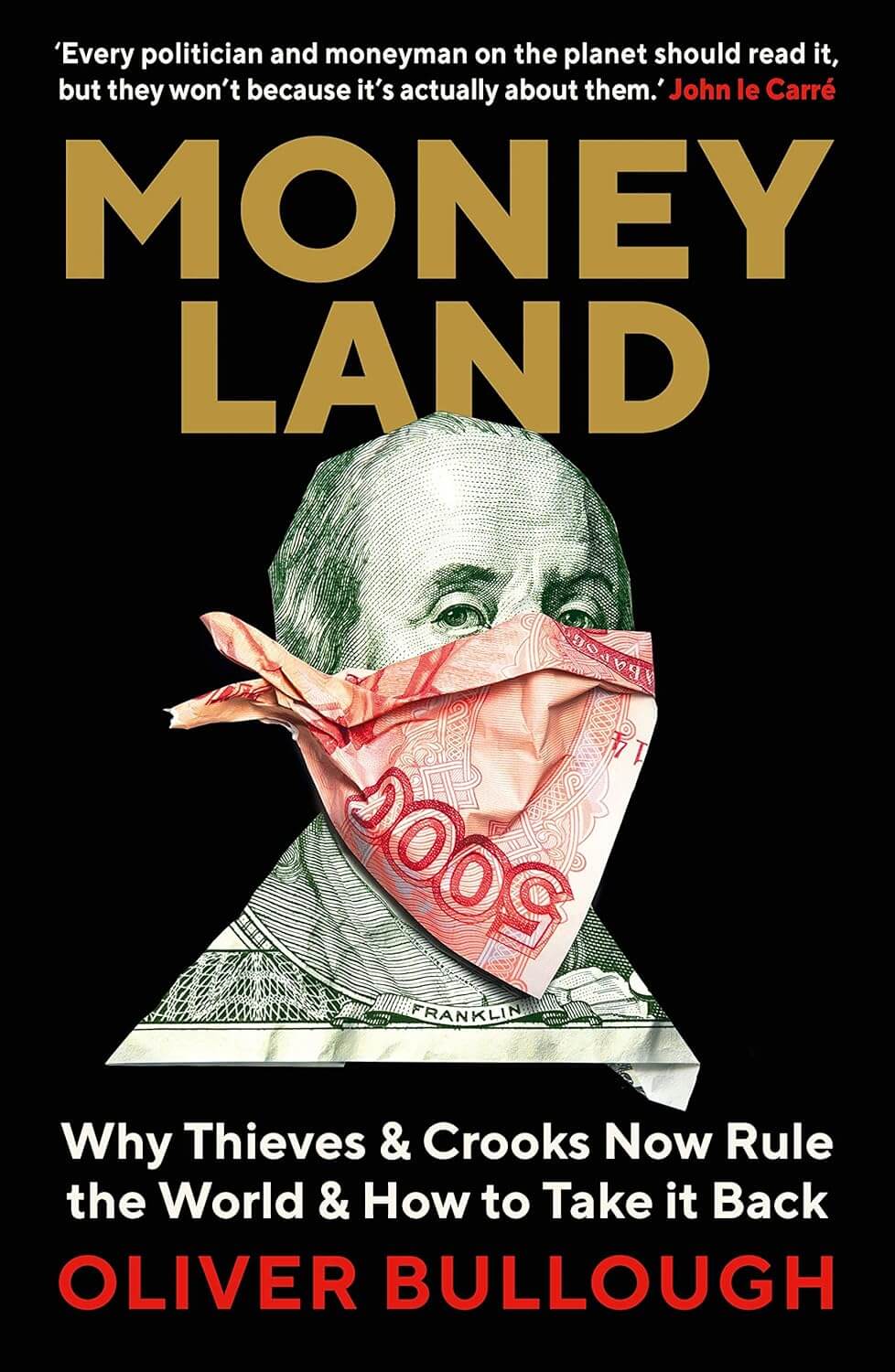
Moneyland

Moneyland

by Oliver Bullough

Oliver Bullough’s Moneyland exposes the global kleptocracy that allows oligarchs and corrupt elites to hide wealth, evade justice, and manipulate democracies. Bullough explains how offshore systems, shell companies, and financial loopholes create a borderless world for the rich — one that fuels inequality and corrodes democracy. His writing is vivid, informative, and often darkly funny, guiding readers through the hidden architecture of global corruption. The book is both an exposé and a call to action, revealing a world where money crosses borders far more easily than accountability.

4.18
Investigative Journalism
Economics
Politics
Revealing
Urgent
Incisive
Why We Get The Wrong Politicians

Why We Get The Wrong Politicians

by Isabel Hardman

Isabel Hardman’s Why We Get The Wrong Politicians is an illuminating, often humorous examination of the British political system from the inside. Hardman reveals how structural flaws — from selection processes to parliamentary procedures — set politicians up to fail long before they enter office. Drawing on interviews and years of reporting, she shows how burnout, bureaucracy, and outdated systems alienate both politicians and the public. Hardman’s tone is empathetic rather than cynical, emphasising systemic problems rather than personal shortcomings. The book is insightful, engaging, and refreshingly constructive.

3.96
Politics
Public Policy
Insightful
Witty
Constructive
American Overdose

American Overdose

by Chris McGreal

Chris McGreal’s American Overdose is a devastating account of the U.S. opioid crisis, tracing how pharmaceutical companies, regulators, and medical institutions fueled a public health catastrophe. McGreal weaves together investigative reporting with personal stories, revealing the human cost of corporate greed and political failure. His writing is clear, urgent, and morally forceful, exposing a system that prioritised profit over lives. The narrative alternates between the intimate — families shattered by addiction — and the systemic, showing how policy choices enabled widespread harm. It is a powerful indictment of institutional corruption and neglect.

4.14
Investigative Journalism
Public Health
Politics
Urgent
Somber
Incisive
The Growth Delusion

The Growth Delusion

by David Pilling

In The Growth Delusion, David Pilling challenges the dominance of GDP as the primary measure of national success. Pilling argues that this narrow focus distorts policy, ignores well-being, and perpetuates inequality. Drawing on economics, history, and global case studies, he reveals the limitations of conventional economic thinking and calls for more holistic metrics. His writing is accessible, witty, and sharply argued. The book is an illuminating critique of the numbers that shape public debate, encouraging readers to rethink what progress truly means.

4.08
Economics
Political Analysis
Analytical
Challenging
Witty
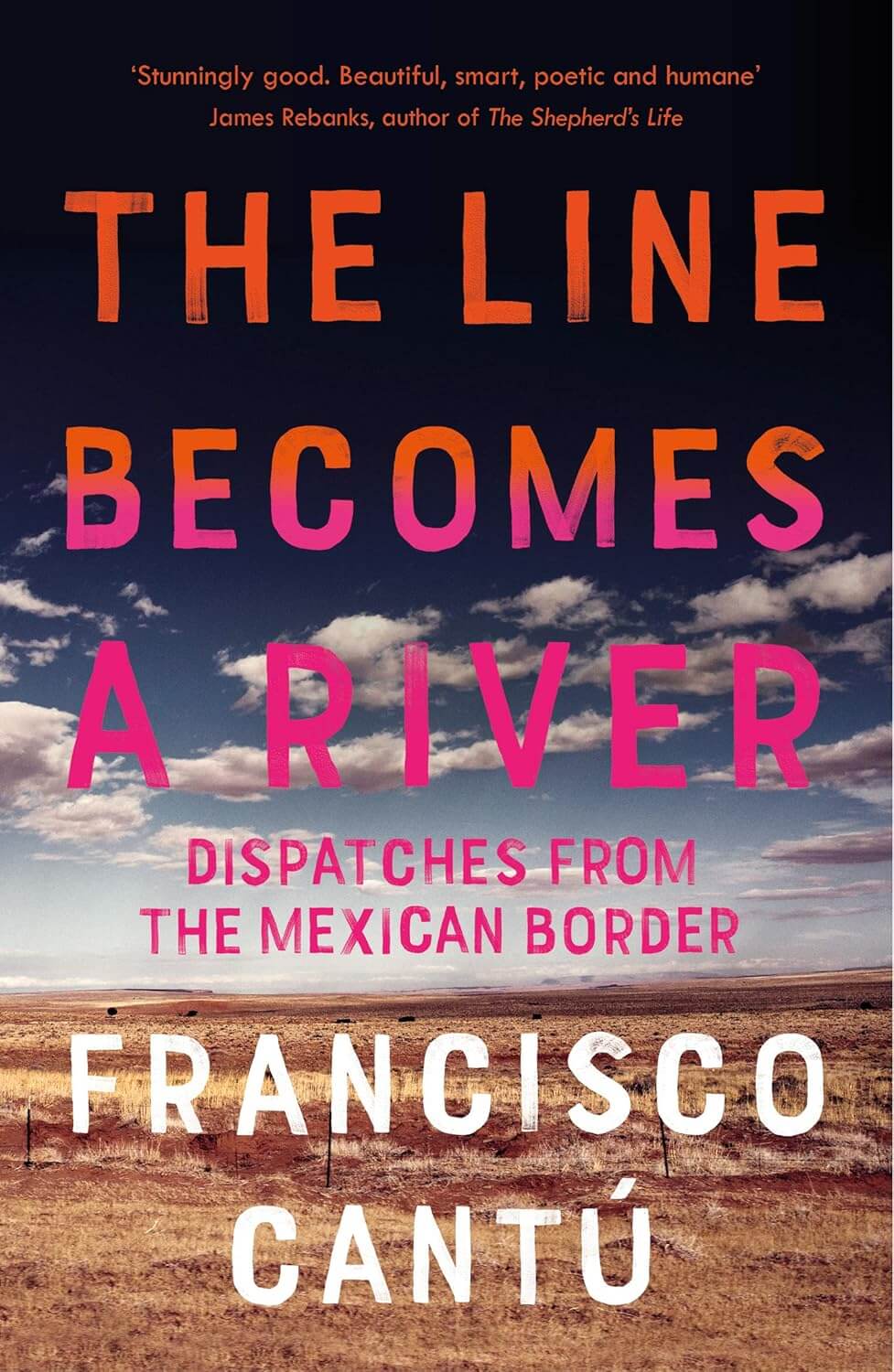
The Line Becomes a River

The Line Becomes a River

by Francisco Cantú

Francisco Cantú’s memoir offers a haunting, deeply personal exploration of the U.S.–Mexico border. A former Border Patrol agent, Cantú reflects on the violence, bureaucracy, and moral conflict embedded in the immigration system. His prose is lyrical and introspective, balancing vivid field experiences with philosophical inquiry. Cantú exposes the human toll of border enforcement while grappling with his own complicity. The book is both intimate and political, revealing the emotional weight of a landscape defined by suffering, resilience, and contested identities. It is a powerful and unsettling work.

3.97
Memoir
Politics
Migration Studies
Reflective
Haunting
Serious
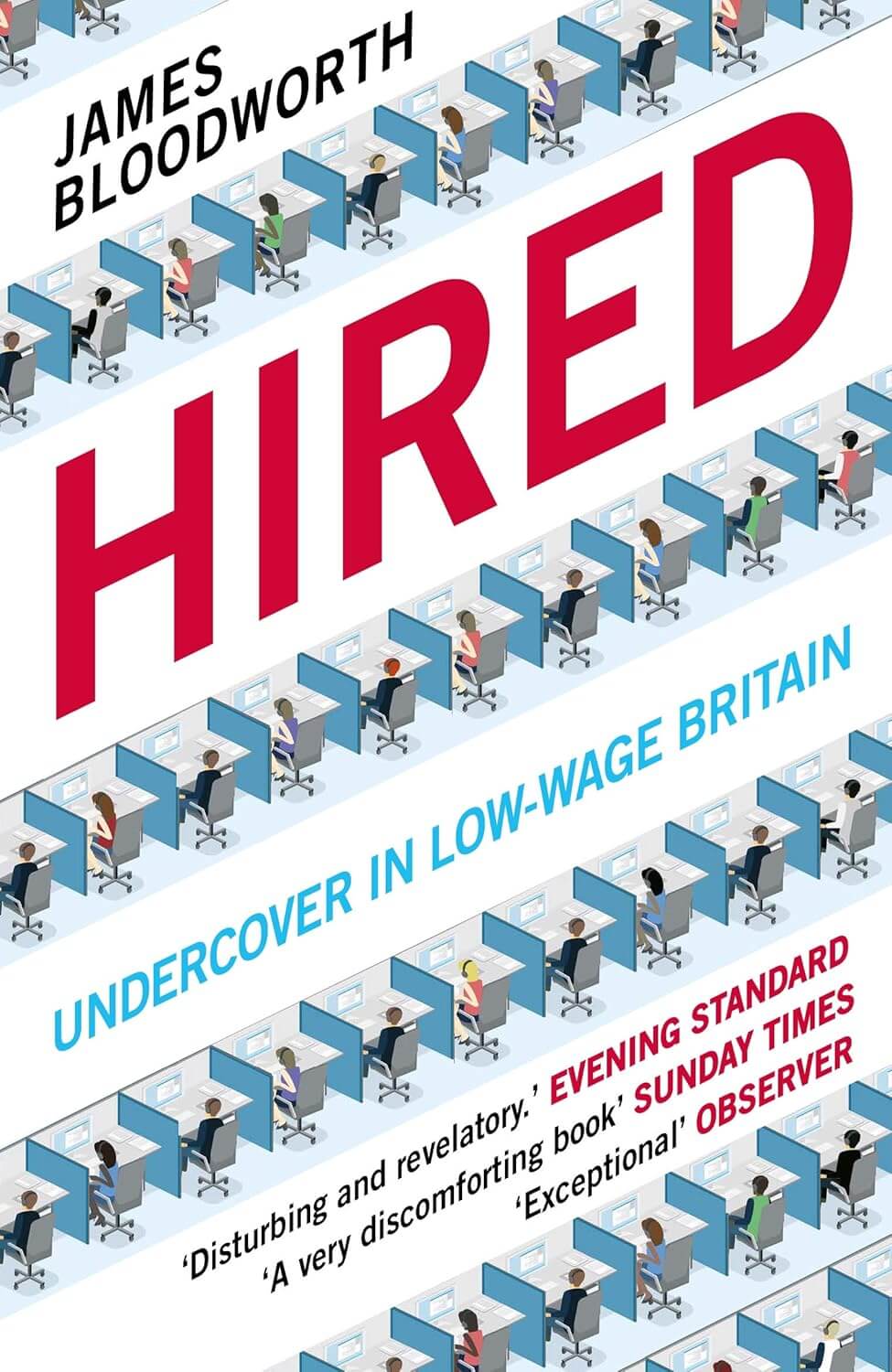
Hired

Hired

by James Bloodworth

James Bloodworth’s Hired is a revealing exposé of the gig economy, based on the author’s undercover work in low-wage jobs across the UK. Bloodworth documents the precarious conditions faced by warehouse workers, care workers, and Uber drivers, exposing the human cost of flexible labour markets. His writing combines powerful personal testimony with sharp political critique, showing how insecure work erodes dignity and community. The book is urgent, empathetic, and politically charged, offering a stark portrait of modern inequality. It shines a light on lives too often ignored in policy debates.

4.04
Investigative Journalism
Labour Studies
Politics
Urgent
Human
Critical
The People vs Tech

The People vs Tech

by Jamie Bartlett

Jamie Bartlett’s The People vs Tech is a sharp, accessible warning about how digital technology threatens democracy. Bartlett examines how data harvesting, algorithmic manipulation, polarisation, and platform monopolies undermine the institutions and norms that sustain democratic societies. His writing is lively and persuasive, blending case studies with clear analysis. Bartlett argues that democracies must adapt or risk being reshaped by technologies they cannot control. The book is an urgent call to rethink the relationship between citizens, governments, and tech giants.

3.90
Technology
Politics
Democracy Studies
Urgent
Clear
Thought-Provoking