Orwell Prize 2024: Political Fiction

Eight powerful novels exploring truth, power, identity, and the politics that shape our lives

The Orwell Prize for Political Fiction celebrates novels that illuminate the political forces shaping the world — not through polemic, but through the intimate experiences of characters whose lives intersect with power, injustice, and historical change. The 2024 longlist brings together bold, inventive, and emotionally resonant works that show how politics is never abstract. It is lived and felt: in friendships, in memory, in the body, and in the stories we tell about ourselves and others.

These books stretch across continents and eras, from reimagined classics to speculative futures, from the quiet tensions of everyday life to the sweeping consequences of institutions and ideologies. Some delve into personal trauma, others expose systemic failures; some experiment with form, others lean into realism. All share an Orwellian commitment to clarity, truth-telling, and the belief that fiction can illuminate what official narratives obscure.

Whether you seek lyrical introspection, sharp satire, inventive structure, or politically charged storytelling, this longlist offers a rich array of voices defining contemporary political fiction. These novels challenge, unsettle, entertain, and provoke — reminding us that literature remains one of the most powerful tools for understanding the world we inhabit.

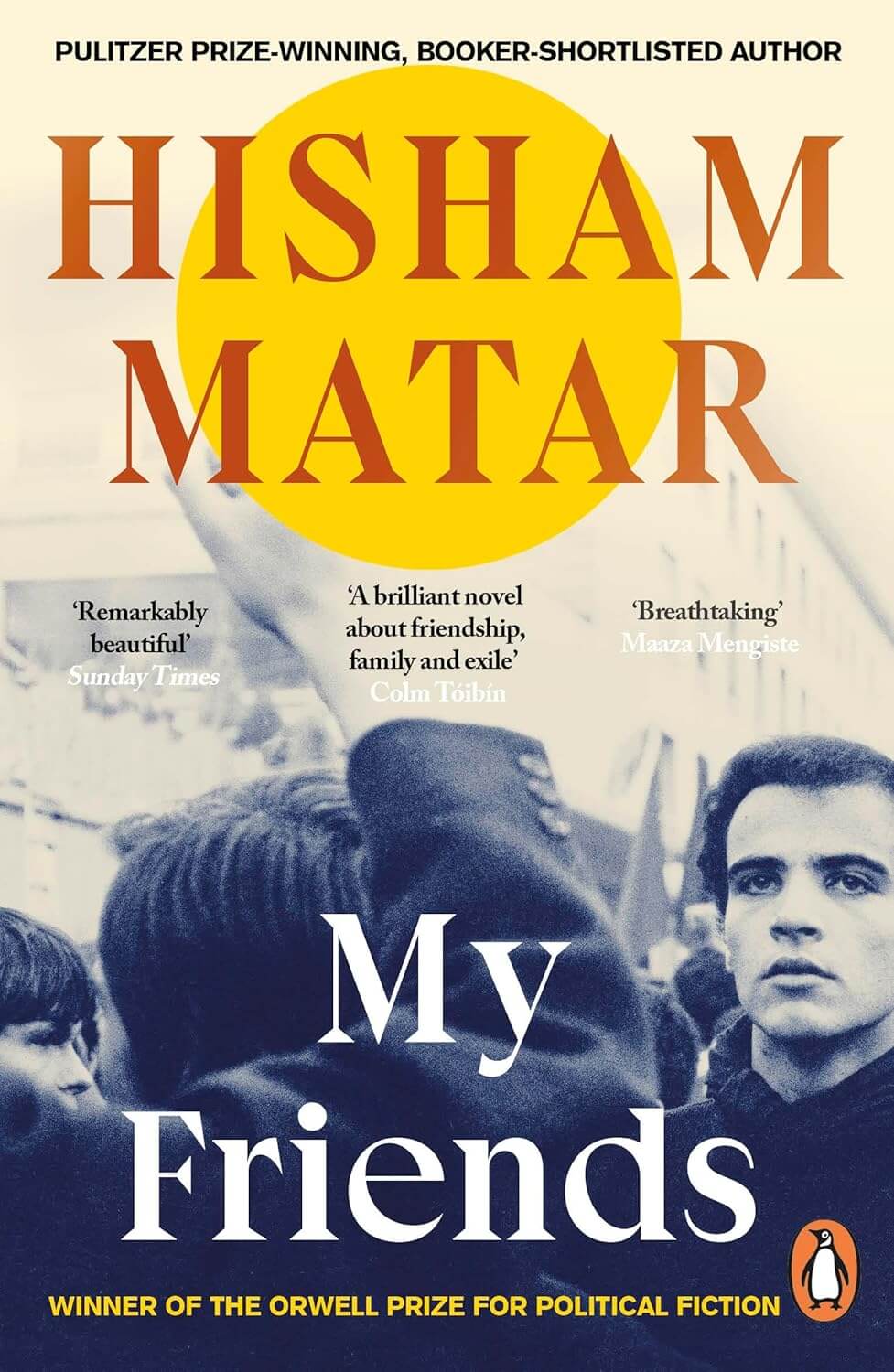
My Friends
Winner

My Friends

by Hisham Matar

Hisham Matar’s novel is an intimate meditation on friendship, exile, and political loss. Set between London and Libya, it follows a man navigating life in the diaspora while carrying the weight of a revolution that reshaped his identity. Matar’s writing is elegant and melancholy, capturing the subtle complexities of relationships strained by distance and history. The narrative unfolds slowly, with emotional precision, revealing how political upheaval infiltrates even the quietest corners of life. It is both deeply personal and quietly political, a novel about belonging and the invisible ties that bind us. Matar’s ability to evoke longing is unmatched.

4.29
Political Fiction
Literary Fiction
Melancholic
Intimate
Elegant
James

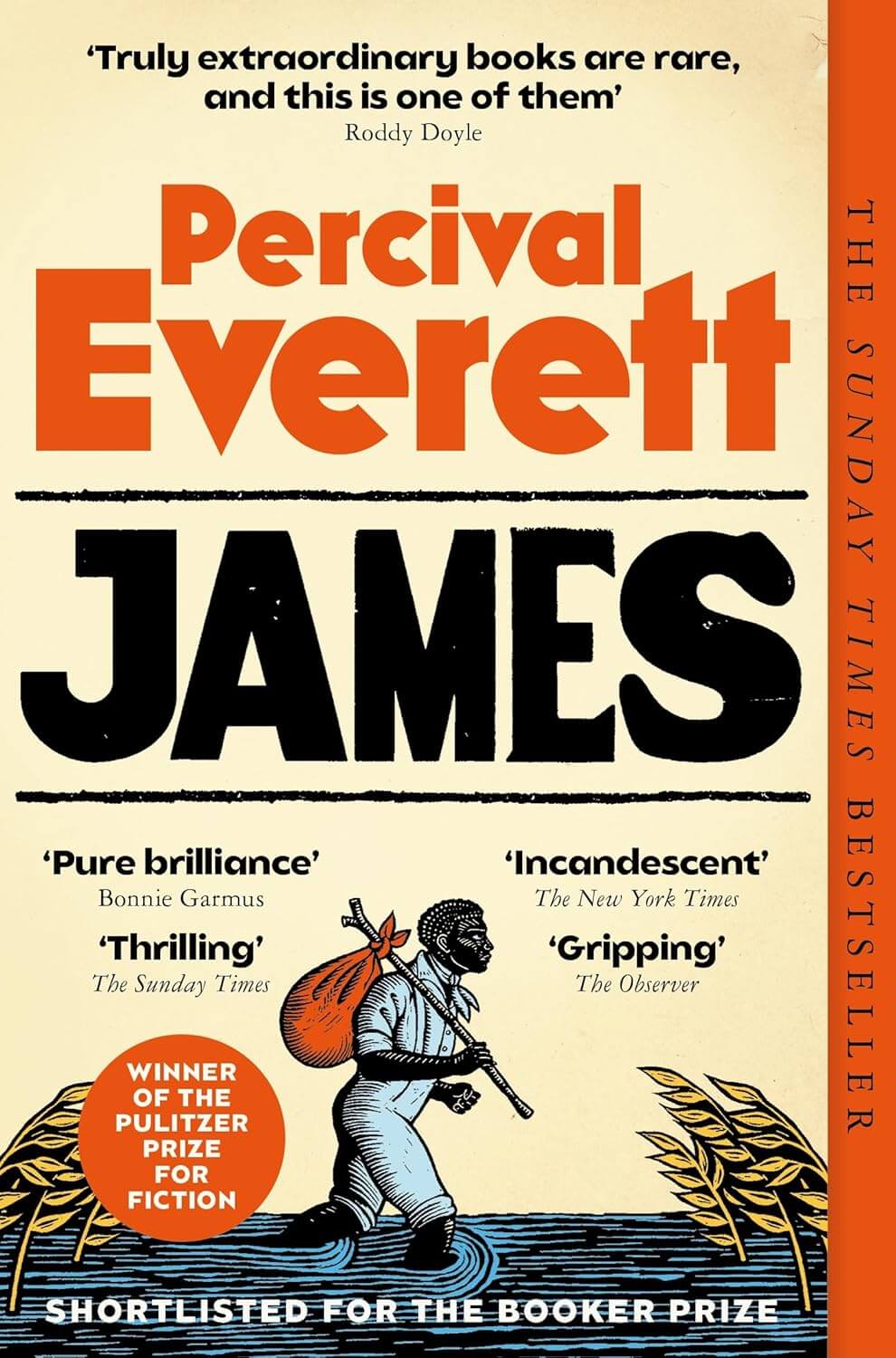
James

by Percival Everett

In James, Percival Everett brilliantly reimagines Huckleberry Finn from the perspective of Jim, exposing the violence, hypocrisy, and racial politics that underpin the American literary canon. Everett’s writing is razor-sharp, darkly humorous, and utterly fearless, deconstructing the myths of innocence and freedom that surround Twain’s original text. The novel balances biting satire with profound emotional depth, giving voice to a character historically denied complexity. Everett interrogates the stories America tells about itself, turning a familiar narrative into an indictment of the systems that shape it. It is bold, inventive, and uncompromising — a modern classic of political fiction.

4.47
Political Fiction
Literary Fiction
Incisive
Bold
Darkly Humorous
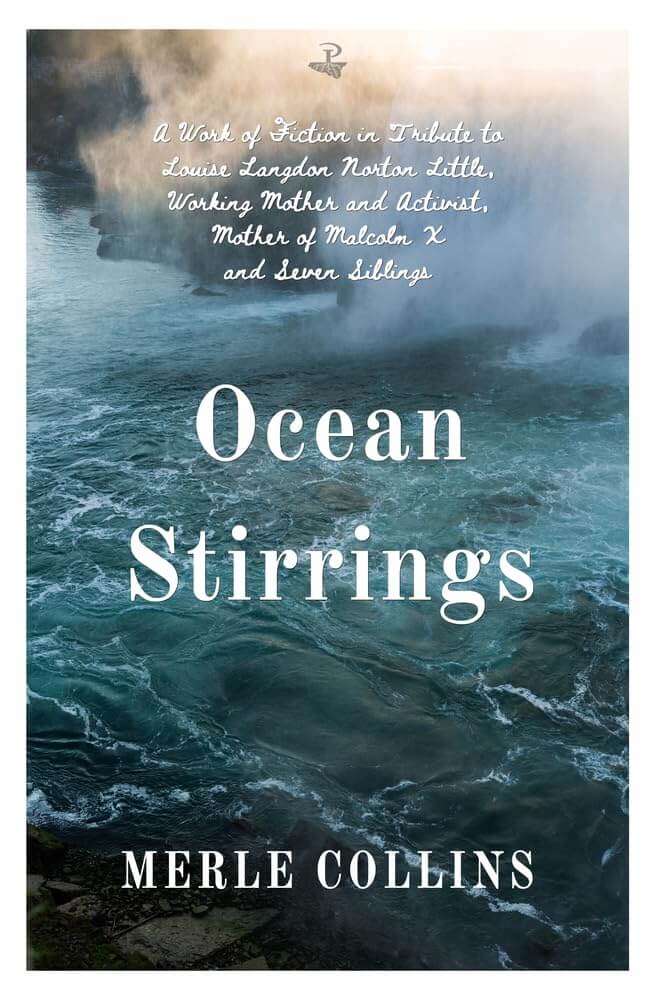
Ocean Stirrings

Ocean Stirrings

by Merle Collins

Merle Collins’s novel is a powerful portrait of political awakening set against the backdrop of Grenada’s revolutionary past. Through richly drawn characters and vibrant language, she brings to life a community wrestling with hope, betrayal, and the long shadows of colonialism. Collins captures the rhythms of island life while weaving in the larger forces shaping it, showing how personal decisions become entangled in collective struggle. Her prose is musical and immersive, with emotional crescendos that echo the turbulence of the era she depicts. The novel’s strength lies in its attention to the everyday people who drive political change — and who pay its price. It is evocative, tender, and politically resonant, a story that lingers long after the final page.

4.00
Political Fiction
Historical Fiction
Evocative
Emotional
Reflective
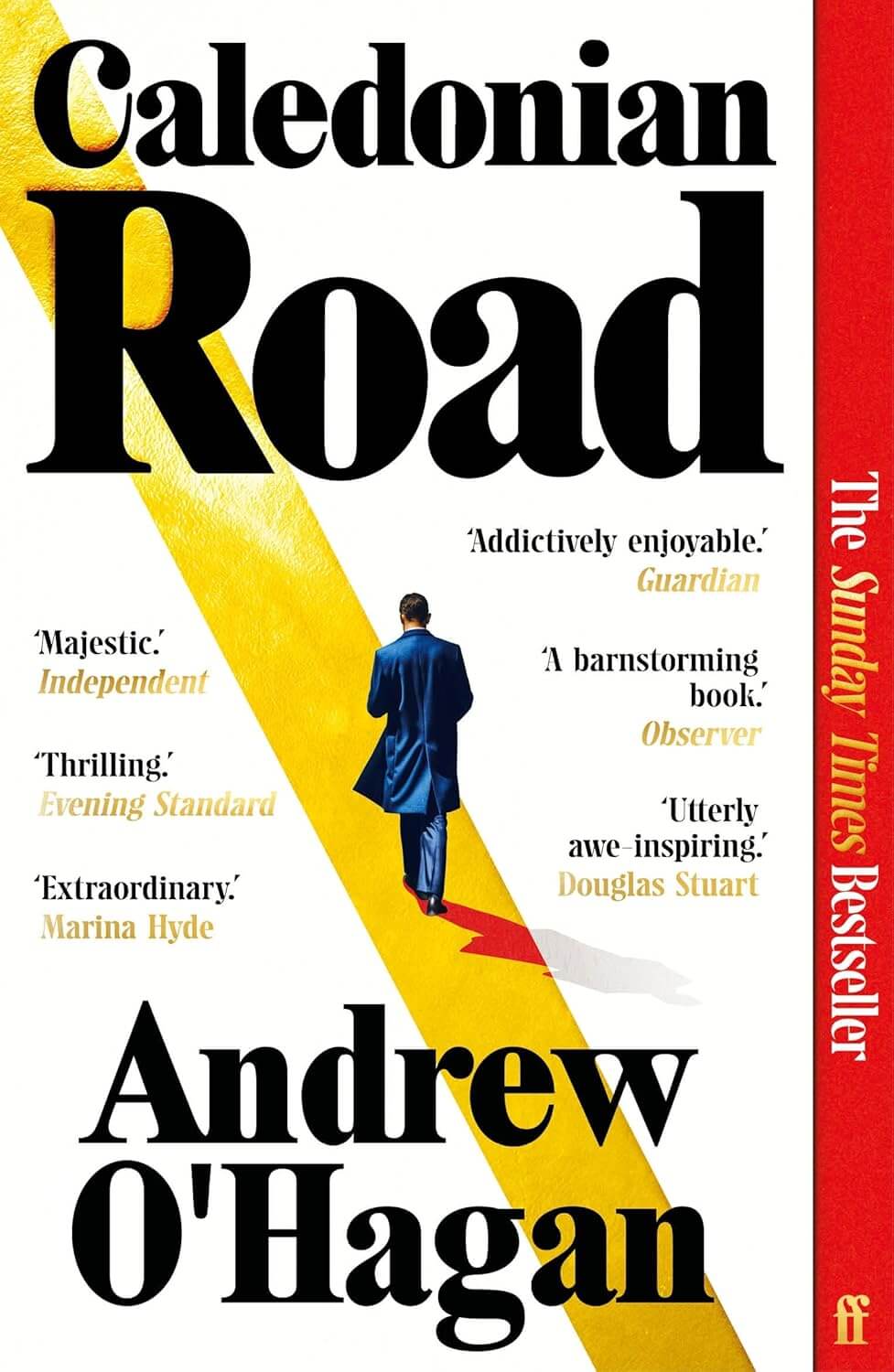
Caledonian Road

Caledonian Road

by Andrew O'Hagan

Andrew O’Hagan’s sweeping social novel follows a celebrated academic whose carefully constructed life unravels amid scandal, exposing the fault lines of contemporary British society. O’Hagan moves through multiple perspectives — activists, influencers, oligarchs, students — constructing a panoramic view of class, media, and political disillusionment. His satire is sharp, but it’s his empathy for even flawed characters that gives the novel depth. The book feels both Dickensian and distinctly modern, capturing a nation in moral and ideological flux. It is ambitious, energetic, and richly layered, offering a biting critique of inequality and aspiration.

3.80
Political Fiction
Social Satire
Expansive
Witty
Critical
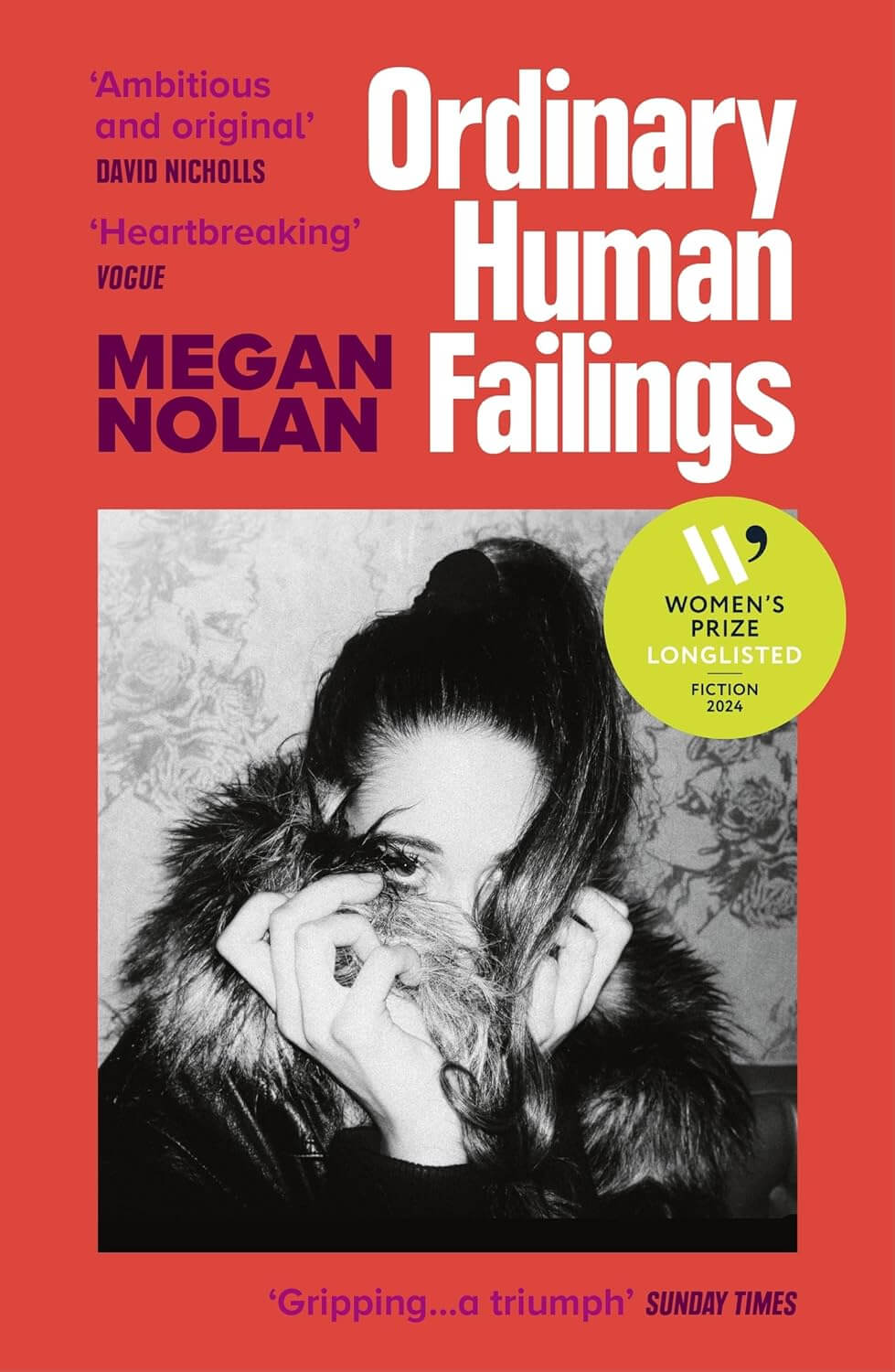
Ordinary Human Failings

Ordinary Human Failings

by Megan Nolan

Megan Nolan crafts a sharp, emotionally charged examination of media outrage, family dysfunction, and the politics of blame. When a crime shocks London, an Irish family already teetering on the edge becomes the focus of a ravenous press. Nolan dissects how class, prejudice, and institutional power shape public narratives, turning private grief into spectacle. Her prose is taut and compassionate, balancing psychological insight with cultural critique. The novel reveals how systems fail the vulnerable while pretending to serve justice. It is both gripping and devastating — a portrait of the political hidden inside the domestic.

3.72
Political Fiction
Psychological Fiction
Tense
Compassionate
Unsettling
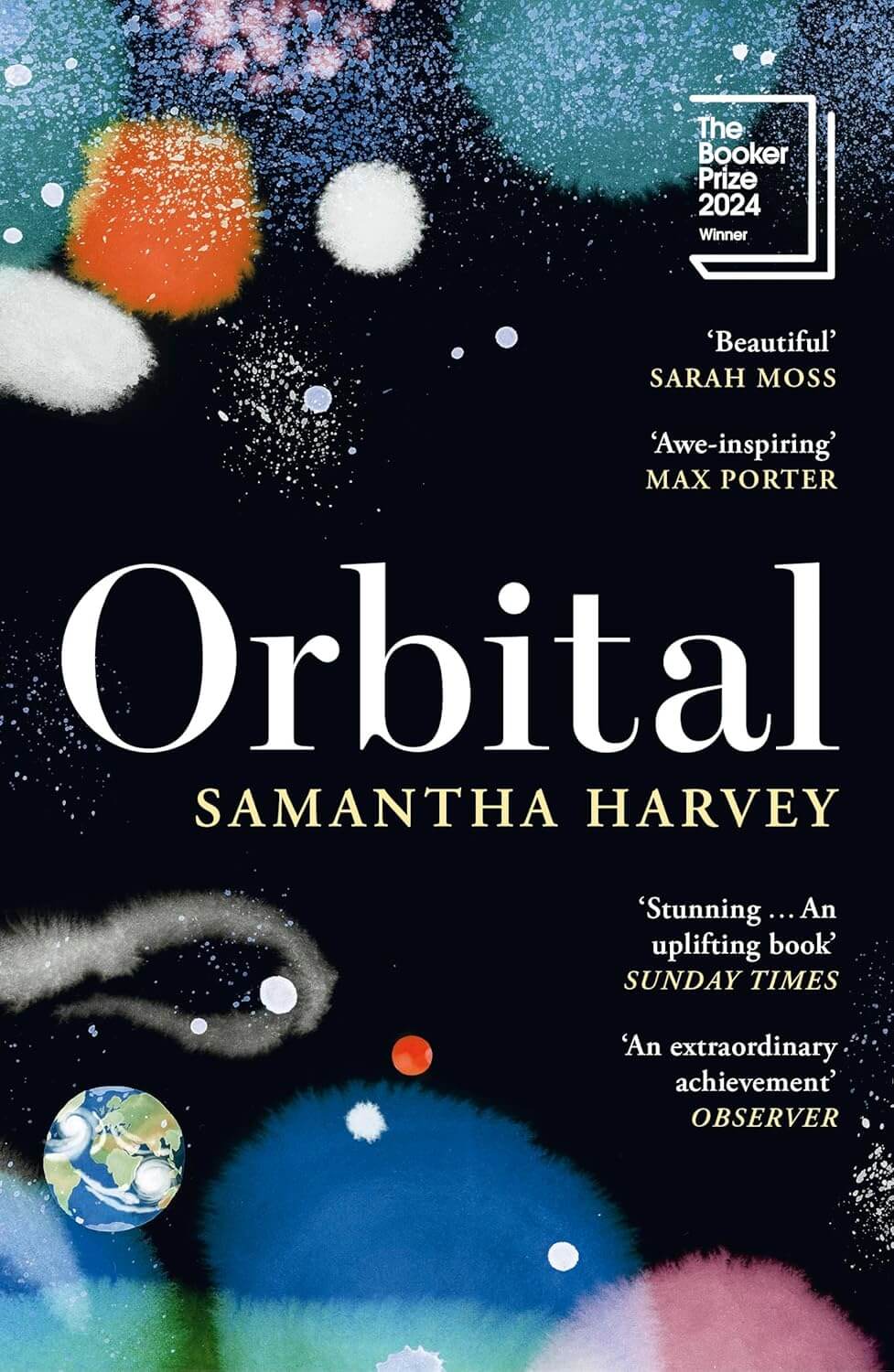
Orbital

Orbital

by Samantha Harvey

Samantha Harvey’s Orbital unfolds aboard the International Space Station, where six astronauts orbit Earth while grappling with the fragile politics of the world below. The novel is meditative and atmospheric, using the vantage point of space to reflect on borders, conflict, and the illusion of separation. Harvey’s prose is exquisite, weaving scientific detail with philosophical reflection. Though set far above Earth, the book is deeply grounded in human experience — longing, memory, responsibility, and the tension between personal and collective identity. The quiet, floating environment heightens every small emotional shift. It’s a contemplative and beautifully crafted piece of political fiction.

3.51
Political Fiction
Speculative Literary Fiction
Lyrical
Quiet
Thoughtful
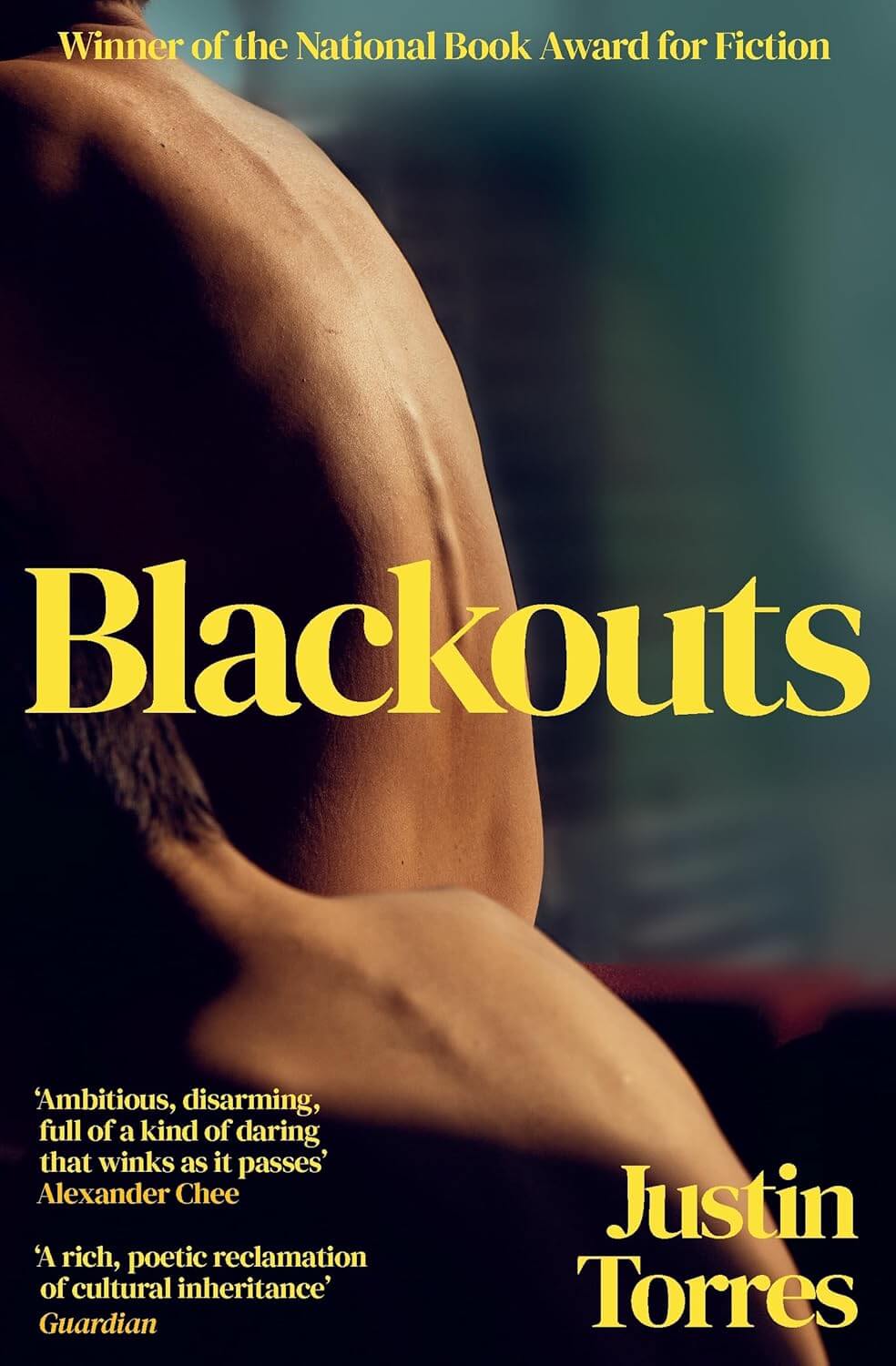
Blackouts

Blackouts

by Justin Torres

Justin Torres’s novel is a fierce and dazzling exploration of queer history, erasure, and the politics of storytelling. Through fragmented narration and layered voices, he reconstructs the life of a man whose existence was shaped by institutional repression and the quiet violences of respectability. Torres’s prose is hypnotic and poetic, pushing the boundaries of narrative form while remaining emotionally devastating. The novel interrogates who gets to tell history — and who gets written out of it. It is both a lament and an act of reclamation, brilliant in its ambition and deeply affecting in its execution. A bold, unforgettable work.

3.71
Political Fiction
Experimental Literary Fiction
Lyrical
Bold
Haunting
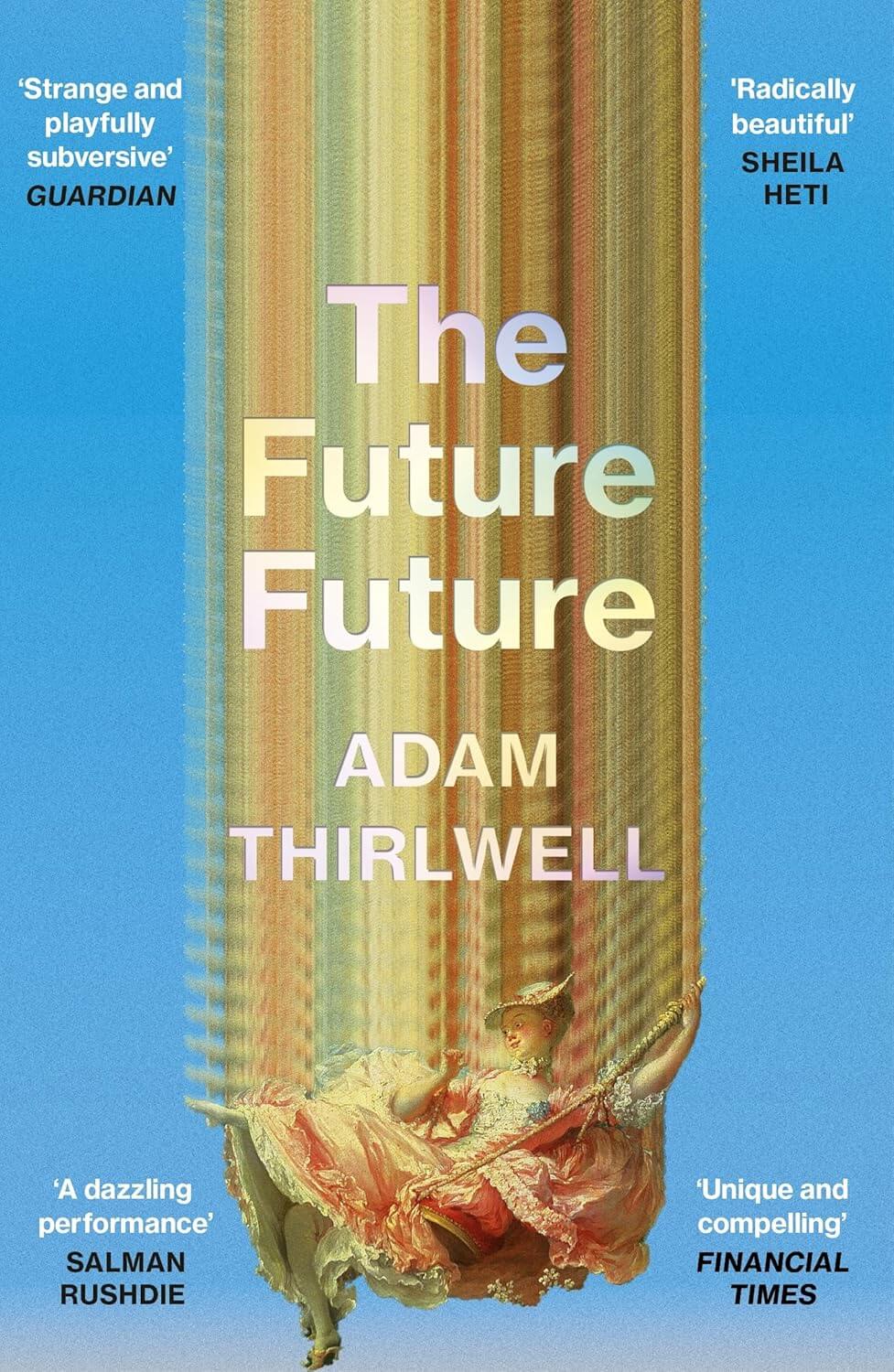
The Future Future

The Future Future

by Adam Thirlwell

Adam Thirlwell delivers a dazzling, playful novel set in eighteenth-century France on the eve of revolution. His protagonist moves through salons, scandals, and shifting political winds with a sense of surreal lightness, even as the world teeters on the edge of upheaval. Thirlwell’s style is experimental yet charming, blending historical detail with metafictional twists that question how history is told. Beneath the humour and stylistic flair lies a sharp interrogation of power, privilege, and the narratives that justify them. It’s inventive, eccentric, and intellectually provocative — political fiction with a mischievous glint.

2.84
Political Fiction
Historical Satire
Playful
Inventive
Clever