Orwell Prize 2023: Political Fiction

Eight novels revealing the intimate lives shaped by politics, power, and history

The Orwell Prize for Political Fiction recognises novels that illuminate the political forces at work beneath the surface of everyday life. The 2023 longlist brings together writers who probe the quiet tensions of communities, families, and relationships — and, in doing so, expose the deeper social and ideological structures that shape them. These stories engage with migration, climate justice, activism, national identity, and personal liberation, inviting readers to see politics not as something distant but as woven into the fabric of ordinary experience.

Across continents and centuries, these novels reveal how public decisions echo through private lives. Some explore the aftermath of historical upheaval, others dissect the cultural fractures of the present, and some invent new literary forms to express the complexity of gender, citizenship, and belonging. Though varied in scope and style, each book shares a commitment to clarity, empathy, and thoughtful interrogation — the hallmarks of Orwellian storytelling.

Together, these works demonstrate the power of fiction to ask difficult questions, to imagine alternate futures, and to challenge the narratives that shape our world. Whether lyrical, satirical, intimate, or sweeping, these novels remind us that political fiction is ultimately about people — their choices, their struggles, and the stories that define their place in the world.

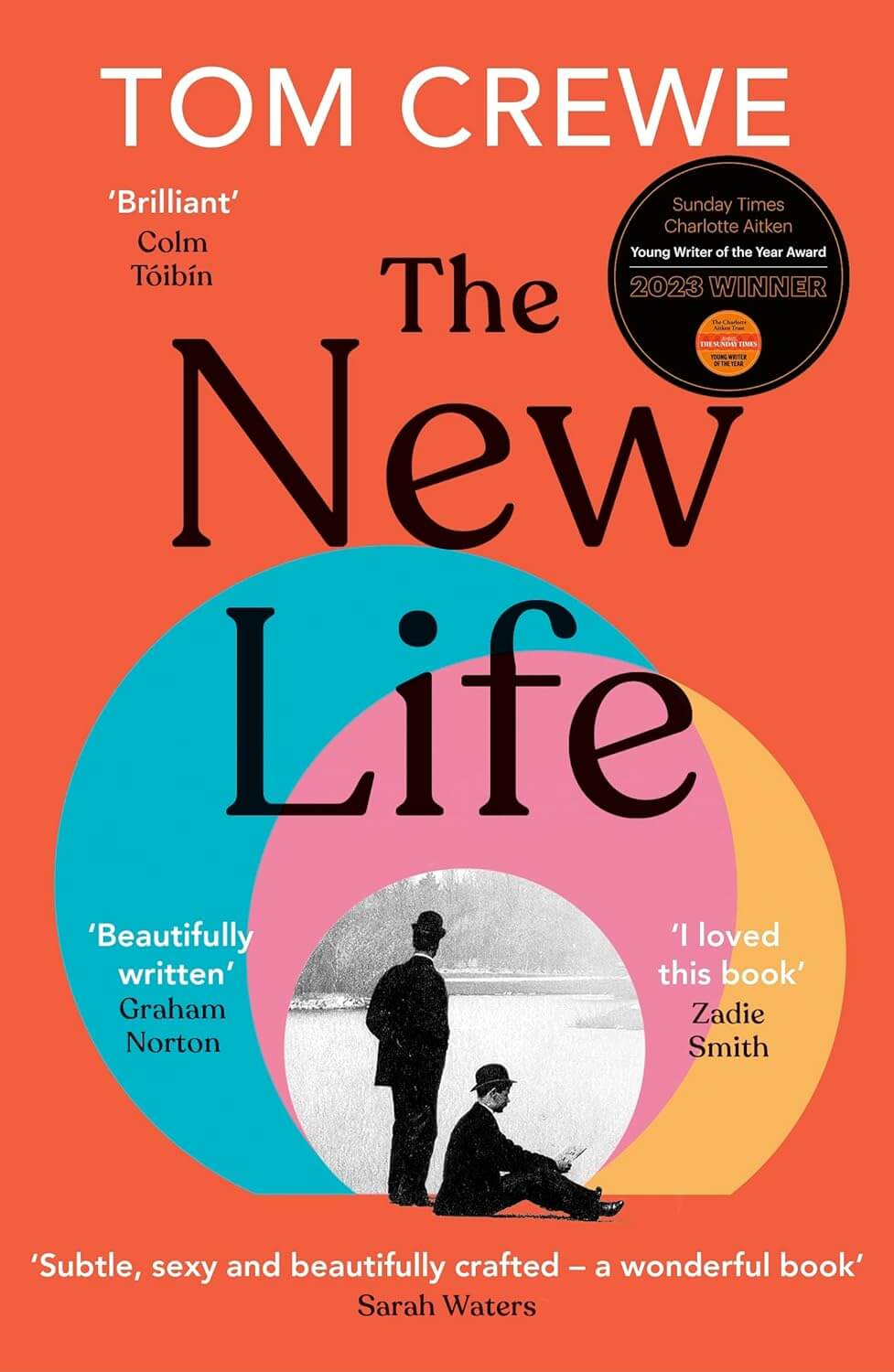
The New Life
Winner

The New Life

by Tom Crewe

Tom Crewe’s The New Life is a beautifully crafted historical novel set in 1890s London, exploring the politics of sexuality, morality, and artistic rebellion. Inspired by real reformers, Crewe follows two men attempting to publish a radical text advocating for gay rights. The novel’s elegant prose evokes a society on the edge of change while revealing the dangers faced by those who challenge restrictive norms. Crewe examines the tension between intellectual hope and lived risk with remarkable nuance. The book resonates with contemporary debates about freedom, identity, and the limits of social progress. It is both a moving love story and a profound political exploration.

3.75
Historical Fiction
Political Fiction
Elegant
Melancholic
Intellectual
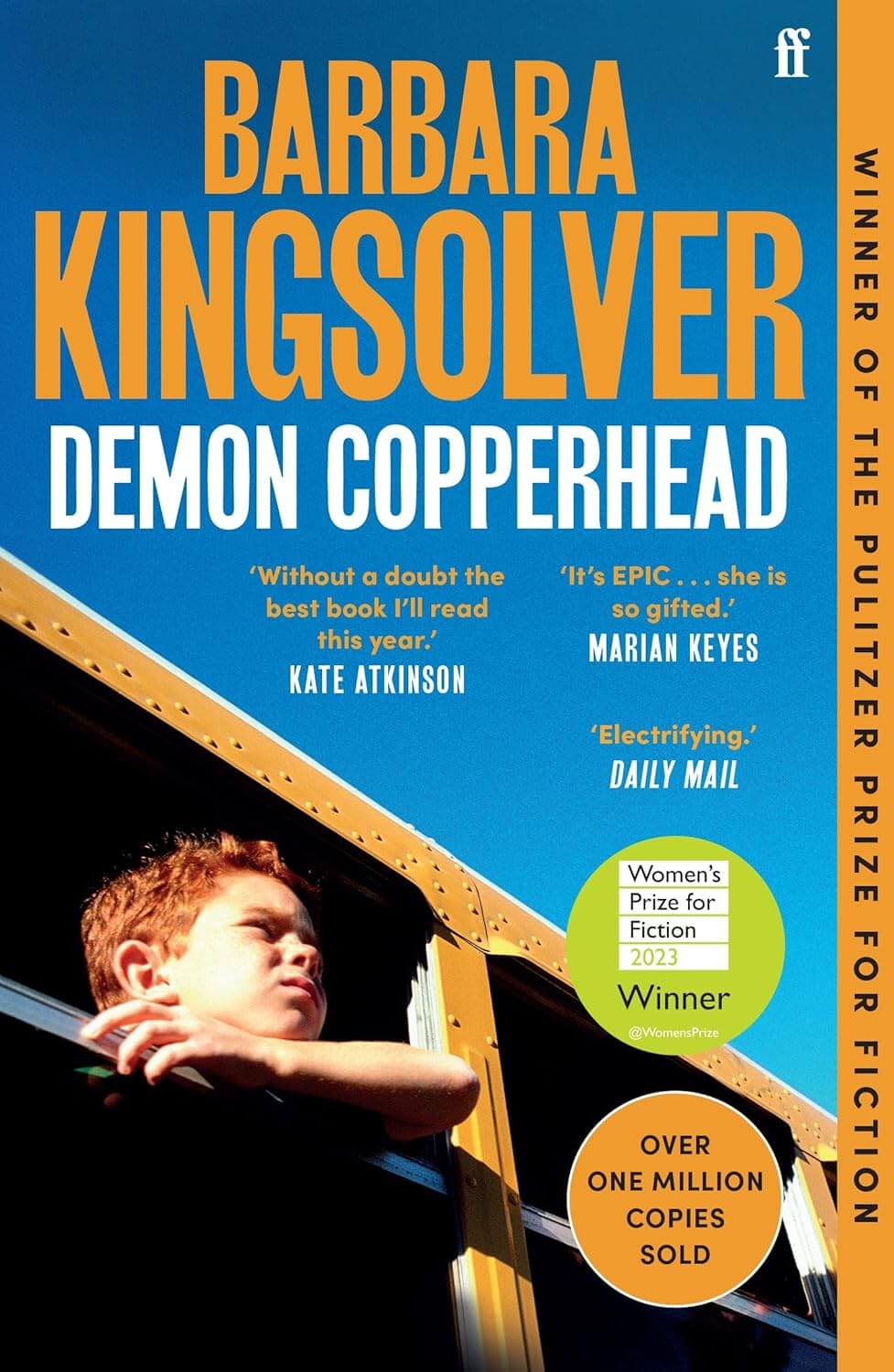
Demon Copperhead

Demon Copperhead

by Barbara Kingsolver

Barbara Kingsolver’s Demon Copperhead reimagines Dickens’s David Copperfield in rural Appalachia, transforming the Victorian classic into a searing political novel about poverty, addiction, and systemic neglect. Kingsolver’s voice is fierce, tender, and unflinchingly honest. Through the eyes of her unforgettable narrator, she exposes the failures of healthcare, education, and social support systems in contemporary America. Yet the novel is not simply bleak — it is full of humour, resilience, and acts of community that defy despair. Kingsolver blends storytelling mastery with sharp social critique, creating a work that feels urgent and timeless.

4.47
Political Fiction
Literary Fiction
Powerful
Gritty
Heartfelt
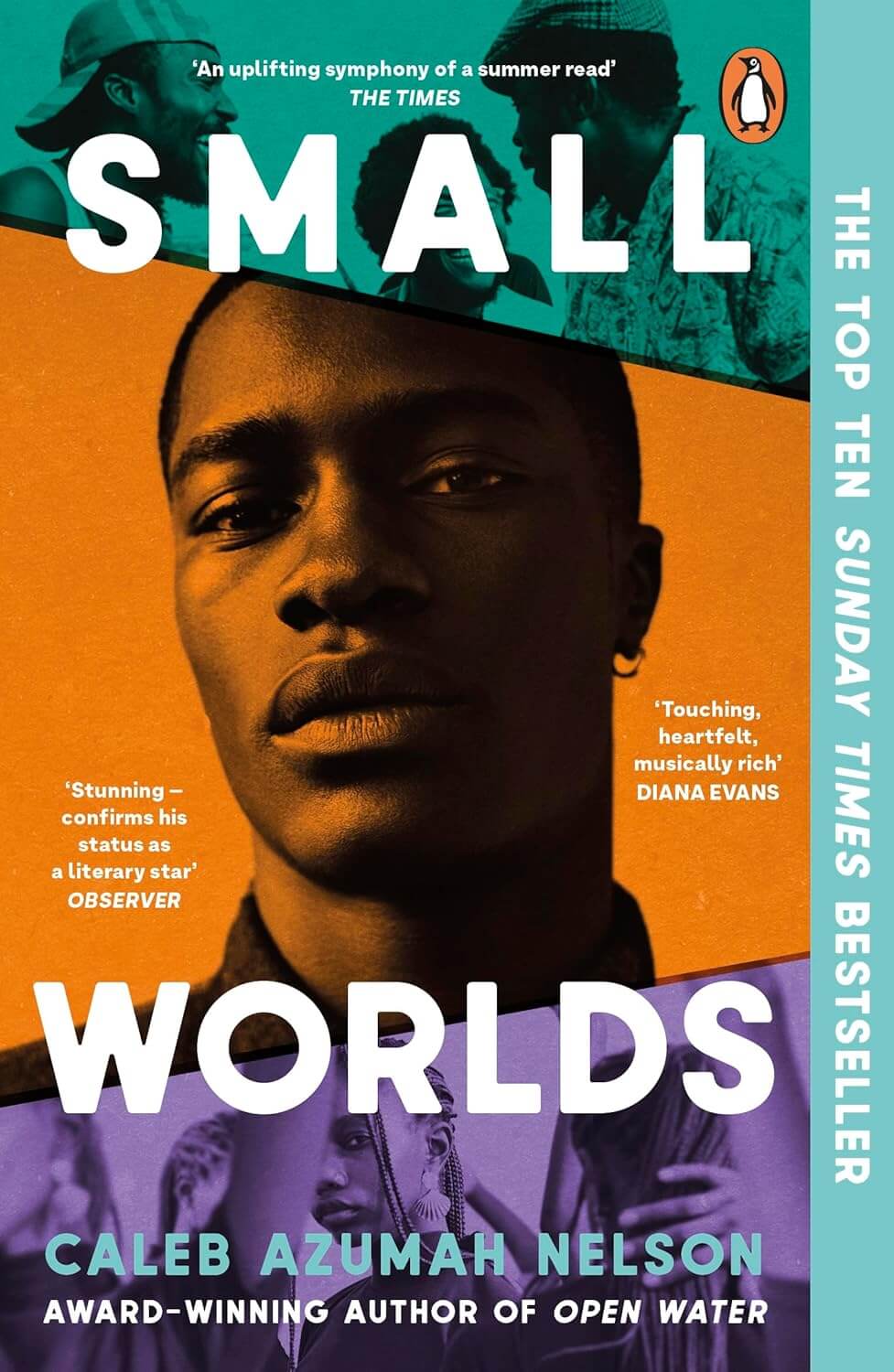
Small Worlds

Small Worlds

by Caleb Azumah Nelson

Caleb Azumah Nelson’s Small Worlds is a tender, rhythmically written novel about family, heritage, and the quiet political pressures that shape coming-of-age. Set between London and Ghana, the story explores how culture, expectation, and migration define a young man’s understanding of home. Nelson’s prose is musical and intimate, capturing the emotional turbulence of youth with extraordinary sensitivity. The novel examines masculinity with nuance, highlighting the inherited grief and unspoken tensions passed down across generations. Politics emerges not through spectacle but through the lived experiences of a community reckoning with identity and belonging. It is luminous, heartfelt, and deeply observant.

4.27
Literary Fiction
Political Fiction
Tender
Reflective
Intimate
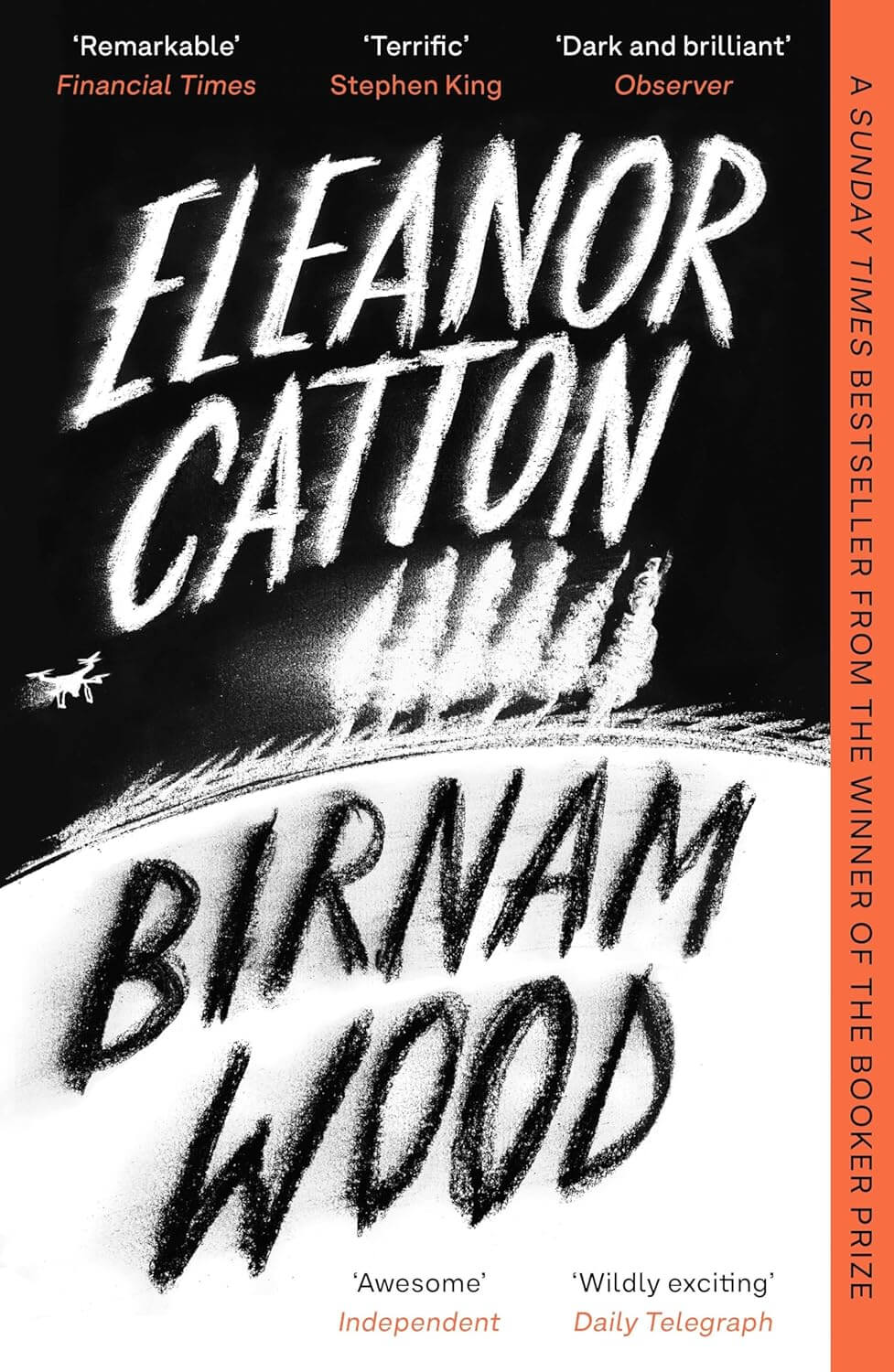
Birnam Wood

Birnam Wood

by Eleanor Catton

Eleanor Catton’s Birnam Wood is a razor-sharp ecological thriller that dissects the entanglement of activism, capitalism, and self-interest. Set in New Zealand, the novel follows a guerrilla gardening collective whose encounter with a billionaire leads to escalating moral compromises. Catton writes with wit and precision, revealing how good intentions collide with power in unpredictable ways. The plot moves with mounting tension, but it is the psychological complexity of her characters that gives the story its bite. She explores the contradictions within left-wing activism and the seductive pull of wealth with unflinching clarity. It's brilliant, biting, and disturbingly timely.

3.80
Political Thriller
Literary Fiction
Tense
Satirical
Sharp
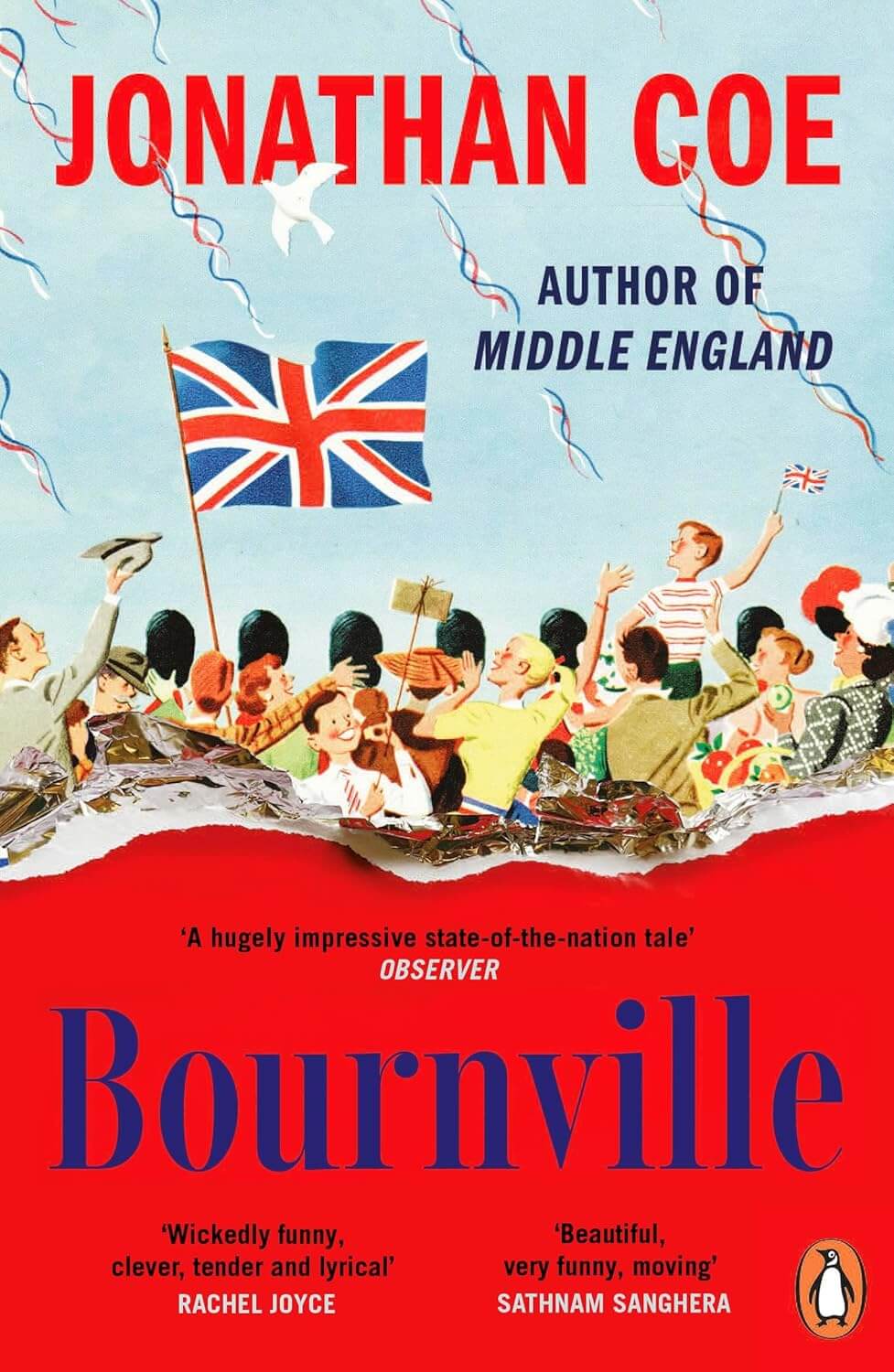
Bournville

Bournville

by Jonathan Coe

Jonathan Coe’s Bournville is a warm yet incisive chronicle of postwar Britain told through a single Midlands family. Spanning decades, the novel captures key cultural and political moments — from royal celebrations to Brexit — and reveals how national narratives bleed into everyday life. Coe’s tone is generous and humorous, yet he maintains a keen eye for social fracture. The book highlights how nostalgia, class identity, and shifting cultural values shape modern Britain. Coe’s ability to balance affection and critique makes the story both comforting and unsettling. It’s a thoughtful portrait of a country in slow transformation.

3.78
Historical Fiction
Social Commentary
Warm
Wry
Reflective
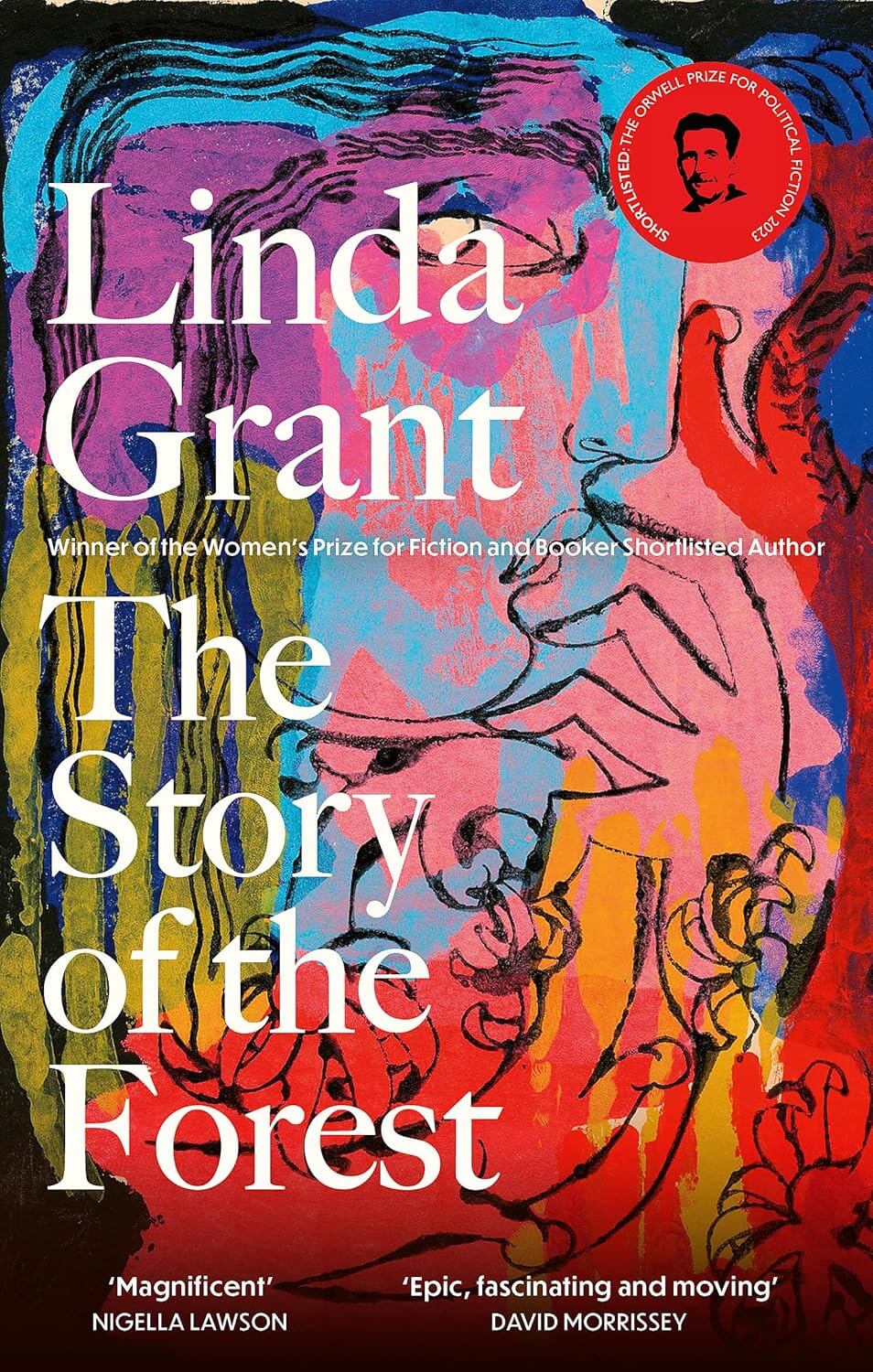
The Story of the Forest

The Story of the Forest

by Linda Grant

Linda Grant’s The Story of the Forest spans continents and decades, tracing a Jewish family’s journey from Latvia to Liverpool. Through rich storytelling, Grant explores exile, survival, and the political forces that scatter families across borders. Her characters are deeply human, shaped by both the weight of history and the ordinary pressures of daily life. The novel examines how ideology, nationalism, and migration reshape identity across generations. Grant writes with clarity and compassion, creating a narrative that is both sweeping and intimate. It’s a powerful reminder that political history is always personal in its consequences.

3.60
Historical Fiction
Political Fiction
Expansive
Compassionate
Reflective
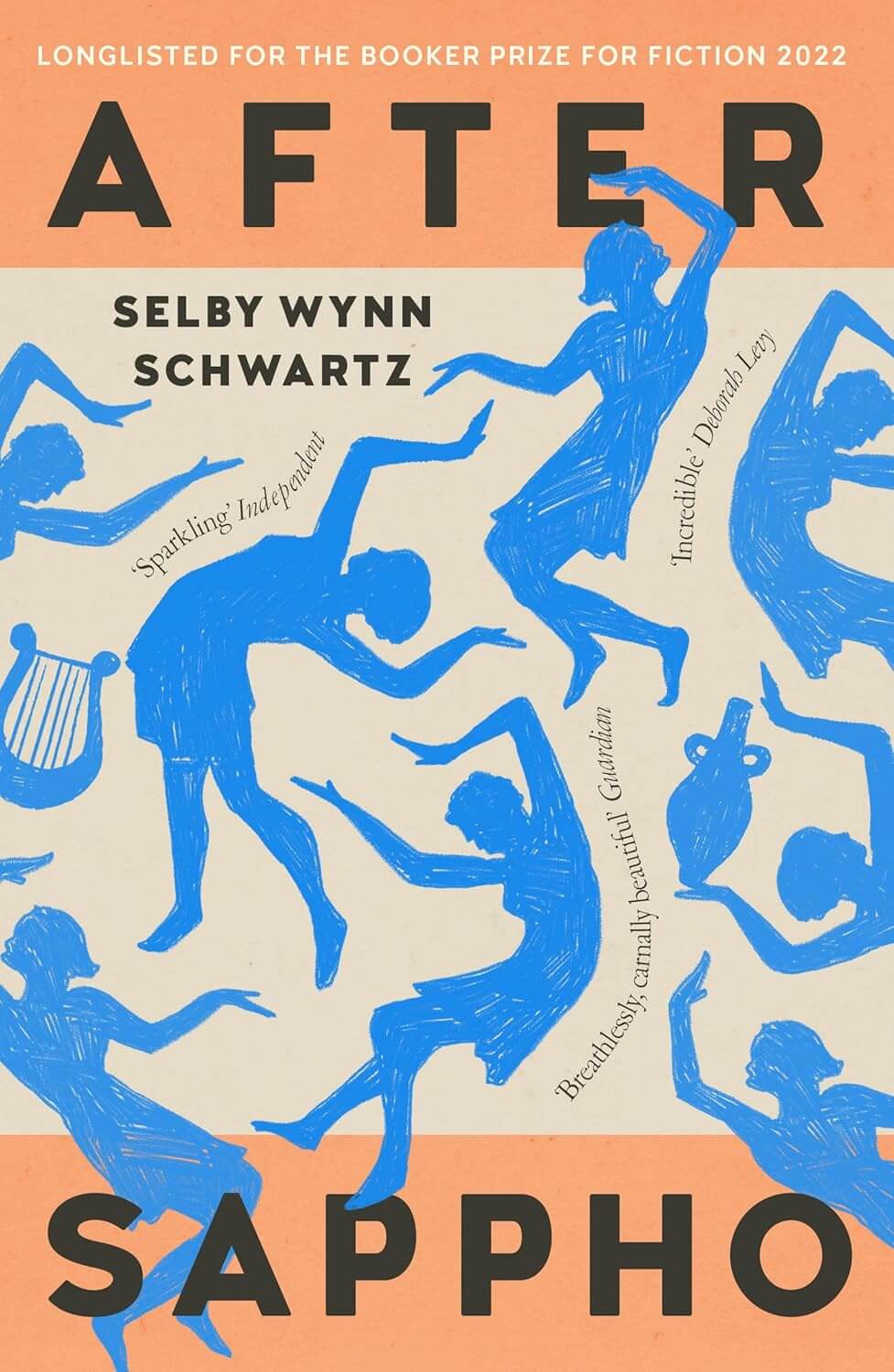
After Sappho

After Sappho

by Selby Wynn Schwartz

Selby Wynn Schwartz’s After Sappho is an innovative, genre-bending novel that traces the intertwined lives of women artists, writers, and activists of the late 19th and early 20th centuries. Written in shimmering fragments, the book assembles a collective portrait of feminist desire, creativity, and political rebellion. Schwartz’s storytelling is poetic and playful, blending historical fact with speculative reconstruction. The novel celebrates queer history while interrogating the structures that constrained its subjects. It is a bold, imaginative work that challenges traditional narrative forms. Reading it feels like witnessing history being rewritten through art.

3.50
Experimental Fiction
Political Fiction
Lyrical
Inventive
Rebellious
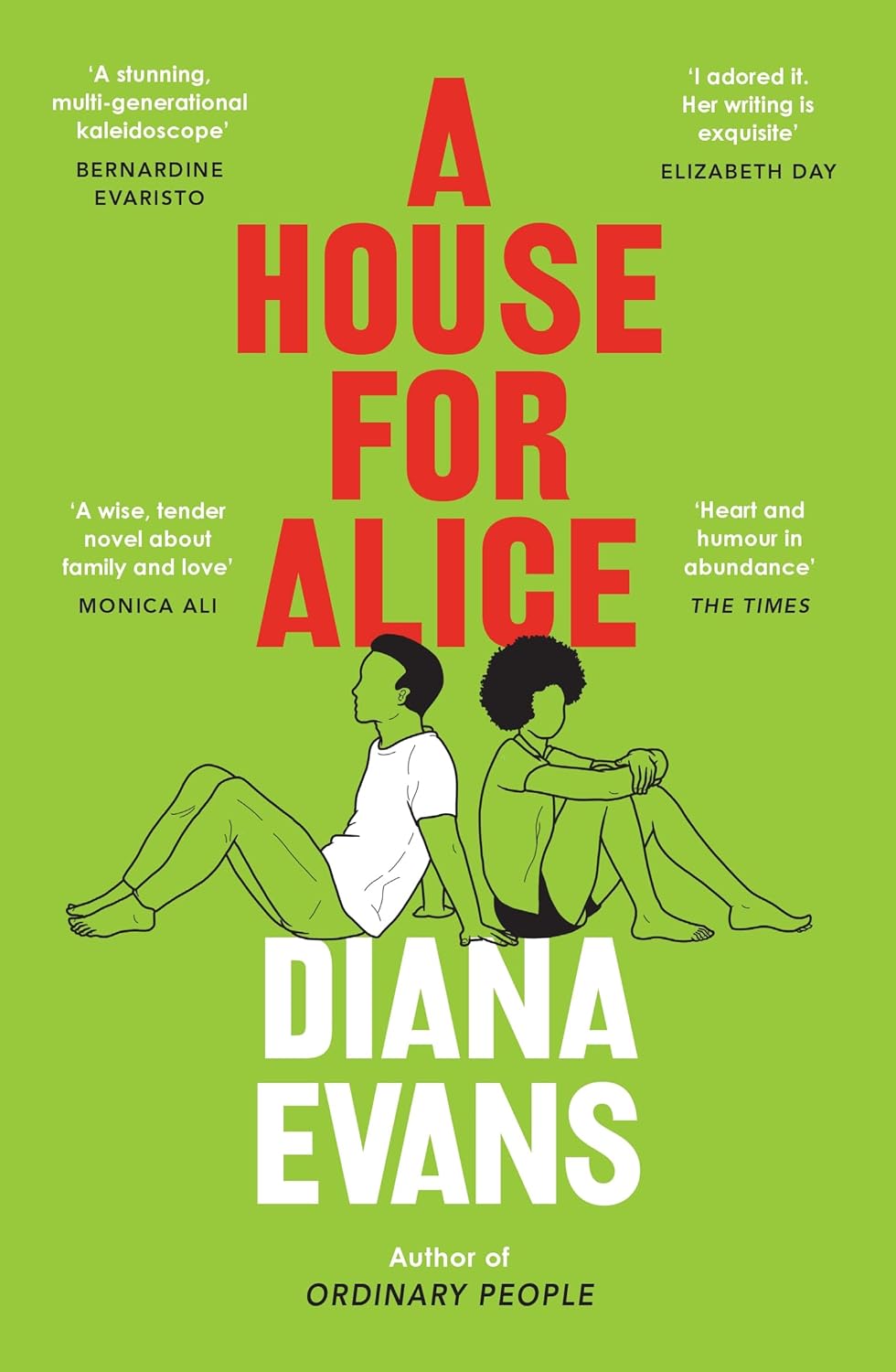
A House for Alice

A House for Alice

by Diana Evans

Diana Evans’s A House for Alice explores family, memory, and the political landscape of modern Britain in the aftermath of the Grenfell Tower fire. The novel follows a Nigerian-British family grappling with grief, homecoming, and generational tension. Evans writes with emotional precision, weaving political questions — housing injustice, immigration, belonging — into the intimate dynamics of siblings and parents. Her descriptions of London feel alive with possibility and pressure. The book’s strength lies in its ability to hold personal heartbreak alongside national trauma. It is a moving, deeply empathetic novel about where we come from and where we feel we belong.

3.35
Political Fiction
Family Drama
Emotional
Warm
Thoughtful