Orwell Prize 2022: Political Fiction

Nine bold, inventive novels illuminating power, inequality, memory, and the politics of everyday life

The Orwell Prize for Political Fiction celebrates novels that explore how politics is lived — not only in public institutions or great historical moments, but in families, communities, and private decisions. The 2022 longlist brings together works that push against traditional storytelling, experiment with form, and foreground the voices often excluded from official narratives. These books explore climate catastrophe, colonial legacy, gendered power, class struggle, and the ways individuals navigate systems they never chose.

Across these novels, politics emerges not as something distant or ideological, but as something intimate: embedded in grief, labour, love, language, and the stories we inherit. From the imaginative reclamation of women’s histories to the sparse emotional landscapes of post-war trauma, each book illuminates the tension between personal agency and structural constraint. They take risks — stylistically, thematically, politically — and in doing so, reveal truths that conventional narratives overlook.

Together, these works showcase the breadth of contemporary political fiction: experimental yet accessible, bold yet compassionate, rooted in specific lives yet resonating far beyond them. They challenge readers to question power, to notice what is usually unseen, and to imagine new possibilities for resistance, justice, and belonging.

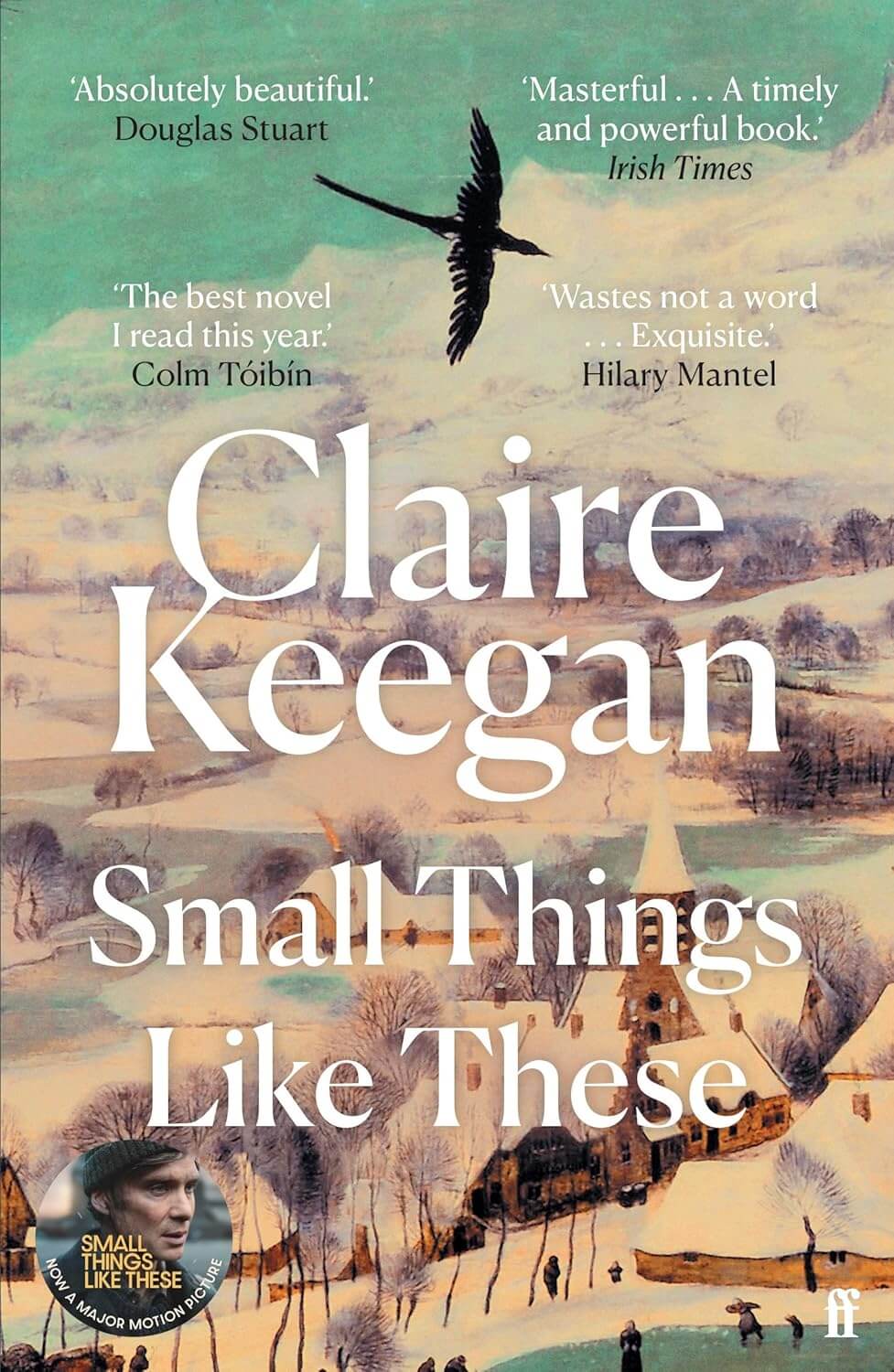
Small Things Like These
Winner

Small Things Like These

by Claire Keegan

Claire Keegan’s novella is a masterclass in restraint, shining a bright light on Ireland’s Magdalene laundries through one man’s small act of courage. Set in the 1980s, the book follows Bill Furlong as he uncovers cruelty hidden in plain sight within his town’s religious institutions. Keegan’s prose is spare yet luminous, capturing the moral weight of seemingly ordinary decisions. She explores complicity, shame, and the quiet power of choosing to do what is right. The story is brief but emotionally immense, revealing how political injustice thrives on silence. A profound and deeply humane work.

4.10
Historical Fiction
Political Fiction
Quiet
Poignant
Moral
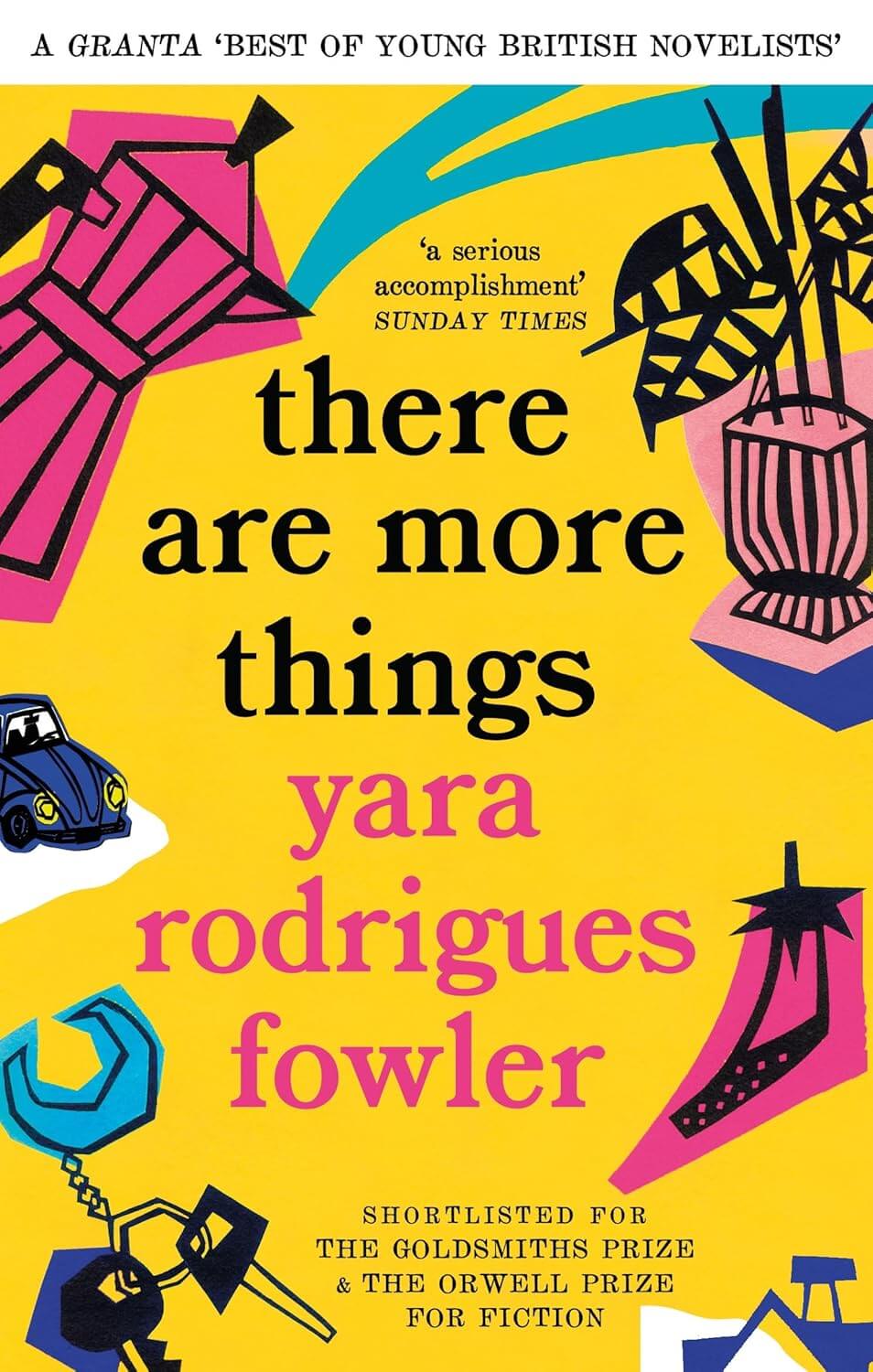
there are more things

there are more things

by Yara Rodrigues Fowler

Yara Rodrigues Fowler’s novel is an energetic, multi-voiced exploration of activism, community, and political hope across London and Latin America. Blending narrative, fragments, and digital textures, Fowler captures the exhilaration and exhaustion of organising in a world defined by precarity. Her characters confront capitalism, climate crisis, and the legacies of dictatorship while searching for forms of solidarity that actually sustain them. The book is experimental but emotionally grounded, full of joy, rage, humour, and searching. Fowler’s voice is urgent and generous, offering a vision of politics rooted in care rather than ideology. It’s vibrant, inventive, and alive with possibility.

4.20
Experimental Fiction
Political Fiction
Energetic
Radical
Inventive
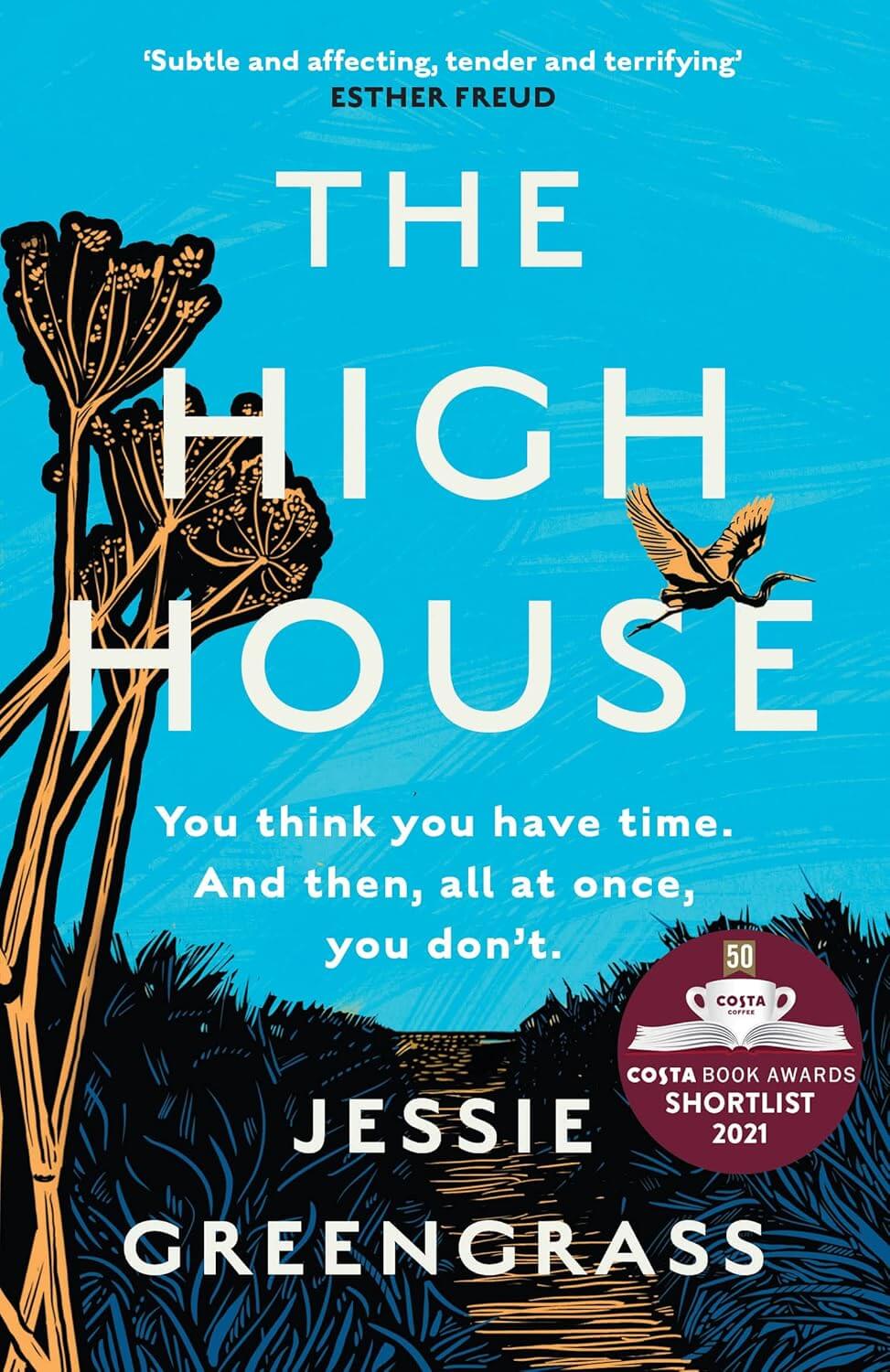
The High House

The High House

by Jessie Greengrass

Jessie Greengrass’s The High House is a quietly devastating climate novel set in a near-future Britain ravaged by rising seas. Focusing on a small group of characters sheltering in a coastal home, Greengrass examines how catastrophe reshapes responsibility, love, and sacrifice. Her writing is elegant and restrained, capturing the unsettling calm that precedes — and follows — disaster. Rather than sensationalism, the novel offers intimacy: the slow erosion of certainty, the burden of care, and the guilt of those who saw the crisis coming. It is haunting, compassionate, and deeply attuned to environmental politics.

3.94
Climate Fiction
Political Fiction
Quiet
Haunting
Tender
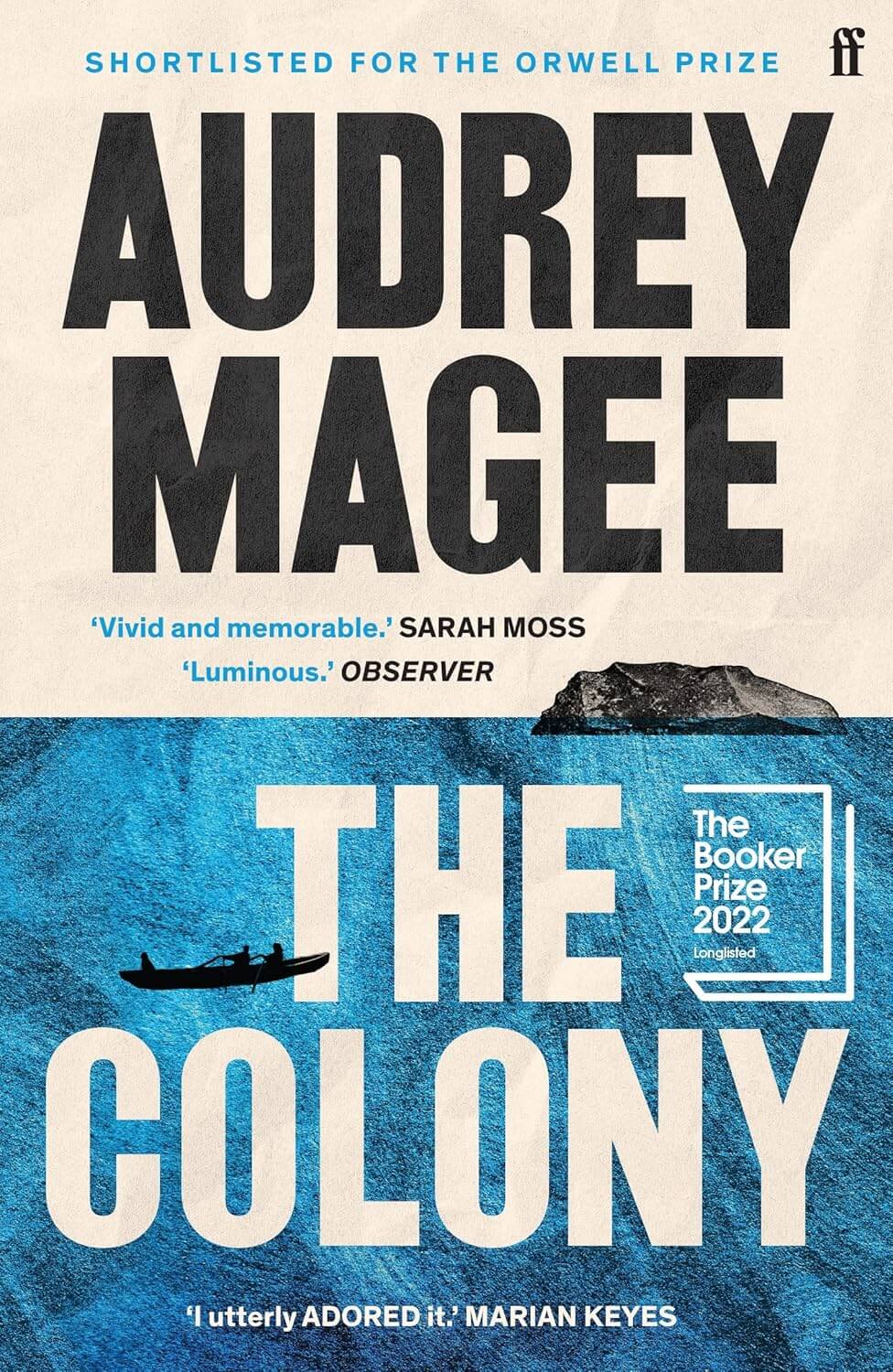
The Colony

The Colony

by Audrey Magee

Audrey Magee’s The Colony is a taut, layered novel about language, identity, and colonial legacy set on a small Irish island. The arrival of an artist and a linguist sparks tensions that reveal deeper fractures around power, preservation, and cultural ownership. Magee’s prose is sharp and controlled, creating a claustrophobic atmosphere that mirrors the island’s political pressures. She uses parallel narrative threads to explore how violence and cultural domination echo through generations. The book is intellectual yet visceral, both intimate and sweeping. It is a quietly explosive examination of what it means to claim — or be claimed by — a place.

4.10
Political Fiction
Historical Fiction
Tense
Cerebral
Claustrophobic
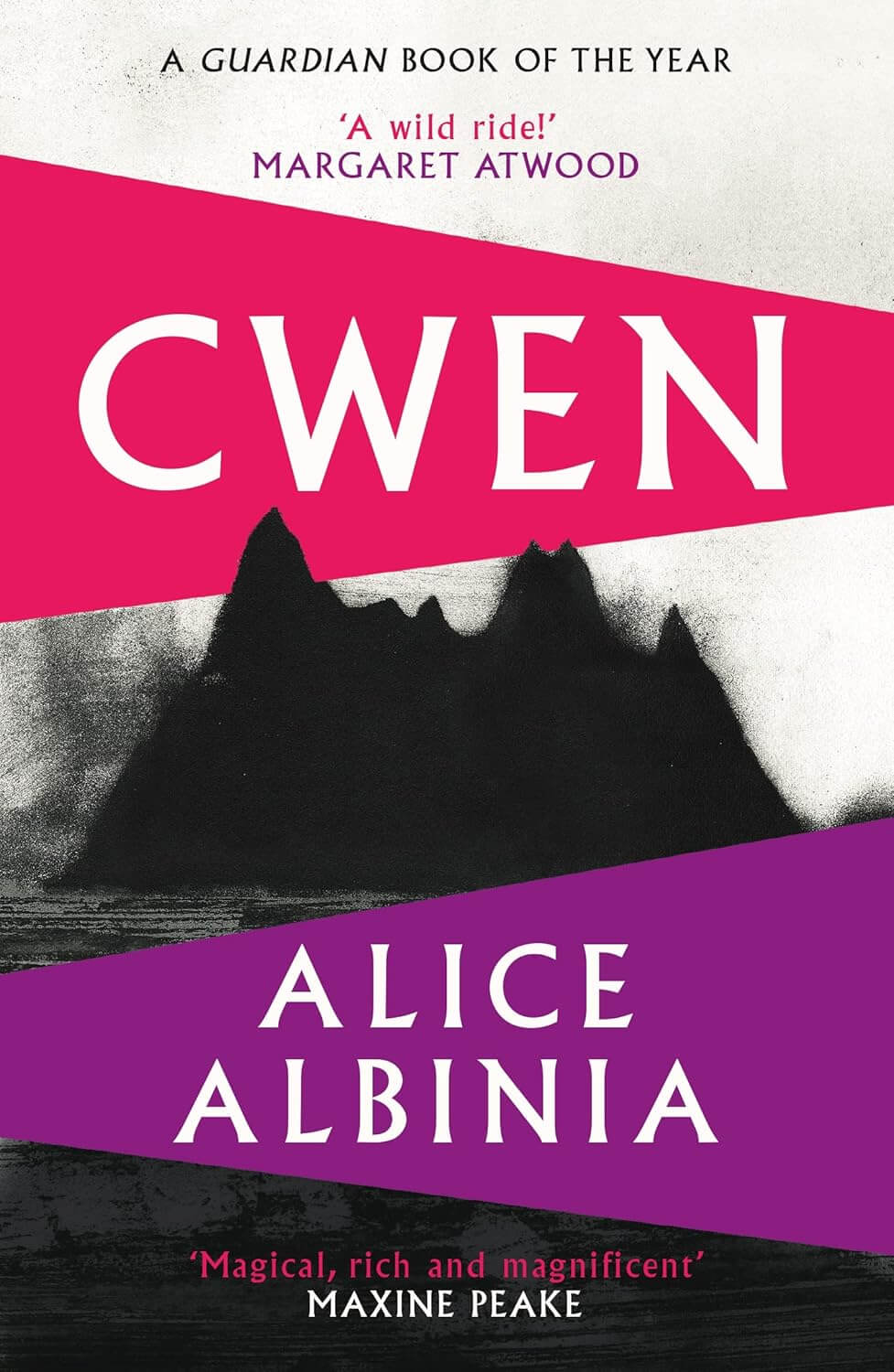
Cwen

Cwen

by Alice Albinia

Alice Albinia’s Cwen is a sweeping, genre-defying novel that reclaims women’s power across time, myth, and politics. Set on a remote archipelago, the story blends folklore, feminism, and environmental politics into a bold narrative collage. Albinia shifts between voices — past and present, human and elemental — to reveal a history intentionally obscured by patriarchal systems. The result is a fiercely imaginative exploration of sovereignty and resistance. Her writing is playful, poetic, and fiercely political, asking readers to reconsider who is allowed to speak and who is written out. It is ambitious, inventive, and deeply resonant.

3.61
Mythic Fiction
Political Fiction
Rebellious
Lyrical
Expansive
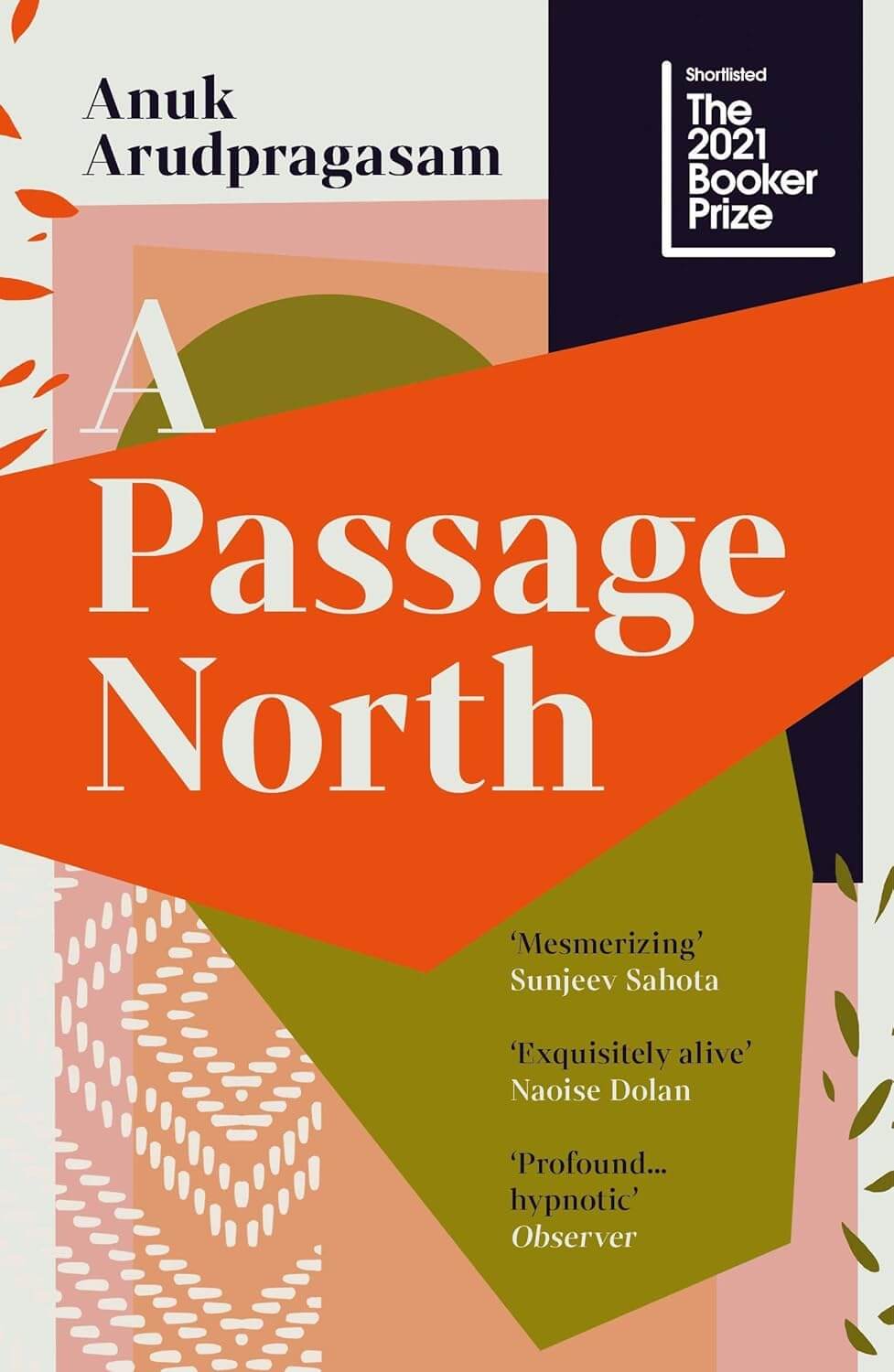
A Passage North

A Passage North

by Anuk Arudpragasam

Anuk Arudpragasam’s A Passage North is a meditative, psychologically rich novel set in the aftermath of the Sri Lankan civil war. Following a young man’s journey north for a funeral, the book unfolds through long, searching reflections on grief, violence, and memory. Arudpragasam’s prose is meticulous and philosophical, capturing the lingering trauma of a conflict that reshaped an entire nation. Rather than depict war directly, he explores its reverberations, revealing how private sorrow and political history are inseparable. The novel’s quiet intensity and emotional precision make it profoundly affecting. It is a work of deep contemplation and moral clarity.

3.71
Literary Fiction
Political Fiction
Meditative
Somber
Reflective
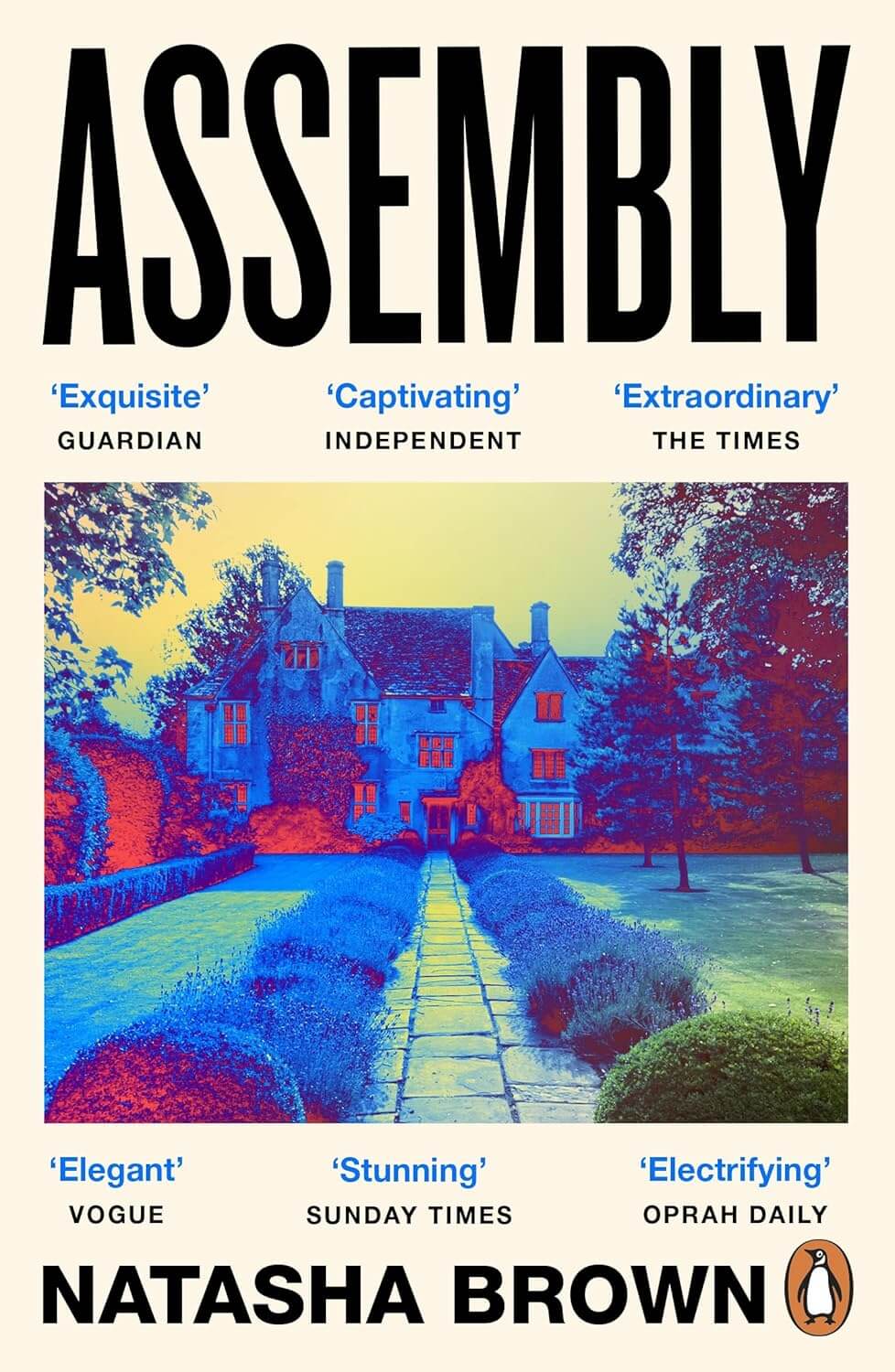
Assembly

Assembly

by Natasha Brown

Natasha Brown’s Assembly is a taut, incisive novella that cuts sharply through questions of race, class, and the pressures placed on Black women in modern Britain. Told through fragmented, precise prose, the novel follows a successful professional preparing for a party while confronting the accumulated weight of microaggressions, expectations, and erasure. Brown’s style is minimalist but explosive, revealing the violence embedded in polite society. The narrative dismantles the stories institutions tell about meritocracy and belonging. It’s both a personal reckoning and a political indictment. Assembly is short, relentless, and unforgettable.

3.81
Political Fiction
Experimental Fiction
Intense
Incisive
Controlled
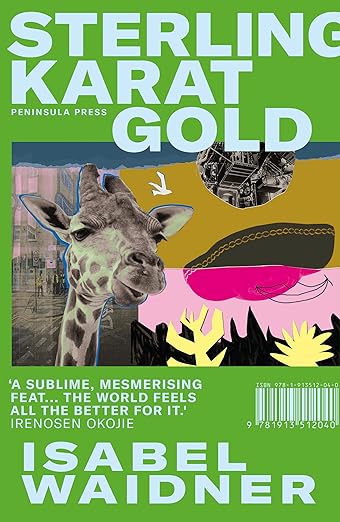
Sterling Karat Gold

Sterling Karat Gold

by Isabel Waidner

Isabel Waidner’s Sterling Karat Gold is a dazzling, genre-bending novel that blends absurdism, satire, and political critique. The story follows Sterling, a nonbinary protagonist swept into a surreal legal trial that exposes the violence of bureaucracy, nationalism, and rigid identity categories. Waidner’s prose is playful, experimental, and defiantly queer, using humour and dream logic to confront structural oppression. Beneath the novel’s wild inventiveness lies a sharp analysis of how the state polices bodies and belonging. It is anarchic, joyful, and profoundly political — a celebration of resistance through form as much as content.

3.65
Experimental Fiction
Queer Fiction
Political Fiction
Playful
Defiant
Surreal
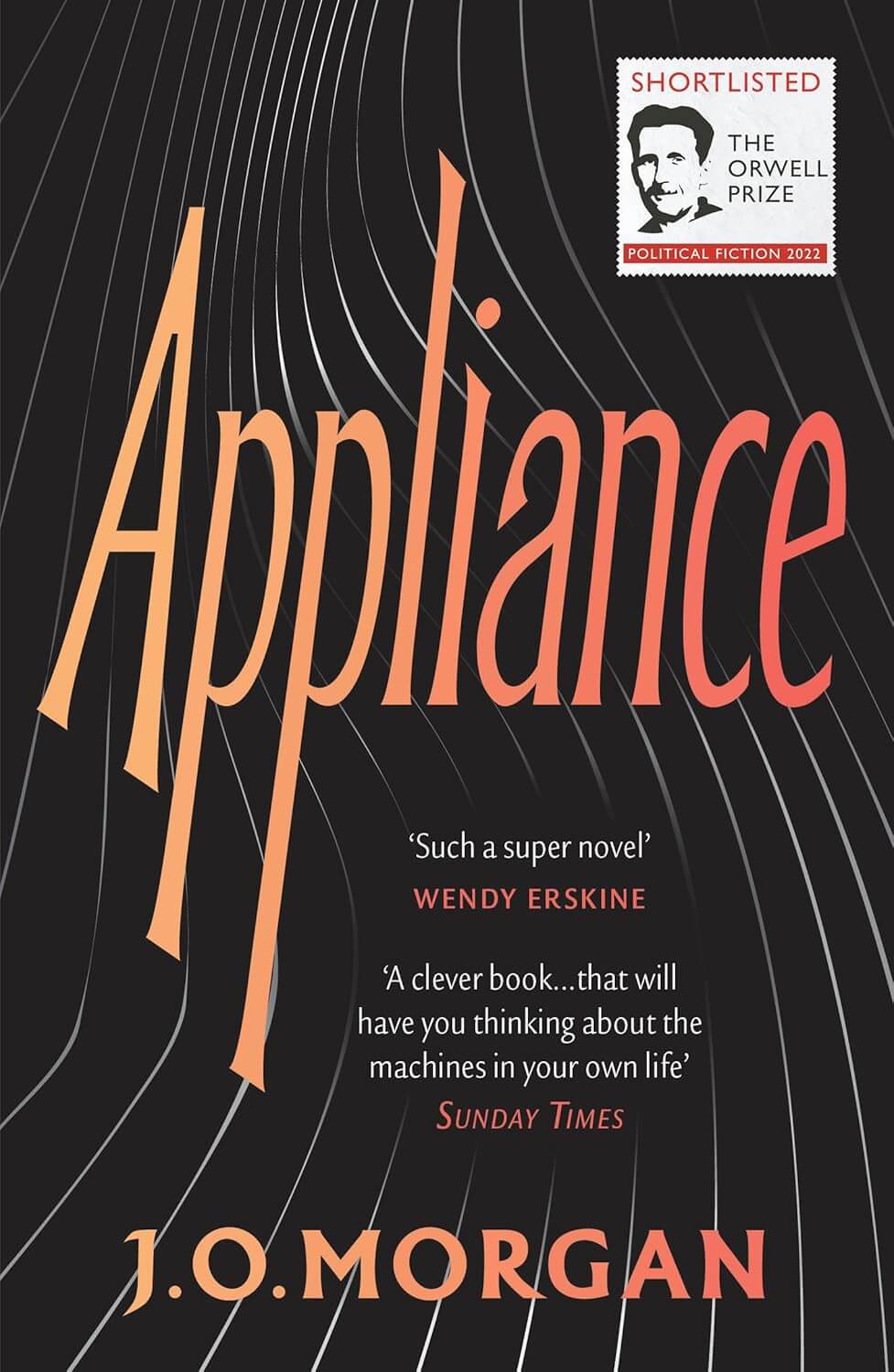
Appliance

Appliance

by J.O. Morgan

J.O. Morgan’s Appliance is a sly, thought-provoking speculative novel examining technological progress and the political consequences of convenience. Through a series of interconnected episodes, Morgan traces how a mysterious new device transforms society — and how little we question the systems that govern our daily lives. His prose is clean and quietly humorous, revealing how technology amplifies inequality and erodes agency. The book avoids heavy-handed dystopia, opting instead for unsettling subtlety. It’s a cautionary tale about complacency, innovation, and the stories we tell ourselves about progress. Smart, unsettling, and deceptively simple.

3.64
Speculative Fiction
Political Fiction
Subtle
Wry
Unsettling