Orwell Prize 2021: Political Fiction

Twelve bold, intimate, and politically charged novels revealing the fractures and forces shaping contemporary life

The Orwell Prize for Political Fiction recognises novels that reveal how personal lives are shaped by power — the quiet pressures of institutions, the tensions within families, the weight of history, and the shifting landscapes of identity. The 2021 longlist brings together stories from across the globe, tackling themes of race, migration, inequality, climate anxiety, colonial legacy, and the politics of reinvention. Each book demonstrates how fiction, at its best, illuminates the political forces often hidden beneath the surface of everyday choices.

These novels explore politics not only in public arenas, but also in private moments — in marriages, friendships, grief, and memory. They offer intimate portraits of characters navigating worlds marked by social expectations, inherited trauma, and systems much larger than themselves. Whether through multi-generational histories, speculative near-futures, or sharply observed realism, the authors create narratives that challenge readers to question their assumptions about justice, identity, and belonging.

Taken together, this longlist showcases fiction’s ability to interrogate power with nuance and emotional depth. These books do not preach; they reveal. They invite readers into difficult conversations while offering rich, compelling storytelling. Through imagination and empathy, they bring political questions into vivid, human focus — fulfilling Orwell’s idea that good political fiction helps us see the world more clearly.
Summer
Winner

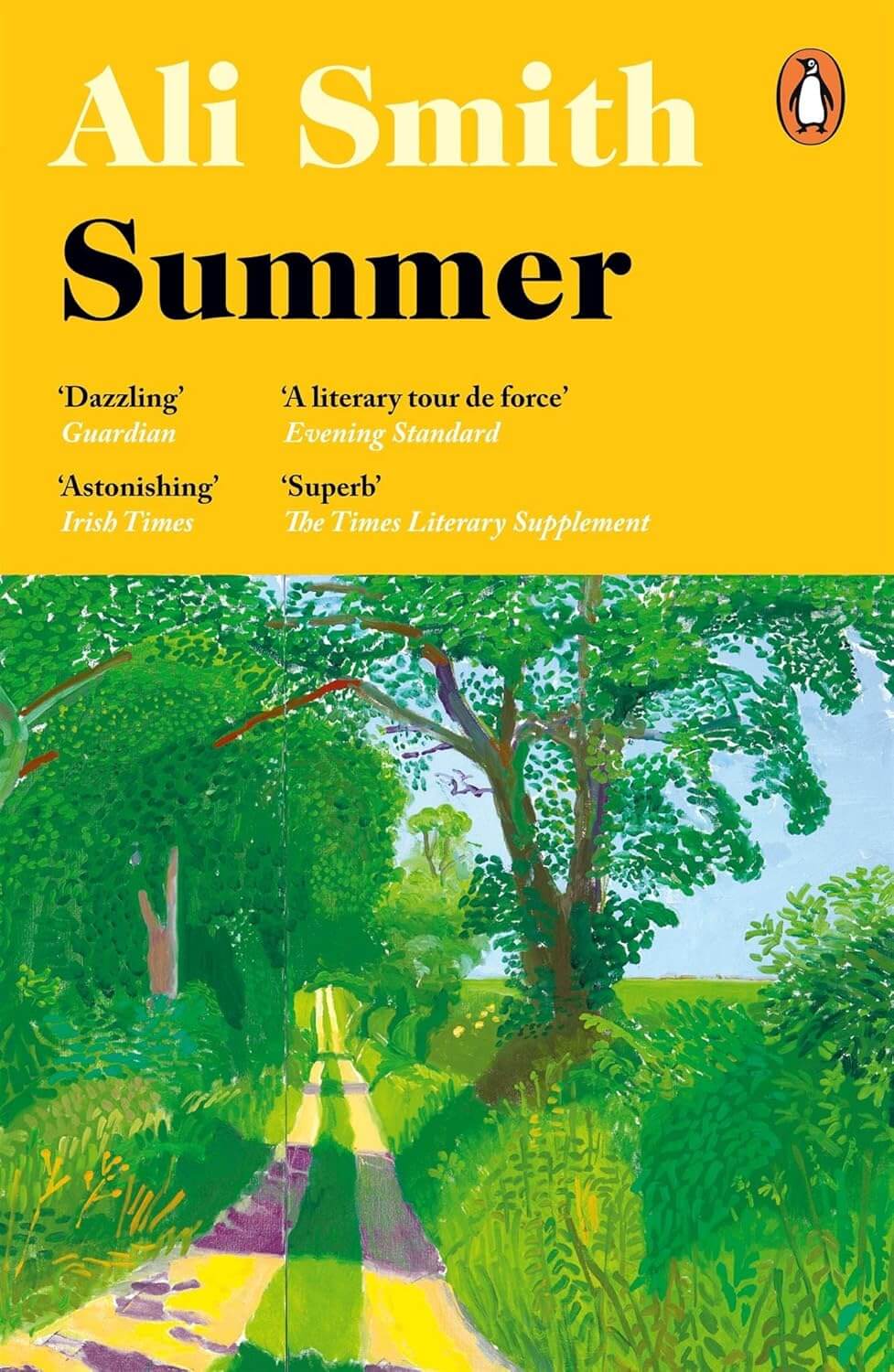
Summer

by Ali Smith

The final instalment of Ali Smith’s celebrated Seasonal Quartet, Summer is a vibrant, polyphonic novel capturing the tumult of 2020 — from Brexit to the pandemic to the refugee crisis. Smith blends historical reflection with contemporary urgency, weaving connections between past and present. Her prose is inventive, playful, and compassionate, celebrating human resilience even amid political turmoil. The novel’s structure mirrors the chaos and interconnectedness of the moment, offering clarity through art. Smith’s work is as hopeful as it is incisive, reminding readers of the possibility of renewal.

4.03
Literary Fiction
Political Fiction
Inventive
Urgent
Compassionate
Shuggie Bain

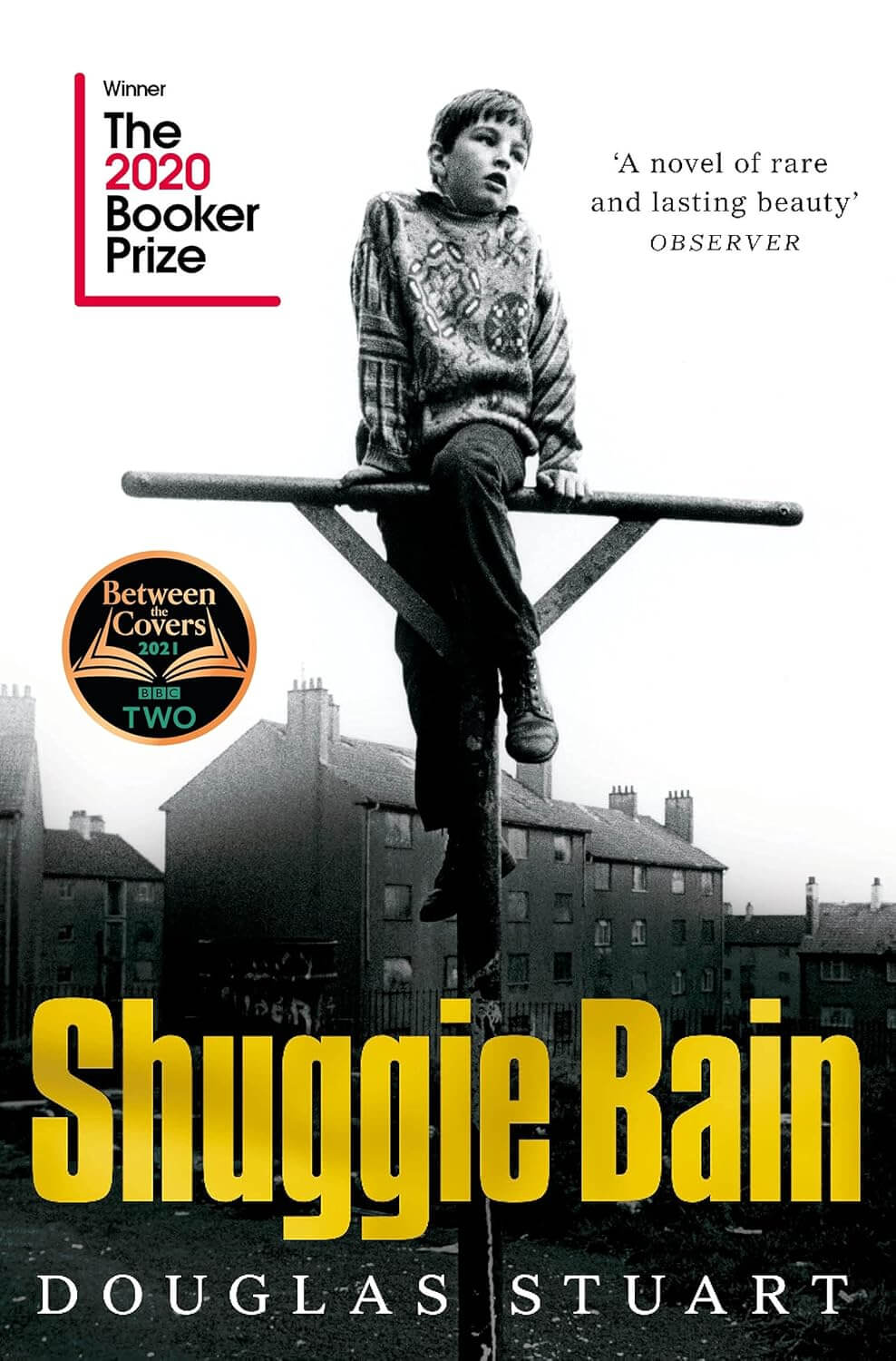
Shuggie Bain

by Douglas Stuart

Douglas Stuart’s Booker Prize–winning debut is a raw, tender portrait of a young boy growing up in 1980s Glasgow with an alcoholic mother. While intimate and deeply emotional, the novel is also political in its depiction of poverty, deindustrialisation, and social abandonment. Stuart’s characters are rendered with heartbreaking clarity, revealing the inner strength required to endure hardship. The writing is vivid, compassionate, and unflinching, carrying the weight of both love and despair. Shuggie Bain is a story about resilience in the face of systemic failure — devastating, beautiful, and unforgettable.

4.30
Literary Fiction
Social Realism
Political Fiction
Raw
Emotional
Compassionate
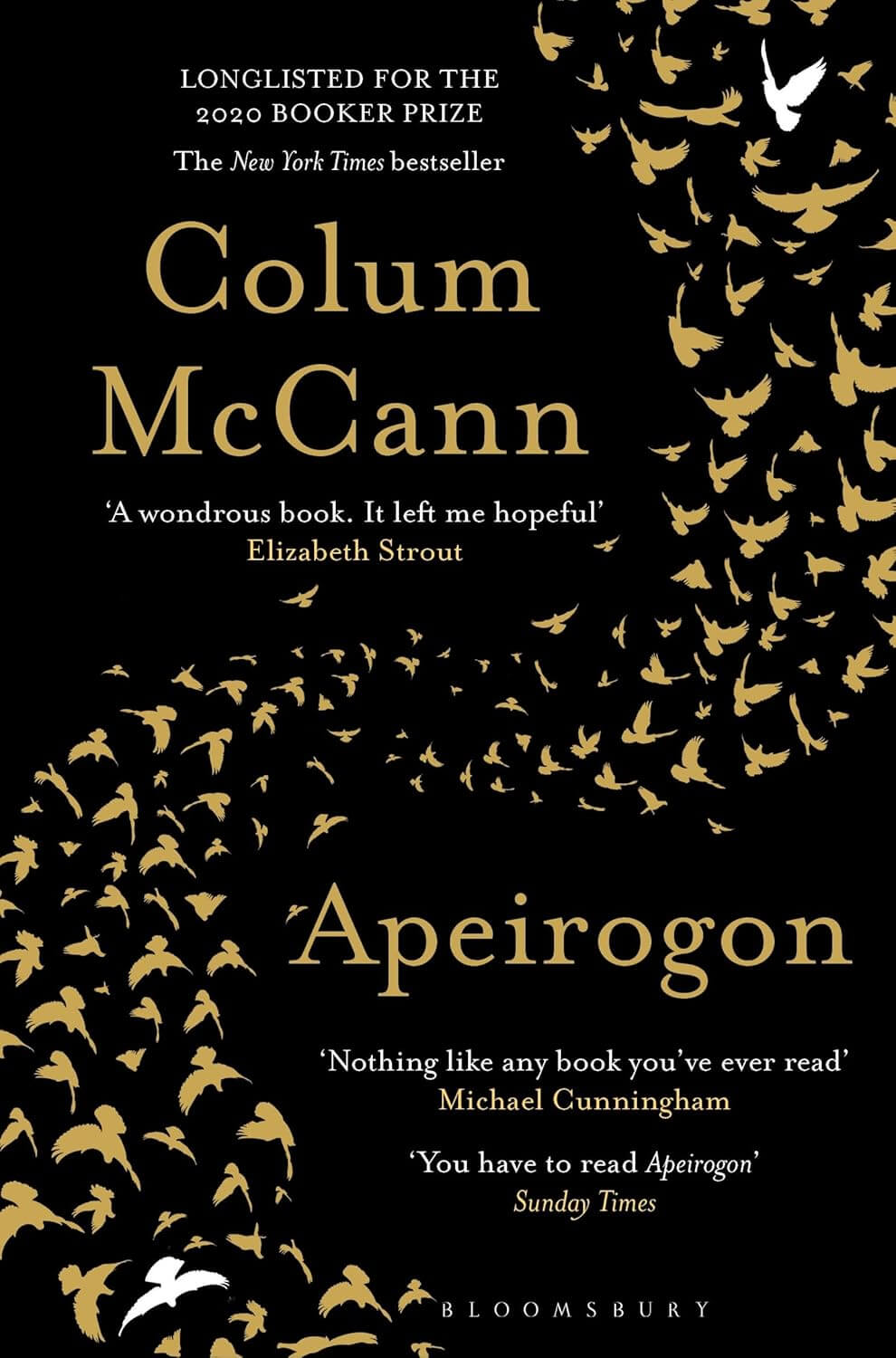
Apeirogon

Apeirogon

by Colum McCann

Colum McCann’s Apeirogon is an ambitious, experimental novel based on the true friendship between two fathers — one Israeli, one Palestinian — united by the loss of their daughters. Structured in numbered fragments, the book spans history, memory, politics, and imagination. McCann weaves together anecdotes, archives, and lyrical passages to illuminate the devastating consequences of conflict. The structure mirrors the complexity of the region itself, offering no easy answers but deep compassion. The novel’s emotional power lies in its focus on grief shared across political divides. It is daring, immersive, and profoundly moving.

4.25
Political Fiction
Literary Fiction
Lyrical
Ambitious
Heartfelt
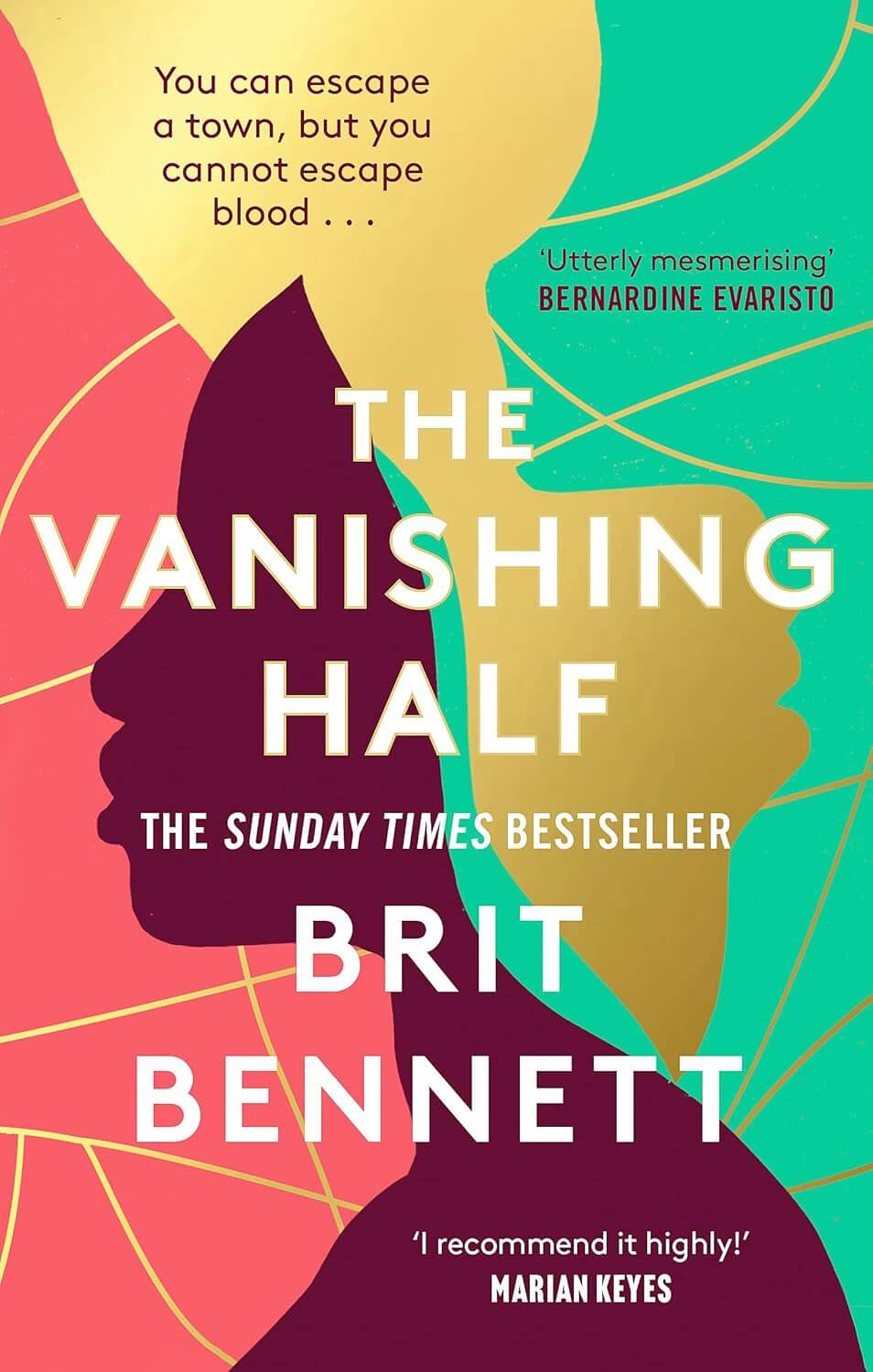
The Vanishing Half

The Vanishing Half

by Brit Bennett

Brit Bennett’s acclaimed novel explores race, identity, and family through the lives of twin sisters who choose dramatically different paths — one living as a Black woman, the other passing as white. Bennett’s storytelling is elegant and deeply empathetic, weaving multiple perspectives across generations. She captures both the personal cost of reinvention and the structural forces shaping her characters’ choices. The novel’s political lens is subtle but penetrating, revealing how racism shapes opportunity and perception. Bennett balances historical sweep with intimate emotion, creating a powerful exploration of identity’s fluidity and limits.

4.12
Historical Fiction
Literary Fiction
Political Fiction
Reflective
Emotional
Nuanced
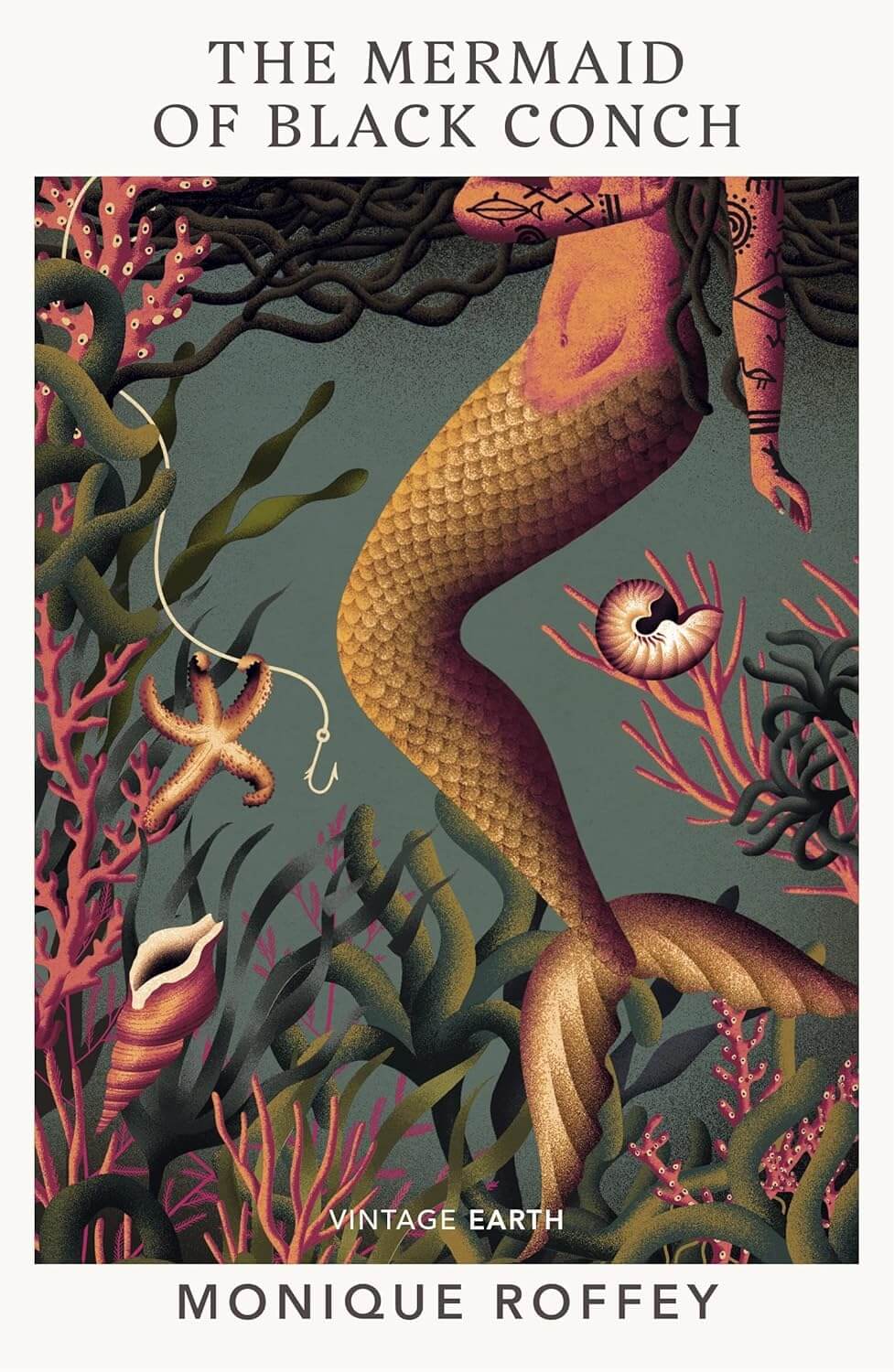
The Mermaid of Black Conch

The Mermaid of Black Conch

by Monique Roffey

Monique Roffey’s award-winning novel blends myth, history, and sensuality in a story about a mermaid pulled from the sea and taken captive by fishermen. Set on a Caribbean island, the book explores colonial legacy, gender violence, and the yearning for transformation. Roffey’s writing is lush and lyrical, immersing readers in a world where magic coexists with social realism. The novel’s political undercurrents — about who is objectified, who is silenced, and who gets to be free — are woven seamlessly into its narrative. It is imaginative, daring, and deeply emotional.

3.87
Magical Realism
Political Fiction
Lush
Romantic
Mythic
The Death of Vivek Oji

The Death of Vivek Oji

by Akwaeke Emezi

Akwaeke Emezi’s moving novel opens with a death and unfolds into a tender, complex story about identity, queerness, and community in contemporary Nigeria. Emezi explores how social expectations and rigid norms can suffocate those who live outside them, while also celebrating chosen families and secret joys. Their prose is lyrical and precise, capturing both the beauty and the danger of self-discovery. The novel’s political dimension lies in its portrayal of how societies enforce conformity — and the courage required to resist. It is intimate, heartbreaking, and filled with compassion.

4.12
Literary Fiction
Queer Fiction
Political Fiction
Lyrical
Emotional
Haunting
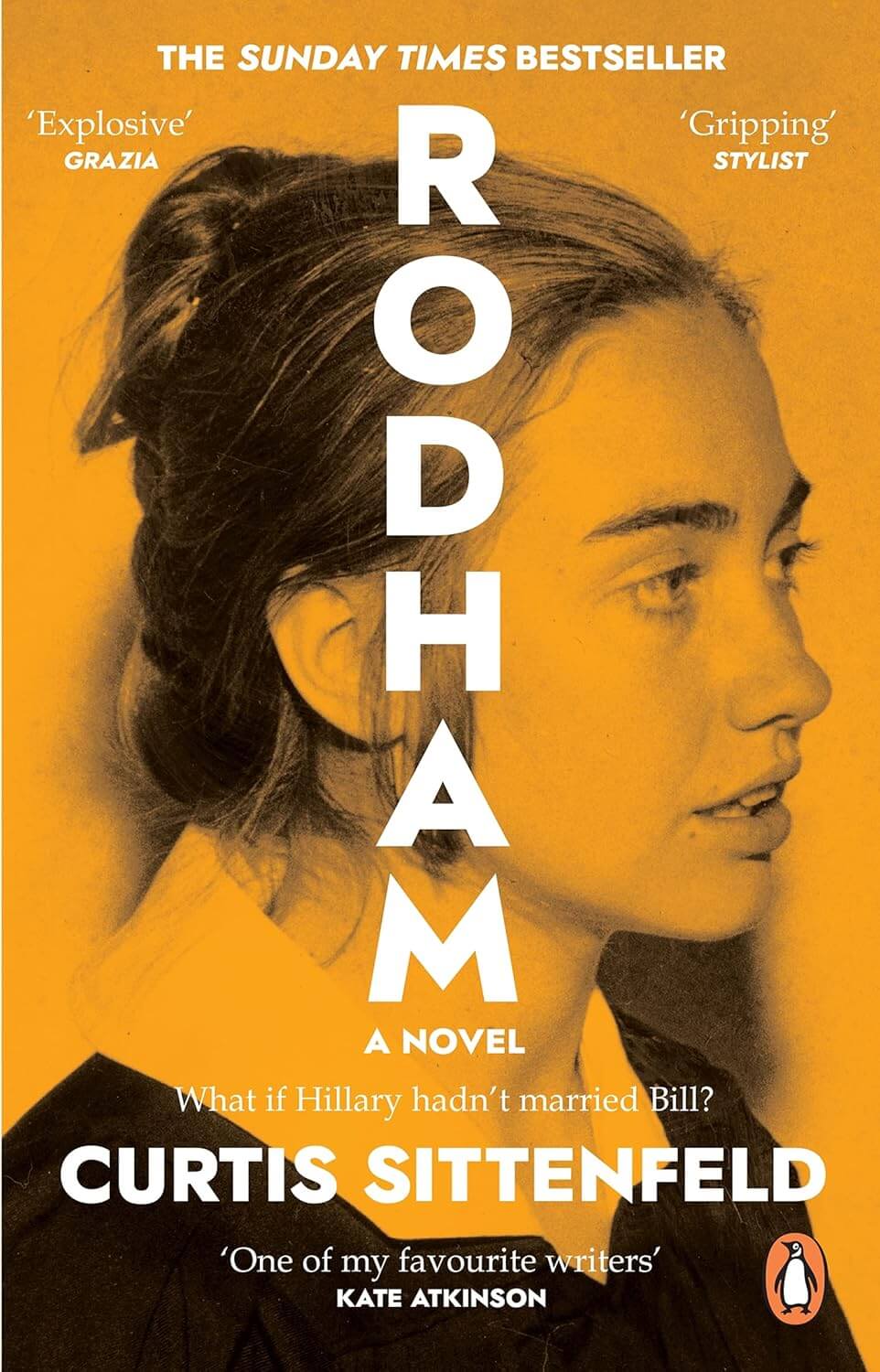
Rodham

Rodham

by Curtis Sittenfeld

Curtis Sittenfeld’s Rodham is a sharp, clever work of alternative history that imagines a world in which Hillary Rodham never married Bill Clinton. Through this premise, Sittenfeld explores ambition, sexism, public scrutiny, and the compromises women are expected to make. The novel is both satire and serious political commentary, balancing humour with genuine emotional insight. Sittenfeld creates a protagonist who is complex, flawed, and deeply human, while examining how power reshapes identity and relationships. It is a bold, addictive, and surprisingly tender reimagining of political possibility.

3.83
Political Fiction
Alternate History
Witty
Clever
Reflective
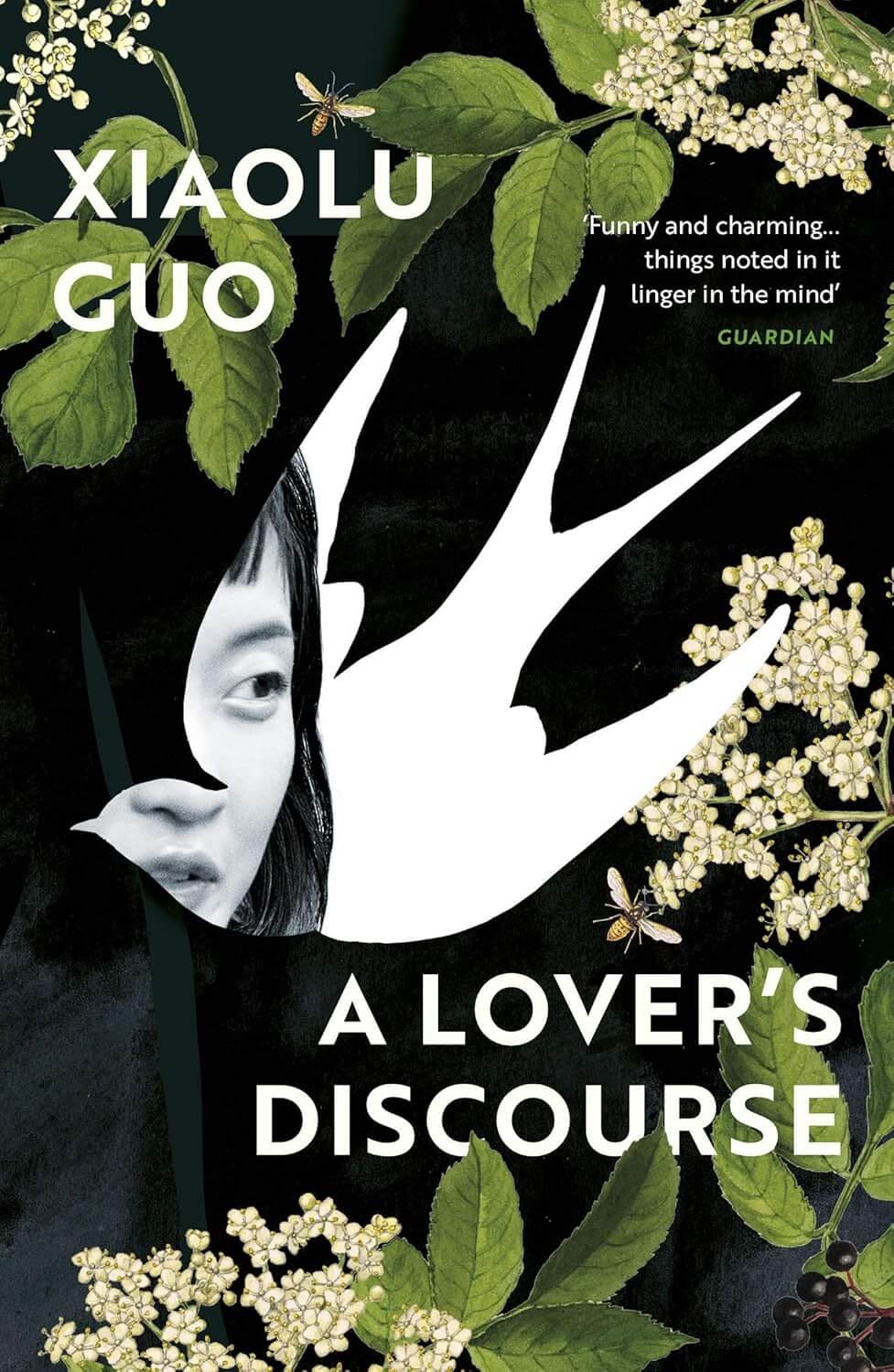
A Lover’s Discourse

A Lover’s Discourse

by Xiaolu Guo

Xiaolu Guo’s A Lover’s Discourse is a witty, insightful novel about migration, language, and love. Told through fragmentary reflections inspired by Roland Barthes’ classic work, the story follows a Chinese academic living in London as she navigates cultural dislocation and an unconventional romance. Guo’s writing is sharp, playful, and politically attuned, examining how belonging is shaped by borders — both literal and emotional. The novel raises questions about identity, privilege, and the shifting meanings of home. It is an intelligent and inventive exploration of intimacy in a globalised world.

3.57
Literary Fiction
Global Fiction
Political Fiction
Introspective
Playful
Intellectual
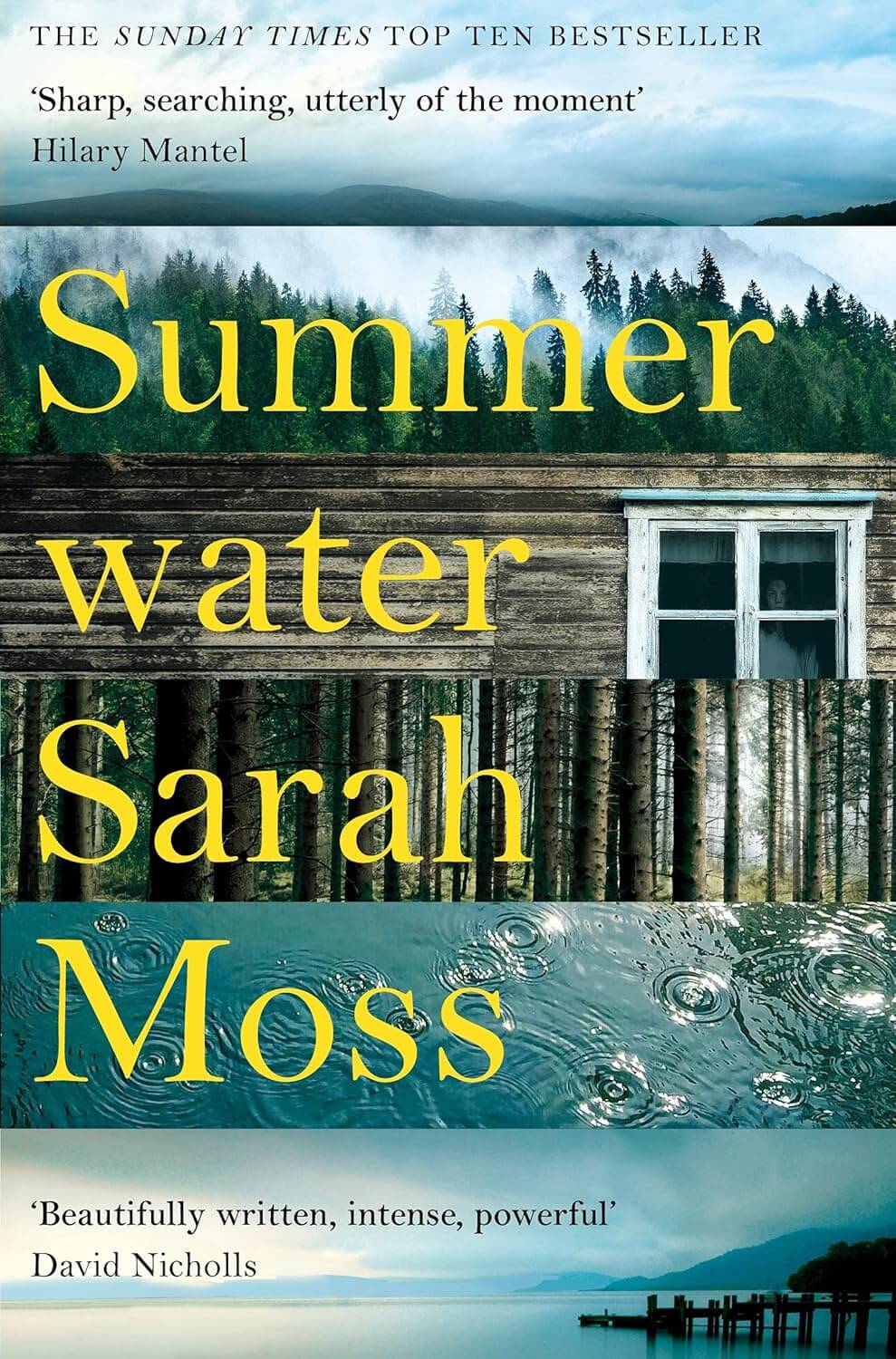
Summerwater

Summerwater

by Sarah Moss

Set over a single rainy day in a remote Scottish holiday park, Sarah Moss’s Summerwater examines isolation, tension, and the simmering unease of modern Britain. Through a series of interconnected perspectives, Moss explores class resentment, xenophobia, and the small irritations that reveal deeper cultural fractures. Her prose is taut, observant, and darkly humorous. The novel’s political charge emerges gradually, building toward a haunting conclusion that underscores how fragile community can be. Moss captures the quiet anxieties of contemporary life with precision and empathy.

3.49
Literary Fiction
Political Fiction
Tense
Observant
Atmospheric
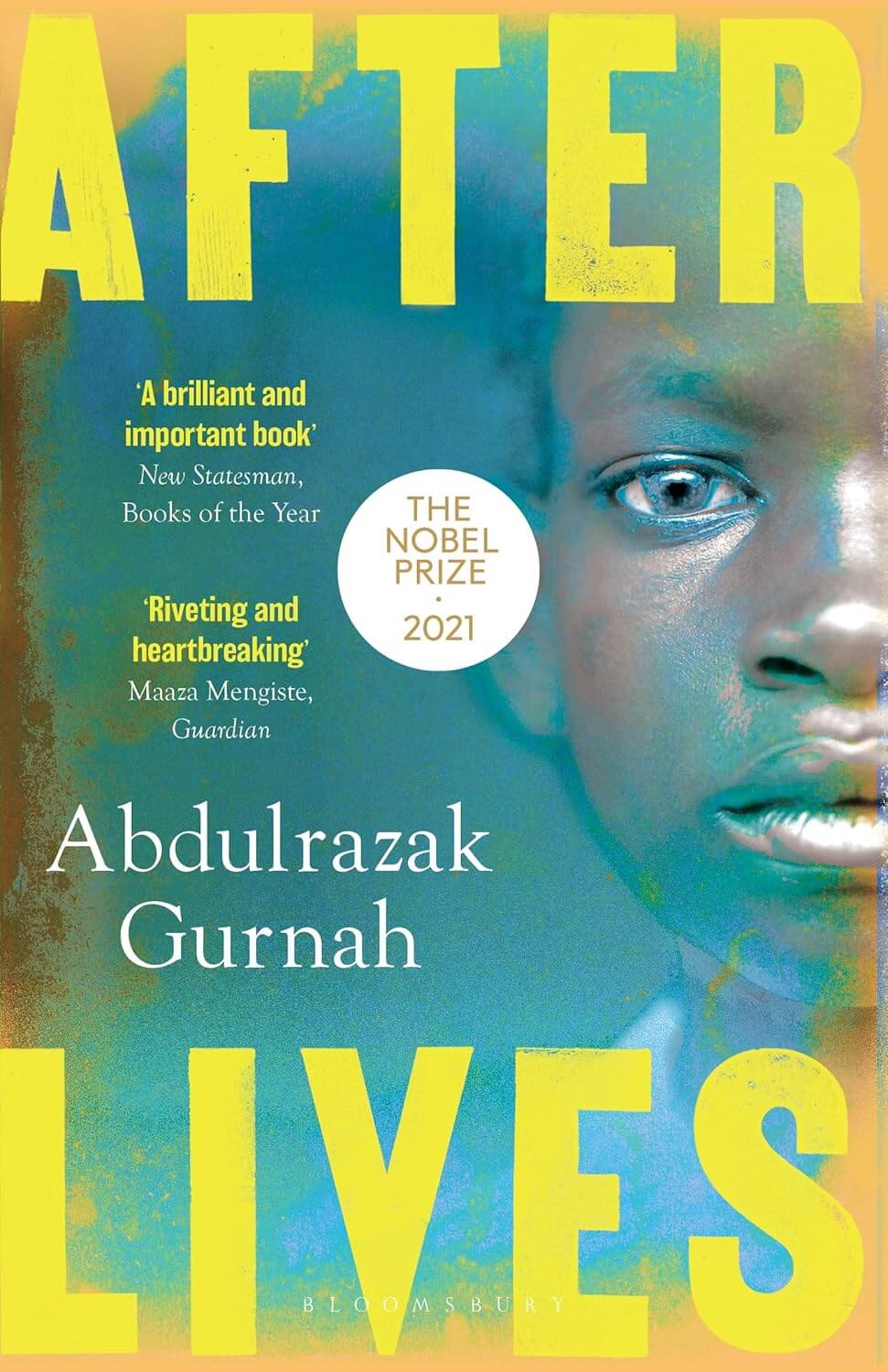
Afterlives

Afterlives

by Abdulrazak Gurnah

Set in East Africa during and after German colonial rule, Abdulrazak Gurnah’s Afterlives is a powerful novel of love, resilience, and the long shadows of empire. Through interconnected lives, Gurnah reveals how ordinary people navigated violence, displacement, and exploitation while clinging to dignity and hope. His prose is elegant and deeply humane, balancing historical weight with intimate character portraits. The novel confronts the erasures of colonial history, giving voice to those often excluded from official accounts. It is a profound exploration of survival, memory, and the complexities of liberation.

3.77
Historical Fiction
Political Fiction
Moving
Reflective
Humane
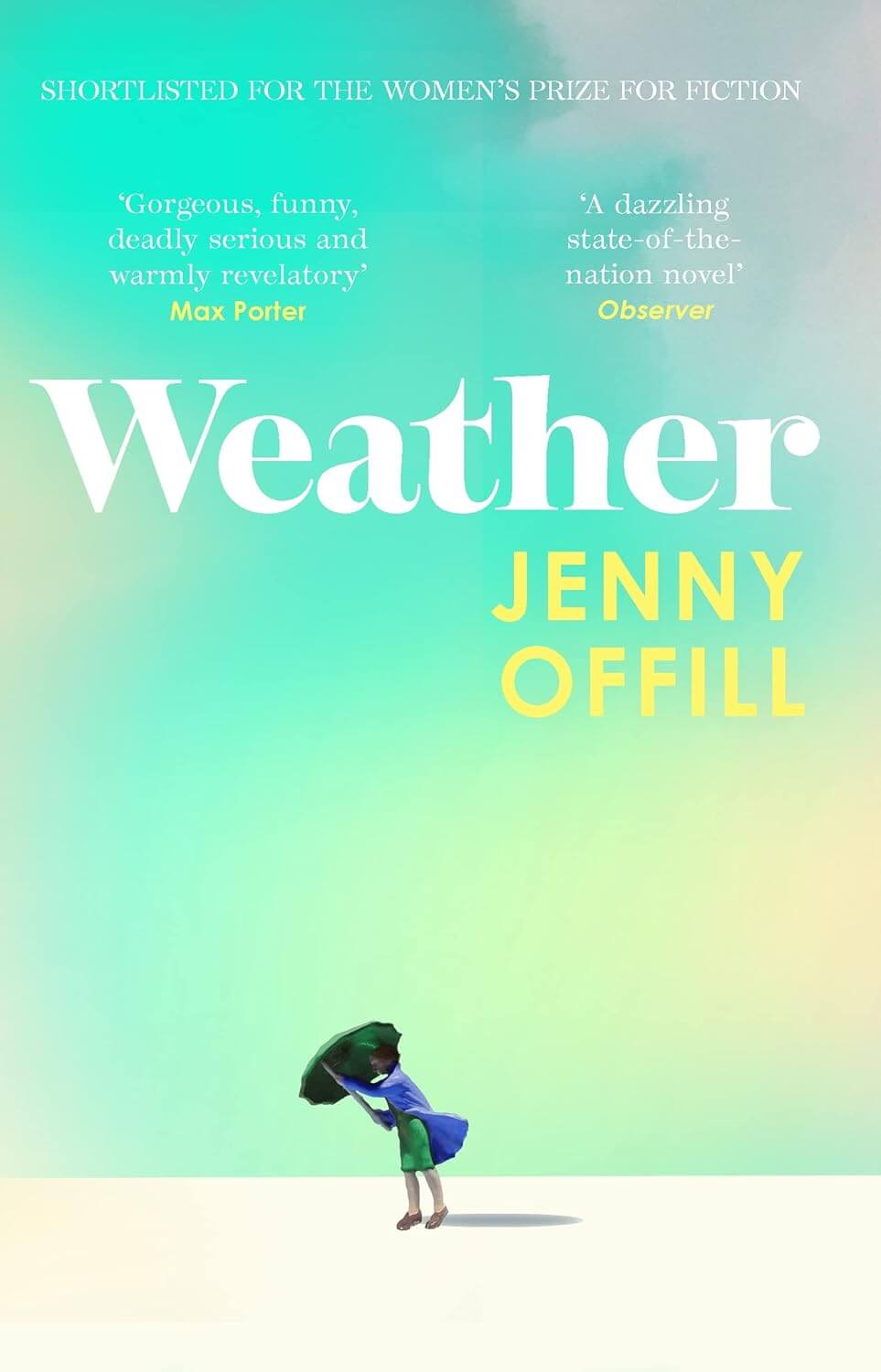
Weather

Weather

by Jenny Offill

Jenny Offill’s Weather is a compact, brilliantly observed novel about anxiety — personal, political, and environmental. Through the fragmented voice of Lizzie, a librarian caught between caring for others and processing global collapse, Offill captures the rhythms of modern dread. The novel blends humour with melancholy, reflecting on climate crisis, rising extremism, and the difficulty of staying hopeful. Offill’s minimalist style allows big ideas to land with surprising emotional force. It is sharp, intimate, and resonant in its portrayal of a world on edge.

3.54
Literary Fiction
Political Fiction
Wry
Intimate
Melancholic
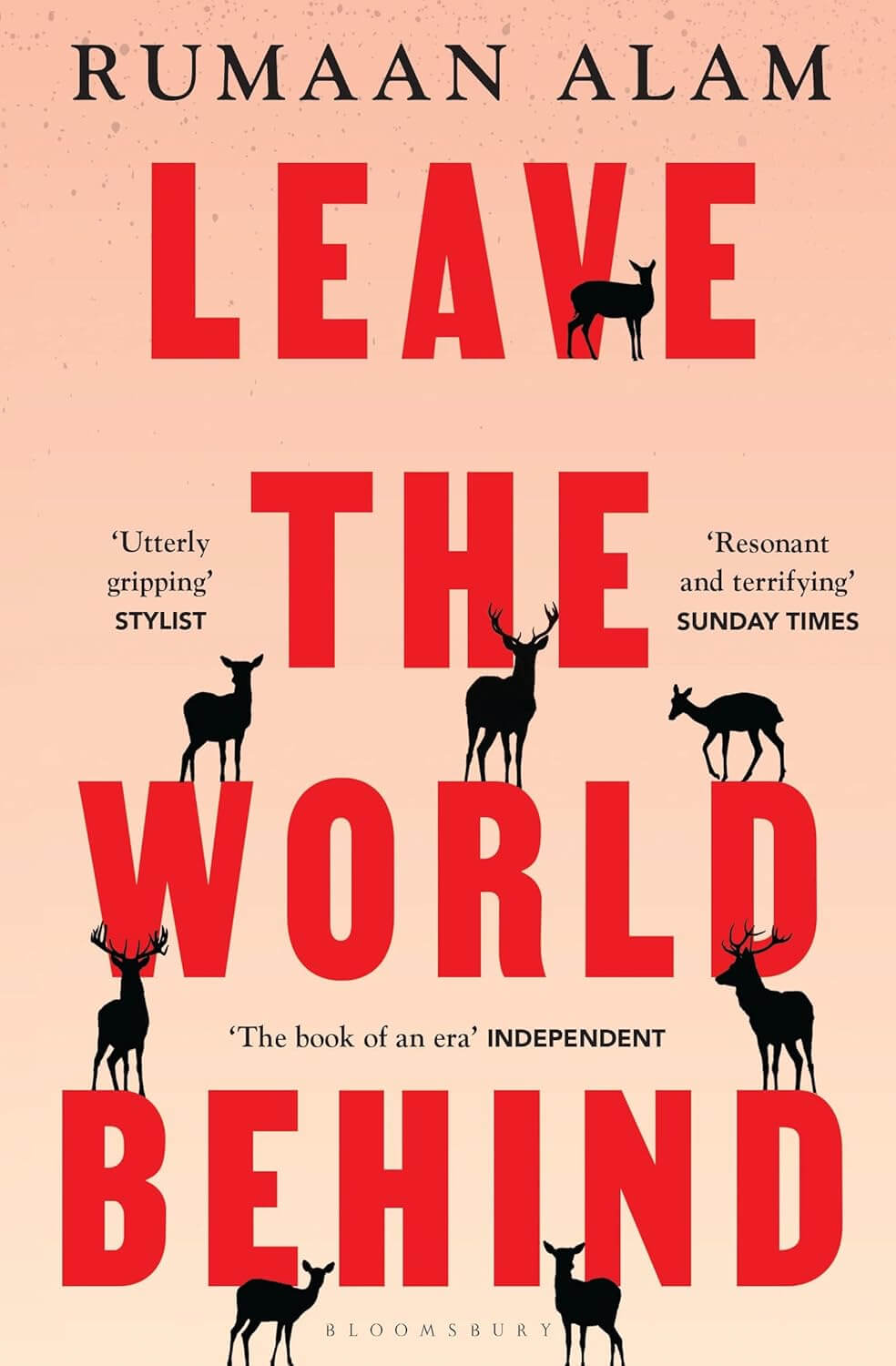
Leave the World Behind

Leave the World Behind

by Rumaan Alam

Rumaan Alam’s Leave the World Behind is a tense, stylish novel that uses an unsettling domestic scenario to explore class, race, and societal fragility. When two families are forced together during a mysterious blackout, their attempts at civility quickly erode under pressure. Alam masterfully builds dread while revealing the unspoken assumptions that govern social interactions. The novel’s ambiguity is deliberate; it places readers in the same disorienting uncertainty as the characters. With sharp dialogue and an eerie sense of inevitability, Alam delivers a story that critiques privilege and vulnerability without sacrificing narrative momentum.

3.14
Literary Fiction
Speculative Fiction
Political Fiction
Tense
Atmospheric
Thought-Provoking