Orwell Prize 2019: Political Fiction

Twelve bold novels illuminating injustice, belonging, identity, and the politics woven into everyday life

The Orwell Prize for Political Fiction recognises novels that reveal how power moves through societies — not just through laws and institutions, but through families, neighbourhoods, and the unspoken rules that shape our lives. The 2019 longlist brings together an astonishingly diverse range of voices and styles, from experimental graphic fiction to lyrical literary epics and sharp-edged urban narratives. These books explore inequality, migration, race, gender, class, and the fragile bonds that hold communities together. They show the political as something intimate and human, experienced through love, fear, grief, and hope.

What unites these novels is their ability to illuminate the pressures faced by ordinary people living in extraordinary circumstances: families strained by incarceration, youths negotiating violence and belonging in the city, communities fractured by economic decline, and women confronting structures that limit their freedoms. The authors examine how characters navigate worlds marked by systemic injustice — and how acts of resilience, imagination, and empathy carve out space for survival.

Together, the 2019 longlist is a testament to fiction’s capacity to clarify the realities we live in. These novels challenge assumptions, amplify marginalised voices, and show how political forces shape even the most personal aspects of life. They ask readers to look again at the world around them, and to consider how stories can sharpen understanding, deepen compassion, and illuminate truth.
Milkman
Winner

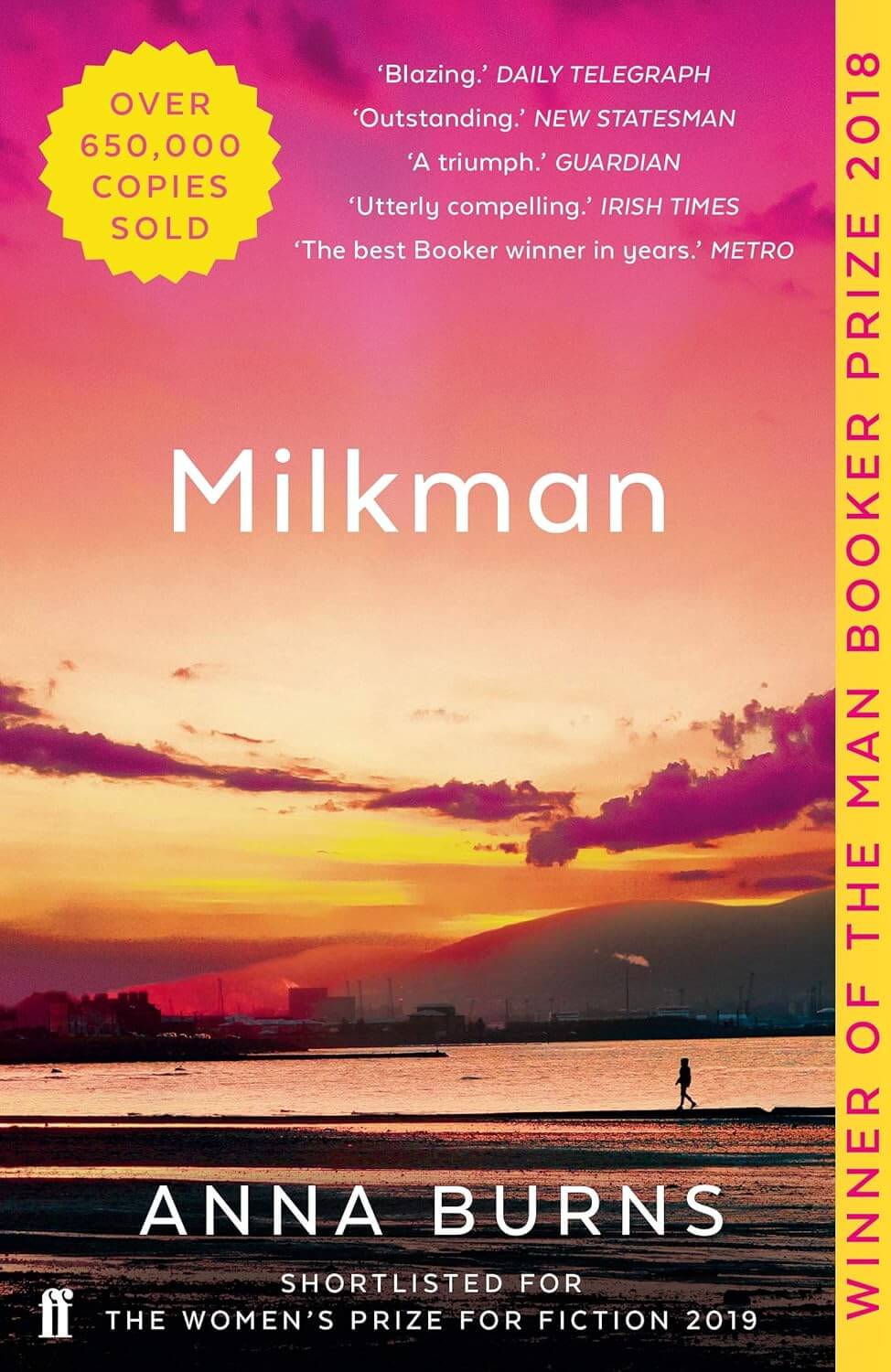
Milkman

by Anna Burns

Anna Burns’s Booker Prize–winning novel is a daring, experimental portrayal of life under sectarian tension in Northern Ireland. Told through a nameless narrator and characterised by looping, immersive prose, Milkman captures the suffocating atmosphere of surveillance, rumour, and male violence. Burns examines how political conflict infiltrates domestic life, shaping identity and behaviour in subtle yet devastating ways. The novel’s humour, strangeness, and intricacy make it singular, while its political insight cuts deeply. It is challenging, rewarding, and profoundly original — a masterpiece of contemporary fiction.

3.53
Experimental Fiction
Political Fiction
Intense
Claustrophobic
Darkly Humorous
Ironopolis

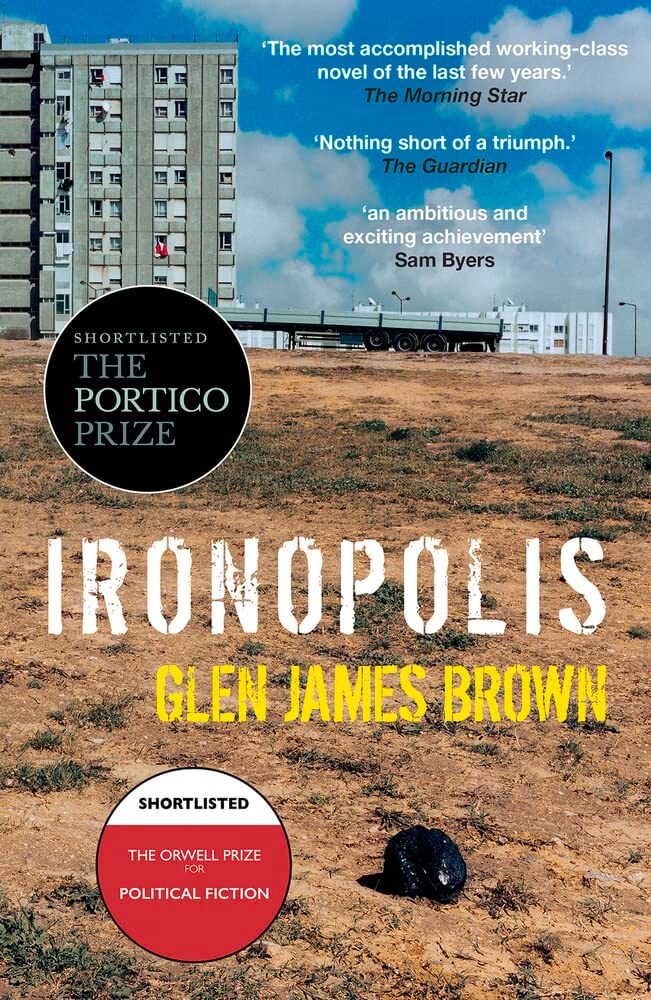
Ironopolis

by Glen James Brown

Glen James Brown’s Ironopolis is a gritty, interconnected portrait of a declining northern English estate. Through multiple narrators, Brown explores the scars left by deindustrialisation, austerity, and generational trauma. His writing is vivid and empathetic, revealing the humour, violence, and mythologies that hold communities together even as they unravel. The novel’s structure cleverly mirrors the layers of memory and history embedded in place. Brown’s political insights emerge organically through character and setting, creating a deeply human depiction of a community shaped by forces far beyond its control.

4.29
Literary Fiction
Social Realism
Political Fiction
Gritty
Human
Reflective
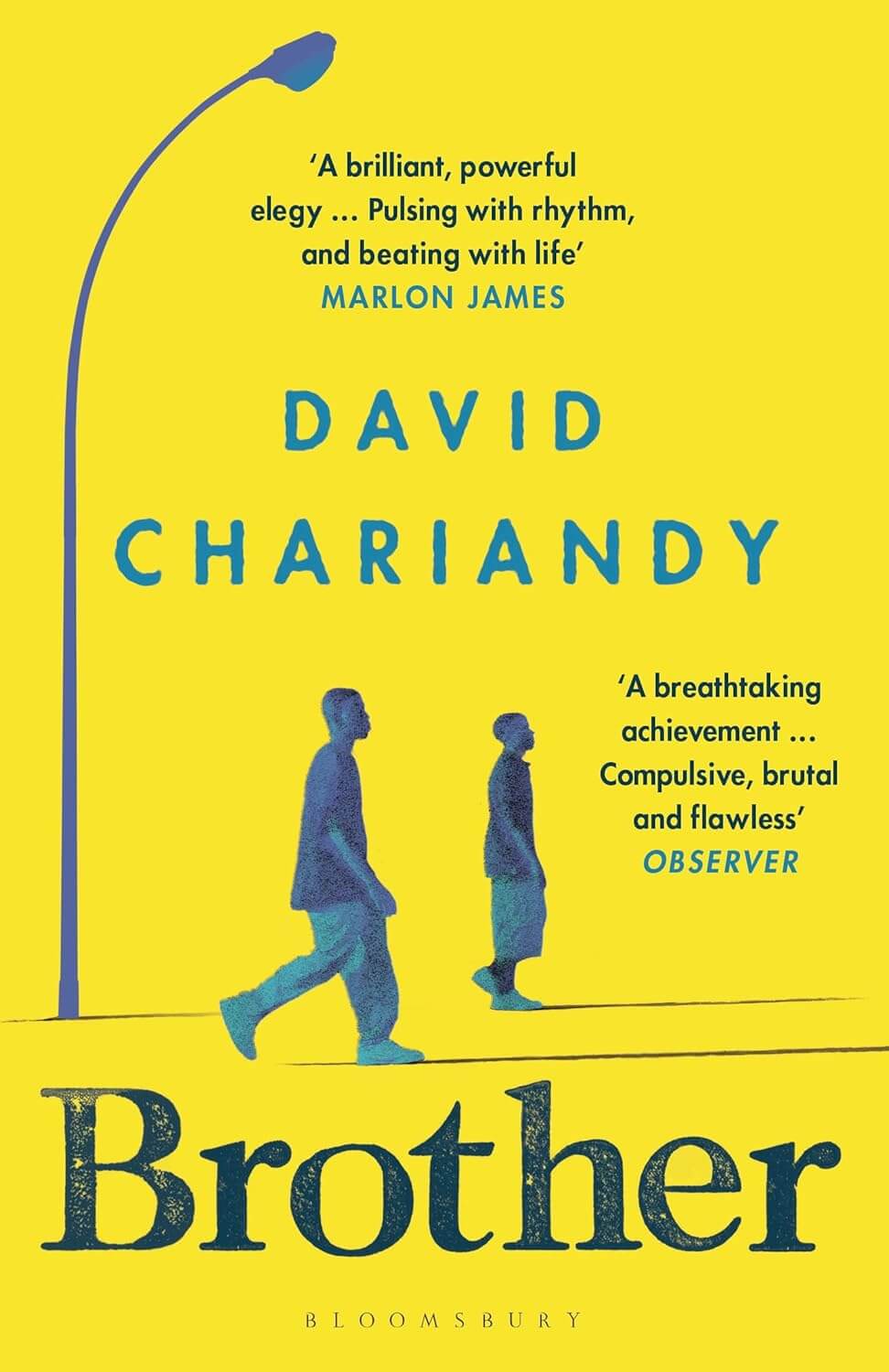
Brother

Brother

by David Chariandy

David Chariandy’s Brother is a beautifully restrained novel set in the Scarborough suburbs, following two siblings navigating grief, racism, and economic precarity. Through quiet yet potent prose, Chariandy explores how violence — structural and interpersonal — shapes the lives of young Black men. The narrative is tender, elegiac, and sharply observant, capturing both the fragility and resilience of community. Chariandy focuses on the universal themes of brotherhood, loss, and memory while grounding the story in Canada’s racial and socio-economic landscape. The novel is compact yet emotionally expansive, leaving a lasting impact through its quiet power.

3.98
Literary Fiction
Political Fiction
Somber
Tender
Reflective
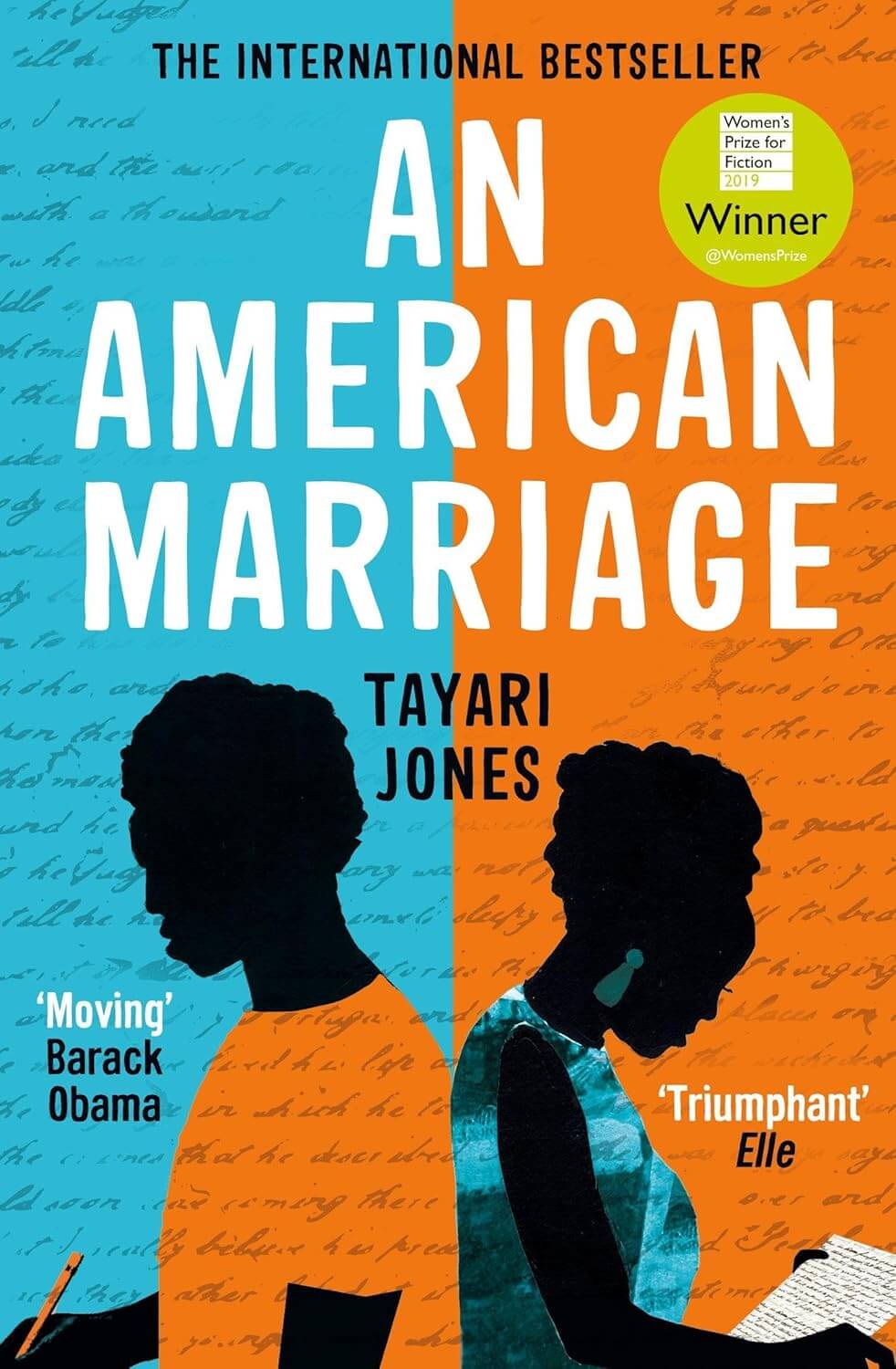
An American Marriage

An American Marriage

by Tayari Jones

Tayari Jones’s An American Marriage is a powerful examination of love strained by systemic injustice. When Roy is wrongfully imprisoned, his marriage to Celestial begins to fracture under the weight of distance, hope, and shifting identity. Jones writes with emotional precision, revealing how mass incarceration reverberates far beyond prison walls. The novel explores loyalty, ambition, and the painful choices people make when their futures are disrupted by forces beyond their control. It is both intimate and political, offering a deeply human story rooted in the structural realities of contemporary America. Jones balances compassion with complexity, making this a resonant and unforgettable novel.

3.93
Literary Fiction
Political Fiction
Emotional
Reflective
Compassionate
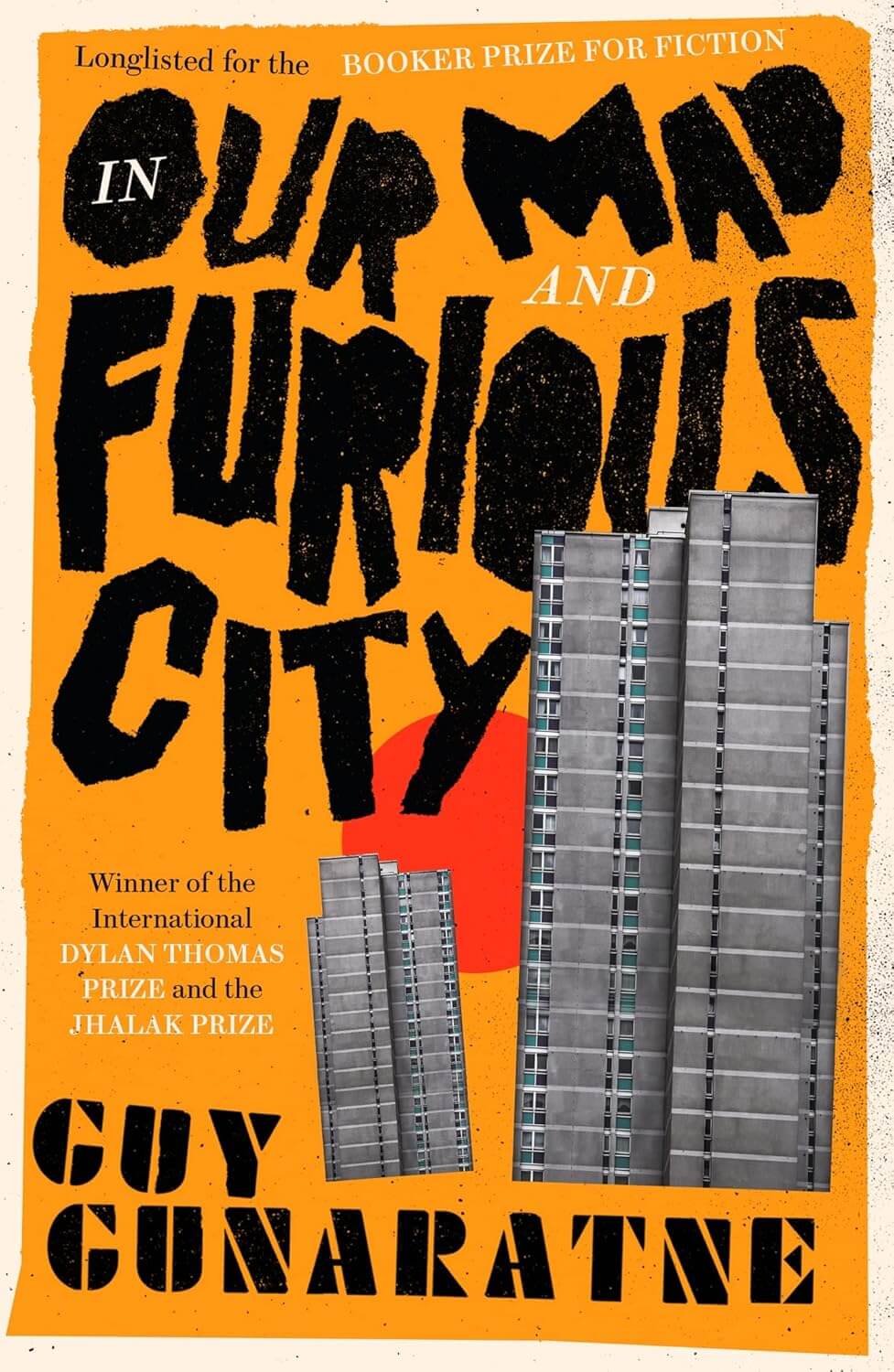
In Our Mad and Furious City

In Our Mad and Furious City

by Guy Gunaratne

Guy Gunaratne’s electrifying debut follows five voices over 48 hours in a London estate after a soldier’s murder ignites racial and political tensions. The novel pulses with urgency, capturing the rhythms of urban youth, immigrant identity, and community fracture. Gunaratne’s polyphonic style is raw and authentic, blending street-level observation with lyrical intensity. He explores radicalisation, nationalism, and generational disillusionment without resorting to simplification. The result is a gripping portrait of contemporary Britain at a breaking point — full of energy, empathy, and complexity.

3.97
Urban Fiction
Political Fiction
Urgent
Gritty
Polyphonic
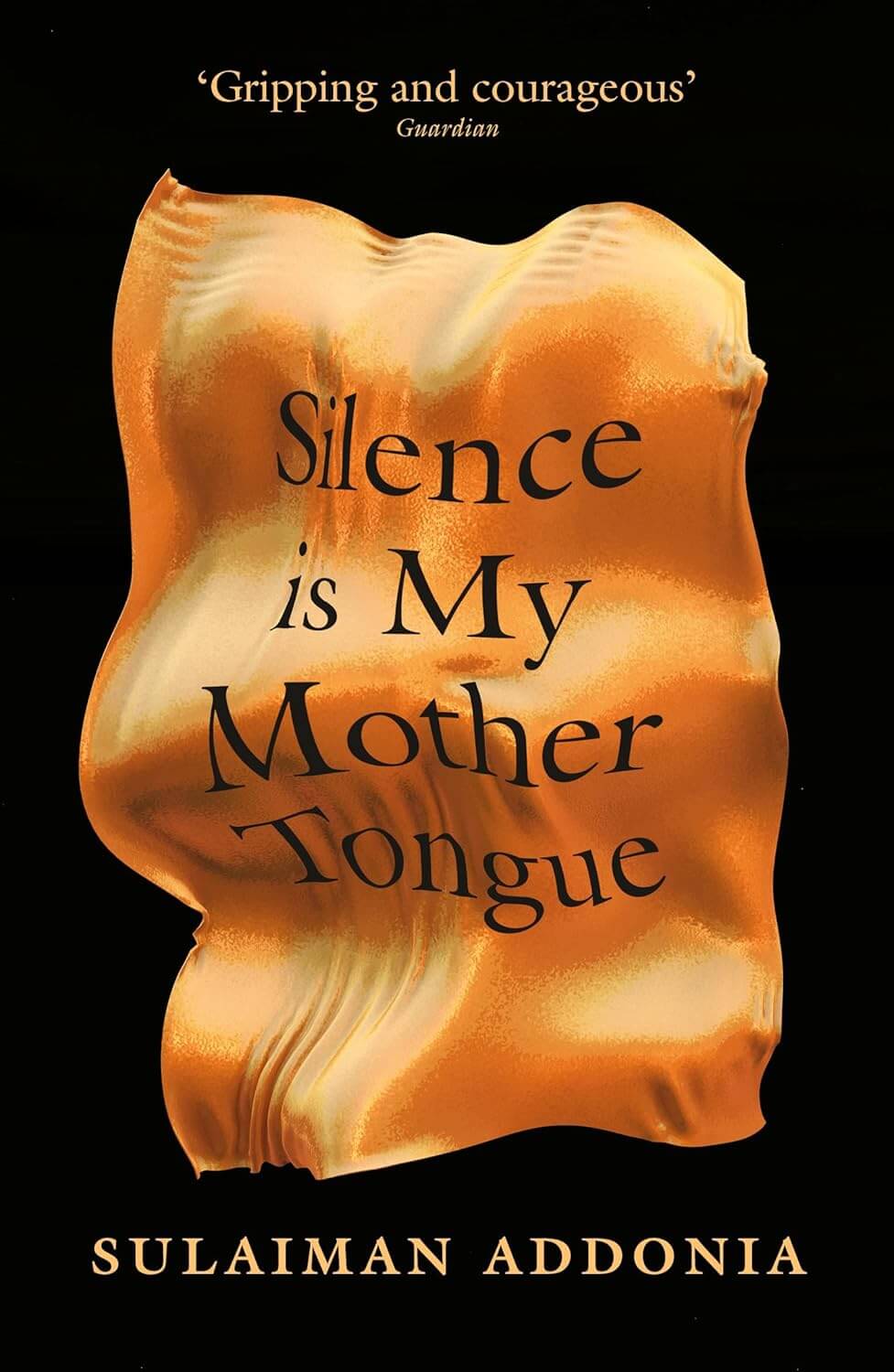
Silence is My Mother Tongue

Silence is My Mother Tongue

by Sulaiman Addonia

Set in an East African refugee camp, Sulaiman Addonia’s novel explores identity, desire, and resistance through the intertwined lives of Saba and her mute brother Hagos. Addonia’s prose is lush and intimate, refusing stereotypical portrayals of displacement. Instead, he foregrounds the emotional and political complexities of life in liminal spaces. The novel challenges conventional narratives about refugees, revealing how silence, language, and power shape belonging. Addonia’s storytelling is sensual, unpredictable, and deeply humane, offering a rich counter-narrative to reductive depictions of migration.

3.79
Literary Fiction
Political Fiction
Lyrical
Intimate
Unconventional
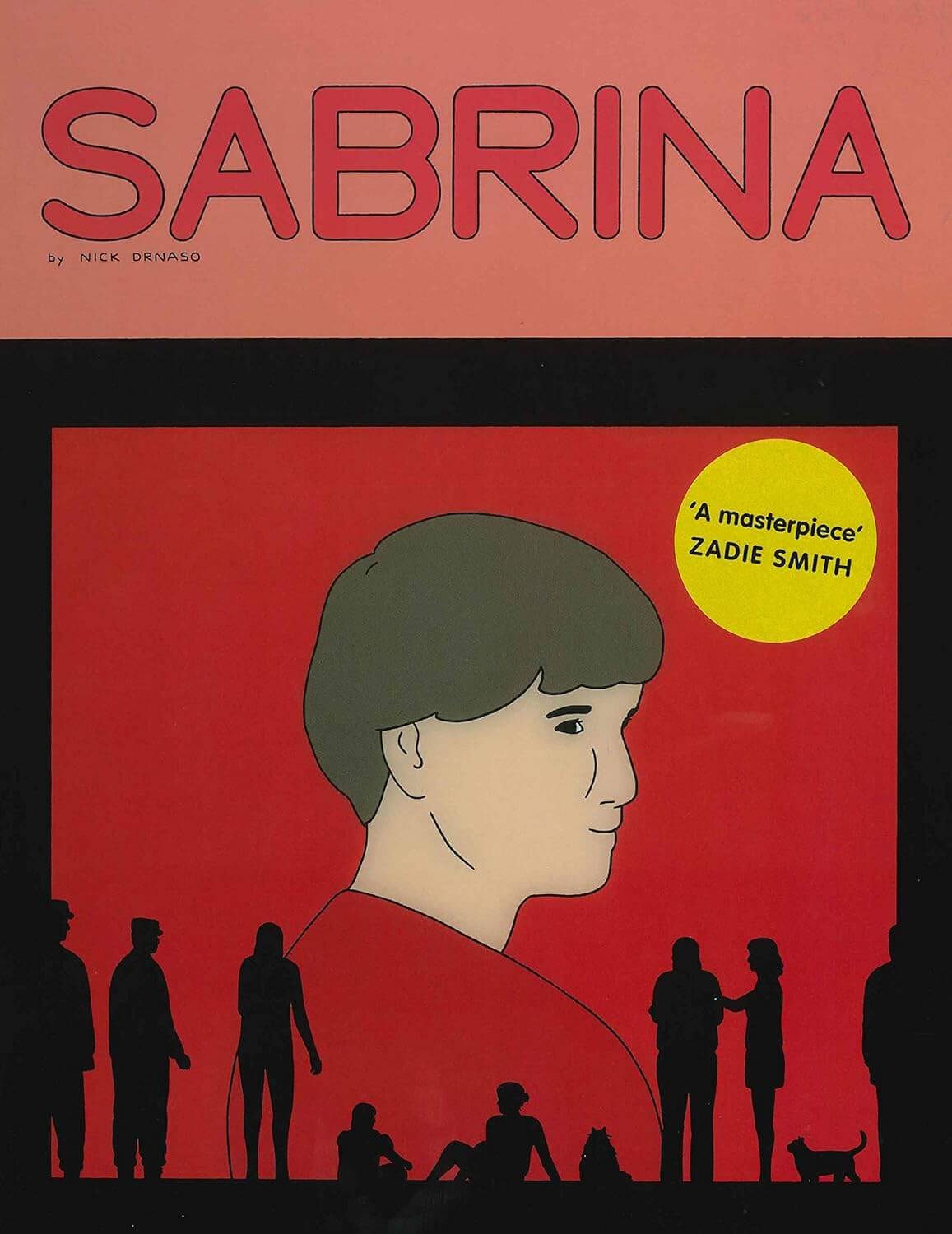
Sabrina

Sabrina

by Nick Drnaso

Nick Drnaso’s Sabrina is a groundbreaking graphic novel that examines conspiracy culture, media manipulation, and the emotional impact of tragedy. After a young woman disappears, her story becomes fodder for misinformation and online hysteria. Drnaso’s minimalist art heightens the sense of alienation and numbness, mirroring the psychological effects of digital paranoia. The narrative is bleak yet compelling, capturing how modern media transforms personal grief into public spectacle. It is a quietly devastating critique of post-truth politics and the fragility of human connection.

3.83
Graphic Fiction
Psychological Fiction
Political Fiction
Bleak
Unsettling
Quietly Intense
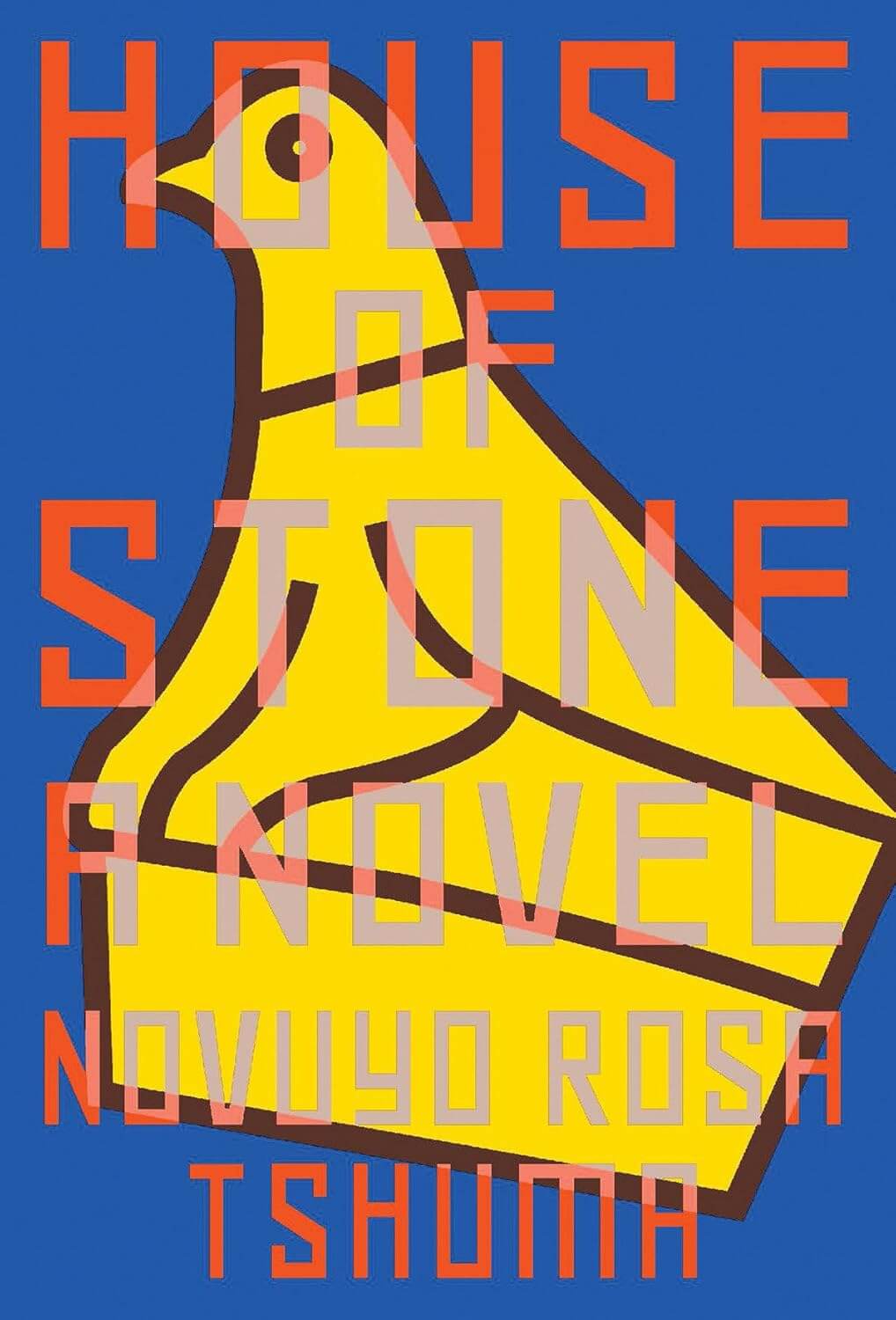
House of Stone

House of Stone

by Novuyo Rosa Tshuma

Novuyo Rosa Tshuma’s House of Stone is a bold, satirical, and emotionally charged novel about Zimbabwe’s turbulent political history. Told through the eyes of Zamani — a charismatic yet deeply unreliable narrator — the story blends personal obsession with national trauma. Tshuma excavates layers of colonial violence, liberation struggle, and contemporary disillusionment, weaving them into a narrative that is both intimate and sweeping. Her prose is vivid and fearless, unafraid to reveal the darkness and absurdity embedded in political upheaval. The novel’s complex characters and shifting timelines create a riveting portrait of a nation haunted by unresolved histories.

3.80
Literary Fiction
Political Fiction
Historical Fiction
Intense
Satirical
Bold
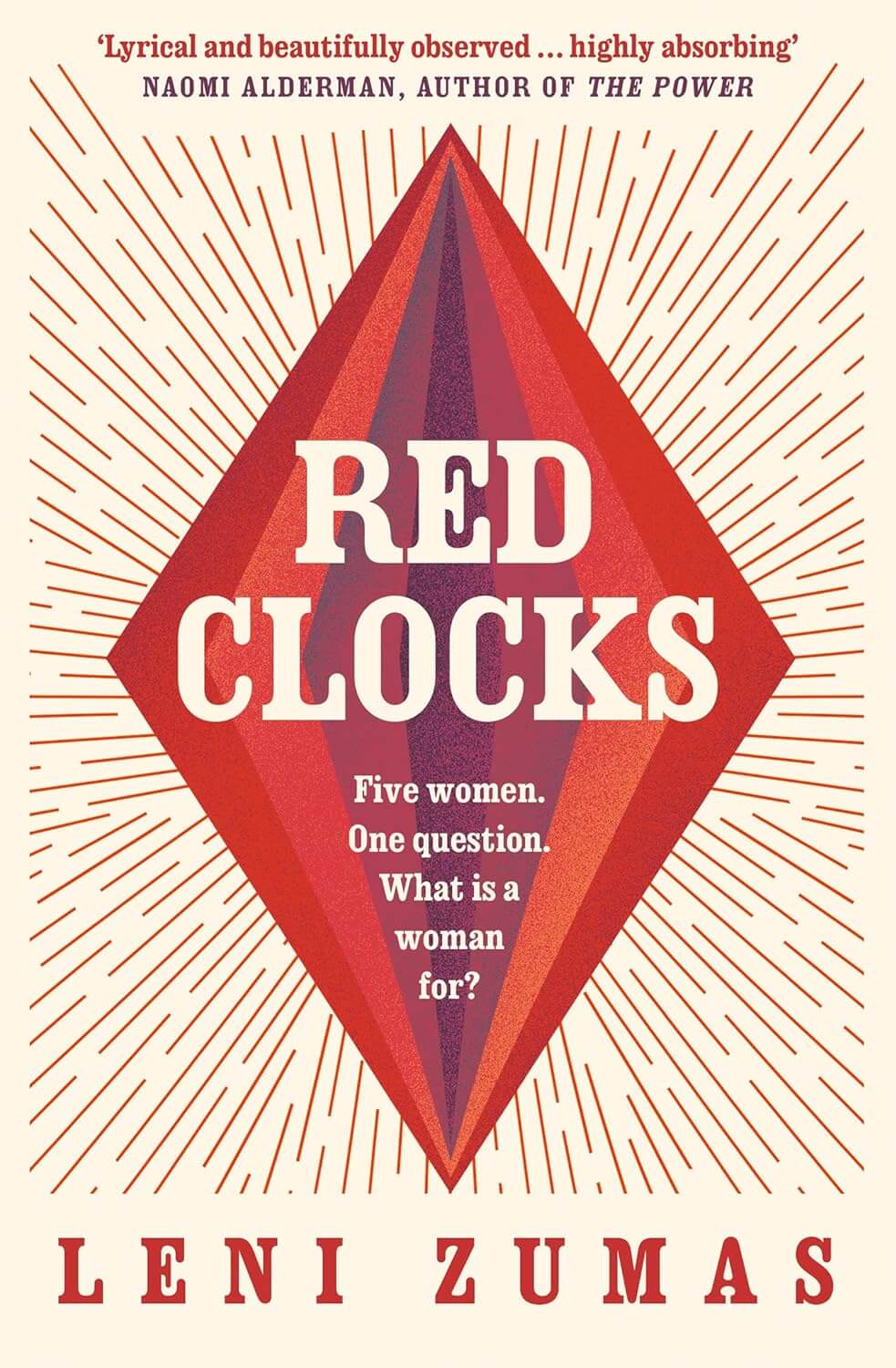
Red Clocks

Red Clocks

by Leni Zumas

Leni Zumas’s Red Clocks is a feminist dystopia set in an America where abortion and IVF have been outlawed, and personhood is granted at conception. The novel follows several women whose lives become increasingly constrained by these laws. Zumas’s prose is sharp, poetic, and deeply empathetic, weaving together stories that reveal the intimate consequences of political extremism. The book is both speculative and deeply grounded in contemporary debates about bodily autonomy. It offers a chilling, resonant portrait of how reproductive control becomes a form of state power.

3.66
Dystopian Fiction
Feminist Fiction
Political Fiction
Tense
Emotional
Provocative
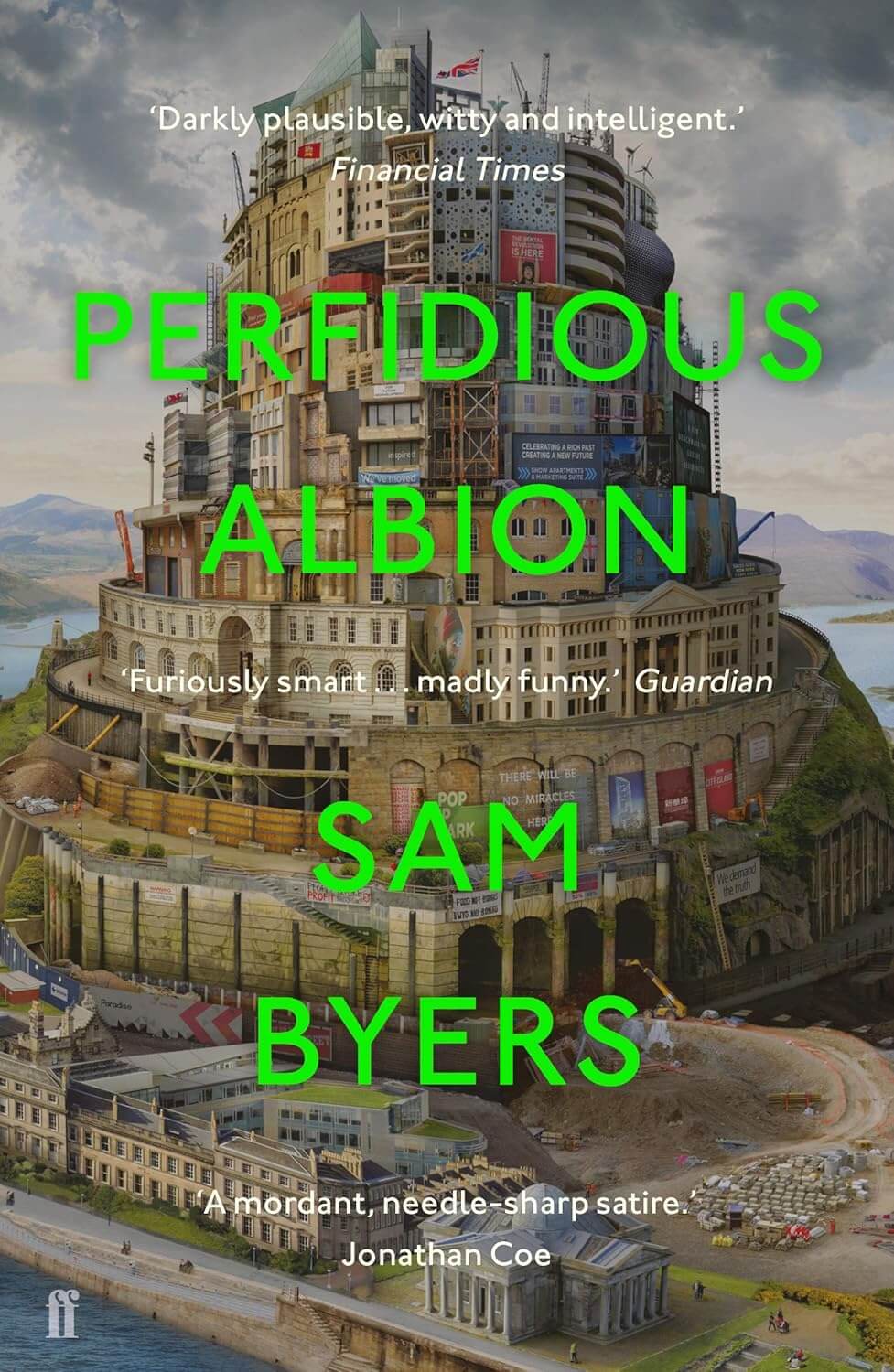
Perfidious Albion

Perfidious Albion

by Sam Byers

Sam Byers’s Perfidious Albion is a sharp, satirical, dystopian take on post-Brexit Britain. Set in a small town manipulated by tech companies, populist movements, and digital misinformation, the book skewers political hypocrisy and online culture. Byers’s writing is biting yet sophisticated, blending humour with genuine political critique. The novel illustrates how fear and manipulation can erode democratic norms and warp community life. Its speculative elements heighten the absurdity of contemporary politics while maintaining a frightening believability. Smart, unsettling, and incisive.

3.57
Satire
Dystopian Fiction
Political Fiction
Darkly Humorous
Incisive
Unsettling
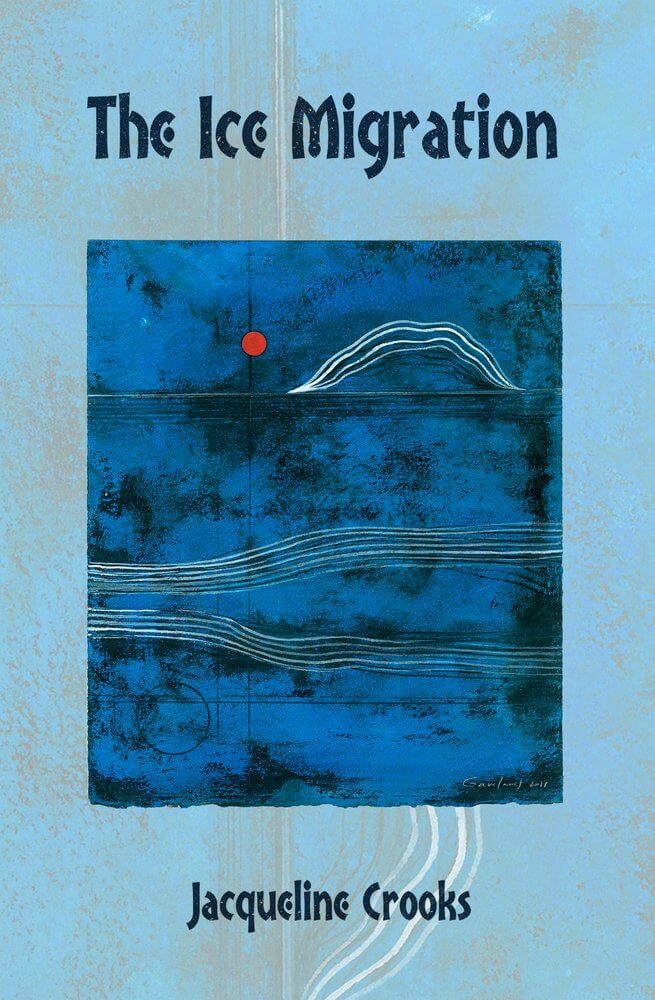
The Ice Migration

The Ice Migration

by Jacqueline Crooks

Jacqueline Crooks’s The Ice Migration is a vivid, intergenerational novel tracing a Caribbean family’s journey across continents and political upheavals. Crooks blends folklore, memory, and migration history to create a narrative that is both mythical and grounded in lived experience. Her characters navigate displacement, belonging, and the lingering effects of colonialism. The book’s poetic language and layered structure highlight the resilience of cultural identity amid global forces. It is imaginative, emotionally rich, and politically resonant, offering a fresh perspective on diaspora storytelling.

3.39
Literary Fiction
Political Fiction
Diaspora Fiction
Poetic
Heartfelt
Mythic
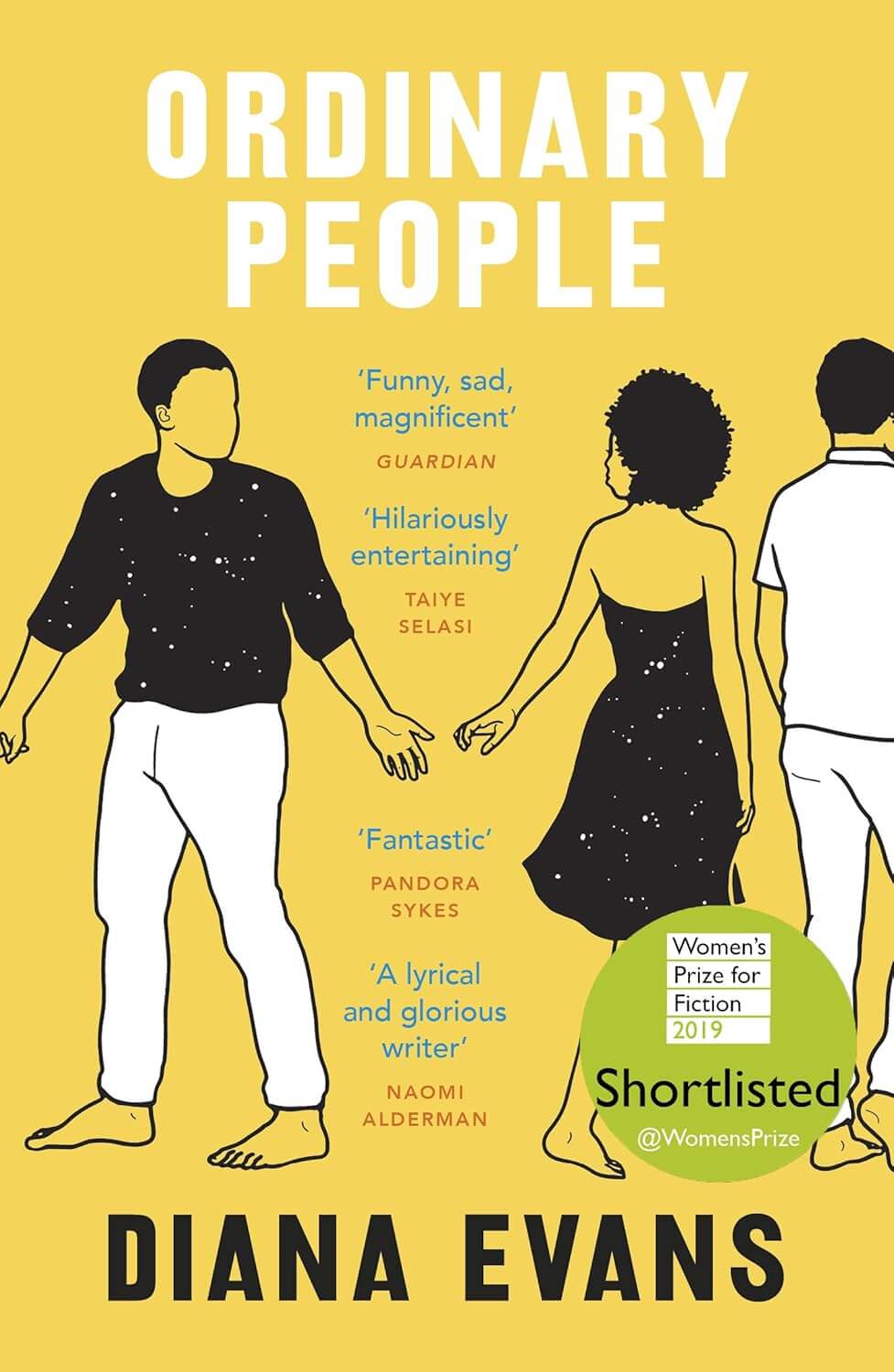
Ordinary People

Ordinary People

by Diana Evans

Diana Evans’s Ordinary People is a beautifully observed novel exploring marriage, identity, and the politics of modern Black British life. Set in south London during the Obama era, the story follows two couples grappling with shifting desires, parenthood, and a sense of cultural dislocation. Evans blends domestic intimacy with broader social questions, revealing how race, class, and history shape even the most private relationships. Her prose is lyrical and textured, attentive to the beauty and melancholy of everyday life. The book is subtle yet deeply political, offering insight into what it means to seek belonging in an ever-changing city.

3.30
Literary Fiction
Domestic Fiction
Political Fiction
Lyrical
Tender
Thoughtful