Hugo Awards 2023

A joyful, strange, and fiercely imaginative snapshot of modern speculative fiction

The Hugo Awards 2023 shortlist captures a particularly wide-ranging moment in speculative fiction, where epic ideas sit comfortably beside intimate stories, and genre conventions are constantly being reworked with wit, heart, and formal daring. Across novels, novellas, series, graphic storytelling, and young adult fiction, these books showcase the full emotional and imaginative range of science fiction and fantasy.

A striking thread running through this year’s nominees is reinvention. Fairy tales become sharp feminist quests, space operas turn into murder mysteries, giant monsters become workplace comedy, and fantasy worlds make room for coffee shops, grief, and tenderness alongside battles and prophecies. These books are interested not just in spectacle, but in what it means to build community, survive broken systems, and choose kindness or courage when the world has gone strange.

Taken together, the 2023 finalists make an ideal reading map for anyone who wants to explore the genre’s many moods. Some books are fast, funny, and comforting; others are gothic, cerebral, or emotionally feral. All of them, in different ways, remind us that speculative fiction is one of the best places to ask big questions while still having a very good time.

Best Novel

Full-length speculative fiction that balances invention, emotional depth, and serious fun, from cozy fantasy to locked-room space mystery.

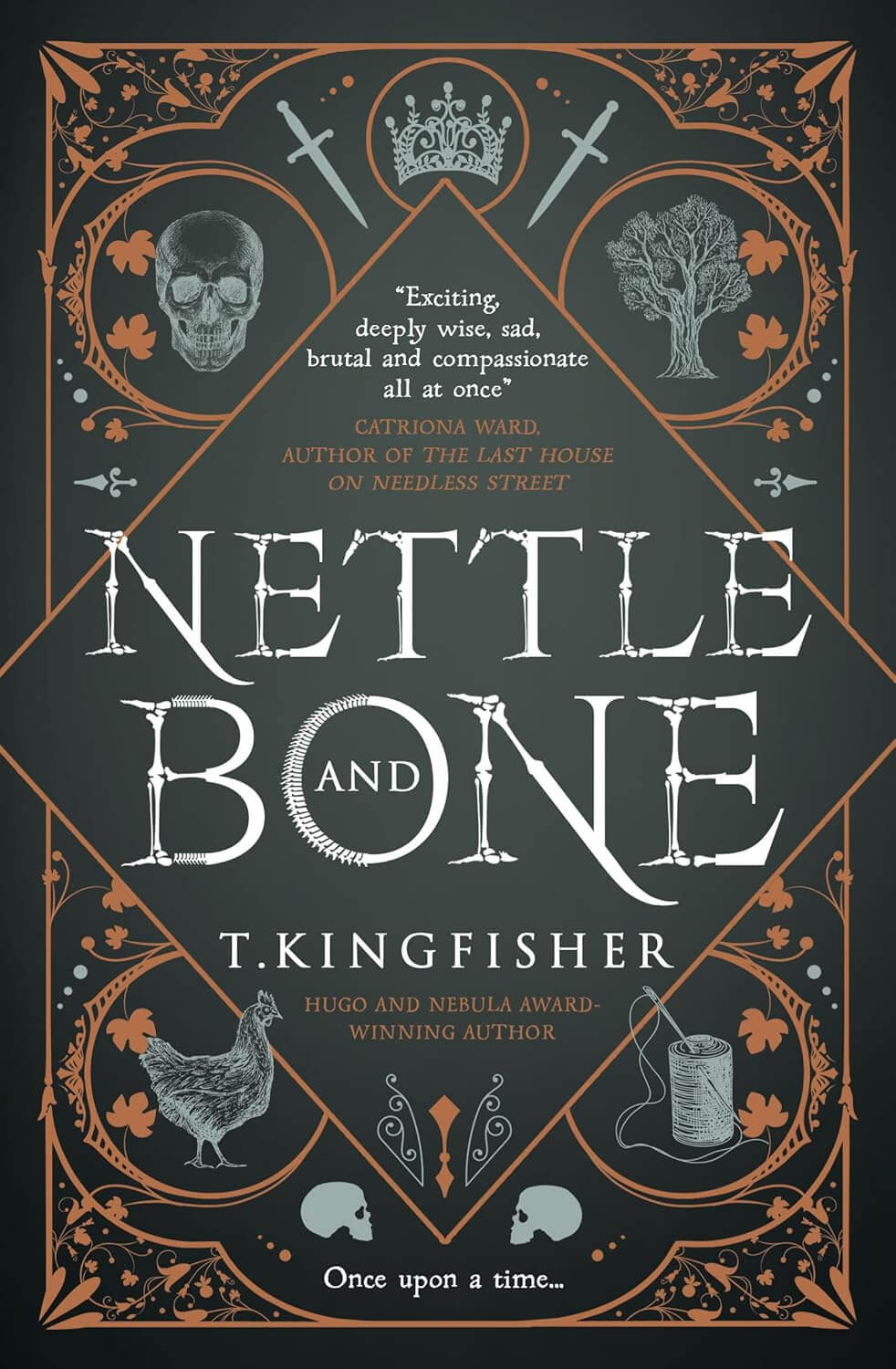
Nettle & Bone
Winner

Nettle & Bone

by T. Kingfisher

This dark fairy-tale quest takes familiar ingredients—an abused princess, impossible tasks, bone magic, and a ragtag band of helpers—and makes them feel bracingly new. Kingfisher balances menace with dry humor, so the book never sinks into grimness even when it brushes up against cruelty. Marra is an especially compelling heroine because she is not flashy or destined in the usual way; she is stubborn, observant, and quietly brave. The supporting cast gives the story warmth and texture, especially the dust-wife and the demon chicken, who feel both odd and perfectly right. Beneath the adventure is a serious interest in power, especially the everyday violence hidden inside royal marriages and polite systems. The world-building is spare but evocative, leaving room for atmosphere and momentum. The result is a fantasy that feels cozy, creepy, and righteous all at once. It’s a small-scale quest with surprisingly large emotional payoff.
4.07
Fantasy
Fairy Tale
Wry
Creepy
Hopeful
Legends & Lattes

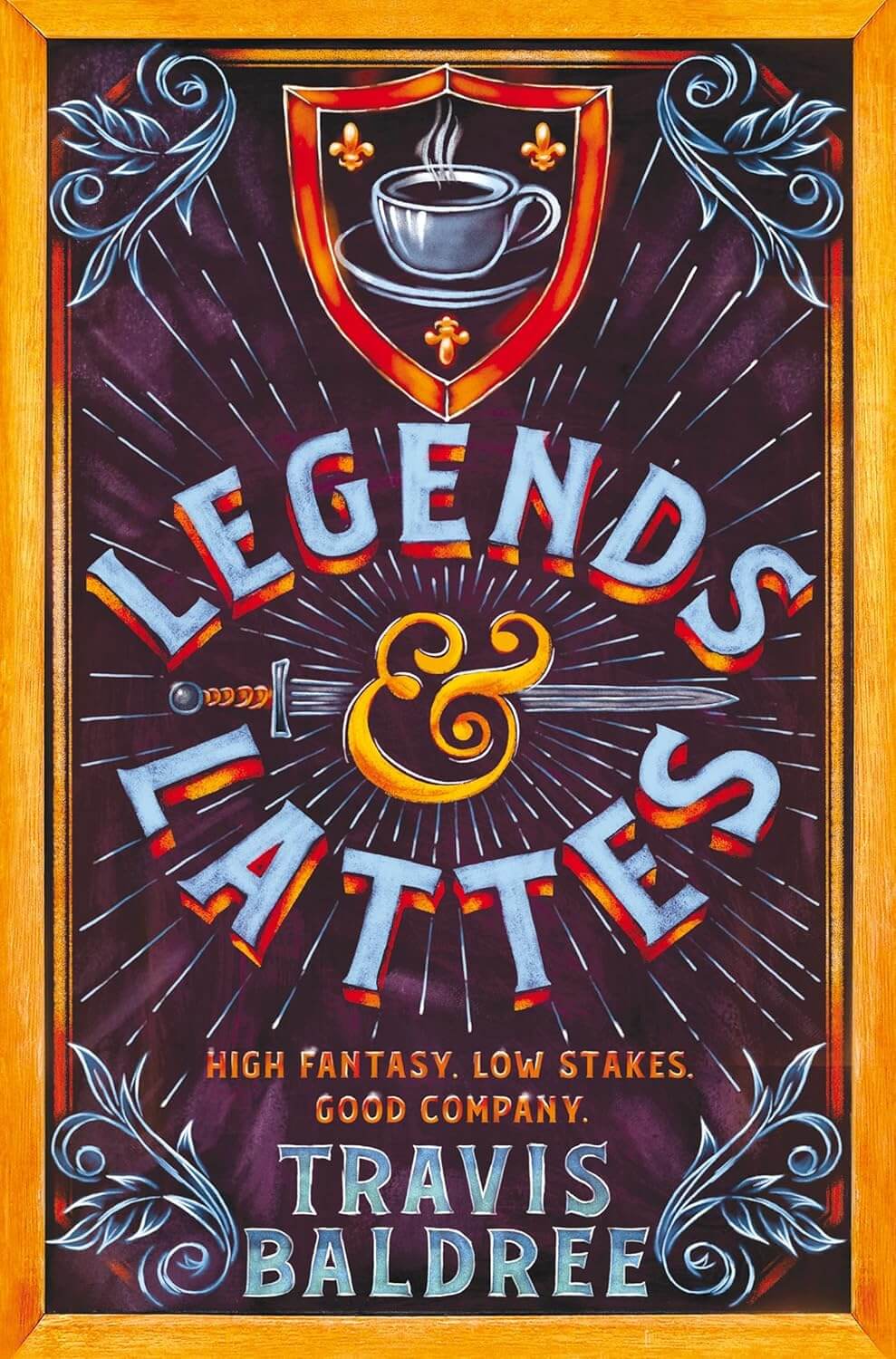
Legends & Lattes

by Travis Baldree

This book helped define cozy fantasy for a reason: it takes the structure of epic quest fiction and swaps in cinnamon rolls, renovation stress, and the dream of a better life. Viv, an orc adventurer turned café owner, is a delightfully grounded protagonist whose ambitions are modest but meaningful. Baldree understands that stakes do not need to be world-ending to feel real; building a community can be just as gripping as defeating a dark lord. The supporting characters are charming without becoming twee, and the friendships feel earned through work and routine. The world is lightly sketched but effective, giving just enough fantasy flavor to make the familiar feel enchanted. There’s comfort here, but not emptiness—the book quietly explores reinvention, risk, and the courage it takes to choose softness after a life of violence. It’s warm, welcoming, and genuinely satisfying.

4.04
Fantasy
Cozy Fantasy
Comforting
Warm
Gentle
Nona the Ninth

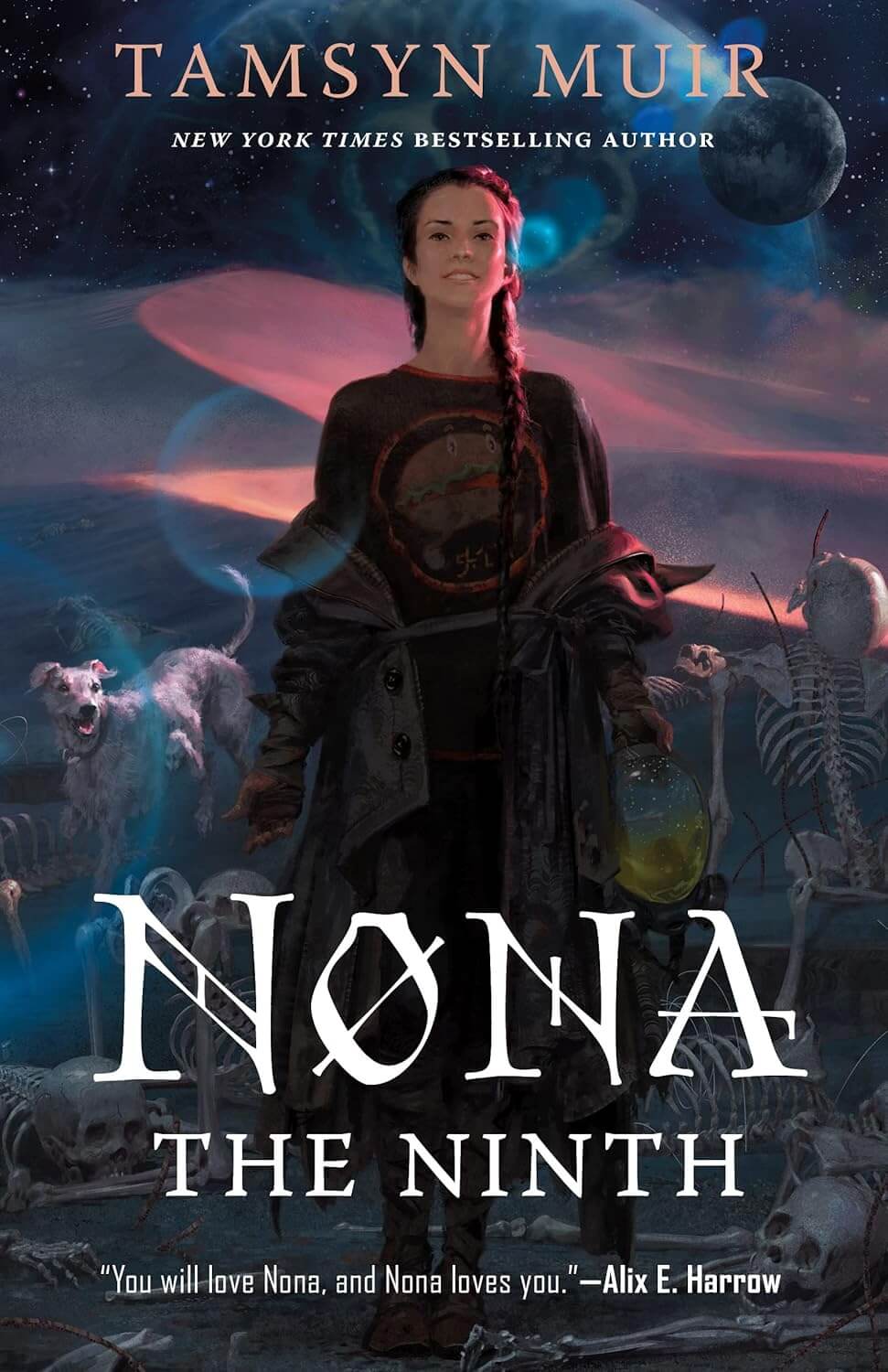
Nona the Ninth

by Tamsyn Muir

Tamsyn Muir’s third Locked Tomb novel is at once more intimate and more bewildering than what came before. By centering Nona, a character full of sweetness, appetite, and mystery, Muir shifts the series into unexpectedly tender territory without losing its chaos. The voice is vibrant and strange, capturing a consciousness that feels childlike, alien, and emotionally acute all at once. The book remains densely layered with lore, secrets, and the series’ signature necromantic weirdness, so it rewards readers already invested in the world. Yet amid the confusion, there’s a startling amount of feeling—about found family, care, and the fragility of ordinary days in a collapsing world. Muir’s talent for mixing cosmic horror with meme-speed banter is still very much intact. The novel often feels like emotional disorientation as an art form, but when it hits, it hits hard. It’s strange, messy, and deeply beloved for good reason.

4.34
Science Fiction
Fantasy
Space Opera
Chaotic
Tender
Cryptic
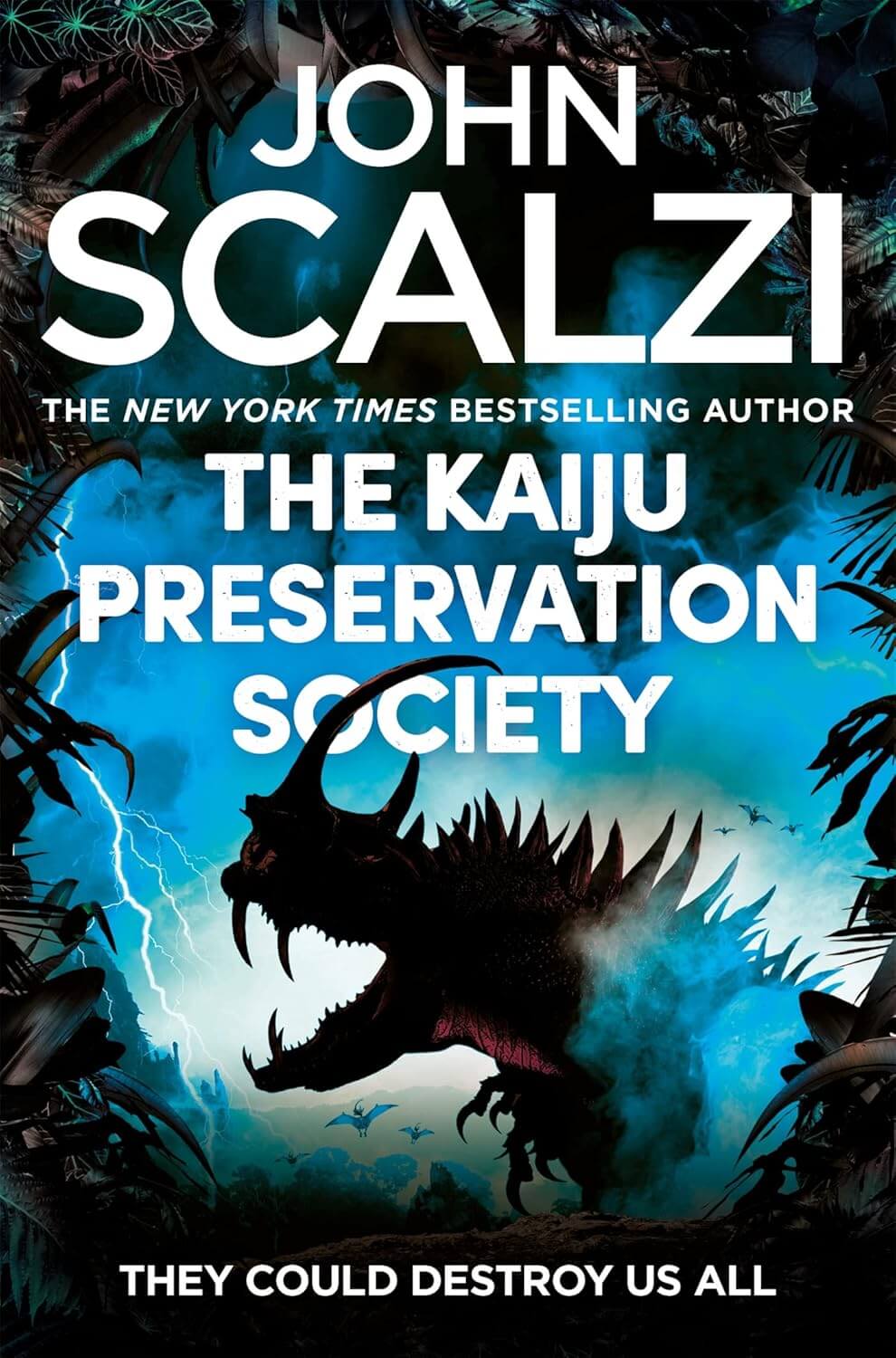
The Kaiju Preservation Society

The Kaiju Preservation Society

by John Scalzi

Scalzi’s novel is a breezy, pandemic-era science-fiction romp built for momentum, jokes, and giant monsters. The premise—kaiju as part of a parallel-world ecosystem protected by scientists—is gleefully ridiculous in the best possible way. The novel moves fast, with a light touch and a very online sense of humor that keeps the tone buoyant. Its central pleasures are accessibility and energy rather than deep psychological excavation. That said, the book has a likable warmth, especially in the found-team dynamic and its affection for scientific curiosity. The kaiju themselves are treated with a kind of ecological wonder that gives the silliness a nice grounding. Scalzi is clearly more interested in making readers grin than in building an airtight hard-science framework, and the novel works best when embraced on those terms. It’s a comfort read with claws.

3.98
Science Fiction
Adventure
Playful
Energetic
Comforting
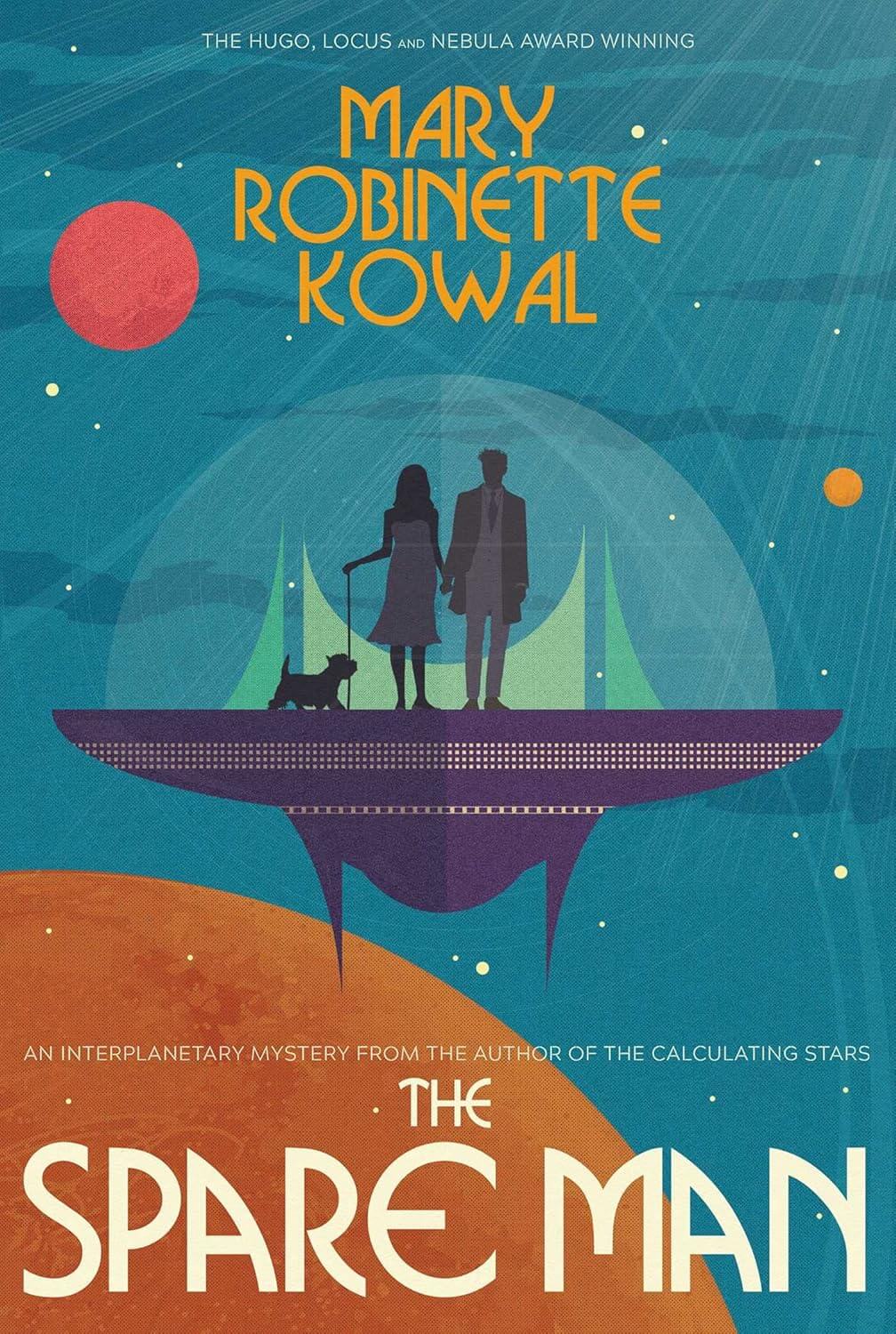
The Spare Man

The Spare Man

by Mary Robinette Kowal

This stylish murder mystery in space delivers exactly the pleasures it promises: glamour, danger, suspicious passengers, and a sharply observant lead. Kowal draws heavily on the bones of classic detective fiction, especially the high-luxury, everyone’s-a-suspect setup, but gives it a fresh spin through futuristic tech and a disabled heroine with real complexity. Tesla Crane is witty, messy, wealthy, competent, and profoundly interesting to spend time with. The mystery itself is brisk and entertaining, but the novel’s real strength lies in voice and atmosphere. Kowal keeps the pacing tight while also making room for questions of trauma, access, and control. The setting—a pleasure liner in space—adds a delicious layer of artifice and tension. It’s less interested in reinvention than in polished execution, and that confidence pays off. A smart, sleek genre mash-up that knows how to entertain.

3.71
Science Fiction
Mystery
Clever
Glossy
Suspenseful
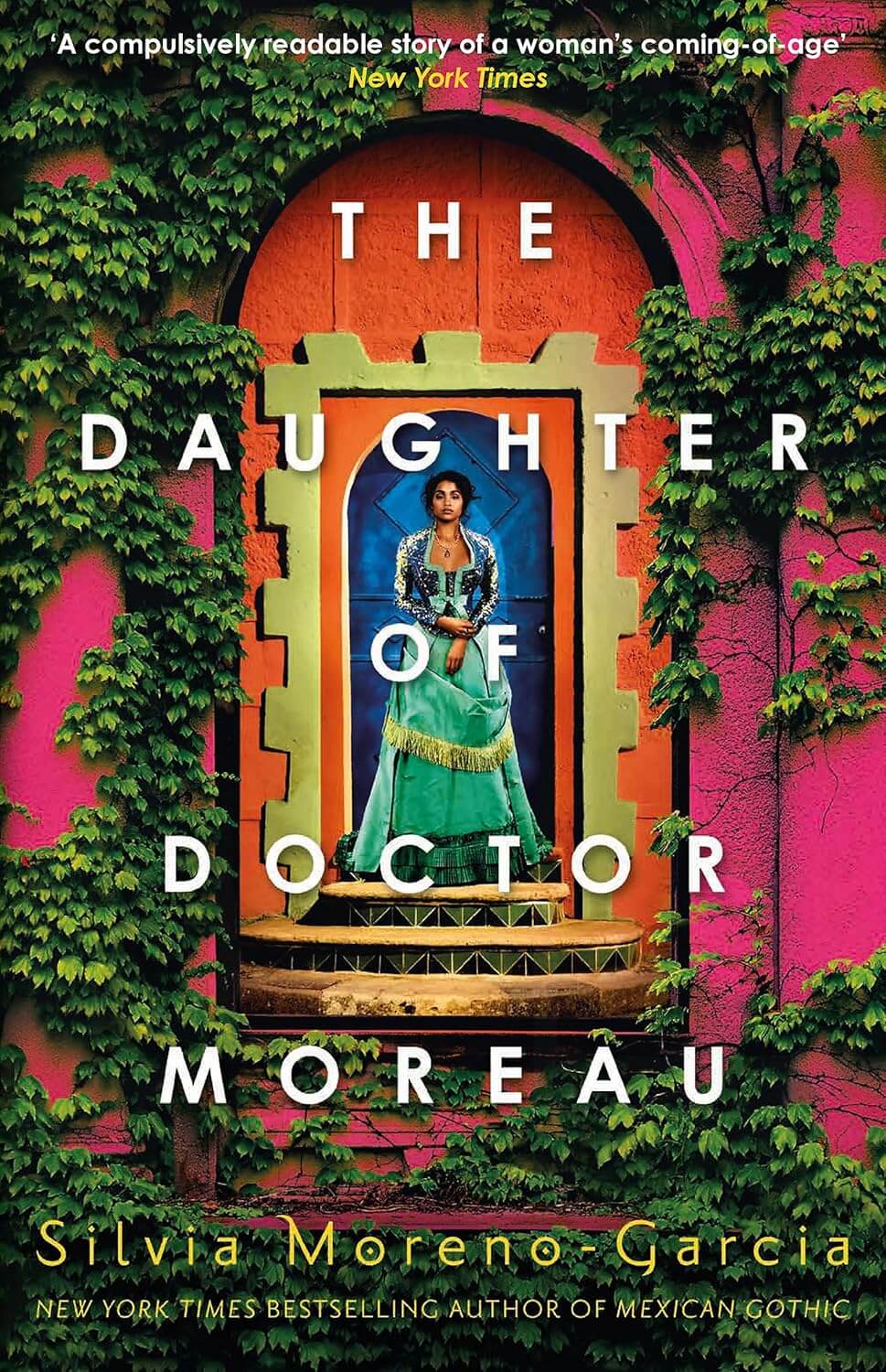
The Daughter of Doctor Moreau

The Daughter of Doctor Moreau

by Silvia Moreno-Garcia

Moreno-Garcia reimagines the Moreau story through lush historical fantasy, relocating it to 19th-century Mexico and giving it political as well as gothic force. The novel is deeply interested in colonial power, scientific arrogance, and the fragile illusions that keep privileged households intact. Carlota, the doctor’s daughter, begins in a state of innocence that slowly gives way to knowledge, and the book is strongest when tracing that awakening. The setting is rich without overwhelming the narrative, blending hacienda drama with body horror and class tension. Moreno-Garcia also gives real weight to the hybrids, who are more than symbols or experiments. The prose is elegant and controlled, with an atmosphere of beauty always shadowed by menace. It’s less frantic than some retellings, but more emotionally layered because of that restraint. A seductive, unsettling revision of a classic premise.

3.57
Fantasy
Gothic Fiction
Historical Fantasy
Lush
Unsettling
Elegant

Best Novella

Short-form works that prove speculative fiction can be eerie, emotional, playful, and intellectually sharp in a very compact space.

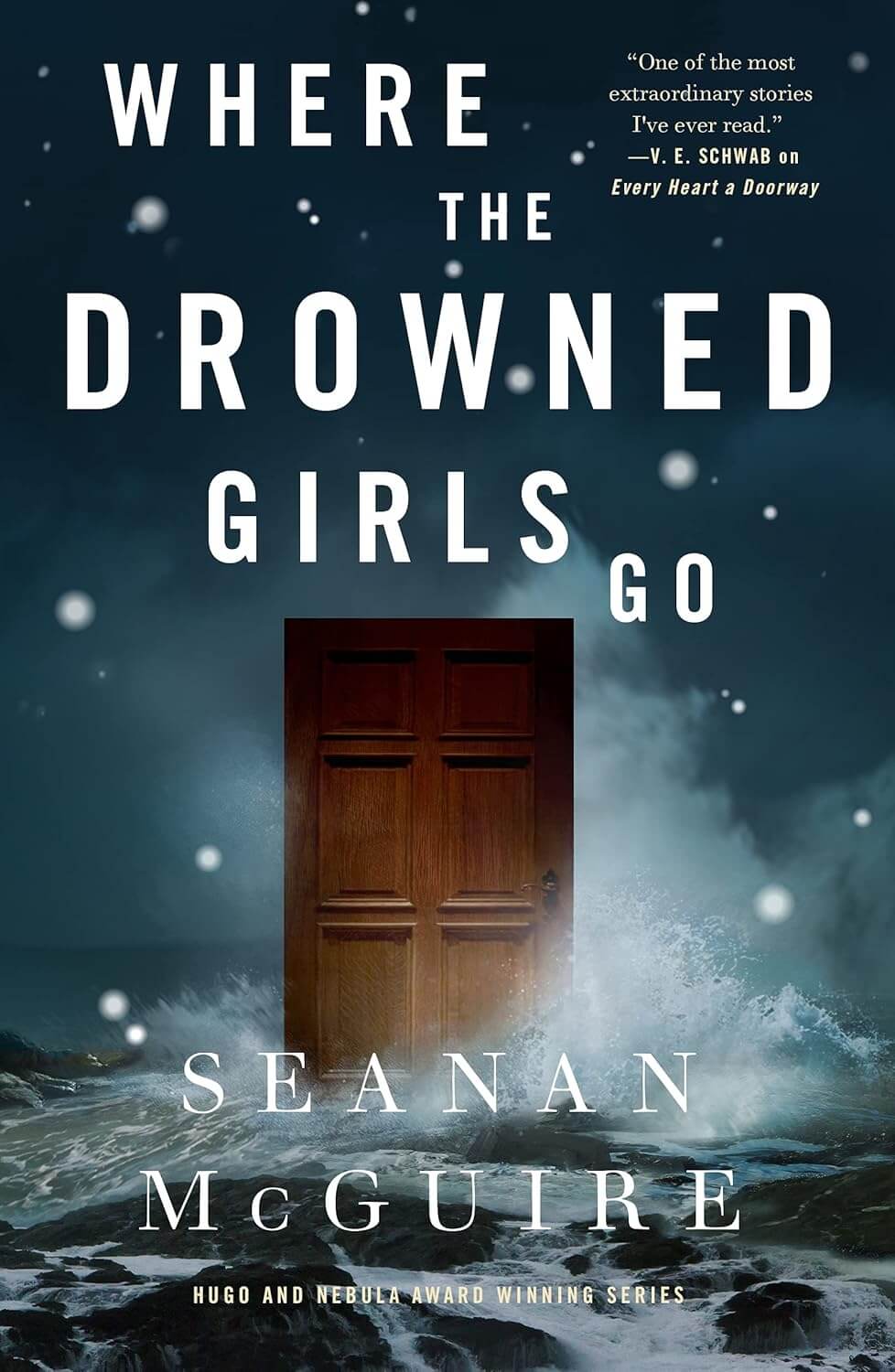
Where the Drowned Girls Go
Winner

Where the Drowned Girls Go

by Seanan McGuire

This Wayward Children installment takes the series’ portal-fantasy framework and turns it inward, exploring what happens when belonging curdles into control. McGuire uses the Whitehorn Institute as a stark counterpoint to Eleanor West’s school, making the novella feel less whimsical and more sharply institutional. Cora remains a strong anchor because her cynicism and vulnerability coexist so convincingly. The book is especially effective on the psychological violence of being told to erase what you know about yourself. There’s a clear emotional throughline about autonomy, community, and the desire to be believed. McGuire’s prose stays clean and quick, letting the ideas carry weight without slowing the narrative. It’s one of the darker entries in the series, but also one of the most pointed. A slim book with real bite.

4.03
Fantasy
Portal Fantasy
Dark
Defiant
Melancholic
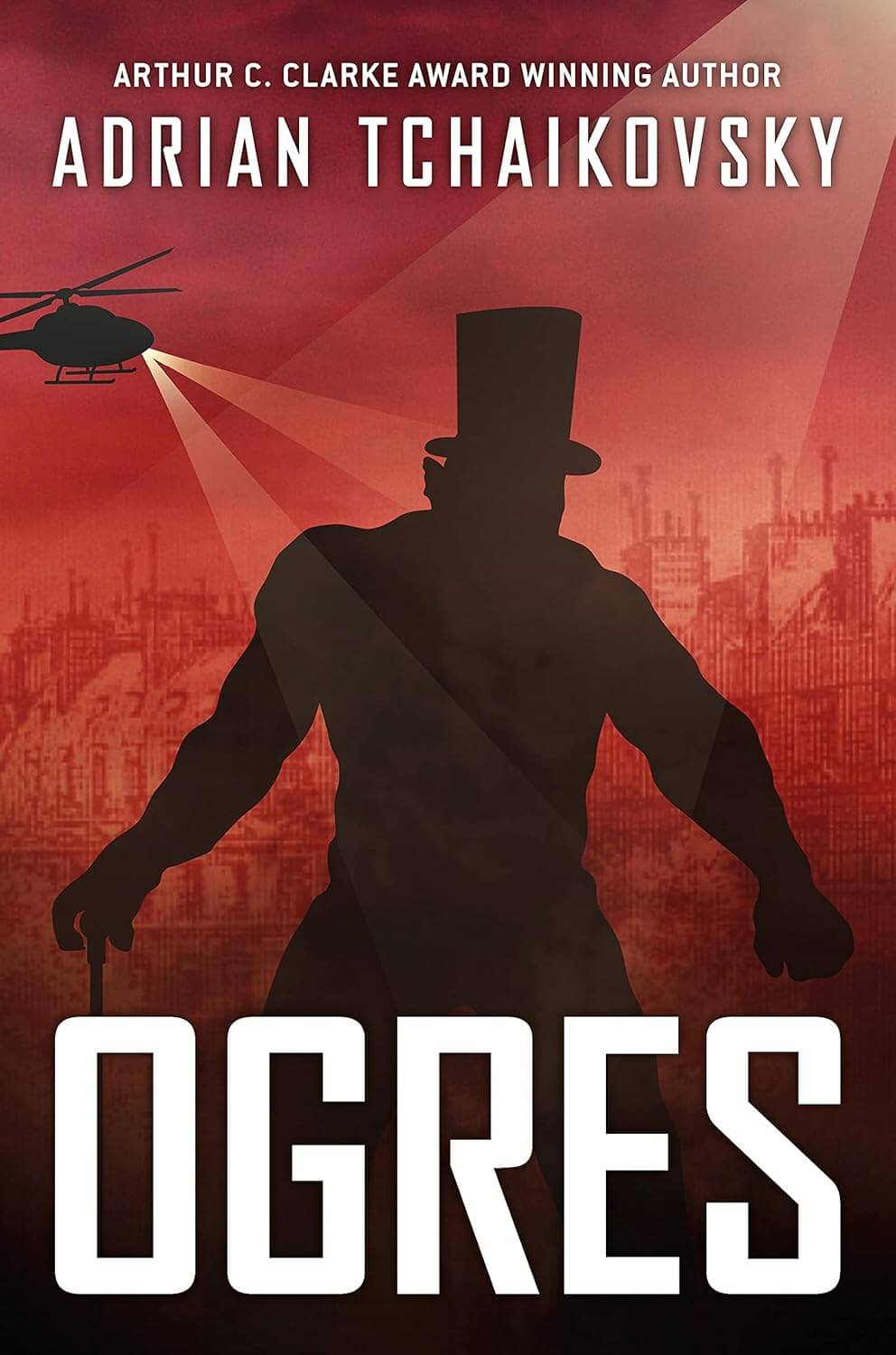
Ogres

Ogres

by Adrian Tchaikovsky

This novella is short, brutal, and pointed, using a deceptively simple fantasy premise to deliver a sharp allegory about class and power. Tchaikovsky begins with what feels like a folk tale about giant ogres ruling over ordinary people, then steadily complicates the frame until the social critique becomes unmistakable. The second-person narration adds pressure and intimacy, making the story feel like both fable and accusation. Tchaikovsky is excellent at pacing revelation; each new layer sharpens the book’s anger. The world-building is economical but effective, serving the novella’s moral purpose rather than distracting from it. It’s not subtle, but it doesn’t need to be. The point lands because the storytelling is lean and confident. A compact, sharp-edged piece of political fantasy.

4.24
Fantasy
Political Fiction
Bleak
Angry
Sharp
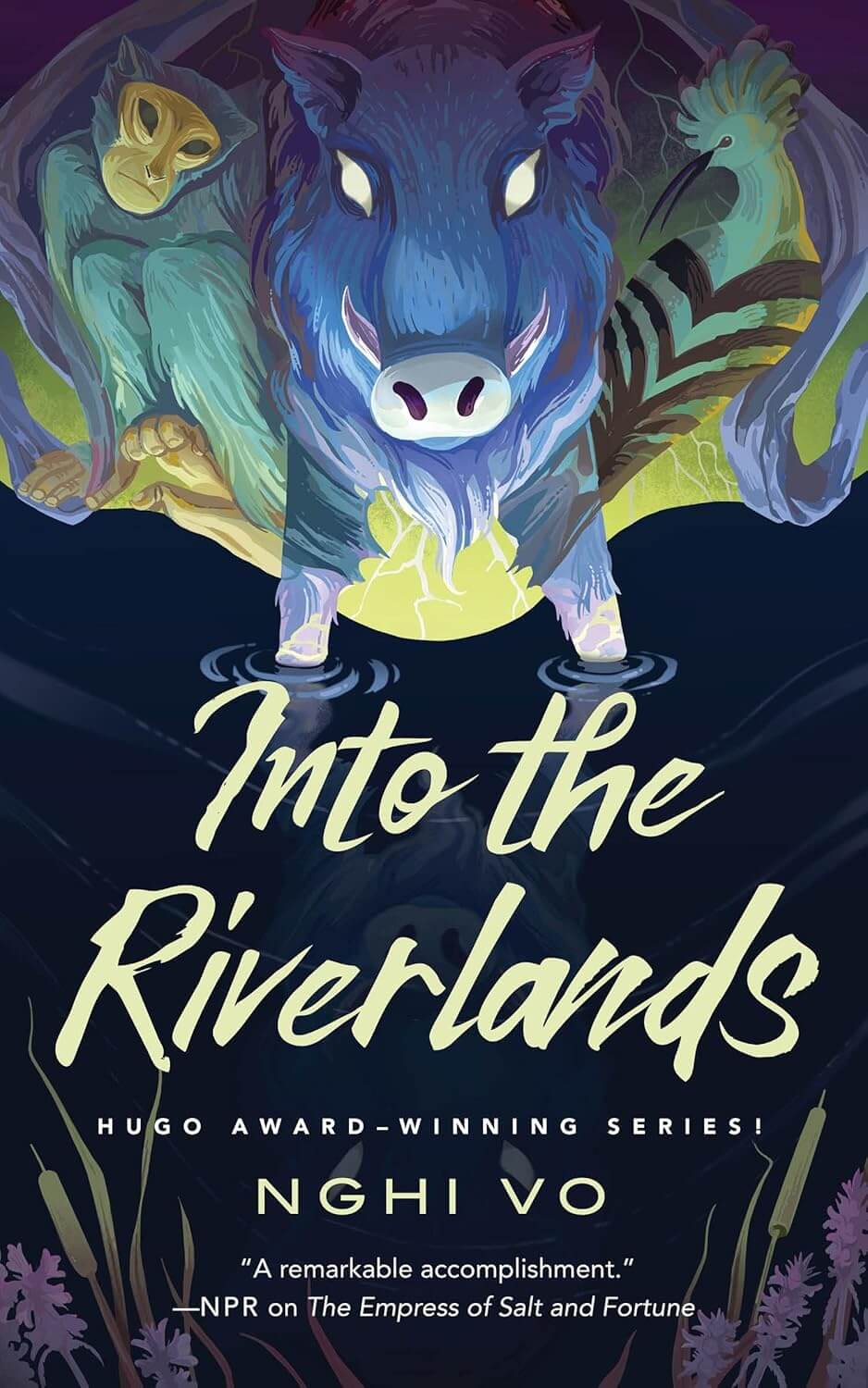
Into the Riverlands

Into the Riverlands

by Nghi Vo

Nghi Vo continues the Singing Hills cycle with another elegant story about storytelling, violence, and the people left on the edges of legend. This time the setting leans toward martial epics and wandering heroes, but Vo remains more interested in perspective than spectacle. The novellas in this series are always, in part, about how stories are told and who gets transformed into myth, and this entry handles that question beautifully. Cleric Chih is once again an excellent witness: observant, compassionate, and just detached enough to notice what others miss. The prose is spare but textured, with a quiet confidence that lets the emotional and philosophical weight gather gradually. The book feels meditative even when danger is near. It’s small in scale, but rich in implication. Another lovely, precise jewel in an already remarkable series.

4.00
Fantasy
Mythic Fiction
Elegant
Reflective
Quiet
Even Though I Knew the End

Even Though I Knew the End

by C.L. Polk

Polk blends noir, urban fantasy, and doomed romance into a compact story that feels satisfyingly complete. Set in an alternate 1940s Chicago, the novella follows a magical detective hunting a serial killer while trying to outrun her own bargain with Hell. The setup is pulpy and stylish, but the emotional center is unexpectedly tender. Polk is especially good at atmosphere—smoke, shadows, hidden clubs, and last chances. The romance gives the story urgency without softening its harder edges. The prose is efficient and elegant, making the world feel larger than the page count should allow. There’s sadness built into the premise, and the novella wisely leans into it rather than trying to escape it. A stylish little heartbreak with demons and detective work.

3.80
Fantasy
Noir
Queer Fiction
Sultry
Bittersweet
Atmospheric
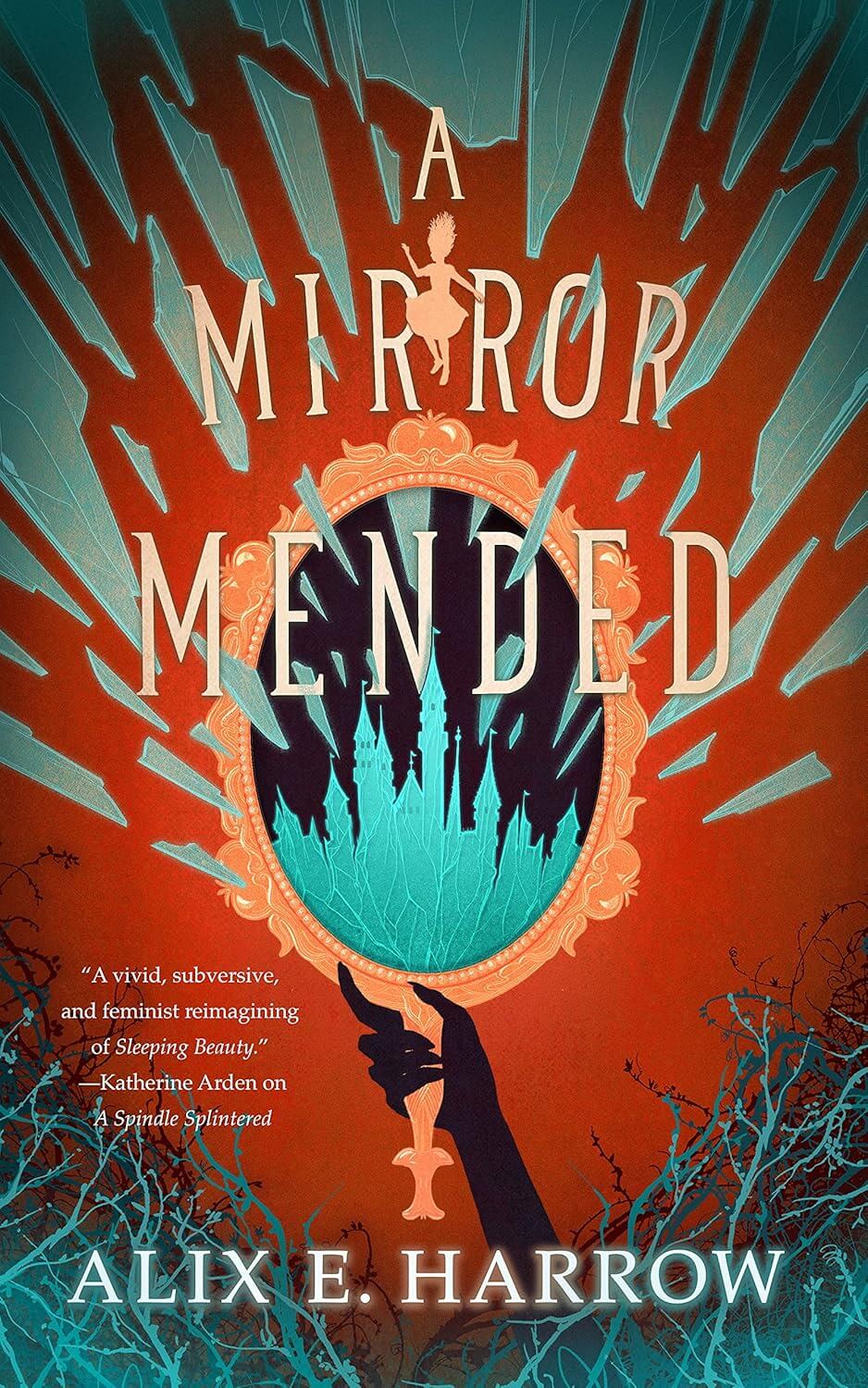
A Mirror Mended

A Mirror Mended

by Alix E. Harrow

Harrow’s fractured fairy-tale sequel is clever, chatty, and emotionally smarter than its playful setup first suggests. By returning to Zinnia and the world of Sleeping Beauty retellings, Harrow keeps tugging at the question of what happens after the “happy ending” everyone thinks they want. The novella has metafictional sparkle, but it also has real thematic bite around repetition, female roles, and the seductive safety of familiar stories. Harrow writes with energy and wit, making the book feel fast and lively without losing its heart. The best part is its refusal to settle for simple empowerment clichés. Instead, it argues that breaking a pattern is messier and more frightening than readers might expect. It’s light on its feet but not lightweight. A brisk, inventive fairy-tale remix with brains and feeling.

3.73
Fantasy
Fairy Tale
Playful
Smart
Defiant
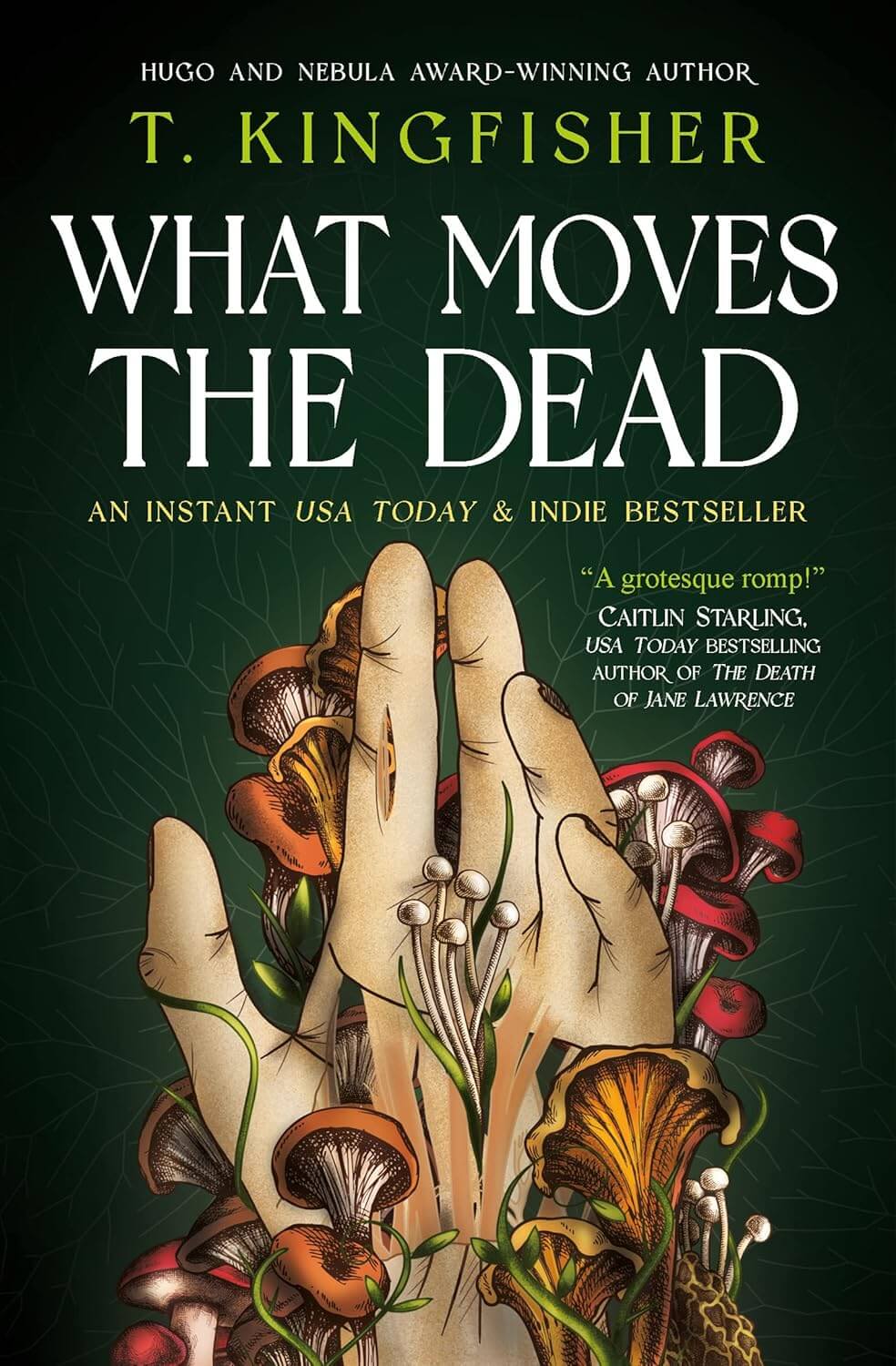
What Moves the Dead

What Moves the Dead

by T. Kingfisher

Kingfisher’s retelling of “The Fall of the House of Usher” is gothic, fungal, and pleasantly nasty in all the right ways. The novella leans into decay, body horror, and eerie natural detail while keeping a thread of mordant humor running through the prose. Alex Easton is a terrific narrator, pragmatic and sardonic enough to stop the atmosphere from becoming too self-serious. The pacing is tight, and the central mystery unfolds with satisfying dread. Kingfisher clearly loves the old gothic machinery, but she updates it with scientific curiosity and ecological creepiness. The result is both respectful and gleefully strange. It’s a quick read, but one that leaves behind a strong aftertaste of rot and intelligence. A wonderfully moldy gothic delight.

3.84
Horror
Gothic Fiction
Fantasy
Creepy
Wry
Claustrophobic

Best Series

Long-running speculative worlds that reward investment with expansive ideas, memorable characters, and increasingly rich emotional stakes.

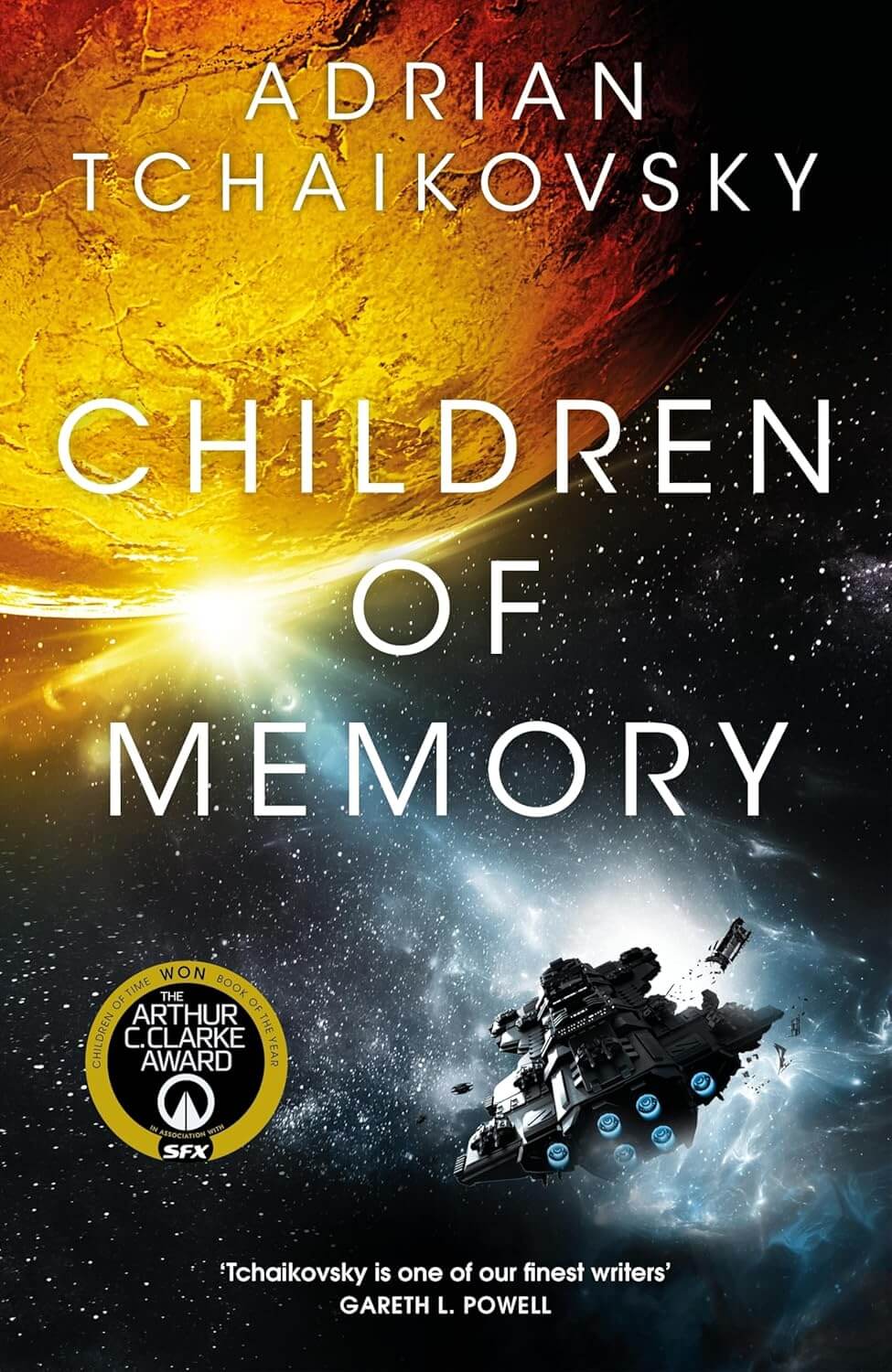
Children of Memory (Children of Time)
Winner

Children of Memory (Children of Time)

by Adrian Tchaikovsky

This series stands out for its rare combination of sweeping scale and genuine scientific imagination. Tchaikovsky is fascinated by evolution, intelligence, and the possibility that humanity is neither central nor singular. What makes the books memorable is not just the big-idea speculation, but the way alien or uplifted consciousness is made vivid and emotionally legible. The series continually expands its scope without losing momentum. It asks readers to think beyond the human while still giving them enough narrative anchor to care. There’s wonder here, but also unease. Few modern series handle civilization-building and radical perspective shifts this well. For readers who like ambitious science fiction, it’s one of the richest series on the shortlist.

4.00
Science Fiction
Space Opera
Awe-filled
Intellectual
Epic
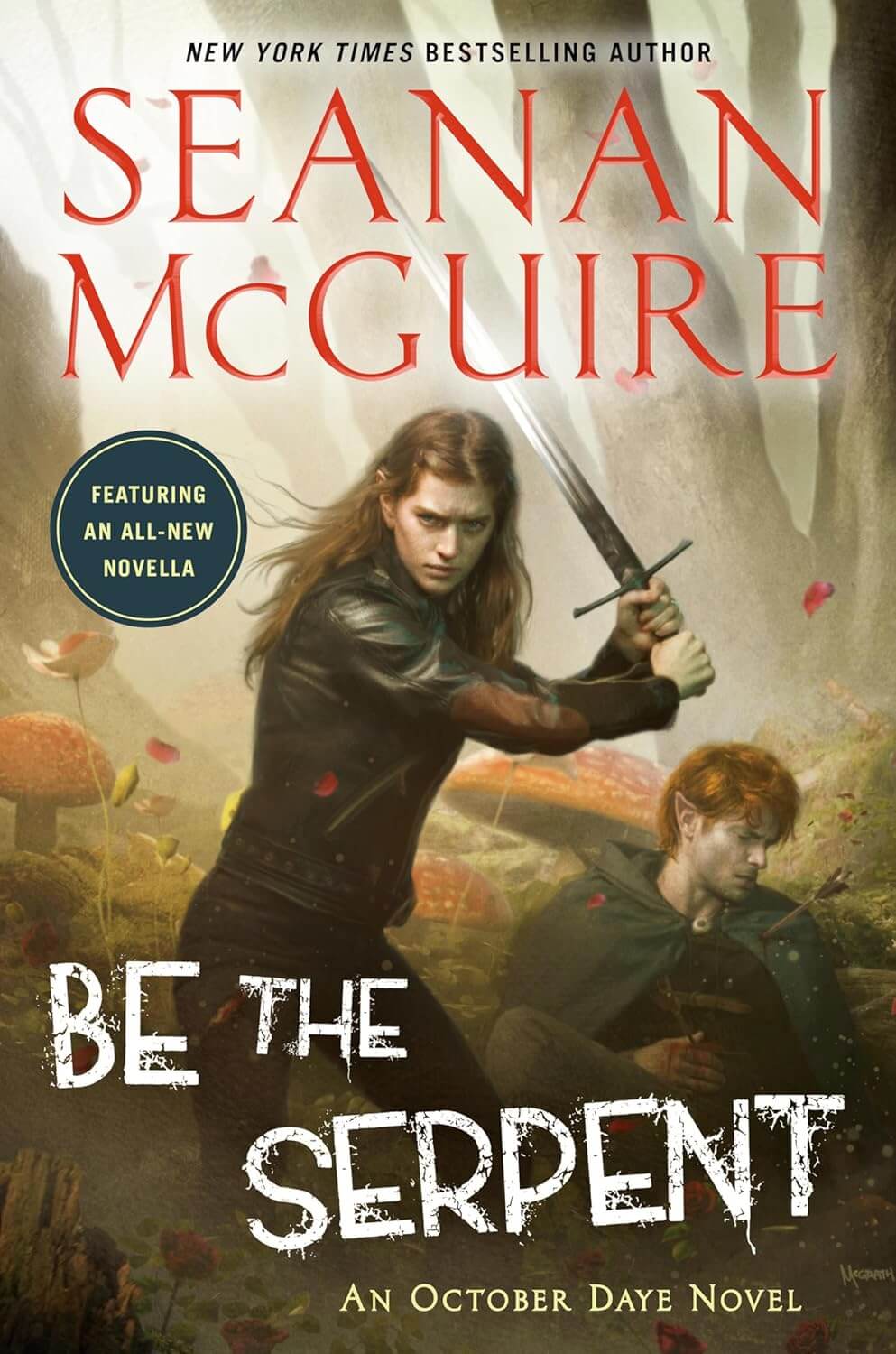
Be the Serpent (October Daye)

Be the Serpent (October Daye)

by Seanan McGuire

Seanan McGuire’s long-running urban fantasy series has endured because it combines emotional loyalty with an ever-expanding fae world full of danger, politics, and heartbreak. Toby Daye remains a compelling center because she is both heroic and deeply bruised, always carrying the cost of survival. One of the series’ greatest strengths is its accumulation: relationships, betrayals, and revelations build over time until the world feels densely inhabited. McGuire also understands pacing, balancing action and mythology with genuine emotional payoff. The series has a devoted fanbase because it rewards long-term investment. It’s full of magic, but also of grief, found family, and stubborn endurance. The tone can shift from funny to devastating very quickly. For readers who want an urban fantasy universe they can really live in, it’s hard to beat.
4.44
Urban Fantasy
Fantasy
Emotional
Engaging
Resilient
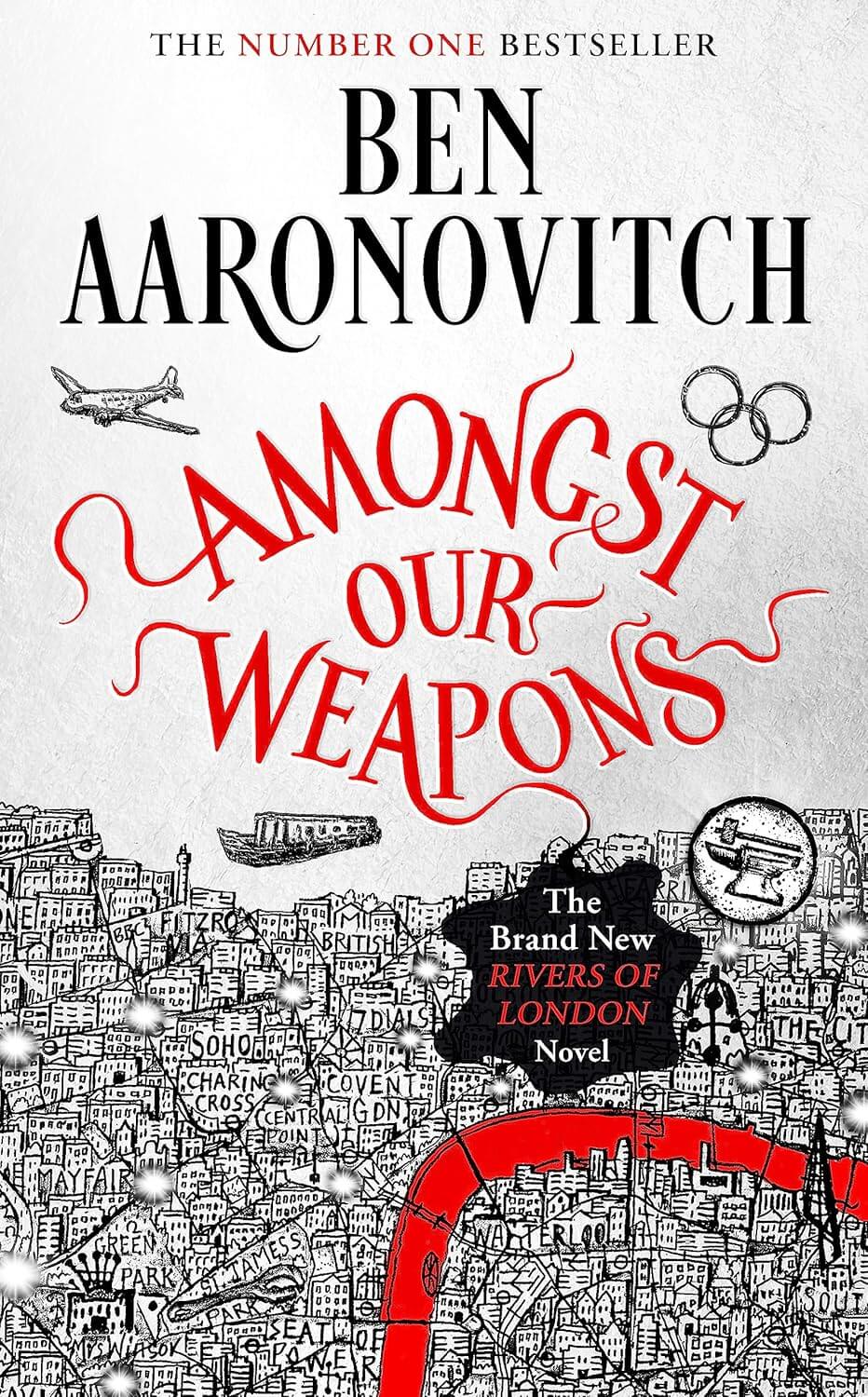
Amongst Our Weapons (Rivers of London)

Amongst Our Weapons (Rivers of London)

by Ben Aaronovitch

This series succeeds because it makes London feel both bureaucratically mundane and deeply magical at the same time. Peter Grant’s voice is witty, observant, and grounded, which gives the books much of their charm. Aaronovitch blends police procedural logic with myth, folklore, and urban weirdness in a way that rarely feels forced. The city itself is a huge part of the appeal: specific, layered, and alive with hidden histories. The mysteries are entertaining, but the series’ real strength lies in voice and atmosphere. It’s one of those rare urban fantasies that genuinely understands place. Funny, smart, and wonderfully lived-in.

4.32
Urban Fantasy
Mystery
Witty
Atmospheric
Lively
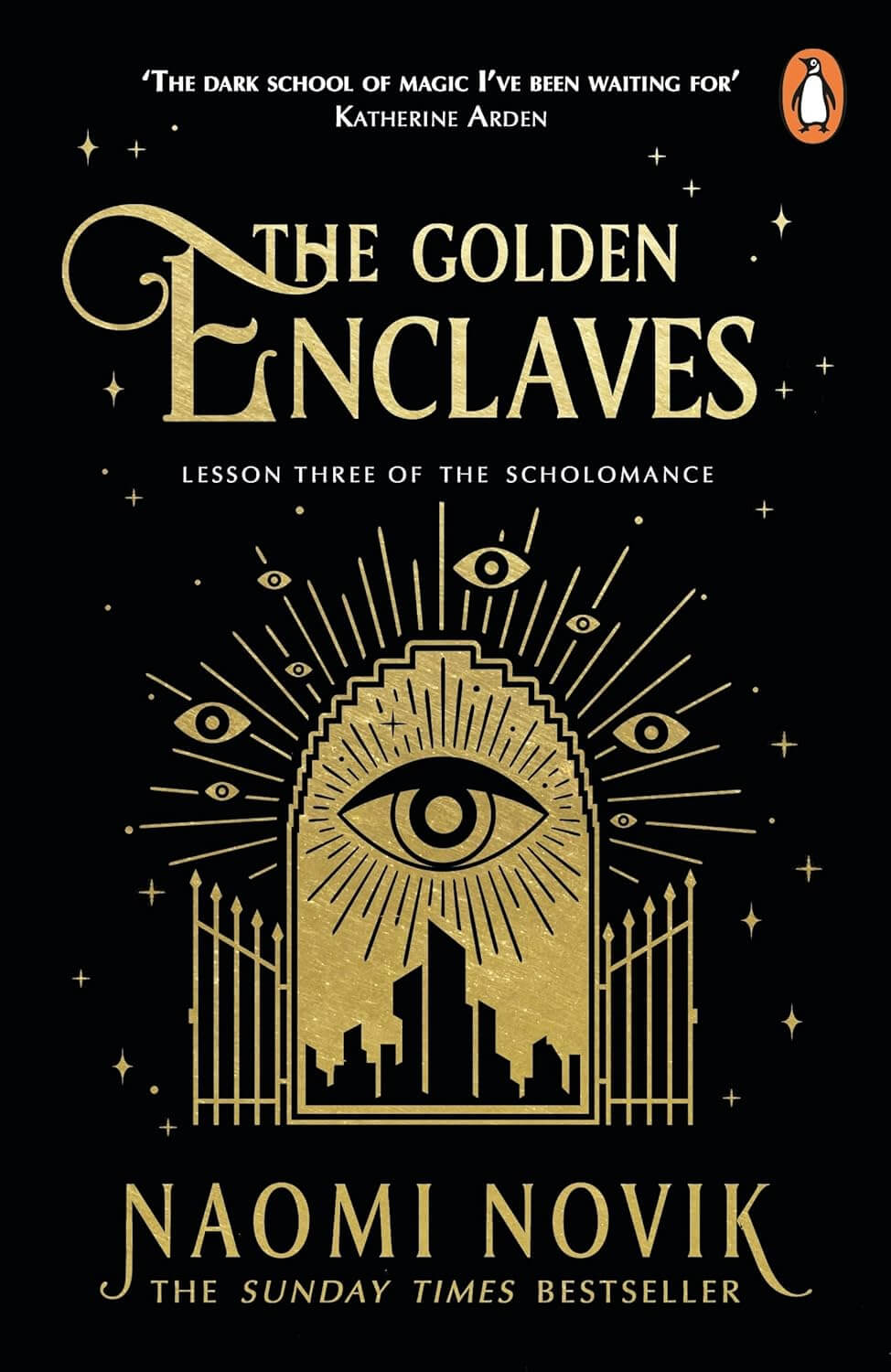
The Golden Enclaves (The Scholomance)

The Golden Enclaves (The Scholomance)

by Naomi Novik

Naomi Novik takes the magic-school setup and turns it into something nastier, sharper, and more structurally interesting. The Scholomance is a school designed to kill or at least traumatize its students, and that premise lets Novik explore hierarchy, privilege, and survival with real bite. El is an outstanding narrator: funny, furious, and self-aware enough to make even exposition sparkle. The series works because it combines high-concept danger with a strong emotional arc around trust, community, and interdependence. Novik also excels at making systems feel material—rules, resources, alliances, and debt all matter. It’s darkly entertaining but also thematically rich. A trilogy that earns both its snark and its heart.

4.11
Fantasy
Dark Fantasy
Young Adult
Sharp
Darkly Funny
Tense
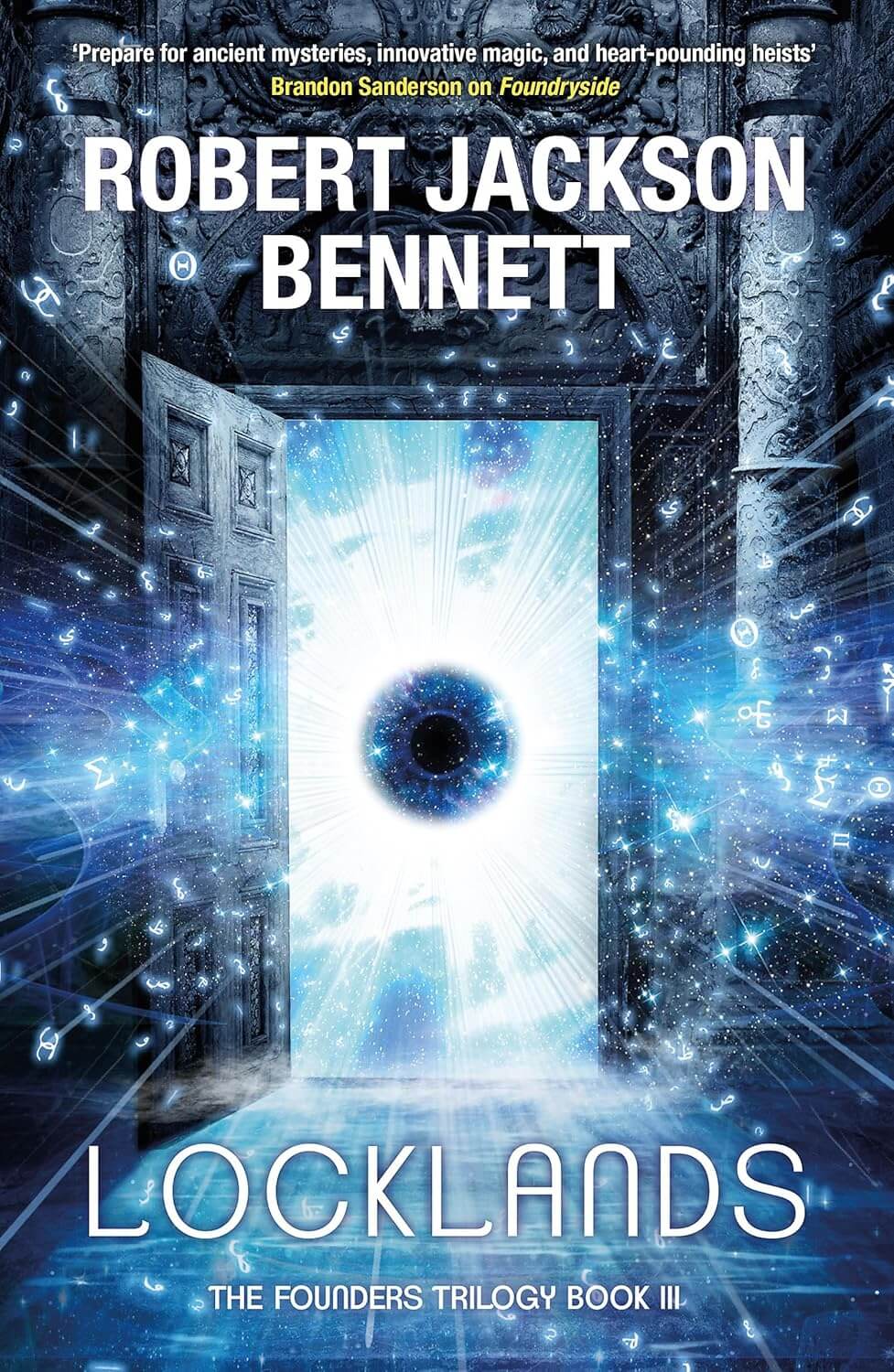
Locklands (The Founders Trilogy)

Locklands (The Founders Trilogy)

by Robert Jackson Bennett

Bennett’s trilogy is one of the more inventive epic fantasies of recent years, largely because its magic system feels like a collision between code, commerce, and theology. The books are packed with action and intrigue, but their real fascination lies in how they think about systems: who builds them, who controls them, and who gets exploited by them. Bennett also writes very well about cities and institutions, making the setting feel alive at every level. The characters have enough wit and emotional complexity to keep the machinery from taking over. There’s a strong anti-corporate current running through the trilogy, which gives the spectacle real bite. The pacing can be relentless, but the ideas hold up under the speed. It’s big, smart fantasy that still knows how to entertain.

4.01
Fantasy
Epic Fantasy
Inventive
Fast-paced
Clever

Best Graphic Story or Comic

Graphic storytelling at full range, from dystopian futures and superhero reinvention to grand fantasy and emotional sci-fi epics.

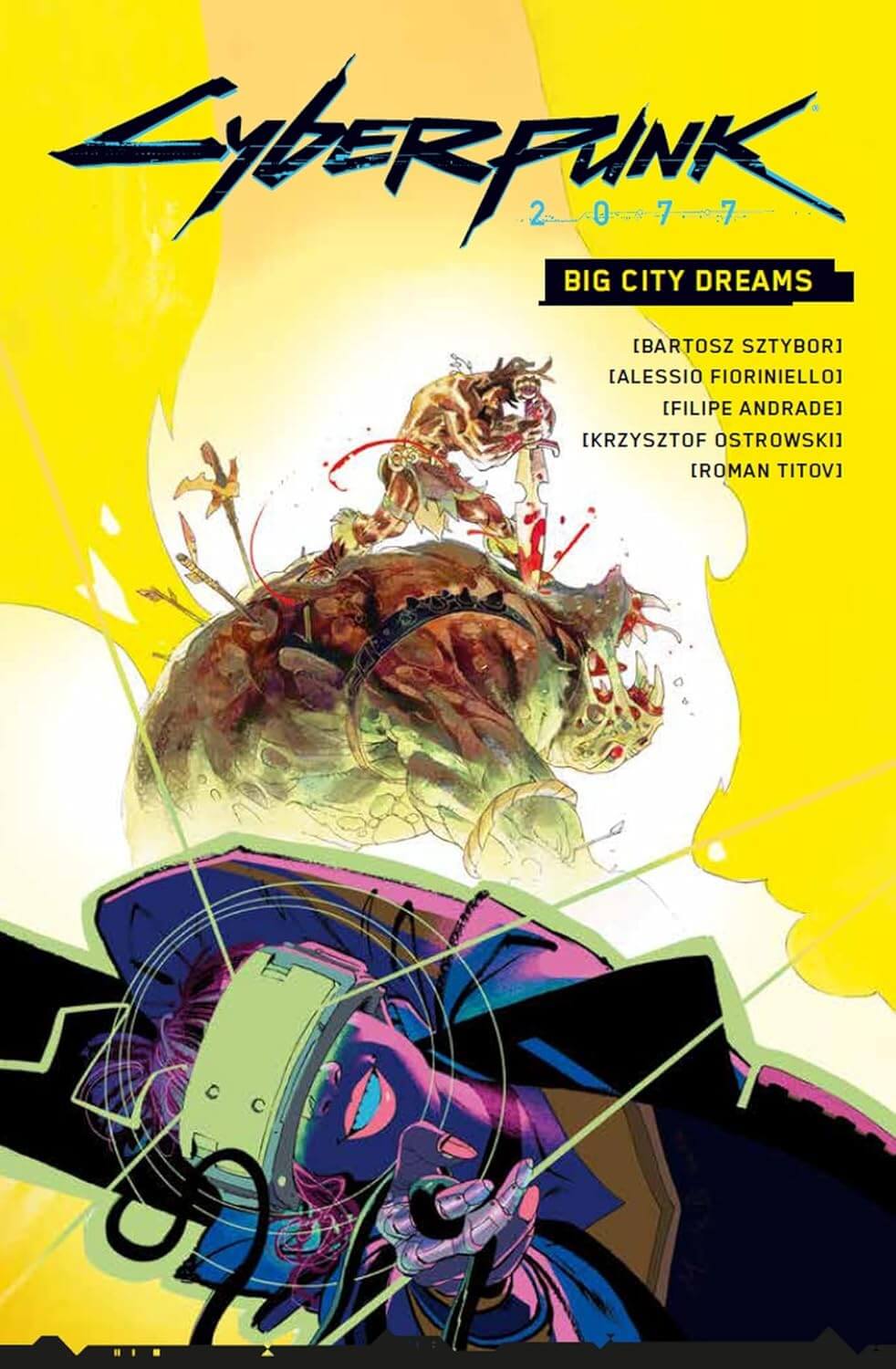
Cyberpunk 2077: Big City Dreams
Winner

Cyberpunk 2077: Big City Dreams

by Bartosz Sztybor, Filipe Andrade, Alessio Fioriniello, Roman Titov, Krzysztof Ostrowski

This comic channels the neon brutality of Night City into a fast, stylish tragedy about ambition and survival. The story moves quickly, but it captures the emotional cost of a world where everyone is hustling toward a future that will probably eat them alive. The art is vivid and restless, perfectly matched to the setting’s sensory overload. What stands out most is the mood: glossy, desperate, and sharp around the edges. It’s a strong entry point for readers who like cyberpunk with feeling.

3.30
Graphic Science Fiction
Cyberpunk
Stylish
Bleak
Kinetic
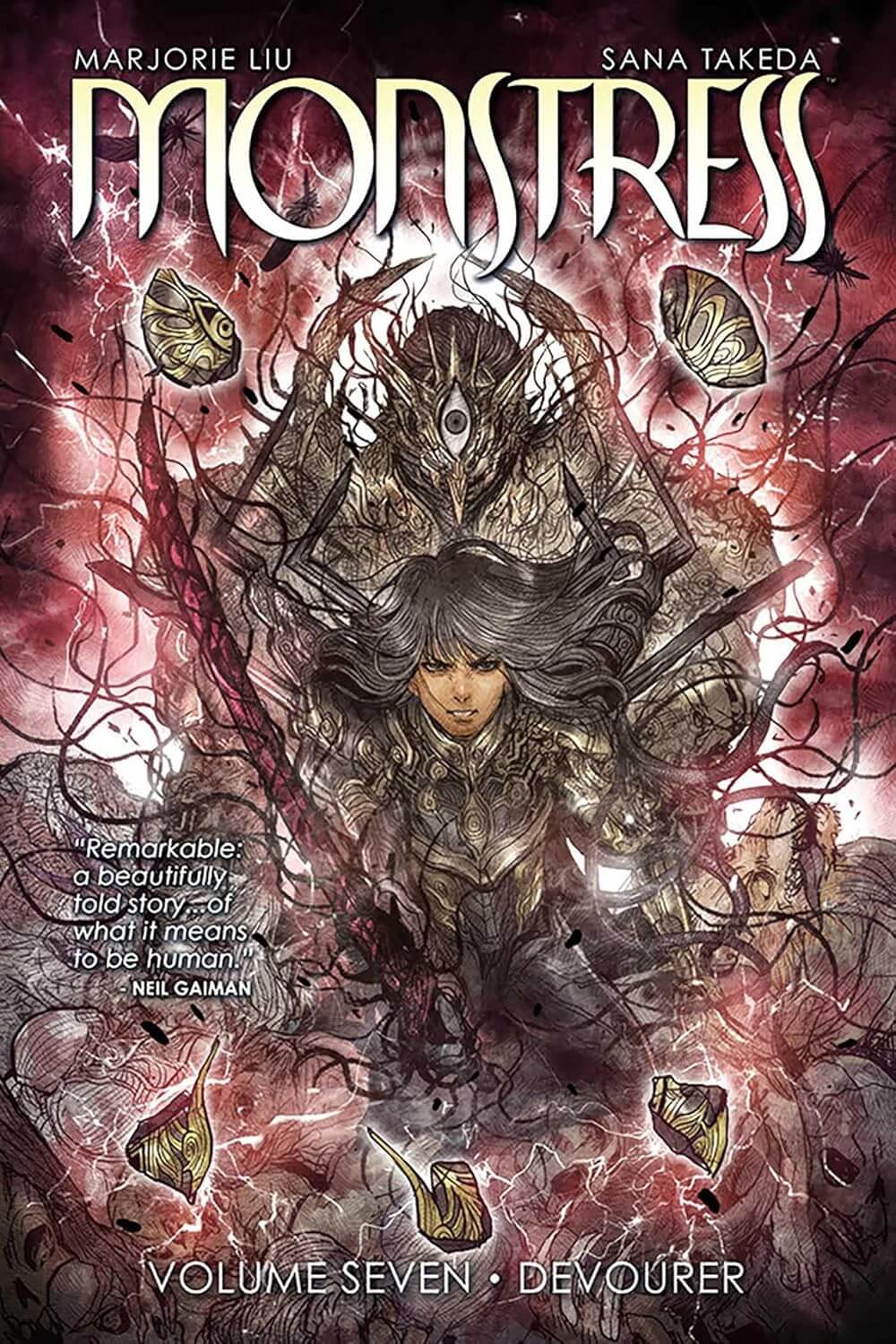
Monstress vol. 7: Devourer

Monstress vol. 7: Devourer

by Marjorie Liu and Sana Takeda

By this point in the series, Monstress has become one of the most visually sumptuous fantasies in comics, and this volume continues that tradition. Sana Takeda’s art remains astonishing—ornate, fluid, and full of menace—while Marjorie Liu keeps deepening the story’s themes of trauma, lineage, and monstrous power. The lore is dense, but the emotional current remains strong. It’s a book that asks readers to surrender to complexity and beauty simultaneously. Dark, grand, and visually unforgettable.

4.37
Graphic Fantasy
Dark Fantasy
Lush
Dark
Intense
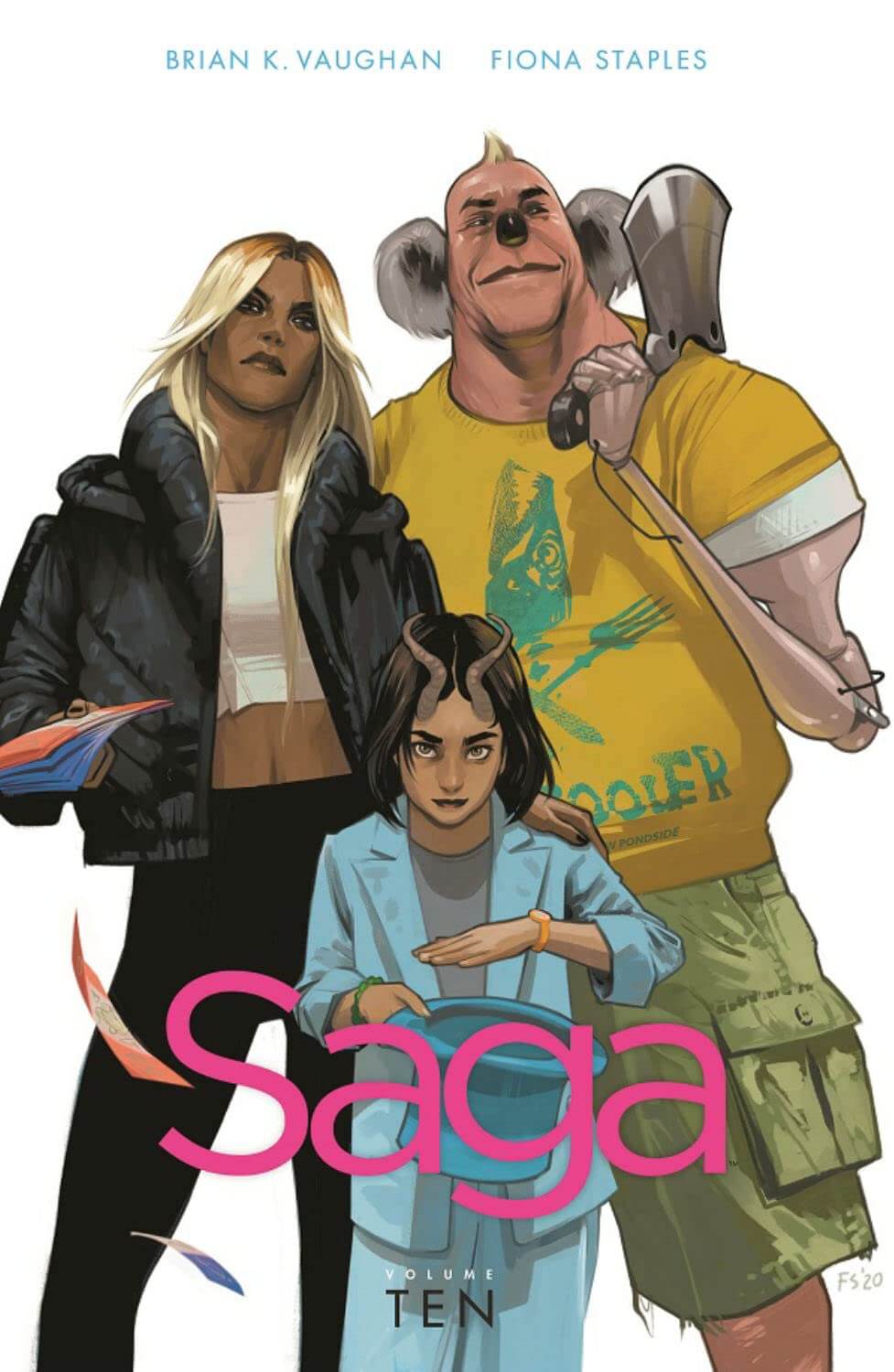
Saga, Vol. 10

Saga, Vol. 10

by Brian K. Vaughan, Fiona Staples, Fonografiks

Saga’s return felt like the return of a whole emotional ecosystem: messy, funny, violent, romantic, and spectacularly strange. Volume 10 picks up after a long break without losing the series’ core strengths—unpredictable storytelling, deep character attachment, and Fiona Staples’ endlessly inventive visual world. Vaughan is especially good at making interstellar absurdity feel emotionally intimate. The book balances war and domesticity better than almost anything else in the genre. It’s still one of comics’ most ambitious genre blends.

4.30
Graphic Science Fiction
Space Opera
Emotional
Wild
Epic
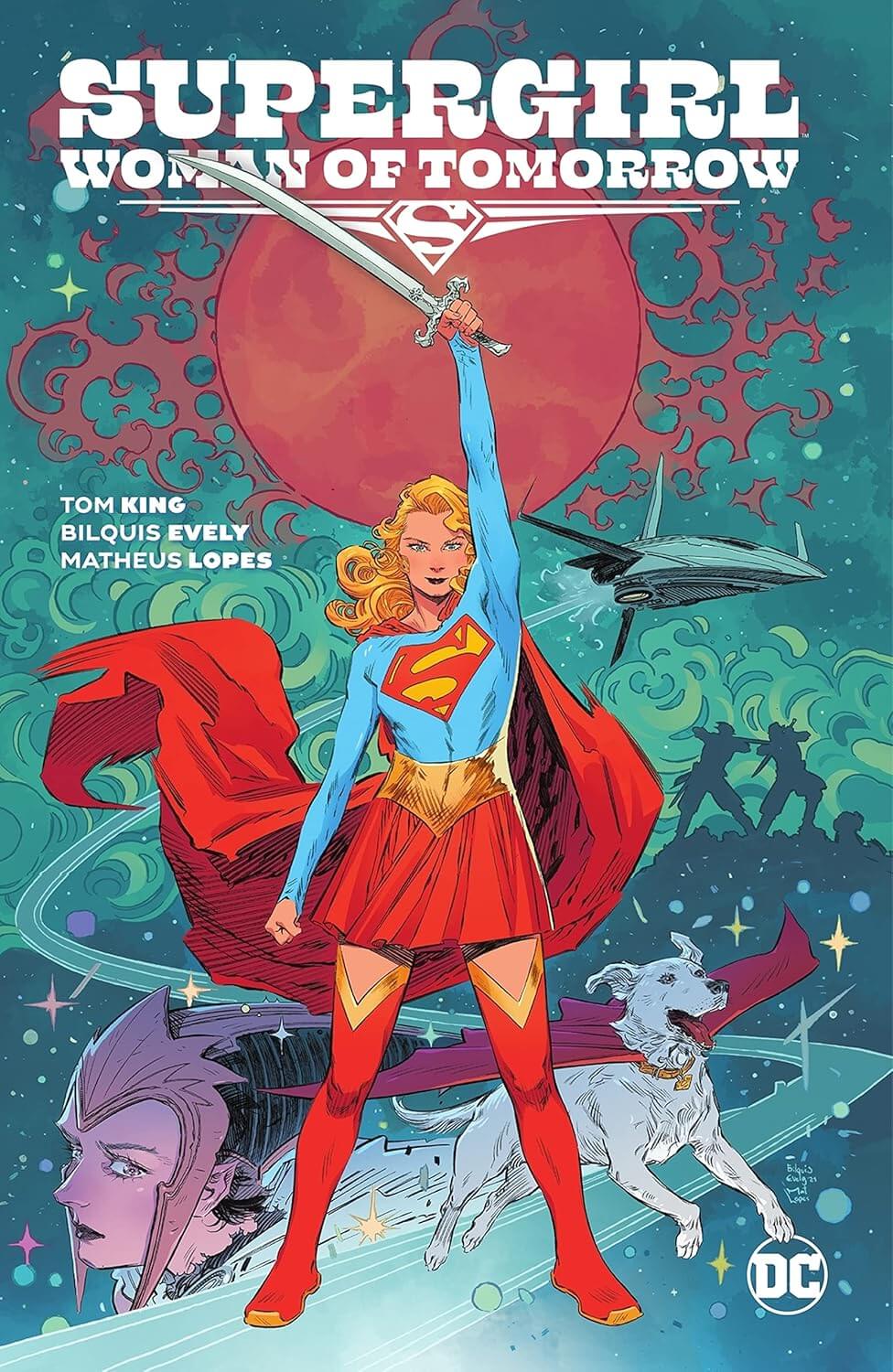
Supergirl: Woman of Tomorrow

Supergirl: Woman of Tomorrow

by Tom King, Bilquis Evely, Matheus Lopes

This is one of those superhero books that feels instantly larger than its category. Tom King gives Supergirl a mythic, melancholy road-story structure, but the real revelation is Bilquis Evely’s art, which makes every page feel expansive and elegiac. The comic reframes Kara as a harder, sadder, more mythic figure than most adaptations allow. Ruthye’s narration adds both distance and emotional texture. It’s visually gorgeous and surprisingly affecting. A standout reinvention of a classic character.

4.39
Graphic Science Fiction
Superhero
Elegant
Melancholic
Heroic
Once & Future Vol 4: Monarchies in the UK

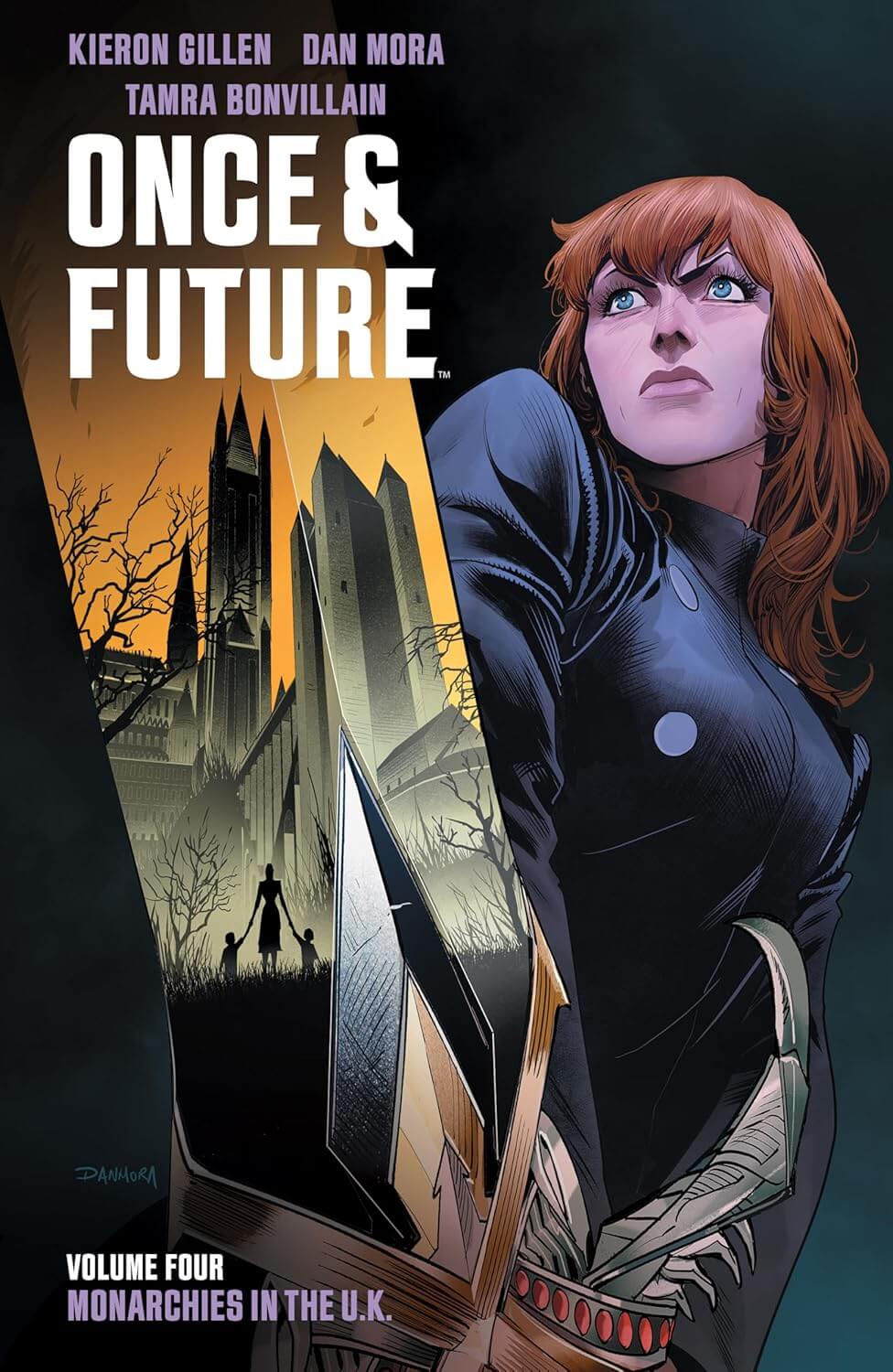
Once & Future Vol 4: Monarchies in the UK

by Kieron Gillen / Dan Mora

This series thrives on velocity, irreverence, and the joy of smashing Arthurian myth into modern political absurdity. Volume 4 keeps the momentum high, with Dan Mora’s art delivering sharp action and theatrical energy. The comic is constantly riffing on stories of kingship, nationalism, and inheritance, but it never forgets to be fun. The grandmother remains one of the best weapons in contemporary comics. It’s clever, loud, and consistently entertaining.

4.01
Graphic Fantasy
Adventure
Energetic
Clever
Fun
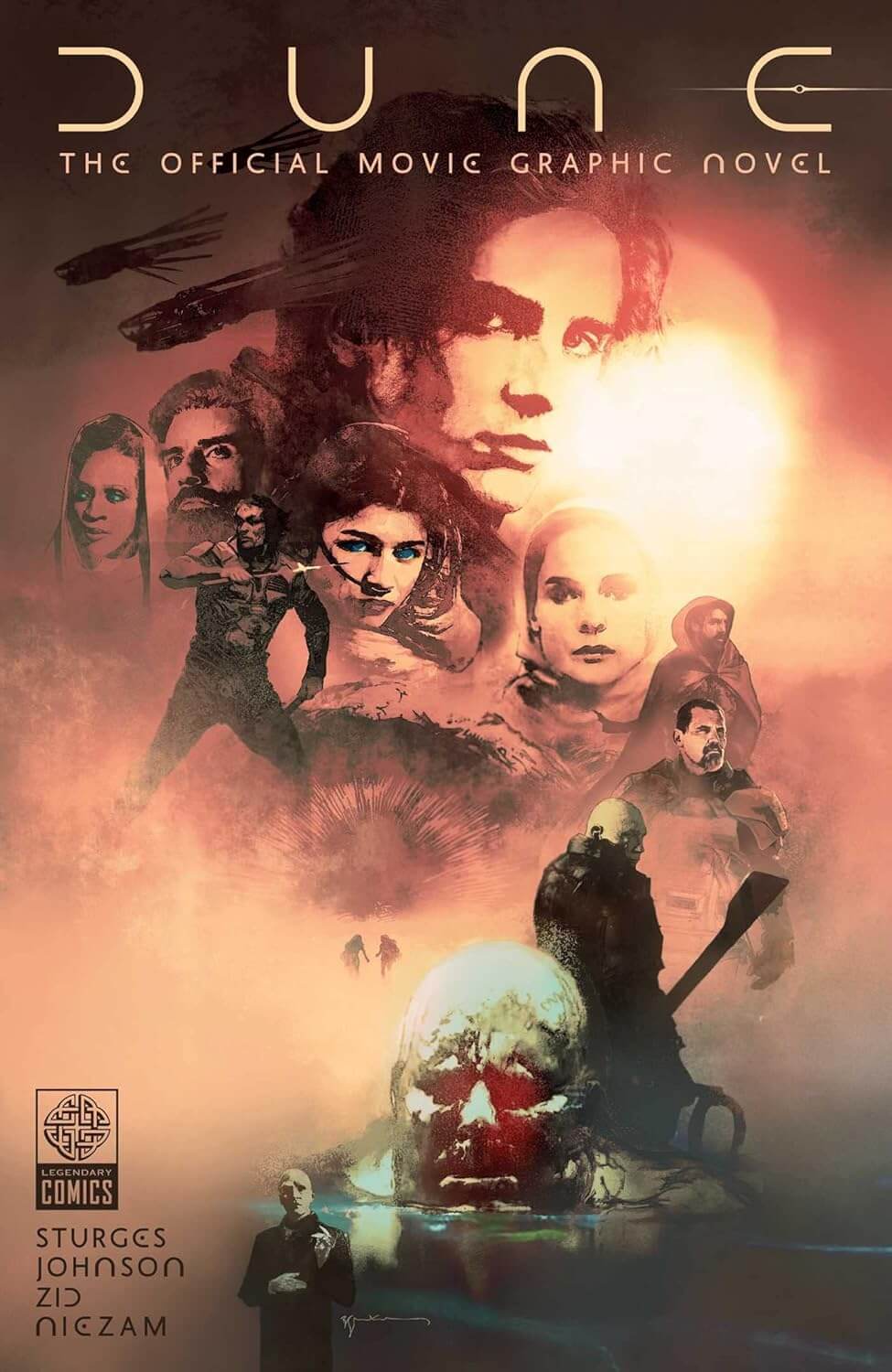
DUNE: The Official Movie Graphic Novel

DUNE: The Official Movie Graphic Novel

by Lilah Sturges, Drew Johnson, Zid

This adaptation condenses a famously dense story into a visually streamlined format that stays accessible without losing all the grandeur. The art does much of the heavy lifting, especially in conveying scale, ritual, and menace. As an adaptation, it’s necessarily compressed, but it remains a solid way into the Dune mythos. The tone stays serious and stately, and the atmosphere of prophecy and politics comes through clearly. Best for readers who want the essence of the story in graphic form.

3.82
Graphic Science Fiction
Adaptation
Epic
Serious
Atmospheric

Lodestar Award for Best YA Book

Young adult speculative fiction that combines big stakes with sharp identity work, vivid worlds, and emotionally rich coming-of-age arcs.

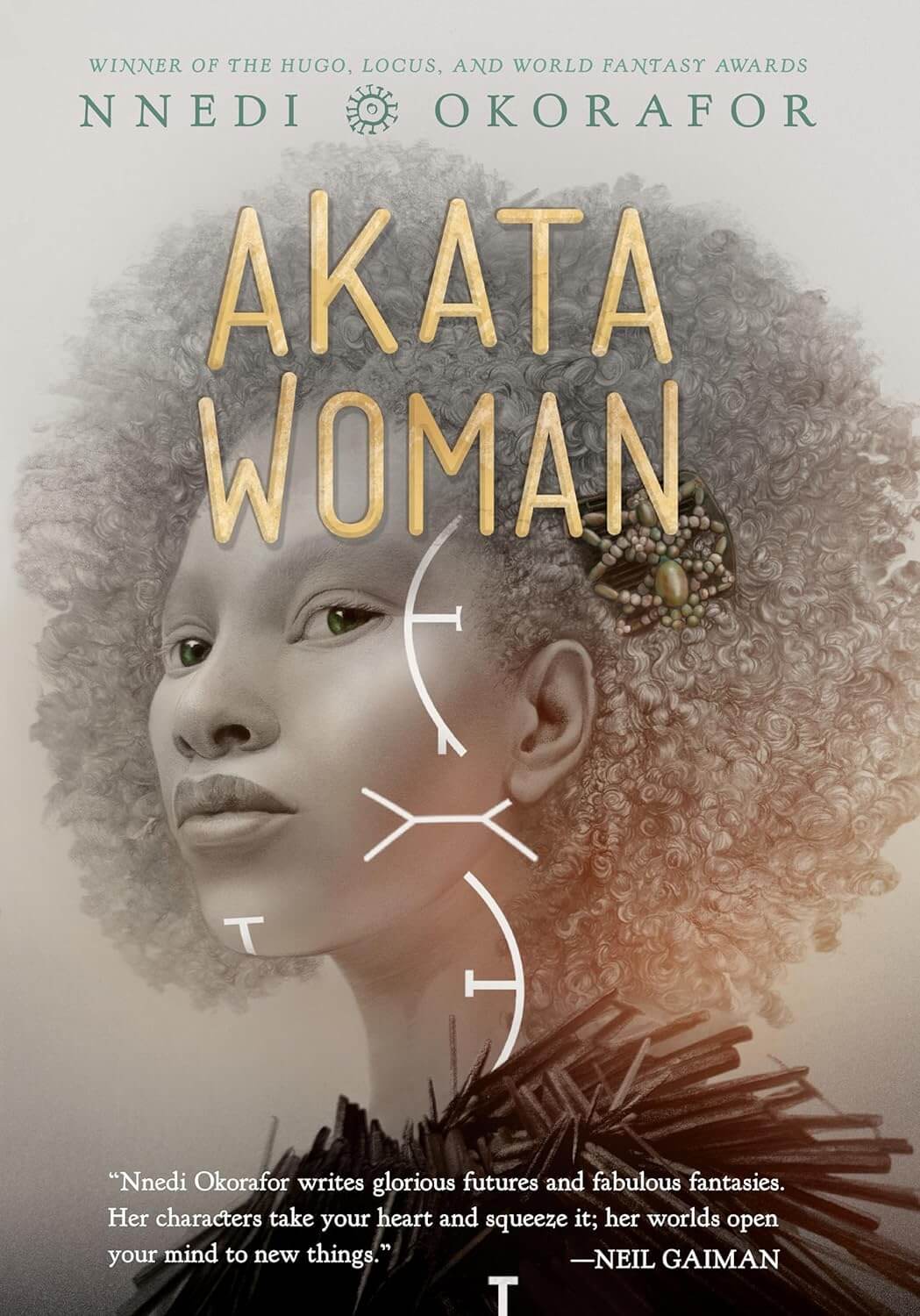
Akata Woman
Winner

Akata Woman

by Nnedi Okorafor

Okorafor’s series remains one of the most vibrant in YA fantasy, and this installment continues to expand its magical logic and emotional intensity. Sunny’s world is inventive, specific, and full of cultural texture, with magic that feels alive rather than generic. The book balances epic stakes with the real difficulties of growing up, learning power, and figuring out where you belong. It’s bold, imaginative, and deeply rooted in its own vision.

4.20
Young Adult
Fantasy
Vivid
Empowering
Adventurous
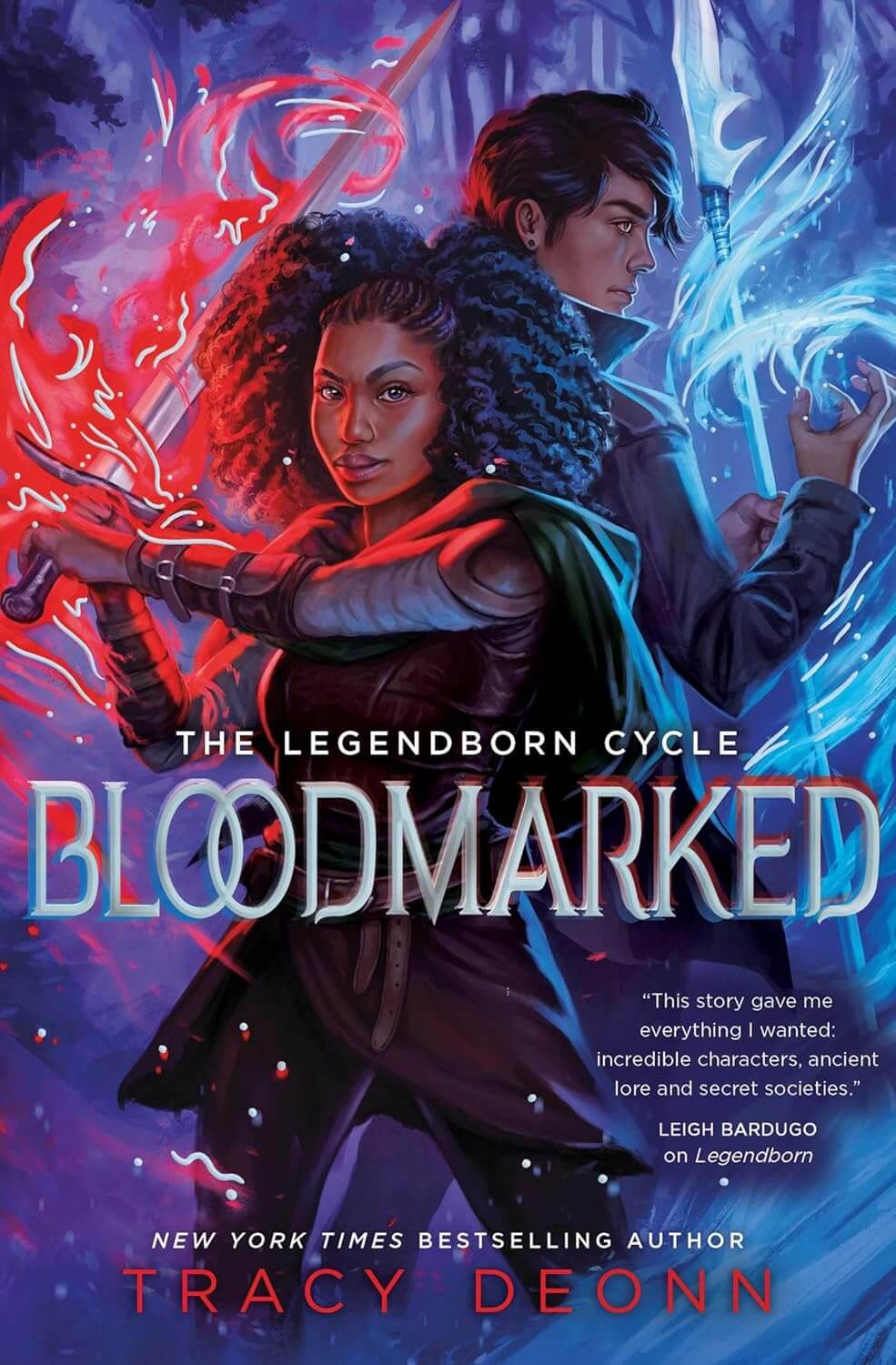
Bloodmarked

Bloodmarked

by Tracy Deonn

This sequel deepens the Arthurian framework of Legendborn while pushing its heroine into even more dangerous emotional and political terrain. Deonn is especially strong at weaving race, grief, and lineage into a high-stakes fantasy plot without flattening any of those elements. Bree remains a compelling lead because her power is inseparable from her pain and her questions. The pace is intense, and the mythology keeps opening outward in exciting ways. Dramatic, emotionally charged, and fiercely readable.

4.29
Young Adult
Fantasy
Intense
Emotional
Defiant
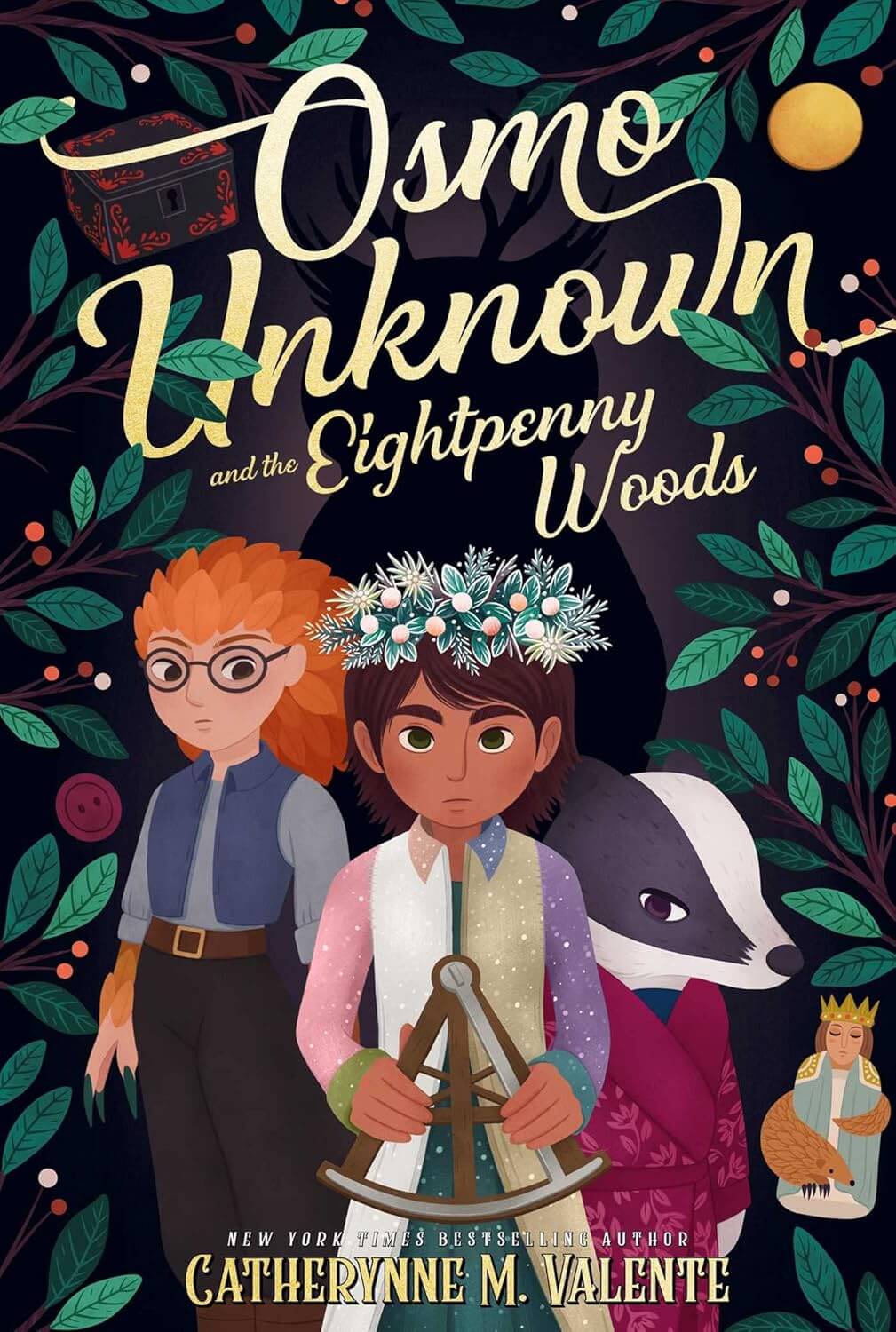
Osmo Unknown and the Eightpenny Woods

Osmo Unknown and the Eightpenny Woods

by Catherynne M. Valente

Valente’s middle-grade and YA-adjacent work is always overflowing with language, invention, and delicious strangeness, and this book is no exception. The Eightpenny Woods feels handcrafted out of folklore, nonsense, and dream-logic, but with real emotional stakes underneath the whimsy. Valente writes as if language itself were a toybox. The result is imaginative, odd, and full of delight for readers who enjoy fairy tales with bite and brains. A wonderfully strange adventure.

4.23
Young Adult
Fantasy
Middle Grade
Whimsical
Inventive
Enchanting
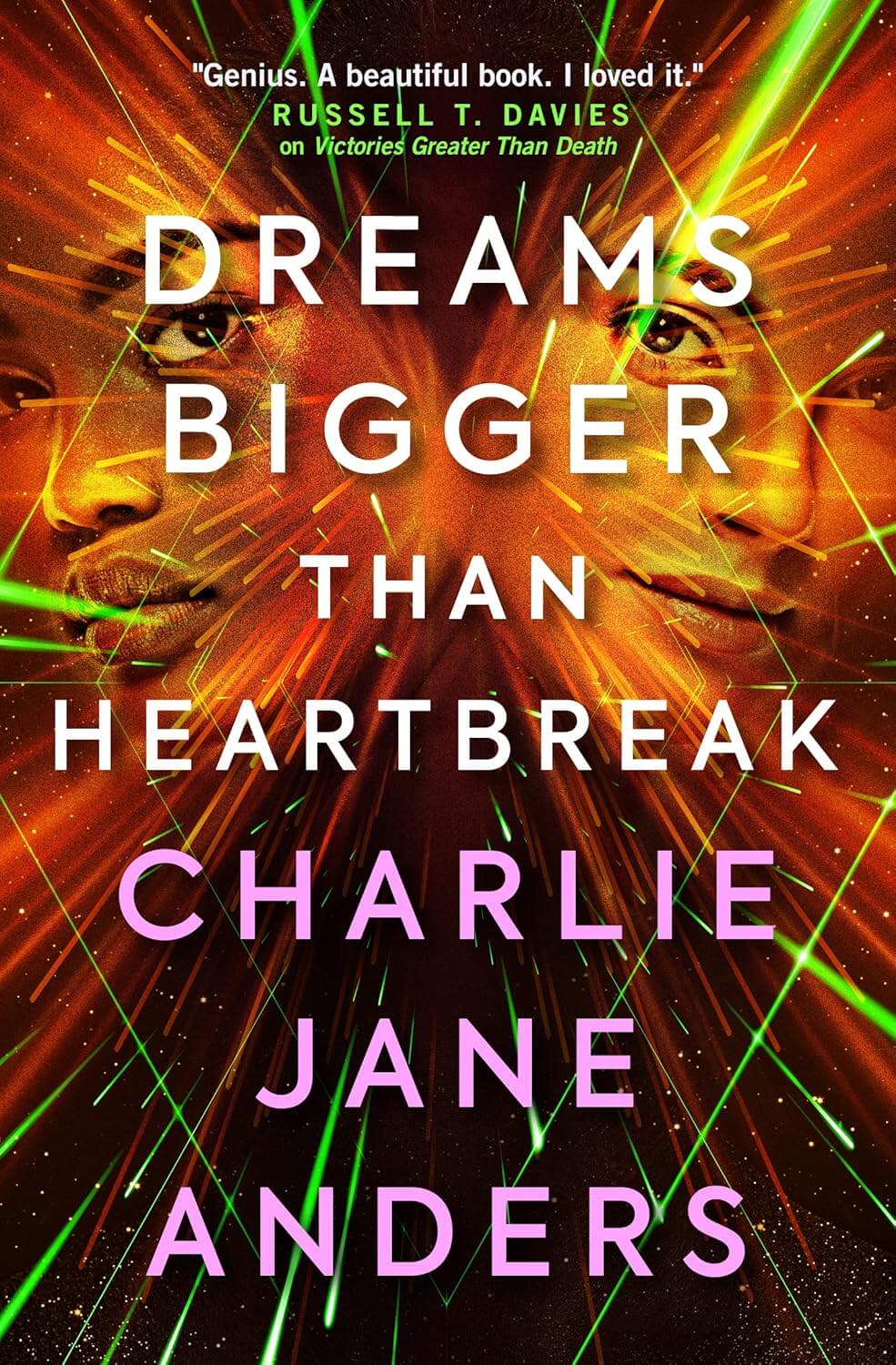
Dreams Bigger Than Heartbreak

Dreams Bigger Than Heartbreak

by Charlie Jane Anders

Anders continues her big-hearted space opera with the same generosity that made the first book so appealing. The novel is full of adventure and ideas, but its real strength is in how much it cares about its characters and their relationships. It’s optimistic without being naive, and expansive without losing emotional clarity. For readers who like their YA science fiction to be warm, idealistic, and full of possibility, it’s a great fit.

4.03
Young Adult
Science Fiction
Hopeful
Warm
Adventurous
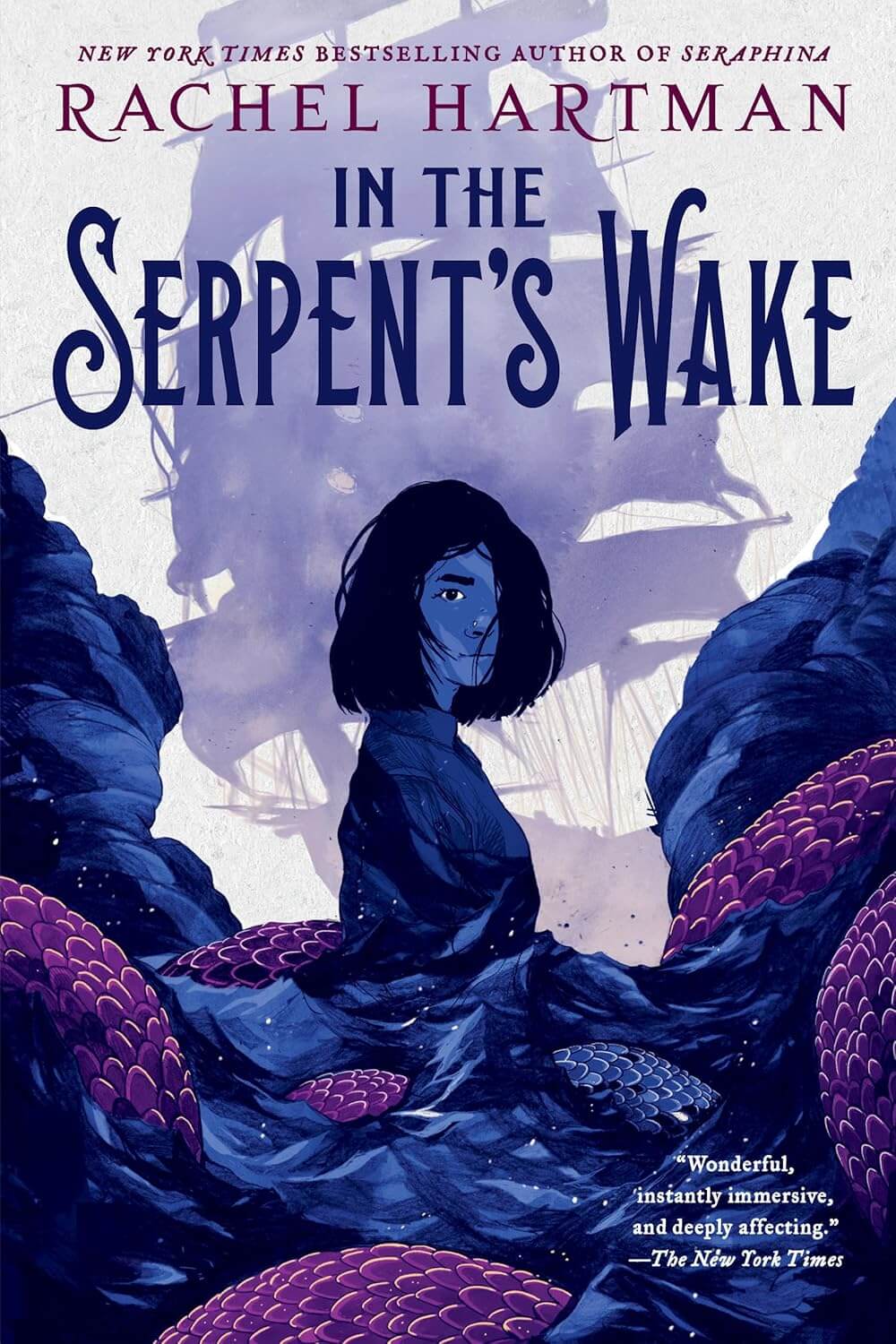
In the Serpents Wake

In the Serpents Wake

by Rachel Hartman

Hartman’s YA fantasy continues to stand out for its emotional intelligence and careful world-building. This installment leans into questions of transformation, monstrosity, and identity with unusual depth. Hartman is interested in people who don’t fit clean categories, and that gives the story a humane, thoughtful quality. The world remains rich without feeling overbuilt. A strong choice for readers who want fantasy with both heart and moral texture.

3.95
Young Adult
Fantasy
Reflective
Tender
Mythic