Six novels examining memory, violence, identity, and the stories we inherit
The Dublin Literary Award 2022 shortlist brings together fiction that confronts difficult histories and intimate emotional truths with clarity and courage. These novels move across continents and generations, exploring how private lives are shaped by war, colonialism, family expectation, and social pressure. Each book asks how people live with what they remember — and what they are forced to forget.
A strong thread running through the list is the tension between silence and speech. Whether through suppressed trauma, cultural erasure, or unspoken desire, these novels examine what happens when stories are buried and what it costs to unearth them. Several works experiment with form or voice, reflecting the instability of memory itself.
Together, these books exemplify the Dublin Literary Award’s commitment to international, socially engaged fiction. They reward empathy and close attention, offering readers narratives that are emotionally resonant, morally complex, and deeply human.
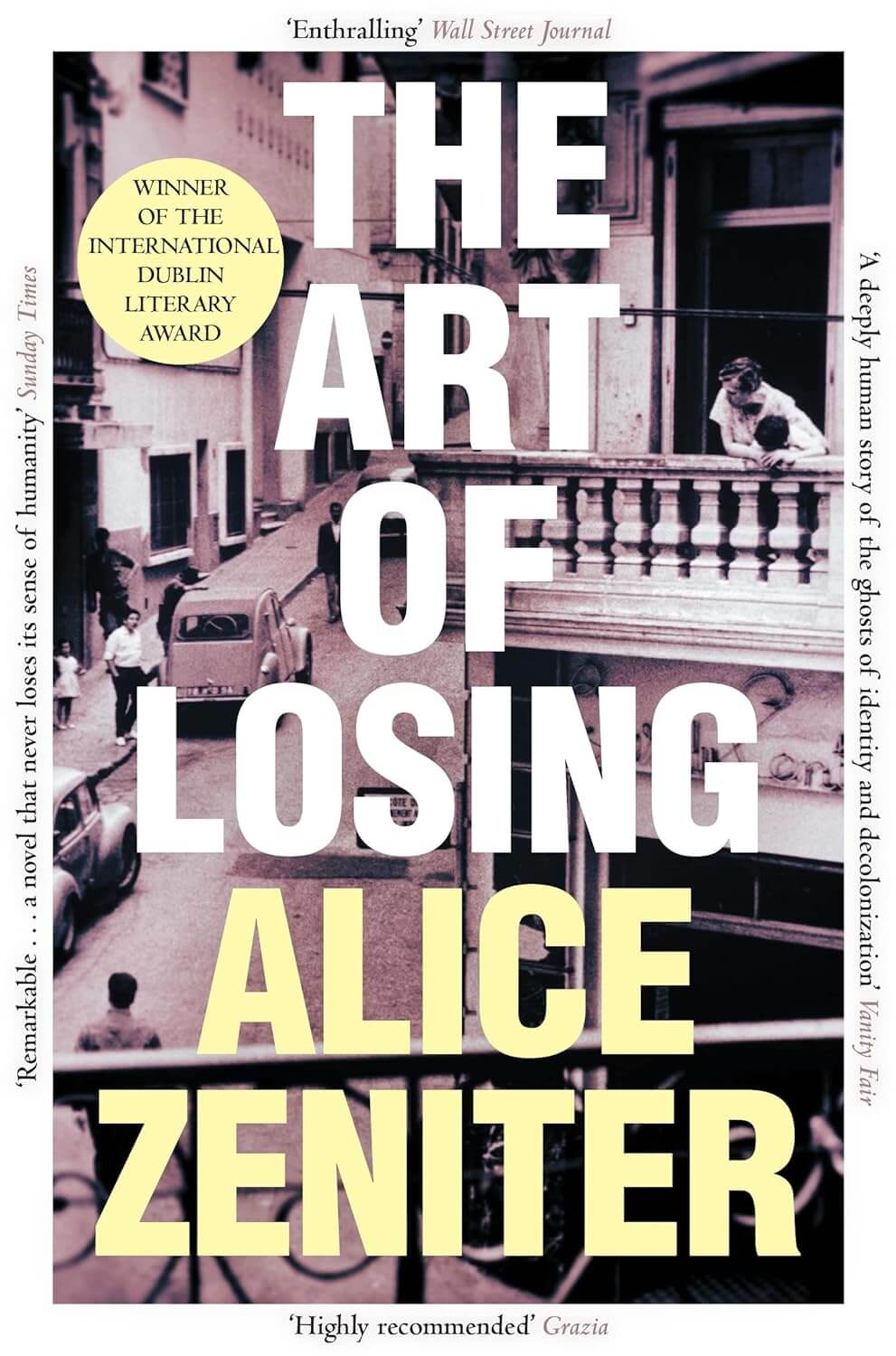
Zeniter’s novel traces three generations of an Algerian family shaped by colonialism and exile. Moving between Algeria and France, the book examines memory, silence, and inherited trauma. The narrative balances historical sweep with personal intimacy. Identity emerges as layered and contested. Loss reverberates across decades. An expansive, empathetic family saga.
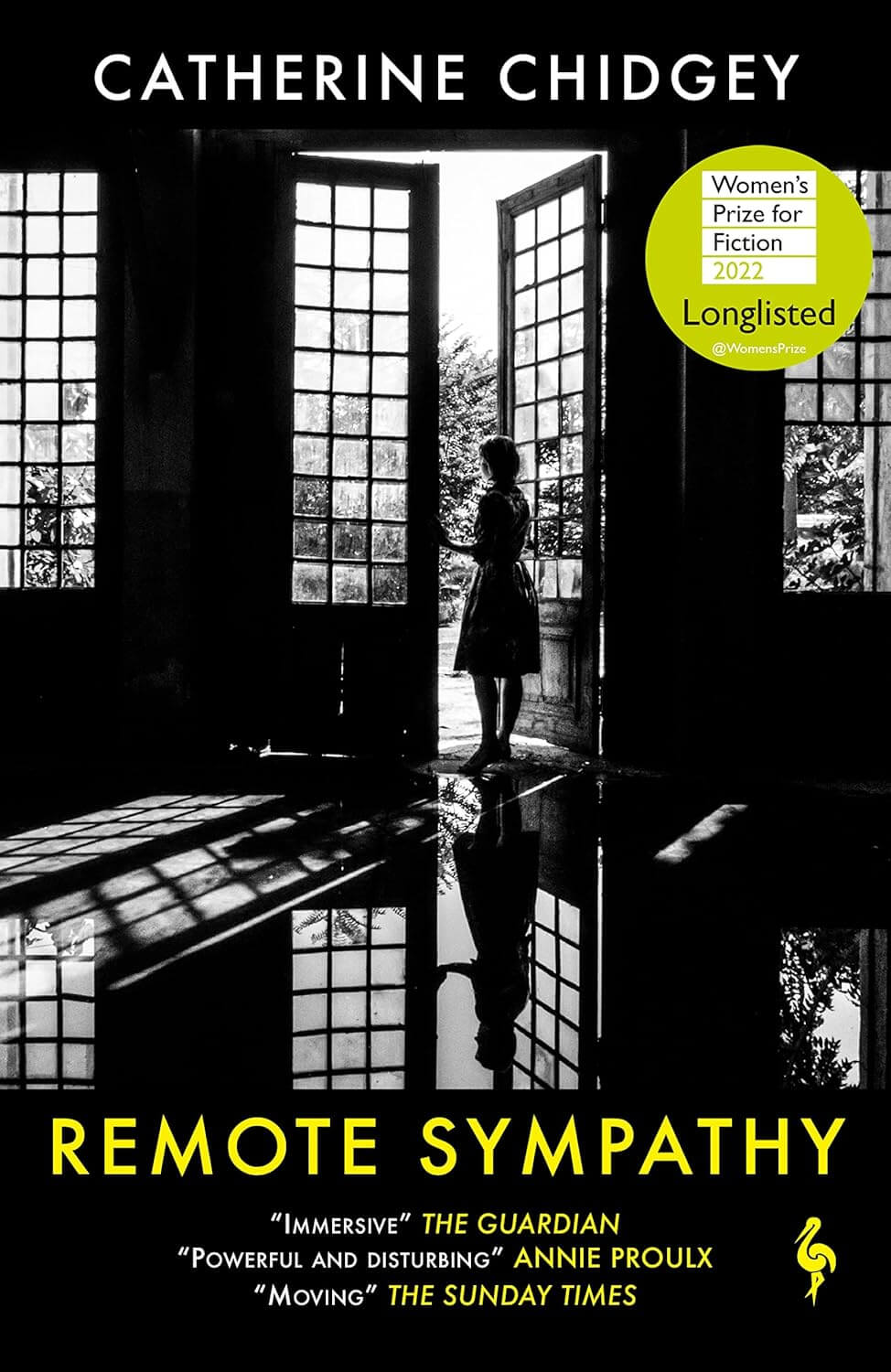
Set in Nazi Germany, Remote Sympathy tells the story of a lonely woman whose devotion to her dog becomes a quiet act of resistance. Chidgey approaches the period obliquely, focusing on domestic detail rather than grand politics. The novel examines complicity, denial, and moral blindness. Small choices take on heavy ethical weight. The tone is restrained and unsettling. A subtle, disquieting exploration of ordinary life under totalitarianism.
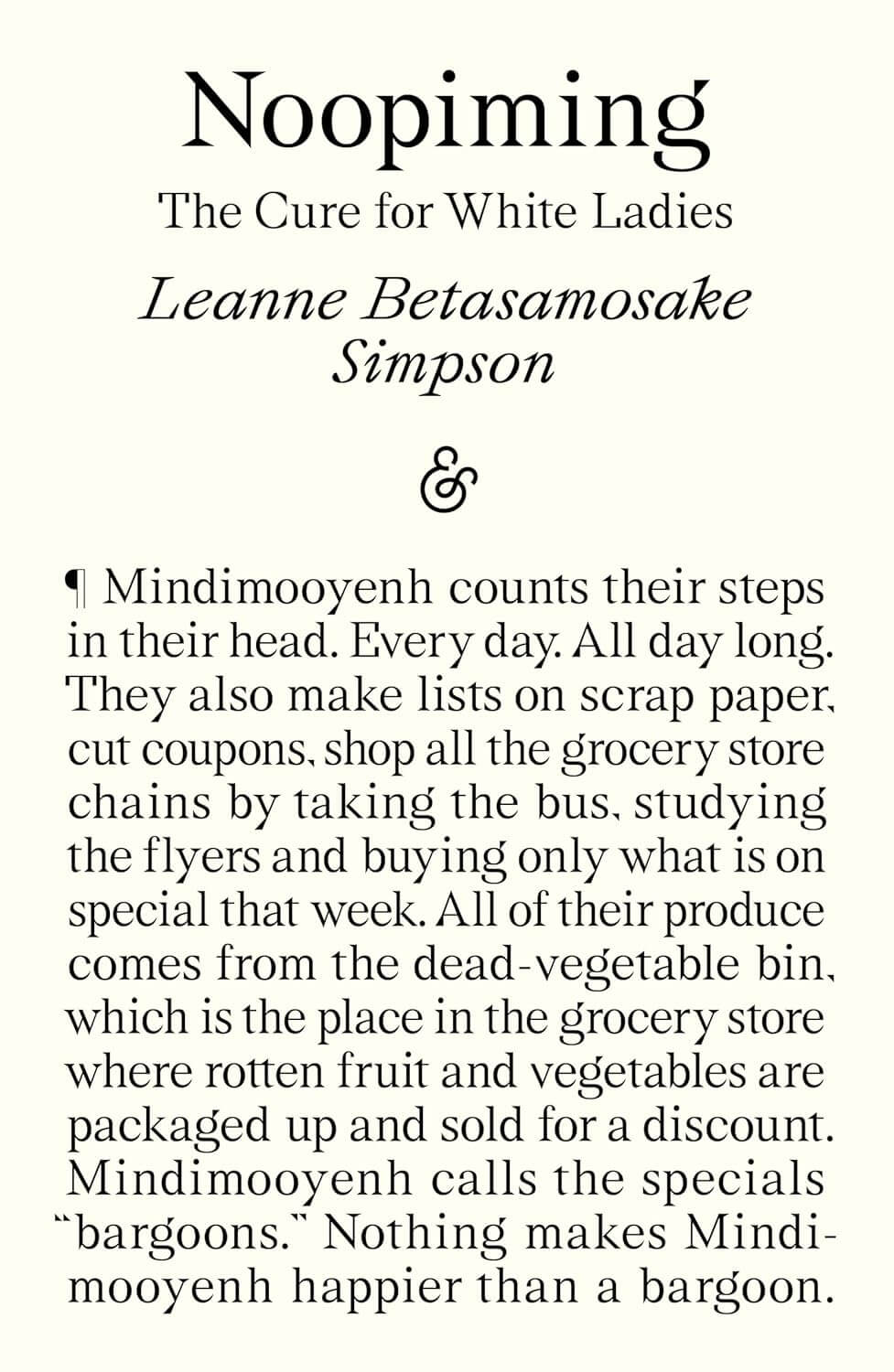
This genre-blurring book blends stories, essays, and songs rooted in Indigenous resurgence. Simpson challenges colonial narratives and extractive thinking. The writing is playful, angry, and deeply political. Nature, language, and community are central. The book resists easy categorisation. A bold, uncompromising work of resistance and imagination.
Akwaeke Emezi’s moving novel opens with a death and unfolds into a tender, complex story about identity, queerness, and community in contemporary Nigeria. Emezi explores how social expectations and rigid norms can suffocate those who live outside them, while also celebrating chosen families and secret joys. Their prose is lyrical and precise, capturing both the beauty and the danger of self-discovery. The novel’s political dimension lies in its portrayal of how societies enforce conformity — and the courage required to resist. It is intimate, heartbreaking, and filled with compassion.
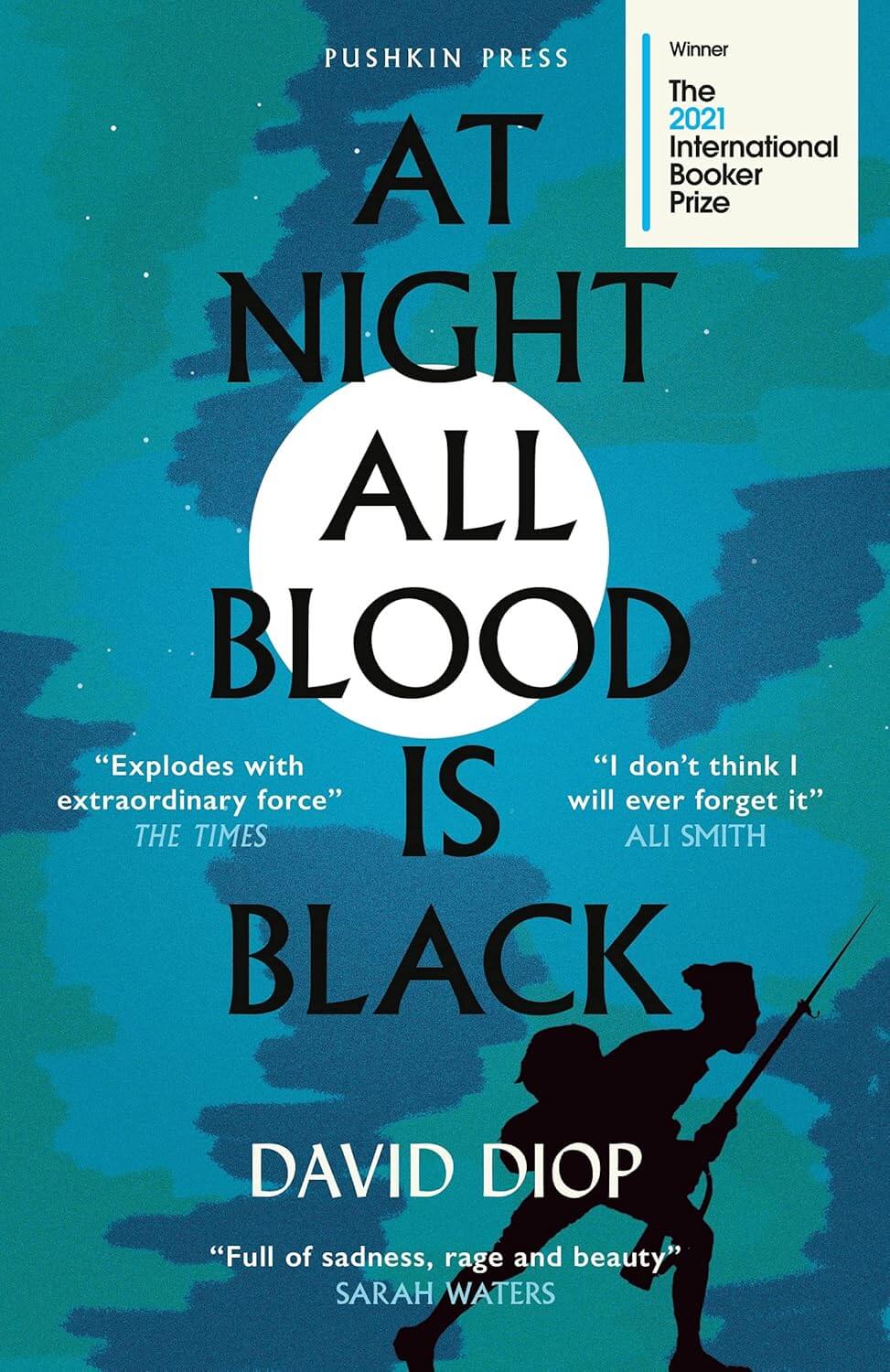
Diop’s powerful novel follows a Senegalese soldier fighting in the trenches of the First World War. Told in a hypnotic, repetitive voice, the book captures trauma as obsession. Friendship curdles into guilt and madness. The violence is visceral yet lyrical. Colonial exploitation underpins every page. A short, devastating novel about war’s psychological toll.
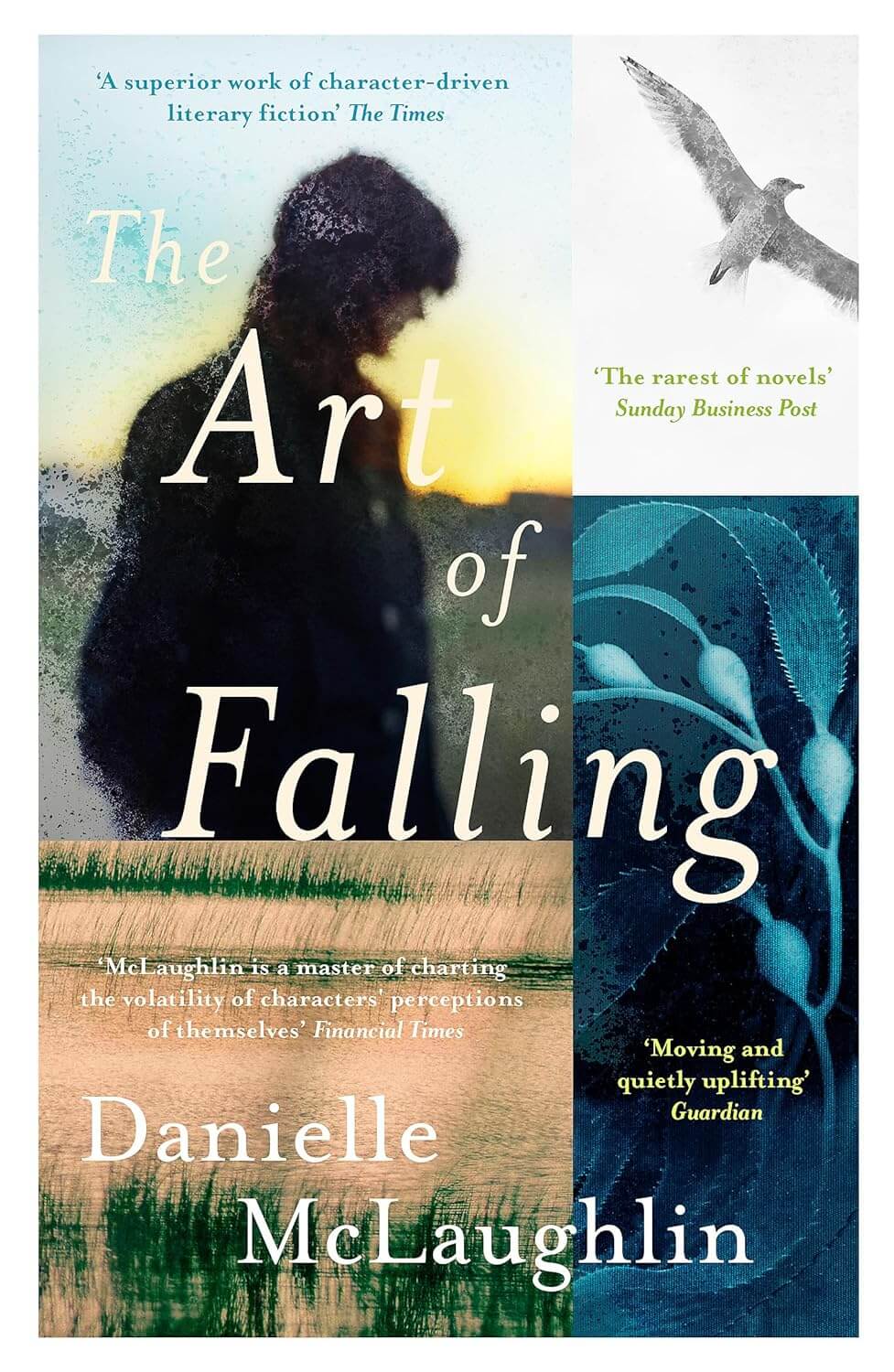
This linked collection of stories examines women at moments of emotional vulnerability. McLaughlin’s prose is precise and observant. Everyday situations carry quiet menace or revelation. Power dynamics — social, sexual, emotional — are carefully exposed. The tone is restrained but deeply affecting. An incisive portrait of contemporary life.