Six resonant novels exploring violence, belonging, and the power of collective voices
The Dublin Literary Award 2021 shortlist brings together novels that grapple with some of the most urgent moral and emotional questions of our time. These books examine migration, systemic violence, identity, and love, often through innovative structures that reflect the complexity of the worlds they describe. Each work insists on the human cost of political and social failure.
A defining feature of this list is its multiplicity of voices. From polyphonic narratives to fragmentary forms, these novels refuse a single perspective, instead offering layered accounts of history and experience. Trauma and tenderness coexist, revealing how individuals and communities carry both pain and hope across generations.
Together, these six books exemplify the global reach and ambition of contemporary literary fiction. They are emotionally immersive, formally daring, and deeply compassionate, inviting readers to listen closely to stories that demand attention and empathy.
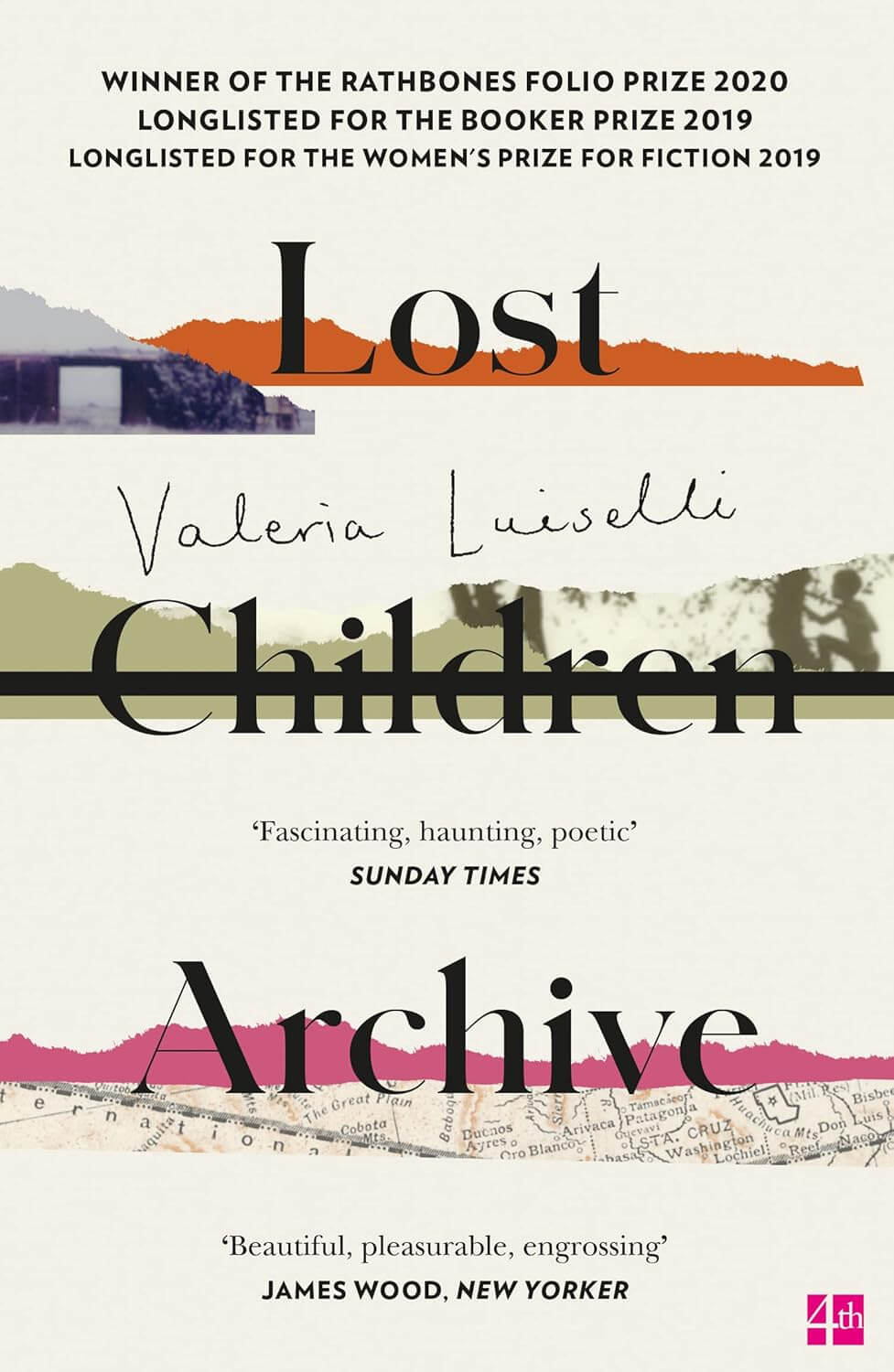
Luiselli’s novel follows a family road trip across the American Southwest that gradually transforms into an inquiry into migration and displacement. Blending fiction, reportage, and archival material, the book reflects on how stories are recorded and erased. The children’s perspectives bring both innocence and clarity. The narrative grows increasingly urgent as borders harden. Language itself becomes a moral terrain. A formally inventive and deeply humane novel.
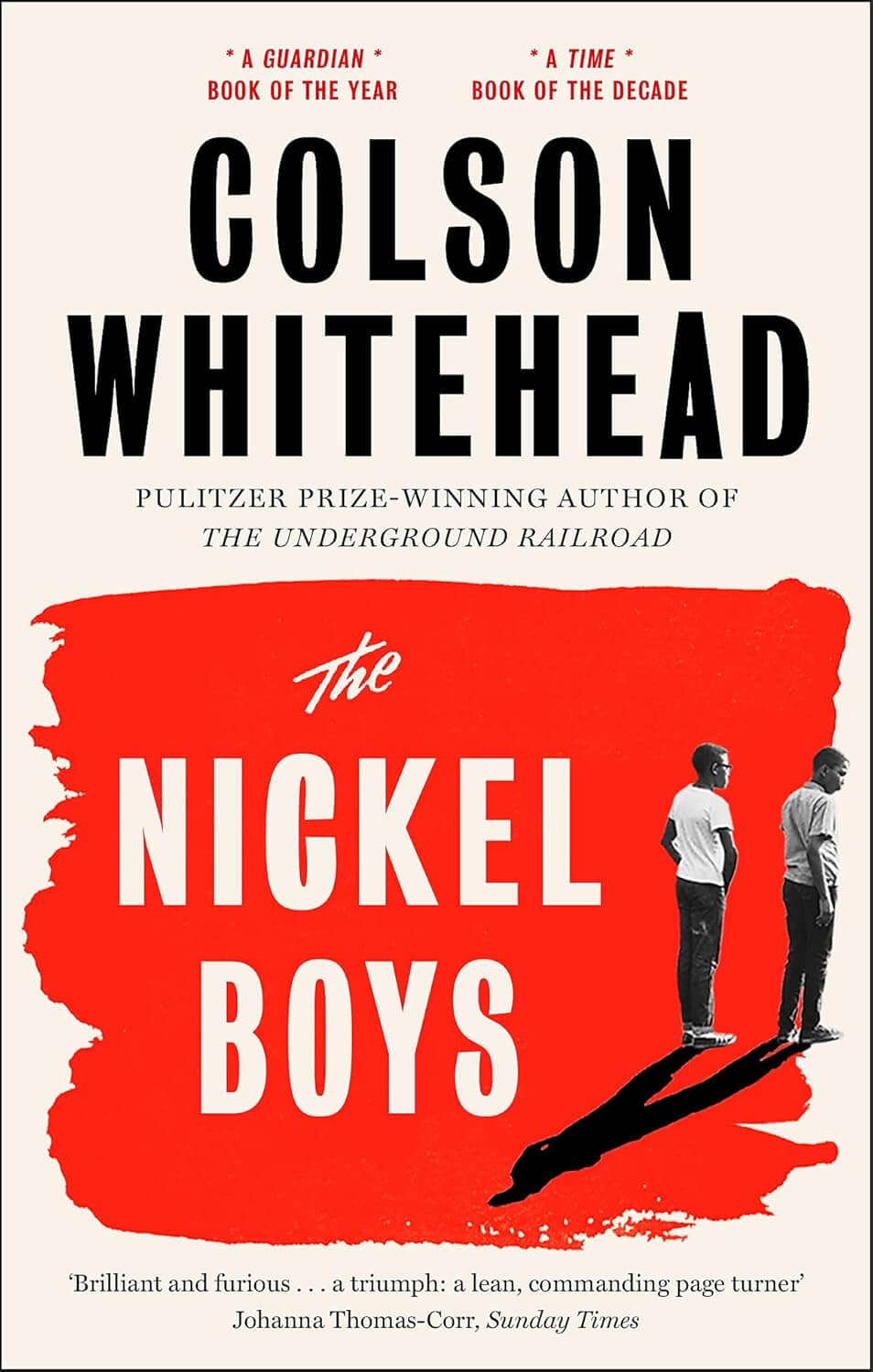
Colson Whitehead delivers a spare, devastating novel inspired by the real horrors of a Florida reform school. The story follows Elwood Curtis, a principled teenager whose faith in justice is tested by a brutal institution. Whitehead's style is controlled, almost restrained, which makes the violence land with even greater force. Friendship becomes a lifeline, but also a site of impossible choices. The novel exposes how cruelty is normalized through bureaucracy and denial. Its pacing is swift, with scenes that feel like documentary flashes of truth. The setting is rendered with haunting precision—sunlight and terror in the same frame. A late structural turn reframes what you think you know, deepening the book's ethical shock. The Nickel Boys is both an indictment and an elegy. It leaves readers with the ache of lives altered by systems designed to harm.
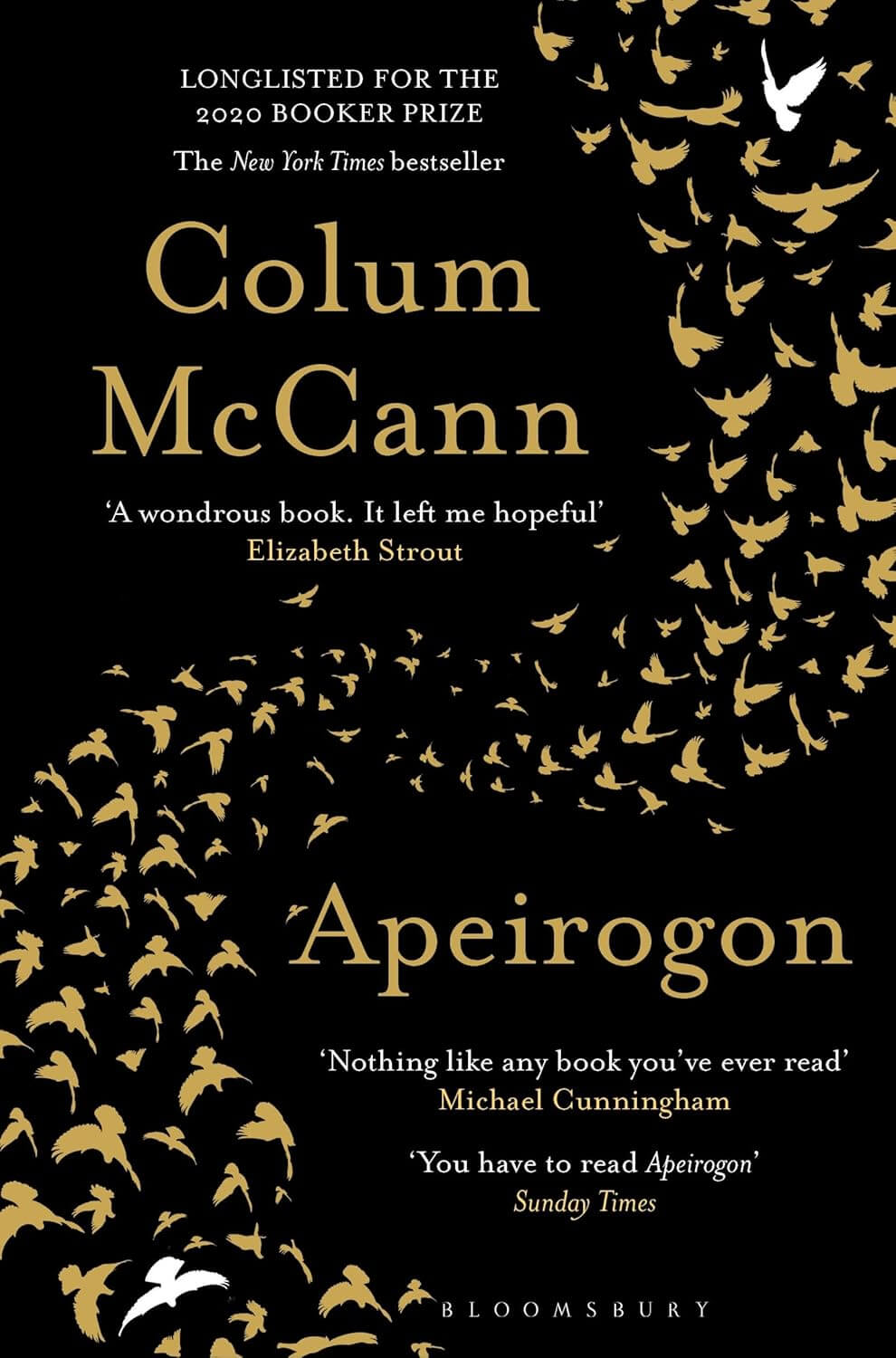
Colum McCann’s Apeirogon is an ambitious, experimental novel based on the true friendship between two fathers — one Israeli, one Palestinian — united by the loss of their daughters. Structured in numbered fragments, the book spans history, memory, politics, and imagination. McCann weaves together anecdotes, archives, and lyrical passages to illuminate the devastating consequences of conflict. The structure mirrors the complexity of the region itself, offering no easy answers but deep compassion. The novel’s emotional power lies in its focus on grief shared across political divides. It is daring, immersive, and profoundly moving.
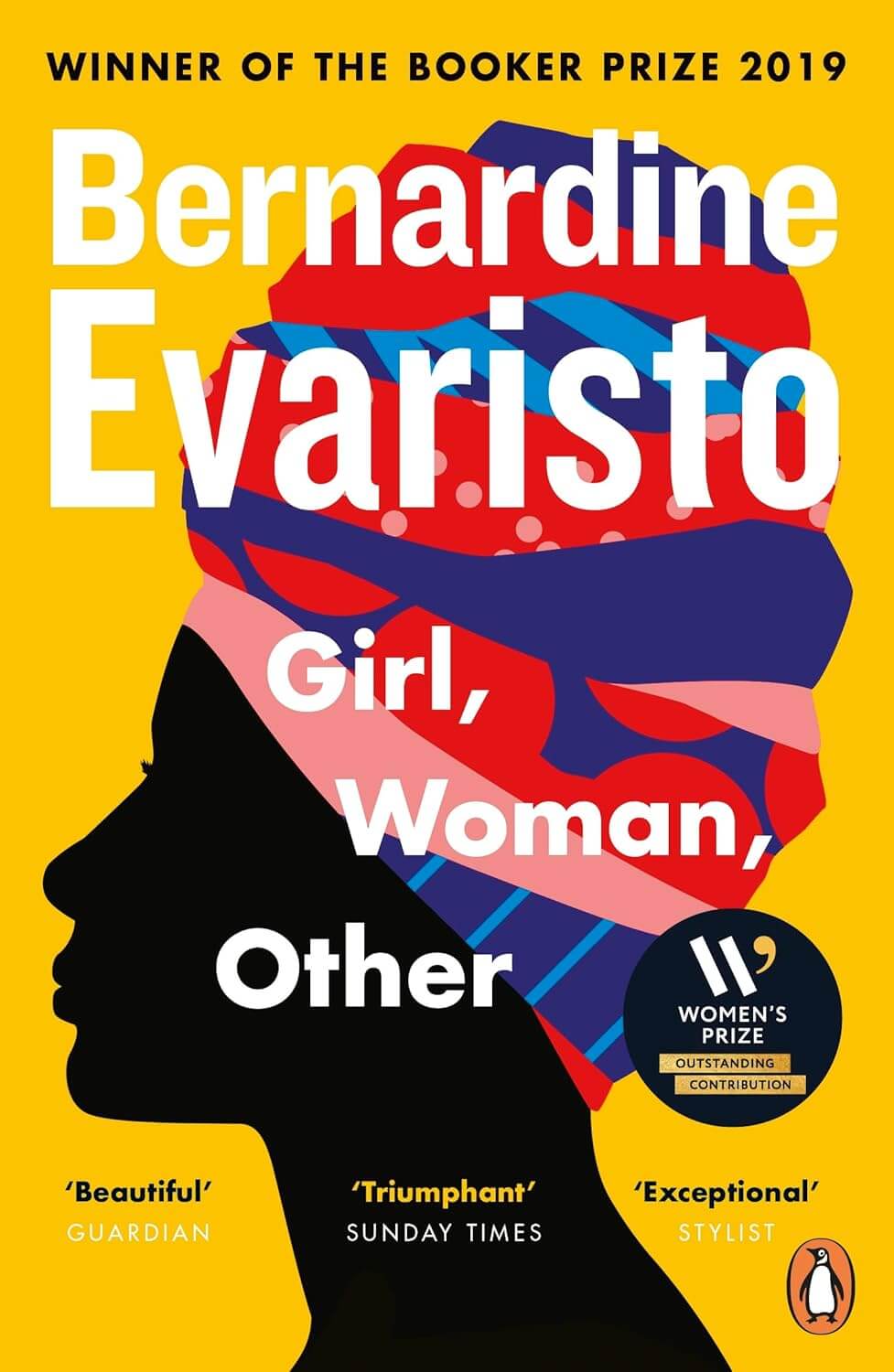
Bernardine Evaristo’s Booker Prize–winning novel follows twelve interconnected characters navigating identity, art, race, gender, and belonging in contemporary Britain. Through her signature hybrid prose style, Evaristo creates a vibrant tapestry of voices that celebrate multiplicity while confronting systemic inequality. Each character’s story offers a different lens on community, ambition, and self-definition. The novel is political in both form and content, challenging fixed categories and embracing fluidity. It is joyful, profound, and expansive, offering a dynamic portrait of British life often overlooked by mainstream narratives.
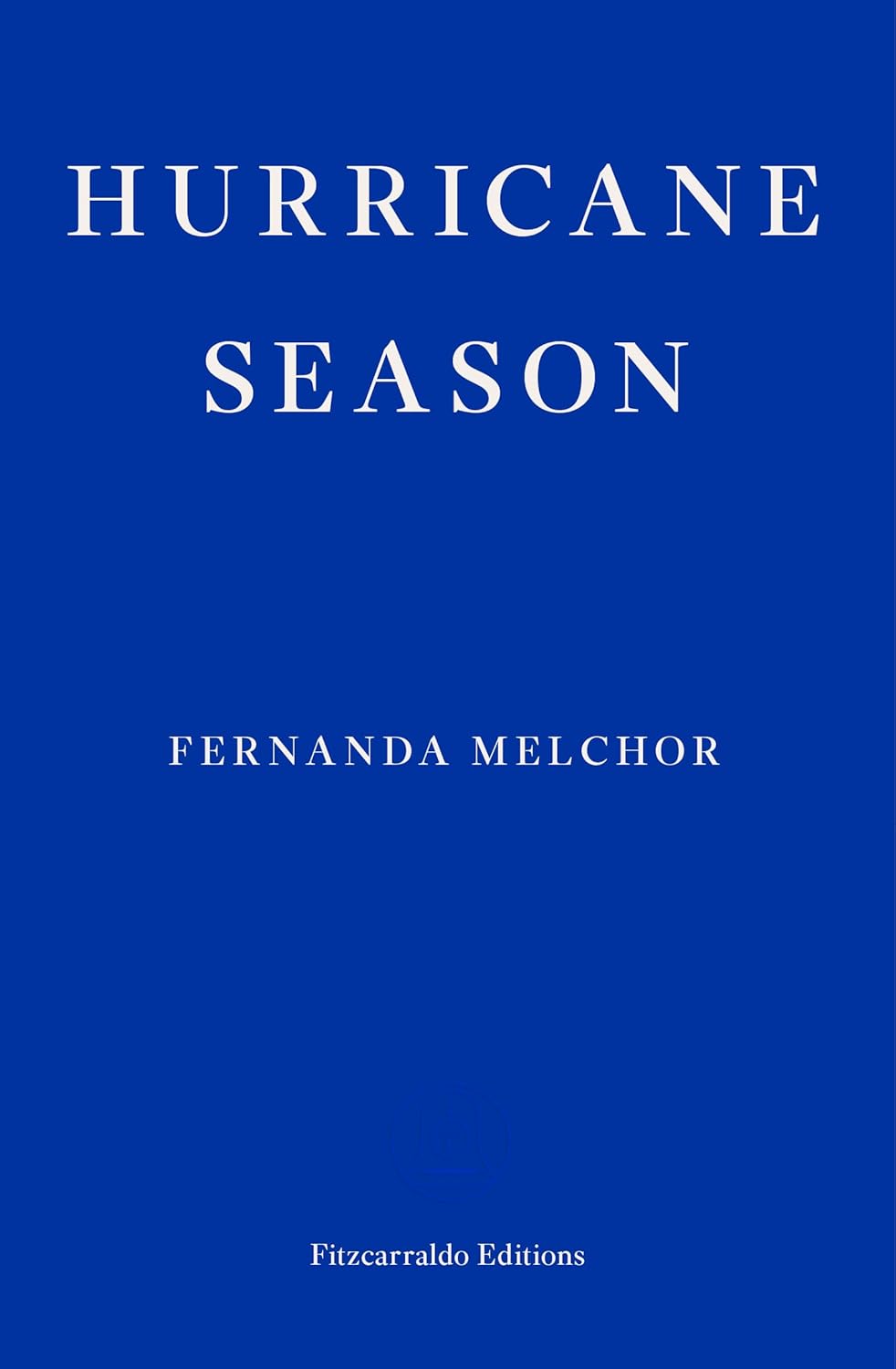
Set in a rural Mexican town, Hurricane Season spirals outward from a brutal murder. Melchor’s relentless prose traps the reader inside cycles of violence, misogyny, and despair. The narrative voice is breathless and unyielding. Social inequality permeates every relationship. There is no escape from the brutality depicted. A devastating, uncompromising novel.
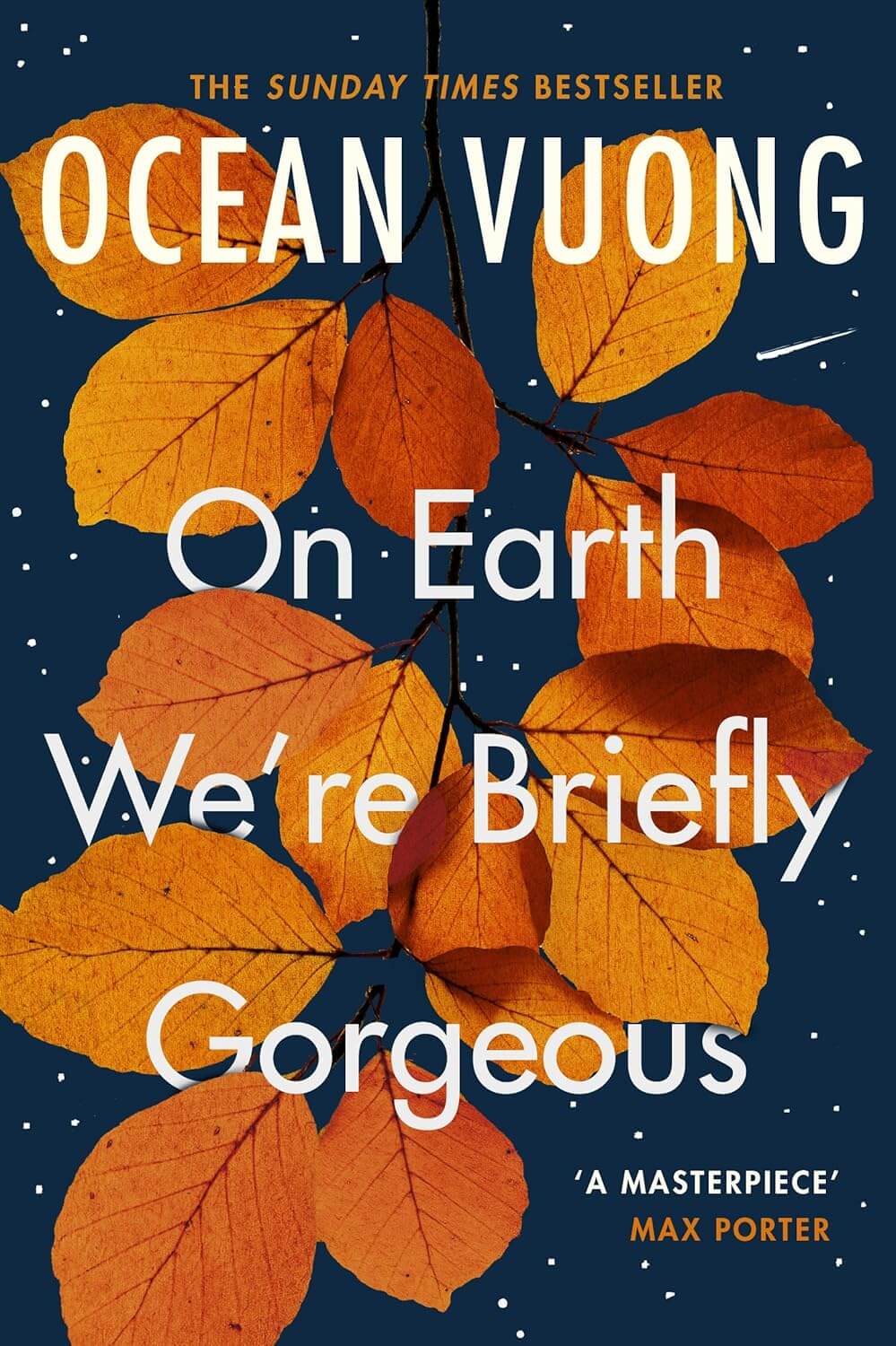
Written as a letter from a son to his mother, this novel explores family, queerness, and the legacy of war. Vuong’s prose is poetic and intimate, attentive to beauty and pain. Memory unfolds nonlinearly, shaped by language and silence. Violence and tenderness sit side by side. The book examines what it means to speak when you have not been heard. A deeply affecting debut.