Dublin Literary Award 2020

Ten novels confronting identity, power, love, and resistance in a fractured world

The Dublin Literary Award 2020 shortlist brings together fiction that is both politically alert and emotionally intimate. These novels span continents and generations, yet each is deeply concerned with how individuals navigate systems of power — whether those systems are embedded in family, nation, gender, class, or history. Together, they reflect a world shaped by inequality, violence, and the struggle to be heard.

Many of the books on this list explore voices pushed to the margins. They give space to women, migrants, Indigenous communities, and those shaped by inherited trauma, often using innovative narrative forms to challenge dominant perspectives. Personal relationships become sites of political meaning, where love, loyalty, and resistance intersect.

As a whole, the 2020 selection exemplifies the Dublin Literary Award’s commitment to globally minded, socially engaged fiction. These novels are searching rather than prescriptive, inviting readers to sit with complexity, discomfort, and empathy — and to reconsider whose stories are allowed to endure.

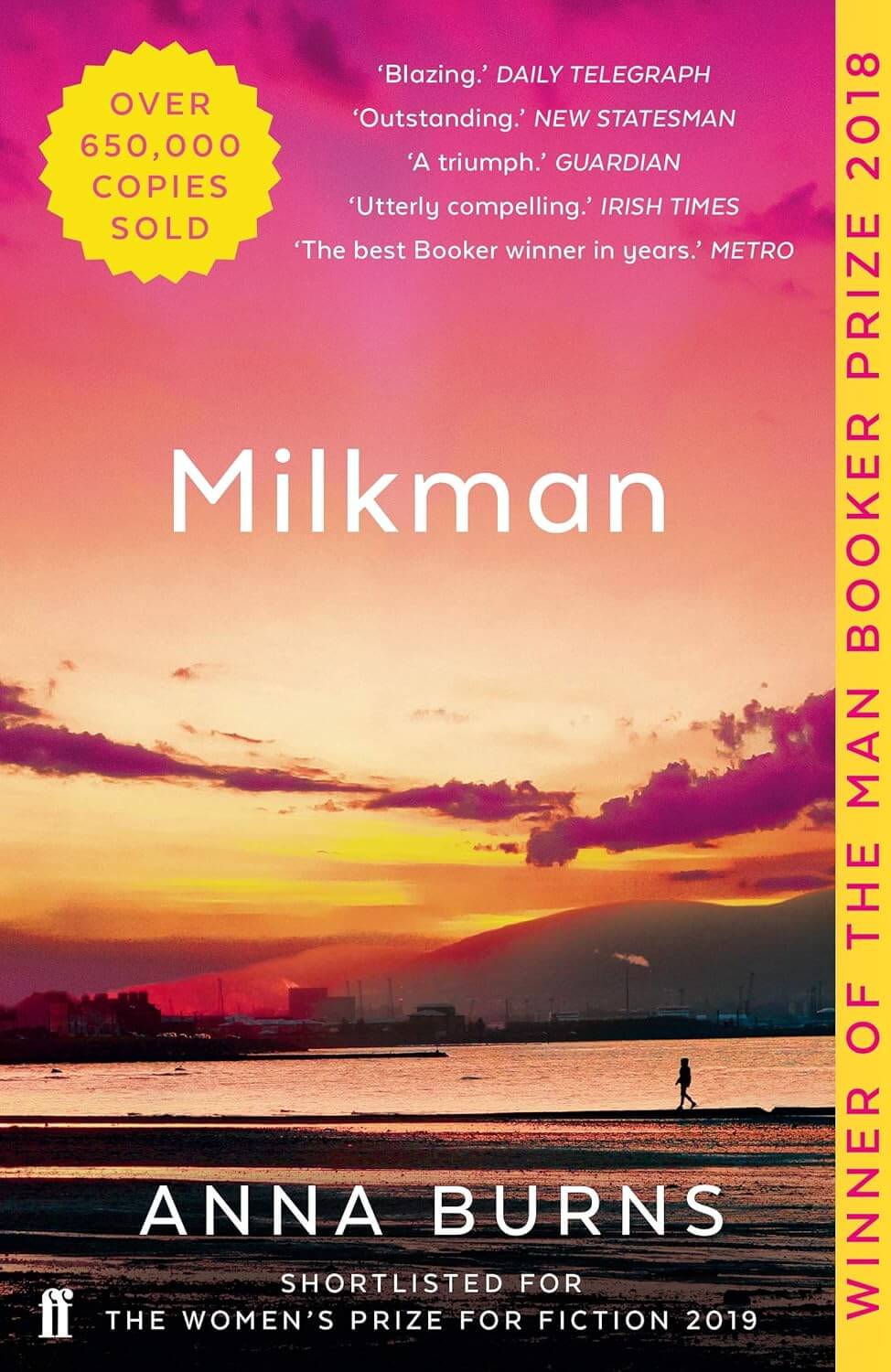
Milkman
Winner

Milkman

by Anna Burns

Set during the Troubles in Northern Ireland, Milkman follows a young woman navigating surveillance, rumour, and unspoken threat. Burns’ distinctive, looping prose captures the suffocating atmosphere of a community under constant watch. Names are withheld, heightening paranoia and abstraction. The novel blends dark humour with political menace. Individual autonomy is repeatedly eroded by collective fear. A formally daring and deeply unsettling work.

3.53
Literary Fiction
Unsettling
Claustrophobic
Darkly Comic
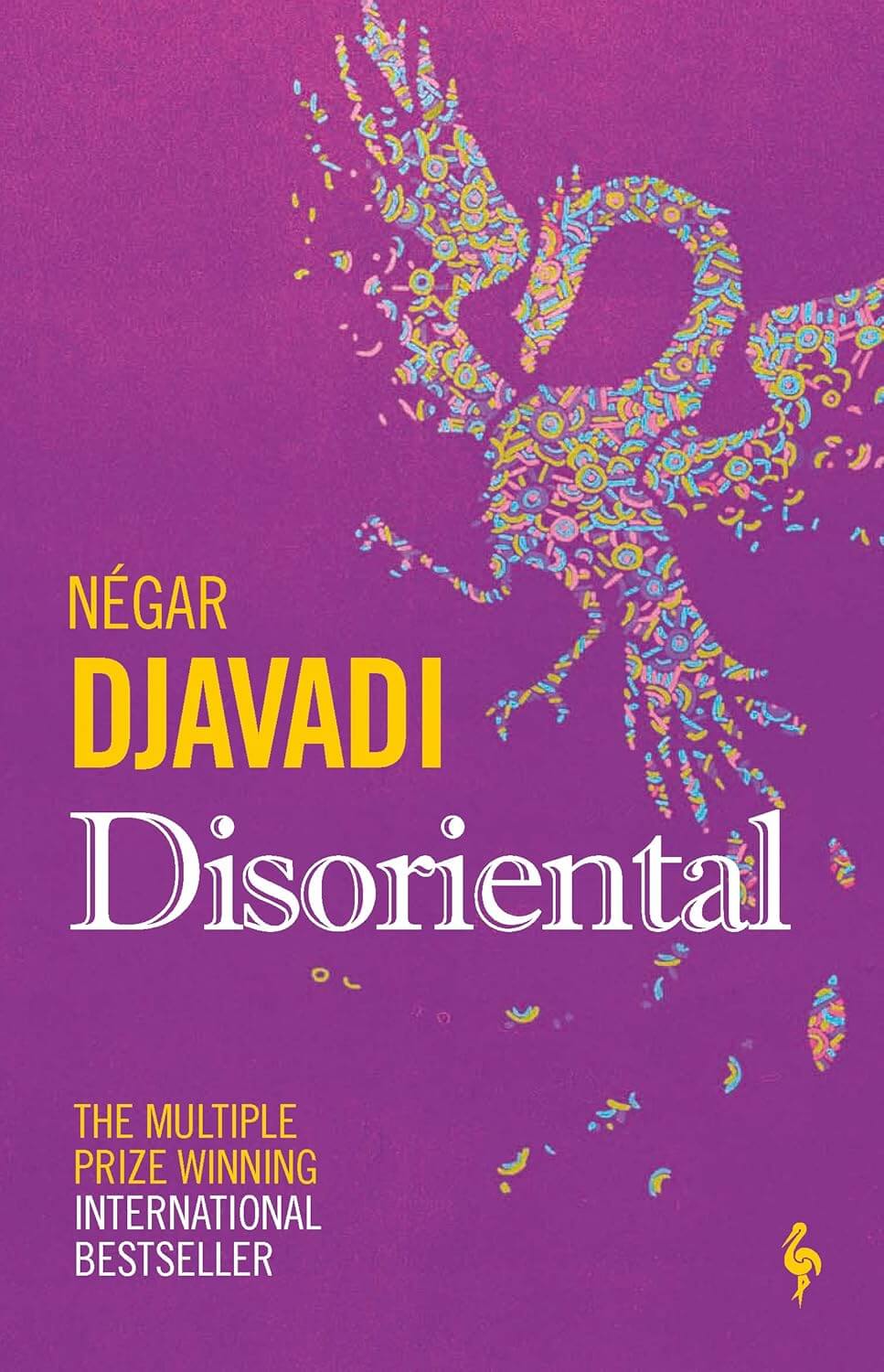
Disoriental
Shortlisted

Disoriental

by Négar Djavadi

Blending memoir and fiction, Disoriental follows an Iranian woman reflecting on exile, identity, and political upheaval. The narrative moves freely across time and geography. Djavadi balances humour with trauma. Cultural inheritance is both burden and anchor. The prose is energetic and candid. A vivid exploration of displacement and self-definition.

4.20
Literary Fiction
Autofiction
Energetic
Reflective
Candid
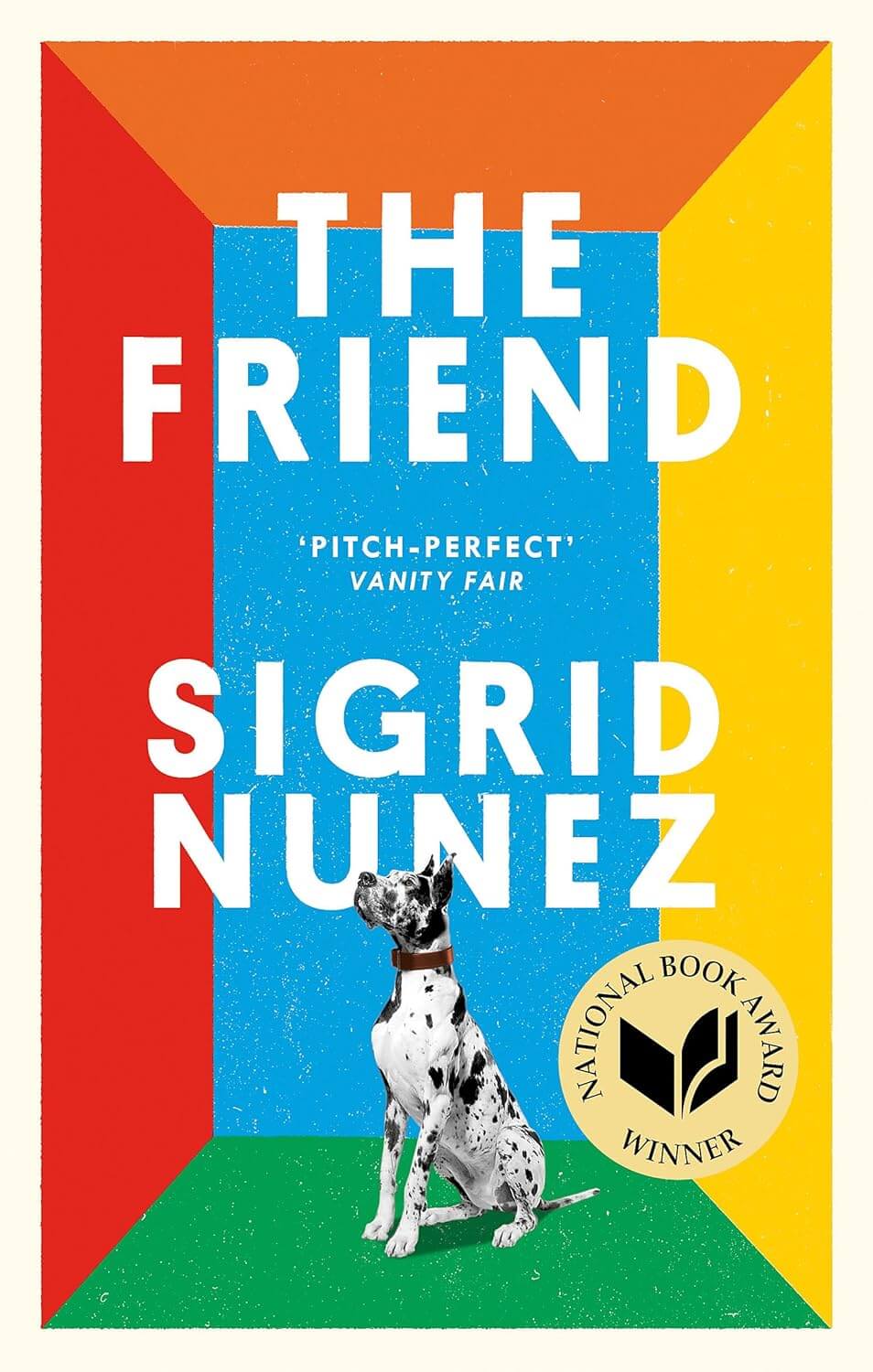
The Friend
Shortlisted

The Friend

by Sigrid Nunez

After the suicide of a close friend, the narrator inherits his Great Dane. The novel blends grief, philosophy, and quiet humour. Nunez reflects on friendship, writing, and loss. The dog becomes both companion and burden. The tone is intimate and meditative. A gentle, profound exploration of mourning.

3.72
Literary Fiction
Meditative
Gentle
Melancholic
Drive Your Plow Over the Bones of the Dead
Shortlisted

Drive Your Plow Over the Bones of the Dead

by Olga Tokarczuk

This darkly playful novel follows an eccentric woman investigating mysterious deaths in a remote Polish village. Blending crime, philosophy, and ecological critique, Tokarczuk subverts genre expectations. The narrator is unreliable but compelling. Moral certainty is constantly questioned. Nature is both witness and judge. Witty, unsettling, and provocative.

3.94
Literary Fiction
Mystery
Wry
Eccentric
Provocative
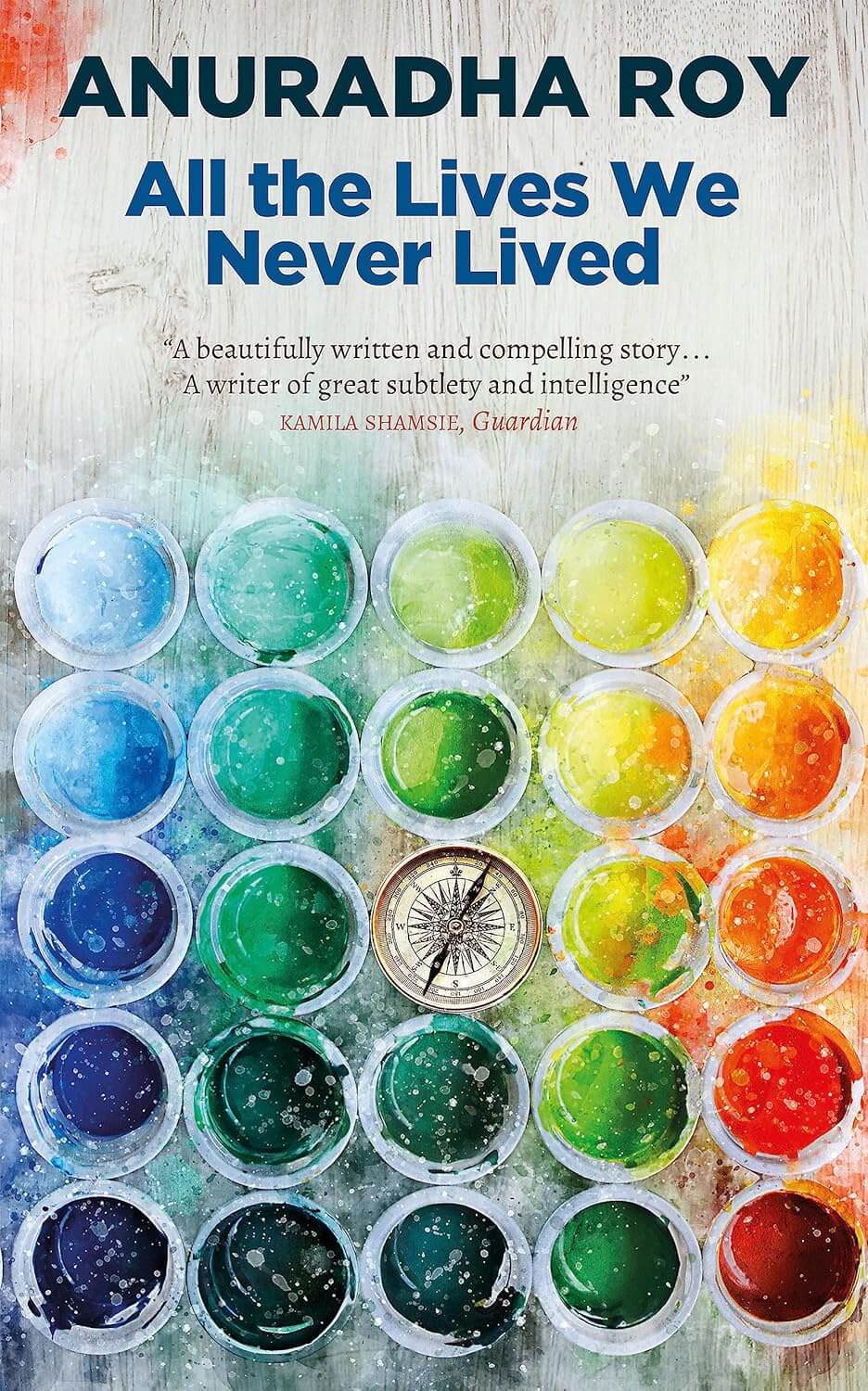
All the Lives We Never Lived
Shortlisted

All the Lives We Never Lived

by Anuradha Roy

This novel traces the life of a woman who abandons her family to pursue art and freedom. Set against the backdrop of colonial India and the Second World War, it examines motherhood, independence, and sacrifice. Roy’s prose is lyrical and restrained. Absence becomes a powerful presence. The story is told through the perspective of a son seeking understanding. A quiet, emotionally resonant exploration of choice and loss.

3.70
Literary Fiction
Historical Fiction
Melancholic
Reflective
Tender
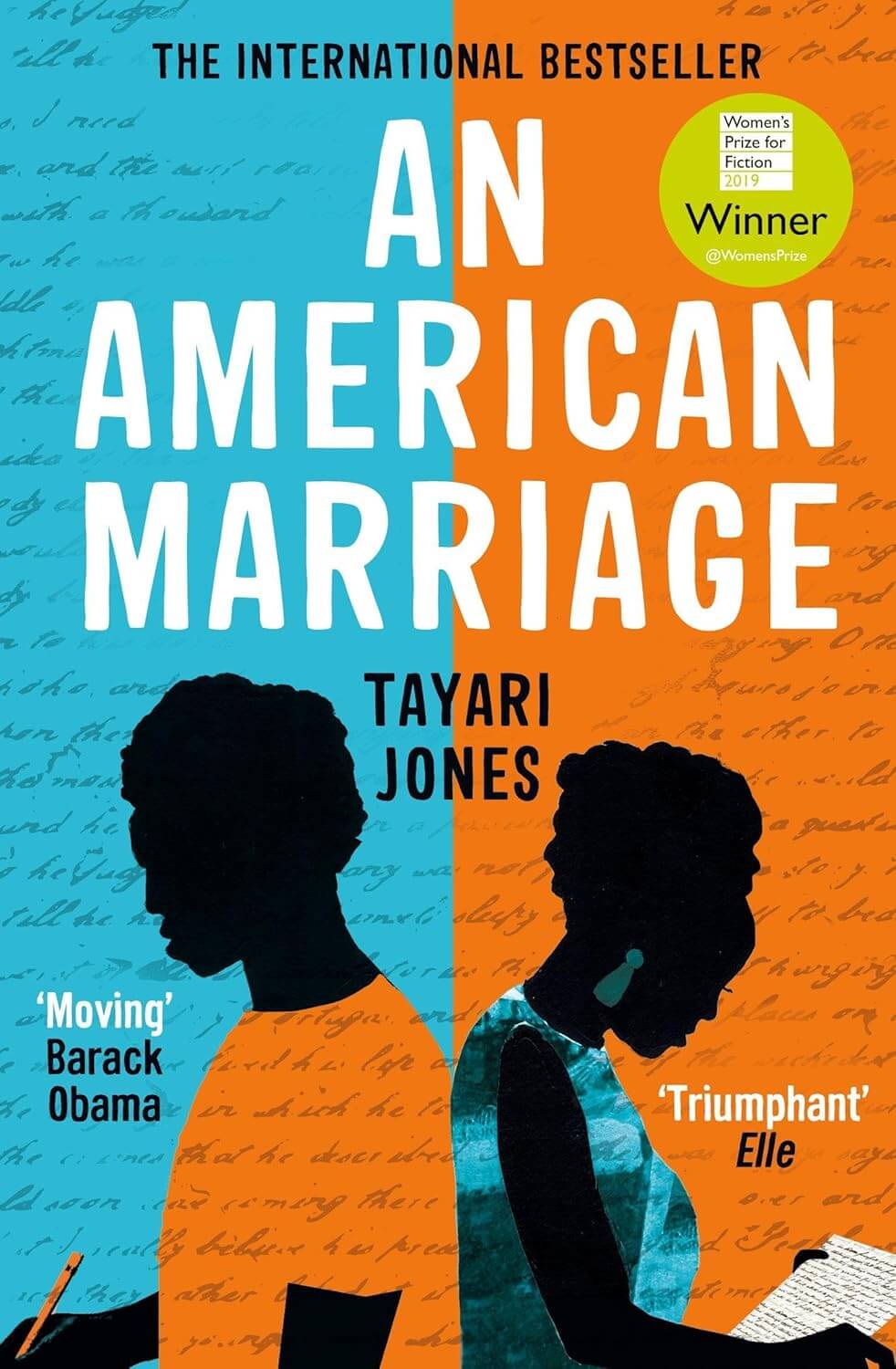
An American Marriage
Shortlisted

An American Marriage

by Tayari Jones

Jones’ novel examines a marriage derailed by wrongful incarceration. Told through letters and shifting perspectives, it explores love under pressure. The book confronts racial injustice without reducing its characters to symbols. Emotional distance grows alongside physical separation. The narrative asks whether love can survive injustice. A compassionate, incisive portrait of intimacy and endurance.

3.93
Literary Fiction
Emotional
Thoughtful
Intimate
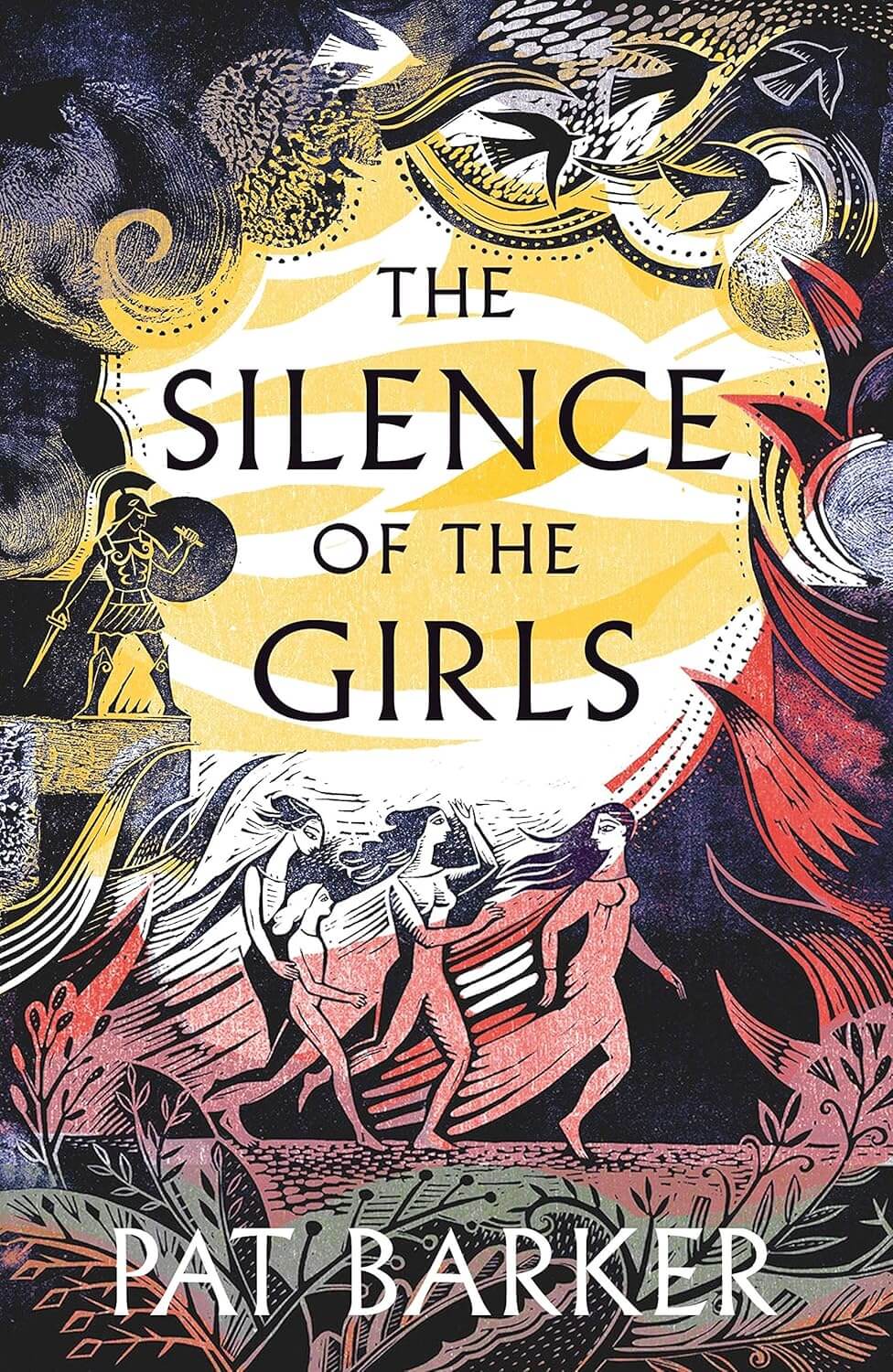
The Silence of the Girls
Shortlisted

The Silence of the Girls

by Pat Barker

Barker retells the Trojan War from the perspective of enslaved women. The novel strips heroism from epic myth. Violence is rendered starkly and without glamour. Briseis emerges as a voice long suppressed. Power and brutality dominate the narrative. A fierce, corrective reimagining of classical history.

3.89
Historical Fiction
Grim
Fierce
Unflinching
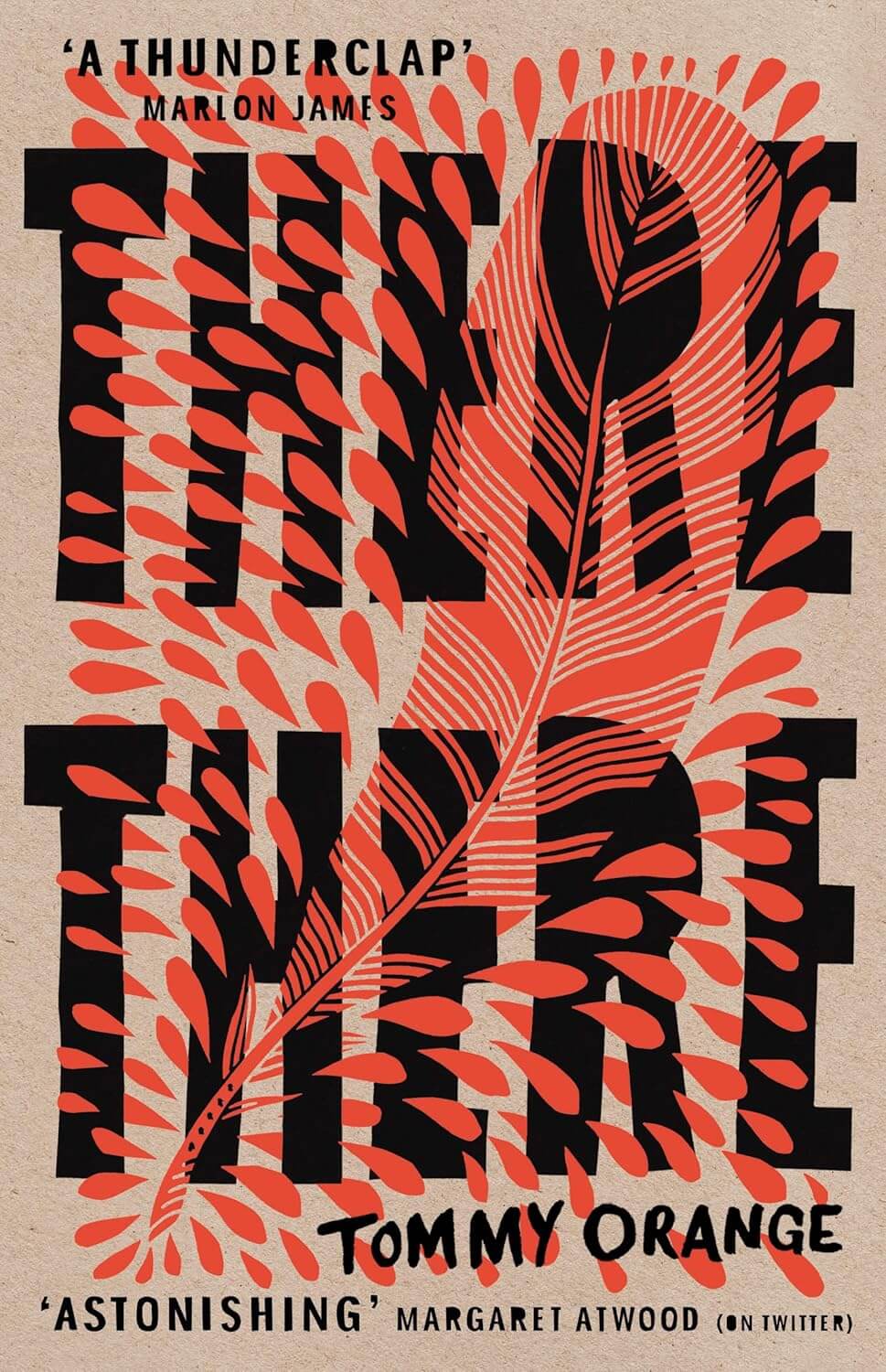
There There
Shortlisted

There There

by Tommy Orange

This polyphonic novel follows multiple Native American characters converging at a powwow in Oakland. Orange captures urban Indigenous identity with urgency and compassion. Voices overlap, building momentum and tension. History weighs heavily on the present. Violence is both anticipated and mourned. A groundbreaking, emotionally charged novel.

3.97
Literary Fiction
Urgent
Powerful
Compassionate
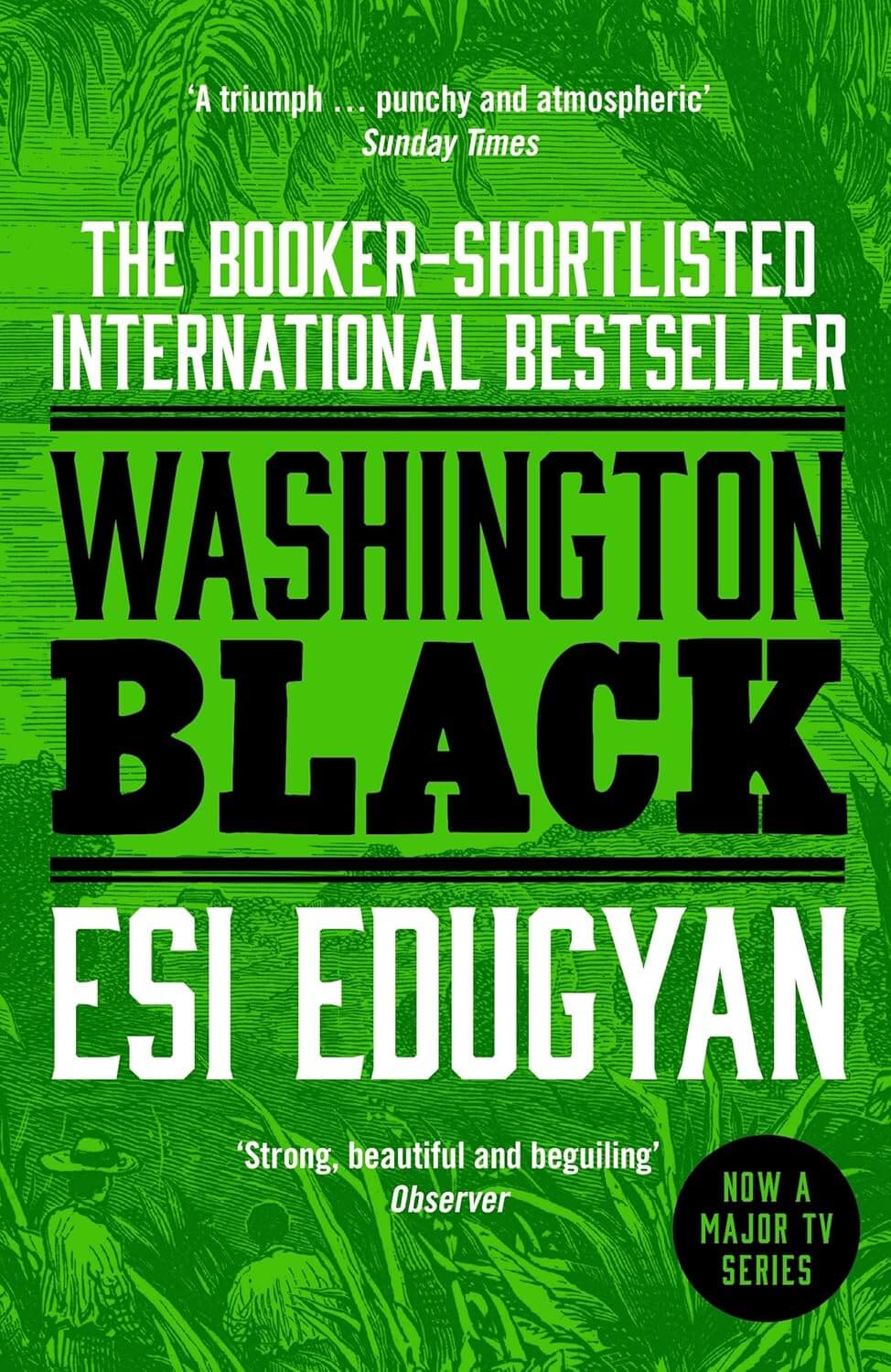
Washington Black
Shortlisted

Washington Black

by Esi Edugyan

This sweeping novel follows a formerly enslaved boy as he journeys across continents. Adventure and wonder coexist with brutality and injustice. Edugyan blends historical realism with moments of awe. Freedom is both fragile and hard-won. The narrative celebrates curiosity and resilience. An expansive, imaginative exploration of selfhood.

3.95
Historical Fiction
Literary Fiction
Adventurous
Hopeful
Expansive
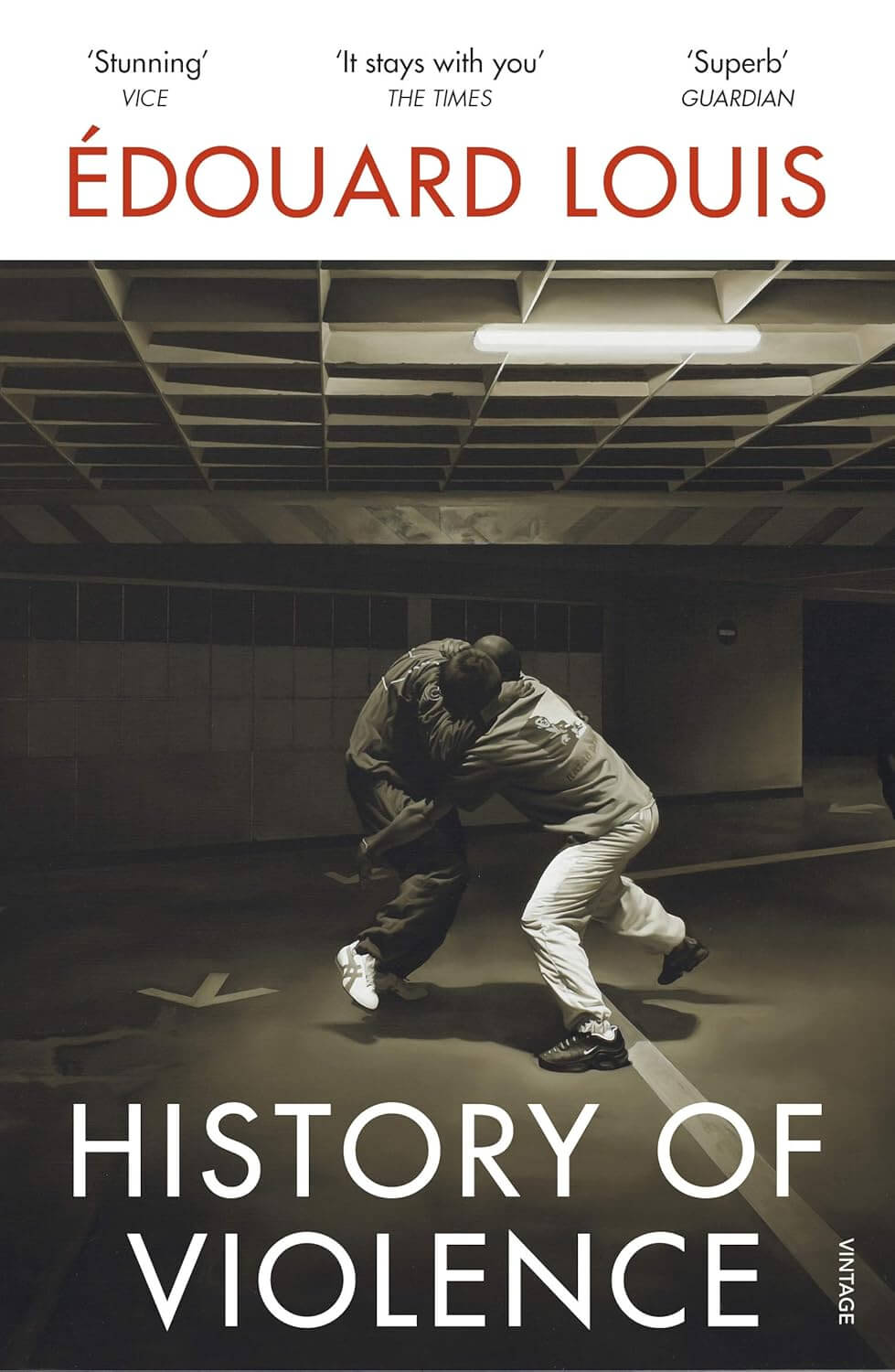
History of Violence
Shortlisted

History of Violence

by Édouard Louis

Louis recounts a traumatic assault and its aftermath through fractured narration. The novel interrogates class, masculinity, and the limits of language. Personal experience is refracted through multiple voices. Shame and rage coexist uneasily. The prose is raw and analytical. A confrontational, deeply personal examination of violence.

3.78
Literary Fiction
Autofiction
Confrontational
Intense
Analytical