Sci-fi adventures full of ingenuity, big ideas, and impossible odds
If you loved Project Hail Mary for its blend of high-stakes science, problem-solving brilliance, and surprisingly warm emotional core, this list gathers novels that scratch the same itch. These books explore the exhilaration of discovery, the terror and wonder of deep space, and the resilience of humans (and sometimes non-humans) when confronted with the unknown.
From lone-astronaut survival thrillers to sweeping space operas, from hard-science puzzles to philosophical first-contact stories, each book here delivers a satisfying mix of wonder, tension, and clever worldbuilding. Some are humorous and hopeful; others are darker and more speculative — but all are rooted in the same spirit of curiosity and ingenuity.
Whether you’re chasing the joy of figuring out how to solve an impossible scientific challenge or the thrill of venturing far beyond the boundaries of our planet, these novels offer fresh frontiers to explore. Strap in — there’s a lot of universe ahead.
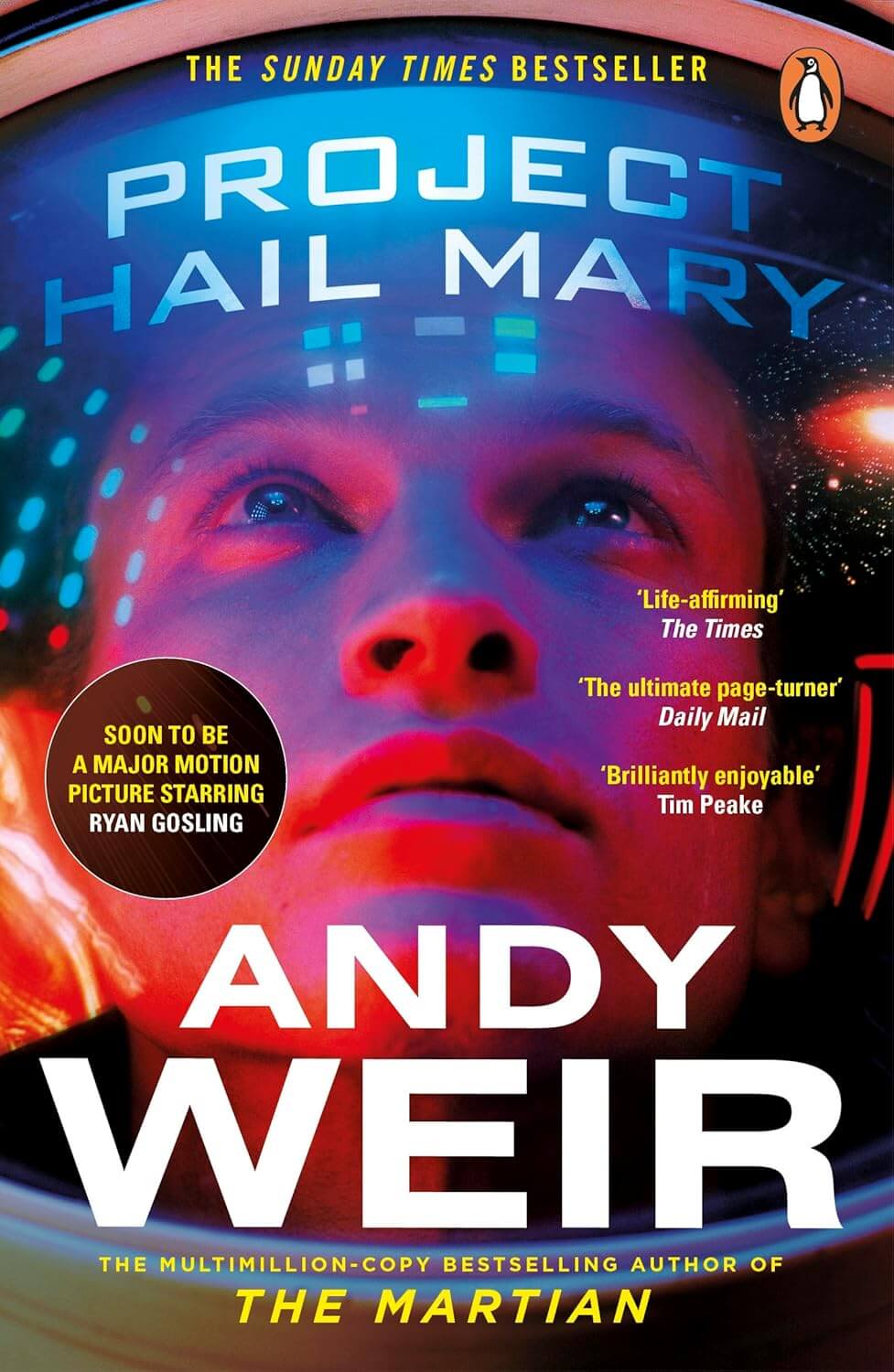
Andy Weir’s breakout hit follows Ryland Grace, a lone astronaut who wakes up with no memory and a mission that will determine the fate of humanity. The novel is a masterclass in hard science fiction that never feels cold or inaccessible, balancing detailed problem-solving with heartfelt character moments. Weir’s signature humour adds buoyancy even in the bleakest moments, and the relationship at the story’s core becomes one of the genre’s most memorable. It’s a story about survival, collaboration, and the incredible power of scientific curiosity. Fans of inventive, optimistic sci-fi will find it endlessly rewarding.
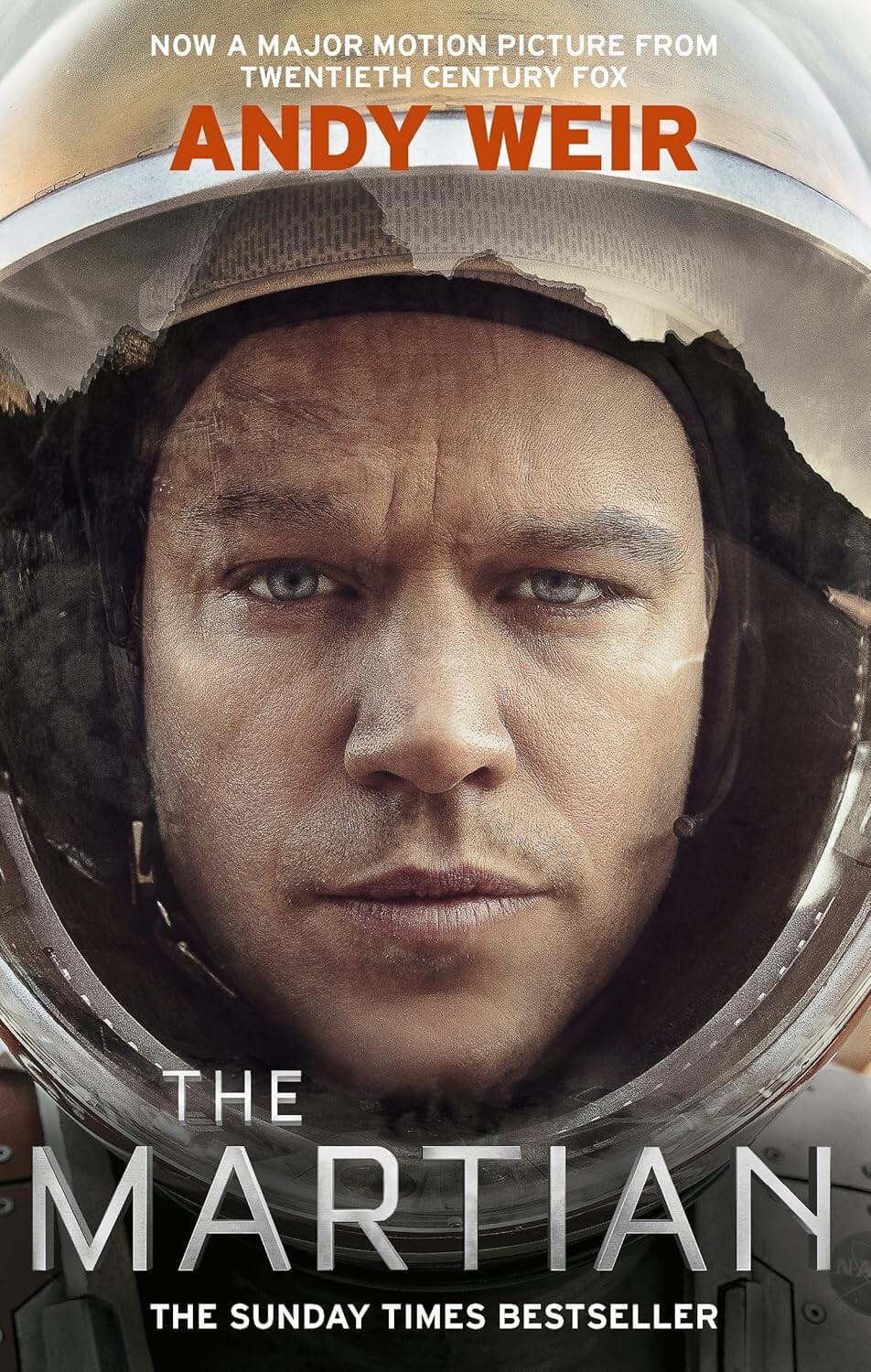
Andy Weir’s The Martian is a thrilling blend of hard science and survival fiction. When astronaut Mark Watney is stranded on Mars, he uses engineering, botany, and grit to survive. The narrative is fast-paced and smart, with humor balancing the tension throughout. While fictional, it’s grounded in real science and evokes the spirit of ingenuity and exploration. A must-read for fans of space adventure with brains and heart.
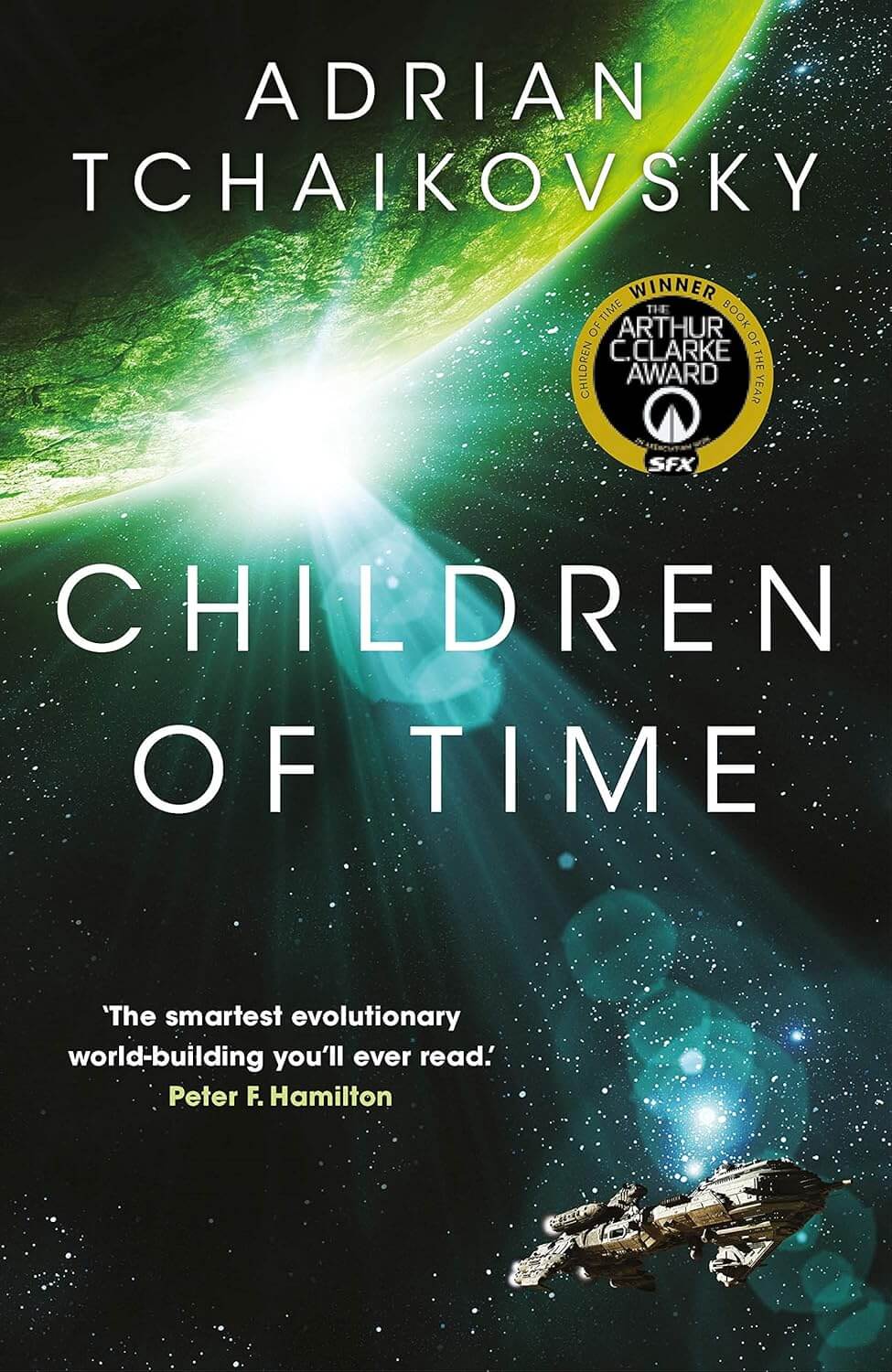
Tchaikovsky’s epic story spans centuries, weaving together the downfall of human civilization and the rise of an intelligent alien species. The science is deeply imaginative, exploring evolution, culture, and communication in ways few novels attempt. The alternating timelines build tension as two worlds grow toward an inevitable meeting. It’s both sweeping and intimate, philosophical yet thrilling. Readers who enjoyed the sense of discovery and first-contact elements in Project Hail Mary will find this novel utterly fascinating.
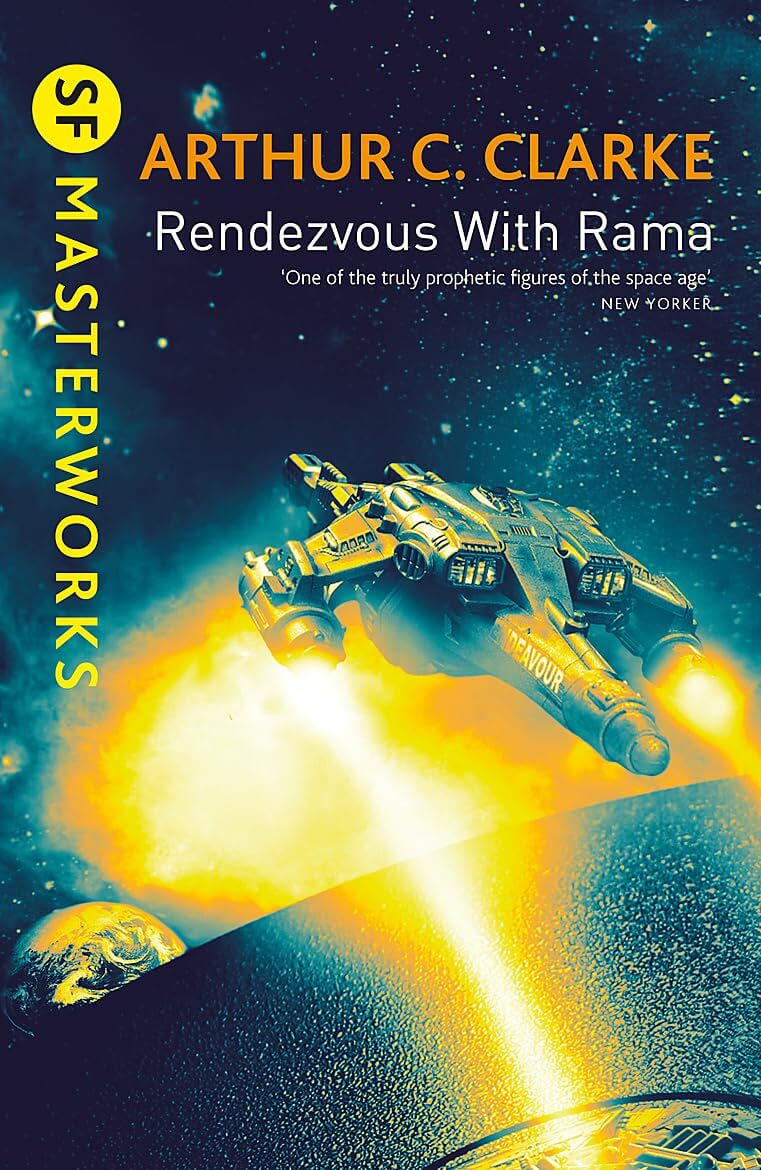
Clarke’s classic novel follows humanity’s investigation of a mysterious alien megastructure passing through the solar system. The story is a slow-building marvel of exploration, filled with scientific speculation and the thrill of encountering the truly unknown. Clarke’s clean, measured prose makes the discoveries feel vast and wondrous. The alien object remains enigmatic, emphasizing humanity’s smallness in the universe. Its sense of mystery and curiosity makes it a perfect match for readers drawn to the problem-solving and awe of Project Hail Mary.
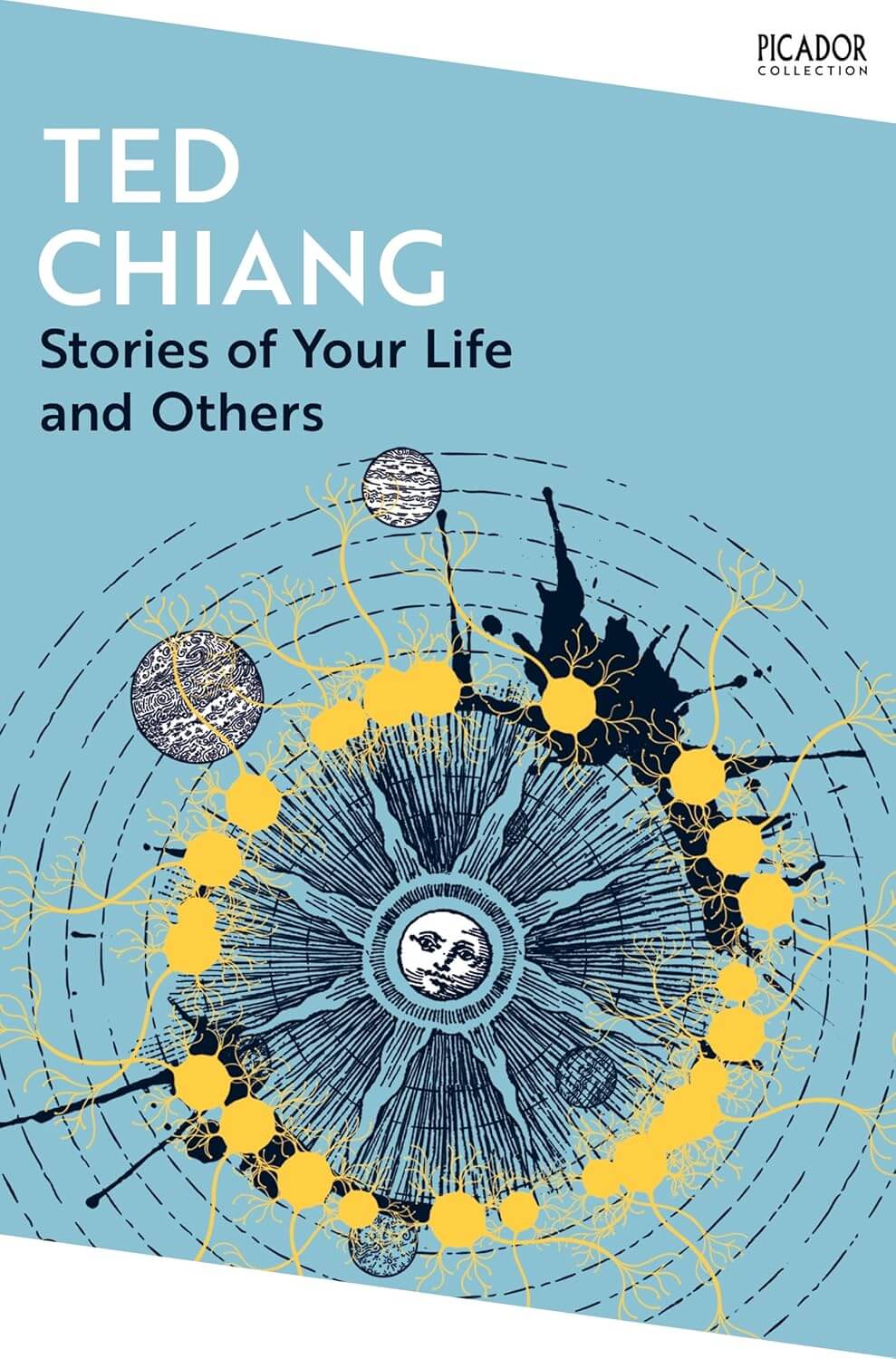
Ted Chiang’s short stories blend hard science, philosophy, emotion, and exquisite craftsmanship. The titular story, which inspired Arrival, explores language, time, and parenthood in a way that feels simultaneously intimate and cosmic. Across the collection, Chiang interrogates the questions behind technological progress and human meaning. His writing is precise, thoughtful, and deeply humane, offering an emotional resonance that matches his scientific rigor. For readers who like sci-fi that challenges the mind and moves the heart, this is essential reading.
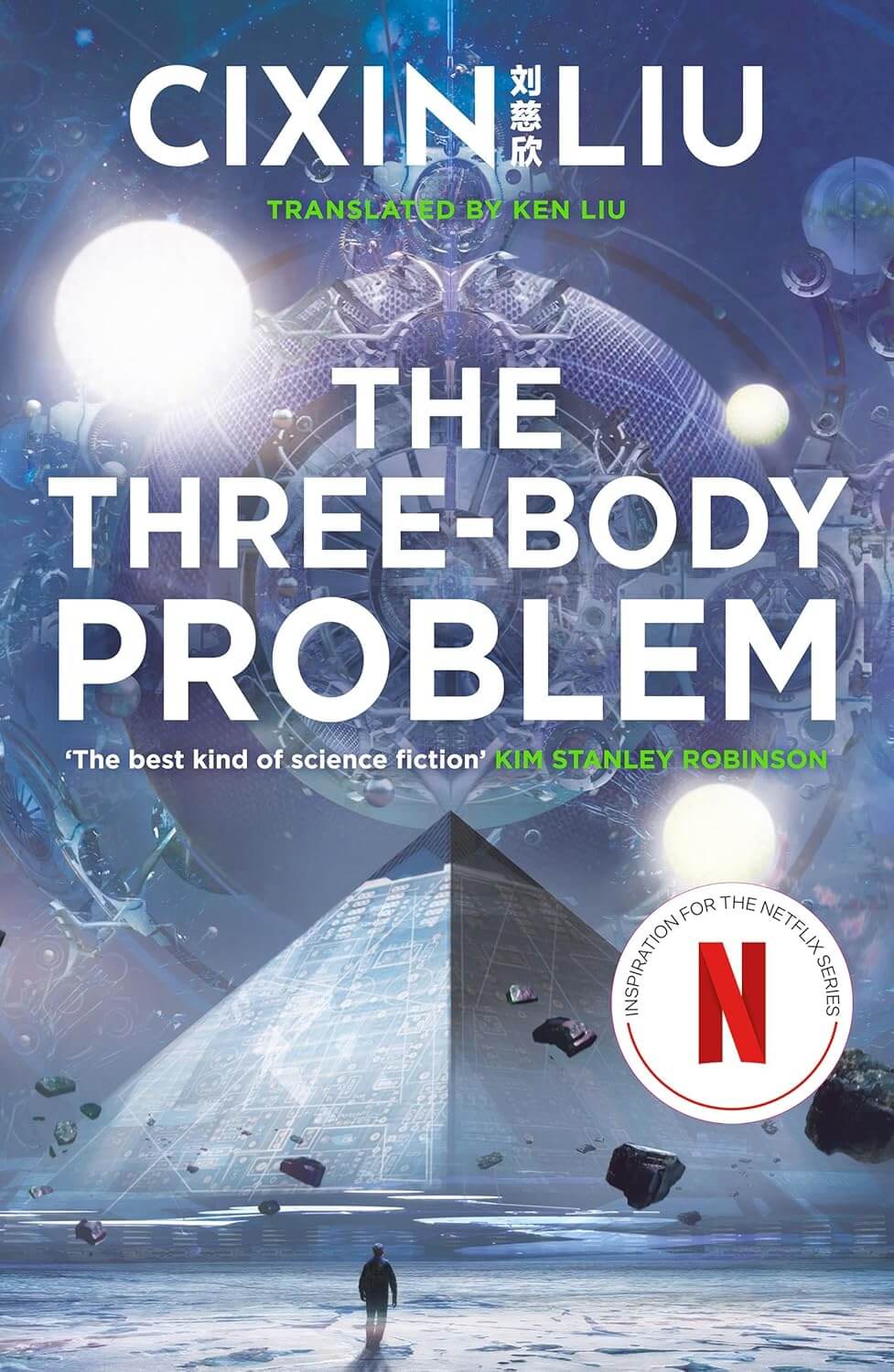
Liu Cixin’s groundbreaking novel begins with a scientist’s mysterious suicide and unfolds into one of the most ambitious first-contact stories ever written. Blending astrophysics, political history, and cosmic-scale imagination, the book reveals humanity’s encounter with a civilization shaped by an impossibly unstable planetary system. Liu’s ideas are vast, intricate, and thrillingly original. The novel’s pacing builds from quiet mystery to jaw-dropping revelation. For readers who love clever science, conceptual boldness, and big “what if?” questions, this is a perfect next step.
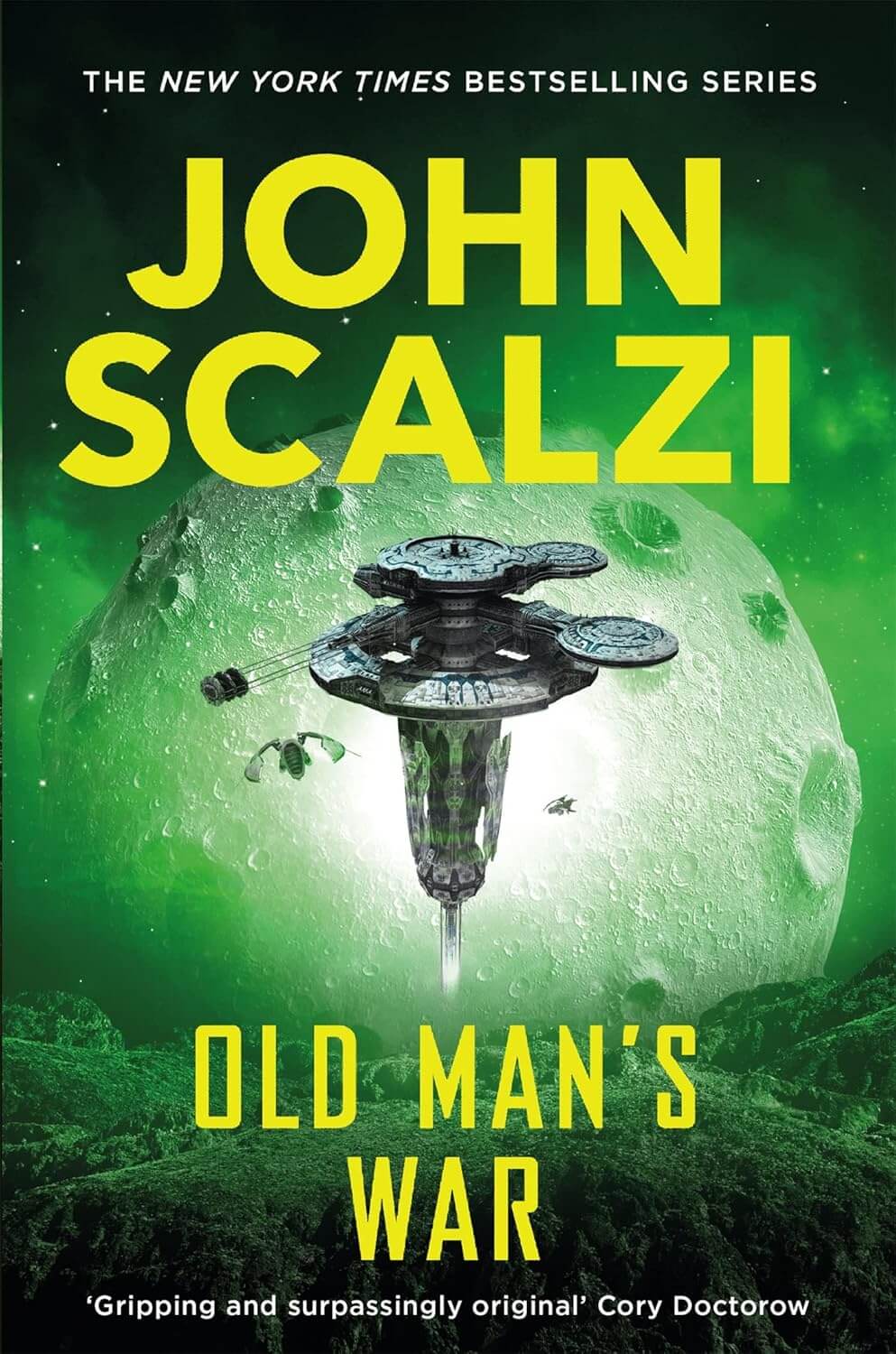
Scalzi’s novel imagines a future where the elderly can enlist in an interstellar military and be granted enhanced bodies in exchange. It’s action-packed, thoughtful, and filled with Scalzi’s signature humour. The book explores identity, mortality, and the ethics of war without losing its sense of fun. Scalzi builds a rich universe with compelling aliens and high-stakes conflict. It’s ideal for fans of Project Hail Mary who want witty dialogue, clever worldbuilding, and a blend of heart with adventure.
Stephenson’s novel begins with an apocalyptic event that threatens to make Earth uninhabitable, sending humanity scrambling to survive in orbit. The story dives deep into engineering, orbital mechanics, and survival planning at a monumental scale. Stephenson’s meticulous scientific detail creates a gripping sense of realism. The second half shifts far into the future, imagining humanity’s evolution under extreme conditions. It’s bold, ambitious, and intensely cerebral — perfect for fans of hard sci-fi challenges and long-form worldbuilding.
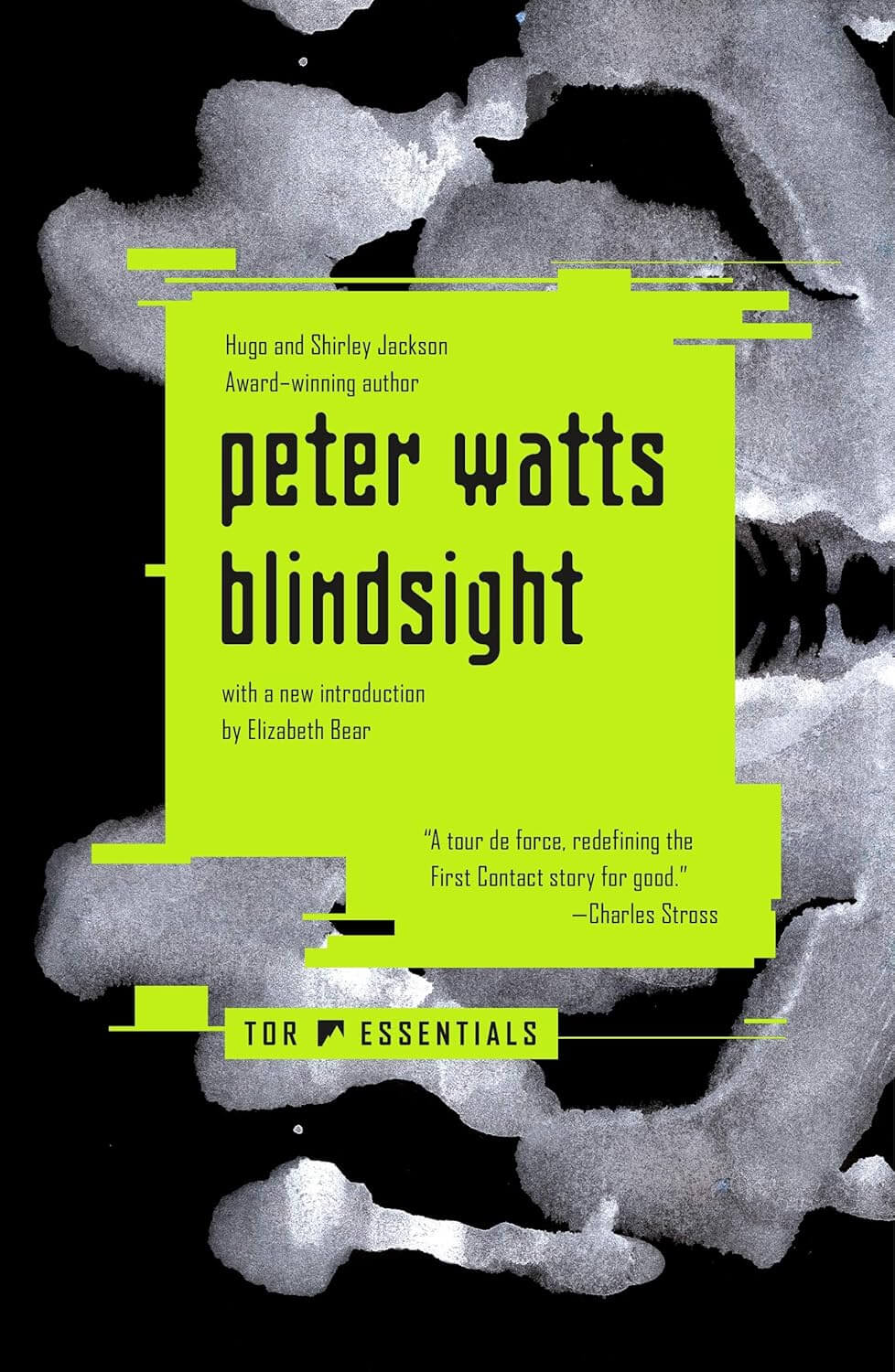
Peter Watts delivers one of the most unsettling and intellectually demanding first-contact stories in modern sci-fi. A team of specialists is sent to investigate an alien presence that challenges everything we understand about consciousness and intelligence. Watts, a trained marine biologist, brings scientific rigor to every page, creating a cold, eerie atmosphere. The novel asks profound questions about the nature of self, sentience, and survival. It’s darker and more philosophical than Project Hail Mary, but perfect for readers craving deep conceptual sci-fi.
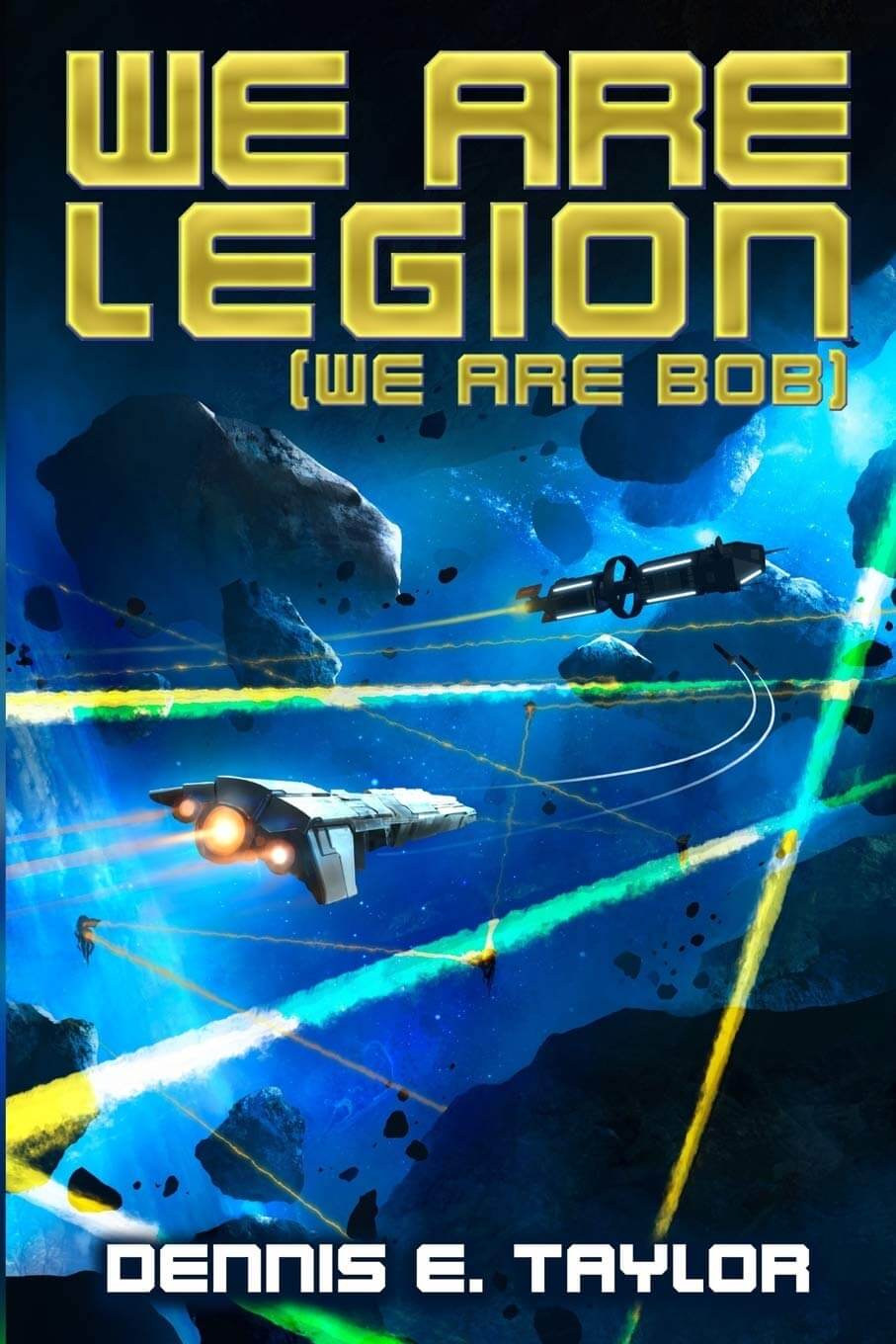
Taylor’s novel is a hilarious and clever romp through space, following a man uploaded into an AI probe who becomes a one-man (and many-copy) interstellar civilization. The tone is light and energetic, but the ideas — identity, replication, interstellar engineering — stay satisfyingly nerdy. The narrative blends humour with exploration, building a universe where curiosity and improvisation lead the way. It’s perfect for readers who want the scientific fun and optimism of Project Hail Mary but with more comedy and chaos.
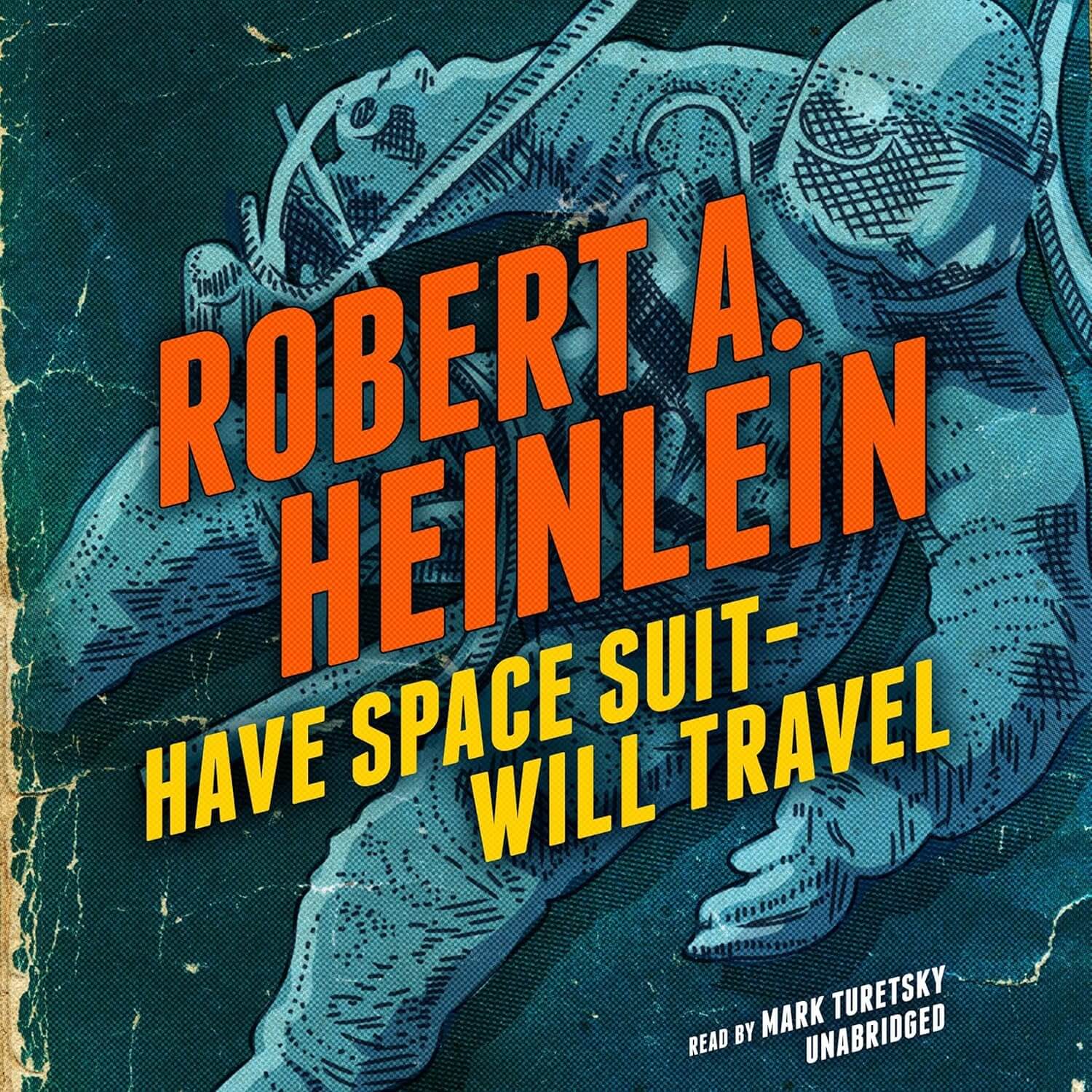
Heinlein’s classic YA adventure captures the golden-age spirit of space exploration, following a teen who wins a space suit and stumbles into an interstellar rescue mission. The tone is adventurous, clever, and wonderfully imaginative. Heinlein balances earnest scientific curiosity with fast-moving plot twists. Though lighter in tone, the novel shares Project Hail Mary’s love of problem-solving and everyday ingenuity. It remains one of the most charming introductions to science fiction’s sense of possibility.